The Finnish school meal system is known as one of the best in the world, so the author decided to call this company "Terveys". Moreover, a developed business model for Terveys food services in this discussion will enable the business to create the products and services specifically designed for the school environment of the intended market.
Aims and objectives
Discussions of business development and business model canvas design for Terveys will guide the founder to identify critical needs to be met. Therefore, over a traditional business model, this thesis attempts to focus comprehensively on the product and service development.
Company information
Therefore, one of the objectives of this thesis is to understand the drivers of consumer value regarding food consumption. Most of the industry experience the author has is in fine dining restaurants and hotels.
Methodology
The proper use and application of the aforementioned tools requires qualitative and quantitative information. Due to the nature of this thesis and the limitations of time and resources, the secondary research method is used to increase the overall effectiveness of the tools used.
Key Definitions
The research in this thesis consists of the study, integration and interpretation of research material published in research reports and similar documents. These results help assess the need for the product and service that Terveys wants to offer.
Product development
- B2B User persona
- Value proposition
- Food menu strategy
- Business model canvas
However, understanding the values and needs of the customers can be as difficult as it is delicate. Key activities may differ according to business model of the company such as production, problem solving or platform/network.
Financial planning
- Financing the business activity
- Cost accounting
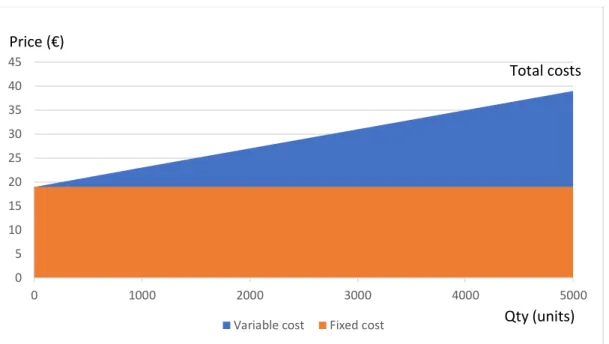
- CVP (Cost-volume-profit) analysis and breakeven point
- Income statement
- Balance sheet
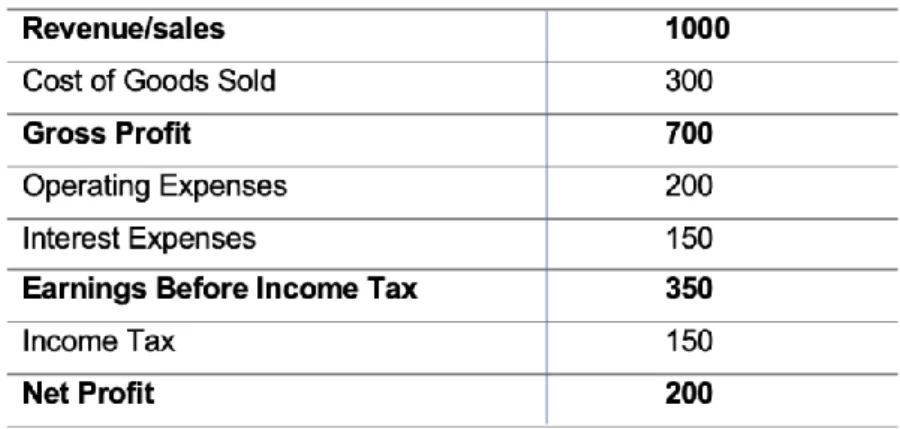
It measures all sales and revenue in the business and expenses incurred while achieving those sales and revenue. The company's financial position is measured by three items (Total . assets, total liabilities and equity) and this gives us an accounting equation.
SWOT analysis
From the accounting equation, we see that the amount of assets must be equal to the total amount of liabilities and equity (Averkamp 2020). Similarly, equity or stockholders' equity reports the amounts the owners have invested in the business, plus the net profits of the business that have not been withdrawn or distributed to owners as dividends.

Introduction to Terveys food services
Market research
- Insight of the food culture in Nepal
- Child health and nutrition in Nepal
- Relationship between school meal and child’s development
- National level implementation of School Meal Program (SMP) in Nepal
According to the national STEPS survey by Aryal & al, one quarter of the Nepali adult population is overweight, 4% have diabetes and 26%. The Nepalese government therefore has a great opportunity to take care of children's health, eating behavior and education through school meals. Therefore, school feeding programs are generally considered to be one of the most effective interventions for simultaneously improving nutrition and
The current constitution has assigned most functions related to food security and nutrition (FSN) to governments at the subnational level; provincial and local level. The Constitution has two clear implications for the governance of the food and nutrition sector: (1) devolution of powers and autonomy to the seven provincial governments and to the local levels and (2) local governments operating under elected executives, which will in are able to set their own policy priorities and plan, implement, guide, monitor and evaluate development activities in their area (Right to food act, 13/2018).
Trends (Menu planning principles and factors to consider)
- Health and wellness
- Safety
- Social impact
- United Nations dietary recommendation on school meal program
As shown in Figure 10, "commitment to food safety" accounts for 69 percent of the definition of social impact, followed by "fair treatment of workers". In essence, the most basic function of nutritional guidelines and standards is to ensure that the foods offered in schools are of good quality and in accordance with the nutritional needs of the target children. Most (daily) energy standards for lunch have been set at about 30% of a child's total needs.
For snacks and breakfast, the spread of the foreseeable energy requirement varied from 20 to 25 percent. Iron, vitamin A and zinc levels are usually set at 30 percent of the need for lunch and 20 percent for snacks.

User persona
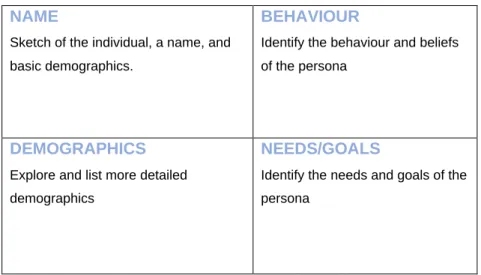
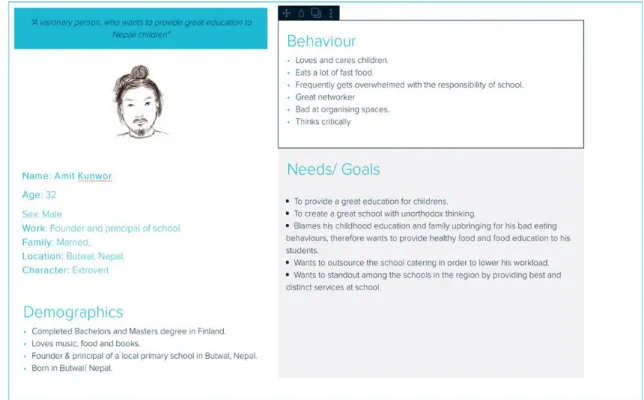
All three countries set target values of less than 10 percent of total energy from saturated fat. In addition, the development of menus must take into account the dietary habits of the region, the school system and procedures for purchasing and handling raw materials, preparing and serving food. However, all three created personas are to some extent based on reality, Persona 1 and 2 are close to the author himself and persona 3 is the principal of the school where the author himself studied in his childhood.
She is a caring and helpful person for everyone regardless of age, but she believes that children are the ones who really need help. He is the founder and principal of the best recognized and largest school in the region.
Value proposition
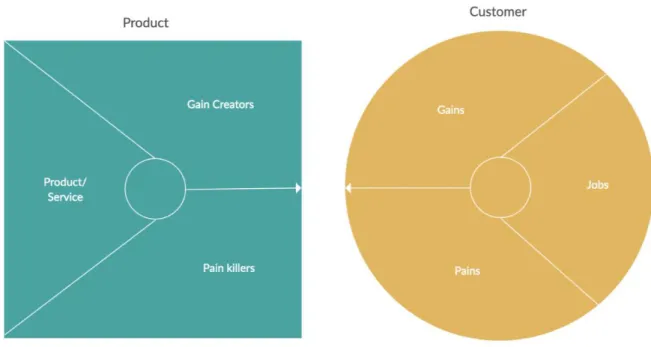
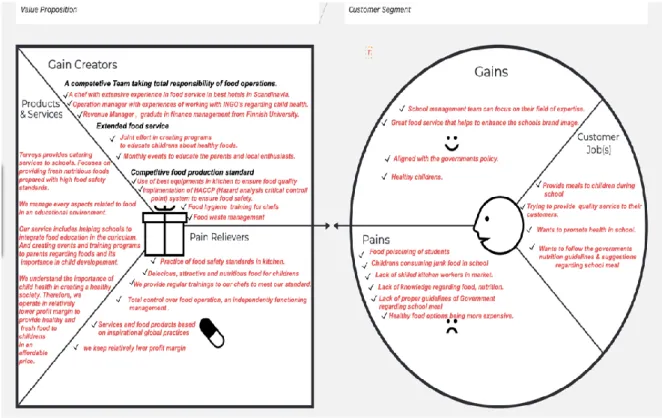
For that reason, this will also help to maintain the image of his school as a brilliant student producing school in the country. This provides access to products and services relative to the customer's pains and gains. Several reviews are carried out and it is examined whether all the pain and benefits of the client are treated by pain relievers and profit makers of the products and services offered.
As shown in the profit creator section of figure 14, Terveys chef has extensive experience in food service in top hotels in Scandinavian region. As it can be seen in figure 14, Value Proposition Canvas has multiple matches in all areas.
Products and services
Food menu principles
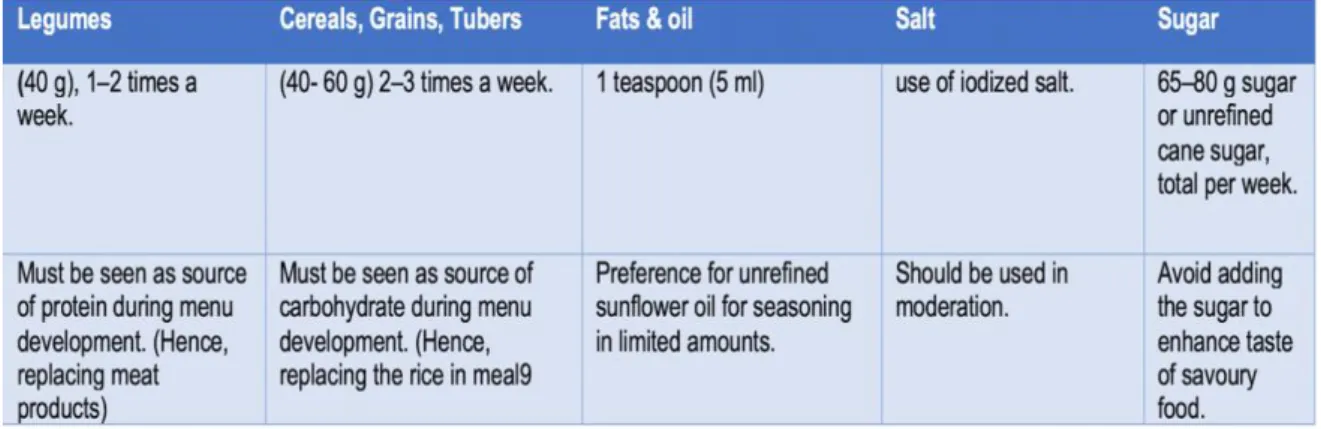
Therefore, they should be served 1-2 times a week with a portion of approximately 40 grams. Every day, fresh and seasonal foods should be provided in about 80 to 100 grams. As for vegetables, at least one green and one red or yellow or orange vegetable should be served.
Vegetables such as carrot, tomato and cucumber should also be served raw daily. If the meat price is too high, at least 2 eggs should be served weekly.
Food menu
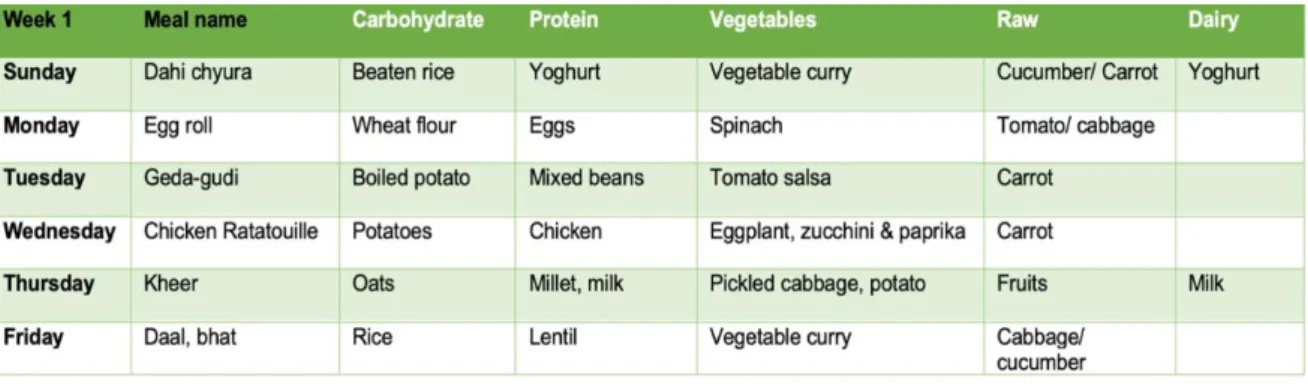
As can be seen, the source of carbohydrates, proteins and vegetables is varied throughout the week. Portions of animal protein sources and dairy ingredients are maintained at least twice a week. The menus have different days when the vegetable curry is served, but it doesn't mention which vegetables should be used.
It can also be seen in the menu that (daal, bhaat) a Nepalese meal is served every Friday of the week. The menus should be very explanatory and the ingredients used in a particular dish should be correctly and detailed listed.
Key resources and partners
Customer relationship and channels
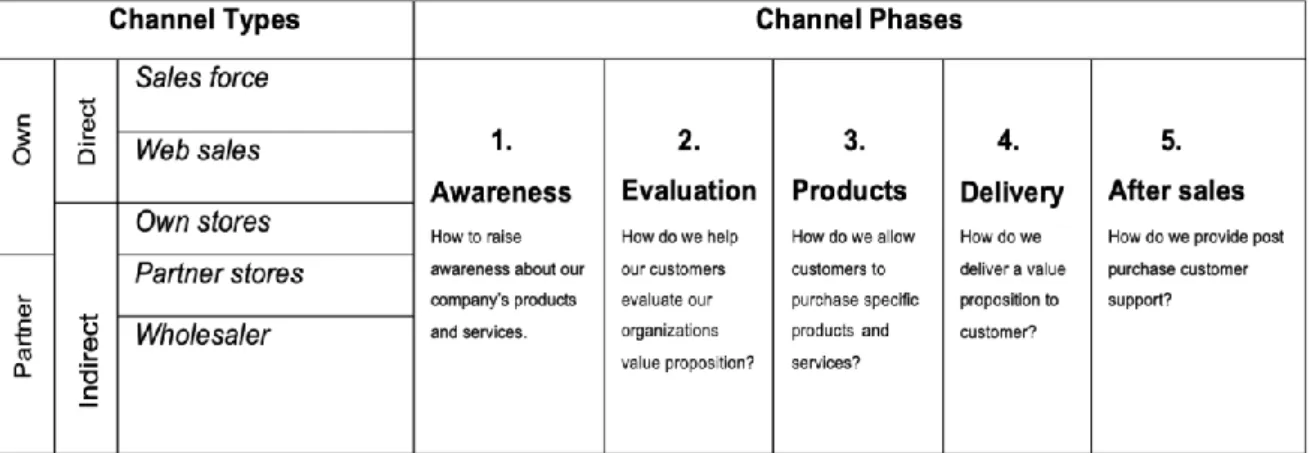
As Terveys operate within the school facilities themselves, the most cost effective channels to reach our client are through face-to-face meetings. A monthly meeting will be organized between Terveys and the Junkiri planet to ensure that our products and services meet the proposed value. However, the channel we reach our potential future customers will be through the company's website.
To ensure our customers' satisfaction and to ensure that Terveys is adding value to the school service, various feedback sessions will be organized with their customers, clients and employees.
Financial projection
- Meal costing
- Investment and funding projection
- Cost accounting
- Pricing of the meal
- Revenue and income statement
- Balance sheet
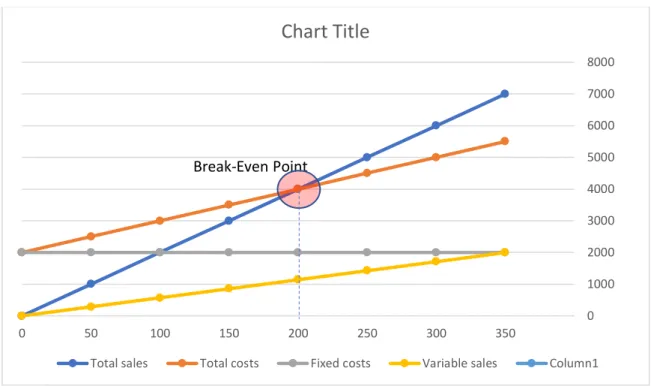
- Cost volume profit (CVP) and break-even point
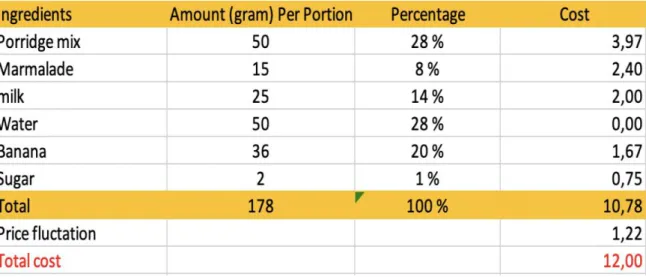
This Table 11 is the cost calculation of the final assembled meal apart from the chutney. As seen in the table, the company is financed by equity instead of debt, the source of the required money is its own investment. Therefore, variable cost is calculated by multiplying the cost of ingredients per portion of the meal and the projected unit sales in May of the same meal.
To create an income statement, the projected revenue for the month (May) is required, which can be calculated in Table 17. As shown in Table 18, the cost of goods sold is the company's largest expense, rounding to 65% of total turnover.
Swot Analysis
The founders of the company have very good personal relationships in the city, in addition to current partners and clients. The company's weakness is also the lack of qualified chefs in the local market. Therefore, a possible weakness can also be the lack of reliable suppliers of fresh products.
Another disadvantage is that one of the founders of the company (the author of this report) lives in Finland. The main business opportunity is the contract signed with the customer (Junkiri planet).

Background of the project
The background of the project, its phases, schedule and constraints are the content of this chapter. Since the thesis is product-oriented, limitations and risks will be observed in the final product and also from the perspective of the project process. Below is a table of used tools and research area and their interconnections.
This thesis offers the opportunity to look at various environmental and organizational factors to justify the need of the enterprise that the author wants to establish.
Project plan and process
The author already knew most of the tools and had experience using them. Proto Persona and Value Proposition are extensions of the Business Model Canvas, both are also among the aspects of the Business Model Canvas. However, it was more practical to create a product according to the value proposition, therefore it would allow the identification of key resources and key partners necessary for the successful operation of the company.
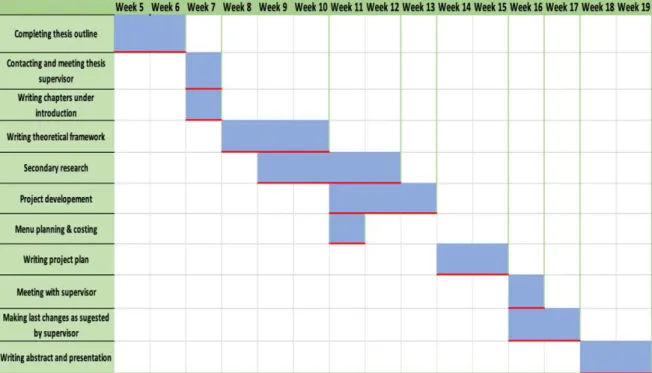
The calculation of the food item was done simultaneously when the food menu and the recipes were created, since the price of the food ingredient is one of the most important factors to consider when creating a menu. After the completion of the target chapter, meetings were arranged with the thesis supervisor to make changes and discuss the related topics.
Limitations and risks
URL: https://www.interaction-design.org/literature/article/personas-why-and-how-you- should-use-them. Onttrek uit Strength, Weakness, Opportunity, and Threat (SWOT)-analise: https://www.investopedia.com/terms/s/swot.asp. URL: https://www.investopedia.com/ask/answers/042215/what-are-benefits-company-using-equity-financing-vs-debt-financing.asp.
Excerpted from SWOT Analysis: What It Is and When to Use It: https://www.businessnewsdaily.com/4245-swot-. URL: https://www.gfmag.com/global-data/economic-data/the-poorest-countries-in-the-world.
Company Logo
Business model canvas of Terveys food services
Summary of nutrient-based standards for school meals in respondent
Cost of food ingredients as provided by Bashyal food suppliers
Cost calculation of different elements of breakfast (Porridge)
Cost calculation of different elements of general meal (Daal, bhat, tarkari