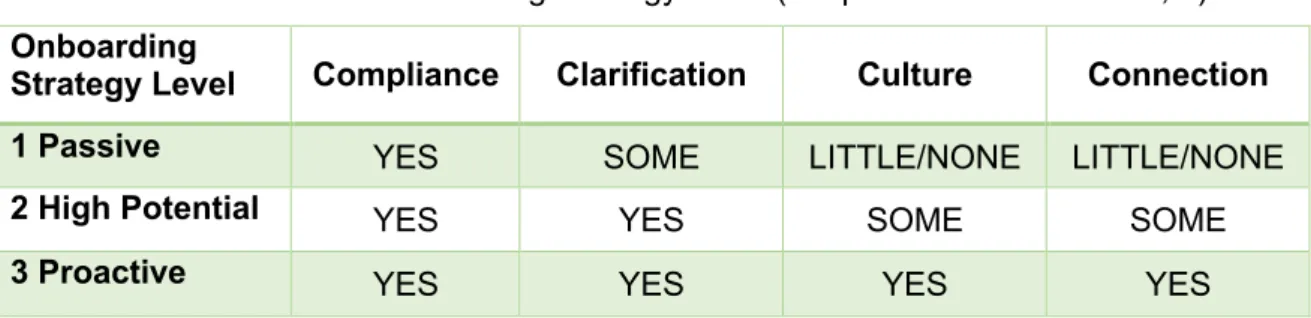
Based on the review of the literature and the results of the research, recommendations were made to the client, so it can be concluded that there is a need for HR consulting services. This chapter first presents the background of the thesis, and then continues with the research question, delimitation, international aspect and benefits.
Background
Onboarding has short-term and long-term results that affect not only the new employee, but also the organization. For a new employee, on the other hand, there are already many short-term results.
Research Question
All of the aforementioned in mind, the focus of this thesis was at the beginning of the external employee life cycle, in the onboarding of new hires. What are companies' current practices for remote onboarding of new hires and how do they differ from on-site onboarding.
Demarcation
International Aspect
Benefits
In addition, the thesis provided insightful data for the field of HRM, as many companies engage in remote onboarding of their new hires. When new employees are well integrated into their work and have the opportunity to build relationships with their co-workers, they will master their work more quickly and are likely to be more engaged in their work.
Key Concepts
As many companies have adjusted to the new normal during the COVID-19 pandemic, it is very likely that rather than returning to fully on-site, they will continue to work remotely or in a hybrid model when this is over. is. This is likely to reduce employee turnover and promote retention, benefiting companies' bottom lines, not limited to this research.
Commissioning Company
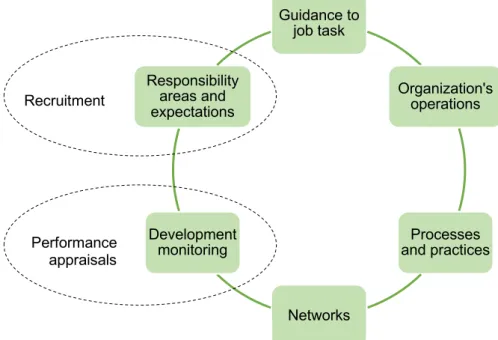
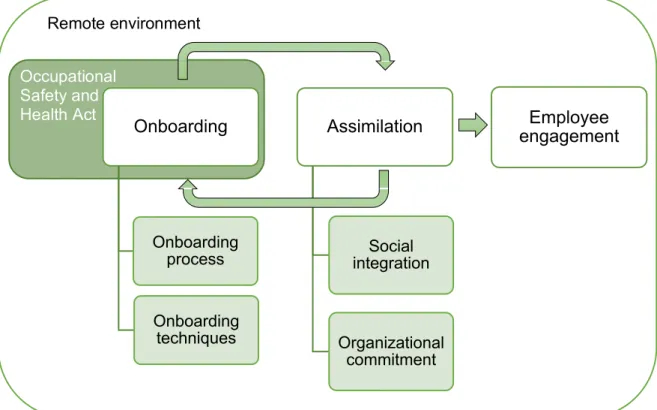
This chapter delves into the theory related to onboarding and assimilation, which are the concepts around which this thesis was built. As can be seen in the figure, onboarding and assimilation are seen as central, interconnected elements aimed at, for example, employee engagement.
Onboarding
- From Orientation to Onboarding
- Onboarding process
- Onboarding Techniques
- Remote Onboarding
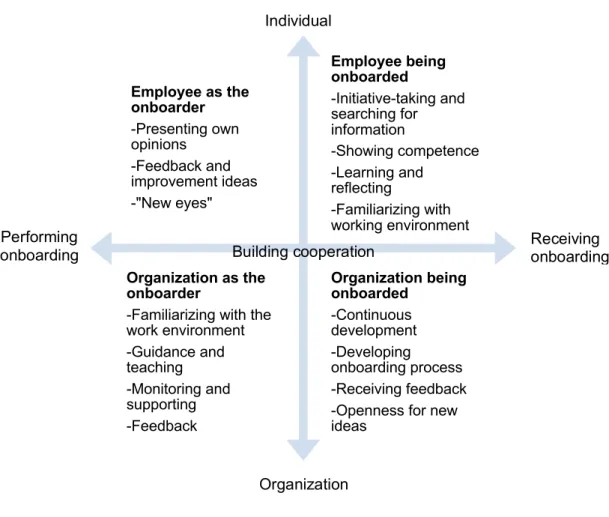
Areas of responsibility and expectations for a new employee are discussed already in the recruitment phase and deepened in the integration phase. Serially and separately, depending on whether internal employees of the organization are involved in the onboarding of the new employee or not.
Assimilation
- Social Integration
- Organizational commitment
- Remote Assimilation
- Employee Engagement as an Outcome for Successful Onboarding
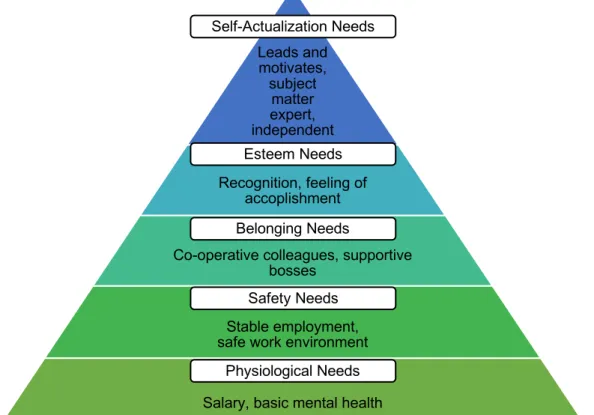
The first impression of the organization conveyed through onboarding is said to influence the new hire's commitment even in the long term (CliftonStrengths. As discussed in the onboarding techniques, a partner will be a great support to the new hire, because asking questions can be easier from him and the same applies in the remote context The new employees need feedback and also recognition during onboarding from their managers and co-workers and this is also necessary for involvement, which is presented under prestige needs in the figure 4.
Research Design
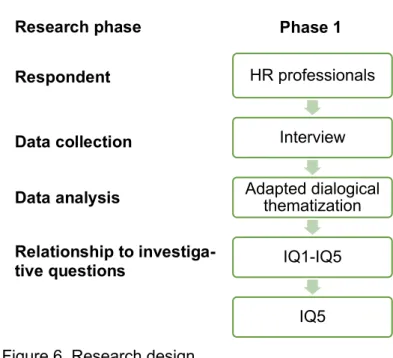
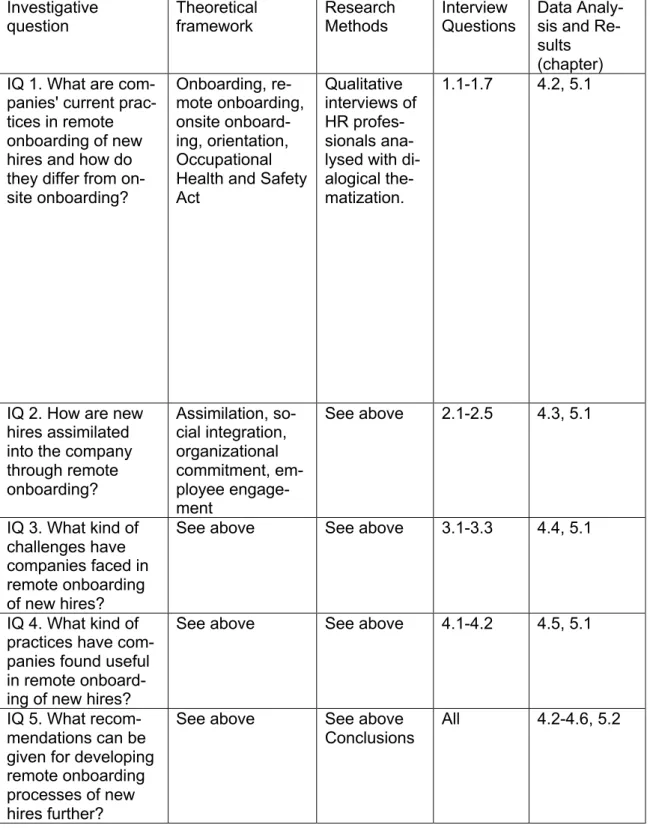
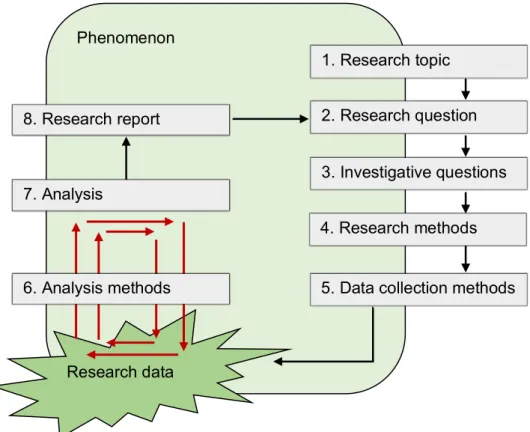
This chapter explains the empirical research process of the thesis and is divided into the following sub-chapters: research design, population and sampling, data collection and data analysis methods. The research design for this thesis is presented visually in Figure 6 below and the following subsections describe the various elements related to this research in detail. Companies' data on remote onboarding of new hires was collected through probing questions one through five, and the fifth probing question supplemented the data obtained from the previous questions.
Population and Sampling
Data Collection
All the remaining interviewees agreed to extend the time, and the length of the interviews ranged from 38 minutes to one hour and 31 minutes. At the end of the interviews, the interviewees were thanked for their participation and told how the process would proceed. The use of a video camera during the interviews was not required, but all interviewees kept their video cameras open throughout the interview.
Data Analysis Methods
During the analysis phase, it turned out that two interviewees were not relevant to the research question and had to be specified.
Reliability and Validity
In this chapter, the research data and the results obtained from the qualitative interviews are presented separately for each research question, but on the basis of the analysis some substantive reorganization has taken place, in particular with regard to the fifth research question. This is done to prevent repetition and to allow the data to be reported in relation to relevant content. To make the structure of the subchapters clearer and easier to navigate, the categories according to which the data are coded in the analysis phase and the relevant interview questions have been added to the subchapters.
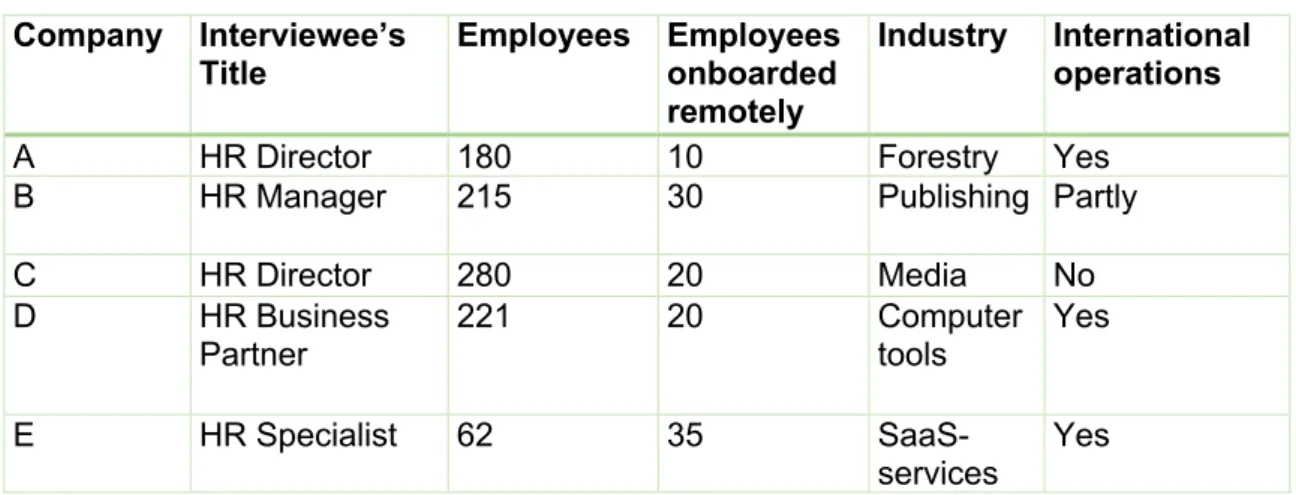
Background Data
Current Remote Onboarding Practices and Their Differences to Onsite
In terms of preboarding, two of the companies had a platform that the new employee was given rights to already before the first day, and one company was in the process of implementing a similar practice. As mentioned earlier, the interviewees were asked how they asked and collected feedback from the remote onboarding new hires, and this appeared to be an area of development for most of the companies. One of the interviewees had started working remotely himself and could therefore not refer to on-site onboarding.
Assimilation in Remote Onboarding
All the interviewees claimed that their remote and onsite onboarding processes did not have a clear variation in the steps. However, most of the interviewees said that it depends a lot on the role, how much the new hire meets people across these boundaries. In addition, the importance of HR's presence in the remote onboarding process and monitoring was addressed.
Challenges in Remote Onboarding
In the last question (2.5) for this theme, the author wanted to know if the companies used personality or behavior assessments in their remote onboarding to better understand the behavior of the new employee, learn and promote team building. used them in the onboarding phase. By using the personality and behavior assessments at the recruiting or onboarding stage, the remote onboarding can be better mapped to the strengths of the individual, which would be motivating for the new hire and also lay a foundation for team building, as through the assessment the team also learns about the new employee (CliftonStrengths 2020). In question 3.3, the interviewees were asked if they had seen remote onboarding negatively impact the business and none of them had.
Useful Practices in Remote Onboarding
Perhaps the most challenging thing about this remote entry has been entering the work community. Interviewees were first asked in question 5.1 what was important to consider in remote input and it was hoped to produce consistency in relation to good practices, but some new solutions also emerged and for this the analysis was moved under this sub. - the chapter. However, there was one interviewee who couldn't see remote access to have any strong points.
Developing Remote Onboarding
Three of the interviewees said that the goal was to prepare the new employee so that he could work independently, and the other two mentioned that it creates the feeling of togetherness and being part of the company. In addition, one company mentioned that the goal is also to build relationships, and another mentioned making the new hire feel welcome. The answer to the overall research question is divided so that the main results regarding research questions one to four, which build the foundation, are presented first, and the recommendations for the initiating company are presented in the following sub-chapter together with the answer to the fifth research question.
Key Findings
Although many of the surveyed companies, as highlighted in the key findings of the second research question, had more contact points with new hires and employees in general in a remote environment, it was found that the majority of companies still canceled the lunch with the new employee in remote induction . That way, there would certainly be time for more informal meetings in the schedule to get to know people, so the author believes that attitude is a big factor in this. It would also be useful in creating a sense of belonging, as new employees would better understand their role in the organizational whole and know how they can contribute (Volini & al. 2020).
Recommendations
Second, the personality and behavioral assessments, which were not generally used by the researched companies, would create a solid foundation for remote onboarding because they would provide a lot of information about the new hire. One of the most central development areas revealed by the research was the monitoring of the remote onboarding process. There were several things listed on how the commissioning company Kulmia Group Oy can help its clients in the development of remote on-boarding, so in conclusion it can be said that there is a need for HR consulting services related to remote on-boarding.
Reliability, Validity and Commissioning Company Feedback
Also, some of the answers were vague and didn't necessarily answer the questions asked. It was very valuable to get remote onboarding views and practices from the representatives of the companies. We are also going to make a video of the work with Marianne for our clients to watch.
Suggestions for Further Research
We received concrete recommendations on how we can help our customers with their remote onboarding processes. They also point out that both groups need to have the same opportunities and their opinions should have equal weight in decisions. Nevogt (August 31, 2020) mentions the advantages of remote work such as increased productivity due to lack of distractions, less sick leave, because from home it is possible to work even if a little sick because it is not necessary not to worry about distribution. it and remote workers often work extra hours.
Reflection on Learning
URL: https://www.shrm.org/resourcesandtools/hr-topics/talent-acquisition/pages/virtual-onboarding-remote-workers.aspx. URL: https://www.paldesk.com/employee-onboarding-important-for-remote-and-in-office-work/. URL: https://www.shrm.org/hr- today/news/hr-magazine/summer2019/pages/optimizing-onboarding.aspx.
Overlay Matrix
Haastattelukysymykset: Etäperehdytyksen Kehittäminen
Interview Questions: Developing Remote Onboarding
Analysis Table