The problem studied is how usability engineering can be integrated with the Concurrent Engineering development process. If usability engineering is not performed during the product development process, there are two kinds of consequences.

Research problem
Usability engineering in such a project can be done ad-hoc or in an organized manner. In the real world, usability engineering is part of product development with practical limitations given by the product development process.
Research strategy
Case study and action research approach
In an ideal world, we could fundamentally change a product development process to full-scale human-centered design. The case project has several simultaneous product development processes with parallel dependencies (Järvinen and Kerola 1999) between design teams (for example between user interface, software, hardware and mechanical design) and common control points (milestones) for synchronization and integration of the product development.
Project, product and innovation
Discussion on the research methods and research strategy
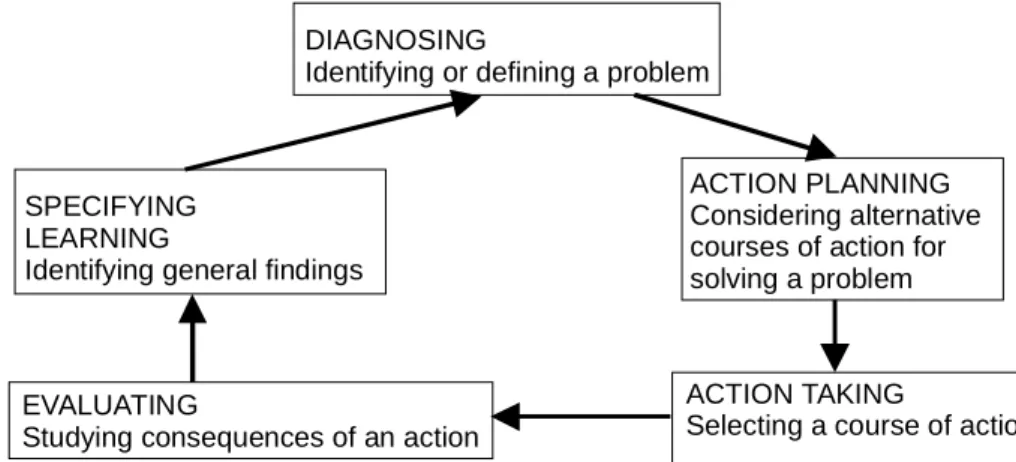
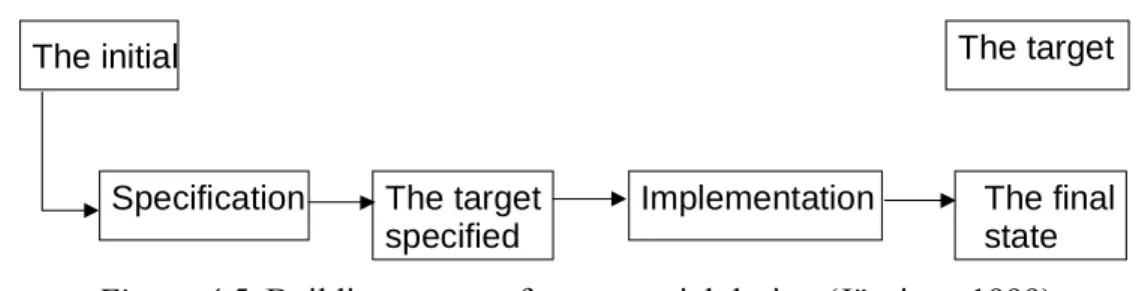
SPECIFICATION, LEARNING: Analyze the effect of the plan in case project and in other projects. The purpose of observation is to gain insight and understanding of the characteristics and complexity of a mobile phone development project.
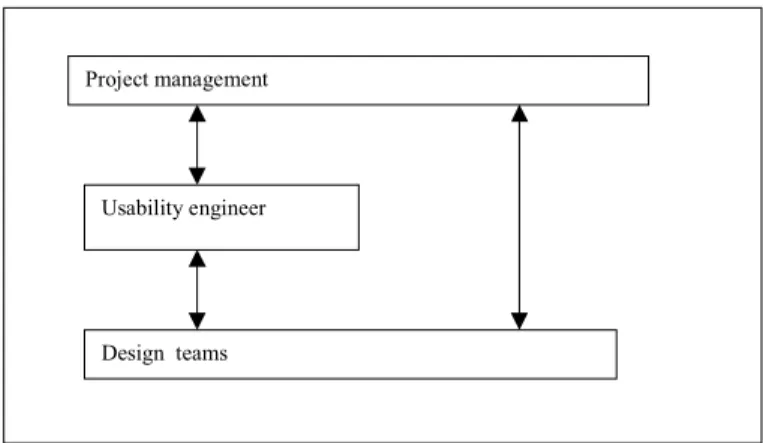
Outline of the Thesis and main results
This chapter provides an overview of the work related to product development research, usability engineering lifecycle, usability engineering in product development, and usability related organizational issues and standards. In this review I will show that there have been attempts to integrate usability engineering with software engineering, but integration of UE and CE has not been reported.
Product development
Tianfield (2001) studies the complexity of product development and proposes a new advanced life cycle model for complex product development. Consequently, it provides procedures that can be easily applied to usability testing in the course of product development.
Usability engineering lifecycle
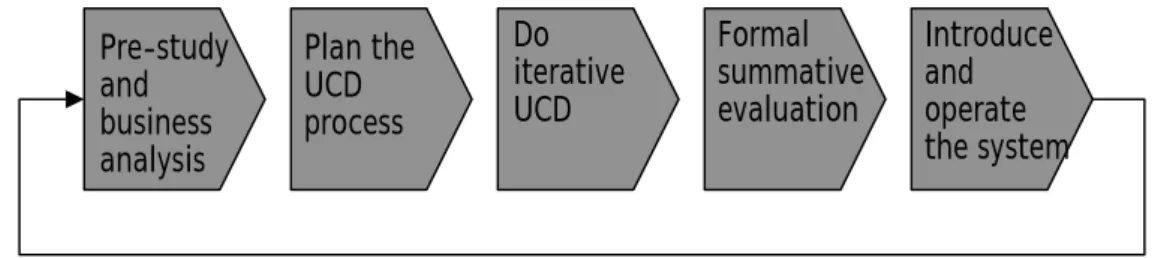
Bevan (1996) provides an overview of the need to apply human-centered design standards to product development. The assumption is that the product development process is based on human-centered design or the desired way of development is human-centered.
Usability engineering in software engineering
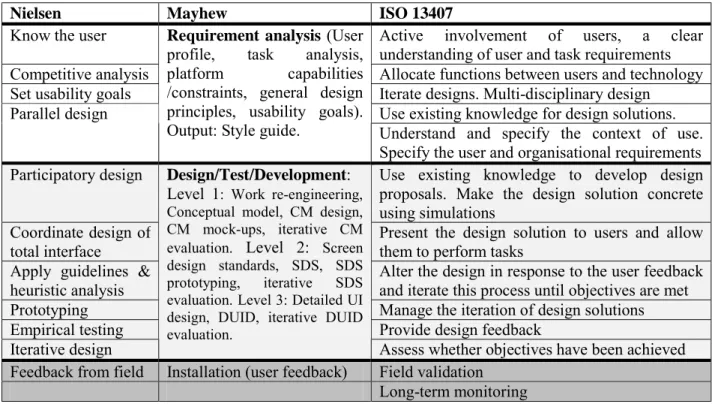
Bevan also reports on three ongoing projects (MAPI, INUSE, RESPECT) that aim to incorporate usability and human-centered design into systems development activities in industry. Several standards and guidelines (for example, ISO 13407, Mayhew 1999, Daly-Jones et al. 1999) define how human-centred design should be carried out to ensure usable systems.
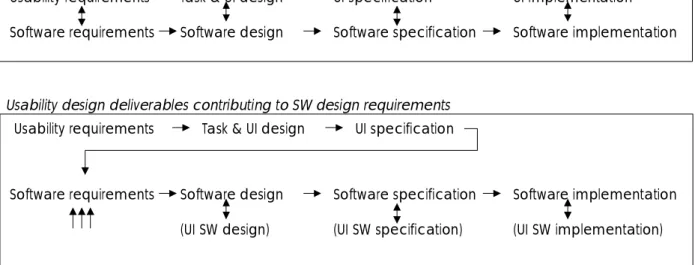
Usability engineering and product development
Engineering deals with improving products from a mechanical and electrical design, and psychology deals with the study of the mind and behavior. In most cases of commercial software design and development, usability is not treated at the same level as other aspects of software engineering.
Planning and usability engineering
Summary
Concurrency is an essential element in NMP product development, and it can be identified in many areas throughout the company. The business environment leads to shortened product development life cycles to maintain a competitive advantage.
Nokia Product Development Organisation
- Multi-site product development
- Virtual organization
- Continuous and parallel flow of new products
- Time-to-market driven product development
- Concurrent Product Development
For example, when the product should be ready and what resources are given to product development. An important and mobile key characteristic of NMP product development is the harmony that can be seen everywhere in the organization.
Concurrent Engineering
- Definition of Concurrent Engineering
- Concurrent Engineering Product Development Model
- Activity concurrency and information concurrency
- Metrics for Concurrent Engineering
Traditional product development models, such as the waterfall method and spiral models, focus on a single sequence of the software development process. With concurrent product development, an organization can manage and synchronize multiple parallel planning processes in the development of a single product.
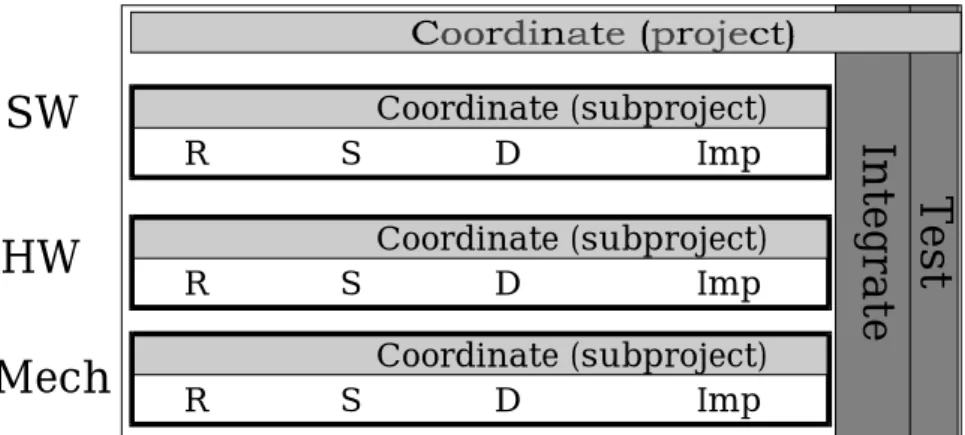
Complex product development
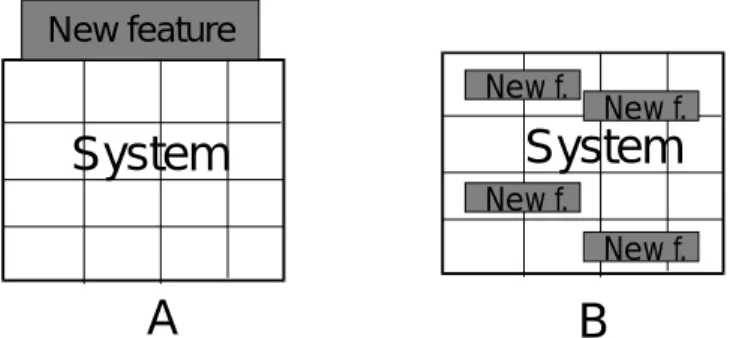
Adding new features often leads to changes in the user interface and most likely increases the complexity of the product from the implementation and also from the user's perspective, i.e. when new technologies are adopted in the product, the organization tends to become more complex because the implementation of a new technology requires specific technological expertise that may not have been present in the organization earlier.
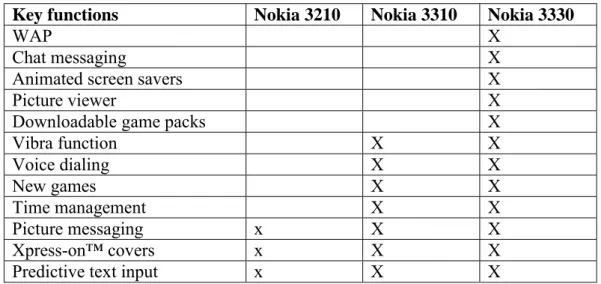
Design uncertainty
Summary
NMP's product development can be divided into upstream and downstream processes (Table 4.1), also referred to as Product Development Process and Customer Commitment Process. The core activities in upstream processes are related to the physical or virtual creation of the product: standards development, platform development, new product development and logistics.
Mobile phone and Smart phone
The goal of this chapter is to build a general understanding of the processes involved in mobile phone development. Therefore, it is not enough to define smartphones solely on the basis of browsing or communication capabilities.
Components for mobile phone
- Industrial design
- Mechanical design
- Hardware
- Software
- UI style
For example, the Nokia 2110 design has been used globally as a symbol of a mobile phone in various contexts. Similarly, the common noun for a mobile phone in some countries, for example China, is "nokia".
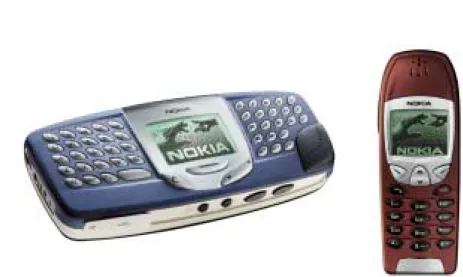
A Mobile Phone Project
There are signs of emerging competition in the use of the UI style as a competitive issue, and pressure to provide a de-facto UI style to enable open software development for mobile phones. Changing from one UI style to another is difficult for the user because of the challenge of learning new ways to perform familiar tasks.
Sequential development process
- Concept design
- Specification and Requirement analysis
- Design
- Implementation and Integration
- Testing
- Launch
- Discussion on sequential process for innovative product development
In this study, M1 is the stage where the organization agrees on product specifications and requirements. In this study, M4 is the stage where the organization has tested the product and corrected the errors.
Levels of complexity
From tunnel vision to shared understanding
The key to solving the challenge of engineering discipline and tunnel vision in innovative and complex product development is effective and continuous communication throughout the product development process. These roles in a project are the most potential and competent sources of energizing knowledge sharing and communication about interdisciplinary issues, as well as making team members aware of the product concept at a detailed level.
Summary
Discipline engineers should be trained at the beginning of every product development project, making them aware of the product concept at a detailed level, of all engineering disciplines in the project, how they depend on each other, what trades and analyzes need to be performed, experiences already gained, and how experienced experts do their work (Parker 2001). A connection to a person or service costs the user money – a problem that is too often omitted in product design.
Product design
It is also seen as increasingly complex product development organization, because new functions are often designed and implemented by new people or by new job design (The Law of Requisite Hierarchy). Diversity of the groups of users is increasing because mobile phones are available to increasing numbers of users in different cultures.
Mobile phone interfaces
- Mobile phone user interface and external interface
- Mobile phone Service Interface
- Structuring mobile phone interfaces
- Operators and service providers
- Feedback and feedthrough
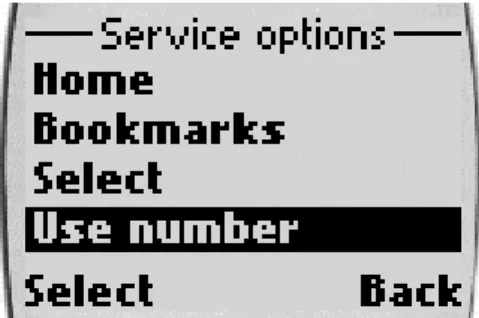
In the following sections, I will first discuss mobile phone interfaces and then user interfaces. Due to mobile phone interaction and user interface design conventions, it is sometimes difficult and confusing for the user to understand which part of the service is phone functionality and which belongs to the service.
Effects of good and bad usability
Feedback is a user interface issue that can often be analyzed and improved as part of product development. Feedthrough is a service interface issue that cannot be fully analyzed or improved as part of product design because it is dependent on network latency and bandwidth.
First use and out-of-box readiness
Usability in some functions
Users and customers
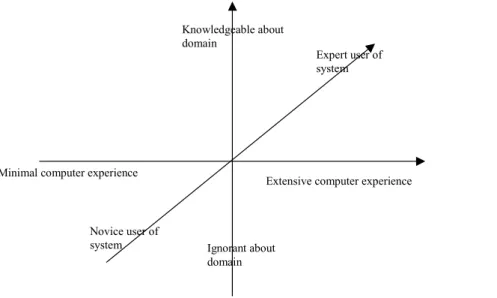
Novice, Casual, and Expert user
For example, a novice user may not have made or received a phone call with a mobile phone. An expert user always has his mobile phone with him and uses different functions smoothly and regularly.
Early adopters and late adopters
User segments and lifestyle segmentation
In real life, customers follow identifiable lifestyles and trends that change over time. Therefore, the lifestyle segmentation-based knowledge, especially in the rapidly developing field of mobile communication, quickly expires and requires constant updating.
Users with special needs
Tasks
A major difference between computers and mobile phones, due to personality in communication, is the effect of affect. Affect refers to “a class of mental phenomena uniquely characterized by a consciously experienced subjective feeling state that commonly accompanies emotions and moods (Gardner Another major difference is the mobile use situations of a phone, the mobile context.
Mobile context
Summary
In the next chapter I will discuss what the consequences can be of insufficient usability engineering. Inadequate usability engineering leads to system with unacceptable or significant number of quality defects.
Some lessons
Consistency in browser design
Usability failures and media
The increasing complexity of the product structure potentially leads to user problems, especially at the beginning of product use.
Introducing new technology in a product
It is no longer enough to just usability engineer the product, but the development of mobile communication devices requires building the entire user experience, including the product's external interface and service interface. The most critical problems of using information-centric products are encountered during the first minutes after the product is put into use.
Consistency
Converging technologies
Action-Effect Consistency is the principle that if the user takes some action, it should have the same effect regardless of the context, i.e. Task-Action Consistency is intended to result in the transfer of training when the set of actions be taught what is needed to achieve similar goals.
Development organisation
Possible levels of usability engineering
Usability engineering visibility defines the extent to which a usability engineer is able to participate in the product development project. Based on the classification, it is now possible to define the optimal usability engineering case (4-4-4) and the worst case scenario (0-0-0).
Coping with product structure
Operating system
Product requirements
- Manufacturer requirements
- End-user requirements
- Operator requirements
- Summary of requirements
Adequate usability engineering can help the development team identify, analyze, and manage product and user requirements and resolve challenges related to conflicting and vague requirements. In the worst case scenario, insufficient usability engineering can lead to development where changing requirements increase development time due to rework in product design.
Summary
For product design this means that design groups (for example, hardware, software, industrial design, and user interface teams) must be aware of the dynamic status and objectives of other design areas throughout the product life cycle. the project. In this chapter I will describe and evaluate the success and utility of the two approaches.
Overview of planning
Due to the complexity of product structure, organization, user requirements and high degree of interaction in product use, it is not an easy task to develop a usable mobile phone, or to guarantee that customers will accept or want the new product. Design for Usability In complex consumer products such as smartphones, it is often impossible to cover the entire product design (the user interface, the external interface, the service interface) with available usability resources.
Some roles and perspectives
Approach for usability planning
Concurrent Engineering opportunities for usability engineering
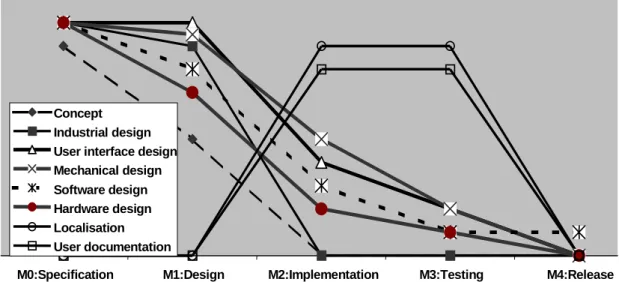
The tipping point from early design (design creation) to late design (design changes and improvements) can be estimated. Milestone reviews are a natural opportunity to effectively communicate the results of usability engineering so far back to project management and design teams.
Usability Plan
- The birth of Usability Plan
- Usability assessment meeting
- Usability requirements, targets and priorities
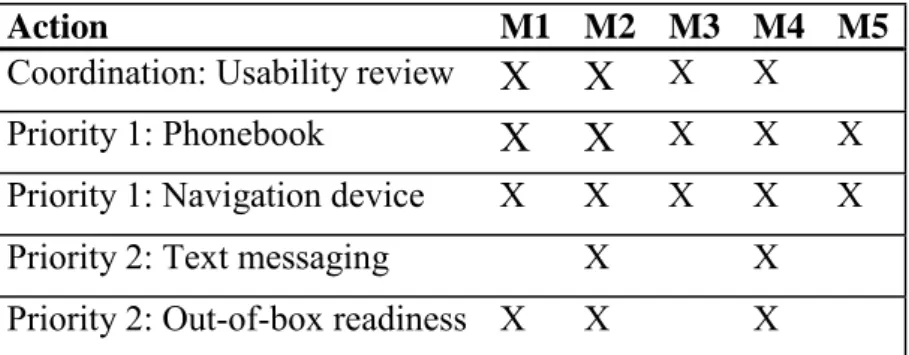
- Planning matrix
- Human-centred design in CE phases
- Coordination of usability engineering
The purpose of usability engineering in this phase is to support design work and evaluate design proposals. The purpose of usability engineering in the late design phase is to validate and diagnose the existing design (conformance purpose), provide information to improve the design, and analyze problems (performance purpose).
Usability Risk
Usability risk management
Usability risk management helps the project achieve its user acceptance goals by eliminating the issues critical to achieving them. During the project, this data was used to keep usability engineering focused on the areas that were seen as usability risks.
Evaluation of Usability Planning and Usability Risk management
Thus, it was a tool for the usability engineer and also a source of information for project management. Project management used the Usability Plan as a tool to verify that issues important to product success will also deliver usability quality.
Summary
In a CE project, the Usability Plan verifies that the project has the ability to respond to the usability engineering needs of concurrent design activities. From a usability engineering perspective, these points are critical to achieving effectiveness and efficiency in product development.
Approach
Research reports describe the practical usability problems in product development and solutions to those problems. The current understanding and description of sequential product development phases does not provide much support for serious usability engineering in a CE project.
Concurrent Engineering Dependencies
During the projects it became clear that there are predictable turning points in product development on which usability engineering needs to be refocused. Moreover, concurrency gives the perspective that there is not one early and late design stage, but one product development lifecycle contains at least two early and late stages in different technical areas.
Usability activities in product development phases
Moreover, concurrency gives the perspective that there is not one early and late design stage, but one product development lifecycle contains at least two early and late stages in different technical areas. of the final product). Usability engineering milestones are product development phases where usability engineering needs to be refocused to provide efficiency and effectiveness in the changing design environment.
New usability milestones via horizontal and vertical review
Horizontal review
M (EarlyToLateSupportMaterial): Early design of user support materials and localization changes to late design of user support materials and localization.
Vertical review
Definition of early and late design phases
The distinction and implication of early and late design phases is important: maximize innovation, design efficiency, effectiveness and quality before M (EarlyToLate) and minimize design changes after M (EarlyToLate). Usability engineering should work for the common goals of the project and not against, for example in the name of better design.
Product launch and confidentiality
The ultimate goal of usability engineering is to support the project in achieving the project goals of cost, quality and time-to-market.
Milestones and simulations
Research about prototypes simulations
Several advantages for the use of low-fidelity prototypes in mobile phone design and evaluation are described by Kiljander comparing the usability problem identification with low-fidelity and high-fidelity prototypes. Hall (2001) also suggests the use of low-fidelity prototypes, especially when developing new technology.
Paper prototypes as the main tool for early product development
Analysis of the data and results
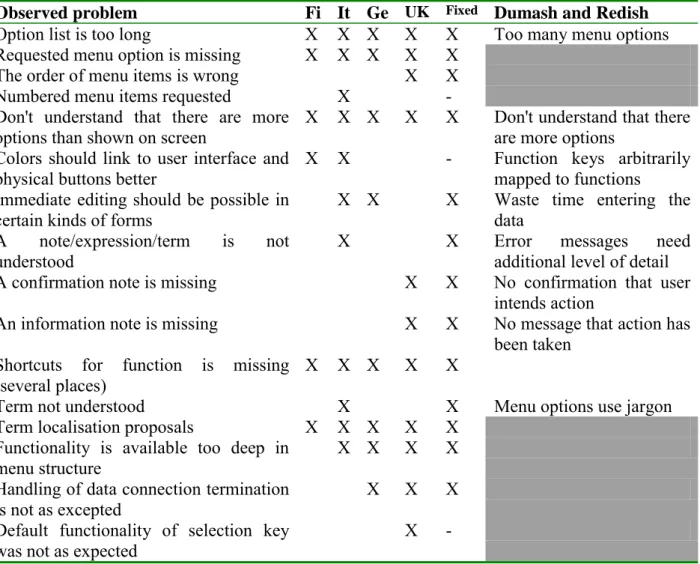
Most of the observed usability issues were such that they were observed in at least two countries. Some problems occurred only in one country (but in some cases by multiple users) and were usually a reflection of a missing note or a text that was not understood.
Applicability of paper prototypes for mobile phone development
New milestones and job design
The negative effect of new milestones and task design is the unproductive nature of tasks. The disadvantages would be weaker ability to organize work in rapid product development, and weaker visibility and linkage to the product development entity.
Summary
Examples 2 (Wall Street Journal 1999) and 3 (Business Week 2001) show two cases where the usability engineering was neither successful nor sufficient. The Usability Engineering Guidelines belong to the Engineering Support Initiatives (Human Factors) category of CE components.
Usability engineering tasks - some examples
Hardware also includes problems visible in the user interface, such as the backlight (brightness, color) of the screen. User documentation is intended to help the user overcome emerging problem areas in the use of the product, and should also provide useful information about the product in general.
Organisational issues
While user interface design pertains to SW design, there are areas that require human-centered design that are not part of visible user interface design. Field and laboratory testing and iterative design have been performed to meet user requirements for backlight quality.
Usability Engineering Guidelines
- Adjust Usability Engineering to Complex Organisation
- Adjust Usability Engineering to Product Development Process
- Adjust Usability Engineering to Complex Product Structure
- Adjust Usability Engineering to Complex User Requirements
The usability engineering objective for the next target should be formed based on the current understanding of product strengths, weaknesses, and identified design risks. The transformation (n-1 → n → n+1) must be known for each concurrent process where usability engineering is performed.
Evaluation of the guidelines
- Product quality
- Effect in product cost
- Development time
- Cost-efficiency for usability engineering
- Usable mobile phones?
- Efficient and effective usability engineering
- Improvements to usability engineering lifecycles
- Some thoughts on education
In the case study organization (Nokia Mobile Phones), the improvement in product usability and usability engineers' competence was very clear. The efficiency and effectiveness of usability engineering are clearly better in the case project (and test projects 1-3) than in the observed projects (communicator 1-3).
Summary
Design changes arising from usability engineering at early (before M2) development were implemented at the rate of 60% (6 proposed changes out of 10 are implemented), and ~30%. I have seen and shown that the effectiveness and efficiency of usability engineering can be improved with the guidelines.
Research results
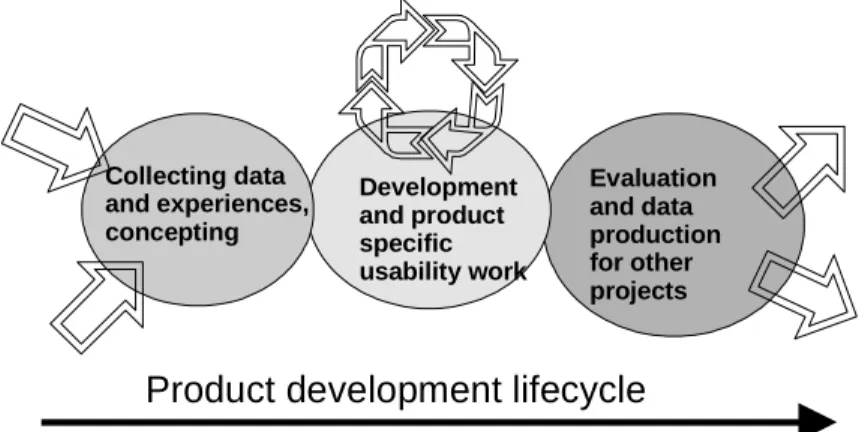
At the very beginning of joining the development project (at M0) I had to evaluate the success of usability engineering in previous projects and analyze reasons for existing problems. The proposed guidelines were found to be useful for NMP, which improved the success of usability engineering.
Ideas for future work
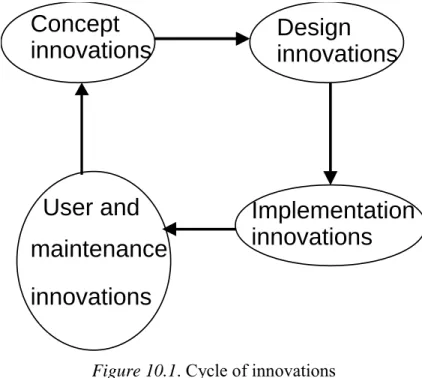
Cycle of innovations
Product implementation solves the practical challenges given in the product design, such as better integrated electronics, new programming algorithms and manufacturing processes. The main idea in these user innovations is that the functionality was not identified by the product designers or intended to be used as it is used.
Article I
Article II
Article III
Article IV
Article V
Article VI
A set of principles for conducting and evaluating interpretive field studies in information systems. 2000), The city in your pocket - the birth of the mobile information society, Gaudeamus, Jyväskylä. Design considerations for information appliances. ed): Information Appliances and Beyond, Interaction Design for Consumer Products.