Evaluating Sustainability Performance In Volunteer Tourism
By
Claudia Eckardt
Submitted for the Degree of Doctor of Philosophy University of Surrey
School of Hospitality and Tourism Management Faculty of Arts and Social Sciences
Supervisors:
Professor Xavier Font Dr Albert Kimbu
©Claudia Eckardt 2018
I
Declaration
This thesis and the work to which it refers are the results of my own efforts. Any ideas, data, images or text resulting from the work of others (whether published or unpublished) are fully identified as such within the work and attributed to their originator in the text, bibliography or in footnotes. This thesis has not been submitted in whole or in part for any other academic degree or professional qualification. I agree that the University has the right to submit my work to the plagiarism detection service TurnitinUK for originality checks. Whether or not drafts have been so assessed, the University reserves the right to require an electronic version of the final document (as submitted) for assessment as above.
Signature:
Date:
02.01.2019
II
Abstract
Volunteer tourism (VT) is defined ‘as a form of tourism, which aims to provide sustainable alternative travel that can assist in community development, scientific research or ecological restoration’ Wearing (2002, p. 240). VT is frequently described as making a difference or doing something worthwhile and its sustainability performance is based on transparency and accountability between its stakeholders manifested by joint planning and community engagement with host projects that lead to their empowerment and equality. Currently, the VT industry has been criticised for the commodification of volunteer experiences by exploiting host communities that fail to making a difference. More research is needed about how the engagement between the main VT stakeholders influence sustainability performance and how to evaluate sustainability performance.
This research develops an evaluative framework to better understand how stakeholders’ relations influence sustainability performance in VT, crucially investigates how and why certain sustainability outcomes occur. The principle contribution of developing an evaluative framework is the innovative methodology that brings together collaboration theory and realistic evaluation. While collaboration theory provides an essential theoretical basis for exploring the main stakeholders’
relations in VT, realistic evaluation determines the root causes of how and why sustainability performance is achieved. By doing so, the evaluative framework takes an all-encompassing and holistic approach and determines the nature of the collaborative relations between all the main stakeholders.
Two main advantages of the evaluative framework are pertinent, i.) its in-depth analytical ability in evaluating sustainability performance and ii.) the transferability of its findings. The findings address the current body of knowledge in terms of what VT’s mantra of doing something worthwhile or making a difference actually means at an operational and community level. Based on the theory developed through realistic evaluation, this study offers a definition of sustainability performance in VT:
The theory outlines that the (sending and receiving) organisations under certain circumstances enable sustainability. Their practices must include the integration of stakeholders, screening and matching of volunteers to host projects in such a way as to support effective skills and expertise transfer to host project staff. The on-going facilitation of stakeholder relations should lead to positive experiences and safety for all involved. In addition, long-term planning and needs
III assessment support empowerment, equality and transparency for host projects and which can encourage social mobility over time.
The development of the evaluative framework addresses an emerging research agenda for evaluating sustainability performance by offering a new understanding of social mobility and other long-term outcomes for the recipients at host projects and how VT is making a difference through transformative change. Further afield, the evaluative framework offers a sound foundation for future investigations in assessing the effectiveness and outcomes of other social interventions.
IV
Acknowledgement
A number of people were instrumental in pursuing and completing this PhD. First and foremost, I would like to thank my supervisors Prof Xavier Font and Dr Albert Kimbu. I am particularly grateful for Xavier’s continuous support, patience and guidance throughout the PhD journey and sincerely thankful to Albert for his insightful comments and motivation. Besides my supervisors, I would like Dr Justin Jagosh at the University of Liverpool, who was happy to share his immense knowledge and enthusiasm for realistic evaluation during many interesting Skype conversations. I am particularly thankful to Sallie Grayson and Kate Stefanko who helped me shape this thesis in providing my case study. I like to offer a special thanks to Paul Miedema, whose life was sadly cut short, for his time and effort. I am also thankful to Nelson and Xolani in making my fieldwork in Port Elizabeth easier and enjoyable, both showing so much dedication to their work in the townships. I like to thank all the participants at the Emmanuel Advice Care Centre, Emafini and D.W. Tshume Schools, and volunteers for their time and willingness to share their candid thoughts. Everyone made the fieldwork fascinating and immensely enjoyable. Finally, yet importantly, I would like to thank all my family and friends for supporting me throughout the PhD.
V
Glossary of Abbreviations
AIDS Acquired Immune Deficiency Syndrome CMO Context, mechanism, outcomes
CT Collaboration Theory
DPSIR Driver-Pressure-State-Impact-Response Framework HIV Human Immunodeficiency Virus
IUCN International Union for Conservation of Mature and Natural Resources KPI Key Performance Indicators
RE Realistic Evaluation RT Responsible Tourism
SVCM Sustainable Value Chain Management SDGS Sustainable Development Goals STI Sustainability Tourism Indicators
TOMM Tourism Optimisation Management Model
TBL Triple Bottom Line
UNEP United Nations Environmental Programme
UNICEF United Nations International Children’s Emergency Funds UNWTO United Nations World Tourism Organisation
VCA Value Chain Analysis
VT Volunteer Tourism
VI
Table of Contents
1 Introduction ... 1
Introduction ... 1
Sustainability Performance in Volunteer Tourism ... 2
Background of the Volunteer Tourism Industry ... 4
Impacts of the Volunteer Tourism Industry ... 5
Positioning the Thesis in the Literature ... 8
The Need to evaluate Sustainability Performance ... 10
Significance, Scope and Aims ... 13
Structure of the Thesis ... 13
2 Evaluating Stakeholders’ Collaborative Relations ... 16
Introduction ... 16
Stakeholders’ Relations ... 16
The Main Stakeholders in Volunteer Tourism ... 17
Stakeholders’ Relations ... 20
Evaluating Stakeholders’ Relations ... 23
Section Summary... 25
Collaboration Theory ... 25
Section Overview ... 25
Definitions of Collaboration ... 26
Application of Collaboration Theory ... 27
Deconstructing Collaborations ... 28
Section Summary... 30
Evaluating Collaboration Performance ... 30
Section Overview ... 30
Empirical Studies applying Collaboration Theory ... 31
Methodologies for evaluating Collaboration ... 32
Evaluating Collaborations ... 33
Applying Collaboration Theory to Volunteer Tourism ... 34
Section Summary... 35
Chapter Summary ... 36
3 Methodologies for evaluating Sustainability Performance... 37
Introduction ... 37
Sustainability Indicators ... 37
Section Overview ... 37
Definitions and Terminology ... 38
Sustainability Indicator Systems and Frameworks ... 39
Benefits of evaluating Sustainability Performance ... 41
The Limitations and Challenges of Evaluating Sustainability ... 42
Considerations for selecting Indicators ... 44
Indicator Development in Volunteer Tourism ... 46
Section Summary... 48
Evaluating Value Chain Sustainability Performance ... 49
Section Overview ... 49
Definition of Value Chain ... 50
Purpose of Value Chain Sustainability Performance ... 51
VII
Frameworks of Value Chain Sustainability Performance ... 52
Value Chain Approach in Tourism ... 52
Section Summary... 54
Realistic Evaluation ... 54
Section Overview ... 54
Overview of Evaluations ... 55
Why Realistic Evaluation? ... 57
The Basis of Realistic Evaluation ... 58
Empirical Applications of Realistic Evaluation ... 60
Realistic Evaluation in the Evaluative Framework ... 62
Section Summary... 64
Chapter Summary ... 65
4 Methodology ... 66
Introduction ... 66
Theoretical Considerations of Realistic Evaluation ... 67
Overview ... 67
The Theoretical Basis of Realistic Evaluation ... 68
Section Summary... 70
Formation of the Evaluative Framework ... 71
Overview ... 71
Volunteer Tourism Value Chain Sustainable Performance ... 71
Causal Pathways between CMO Configurations ... 75
Section Summary... 77
Development of the CMO Configuration ... 78
Overview ... 78
Determining and evaluating Contextual Conditions ... 78
Determining and evaluating Mechanisms... 80
Determining and evaluating Outcomes ... 83
Section Summary... 84
The Methodological Considerations in Testing the Framework ... 86
Overview ... 86
A Critical Qualitative Approach ... 86
Generalisability and ‘Cumulation’ ... 88
Integrating Community Members into Qualitative Studies ... 89
The Role of the Realistic Evaluator - Positionality and Objectivity ... 90
Chapter Summary ... 91
5 Methods ... 93
Introduction ... 93
The Research Instrument –Semi-structured Interviews ... 93
Sampling Strategy ... 94
Section Overview ... 94
Purposive Sampling ... 94
Rapport and Access ... 98
Sample Saturation and Size ... 98
Data Collection ... 99
Section Overview ... 99
VIII
Brief Description of the Host Projects ... 99
The Context of Data Collection ... 101
Recording and Storage of Data ... 102
Additional Data ... 103
Section Summary... 103
Processes of Data Handling and Analysis ... 103
Section Overview ... 103
Thematic Framework Analysis ... 104
Ethical Considerations ... 106
Risks to Participants and Researcher ... 106
Informed Consent... 106
Confidentiality and Anonymity... 107
Chapter Summary ... 108
6 Results ... 109
Introduction ... 109
Layering the Evaluative Framework ... 110
Volunteer Recruitment (M1) ... 113
The M1 Mechanisms ... 113
The CM1O Configurations ... 115
CM1O Configurations and M4 & M6 Mechanisms ... 116
Partnership Management (M2) ... 118
The M2 Mechanisms ... 119
The CM2O Configurations ... 120
The CM2O Configuration and other M1 & M3 Mechanisms ... 122
Host Project Management (M3) ... 123
The M3 Mechanisms ... 124
The CM3O Configurations of the Schools ... 124
The CM3O Configuration of the School Projects ... 126
The CM3O Configuration of the Emmanuel Advice Community Centre ... 128
Volunteer Placement (M4)... 129
The M4 Mechanisms at the Schools... 130
The CM4O Configuration at the Schools ... 131
The M4 Mechanisms for the Emmanuel Advice and Care Centre ... 134
The CM4O Configuration for the Emmanuel Advise and Care Centre... 135
The CM4O Configurations and M6 Mechanisms for the Schools and EACC ... 136
Volunteer Management (M5) ... 137
The M5 Mechanisms ... 138
The CM5O Configuration ... 139
The CM5O Configuration and M4 Mechanism ... 140
Host Project Assessment (M6) ... 142
The M6 Mechanisms ... 142
The CM6O Configuration ... 143
Chapter Summary ... 145
7 Discussion ... 147
Introduction ... 147
Evaluating stakeholders’ collaborations within their contextual setting ... 148
IX
Section Overview ... 148
The Main Stakeholder in the Supply Chain ... 148
Stakeholders’ External Contextual Conditions (C) ... 149
Stakeholders’ Internal Contextual Conditions (c) ... 152
Evaluating Processes and Procedures- (M) ... 157
Evaluating the Level of Collaboration (m) ... 160
Section Summary... 163
CMO Configurations ... 164
Section Overview ... 164
Volunteer Recruitment (M1)... 164
Partnership Management (M2) ... 167
Host Project Management (M3) ... 169
Volunteer Placement (M4) ... 172
Volunteer Management (M5) ... 178
Host Project Management (M6) ... 181
Section Summary... 185
Evaluating Sustainability Performance through the Evaluative Framework ... 188
Section Overview ... 188
Themes and Patterns of the CMO Pathways ... 188
The Evaluative Framework ... 194
Section Summary... 197
Chapter Summary ... 198
8 Conclusions ... 199
Introduction ... 199
Aims, Objectives and Contributions ... 199
Contribution to Knowledge ... 200
Contributions to evaluating Stakeholder Collaborations ... 200
Contributions to evaluating Sustainability Performance ... 203
Contributions to developing an Evaluative Framework ... 206
Limitations of this Study ... 208
Recommendations for Future Research ... 210
Recommendations to Industry ... 211
9 Bibliography ... 212
10 Appendices ... 234
Appendix I - -Interview Script - Example of Organisation Director ... 234
Appendix II-Informed Consent Form for Participants ... 236
Appendix III - Participant Information Sheet for Volunteers ... 237
Appendix IV: Map of Port Elizabeth Bay ... 238
X
List of Figures
Figure 3.1: Value Chain of Volunteer Tourism Stakeholders ... 50
Figure 3.2: Value Chain Sustainability Performance ... 52
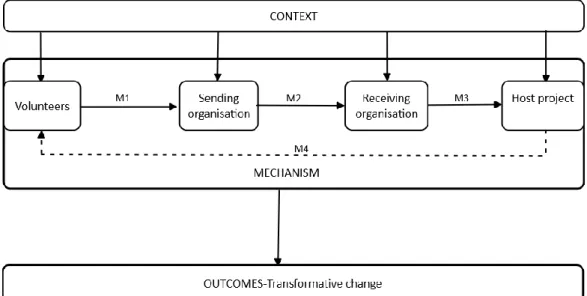
Figure 3.3: Simple Representation of Realistic Evaluation ... 59
Figure 3.4: Realistic Evaluation explaining Transformative Change ... 60
Figure 3.5: Conceptual Evaluative Framework ... 64
Figure 4.1: Roadmap of the Evaluative Framework ... 67
Figure 4.2: Volunteer Tourism Value Chain Sustainable Performance ... 72
Figure 4.3: Volunteer Tourism Value Chain Sustainable Performance –reverse flow ... 73
Figure 4.4: Circular Value Chain Framework ... 74
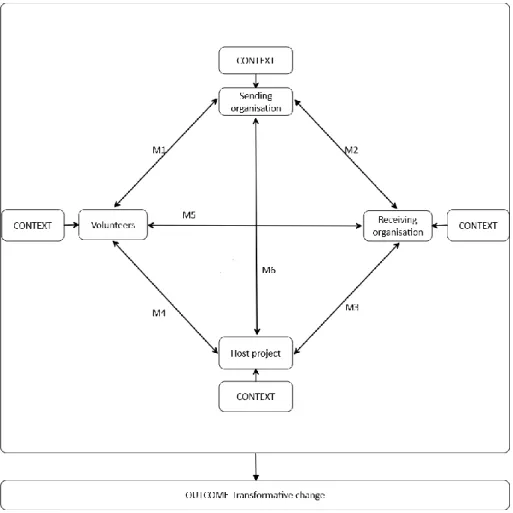
Figure 4.5: The Evaluative Framework ... 77
Figure 4.6: Summary of the CMO Configuration ... 85
Figure 6.1: Summary of Evaluative Framework ... 112
Figure 6.2: The CM1O Configuration based on Consent and Skills ... 117
Figure 6.3: The CM1O Configuration based on Consent and Life Story ... 118
Figure 6.4: The CM2O Configuration ... 123
Figure 6.5: The CM3O Configuration for the Schools ... 127
Figure 6.6: The CM3O Configuration for the EACC ... 129
Figure 6.7: The CM4O Configuration ... 137
Figure 6.8: The CM5O Configuration ... 141
Figure 6.9: The CM6O Configuration ... 145
Figure 8.1: Reusable Conceptual Platform of Sustainability Performance and Best Practice in VT ... 208
XI
List of Tables
Table 1.1: List of Initiatives ... 7
Table 1.2: The Structure of the Thesis ... 15
Table 3.1: Advantages of Sustainability Indicators ... 41
Table 3.2: Limitations of using Indicators ... 43
Table 3.3: Selection Criteria for Indicators ... 46
Table 3.4: Basic Construction of the Evaluative Framework ... 63
Table 4.1: Causal Pathways linking CMO Configurations ... 76
Table 4.2: Description of Stakeholders’ Contextual Conditions (C & c) ... 80
Table 4.3: Summary of Mechanisms in Volunteer Tourism (M) ... 81
Table 4.4: Summary of Collaborative Descriptors (m) ... 82
Table 4.5: Summary of Outcomes (O) ... 83
Table 5.1: Sampling Criteria ... 96
Table 5.2: Overview of Sample Groups ... 99
Table 7.1 Summary External Contextual Conditions (C) ... 150
Table 7.2: Summary Internal Contextual Conditions (c) ... 153
Table 7.3: Summary of Collaborative Engagements (M) ... 158
Table 7.4: Summary of Collaboration Descriptors (m) ... 161
Table 7.5: Summary CMO Configurations ... 186
Table 7.6: Overview of Middle Range Theories ... 194
1
1 Introduction
‘Volunteering is an amazing thing, but volunteer the right way.’
J.K. Rowling Introduction
This research aims to evaluate how the relations between the main stakeholders in volunteer tourism influence sustainability performance. The first chapter outlines the current issues, rationale and purpose of this study, and broadly outlines the importance of evaluating sustainability performance in volunteer tourism. The chapter is organised in three sections. The initial section introduces sustainability and begins to formulate what sustainability performance in volunteer tourism means by reflecting on the background and current settings of the volunteer tourism industry. In highlighting the challenges inherent in the volunteer tourism industry and providing an overview of the various responses from industry players, the rationale for the thesis becomes apparent. The second section explains how the thesis is positioned in the current body of knowledge and provides a brief synopsis of its intentions, outlining its significance, aims and objectives. The methodological approach of realistic evaluation applied in this study is briefly introduced along with how it relates to the subsequent literature. The final section outlines the thesis’s structure and explains the purpose of each chapter.
Within the volunteer tourism industry and academia, there are a number of variations and meanings of the term ‘volunteer tourism’. Frequently, the term is truncated to ‘voluntourism’1. According to Callanan & Thomas (2005), there is no significant difference in meaning or distinction between the two terms, but some industry practitioners differentiate ‘volunteer tourism’ as a sustainable version to the unsustainable version ‘voluntourism’. The current body of knowledge predominately uses the full term (e.g. Burrai et al., 2016; Grabowski et al., 2016; Phelan, 2015), with some exceptions (e.g.
Alexander and Bakir, 2011). In this thesis, the more formal and full term of ‘volunteer tourism’ is used, and is abbreviated to ‘VT’. To seek clarity, the next section explores definitions of VT and the meaning that constructs an understanding of the issues concerning sustainability performance in VT.
1 Accessed 08/07/2015 http://www.voluntourism.org/
2 Sustainability Performance in Volunteer Tourism
Before exploring what sustainability performance in VT means, this section begins with a brief background of sustainable development and sustainability in tourism. The roots of the definition of sustainability are found in the 1980s and have since evolved to reflect contemporary global challenges.
One explanation of the meaning of sustainable development is ‘development that meets the needs of the present without compromising the ability of future generations to meet their own needs’ (World Commission on Environment and Development, 1987, p. 41). Time is the main focus in defining sustainability as simply that actions today should not affect tomorrow. Since then, the Sustainable Development Goals2 have outlined sophisticated targets to guide the implementation of actions addressing a range of concerns such as poverty reduction, education and climate change. A significant element in these sustainable development goals is the emphasis on delivering global goals at a local level. To apply similar principles to tourism, the United Nations World Tourism Organisation3 (UNWTO) explains that a balance needs to be established between the three economic, social and environmental dimensions, highlighting poverty alleviation and the fair distribution of socio-economic benefits for all, including host communities. The organisation outlines the need for respect, cultural understanding and support for the authenticity of host communities and their values. The UNWTO also highlights participation and consensus amongst stakeholders, and continuous monitoring to guide improvements and prevention. Further, elements include visitor satisfaction, meaningful experiences and the raising of awareness of sustainability issues. This offers some useful caveats of what sustainable tourism is based on, and how it parallels with sustainability in VT.
VT is firmly rooted in the context of sustainability. For instance, it is defined as a form of sustainable tourism; for example it is labelled as ‘alternative’ (Lyons & Wearing, 2008, p. 6), ‘ethical’
(Mostafanezhad, 2013, p. 485) or consists of ‘moral consumption’ in contrast to mainstream tourism (Smith, 2014, p. 31). A more detailed definition by Wearing articulates sustainability and community development as part of VT: “a form of tourism that makes use of holiday-makers who volunteer to find and work on conservation projects around the world and which aims to provide sustainable alternative travel that can assist in community development, scientific research or ecological
2 Accessed 28/10/2018 https://sustainabledevelopment.un.org/sdgs
3 Accessed 28/10/2018 http://sdt.unwto.org/content/about-us-5
3 restoration.” (Wearing, 2002, p. 240). Several different terms are used in the VT industry and the media, such as: ‘international volunteering’4, ‘responsible volunteer tourism5 and ‘ethical volunteer tourism’6. While VT’s sustainability includes concepts such as morality, ethics and responsibility, and comprises volunteers travelling to work in support of community development, it is viewed as a win- win situation for those involved (Mostafanezhad, 2014b; Wilson, 2015).
Subsequently, a recent description of sustainability performance in VT suggests: ‘We see the future for VT as a partnership between volunteers and destination communities which seeks to provide opportunities for rich intercultural exchanges and intercultural understanding’. The authors continue:
‘VT should be about volunteers and local communities coming together... to interact in mutually beneficial cultural exchanges’ (Wearing et al., 2017, p. 518). Significantly, the authors’ visionary explanation emphasises cultural exchanges and mutuality for the volunteers and destination host communities. Significant is how the authors also describe stakeholders’ relations as a partnership, highlighting the importance of positive relations. Sustainability performance in VT is also simply described as making a difference in that it is about doing something worthwhile (e.g. Coghlan, 2008;
Coghlan & Gooch, 2011; Wearing, 2001), emphasising how sustainability outcomes of VT are focused on influencing positive change without articulating how and for whom. Further attributes of sustainability performance are found in the current body of knowledge.
Further explanations of sustainability performance and best practice in VT are based on operational practices, stakeholders’ relations and specific outcomes. For instance, some of the operational aspects include the transparency and accountability over volunteers’ contributions and the provision of critical information to host projects, the appropriate preparation of volunteers, safety for projects that involve vulnerable people such as orphans; and long-term commitments to host projects by the (sending and receiving) organisations (Barbieri, Santos, & Katsube, 2011; Czarnecki et al., 2015; Ong, Pearlman, & Lockstone-Binney, 2011; Phelan, 2015; Wilson, 2015). In addition, the effectiveness and quality of volunteer experiences should allow volunteers to be fully integrated and engaged into the host project and are able to fulfil their assigned roles (e.g. Coghlan & Weiler, 2015; Gius, 2015;
Kontogeorgopoulos, 2014). The (sending and receiving) organisations must focus on host project engagement to address socio-economic inequality and empowerment and encourage communications and cultural exchanges between host projects and volunteers (Coghlan & Noakes,
4 Accessed 08/07/2015 www.fairtravelers.org
5 Accessed 08/07/2015 http://travel-peopleandplaces.co.uk/About.aspx?category=25#.VZ1GWPl0vCs
6 Accessed 08/07/2015 www.ethicalvolunteering.org
4 2012; Wearing & McGehee, 2013b). Sustainability outcomes of VT must demonstrate social and economic benefits for host projects (Coghlan & Noakes, 2012).
Nevertheless, outcomes and sustainability performance are questioned as the rhetoric surrounding VT has turned from advocative to cautionary (Wearing & McGehee, 2013b, p.122), and its claims of making a difference or doing something worthwhile are increasingly questioned (e.g. Butcher & Smith, 2015; Gius, 2015; Hammersley, 2014; Palacios, 2010; Wearing et al., 2017). Further, Wearing and colleagues (2017) suggest evaluations are needed to determine whether it actually does make a difference. They query VT’s impacts and performance because sustainability in VT is contentious and confusing issue which is illustrated by the differentiation of commodified and decommodified forms of VT (Gray & Campbell, 2007; Wearing et al., 2005). The reasons for querying sustainability performance in VT become apparent by outlining a brief background of VT and its impacts.
Background of the Volunteer Tourism Industry
In reflecting on the background of the development of VT, some valuable insights illustrate the growing issues surrounding its sustainability. Here, the gaps between the reality and definition of VT’s sustainability begins to become apparent. The root cause for the change in VT is its extensive growth and popularity in the global North since the turn of this century. A 2008 study reveals that each year, 1.6 million volunteers travel overseas. According to this report, this figure is speculated to be much higher, at approximately 10 million, and to be worth between £832 million and £1.3 billion (TRAM, 2008 cited in McGehee, 2014, p.848). Estimates from 2014 suggest that the global VT industry is worth AU$ 2.6 billion (approximately £1.5 billion) (Australian Broadcasting Corporation, 2014). Another study in 2014 suggests that up to 500,000 UK students volunteer abroad each year (Neeves and Brignall 2010, cited in Smith, 2014). There do not appear to be more current estimates of the VT industry’s growth, however. Nonetheless, these estimates indicate that the VT industry has grown extensively, particularly over the last two decades (e.g. Guttentag, 2009). Thus, what was once considered as sustainable and ethical travel (Wearing, 2004) is now also described as a ‘mass niche market’ (Callanan and Thomas, 2005, p. 183) and is thus increasingly comparable with mainstream conventional mass tourism (Coghlan & Noakes, 2012). Hence, one of the issues over VT’s claims to making a difference is its very popularity.
The increase in VT’s popularity over the last decades may be partially attributed to a growing trend towards ethical consumerism. It is influenced by an “ever increasing guilt conscious society” and the
“consequences of a restless society, jaded from the homogeneous nature of traditional tourism products and seeking alternative tourism experiences” (Callanan and Thomas, 2005, p. 183). In an
5 effort to moralise individuals’ choices and actions, and to make a difference to global economic and social inequality, ethical consumerism is playing a growing role in decision making processes (Butcher, 2003; Vrasti, 2013). Butcher (2003) concludes that a new moral tourism attempts to make a difference through consumer choices, such as VT (Wearing & Lyons 2008a; Wearing 2001). Contributing to the ethical and moral trend, including the dramatic growth in VT, is the increase in ‘pop philanthropy’ by celebrities fronting global social and environmental causes (Mostafanezhad, 2014c, p. 111). VT has become integrated into modern celebrity culture in several ways, ranging from the widely publicised participation of the British Royal Princes in volunteer projects during their gap years (Butcher, 2003), to images of Madonna or ‘Brangelina’ adopting orphans in less developed countries. Images of celebrities hugging infants are re-enacted by young volunteers and reinforced through the self- depictions through selfies on social media, which drive the demand for VT (Mostafanezhad, 2014c).
This growth has changed the operational practices in VT, and has provoked a great deal of criticism.
The popularisation of humanitarianism drives the demand for volunteer projects with vulnerable people in underprivileged communities in developing countries; a demand that is reflected in the significant increase in social, care and development projects, and in commercial gap year companies (Jaeni & Timonen, 2014; Sin et al., 2015). Consequently, VT organisations are criticised for prioritising profits over negative impacts to destinations arising from the commodification of the interactions with destination host communities (Everingham, 2016; Guttentag, 2012; Higgins-Desbiolles, 2009;
McGehee, 2014; Simpson, 2004; Tomazos & Cooper, 2012). For example, according to reports by UNICEF and Friends International, the demand for VT has contributed to a 60% increase in orphanages in Cambodia between 2005 and 2015, of which half are near major tourist attractions. Considering that an estimated 80% of the 16,500 children in 460 care institutions in Cambodia have at least one living parent, this raises serious concerns about the consequences of VT (Friends International, 2017;
Knaus, 2017; UNICEF Cambodia and Division of Data, 2017). This is one example that illustrates the unprecedented exploitation and commodification of vulnerable people arising from the demands of volunteers.
Impacts of the Volunteer Tourism Industry
The substantial growth and popularity of the VT industry have led to several negative impacts such as the commodification of destination communities and dissatisfied volunteers (Guttentag, 2012;
McGehee, 2012; Phelan, 2015; Tomazos & Butler, 2009; Tomazos & Cooper, 2012; Wearing &
McGehee, 2013b). The current body of knowledge suggests that VT leads to social injustice, exploitation and power imbalances over host communities (Jaeni & Timonen, 2014; McGehee, 2014;
Palacios, 2010; Tomazos et al., 2012; Wearing et al. 2005). VT is scrutinised as the benefits to the host
6 community are not obvious and VT’s ability to address global concerns such as poverty are unrealistic (Sin, 2010). Sin also observes how the lack of experience, skills and knowledge of volunteers distinguishes them from experienced and trained international development aid workers, and proposes that VT is harmful, manifesting the perpetuation of ‘existing power and social hierarchies between the rich and privileged and poor and less-privileged’ (Sin, 2010, p. 984). VT’s geopolitical relationships between volunteers from the rich global North and the underprivileged host communities in the global South, facilitate neo-colonialism and paternalism and lead to dependency, inequality and the exploitation of host communities (Everingham, 2016; Guttentag, 2012; Higgins- Desbiolles, 2009; McGehee, 2014; Palacios, 2010; Simpson, 2004; Tomazos & Cooper, 2012; Wearing
& McGehee, 2013b). Volunteers themselves, meanwhile, have concerns over their experiences in engaging with their hosts.
Further questions are raised over the quality and effectiveness of volunteer experiences as returning volunteers voice their concerns based on their disillusionment and frustrations arising from a feeling that their experience did not meet their expectation of making a difference (Coghlan, 2015; Coghlan
& Weiler, 2015; Gius, 2015; Kontogeorgopoulos, 2014; Palacios, 2010; Phelan, 2015). Furthermore, volunteers feel they are a ‘burden’ to their hosts, and question their role and the impacts of their involvement (Hammersley, 2014, p. 856 ). Poor volunteers’ experiences include lack of work, or integration for volunteers with the host project staff, and poorly managed projects (e.g. Cleary, 2016).
The experience of volunteers, and the exploitative nature of VT, illustrates some stark differences between reality and the understanding of VT in academic circles. Based on the above explanation of VT, VT should be based on mutually balanced relationships between volunteers and the host community, where the outcomes benefit both and the purpose clearly demonstrates doing something worthwhile and making a difference (Wearing et al., 2017). The commodification of the host communities therefore directly conflicts with the sustainability performance of VT (Smith, 2014;
Tomazos & Butler, 2009; Mostafanezhad, 2014a; Tomazos et al., 2012; Guttentag et al., 2012;
Simpson, 2004). The impacts of VT’s contradictions through its unregulated practices trigger several responses by different industry actors who are affected by a diminishing reputation.
The implications of VT’s waning sustainability performance provokes different responses from different industry participants, such as past volunteers, third sector organisations and the media. One of the strongest responses has been from the Australian government, which has limited the sale of VT projects with vulnerable people such as at orphanages under its Modern Slavery Act (Knaus, 2018).
Several not-for-profit and sustainable tourism campaign organisations provide an array of self- assessment and monitoring tools, including guidelines and codes of practice targeting volunteer
7 organisations and volunteers (Table 1.1). Some industry participants are campaigning for operational practices to improve, including more host community engagement (e.g. Comhlámh, 2011). With no statutory power, however, third sector organisations have a limited capacity to bring about a change to more sustainable practices. Nevertheless, these initiatives raise awareness amongst consumers and increase the pressure on the VT industry to change their practices so as to minimise the negative impacts. Frequently, media reports take a critical view of VT, cautioning potential volunteers about its pitfalls, and providing some practical advice on how to select sustainable projects (e.g. Purvis, 2016).
Dissatisfied and disillusioned volunteers returning from their placements, meanwhile, take to social media to share their disappointing volunteering experiences.
Table 1.1: List of Initiatives
Year Organisation Initiative
2016 ABTA
www.abta.com
Volunteer Tourism Guidelines (not available)
2015 Bread for the World-Protestant, Working Group tourism &
development ECPAT Germany
www.brot-fuer-die-welt.de www.akte.ch
www.ecpat.de
Policy Paper
2014 Tourism Concern
www.tourismconcern.org.uk
International Volunteer Report 2012 The International Ecotourism
Society
http://www.ecotourism.org/
The International Voluntourism Guidelines for Commercial Tour Operators
2011 Comhlamh
www.comhlamh.org
Code of Good Practice for Volunteer Sending Organisations
2008/2010 Fair Trade in Tourism South Africa http://www.fairtrade.travel/
Certification standards & Code of good practice responsible volunteering Author, 2018
Overall, in recent years, the reputation of the VT industry has been tarnished, and the growing pressure and dissatisfaction from a wide range of industry participants illustrate the urgent need for the VT industry to change its practices. In addition, the contradictions between the current definitions and understanding of VT and the reality of VT’s lack of sustainability demands investigation. While there is a great deal of rhetoric questioning how and if VT is making a difference, or what ‘doing something worthwhile’ means, this offers little tangible and specific detail in outlining what
8 sustainability performance actually is. For instance, little is known about for whom and how VT should make a difference and what doing something worthwhile actually is. Nevertheless, several themes have emerged that appear to influence sustainability performance and outcomes, such as operational practices, the volunteer experience and how they interact with their community project at the destination. Furthermore, based on current explanations, VT is about the opportunity for volunteers and host communities to have cultural exchanges and understanding that has mutual benefits and outcomes (Wearing et al., 2017). Consequently, the relations between the stakeholders, particularly between the volunteer and host community, and how this is arranged through VT organisations, plays an influential role in determining the outcomes. Thus, further investigation is required to understand and evaluate how and what leads to sustainability performance.
Positioning the Thesis in the Literature
This thesis sets out to evaluate VT’s sustainability performance based on the relations between the stakeholders. The rationale of the thesis is based on several considerations: Firstly, the relations between the different stakeholders who are directly involved in VT, for instance volunteers, host projects and sending organisations, play an important role in influencing sustainability performance.
And yet a gap in knowledge has been identified in terms of understanding the diversities and complexity between the different stakeholders (Wearing et al., 2017). Secondly, clarity is needed for understanding the overall sustainability outcome and the impacts of VT. The question of whether sustainability in VT means making a difference and is doing something worthwhile needs to be addressed, and understanding how this manifests itself in VT needs to be fully explored. Research into evaluating probable outcomes is recommended (Wearing & McGehee, 2013b; Wearing et al., 2017).
Thirdly, little is understood of VT’s operational practices, including best practices, and this deserves further investigation (Wearing & McGehee, 2013b). In this section, the rationale and the positioning of the thesis are further explored within the current body of knowledge.
One narrative in the body of knowledge characterises VT, and its impacts, through the lens of international development (e.g. Gilfillan, 2015; Griffin, 2013; Kontogeorgopoulos, 2014; Simpson, 2004; Vrasti, 2013). The apparent similarity between VT and international development emphasises the geographically dependent variations in socioeconomic circumstances between volunteers from the global North and host communities in the global South, (e.g. Everingham, 2016; Guttentag, 2012;
Higgins-Desbiolles, 2009; Palacios, 2010). In addition, it has been suggested that VT has the capacity to address global problems such as alleviating poverty (Wearing & Grabowski, 2011). The discourse on international development is characterised by examining the binary relations between volunteers
9 and host communities. Such emphasis on the expert/beneficiary in the global North or privileged donor/ needy recipient in the global South, however, limits the understanding of the deeper subtleties within host-guest relations that can, and should, include mutuality and cultural exchange (Everingham, 2014; Lough & Carter-Black, 2015; Wearing et al., 2017). Thus, this approach narrows and limits the in-depth understanding of the different relations amongst the stakeholders in VT, since there are multiple stakeholders who are directly engaged in the process of operating VT (e.g. volunteers, sending organisations, receiving organisations and the host project at the destination). Orientating the investigation of sustainability performance within the international development discourse is therefore not feasible, and other approaches to exploring the stakeholder relations need to be considered.
Currently, the different relations between the VT stakeholders are not fully understood. Although the literature on VT continues to expand, it is largely concerned with examining individual stakeholder groups one at a time, with volunteers, in particular, receiving much attention (e.g. Brown, 2005;
Coghlan & Fennell, 2009; Leonard & Justice, 2009; Sin, 2009; Wearing, 2002). Several empirical studies have examined some of the relations between VT stakeholders, particularly engagements with host communities (e.g. Burrai et al., 2014; McGehee & Andereck, 2009; Wright, 2014). While community engagement is recognised as a significant attribute of best operational practices, further investigation is needed to provide detailed insights in respect to how they relate to overall outcomes and sustainability performance (Coghlan & Noakes, 2012). In addition, there is an acknowledgement of the significance of collaborative relations between the different stakeholders as part of sustainable management practices (Coghlan & Noakes, 2012). Little is known, however, about stakeholders’
collaborative relations and interactions and how these affect communities at the micro level (Barbieri et al., 2011; Hammersley, 2014; Sin, 2010; Sinervo, 2014; Tomazos & Cooper, 2012). Similarly, a detailed understanding is required of best practices and the role of the organisations in VT.
There is also currently limited research in VT that explores good practices and to evaluate if and how organisations play a role in influencing outcomes (Wearing & McGehee, 2013b). Sending organisations play a significant role as operational practices have changed and are considered as gatekeepers amongst cross-sectoral stakeholders including host communities and are responsible for sustainable practice (Coghlan & Noakes, 2012; McGehee & Andereck, 2009). Thus, VT organisations need to ensure more community level engagement and transparency (Lupoli & Morse, 2014; Tomazos &
Cooper, 2012; Wearing et al., 2005; Wearing & McGehee, 2013a). A gap in knowledge regarding the collaborations between stakeholders is apparent and a call for a ‘deeper analysis of the diversity of interactions and dialogue between volunteer tourists, members of the destination communities and
10 volunteering organisations is needed’ (Wearing et al., 2017, p. 517). Furthermore, it is unknown how and why collaborative relations possibly influence VT’s outcomes and sustainability performance.
Thus, further in-depth investigation is required to evaluate the collaborative relations of the stakeholders, including the engagements at a community level. Likewise, the current literature offers little understanding of what leads to certain VT’s outcomes and impacts.
There is also a lack of understanding of what influences outcomes in VT. While VT is scrutinised over its outcome of sustainable performance, the detail of its outcomes and benefits remain largely unknown and a more in-depth understanding is needed (Guttentag, 2012; Kirillova et al. , 2015;
Sinervo, 2014; Tomazos, 2012). Moreover, recent observations at community level provide empirical evidence of negative impacts affecting host community members (Jaeni & Timonen, 2014; Phelan, 2015) and further exploratory research is needed to understand the root causes of this (McGehee, 2014). Future research should focus on evaluations to provide an understanding of the outcomes and the role of volunteer organisations (Wearing & McGehee, 2013a). To frame sustainability in VT, areas for future research are identified to include developing mechanisms that explore decision making processes by host communities at the destination, and the socio-cultural impacts and outcomes of VT (Benson & Wearing, 2017). Sustainability performance also needs to be evaluated with a focus on identifying outcomes and their influences, and it is important to investigate operational practices at the micro level in order to understand the interactions between volunteers, the organisation and community project fully, as well as the outcomes at the destination.
The Need to evaluate Sustainability Performance
Several methodological approaches are used in tourism research to determine sustainability performance. To be able to evaluate sustainability and determine the sustainability performance of a destination, a product or service is a valuable tool and offers credibility to the practices in tourism (Twining-Ward & Butler, 2002). Thus, monitoring and evaluation is instrumental to sustainability (Butler, 1999). At a micro level, however, there is a lack of useful and transferable evaluations of sustainability performance in tourism. This is due to the intangibility and complexity of tourism systems at destinations and of the social values of host communities (Park & Yoon, 2011). Past efforts to evaluate sustainability include the development of sustainability indicators which are systematic and able to distil the complexity of tourism to indicator frameworks. These remain subjective and oversimplified (Tanguay, Rajaonson & Therrien, 2013; Torres-Delgado & Saarinen, 2013) and advances have stagnated (Fernandez & Rivero, 2009; Tanguay et al., 2013). In addition, indicator development
11 is location and scale specific (Choi & Sirakaya, 2006; Miller, 2001; Tsaur, Lin, & Lin, 2006; Twining- Ward & Butler, 2002) and there is a lack of consensus about the underlying methodologies (Fernandez
& Rivero, 2009). Although the importance of evaluating sustainability performance is acknowledged, the methodologies for evaluating sustainability based on indicator development have limitations.
Thus, a particular limitation is that the same indicators are not applicable to different geographical and social settings, which poses challenges in respect to the transferability of different case studies.
Furthermore, since sustainability performance indicators evaluate outcomes through a quantitative approach, they rarely explain root causes and lack analytical ability. Consequently, more progressive research is needed to advance practical applications in tourism settings (Fernandez & Rivero, 2009;
Miller & Twining-Ward, 2005; Torres-Delgado & Saarinen, 2013). The complexity and diversity of the socio-geographical settings of the projects within the VT industry limit the generalisability of empirical case studies. Thus, a potential contribution to the current body of knowledge is the ability to overcome the challenges of generalisability by applying a different methodology for evaluating VT’s sustainability performance. Additionally, a different methodology to indicator development is needed to determine the root causes of why and how sustainability performance is achieved.
The literature indicates that by evaluating the relations between VT stakeholders, valuable insights such as the sustainability performance can be determined. This would contribute to the in-depth understanding of the operational practices and help to determine what influences sustainability outcomes. The current literature acknowledges that collaborative relationships are evaluable, and can determine sustainability performance (Lupoli & Morse, 2014). Furthermore, recent analytical studies in VT contribute to evaluating sustainability performance based on evaluating VT stakeholders’
interactions. The authors address the systematic evaluation and monitoring of performance and quality in VT, including evaluating relationships to determine sustainability performance (Lupoli &
Morse, 2014; Lupoli et al., 2014, 2015; Taplin et al., 2014). Lupoli’s exploratory study, for example, reveals the preferences in respect to indicators among a host community, acknowledging that an all- encompassing approach to stakeholders’ collaborative relations is crucial to improving sustainability performance. Their study, however, requires further development in terms of assessing local impacts (Lupoli et al., 2014). Taplin, meanwhile, when evaluating VT organisations and their management practices, highlights the necessity to take account of the various contexts when developing a methodological approach (Taplin et al., 2014). This thesis will examine the collaborative relations of VT stakeholders, as it will contribute to the current body of knowledge by providing an in-depth understanding of the operational practices and the nature of the different relations. In examining all stakeholder relations, it will take a holistic and all-encompassing approach.
12 An evaluative framework based on collaboration theory provides a theoretical approach for evaluating collaborative relationships and their outcomes (Brown, 1991; Gajda, 2004; Munanura & Backman, 2012), including communities (Bramwell & Sharman, 1999). Collaboration is “a process of joint decision making among key stakeholders of a problem domain about the future of that domain (Gray, 1989, p. 11). Further, the emphasis in collaboration is on evaluating the strengths and the outcomes of collaborative relations in terms of their local impacts (Brown, 1991; Gajda, 2004; Munanura &
Backman, 2012). While collaboration theory provides the essential theoretical basis for examining the stakeholders’ relationships within VT, the approach also needs to allow for the inclusion of unknown and unintentional outcomes (Nanninga & Glebbeek, 2011). The outcomes of VT projects are evaluable in terms of the aims and objectives of the projects, which relate to the wider external settings of national or regional social, environmental and economic circumstances (Gajda, 2004). An evaluative framework evaluating the collaborative relations between VT’s stakeholders, therefore, determines how these factors influence VT’s sustainability performance and impacts, contributing to the current gaps in knowledge. Such a framework links the stakeholder relations to sustainability performance in VT, and provides valuable insights into the operational practices that influence sustainability performance to academia and industry. The diverse nature of VT is challenging, however, and the usefulness of the evaluative framework is subject to its transferability across the industry.
An approach to evaluating sustainability performance is therefore required that allows transferability to a wide range of different settings. While collaboration is an instrumental part in evaluating the nature of the stakeholder relations, in this thesis, transferability is based on the methodology of realistic evaluation, and this methodological approach represents a significant contribution to the process of developing an evaluative framework. By testing the framework on a case study, the outcomes from its evaluation are transferable to other examples in the industry (Pawson, 2013).
Pertinent to the transferability is that realistic evaluation enables the evaluative framework to identify certain settings of the collaborative relations amongst the stakeholders that enable sustainability. An important element of the evaluative framework is that realistic evaluation assesses why and how certain outcomes such as sustainability performance are achieved by stakeholders’ collaborative relations (de Souza, 2013; Gajda, 2004; Pawson & Tilley, 2004). Thus, two critical components contribute to the methodology: i.) realistic evaluation detects different settings that influence collaborate relations to achieve sustainability performance (why), and ii.) collaboration theory determines the nature of the stakeholder relations that lead and identify sustainability performance (how). Based on this methodology of applying realistic evaluation and collaboration theory in developing the evaluative framework, the thesis makes a significant contribution to the current body of knowledge within the field of sustainability tourism and to the VT industry.
13 Significance, Scope and Aims
This research evaluates how stakeholders’ relations influence sustainability performance in VT and crucially investigates how and why certain sustainability outcomes occur. A significant contribution is based on the innovative methodology in applying realistic evaluation and collaboration theory, which has several advantages: First, the outcomes of the evaluation provide an insight into why and how sustainability performance is achieved in VT at a micro level. This addresses the current knowledge gap in respect to understanding fully how collaborations between stakeholders influence sustainability performance. The approach is innovative because it is all-encompassing and holistic in evaluating all the relations between the main stakeholders. Second, the evaluative framework contributes to the understanding of what sustainability performance is in VT and illustrates best practice that offers the industry and academia valuable insights. In doing so, the thesis contributes to defining sustainability in VT in detail. Third, applying realistic evaluation allows for the transferability of the evaluative framework, which provides a starting point for future attempts to evaluate sustainability in VT and other fields in tourism.
The aim of this thesis is to develop an evaluative framework that critically understands the processes of collaborative relations between the main stakeholders in VT, and how this influences the outcomes of VT.
The objectives of the research are therefore:
Objective 1 - To evaluate the collaborations of the main stakeholders in VT.
Objective 2 - To assess how and why the collaboration between the main stakeholders influences sustainability performance in VT.
Objective 3 - To develop an evaluative framework that assesses how and why collaborations between the main stakeholders influence sustainability performance in VT.
Structure of the Thesis
The aim and objectives of this empirical study are focused on developing an evaluative framework to evaluate stakeholders’ collaborative relations and how these influence sustainability performance in VT. The thesis contains eight chapters, the first three focus on why and how to develop the evaluative framework (Table 1.2). In providing the background for this study, Chapter 1 highlights how the research is situated within the context of the tourism industry and some of the contemporary
14 concerns of VT’s sustainability performance. The chapter continues to explain how the research is positioned within the current body of knowledge. By identifying the gaps in knowledge, Chapter 1 presents the study’s scope, significance and aims. The following two chapters (Chapter 2 and Chapter 3) present the literature review, which explores several different bodies of knowledge, namely VT stakeholder relations, evaluating collaborations, methodological approaches to evaluating sustainability and how to apply realistic evaluation.
Specifically, Chapter 2 turns the focus to understanding VT stakeholder relations, initially identifying the main stakeholders, examining their characteristics and contextual settings, and exploring the current body of knowledge on evaluations stakeholders’ relations and outcomes in VT. The chapter then turns to explain how collaboration theory provides a basis for evaluating VT stakeholders’
relations (Objective 1). The thesis continues in Chapter 3 to explore current methodologies for evaluating sustainability, providing useful insights to inform the construction of the evaluative framework and how to evaluate sustainability performance in VT. It begins by examining the current body of knowledge on how the development of indicators and supply chains have been applied to evaluating sustainability performance in tourism. The chapter then turns the focus to explaining how realistic evaluation provides an invaluable methodological basis for evaluating how stakeholder relations influence VT’s sustainability performance (Objective 2). Through this understanding of the main components and insights, the thesis continues to develop the evaluative framework.
A significant component of the thesis is Chapter 4 since this provides the methodological grounding for constructing the evaluative framework and elaborates in detail how it will evaluate sustainability performance in VT (Objective 3). The chapter explains how the construction of the framework is based on the supply chain of VT stakeholders, and applies collaboration theory to examine in-depth the collaborative relations between stakeholders, and how realistic evaluation explores why the stakeholder relations influence sustainability performance in VT. Chapter 5 outlines the methods used to apply the evaluative framework, introduces the case study chosen for testing the framework, in the UK and South Africa, and describes some of the geographical and social settings. It continues with the audit trail of the research instrument, sampling strategy and the data handling, and the thematic data analysis. The chapter also includes the ethical considerations pertinent to conducting the data collection, which then leads to the presentation of the data in the following chapter.
Chapter 6 presents the findings arrived at by applying the evaluative framework to the case study, and details how and why the contextual settings and stakeholder relations influence the sustainability performance. The chapter presents each of the identified collaborative relations and the themes that
15 emerged from the analysis. The chapter presents findings that illustrate why the different components of contextual settings and relations evaluated influence sustainable performance, as well as how they do this, thereby highlighting some themes and patterns that are further explored and discussed in the following chapter. Chapter 7 synthesises the findings and the associated current body of knowledge to develop several middle range theories that articulate how sustainability performance is influenced within the case study’s supply chain. The structure of the discussion is based on the three objectives, enabling the construction of the middle range theories, which leads to the conclusions. Chapter 8 reflects on the aims and objectives and summarises the thesis’s contributions to knowledge, presents its main conclusions, and provides further recommendations to industry and academia.
Table 1.2: The Structure of the Thesis Chapter 1
Introduction
-Industry Settings
-Sustainability in Volunteer Tourism -Significance, Scope and Aim Chapter 2
Literature Review
-Evaluating Stakeholders in Volunteer Tourism -Evaluating and Evaluating Outcomes and Impacts -Evaluating and Evaluating Collaborative Relations Chapter 3
Literature Review
-Evaluating Sustainability and Performance Indicators -Sustainable Value Chain Management
-Applying Realistic Evaluation to Volunteer Tourism Chapter 4
Methodology
-Rationale of the Evaluative Framework
-Theoretical and Methodological Considerations
-Constructing and Conceptualising the Evaluative Framework Chapter 5
Methods
-Research Instrument Design
-Sampling Strategy and Data Collection -Data Handling, Analysis and Interpretation Chapter 6
Results
-Collaborative Engagements and their Settings -CMO Configurations
-Evaluating Sustainability Performance Chapter 7
Discussion
-Collaboration of Stakeholders -Collaborations Influencing Outcomes -Application of The Evaluative Framework Chapter 8
Conclusion
-Conclusions of The Study -Contributions to Knowledge
-Recommendations to Industry and Academia Author, 2018
16
2 Evaluating Stakeholders’ Collaborative Relations
My life was so enriched by being in townships and I just wanted to share that with other people, because there I learnt very valuable lessons about what it means to be a human being and how we should engage with one another as human beings.
Paul Miedema, Calabash Tours Introduction
The previous chapter briefly outlined the background to VT and its associated impacts and outcomes.
It also introduced some of the stakeholders involved in the VT industry, highlighting how stakeholder engagements play an important role in the sustainability performance of VT. This chapter examines the current body of knowledge that is concerned with evaluating the collaborative relations between the main VT stakeholders’ (Objective 1), and how these relations may influence VT’s outcomes and sustainability performance (Objective 2). This chapter is structured into two main themes: i.) evaluating stakeholder relations in VT (Section 2.2) and, ii.) using collaboration theory to evaluate relations and its outcomes (Section 2.3 -2.4). Based on the current body of knowledge, the chapter begins by outlining the main VT stakeholders and investigating their roles and responsibilities.
Currently, little is known about the relations between stakeholders and how they may influence VT’s outcomes and sustainability performance. The chapter, therefore, explains why it is necessary to understand how they engage with one another. The current body of knowledge on evaluative approaches to stakeholder relations provides valuable insights into the development of the evaluative framework (Objective 3). Thus, the later sections introduce and explain the usefulness of collaboration theory in evaluating the stakeholders’ relations, and explores how to incorporate it into the evaluative framework. The following chapter (Chapter 3) examines methodological approaches for evaluating sustainability performance in tourism and supply chains, highlighting their advantages and challenges.
It explores how realistic evaluation underpins the methodology of the evaluative framework in terms of how to link these relationships with outcomes.
Stakeholders’ Relations
The previous chapter reveals that a more in-depth understanding is needed of the relations between stakeholders in VT. This section outlines the main stakeholders, followed by an examination of their different relations and impacts, and continues with how to evaluate them. The current body of
17 knowledge is dominated by portrayals of volunteers and volunteer organisations (e.g. Benson &
Henderson, 2011; Callanan & Thomas, 2005; Coghlan & Fennell, 2009; Coghlan & Gooch, 2011;
Conran, 2011; Ong et al., 2011). Although in recent years there has been an increase in empirical studies on the impacts of VT on host communities and their relations to other stakeholders (Burrai et al., 2014; McGehee, 2012; McGehee & Andereck, 2009; Raymond & Hall, 2008; Sin et al., 2015;
Wearing & McGehee, 2013b), the understanding of how stakeholders interact with one another remains limited. In particular, the exchange and interaction between volunteers and the recipients in the host community project are significant. An evaluation of stakeholders’ relations may reveal the nature of these relations, to what degree they collaborate, and how that may influence outcomes.
This research, therefore, explores the stakeholders’ collaborative relations (Objective 1); and how they influence outcomes (Objective 2). This section defines and illustrates VT’s main stakeholders and examines the current body of knowledge on their roles, responsibilities and relations.
The Main Stakeholders in Volunteer Tourism
The existing body of knowledge on each stakeholder reveals a lack of consensus about some of their characteristics, roles and responsibilities, each of which is explored individually below. The current body of knowledge also addresses each stakeholder disproportionally. For instance, the majority of studies on VT focus on just one stakeholder, and volunteers, in particular, receive a great deal of attention (e.g. Leonard & Justice, 2009; Ooi & Laing, 2010; Otoo, 2014). Only a small number of studies have examined more than one stakeholder and their interactions, values, opinions and perceptions (e.g. Burrai et al., 2014; Gray & Campbell, 2007; Hammersley, 2014; Lupoli et al., 2015). Based on the current body of knowledge, four main stakeholders are directly involved in VT: volunteers, sending organisations, receiving organisations and the hosting local project within the destination community (Morgan, 2009). The distinction between ‘sending’ and ‘receiving’ organisation is a recent development in the current body of knowledge (e.g. Hammersley, 2014; Ong et al., 2011; Raymond et.al , 2011; Raymond & Hall, 2008; Taplin, 2014) and still needs more clarity (Frilund, 2015). Within the diverse VT industry, however, there are variations of the stakeholder map, and other players include charities, donor agencies for those organisations who seek additional financial support, or large travel companies that offer VT products as part of a holiday package. Few empirical studies, however, make the host project within the destination community their focus or consider host projects as an equal active agent (e.g. Bargeman et al., 2016; Frilund, 2015). Each main stakeholder is outlined below.
Much research explores the motivation of volunteers, revealing that their motivations are questionable. A large body of knowledge in VT is concerned with the volunteers’ motivations,
18 perceptions and activities (e.g. Benson, Management & Seibert, 2009; Leonard & Justice, 2009; Ooi &
Laing, 2010; Rattan, 2016; Unger, 1991). Volunteers’ motivation is often portrayed as being based on
‘selflessness’ and altruism, but this is debatable since other motivations are also identified (Coghlan
& Fennell, 2009). Furthermore, they are described as amateur aid workers, fulfilling the role of an expert but lacking the appropriate knowledge, skills and qualifications for their given volunteering role (Mostafanezhad & Hannam, 2014; Punaks & Feit, 2014; Raymond & Hall, 2008; Tomazos & Cooper, 2012). Additionally, the differentiation of the varying demographics of volunteers reveals several consumer groups such as ‘gappers’ (gap year students) and retired professionals, who consequently possess different motivations (Alexander, 2012; Everingham, 2014). A typical attribute of volunteers is that they predominately originate from the global North and tend to travel to the global South, placing volunteers within a socioeconomic geopolitical setting (Palacios, 2010; Taplin et al., 2014;
Tomazos & Cooper, 2012).
The current literature on the characteristics, roles and responsibilities of sending organisations, meanwhile, draws an incomplete and unclear portrayal as it tends to examine quite different aspects such as their governance, type of organisation or their aims (Hammersley, 2014; Lupoli & Morse, 2014;
Ong et al., 2011; Raymond & Hall, 2008; Wearing & McGehee, 2013b). For example, some authors speculate that organisational governance influences operational practices and decision making, and particularly focus on whether organisations are not-for-profit organisations or not (Coghlan & Noakes, 2012; Lupoli et al., 2014; Ong et al., 2011; Raymond & Hall, 2008; Wearing & McGehee, 2013b). Some researchers explain that not-for-profit organisations face contradictory ambitions in respect to having both commercial interests and a need to achieve the goals of their philanthropic mission (Coghlan &
Noakes, 2012; Sinervo, 2014; Tomazos & Butler, 2009; Tomazos & Cooper, 2012). Another characteristic of sending organisations is their financial sustainability within the VT industry. For instance, several studies suggest that VT sending organisations face challenges in a competitive market and need to focus more on profits (Coren & Gray, 2012; Wearing et al. 2005; Wearing &
Ponting, 2006). According to Benson and Henderson (2011), sending organisations are vulnerable since they work in politically and economically unstable countries, and to address this financial vulnerability, organisations are motivated to offer more, and a more diverse range, of projects. It is apparent, however, that sending organisations vary greatly in terms of their governance, and that their external factors influence their sustainability performance. It is also apparent that a more in- depth understanding is needed.
Further characteristics of the sending organisations, roles and responsibility include that they are based in the global North and may have multiple partnerships with organisations in the global South.