JOICE DE FÁTIMA LAUREANO MARTINS
EFEITO DE UM PRODUTO A BASE DE YACON (Smallanthus Shonchifolius) NO CONTROLE DA MASSA CORPÓREA, NO PERFIL DE
LIPÍDEOS E NA TOXICIDADE CRÔNICA EM RATAS WISTAR OVARIECTOMIZADAS
VIÇOSA
MINAS GERAIS – BRASIL 2014
ii Dedico
Esta tese primeiramente a Deus e às pessoas mais importantes da minha vida, minha querida mãe Maria principal responsável pela minha vida e a qual devo meu caráter e a disciplina ao trabalho. Dedico também ao meu adorado esposo Fabiano por todo companheirismo, paciência e dedicação.
E a minha razão de viver, minha filha Helena, tão pequenina, mas que preenche toda a minha vida. Ao meu pai de coração Sebastião e todos que
iii O Sonho
“Sonhe com aquilo que você quer ser, porque você possui apenas uma vida
e nela só se tem uma chance de fazer aquilo que quer.
Tenha felicidade bastante para fazê-la doce. Dificuldades para fazê-la forte.
Tristeza para fazê-la humana. E esperança suficiente para fazê-la feliz.
As pessoas mais felizes não tem as melhores coisas. Elas sabem fazer o melhor das oportunidades
que aparecem em seus caminhos.
A felicidade aparece para aqueles que choram. Para aqueles que se machucam
Para aqueles que buscam e tentam sempre. E para aqueles que reconhecem
a importância das pessoas que passaram por suas vidas.”
iv
AGRADECIMENTOS
A Deus, por tudo na minha vida.
À minha querida Mãe, por lutar tanto para que meus sonhos se tornassem realidade, pelos conselhos, pela educação, pelas orações e pelos ensinamentos. Devo a ela esta conquista.
Ao meu esposo Fabiano, por ser tão maravilhosos, pela compreensão, carinho, apoio e por tornar minha vida mais feliz a cada dia.
À minha princesinha Helena. Obrigada por me permitir ouvir a palavra “mamãe” todos os dias!! Você me olha com tanto carinho e isso me dá muitas forças!! Sem contar o “abaça eu mamãe”!! Sem palavras...
Ao meu pai Sebastião, pelos conselhos, pelas orações e pelos ensinamentos.
Ao meu pai Raimundo e irmãos Randerson e Rainan pelo amor incondicional.
À Viviane amiga-irmã, por ter sido o meu braço direito durante toda pesquisa e ajudado tanto em todos os momentos.
Aos amigos em especial Emília Pio da Silva, Maristela Gomes Coelho e Fabiana Castro Rodrigues, pela amizade e por, desde o início, terem-se mostrado solícitas para qualquer ajuda.
Aos meus amigos, e luzes na minha vida durante esse ano, e espero que essa amizade se estreite por longos anos! São eles: Arthur Arruda Vasconcelos Vieira, Iandra de Oliveira Evangelista e Raíssa Maria de Souza Mendes.
v
A minha orientadora Professora Célia Lúcia de Luces Fortes Ferreira, pela oportunidade, paciência, pelos ensinamentos, pelas orientações e, sobretudo, pela amizade ao longo deste trabalho.
À Sirlene Souza Sartori, professora do Departamento de Biologia Animal, pela paciência, pelos ensinamentos e pela atenção; sem ela, esta tese não teria sido possível!
Aos meus tios Antônio, Lúcia Helena, Luiz Augusto, Maria da Penha e Viviane pelas orações, conselhos e pelo amor incondicional.
Aos meus avós Oliveira e Sebastiana (in memoriam) por todos os ensinamentos e pelo amor incondicional. As meus avós Eva Martins Rosa e José Martins Rosa pelos ensinamentos.
À Maria Amélia Ramos, pelo acolhimento em Guidoval, por ter ajudado a minha mãe e a mim a não desistir, pelos ensinamentos e pelo carinho.
Ao Vicente Simões Jorge (in memoriam), pelas inúmeras caronas de Viçosa à Guidoval, pelos ensinamentos e conselhos.
Aos professores Evandro Marques de Oliveira, Maria do Carmo de Oliveira e Maria de Lourdes Bressan Pinto pelo grande incentivo nos estudos, pela amizade e pelos ensinamentos.
À Universidade Federal de Viçosa (UFV) e ao Departamento de Tecnologia de Alimentos (DTA), pela oportunidade concedida para a realização deste curso.
A coordenação de Aperfeiçoamento de Pessoal de Nível Superior (CAPES), pela concessão de bolsa.
Aos Professores Maria do Carmo Gouveia Pelúzio, Ita de Oliveira e Silva, Edimar Aparecida Filomeno Fontes, Tânia Toledo de Oliveira e Hércia Stampini Martino pela grande contribuição no projeto de pesquisa e durante a pesquisa.
Aos funcionários do Departamento de Tecnologia de Alimentos, em especial ao Célio, pelo apoio.
Aos colegas de laboratório Erika Karla Costa, Naomi Pires Tsutsumi, Driene Gomes Gonzaga e Michele Harumi Omura.
vi
À médica Veterinária Lukiya Silva Campos Favarato pela disposição em realiza as ciurgias nas ratas, e pelo suporte em relação à saúde dos animais.
Ao Laboratório de Associações Micorrízicas do Departamento de Bioquímica Agrícola e Laboratório de Sistemática Molecular do Departamento de Biologia Animal ambos na UFV por ter cedido o espaço e os equipamentos necessários para obtermos as fotos histológicas.
Ao Laboratório de Morfofisiologia do Departamento de Biologia Animal da UFV por terem fornecido espaço, equipamentos e reagentes essenciais para o andamento da pesquisa.
Ao Biotério pelo fornecimento dos animais e ao Departamento de Veterinária da Universidade Federal de Viçosa pelo total apoio nos cuidados dos animais.
Ao Laboratório de Nutrição experimental do Departamento de Nutrição e saúde por nos permitir manter os animais e nos fornecer o suporte necessário para o preparo das dietas.
Ao Laboratório de Biofármacos do Departamento de Bioquímica e Biologia Molecular da UFV pelo aporte necessário às análises sanguíneas.
Ao Laboratório de Culturas Láticas do Departamento de Tecnologia de Alimentos da UFV pela concessão do espaço, reagentes e equipamentos para realização dos trabalhos.
Ao Laboratório de Tecnologia da Madeira do Departamento de Engenharia Florestal pela concessão das análises do poder Calorífico e Gravimétrico das dietas e do Produto a base de yacon (PBY).
Ao Laboratório de Frutas e Hortaliças pela permissão na elaboração do PBY.
vii BIOGRAFIA
JOICE DE FÁTIMA LAUREANO MARTINS, filha de Raimundo Martins de Paula e Maria Aparecida Laureano da Cruz, nasceu em Carangola, Estado de Minas Gerais, em 16 de maio de 1982.
Em janeiro de 2008, graduou-se em Nutrição pela Universidade Federal de Viçosa (UFV), em Viçosa, MG.
Em março de 2008, ingressou-se no Programa de Pós-Graduação, nível de Mestrado, em Ciência e Tecnologia de Alimentos da UFV, com realização da pesquisa na área de probióticos e culturas láticas, submetendo à defesa da dissertação em 10 de fevereiro de 2010.
viii
SUMÁRIO
LISTA DE ABREVIATURAS ... xv
RESUMO ... xix
ABSTRACT ... xxi
1. INTRODUÇÃO ... 1
2. REVISÃO DE LITERATURA E HIPÓTESES EXPERIMENTAIS ... 3
Abstract ... 3
1.INTRODUCTION ... 5
2. Functional foods and substances that interfere with functionality of the organism ... 7
Figure 1 – Chemical structure of inulin-type fructans according to the number of fructose molecules linked to the glucose of saccharose ... 9
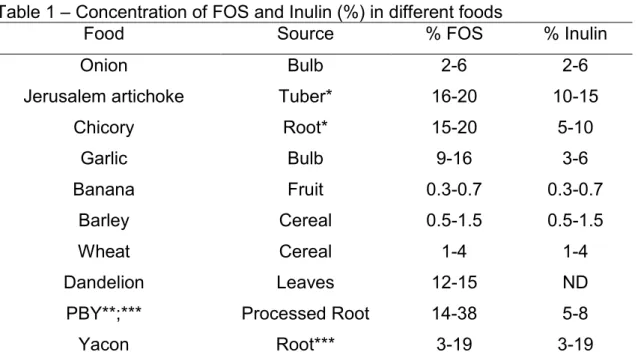
Table 1 – Concentration of FOS and Inulin (%) in different foods ... 10
3.Yacon: origin, composition and general aspects of functionality ... 10
4. The influence diagram and causality circles ... 11
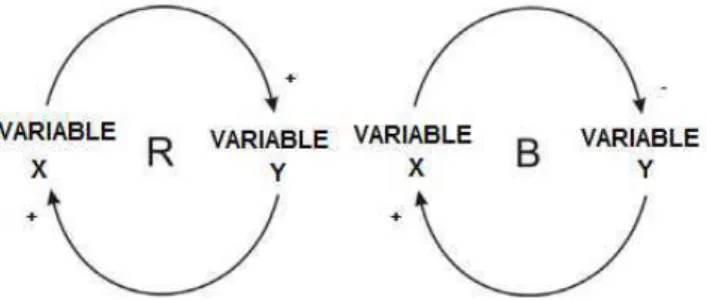
Figure 2 – “Influence diagram” flow involved in the “circles of causality”: i) R = Reinforcing loop (where the variable X = increase(+) the variable Y = increase (+) the variable X and B = Balancing loop (where the variable X = increased (+) by the variable Y which is decreased (-) by the variable X. Adapted from: Griffith, 2013. ... 11
5. Main mechanisms related to the beneficial effects of FOS/inulin from yacon in type 2 diabetes mellitus ... 12
ix
6. Main mechanisms related to the beneficial effects of yacon on modulation
of obesity... 15
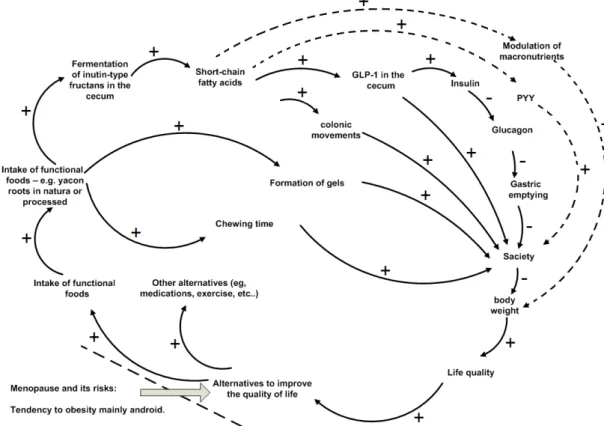
Figure 4. Influence diagram representing the increase in quality of life by the ingestion of FOS/inulin from yacon root or processed with its effects on reduction of menopausal obesity. (+) increase / (-) decrease; (---) Putatively; GLP-1 Glucagon-like peptide;PYY – Peptídeo YY ... 17
7. Beneficial effects of yacon in dyslipidemia and cardiometabolic diseases 18 Figure 5. Influence diagram representing the increase in quality of life from the ingestion of FOS/inulin from yacon root or processed with its effects on reduced incidence of cardiometabolic diseases in menopause. (+) increase / (-) decrease; GLP-1 – Glucagon-like peptide. ... 20
8. Beneficial effects of yacon in osteometabolic diseases ... 20
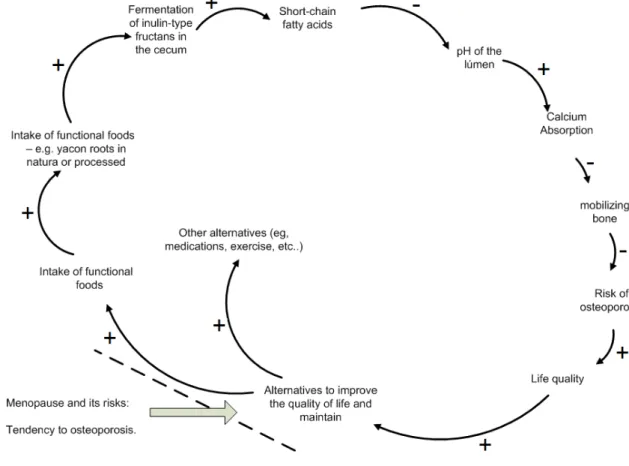
Figure 6 Influence diagram representing the increase in quality of life or processed from the ingestion of FOS/inulin from yacon roots with its effects on lowering the risk of osteoporosis in menopause. (+) increase / (-) decrease ... 22
9. Beneficial effects of yacon on intestinal constipation ... 22
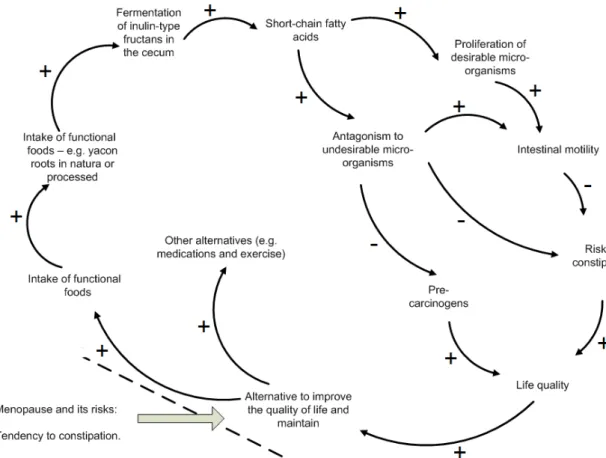
Figure 7 Influence diagram for increased quality of life by increasing the intake of FOS/inulin from yacon roots or processed and its effects on the reduction of risk of constipation in menopause. (+) increase / (-) decrease ... 24
10. Integrated circle of causality ... 24
Figure 8: Influence diagram for improving the quality of life by ingestion of FOS/inulin from yacon root with its effects on reducing the risk of comorbidities (diabetes mellitus type 2, obesity, cardiometabolic diseases, osteometabolic diseases and intestinal constipation) in menopause. ... 25
11.CONCLUSIONS ... 27
12. HIPÓTESES EXPERIMENTAIS ... 28
13. REFERENCES ... 30
CAPÍTULO 1 ... 43
2. TESTE DA PRIMEIRA HIPÓTESE EXPERIMENTAL (I) ... 46
3. MATERIAL E MÉTODOS ... 47
3.1. Produto a base de Yacon (PBY) ... 47
Figura 1. Produto à base de Yacon – PBY ... 48
3.2. Composição química do produto à base de yacon (PBY) ... 48
3.3. Medição de Calorimetria (Poder Calorífico) da dieta ... 49
3.4. Delineamento experimental ... 49
Figura 2. Imagem dos animais experimentais nas gaiolas... 49
x
Tabela 2. Composição das dietas administradas na fase de manutenção (8
semanas) ... 50
Figura 3 – Organograma do experimento com ratas SHAM e OVX. ... 52
Figura 4 – Organograma do experimento com ratas OVX. ... 53
3.4 Cirurgia de Ovariectomia ou Celiotomia ... 53
Figura 5. Fotos do procedimento cirúrgico a que foi submetido as ratas. ... 55
Figura 6. Foto ilustrativa da câmara aquecida onde as ratas foram imediatamente colocadas após as cirurgias. ... 55
3.5 Análises bioquímicas do soro ... 56
3.6 Análises microbiológicas ... 56
3.7 Determinação dos ácidos orgânicos ... 57
3.8 Determinação de pH do conteúdo cecal ... 58
3.9 Análise estatística ... 58
4. RESULTADOS E DISCUSSÃO ... 59
Tabela 3- Valores médios (n=5) de dosagens de ácidos orgânicos (mg/g) e pH, após Ovariectomia (OVX), em conteúdo cecal de ratas alimentadas com dieta controle e dieta teste durante 24 semanas. ... 59
Tabela 4- Valores médios (n=5) da contagem microbiológica (log10), após ovariectomia, em conteúdo cecal de ratas alimentadas com dieta controle e/ou dieta teste durante 24 semanas ... 61
Tabela 5 – Perfil de lipídios (mg/dL) no soro de ratos wistar ovariectomizadas que receberam dieta suplementada ou não com 6% de FOS/inulina de PBY durante 24 semanas. ... 63
5. CONCLUSÃO... 66
6. REFERÊNCIA ... 67
CAPÍTULO 2 ... 73
AVALIAÇÃO DA SUPLEMENTAÇÃO DE 6 % DE FOS/INULINA DE UM PRODUTO À BASE DE YACON (PBY) SOBRE PARÂMETROS INTESTINAIS E HEPÁTICOS DE RATAS WISTAR OVARIECTOMIZADAS ... 73
Resumo ... 73
1.Introdução ... 74
2. TESTE DA SEGUNDA HIPÓTESE EXPERIMENTAL ... 76
3. MATERIAL E MÉTODOS ... 77
3.1. Origem e manutenção dos animais ... 77
3.2 Delineamento Experimental ... 78
xi
Tabela 2. Composição das dietas administradas na fase de manutenção (8
semanas) ... 78
3.3. Delineamento Experimental ... 79
Figura 1 – Organograma do experimento com ratas ovariectomizadas (OVX) e celiotomizadas (SHAM) ... 79
Figura 2 – Organograma do experimento com ratas ovariectomizadas (OVX). ... 81
3.4 Cirurgia de Ovariectomia (OVX) ou Celiotomia (SHAM). ... 81
3.5 Análises bioquímicas do soro ... 81
3.6 Pesagem dos órgãos ... 82
3.7. Análise Histológica ... 82
Figura 3 – Fluxograma de inclusão em parafina ... 83
Figura 4 – Fluxograma de coloração em Hematoxilina- Eosina ... 84
3.9 Fotomicroscopia ... 84
3.10. Análise Estatística ... 85
4. RESULTADOS E DISCUSSÃO ... 86
Figura 3 – Corte histológico, corado com HE, da região medial do ceco de ratas Wistar alimentadas com (A) dieta teste (PBY com 6 % de FOS/Inulina) e com (B) dieta controle, durante 24 semanas, evidenciando-se uma cripta com seu diâmetro apical (DA), diâmetro basal (DB) e sua profundidade (P). ... 86
Figura 4 – Profundidade de criptas do ceco inicial, medial e final de diferentes grupos de ratas Wistar ovariectomizadas (n=5/grupo). G1: dieta controle – OVX – dieta controle. G2: controle – OVX –dieta yacon. G3: dieta yacon – OVX –dieta controle. G4: dieta yacon – OVX - dieta yacon ... 87
Tabela 3- Valores médios de diâmetro apical e basal e apical das criptas do ceco inicial (CI), medial (CM) e final (CF) após Ovariectomia (OVX), em ratas alimentadas com dieta controle e dieta teste durante 24 semanas. ... 88
Figura 5 – Profundidade das criptas do cólon de diferentes grupos de ratas Wistar ovariectomizadas. G1: dieta controle – OVX – dieta controle.G2: dieta controle – OVX –dieta yacon.G3: dieta yacon – OVX –dieta controle.G4: dieta yacon – OVX - dieta yacon ... 89
Tabela 4- Valores médios da Profundidade das criptas e altura das vilosidades do íleo de ratas ovariectomizadas alimentadas com dieta controle e dieta teste durante 24 semanas. ... 90
xii
e gama glutamiltransferase (GGT), em ratas ovariectomizadas alimentadas com
dieta controle e dieta teste durante 24 semanas. ... 93
4.CONCLUSÕES ... 95
5 – REFERÊNCIASBIBLIOGRÁFICAS ... 96
CAPITULO 3 ...102
O CONSUMO DE PRODUTO À BASE DE YACON (SMALLANTHUS SONCHIFOLIUS) AUMENTA GLUKAGON LIKE PEPTIDE-1 E DIMINUI O PESO CORPORAL DE RATAS WISTAR OVARIECTOMIZADAS ...102
Resumo ...102
1. Introdução ... 103
2.TESTE DA TERCEIRA HIPÓTESE EXPERIMENTAL (III) ...105
3. MATERIAL E MÉTODOS ...106
3.1. Composição química do produto à base de yacon (PBY) ... 106
3.2. Medição de Calorimetria (Poder Calorífico) da dieta ... 107
3.3. Origem e manutenção dos animais ... 107
Tabela 1. Composição das dietas administradas na fase de crescimento (12 semanas). ... 108
Tabela 2. Composição das dietas administradas na fase de manutenção (8 semanas) ... 108
2.4. Delineamento Experimental ... 109
Figura 1 – Organograma do experimento com todos os animais ... 109
Figura 2 – Organograma do experimento com as ratas ovariectomizadas (OVX)...110
3.4 Cirurgia de Ovariectomia ou Celiotomia ... 110
3.5. Avaliação do Tecido Adiposo Visceral (TAV) e avaliações murinométricas 111 3.6 Imunomarcação de Glukagon Like peptide 1 (GLP-1) ... 111
3.7. Análise estatística ... 112
3. RESULTADOS E DISCUSSÃO ...113
Tabela 3- Valores médios (n=5) de Ganho de peso (GP), contagem de células imunorreativa à Glukagon Like Peptide-1 (GLP-1), consumo alimentar (CA) e Coeficiente de Eficiência Alimentar (CEA), em ratas ovariectomizadas alimentadas com dieta controle e ou dieta teste durante 24 semanas. ... 114
xiii
semanas, e estão delineadas em diferentes grupos experimentais: G1: dieta controle – OVX – dieta controle. G2: controle – OVX –dieta yacon. G3: dieta
yacon – OVX –dieta controle. G4: dieta yacon – OVX - dieta yacon. ... 119
4.CONCLUSÕES ...121
5. CONSIDERAÇÕES FINAIS ...122
6. REFERÊNCIA ...124
ANEXOS ...132
Tabela 1- Valores médios (n=5) de Coeficiente de Eficiência Alimentar (CEA), Ganho de peso (GPE) e Consumo Alimentar (CA), após SHAM e Ovariectomia (OVX),em ratas alimentadas com dieta controle e dieta teste durante 24 semanas. ... 132
Tabela 2- Valores médios (n=5) de Peso, Índice de Massa corporal (IMC), Circunferência Cintura (CC), Circunferência Toráxica (CT) e porcentagem de gordura corporal (%GC), após SHAM e Ovariectomia (OVX), em ratas alimentadas com dieta controle e dieta teste durante 24 semanas. ... 133
Tabela 3- Valores médios (n=5) de dosagens de ácidos orgânicos e pH, após SHAM e Ovariectomia (OVX), em conteúdo cecal de ratas alimentadas com dieta controle e dieta teste durante 24 semanas. ... 134
Tabela 4- Valores médios (n=5) da contagem microbiológica (log10), após SHAM e Ovariectomia (OVX), em conteúdo cecal de ratas alimentadas com dieta controle e dieta teste durante 24 semanas ... 135
Tabela 5- Valores médios (n=5) de Peso Relativo do Ceco (PRC), Peso Relativo do Rim (PRR), Peso Reativo do Fígado (PRF), Peso relativo do Baço (PRB) e Peso Relativo do Coração (PRCo), após SHAM e Ovariectomia (OVX), em ratas alimentadas com dieta controle e dieta teste durante 24 semanas. ... 136
Tabela 6- Valores médios (n=5) de Colesterol Total (CT), Triglicerídeos, VLDL e LDL, após SHAM e Ovariectomia (OVX), em ratas alimentadas com dieta controle e dieta teste durante 24 semanas. ... 137
Tabela 7- Valores médios (n=5) de Glicose, Insulina e Índice HOMA, após SHAM e Ovariectomia (OVX), em ratas alimentadas com dieta controle e dieta teste durante24 semanas. ... 138
Tabela 8- Valores médios (n=5) Ganho de peso (GP) e Consumo Alimentar (CA), após SHAM e Ovariectomia (OVX), em ratas alimentadas com dieta controle e dieta teste durante 24 semanas. ... 139
Tabela 9- Valores médios (n=5) Aspartato Transferase (AST), Alanina Transferase (ALT),Fosfatase Alcalina (FA),Gama Glutamil Transferase (GGT), após SHAM e Ovariectomia (OVX), em ratas alimentadas com dieta controle e dieta teste durante 24 semanas. ... 140
xiv
xv
LISTA DE ABREVIATURAS
ABESO Associação Brasileira para o Estudo da Obesidade e da Síndrome Metabólica
ADA American Diabetes Association AGCC Ácidos graxos de cadeia curta AGEs advanced glycation end products ALT Alanina amino-transferase
ANOVA Análise de Variância
ANVISA Agência Nacional de Vigilância Sanitária AOAC Association of Official Analytical Chemists AST Aspartato amino-transferase
BHI Brain Heart Infusion
BS Bile salts
CEA Coeficiente de eficiência alimentar CERAT Centro de Raízes e Amidos Tropicais
CA Consumo alimentar
xvi
CLAE Cromatografia líquida de alta eficiência CVA Cerebrovascular accidents
DA Diâmetro apical
DAB Diaminobenzidina
DB Diâmetro basal
DCNT Doenças crônicas não transmissíveis DCV Doença cardiovascular
DG Diabetes Gestacional
DIC Delineamento inteiramente casualizado DM2 Diabetes mellitus tipo 2
DP Degree of polymerization
DTA Departamento de Tecnologia de Alimentos
FA Fosfatase Alcalina
FAI Fibra alimentar insolúvel
FAO Food and Agriculture Organization FAZ Fibra alimentar solúvel
FOS Fruto-oligossacarídeos
FY Farinha de yacon
%GC Percentual de gordura corporal GGT Gama glutamiltransferase GIP Gastric inhibitory polypeptide GIT Gastrointestinal tract
GLP-1 Glukagon Like Peptide-1
GP Grau de polimerização
GPE Ganho de peso
xvii
HDL-c Colesterol-HDL (lipoproteína de alta densidade) HE Hematoxilina e Eosina
HAS Hipertensão arterial sistêmica HOMA-RI Homeostasis Models Assessment HPLC Cromatografia líquida de alta eficiência
IDEA International Day for the Evaluation of Abdominal Obesity IMC Índice de massa corporal
LDL-c Colesterol-LDL (lipoproteína de baixa densidade) LDL Low density lipoprotein
NCDs chronic non-communicable diseases MHLW Ministry of health, labour and welfare MRS De Mann, Rogosa e Sharpe
OVX Ovariectomizadas
PAP Peroxidase-anti-peroxidase PBY Produto a base de yacon
PBY Product base yacon
PCA Plate count agar
PYY Peptide YY
PRB Peso relativo do baço PRCo Peso relativo do coração PRF Peso relativo do Fígado PRR Peso relativo do Rim PKC protein kinase C
SAS Statistical Analysis System
SBC Sociedade Brasileira de Cardiologia SCFAs Short-chain fatty acids
xviii T1DM Diabetes mellitus type 1 T2DM Diabetes mellitus type 2 TAV Tecido adiposo visceral
TG Triglycerides
xix RESUMO
MARTINS, Joice de Fátima Laureano D.Sc., Universidade Federal de Viçosa, setembro de 2014. Efeito de um produto a base de yacon
(Smallanthus shonchifolius) no controle da massa corpórea, no perfil
de lipídeos e na toxicidade crônica em ratas Wistar ovariectomizadas Orientadora: Célia Lúcia de Luces Fortes Ferreira. Coorientadoras: Sirlene Souza Rodrigues Sartori e Maria do Carmo Gouveia Peluzio.
xx
xxi ABSTRACT
MARTINS, Joice de Fátima Laureano D.Sc., Universidade Federal de Viçosa, september, 2014. Effect of a product yacon base (Smallanthus shonchifolius) in the control of body mass, in lipid profile and chronic toxicity in Wistar rats ovariectomized. Adviser: Célia Lúcia de Luces Fortes Ferreira. Co-advisers: Sirlene de Souza Rodrigues Sartori and Maria do Carmo Gouveia Peluzio.
xxii
1
1. INTRODUÇÃO
O aumento da expectativa de vida é crescente em todo mundo. Estima-se que a população com idade maior ou igual a 60 anos será de aproximadamente 1,2 bilhões em 2020 e 2,0 bilhões em 2050 (WHO, 2010). Neste contexto, algumas doenças assumem maior expressão no conjunto da sociedade resultando em maior gasto governamental (Won et al., 2011).
Com o avançar da idade tem-se o surgimento de doenças crônicas não transmissíveis como: diabetes mellitus tipo 2 (DM2) (ADA, 2010); dislipidemia, doenças cardiometabólicas (Marques, 2010; Wehr et al., 2011) e ósseas (Nascimento et al., 2011). O risco de adquirir essas comorbidades tende a aumentar em função do hipoestrogenismo, em mulheres na menopausa (Silva e Sá, 2012), com acúmulo progressivo da gordura abdominal (Marques, 2010).
Com a crescente preocupação da população com a saúde, têm-se uma maior demanda por alimentos funcionais, o que tem impulsionado inúmeras pesquisas com o intuito de elucidar os benefícios proporcionados por diferentes tipos de alimentos (Antunes et al.; 2007).
2
grande interesse é o yacon (Smallanthus sonchifolius), que ganhou ênfase a partir de meados da década de 80, quando foram descobertos seus compostos bioativos com potencialidade para trazer benefícios à saúde humana.
3
2. REVISÃO DE LITERATURA E HIPÓTESES EXPERIMENTAIS
Revisão submetida à Revista Trends in Food Science & Technology
Yacon (Smallanthus sonchifolius): action on common comorbidities of menopause
Abstract
4
when included in the diet of consumers may also aid to reduce the risk of the comorbidities discussed herein.
5
1.INTRODUCTION
Globally, it is estimated that the population 60 years or older will be approximately 1.2 billion in 2020 and 2.0 billion in 2050 (WHO, 2010). In this context, some diseases play a major role in increasing the concern for maintaining the quality of life for this segment of society, constituting a public health challenge with a consequent increase in government spending (Won et al., 2011). Usually, chronic non-communicable diseases (NCDs) are established with advancing age, where among the most common are diabetes mellitus type 2 (T2DM), mainly triggered by insulin resistance and glucose intolerance (Park, Lertdumrongluk, Molnar, Kovesdy, & Kalantar-Zadeh, 2012), dyslipidemia caused mostly by metabolic changes that lead to alterations in serum lipoproteins (Wehr, Pilz, Boehm, März, & Obermayer-Pietsch, 2011), osteometabolic diseases, where osteoporosis and osteopenia are prevalent (Nascimento, Gomes, & Sardinha, 2011), and constipation by delayed colonic transit which mechanistically involves the gut brain axis (Sant’anna & Ferreira in press in, 2014) and an alteration of the intestinal microbiota (Quigley, 2011; Sant’Anna & Ferreira, 2013). The risk of these comorbidities tends to increase particularly in function of the hypoestrogenism that occurs in menopause (Silva & Sá, 2012). One of the consequences of the decrease in this hormone is also related to decrease of the hormone glucagon like peptide (GLP-1), which is linked to both diabetes and obesity
6
order to consolidate, their insertion into the population´s diets and thereby decreasing the risk of different diseases/comorbidities characterized as public health problems (FAO, 2007). The functional foods/ingredients mostly studied in comorbidities associated with menopause, among others, are fibers (Sales, Rodrigues, Costa, & Ferreira, 2010), bioactive peptides (Samaranayaka & Li-Chan, 2011), isoflavones (Moraes, Pastore, Sato, & Park, 2009), conjugated linoleic acid - CLA (Lima Junior, Monteiro, Rangel, Oliveira, & Maciel, 2011); probiotics, prebiotics and synbiotics (Ferreira, Teshima, Costa, 2008).
Probiotics are microorganisms that when ingested beneficially affect the host and/or beneficially stimulate one or more microbial groups in the gastrointestinal tract (GIT), while prebiotics are ingredients that beneficially affect the host by stimulating one or more microbial groups in the colon (FAO 2007). On the other hand, synbiotic is a food and/or ingredient that contain at the same time a probiotic and a synbiotic (Gibson, 2008). Both probiotics and prebiotics have been reported to favorably modulate NCDs such as diabetes (Genta et al., 2009; Martins, Delmaschio, & Cordeiro, 2011), osteoporosis (Lobo, Colli, Alvares, & Filisetti, 2007), obesity (Genta et al., 2009; Moreira, Teixeira, Peluzio, & Alfenas, 2012) and dyslipidemia (Genta, Cabrera, Grau, & Sánchez, 2005; Manrinque et al., 2005; Teixeira et al., 2013).
7
(Saulnier, Spinler, Gibson, & Versalovic, 2009; Rodrigues et al., 2012). In addition, the prebiotics FOS/inulin have been proved to stimulate the immune system (Santana & Cardoso, 2008), and might contribute to the maintenance of the host well being.
Yacon (Smallanthus sonchifolius) is a seasonal plant and its root presents a high content of FOS/inulin (3 - 19% p/p). However it also carries a high moisture content (70 % to 93 %) being very perishable (Grau & Rea, 1997). Processing the yacon root in the form of flours, syrups and concentrates generates products with higher shelf life and higher contents of FOS/inulin. Thus, the processed yacon root has been the focus of several studies in the context of its functionality (Lobo, Colli, Alvares, & Filisetti, 2007; Rodrigues, Castro, Martino, & Ferreira, 2011; Rodrigues et al., 2012; Sant´Anna & Ferreira, 2013; Sant´Anna & Ferreira, 2014).
In the present work, to explain the implications of yacon root and its products on some diseases/co-morbidities, circles of causality were used, based on the theory of thinking systems (Senge, 2009). With this methodology it is expected to summarize the effects of FOS/inulin (having, yacon root as example) on diabetes mellitus type 2, obesity, cardiometabolic diseases, osteometabolic diseases and intestinal constipation, common diseases/co-morbidities that might onset during menopause.
The methodology to obtain the data to feed the circles of causality consisted on a literature review, using scientific papers published in the last 15 years, covering animal studies as well as clinical studies located elsewhere and retrieved from the databases SciELO and MEDLINE published in the last 15 years.
2. Functional foods and substances that interfere with functionality of the organism
With growing concerns of the consumers regarding health, a search for functional foods is observed along with an increase in research seeking to identify the active ingredients in these foods, and to elucidate the beneficial mechanisms provided by their consumption (Murador & Rosso, 2013).
8
benefits with action in reducing the risk of NCDs (MHLW, 1993; Health Canadá, 2002). Thus, in a globalized world efforts have been taken to investigate functional foods, which in the food industry, represent the fastest growing segment (FAO, 2007; Murador & Rosso, 2013).
The bioactive foods/ingredients and substances can be classified according to: i) the function they exert on the organism (e.g. antioxidants; probiotics; prebiotics.), ii) chemical composition (e.g.carbohydrates, polyols, proteins), or iii) origin such as animal (e.g: omega-3, conjugated linoleic acid (CLA); microbial (e.g: species of the genera Lactobacillus and Bifidobacterium); or plant (e.g: isoflavones; oligosaccharides). Currently, the prebiotics available on the market are classified as resistant starch; disaccharides (e.g. lactitol, lactulose, xylitol) and oligosaccharides (e.g., galactooligosaccharides, soybean oligosaccharides, fructooligosaccharides /inulin) (FAO, 2007; Magalhães, Salminen, Ferreira, & Tommola, 2011).
Much of the functionality of ingesting prebiotics is associated with stimulation of the growth of specific microbial genera. The metabolism of these microorganisms generates a series of compounds including organic acids, hydrogen peroxide and bacteriocin, among others, which contribute to the maintenance of a balanced intestinal microbiota (Gibson & Roberfroid, 1995; FAO, 2007).
9
Figure 1 – Chemical structure of inulin-type fructans according to the number of fructose molecules linked to the glucose of saccharose
Prebiotics, in function of their structure, are not hydrolyzed nor absorbed in the small intestine. In the large intestine, especially the colon, they are selectively fermented by anaerobic bacteria (especially the genera Bifidobacterium) which mainly produce organic acids such as lactate and short-chain fatty acids (SCFA) in the form of acetate, propionate and butyrate (Geyer, Manrique, Degen, & Beglinger., 2008; Paula et al.; 2012; Rodrigues et al., 2012).
10
Table 1 – Concentration of FOS and Inulin (%) in different foods
Food Source % FOS % Inulin
Onion Bulb 2-6 2-6
Jerusalem artichoke Tuber* 16-20 10-15
Chicory Root* 15-20 5-10
Garlic Bulb 9-16 3-6
Banana Fruit 0.3-0.7 0.3-0.7
Barley Cereal 0.5-1.5 0.5-1.5
Wheat Cereal 1-4 1-4
Dandelion Leaves 12-15 ND
PBY**;*** Processed Root 14-38 5-8
Yacon Root*** 3-19 3-19
Adapted from: Van Loo et al., 1995; Genta et al., 2009; Paula et al. 2012. * Needs extraction, consumed as ingredient (powder); ** yacon based product – PBY(concentrated root, consumed as food) (Paula et al., 2012; Sant’Anna, 2013). ***(consumed as food)
3.Yacon: origin, composition and general aspects of functionality
Yacon (Smallanthus sonchifolius) belongs to the family Asteraceae originating from the Andean region and forms subterranean tuberous roots. It is grown mainly in Colombia, Ecuador, Peru, Bolivia and northwestern Argentina since ancient Inca civilization (Ojansivu, Ferreira, & Salminen, 2011).
The yacon root presents a sweet flavor similar to pear/apple, with a slightly yellowish and crisp flesh. It may be consumed “in natura”, cooked, roasted or processed in the form of flour (Rodrigues, Castro, Martino, & Ferreira, 2011), jelly (Prati, Berbari, Pacheco, Silva, & Nacazume, 2009), syrup (Manrique, Párraga, & Hermann, 2005), vinegar (Hondo, Okumura, & Yamaki, 2000) or as a concentrate (Paula, 2013).
11
fecal matter (Chen, Lu, Lin, & Ko, 2000; Sant´Anna & Ferreira, in press in 2014). It has also been reported to control obesity by means of stimulating satiety hormones (Genta et al., 2009); and to modulate blood serum cholesterol (Manrique, Párraga, & Hermann, 2005).
When oligosaccharides from yacon are fermented in the colon, SCFAs reduce hepatic cholesterol synthesis (Sakakibara, Yamauchi, Oshima, Tsukamoto, & Kadowaki, 2006) and interfere with the modulation of triglycerides by decreasing hepatic lipogenesis (Delzenne & Kok, 2001). Yacon root has also been associated with bone health improvement from increased calcium absorption (Lobo, Colli, Alvares, & Filisetti, 2007; Rodrigues et al.; 2012; Paula, 2013).
Thus, FOS/inulin from yacon roots seem to have a role in decreasing the risk of a number of diseases. In this review we will focus on their effects on Diabetis mellitus tipo 2 (T2DM), obesity, dyslipidemia and cardiometabolic diseases osteometabolic diseases and constipation (Sant’ Anna & Ferreira, 2013) and whose circles of causalities are described below.
4. The influence diagram and causality circles
System thinking is a tool that seeks to visualize the whole and to, detect patterns and interrelationships, allowing these interrelationships to be harmoniously schematized. It is a circular arrangement developed to elucidate a problem by means of its causal relations (variables) in which an initial cause influences the other connections until the occurrence of feedback. It is composed of reinforcing (R) or balancing loops (B) (Figure 2) (Senge, 2009).
12
The reinforcing loop “R” comprises a variable that has a response in one direction, i.e., the increase of a given variable will result in an increase in the variable that follows. The balancing loop “B” involves a variable whose response has opposite responses, i.e., an increase in a variable implies a decrease in the variable that follows, and vice-versa. For designing the diagram usually it is used the program Visio 2007 of Microsoft®.
The “circles of causality” are composed of known (and/or putative) variables (which may decrease and increase over time) interconnected by connectors (arcs with arrows) that indicate direction of causality. Sets of these circles may be called the “influence diagram” (Senge, 2009) and are a tool in the process to depict a known (and/or putative) mechanism.
In the present study it was sought to restructure the interrelations established between intake of yacon root, in natura or in the processed form, and the modulation of some comorbidities, especially those brought on by menopause, using circles of causality also known as “influence diagrams” of systematic thinking.
5. Main mechanisms related to the beneficial effects of FOS/inulin from yacon in type 2 diabetes mellitus
The fermentation of FOS and inulin stimulates the secretion of the intestine satiating hormone Glucagon-like peptide-1 (GLP-1). This peptide is secreted by intestine endocrine cells in response to nutrient intake. Secretion of GLP-1 stimulates the release of insulin, reducing motility of the GIT (Haber, Heaton, Murphy, & Burroughs, 1977), reducing the appetite and food intake, as well as favoring the control of blood glucose levels (Drucker, 2001).
By stimulating insulin and satiety, ingestion of FOS and inulin may be important for modulation of glucose, and/or weight control. Weight control can mitigate co-morbidities such as dyslipidemia, and thus the risk for cardiovascular diseases.
13
mobilization, i.e., increased flow of fatty acids into the bloodstream since abdominal fat is easily mobilized. As a result, three phenomena may occur: i) increased neoglucogenesis ii) increased insulin resistance, and iii) tendency to onset T2DM (Ganguli, Das, Saha, Sanapala, Chaudhuri, & Ghosh, 2011).
There are four types of diabetes mellitus: i) type 1 (T1DM), ii) type 2 (T2DM), iii) Type 3 diabetes and iv) gestational diabetes (GD). In T1DM, also known as insulin dependent diabetes, insulin production in the pancreas is insufficient because its cells suffer from what is known as “autoimmune destruction”. Control of the T1DM is performed by daily injections of insulin to maintain normal blood glucose levels. It might occur at any stage of life, but is most common in children, adolescents and young adults (SBD, 2013). T2DM, also known as non-insulin dependent diabetes or adult diabetes, usually occurs in obese individuals over the age of 40, where the main causes are poor eating habits, sedentary lifestyle and stress of urban life. In this type of diabetes insulin is present, but its action is hampered by obesity, a fact known as “insulin resistance”, being one of the causes of hyperglycemia. The type III diabetes is a recently renaming of Alzeimmer`s disease. This nomenclature has been established after evidence of insulin resistence in the brain of Alzeimer`s patients (Bekkering, Jafri, Van Overveld, & Rijkers, 2013). Gestational diabetes is the presence of high glucose levels during pregnancy. In this type of diabetes, glucose is normalized after birth. However, there is a predisposition for future development of T2DM (SBD, 2013).
In T2DM there is a decrease in the hormone GLP-1 which stimulates insulin secretion. This mechanism helps to regulate postprandial glucose levels and it is responsible for 60% of insulin secretion in response to glucose ingestion, resulting in decreased insulin resistance (Meier, 2009). Furthermore, it was demonstrated that GLP-1 promotes proliferation and restores the function of β cells from pancreatic islets, responsible for secretion of insulin. This modulation is of great importance in T1DM, insulin-dependent diabetes, since in this disease there occurs the autoimmune destruction of β cells of the pancreatic islets (Talaulicar, 2008).
14
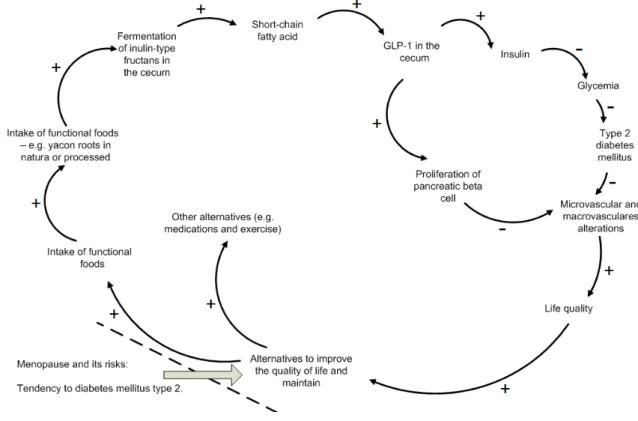
2008; Meier, 2009). Therefore, intake of yacon, a food rich in FOS and inulin, has the potential to decrease the risk of T2DM by promoting increased secretion of GLP-1, modulating blood glucose levels, and thereby positively affecting the quality of life (Figure 3).
Figure 3. Influence diagram representing an increase in quality of life from ingesting FOS/inulin from yacon root or processed reducing the risk of type 2 diabetes in menopause. (+) increase / (-) decrease. GLP-1 – Glucagon-like peptide.
15
nephropathy, retinopathy, neuropathy, cerebrovascular accidents (CVA) and lower limb amputation (Brownlee, 2001). Because it is little symptomatic, diabetes often remains for years without diagnosis and treatment, which favors the occurrence of complications in the heart and brain (SBD, 2013).
Therefore if unchecked, T2DM may lead to overspending on health and substantial reduction in the life`s quality (Batista, Priore, Rosado, Tinôco & Franceschini, 2005).
In all these types of diabetes, alterations in the gut microbiota have been established (Bekkering, Jafri, Van Overveld, & Rijkers, 2013). Thus, probiotic and prebiotic might be considered a possible alternative to decreasing the risk of diabetes, in general, and therefore, contributing to the well being.
6. Main mechanisms related to the beneficial effects of yacon on modulation of obesity
Prebiotics, as cited previously, are dietary fibers related to a number of systemic benefits. When fermented in the cecum, prebiotics accumulate metabolites such as organic acids (Geyer, Manrique, Degen, & Beglinger, 2008), increasing concentrations of acetic, propionic and butyric acids, which play several important functions. The main mechanisms currently known to be involved in the control of obesity are related to the roles of “fibers”. Fibers may be classified as soluble, which are fermentable in the cecum, or insoluble, which promote increased fecal mass and limited fermentation in the cecum (Anderson et al., 2009). Both fiber`s types are related to satiety, the insoluble fibers by increasing the volume of fecal matter, and soluble fibers by reducing the intestinal transit time and delay in the absorption of glucose, as well as starch hydrolysis (Costa, Silva, & Magnoni, 1997).
16
emptying delays the onset of hunger (Cani, Joly, Horsmans, & Delzenne, 2006). Moreover, when ingested, the fibers occupy the surplus calories of the diet, decreasing its energy density and also reducing the efficiency of lipid absorption in the small intestine (Rolls, 2000). It is also believed that organic acids, especially butyrate acid, act in modulating the metabolism of nutrients, more specifically carbohydrates and lipids, and reducing weight gain, a mechanism yet not fully elucidated (Mahan & Escott-Stump, 2005).
The passage of food through the cecum exerts an incretinic action. In the presence of FOS/Inulin, fermentation products in the cecum stimulate this action by triggering a series of factors including: stimulation of insulin secretion, inhibition of glucagon action and improving insulin sensitivity, which is not only beneficial for glycemic control but also reduces food intake by slowing gastric emptying (Drucker, 2011). There are reports indicating that stimulation of the peptide YY (PYY) is also related to satiety. Both PYY, and GLP-1 are produced by L-cells in the intestine, and secretion occurs by a neural control after ingestion of a meal and is enhanced during digestion. It is also believed that the presence of butyrate increases this secretion. However the mechanisms are not completely understood (Costa & Rosa, 2010).
The gastric inhibitory polypeptide (GIP) and GLP-1 are the two main hormones related to incretin. While GIP accelerates gastric emptying (Aroda & Henry, 2006). GLP-1 is a multifunctional hormone that besides its incretinic action (stimulated by the presence of nutrients), it inhibits glucagon secretion, diminishes gastric emptying and regulates satiety (Genta et al., 2009). The presence of butyrate can stimulate colonic peristalsis, and peristaltic movements have an effect on food intake. By means of such mechanism, butyrate modulates satiety by regulating food intake (Sales, Rodrigues, Costa, & Ferreira, 2010).
17
obese rodents was associated with reduced inflammation systemic (Delzenne, Neyrinck, & Cani, 2011).
A study conducted by Genta et al. (2009) demonstrated that the daily consumption of 0.14 g FOS from yacon syrup, for a three month period, promoted weight loss in obese women. However, the lack of markers was highlighted as a necessity to further confirming the observed events.
In recent studies, yacon processed in the concentrated form (PBY) was effective in controlling blood glucose in adult women (Rodrigues, 2011), in decreasing intestinal constipation in adult pre and pos menopausic women (Sant’Anna & Ferreira, 2013) and in the reabsorption of calcium in ovariectomized rats (Paula, 2013). The PBY was able to exert modulatory effects on weight gain on post menopausal rats. Although similar effects potentially might be similar in humans, well designed clinical human studies are necessary to further corroborate this hypothesis. The last hypothesis creates variables that drive the circle of causality described in Figure 4.
18
7. Beneficial effects of yacon in dyslipidemia and cardiometabolic diseases
Some changes are common in menopause such as the decrease in estrogen and increase in androgen, which potentially influence the composition of the arterial wall and the synthesis of vasoactive substances, as well as stimulating the production of collagen and elastin and proliferation of smooth muscle cells induced by LDL (low density lipoprotein) cholesterol. These alterations favor changes in the vascular endothelium and may trigger a variety of cardiovascular changes. Hypoestrogenism can also act on the autonomous nervous system causing vasomotor and pressor changes that increase vascular resistance and contribute to the progression of atherosclerotic disease (Carlos, Palha, Veiga, & Beccaria, 2008).
After menopause, the tendency of increased abdominal fat, with high rates of lipolysis may cause increased portal flow of fatty acids. This condition triggers high levels of triglycerides and LDL cholesterol and reduced levels of HDL (high-density lipoprotein) which potentially may cause hypercholesterolemia, and exposes the liver, muscles and pancreas to a greater amount of free fatty acids. Furthermore, the increased secretion of the LDL fraction is susceptible to oxidation providing a starting for the progression of atherosclerotic diseases (Ganguli, Das, Saha, Sanapala, Chaudhuri, & Ghosh, 2011). These events are correlated to the flow of lipids risen from the android fat and favors increased risk of cardiovascular disease. Thus, after reaching menopause, coronary artery and cerebrovascular diseases are the most frequent causes of death in developed and developing countries (Brasil, 2008; Novo, Piassi, Albano, & Novo, 2011). Estrogen deficiency prevents the maintenance of a suitable lipid profile with an upward trend in total cholesterol, increase in LDL and decreased HDL. Besides, vasodilation tends to decrease while homocysteine and fibrinogen levels tend to increase, which may enhance platelet aggregation (Brasil, 2008).
19
(Carvalho & Alfenas, 2008). Ingestion of prebiotics also results in increased excretion of bile salts (BS), increasing the mobilization of cholesterol for synthesis of BS, leading to decreased levels of cholesterol and consequently to the control of dyslipidemia (Perucha, 2005). With this scenario, it is established a decreased risk of cardiovascular diseases, since the cholesterol disorder is closely linked to early atherogenesis (SBC, 2007).
Because FOS/inulin from yacon roots are source of SCFA during fermentation, they are capable of modulating levels of blood lipids by inhibiting hepatic synthesis of cholesterol and/or by redistributing plasma cholesterol to the liver (Pereira & Gibson, 2002).
In studies performed by Roberfroid (2000) and Aarsland, Chinkes, & Wolfe, (1996) the administering of inulin to rats, decreased serum concentrations of triglycerides (TG) in the animals during fasting and in the postprandial state. It is believed that this decrease in TG is the effect of very low density lipoproteins (VLDL) in the plasma, resulting in decreases in hepatic TG synthesis and catabolism of TG-rich lipoproteins. Beylot (2005) and Delzenne et al. (2002) suggested that hypertriglyceridemia occurs in function of reduced hepatic re-esterification of fatty acids, i.e., reduced lipogenic activity in the liver, resulting in fewer TG released into circulation.
20
Figure 5. Influence diagram representing the increase in quality of life from the ingestion of FOS/inulin from yacon root or processed with its effects on reduced incidence of cardiometabolic diseases in menopause. (+) increase / (-) decrease; GLP-1 – Glucagon-like peptide.
8. Beneficial effects of yacon in osteometabolic diseases
The drop in estrogen at menopause may influence the formation of the protein matrix in which calcium is deposited, since with the decrease of this hormone, protein anabolism is reduced and catabolism remains unchanged. These events increase the susceptibility to osteoporosis in women during menopause (Kalu, 1991; Turek, 1991).
21
Mafetano, Souza, Perozini, & Pallos, 2007), predisposing the individual to the risk of fracture.
Osteoporosis has been highlighted among NCDs, recognized as a public health issue (Pinheiro, Ciconelli, Martini, & Ferraz, 2009). Currently, this disease may be considered the major geriatric syndrome and one of the major global public health problems (Legette et al., 2012). It is also considered a major cause of reduced quality of life, due to the high costs involved with the treatment, the high morbidity and mortality (Sant’ anna, Ybarra, Paula, Costa, & Ferreira, 2012) and many studies have been performed to provide means to decrease this illness.
It has been established that the presence of fiber (FOS/inulin) increases the solubility of calcium in the colon facilitating its passive adsorption (Lobo, Colli, Alvares, & Filisetti, 2007; Rodrigues et al., 2012). To compensate for the loss of calcium over the years, passive absorption is the predominant route in the elderly. Thus, a variety of dietary factors, including prebiotics such as inulin-type fructans, have been used as potentiators for passive diffusion of calcium (Roberfroid, 2005).
22
yacon root in decreasing the risk of bone diseases and provide the variables for elaborating the circle of causality, in order to improve the quality of life of menopausal individuals, as shown in Figure 6.
Figure 6 Influence diagram representing the increase in quality of life or processed from the ingestion of FOS/inulin from yacon roots with its effects on lowering the risk of osteoporosis in menopause. (+) increase / (-) decrease
9. Beneficial effects of yacon on intestinal constipation
As the age advances, the proportion of water in the body decreases. Thus, dehydration is common among the elderly, increasing the probability for intestinal constipation (IC) among other diseases (Vitolo, 2008). Intestinal constipation more commonly affets the female population.
23
genital changes, generating or intensifying intestinal constipation (Halbe, 1994; Oliveira et al., 2005).
Intestinal constipation is diagnosed by less than three bowel movements a week, feeling of fullness (incomplete emptying), defecation difficulties and presence of dry and fragmented stools (Drossman, 2006). The condition leads to an increase in intestinal dysbiosis, characterized by undesirable bacteria overgrowth and decline of the beneficial ones promoting pH increase and formation of a number of undesirable and toxic metabolites such as phenols, ammonia and other pro carcinogens (Gerritsen, Smidt, Rijkers, & De Vos, 2011). With the establishment of dysbiosis there is a decrease in SCFA and increase in the production of undesirable compounds, establishing a change in the microbiota activity, from a sacarolitic fermentation to a putrefactive microbial metabolism (Woodmansey, 2007), which might be accompanied by constipation (Quigley, 2011).
To reverse this situation the consumption of soluble fibers such as FOS/Inulin has been recommended. These fibers are fermented in the colon, inhibit the growth of undesirable microorganisms (Waitzberg et al., 2012) and stimulate proliferation of desirable microbial species (Rodrigues et al.; 2012). Moreover, with the fermentation of these compounds and increase of SCFA, especially butyrate, intestinal motility and faeces output are stimulated.
An alternative for overcoming intestinal microbial dysbiosis involves manipulating the energy sources of the colon microbiota, as for example, through consumption of prebiotics which stimulate the endogenous colon probiotic bacteria. Another strategy might be the administration of synbiotics which besides the prebiotic, carries a beneficial bacterium generally of the genus Bifidobacterium and or Lactobacillus adapted to this ecological niche (Sant’anna & Ferreira in press in, 2014).
Based on evidences, studies have been focused on bioactive food products that might modulate this disease and might culminate in decreasing the quality of life. Ingestion of prebiotics modulates the intestinal microbiota and hence might decrease the risk of the onset of IC and/or beneficially modulates this illness. The variables that drive the circle of causality of IC are indicated in Figure 7.
24
Figure 7 Influence diagram for increased quality of life by increasing the intake of FOS/inulin from yacon roots or processed and its effects on the reduction of risk of constipation in menopause. (+) increase / (-) decrease
10. Integrated circle of causality
25
Figure 8: Influence diagram for improving the quality of life by ingestion of FOS/inulin from yacon root with its effects on reducing the risk of comorbidities (diabetes mellitus type 2, obesity, cardiometabolic diseases, osteometabolic diseases and intestinal constipation) in menopause.
(+) increase / (-) decrease; GLP-1 – Glucagon-like peptide.
26
increased search for alternatives for maintaining this life quality, which is the driving force to start the cycle again (Figure 8).
27
11.CONCLUSIONS
28
12. HIPÓTESES EXPERIMENTAIS
A problemática exposta anteriormente permitiu a construção das seguintes hipóteses experimentais testadas no presente estudo:
I) A administração do Produto à Base de Yacon (PBY) modula beneficamente a microbiota intestinal e aumenta os níveis de ácidos orgânicos circulantes, melhorando o perfil lipídico em ratas Wistar ovariectomizadas.
Para teste da hipótese acima, perseguiram-se os seguintes objetivos:
Determinar as contagens microbianas de Bifidobacterium, Lactobacillus, Clostridium, Coliformes totais e Anaeróbios totais nas fezes de ratas Wistar ovariectomidas;
Determinar as concentrações de ácidos orgânicos circulantes nas fezes de ratas Wistar ovariectomidas;
Dosar Colesterol total, frações e triglicerídeos nos animais experimentais.
29
A hipótese acima foi testada segundo os seguintes objetivos:
Determinar o índice de peso dos órgãos (ceco, fígado, baço, rins e coração) dos animais experimentais;
Analisar qualitativamente a estrutura histológica do fígado para verificar se há ou não formação de focos de inflamação e fibrose;
Mensurar as criptas do ceco e intestino grosso por meio de medida da profundidade e diâmetro basal;
Mensurar as alturas das vilosidades do íleo,
Determinar as concentrações séricas dos marcadores sanguíneos relacionados à segurança: Fosfatase Alcalina (FA), Gama glutamil-transferase (Gama-GT); Alanina Aminotransferase (ALT) e Aspartato Aminotransferase (AST).
III) A dieta teste fornece os nutrientes necessários para o crescimento das ratas Wistar, estimula Glucagon Like
Peptide-1 (GLP-1) e promove a saciedade, resultando em
diminuição do peso corpóreo e da circunferência da cintura, principalmente, em ratas ovariectomizadas.
Para teste da hipótese acima, perseguiram-se os seguintes objetivos: Monitorar o peso das ratas Wistar ovariectomizadas;
Determinar o Coeficiente de Eficiência Alimentar (CEA);
Determinar a concentração de fruto-oligossacarídeos (FOS) e inulina presentes na raiz de yacon e no PBY;
Determinar a composição química e valor calórico das dietas e do PBY;
Realizar imunomarcação de GLP-1 no Ceco;
30
13. REFERENCES
Aarsland, A., Chinkes, D., & Wolfe, R.R. (1996). Contribuitions of de novo synthesis of fatty acids to total VLDL-trigliceride secretion during prolonged hyperglycemia/insulinemia in normal man. Journal of Clinical Investigation, 98, 2008-2017.
ADA – American Dietetic Association. (1999). Functional Foods – Position of ADA. Journal of the American Dietetic Association, 99, 1278-1285.
Anderson, J.W., Baird, P., Davis, R.H.Jr, Ferreri, S., Knudtson, M., Koraym, A. et al. (2009). Health benefits of dietary fiber. Nutrition Reviews, 67, 188-205.
Aroda, M.A., & Henry, R.R. (2006). Incretin Hormones in Diabetes and Metabolism. Medscape, 1-7.
Batista, M.C.R., Priore, S.E., Rosado, L.E.F.P.L., Tinôco, A.L.A., & Franceschini, S.C.C. (2005). Avaliação dos resultados da atenção multiprofissional sobre o controle glicêmico, perfil lipídico e estado nutricional de diabéticos atendidos em nível primário. Revista de Nutrição, 18, 219-228.
31
Bekkering, P., Jafri, I., Van Overveld, F.J., & Rijkers, G.T (2013). The intricate association between gut microbiota and development of type 1, type 2 and type 3 diabetes. Expert Review of Clinical Immunology. 9, 1031-41.
Brasil. Ministério da Saúde. (2008). Manual de Atenção à Mulher no Climatério /Menopausa Série A. Normas e Manuais Técnicos. Série Direitos Sexuais e Direitos Reprodutivos – Caderno, n.9.
Brownlee, M. (2001). Biochemistry and molecular cell biology of diabetic complications. Insight review articles, Nature, 414, 813-820.
Campos, D., Pallardel-Betalleluz, I., Chirinos, R., Aguilar-galvez, A., Noratto, G., & Gedreschi, R. (2012). Prebiotic effects of yacon (Smallanthus sonchifolius Poepp. & Endl), a source of fructooligosaccharides and phenolic compounds with antioxidant activity. Food Chemistry, 13, 1592-1599.
Cani, P.D., Joly, E., Horsmans, Y., & Delzenne, N.M. (2006). Oligofructose promotes satiety in healthy human: a pilot study. European Journal of Clinical Nutrition, 60, 567-72.
Cani, P.D., Possemiers, S., Van de Wiele, T., Guiot, Y., Everard, A., Rottier, O., et al. (2009). Changes in gut microbiota control inflammation in obese mice through a mechanism involving GLP-2-driven improvement of gut permeability. Gut, 58, 1091-1103a.
Cani, P.D., Lecourt, E., Dewulf, E.M., Sohet, F.M., Pachikian, B.D., Naslain, D., et al. (2009). Gut microbiota fermentation of prebiotics increases satietogenic and incretin gut peptide production with consequences for appetite sensation and glucose response after a meal. The American Journal of Clinical Nutrition, 90, 1236-1243b.
32
Carvalho, G.Q., & Alfenas, R.C.G. (2008). Índice Glicêmico: uma abordagem crítica acerca de sua utilização na prevenção e no tratamento de fatores de risco cardiovasculares. Revista de Nutrição, 21, 577-587.
Chen, H.L., Lu, Y.H., Lin, J.Jr., & Ko, L.Y. (2000). Effects of fructooligosaccharide on bowel function and indicators of nutritional status in constipated elderly men. Nutrition Research, 20, 1725-1733.
Costa, N.B., Rosa, C.O.B. (2010). Alimentos funcionais: componentes bioativos e efeitos fisiológicos. Rubio. 536.
Costa, R.P., Silva, C.C., & Magnoni, C.D. (1997). Importância das fibras nas doenças cardiovasculares. Revista Brasileira de Nutrição Clínica, 12, 151-154.
Coxam V. (2005). Inulin-type fructans and bone health: state of the art and perspectives in the management of osteoporosis. British Journal of Nutrition, 93, 111-123.
Delzenne, N., & Kok, N. (2001). Effects of fructans-type prebiotics on lipid metabolism. American Journal of Clinical Nutrition, 73, 456–458.
Delzenne, N.M., Neyrinck, A.M., & Cani, P.D. (2011). Modulation of the gut microbiota by nutrients with prebiotic properties: consequences for host health in the context of obesity and metabolic syndrome. Microbial Cell Factories, 10-11.
Drossman, D. A. (2006). Rome III: the new criteria. Chinese Journal of Digestive Diseases,7, 181-185.
33
Drucker, D.J. (2011). Incretin-based therapy and the quest for sustained improvements in beta cell health. Diabetes Care, 34, 2133-2135.
FAO (2007). Technical Meeting on Prebiotics. Food Quality and Standards Service (AGNS), Food and Agriculture Organization of the United
Nations (FAO), September 15-16. Available at:
http://www.fao.org/ag/agn/agns/files/Prebiotics_Tech_Meeting_Report.pdf. Accessed 26.01.14.
Ferreira, C. L. L. F., Teshima, E., & Costa, N. M. B. (2008). Effect of probiotic, prebiotic and synbiotic on colon and cecum microbiota of rats. International Journal of Probiotics & Prebiotics, 3, 71-76.
Ganguli, D., Das, N., Saha, I., Sanapala, K. R., Chaudhuri, D., & Ghosh, S. (2011). Associação entre Marcadores Inflamatórios e Fatores de Risco Cardiovascular em Mulheres de Kolkata, W.B, Índia. Arquivo Brasileiro de Cardiologia, 96, 38-46.
Genta, S., Cabrera, W., Habiba, N., Ponsb, J., Carilloc, I.M., Graud, A., et al. (2009). Yacon syrup: Beneficial effects on obesity and insulin resistance in humans. Clinical Nutrition, 28, 182-187.
Genta, S., Cabrera, W. M., Grau, A., & Sánchez, S. S. (2005). Subchronic 4-month oral toxicity study of dried Smallanthus sonchifolius (yacon) roots as a diet supplement in rats. Food and Chemical Toxicology, 43, 1657-1665.
Gerritsen, J., Smidt, H., Rijkers, G.T., & De Vos, W.M. (2011). Intestinal microbiota in human health and disease: the impact of probiotics. Genes & Nutrition, 6, 209-240.
34
Gibson, G.R., & Roberfroid, M.B. (1995). Dietary modulation of the human colonic microbiota: introducing the concept of prebiotics. Journal of Nutrition, 125, 1401-1412.
Gibson, G.R. (2008). Prebiotics as Gut Microflora Management Tools. Journal of Clinical Gastroenterology,42, 75-79.
Grau, A., & Rea, J. (1997). Genetic Resources of yacon Smallanthus sonchifolius Poepp. & Endl. p.198-242. In: Heller, J., Hermman, M., Engels, J. Andean roots and tuber genetic resources. IPGRI - Rome.
Griffith, J. J. (2008). A disciplina do pensamento sistêmico. Available at:
http://www.def.ufv.br/documentos/material/A%20Disciplina%20do%20Pensa mento%20Sistemico.pdf Accessed 25.12.13.
Haber, G.B., Heaton, K.W., Murphy, D., & Burroughs, L.F. (1977). Depletion and disruption of dietary fibre. Effects on satiety, plasma-glucose, and serum-insulin. Lancet, 2, 679-682.
Halbe, H. W. (1994). Tratado de Ginecologia. 2ed. São Paulo: Rocca.
Health Canada. (2002). Policy Paper-Nutraceuticals/Functional Foods and health Claims on Foods. Available at: http://www.hc.sc.gc.ca/fn-an/label-etiquet/clims-reclaim/nutra-fuct_foods-nutra-fonc_aliment-eng.php. Accessed 22.11.13.
Hondo, M., Okumura, Y., & Yamaki, T. (2000). A preparation of Yacon vinegar containing natural fructooligosaccharides. Journal of Japan Society of Nutrition and Food Science, 47, 803–807.
35
Legette, L.L., Lee, W., Martin, B.R., Story, J.A., Campbell, J.K. & Weaver, C.M. (2012). Prebiotics enhance magnesium absorption and inulin-based fibers exert chronic effects on calcium utilization in a postmenopausal rodent model. Journal of Food Science, 77, 88-94.
Lima Junior, D.M., Monteiro, P.B.S., Rangel, A.H.N., Oliveira, S.E.O. & Maciel, M.V. (2011). Alimentos funcionais de origem animal. Revista Verde,6, 10-20.
Lobo, A.R., Colli, C., Alvares, E. P., & Filisetti, T.M. (2007). Effects of fructans-containing yacon (Smallanthus sonchifolius Poepp & Endl.) flour on caecum mucosal morphometry, calcium and magnesium balance, and bone calcium retention in growing rats. British Journal of Nutrition, 97, 776–785.
Mafetano, L.R., Souza, D.M., Perozini, C., & Pallos, D. (2007). Influência dos níveis de densitometria mineral óssea na perda óssea alveolar e parâmetros clínicos periodontais em mulheres na pós-menopausa. Revista da AMRIGS,51, 280-284.
Magalhães, M.S., Salminen, S., Ferreira, C.L.L.F., & Tommola, J. (2010). Terminology: Funcional foods, probiotcs, prebiotcs, synbiotics, health claims, sensory evaluation foods and molecular gastronomy. Turku: Finland.
Maham, L.K., & Escott-Stump, S. Alimentos Nutrição e Dietoterapia. 11 ed. São Paulo, Roca, 2005. 1242 p.
Manrique, I., Párraga, A., & Hermann, M. (2005). Conservación y uso de la biodiversidad de raíces y tubérculos andinos: Una década de investigación para el desarrollo (1993-2003). Yacon syrup: Principles and Processing; Lima: Centro Internacional de La Papa.
36
Martins, M.L.R., Delmaschio, K.L., & Cordeiro, A. A. (2011). Efeitos da utilização de Smallanthus Sonchifolius (yacon) no tratamento de indivíduos com Diabetes mellitus / Effects of the use of Smallanthus Sonchifolius (yacon) in the treatment of individuals with Diabetes mellitus. Revista Ceres, 6, 35-43.
Meier, J.J. (2009). The contribution of incretin hormones to the pathogenesis of type 2 diabetes. Best Practice & Research Clinical Endocrinology & Metabolism, 23, 433-441.
MHLW – Ministry of health, labour and welfare, japan. (1993). Foods
for Specified Health Use. Available at:
http://www.mhlw.go.jp/english/topics/fhc/02.html. Accessed 22.11.13.
Microsoft, Visio 2007 free. Available http://www.microsoft.com/pt-br/download/details.aspx?id=10435.
Mielczarski, R.G., Costa, J.S.D,& Olinto, M.T.A. (2012). Epidemiologia e organização de serviços de saúde: diabetes mellitus numa comunidade de Porto Alegre. Ciência e Saúde Coletiva, 17, 71-78.
Moraes, C.S., Pastore, G.M., Sato, & H.H., Park, Y.K. (2009). Isoflavonas de soja e suas atividades biológicas. São Paulo: Livraria Varela.
Moreira, A.P.B., Teixeira, T.F.S., Peluzio, M.C.G., & Alfenas, R. C. G. (2012). Gut microbiota and development of obesity. Nutrición Hospitalaria, 27, 1408-1414.
Murador, D.C., & Rosso, V.V. (2013). Efeito do preparo da couve (Brassica oleracea L.) Na composição quali e quantitativa dos compostos bioativos. Nutrire, 38, 197-197.