www.soil-journal.net/2/499/2016/ doi:10.5194/soil-2-499-2016
© Author(s) 2016. CC Attribution 3.0 License.
SOIL
Enzymatic biofilm digestion in soil aggregates facilitates
the release of particulate organic matter by sonication
Frederick Büks and Martin Kaupenjohann
Chair of Soil Science, Department of Ecology, Technische Universität Berlin, Berlin, Germany
Correspondence to:Frederick Büks ([email protected])
Received: 3 December 2015 – Published in SOIL Discuss.: 18 January 2016 Revised: 13 September 2016 – Accepted: 20 September 2016 – Published: 4 October 2016
Abstract. The stability of soil aggregates against shearing and compressive forces as well as water-caused dis-persion is an integral marker of soil quality. High stability results in less compaction and erosion and has been linked to enhanced water retention, dynamic water transport and aeration regimes, increased rooting depth, and protection of soil organic matter (SOM) against microbial degradation. In turn, particulate organic matter is supposed to support soil aggregate stabilization. For decades the importance of biofilm extracellular polymeric substances (EPSs) regarding particulate organic matter (POM) occlusion and aggregate stability has been canon-ical because of its distribution, geometric structure and ability to link primary particles. However, experimental proof is still missing. This lack is mainly due to methodological reasons. Thus, the objective of this work is to develop a method of enzymatic biofilm detachment for studying the effects of EPSs on POM occlusion. The method combines an enzymatic pre-treatment with different activities ofα-glucosidase,β-galactosidase, DNAse and lipase with a subsequent sequential ultrasonic treatment for disaggregation and density fractionation of soils. POM releases of treated samples were compared to an enzyme-free control. To test the efficacy of biofilm de-tachment the ratio of bacterial DNA from suspended cells and the remaining biofilm after enzymatic treatment were measured by quantitative real-time PCR. Although the enzyme treatment was not sufficient for total biofilm removal, our results indicate that EPSs may attach POM within soil aggregates. The tendency to additional POM release with increased application of enzymes was attributed to a slight loss in aggregate stability. This suggests that an effect of agricultural practices on soil microbial populations could influence POM occlusion/aggregate stability and thereby carbon cycle/soil quality.
1 Introduction
Soil organic matter (SOM) comprises 50 % (∼1700 Gt, in-cluding peat) of the near-surface terrestrial carbon budget, compared to∼813 Gt bound in the atmosphere (Lal, 2008). Beside carbon storage and its influence on the atmospheric CO2 balance, manifold ecological soil functions are
medi-ated by different SOM types like dissolved organic mat-ter (DOM), particulate organic matmat-ter (POM), molecular ganic matter of organo-mineral associations, colloidal or-ganic matter and coprecipitated molecular oror-ganic matter (Kalbitz et al., 2000; Weng et al., 2002; Pokrovsky et al., 2005; Eusterhues et al., 2008). For example, POM is a struc-tural component of soil aggregates, and a nutrient source, and it provides surfaces for microbial growth (Chenu and
Stotzky, 2002; Bronick and Lal, 2005). Parts of the POM are occluded within soil aggregates (Six et al., 2002). Physical isolation protects POM against microbial degradation (Six et al., 2002; Lützow et al., 2006) and maintains its ecologi-cal functions, while on the other hand this POM is thought to promote soil aggregation (Bronick and Lal, 2005). There-fore, many benefits of soil POM are linked to soil aggregate stability.
et al., 2011) and a more dynamic water transport regime in the macropores that reduces erosion caused by surface runoff (Barthes and Roose, 2002). Other benefits in comparison to compacted soils are a higher aeration (Ball and Robertson, 1994) and lower penetration resistance (Bennie and Burger, 1988) causing increased rootability and rooting depth (Ben-gough and Mullins, 1990; Taylor and Brar, 1991). In addi-tion, micropores within the aggregates enhance water reten-tion.
The occlusion of POM within soil aggregates depends on the properties of the aggregated components. The min-eral part of the solid soil matrix is composed of siliceous sand, silt and clay particles, oxides and hydroxides of Fe, Al and Mn, and diverse minor minerals. Sticking together, per-vaded and coated with multivalent cations and organic con-stituents (like soluble metabolic products, humic substances, black carbon and other POM) macro-aggregates (>250 µm) are formed by direct coagulation or comprised of micro-aggregates (<250 µm) (Bronick and Lal, 2005; Brodowski et al., 2006; Lützow et al., 2006).
The structure-bearing primary particles, precipitates and adsorbed molecules cohere by physico-chemical interactions between (i) permanent charge of mainly the clay mineral fraction; (ii) multivalent cations with small hydrate shells such as Ca2+, Fe3+ and Al3+; (iii) variable charges of var-ious minerals and SOM; and (iv) variable and permanent dipoles of different soil components. Also carbonates, phos-phates and other microbial precipitates force up aggregation and occlusion of POM (Jastrow and Miller, 1997; Bronick and Lal, 2005)
In addition, for a few decades biological structures like bacterial colonies, bacterial pseudomycelia, algae, fungal hy-phae and their exudates (e.g., glomalin), roots, and soil fauna have been accepted as a major factor of soil aggregation (Tisdall, 1991; Oades, 1993; Wright and Upadhyaya, 1998; Brown et al., 2000; Chenu and Stotzky, 2002; Rillig, 2004; Bronick and Lal, 2005). Furthermore the role of extracellular polymeric substance (EPS) of bacterial biofilms as an adhe-sive between soil particles is seen to be of importance (Bal-dock, 2002; Ashman et al., 2009).
Physical and chemical properties of soil mineral and or-ganic matter allow one to hypothesize a simple spacial model of the inner geometry of soil aggregates, which includes biofilms as links between primary particles (Fig. 1). The biofilm itself is a viscous microenvironment mainly com-prised of 90–97 % water (Zhang et al., 1998; Schmitt and Flemming, 1999; Pal and Paul, 2008). The remaining dry mass contains differing ratios of polysaccharides, extracellu-lar DNA (eDNA), proteins and lipids in addition to 10–50 % cell biomass (More et al., 2014). In contrast to “biofilm”, EPS terms the extracellular polymeric matrix excluding cells. Ex-tracellular polysaccharides cause the EPS structural stabil-ity by means of entanglement and Ca2+ bridging between molecules. So does eDNA (Das et al., 2014). Proteins func-tion as enzymes and structural links stabilizing the
polysac-Figure 1.Proposed model of aggregate structure including biofilms in a soil aggregate: sand and silt (both grey) and organic parti-cles (black) stick together by physico-chemical interactions and are bridged by EPS (striped), which additionally stabilizes the soil ag-gregate structure and the pore space (white).
charide matrix, while lipids act as biosurfactants for bacterial attachment on surfaces (Flemming and Wingender, 2010).
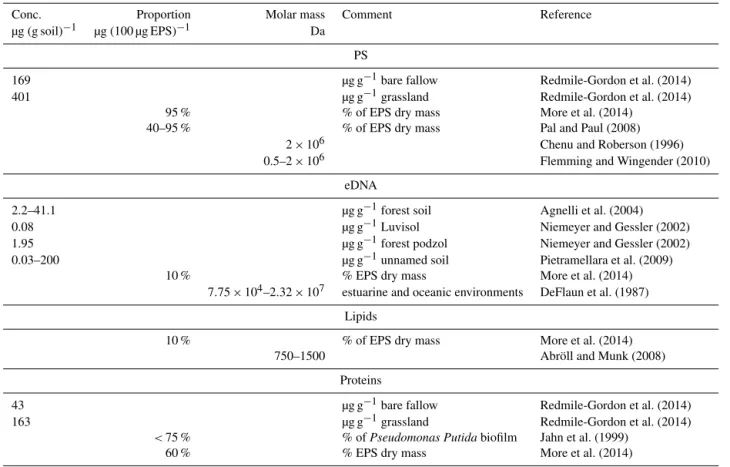
The composition of EPSs is highly variable depending on community composition and environmental cues (Table 1): Redmile-Gordon et al. (2014) measured a natural habitat ex-tracellular polysaccharide concentration of 401 µg g−1 dry soil in grassland and 169 µg g−1 in fallows. Diverse
single-and multi-species biofilms show a proportion of polysaccha-rides on dry EPSs of up to 95 % (Pal and Paul, 2008; More et al., 2014). Different single- and multi-species biofilms in laboratory cultures and natural soils have a dry EPS eDNA content up to 10 % (More et al., 2014). For forest soils val-ues of 1.95 to 41.1 µg g−1 dry soils are known (Niemeyer and Gessler, 2002; Agnelli et al., 2004). Extracellular DNA concentration of other diverse soils ranges between 0.03 and 200 µg g−1dry soil (Niemeyer and Gessler, 2002; Pietramel-lara et al., 2009), whereas concentrations in soils explicitly used for agriculture are unknown. Extracellular matrix pro-tein concentration was measured at 163 µg g−1 dry soil in grassland and 43 µg g−1dry soil in fallow (Redmile-Gordon et al., 2014) but can contribute the largest fraction of EPS dry mass, e.g., 60 % (More et al., 2014), and even up to 75 % inPseudomonas putidabiofilms in laboratory cultures (Jahn et al., 1999). The typical proportion of lipids in the EPS dry mass of different non-soil biofilms amounts up to 10 % (More et al., 2014). Sparse molar mass data from different environ-ments comprise 0.5×10⁶to 2×10⁶Da for polysaccharides (Flemming and Wingender, 2010), 7.75×10⁴to 2.32×10⁷ Da for eDNA (DeFlaun et al., 1987) and 750 to 1500 Da for lipids (Munk, 2008).
Table 1. Concentrations and molar masses of biofilm stabilizing macromolecules (polysaccharides – PS, eDNA, lipids and proteins) in different environments.
Conc. Proportion Molar mass Comment Reference µg (g soil)−1 µg (100 µg EPS)−1 Da
PS
169 µg g−1bare fallow Redmile-Gordon et al. (2014) 401 µg g−1grassland Redmile-Gordon et al. (2014)
95 % % of EPS dry mass More et al. (2014) 40–95 % % of EPS dry mass Pal and Paul (2008)
2×10⁶ Chenu and Roberson (1996) 0.5–2×10⁶ Flemming and Wingender (2010)
eDNA
2.2–41.1 µg g−1forest soil Agnelli et al. (2004) 0.08 µg g−1Luvisol Niemeyer and Gessler (2002) 1.95 µg g−1forest podzol Niemeyer and Gessler (2002) 0.03–200 µg g−1unnamed soil Pietramellara et al. (2009)
10 % % EPS dry mass More et al. (2014) 7.75×10⁴–2.32×10⁷ estuarine and oceanic environments DeFlaun et al. (1987)
Lipids
10 % % of EPS dry mass More et al. (2014) 750–1500 Abröll and Munk (2008)
Proteins
43 µg g−1bare fallow Redmile-Gordon et al. (2014) 163 µg g−1grassland Redmile-Gordon et al. (2014)
<75 % % ofPseudomonas Putidabiofilm Jahn et al. (1999) 60 % % EPS dry mass More et al. (2014)
by grazing protozoa, small metazoa, and microbial extracel-lular enzymes (Battin et al., 2007; Flemming and Wingender, 2010).
The activity of EPS degrading enzymes in natural soils spans up to 2 orders of magnitude: theα-glucosidase andβ -galactosidase activity of various soils ranges from 0.00011 to 0.0011 U g−1and from 0.00017 to 0.0094 U g−1,
respec-tively (Eivazi and Tabatabai, 1988; Acosta-Martinez and Tabatabai, 2000). The lipase activity in coarse mineral soils shows values from 0.3 U g−1 in a sandy soil (Cooper and Morgan, 1981) to 2.09 U g−1 in a Luvisol (Margesin et al., 2000) and up to 5 U g−1in a Leptosol (Margesin et al., 1999). Data for eDNAse activity in soils are not available.
Not much is known about the contribution of EPS to POM occlusion and aggregate stability in relation to other aggre-gate stabilizing factors. That is mainly due to methodolog-ical reasons: though, e.g., Tang et al. (2011) showed a sig-nificant contribution of bacterial growth on aggregate stabil-ity, the observations could not definitely be attributed to soil microbial exopolysaccharide production. Redmile-Gordon et al. (2014) subsequently found that the techniques previously used to measure extracellular polysaccharides in soil co-extracted large quantities of “random” soil organic matter which confounded estimates of EPS production. Owing to the widespread interest in the role of biofilms on soil
fertil-ity, the objectives of this work are (i) to design a selective method for enzymatic biofilm detachment with minor im-pact on other types of aggregate bonds and (ii) to apply the method to an agricultural soil to provide indications of the influence of biofilm cohesion on POM fixation, which is ex-pected to contribute to aggregate stability (Six et al., 2004).
The method combines a modified enzymatic pre-treatment (Böckelmann et al., 2003) withα-glucosidase,β -galactosidase, DNAse and lipase, a determination of the DNA ratio of sessile to suspended cells after enzymatic treatment and an ultrasonication of soil aggregates followed by density fractionation and soil organic carbon (SOC) measurement (Kaiser and Berhe, 2014). The ultrasonica-tion/density fractionation separates SOC into three opera-tional solid fractions: non-occluded free light fraction SOC (fLF-SOC), aggregate-embedded occluded light fraction SOC (oLF-SOC) and colloidal as well as (macro)molecular SOC, which is not detachable from mineral surfaces by the chosen fractionation method and subsumed under heavy fraction (HF-SOC) (Kaiser and Berhe, 2014).
from higher to lower binding strength (represented by ultra-sonic energy levels) that is interpretable as alteration of soil aggregate stability.
2 Materials and methods
2.1 Soil properties and microbial biomass
Well-aggregated silty sand (Su3) of a plowed topsoil from a cropland near Berge (Brandenburg, Germany) was air-dried and sieved to obtain a particle size of 0.63 to 2.0 mm contain-ing mainly macro-aggregates. The aggregates have a pHCaCl2 of 6.9, Corgof 8.7 mg g−1and a carbonate concentration of
0.2 mg g−1.
To estimate the soil microbial biomass, first 8×10 g of soil aggregates was adjusted to 70 % vol soil water content and incubated for 70 h at 20◦C in the dark to attain basal respiration. Then, based on DIN EN ISO 14240-2, half of the samples were fumigated with ethanol-free chloroform in an evacuated desiccator for 24 h, whereas the other half re-mained untreated. Afterwards chloroform was removed and both halves were extracted with 40 mL of 0.5 M K2SO4
so-lution by 30 min of horizontal shaking and filtered through 0.7 µm glass fiber filters. The DOC concentrations of all fil-trates were measured by a TOC analyzer (TOC-5050A, Shi-madzu); 176±22 µg microbial carbon g−1dry soil (Cmic) was
derived from the difference between DOC concentrations of fumigated and non-fumigated samples multiplied by a conversion factor of 2.22 (Joergensen, 1996). Soil bacterial biomass was derived from Cmicas 352±44 mg kg−1
assum-ing 0.5 as a ratio of Cmicto total cell dry mass (Bratbak and
Dundas, 1984).
2.2 Detachment scenarios
Four degradative enzymes were selected on the basis of soil pH and temperature used for catalytic unit defini-tion (Tdef): α-glucosidase from Saccharomyce cerevisiae
(Sigma-Aldrich, pHopt6 to 6.5,Tdef=37◦C, product
num-ber G0660) hydrolyzes terminal α-1,4-glycosidic linkages in polysaccharides asβ-galactosidase fromEscherichia coli
(Sigma-Aldrich, pHopt6 to 8,Tdef=37◦C, product number
G5635) does withβ-glycosidic bonds. Lipase from porcine pancreas (Sigma-Aldrich, pHdef 7.7, Tdef=37◦C, product
number L0382) splits fatty acids from lipids via hydrolysis but does not digest phospholipids, which are part of bac-terial membranes. DNAse I from bovine pancreas (pHdef5, Tdef=25◦C, product number D5025) breaks the
phosphodi-ester linkages between nucleotides of DNA as an endonucle-ase. Proteases were not used because of their unspecificity and therefore incalculable influence on the other applied en-zymes.
The literature shows a wide range of target concentrations related to these enzymes in different soils. As we do not know target concentrations of our soil (due to a lack of extraction
methods), we considered the largest published values (Ta-ble 2) of EPS content ξEPSmax
and enzyme target dry mass
contentsξtargetmaxfrom the literature. Further, as bacterial dry
mass ξcellmin
and target molar masses
Mtargetmin
vary as well, here we choose the minimum percentage and the smallest mass, respectively. These values conduce to a “worst-case” point of view with a maximum of enzyme targets. Any other boundary conditions such as ion activity, diffusion rates or metabolization of enzymes by soil organisms were disre-garded.
Calculated by Eq. (1)
Unittarget=
ccell·q·ξEPSmax·ξtargetmax ·msample
ξcellmin·Mtargetmin ·t (1)
with variables listed in Tables 2 and 3, sufficient enzymes were provided to digest the expected EPS concentration in five scenarios: in the E1 scenarioccellwas given by the results
of fumigation extraction. In the E2 scenario a bacterial dry mass of 500 g m−2in the upper 30 cm is considered, which is assumed to be the maximum for middle and northern Eu-ropean soils (Brauns, 1968). Supposing a soil bulk density of 1.4 g cm−3, accellof 1190.5 µg g−1dry soil is given.
Al-though the soil bulk density of the soil aggregate samples is
∼1.15 g cm−3, we decided to use the soil bulk density of the
original soil, which is in the normal range of sandy silk soil (∼1.40 g cm−3) (Chaudhari et al., 2013). This is due to the fact that biofilm populations are mentioned to be mainly lo-cated in soil aggregates (Nunan et al., 2003) and is in accor-dance with the “worst-case” approach. The E3 scenario uses a 100-fold excess (q=100, Table 3) of the enzyme activi-ties applied in the E2 scenario, whereas the E4 scenario con-tained a 2820-fold excess, which is slightly higher than activ-ities used in Böckelmann et al. (2003). Enzyme-free samples (E0) were used as a control.
2.3 Release of POC
Fifteen grams of air-dried soil aggregates were incubated in five replicates per scenario with 3.4 mL of highly concen-trated artificial rainwater (ARW: 0.2 mM NH4NO3, 0.3 mM
MgSO4×7H2O, 0.5 mM CaCl2×2H2O, 0.5 mM Na2SO4,
cen-Table 2.Variables used for the calculation of enzyme units needed for biofilm target decomposition and scenario parameters shared by all variants.
ccell [µg g−1] bacterial dry mass per gram dry soil
q [–] enzyme concentration multiplier
ξEPSmax [–] maximum ratio of EPS dry mass per total biofilm dry mass (ξEPSmax=0.9a)
ξtargetmax [–] maximum ratio of enzyme target per EPS dry mass (ξpolysaccharidesmax =0.95b,ξlipidsmax =0.1aandξeDNAmax =0.1a)
msample [g] sample mass
ξcellmin [–] minimum ratio of bacterial dry mass per total biofilm dry mass (ξcellmin=0.1a)
Mtargetmin [µg µmol−1] minimum molar mass of enzyme target
(Mpolysaccharidesmin =0.5×10⁶c,Mpolysaccharidesmin =700d,MeDNAmin =7.75×10⁴e)
t [min] incubation time
aMore et al. (2014).bPal and Paul (2008).cFlemming and Wingender (2010).dAbröll and Munk (2008).eDeFlaun et al. (1987).
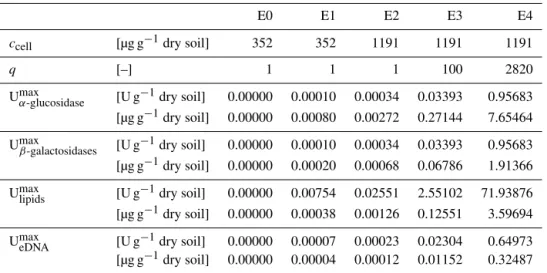
Table 3.Specific scenario parameters of the variants E0, E1, E2, E3 and E4.
E0 E1 E2 E3 E4
ccell [µg g−1dry soil] 352 352 1191 1191 1191
q [–] 1 1 1 100 2820
Umaxα-glucosidase [U g−1dry soil] 0.00000 0.00010 0.00034 0.03393 0.95683 [µg g−1dry soil] 0.00000 0.00080 0.00272 0.27144 7.65464
Umaxβ-galactosidases [U g−1dry soil] 0.00000 0.00010 0.00034 0.03393 0.95683 [µg g−1dry soil] 0.00000 0.00020 0.00068 0.06786 1.91366
Umaxlipids [U g−1dry soil] 0.00000 0.00754 0.02551 2.55102 71.93876
[µg g−1dry soil] 0.00000 0.00038 0.00126 0.12551 3.59694
UmaxeDNA [U g−1dry soil] 0.00000 0.00007 0.00023 0.02304 0.64973
[µg g−1dry soil] 0.00000 0.00004 0.00012 0.01152 0.32487
trifuged for 26 min with 3569g. Sodium polytungstate solu-tion with floating fLF was filtered through a 1.5 µm pore size glass fiber filter to capture LF particles. Afterwards following Golchin et al. (1994) aggregate samples were consecutively disaggregated in four steps by application of each 50 J mL−1 of ultrasonic energy (Branson©Sonifier 250) for 1 min 15 s.
The energy output was determined by measuring the heat-ing rate of water inside a Dewar flask (Schmidt et al., 1999). Every treatment cycle consisted of ultrasonication, centrifu-gation for 26 min with 3569gand filtering of SPT solution through a 1.5 µm pore size glass fiber filter to capture the LF. Afterwards the LFs and the remaining soil matrix (“sedi-ment”, consisting of oLF bonded>150 J mL−1and the HF) were frozen, lyophilized, ground and dried at 105◦C. Total amount of fraction carbon was determined using an
Elemen-tar Vario EL III CNS Analyzer and the absence of carbonates was proved, respectively.
2.4 Release of bacterial DNA
The release of bacterial cells into the solution was quantified using a FastDNA™SPIN Kit for Soil and quantitative real-time PCR.
but gently rotating along the tube’s longitudinal axis to sep-arate detached and planktonic cells from the soil matrix. Su-pernatants of all three washing steps were removed carefully with a pipette, pooled and centrifuged at 13 000gfor 15 min at 4◦C. Then the supernatant was discarded, the pallet resus-pended in 200 µL ARW and transferred to another FastPrep Lysing Matrix E tube. Both soil and washing ARW samples were extracted and purified at 4◦C following the FastDNA™ SPIN Kit for Soil manual. All DNA samples were stored at
−20◦C for further use. A direct subsampling from the aggre-gate stability experiment was rejected due to its destructive capability regarding aggregates. Temperature, substrate, pH and water content of the DNA experiment were similar to the incubation of samples for the measurement of aggregate stability. Further differences (e.g., soil volume) were disre-garded.
Amplification of 10-fold diluted DNA samples was performed using a C1000 Touch Thermal Cycler (Bio-Rad). According to the reference for SG qPCR Master Mix (Roboklon) thermocycling comprised an initial de-naturation at 95◦C for 10 min as well as 55 cycles of 15 s of denaturation at 95◦C, 20 s of annealing at 49◦C and 30 s of elongation at 72◦C. The reaction mix con-tained 1 µL PCR-H2O, 12.5 µL SG qPCR MasterMix, each
0.75 µL of a 20 µmol L−1 solution of the universal bac-terial primers 63f (5′ -CAGGCCTAACACATGCAAGTC-3′) and 341r (5′-CTGCTGCCTCCCGTAGG-3′) (Muyzer et al., 1993; Marchesi et al., 1998) and 10 µL tem-plate DNA. Escherichia coli16 s DNA solution containing 10 000 copies µL−1was used as qPCR standard in steps of
10-fold diluted concentration from 106to 102copies µL−1.
2.5 Statistics
For evaluation of the light fraction SOC (LF-SOC) release, mean values, and standard deviations were calculated. Paral-lels of each variant were positively tested to provide normal distribution and evidence of variance homogeneity (Shapiro– Wilk test, Levene test, bothp >0.05, data not shown). One-way analysis of variance (ANOVA) was applied followed by Tukey test to clarify significant (p <0.05) differences in LF-SOC release between variants of each energy level. Results of bacterial DNA release were presented as duplicates.
3 Results
3.1 Release of particulate organic carbon (POC)
The relative LF carbon release from soil aggregate samples after different enzymatic treatments is shown in Fig. 2. The proportionate C of each captured fraction is defined as Cfrac
C−61, in which Cfracis the release of LF-SOC per energy level
or – in the case of the sediment – the organic carbon remain-ing in the soil matrix. C6 is the total SOC of all separated
LFs and the sediment. Averaging all treatments, around 79 %
Figure 2.Relative POC release of treatments (E0, E1, E2, E3, E4) at different energy levels (0, 50, 100, 150 J mL−1, sediment), illus-trated by Tukey test characters (a, ab, b). Data are shown as mean values and standard deviations (n=5).
of C6remains in the sediment, whereas the bulk of LF-SOC
is released as weakly bound oLF (50 J mL−1) and fLF. Only
around 4.5 % of C6is detached at 100 and 150 J mL−1.
None of the enzymatic treatments altered the quantity of fLF-SOC released in the absence of sonication (0 J mL−1). In contrast, visible differences to the control were shown for E1 (decrease,p=0.34) and E4 (increase,p=0.42) at mild sonication (50 J mL−1), whereas E2 (p=1.00) and E3 (p=1.00) are very similar to the control. The difference be-tween E1 and E4 was statistically significant (p=0.01) as indicated by the Tukey test, and the addition of the high-est enzyme concentration (E4) caused the release of about 63 % more oLF-SOC than occurred with the addition of the lowest concentration (E1). Released LF-SOC at 100 and 150 J mL−1 is not different among treatments. Only the E2 scenario shows any tendency of increased oLF-SOC release at 100 J mL−1 compared to the other treatments (p=0.07
compared to E3).
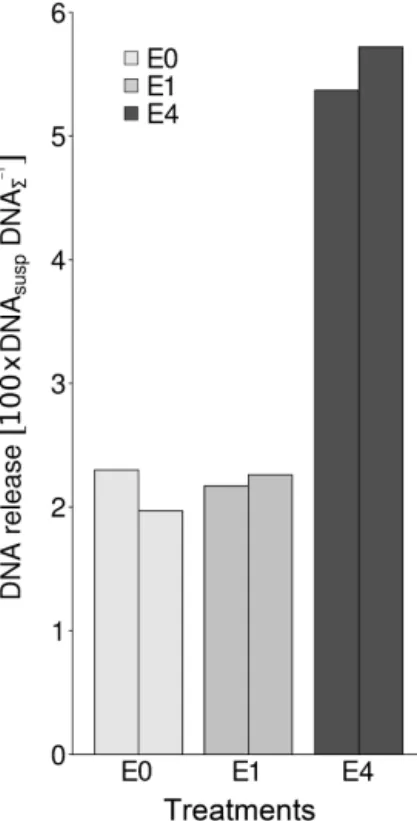
Figure 3.Relative bacterial DNA release from soil aggregates after treatments E0, E1 and E4 defined as 100×ratio of bacterial DNA from suspended cells (DNAsusp) to total bacterial DNA from sus-pended cells, sessile cells (DNA6) and the EPSs remaining upon
the soil matrix.
sum. Therefore alterations must be considered as net C trans-fer between stability fractions.
Cumulating LF-SOC releases of all energy levels, E1 shows a reduction by 16 % compared to the control (3.3 % of C6), whereas E4 was increased by 10 % (2.2 % of C6).
The strongest enzymatic treatment (E4) caused the release of about 58 % (0.49 mg g−1dry soil) more cumulated LF-SOC than occurred with scenario E1.
3.2 Release of bacterial DNA
The relative DNA release after enzymatic treatment, as pic-tured with the treatments E0, E1 and E4 in Fig. 3, is de-fined as the ratio of extracted DNA from suspended bacterial cells (DNAsusp) to the sum of DNA extracted from suspended
and sessile bacterial cells and the remaining EPSs (DNA6)
multiplied by 100. While there was no difference in relative DNA release in the wash of control and low enzyme addi-tions, treatment E4 caused an increase to more than double the DNA content of either E0 or E1, which amounts to 5.6 % of total DNA. This increase is caused by both an increase in released bacterial DNA from suspended bacterial cells and a decrease in eDNA remaining in washed soil.
4 Discussion
We found that increasing the quantity of enzymes applied to aggregates led to increased release of LF-SOC when ag-gregates were sonicated. This detachment is explained by the following mechanism: the enzyme mix flows into the unsatu-rated pore space. From thereα-glucosidase,β-galactosidase, DNAse and lipase diffuse into the biofilm matrix, where structural components like polysaccharides, eDNA and lipids are digested as approved for diverse enzymes and enzyme targets in ecological and medical studies (Böckelmann et al., 2003; Walker et al., 2007). We propose a simple spacial model to explain the observed findings: the biofilm bridges gaps between organic and mineral primary particles, con-nects them in addition to other physico-chemical bondings and builds a restructured pore system inside the aggregate (Fig. 1). As macromolecular biofilm components yield EPS as a viscoelastic structure (Sutherland, 2001), their diges-tion causes a loss in EPS viscosity and thereby should re-duce forces involved in the occlusion of POM. The effect is expected to grow with increasing enzyme activity until the whole EPS matrix is dispersed.
In the following, LF-SOC is interpreted as SOC from re-leased POM, since the share of both adsorbed DOM and colloids on captured dry mass is considered to be negligi-ble after SPT treatment. Furthermore, LF-SOC transferred from the sediment fraction to light fractions due to enzymatic treatment is also interpreted as POM; in contrast mineral-associated organic matter of the HF is not assumed to be ex-tractable at the applied energies (Cerli et al., 2012).
In accordance with the model, measured oLF-SOC re-leases indicate a trend for increased POM release with in-creasing enzyme addition (Fig. 2). The E4 scenario shows that relative oLF-SOC release increased by 63 % (5 % of C6)
likely to be incomplete and the increased oLF-SOC release of E4 only results from a partial soil biofilm detachment. We conclude that there is a slight influence of enzymatic treat-ment on the occlusion of POM at enzyme concentrations ex-ceeding natural concentrations. This conforms to results of Böckelmann et al. (2003), which indicate that a treatment with enzyme concentrations of near that of E4 is sufficient to destabilize biofilms within 1 h.
The incomplete biofilm detachment can be explained by the reduction of enzyme activity due to interaction with the soil matrix. Based on our calculations enzyme concentrations of mix E1 should have been sufficient for total biofilm diges-tion within time of applicadiges-tion (1 h) – as long as there are no other factors reducing enzyme efficiency. As surveys of nat-ural soils show enzyme concentrations up to mix E3 (Cooper and Morgan, 1981; Eivazi and Tabatabai, 1988; Margesin et al., 1999; Acosta-Martinez and Tabatabai, 2000; Margesin et al., 2000), such factors might be reasonably assumed. After addition to the soil sample, enzymes must enter the EPS ma-trix by diffusion. Therefore parts of the enzymes probably do not reach the biofilm due to inhibited diffusion. Beside diffu-sion, sorption and decomposition could play a major role in reducing enzyme efficiency. Whereas turn-over rates of soil enzymes have not yet been assessed, extended stabilization of active enzymes over time on soil mineral and organic sur-faces is reported (Burns et al., 2013). This mechanism could explain immobilization of enzymes off the biofilm and high measured soil enzyme concentrations from the literature in face of still existing biofilms. After penetration of biofilms, (macro)molecules interfere with EPS components depend-ing on molecular size, charge and biofilm structure (Stewart, 1998; Lieleg and Ribbeck, 2011), which strongly influences decay rates of enzymes. Due to these boundary conditions, quantification of the relation of enzyme concentration and POC release was not possible in this work.
The trend for increased POM release with increasing en-zyme addition was only broken by the control treatment. This could probably be explained by pre-incubation of soil aggregates given 0.2 mM NH4NO3 and further addition
of NH4NO3 with enzyme application: Redmile-Gordon et
al. (2015) proposed that low C/N ratios of substrates avail-able to soil microorganisms reduce cell-specific EPS produc-tion rates and may trigger microbial consumpproduc-tion of EPSs to acquire C for cell-growth, which could weaken the biofilm. The observations leading to this proposed dynamic were also found by addition of NH4NO3. In the present study,
NH4NO3was applied with all treatments including the
con-trol (which also received no C from enzyme provision). The lowest C/N ratio in the control soils may itself have sus-tained EPS consumption and repressed reconstruction of the EPSs, contributing to the higher than expected release of POM from the control soil with sonication at 50 J mL−1and the break in the trend for increasing POM release with in-creasing enzyme addition.
Enzyme C in E1 to E4 could be used as microbial C source. The addition of C increases the C/N ratio and has been shown to lead to soil aggregate stabilization (Watts et al., 2005; Tang et al., 2011). Decay rates of enzymes in soil are unknown but needed for a more accurate estimation of enzyme C as a fast energy and carbon source.
Under certain conditions POC release is indicative of soil aggregate stability. Generally, aggregate stability is charac-terized by determining the reduction in aggregate size after application of mechanical force. The commonly used meth-ods are dry and wet sieving. However, the destruction of soil aggregates by ultrasonication has an advantage over these methods, which is the quantification of the applied energy (North, 1976). It is used for studying reduction of aggregate size (Imeson and Vis, 1984) as well as detachment of oc-cluded POC (Golchin et al., 1994). Kaiser and Berhe (2014) reviewed 15 studies using ultrasonication of soil aggregates in consideration of its destructiveness to the soil mineral ma-trix and occluded POM. They found destruction of POM at applied energy levels>60 J mL−1, destruction of sand-sized primary particles at >710 J mL−1 and of smaller mineral particles at even higher energy levels. We used this method of gentle POM detachment from soil aggregates to measure the oLF-SOC release as a result of mechanical force and linked it to aggregate stability. Since Cerli et al. (2012) have shown that the release of free and occluded light fractions strongly depends on soil properties like mineralogy, POM content, composition and distribution, this method is restricted to comparison of soils being similar in these properties. Hav-ing regard to this restriction, the trend for increase of oLF-SOC release over increasing enzyme additions demonstrates an alteration of soil aggregate stability.
Although our results give slight evidence for the influence of biofilms on aggregate stability, they have to be recognized with restrictions to full quantifiability:
1. The enzyme concentration hypothetically needed to dis-perse the whole soil sample EPS matrix depends on diverse boundary conditions like the concentration of enzyme targets, environmental conditions such as pH, temperature as well as ion activity and delay factors such as low diffusion, kinetic influence or metaboliza-tion of enzymes by soil organisms.
2. Underlying enzyme kinetics were measured by the producer using pure targets for unit definition, while biofilm targets are much more diverse and soil matrix could interfere.
4. The decrease of extracted POM mass due to biofilm erasement from surfaces is suggested to be low but could cause underestimation of POM release especially in scenario E4. In contrast, a direct contribution of en-zyme C to the POC release can be refuted. Even in the case of complete adsorption to the POM of only one fraction, the highest enzyme concentration (E4) would result in additional 13.5 µg enzyme g−1dry soil being
<0.4 % of the smallest extracted POM fraction (Ta-ble 3).
5. Regarding DNA release measurement as well, data are semi-quantitative, since quantification of the detach-ment effect is limited by a potential adherence of de-tached cells to soil particles after washing (Absolom et al., 1983; Li and Logan, 2004). Thus, cell release could be underestimated as biofilm detachment increases.
Many of these uncertainties are owed to the high complex-ity of the soil system. Enzymes were applied in concentra-tions 4 orders of magnitude higher than calculated from ac-tual Cmicand even 1–2 orders of magnitude higher than
val-ues from the literature. Incomplete biofilm removal indicated by the release of maximum 5.5 % DNA from the soil ma-trix may suggest that the pooled influence of the disregarded boundary conditions on enzymatic detachment efficiency is large.
However, these results give a first though still vague in-sight into the fundamental processes underlying POM oc-clusion. A slight release of occluded POM coupled with in-creased bacterial DNA release after treatment with high en-zyme concentrations underpins the assumption that biofilm is involved in POM occlusion being a stabilizing agent of soil aggregates as proposed in a review by Or et al. (2007). The apparent increase of POC release caused by the digestion of EPS components suggests biofilm relevance in soil ecosys-tems, e.g., in terms of soil-aggregate related functions like soil water and C dynamics, mechanical stability and rootabil-ity. However, the statistical power of this introductory work is low and a more quantitative analysis of the relation of en-zymatic EPS detachment and POM release would require deeper knowledge of enzyme dynamics in soil, more repli-cate samples, additional enzyme concentrations and proba-bly inclusion of soils from different land use. However, this was beyond the scope of the present study.
5 Conclusions
Extracellular polymeric substance (EPS) was shown to be a promising candidate factor of aggregate stability. Our exper-imental results suggest that EPS contributes to occlusion and attachment of particulate organic matter (POM) in sandy soil aggregates. The application of a highly concentrated mix of
α-glucosidase,β-galactosidase, DNAse and lipase is related to a slight detachment of POM from a stable to a more frag-ile binding structure but not to an increase in POM release
without physical disruption of aggregates by sonication. The pattern of measured light fraction soil organic carbon (LF-SOC) release and additional bacterial DNA release points to an intra-aggregate fixation of POM by enzyme targets. A loss of EPS integrity could therefore cause a detachment of soil organic matter, not only in the laboratory but also in tilled soils. Our results further suggest that a change of the biofilm composition probably due to a shift in microbial population structure may alter soil aggregate stability. On macro-scale this could affect soil compactibility, erodibility, water trans-port, retention and aeration regime, rooting depth, and the occlusion of soil organic carbon. In conclusion, soil EPS dy-namics could be considered a factor of sustainable land use.
The Supplement related to this article is available online at doi:10.5194/soil-2-499-2016-supplement.
Acknowledgements. This project was financially supported by the Leibniz Association (SAW Pact for Research, SAW-2012-ATB-3). We also are grateful to Ulrich Szewzyk and the helpful staff of the Chair of Environmental Microbiology (Department of Environmental Technology, TU Berlin) for the unbureaucratic possibility to use their laboratories. In addition our thanks go out to Lara Schneider. Her bachelor thesis helped us to get an overview in the early phase of this experiment. And thanks both to Dennis Prieß for initiating a good idea during a very good Taiji training and to Tom Grassmann for his help in handling the R coding.
Edited by: S. Doerr
Reviewed by: M. Redmile-Gordon and one anonymous referee
References
Abröll, C., Kurth, T., Langer, T., Munk, K. and Nethe-Jaenchen, R.: Biochemie-Zellbiologie, Georg Thieme Verlag, 2008.
Absolom, D. R., Lamberti, F. V., Policova, Z., Zingg, W., van Oss, C. J., and Neumann, A.: Surface thermodynamics of bacterial adhesion, Appl. Environ. Microbiol., 46, 90–97, 1983.
Acosta-Martinez, V. and Tabatabai, M.: Enzyme activities in a limed agricultural soil, Biol. Fert. Soils, 31, 85–91, 2000.
Agnelli, A., Ascher, J., Corti, G., Ceccherini, M. T., Nannipieri, P., and Pietramellara, G.: Distribution of microbial communities in a forest soil profile investigated by microbial biomass, soil res-piration and DGGE of total and extracellular DNA, Soil Biol. Biochem., 36, 859–868, 2004.
Alaoui, A., Lipiec, J., and Gerke, H.: A review of the changes in the soil pore system due to soil deformation: A hydrodynamic perspective, Soil Till. Res., 115–116, 1–15, 2011.
Ashman, M., Hallett, P., Brookes, P., and Allen, J.: Evaluating soil stabilisation by biological processes using step-wise aggregate fractionation, Soil Till. Res., 102, 209–215, 2009.
Terrestrial Ecosystem, John Wiley&Sons, Ltd: Chichester, West Sussex, UK, 84–129, 2002.
Ball, B. and Robertson, E.: Effects of uniaxial compaction on aer-ation and structure of ploughed or direct drilled soils, Soil Till. Res., 31, 135–148, 1994.
Barthes, B. and Roose, E.: Aggregate stability as an indicator of soil susceptibility to runoff and erosion; validation at several levels, Catena, 47, 133–149, 2002.
Battin, T. J., Sloan, W. T., Kjelleberg, S., Daims, H., Head, I. M., Curtis, T. P., and Eberl, L.: Microbial landscapes: new paths to biofilm research, Nat. Rev. Microbiol., 5, 76–81, 2007.
Baumgartl, T. and Horn, R.: Effect of aggregate stability on soil compaction, Soil Till. Res., 19, 203–213, 1991.
Bengough, A. and Mullins, C.: Mechanical impedance to root growth: a review of experimental techniques and root growth re-sponses, J. Soil Sci., 41, 341–358, 1990.
Bennie, A. and Burger, R. D. T.: Penetration resistance of fine sandy apedal soils as affected by relative bulk density, water content and texture, South African Journal of Plant and Soil, 5, 5–10, 1988.
Böckelmann, U., Szewzyk, U. and Grohmann, E.: A new enzymatic method for the detachment of particle associated soil bacteria, J. Microbiol. Meth., 55, 201–211, 2003.
Bratbak, G. and Dundas, I.: Bacterial dry matter content and biomass estimations, Appl. Environ. Microbiol., 48, 755–757, 1984.
Brauns, A.: Praktische Bodenbiologie, G. Fischer Verlag, Stuttgart, Germany, 1–470, 1968.
Brodowski, S., John, B., Flessa, H., and Amelung, W.: Aggregate-occluded black carbon in soil, Eur. J. Soil Sci., 57, 539–546, 2006.
Bronick, C. J. and Lal, R.: Soil structure and management: a review, Geoderma, 124, 3–22, 2005.
Brown, G. G., Barois, I., and Lavelle, P.: Regulation of soil organic matter dynamics and microbial activityin the drilosphere and the role of interactionswith other edaphic functional domains, Eur. J. Soil Biol., 36, 177–198, 2000.
Burns, R. G., DeForest, J. L., Marxsen, J., Sinsabaugh, R. L., Stromberger, M. E., Wallenstein, M. D., Weintraub, M. N., and Zoppini, A.: Soil enzymes in a changing environment: current knowledge and future directions, Soil Biol. Biochem., 58, 216– 234, 2013.
Cerli, C., Celi, L., Kalbitz, K., Guggenberger, G., and Kaiser, K.: Separation of light and heavy organic matter fractions in soil – Testing for proper density cut-off and dispersion level, Geo-derma, 170, 403–416, 2012.
Chaudhari, P. R., Ahire, D. V., Ahire, V. D., Chkravarty, M., and Maity, S.: Soil bulk density as related to soil texture, organic matter content and available total nutrients of Coimbatore soil, International Journal of Scientific and Research Publications, 3, 1–8, 2013.
Chenu, C. and Stotzky, G.: Interactions between microorganisms and soil particles: an overview, in: Interactions between Soil Par-ticles and Microorganisms: Impact on the Terrestrial Ecosystem, IUPAC Series on Analytical and Physical Chemistry of Environ-mental Systems, 1–40, 2002.
Cooper, A. and Morgan, H.: Improved fluorometric method to assay for soil lipase activity, Soil Biol. Biochem., 13, 307–311, 1981.
Das, T., Sehar, S., Koop, L., Wong, Y. K., Ahmed, S., Siddiqui, K. S., and Manefield, M.: Influence of calcium in extracellular DNA mediated bacterial aggregation and biofilm formation, PloS one, 9, e91935, doi:10.1371/journal.pone.0091935, 2014.
Davey, M. E. and O’toole, G. A.: Microbial biofilms: from ecology to molecular genetics, Microbiol. Mol. Biol. R., 64, 847–867, 2000.
DeFlaun, M. F., Paul, J. H., and Jeffrey, W. H.: Distribution and molecular weight of dissolved DNA in subtropical estuarine and oceanic environments, Mar. Ecol.-Prog. Ser., 38, 65–73, 1987. Eivazi, F. and Tabatabai, M.: Glucosidases and galactosidases in
soils, Soil Biol. Biochem., 20, 601–606, 1988.
Eusterhues, K., Wagner, F. E., Häusler, W., Hanzlik, M., Knicker, H., Totsche, K. U., Kögel-Knabner, I., and Schwertmann, U.: Characterization of ferrihydrite-soil organic matter coprecipi-tates by X-ray diffraction and Mossbauer spectroscopy, Environ. Sci. Technol., 42, 7891–7897, 2008.
Flemming, H.-C. and Wingender, J.: The biofilm matrix, Nat. Rev. Microbiol., 8, 623–633, 2010.
Golchin, A., Oades, J., Skjemstad, J., and Clarke, P.: Study of free and occluded particulate organic matter in soils by solid state 13C CP/MAS NMR spectroscopy and scanning electron mi-croscopy, Soil Research, 32, 285–309, 1994.
Imeson, A. and Vis, M.: Assessing soil aggregate stability by water-drop impact and ultrasonic dispersion, Geoderma, 34, 185–200, 1984.
Jahn, A., Griebe, T., and Nielsen, P. H.: Composition of Pseu-domonas putida biofilms: accumulation of protein in the biofilm matrix, Biofouling, 14, 49–57, 1999.
Jastrow, J. and Miller, R.: Soil aggregate stabilization and carbon sequestration: feedbacks through organomineral associations, in: Soil processes and the carbon cycle, CRC Press Boca Raton, FL, 207–223, 1997.
Joergensen, R. G.: The fumigation-extraction method to estimate soil microbial biomass: calibration of the k EC value, Soil Biol. Biochem., 28, 25–31, 1996.
Kaiser, M. and Berhe, A. A.: How does sonication affect the mineral and organic constituents of soil aggregates? – A review, J. Plant Nutr. Soil Sc., 177, 479–495, 2014.
Kalbitz, K., Solinger, S., Park, J.-H., Michalzik, B., and Matzner, E.: Controls on the dynamics of dissolved organic matter in soils: a review, Soil Sci., 165, 277–304, 2000.
Lal, R.: Sequestration of atmospheric CO2in global carbon pools,
Energ. Environ. Sci., 1, 86–100, 2008.
Li, B. and Logan, B. E.: Bacterial adhesion to glass and metal-oxide surfaces, Colloid. Surface. B, 36, 81–90, 2004.
Lieleg, O. and Ribbeck, K.: Biological hydrogels as selective diffu-sion barriers, Trends Cell Biol., 21, 543–551, 2011.
Lützow, M. v., Kögel-Knabner, I., Ekschmitt, K., Matzner, E., Guggenberger, G., Marschner, B., and Flessa, H.: Stabilization of organic matter in temperate soils: mechanisms and their rele-vance under different soil conditions – a review, Eur. J. Soil Sci., 57, 426–445, 2006.
Margesin, R., Zimmerbauer, A., and Schinner, F.: Soil lipase activ-ity – a useful indicator of oil biodegradation, Biotechnol. Tech., 13, 859–863, 1999.
Margesin, R., Zimmerbauer, A., and Schinner, F.: Monitoring of bioremediation by soil biological activities, Chemosphere, 40, 339–346, 2000.
More, T., Yadav, J., Yan, S., Tyagi, R., and Surampalli, R.: Extra-cellular polymeric substances of bacteria and their potential en-vironmental applications, J. Environ. Manag., 144, 1–25, 2014. Munk, K.: Biochemie-Zellbiologie, Georg Thieme Verlag,
Stuttgart, Germany, 1–576, 2008.
Muyzer, G., De Waal, E. C., and Uitterlinden, A. G.: Profiling of complex microbial populations by denaturing gradient gel electrophoresis analysis of polymerase chain reaction-amplified genes coding for 16S rRNA, Appl. Environ. Microb., 59, 695– 700, 1993.
Niemeyer, J. and Gessler, F.: Determination of free DNA in soils, J. Plant Nutr. Soil Sc., 165, 121–124, 2002.
North, P.: Towards an absolute measurement of soil structural sta-bility using ultrasound, J. Soil Sci., 27, 451–459, 1976. Nunan, N., Wu, K., Young, I. M., Crawford, J. W., and Ritz, K.:
Spa-tial distribution of bacterial communities and their relationships with the micro-architecture of soil, FEMS Microbiol. Ecol., 44, 203–215, 2003.
Oades, J.: The role of biology in the formation, stabilization and degradation of soil structure, Geoderma, 56, 377–400, 1993. Or, D., Smets, B. F., Wraith, J., Dechesne, A., and Friedman, S.:
Physical constraints affecting bacterial habitats and activity in unsaturated porous media – a review, Adv. Water Resour., 30, 1505–1527, 2007.
Pal, A. and Paul, A.: Microbial extracellular polymeric substances: central elements in heavy metal bioremediation, Indian J. Micro-biol., 48, 49–64, 2008.
Pietramellara, G., Ascher, J., Borgogni, F., Ceccherini, M., Guerri, G., and Nannipieri, P.: Extracellular DNA in soil and sediment: fate and ecological relevance, Biol. Fert. Soils, 45, 219–235, 2009.
Pokrovsky, O. S., Dupré, B., and Schott, J.: Fe–Al–organic colloids control of trace elements in peat soil solutions: results of ultrafil-tration and dialysis, Aquat. Geochem., 11, 241–278, 2005. Redmile-Gordon, M., Brookes, P., Evershed, R., Goulding, K., and
Hirsch, P.: Measuring the soil-microbial interface: Extraction of extracellular polymeric substances (EPS) from soil biofilms, Soil Biol. Biochem., 72, 163–171, 2014.
Redmile-Gordon, M., Evershed, R., Hirsch, P., White, R., and Goulding, K.: Soil organic matter and the extracellular micro-bial matrix show contrasting responses to C and N availability, Soil Biol. Biochem., 88, 257–267, 2015.
Rillig, M. C.: Arbuscular mycorrhizae, glomalin, and soil aggrega-tion, Can. J. Soil Sci., 84, 355–363, 2004.
Schmidt, M., Rumpel, C., and Kögel-Knabner: Evaluation of an ul-trasonic dispersion procedure to isolate primary organomineral complexes from soils, Eur. J. Soil Sci., 50, 87–94, 1999. Schmitt, J. and Flemming, H.-C.: Water binding in biofilms, Water
Sci. Technol., 39, 77–82, 1999.
Six, J., Conant, R., Paul, E. A., and Paustian, K.: Stabilization mech-anisms of soil organic matter: implications for C-saturation of soils, Plant Soil, 241, 155–176, 2002.
Six, J., Bossuyt, H., Degryze, S., and Denef, K.: A history of re-search on the link between (micro) aggregates, soil biota, and soil organic matter dynamics, Soil Till. Res., 79, 7–31, 2004. Skidmore, E. and Powers, D.: Dry soil-aggregate stability:
energy-based index, Soil Sci. Soc. Am. J., 46, 1274–1279, 1982. Stewart, P. S.: A review of experimental measurements of
effec-tive diffusive permeabilities and effeceffec-tive diffusion coefficients in biofilms, Biotechnol. Bioeng., 59, 261–272, 1998.
Sutherland, I. W.: Biofilm exopolysaccharides: a strong and sticky framework, Microbiology, 147, 3–9, 2001.
Tang, J., Mo, Y., Zhang, J., and Zhang, R.: Influence of biological aggregating agents associated with microbial population on soil aggregate stability, Appl. Soil Ecol., 47, 153–159, 2011. Taylor, H. and Brar, G.: Effect of soil compaction on root
develop-ment, Soil Till. Res., 19, 111–119, 1991.
Tisdall, J.: Fungal hyphae and structural stability of soil, Soil Re-search, 29, 729–743, 1991.
Tisdall, J. and Oades, J.: Organic matter and water-stable aggregates in soils, J. Soil Sci., 33, 141–163, 1982.
Walker, S. L., Fourgialakis, M., Cerezo, B., and Livens, S.: Removal of Microbial Biofilms from Dispense Equipment: The Effect of Enzymatic Pre-digestion and Detergent Treatment, J. I. Brewing, 113, 61–66, 2007.
Watts, C. W., Whalley, W. R., Brookes, P. C., Devonshire, B. J., and Whitmore, A. P.: Biological and physical processes that mediate micro-aggregation of clays, Soil Science, 170, 573–583, 2005. Weng, L., Temminghoff, E. J., Lofts, S., Tipping, E., and Van
Riemsdijk, W. H.: Complexation with dissolved organic matter and solubility control of heavy metals in a sandy soil, Environ. Sci. Techno., 36, 4804–4810, 2002.
Wright, S. and Upadhyaya, A.: A survey of soils for aggregate sta-bility and glomalin, a glycoprotein produced by hyphae of arbus-cular mycorrhizal fungi, Plant Soil, 198, 97–107, 1998. Zhang, X., Bishop, P. L., and Kupferle, M. J.: Measurement of