INTEGRATED MASTER IN ENVIRONMENTAL ENGINEERING 2014/2015
Determination of priority substances and contaminants of
emerging concern in drinking water and their removal by
chemical processes
Marta Sofia Oliveira Barbosa
Dissertation for the Degree of: MASTER IN ENVIRONMENTAL ENGINEERING
Developed at:
Laboratory of Catalysis and Materials (LCM)
President of the Jury:
Supervisor: Adrián Manuel Tavares da Silva, Investigador Principal Co-supervisor: Ana Rita Lado Ribeiro, Investigadora de Pós-Doutoramento
Co-supervisor: Manuel Fernando Ribeiro Pereira, Professor Associado
Department of Chemical Engineering Faculty of Engineering – University of Porto
i
Determination of priority substances and contaminants of emerging concern in drinking water and their removal by chemical processes
Agradecimentos
A realização deste trabalho foi possível com a contribuição de inúmeras pessoas a quem gostaria de agradecer.
Em primeiro lugar, um agradecimento especial à minha co-orientadora, Rita Lado Ribeiro, pela supervisão deste trabalho, pela partilha de conhecimentos, pelo interminável apoio e dedicação ao longo destes meses, pelas oportunidades que me concedeu e, sobretudo, pela amizade e carinho demonstrados.
Ao meu orientador, Doutor Adrián Silva e ao meu co-orientador, Professor Doutor Fernando Pereira, pela oportunidade de realizar este trabalho, pela orientação e apoio prestados e pela simpatia e prontidão demonstrada no decorrer destes 5 meses.
Agradeço ao Professor Doutor José Luís Figueiredo, diretor do Laboratório de Catálise e Materiais, Laboratório Associado LSRE-LCM, por ter disponibilizado os recursos técnicos necessários à realização deste trabalho.
Aos colegas do Laboratório de Catálise e Materiais pela ajuda concedida nas diversas etapas deste projeto, pela simpatia e pelos bons momentos que me proporcionaram, em especial ao Nuno Moreira, à Marta Pedrosa, à Tânia Silva, ao Ricardo Segundo, à Eliana Sousa, à Rita Marques, à Carla Esteves, ao Diogo Santos e ao Edmilson Vaz.
À minha família e aos meus amigos do coração, quero expressar a minha eterna gratidão por acreditarem sempre em mim e me ajudarem a chegar até aqui.
Ao João, por ser o melhor colega de trabalho, o melhor amigo e o melhor namorado. Agradeço a infinita paciência, todo o apoio e incentivo ao longo desta etapa que agora termina.
E por último, às pessoas mais importantes da minha vida, a minha mãe e os meus bisavôs, que fizeram de mim a pessoa que sou hoje, me transmitiram todos valores e me ensinaram o verdadeiro significado da palavra amor. Apesar de já não estarem cá fisicamente, estão e estarão sempre no meu pensamento e coração.
A todas estas pessoas, muito obrigada!
Este trabalho foi realizado no âmbito do projeto NORTE-07-0202-FEDER-038900 (NEPCAT), financiado pelo Fundo Europeu de Desenvolvimento Regional (FEDER) através do Programa Operacional do Norte (ON2) e do Quadro de Referência Estratégico Nacional (QREN). É cofinanciado pela Fundação para a Ciência e a Tecnologia/Ministério da Educação e da Ciência (FCT/MEC) e pela FEDER sob o Programa PT2020 (Projeto
ii
Determination of priority substances and contaminants of emerging concern in drinking water and their removal by chemical processes
UID/EQU/50020/2013) e pelo QREN, ON2 e FEDER, através do Programa COMPETE (Projetos NORTE-07-0124-FEDER-000015 e NORTE-07-0162-FEDER-000050).
iii
Determination of priority substances and contaminants of emerging concern in drinking water and their removal by chemical processes
Abstract
The presence of micropollutants in the environment, usually found at trace concentrations (ng L-1 to µg L-1), has been highlighted in the last decades. These residual compounds, some
of them so-called contaminants of emerging concern (CECs), are not completely removed during wastewater treatment. Therefore, CECs are discharged into receiving water bodies which might be sources for drinking water (DW) supply, bringing several implications for public health. In this context, it is important to set up fast, sensitive and reliable analytical methods that enable the determination of a wide range of pollutants in DW at low concentration levels.
This work describes the optimization and development of a green analytical method based on solid phase extraction (SPE) followed by ultra-high-performance liquid chromatography coupled to tandem mass spectrometry (UHPLC-MS/MS), for the fast and simultaneous determination of twenty three pollutants in DW: seven pesticides, one industrial compound, fourteen pharmaceuticals and a metabolite. Some of them were defined as priority substances in the Directive 2013/39/EU or included in the recent watch list of European Commission Decision 2015/495/EU.
UHPLC and MS parameters, as well as several conditions of the SPE procedure were fully optimized. A Kinetex™ 1.7 µm XB-C18 100 Å column (100 × 2.1 mm, i.d.) was used and the optimized mobile phase consisted in ethanol/water (70:30, v/v) at a flow rate of 0.20 mL min-1. The higher recoveries for most compounds were achieved with Oasis® HLB,
ethanol as solvent, 250 mL of water samples at pH 3, adding sodium thiosulfate as dechlorinating agent. The SPE-UHPC-MS/MS method was validated, achieving linearity (R2 > 0.99), selectivity and sensitivity within the range of 0.75−40 ng L-1 for all compounds.
The method detection limits were between 0.01 and 0.02 ng L-1 and the method
quantification limits were between 0.04 and 0.60 ng L-1. The identity of the compounds
was confirmed by the retention time and using two MS/MS transitions and its ion ratios, according to European Commission Decision 2002/657/EC.
The validated method was applied to DW samples from different sources and locations of the north of Portugal, assessing the concentration of the target micropollutants. Thirteen compounds were detected in the DW samples. In addition, lab-scale photolysis (UV) and ozonation experiments were performed for tap water samples, collected from the water supply network of Porto (Portugal) and spiked with the target micropollutants. Only eight pharmaceuticals were completely removed by these water treatments: (i) tramadol, venlafaxine, atorvastatin and azithromycin by both processes; (ii) clopidrogel,
iv
Determination of priority substances and contaminants of emerging concern in drinking water and their removal by chemical processes
carbamazepine and isoproturon by ozonation;and (iii) the metabolite norfluoxetine by UV photolysis. Regarding to the other substances, the efficiency of the tested processes varied according to the target micropollutant. In this context, other technologies should be applied for the effective treatment of drinking waters.
Keywords: Directive 2013/39/EU; Commission Decision 2015/495/EU; micropollutants; drinking water; solid phase extraction; ultra-high-performance liquid chromatography-tandem mass spectroscopy; ozonation; photolysis.
v
Determination of priority substances and contaminants of emerging concern in drinking water and their removal by chemical processes
Resumo
A presença de micropoluentes no ambiente, geralmente detetados em concentrações vestigiais (ng L-1 a µg L-1), tem sido alvo de grande destaque nas últimas décadas. Estes
compostos, alguns deles designados como contaminantes de preocupação emergente, não são completamente removidos nas estações de tratamento de águas residuais (ETAR) urbanas, sendo posteriormente descarregados nos cursos de água que servirão de fonte de extração de água para consumo humano. A ocorrência de micropoluentes na água potável acarreta diversas implicações para a saúde pública. Neste âmbito, o desenvolvimento de métodos de análise rápidos, de confiança e com elevada sensibilidade que permitam detetar uma vasta gama de micropoluentes em água para consumo é essencial.
O presente trabalho descreve a otimização e o desenvolvimento de um método analítico ecológico, baseado na extração em fase sólida (SPE) seguida de cromatografia líquida de ultra-alta eficiência (UHPLC) associada à espectrometria de massa (MS) em tandem, para a determinação rápida e simultânea de vinte e três poluentes em água para consumo: sete pesticidas, um composto industrial, catorze fármacos e um metabolito. Alguns destes compostos encontram-se definidos como substâncias prioritárias na Diretiva Europeia 2013/39/UE, ou estão incluídos na recente lista de vigilância da Decisão da Comissão Europeia 2015/495/UE.
Os parâmetros do sistema de UHPLC-MS/MS, bem como várias condições do procedimento de SPE, foram completamente otimizados. A coluna usada foi uma Kinetex™ 1,7 µm XB-C18 100 Å (100 × 2,1 mm, d.i.) e a fase móvel otimizada consistiu em etanol/água (70:30, v/v) com um caudal de 0,20 mL min-1. As recuperações mais elevadas foram obtidas com a
utilização de cartuchos Oasis® HLB, etanol como solvente, amostras de 250 mL acidificadas a pH 3, adicionando tiossulfato de sódio como agente de remoção de cloro. O método SPE-UHPLC-MS/MS foi validado, conseguindo-se obter linearidade (R2> 0,99), seletividade e
sensibilidade na gama de 0,75—40 ng L-1, para todos os compostos. Os limites de deteção
do método situaram-se entre 0,01 e 0,02 ng L-1 e os limites de quantificação
encontraram-se entre 0,04 e 0,60 ng L-1. A identidade dos compostos foi confirmada através do tempo
de retenção e usando duas transições MS/MS e as respetivas proporções entre as fragmentações, de acordo com a Decisão da Comissão Europeia 2002/657/CE.
O método otimizado e validado foi aplicado a amostras de água para consumo, de diferentes origens (rede de abastecimento, fontes e poços) e zonas do norte de Portugal, tendo sido detetados treze micropoluentes. Foram ainda realizados ensaios de fotólise (UV) e ozonização, à escala laboratorial, com amostras de água recolhidas da rede de
vi
Determination of priority substances and contaminants of emerging concern in drinking water and their removal by chemical processes
abastecimento do Porto (Portugal), posteriormente, contaminadas com os micropoluentes em causa. Apenas oito compostos farmacêuticos foram completamente removidos nos ensaios realizados: (i) tramadol, venlafaxina, atrovastatina e azitromicina pelos dois processos de tratamento; (ii) clopidrogel, carbamazepina e isoproturon por ozonização; e (iii) o metabolito norfluoxetina, quando utilizada a fotólise. Relativamente aos outros compostos, a eficiência dos processos testados varia de acordo com o micropoluente alvo. Neste contexto, outras tecnologias deverão ser aplicadas para o tratamento efetivo de águas para consumo.
Palavras-chave: Diretiva 2013/39/UE; Decisão da Comissão Europeia 2015/495/UE; micropoluentes; água potável; extração em fase sólida; cromatografia líquida de ultra-alta eficiência; espectrometria de massa em tandem; ozonização; fotólise.
vii
Determination of priority substances and contaminants of emerging concern in drinking water and their removal by chemical processes
Nomenclature
AOP - Advanced oxidation process
CEC - Contaminant of emerging concern
CID - Collision induced dissociation
DW – Drinking water
DWD - Drinking water directive
DWTP – Drinking water treatment plant
EC – European Commission
EDC – Endocrine disrupting compound
EDTA – Ethylenediaminetetraacetic acid
EE2 – Ethinylestradiol
EQS – Environmental quality standards
EU – European Union
GC – Gas chromatography
HLB – Hydrophilic–Lipophilic–Balanced
IDL – Instrument detection limit
IQL – Instrument quantification limit
LC – Liquid chromatography
LLE – Liquid–liquid extraction
LP – Low pressure
MAX – Mixed–mode anion eXchange
MCX – Mixed–mode cation eXchange
MDL – Method detection limit
ME – Matrix effect
MQL – Method quantification limit
MS – Mass spectrometry
viii
Determination of priority substances and contaminants of emerging concern in drinking water and their removal by chemical processes
MP – Medium pressure
Mw – Molecular weight
MVP – Mercury–vapour lamp
PPCPs – Pharmaceuticals and personal care products
POP - Persistent organic pollutant
PS – Priority substance
PTFE – Polytetrafluoroethylene
QC – Quality control
QqQ – Triple quadrupole
RSD – Relative standard deviation
SPE – Solid phase extraction
SPME – Solid phase microextraction
SRM – Selected reaction monitoring
UHPLC – Ultra–high-performance liquid chromatography
UV – Ultraviolet
UWWD – Urban waste water directive
WFD – Water framework directive
WWTP – Waste water treatment plant
ix
Determination of priority substances and contaminants of emerging concern in drinking water and their removal by chemical processes
Table of contents
Agradecimentos ... i Abstract ... iii Resumo ... v Nomenclature ... vii 1. Introduction ... 11.1. Overview of the problem ... 1
1.2. Priority substances and contaminants of emerging concern ... 2
1.2.1. Definition ... 2
1.2.2. Pollution sources and environmental fate ... 3
1.2.3. Public health risks ... 5
1.3. European legislation ... 6
1.4. Analytical methods for determination of micropollutants in drinking water ... 7
1.4.1. Extraction and concentration of water samples... 8
1.4.2. Separation and detection of micropollutants ... 10
1.5. Treatment of micropollutants in drinking water ... 12
1.5.1. Photolysis ... 13
1.5.2. Ozonation ... 13
1.6. Objectives... 14
2. State of the art ... 15
3. Experimental ... 19
3.1. Chemicals and materials ... 19
3.2. Solid phase extraction... 22
3.3. Ultra-high-performance liquid chromatography–tandem mass spectrometry (UHPLC–MS/MS) analysis ... 23
3.5. Method validation parameters ... 24
3.6. Matrix effect evaluation ... 25
3.7. Quantification in drinking waters... 26
3.8. Lab-scale photolysis (UV) and ozonation (O3) experiments ... 26
4. Results and discussion ... 28
4.1. UHPLC-MS/MS ... 28
4.1.1. Chromatographic separation ... 28
4.1.2. Mass spectrometry (MS/MS) ... 29
x
Determination of priority substances and contaminants of emerging concern in drinking water and their removal by chemical processes
4.3. Method validation ... 40
4.4. Matrix effects ... 42
4.5. Quantification of micropollutants in drinking waters ... 43
4.6. Quantification of micropollutants in DW after photolysis (UV) and ozonation (O3) 46 5. Conclusions ... 48 6. Future work ... 49 7. Outputs ... 49 References ... 50 Appendix A ... 56
A1 - List of priority substances in the field of water policy ... 56
A2 - Watch list of substances for Union-wide monitoring in the field of water policy 59 Appendix B: Mobile phase ... 60
xi
Determination of priority substances and contaminants of emerging concern in drinking water and their removal by chemical processes
List of figures
Figure 1 – Distribution of water on earth ... 1
Figure 2 – Representative sources and routes of micropollutants in the environment. 3 Figure 3 - Commercial brands of Oasis ® SPE extraction cartridges constituted by polymeric adsorbents, frequently utilized in the extraction of micropollutants from water samples. ... 9
Figure 4 - Overview of mass spectrometric techniques... 11
Figure 5 – Triple quadrupole (QqQ) mass analyzer: In MS/MS mode, the precursor ions are selectively transmitted to the collision chamber and fragmented, and the resulting product ions are resolved in the third quadrupole. ... 11
Figure 6 – Resonance structures of the molecule of ozone. ... 13
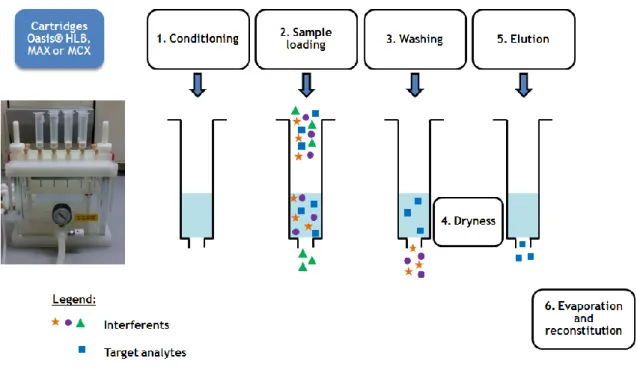
Figure 7 – Schematic representation of SPE procedure. ... 22
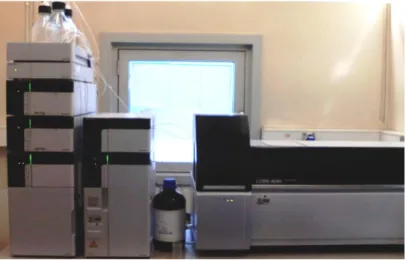
Figure 8 – Equipment used to LC-MS/MS analysis. ... 24
Figure 9 - Photolysis (left) and ozonation (right) experiments at lab-scale. ... 26
Figure 10 – Combinations of organic and aqueous phases tested. ... 28
Figure 11 - Recoveries obtained for micropollutants for different pH (3, 7 and 9), extracting 250 mL of tap water samples through Oasis® HLB cartridges and using methanol as solvent: a) pesticides and industrial compound; b) pharmaceuticals and metabolite. ... 34
Figure 12 – Recoveries obtained for micropollutants for different solvents (methanol and ethanol), extracting 250 mL of tap water samples (pH 3) through Oasis® HLB: a) pesticides and industrial compound; b) pharmaceuticals and metabolite. ... 35
Figure 13 - Recoveries obtained for micropollutants for different cartridges (Oasis® HLB, MAX and MCX) extracting 250 mL of tap water samples (pH 3 for HLB and MAC; pH 9 for MCX) and using ethanol (HLB) or methanol (MAX and MCX) as solvents: a) Pesticides and industrial compound; b) Pharmaceuticals and metabolite. ... 36
Figure 14 – Recoveries obtained for micropollutants, extracting different sample volumes (100, 250, 500 and 1000 mL), of tap water samples (pH 3) through Oasis® HLB cartridges, using ethanol as a solvent: a) pesticides and industrial compound; b) pharmaceuticals and metabolite. ... 37
Figure 15 – Recoveries obtained for micropollutants extracting 250 mL of tap water samples (pH 3), with the addition of a quelating (EDTA) or dechlorination additives (sodium thiosulphate or ascorbic acid) through Oasis® HLB cartridges, using ethanol as a solvent: a) pesticides and industrial compound; b) pharmaceuticals and metabolite. ... 38
Figure 16 – Recoveries obtained for micropollutants extracting 250 mL of tap water samples (pH 3), with the addition of sodium thiosulphate (6 g L-1), using ethanol as a solvent through new and twice reused Oasis® HLB cartridges: a) pesticides and industrial compound; b) pharmaceuticals and metabolite. ... 39
Figure 17 – Normalized concentration of the micropollutants (C/Ci) in DW, where Ci refers to the concentration before and C to that after the lab-scale UV photolysis or ozonation treatments. ... 46
Figure 18 – Chromatograms of fluoxetine obtained with different mobile phases: ethanol/ultrapure water; ethanol/ammonium acetate; ethanol/formic acid. ... 60
xii
Determination of priority substances and contaminants of emerging concern in drinking water and their removal by chemical processes
Figure 19 - Chromatograms of fluoxetine obtained with different mobile phases: acetonitrile/ultrapure water; acetonitrile/ammonium acetate; acetonitrile/formic acid. ... 60 Figure 20 - Chromatograms of fluoxetine obtained with different mobile phases: methanol/ultrapure water; methanol/ammonium acetate; methanol/formic acid... 61 Figure 21 – Results obtained for target micropollutants with different desolvation temperature values: 200, 225, 250, 275, and 300 º C. ... 62 Figure 22 - Results obtained for target micropollutants with different source temperature values: 200, 250, 300, 350, 400 and 450 º C. ... 62 Figure 23 - Results obtained for target micropollutants with different nebulizing gas flow values: 1.0, 1.5, 2.0, 2.5 and 3.0 L min-1. ... 63
Figure 24 – Results obtained for target micropollutants with different drying gas flow values: 10.0, 12.5 and 15.0 L min-1. ... 63
Figure 25 – Results obtained for target micropollutants with different capillary voltage values: 0.5, 1.5, 2.5, 3.5 and 4.5 kV. ... 64
List of tables
Table 1 - Analytical methods developed for analysis of micropollutants in DW. ... 15 Table 2 - Removal of micropollutants in DW by chemical processes. ... 17 Table 3 - Compounds studied in the present work: class, structure, molecular weight (Mw) and pKa. ... 20 Table 4 - Optimized mass spectrometer parameters for SRM analysis of the target analytes. ... 30 Table 5 - Retention time, range, linearity, instrument and method detection and quantification limits for each target analyte. ... 32 Table 6 - Recovery, accuracy, precision (intra- and inter-batch) and matrix effect for each target analyte. ... 41 Table 7 - Concentrations of micropollutants (ng L-1) detected in tap, fountain and
well water samples analyzed. ... 44 Table 8 - Priority substances defined in the Directive 2013/39/EU. ... 56 Table 9 - Watch list of substances for Union-wide monitoring in the field of water policy defined in the COMMISSION IMPLEMENTING DECISION (EU) 2015/495 of 20 March 2015. ... 59
1
Determination of priority substances and contaminants of emerging concern in drinking water and their removal by chemical processes
1. Introduction
1.1. Overview of the problem
In this century, one of the major problems that humanity faces concerns to the quantity and/or quality of water. Although most of the Earth planet is covered by water, only a small amount (ca. 3%) is available as fresh water. The remaining 97% of the total water is present as salty water in oceans, not appropriate for direct drinking, irrigation and most industrial uses (Figure 1). According to the European Commission, less than 1% of the Earth’s water is available for human consumption and more than 1.2 billion people in the world have no access to safe drinking water [1].
Figure 1 – Distribution of water on earth (Adapted from ref. [2])
Water can be considered a value-added resource since it is crucial to all living organisms and for multiple human activities, such as domestic uses, agriculture and industry. Until the industrial revolution, water demand accompanied the demographic growth, which was slow at that time. However, the following exponential growth of population and the related intensification of the agricultural and industrial activities led to a continuous increase in the demand for fresh water, which tends to be scarce. Besides the growing consumption, the referred factors result also in a great production of wastewater, which direct disposal in the Nature affects negatively the ecosystems. The improvement of life quality and the sustainable development of the World depend on measures to meet the environmental protection and the correction of water problems.
Throughout the past three decades, the research on the impact of water pollution has been centered practically on conventional pollutants, i.e. heavy metals and persistent organic pollutants (POPs), and this issue was extensively reviewed [3]. Nowadays the reduction of emissions in the developed countries, through the launch of policy guidelines to punish the illegal uses and/or discharges [4], took this type of substances from the priority context. In recent years, a growing interest was raised about the fate and effects
2
Determination of priority substances and contaminants of emerging concern in drinking water and their removal by chemical processes
of a large group of micropollutants in the aquatic environment, some of them integrated in the so-called contaminants of emerging concern (CECs). These pollutants are found at trace or ultra-trace concentrations (ng L−1 to μg L−1) and include pesticides, industrial
compounds, pharmaceuticals, personal care products, steroid hormones, drugs of abuse and others [5]. One of the interesting characteristics of these compounds is that they are considered ―pseudo-persistent‖, since their transformation/removal rates are overcome by their continuous introduction into the environment. Moreover, their recalcitrant character together with their polarity, favors their dispersion and interchange between the aquatic compartments.
Several studies have shown that some micropollutants are not completely removed during wastewater treatment, being in this way, discharged into receiving water bodies (rivers, lakes and seas), which may be used as sources for the drinking water (DW) supply [6]. The occurrence of such compounds in DWs brings several adverse implications for public health. Recently, on 12 August 2013, the European Parliament and of the Council proposed a new Directive 39/2013, amending the Directives 2000/60/EC and 2008/105/EC, where (a) new priority substances (PSs) and groups of PSs in the field of water policy were identified; (b) a first watch list of substances for Union-wide monitoring in the field of water policy was proposed; (c) and the water framework policy updated, highlighting the need to monitor these substances and to develop new water treatment technologies [7]. The first watch list with a provisional character was published in less than two years by the Directive 495/2015 [8], as recommended in the Directive 39/2013.
1.2. Priority substances and contaminants of emerging
concern
1.2.1. Definition
According to Article 16 of the Water Framework Directive (WFD) 2000/60/EC, PSs are ―individual pollutants or groups of pollutants presenting a significant risk to or via the aquatic environment, including such risks to waters used for the abstraction of drinking water‖ [9]. Some of these pollutants were already recognized as emerging compounds. The word emerging means that these substances are still unregulated (or in process of regulation), have been recently found in the environment and potentially cause harmful effects in aquatic life at environmental concentrations [10]. A contaminant can also be defined ―emerging‖ because of the discovery of a new source, a new pathway to organisms or a more sensitive detection method [10]. These kind of pollutants are usually referred as
3
Determination of priority substances and contaminants of emerging concern in drinking water and their removal by chemical processes
CECs due to the unknown risk to the environment and to the human health related to their presence, frequency of occurrence, or source [11].
There are several classes of CECs, such as pesticides, industrial compounds, pharmaceuticals and personal care products (PPCPs), steroids and hormones, surfactants, flame retardants, disinfection by-products, etc. [12].
1.2.2. Pollution sources and environmental fate
Micropollutants are released into the environment through different sources. Figure 2 shows the possible pathways of these contaminants in the environment.
Figure 2 – Representative sources and routes of micropollutants in the environment. Large amounts of contaminants can be discharged into the aquatic environment after being used, which will further enable their detection in wastewater, surface water, groundwater and even DW, from ng L-1 level (or lower) to several μg L-1 [13]. Recent studies have
demonstrated the occurrence of micropollutants in these matrices [5, 14-16]. These organic substances are often persistent and/or bioaccumulable in the environment, namely in the aquatic compartment.
According to Figure 2, the main origin of environmental contamination by CECs is anthropogenic [17]. Industry is one of the sources of contaminants, being CECs either the principal product or used as raw materials to generate new products [18]. The synthetic compounds, such as pesticides, cosmetics, PPCPs, pharmaceuticals and others, are
4
Determination of priority substances and contaminants of emerging concern in drinking water and their removal by chemical processes
worldwide used and considered indispensable for modern society [19]. It was shown that the global production of anthropogenic chemicals increased from 1 million to 400 millions tons per each year, between 1930 and 2000 [20]. Statistics published by EUROSTAT in 2013, reveal that over 50% of the total production of chemicals, between 2002 and 2011, is represented by environmentally harmful compounds. More than 70% of these substances are chemical compounds with significant environmental impact [21]. Nevertheless, the effluents produced during manufacturing are negligible due to the good manufacturing practice regulations, required in most countries for the production of pharmaceuticals, personal care products, pesticides and other compounds with environmental impact. Indeed, such emissions are assumed to be low in Europe.
The runoff from the agriculture and livestock areas is another important source of micropollutants, particularly for pesticides used to improve productivity, for steroids hormones and antibiotics used for livestock [22, 23]. In addition, fields irrigated with treated wastewater can also contribute to introduce a lot of contaminants and their intermediates into the receiving waters [24]. The other source is the leakage from landfills and sewage treatment facilities, industrial waste systems and septic tanks [25].
Nonetheless, it is consensual that the most significant entry route for micropollutants into the aquatic environment is the release from wastewater treatment plants (WWTPs). Many natural and synthetic contaminants from domestic, hospital and industrial uses reach the WWTPs. Since these WWTPs are not specifically designed to remove these compounds, the treatment processes used by most WWTPs seem to be inefficient to remove organic compounds, the pollutants being released into the aquatic environment [26]. Afterwards, micropollutants resulting from many different pathways, described above, can be released into the surface water and groundwater, and once surface waters can be physically linked to groundwaters, one can contaminate another, even after soil or bank filtration [27]. Some of these chemicals are persistent in the environment, so it is possible that could be detected in tap waters, when surface or groundwaters are contaminated with such recalcitrant compounds and are used as raw water for DW supply. To overcome this possibility, the ultimate elimination step of micropollutants in raw water before DW distribution may take place during the treatment processes occurring at DW treatment plants (DWTPs).
Regarding to the knowledge about CECs in DWs, studies are still scarce and most countries do not have monitoring programs to routinely determine micropollutants in DW, owing to practical and economic difficulties. Thus, the majority of the occurrence data is published by academic research groups. The occurrence of micropollutants in DW will be further discussed in Section 2 (State of the art) of the present thesis.
5
Determination of priority substances and contaminants of emerging concern in drinking water and their removal by chemical processes
1.2.3. Public health risks
A great concern about the occurrence of micropollutants in the aquatic resources and the subsequent effects on humans and biota has been highlighted in the last few years. It is difficult to predict which environmental and public health implications may arise from the occurrence of CECs in freshwater ecosystems, since the concentrations usually found in the environment are lower than those able to cause direct negative effects [28]. For instance, concerning pharmaceuticals, toxicology studies have shown that they might have direct toxicity towards certain aquatic organisms [29]. The main problematic related to the frequent occurrence of recalcitrant compounds is the long term exposition that can lead to serious chronic effects, as reported by several studies [30, 31]. Their constant but imperceptible effects can gradually accumulate, finally leading to irreversible changes on both wildlife and human beings [32, 33].
There is a huge concern about the presence of certain classes of compounds in the environment. As example, the environmental contamination by antibiotics is alarming due to the probable development of resistance mechanisms by bacteria. This could subsequently compromise public health in terms of human treatment success, narrowing the therapeutic options that were available before. Another therapeutic class raising great alertness is steroid hormones, a group of highly active biological compounds able to induce the therapeutic effect at very low doses. Within this group, estrogens are the most usually found in the aquatic environment, existing either as natural or synthetic substances and acting as endocrine-disrupting compounds (EDCs) [34]. The effects of EDCs toward animals are well reported, for example, Kidd et al. [30] developed a 7-year experiment, verifying that the chronic exposure of fathead minnow to 5-6 ng L-1 of ethinylestradiol (EE2) led to
feminization of males fish and altered oogenesis in females. EE2 is a synthetic estrogen present in oral contraceptive pills with proved estrogenic effects in fish. Some studies suggested that the effect of EDCs exposure on human health includes a decrease in male sperm count, an increase in testicular, prostate, ovarian and breast cancers and reproductive malfunctions [35]. The major concern is related to fetuses and newborn babies, because of their higher vulnerability [36]. Also the widely used antiepileptic carbamazepine showed to be lethal to zebrafish at 43 μg L-1. Beyond that, it proved to be
carcinogenic to rats, though not presenting mutagenic properties in mammals [37].
Regarding the pesticides, the impact of these contaminants in the environment and to the wild life is demonstrated by several injurious, such as the enhancement of the incidence of cancer, birth defects, genetic mutations, or other problems such as damages in the liver or in the central nervous system. Recently, studies conducted by Song et al. [38] suggested that relatively high doses of atrazine could exert reproductive toxicity to male rats. Sugeng
6
Determination of priority substances and contaminants of emerging concern in drinking water and their removal by chemical processes
et al. [39] reported the ―Hazard-ranking of agricultural pesticides for chronic health
effects in Yuma County, Arizona‖, a study that classified some pesticides such as trifluralin, bensulide, maneb, endosulfan, and chlorpyrifos, as endocrine disruptors. Previous studies conducted by McKinney et al. [40], showed that the fungicides as penconazole and epoxyconazole could affect the thyroid, prostate, sex hormone balance and cause ovarian tumors.
1.3. European legislation
At the present time, one of the most important topics in the environmental field is the water quality. The increasing demand for water protection and treatment by environmental organizations and population in general, was one of the major reasons why the European Commission (EC) set water protection as one of its top work priorities.
Whilst some actions taken in the past by the European Union (EU), such as the Drinking Water Directive (DWD) and the Urban Waste Water Directive (UWWD), can properly be considered milestones, a renewed EU Water Policy was mandatory to address the increasing awareness of citizens and other implicated parties. Consequently, and as the outcome of a consultation process involving all interested parties, the Commission presented, in 2000, a proposal for a WFD, with the aim of identifying PSs with high risk to the aquatic ecosystems [9]. Hence, the WFD (Directive 2000/60/EC) was adopted as an operational instrument, setting the objectives for water protection. It presented a huge breakthrough in the EU water policy, aiming to achieve a good ecological and chemical status for all surface waters at the latest 15 years from the date of entry into force, i.e. 22 December 2000 [9]. In 2008, a list of 33 PSs/groups of PSs was established at Union level by the Directive 2008/105/EC, in the field of water policy. Environmental quality standards (EQS) were defined for these 33 PSs/groups of PSs and for other eight pollutants, based on available data of acute and chronic effects to aquatic environment and human health, being expressed as an annual average value (level providing protection against long-term exposure) and/or maximum allowable concentrations (level providing protection against short-term exposure) [41].
Even more recently, the Directive 2013/39/EU amending the Directives 2000/60/EC and 2008/105/EC, updated the WFD [7]. This Directive promotes the defensive action and the polluter pays principle, the identification of pollution causes, dealing with emissions of pollutants at the source, and the progress of innovative water/wastewater treatment technologies, avoiding expensive solutions. In particular, a significant improvement in the WFD was achieved by amending the list of PSs previously defined in 2008/105/EC, namely:
7
Determination of priority substances and contaminants of emerging concern in drinking water and their removal by chemical processes
a) New PSs were identified;
b) EQS for newly identified substances were defined, which should be met by the end of 2027;
c) EQS for substances already identified were revised, which should be met by the end of 2021;
d) Biota EQS were defined for some existing and newly identified PSs.
The Directive 2013/39/EU includes 45 PSs/groups of PSs and also certain other pollutants with defined EQS to be considered. The list of PSs is exposed in the Table 8, Appendix A1. During 2015, the Commission published the decision on the establishment of a watch list of substances for Union-wide monitoring in water bodies. The monitoring of those 10 substances (Table 9, Appendix A2) should generate high-quality data on their concentrations in the aquatic environment, improving the available data that is currently lacking.
1.4.
Analytical
methods
for
determination
of
micropollutants in drinking water
The presence of micropollutants in the aquatic environment, especially in DW, is considered an important issue in terms of human health safety [16]. In this context, it is important to set up fast, sensitive and reliable analytical methods that enable the determination of a wide range of these pollutants in DW, at residual levels usually found. The analytical challenge of measuring micropollutants at low concentrations in the environment has been a major research focus for scientists in the last decades [42]. With the development of analytical methodologies to detect trace chemicals in aqueous matrices, many studies have been focused on the development of methods for determination of these substances in different environmental matrices. Several techniques have been improved in order to achieve a high sensitivity and reproducibility for the detection of pollutants in the environment. Considering the wide resources and time consumption involved in this task, the novel developed analytical methods should meet the multiresidue or multiclass purposes, being able to determine trace levels of a large amount of compounds chemically heterogeneous and simultaneously reduce the cleanup and extraction steps [43, 44]. Many multiresidue analytical methods have been described in literature, mostly for wastewaters [14, 44]. Some of them refer to the detection of specific class of pollutants [45, 46], while the others intend to analyze a wider spectrum of compounds [6, 47]. The setup of a multiresidue method implies a thorough overview of the diverse steps involved in the analytical process. Beyond the separation and detection of
8
Determination of priority substances and contaminants of emerging concern in drinking water and their removal by chemical processes
the target analytes, the usual sample preparation to cleanup the interferences and concentrate the target compounds, remains as one of the most important procedures of the analytical process during environmental analysis [48].
1.4.1. Extraction and concentration of water samples
Two main issues can be distinguished, during the development of a method for environmental matrices analysis: a) sample preparation; b) analytical separation and detection. Sample preparation is often highly time-consuming, comprising limited automated processes, which can jeopardize the reproducibility [49]. Thus, the employ of an accurate and precise sample preparation is crucial in the analysis of micropollutants in water.
The main goal of sample preparation is to obtain a sample extract enriched in target analytes and free of other components present in the matrix, as far as possible. Basically it encompasses the following main steps:
1) Extraction of low amounts of the target analytes from the sample matrix; 2) Concentration of those analytes;
3) Removal of other substances which may be co-extracted and simultaneously concentrated, consequently hampering the efficiency of the method [50, 51].
Entire effort in the development of this analytical procedure may result in considerable increase in the yield and quality of the results obtained [49]. The most important sample pre-treatment techniques will be discussed in the following section.
Solid phase extraction (SPE)
Solid phase extraction (SPE) is the most popular sample preparation technique for environmental samples. The principle of this technique involves partitioning between a liquid phase containing the analytes and a solid sorbent phase.
The SPE procedure consists in five different steps: conditioning, sample loading, washing, dryness and elution. The objectives of these stages are the extraction, concentration of the target analytes, elimination of interferences, removal of the residual water and finally desorption of the analytes. Owing to its high versatility, SPE is used for several purposes, such as purification, trace enrichment, desalting, derivatization of analytes in the cartridge and fractionation of the sample extract in different groups of compounds. However, SPE has some drawbacks, such as the loss of more polar compounds during sample percolation; the co-extraction of matrix interferences; the clogging of the filters; the long period for the extraction of large volumes; the significant consumption of organic
9
Determination of priority substances and contaminants of emerging concern in drinking water and their removal by chemical processes
solvents; the incomplete desorption of target analytes; the loss of volatile compounds and; the incomplete recovery of the dry extract [43, 52].
To achieve optimal SPE extraction conditions, the selection of the sorbent is an important factor because it will affect the selectivity, affinity and capacity [52]. The choice depends strongly on the nature of the analytes and their physical and chemical properties, which define the interactions with the selected sorbent. Nevertheless, results also depend on the sample matrix and its interactions with both sorbent and analytes [52]. The sorbent can interact with analytes by different type of interactions: hydrophobic (non polar-non polar, van der Waals), hydrophilic (polar-polar, hydrogen bonding, dipole, dipole-induced dipole), cationic, anionic and selective antigen-antibody interactions. Some examples of these sorbents are displayed in Figure 3.
Figure 3 - Commercial brands of Oasis ® SPE extraction cartridges constituted by polymeric
adsorbents, frequently utilized in the extraction of micropollutants from water samples (Adapted from ref. [53]).
It is still important to refer that the extraction efficiency is affected, not only, by the type of sorbent, but also by the solvent used, sample pH and sample volume loaded. These parameters have to be carefully optimized in order to obtain successful results [14].
Other extraction techniques
Besides SPE, which is the most used technique, solid phase microextraction (SPME) has also earned huge acceptance in this field, presenting further development potential. In contrast, more conventional techniques are less employed nowadays. This is the case of liquid-liquid extraction (LLE), which presents several negative aspects, including the
10
Determination of priority substances and contaminants of emerging concern in drinking water and their removal by chemical processes
emulsion formation, the use of large volumes of toxic and environmentally harmful solvents, the time consumption and high cost. Liquid phase microextraction is a solvent miniaturized sample pre-treatment mode of LLE, requiring some μL of organic solvent to concentrate analytes [54], however having a low precision [55]. Recent extraction techniques include the dispersive liquid microextraction and stir membrane liquid-liquid microextraction, both presenting high extraction efficiencies [52].
1.4.2. Separation and detection of micropollutants
Highly sensitive methods are required to determine the trace levels of micropollutants in environmental matrices. The separation of organic compounds is normally performed either by liquid or gas chromatography (LC or GC, respectively), according to the volatility, polarity and thermal stability of the analytes. Whilst volatile or semi-volatile compounds may be analyzed by GC, more polar or thermolable non-polar compounds are analyzed by LC, with no need of prior derivatization [51]. Nowadays, fast and high resolution LC systems are available, with high resolution and separation efficiency, as ultra-high performance liquid chromatography (UHPLC), that enable to work at pressures up to 1300 bar using sub-2-μm particle packed columns [56].
The detection of a wide range of organic contaminants at trace or ultra-trace concentrations, including micropollutants in DW, is a challenge. Hyphenated chromatography-mass spectrometry techniques are presently the methods of election for this type of analysis due to the notable improvement in method detection limits achieved by these methodologies [56]. Mass spectrometry (MS) is an instrumental technique based on the separation of ions according to their mass ratios (m/z), in the gas phase and in vacuum conditions. Basically, a mass spectrometer is constituted by an ion source, a mass analyzer and a detector (Figure 4) [57]. After the ionization process occurring in the ion source, the molecular ions formed can suffer an additional fragmentation and are then separated in the mass spectrometer, according to their m/z to be finally detected.
11
Determination of priority substances and contaminants of emerging concern in drinking water and their removal by chemical processes
Figure 4 - Overview of mass spectrometric techniques (Adapted from ref. [57]).
The quadrupole represents the most popular mass analyzer due to its relatively low cost, ruggedness, reliability and simplicity of operation. Different mass analyzers can be coupled and form the so-called hybrid instruments. Triple quadrupole (QqQ) is the most usual hybrid instrument (Figure 5) and consists of two single quadrupoles (Q1 and Q3) with a collision cell (Q2) in between. The molecular ions are sent from the ion source to the first quadrupole (Q1), where the precursor ion is selected for fragmentation in the collision cell (Q2, usually a hexapole). The product ions are then separated in the second quadrupole (Q3) and recorded by the detector [57].Afterwards, the detector allows to monitor the ion current and finally records the data as mass spectra.
Figure 5 – Triple quadrupole (QqQ) mass analyzer: In MS/MS mode, the precursor ions are
selectively transmitted to the collision chamber and fragmented, and the resulting product ions are resolved in the third quadrupole (Adapted from ref. [58]).
12
Determination of priority substances and contaminants of emerging concern in drinking water and their removal by chemical processes
1.5. Treatment of micropollutants in drinking water
As previously mentioned, the conventional water treatments are not enough to remove the micropollutants present in water, independently from the origin. Therefore, the development of alternative technologies that enable the efficient removal of these pollutants is imperative.Advanced oxidation processes (AOPs) are defined as oxidation methods occurring in the aqueous phase and based upon the generation of highly reactive species such as (primarily but not exclusively) hydroxyl radicals (●OH). These radicals present a high oxidation
potential (E0 = 2.80 V, relatively to the normal hydrogen electrode) and are responsible for
the oxidation and mineralization of almost any organic molecule, yielding CO2, H2O and
inorganic ions as final products, due to their strong and unselective oxidative power [59]. Thus, AOPs can be used to chemically decompose pollutants into harmless end-products, otherwise not removed by conventional treatment processes [60]. Over the past 30 years, the research and development of new AOPs has been huge, particularly due to the diversity of technologies involved and due to the areas of potential application [61]. The most known AOPs are ozonation, heterogeneous photocatalysis, the Fenton process, wet peroxide oxidation and wet oxidation. Some of them can be assisted by active catalysts and/or by hydrogen peroxide [62]. It is also possible to combine different AOPs with the aim of increasing the overall treatment efficiency. Photolysis (UV) and ozonation (O3) are the most used processes in the particular case of DW treatment [63, 64].
Regarding DW treatment, UV radiation is widely used to induce photoreaction of micropollutants, such as pharmaceutical compounds. Similarly, ozone is also seen as an efficient oxidant for the purification of DWs [65]. Both treatments have a complementary antimicrobial effect, useful for DW disinfection. However, they cannot be conceptually considered as AOPs regarding the exclusive formation of ●OH over all conditions applied
(e.g. ozonation at low pH proceeds through the pollutant molecule direct attack by ozone).
Other treatments such as O3/H2O2, O3/UV and Fenton's reagent may be applied to DW.
However, these processes are more often applied to wastewaters [61, 66, 67]. In the present work, single photolysis or ozonation were applied at lab-scale to DW from different sources; thus major relevance will be given to these two processes in the following sections.
13
Determination of priority substances and contaminants of emerging concern in drinking water and their removal by chemical processes
1.5.1. Photolysis
UV photolysis has been one of the most widely studied chemical transformation processes for the removal of micropollutants in water [68]. UV photolysis is a process that degrades organic compounds through the incidence of radiation (200-400 nm). It involves the interaction of artificial or natural light (UV portion) with the target molecules, which can absorb a quantum of light energy or photon in their ground state and transit to a higher-energy state, following different reaction pathways. These reactions lead to the degradation of compounds and might ultimately result in their mineralization, forming CO2,
H2O and inorganic ions. The efficiency of this process depends on some factors, such as the
absorbance spectrum of the micropollutant, the quantum yield of photolysis and the water matrix [61, 68].
An extensive range of UV lamps may be applied to degrade organic compounds. Low pressure (LP) and medium pressure (MP) UV mercury lamps are conventional UV sources applied for water disinfection due to their germicidal effect. LP lamps emit predominantly radiation at 254 nm while MP lamps emit radiation at 200−500 nm. Although the use of both LP and MP lamps is already implemented in some DWTPs for disinfection, LP lamps have the advantages of lower by-products formation, energy demand, as well as operating costs [68]. UV treatment has usually been employed for the disinfection of DW with the advantage, compared to chlorination, of minimizing the formation of any regulated disinfection by-products [61].
1.5.2. Ozonation
Ozone is a powerful oxidizing agent and due to its high oxidation and disinfection potential, has recently received much attention in water treatment technology. The chemistry of ozone in aqueous solution is complex. Molecular ozone can oxidize water impurities via direct, selective reactions or can undergo decomposition by a chain reaction mechanism, resulting in the production of free ●OH [59]. The chemical properties of ozone
depend on the structure of the molecule, which is represented in Figure 6.
Figure 6 – Resonance structures of the molecule of ozone [59].
Due to its structure, molecular ozone can react as a dipole, an electrophilic or nucleophilic agent. As a result of its high reactivity, ozone is very unstable in water. The half-life time
14
Determination of priority substances and contaminants of emerging concern in drinking water and their removal by chemical processes
of molecular ozone depends on several operating conditions, such as pH, water temperature and concentration of organic and inorganic compounds in water [62]. Ozone decomposition proceeds through the following five-step chain reactions (Eqs. 1-5) [59]:
𝑂3+ 𝐻2𝑂 → 2𝐻𝑂●+ 𝑂2 (1)
𝑂3+ 𝑂𝐻− → 𝑂2●−+ 𝐻𝑂2● (2)
𝑂3+ 𝐻𝑂● → 𝑂2+ 𝐻𝑂2● ↔ 𝑂2●−+ 𝐻+ (3)
𝑂3+ 𝐻𝑂2● 2𝑂→ 2+ 𝐻𝑂● (4)
2𝐻𝑂2● 𝑂→ 2+ 𝐻2𝑂2 (5)
Ozone is used in disinfection, taste, odor and color control, oxidation of inorganic pollutants (iron, manganese), oxidation of organic micro and macropollutants, as well as for the improvement of coagulation [69]. The addition of the oxidant in the DW treatment have two purposes: pre-oxidation and/or intermediate oxidation. Generally, pre-oxidation is applied for the elimination of inorganic compounds, color, taste, odor, turbidity and suspended solids. During this step, the partial degradation of natural organic matter and inactivation of microorganisms occurs, as well as the coagulation–flocculation–decantation step enhancement takes place. Intermediate oxidation has the aim of the degradation of micropollutants, the removal of trihalomethanes precursors and increase of biodegradability [70].
1.6. Objectives
The aim of this work was the development of an analytical method based on SPE followed by UHPLC-MS/MS, for the fast and simultaneous determination in DW, of 23 micropollutants (14 pharmaceuticals, 1 metabolite, 7 pesticides and 1 industrial compound), some of them defined in the Directive 2013/39/EU and in the watch list of Commission Decision 2015/495/EU. The study of two chemical processes photolysis and ozonation to remove these pollutants were also focused on this thesis. Thus, the specific objectives of this work can be listed as:
• Development and optimization of a SPE-UHPLC-MS/MS method; • Validation of the SPE-UHPLC-MS/MS method;
• Analysis of DW samples from different sources (tap water, fountain water and well water);
15
Determination of priority substances and contaminants of emerging concern in drinking water and their removal by chemical processes
2. State of the art
Although the presence of micropollutants in DW is nowadays a colossal human health problem, a limited number of analytical methods for the simultaneous determination of a wide range of micropollutants in DW can be found in the literature, Table 1.
Table 1 - Analytical methods developed for analysis of micropollutants in DW.
Sample Preparation Chromatographic Conditions Target Analytes Observations Ref.
SPE Cartridges: Oasis® HLB; Conditioning: 4 mL of methanol + 6 mL of ultrapure water; Sample loading: 200 mL; Elution: 5 mL of methanol. LC/MS–MS using triple quadrupole
Column: Agilent Zorbax Eclipse Plus C18 (100
mm×2.1 mm i.d.); Mobile phase: water (0.1% formic acid)/acetonitrile (90/10, v/v); Flow rate: 0.2— 0.3 mL min-1. 70 pharmaceutical compounds Only carbamazepine was found at 5 ng L-1. [42] SPE of pharmaceuticals Cartridges: Oasis® HLB; Conditioning: 3 mL of methanol + 3 mL of ultrapure water; Sample loading: 240 mL; Elution: 5 x 3 mL of methanol. SPE of pesticides Cartridges: C18; Conditioning: 3 mL of methanol + 3 mL of ultrapure water
(acidified with 0.1% formic acid); Sample loading: 140 mL; Elution: 3 x 3 mL ethylacetate + 1 x 3 mL methanol. LC/MS–MS using triple quadrupole Column: XTerras MS C18 (100 mm ×3 mm i.d., 3.5 µm); Mobile phase:a gradient of water (0.1% formic acid) and MeOH:H2O (90:10 v/v);
Flow rate: 3 mL min-1.
8 pharmaceutical compounds and 9 pesticides Atenolol, paracetamol, diazepam, ibuprofen, carbofuran and diuron were detected, but not quantified. Atrazine was quantified (0.0093–0.081 µg/L-1). [48] SPE Cartridges: C18; Conditioning: 5 mL of methanol + water at pH 2 (acidified with formic acid) + water;
Sample loading: 1000 mL; Elution: 6 mL of acetonitrile (acidified with 0.005% formic acid) + water at pH 3.8 (formic acid) + methanol (5% ammonium hydroxide).
UHPLC–LTQ–orbitrap
Column: Acquity BEH C18 (50 mm×2.1 mm i.d.,1.7 µm); Mobile phase: a gradient of water (0.005% formic acid) and acetonitrile (0.005% formic acid); Flow rate: 0.5 mL min-1. 8 pharmaceutical compounds and a metabolite of caffeine Metformin, cimetidine, caffeine, paraxanthine, erythromycin, fluoxetine and gemfibrozil were detected (0.2–0.3 µg L-1). [71]
16
Determination of priority substances and contaminants of emerging concern in drinking water and their removal by chemical processes
Table 1 – (Continued)
Sample Preparation Chromatographic Conditions Target Analytes Observations Ref.
SPE Cartridges: Oasis® MCX; Conditioning: 5 mL acetone + 5 mL water; Sample loading: 100 mL; sample adjusted to pH 3 (HCl); Washing: 6 mL water (pH 3); Elution: 8 mL methanol (5% ammonium hydroxide). LC-MS/MS using triple quadrupole Column: RP-18 Waters XTerra (100×2.1 mm i.d., 3.5 μm);
Mobile phase: a gradient of 2 mmol L–1 ammonium
acetate in water and 2 mmol L–1 ammonium
acetate in methanol; Flow rate: 0.2 mL min-1.
13
pharmaceutical compounds
Acetylsalicylic acid, carbamazepine, clofibric acid and sulfamethoxazole were detected. [72] SPE Cartridges: Oasis® HLB; Conditioning: 6 mL methanol + 2 mL of Milli-Q water + 2 mL Milli-Q water at pH 2 + 6 mL Milli-Q water; Sample loading: 250 mL; Washing: 5 mL Milli-Q; Elution: 5 mL methanol + 3 mL acetone-methanol. LC/MS–MS using triple quadrupole Column: Supelco C18 (150 × 2.1 mm i.d., 5 μm) Mobile phase: a gradient of water (0.1% formic acid) and acetonitrile (0.1% formic acid); Flow rate: 0.25 mL min-1.
16 pharmaceutical compounds 7 pharmaceutical compounds were found (caffeine, carbamazepine, ibuprofen, sulfamethoxazole, lincomycin, acetaminophen, triclosan). [16] SPE
Cartridges: Oasis® HLB and MCX;
Conditioning: 5 mL methanol + 5 mL HPLC grade water for Oasis HLB and + 5 mL of acidified HPLC grade water (pH 2.5– 3) for Oasis MCX, respectively; Sample loading: 50 mL; Elution: 6 mL of pure methanol for Oasis HLB; 3 mL of methanol + 3 mL of 5% of NH4OH in methanol for Oasis MCX. UHPLC-QqLIT MS/MS Column: Acquity HSS T3 (50 mm× 2.1 mm i.d., 1.8 µm)
Mobile phase:a gradient of water (10 mM formic acid/ammonium formate, pH 3.2) and methanol; Flow rate: 0.5 mL min-1.
81 pharmaceutical compounds and some of their main metabolites 15 pharmaceuticals were detected up to 21 ng L-1 (ibuprofen, indomethacine, salicylic acid, propyphenazone, gemfibrozil, atorvastatin, carbamazepine, diazepam, ranitidine, nadolol, hydrochlorothiazide , torasemide, losartan, valsartan, azithromycin and sulfamethoxazole). [6] SPE Cartridges: Oasis® HLB; Conditioning: methanol and water; Sample loading: 500 mL after addition of 2 mL of a 5 mg L-1 EDTA solution; Elution: 2 x 4 mL of methanol.
UPLC using triple Quadrupole
Column: Acquity BEH C18 (2.1×50 mm i.d., 1.7 µm) Mobile phase:a gradient of water (0.01 mM ammonium acetate or 0.5% formic acid) and methanol;
Flow rate: 0.03 mL min-1.
31 pharmaceutical compounds 7 pharmaceuticals were detected up to 50 ng L-1 (caffeine, carbamazepine, atenolol, sulfadiazine, sulfapyridine, sulfamethoxazole and erythromycin). [73]
17
Determination of priority substances and contaminants of emerging concern in drinking water and their removal by chemical processes
Concerning sample preparation, it is possible to conclude that the cartridges Oasis® HLB and the solvent methanol are the most used. Additionally, LC-MS/MS is the technique per excellence for micropollutants determination in DW samples. Furthermore, the pharmaceutical compounds are the most studied class of micropollutants, being carbamazepine, caffeine, ibuprofen and sulfamethoxazole the most detected compounds. Since the progressive increase of micropollutants in water is a major problem, their removal from different water matrices has been studied by several authors; however, available data for DW is limited (Table 2). Some authors studied the removal of micropollutants by chemical processes at lab-scale, but also at pilot-scale and real scale, i.e. in conventional DWTPs.
Table 2 -Removal of micropollutants in DW by chemical processes.
Process Target Analytes Operating Conditions Observations Ref.
Ozonation Clofibric acid, ibuprofen and diclofenac Lab-scale 1 – Ci = 2 µg L−1; [O3] = 3.7 mg L−1; t = 10 min; 2 - Ci = 2 µg L−1; [O3] = 5.0 mg L−1; t = 10 min. 1 – 90% of clofibric acid, 90% of ibuprofen and 100% of diclofenac were removed; 2 - 97.9% of clofibric acid, 99.4% of ibuprofen and 100% of diclofenac were removed. [74] Ozonation Carbamazepine, bezafibrate, diclofenac and clofibric acid Lab-scale Ci = 1 µg L−1; [O3] = 0.5 − 3.0 mg L−1; t = 20 min. 97% of carbamazepine and diclofenac were eliminated using ozone at 0.5 mg L−1.
Bezafibrate was removed by 50% using ozone at 1.0– 1.5 mg L−1 while 90% was
removed using 3.0 mg L−1.
Only 10–15% removal of clofibric acid was achieved with 0.5 mg L−1 of ozone. At
higher ozone concentration (2.5–3.0 mg L−1), 40% of
clofibric acid was removed. [75]
18
Determination of priority substances and contaminants of emerging concern in drinking water and their removal by chemical processes
Table 2 – (Continued)
Process Target Analytes Operating Conditions Observations Ref.
Ozonation
Carbamazepine, caffeine, cotinine and atrazine
Pilot-scale pH = 7.5;
[O3] = 1.5 - 2.0 mg L−1.
Low concentrations (ng L-1
range) were detected and depending on the season, the water condition and the treatment, residual levels of carbamazepine, cotinine and caffeine, as well as atrazine, still remained in the finished drinking water, even after ozonation. [76] Ozonation 55 pharmaceuticals (e.g. carbamazepine, fluoxetine, metoprolol, clopidrogel, venlafaxine and warfarin), hormones and metabolites (e.g. norfluoxetine) DWTP Ci = 0.2 mg L−1; 4 ozone chambers; [O3] = 5 mg L−1; t = 15—20 min.
Metoprolol and venlafaxine persisted through treatment. The other compounds were completely removed (> 99%).
[77]
Ozonation UV
4 beta blockers (e.g. metoprolol), 1 antiepileptic drug (e.g. carbamazepine), 1 lipid regulator (bezafibrate), 4 anti-inflammatories (e.g. diclofenac) and 3 fluoroquinolones Pilot-scale Ozonation: Ci = 0.3 mg L−1; [O3] = 1.0—1.3 mg L−1; t = 10 min. UV: UV dose = 250 J m-2.
Most pharmaceuticals (e.g. carbamazepine and
diclofenac) were eliminated by ozonation. Metoprolol and bezafibrate still remained in the finished drinking water (60% and 70%, respectively). After UV irradiation metoprolol and bezafibrate were not detected.
[63]
By the analysis of the different works, it was possible to verify that the compounds most studied at lab and pilot scale were clofibric acid, diclofenac and carbamazepine, while in DWTP a larger group of micropollutants was considered.
Ozonation was the most applied process in DW treatment. According to the scale of the treatment, the operational conditions are different. The ozone dose ranges 0.5 to 15 mg L-1 and the time of experiment 10 to 20 min. Regarding the results, ozonation leads
to high degradation rates for the different micropollutants studied, in most of the cases. However, the ozone dose applied was not sufficient for total removal of some pollutants.
19
Determination of priority substances and contaminants of emerging concern in drinking water and their removal by chemical processes
UV applied after ozonation showed to be effective for the removal of micropollutants, which were not removed by ozone.
3. Experimental
3.1. Chemicals and materials
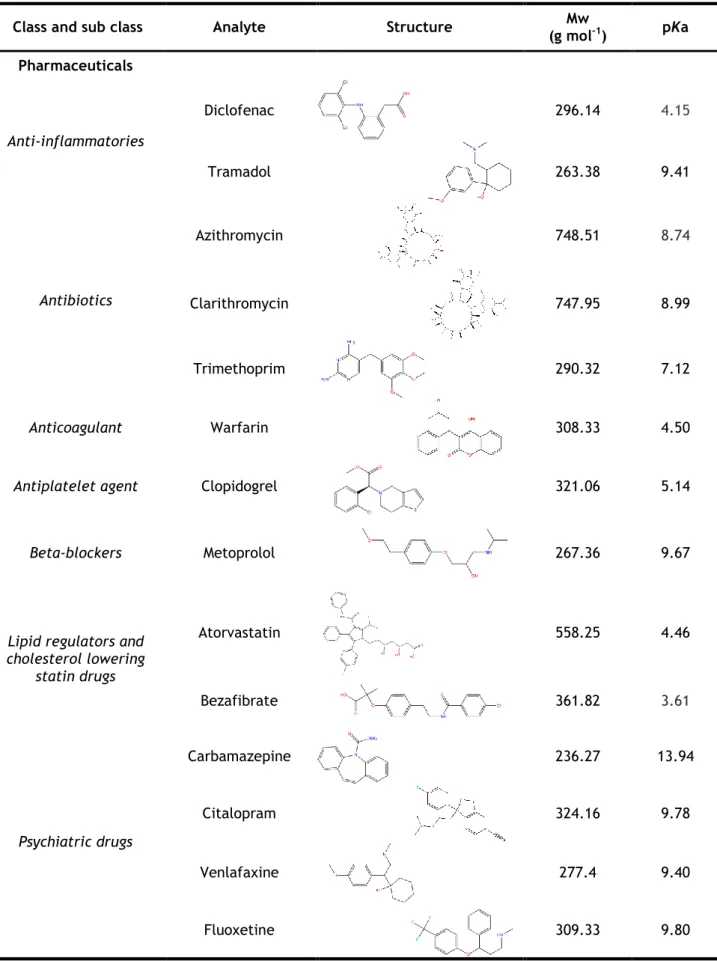
In this work, 23 micropollutants of different groups (7 pesticides, 1 industrial compound, 14 pharmaceuticals and 1 metabolite) were studied. Table 3 shows the class, structure, molecular weight (Mw) and pKa of the target micropollutants. All reference standards (diclofenac sodium, tramadol hydrochloride, azithromycin dihydrate, clarithromycin, trimethoprim, warfarin, clopidrogel hydrogen sulfate, metoprolol tartrate, atorvastatin calcium salt trihydrate, bezafibrate, carbamazepine, citalopram hydrobromide, venlafaxine hydrochloride, fluoxetine hydrochloride, norfluoxetine oxalate, alachlor, atrazine, simazine, isoproturon, chlorfenvinphos, pentachlorophenol, clofibric acid and perfluorooctanesulfonic acid; > 98% purity) were purchased from Sigma-Aldrich (Steinhein, Germany).
20
Determination of priority substances and contaminants of emerging concern in drinking water and their removal by chemical processes
Table 3 - Compounds studied in the present work: class, structure, molecular weight (Mw)
and pKa.
Class and sub class Analyte Structure (g molMw -1) pKa Pharmaceuticals Anti-inflammatories Diclofenac 296.14 4.15 Tramadol 263.38 9.41 Antibiotics Azithromycin 748.51 8.74 Clarithromycin 747.95 8.99 Trimethoprim 290.32 7.12 Anticoagulant Warfarin 308.33 4.50
Antiplatelet agent Clopidogrel 321.06 5.14
Beta-blockers Metoprolol 267.36 9.67
Lipid regulators and cholesterol lowering statin drugs Atorvastatin 558.25 4.46 Bezafibrate 361.82 3.61 Psychiatric drugs Carbamazepine 236.27 13.94 Citalopram 324.16 9.78 Venlafaxine 277.4 9.40 Fluoxetine 309.33 9.80


![Figure 4 - Overview of mass spectrometric techniques (Adapted from ref. [57]).](https://thumb-eu.123doks.com/thumbv2/123dok_br/15702242.1067424/25.892.119.758.87.498/figure-overview-mass-spectrometric-techniques-adapted-ref.webp)