I
School of Social Sciences
Department of Social and Organizational Psychology
Emotional processes in Job Search: Does Outplacement change them?
Maria Mota Gaspar
Dissertation submitted as partial requirement for the conferral of
Master in Social and Organizational Psychology
Supervisor:
Dr. Nelson Ramalho, Assistant Professor
ISCTE – University Institute of Lisbon
II
III
Acknowledgements
“If I have seen further it is by standing on the shoulders of Giants” Isaac Newton
This project is the result of all the learning experiences and remarkable people I met along the way and with whom I have shared this journey. Not forgetting those, I would like to leave a sincere word:
To Professor Nelson Ramalho, for the guidance, support, and for making this work possible. Thank you for showing me you were the best choice.
To my parents, for the unconditional love. Thank you for allowing me to pursue my goals.
To Ana, for going through this five-year journey with me. I would never get here without your friendship and support.
To Manuel and Joana, for the advices and for letting me be part of the team.
To all my colleagues, for the opportunity to learn more with each one of them.
To the outplacement companies I have worked with, for allowing me to study and better understand the noble work they do.
To all of those who, at any point, helped making this possible, I would like to express my most sincere gratitude.
IV
V
ResumoApesar da literatura existente sobre este tópico, o papel que o Outplacement realiza no âmbito do processo de procura de emprego permanece desconhecido, nomeadamente no que concerne ao efeito que este tem nos processos psicológicos que precedem comportamentos de procura de emprego. Este estudo pretende analisar a relação entre certas variáveis emocionais dentro do processo de encontrar um novo trabalho, oferecendo, para tal, uma comparação entre indivíduos desempregados que tiveram apoio formal de Outplacement versus sem apoio estruturado. Resultados sugerem um efeito de moderação parcial do outplacement, uma vez que este interage com algumas relações no nosso modelo geral de investigação. O capital psicológico revelou ser uma variável inerte; ansiedade e depressão demonstraram estar relacionadas com as variáveis de regulação emocional e, no modelo de outplacement, a reavaliação cognitiva relacionou-se positivamente com ansiedade que, por seu turno, actuou positivamente nos comportamentos de procura de emprego. Autoeficácia foi o preditor mais importante da procura de emprego, bem como mediador da relação entre capital psicológico e, apenas no grupo não-outplacement, da depressão com os comportamentos de procura de emprego. Os contributos destes resultados para profissionais de recursos humanos e consultores de outplacement são discutidos e suportados com sugestões para investigação futura.
Key-Words: Psicologia Organizacional; Procura de emprego; Outplacement; Desemprego; Perspetiva de autorregulação; Regulação emocional; Capital psicológico; Ansiedade; Depressão; Autoeficácia; Comportamentos de procura de emprego.
VI
VII
AbstractIn spite of the existing literature on this topic, the role that outplacement counseling performs within job search process is still unknown, namely regarding the effect it has on the psychological processes that precede job search behaviours. This study aims to analyze the relationship between some emotion-linked variables within the process of finding a new job by offering a comparison between unemployed individuals that had formal outplacement support versus no structured support. Results suggest a partial moderating effect of outplacement, once it interacts with some relationships in the overall research model. Psychological capital was found to be an inert variable; anxiety and depression were found to be related with emotional regulation variables and, in outplacement model, cognitive reappraisal was found to positively related with anxiety that, in turn, positively act on job search behaviours. Self-efficacy was the foremost predictor of job search as well as a mediator of psychological capital and, only in non-outplacement group, of depression’s relationship with job search behaviours. The contributions of these results for human resources professionals and outplacement counselors are discussed and supported with suggestions for future research.
Key-Words: Organizational Psychology; Job Search; Outplacement; Unemployment; Self-Regulatory Perspective; Emotional Regulation; Psychological Capital; Anxiety; Depression; Self-efficacy; Job Search Behaviours.
VIII
IX
Contents
Introduction ... 1
Chapter 1. Theoretical Framework ... 5
1.1. Emotion in Job Loss ... 5
1.2. Job Search Strategies: The Case of Outplacement ... 8
Outplacement Models ... 10
Outplacement Companies’ Perspective ... 11
Individual Differences ... 12
Outplacement’s Evaluation ... 12
1.3. The Present Study ... 13
Key Emotional Variables on Job Search ... 14
Emotional Regulation ... 14
Anxiety and Depression ... 15
Psychological Capital ... 16
Self-Efficacy ... 18
Key Non-Emotional Variables ... 18
Job Search Behaviours ... 18
Research Model ... 20
Chapter 2. Method ... 23
Participants and Procedure ... 23
Psychometric Analysis of the Instrument ... 23
Measures ... 24
Emotional Regulation ... 24
Psychological Capital ... 25
Anxiety and Depression ... 25
Job Search Self-Efficacy ... 25
Job Search Behaviours ... 26
Control Variables ... 26
Data Analysis Strategy ... 27
Statistical Analysis ... 27
Chapter 3. Results ... 29
Test of Hypotheses ... 35
Chapter 4. Discussion ... 39
Discussion and Implications of the Results ... 40
Limitations and Suggestions for Future Research ... 42
Conclusion ... 44
X
Reference List ... 48
Appendixes ... 55
Appendix A Questions displayed to the participants and analyzed in this study ... 57
XI
List of Tables
Chapter I. Theoretical Framework
Table 1.1 Most representative outplacement definitions…….………9
Table 1.2 Benefits of outplacement both for the company and employees……….……..11
Chapter II. Method No tables to display
Chapter III. Results
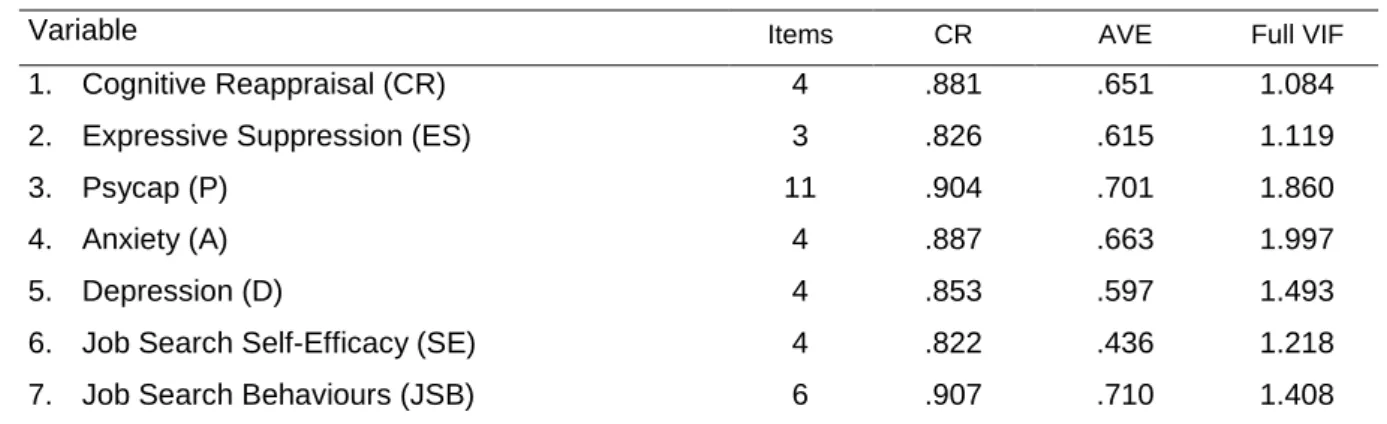
Table 3.1 Latent Variable’s Coefficients for WarpPLS………..…….………..… 29 Table 3.2 Latent Variable’s Correlations for WarpPLS………..30 Chapter IV. Discussion
Table 4.1 Summary of the support obtained in the test of hypotheses in the overall model and in each group………..39 Chapter V. Conclusion
XII
XIII
List of Figures
Chapter I. Theoretical Framework
Figure 1.1 Aquilanti and Leroux’s Integrated Model………...………...…10
Figure 1.2 Research model………...21
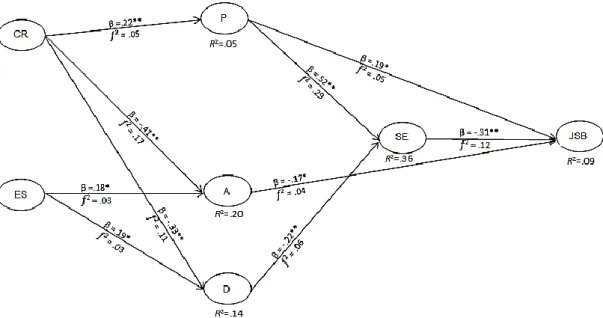
Chapter II. Method No figures to display Chapter III. Results Figure 3.1 Model with significant paths – Overall model………..……....…31
Figure 3.2 Model with significant paths – Non-Outplacement Group………...32
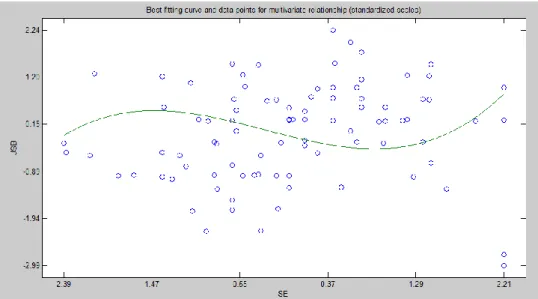
Figure 3.3 Inverted-S-curved relationship between self-efficacy and job search behaviours………….33
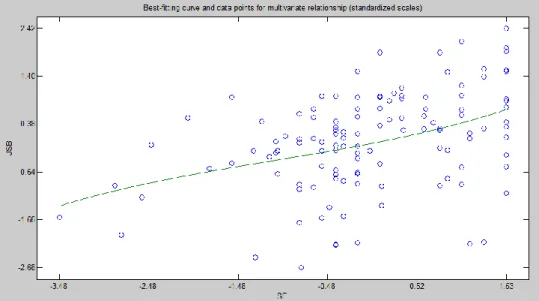
Figure 3.4 Inverted S-curved relationship between cognitive reappraisal and anxiety………....33
Figure 3.5 Model with significant paths – Outplacement Group……….…..34
Figure 3.6 Inverted U-curved relationship between anxiety and job search behaviours……….….35
Figure 3.7 Warped relationship between self-efficacy and job search behaviours……….…..35
Figure 3.8 Two-dimensional graph: moderating effect of OPC between cognitive reappraisal and depression……….…37
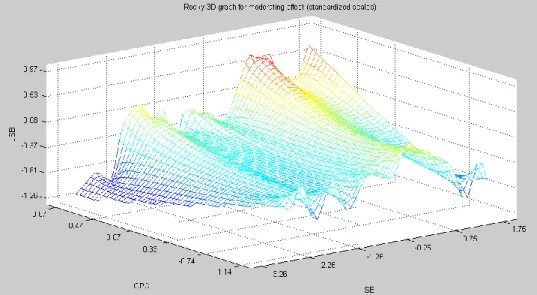
Figure 3.9 Three-dimensional graph: moderating effect of OPC between self-efficacy and job search behaviours……….…38
Chapter IV. Discussion No figures to display
Chapter V. Conclusion No figures to display
XIV
XV
List of Abbreviations
APC Average Path Coefficients
ARS Average R-Square
AVE Average Variances Extracted
AVIF Average Variance Inflation Factor
CFA Confirmatory Factor Analysis
CR Cognitive Reappraisal
ERQ Emotion Regulation Questionnaire
ES Expressive Suppression
HR Human Resources
JSB Job Search Behaviours
LGO Learning-Goal Orientation
OPC Outplacement Counseling
PLS Partial Least Squares
SE Job Search Self-Efficacy
XVI
1
Introduction
We live in a world that is increasingly becoming more VUCA: volatile, uncertain, complex, and ambiguous. Work, as a result of this new social dynamic, is now seen and experienced in a different perspective once there is no more the idea of “work for life” and work-life transitions are more common these days, driven either by economic or organizational reasons. As we spend more time of our lives engaged in work than in any other activity (Muchinsky, 2000), it is crucial to study how this is affecting employees.
Unemployment in Portugal
Unemployment has been documented as a structural problem in European economic scenario for some years now. Statistics show that it increased to as high as 10.9% in the first quarter of 2013 (European Commission, 2015a). Accordingly, and since Portugal presents itself as one of the weakest economies in this spectrum, it was strongly hit by this phenomenon making the issue of unemployment something talked on a daily-basis and in which most of social and political agenda are based.
In fact, the country’s unemployment rate is particularly high, and has been exponentially increasing since 2008 from less than 8% to 16% in only 5 years (INE, 2015a). This trend decreased significantly, following the European trend, from the first and second trimesters of 2014 bringing out a turning point, with the rate at 15.1% and 13.9%, respectively (INE, 2015b).
Despite this reduction in global data, there are some variables that we should specify in order to get to conclusive responses.
If we focus on gender for instance, we can analyze that along the years women were always more affected by this topic than men. Nevertheless, these data has reversed in the last four years with men, in 2012, reaching higher rates than females by 7% (PORDATA, 2015a). Focusing on age, it is clear that youth unemployment (from ages 15 to 24) is a serious problem in the European Union, with a peak of 23.5% in 2013, consistently different than the 9.5% rate among workers aged 25-74 in the same period (European Commission, 2015a). In Portugal these values are even more worrying having reached more than 40% in the first trimester of 2013 (INE, 2015c).
It must also be mentioned the type of unemployment when studying this topic. Thus, it is crucial to differentiate young people who are seeking their first job from adults who are looking for a new one. Therefore, we can say that from 2011 to 2014, data show an exponential increase among the adults that are looking for a new job - reaching almost 640 thousand unplaced workers last year - comparing to the 88 thousand looking for their first job (PORDATA, 2015b). The discrepancy between these values shows the growing importance that support in career transition has acquired.
Regarding marital status, in late April 2015, of the 539.323 unemployed registered in the employment centers, 47.2% were married or had life partners (IEFP, 2015a). This becomes something to hold when, within this percentage, in 9% of these cases both spouses are registered as unemployed in the unemployment center. These data should be considered with special attention for the precarious situation that these household clusters hold up.
2
Last but not the least, we must analyze the position that the unemployed occupied before the
jobless situation. Thereby, we can conclude that the least qualified professions – e.g. vendors, blue
collar workers, craftsmen, etc. - have higher rates of unemployment when compared to the most qualified ones – e.g. administrative, intellectual or scientific professions, etc. (PORDATA, 2015c). Government standard support for unemployed
In a country where to work is considered the first economic right and duty, the State is expected to create legislation that stimulates full-employment and provide opportunities and training for its people and that, in turn, every citizen should be lawfully and morally obliged to work as well (Portuguese Constitution, III Title, Chapter 1, art. 58).
Despite how work is considered, the constitution foresees moments in which the worker is, involuntarily, unemployed. In those situations, and since employees are left without means of subsistence, the State shall provide social protection to its citizens (Portuguese Constitution, III Title, Chapter 1, art. 58; Portuguese Constitution, III Title, Chapter 2, art. 63).
IEFP (Instituto do Emprego e Formação Profissional) was created for this purpose and, as such, it stands as the public service of national employment. Its mission is to promote the creation and quality of employment and combat unemployment through the application of active employment policies, including vocational training. The IEFP has a decentralized and flexible organizational structure, which includes: several Central Services; 5 Regional Offices; 52 Employment centers; and 1 Training and Vocational Rehabilitation Centre.
Regarding IEFP goals, we can mention: a) to promote the organization of the labour market in view of a direct adjustment between supply and demand for employment; b) encourage the creation and maintenance of jobs through appropriate measures concerning the economic context as well as characteristics of employers; and c) the vocational integration of different audiences through specific measures, particularly for those that are at greatest risk of exclusion from the labour market (IEFP, 2015b).
We can distinguish three major programs that are operated by the IEFP (IEFP, 2015c). First of all, Online services for career management support which provide online guidance services to support career management, useful either for those seeking employment as the ones interested in creating a business project and that intend to rethink their professional project. Secondly, Professional inclusion offices, a network of Professional Integration Offices (GIP – Gabinete de Inserção Profissional) promoted by public and private accredited non-profit organizations to provide support to youths and adults unemployed in their journey of integration or reintegration into the labour market. GIPs, in close coordination with employment services, can develop activities such as actions to support active job search and developing the entrepreneurial attitude or dissemination of job vacancies and posteriorly support the relocation. Lastly, Support for entrepreneurship and self-employment creation, for individuals that present a business idea and want to develop a small business activity, enables a program of support for entrepreneurship and self-employment creation, which comprises: business creation incentives and national microcredit program. When it comes to young people, they can also apply for “young investors” program that aims to promote business start-ups by unemployed youth.
3
Although the existence of several programs aiming to reduce the number, as well as the impact, of those seeking new job opportunities, there is still a lack in the identification of the variables that better help one’s replacement.
***
In the following chapters we will study job search phenomena and, more precisely, the impact of outplacement support on this journey. First of all, we review the prevailing literature on job loss, with a focus on the role of emotions and the link that they have with the posterior job search behaviours, focusing on the two main theoretical perspectives. After that, we will present outplacement as a job search strategy and describe which are the major domains and practices that this service includes. After that, and based on the literature, we will describe the different variables that act as predictors of job search behaviour and, while doing so, we will present our hypotheses.
Secondly, we report the methodological details of our study which comprise participants and procedure as well as the psychometric analysis of the instrument side by side with the measures applied. After, we present the data analysis strategy to explain the statistical analysis pursued.
Thirdly, we report the main findings of our investigation. Initially, we go through the coefficients and correlations of the latent variables and then to test our structural models, one that integrates outplacement respondents and the other with non-outplacement respondents. Subsequently, we test the hypotheses formulated in the first chapter.
The final chapter initiates with a discussion regarding the implications and limitations of our methodological decisions. The importance of our findings for unemployed workers as well as for outplacement companies are also debated, concluding with suggestions for future research.
4
5
Chapter I. Theoretical Framework
In this chapter we will review the literature in which the present study relies on. Our purpose is to provide an integrated framework for the main findings of this study and to offer a contribution for the existing research.
Firstly, we will approach the emotion during jobless period and link that journey with job search phenomena. Secondly, we will present the case of outplacement as a job search strategy. For that, we will describe its origins, the different models in which it is based and the perspective of both sides of this program: outplacement agencies and the jobless individuals.
Finally, we will analyze the specific theoretical framework on which the present study was built, dividing between key emotional and non-emotional variables on job search. Along with the description of each variable, we will anticipate our hypothesis. At the end, we will illustrate our research model based on both literature and empirical results.
1.1. Emotion in Job Loss
Job Loss in Working Life
Losing a job can be one of the most stressful events an individual over the life course can experience (Paul & Moser, 2009) and this topic is becoming increasingly present since job security has declined flagrantly in the transition from the “old economy” to the “new economy” (Sweet and Moen, 2011).
Work connects people with society, provides a sense of life purpose and fosters individuals to share common goals. Work is also important for identity and status, once it places the individual in a social hierarchy (Paul & Moser, 2009). Therefore, when people lose their jobs, not only do they lose their value in others’ eyes, but they also lose a way of organizing their time, the relationship with their co-workers, a place in their social groups and, more than that, their assumptions regarding values such as fairness or trust (Ciulla, 2000).
Job loss is defined as a transitional process precipitated by the “trigger event” of an involuntary cessation (event), that the employee does not control nor desire, and that occurs prior to a period of unemployment (state) (Latack, Kinicki, & Prussia, 1995).
Although it is a painful event for most people - especially for those who have invested a large
part of their time, effort and character in their careers – there are individual differences that could be
mentioned. Firstly, there is evidence that losing a job is less unsettling and painful for older than for younger employees (Mandemakers & Monden, 2013). This could happen because, although older men may have lower re-employment chances, they may be less attached to the labour market so that job loss process hurts less. Moreover, the timing at which a job loss occurs (early, mid, or late in one’s career) can affect not only the prospects of finding replacement work but also the interpretation of the event within a personally constructed career storyline.
6
Beyond age effect, one may find a difference regarding social status as, for instance, research by Andersen (2009) demonstrates that middle-class people are psychologically worst hit by job loss. Finally, concerning education, differences occur deeper right after job loss and diminish over time, being much profound for the lower-educated than for the higher-educated. The higher re-employment chances of the higher-educated play an important role in this difference (Mandemakers & Monden, 2013).
Therefore, aligned with Mandemarks and Monden (2013) study, it should be noted that we focus on job loss rather than unemployment as it eliminate an important source of selection bias. Thus, unemployment - as a consequence of job loss - may become less predictable depending on an increase of educational level. We therefore include in our study all individuals who lost a job regardless of successive employment or unemployment length.
Be Prepared for Job Loss
Researchers have noted that many individuals perceive positive aspects regarding job loss. One of the most mentioned is career growth once, although job loss may be associated with stress and disruption, stressful happenings can lead to progression as they spur people to ponder new alternatives, to develop new competencies, and to restructure their lives towards a more positive direction (Latack & Dozier, 1986).
Perceptions of control or a sense of command can be a valuable resource when shaping response to job insecurity (Pearlin, Schieman, Fazio, & Meersman, 2005). Furthermore, jobs themselves may enhance individuals to socialize or provide them resources in order to facilitate the navigation of career changes. For example, even when high pressure for results exists, the intrinsic qualities of job matter once even demanding roles are associated with increased vitality and energy (Barnett & Gareis, 2006).
Not only the job but also the organization itself can influence how employees respond to being dismissed. Research shows that organizations that provide a secure work are also the least likely to potentiate bullying behaviours (Hodson, Roscigno, & Lopez, 2006), suggesting that workers in those organizations are better prepared for job loss in terms of a supportive work environment. Similarly, organizations with less complex hierarchies and less rigidly formalized practices tend to outspread more autonomy to their workers (Hodson, Roscigno, & Lopez, 2006). This autonomy, in turn, might transfer to a greater capacity to prepare for, plan, and cope with job loss.
In addition, as many studies indicate, when employers provide information and resources to employees during downsizing, it has a positive effect on their perceptions of procedural justice and also predicts subsequent favorable social-psychological outcomes (Grunberg, Anderson-Connolly, & Greenberg, 2000) as well as increase preparation for job loss. If preparation has a positive influence on adjustment, this should be evident in minimized impacts of being laid off on financial, health, and emotional well-being - which already have been documented to be negatively affected by job loss (Burgard, Brand, & House, 2007).
In sum, preparation for job loss does not appear to altogether eliminate negative health or emotional impacts following job loss, but the literature supports a conclusion that it likely contributes in
7
terms of resilience (Sweet & Moen, 2011). This indicates that emotional readiness is an important component of planning for job loss, and yet the way many individuals lose jobs underestimate this component of preparation.
Dealing with Job Loss and Job Search Phenomena
When focusing job loss phenomena on a psychological approach, there are two main theoretical perspectives that have been considered: coping theory and the framework of self-regulation.
Coping has been referred as the process by which individuals transform their responses, either cognitive or behavioural, to address internal and/or external demands that are interpreted as exceeding one’s resources (Lazarus & Folkman, 1984). When applied to a job loss situation, according to Latack, Kinicki and Prussia’s (1995) model, it refers to the “cognitive and behavioural efforts to manage the taxing demands posed by job loss” (p. 1995), aimed at reestablishing
equilibrium in the different aspects of one’s lives. To do so, those authors highlight two different
strategies: control (address the problem) or escape (not dealing with the situation).
Therefore, coping, to be successful, needs flexibility and to be adapted to the requirements of each situation, which often change as the event unfolds. Thus, it is not just a static well-defined group of strategies that are drawn, but a changing pattern that is responsive to the current situation (Muchinsky, 2000). In addition, individuals’ coping results will be determined by their coping efficacy, in other words, the beliefs about one’s ability to use coping strategies successfully (Latack, Kinicki, & Prussia, 1995). For instance, emotion-focused coping “deals with the feelings and reactions to the stressful situation”, using emotions as indicators of stress appraisals as well as a mean to regulate responses to the origin of distress (Latack, Kinicki, & Prussia, 1995).
While coping perspective theorizes job search as a way to cope or manage the stressful event of job loss, self-regulatory standpoint permits researchers to study job search beyond job loss circumstances. Self-regulation, as a part of Social Cognitive Theory, is the mechanism by which consideration occurs between behaviour, cognitive and environment factors and is “translated into incentives and guides for purposive action” (Bandura, 1991, p. 249). The prominence of self-efficacy is emphasized, meaning individuals’ own beliefs about the control they have regarding their own behaviours and life events in general (Bandura, 1991).
Kanfer, Wanberg and Kantrowitz (2001) dedicated their study on the application of the self-regulation frame to job search. Based on a dynamic conception of job search and considering it a highly autonomous job, authors comprehend that individual differences will be largely self-organized and self-managed (Kanfer, Wanberg, & Kantrowitz, 2001). These authors defend that job search refers to a pattern of thinking, affect, and behaviour that can be evaluated along intensity-effort, content-direction and temporal-persistence dimensions. The process initiates with individual’s commitment to an employment goal, which generates certain job search behaviour. Being a self-regulatory process, individual differences will appear and, as the job search advances, changes in both direction and intensity may occur. The last phase of this course could be either goal
8
accomplishment or abandonment, depending on the employment status achieved (Kanfer, Wanberg, & Kantrowitz, 2001).
Van Hooft and Noordzij (2009) also studied job search process, through the integration of self-regulation with goal-orientation perspective. Their study aimed to examine whether improving unemployed job seekers’ cognitive self-regulation can increase reemployment probability and, for that, authors developed a learning-goal orientation (LGO) training. Their results support the hypothesis that learning goal orientation, focused on the pursuit of challenging activities, results in higher job search intentions and behaviour than performance orientation, focused on the display of accomplishments, or the definition of no particular goals. These findings have important implications once knowing that self-regulation can be developed through LGO training provides employment-counseling agencies with a powerful tool to help people finding a new occupation (Van Hooft & Noordzij, 2009).
1.2. Job Search Strategies: The Case of Outplacement
History of Outplacement
Helping professionals on how to deal with job loss and process the transition from one job to another is the core service on which a billion-dollar industry has been built. In less than forty years a new business has emerged whose name is outplacement (Redstrom-Plourd, 1998).
The origins of this industry can be traced back to the post World War II period, when returning soldiers whose jobs no longer existed demanded help from job search assistance counselors in order to potentiate their unique pre-war and war time experiences into vendible skills (Redstrom-Plourd, 1998). The delivery of outplacement counseling (OPC) services went through a four step evolution: (a) during the 1960s and 1970s it was delivered as a highly individualized consulting process; (b) during the 1980s the individualized services were supplemented with group learning experiences; (c) in the early 1990s there was an integration of both individualized services with group learning experiences and (d) in the mid to late 1990s the core business focused on group learning experiences that, optionally, could be accompanied with individual consulting. Thus, this change in the last decades was largely driven by corporate downsizing and restructurings which result in abundant layoffs of people at all organizational levels (Butterfield & Borgen, 2005). As result of this tendency, by 1980 there were over 50 known outplacement firms reporting profits of 80 million dollars that, in ten years, have grown to over $1 billion (Redstrom-Plourd, 1998).
The gathering of experience accompanying outplacement processes, the exponential growth in specialized corporations and the increasingly humanistic and socially responsible nature that these services were attaining led several companies to provide this kind of services to help dismissed workers coping with job loss and gaining tools to find a new one (Davy, Anderson and DiMarco, 1995). As noted by Kirk (1994), the expenses for such services are clearly associated with a perception of social responsibility and less lawsuits, meaning that OPC was increasingly becoming a legitimized human resource activity. Nonetheless, Butterfield and Borgen (2005) identify other grounds for selecting these services such as smoothing the transition process, increasing the morale of remaining employees as well as maintaining both productivity and the organization's public image.
9
Conceptual DefinitionSince the history of outplacement has been built, a different set of definitions appeared in the
literature, being the most representative the ones summarized in Table 1.1.
Table 1.1
Most representative outplacement definitions
Author Definition
Miller (1987) Help in finding a new job.
Jordan (1991) A structured group of activities which assist the employee In obtaining a new position.
ILO (International Labour Organization)
(1996)
A package of services and consultation provided individually and collectively by an outplacement agency upon request of and payment by an employer, so that workers may own their own accord and as quickly as possible find employment with a new employer or develop a professional activity on a freelance basis.
Doherty (1998)
Involves structured programmes of help for individuals, usually provided by an external consultancy and paid for by the organization in order to facilitate individuals trough the redundancy transition and help them reorientate to the job market.
Butterfield & Borgen (2005)
A specialized form of career advice usually offered by companies to employees who are dismissed.
Noordzij et al. (2013)
Process of vocational guidance and career counseling that helps job seekers to construct their career and find a job and employment counseling effectiveness as the degree to which counselors’ behaviours result in their clients getting reemployed in the right kind of jobs.
Source: up to 1998 adapted by Ramalho (2001)
Despite the contribution of the different contexts and ranges of each of these definitions, we consider Ramalho’s (2001) to be the most inclusive and suitable, once it highlights both the subjects of the process as well as the objectives it aims to achieve. Indeed, the author defines outplacement as the consultancy process that aims to help, upon request of the source organization, the employee who must find a new situation outside the organization, providing, for an agreed period of time, means to enhance their personality and experience (Ramalho, 2001).
Therefore, outplacement programs are designed to assist unemployed workers developing problem-focused coping strategies by offering their services to all individuals who are eligible, regardless of sex, age, or race (Gowan & Nassar-McMillan, 2001). Despite some alternative methods, OPC typically include task-related services such as career planning, resume writing, interview training, identification of convertible skills, values examination, marketing training, networking, and image counseling (Butterfield & Borgen, 2005).
However, to the exception of the most senior level, outplacement services are sold nowadays as standardized programs and the delivery of those services is normally managed in the most time and cost efficient manner outplacement firms can conceive, although the different elements can be mixed and matched intending to meet the unique requirements of users. This meets the desires of the outplacement firm to manage their services and protect their profitability and, on the other hand, it
10
Candidate Phase 1: Loss,
Grieving And Transition
Phase 4: Ongoing Counseling and Support
Phase 2: Personal Development
Phase 3: Job Search
provides the corporation the options they asked for to select services according to their budget and employee requirements (Redstrom-Plourd, 1998). These shorter programs would more easily fail to neglect some nuclear components that outplacement can present (such as psychological counseling or career planning). However, these types of programs are becoming a common reality, not only for reasons of economic efficiency but also depending on some characteristics of the candidate in hands. For instance, finding an appropriate professional position is easier for candidates with lower degrees of qualification (Ramalho, 2001), resulting in a less individualized and comprehensive OPC program for those profiles.
Outplacement Models
There is still a lack of theoretical information on outplacement models. One of the most complete on the subject is the work of Aquilanti and Leroux (1999) which integrates previous studies such as Career Development Model of Latack and Dozier (1986), the Transition Consulting Model of Mirabile (1985) and Holistic Outplacement Model of Kirk (1994). For Aquilanti and Leroux (1999) all of these models have limitations. The ones from Mirabile (1985) and Kirk (1994) are both accused of having a weak theoretical framework as well as non-operational steps. The model of Latack and Dozier (1986) has been considered as more complete but it does not offer a vision on how to solve problems, how to overcome the transition factors neither on how to achieve maximum career growth (Aquilanti & Leroux, 1999).
In practice, registered models have positive points (in the theoretical framework) and failures (in the operation). In response to the identified limitations, Aquilanti and Leroux’s (1999) model aims to sustain a broader theoretical and operational framework.
Fig. 1.1 Aquilanti and Leroux’s Integrated Model
The model explained by Aquilanti and Leroux (1999) involves four phases, being this word used instead of “stage” to better portray the flexible movement of candidates through the process. The
11
first phase, loss, grief and transition is the initial transition. Although candidates will go through a grieving process throughout all four phases, the first one has a bigger focus on candidate’s emotional state (anger, anxiety, depression, etc). The relationship between candidate-counselor here needs to be trustful and caring, so the counselor can assess his client readiness to begin the next phase. The second one is personal development, where candidate’s work values are assessed - using a variety of
techniques (questionnaires, inventories, etc) – in order to develop a career plan. It is important to
assess candidate’s fears regarding career transitions as well as their financial planning competencies. The next phase is for candidates to implement their job search competencies, using key elements such as informational interviews, resume preparation, networking and acquiring interview skills. In this stage candidates should gather a lot of information as it will enhance their career adaptability. The last phase of this process is perhaps the most critical one. At ongoing counseling and support counselor’s unwavering support is crucial for a smooth transition to candidate’s new life structure, always applying encouraging messages and constant feedback (Aquilanti & Leroux, 1999).
Outplacement Companies’ Perspective
There are some best practices that, when requesting the services of an outplacement company, the beneficiary requires. Indeed, sensitive processes that guarantee a well-managed and well-implemented adjustment process for the company are crucial. Therefore, HRM Partners (2015) mention as vital processes: a) planning staff adjustment to the new situation(s) and consulting with management and Human Resources (HR); b) training for supervisors on how to lead the processes of adjustment/adaptation and how to lead with employees who remain - as it will minimize legal risks and help achieving a recovery to profitable operations as fast as possible; c) training covering outplacement - for individuals or groups; d) redeployment training with follow-up and feedback - to ensure good re-employment within an appropriate period of time - and e) training “facing change” for different employee groups (HRM Partners, 2015).
LHH-DBM (2015), one of the major outplacement companies worldwide, summarizes both benefits, for the company as well for the employee, demonstrated at Table 1.2.
Table 1.2
Benefits of outplacement both for the company and employees
OPC benefits for the company OPC benefits for the employee
1. Supports the planning and conduct of the dismissal process.
2. Strengthens Social Responsibility, providing support in the continuity of career.
3. Preserves the company's image and protects the internal climate and the morale of the group.
4. Decreases litigation risks.
5. Supports and facilitates the management of Human Resources.
1. Minimizes the trauma of redundancy and restores the confidence and self-esteem. 2. Directs its power to the most effective search of new opportunity.
3. Maximizes employment opportunities. 4. Develops strategies for a systematic approach, organized and consistent market. 5. Consolidates the necessary bases for the management of his professional career
12
Source: LHH-DBM (2015)
Right Management (2014), one of the leading outplacement firms, on “The role of outplacement in today’s business practices” surveyed 1,721 business leaders and HR professionals during the year of 2013, in 10 countries, via an internet questionnaire. The findings show that 85% of the companies that offer outplacement indicated it was “very/extremely important” to maintain positive relations between current and departing employees and that those companies are more likely to experience increases in Key Performance Indicators such as productivity, profitability, stock price, morale and satisfaction. From all the business processes that can induce the outplacement need, the most frequent are restructuring (68%), merger or acquisition (53%) or leadership change (43%). Restricting unwanted turnover, reducing recruiting costs, lowering absenteeism and boosting moral after restructure were also indicated to be valuable metrics to measure how changes are being accepted by the remaining workforce. Simultaneously, it is a common recommendation that the strategy should be immediate and preventive, acting as soon as possible in order to reduce the gap between the entry in the unemployment situation and the beginning of the support given.
Individual Differences
Despite this growth of interest regarding outplacement, there is a lack of research on the workers’ benefits for participating in these services (Vinokur, van Ryn, Gramlich, & Price, 1991). Consequently, it proves to be of great importance to study the type of OPC most appropriate for each person as results indicate that, as an example, gender and age differences do exist as well as interactions among reemployment status (Gowan & Nassar-McMillan, 2001).
Indeed, outplacement activities can be examined in different ways to best meet different requirements. Gowan and Nassar-McMillan (2001) grouped them into three categories: self-awareness activities (individual career assessments, group career assessment feedback sessions, and one-on-one counseling), action-oriented activities (job search workshops and resume writing workshops), and training activities (enrolling in a job training program). Savickas (2011), on the other hand, differentiated between three basic services concerning the role that career counselors could have, depending on clients’ needs: vocational guidance, in which counselors help clients find a matching job (i.e., client as actor); career education, in which counselors help clients develop new competencies for a job (i.e., client as agent); and career counseling, in which counselors help clients construct their career (i.e., client as author) (Savickas, 2011).
According to Davy, Anderson and DiMarco (1995), individuals receiving this type of formal outplacement training have higher job search self-efficacy and are more optimistic regarding recovery from job loss than those going to the informal social support group. Indeed, informal support consist on small groups that discuss their progress in the job search, namely about the problems they have faced and sharing job leads with others, and that are encouraged to continue by volunteer counselors from community agencies that lead the sessions (Davy, Anderson & DiMarco, 1995).
13
Regardless of the variations found in outplacement programs offered in the market, there is consensus that it brings multiple benefits. Besides those already mentioned above, Davy, Anderson and DiMarco (1995) also refer the positive thinking on candidate’s mind, the improvement on the psychological response to job loss, enhance of self-confidence and self-efficacy in job search as well as improved expectations regarding recovery from job loss.
Accordingly, employment services can be evaluated at different levels: (a) examining the content of the program itself; (b) empirically scanning the effectiveness of the job search activity; (c)
study the cost versus benefits/utility of outplacement efforts; (d) examine the client’s satisfaction
regarding the effectiveness of the job search process (Wooten, 1996). Regarding the last one, literature shows that program content and outplacement process issues are better predictors of client satisfaction compared with contextual variables such as library materials or administrative support (Wooten, 1996).
In light of the rapid growth and anticipated ongoing need for OPC services it is surprising that little empirical evidence is available about OPC's effectiveness (Wooten, 1996). Butterfield and Borgen (2005) advanced the knowledge by asking outplacement clients in which extent OPC services were helpful and meet their needs. The results suggest that many individual recipients of OPC services received structured, task-focused programs that did not meet their emotional and transition needs. In addition, they empathize that, rather than focusing only on getting tasks completed, they desired help dealing with anger and the sense of loss and, moreover, they mentioned the need for individualized attention as well as to have access to services that recognized one’s employment-related needs (Butterfield & Borgen, 2005).
In order to overcome this gap in the literature, in the present study we aim to study OPC by comparing results regarding different emotion-linked variables between jobless individuals that took part (or not) in an outplacement program.
1.3. The Present Study
Job search has become so widespread and frequent that it is now considered to be an integral part of people’s work life (Kanfer, Wanberg, & Kantrowitz, 2001). Accordingly, there has been a dramatic increase in research on the prediction of job search behaviour and employment outcomes (Saks, 2005). Thus, in their meta-analysis, Kanfer, Wanberg, and Kantrowitz (2001) found that personality traits, self-evaluations, motives, social context, and biographical variables were significantly related to job search behaviour that was, posteriorly, related to employment outcomes.
For instance, when exploring how biographical variables can interfere on job search, innumerous studies have worked towards a profounder knowledge on different segments. Literature states that members of a minority group normally participate more in job search activities than the ones from a majority group (van Hooft, Born, Taris, & van der Flier, 2004); that age is also associated with job search - older individuals report less job search behaviours when compared to younger ones – as well as gender since men are more direct and engage more in job search activities than women
14
(Kanfer, Wanberg, & Kantrowitz, 2001; van Hooft, Born, Taris, van der Flier, & Blonk, 2004). Last but not the least, education is also an important segment once individuals with higher levels of education are more direct in job search activities than the ones with lower levels of schooling (Kanfer, Wanberg, & Kantrowitz, 2001).
In this section we will present the key predictors and one possible mediator that, by analyzing the literature on this matter, we think best suit the link between the personal correlates of job search behaviour and employment outcomes which will build our research model. For that, and as we aim to demonstrate that emotion-linked behaviours are the key factors for the main difference between outplacement vs non-outplacement jobless experience, we will present the key emotional variables first.
Key Emotional Variables on Job Search
Emotional Regulation
Managing emotions has been a subject people have been wondering from many years now. However, only in the last four decades has the field of emotion regulation begun to develop as a relatively independent research domain (Gross, 1998), firstly in development psychology and now it is flourishing also in both child and adult literatures. This emerging field studies “the process by which individuals influence which emotions they have, when they have them, and how they experience and express these emotions” (Gross, 1998, p. 275). Therefore, there is a crescent appreciation that individuals employ substantial control over their emotions which can be tracked along the timeline of the unfolding emotional response (Gross, 2001).
There are two main strategies that research have been focusing to better understand the individual differences within emotional regulation and the consequences of implementing it: cognitive reappraisal (CR; a history of emotional regulation strategy) and expressive suppression (ES; emotional regulation strategy focused on response) (Gross & John, 2003). After plentiful laboratory investigations, the Emotion Regulation Questionnaire (ERQ; Gross & John, 2003) was the instrument created in order to assess those strategies, and it has been acquiring considerable relevance after having been compared across groups and countries (Matsumoto, Yoo, & Nakagawa, 2008).
Gross and John’s (2003) framing supports the idea that an emotion begins with an evaluation of emotion clues. Those, when attended to and valued in certain ways, trigger a coordinated set of response tendencies that involve experiential, behavioural, and physiological systems. Cognitive reappraisal is a form of cognitive response that includes interpreting an emotion-eliciting condition in such a way that alters its emotional impact. On the other hand, expressive suppression is a form of response contraction which inhibits continuing emotion-expressive behaviour (Gross, 1998).
As reappraisal is an antecedent-focused strategy, it intervenes before the emotion response tendencies have been entirely created, meaning that it can efficiently modify the subsequent emotion trajectory. More concretely, when used to down-regulate negative emotion, reappraisal will moderate the experiential and behavioural components of negative emotion. By contrast, suppression will thus be successful in decreasing the behavioural expression of negative emotion, but might have the
15
involuntary side effect of also holding down on the expression of positive emotion. Besides, suppression generates a sense of incongruence in the individual between inner experience and outer expression. This sense of not being true to ourselves, of being inauthentic rather than truthful with others (Sheldon, Ryan, Rawsthorne, & Ilardi, 1997), may well lead to negative feelings regarding oneself and also push away the individual from others.
In sum, Gross and John (2003) studies conclude that: 1) reappraisers experience and express superior positive emotion and reduced negative emotion, while suppressors experience greater negative emotion; 2) reappraisal is related with enhanced interpersonal functioning, whereas using suppression is associated with poorer interpersonal functioning and 3) using reappraisal is positively related with well-being, whereas using suppression is negatively related.
Anxiety and Depression
There is clear evidence that events considered as uncontrollable or undesirable are more likely to be associated with psychological and physical distress than expected and desirable life events (Latack & Dozier, 1986). Therefore, several studies have found that unemployment lowers subjective well-being being this concept based on the fulfillment of five fundamental needs: (a) time structure, (b) social contacts, (c) engagement in activities meant for collective purposes, (d) status, and (e) regular activity (Clark, 2003).
Despite the extensive literature on this matter, unemployment scholars have sought to categorize the different stages which a person suffering job loss goes through, such as shock, denial, anger, acceptance, resignation, etc. (see Bennett, Martin, Bies, & Brockner, 1995). However, suggestion from those who have looked in detail at different experiences of grief and mourning over loss of work indicates that essentially every individual laid off must discover his/her own path towards the future (Ainsworth & Hardy, 2009).
From the ones trying to overcome this fault in literature are the different programs regarding job search strategies such as outplacement once most of them address anxiety and depression in their studies. Indeed, according to Kirk’s model (1994), dismay and disbelief are often employees' initial reactions to being let go. Although workers differ in their individual reactions to being laid off, most experience a sense of loss and therefore go through a period of grieving. They may grieve as in the death of a relative, close friend, or family pet (Kirk, 1994). As another example, Aquilanti and Leroux’ model (1999) integrates as the first phase of being jobless the trauma caused by shock and denial, anger and bargaining, experimentation and, last but not the least, search for meaning and internalization of the situation.
Therefore, research indicates that job loss places people at increased risk of poor mental health in terms of increased depression, anxiety, slight psychiatric morbidity and, most commonly, decreased self-esteem (Vinokur & Caplan, 1987). On the other hand, it is important to lay emphasis on the fact that being re-employed improves well-being (Vinokur & Caplan, 1987) and, more than that, nullifies the negative effects of unemployment on mental health (Paul & Moser, 2009), especially when having emotional support from family members and from others who have successfully overtaken similar career transitions.
16
Mandemakers and Monders (2013) add a different factor regarding this topic by finding that job loss increases psychological distress but, moreover, the impact is largest in the first year of the jobless situation and decreases each year so that after about four years there is no longer an impactful effect on psychological distress. Research from these authors also showed that having a job following job loss is better than having no job at all in terms of mental health. This stresses our proposal that re-employment programs and social plans have potential to reduce the burden of lay-offs, something especially valid for the lower-educated (Mandemakers & Monders, 2013).
When focusing on the relation between this grief and mourning phase with future perspectives for unemployed professionals, conflicting theoretical perspectives exist regarding the direction of such relations between psychological well-being and job-search success. Although traditional perspective argues that unsuccessful search result in decreased physical and mental health (Murphy & Athanasou, 1999), the Reverse Causation Hypothesis (RCH, Kasl, 1982) posits that poor psychological well-being will negatively influence employment outcomes. However, in a recent study, Crossley and Stanton (2005) integrate Kasl’s (1982) RCH perspective into Kanfer, Wanberg, and Kantrowitzs (2001) self-regulatory model of the job search process. Using the theoretical model from these last authors, they found that negative affect is indirectly related to job search success, being its predictor through self-efficacy as mediator of this relation.
Lastly, it should be noted that, aligned with Mandemakers and Monden (2013) research, we have opted to focus on state forms of negative affect in the present study (depression and anxiety) rather than trait-like ones (e.g., pessimism, self-esteem), taking into account that, although anxiety and depression tend to be more malleable over time (Weiss & Cropanzano, 1996), these distress concepts are more task or situation specific (Kanfer, Wanberg, & Kantrowitz, 2001), being more related to the specific job search behaviours we measured. Furthermore, whereas research on affective states suggest more immediate effects on behaviour (see Weiss & Cropanzano, 1996), studies on distress states failed by typically assess search outcomes between six- and twenty-four-months later, leading to some concern about the validity of claims that distress does not influence employment status over and above negative affect (Kanfer, Wanberg, & Kantrowitz, 2001). In the present study job search success will be assessed at the same time of anxiety and depressions symptoms.
Having this in mind, we can globally hypothesize that anxiety and depression are associated with emotional regulation strategies in such a way that:
H1a: Anxiety and depression are negatively predicted by cognitive reappraisal. H1b: Anxiety and Depression are positively predicted by expressive suppression.
Psychological Capital
Evidences regarding the value of a positive mind-set and positive beliefs in one’s relationships, wellbeing, and work are considerably growing (Avey, Reichard, Luthans, & Mhatre, 2011). This demand for positive psychology pressures to refocus on the value of positive psychological resources in the field of organizational behaviour and human resource management (see Luthans, 2002). One of the major constructs in this area of study is known as “psychological
17
capital”. Psychological capital, or simply PsyCap, has been conceptually created by Luthans and colleagues (Luthans, 2002; Luthans & Youssef, 2004; Luthans, Avolio, Avey, & Norman, 2007) as comprising the four positive psychological resources of hope, optimism, efficacy, and resilience, which, when combined, have been empirically determined to be a second-order core construct (Luthans, Avolio, Avey, & Norman, 2007). PsyCap drives beyond human (‘what you know’) and social (‘who you know’) capital, and is more concerned with ‘who you are’ and, more importantly, ‘who you are becoming’ (i.e., developing one’s actual self to turn into the possible self) (Luthans, Avey, Avolio, Norman & Combs, 2006). Furthermore, each construct meet the criteria of being based in theory and research with valid measures, as well as being state-like and open to development (Luthans & Youssef, 2004). The comprehensive definition of Psycap is:
“. . . an individual’s positive psychological state of development characterized by: (1) having confidence (efficacy) to take on and put in the necessary effort to succeed at challenging tasks; (2) making a positive attribution (optimism) about succeeding now and in the future; (3) persevering toward goals and, when necessary, redirecting paths to goals (hope) in order to succeed; and (4) when beset by problems and adversity, sustaining and bouncing back and even beyond (resilience) to attain success.” (Luthans, Youssef, & Avolio, 2007, p. 3)
Positive psychology has already published considerable research on the components of PsyCap, demonstrating that each one is as desirable in an organization as in life in general. Avey, Reichard, Luthans and Mhatre (2011) in their meta-analysis wanted to deliver specific, evidence-based value of PsyCap and practice strategies for implementing positivity as an asset for human resource development and in the workplace as a whole. Their results show a significant positive relationship between PsyCap and desirable employee attitudes (job satisfaction, organizational commitment, and psychological well-being) as well as desirable behaviours and different measures of performance. By contrast, there was also a significant negative relationship found between PsyCap and undesirable employee attitudes (cynicism, job stress, anxiety, and turnover intentions) and behaviours (Avey, Reichard, Luthans, & Mhatre, 2011).
According to Fishbein and Ajzen (1975) attitudes and/or behavioural intentions do not continuously manifest themselves into an observable behaviour, but they often will. Therefore, the explanatory reason for the effect of PsyCap on employee attitudes is that those higher in PsyCap expect positive things to happen at work (optimism), believe they can create their own success (efficacy and hope), and are more resistant to setbacks (resilience) when compared with those lower in PsyCap. For example, greater levels of optimism linked with confidence to succeed at the moment will motivate individuals to take charge of their own future, self-select into challenging events and stick in the face of obstacles (Avey, Reichard, Luthans, & Mhatre, 2011).
As the authors anticipated, positive psychological resources, such as efficacy and optimism, could neutralize the distress from job demands such that the components of PsyCap act as suppressors of stress and anxiety. Aligned with this idea, previous research has found negative
18
relationships between PsyCap and stress and anxiety (Avey, Luthans, & Jensen, 2009) as well as positive relationships with psychological well-being (Avey, Luthans, Smith, & Palmer, 2010).
Overall, PsyCap should enhance the motivation for intentional behaviour toward successfully accomplishing objectives and tasks leading to a better performance than those lower in PsyCap, as they are likely to be less eager, not showing enough effort in order to manifest higher performance over extended periods of time.
Having this in mind, we can globally hypothesize that psychological capital is associated with emotional regulation strategies in such a way that:
H2a: Psychological capital is positively predicted by cognitive reappraisal. H2b: Psychological capital is negatively predicted by emotional suppression.
Self-Efficacy
According to Bandura, “evidence shows that human accomplishments and positive well-being require an optimistic sense of personal efficacy to override the numerous impediments to success.” (2000, p. 21). Self-Efficacy represents a positive belief (not ability per se nor outcome expectancy) and was defined for the workplace by Stajkovic and Luthans (1998, p. 66) as “the employee’s conviction or confidence about his or her abilities to mobilize the motivation, cognitive resources or courses of action needed to successfully execute a specific task within a given context.”
Through a meta-analysis, Kanfer, Wanberg and Kantrowitz (2001) found that job search self-efficacy was positively related to the number of job offers and employment status, and negatively related to job search duration, something that goes aligned with Luthans, Avolio, Avey and Norman (2007) findings of self-efficacy being strongly related with performance at work as well as with Bandura’s (2000, p. 17) conclusions asserting “comparative studies show that domain linked
measures of perceived efficacy are good predictors of motivation and action”. Therefore, self-efficacy
has been argued to best meet the inclusion criteria for PsyCap (Luthans, Youssef, & Avolio, 2007) and to be the best predictor of job search behaviour (Crossley & Stanton, 2005).
There is also evidence that job search self-efficacy acts as a moderating variable in Kanfer, Wanberg and Kantrowitz (2001) meta-analysis which summarizes the prevailing view of job search antecedents, processes, and outcomes in their self-regulated model of job search success. Overall we anticipate that the ones who have better results regarding self-efficacy will have more confidence and be more action-oriented regarding finding a new job, which will result in a higher number of job search behaviours.
Key Non-Emotional Variables
19
There has been a forceful increase in research on job search and unemployment. Nevertheless, different job search behavior operationalizations have been used in previous research (Wanberg, 2012) meaning, for instance, whereas certain authors have focused on the time and effort that unemployed people invest in their job search, others have looked to the nature of the sources used as well as the specific activities to find job opportunities. Such understanding is important, given that some literature advocates that both predictors and consequences of job search depend on the specific job search behaviours and sources used (Saks, 2006).
Saks and Ashfort (2000) focused their study on change in job-search behaviour, something especially important for job seekers who have been unsuccessful. Therefore, the way these job seekers respond and change their job search efforts is likely to influence the outcomes of their job search. Saks and Ashfort’s (2000) work was based on three job search models which provide some clues regarding the changes that job seekers are likely to make.
Firstly, the “sequential model” proposes that job search follows a logical sequence of stages in which “search activities change sequentially and systematically over the duration of search” (Barber, Daly, Giannantonio, & Philips, 1994, p. 742). Thus, job seekers are likely to change their job search behaviour toward more planning-related activities, which Blau (1993, 1994) referred as preparatory job-search behaviour. Preparatory job-search behaviour involves gathering information and finding potential leads. The sequential model also predicts an increase in the use of formal job sources (e.g., newspaper advertisements, university placement) because they are necessary for the identification of job opportunities and are part of a more extensive search (Barber, Daly, Giannantonio, & Philips, 1994).
Secondly, the authors referred “learning model” that suggest that job seekers learn more efficient and effective search techniques during their job search (Barber, Daly, Giannantonio, & Philips, 1994). Thus, they are likely to change their job-search behaviours in ways that generate more positive outcomes. Blau (1993, 1994) has referred to these behaviours as active job-search behaviour. Active job-search behaviour involves activities associated with the actual job search such as sending out resumes and interviewing with prospective employers. In addition to an increase in active search behaviours, the learning model also predicts an increased use of informal job sources and job-search intensity once both are likely to lead to employment outcomes (Barber, Daly, Giannantonio, & Philips, 1994).
Lastly, and not forgetting the emotional aspect of such processes, the emotional response model asserts that job seekers experience high levels of stress and frustration that “may cause searchers to expand, contract, or otherwise modify their search activities, regardless of the utility of those activities” (Barber, Daly, Giannantonio, & Philips, 1994, p. 741). The emotional responses that result can lead to avoidance, helplessness, and withdrawal (Barber, Daly, Giannantonio, & Philips, 1994). Therefore, based on this model, job seekers will decrease their use of informal job sources - as it is stressful and requires social skills and strong self-esteem - and will also lower the intensity of their job search (Barber, Daly, Giannantonio, & Philips, 1994).
The results of a repeated measures analysis of variance indicated that, after four months in a jobless situation, job seekers reported more active job search behaviour and decreased their