FACULDADE DE MEDICINA DE LISBOA
Pro-Ana Websites and its Impact
on the Quality of Life of Anorexic Patients
Fernanda Araújo Rios Bastos
Orientador: Professor Doutor Daniel Sampaio Co-Orientadora: Professora Doutora Ana Rita Vaz
Dissertação especialmente elaborada para a obtenção do grau de Mestre em Doenças Metabólicas e Comportamento Alimentar
“A impressão desta dissertação foi aprovada pelo Conselho
Científico
da Faculdade de Medicina de Lisboa
em reunião de 16 de
Fevereiro de 2016.”
FACULDADE DE MEDICINA DE LISBOA
Pro-Ana Websites and its Impact
on the Quality of Life of Anorexic Patients
Fernanda Araújo Rios Bastos
Orientador: Professor Doutor Daniel Sampaio Co-Orientadora: Professora Doutora Ana Rita Vaz
Dissertação especialmente elaborada para a obtenção do grau de Mestre em Doenças Metabólicas e Comportamento Alimentar
Primeiramente, eu gostaria de agradecer aos meus orientadores Professor Doutor Daniel Sampaio e Professora Doutora Ana Rita Vaz pelo apoio contínuo, paciência, motivação, discussões incentivadoras e enorme conhecimento. Também gostaria de agradecer pelas críticas, as quais me fizeram ampliar minha investigação em muitas perspectivas.
Meus sinceros agradecimentos também a todos os membros da equipa da Consulta de Doenças do Comportamento Alimentar, Serviço de Psiquiatria, Hospital de Santa Maria/Centro Hospitalar Lisboa Norte (Diretor Professor Doutor Daniel Sampaio), que me deram a oportunidade de ter acesso às estruturas internas do Serviço de Psiquiatria e por atuarem como importantes conexões entre mim e as utentes. Sem esse apoio não teria sido possível a realização deste estudo, nomeadamente a coleta dos dados.
Por último, mas não menos importante, eu gostaria de agradecer à minha família: meus pais Alexandre e Angélica, meu irmão Leonardo e minha sogra Socorro pelo incentivo em todos os momentos da minha vida e pelo apoio espiritual. Principalmente, gostaria de agradecer ao meu marido Wilson por ser o meu grande incentivador e uma grande inspiração para mim.
ANAD- National Association of Anorexia Nervosa and Associated Disorders
APA- American Psychiatric Association
BED- binge eating disorder
BMI- Body Mass Index
BSQ- Body Shape Questionnaire
BT- Behavioral therapy
CAT- Cognitive analytic therapy
CBT- Cognitive behavioral therapy
CI- Confidence Interval
CIA- Clinical Impairment Assessment
DSM- Diagnostic and Statistical Manual of Mental Disorders
EDE-Q- Eating Disorder Examination Questionnaire
EDNOS- Eating disorder not otherwise specified
E.g. - For example
H- Hypothesis
ICD- International Classification of Diseases
Kcal- Kilocalorie
SD- Standard Deviation
SPSS- Statistical Package for the Social Sciences
SSRIs- Selective Serotonin Reuptake Inhibitors
TCA- Tricyclic Antidepressant
WHO- World Health Organization
ABSTRACT...01
RESUMO...02
CHAPTER I: ANOREXIA NERVOSA...06
1- Definition...07 2- Diagnostic Criteria...10 2.1- DSM...10 2.2- ICD-10...13 2.3- Laboratory Tests...15 3- Etiology...16 3.1- Sociocultural Factors...17
3.2- Developmental Risk Factors...19
3.3- Familial Risk Factors...19
3.4- Biologic Risk Factors...19
4- Epidemiology...21 5- Mortality...21 6- Outcomes...22 7- Clinical Complications...23 8- Treatment...27 8.1- Pharmacological Therapy...28 8.2- Nutritional Therapy...30 8.3- Psychotherapy...32
CHAPTER II: PRO-ANA WEBSITES...36
1- Pro-Ana Websites Content...40
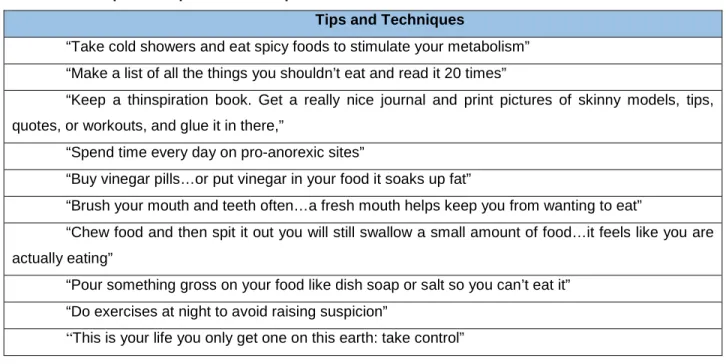
1.1- Tips and Techniques………..………..42
1.2- Thinspiration………....………..44
1.3- Chat Rooms………..……….45
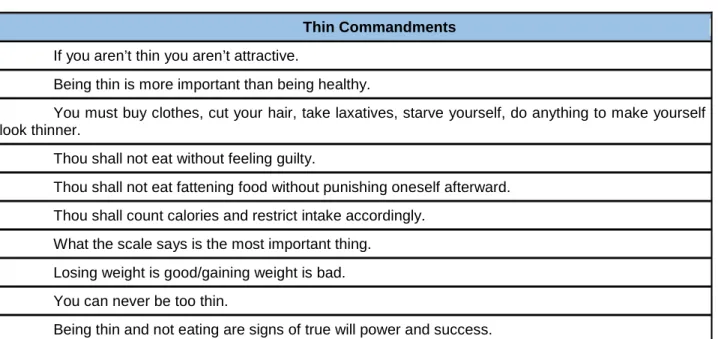
1.4- Thin Commandments……….………..46
2- Impact of Pro-Ana Websites………..49 2.1- Identity………...49 2.2- Body Image……….50 2.3- Quality of Life……….50 2.4- Self-Awareness………..51 2.5- Treatment………51 2.6- Caloric Intake……….52 2.7- Perfectionism………..52 2.8- Self-Esteem………53
CHAPTER III: METHODOLOGY...55
1- Objectives...56
2- Hypothesis...56
3- Participants...59
4- Data Collection Instruments...59
5- Analyses...63
CHAPTER IV: RESULTS AND DISCUSSION...64
1- Results...65
2- Discussion...71
CHAPTER V: CONCLUSION...74
FIGURES
Figure 1- Example of Thinspiration………...45
Figure 2- Associations between pro-ana website usage and quality of life………57
TABLES Table 1- Symptoms of Anorexia Nervosa……….09
Table 2- Diagnostic Criteria for Anorexia- DSM-5 Changes………...13
Table 3- Comparison of Diagnostic Criteria for Anorexia Nervosa: DSM-IV and ICD-10……….14
Table 4- Recommended Laboratory Studies in Patients with Anorexia Nervosa………..15
Table 5- Risk Factors for Anorexia Nervosa………17
Table 6- Anorexia Nervosa Clinical Complications……….25
Table 7- Examples of Tips and Techniques……….43
Table 8- Examples of Thin Commandments………47
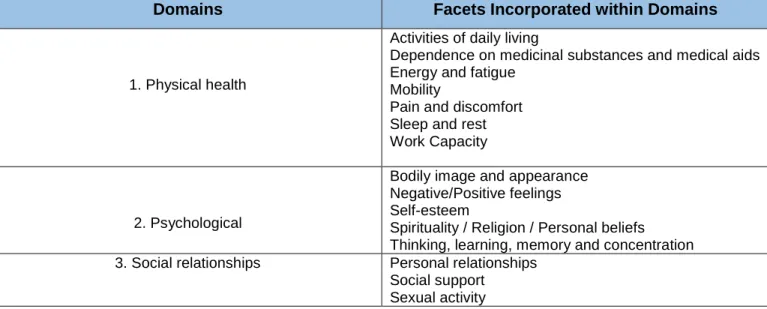
Table 9- WHOQOL-BREF Domains………..…60
Table 10- Participants' Characteristics……….65
Table 11- Pro-ana website usage………..66
ABSTRACT
Pro-ana websites have been growing in number and popularity. These websites promote anorexia nervosa as a lifestyle rather than a disease. Consequently, it tends to negatively affect the quality of life of visitors. Aiming to better understand the associations between pro-ana website usage and the quality of life of anorexic patients, the goal of this study was to identify a path of influence between pro-ana website usage and the quality of life of visitors. Hence, this study proposed the following model (Pro-Ana Website Usage → Dietary Restraint → Body Dissatisfaction → Self-Esteem → Quality of Life). Another goal of this study was to compare
patients who visit pro-ana websites to patients who do not visit it, regarding different psychological variables as quality of life, eating disordered behaviors, body dissatisfaction, psychosocial impairment and self-esteem. Fifty Portuguese female anorexic patients participated in this study. In order to collect data, it was used a demographic and clinical questionnaire and 5 other scales (WHOQOL-BREF, RSES, BSQ, CIA and EDE-Q). Our results showed that body dissatisfaction, psychosocial impairment and eating disordered behaviors levels were higher for patients who visit pro-ana websites compared to patients who do not visit it. In addition, quality of life was lower for patients who visit pro-ana websites compared to patients who do not visit it. Regarding self-esteem, our results showed no significant difference between the 2 groups of patients. Besides that, our study found that the indirect effect of pro-ana website usage on quality of life passes through dietary restraint, body dissatisfaction and self-esteem. In conclusion, our findings suggest that the use of pro-ana websites is related to higher levels of body dissatisfaction, psychosocial impairment and eating disordered behaviors, and to lower levels of quality of life. Furthermore, the hypothesized model was supported by our findings, which shows that the use of pro-ana websites is positively associated with dietary restraint, which is positively associated with body dissatisfaction, which in turn is negatively associated with self-esteem, which is positively associated with quality of life. Perhaps, the most significant contribution of this study is the proposition of a new significant model that shows a path of influence. However, I do not claim that this is the only possible path of influence. There may be other variables associated with this process that we have not tested on our study.
RESUMO
A anorexia nervosa é um transtorno alimentar grave que afeta o corpo e a mente. Ela é caracterizada por perda de peso intencional, preocupação constante com o peso, a forma corporal e a comida, além de alterações na imagem corporal (Walsh, 2013). A anorexia nervosa é uma doença caracteristicamente privada e secreta. Geralmente, indivíduos anoréxicos sofrem sozinhos, lutando para controlar seu corpo através da obsessão sobre o que ingerem (Dolan, 2003). Esta doença afeta 0,3-3% das mulheres e é uma das doenças crônicas mais prevalentes em adolescentes do sexo feminino em todo o mundo (Hoek van & Hoeken, 2003). Ela também é uma das dez principais causas de incapacidade das jovens do sexo feminino e tem uma das mais altas taxas de mortalidade entre todos os transtornos psiquiátricos (Mathers, Vos, Stevenson, & Begg, 2000; Sullivan, 1995).
Atualmente, existe uma grande conexão entre a anorexia nervosa e o uso da internet. A internet pode ser uma legítima fonte de informação relacionada à promoção da saúde, embora possa também ser utilizada como uma ferramenta para a troca de informações errôneas e promoção de comportamentos não-saudáveis (Finfgeld, 2000; Johnsen, Rosenvinge, & Gammon, 2002). Particularmente preocupantes são os websites pro-anorexia (pro-ana). Fatores como a fácil acessibilidade da internet e a crescente taxa de prevalência da anorexia nervosa podem ser fortes contribuintes para a existência e popularidade desse movimento pro-ana. Websites pro-ana promovem a anorexia nervosa como um estilo de vida ao invés de reconhecerem-na como uma doença, potencialmente fazendo-a parecer menos grave para os visitantes desses sites (Peebles et al, 2012;. Wilson, Peebles, Hardy, & Litt, 2006). Websites pro-ana permitem que os seus visitantes falem livremente e compartilhem suas experiências com um senso de segurança pessoal (Mulveen & Hepworth, 2006). Consequentemente, eles promovem uma comunidade de apoio e incentivo para os seus visitantes, encorajando-os a manter a sua doença e a perder ainda mais peso, permitindo assim a perpetuação da anorexia nervosa na ausência de tratamento (Dolan, 2003).
Evidências crescentes indicam que o uso de websites pro-ana tende a afetar negativamente os seus visitantes em muitos aspectos de suas vidas, como: satisfação corporal (Harper, Sperry, & Thompson, 2008); qualidade de vida (Peebles et al., 2012); duração do tratamento (Wilson, Peebles, Hardy, & Litt, 2006); frequência das hospitalizações (Wilson et al.,
2006); ingestão calórica (Jett, LaPorte, & Wanchisn, 2010); níveis de perfeccionismo (Custers & Van den Bulck, 2009); e auto-estima (Bardone-Cone & Cass, 2007). Embora estes estudos tenham aumentado nossa compreensão relacionada às consequências da utilização de websites pro-ana, nós ainda conhecemos pouco sobre as associações entre o uso de websites pro-ana e a qualidade de vida dos seus visitantes.
Visando compreender melhor estas associações, o objetivo deste estudo foi identificar um caminho de influência entre o uso de websites pro-ana e a qualidade de vida dos seus visitantes. Assim, este estudo propôs o seguinte modelo (Uso do Websites Pro-Ana →
Restrição Dietética → Insatisfação Corporal → Auto-Estima → Qualidade de Vida). Outro objetivo deste estudo foi comparar as pacientes que visitam websites pro-ana com as pacientes que não visitam, em relação a diferentes variáveis psicológicas (insatisfação corporal, auto-estima, qualidade de vida, comprometimento psicossocial e comportamentos alimentares desordenados). As participantes deste estudo foram 50 pacientes Portuguesas, anoréxicas, do sexo feminino (com media de idade de 23,72 (SD= 11,21) Min=14/ Max=61). Para coletar os dados, foram utilizados um questionário sócio-demográfico e clínico e 5 outras escalas: WHOQOL-BREF (para medir a qualidade de vida), RSES (para medir a auto-estima), BSQ (para medir a insatisfação com o corpo), CIA (para medir o comprometimento psicossocial) e EDE-Q (para medir os comportamentos alimentares desordenados). ANCOVA análises foram conduzidas para comparar as médias entre os grupos e uma análise de mediação foi realizada para testar o modelo proposto no presente estudo.
Nossos resultados mostraram que as razões mais relacionadas à utilização de websites pro-ana foram: (1) aprender novas técnicas para perder peso (40%), (2) procurar motivação para perder peso (25%), e (3) procurar apoio emocional (25%). Além disso, nossos resultados mostraram que as diferenças entre os níveis de insatisfação corporal (p = 0,017), comprometimento psicossocial (p = 0,001), comportamentos alimentares desordenados (total) (p = 0,003), preocupação com o peso (p = 0,005), preocupação com a forma (p = 0,009) e preocupação com a comida (p = 0,001) foram significativamente maiores para as pacientes que visitam websites pro-ana em comparação com as pacientes que não visitam. O nível de restrição dietética (p = 0,064) foi marginalmente significativamente maior para as pacientes que visitam websites pro-ana em comparação com as pacientes que não visitam esses sites. Por outro lado, o nível de qualidade de vida (p = 0,089) foi marginalmente significativamente maior para as pacientes que não utilizam websites pro-ana em comparação com as pacientes que
utilizam esses sites. A diferença entre os níveis de auto-estima entre os 2 grupos de pacientes não foi significativa (p = 0,125).
Consistente com os nossos resultados, Wilson et al. (2006) afirmou que o uso de websites pro-ana é um mecanismo provável de agravamento dos transtornos alimentares entre os seus visitantes. Além disso, investigações recentes têm encontrado apoio para o fato de que visitar websites pro-ana está relacionado a níveis significativamente mais elevados de insatisfação corporal do que visitar websites pro-recuperação (Harper et al., 2008). Ainda, um estudo recente que verificou a correlação entre o uso de websites pro-ana e a qualidade de vida dos seus visitantes mostrou uma clara associação entre o nível de uso de websites pro-ana e a baixa qualidade de vida dos seus visitantes (Peebles et al., 2012). Pesquisadores também afirmam que esse tipo de websites estimulam e reforçam comportamentos alimentares desordenados, como a restrição dietética (Jett et al., 2010).
Nosso estudo também identificou um caminho de influência— o efeito indireto do uso de websites pro-ana na qualidade de vida dos seus visitantes através de restrição dietética, insatisfação corporal e auto-estima. Os resultados da análise de mediação revelaram que: (1) o uso de websites pro-ana está positivamente associado à restrição dietética (β = .91, SE =.50, t = 1.80, p = 0,07); (2) a restrição dietética está positivamente associada à insatisfação corporal (β = .44, SE = .09, t = 4.9, p < 0,001); (3) a insatisfação corporal está negativamente associada à auto-estima (β = -.42, SE = .09 , t = -4.7, p < 0,001); e (4) a auto-estima está positivamente associada à qualidade de vida (β = .56, SE = .12, t = 4.6, p < 0,001). Esta analise foi realizada controlando as seguintes variáveis: idade, IMC, duração da doença e duração do tratamento.
Em conclusão, os nossos resultados sugerem que o uso de websites pro-ana está relacionado a maiores níveis de insatisfação corporal, comprometimento psicossocial e comportamentos alimentares desordenados (restrição dietética, preocupação com o peso, preocupação com a forma e preocupação com a comida). Nossos resultados ainda mostraram que as pacientes que visitam websites pro-ana têm níveis mais baixos de qualidade de vida em comparação às pacientes que não visitam esses websites. Além disso, nossos resultados apoiam o modelo proposto, o qual mostra que o uso de websites pro-ana está positivamente associado à restrição dietética, a qual que está positivamente associada à insatisfação corporal, a qual por sua vez está negativamente associada à auto-estima, a qual está positivamente associada à qualidade de vida.
O conhecimento gerado através deste estudo pode ser útil para o avanço da teoria existente. Além disso, ele também pode orientar os profissionais de saúde sobre o planejamento do tratamento dos pacientes com anorexia nervosa. Por exemplo, o uso de websites pro-ana deveria ser abordado na fase inicial do planejamento do tratamento e incorporado na tomada de decisões. Para visitantes de websites pro-ana, este trabalho tem um propósito informativo, alertando-os sobre os efeitos negativos relacionados ao uso desses websites.
Apesar dos progressos feitos através deste estudo, há espaço para futuros estudos, com um design longitudinal, para investigar se as variáveis testadas em nosso estudo são mediadores do efeito do uso de websites pro-ana na qualidade de vida dos seus visitantes. Estudos futuros podem também testar se a qualidade de vida de diferentes grupos de visitantes varia de acordo com o número de horas que estes gastam visitando websites pro-ana. Além disso, eles podem investigar se o uso de websites pro-ana afeta os seus visitantes em outros aspectos para além da qualidade vida, por exemplo na duração do tratamento da anorexia nervosa.
CHAPTER I:
ANOREXIA NERVOSA
The first known description in the medical literature of anorexia nervosa is from 1689. Richard Morton, a physician, described in his book two cases of “nervous consumption”, what we now call anorexia nervosa. However, the disorder only received its present name in the late 19th century (David Garner, Vitousek, & Pike, 1997).
In the 19th century, anorexia nervosa was introduced as a new illness by the British psychiatrist William Gull (1874, 1888) and the French physician Charles Lasègue (1873). Both of them characterized anorexia nervosa as a “nervous” disease. However, Gull focused more on biological processes, whereas Lasèque focused more on psychosocial and psychological roots (Ruth H Striegel-Moore & Bulik, 2007).
It has also been speculated that some female medieval saints may have suffered with this disorder. Documentation from the Middle Ages indicates that they used to fast to achieve purity (Bell, 1985; Pearce, 2004). One such saint was Catherine of Siena. She led a life of extraordinary asceticism. The most prominent feature of her asceticism was her self-starvation. Catherine regarded her inability to eat both as a punishment from God for her sins, and as a mean for her expiation. Although her body was very skinny, Catherine frequently displayed the hyperactivity that is commonly displayed by anorexics (Griffin & Berry, 2003).
Although the medical facts of anorexia nervosa have been documented since the 1870s, it was not until 1980 that body image disturbance was formally included as a diagnostic criterion in the Diagnostic and Statistical Manual of Mental Disorders published by the American Psychiatric Association (Hopton, 2011). Nowadays, anorexia nervosa is a well characterized biologically-based mental disorder (Walsh, 2013).
1- Definition
Anorexia nervosa is a severe eating disorder that affects body and mind. It is characterized by deliberate weight loss and, in a significant fraction of individuals, by engagement in excessive physical activity. Moreover, it is characterized by a constant concern with body weight/shape and food, intense fear related to a possible weight gain and alterations in body image (Walsh, 2013). In addition, there is undernutrition with secondary endocrine and
metabolic changes, and disturbances of body functions (Bulik, Reba, Siega-Riz, & Reichborn-Kjennerud, 2005).
Anorexic individuals are unable to maintain a healthy body weight and, despite apparent cachexia, they remain obsessed with losing weight. Life for anorexic individuals becomes a devastating obsession with eating and weight (Bulik et al., 2005).
Anorexia nervosa occurs most commonly in adolescent girls and young women, and its peak age of onset is between 15 and 19 years old. However, it can also affect adolescent boys and young men, as also children approaching puberty and older women (WHO, 1992).
There are two subtypes of anorexia nervosa. The classification depends on how individuals with anorexia control their weight.
Restricting Type: individuals lose weight primarily through dieting, fasting or excessive exercising (several hours per day). They severely restrict their calories (300 to 700 kcal/day) by consuming a limited variety of foods that are low in energy density or sometimes just water. Anorexic individuals with the restricting type do not lose their appetites. They still experience hunger but ignore it (Videbeck, 2014).
Binge-Eating/Purging Type: it is one of the most dangerous forms of an eating disorder. It is characterized by binge behaviors followed by purging behaviors. Purging involves compensatory behaviors designed to eliminate food (e.g., vomiting, laxatives, diuretics, enemas, appetite suppressants, etc.). Even if individuals with anorexia do not binge, they can still engage in purging behaviors after ingesting small amounts of food (Videbeck, 2014).
Table 1- Symptoms of Anorexia Nervosa
Symptoms of Anorexia Nervosa Fear of gaining weight or becoming fat even when severely underweight Body image disturbance
Amenorrhea
Depressive symptoms such as depressed mood, social withdrawal, irritability, and insomnia Preoccupation with thoughts of food
Feelings of ineffectiveness Inflexible thinking
Strong need to control environment
Limited spontaneity and overly restrained emotional expression Complaints of constipation and abdominal pain
Cold intolerance Lethargy Emaciation
Hypotension, hypothermia, and bradycardia Hypertrophy of salivary glands
Elevated BUN (blood urea nitrogen) Electrolyte imbalances
Leukopenia and mild anemia Elevated liver function
Adapted from Videbeck, 2014.
Aside from its physical manifestations, anorexia nervosa is a characteristically private and secretive disease. Anorexic individuals suffer alone, fighting to control their body by obsessing about what they put into it (Dolan, 2003). Their personality is characterized by perfectionism, obsession, anxiety, low esteem, neuroticism, harm avoidance, low self-directedness, low cooperativeness, and traits associated with avoidant personality disorder (Bardone-Cone et al., 2007; Videbeck, 2014).
Anorexic individuals often perceive themselves as helpless, powerless, and ineffective. They see themselves only in terms of their ability to control their food intake and weight. They consider other personal characteristics or achievements less important than thinness.
Furthermore, this disorder also interferes with their ability to have satisfying relationships. Commonly, anorexic individuals withdraw from peers and pay little attention to friendships. It happens as a result of their beliefs. They think that others will not understand what they go through, and also fear that they will begin eating too much while in the presence of other people (Videbeck, 2014).
Frequently, other psychiatric conditions coexist with anorexia nervosa, including major depression in 50-75% of patients (K A Halmi et al., 1991), anxiety disorders in 60% of patients (Walter H Kaye, Bulik, Thornton, Barbarich, & Masters, 2004), obsessive–compulsive disorder in 40% of patients (Walter H Kaye et al., 2004), and alcohol/substance abuse in 12-27% of patients (Bulik et al., 2004; K A Halmi et al., 1991).
2- Diagnostic Criteria
The diagnosis of anorexia nervosa is made on the basis of history taking (including information from family members, friends, and teachers). The patient's history reveals overvaluation of thinness, abnormal food restriction, compulsive exercise, and sometimes binging and purging. On the basis of a physical examination it reveals excessive thinness and purging habits. Purging is suggested by enlargement of the salivary glands, eroded dental enamel, and scars on the dorsum of the hands from repeated, self-induced vomiting. Meeting the criteria from one of the diagnostic criteria manuals (e.g. Diagnostic and Statistical Manual of Mental Disorders - DSM or International Classification of Diseases - ICD), establishes the diagnosis of anorexia nervosa. No specific laboratory tests confirm the diagnosis (Yager & Andersen, 2005).
2.1- DSM
The DSM is a publication of the American Psychiatric Association (APA) who are a society of psychiatric physicians. The APA created the DSM, which contains sets of diagnostic criteria grouped into categories (disorders) to assist clinicians with effective diagnoses and care of people with mental health disorders (“DSM-5,” 2014). In sum, the DSM is a clinical
classificatory scheme designed to facilitate clinical work (APA, 1994). There are several diagnostic criteria manuals used worldwide, but the DSM is the one used most commonly used.
DSM-IV
The DSM–IV recognizes two eating disorders in adults, anorexia nervosa and bulimia nervosa. In addition, there is an ‘eating disorder not otherwise specified’ (EDNOS) diagnosis reserved for eating disorders of clinical severity that do not meet the diagnostic criteria for anorexia nervosa or bulimia nervosa.
According to the DSM-IV (APA, 1994), anorexia nervosa is characterized by 4 main signs and symptoms:
o Refusal to maintain weight at or above normal for age and height value;
o Intense fear of gaining weight or becoming obese/fat, even when abnormally thin;
o Overestimation of the weight or shape, despite the loss of weight or low weight;
o In women and female teenagers, the absence of at least three consecutive
menstrual cycles;
DSM-5
Nowadays, we know that eating disorders in adults are far more varied and variable than the DSM-IV scheme suggests. One of the major classificatory problems that exist in the DSM-IV eating disorders criteria is that the inordinate percentage of individuals who present for treatment do not fulfill the threshold criteria for the two major eating disorders anorexia nervosa and bulimia nervosa (Hebebrand & Bulik, 2011). As a consequence, the majority of individuals with eating disorders are classified under the diagnostic label of eating disorders not otherwise specified (EDNOS) (Fairburn & Cooper, 2011; Fairburn et al., 2007; Ricca et al., 2001).
The opportunity to revise diagnostic criteria in psychiatry occurs on average once per 10–20 years and the impact of diagnostic modifications is far-reaching. The first draft of the DSM-5 criteria was published online in February 2010. In May 2013, the Fifth Edition of the Diagnostic and Statistical Manual of Mental Disorders (DSM-5) was released at the American Psychiatric Association’s Annual Meeting. It marked the end of a journey of more than a decade revising the criteria for the diagnosis and classification of mental disorders (Hebebrand & Bulik, 2011).
The DMS-5 was an opportunity for those developing it to think over again about the classification of the eating disorders and remodel the diagnostic scheme. Thus, contributing in such a way that the DSM-5 accurately represents clinical reality and is of value to clinicians (Fairburn & Cooper, 2011).
Many changes were proposed to the DSM-5. These changes were based on reviews of the extant literature published within special issues of the International Journal of Eating Disorders. The least extreme was to loosen the diagnostic criteria for anorexia nervosa and bulimia nervosa. The most radical one was to recognize binge eating disorder (BED) as a third eating disorder, thus extracting these cases from the EDNOS (Fairburn & Cooper, 2011). Other change proposed was to expand further the DSM-IV definitions of anorexia nervosa, bulimia nervosa and binge eating disorder (Walsh & Sysko, 2009).
One study compared the DSM-IV diagnostic criteria with those proposed for the DSM-5 on number of EDNOS cases. Results of this study indicated that proposed revisions to the diagnostic criteria for anorexia nervosa, and the addition of BED as a separate diagnostic category will reduce the use of EDNOS cases (Keel, Brown, Holm-Denoma, & Bodell, 2011).
Regarding anorexia nervosa, several minor but important changes were made in the DSM-5. First, Criterion A focus on behaviors, like restricting calorie intake, and no longer includes the word “refusal” in terms of weight maintenance since that implies intention on the part of the patient and can be difficult to assess. Second, the DSM-IV criterion requiring amenorrhea, or the absence of at least three menstrual cycles, was deleted. This criterion cannot be applied to males, pre-menarchal females, females taking oral contraceptives and post-menopausal females. In some cases, individuals exhibit all other symptoms and signs of anorexia nervosa but still report some menstrual activity.” Besides, that, many authors suggest that amenorrhea in anorexia nervosa largely reflects nutritional status, suggesting that
amenorrhea is a consequence of anorexia, similar to changes in blood pressure, body temperature, and bone mineral density, rather than a core feature of the syndrome (Attia & Roberto, 2009; Watson & Andersen, 2003).
Table 2- Diagnostic Criteria for Anorexia- DSM-5 Changes
Diagnostic Criteria for Anorexia Nervosa- DSM-5 Changes The requirement for amenorrhea has been eliminated
The wording of the Criterion A has been changed for clarity, and guidance regarding how to judge whether and individual is at or below a significantly low weight- “significantly low body weight” replaces “below 85% of expected”
Criterion B is expanded to include not only overtly expresses fear of weight gain but also persistent behavior that interferes with weight gain.
Adapted from “Highlights of Changes from DSM-IV-TR to DSM-5,” 2013.
2.2- ICD-10
According to the ICD-10 (International Classification of Diseases) (“WHO | The WHO Health Promotion Glossary,” n.d.), the diagnosis of anorexia nervosa is done according to the following criteria:
o Body weight is maintained at least 15% below the minimally normal weight for age and height expected (either lost or never achieved);
o Weight loss is self-induced by the refusal of "fat foods";
o Distortion in body image, in the form of a specific psychopathology, characterized
by a dread of fatness;
o Widespread endocrine disorder involving the hypothalamic pituitary-gonadal axis,
manifest in women as amenorrhea and in men as loss of sexual interest and potency;
Table 3 compares the diagnostic criteria from the DSM-IV and the ICD—10.
Table 3- Comparison of Diagnostic Criteria for Anorexia Nervosa: DSM-IV and ICD-10
DSM-IV ICD-10
Code 307.1 F50.0
Weight
—Refusal to maintain body weight at or above minimally normal weight for age and height (e.g., weight loss leading to maintenance of body weight < 85% of expected weight)
OR
—Failure to make expected weight gain during growth period, leading to weight < 85% of expected normal body weight
—Body weight is maintained at least 15% below that expected (either lost or never achieved)
—Quetelet’s body-mass index is 17.5 kg/m2 or less
OR
—Prepubertal patients may show failure to make the expected weight gain during the period of growth
Phobia/ Associated
Behaviors
—Intense fear of gaining weight or becoming fat, even though underweight
*DSM-IV behaviorally differentiates between types:
Restricting = not engaging in binge-eating or purging behavior
Binge-eating/purging = regularly engaging in binging or purging behavior
—Weight loss self-induced by avoidance of ‘‘fattening foods’’
AND
—One or more of the following: self-induced vomiting; self-induced purging; excessive exercise; use of appetite suppressants and/or diuretics
Body
—Disturbance in the way in which one’s body weight and shape are experienced
—Undue influence of body weight or shape on self-evaluation
OR
—Denial of the seriousness of the current low body weight perception
—Body-image distortion in the form of a specific psychopathology whereby a dread of fatness persists as an intrusive, overvalued idea
AND
—Patient imposes a low weight threshold on himself or herself
Amenorrhea/ Hormonal Fluctuations
—In postmenarcheal females, amenorrhea, i.e., the absence of at least three consecutive menstrual cycles (amenorrhea exists if periods occur only via hormone induction)
—In women, amenorrhea, and in men, loss of sexual interest and potency (an apparent exception is the persistence of vaginal bleeds in anorexic women who are receiving replacement hormonal therapy, most commonly taken as a contraceptive pill)
—There may also be elevated levels of growth hormone, raised levels of cortisol, changes in the peripheral metabolism of the thyroid hormone, and abnormalities of insulin secretion
Pubertal
Development Not specified
—With prepubertal onset, the sequence of pubertal events is delayed or even arrested (growth ceases; in girls, the breasts do not develop and there is a primary amenorrhea; in boys, the genitals remain juvenile); with recovery, puberty is often completed normally, but the menarche is late
Adapted from Walsh, 2013.
2.3- Laboratory Tests
Table 4 summarizes the initial laboratory tests recommended to assess the physiological effect of anorexia nervosa.
Table 4- Recommended Laboratory Studies in Patients with Anorexia Nervosa Routine Studies
• Complete blood count
• Urinalysis
• Measurement of serum electrolytes; levels of creatinine, thyrotropin, and phosphorus; and fasting glucose values
Studies to Consider for Selected Patients
• Measurement of the level of serum amylase
- for patients suspected of surreptitious vomiting
• Measurement of serum calcium and magnesium levels and liver-function tests - for patients with weight below 75 percent of the expected weight
• Electrocardiogram
-before initiation of atypical antipsychotic medications
• Dual-energy x-ray absorptiometry of bone
- for patients who have been underweight for longer than six months
• Magnetic resonance imaging or computed tomography of the brain and neuropsychological assessment
- for patients with atypical features, such as hallucinations, delusions, delirium, and persistent cognitive impairment, despite weight restoration
3- Etiology
There is no specific cause for anorexia nervosa, since it is a disorder with multifactorial causes (biological, family and cultural). It means that its development can occur in different ways for different individuals (David Garner et al., 1997).The lifetime risk for anorexia nervosa among women is estimated to be 0.3 to 1 percent and among men a 10th of that rate (Hoek & van Hoeken, 2003).
Researchers affirm that dieting may be one of the main stimulus that leads to the development of anorexia nervosa (Videbeck, 2014). Cognitive behavioral theories propose that the restriction of food intake that characterizes the onset of many eating disorders has two main origins. The first is a need to feel in control of life, which gets displaced onto controlling eating. The second is overvaluation of shape and weight in those who have been sensitized to their appearance (Fairburn, Shafran, & Cooper, 1999).
For decades, the primary focus of risk-factor research has been sociocultural, developmental and familial on the etiology of eating disorders. However, studies over the past decade have focused on biological factors such as genetics and neonatal complications. Following, we will discuss some of these factors.
Table 5- Risk Factors for Anorexia Nervosa General Factors Sociocultural Risk Factors Developmental Risk Factors Family Risk Factors Biologic Risk Factors Female Cultural ideal of
being thin; media focus on beauty, thinness and fitness Issues of developing autonomy and having control over
self and environment Adverse parenting (family lack of emotional support, parental maltreatment,
low contact and high expectations) Heredity Adolescence and early adulthood Preoccupation with achieving the ideal body
Dissatisfactionwith body image
Family Dieting Birth and neonatal complications
Living in a Western society
High social class Premorbid experience: sexual
abuse
Family history of: -Eating disorder -Depression -Obesity Obesity Male homosexuality Critical comments about eating, shape, or
weight from family and others
Dieting at an early age
Adapted from Fairburn, Cooper, Doll, & Welch, 1999; Fairburn & Harrison, 2003; Videbeck, 2014.
3.1- Sociocultural Factors
We live in a culture that values thinness, with pressing cultural norms for women to consume, to be thin/beautiful, to be disciplined and to be good. Although, while societal pressures to be thin are increasing, our society is getting fatter. The media is filled with contradictions regarding women and food. Magazines are filled with articles about weight loss next to advertisements for fattening foods sold by extremely thin models. As a consequence, weight and the feminine ideal diverge, increasing the mental dissonance regarding food (Griffin & Berry, 2003).
Advertising plays a crucial role in this culture of consumption and is both a reflection of culture and a participant in the creation of culture. An average person sees 400 – 600 advertisements a day, and 1 in 11 of those has a direct message about beauty. Women in particular are inundated with these messages from the media, glorifying the virtues of dieting and thinness. Their role models for physical attractiveness are fashion models who are so thin that virtually do not represent any women in the actual population (David Garner et al., 1997; Griffin & Berry, 2003).
Sociocultural models of eating disorders have emphasized that this female beauty ideal of extreme thinness and objectification of the female body are risk factors for the development of eating disorders (Ruth H Striegel-Moore & Bulik, 2007).
Globalization has brought this thin female beauty ideal to ever larger numbers of cultures. Moreover, immigrants from cultures where this thin-body ideal is not prevalent may develop eating disorders as they assimilate the ideal. As a consequence, eating disorders ought to be expected to increase worldwide (APA, 1994; Catina & Joja, 2001).
To explain why only some girls or women develop an eating disorder in this cultural climate, individual characteristics have been proposed as risk factors for the development of eating disorders. These include social pressure to be thin, high social class, personality traits such as perfectionism, high social anxiety, elevated weight or obesity, high impulsivity, individual differences in biological response to starvation, and individual differences in the reward value of starvation or eating (R H Striegel-Moore, Silberstein, & Rodin, 1986; Ruth H Striegel-Moore & Bulik, 2007).
Studies show that minority women who are younger, better educated, and more closely identified with middle-class values are at increased risk for developing an eating disorder (Videbeck, 2014). Furthermore, researchers have found that homosexual males have higher levels of eating disturbance than heterosexual males (Lakkis, Ricciardelli, & Williams, 1999; Strong, Williamson, Netemeyer, & Geer, 2000). Homosexual males may be at elevated risk of developing eating disorders because of gay culture’s increased emphasis on physical appearance (Boroughs & Thompson, 2002).
3.2- Developmental Risk Factors
Adolescents struggle to develop autonomy and to stablish a unique identity. For this reason, some of them begin to control their eating through severe dieting and thus gain control over one aspect of their lives: weight (Videbeck, 2014).
Self-perceptions of the body can influence the development of identity in adolescence. Self-perceptions that include being overweight (body image disturbance) lead to the belief that dieting is necessary before one can be happy or satisfied. Body image disturbance is another risk factor to the development of anorexia nervosa (Videbeck, 2014).
3.3- Familial Risk Factors
Disordered eating is a common response to family problems. Adolescents growing up among family problems are at higher risk for anorexia nervosa. As a consequence of not having emotional support, they often try to escape their negative emotions focusing on something concrete, such as physical appearance (Videbeck, 2014).
The relative risk of anorexia nervosa in family members of males with anorexia is even higher than in women (Strober, Freeman, Lampert, Diamond, & Kaye, 2001).However, women with story of anorexia nervosa tend to maintain low BMIs even after recovery and, when pregnant, tend to give birth to lower birth-weight babies, potentially increasing their offspring's risk for anorexia nervosa (Cnattingius, Hultman, Dahl, & Sparén, 1999).
3.4- Biologic Risk Factors
Genetic Factors
Studies have shown that anorexia nervosa tends to run in families (L R Lilenfeld et al., 1998; Strober, Freeman, Lampert, Diamond, & Kaye, 2000). Additionally, there is evidence of familial coaggregation of anorexia nervosa and obsessional and perfectionist traits (Lisa R. Lilenfeld et al., 1998).
Most recent studies have focused on the extent to which genes most likely are involved in conferring vulnerability and their mechanism of influence. A study with 31,406 Swedish twins reported a heritability estimates of 56% from anorexia nervosa (Bulik et al., 2006). Other studies reported heritability of 48% (Kortegaard, Hoerder, Joergensen, Gillberg, & Kyvik, 2001) and 76% (Klump, Miller, Keel, McGue, & Iacono, 2001). The contribution of the shared environment was found to be negligible, and the remaining variance was primarily attributable to unique environmental factors. All of these studies point to a substantial contribution of additive genetic effects to anorexia nervosa.
In the first genome-wide linkage survey reported, a weak evidence for linkage in anorexia was noted, the highest non-parametric linkage score being (1.80) for a marker on chromosome 4 (Grice et al., 2002). A further analysis, which covaried for related behavioral traits, came up with a different locus on chromosome 1, as well as loci on chromosomes 2 and 13 (Devlin, 2002).
Neonatal Factors
Studies have shown that neonatal complications increase risk for anorexia nervosa. Studies have shown that babies born with cephalhematoma were at increased risk for developing anorexia nervosa later in life (Cnattingius et al., 1999; Favaro, Tenconi, & Santonastaso, 2006). In both studies, the authors suggested that pervasive brain damage at birth could result in early feeding difficulties and increased risk for anorexia nervosa.
Birth complications, such as low birth weight and preterm birth, are reportedly associated with increased risk of eating difficulties in childhood, which are thought to be predictive of anorexia nervosa in adolescence (Marchi & Cohen, 1990). In a study, a 3-fold increase in risk of developing anorexia nervosa was observed among girls born very preterm (before the 33rd week of gestation) (Cnattingius et al., 1999).
4- Epidemiology
Eating disorders are far more prevalent in industrialized societies, where food is abundant and beauty is linked with thinness. They are most common in countries like the United States, Canada, Europe, Australia, Japan, New Zealand, and South Africa (APA, 1994).
The incidence of anorexia nervosa is increasing (Eagles, Johnston, Hunter, Lobban, & Millar, 1995; Lucas, Beard, O’Fallon, & Kurland, 1991; Milos et al., 2004; Møller-Madsen & Nystrup, 1992). However, the results concerning the incidence of anorexia nervosa vary from study to study according to the population studied and the methods of diagnosis.
Anorexia nervosa affects 0.3–3% of women and is one of the most prevalent chronic disease in adolescent girls worldwide (Hoek & van Hoeken, 2003). In a study conducted in Portugal the prevalence of anorexia nervosa was 0.37% (Carmo & Reis, 2001).
Lifetime prevalence is defined as the proportion of people who have a specific disorder at any point in their life (Smink, van Hoeken, & Hoek, 2012). The lifetime prevalence rate of anorexia nervosa among women worldwide varies between 2% and 3% (Isomaa, Isomaa, Marttunen, Kaltiala-Heino, & Björkqvist, 2009).
5- Mortality
Anorexia nervosa is one of the ten leading causes of disability among young women and has one of the highest mortality rates among psychiatric disorders (Mathers, Vos, Stevenson, & Begg, 2000; Sullivan, 1995). However, many times the mortality rates reported on studies are underestimated. Part of the reason is because people who suffer from an eating disorder may die of other causes, such as malnutrition, heart failure, organ failure or suicide. Therefore, it is common that the medical complications of death are reported instead of the eating disorder that caused the death (Crow et al., 2009). For example, a recent meta-analysis revealed that approximately 20% of the deaths of anorexic patients are the result of suicide (Arcelus, Mitchell, Wales, & Nielsen, 2011). In another study, the main causes of death of anorexic patients were suicide, cancer, liver disease, hypoglycemia and pneumonia (C Laird Birmingham, Su, Hlynsky, Goldner, & Gao, 2005).
Patients with the binging-purging type of the disorder and also alcohol and substance abuse have a higher risk of premature death than do other patients with anorexia nervosa (Herzog et al., 2000). The American Psychiatric Association (APA) reported that 5% of patients with anorexia nervosa die within the first 4 years of diagnosis (APA, 1994).
Patients with anorexia nervosa have a mortality rate for all causes of death six times higher than the general population (Papadopoulos, Ekbom, Brandt, & Ekselius, 2009). A review of the standard mortality ratio in 10 cohort studies found that standard mortality rates in patients with anorexia nervosa are between 1.36 and 17.80 (Nielsen et al., 1998). In a most recent study, the standardized mortality ratio mortality rates were 5.9 (Arcelus et al., 2011).
6- Outcomes
Anorexia nervosa is a mental illness with serious course and outcome in many of the affected individuals. The range of outcomes associated to this disorder is wide. Among the few factors associated with a more favorable outcome are adolescent onset (in contrast to adult onset) and a shorter duration of the illness. The factors associated to poor outcomes arelow body weights and long duration of the illness (H.-C. Steinhausen, 2002).
Early intervention appears to interrupt the increasingly restrictive dieting and growing social isolation in anorexic individual. However, in many of them, dieting and weight loss dominate mental life for years and severely impair physical health and social and occupational development (Walsh, 2013).
In adolescents, full recovery of weight, growth and development, menstruation, normal eating behavior and attitudes with regard to food, and body shape and body weight occurs in 50-70% of treated patients. A prospective study of adolescents who received comprehensive treatment found that 76% no longer had a diagnosable eating disorder at 10 years of follow-up (Strober, Freeman, & Morrell, 1999).
Anorexia nervosa in adults, including those only in their 20s, is generally much more resistant to intervention (Walsh, 2013). Therefore, outcomes are poorer among them. Only 33% of adult patients with anorexia nervosa are reported to recover fully (Herzog et al., 1999).
Older individuals with anorexia nervosa may exhibit substantial improvement in both physical and psychological symptoms through structured treatment programs. However, relapse rates after discharge are high (Kaplan et al., 2009).
Despite better recognition and more informed treatment approaches, the outcome of anorexia nervosa, particularly for adults, has probably not improved substantially in the past 50 years (H.-C. Steinhausen, 2002). Patients with anorexia nervosa have less than a 50% chance of recovery within 10 years and a 6.6 –15% risk of dying 10 – 20 years after the onset of the disorder (Bergh & Södersten, 1998).
Usually, there are comorbidities associated to anorexia nervosa (depression, anxiety disorder, phobias, and personality disorders). These comorbidities serve as risk factors contributing to a less favorable outcome of this disorder (Eckert, Halmi, Marchi, Grove, & Crosby, 1995; Herpertz-Dahlmann, Wewetzer, Schulz, & Remschmidt, 1996; H. C. Steinhausen & Seidel, 1993).
7- Clinical Complications
Eating disorders are accompanied by various clinical complications related to impaired nutrition status and inadequate compensatory practices to control weight (vomiting, use of diuretics, enemas and laxatives). It is known that patients who abuse laxatives are at a greater risk for these medical complications (Yager & Andersen, 2005).
These medical complications affect virtually every organ system. Moreover, many laboratory measures may also be affected, among them serum electrolyte levels and thyroid function. Many of these complications arise due the delay in diagnosis and initiation of treatment, since many patients try to hide their symptoms and/or refuse treatment (American Psychiatric Association, 2000; Key & Lacey, 2002). Among patients who have anorexia nervosa in adolescence, medical complications may persist into the adult years (Johnson, Cohen, Kasen, & Brook, 2002).
Some of the medical complications of anorexia nervosa are orthostatic hypotension, bradycardia, impaired menstrual function, hair loss, hypothermia, osteoporosis, cardiovascular
disturbances, diabetes mellitus, thyroid disorders, gastrointestinal problems, dental problems, fertility and pregnancy problems, and other psychiatric disorders (Herzog et al., 1999; Meczekalski, Podfigurna-Stopa, & Katulski, 2013).
Abnormalities in cognitive function may also occur. The brain loses both white and gray matter during severe weight loss as a result of semi-starvation; weight restoration results in the return of white matter to premorbid levels, but some loss of gray matter persists (Lambe, Katzman, Mikulis, Kennedy, & Zipursky, 1997).
Osteoporosis
Teenagers are at the critical period for achieving their peak bone mineral density (Schettler & Gustafson, 2004). Therefore, girls with the diagnosis of anorexia nervosa are at risk of attaining lower than normal peak bone mass and so of being at greater risk of osteoporosis and fractures later in life (Misra et al., 2004). It happens as a result of the profound influence of anorexia nervosa on bone metabolism.
Cardiovascular Disease
Cardiac complications appear in 80% of patients with eating disorders (Abuzeid & Glover, 2011). The most frequent cardiovascular disorder among patients with anorexia nervosa is sinus bradycardia (Portilla, 2011).
Gastrointestinal Problems
The functioning of the upper part of the gastrointestinal tract is disturbed in patients with anorexia nervosa (Robinson, 2000). Additionally, many severe metabolic disturbances can be seen in anorexic patients, such as electrolyte abnormalities. Besides that, in individuals who present the purge form of the disorder, hypokalemia, hypomagnesaemia and hypocalcemia are very common (Mitchell, Pyle, Eckert, Hatsukami, & Lentz, 1983).
Dental Problems
Anorexic patients who frequently vomit have many dental problems, such as loss of tooth enamel, chipped and ragged teeth, and dental caries (Videbeck, 2014).
Fertility and Pregnancy Problems
A range of neuroendocrine alterations occurs in anorexic patients. These alterations have both short and long-term consequences for reproductive health, such as fertility problems. Moreover, unplanned pregnancies and negative attitudes to pregnancy are also associated with a lifetime history of eating disorder (Easter, Treasure, & Micali, 2011).
Psychiatric Disorders
Psychiatric co-morbidities are very common in patients with eating disorders. Depression is the most common psychiatric disorder among patients with eating disorders. Also, a variety of anxiety disorders are seen in more than 60% of these patients. Additionally, social phobia and obsessive-compulsive disorder are common in anorexia nervosa (K A Halmi et al., 1991).
Mood disorders and substance misuse are others psychiatric comorbidities observed in patients with eating disorders (Krug et al., 2009). The prevalence of mood disorders in patients with anorexia nervosa varies from 31% to 88.9% (Katherine A Halmi et al., 2005).
Other clinical complications are shown in Table 6.
Table 6- Anorexia Nervosa Clinical Complications
Clinical Complications Metabolic and Electrolyte Hypokalemia Hyponatremia Hypernatremia Hypomagnesemia Hyperphosphatemia Hypoglycemia
Neurologic Sulcal widening Ventricular dilatation Brain atrophy (reversible)
Ophthalmologic Cataract Optic nerve atrophy Retinal degeneration Decreased of visual acuity
Endocrine
Euthyroid sick syndrome Pseudo-cushing's syndrome Amenorrhea Oligomenorrhea
Decreased libido Infertility
Osteopenia or Osteoporosis Delay of pubertal development Gastrointestinal Esophagitis Hematemesis (S. Mallory-Weiss)
Delayed gastric emptying Reduced intestinal motility Constipation Rectal prolapse
Gastric dilatation Abnormal liver function Hyperamylasemia Hypertrophy of the parotid and submandibular glands
Renal Kidney stones Pre-renal azotemia Renal failure
Bucomaxilares and
Dermatologic
Dental Caries Cheilosis
Skin dryness Cold and Pale skin
Hypercarotenemia Calluses on the fingers or the back of Acrocyanosis hands (Russel Sign)
Pulmonary Tachypnea Bradypnea
Pulmonary edema Pneumomediastinum Hematologic Anemia Leukopenia
Thrombocytopenia Neutropenia
8- Treatment
Most anorexics are unwilling patients and firmly deny that they are ill. In the early stages of the disease, patients often deny they have a negative body image or anxiety towards their appearance. In addition, they are very pleased with their ability to control their weight and often express this. Consequently, they are resistant to treatment and would really prefer not to participate in it at all (Videbeck, 2014).
One of the mistaken ideas anorexic patients often hold is the expectation that the process of regaining weight would be almost irreversible. They also believe that their peers are jealous of their weight, and may believe that family and health care professionals are only trying to make them “fat and ugly”. This notion may increase their resistance to begin therapy. Thus, when anorexic individuals begin therapy, their initial posture is a defensive one rather than a collaborator (DM Garner & Bemis, 1982; Goldberg, Halmi, Casper, Eckert, & Davis, 1977).
Although, supportive relationships with partners, family members, therapists, or friends are perceived as the driving force in the recovery process. It is very important that the patient is the one who decides to be treated (Beresin, Gordon, & Herzog, 1989; Hsu, Crisp, & Callender, n.d.; Tozzi, Sullivan, Fear, McKenzie, & Bulik, 2003). Otherwise, if treatment is received for the benefit of others (i.e. other people have decided that the anorexic should have treatment), then the anorexic is unlikely to recover (Williams & Reid, 2007). Life events, including positive work experiences, separation from a negative familial environment, meaningful relationships, marriage, and children, also promote recovery (Beresin et al., 1989; Hsu et al., n.d.; Tozzi et al., 2003).
Techniques that enhance motivation are increasingly used to treat this disorder. Clinical experience suggests that documenting early osteopenia and explaining the physiological effects of weight loss may help to motivate patients who deny having the disorder (Yager & Andersen, 2005). Besides that, not meeting the patients at their own stage and imposition of goals will likely result in treatment failure. Therefore, it is important to negotiate treatment goals based on both the patients’ and experts’ understanding of desirable outcome, thus leading to a greater involvement of patients in treatment (Keski-Rahkonen & Tozzi, 2005).
The treatment of anorexia nervosa should be seen in a multidisciplinary way in consequence of its multifactorial etiology. Thus, seeking the efficacy of the healing process.
Initial outpatient treatment often involves a primary care physician, a psychiatrist or psychologist familiar with anorexia nervosa, and a registered dietitian. Therefore, it is important that communication between all elements of the multidisciplinary team is efficient to enhance the treatment (Keltner, Schwecke, Bostrom, & Calvacca, 2007).
There are three different treatment settings for anorexia nervosa: inpatient specialty eating disorder units, partial hospitalization and outpatient therapy. The choice of setting depends on the severity of the illness (weight loss, physical symptoms, duration of binging and purging, drive for thinness, body dissatisfaction and comorbid psychiatric conditions) (Black & Andreasen, 2014). Longer inpatient stays are required for those who gain weight more slowly and are more resistant to gain additional weight. Regarding to outpatient therapy, it works better with patients who have been ill for fewer than 6 months, are not binging and purging, and have parents likely to participate effectively in family therapy (Thiels, 2008).
The effectiveness of the treatment is often determined by criteria like weight gain and adequate food intake (Videbeck, 2014). It is important that the patient remains in treatment for one to two years after weight restoration to prevent relapse (Yager & Andersen, 2005).
Medications have always played an important role in the treatment of patients with anorexia nervosa, but they have been rarely used as the sole form of intervention (David Garner et al., 1997). The treatment of anorexia nervosa changed in the second half of the 20th century from a exclusively medical approach to a strong emphasis on individual psychotherapy (Bruch, 1973). Later, behavioral and cognitive interventions were included on the treatment programs (Bemis, 1987). In younger patients, the inclusion of family therapy has been defended since the 1970s (H. Steinhausen, 2002).
Following, we will discuss the treatment options for anorexia nervosa:
8.1- Pharmacological Therapy
The pharmacological therapy used in anorexia nervosa is directed to the treatment of anxiety, depression, somatic changes or other co-morbidities associated with this disease (Keltner et al., 2007). However, managing individuals with anorexia nervosa only with medication is inappropriate for many reasons: (1) no pharmacological intervention for anorexia
nervosa has a significant impact on weight gain or the psychological features of anorexia nervosa; and (2) medication treatment for anorexia is associated with high dropout rates (Bulik, Berkman, Brownley, Sedway, & Lohr, 2007).
Several classes of drugs have been studied, but few have shown clinical success. Studies found that medication was not perceived as affecting core eating disorders symptoms. However, it was viewed as helpful in relieving mood and anxiety symptoms (Beresin et al., 1989; Hsu et al., n.d.; Tozzi et al., 2003).
Among the drugs most commonly used on the treatment of patients with anorexia nervosa are anxiolytics, antipsychotics and antidepressants. In addition, hormones such as testosterone, growth hormone, estrogen and progesterone are also used (Bulik et al., 2007).
Anxiolytics
Anxiolytics help patients to control their anxiety related to meals. It also helps to decrease the intensity of compulsive eating episodes (Keltner et al., 2007).
Antipsychotics
Studies suggest that the use of atypical antipsychotic agents at low doses (e.g., olanzapine) may improve weight gain, symptoms of depression, and obsessional thoughts (Barbarich et al., 2004; Malina et al., 2003; Powers, Santana, & Bannon, 2002).
Antidepressants
Fluoxetine: It is an antidepressant of the Selective Serotonin Reuptake Inhibitors (SSRIs) class. Fluoxetine has some effectiveness in reducing purging behavior and depression. It also prevents relapse in patients whose weight has been partially or completely restored (Keltner et al., 2007).
One placebo-controlled trial involving patients who had regained weight showed that those taking fluoxetine at doses of 20 to 60 mg per day were more likely to maintain their weight gain and had fewer depressive symptoms after one year (W H Kaye et al., 2001). Differently, another study with fluoxetine did not find significant differences between fluoxetine and placebo on eating, psychological, or biomarker measures in anorexic patients (Malina et al., 2003).
Amitriptyline (Tricyclic Antidepressant- TCA): It is the most widely used TCA. One study that compared amitriptyline and cyproheptadine and placebo in 72 anorexic women found that significantly fewer days were needed to achieve target weight with both amitriptyline and cyproheptadine groups than with placebo (K A Halmi, Eckert, LaDu, & Cohen, 1986). Another study with amitriptyline led to no significant differences in eating, mood, or weight outcomes in comparison with placebo (Biederman et al., 1985).
Hormones
One study with transdermal testosterone reported significantly less increase in depressed mood in patients on transdermal testosterone than in those on placebo (Miller, Grieco, & Klibanski, 2005). Another study compared two groups of women, one using estrogen/progesterone and another with no medication. The groups did not differ on bone density measures at 6 months (Klibanski, Biller, Schoenfeld, Herzog, & Saxe, 1995).
8.2- Nutritional Therapy
Nutritional therapy is based on recovery to normal weight, nutritional rehabilitation and correction of water and electrolyte imbalances (Sadock & Sadock, 2000). It is important to highlight that nutritional rehabilitation during the period of bone growth is very effective in reversing bone loss (Lantzouni, Frank, Golden, & Shenker, 2002).
Numerous observational studies suggest that initial treatment should focus on prompt weight restoration (American Psychiatric Association, 2000; Beumont et al., 2004; Dix, 2004).
However, It is important that the therapist strives to accomplish the weight restoration without inflicting psychological damage (Bruch, 1977).
One example of nutritional therapy is the use of zinc supplementation. In a study with anorexic patients, zinc supplementation was associated with accelerated increase of Body Mass Index (BMI) (C L Birmingham, Goldner, & Bakan, 1994).
The progressive weight loss of anorexics should be interrupted immediately, and substantial weight gain at a very early point in treatment may be indicated for severely malnourished patients. These patients may require total parenteral nutrition, tube feedings, or hyperalimentation to receive adequate nutritional intake. Children or teenage patients who are losing weight rapidly, regardless of the percentage of body weight lost, generally require hospitalization to ensure food intake and to limit physical activity (Videbeck, 2014).
In the case of inpatients, their weight, food intake, caloric intake and urine output should be monitored. In addition, these patients should be watched to avoid purging behaviors. As for outpatients, there should be a weekly monitoring of weight and an evaluation of electrolyte balance, as well as a regular physical exam (Sadock & Sadock, 2000).
No particular nutritional regimen has been proved to be superior, as long as adequate calories are supplied (Okamoto et al., 2002). For inpatients that can eat, a diet of 1,200 to 1,500 calories per day is ordered, with gradual increases in calories until they are ingesting adequate amounts for their height, activity level, and growth needs. Usually, prescribed calories are divided into three meals and three snacks. A liquid protein supplement is given to replace any food not eaten to ensure consumption of the total number of calories (Videbeck, 2014). For outpatients, a diet of 1,200-1,500 calories per day, with weekly increases of 500 kcal per day, would result in a weight restoration of 0.5 to 0.9 kg (1 to 2 lb) per week (American Psychiatric Association, 2000).
Some patients can experience a refeeding syndrome (reported in about 6% of hospitalized adolescents) (Kohn, Golden, & Shenker, 1998). A refeeding syndrome is most common among patients weighing less than 70% of their ideal body weight and in those receiving parenteral or enteral nutrition, although it can also occur in those receiving vigorous oral refeeding. This syndrome may include minor abnormalities (e.g., transient pedal edema) or serious complications that require urgent intervention (e.g., a prolonged QT interval or