Nova School of Business and Economics Universidade Nova de Lisboa
Thesis, presented as part of the requirements for the Degree of Doctor of Philosophy in Management
How emotions are shaped within services organizations: Empirical studies among portuguese nurses and physicians.
Joana Simões do Carmo Dias n.º 647
A Thesis carried out under the supervision of Professor Miguel Pina e Cunha and co-supervision of Professor Arménio Rego
1
TABLE OF CONTENTS
ACKNOWLEDGMENTS ... 7
ABSTRACT ... 9
PART I: INTRODUCTION ... 11
CHAPTER I – CONCEPTUAL FRAMEWORK ... 12
1. Services marketing ... 13
1.1 What is services marketing? ... 13
1.2 Delivering and performing services ... 17
1.2.1 Employee‟s role ... 17
1.2.2 Customer-oriented service delivery ... 19
1.2.3 Services failures ... 22
1.2.4 Role of emotions in service recovery ... 25
2. Emotions ... 26
2.1 Positive emotions ... 27
2.2 Emotional labor ... 29
Surface acting ... 30
Deep acting... 31
Naturally felt emotions ... 32
2.2.1 Emotional dissonance ... 33
2.2.2 Emotional labor antecedents and consequences ... 34
3. Healthcare services ... 37
3.1 The Portuguese scenario ... 37
3.1.1 National health service ... 37
2
3.2 Emotional labor in healthcare ... 40
CHAPTER II – METHODOLOGICAL FRAMEWORK ... 43
1. Motivation and purpose of the study ... 43
2. Research design ... 44
3. Research context ... 45
4. Target population and study sample ... 46
5. Data analysis ... 47
5.1 Qualitative approach... 47
5.2 Quantitative approach ... 49
6. Dissertation structure ... 49
PART II: RESEARCH STUDIES ... 51
STUDY 1: EMOTIONAL LABOR IN HEALTHCARE: PATIENTS‟ AND PROFESSIONALS‟ PERSPECTIVE ... 52
Abstract ... 53
1. Introduction ... 54
2. What are emotions? ... 55
3. Managing emotions at work ... 58
4. Research design ... 64
5. Data analysis and findings ... 66
6. Discussion ... 77
7. Implications ... 81
8. Limitations and future research... 82
9. Conclusions ... 83
STUDY 2: EMPLOYEE EMOTIONAL EMPOWERMENT: A NEW WAY TO MANAGE EMOTIONS IN THE WORKPLACE ... 85
3
1. Introduction ... 87
2. Emotional labor: a limited concept ... 88
3. Surface and deep acting strategies ... 92
4. An alternative: Employee Emotional Empowerment (EEE) ... 96
5. Conclusions, implications and future research ... 101
STUDY 3: DOES THE PERCEPTION OF THE WORK ENVIRONMENT PREDICT THE USE OF DIFFERENT EMOTIONAL LABOR STRATEGIES IN HEALTHCARE? A JOB DEMANDS-RESOURCES PERSPECTIVE ... 103
Abstract ... 104
1. Introduction ... 106
2. Theoretical background ... 108
2.1 Job Demand-Resources (JD-R) Theory... 108
2.2 Work environment perceptions and emotional labor ... 109
2.3 Personality traits and emotional labor ... 112
3. Research design ... 117 3.1 Data collection ... 117 3.2 Measures of constructs ... 118 3.3 Data Analysis ... 119 4. Findings ... 120 5. Discussion ... 122
6. Conclusions and implications ... 129
PART III: GENERAL DISCUSSION ... 131
CHAPTER I – MANAGING EMOTIONS IN HEALTHCARE. PRESENT AND FUTURE ... 132
1. Main findings and theoretical implications ... 132
4
3. Directions for further research ... 135 REFERENCES ... 138 APPENDIX ... 178
5
LIST OF FIGURES
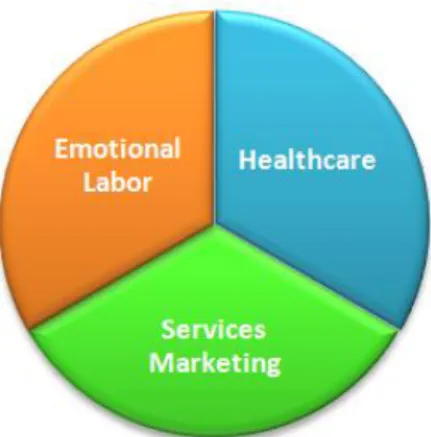
Figure 1 Main topics of the research project ... 12
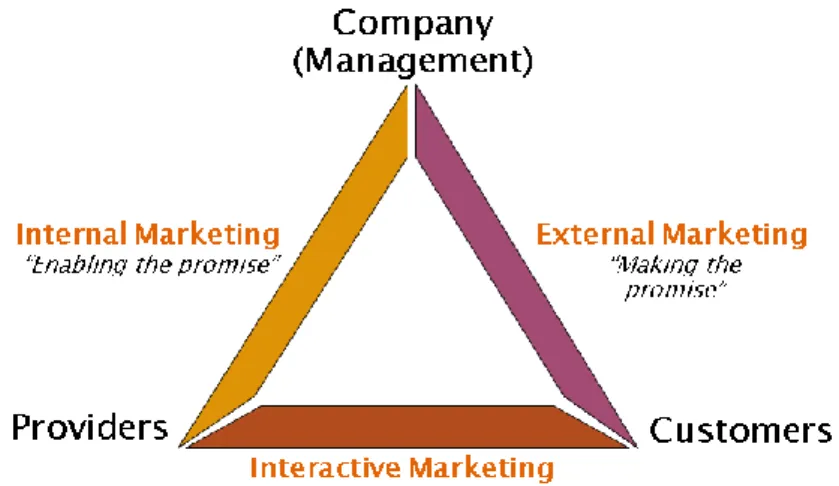
Figure 2 Services marketing triangle (Wilson et al., 2012) ... 16
Figure 3 Human resource strategies for delivering service quality through people (Wilson et al., 2012) ... 21
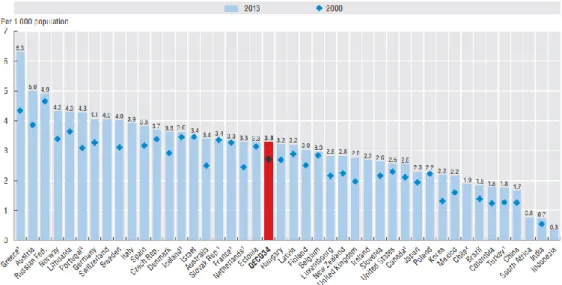
Figure 4 Physicians nurses per 1 000 population, 2000 and 2013 (or nearest year), (OECD, 2015) .. 39
Figure 5 Practising nurses per 1 000 population, 2000 and 2013 (or nearest year), (OECD, 2015) ... 39
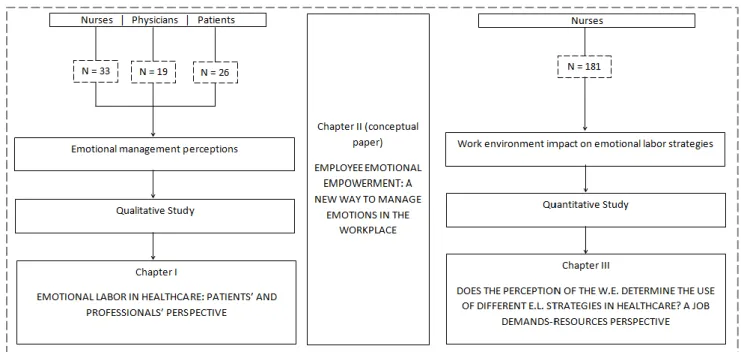
Figure 6 Research Design ... 45
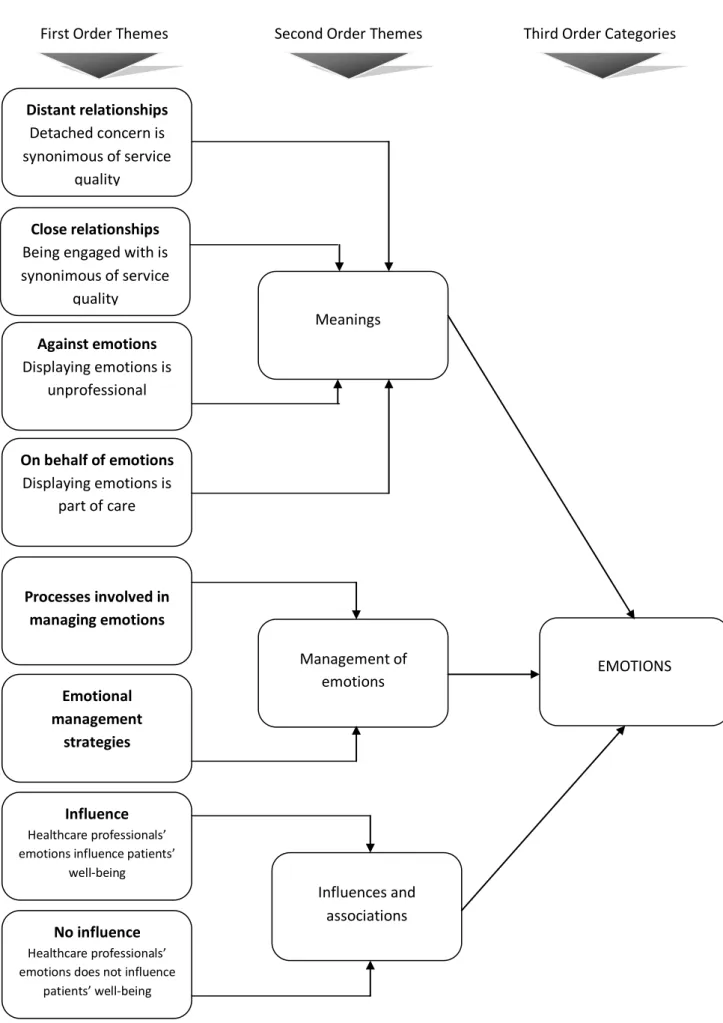
Figure 7 Thematic Analysis - Emotions... 69
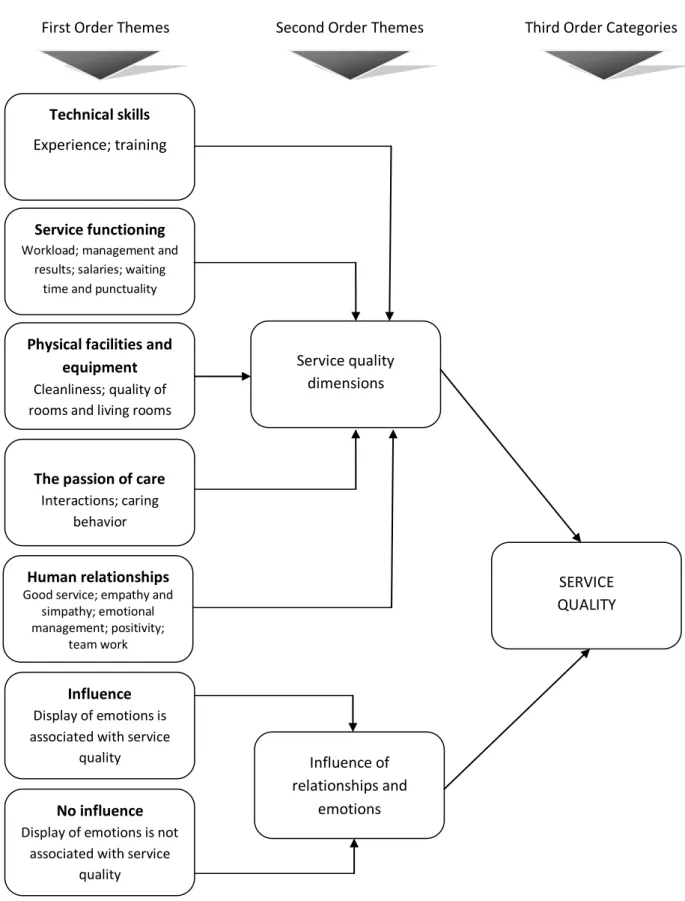
Figure 8 Thematic Analysis – Service Quality ... 70
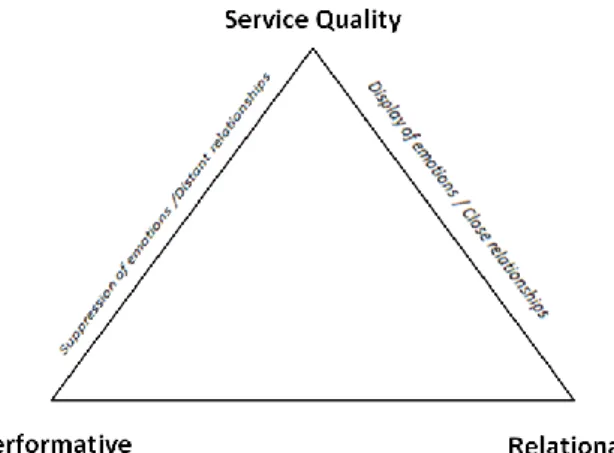
Figure 9 A systemic model of emotional management perspectives and service quality. ... 78
6
LIST OF TABLES
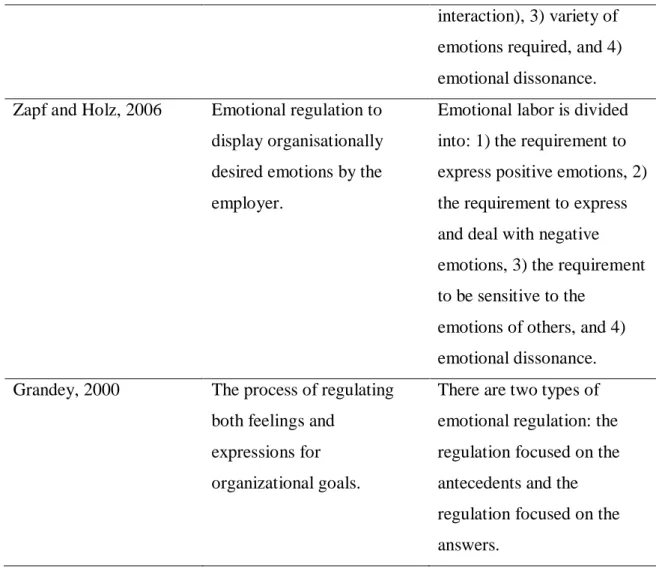
Table 1 Definitions of Services ... 14 Table 2 Evolution of the concept of emotional labor ... 92 Table 3 Comparing the constructs emotional labor and employee emotional empowerment ... 101 Table 4 Means, standard deviations, internal consistencies (Cronbach‟s α on the diagonal) and Pearson Correlations (N = 180) ... 120 Table 5 Moderated regression testing the link between work environment perceptions and emotional labor strategies ... 122 Table 6 Relationship between perceptions of work environment and emotionl labor strategies and personality traits... 125
7
ACKNOWLEDGMENTS
Writing a doctoral dissertation is a long journey, characterized by ups and downs, disappointment and hope, frustration and excitement. Although gaining a doctoral degree is an individual reward, this doctoral thesis would not have been possible without the help of many people.
To my supervisor, Professor Miguel Pina e Cunha, and my co-supervisor, Arménio Rego, for their professionalism, motivation, support and advices.
To all researchers and reviewers who had the opportunity to comment and advise me, in the conferences and seminars I have presented my papers or in the Journals publication process. Speccially to Bart Lariviere, from Ghent University and from the Center for Service Intelligence, for his warming wellcoming in Belgium and for his help finishing my thesis.
To all the physicians, nurses and patients who participated in the qualitative and quantitative components of this study.
To all my family and friends. Throughout my life, they have consistently believed in and supported me so that I could overcome multiple obstacles. Specially to Luana, Inês and Klaartje for their endless help, strength and friendship.
To Rúben and Vitória for giving me the strength to continue every time I wanted to give up and to follow my dreams wherever that may take us.
8
Without the financial support of the Foundation for Science and Technology, this project would not have been possible. I am grateful to the FCT for granting the doctoral fellowship, without which this research would be less rich, and I would end this course with less skills and less world.
The research work leading to this dissertation was co-financed by national funds of the Ministry of Science and Higher Education and the European Social Fund, in the National Strategic Reference Framework (QREN, 2007-2013) - Human Potential Operational Program (POPH), through the Doctoral Grant with the reference SFRH/BD/75867/2011 and by the FCT SBE‟s funding to Nova research unit (UID/ECO/00124/2013), granted by the Foundation for Science and Technology.
9
How emotions are shaped within services organizations: Empirical studies among portuguese nurses and physicians.
ABSTRACT
The management of emotions is an important component of the work of frontline employees, since more and more interactions between customers and employees are valued and affect their perceptions of service quality. In healthcare, the management of emotions takes greater proportions compared to other service organizations because of the proximity and frequency of relationships between customers and employees and the intensity of emotions.
Aiming to contribute to the study of the management of emotions in healthcare, namely the positivity, perspectives and antecedents we developed three studies. The first qualitative study intends to study in a deeper way what physicians, nurses and patients think about the expression and suppression of emotions, that is, the management of emotions. Two different patterns have been found which represent what these individuals perceive as a quality service. Some participants are in favor of expressing emotions and maintaining close and lasting relationships - what we call “relational engagement”. While others are in favor of hiding or supressing emotions and keeping a distance - what we call "performative engagement".
The second conceptual study proposes that there may be other alternative than engage in emotional labor. Employees are expected to supress or fake their emotions, because there is a presumption that employees inner feelings are not congruent with the emotions that the organization wants them to display. However, employees may also want to act authentically. With employee emotional empowerment employees have the power and ability to manage their emotions in a way they feel
10
more appropriate to the situation and the customer, minimizing feelings of burnout, stress and job turnover.
The third quantitative study aims to analyze the impact that the work environment may have on the emotional labor performance. It is certain that during their working day healthcare professionals have to deal with intense emotional situations. This forces them to manage their emotions in a strategic way. Some factors are decisive for the management of emotions, such as the work environment. We found that when nurses perceive their work environment as positive they do not tend to adopt a deep acting strategy.
With these studies we intend to clearer the management of emotions in a service context as special as healthcare.
Keywords: employee emotional empowerment, emotional labor, empowerment, authenticity, positive emotions, healthcare services, work environment, personality traits, job demands-resources model.
11
12 CHAPTER I – CONCEPTUAL FRAMEWORK
The scope of our research project comprises three main areas of study: services marketing, emotional labor and healthcare. “Services marketing” refers to all the activities, benefits and satisfactions which are offered for sale or are provided regarding the sale of goods (AMA). “Emotional labor” refers to the psychological process necessary to adjust organizationally desirable emotions as part of employees work (Zapf, 2002). Healthcare services are the most unpredictable type of services, and the management of emotions takes greater proportions compared to other types of services due to the proximity, frequency and intensity of relationships between healthcare professionals and patients. These three topics are interrelated in the three papers constituting this doctoral thesis and are covered in detail in the following sections. The studies that make up this work aim to understand the individual and relational processes inherent to emotional management in health services interactions between professionals and patients.
13 1. Services marketing
1.1 What is services marketing?
Nowadays, the world‟s economy is characterized as a service economy, due to the increasing importance that the services sector has gained in developed and developing countries (Martin, 1999). Indeed, the growth of the services sector has been an indicator of a country's economic development. All developed countries have gone through a shift from agriculture to industry and then to services as the main sector of their economy. This shift brought changes to the concepts of products and services: products are no longer considered separate from services and services constitute a large part of products.
Initially, the concept of services was restricted to tools to facilitate the sale of tangible products, such as transportation, warehousing, and other logistical services (Martin, 1999). After World War II, the notion of service gained added prominence as manufacturers became increasingly proficient in making “things'' and competition between them intensified. The concept of services evolved into significant points of differentiation between companies trying to gain competitive advantage in the marketplace (Martin, 1999). At that point, services were no longer restricted to tools that facilitated the sale of products, but included: (1) an augmentation of manufactured goods; (2) the assistance provided to customers to ease their decision-making processes; and (3) how interactions with customers are handled (Martin, 1999). Nowadays, the service sector has grown exponentially and achieved an important position in the economy of several countries. This sector consists of a wide range of industries, employs an enormous amount of employees, and accounts for a large part of the annual expenditure of consumers and businesses.
Defining services is a complex and difficult task, because this construct comprises a set of personal and organizational activities. A consensual definition of the concept of services does not yet exist; but within the academic literature, multiple designations have been proposed. Table 1 shows some representative definitions that have been proposed over time.
14 Definitions of Services
“All economic activities whose output is not a physical product or construction, is generally consumed at the time it is produced, and provides added value in forms (such as convenience, amusement, timeliness, comfort, or health) that are essentially intangible concerns of its first purchaser” (Quinn et al., 1987).
“Activities, benefits, or satisfactions that are offered for sale or provided with sale of goods to the customer, that is, pre-sale and after-sales services” (American Marketing Association) “A process consisting of a series of more or less intangible activities that normally, but not
necessarily always, take place in interactions between the customer and service employee and/or physical resources or goods and/or systems of the service provider, which are provided as solutions to customer problems” (Grönroos, 2007).
“Economic activity between two parties, implying an exchange of value between seller and buyer in the marketplace” (Lovelock & Wirtz, 2007).
“Deed, process, and performance provided or coproduced by one entity or person for another entity or person” (Zeithaml et al., 2009).
“Is any act or performance one party can offer to another that is essentially intangible and does not result in the ownership of anything” (Kotler et al., 2009).
Table 1 Definitions of Services
As we can see, most definitions present some distinctive characteristics that services marketing practitioners outlined. Kotler and Keller (2009) identified those distinctive characteristics to explain a service as follows:
Intangibility: services are intangible and do not have a physical existence. This is the component that most differentiates services from products, since services cannot be used, sensed, or observed in the same way as a physical good. As such, it poses a unique challenge to those engaged in marketing a service as they need to attach tangible attributes to an otherwise intangible offering.
15
Heterogeneity/Variability: each service offering is unique and cannot be exactly repeated even by the same service provider. This refers to the possibility of varying the quality, or other measures of performance, from supplier to supplier, or even from the same supplier at different times.
Perishability: services cannot be stored, saved, returned or resold once they have been used. Once rendered to a customer, the service is completely consumed and cannot be delivered to another customer.
Inseparability/Simultaneity of production and consumption: this refers to the fact that it is not possible to separate the provision of the service from its consumption. Services cannot be separated from the service provider and both service provider and the customer have impact on their outcome.
The marketing of services not only requires the traditional external marketing, but also the internal and interactive marketing (Kotler & Armstrong, 2007). As can be seen in Figure 2, the linkage between the company and employees is designated “internal marketing”. Internal marketing means that the company must effectively train and motivate its employees, as well as other supporting service people, to work as a team and to achieve customer satisfaction (Zeithaml & Bitner, 2000). Next, the linkage between employees and customers is designated “interactive marketing”. Interactive marketing recognizes that customers and employees are co-creators of the service (Gummesson, 2007) and essentially refers to the quality of the service provided in the process of buyer-seller interaction (Syed et al., 2011). Finally, the linkage between the company and customers is labeled “external marketing”. External marketing involves the communication of the firm‟s offerings to potential customers (Grönroos, 1996).
16
Figure 2 Services marketing triangle (Wilson et al., 2012)
Undoutbly, marketing plays an important, large and complex role in services organizations. It is responsible for external (create promises), internal (viable promises), and interactive functions (keep promises). It plays a key role in customer satisfaction, relationship with the market, quality and service productivity, and organization's profitability.
Marketing has become a particularly challenging and yet extremely important task. Given the intangibility of services, a large part of the customers‟ buying decision depends on the degree to which (s)he trusts the services provider. Hence, it is important to listen to the needs of the customer and fulfill them through the appropriate service offering, and to build a long lasting relationship which can lead to repeat sales and positive word of mouth. Due to the increasing homogeneity in product offerings, the frontline employees are emerging as key differentiators in the mind of the consumers. Hence, marketers can leverage on the service offering to differentiate themselves from the competition and attract consumers.
Given today‟s highly competitive context, where multiple providers are fighting for a limited number of customers, retaining customers is even more important than attracting new ones. Since
17
services are usually generated and consumed at the same time, they actually involve the customer in the service delivery process by taking into consideration his requirements and feedback.
1.2 Delivering and performing services 1.2.1 Employee’s role
The frontline service employees are often referred to as “boundary spanners” because they operate at peripheral level or at the organization‟s boundary. They provide a link between the external customer and the environment on the one hand and the internal operations of the organization on the other hand. They serve as a critical function in understanding, filtering and interpreting information and resources to and from the organization and its external constituencies (Wilson, et al, 2012). These positions require extraordinary levels of emotional labor, as employees go through highly stressful situations, and frequently demand an ability to handle interpersonal and interorganizational conflict.
Frontline employees and those supporting them from behind the scenes are critical to the success of any services organization (Zeithaml & Bitner, 2000; Wilson et al., 2012). They are viewed as the organization‟s most important asset, can achieve and sustaine competitive advantage and have an impact on the image and reputation of the company (Hoque, 2000). When frontline employees provide good quality service, the customer's desires can be met. As a result, the company should recognize the importance of its employees in representing and reinforcing the brand image of the company and delivering the service correctly from the customer point of view (Wilson et al., 2012). Also, the organization should empower employees, because it has numerous advantages: it allows quicker responses from them, they feel more responsible, they are more liketly to interact with warmth/enthusiasm, they become a great source of ideas, all of which helps to generate positive word-of-mouth from customers. Empowering employees can also have some drawbacks, such as greater investments in selection and training, higher labor costs, slower and/or inconsistent delivery. In addition, it may violate customer perceptions of fair play, and there is a risk of making bad
18
decisions. From a customer‟s perspective, the interaction with the frontline employee is probably the most important aspect of a service. From the firm‟s perspective, the service levels, and the way service is delivered by frontline employees can be an important source of differentiation as well as competitive advantage.
Wirtz, Chew and Lovelock (2012) assert that frontline employees are a very important part of a service, because they:
Are a core part of the product: service employees are the most visible element of the service. They deliver the service and affect service quality.
Are the service firm: frontline employees represent the service firm.
Are the brand: frontline employees and the service they provide are often a core part of the brand. It is the employees who determine whether the brand promise is delivered.
Affect sales: service personnel are extremely important for generating sales, cross-sales, and up-sales.
Determine productivity: frontline employees have a major influence on the productivity of frontline operations.
Lovelock (1981) added four key roles which service employees must fulfill, which contribute to how service is delivered and experienced. First, they have to fulfill the role of innovator because human creativity is key for the ideational innovation necessary to drive business success and growth. Frontline employees significantly help drive innovation volume and radicalness (Ordanini & Parasuraman, 2011). Second, they must take on the role of differentiator, by providing the non-substitutable human touch, which avoids commoditization and makes all the difference in the context of large ecosystems and technology dominance. Third, they must accomplish the role of enabler, by providing customers the resources, role clarity, motivation and rewards they need to successfully do their “jobs” in coproduction (Bowen, 1986; Bettencourt et al., 2014). Finally, they must conform the
19
role of coordinator, by integrating resources and actors across the service system to create a seamless, successful customer experience.
In sum, we may conclude that it is essential for the management of service industry to understand the needs and wants of the customer and to enable frontline employees to meet those needs and wants (Wilson et al., 2012). The lack of suitable human resource strategies to develop employee's quality and quantity is the common reason for the lower service quality delivery. If the supervisor does not focus on service management issues and if (s)he is not capable of encouraging employees to be service-minded and customer-conscious, the organization ultimately will lower the overall service level (Grönroos, 2001).
1.2.2 Customer-oriented service delivery
With the development of service-oriented concepts and models, marketing had the need to adopt managerial practices that facilitate the customer-orientation of the employees (Shostack, 1977). In particular, the nature of services created the need to empower frontline employees when dealing with customers (Grönroos, 1990). It was from this need that customer-oriented service delivery or customer-oriented service behaviors (COB) emerged.
A customer-oriented service is based on organizational capabilities, human interactions and on the needs and wants of customers (Becker & Wellins, 1990; Cross et al, 2007). A customer orientation allows the company to create superior value for its customers through better understanding of customer needs. It has shown a positive impact on performance both at the company and salesperson levels, and it is crucial for service quality improvement (Narver & Slater 1990). This means that customer orientation allows firms to acquire and assimilate the information necessary to design and execute marketing strategies that result in more favorable customer outcomes. Deshpande et al. (1993) defined corporate customer orientation as a the set of beliefs that
20
puts the customer‟s interest first, while not excluding those of other stakeholders such as owners, managers and employees, in order to develop a long-term profitable enterprise.
A complex combination of strategies is needed to ensure that service employees are willing and able to deliver quality services and that they stay motivated to perform in customer-oriented, service-minded ways. These strategies for enabling service promises are often referred to as “internal marketing” (Zeithaml & Bitner, 2000). To build a customer-oriented, service-minded workforce, an organization must (Figure 3):
Hire the right people: to deliver service quality effectively, considerable attention should be focused on recruiting and hiring service employees. There is a number of ways to hire the right people: compete for the best people, identify the people and compete with other organizations to hire them; hire for service competencies and service inclination, service competencies are the skills and knowledge necessary to do a job and service inclination means their interest on doing service related to that job; and be the preferred employer, provide career and growth opportunities, excellent internal support, attractive incentives, etc. Develop people to deliver service quality: once people are hired, the organisation must train
and work with these individuals to ensure service performance. They have to provide training for technical and interactive skills, ongoing training in necessary technical skills that allow employees to provide courteous, caring, responsive, and empathetic service. In addition, they should empower employees, by giving them the desire, skills, tools, and authority to serve customers, and enabling them to make decisions, to accommodate customer requests and to recover on the spot when things go wrong.
Provide needed support systems: to be efficient and effective in their jobs, service workers require internal support systems that are aligned with their needs to be customer focused. The following are strategies for ensuring customer-oriented internal support: measure internal service quality, internal customer service audits can be used to implement a culture of internal
21
service quality; provide supportive technology and equipment; and develop service-oriented internal processes, internal processes should be designed with customer value and customer satisfaction in mind.
Retain the best people: an organisation that hires the right people, trains and develops them to deliver service quality, and provides the needed support, must also work to retain them. Employee turnover, especially when the best service employees are leaving, can be very detrimental to customer satisfaction, employee morale and overall service quality. Organizations may retain the best employees by including employees im the company‟s vision; treating employees as customers, make them feel valued and take care of their needs, the products that the organization has to offer its employees are a job and quality of work life; and measuring and rewarding strong service performers.
Figure 3 Human resource strategies for delivering service quality through people (Wilson et al., 2012)
22 1.2.3 Services failures
Although many service organizations focus on achieving customers‟ satisfaction by providing high quality service, failures can occur, because service failures are inevitable (Hart et al., 1990; Schneider & Bowen, 1999). Webster and Sundaram (1998) stated that even the companies with the best strategic plans and the tightest quality control procedures cannot avoid mistakes in all interactions with customers. Services‟ characteristics such as real-time performance, customer engagement, simultaneous production and consumption and difficulty of evaluation, greatly increase the chance of perceived failures in service (Lovelock & Wright, 2007b). These characteristics and the fact that services have more variability in their performance, make errors inevitable.
Service failures can be defined as a problem of the service quality or as activities which do not correspond to customers‟ expectations, such as unavailability, delays or failure in trying to meet customers‟ expectations (Grönroos, 1988; Zeithaml et al., 1993; Bitner et al., 1990; Webster & Sundaram, 1998; Zeithaml & Bitner, 2000). Hocutt et al. (1997) also defined failure in services as the difference between the lived experience and customer expectation and, as Grönroos‟s study (1990) concluded, this is presented as being more likely to occur in the services sector where there is a strong human interaction.
Service failures have a negative effect on loyalty behaviour and have been found to be a driving factor in customer switching behaviour (Hays & Hill, 1999; McCollough et al., 2000; Roos, 1999; Zeithaml et al., 1996). When a service failure occurs, customers tend to react with negative word-of-mouth communications, changed behavioural intentions toward the firm, and lost trust in and commitment to the firm. Ultimately, the customer may also end the relationship with the service firm (Smith et al., 1999).
After a service failure is identified, the need to recover the service and customers from a state of dissatisfaction emerges. Lovelock and Wright (2007) defined service recovery as a series of efforts made by a company after a service failure, in order to solve the problem and maintain
23
customer satisfaction. Tangible recovery efforts, such as discounts, credits, equivalent service offerings have been shown to have a positive effect on customers when recovering from a failure. Other studies (Maxham & Netemeyer, 2002; Ruyter & Wetzels, 2000; Tax et al, 1998) reported that customers also give relevance to how resources are allocated and how the process of service recovery is developed.
It is also possible that after a service recovery, customers become more satisfied with the organization than if they wouldn‟t have experienced a failure. This is called the “service recovery paradox”. It is more likely to occur when the customer does not consider the failure as severe, if (s)he has not experienced prior failures with the firm, if (s)he views the cause of the failure as unstable and if (s)he perceives that the company had little control over the cause of the failure (Wilson et al., 2012).
When faced with a service failure, customers want to be rewarded for the inconvenience and for having to go through the entire customer recovery process, demanding justice and equal treatment (Zemke, 1995; Tax & Brown, 2000). Customers‟ perception of fairness is based on three components: results, processes, and interactional treatment (Tax et al., 1998). Related to these three components, Sabharwal et al.(2010) distinguish three types of justice that customers perceive during a service recovery situation:
Distributive justice: this type of justice refers to the concrete and tangible result of the service recovery, i.e., it refers to what the company offers to minimize customer dissatisfaction. Tax et al. (1998) added that customers‟ prior experience with the firm and their perception of the magnitude of their own loss can affect the fairness of compensation.
Procedural justice: procedural justice refers to perceived fairness of the policies and procedures used by decision makers in arriving at the outcome of a dispute (Blodgett et al., 1997). Hocutt et al. (2006), for example, found that if a customer perceives a high level of
24
employee responsiveness in a service recovery, the level of customer satisfaction will be higher.
Interactional justice: refers to customers‟ perceptions of how they are treated during the service recovery process, through the personal interaction with employees (Maxham & Netemeyer, 2002). In this kind of justice, all the aspects of the interaction between the customer and the frontline employee matter, such as the courtesy with which they are treated, the explanation of the process, and the attention they are given. The way frontline employees operate a service recovery and the way they communicate with the consumer can make this a moment of satisfaction or dissatisfaction (Bitner et al., 1990).
An effective customers‟ recovery needs to be well planned and managed and does not happen by chance. What is done and how the customer recovery is made, influences customer‟s perceptions of the effectiveness of customer recovery (Levesque & McDougall, 2000). Training contact personnel to handle service failures is the key to any successful recovery strategy as well as recognizing the importance of a quick response to customers‟ reactions. The service recovery has an important impact on customers‟ evaluation, because they are more emotionally involved in the observation of the efforts that the company develops during service recovery, than in providing the same service when performed for the first time. In other words, customers are more dissatisfied when the company fails to resolve the problem than with the failure itself (Berry & Parasuraman, 1991; Bitner et al., 1990).
Frontline employees are the first company members to interact directly with customers. They are also the first to become aware of service failures, and how they will serve customers depends on how they were trained and motivated (Hvitman & Rylner, 2005). Continuous communication between customers and frontline employees should exist not only when there is a service failure but even before, which may provide communication benefits in customer recovery. The existence of
25
communication between the customer and the employee results in increased customer satisfaction after service failure, increased repurchase intentions and decreased negative word-of-mouth (DeWitt & Brady, 2003).
1.2.4 Role of emotions in service recovery
According to Nikbin et al. (2015), two types of emotions are inherent in the service failure and recovery context. The first type relates to the emotions that arise immediately following a service failure: the post-failure or pre-recovery emotions. In this situation, customers only experience negative feelings. They can experience a variety of negative reactions when service failure occurs, which may depend on their perceptions of why the service failure occurred (Nikbin et al., 2015). The second type of emotions are the post-recovery emotions, which emerge in response to the evaluation of service recovery strategies. These emotions can be either positive or negative. Despite the existence of these two different categories of emotions, previous studies have generally focused on post-failure emotions, more specifically negative emotions experienced by customers (DeWitt et al., 2008).
Regarding the service recovery process, if the service provider makes a good recovery, a customer‟s negative emotions may be reduced, while certain positive emotions may be increased. In the same way, if the service provider makes a poor recovery, negative emotions will be exacerbated and positive emotions will be diminished (DeWitt et al., 2008). Thus, understanding pre-recovery emotions is fundamental to provide the adequate recovery strategies and increase customer satisfaction. Managing emotions effectively is critical for service providers in the recovery process (Nikbin et al., 2015).
Customers often experience emotions when perceiving the justice of a service recovery strategy (Schoefer, 2008). Low perceived justice leads to highly negative emotions and low positive emotions (Schoefer & Ennew, 2005). In other words, increasing distributive justice, procedural
26
justice, and interactional justice can reduce negative emotions and heighten positive emotions in customers (Schoefer, 2008; del Río-Lanza et al., 2009).
2. Emotions
Emotions have been the subject of interest and study in various areas of knowledge. Philosophy, for example, has long shown interest in their study (Solomon, 2004; Strongman, 1996) and in the definition of their contributions to the development of human life and knowledge construction mechanisms. Sociology has been concerned in understanding the relationship between the emotional functioning and membership of social groups (Kemper, 2004). Anthropology, in turn, has studied the connection between emotions and the cultural dimension of society. History has made efforts to describe the course of interest in emotions. And also the neurosciences have shown a growing interest in the emotions and the unique contributions of emotional systems in the characterization of human functioning (Damasio, 2003).
But what do we mean when we talk about emotions? Although the central role of emotions in human psychological functioning appears to be assumed by several authors, their definition is not always clear or consensual. Thus, it is common to find some terminological confusion between feelings and emotions, two terms that are often used interchangeably. According to Damasio (2003), emotions are the foundation for feelings. Both emotions and feelings are "part of the basic mechanisms of life regulation" (p. 28), but feelings contribute to life regulation at a higher level. Being at a more basic level, emotions are taken to be more physiological, and thus publicly observable, whereas feelings are taken to be more psychological, and therefore private. A metaphorical way to explain the contrast is "emotions play out in the theater of the body. Feelings play out in the theater of the mind." (Damasio, 2003, p. 28).
Damasio (1999) defined emotions as patterns of chemical and neural responses, the function of which is to assist the organism in maintaining life by prompting adaptive behaviors. Acording to
27
this perspective, an emotion is activated as an automatic reaction to an emotionally competent stimulus. In a higher level of organization there are feelings, which Damasio (2003, p. 86) defined as the "perception of a certain body condition along with the perception of a certain way of thinking and thoughts with certain themes". Gray‟s model (1987) also contributed to the study of emotions, defining them as “internal states caused by external events to the body”. Gross (1998), in turn, pointed out at least three key components of emotion, including the behavioral expression, the subjective experience and peripheral physiological responses.
Emotions do not all have the same characteristics and they are divided into negative and positive emotions. According to Andries (2011, p. 33), negative emotions “are unpleasant states, short-lived, with variable intensity, with a calm or tumultuous conduct reactions and with a relatively low level of awareness”. Most experimental studies show harmful effects, such as restricting the repertoire of thinking, the tendency to process negative information and maintaining the dysfunctional cognitive schemes (Barclay & Kiefer, 2014; Lazarus, 1991; Fredrickson, 2001). Positive emotions, in turn, “are pleasant states, short-lived, with variable intensity, with a calm or tumultuous conduct reactions and with a relatively high degree of awareness and a well-defined orientation” (Andries, 2011, p. 32). Positive emotions are associated with increased creativity, spontaneity and responsiveness to stimuli (Andries, 2011).
In the next section we will discuss in detail positive emotions and the emergence of the movement of Positive Psychology.
2.1 Positive emotions
In the second half of the twentieth century, psychology focused substantially on the exploration of concepts such as depression, violence, racism, management of self-esteem and ways to overcome adversity, but developed little empirical exploration of other aspects such as strength, virtues and conditions that lead people to high levels of happiness (Gable & Haidt, 2005). In fact, research has
28
dedicated much more attention to the study of negative emotions than to the study of positive emotions (Strongman, 1996).
Recentely, however, the study of positive emotions has lived a new momentum, because of work developed in the field of Positive Psychology (Seligman & Csikszentmihalyi, 2000). With the emergence of the Positive Psychology movement, established by Seligman in 1998, research began to emerge on areas such as gratitude, forgiveness, admiration, inspiration, hope, curiosity and laughter. Other scientists began to study techniques to improve well-being through motivation, writing, wellness therapy and exposure to green spaces (Gable & Haidt, 2005).
The purpose of the Positive Psychology Movement is not to deny the distressing, unpleasant or negative aspects of life (Gable & Haidt, 2005): this movement does recognize the existence of human suffering, selfishness, dysfunctional family systems and ineffective institutions. What is specific about the Positive Psychology object of study, is that it focuses on the other side of the coin, namely on the ways people feel joy and on the functioning and healthy family systems and the operation of efficient institutions (Gable & Haidt, 2005).
Researchers in Positive Psychology believe that a better understanding of the human forces can actually help prevent or reduce the damage of the disease, and stress disorder (Gable & Haidt, 2005). For example, research on coping has shown that the negative reviews of certain life events that put into perspective own individual capabilities, mediate future stress experiences or suffering (Folkman & Lazarus, 1988). In addition, Taylor and colleagues (2000) provided very compelling evidence that optimism and beliefs, as an individual perceived control, are protective factors of psychological and physical health.
The work of Fredrickson (2001) in this area is particularly prominent and significant. The author has developed a distinctive model to explain the actions of positive emotions called "broaden-and-build" (Fredrickson, 2001), which includes the study of emotions as joy, interest, pride, contentment or love. This theory posits that positive emotions can expand momentary thought-action
29
repertoires and to build lasting resources from physical resources to social and psychological resources (Fredrickson, 2001).
Unlike negative emotions, which tend to restrict peoples‟ behaviours, directing them to very specific performances, positive emotions have the quality to extend people‟s mind to experience the surroundings and to manifest their long-term effects. Also, positive emotions allow the development of personal skills and resources that strengthen the individual and prepare to more effectively deal with the challenges of adaptation. In addition, Fredrickson (2004) gathered preliminary data from some studies that support the broaden-and-build model, and demonstrated that individuals who experience more positive emotions tend to be more creative, more flexible, resilient and better able to generate multiple ways of dealing with a problem and even that positive emotions seem to be able to negate the effects of negative emotions (Fredrickson, 2001; Tugade & Fredrickson, 2004).
2.2 Emotional labor
The concept of emotional labor was first introduced by Hochschild (1983). The author based her work on Goffman‟s research (1959) to argue that in almost all social interactions people tend to play certain roles and create certain impressions. For this, individuals need to express normatively appropriate emotions, that is, following certain rules of expression. This idea applies also to the social interactions in organizations. Employees have to manage their emotions, as a requirement of their job. The emotional labor, as part of the work, involves expressing emotions that are organizationally desirable, even in unpleasant situations. Thus, emotional labor is defined by Zapf (2002) as the psychological process necessary to adjust organizationally desirable emotions as part of their work.
In organizations we can find a set of requirements, expressed or implied, about what emotions employees must express and when these should be expressed. These requirements are particularly important in activities involving frequent interactions with customers, such as professions related to
30
services. In these occupations, employees seek to influence customer emotions, through the expression of certain emotions (Hochschild, 1983; Rafaeli & Sutton, 1987). Emotional labor is a necessary component of the work and may even bring benefits to the organization. However, researchers also suggest that emotional labor can have negative consequences for employees, such as burnout, exhaustion and job dissatisfaction (Hochschild, 1983; Brotheridge & Grandey, 2002; Morris & Feldman, 1996; Schaubroeck & Jones, 2000).
Emotional labor is considered by many researchers as a multidimensional concept and can therefore be operated through a set of dimensions (Brotheridge & Lee, 2003). One dimension concerns to the strategies of emotional regulation, described by Brotheridge and Grandey (2002) as the process or experience of managing emotions and their expression in response to work experiences. When a employee does not genuinely experience the emotion required by the organization (s)he can choose to hide or show unfelt emotions that go against what is required by the organization. Employees can choose to manage their emotions through one of two behaviors widely accepted: surface acting or deep acting (Hochschild, 1983; Mann, 2004).
Surface acting
Surface acting is characterized by masking their own emotions to display the emotions required by the organization (Grandey, 2000). When employees adopt a surface acting strategy they express the emotions required without feeling them, masking their own emotions and expressing in a distorted way the desired emotions. Surface acting translates the discrepancy between inner emotions and organizationally desired emotions by implying an emotional effort, not only to meet the emotional demands of the role but also the need for emotional regulation (Ashforth & Humphrey, 1993; Grandey, 2000).
Several studies have examined the effects of surface acting, both in physical and psychological well-being, as in customer service quality. Ashforth and Humphrey (1993) found that
31
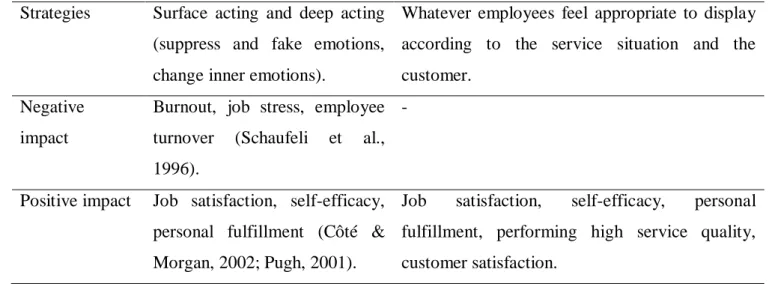
emotional labor involving emotional discrepancy, by the display of unfelt emotions, can compromise employees‟ well-being. Surface acting has been related to individual anxiety states, with the loss of sense of authenticity and dissatisfaction at work (Ashforth & Humphrey, 1993; Brotheridge & Grandey, 2002; Brotheridge & Lee, 2003). Grandey (2003) found a positive relationship between surface acting and emotional exhaustion based on two arguments: first, the felt tension due to the effect of emotional dissonance and, second, the energy expenditure because of the effort made. Also Brotheridge and Grandey (2002) demonstrated a positive relationship between surface acting and depersonalization, as well as a negative relationship with personal fulfillment. Brotheridge and Lee (2003) found positive associations between surface acting and both dimensions of burnout and emotional exhaustion and depersonalization. Finally, the discrepancy between the felt and desired emotions, creation of emotional dissonance, masking of the displayed emotions, loss of sense of authenticity and states of individual anguish are factors identified in the literature as potentially responsible for the influence of surface acting in job dissatisfaction (Ashforth & Humphrey, 1993; Brotheridge & Lee, 2002; Grandey, 2000, 2003; Hochschild, 1983). Regarding the effects of surface acting in customer service quality, the literature has associated this strategy to less effective performances, distorted supply of services and negative perceptions of service quality (Grandey, 2000; Hülsheger & Schewe, 2011; Kammeyer-Mueller et al., 2013).
Deep acting
Deep acting is characterized by the display of emotions required by the organization through cognitive manipulation of emotions (Grandey, 2000, 2003). When the employee chooses a deep acting strategy, (s)he not only expresses the emotions required, but also controls his/her physical expression and tries to modify his/her emotions by changing thoughts and feelings, in order to fulfill the expectations of emotional display (Grandey, 2000, 2003).
32
Deep acting has been related to feelings of personal achievement, lower levels of negative emotions and greater job satisfaction (Brotheridge & Lee, 2002; Grandey, 2003; Groth et al., 2009). According to the study of Hülsheger and Schewe (2011), deep acting is related to a tendency for employees to feel more satisfied with their work and more competent in the exercise of their roles. Regarding the effects of deep acting in customer service quality, the literature associated deep acting with the most effective performances, most authentic service benefits and positive perceptions of service quality (Grandey, 2000, 2003; Groth et al, 2009). Deep acting has also been related to the authenticity of the emotional expression and personal embodiment (Grandey, 2000, 2003; Hochschild, 1983). To Brotheridge and Lee (2002), this strategy involves the alignment between their own feelings and emotions displayed, allowing an authentic expression of himself which can result in feelings of personal fulfillment.
Naturally felt emotions
The literature describes a third construct considered essential in emotional labor: the expression of genuine emotions. This is the case where employees display the appropriate emotions through the emotions felt and have no need for emotional regulation (Ashforth & Humphrey, 1993; Diefendorff & Gosserand, 2003; Diefendorff et al, 2005). For Ashforth and Humphrey (1993), the focus on surface and deep acting strategies ignore the possibility that employees may, in an authentic way, try and submit organizationally desired emotions. The authors stated that surface and deep acting are compensatory strategies that help employees to express emotions that they do not feel. Diefendorff et al. (2005) identified the expression of genuine emotions as a distinct construct from surface acting and deep acting, hence establishing it as another emotional strategy at work. Their study revealed that the expression of genuine emotions plays an important role in the display of emotions during interactions with customers.
33
The expression of genuine emotions is reflected in the authenticity of emotional display with a positive impact on customers‟ perceptions. Also, the expression of genuine emotions is distinguished from surface and deep acting by the absence of effort required to align the experience and the expression of emotions (Ashforth & Humphrey, 1993; Grandey, 2000; Morris & Feldman, 1996).
2.2.1 Emotional dissonance
Emotional dissonance refers to the structural difference between felt emotions and to the display of emotions that are necessary and appropriate in the work context (Zapf & Holz, 2006). It can be considered the essence of emotional labor, as emotional labor is essentially about expressing emotions that are not genuinely felt.
Several authors classify the construct of emotional dissonance in different ways. Rubin and colleagues (2005) consider emotional dissonance as a consequence of emotional labor, while others believe it as a component of the work which arises during the display of organizationally desired emotions, and that can often lead to negative work performances. For Zapf et al. (1999) the concept of emotional dissonance was found as a result of external requirements, rather than a reaction to the displayed emotion or a behavioral strategy. Surface acting, which is a response to the strategy aimed to express an emotion that is not felt, is an appropriate emotion regulation strategy and probably the most used to respond to emotional dissonance. Another point of view of emotional dissonance is that the requirement to display unfelt emotions or to suppress experienced emotions, constitute the essence of emotional labor. However, a problem arises with this approach which suggests that whenever individuals choose to suppress or display fake emotions, eventually bring negative results to their work (Schaubroeck & Jones, 2000). Several studies reinforced the idea that emotional dissonance is directly linked to emotional exhaustion and is commonly experienced by empoyees who provide services (Van Djik & Kirk-Brown, 2006).
34 2.2.2 Emotional labor antecedents and consequences
Most of studies on emotional labor focuses on the antecedents that may lead employees to engage in different strategies of emotional labor. These antecedents can be grouped into a cultural, organizational and invidual level. For instance, at an individual level, researchers focused on positive or negative affective predisposition (Cossette & Hess, 2012; Gosserand & Diefendorff, 2005), personality traits (Diefendorf et al., 2005; Qadir & Klan, 2016) and demographic variables such as age and gender (Cheung & Tang, 2010; Morris & Feldman, 1996). Diefendorff, Croyle and Gosserand (2005) found that extraversion and neuroticism were significant predictors of deep acting and surface acting, respectively. Also, agreeableness was a predictor of deep acting. However, open to experience was not related to any of the emotional labor variables. Demographics were also a focus of discussion. Cheung and Tang (2010), Hur, Moon and Han (2014) and Sliter, Chen and Withrow (2013) found that chronological age had a positve effect on deep acting and negative effect on surface acting. Gender, in turn, was only correlated with surface acting. Specifically, men tend to use more surface acting than women.
Regarding organizational factors, many factors were analized such as the perceived organizational support (Chou et al., 2012; Hur et al., 2014), perceived display rule demands (Diefendorff et al., 2005), job satisfaction and organizational citizenship behavior (Groth et al., 2006), work experience (Hur et al., 2014), customer orientation (Lee et al., 2016), and organizational identification (Mishra & Bhatnagar, 2010). In a study about the effects of job demands and emotional labor on job satisfaction and emotional exhaustion among nurses, Chou and her colleagues (2012) found that frequency of interacting with difficult patients was positively related to surface acting, whereas the perceived organizational support was positively related to deep acting and negatively to surface acting. Groth, Hennig-Thurau and Walsh (2006) also proposed a set of individual, dyadic, and organizational level antecedents on employees‟ choice of emotional labor strategy. They concluded that employees with high levels of organizational citizenship behavior will be more likely
35
to engage in deep acting. They also found that when an employee encounters a customer for the first time he will prefer to engage in surface acting, whereas when there is a higher relationship between an employee and a customer he will engage in deep acting. Mishra and Bhatnagar (2010) showed that by focusing on organizational identification organizations may influence the authenticity of their employees‟ emotional expressions during customer interactions. Organizational identification was positively related to authenticity of emotional expression.
Regarding emotional labor impact, Hochschild (1983) argues that the emotional demands in an organization can have negative consequences for the psychological and physical health of employees. Most studies have demonstrated the negative effects of emotional labor (Mittal & Chhabra, 2011; Gursoy et al., 2011; Adil et al., 2013), but also some positive effects (Ashkanasy et al., 2002; Hur et al., 2015).
Most empirical studies examined the relationship between aspects of emotional labor and emotional exhaustion, which is the central component of burnout, and results from depletion or loss of emotional resources (Schaufeli et al., 1996). Some authors have proposed that high emotional demands are responsible for the development of burnout (Schaufeli et al., 1996). Interactions with customers are generally considered emotionally demanding. In this regard, frequent interactions that are emotionally intense and long lasting can lead to high levels of emotional exhaustion (Maslach, 1998; Schaufeli et al., 1996). Zapf et al. (1999) found that emotional exhaustion was positively correlated with the requirement to express and deal with negative emotions and the need to be sensitive to others' emotions.
However, only few studies have examined the relationship between emotional labor and other emotional dimensions of burnout. Kruml and Geddes (1998) and Zapf et al. (1999) found a positive relationship between emotional dissonance and cynicism. Another dimension of burnout is the loss of self-efficacy, that is the tendency to evaluate the work in a negative way. The individual‟s belief
36
that is unable to achieve its own objectives at work is accompanied by feelings of inefficiency and low self-esteem (Schaufeli et al., 1996).
Regarding the positive consequences of emotional labor, some studies have found a positive relationship between emotional labor and job satisfaction (Wharton, 1993; Côté & Morgan, 2002; Brotheridge & Grandey, 2002; Diefendorff & Richard, 2003), due to the fact that when individuals can successfully meet the requirements to express certain emotions, this may contribute to self-efficacy or personal fulfillment (Pugh, 2001; Tsai, 2001). The enployee can express emotions in a spontaneous and genuine way that does not require any effort of emotional regulation (Ashforth & Humphrey, 1993), but contributes to a social situation with positive consequences for employees.
Almost all emotional labor research concluded that emotional displays can impact job performance (Ashforth & Humphrey, 1993; Grandey, 2000; Grandey et al., 2002; Hurley, 1998; Morris & Feldman, 1996; Rafaeli, 1989). This is especially true in the customer service sector, where emotional displays play a key role in how customers experience service encounters (Grandey et al., 2002). Customer service employees, on one hand, experience some pressure to supress negative emotions and, at the other hand, are encouraged to display pleasant and positive emotions (Brotheridge & Grandey, 2002; Diefendorff & Richard, 2003; Hoschild, 1983). Brown and Sulzer-Azaroff (1994) examined the relationship between customer satisfaction and service friendliness and found that greeting customers was positively related to customer satisfaction. In a similar study, Pugh (2001) analysed the rates of employee smiles and eye contact with customers and found that customers‟ ratings of service quality were positively related to these measures of positive emotional displays. These and other studies showed that customer service employees who display positive emotions tend to receive higher customer satisfaction ratings. Considering the apparent beneficial effects of positive emotional displays, it is important to motivate customer service employees to express positive emotions.
37 3. Healthcare services
3.1 The Portuguese scenario 3.1.1 National health service
The National Health Service (Serviço Nacional de Saúde, SNS) is a structure through which the Portuguese State assures the right to health (promotion, prevention and surveillance) to all their citizens. Its creation goes back to the year of 1979, after the political and social conditions resulting from the portuguese political restructuring of the 1970s.
The primary objective of the SNS is the pursuit by the State of its responsibility for the protection of individual and collective health and for this it is provided with integrated health care, namely health promotion and monitoring, disease prevention, diagnosis and treatment of patients and medical and social rehabilitation.
The government ensures the right to health protection through the SNS, which covers all official institutions and services providing health care under the Ministry of Health, namely:
Groupings of health centers (Agrupamentos de Centros de Saúde, ACES): mostly ensure the provision of primary health care to local communities. Each ACES congregates several health centers, each of which normally covers the area of a municipality. Each health center may have one or more health extensions outside its headquarters. The health centers are also responsible for attending, with medical and nursing personnel, the local public medical posts, maintained by some parish councils. Each ACES includes specialized family health, personalized health care, community health, and public health units;
Hospital establishments: mainly provide differentiated health care. Most public hospitals now integrate hospital centers, which congregate and manage several hospital units located in the same city or region. Non-integrated hospitals and hospital centers are classified as group I (local), II (regional), III (central) or IV (specialized);
38
Local Health Units (Unidades Locais de Saúde, ULS): bring together all health centers and hospitals located in a particular city or region, in a single integrated establishment responsible for the provision of both primary health care and differentiated health care.
The SNS integrates all health care from promotion and surveillance to disease prevention, diagnosis, treatment and medical and social rehabilitation. The hospital network consists of 226 hospitals, of which 107 are private. The 363 health centers are organized in 74 Health Center Groupings (ACES). In 2012, there were 342 Family Health Units and 186 Community Care Units.
In recent years, the health sector has undergone significant changes, ranging from the generalized transfer of the Misericórdias Hospitals to the State, the creation of the SNS, the publication of the Basic Health Law, the change of the legal status of hospitals to Business Corporation (Sociedade Anônima – SA) and the construction of new hospitals.
3.1.2 Human resources in the health sector
The health professions, particularly physicians and nurses, represent 2% of the Portuguese working population. Physicians represent a great weight compared with the average for the OECD countries (Figure 4). However, we cannot conclude the same for nurses, since they are below the European average (Figure 5).
39
Figure 4 Physicians nurses per 1 000 population, 2000 and 2013 (or nearest year), (OECD, 2015)
40
The number of staff working in the SNS has increased by 18% in the last 20 years: medical personnel increased by 12% and nursing and diagnostic and therapeutic staff more than 50%. By the end of 2015, the number of individuals employed in hospitals accounted for 49.1 thousand physicians, 67.8 thousand nurses, 8.2 thousand diagnosis and therapeutic technicians and 5.3 thousand high technical professionals. Regarding physicians, there were 46 739 physicians certified by the Portuguese Medical Association, i.e., 4.5 physicians per 1 000 inhabitants. Considering the local of residence, 36% of physicians were in the metropolitan area of Lisboa, and 33% in the North. 68% of physicians were specialist physicians. Regarding nurses, there were 67 893 active nurses certified by the Portuguese Nurses Association, of which more than 80% were women. 78% of nurses were generalist nurses.
3.2 Emotional labor in healthcare
Emotional labor has been widely recognized to be a critical component of the role of many healthcare professionals (Phillips, 1996). In particular, many authors argued that nurses are required to express a higher degree of emotional labor as it is considered to be an indispensable aspect of patient care (Hochschild, 1983; Henderson, 2001; Mann, 2005; McQueen, 2004; Gray, 2009). This emotional component involves the regulation and management of feelings, actions and day-to-day reactions as answers to common situations (Skilbeck & Payne, 2003).
Traditionally, nurses have been encouraged to conceal their emotions in order to maintain a professional distance with their patients (McQueen, 2004). According to McQueen (2004), in the training and education programs, nurses were encouraged to hide their emotions and maintain a professional barrier to confer some self-protection. The way work was organized and how nurses approached patients to perform tasks of physical nature, contributed to maintaining this situation.
More recently, it has been followed a shift away from detachment and keeping patients at a distance towards encouraging closer relationships with patients (Williams, 2000; Williams & Aaker,
41
2002), resulting in a less formal nurse-patient relationship (Henderson, 2001). It becomes acceptable and necessary for nurses to express their emotions as they empathize with patients and demonstrate their humanity. Also, many researchers have suggested that nurses who perform emotional labor are more likely to have an impact on patients‟ psychological and physical well-being and recovery (Phillips, 1996; Mann & Cowburn, 2005; Gray & Smith, 2009).
Several concepts valued in the healthcare sector, such as open communication, partnership and new "nursing", emphasize the importance of the nurse-patient relationship. Knowing the patient helps nurses to interpret concerns, anticipate their needs, thus adding professional satisfaction. By adopting the values of patient care, partnership and intimacy, nurses get to know better their patients individually, thus experiencing emotional responses to their suffering.
In the course of their roles, nurses engage in a variety of activities that correspond to care in terms of behavior, for example by providing information and advice, committing to the technical support, administering basic care and helping patients physically when required. Associated with these behaviors can arise emotions, such as joy and compassion. Apart from these positively assessed emotions, nurses can also experience negative emotions such as frustration, disgust, irritation and anger. However, it is important that these emotions are controlled in front of the patient. Thus, emotional labor, is more than a presentation of emotions in front of the patients, but also involves the management of the same emotions (McQueen, 2004).
According to Hochschild (1983) emotional labor is guided by "rules of feeling" derived from social conventions, reactions from others or from the individual himself, saying that our life is socially controlled. In the context of nursing when nurses do not feel as they think they should feel in particular situations, they engage in emotional labor to manage, control and change their emotional state to match what they believe to be appropriate for the situation (Jimenez et al., 2012; Cheng et al., 2013). This type of work involves a correspondence between experienced emotions and behaviors shown to ensure the authenticity of behaviors.
42
Nurses and physicians are one of the professions that most demand for emotional displays; they are specifically required to display caring and kindness (Hallam, 2002).This is due to the social representations of nurses and physicians and to the constant management and suppression of real feelings (Bolton, 2001). Nurses are perceived as someone who is caring, sympathetic, loving and concerned about patients (Leidner, 1991; James, 1992). They are expected to show dedication, support patients emotionally and sympathize with them (Jameton, 1984). Those expectations and stereotypes has made nurses and physicians emotional players (Bolton, 2001).