Ana Patrícia Gonçalves Fernandes
Biologia Funcional e Biotecnologia de Plantas
Departamento de Biologia 2019
Orientador
Doutora Susana Maria Pinto de Carvalho, Professora Auxiliar, Faculdade de Ciências do Porto
Coorientador
Doutora Marta Wilton Vasconcelos, Professora Auxiliar, Escola de Biotecnologia da Universidade Católica
Effect of different forms
of nitrogen nutrition on
kiwifruit development
and resistance to
Pseudomonas syringae
pv. actinidiae
Todas as correções determinadas pelo júri, e só essas, foram efetuadas. O Presidente do Júri,
Acknowledgments
I would like to begin by thanking my supervisor Susana Carvalho and my co-supervisor Marta Vasconcelos, for giving me this opportunity and trust me to integrate their team, sharing their knowledge and provide me with their time, concern and support throughout this important journey in my life.
A special thank you to Marta Nunes da Silva for always being there to help me, calm me when things didn’t go the right way and guide me through every step of my thesis. Thank you for being my mentor and a friend.
To all the members of Plantech lab (Plant Biotechnology for Sustainability) for always being willing to help me in whatever I needed, for accepting me on their team and making my integration so easy and enjoyable and to the project ‘Foundation for Science and Technology’ (PTDC/AGR-PRO/6156/2014 and UID/Multi/50016/2019) for supporting and making it possible to perform this thesis.
To my friends, specially Daniel, Duarte and Ricardo, for accompany me and always support me in everything. Your role in this step of my academic journey was fundamental, thank you for always keeping up my spirit.
Finally, I would like to thank Tiago for taking care of me, motivate me and for being always available to comfort me when I felt the most anxious but also for celebrating with me the best moments, and to my family, specially my mother, for the emotional support and love, I couldn’t ask for better, without you I would never had made it.
Resumo:
A bactéria Pseudomonas syringae pv. actinidiae (PSA) é o agente causal do cancro bacteriano do kiwi (CBK), uma doença que afeta a produção deste fruto em todo o mundo, levando a acentuadas perdas económicas. Até ao momento, nenhum método curativo para o CBK foi desenvolvido e os tratamentos químicos existentes consistem apenas em evitar a entrada e a propagação do inóculo. É, portanto, necessária uma abordagem integrada que inclua uma nutrição equilibrada das plantas, medidas culturais para uma boa higiene do pomar e estratégias de controle biológico para reduzir a severidade desta doença. Existem evidências que apontam para o papel do azoto em aspetos relativos à resistência constitutiva e induzida, sendo que a forma de azoto também parece afetar a tolerância/suscetibilidade das plantas a vários patogénios. Posto isto, este estudo teve como objetivos: i) compreender as alterações biométricas, fisiológicas e metabólicas induzidas pela fertilização com diferentes formas de azoto em kiwis e ii) avaliar como é que diferentes formas de azoto influenciam a resposta do kiwi à infeção pela PSA. Para isso, plantas de Actinidia chinensis var. deliciosa cv. “Hayward” propagadas “in vitro” foram cultivadas hidroponicamente sob diferentes fontes de azoto (NO3-, NH4+ ou uma mistura de ambos) e (i) avaliadas 21 e 36 dias após serem
transferidas para o meio hidropónico, ou (ii) avaliadas 15 dias pós-inoculação (dpi) com 1x10⁷ UFC.mL-1 de PSA através de avaliações biométricas, fisiológicas, produção de
metabólitos secundários (clorofila total, carotenoides, polifenóis solúveis totais, flavonoides e lenhina), minerais e proteína total.
Quando comparadas com plantas tratadas com NO3-, as plantas tratadas com
NH4+ apresentaram altura inferior (cerca de 0,6-vezes), menor comprimento das raízes
(0,7 vezes), menor biomassa radicular (0,3-vezes) e valores inferiores de cálcio, magnésio e potássio (até 0,8-, 0,5-, e 0,6-vezes, respetivamente). Nestas plantas tratadas com NH4+, verificou-se ainda uma menor razão entre a raiz e a parte aérea,
maior conteúdo de clorofilas, concentração de azoto e proteína total (1,2-, 1,7-, 2,2-vezes, respetivamente). As unidades formadoras de colónias (UFC), nas plantas mantidas com NH4+, foram 34- e 7-vezes superiores às dos tratamentos com NO3- e Mix,
respetivamente. A inoculação das plantas tratadas com NH4+ resultou num aumento de
lenhina nas raízes e de proteínas na parte aérea de 1,7- e 1,1-vezes, respetivamente. Adicionalmente, os teores de fósforo, potássio e ferro na parte aérea aumentaram 1,4-, 1,6- e 1,6-vezes, respetivamente, e o valor de zinco nas raízes diminuiu 0,5-vezes. Este estudo permitiu concluir que a suplementação com NH4+ resultou num menor
tratamentos NO3- e Mix, o que pode ter sido devido a diferenças na assimilação e
acumulação de nutrientes importantes na defesa das plantas como o cálcio, o magnésio e o potássio.
Palavras-chave: amónia, bactéria, carotenoides, clorofilas, fenólicos totais, flavonoides, lenhina, nitrato, nutrientes, proteínas totais, suscetibilidade, UFCs.
Abstract:
Pseudomonas syringae pv. actinidiae (PSA) is the causal agent of kiwifruit bacterial canker (KBC), a disease that affects the production of this fruit worldwide, leading to great economic losses. To date, no curative methods for KBC have been developed, and the existing chemical treatments only consist of avoiding inoculum loading and propagation. So, an integrated approach that includes balanced plant nutrition, cultural measures for good orchard hygiene and alternative biological control strategies to diminish disease severity. There is evidence pointing to the role of nitrogen in aspects of constitutive and induced resistance traits, and the form of nitrogen also appears to affect plant tolerance / susceptibility to various pathogens. Therefore, this study aimed to: i) understand the biometric, physiological and metabolic changes induced by the fertilization with different nitrogen forms in kiwifruit and ii) to evaluate how different forms of nitrogen influence the response of kiwifruit to PSA infection. For this, plants of Actinidia chinensis var. deliciosa cv. ‘Hayward’ propagated ‘in vitro’ were cultured hydroponically under different nitrogen forms (NO3-, NH4+ or a mixture of both)
and (i) evaluated 21 and 36 days after transfer to hydroponic medium, or (ii) evaluated 15 days post inoculation (dpi ) with 1x10⁷ CFU.mL-1 of PSA through biometric,
physiological evaluations, production of secondary metabolites (total chlorophyll, carotenoids, total soluble polyphenols, flavonoids and lignin), minerals and total protein. When compared to plants treated with NO3-, NH4+-treated plants had lower height
(by ca.0.6-fold), shorter root length (by 0.7-fold), lower root biomass (by 0.3-fold) and showed lower values of calcium, magnesium and potassium (up to 0.8-, 0.5-, and 0.6-times, respectively). In these plants treated with NH4+, was also observed a lower root to
shoot ratio and a higher chlorophyll values, nitrogen and total protein (1.2-, 1.7- and 2.2-times, respectively). Colony-forming units (CFU) in NH4+-maintained plants were 34- and
7-fold higher than NO3- and Mix treatments, respectively. Inoculation of NH4+-treated
plants resulted in an increase of lignin in the roots and protein in the shoots by 1.7- and 1.1-fold, respectively. Additionally, phosphorus, potassium and iron concentrations in the shoot increased 1.4-, 1.6- and 1.6-fold, respectively, and zinc values in the roots decreased by 0.5-fold. This study allowed to conclude that NH4+ supplementation
resulted in a reduced development of kiwifruit plants and in a higher susceptibility to PSA than NO3- and Mix treatments, which may be due to differences in assimilation and
accumulation of important plant defence nutrients such as calcium, magnesium and potassium.
Keywords: ammonia, bacteria, carotenoids, CFUs, chlorophylls, flavonoids, lignin, nitrate, nutrients, susceptibility, total phenolics, total proteins.
Index
i) Index of tables and figures ... 1
ii) List of abbreviations and acronyms ... 4
1. Introduction ... 6
1.1 Genus Actinidia ... 6
1.2 World and national commercialization of kiwifruit ... 7
1.3 PSA geographical and taxonomical evolution ... 9
1.4 Disease cycle and symptoms ... 11
1.5 Metabolic and molecular response to PSA infection ... 13
1.6 Control methods ... 16
1.8 Mineral nutrients in plant development and defence ... 18
1.8.1 The role of nitrogen ... 20
1.8.2 Fertilizers ... 23
2. Aims ... 24
3. Materials and Methods ... 25
3.1 Plant material ... 25
3.2 Plant sampling ... 27
3.3 Biometric analysis ... 28
3.4 Preparation of bacterial suspension and inoculation ... 28
3.5 Determination of Colony Forming Units (CFU) ... 28
3.6 Quantification of secondary metabolites ... 28
3.6.1 Total soluble phenolics... 29
3.6.2 Flavonoids ... 29
3.6.3 Total chlorophylls and carotenoids ... 29
3.6.4 Lignin ... 29
3.7 Mineral analysis ... 30
3.8 Total nitrogen and protein ... 30
3.9 Statistical analysis ... 30
4.1 Trial I – Effect of different nitrogen nutrition on kiwifruit plants fitness ... 31 4.1.1 Biometric measurements ... 31 4.1.2 Physiological measures ... 33 4.1.3 Secondary metabolites... 34 4.1.4 Mineral concentration ... 36 4.1.5 Protein concentration ... 42
4.2 Trial II - Effect of different nitrogen nutrition on tolerance against PSA ... 43
4.2.1 Biometric measurements ... 43 4.2.2 CFUs ... 44 4.2.3 Physiological measurements... 46 4.2.4 Secondary metabolites... 47 4.2.5 Mineral concentration ... 49 4.2.6 Protein concentration ... 55
4 Conclusions and future perspectives ... 57
Figure 1: Fruits of: Actinidea chinensis var. chinensis (A); Actinidea chinensis var.deliciosa (B); Actinidea arguta (C) (Adapted from Huang, 2016).
Figure 2: Production and yield quantities of kiwifruit worldwide from 1997 to 2017 (FAOSTAT, 2019).
Figure 3: Production and yield quantities of kiwifruit in Portugal from 1997 to 2017 (FAOSTAT, 2019).
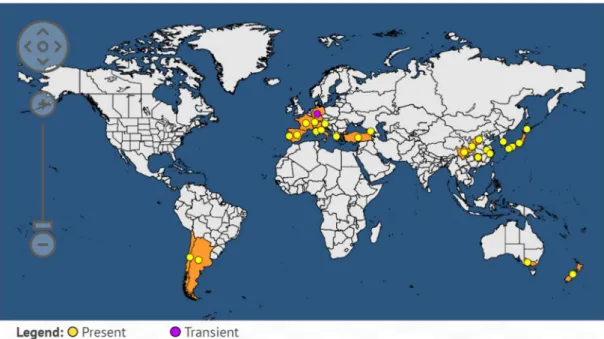
Figure 4: World distribution map of Pseudomonas syringae pv. actinidiae in 2019 (EPPO, 2019).
Figure 5: Symptoms of Pseudomonas syringae pv. actinidiae in A. chinensis var. deliciosa cv. 'Hayward'. Leaf spots with yellow halos (A); Death of the branches (B); Necrosis of flowers (C); Inhibition of new shoots (D); Red and white exudate on a branch (E); Reddening of lenticels (F); Bacterial cancer with exudate (G); Red-brownish discoloration under the bark of the trunk (H) (adapted from Donati et al., 2014).
Figure 6: Schematic representation of Trial I and Trial II where: H – Plant transfer from ‘in vitro’ conditions to hydroponic solution, S – plant sampling and I – plant inoculation with PSA.
Figure 7: Maintenance of A. chinensis var. deliciosa plants in vitro in rooting medium. Figure 8: Maintenance of A. chinensis var. deliciosa plants in hydroponics.
Figure 9: Shoot and root length (cm) (A) and biomass (g) (B) of A. chinensis var. deliciosa cv. ‘Hayward’ plants maintained in hydroponic solutions with 3 ppm NO3-, 3
ppm NH4+ or 1.5 ppm NO3- + 1.5 ppm NH4+ (Mix) for 21 and 36 days. Each bar represents
the mean of six biological replicates and vertical lines the standard error. Bars showing different letters are statistically different at p < 0.05.
Figure 10: Root to shoot ratio (A); Total chlorophyll (mg.g-1) (B) and Carotenoids (mg.g -1) (C) values in A. chinensis var. deliciosa cv. ‘Hayward’ plants maintained in hydroponic
solutions with 3 ppm NO3-, 3 ppm NH4+ or 1.5 ppm NO3- + 1.5 ppm NH4+ (Mix) for 21 and
36 days. Each bar represents the mean of six biological replicates and vertical lines the standard error. Bars showing different letters are statistically different at p < 0.05.
2 Figure 11: Concentration of Polyphenolics (A), Flavonoids (B) and Lignin (C) (mg.g-1) on
shoots and roots of A. chinensis var. deliciosa cv. ‘Hayward’ plants maintained in hydroponic solutions with 3 ppm NO3-, 3 ppm NH4+ or 1.5 ppm NO3- + 1.5 ppm NH4+ (Mix)
for 21 and 36 days. Each bar represents the mean of six biological replicates and vertical lines the standard error. Bars showing different letters are statistically different at p < 0.05.
Figure 12: Concentration of macronutrients: Nitrogen (A), Phosphorous (B), Potassium (C), Calcium (D) and Magnesium (E) (µg.g-1) on shoots and roots of A. chinensis var.
deliciosa cv. ‘Hayward’ plants maintained in hydroponic solutions with 3 ppm NO3-, 3
ppm NH4+ or 1.5 ppm NO3- + 1.5 ppm NH4+ (Mix) for 21 and 36 days. Each bar represents
the mean of six biological replicates and vertical lines the standard error. Bars showing different letters are statistically different at p < 0.05.
Figure 13: Concentration of micronutrients: Boron (A), Zinc (B), Manganese (C) and Iron (D) (µg.g-1) on shoots and roots of A. chinensis var. deliciosa cv. ‘Hayward’ plants
maintained in hydroponic solutions with 3 ppm NO3-, 3 ppm NH4+ or 1.5 ppm NO3- + 1.5
ppm NH4+ (Mix) for 21 and 36 days. Each bar represents the mean of six biological
replicates and vertical lines the standard error. Bars showing different letters are statistically different at p < 0.05.
Figure 14: Percentage of protein on shoots and roots of A. chinensis var. deliciosa cv. ‘Hayward’ plants maintained in hydroponic solutions with 3 ppm NO3-, 3 ppm NH4+ or 1.5
ppm NO3- + 1.5 ppm NH4+ (Mix) for 24 and 36 days. Each bar represents the mean of six
biological replicates and vertical lines the standard error. Bars showing different letters are statistically different at p < 0.05.
Figure 15: Shoot and root length (cm) (A) and biomass (g) (B) of A. chinensis var. deliciosa cv. ‘Hayward’ plants maintained in hydroponic solutions with 3 ppm NO3-, 3
ppm NH4+ or 1.5 ppm NO3- + 1.5 ppm NH4+ (Mix) for 36 days with inoculation (PSA) and
without inoculation (CTR). Each bar represents the mean of six biological replicates and vertical lines the standard error. Bars showing different letters are statistically different at p < 0.05.
Figure 16: Colony Forming Units (CFUs) (CFUs.g-1×10¹¹) of PSA in A. chinensis var.
deliciosa cv. ‘Hayward’ inoculated plants maintained in hydroponic solutions with 3 ppm NO3-, 3 ppm NH4+ or 1.5 ppm NO3- + 1.5 ppm NH4+ (Mix) for 36 days. Each bar represents
the mean of six biological replicates and vertical lines the standard error. Bars showing different letters are statistically different at p < 0.05.
3 Figure 17: Root to shoot ratio (A); SPAD (B); Total chlorophyll (mg.g-1) (C) and
Carotenoids (mg.g-1) (D) values in A. chinensis var. deliciosa cv. ‘Hayward’ plants
maintained in hydroponic solutions with 3 ppm NO3-, 3 ppm NH4+ or 1.5 ppm NO3- + 1.5
ppm NH4+ (Mix) for 36 days with inoculation (PSA) and without inoculation (CTR). Each
bar represents the mean of six biological replicates and vertical lines the standard error. Bars showing different letters are statistically different at p < 0.05.
Figure 18: Concentration of Polyphenolics (A), Flavonoids (B) and Lignin (C) (mg.g-1) on
shoots and roots of A. chinensis var. deliciosa cv. ‘Hayward’ plants maintained in hydroponic solutions with 3 ppm NO3-, 3 ppm NH4+ or 1.5 ppm NO3- + 1.5 ppm NH4+ (Mix)
for 36 days with inoculation (PSA) and without inoculation (CTR). Each bar represents the mean of six biological replicates and vertical lines the standard error. Bars showing different letters are statistically different at p < 0.05.
Figure 19: Concentration of macronutrients Nitrogen (A), Phosphorous (B), Potassium (C), Calcium (D) and Magnesium (E) (µg.g-1) on shoots and roots of A. chinensis var.
deliciosa cv. ‘Hayward’ plants maintained in hydroponic solutions with 3 ppm NO3-, 3
ppm NH4+ or 1.5 ppm NO3- + 1.5 ppm NH4+ (Mix) for 36 days with inoculation (PSA) and
without inoculation (CTR). Each bar represents the mean of six biological replicates and vertical lines the standard error. Bars showing different letters are statistically different at p < 0.05.
Figure 20: Concentration of micronutrients Boron (A), Zinc (B), Manganese (C) and Iron (D) (µg.g-1) on shoots and roots of A. chinensis var. deliciosa cv. ‘Hayward’ plants
maintained in hydroponic solutions with 3 ppm NO3-, 3 ppm NH4+ or 1.5 ppm NO3- + 1.5
ppm NH4+ (Mix) for 36 days with inoculation (PSA) and without inoculation (CTR). Each
bar represents the mean of six biological replicates and vertical lines the standard error. Bars showing different letters are statistically different at p < 0.05.
Figure 21: Percentage of protein on shoots and roots of A. chinensis var. deliciosa cv. ‘Hayward’ plants maintained in hydroponic solutions with 3 ppm NO3-, 3 ppm NH4+ or 1.5
ppm NO3- + 1.5 ppm NH4+ (Mix) for 36 days with inoculation (PSA) and without inoculation
(CTR). Each bar represents the mean of six biological replicates and vertical lines the standard error. Bars showing different letters are statistically different at p < 0.05.
4
ii) List of abbreviations and acronyms
ANI - Average Nucleotide Identity BCA - Biological Control Agents CFU - Colony Forming Units
DGAV - Direção Geral de Agricultura e Veterinária EPPO - European Plant Protection Organization
FAOSTAT - Food and Agricultural Organization – Statistics division FW – Fresh Weight
HR - Hypersensitive Response
INE – Instituto Nacional de Estatística KBC - Kiwifuit Bacterial Canker LB medium - Luria Bertani medium MDA - Malondialdehyde
MLS – Multilocus sequence NH4+ - Ammonium
NO – Nitric Oxid NO3- - Nitrate
NSA - Nutrient Sucrose Agar
PAL - Phenylalanine Ammonia-Lyase
PFM - Pseudomonas syringae pv. actinidifoliorum PSA - Pseudomonas syringae pv. actinidiae ROS - Reactive Oxygen Species
SA – Salicylic Acid
5 T3SS – Type III Secretion System
6
1. Introduction
1.1 Genus Actinidia
Originated from southwestern and central China, plants from the genus Actinidia are dioecious perennial vines, with an active-Y sex determination mechanism. Its vegetative growth gives origin to branches, succession of nodes and internodes and each node contains a leaf and a dormant axillary bud (Ferguson and Huang, 2007; Neves, 2008; Hanley, 2018). The annual growth can be originated from axillary buds and adventitious buds and the older semi lignified branches are generally reddish-brown and relatively erect, often with short linear lenticels. Leaves may vary in shape, but are simple and alternate, with hairs on the lower page. Flowers appear in the axillary part of the leaves, isolated or in small inflorescences, with at least five white, yellow or rose-coloured petals, depending on the species. The radicular system can reach great volumes and densities, especially comparing to other fruit trees (Neves, 2008a).
Actinidia fruits can be described as berries with numerous seeds embedded in a juicy pericarp, being able to contain up to 1 400 seeds (Ferguson, 1984; Hopping, 1990). Initially, this fruit was called “Chinese gooseberry”, but later was renamed as “kiwifruit” by the New Zealand fruit handling firm Turners & Growers Ltd. (Auckland, New Zealand). Although for many years the name “kiwifruit” referred only to the fruit of one specific cultivar of one of the several Actinidia species (Actinidia chinensis var. deliciosa cv. ‘Hayward’), nowadays it is used to refer the fruit of any Actinidia species (Ferguson, 2013).
The genus Actinidia is part of the Ericales order, being dicotyledonous flowering plants, and is comprised in the Actinidiaceae family, which, until now, includes over 54 different species (52 endemic to China, 1 from Japan and 1 from Nepal), 21 varieties and 75 taxa (Li et al., 2007; Huang, 2016; Hanley, 2018). However, kiwifruit production depends almost exclusively on two species: A. chinensis and, in a much lower degree, A. arguta (Hanley, 2018) (Fig.1).
A. chinensis species comprises the two most economically important varieties: A. chinensis var. chinensis (Fig.1A) and A. chinensis var. deliciosa (Fig.1B). A. chinensis var. chinensis, also known as the yellow-fleshed kiwifruit, has been increasingly growing in production with cultivar ‘Hort16A’, registered by Zespri under the trademark Zespri® Gold, being the second variety to have an international commercial dimension (Neves, 2008b; Hanley, 2018). The first place is occupied by A. chinensis var. deliciosa, green-fleshed kiwifruit, cultivar ‘Hayward’, which overwhelmingly dominates the market having as its main polliniser ‘Tomuri’, a late-flowering male cultivar (Neves, 2008b; Huang,
7 2016). Although these cultivars are the most commonly grown worldwide for commercial purposes, there are other A. chinensis var. deliciosa pistillate cultivars (female), such as ‘Abbott’, ‘Allison’, ‘Bruno’, ‘Monty’, ‘Qinmei’, and other staminated cultivars (male) with some degree of commercial interest, like ‘Matua’ and ‘Chieftain’ (Neves, 2008b; Huang 2016).
More recently A. arguta (Fig.1C), internationally known as kiwi berry, has gain some commercial interest, being present in several countries as USA, New Zealand, Chile, France, Germany, Italy and Japan. Although A. arguta fruits have a similar taste to of the green-fleshed kiwifruit, being inclusively sweeter in some cases, and a similar nutritional profile rich in antioxidants, vitamins and minerals, its cultivation continues largely limited mainly because harvesting the fruit is very labour intensive and its storage life is more limited than the other cultivars (Ferguson, 2013).
Figure 1: Fruits of: A- Actinidia chinensis var. chinensis; B- Actinidia chinensis var. deliciosa; C- Actinidia arguta (Adapted from Huang, 2016).
1.2 World and national commercialization of kiwifruit
A. chinensis var. deliciosa seeds were introduced for the first time from China to New Zealand in 1904, and in 1928 ‘Hayward’ cultivar was developed by Professor Hayward Wright (Rubio et al., 2014; Huang 2016). The first commercial exportation of this cultivar took place in 1956, and in the 70’s this culture definitively settled on the local market. Around the same time, the first orchards of kiwifruit began to appear in Italy, but it was during the 80's and 90's that there was further expansion and development of this crop. Although kiwifruit is native from China, from a commercial point of view, this country started to develop this culture more recently, about a quarter of a century ago (Franco, 2008). In Portugal, this culture has aroused a growing interest since the 1990s, due to the good prices achieved by the fruit at the market level, the productive potential, low
8 cost of production and also for presenting low phytosanitary problems (Félix e Cavaco, 2004; Franco, 2008).
Worldwide, kiwifruit production has been increasing along time since the exponential increment observed in 1999 (Fig.2). In 2017 was observed a decline on the production of kiwifruit, being the lower production observed in China in this year compared with 2016 (from 2 432 929 to 2 024 603 tonnes/year), a possible reason for this decrease (FAOSTAT, 2019). Still, the world's largest kiwifruit producer in 2017 was China (2 024 603 tonnes/year), followed by Italy (411 299 tonnes/year), New Zealand (332 153 tonnes/year), Chile (186 519 tonnes/year), Iran (146 583 tonnes/year) and Greece (93 631 tonnes/year), and these countries account for over 90% of the worldwide production (FAOSTAT, 2019; Hanley, 2018). However, countries like Turkey, Portugal, Spain and France also have high production rates of this fruit, with values ranging between 25.000 and 70.000 tonnes/year (FAOSTAT, 2019).
In Portugal, the harvest area of kiwifruit has been continuously growing, from 983 ha in 1999 to 2.650 ha in 2017, and the production, although with some fluctuations, grew from 20 997 tonnes in 1999 to 35 411 tonnes in 2017 (Fig.3) (FAOSTAT, 2019). In 2018, Portugal produced a total of 34.057 tonnes in a harvest area of 2.736 ha, the second largest production of kiwifruit ever, being the North region of this country the main area of kiwifruit production and accounting for 80% of national production (27.097 tonnes) (INE, 2019). However, in this year, fruit load was very heterogeneous, mainly as a result of the intensity of the orchard exposure to adverse weather conditions (precipitation and low temperatures) that occurred at flowering / pollination times (INE, 2019).
9
1.3 PSA geographical and taxonomical evolution
Pseudomonas syringae pv. actinidiae (PSA) is a bacterial pathogen responsible for the kiwifruit bacterial canker (KBC), one of the biggest threats to kiwifruit production worldwide, causing massive economical losses (Scortichini et al., 2012; Vanneste, 2012; SOPI, 2014). In terms of microbiological properties, PSA is a gram-negative, aerobic, motile bacteria, with rod-shaped and polar flagella. It is considered an oxidase-negative and arginine dihydrolase-negative strain and elicits hypersensitive response (HR) on Nicotiana tabacum (tobacco) leaves (Scortichini et al., 2012).
KBC was first described in Japan in 1989 on A. chinensis var. deliciosa cv. ‘Hayward’ (Serizawa et al., 1989; Takikawa et al., 1989). At the time, this disease was responsible for considered damage in Korea, China and Japan, and was later discovered in Latina Province (Lazio, Italy) in 1992, where damage was less severe (Scortichini, 1994). Until this date, PSA isolation had only been achieved from Actinidia chinensis var. deliciosa cv. 'Hayward' plants, but after 15 years of low incidence, PSA re-emerged in 2008 in Italy, as an especially aggressive and invasive strain, having been isolated from A. chinensis var. chinensis cv. ‘Hort 16A’ orchards (Scortichini et al., 2012; Donati et al., 2014). Since then, this bacterial outbreak begun to severely infect Italian kiwifruit orchards planted with cultivars of A. chinensis var chinensis such as ‘JinTao’ and ‘Hort16A’, as well as orchards of A. chinensis var. deliciosa cv. 'Hayward' present in the main producing regions of Italy, with important economic consequences (Balestra et al., 2009a; Balestra et al., 2009b).
Due to its large dispersion capacity, symptoms resembling those from KBC were first identified in the north of Portugal in March 2010, on A. chinensis var deliciosa cv. ‘Summer’ plants in the region “Entre Douro e Minho” (Balestra et al., 2010). Also in 2010, KBC was reported in France and New Zealand and by 2016 PSA had globally reached
10 all kiwi-producing countries such as Spain, Greece, Chile, Switzerland and Australia (Abelleira et al., 2011; Everett et al., 2011; Vanneste et al., 2011b Holeva et al., 2015; EPPO, 2018) (Fig.4).
This bacterium is part of the order Pseudomonadales, family Pseudomonadaceae, genus Pseudomonas, and belongs to genomospecies 8 of the Pseudomonas syringae complex, together with Pseudomonas avellanae and P. syringae pv. theae (Gardan et al., 1999; Scortichini et al., 2002). More specifically, the Pseudomonas syringae complex comprises gram-negative pathogenic strains able to induce disease only on a limited number of host plants and are grouped into intraspecific taxa, called pathovars, based on their host adaption and disease symptoms, as is the case of PSA (Young, 2010; Cameron and Sarojini, 2014). The associated pathogenesis of this species in susceptible plants, is achieved through the injection of effector proteins into plant cells via the type III secretion system (T3SS), which is encoded by hrp/hrc genes and is required for HR elicitation in nonhost or resistant host plants (Cunnac et al., 2009).
The epidemic outbreaks that occurred in 2008 in Europe and in 2010 in New Zealand, caused by several highly virulent PSA strains, has prompted several research efforts to know and control this disease, including those involved in assessing the genetic diversity of PSA populations (Koh et al., 2014; Ciarroni et al., 2015). Since then, six distinct PSA populations (biovars), have been identified and named according to the chronological order that they were identified, and taking into consideration the degree of virulence, distribution patterns of virulence genes for type III effectors, multilocus
11 sequence (MLS) analysis of bacterial housekeeping genes and analysis of toxin production-encoding genes (Chapman et al., 2012; Vanneste et al., 2013; Cunty et al., 2014; Fujikawa and Sawada 2016; Sawada et al., 2016).
PSA1 and 2 are systemic, moderately aggressive PSA strains, which possess the genes associated with phaseolotoxin and coronatine production, respectively (Chapman et al., 2012). PSA1 was responsible for the first disease outbreak in Japan (1984-1989) and latter in Italy (1992) in A. chinensis var. deliciosa cv. ‘Hayward’ plants, but the damage was much more severe during the Japanese outbreaks, suggesting that different climatic parameters and agronomic techniques may play a fundamental role in the virulence of genetically similar bacterial species (Scortichini et al., 2012). Based on MLS analysis, PSA5 is closely related to PSA1 and 2, although it does not produce neither phaseolotoxin nor coronatine. PSA6 produce both these toxins and it appears to be an endemic strain such as PSA 2 and 5 (Sawada et al., 2014; Cunty, 2015; Fujikawa and Sawada, 2016; Sawada et al., 2016; Fujikawa and Sawada, 2019). “PSA4” was thought to be a PSA biovar until 2014, having been reclassified as Pseudomonas syringae pv. actinidifoliorum (PFM) (Cunty et al., 2014; Ferrante and Scortichini, 2014).
Although PSA1 and PSA2 revealed virulence factors, they are known for being less aggressive than biovar 3, that first emerged in Italy (Ferrante and Scortichini, 2009; Koh et al., 2010; Donati et al., 2014). PSA3 (referred only as PSA from this point forward), also known as PSAV, is a systemic, highly aggressive pandemic biovar. This population differs from PSA1 and PSA2 for lacking the gene fragments associated with production of phaseolotoxin and coronatine and for the presence of several effector genes, such as hopA1, related with the T3SS (Ferrante and Scortichini, 2010; Vanneste et al., 2011a). PSA is also more aggressive than PFM, that only causes leaf symptoms, not leading to plant death, and shows lower bacterial colonization on ‘Hayward’ plants (Abelleira et al., 2015; Ribeiro, 2018; Nunes da Silva et al., 2019). The strains belonging to this biovar, were first reported in Italy in 2008 (Ferrante and Scortichini, 2009) and are responsible for the most recent and severe outbreaks associated with PSA (Cunty et al., 2014), being present in all main kiwifruit producing regions, including New Zealand, Chile, China and Europe (Balestra et al., 2009; Ferrante and Scortichini, 2009; Everett et al., 2011; Scortichini et al., 2012).
1.4 Disease cycle and symptoms
Tissue infection of host plants by PSA can occur at any time of the year but KBC development and severity depends essentially on the crop cycle stage and physiological state, the kiwifruit cultivar, the bacterial strain concerned, as well as the temperature and
12 relative humidity conditions (Serizawa and Ichikawa, 1993; Scortichini et al., 2012; DGAV, 2013). KBC causes brown-black leaf spots in plant leaves, often surrounded by a chlorotic margin, twig die-back, blossom necrosis, reddening of lenticels and extensive cankers along the main trunk and leader, frequently with a whitish to orange ooze formed from bacterial exudates (Scortichini et al., 2012) (Fig.5).
Bacterial exudates appear during the end of autumn-winter/early spring and, along with the wind, are a very effective way of spreading the inoculum between and within the plants (Scortichini et al., 2012). In addition to these exudates, the presence of PSA epiphytic population in plant tissues and debris, is responsible for short distance dispersion of PSA, while for long distance dispersion the most likely source of inoculum is the movement of infected plant material (Vanneste et al., 2011b). PSA is able to survive on pollen grains of male flowers of various Actinidia species, which has also been considered a possible source of bacterial spread (Vanneste et al., 2011b; Scortichini et al., 2012).
Figure 5: Symptoms of Pseudomonas syringae pv. actinidiae in A. chinensis var. deliciosa cv. 'Hayward'. Leaf spots with yellow halos (A); Death of the branches (B); Necrosis of flowers (C); Inhibition of new shoots (D); Red and white exudate on a branch (E); Reddening of lenticels (F); Bacterial cancer with exudate (G); Red-brownish discoloration under the bark of the trunk (H) (adapted from Donati et al., 2014).
KBC starts with the entrance of bacteria into plant tissues through natural openings, like stomata and lenticels, or through artificial injuries caused by wind or pruning tools. By springtime, PSA can move systemically from leaves to the young stem through the leaf petiole, which is the most critical point of the infection process (Ferrante
13 et al., 2012). This is due to the occurrence of frequent rains (high humidity) and optimal spring temperatures (12-18 °C), that culminate in rapid pathogen multiplication (Scortichini et al., 2012). At temperatures above 27 °C, which are normally reached during summer, PSA can survive inside the hosts tissues, but the infection is inhibited as the result of its low activity and low production of exudates (Vanneste et al., 2011b; Scortichini et al., 2012).
Autumn is also a period of high risk for infection spread due to mild temperatures and frequent rains. Also, due to the natural openings resulting from fallen leaves and fruits and to cultural operations that promote the occurrence of artificial wounds, the dispersion and colonization of lenticels and gems drastically increases (Vanneste et al., 2011b). In winter, PSA is thought to be maintained in the tissues of infected plants, where it is able to survive latently in infected branches and form new colonies. Bacteria can inclusively migrate to the roots of the infected plant, where it is kept inactive until the occurrence of frosts and hailstorms, which greatly enhances their ability to spread (Vanneste et al., 2011b; Scortichini et al., 2012). In fact, the occurrence of frosts and increased precipitation (of 30-35 %) during the year of 2008, were two of the most important contributors to the spread of the disease in the Italian kiwifruit producing regions (Ferrante e Scortichini, 2014). In late winter/spring, disease symptoms essentially comprise cankers in trunks and leaders, which can cause the contraction of whole branches and even kill mature vines. Thus, it is generally acknowledged that spread and severity of the disease in a certain moment is mainly dependent on the degree of infection in the previous fall and early winter (Donati et al., 2014).
In Mediterranean climates PSA infection can be divided into two phases according with the damage associated: the first phase takes place in winter and includes damage to the main vine structure and overwintering canes, having direct effects on yield by reducing the size of the vines; the second phase occurs during spring and involves damage to the new season’s growths, such as leaves, flowers and canes. Unlike the former, the second phase does not have such a direct effect on yield, but is important for disease spread (Serizawa et al., 1989).
1.5 Metabolic and molecular response to PSA infection
KBC affects all plants of the genus Actinidia, but each species manifests different extent of disease symptoms. Field evidence revealed that cultivars of A. chinensis var. chinensis seemed the most susceptible, with higher disease incidence and symptom severity, compared with A. chinensis var. deliciosa (Balestra et al., 2009a). Thus, A. chinensis var. deliciosa appears much more susceptible to KBC than A. arguta, in which
14 visible disease symptoms are scarce and outbreaks do not lead to production losses (Vanneste et al., 2014). In fact, A. arguta, A. polygama and A. macrosperma were classified as tolerant to PSA based on field monitoring (Datson et al., 2015). Furthermore, recent findings showed experimentally for the first time, that A. arguta is less susceptible to PSA than A. chinensis var. deliciosa, possibly due to a faster response regarding the activation of plant antioxidant system, translated by early expression of the enzyme catalase (EC 1.11.1.6) (Ribeiro, 2018; Nunes da Silva et al., 2019). This tolerance/susceptibility to pathogenic bacteria like PSA depends on a complex cascade of reactions, that culminates in certain biochemical and physiological responses (Petriccione et al., 2013a).
PSA is a hemiobiotrophic pathogen, which means that at an early stage it behaves as a biotrophic agent, feeding on plant tissues but keeping it alive, and later a necrotrophic phase, causing degradation of plant tissues. This posterior phase is only possible if the pathogen is successful in overcoming the defence mechanisms of the host plant (Freeman and Beattie, 2008). During the biotrophic phase PSA does not induce the appearance of significant symptoms, but during the necrotrophic phase the bacterium can migrate systemically from the leaf veins to the shoots and, consequently, lead to the development of the characteristic disease symptoms previously described (Petriccione et al., 2013b).
As an initial response to bacterial colonization, plants produce reactive oxygen species (ROS), such as superoxide anion (O2•−), hydroxyl radical (•OH), hydrogen
peroxide (H2O2) and singlet oxygen (1O2), in order to restrict the entry and proliferation
of the bacteria, through the activation of basal defence mechanisms (Petriccione et al., 2013a). Although ROS are important secondary messengers and a normal product of plant cellular metabolism, when in excess, they can pose a threat to plant cells, causing lipid peroxidation and damage to nucleic acids, which can lead to cell death. In this context, lipid peroxidation of plant cells has been widely used as an indicator of damage caused by ROS in cell membranes subjected to oxidative stress conditions. Malondialdehyde (MDA) is one of the final products of phospholipidic unsaturated fatty acids peroxidation, allowing to estimate the level of lipid peroxidation present in plant tissues (Sharma et al., 2012).
ROS scavenging is then necessary for plants defence and normal function, requiring the action of several non-enzymatic and enzymatic antioxidants present in plant cells. Enzymatic antioxidants include enzymes such as superoxide dismutase (EC 1.15.1.1), involved in the dismutation of O2- ions to hydrogen peroxide molecules,
15 peroxidase (EC 1.11.1.11 ), which is involved in the glutathione-ascorbate cycle and guaiacol peroxidase (EC 1.11.1.7), that oxidizes preferentially aromatic electron donors, such as guaiacol, at the expense of hydrogen peroxide. Guaiacol peroxidase is also associated with important biological processes such as cell wall lignification and defence against biotic and abiotic stresses (Sharma et al., 2012).
Non-enzymatic antioxidants comprise secondary metabolites such as phenolic compounds, including flavonoids, lignin, alkaloids and tocopherols. Besides their capacity to scavenge ROS, phenolic compounds function as signalling compounds, pigments, internal physiological regulators and are involved in tolerance mechanisms against pathogens (Lattanzio, 2013; Wang et al., 2018). In fact, a study by Miao et al. (2009) demonstrated that phenolic concentration in the annual twig and foliage of resistant kiwifruit cultivars to PSA were significantly higher than in susceptible cultivars. Flavonoids in particular, are one of the most abundant metabolites in plants tissues, being involved in the tolerance mechanisms against abiotic stresses, such as nutrient deficiency, temperature fluctuation, mechanical injuries or against pathogens (Kulbat, 2016). An antagonistic effect of flavonoids on plant bacterial pathogens has been reported, specifically against Pseudomonas syringae pv. tomato, with a decrease in pathogen mobility after exposure to these compounds, resulting from the loss of the flagellum and the inhibition of the T3SS associated with Pseudomonas spp. strains virulence (Vargas et al., 2013). Lignin is a branched polymer of phenolic compounds that constitutes plants secondary cell wall, and functions as a physical barrier against pathogenic attacks due to its insolubility, stiffness and indigestibility (Freeman and Beattie, 2008). Carotenoids, on the other hand, present important antioxidant abilities against ROS, being produced by plants under stress conditions. In fact, it was demonstrated by Wang et al. (2018) that after PSA infection in Actinidia chinensis var. deliciosa cultivar ‘Jinkui’, genomic expression of eight genes related to biosynthesis of carotenoids, which are tetraterpenoids, increased compared to control plants.
Most of the phenolic compounds are synthesized by the phenylpropanoid pathway, in which phenylalanine ammonia-lyase (PAL) plays a critical role, being involved in the production of secondary antimicrobial metabolites and proteins, and in the HR (Reglinski et al, 2013; Wang et al., 2018). The HR is a secondary line of plant defence that culminates in a rapid, localized necrosis of plant tissue observed when virulent bacterial strains infect tolerant varieties of susceptible plant species or nonhost plant species (Xiao et al., 1992). In susceptible plants, HR is a target of bacterial type III effectors from the T3SS. Indeed, a functional hypersensitive response and T3SS that delivers effector proteins into host cells has been revealed to be the key pathogenicity factor required for
16 P. syringae to colonize host plants. Moreover, hundreds of genes that encode proteins responsible for the induction of RH, have already shown to be increased after infection with PSA in A. chinensis var. chinensis cv. ‘Soreli’ (Petriccione et al., 2013a) and on A. chinensis var deliciosa cv. ‘Jinkui’ (Wang et al., 2018).
1.6 Control methods
Given the dramatic impact of KBC and the high facility for PSA dispersal, the development and enforcement of sustainable control methods is of upmost urgency. So far, no curative methods for KBC have been developed, and the existing chemical treatments consist only on preventive measures to avoid inoculum load and spread, being especially efficient in the early stages of disease development (Cameron and Sarojni, 2014; Vanneste et al., 2011b). Therefore, an integrated approach that includes a balanced plant nutrition, cultural measures that assure good orchard hygiene and biological control strategies alternative to chemical treatments are necessary to drastically reduce incidence and severity of the disease (Donati et al., 2014; Scortichini et al., 2012).
Chemical treatments depend greatly on administering copper-based sprays as well as antibiotics like streptomycin (Cameron and Sarojni, 2014; Koh et al., 1996; Nakajima et al., 2002; Lee et al., 2005; Vanneste et al., 2011b). Streptomycin is an aminoglycoside antibiotic that interferes with the translation of bacterial mRNA, subsequently leading to cell death, and is considered to be very efficient against PSA (Han et al., 2003; Cameron and Sarojni, 2014). However, the use of antibiotics for the control of plant pathogenic bacteria is illegal in Europe, being predominantly used in some Asian countries and in New Zealand in exceptional cases (Serizawa et al., 1989; Vanneste et al., 2011b).
Copper-based compounds such as sulphate, have been used as an alternative to antibiotic compounds to fight the disease. These formulations are suggested to be used at critical points where plants can be more susceptible to PSA, such as leaf fall, postharvest, after winter pruning and budbreak, in order to reduce the inoculum and protect the new receptive tissue (Donati et al., 2014; Vanneste et al., 2011b). Unfortunately, both antibiotic- and cooper-based compounds can induce phytotoxicity, leave residues on fruits and raise bacterial resistance events (Cameron and Sarojni, 2014; Donati et al., 2010). So far, all PSA strains collected in Italy during the epidemics of 2008/2009 are not resistant to antibiotic compounds, but evidence of the first PSA isolates resistant to copper sulphate was already demonstrated (Colombi et al., 2017). Also, it is important to note that once the pathogen is inside plant tissues, it cannot be reached by surface-protecting bactericides (Petriccione et al., 2013a).
17 Cultural methods to control PSA consist essentially on maintaining good orchard hygiene and performing good vine management. Several techniques of orchard management, such as irrigation, fertilization and pruning, have implications for PSA incidence and epidemiology, since they influence the vegetative and reproductive performance of the plant (Costa et al., 2013; Donati et al., 2014). In fact, late pruning or pruning during periods of high relative humidity should be avoided. On the other hand, high nitrogen (N) fertilization seems to increase plant susceptibility, probably by increasing plant vigour and sprouting new shoots, being also discouraged (Costa et al. 2013; Donati et al., 2014;).
In addition to regular antimicrobial-treatments, it is also necessary to remove all symptomatic material from the orchard, either by burning or burial, minimize the size and number of wounds inflicted in plants and disinfect all the material used for pruning. However, the removal of symptomatic plants only serves to destroy plants with visible infection symptoms, not protecting the orchard from plants recently affected by PSA or in which the bacterium is present as an epiphyte (Cameron and Saroijini, 2014; Vanneste et al., 2011b).
The use of biological control agents (BCA) against PSA may represent a great option for an integrated control strategy, but studies regarding these environmentally friendly alternatives are still very limited. Bacteriophages, viruses that are able to infect and replicate inside bacteria, leading to cellular lysis of the host, have shown promising results, but this approach was only tested in in vitro conditions (Di Lallo et al., 2014; Donati et al., 2014; Frampton et al., 2014; Yu et al., 2016). Other substances of natural origin, such as chitosan, mixture of essential oils, elicitors of the salicylic acid (SA) pathway and antimicrobial peptides showed promising results, but need further confirmations to ascertain the efficiency of this compounds against PSA (Ferrante and Scortichini, 2010; Cameron et al., 2014; Cellini et al., 2014; Scortichini, 2014; Song et al., 2016; Vavala et al., 2016). The development and identification of tolerant pollinators and cultivars is an ongoing line of investigation and may be one of the most promising ones, as in some places tolerant cultivars can be found in the field with positive results (Donati et al., 2014; Kisaki et al., 2018; Sawada et al., 2015; Vanneste, 2017). Kisaki et al. (2018) observed a high resistance from A. rufa cultivars, specially A. rufa cv. ‘Fuchu’ through the disease index and severity (measuring the diameter at the widest portion of each necrotic lesion) after inoculation by infiltration on leaves of PSA biovar 3.
18
1.8 Mineral nutrients in plant development and defence
For an element to be considered an essential nutrient for plants, three criteria must be met: i) the plant must be unable to complete its life cycle in the absence of the mineral element, ii) the function of the element must not be replaceable by another mineral element and iii) the element must be directly involved in plant metabolism (Arnon and Stout, 1939). According with this strict definition, the essentiality of 14 mineral elements was established for carbon (C), nitrogen (N), phosphorus (P), potassium (K), calcium (Ca), magnesium (Mg) and sulphur (S) as macronutrients and iron (Fe), manganese (Mn), boron (B), zinc (Zn), copper (Cu), molybdenum (Mo) and chlorine (Cl) as micronutrients (Kirkby, 2012; Pandey, 2018; White and Brown, 2010). These minerals play essential roles, such as being constituent of cellular structures and metabolites, in cell osmotic relations and turgor-related processes, energy transfer reactions, enzyme-catalysed reactions and plant reproduction (Pandey, 2018).
Nutrition has also been implicated in plant resistance and tolerance to several pathogens, mainly by altering growth and tissue composition, but also by regulating the expression of pathogen resistance genes (Gupta et al., 2017; Huber and Graham, 1999; Huber et al., 2012). Although the impact of nutrition on plant resistance is relatively small in highly susceptible or highly resistant cultivars, it can be substantial in moderately susceptible or partially resistant cultivars (Huber et al., 2012). The pathogen itself may interfere with nutrient translocation or utilization efficiency in plants causing nutrient deficiency or hyperaccumulation and toxicity. In fact, increased susceptibility to the invading pathogen may result specifically from a reduction in the availability of a unique or several nutrients caused by their utilization by the pathological agent (Dordas, 2008). Therefore, nutrients are important for both plant and microorganism development, and all essential nutrients can affect disease severity (Huber and Graham, 1999; Agrios, 2005; Huber et al., 2012; Gupta et al., 2017).
Berry et al. (1988) working with Clavibacter michiganensis subsp. Michiganensis in Solanum lycopersicum (tomato) resistant cultivar ‘Plovdiv 8/12’ and susceptible cultivar ‘Moneymaker’, reported that nutrient solutions with 100 ppm or higher concentrations of Ca reduced susceptibility to the pathogen in both resistant and susceptible cultivars by visual assessment of disease symptoms. On the other hand, Yamazaki and Hoshina (1995) demonstrated an antagonistic effect of increasing Ca concentrations (0, 8 and 16 mM) and disease severity of Pseudomonas solanacearum strain MAFF03-01487 on Lycopersicon esculentum cv. ‘Zuiei’ (a moderately resistant cultivar) but the same was not observed for the the highly susceptible cultivar ‘Ponderosa’ where the disease development was rapid at all Ca concentrations. Oliveira
19 et al. (2012) have shown that higher concentrations of Si (1.50 g of SiO 2 kg-1 of soil) did
not affect disease incidence caused by Xanthomonas citri subsp. malvacearumin in Gossypium hirsutum, but decreased disease severity, probably due to the silicon role on cell wall lignification or activation of specific mechanisms, such as phytoalexin production (Fawe et al., 2001). Kiraly (1976) reported that K-deficient Oryza sativa (rice) had a higher susceptibility to Xanthomonas oryzae, likely because K-deficiency is related to thin cell walls and accumulation of unused N which encourages pathogenic attack (Graham, 1983). The effect of nutrition on the host plant regarding spread and multiplication of the bacterial pathogen, seems to be similar to that observed on facultative fungal parasites, where Ca and K deficiencies lead to an enhanced multiplication of the pathogen and disease severity (Kiraly, 1976; Huber and Thompson, 2007).
In the case of P. syringae bacteria, very little information is available on the effect of nutrients in its impact on disease susceptibility (Hoffland et al., 2010; Holmes, 2012; Gupta et al., 2013). In fact, most of the literature available of the effect of nutrition on plants disease, is still related to fungal disease (Huber and Graham, 1999; Huber et al., 2012; Gupta et al., 2017). K deficiency was reported to affect disease tolerance on both facultative and obligated fungal parasites but, beyond optimal K supply for growth, no increase in tolerance with increasing K supply was observed (Huber and Graham, 1999; Dordas, 2008; Huber et al., 2012). Most studies do not correlate the individual effect of K on fungal diseases, studying the effect of fertilization with K along with N and/or P. For example, Srihuttagum and Sivasithamparam (1991) reported that in Pisum sativum (field pea) the percentage of root disease index decreased with the application of a mixture of P and K or of N, P and K fertilization when plants were infected with Rhizoctonia solani, and with a mixture of N, P and K fertilization when plants were infected with Fusarium oxysporum, possibly because K deficiency leads to thin cell walls and to the accumulation of low-molecular-weight organic compounds which may encourage pathogenic attacks (Graham, 1983). Ca can act as a secondary messenger helping in plant recognition of pathogenic invaders and in HR response, and its deficiency is related with leakage of metabolic products that can stimulate pathogen infections due to the role of Ca in the biological membranes (Huber et al., 2012; Gupta et al., 2017). Bateman and Lumsden (1965) demonstrated that in hypocotyl tissue of beans (Phaseolus vulgaris var. Red Kidney) Ca can contribute to cell wall stability through the middle lamella, countering the effect of pectolytic enzymes, including polygalacturonase, that pathogens such as Rhizoctonia solani use to dissolve the middle lamella and enter host cells (Huber et al., 2012). P was found to be effective specially against airborne pathogens, with foliar
20 application of phosphate conferring resistance, possibly due to the release of elicitor-active compounds or HR induction (Huber et al., 2012). In a study with Cucumis sativus (cucumber) plants, resistance against Sphaerotheca fuliginea was achieved with 20 ppm P in hydroponic solution before the occurrence of fungus establishment. After the establishment of the pathogen only foliar applications of 1 % of mono-potassium phosphate was effective in controlling the pathogen (Reuveni et al., 2000). Mg is related to plant photosynthesis, as it is a central chlorophyll constituent and a photosynthates (like sucrose) transporter, and its deficiency can cause the accumulation of these molecules, making the tissues more susceptible to pathogen attack (Gupta et al., 2017). Also, Mg increases resistance of tissues to degradation by pectolytic enzymes of macerating or soft rotting pathogens. In contrast, high rates of Mg that interfere with Ca uptake may increase the incidence of diseases such as bacterial spot of tomato and
Piper nigrum (pepper) or Arachis hypogaea (peanut) pod rot (Huber and Jones, 2012). Moreira et al. (2015) reported that severity of brown spot disease, caused by Bipolaris oryzae, decreased with higher Mg concentrations (0.25 to 4.0 mM of magnesium sulphate) applied on nutrient solution to rice plants. The same study also observed an increase in total chlorophyll and better photosynthetic performance with the higher concentration of Mg. Other nutrients, such as B, Mn and Cu, play key roles in phenol metabolism and lignin biosynthesis, important secondary metabolites for plants defence (Huber et al., 2012).
Despite their undeniable importance in disease resistance, nutrients have dynamic interactions between them, and factors such as the growth stage of the plant, environmental conditions, and biological activity can influence the effect of a nutrient on disease development (Fageria 2011; Gupta et al., 2017).
1.8.1 The role of nitrogen
N is the most important nutrient for plant growth, and its role on disease resistance has been target of research in the past years, yet with non-conclusive findings, which may be due to differences in the type of pathogen, plant species, form of N nutrition or application timing (Engelhard, 1989; Huber and Watson, 1974; Büschbell and Hoffmann, 1992; Marschner, 1995; Hoffland et al., 2000; Huber et al., 2012; Gupta et al., 2017). Generally, facultative fungal parasites grow better on low N concentration, but it is commonly the form of N accessible to the plant or pathogen that affects disease severity rather than the amount of N per se (Huber and Watson, 1974; Chase, 1989; Blachinski et al., 1996).
21 The main forms of N assimilated by plants are nitrate (NO3-) and ammonium
(NH4+), but different plants have different adaptabilities to absorb and utilize these two N
sources, resulting in different physiological responses within the plant (McCrimmon et al., 1993). The assimilation of this two ionic forms of N are distinct: while NH4+ may be
promptly assimilated into amino acids and other organic compounds after absorption, the use of NO3- by plants requires the presence of the enzyme nitrate reductase (EC
1.7.1.2) (for NO3- reduction to nitrite in the cytoplasm) and nitrite reductase (EC 1.7.2.1)
(for the reduction of nitrite to NH4+, which happens on the chloroplast). Thus, NO3
-assimilation as N form results on a more demanding process in terms of time and energy (Haynes and Goh, 1978). However, high NH4+ concentrations on plants adapted to
assimilate NO3- can cause alterations in intracellular pH and osmotic balance and
uncouple photophosphorylation from electron transport, following the accumulation of NH4+ in leaves (Gerendás et al., 1997). Also, it can induce nutrient deficiency, especially
of cations like Ca, K and Mg, arising from the impaired uptake of metal ions, competition with these cations for assimilation and transport sites, and inhibition of secondary growth from the acidification of the rooting medium (Rayar and van Hai, 1977; Haynes and Goh, 1978; Gerendás et al., 1997; Hoopen et al., 2010). This acidification of the nutrient medium by NH4+ is well documented on soil and water culture experiments and it seems
to be correlated to the fact that uptake of cationic N (as NH4+) is not fully compensated
by a reduced uptake of mineral cations, and so, the charge balance is maintained by the release of protons. Kawasaki et al. (1995) demonstrated that in rice, corn, Hordeum vulgare (barley), cucumber and tomato, Ca concentration was higher with NO3- as N
source, compared to NH4+ and antagonistic relations between NH4+ and bivalent cations
Ca and Mg were reported on other studies as a result of the mechanism of charge balance in ion uptake, since N ionic form controls cation and anion uptake (Gloser and Gloser, 2000; Borgognone et al., 2013; Na et al., 2014; Tsabarducas et al., 2017). Also, several studies reported a negative relation between NH4+ and K (Ashraf and Sultana,
2000; Lu et al., 2005; Na et al., 2014), although other reports supported a positive interaction between N and K when K is in high levels, but are often associated with NO3
-rather with NH4+ (Adams et al., 1980; Fageria, 2001). In fact, adequate K supply is
essential for the efficient use of NO3- by crop plants, perhaps because it may be involved
as an accompanying cation in NO3- uptake by co-transport in the xylem from plant roots
to shoots. In addition, K seems to have an influence on the translocation of photosynthetic assimilates, needed to support the active uptake process of NO3- by plant
22 On the contrary, the reduced soil pH due to NH4+ assimilation can lead to increased
uptake of some micronutrients, while NO3- uptake is associated with the proton
consumptions via 2H+/ NO
3- symport, leading to an increase in the pH of the outer
solution and consequently lower uptake of micronutrients (Fageria, 2001; Borgognone et al., 2013). For example, Fe uptake in rice grains at various N levels were highly significant and indicated that Fe increased with the addition of N as NH4+. Higher P
uptake is also generally associated with NH4+ since a decrease in soil pH induces higher
solubility of Ca-phosphates in the rooting medium and increases the phosphate ion that is preferentially absorbed by roots (H2PO4-) (Hoffmann et al., 1994; Ashraf and Sultana,
2002; Pedersen et al., 2019). Although it has been assumed that most plant species normally uptake N in the NO3- form on their normal nutrition, being NH4+ nutrition usually
an artificial situation, there are some plants such as many species of Pinus that prefer NH4+ as their N form and the use of NH4+ on N supplementation is widely used (Haynes
and Goh, 1978; Cao et al., 2018). In fact, when the pH is controlled many field crops can grow well under NH4+ culture (Osaki et al., 1995).
Studies documenting the effect of N on plants tolerance or susceptibility to fungal diseases tend to report that higher N concentration is related to higher susceptibility to obligate parasites and higher tolerance to facultative parasites (Dordas, 2008; Gupta et al., 2017). For example, Howard et al. (1994) noted an increase of disease severity caused by Puccinia graminis on Triticum aestivum L. (wheat) with increasing concentrations of N rates (0, 30, 45, 60, 90, and 120 Ib.acre-1) while Chase (1989)
observed a decrease of disease severity (% of leaf area with symptoms) of Xanthomonas blight-infected Syngonium podophyllum plants with increasing N rate supply (50, 150 and 250 mg per pot per week). Differences in disease severity between obligate and facultative fungal parasites rely basically on their nutritional requirements (Dordas, 2008; Huber et al., 2012; Gupta et al., 2017). Despite this, most studies fail to take into consideration the effect of N form supplied and sometimes do not mention if the supply given to the plants is low, optimal or excessive (Huber et al., 2012).
N, particularly NO3-, is involved in constitutive and induced resistance traits, by
enhancing nitric oxide (NO) and salicylic acid (SA) accumulations, which are implicated in the effector triggered immunity by manipulating HR defence response (Dietrich et al., 2004; Durner and Klessing, 1999; Gupta et al., 2013). On the contrary, NH4+ seemed to
compromise tobacco plant resistance to Pseudomonas syringae pv. phaseolicola by encouraging metabolic reprogramming of HR-defence towards sugar and 4-aminobutyric acid production (Gupta et al., 2013). In tomato plants, increased susceptibility to Pseudomonas syringae pv. tomato was observed with higher N concentrations (Hoffland
23 et al., 2000). Regarding kiwifruit plants in particular, very few information on how N nutrition affects plants ability to resist PSA invasion is available at the moment. The only two reports that attempted to explore the impact of N nutrition in A. chinensis var. deliciosa cv. ‘Hayward’ susceptibility to PSA utilized different methodologies and one of them was very preliminary where control plants were not available, and few biological replicates were used for a strong statistical analysis (Holmes, 2012; Mauri et al., 2016). Also, both had controversial results with one not reporting significant differences between the different forms of N utilized and the preliminary report indicating that NO3- fertilization
had higher plant survival rate. Therefore, it is not clear whether PSA infection altered the balance of leaf nutrients observed in such a study (Holmes, 2012).
1.8.2 Fertilizers
A fertilizer consists in any natural or manufactured solid or liquid material that improves the levels of available essential nutrients for the proper development and growth of a plant and/or the chemical and physical properties of soil (Gowariker et al., 2009; Kiiski et al., 2016a). Their application can influence plant disease development in a direct manner, by affecting the nutritional status of the plant, or indirectly by altering the environmental conditions which can influence the development of the disease, such as changes in light interception and humidity within the crop (Dordas, 2008).
There are two great general divisions of fertilizers: standard fertilizers, which are used in large quantities in agricultural practices and can be divided into solid and liquid fertilizers, and special fertilizers, which include foliar fertilizers among others (Kiiski et al., 2016b).
Solid fertilizers are of great importance as nearly 90 % of all the N applied is in solid form (Kiiski et al., 2016b). Factors including the plant species, the type of soil and fertilizer, determine the timing and method of fertilizer application in order to ensure that nutrients remain in the active rootzone, thus avoiding losses, and that fertilization is timed with the peak of nutrient uptake demand, optimizing both plant yield and quality (Roy et al., 2006; Jones and Jacobsen, 2009). Fertilizers can be applied prior to seeding (preplant), at the time of seeding (starter), or during the cultivation period (Jones and Jacobsen, 2009; Roy et al., 2006).
In the case of kiwifruit, fertilization is one of the cultural practices with greater influence on plant yield, being N a worth to note mineral on that regard as well as on fruit size and storage (Tagliavini et al., 1995; Pacheco et al, 2008). N is easily loss, especially through leaching, because of its mobility in soil, and so, N fertilizers must be applied during periods of high N demand (Alcoz et al., 1993; Jones and Jacobsen, 2009). On
24 that note, kiwifruit orchards generally need 190 lb of N per acre per year and its solid (granular) supplementation is usually divided into two application: the first one at budbreak, providing the N needed for early-season growth and fruit set, and the second one after full bloom (Costa et al., 1992; Strik, 2005). Liquid fertilizers containing 10 lb of actual N can substitute dry fertilizers and be used along irrigation, while higher rates of N can injure roots on lighter soils. In fact, the roots of kiwifruit vines burn easily with fertilization, and so, concentrating the fertilizers near the trunk can have that negative effect (Strik, 2005). Although higher rates of N fertilization are often related to greater fruit yield, some articles also associate higher rated of N with less fruit firmness and consequently less marketable fruits (Tagliavini et al., 1995; Costa et al., 1997; Pacheco et al., 2008). This occurrence can be explained when N is present as NH4+ form and
consequently diminish Ca uptake concentrations (Tagliavini et al., 1995). P and K fertilization are also usually applied on kiwifruit orchards maintenance (Costa et al., 1992; Strik, 2005). P at amounts around 55 lb and before budbreak due to its low mobility, and 80 to 130 lb of K in late winter/early spring, depending on soil type (Strik, 2005; Jones and Jacobsen, 2009). When the soil is deficient in zinc or iron it is also important to use chelates to overcome these issues (Costa et al., 1992). It is of great concern to not use fertilizers which contain chloride (i.e. KCl), as kiwifruit vines are very sensitive to this nutrient (Strik, 2005). Depending on the region of kiwifruit production different nutrients can be complemented with those above and pH levels also oscillate. For example, in Italy the soils for kiwifruit production usually have pH levels between 7 and 8.5 while in France kiwifruit orchard are established on acidic soils with pH around 6.5 (Costa et al., 1992).
2. Aims
Given the negative impact of KBC, it is important to understand how plant grow factors can be manipulated, namely regarding plant nutrition, in order to reduce the severity and/or incidence of this disease. Since N is one of the most important nutrients required for optimal plant growth and fitness, the objectives of this dissertation were to:
i) Evaluate the impact of different sources of N - NO3- and NH4+ - on the
growth and development of Actinidia chinensis var. deliciosa cv. ‘Hayward’ plants.
ii) Elucidate how NO3- and NH4+ supplies influence the accumulation of
25 iii) Exploit how different sources of N affect the susceptibility/tolerance of
Actinidia chinensis var. deliciosa cv. ‘Hayward’ to PSA.
iv) Understand how several secondary metabolites and mineral accumulation are regulated in response to PSA infection under different N sources.
3. Materials and Methods
This study included two distinct experimental trials. The first one (Trial I) aimed at understanding how different N sources (NO3-, NH4+ or a mixture of both) interfere with
kiwifruit plant growth parameters, production of several secondary metabolites and mineral accumulation in plant tissues. This trial started in the moment plants were transferred from in-vitro conditions into a hydroponic system, and plant sampling was performed 21 and 36 days post transfer (dpt). The second trial (Trial II) aimed at evaluating the potential of different N supplies (NO3-, NH4+ or a mixture of both) in
increasing kiwifruit plant tolerance to PSA and at understanding the biometric, metabolic and nutritional changes induced by plant inoculation 15 days post inoculation (dpi), which corresponded to 36 dpt (Fig. 6).
Figure 6: Schematic representation of Trial I and Trial II where: H – Plant transfer from ‘in vitro’ conditions to hydroponic solution, S – plant sampling and I – plant inoculation with PSA.
3.1 Plant material
Micropropagated plants of A. chinensis var. deliciosa cv. ‘Hayward’ were obtained from QualityPlant – Investigação e Produção em Biotecnologia Vegetal, Lda (Castelo Branco, Portugal) and kept in a climate chamber (Aralab Fitoclima 10000EHF, Aralab, Rio de Mouro, Portugal) with a 16 h light photoperiod at 22 °C providing 325 µmol s-1m -2 of photosynthetic photon flux density, and 8 h dark at 19 °C. Plants were grown under
ambient CO2 (400 ppm) and relative humidity was maintained at 75 % throughout day