Roots of Collaboration: Nature-Inspired
Solutions for Collaborative Networks
LUIS M. CAMARINHA-MATOS 1, (Senior Member, IEEE), AND
HAMIDEH AFSARMANESH2, (Senior Member, IEEE)
1Faculty of Sciences and Technology and UNINOVA CTS, NOVA University of Lisbon, 2829-516 Monte Caparica, Portugal 2Computer Science Department, University of Amsterdam, 1098 XH Amsterdam, The Netherlands
Corresponding author: Luis M. Camarinha-Matos ([email protected])
This work was supported in part by the ARCON-ACM Project and in part by the FCT-Strategic Program under Grant UID/EEA/00066/2013.
ABSTRACT Last decades have witnessed considerable growth in formation of collaborative networks in industry and services, as well as in the rest of society. This trend is boosted by progress in information and communication technologies, and more specifically by ubiquitous access to computing and fast move toward the hyper-connected world. But, this growth has also raised fundamental questions regarding its effectiveness and sustainability of networks. On the other hand, nature is full of examples of successful collaborative processes, both intra- and inter-species. Hence, we consider learning from nature to provide a promising strategy toward both better understanding of collaboration and more effective designing of networks with sustained collaboration. As such, a systematic literature survey is conducted on recent works originated in nature-related disciplines with a focus on collaboration. As a result, a set of important organizational models, collaborative behavior patterns, and collaboration facilitation mechanisms are identified and categorized. Furthermore, our analysis results on potential contribution of such aspects to more intelligent and optimized collaborative networks area are briefly outlined.
INDEX TERMS Collaboration, biomimetics, collaborative behavior, collaboration mechanisms,
collaborative networks.
I. INTRODUCTION
The importance of collaboration is widely recognized in industry and services. From the long-term strategically estab-lished business communities such as those manifested as business ecosystems, to the dynamic goal-oriented virtual organizations such as those found in manufacturing and even in disaster rescue initiatives, there is a very wide spectrum of cases of organizational structures and co-working forms rely-ing on the collaboration among their members [1]–[3]. The topic has therefore attracted considerable attention during the last decades in a number of different communities, including the computer science, management, engineering, economy, sociology, and psychology, among many others. The need to integrate multiple perspectives into an interdisciplinary view has led to the emergence and consolidation of Collaborative Networks (CN) as a new discipline [4], and the efforts towards CN reference modelling [5]. Of particular relevance is the contribution of the information and communication technolo-gies (ICT) as an enabler and facilitator of the collaboration processes. The exponential increase of connectivity, and the move toward the so-called hyper-connected world, has led to
complex collaborative environments, wherein humans, orga-nizations, smart devices and sensors, and intelligent agents co-exist and act together. On the other hand, the vastly grow-ing number of turbulent disruptions at the market and societal levels re-enforces adopting collaboration as a sustainability pillar for the involved organization players.
Main research efforts on CNs have so far focused on three main streams: (i) How to operationalize (enable and manage) collaboration, (ii) How to measure collaboration, and (iii) How to promote collaboration. Vast amount of lit-erature, accumulated knowledge, and support tools exist in this area [1], [3], [6]. And yet when it comes to practice, it is reported by various authors that many of the collabo-rative alliances fail, sometimes in excess of 50% [7]–[10] and this is observed not only in business partnerships but also in R&D partnerships [11]. A few recent studies present different numbers, depending on the analysed sectors and sample data [12]–[14], but all show that a significant num-ber of partnerships fail their objectives. Nevertheless, and surprisingly, we observe that only a few works have studied and addressed the nature, sources, and treatment of conflicts 2169-3536 2018 IEEE. Translations and content mining are permitted for academic research only.
and risks in CNs [15], except for some particular cases of collaboration in supply chains, for which a good number of studies can be found [16], [17]. While most past literature show a clear preference to reporting on ‘‘success stories’’ and potential benefits of collaboration [13], the difficulties found in practice have led us to question whether or not the CN community has properly understood collaboration and its mechanisms, and has thus set our interest and quest to search for help in some Nature-based areas.
The concept of collaboration is not started by any of the recent disciplines that address it today, e.g. computer science, management, social sciences, industrial engineering, etc., although human-based collaboration is advanced through the ubiquity of ICT and the breakthroughs on Internet and cloud computing. Rather, as our survey shows, collaboration has its roots in the beginning of life on earth and has manifested in wide varieties of formats and shapes. Through the sur-vey of relevant publications from several natural sciences, we intend to study the forms of collaboration in Nature achieving deeper understanding of their characteristics and complexities, in order to prepare us for developing a more effective conceptual model of the identified features as well as gaining insight into facilitating, promoting, and strengthening networks of collaborating entities.
This article addresses the cases of collaboration and back-ground observations from nature. It exemplifies a variety of natural collaboration manifestations among different forms of life on earth. It primarily structures its findings and provides a base taxonomy for the identified aspects, with a strong focus on the principles (roots) of collaboration. Of relevance to this study are those disciplines that study collaboration in natural systems, e.g. ecology, biology, zoology, etc. Nature is full of examples where individual beings help each other or pursue compatible goals [18]. Cooperation and mutualism are quite ubiquitous in nature [19]. Furthermore, mutualistic networks seem to play a key role in biodiversity. It is thus natural to seek insights from these scientific areas. If we under-stand the basic principles and mechanisms that work well in Nature, we might replicate/adapt them in our practice of collaboration.
This approach of learning from what happens in Nature has in fact been widely adopted and explored in different areas of science and technology, including the robotics, astron-omy, telecommunications, control, and other engineering areas [20]–[22]. Getting ‘‘inspiration by Nature for solving certain human-related problems’’ or ‘‘adaptation of methods and systems found in Nature into synthetic constructs’’ has led to the term bio-mimetics or biomimicry. In computer science and operations research there are plenty of cases of nature-inspired/bio-inspired computing algorithms, par-ticularly when it comes to solving complex problems, such as those addressed in [22]–[24]: ant colony optimization, particle swarm optimization, bacteria foraging optimization, artificial bee colony, fish swarm, intelligent water drops, leaping frog, cuckoo search, firefly algorithm, bat algo-rithm, flower pollination algoalgo-rithm, genetic algorithms, etc.
Furthermore, there have been attempts to apply nature-inspired mechanisms to the network’s self-organization and collaboration [20], [25], [27], [28]. A significant example is the mechanism of stigmergy, a concept initially studied in social insects and later expanded to AI, Robotics, and mass collaboration scenarios [27], [28].
The term ‘‘business ecosystem’’, frequently used nowa-days and a sub-class of CNs, was originally introduced by Moore [30], taking biological ecosystems as a metaphor. This term was further refined including notions such as ‘‘digital business ecosystem’’ [26] and ‘‘collaborative busi-ness ecosystem’’ [31]. Nevertheless, in time the analogy with natural ecosystems was kept at a very shallow level, or even disappeared in most works. Today the overall assumption is that natural systems have become highly optimized and efficient and thus can be a rich source of inspiration for better models/techniques/artefacts [32], [33]. This motivation is also fuelling new interdisciplinary convergence, as exem-plified by various cases of ‘‘dialogue’’ between the areas of ecology and economy, or between biology and psychology.
Our approach primarily follows a literature-based exploratory research seeking contributions from different Nature-related disciplines to help us in better understanding of the roots of collaboration and gaining some insights on organizational structures and mechanisms that better sustain and optimize collaboration. The aim is not to fully repli-cate nature, namely its long-term learning and evolutionary mechanisms, but rather to identify solutions that appear to be working well and can inspire the development of more effective models and artefacts.
The remaining of the article includes a brief summary of the area of Collaborative Networks and a presentation of the research method followed in this exploratory survey. The main findings are then introduced, while mainly focusing on the organizational structures, behavioural aspects, and collaboration mechanisms observed in Nature. A discussion of the potential implications for the CN area and directions for further research conclude the article.
II. BRIEF INTRODUCTION TO COLLABORATIVE NETWORKS
Literature on CNs has identified a large variety of collabora-tion forms enabled by recent advances in ICT. The hierarchy in Figure 1 shows a partial taxonomy of collaborative networks [1], [4].
This taxonomy primarily distinguishes between collabo-rative networked organizations (CNOs), which imply some organizational structure among its members with clear roles and governance rules, and ad-hoc or spontaneous forms of collaboration without a precise structure. Among CNOs, two main classes are observed: (1) Long-term strategic networks, which include virtual organizations breeding environments (VBE) and professional virtual communities (PVC), that are established with the purpose of preparing and supporting their members for fluent involvement in collaborating consortia that can effectively address emerging business opportunities;
FIGURE 1. A partial taxonomy of CNs.
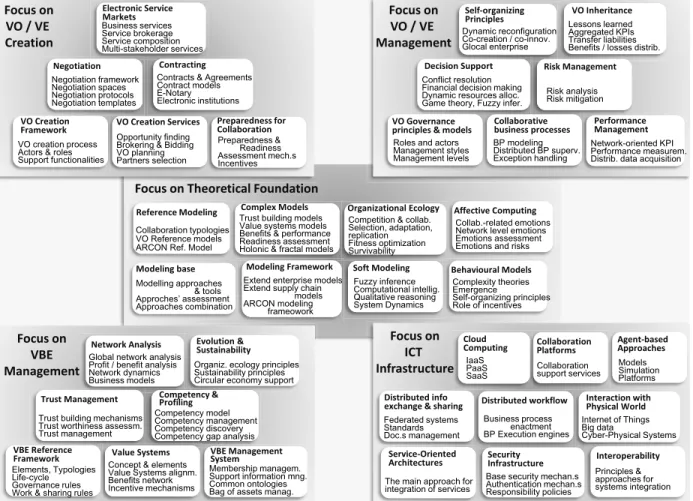
FIGURE 2. Overview of relevant development areas in CNs.
(2) Goal-oriented networks, including for instance virtual organizations (VO) and supply chains, in which collaboration is practised towards achieving a goal triggered by a business opportunity. According to this taxonomy, industry clusters and business ecosystems are subclasses of VBEs.
Complementarily to these collaboration forms, during the last decades and as illustrated in Figure 2, a large num-ber of corresponding models have been defined, as well as a large set of ICT supporting infrastructures, mech-anisms, tools and systems, which are developed and
exemplified through their applications to CNs as proof of concepts.
Some comprehensive surveys of such developments can be found in [1], [3], and [34].
In spite of all these developments, both practice and research results lead to a set of fundamental questions: Have we reached adequate organizational structures? Have we understood collaborative behaviours and effective collabora-tion promocollabora-tion mechanisms? If so, then why do still many industry-based and research & development-based CNs fail? If not, then can we reach a better understanding of collabora-tion through observing its successful cases in the nature – our so called ‘‘Nature’s Collaboration Success Stories’’?
III. RESEARCH APPROACH
In order to identify contributions from other scientific areas, and mainly from disciplines that study collaboration in Nature, a literature-based exploratory research method is adopted. The current stage of this research does not intend to offer final and conclusive answers regarding the origins and mechanisms of collaboration. Rather at this stage, we intend to explore a number of research questions that help us to better understand the relevant issues and how different views from a number of Nature-related disciplines already are or in fact can be inter-related.
Our performed research approach starts with the system-atic literature review (SLR) method. SLR has been applied in different fields as an approach to reach ‘‘a systematic, replica-ble, and transparent process to synthetize research results and practices’’ [35], [36]. However, considering that our study aims at creating mappings between concepts and models used in CNs and those coming from the other studied disciplines, which has not been performed before and thus corresponds to a subject not yet well structured, it is preferable that our research follows a light version of SLR that is known as a systematic mapping study (SMS) [37]. SLR first attempts to know what topics are covered by the literature, trying then to structure the field of study and get an overview of its scope. In relation to SMS, one main difference is that the research questions in SMS are more general than in SLR, since its purpose is to map concepts and structure the area. In our case, the study also required a preliminary screening of the literature to identify the relevant disciplines/sciences with some literature related to collaboration aspects and their used terminology. More detailed comparison between SLR and SMS can be found in [37].
A. RESEARCH QUESTIONS
Three guiding research questions are addressed by this work, and further detailed in Section IV:
RQ1. How are collaboration participants
organized?
RQ2. How do individuals behave in collaborative
situations?
RQ3. Which mechanisms facilitate/enhance
collaboration?
B. SEARCH PROCESS AND SOURCES
The aim of this work is to identify contributions from disci-plines that study collaboration in Nature. Therefore, we lim-ited our focus to literature from the areas of ecology, biology, and zoology.
A main obstacle to this cross-disciplinary study is the diversity of terminology used in different disciplines. For instance, in the focused disciplines the terms ‘‘collaboration’’ and ‘‘cooperation’’ are mostly used indistinctively, being ‘‘cooperation’’ the one used often, while the CN commu-nity makes a clear distinction between these two terms [38]. As such, part of our objectives is to understand the used terminology to make a mapping between the concepts and terms adopted in these disciplines and those used in the CN area.
A pre-screening phase was conducted on Scholar Google using terms such as: ‘‘collaboration AND ecosystem; cooperation AND ecosystem; collaboration AND biology; collaboration AND zoology’’.
From this preliminary analysis it was possible for us to identify that a number of studies involve joint work of researchers from different areas, e.g. from biology and psy-chology, ecology and zoology, etc. Furthermore, a number of other terms related to collaboration have emerged in the pre-screening phase as particularly frequent in these commu-nities, such as ‘‘mutualism’’, ‘‘altruism’’, ‘‘reciprocity’’, and ‘‘stigmergy’’ (see Table 1). Therefore, in a second phase our search was extended using also those terms.
To ensure a wide search and selection, three well known and relevant indexing databases are used, namely: Web of Science, SCOPUS, and Scholar Google. Although limiting the search to these sources naturally excludes some papers, it shall be noted that unlike SLR, with the SMS, the focus is mainly on the classification and mapping and not on the statistical analysis of empirical evidence [37].
C. INCLUSION AND EXCLUSION CRITERIA
The search period was initially set to 2010 - 2017 in order to capture recent results, but given the exploratory nature of the work, in some cases it was necessary to follow the most common references included in the selected papers and thus to also include some earlier reference works in order to get acquainted with the underlying conceptual framework. The scope of the research questions defined the main filtering criteria, which was first performed with a screening of the abstracts and a quick browsing over the paper contents.
From the screening phase it also became evident that most reported research has a strong focus on ‘‘evolution of cooperation’’ [41], [44], i.e. most papers take an evolu-tionary perspective, concerned with reconciling cooperation with Darwin’s theory, and thus try not only to understand the mechanisms but also to find explanations of how these mechanisms might have evolved to what they are today.
In this article however, we are only interested on ‘‘what these mechanisms are’’, as our purpose is to get insights on how to design effective collaborative systems which do not
TABLE 1. Some recurrent concepts in Nature-related sciences and their counterparts in CNs.
require very long time to learn and evolve. In fact, most experiments reported in literature are related to what can be observed today and then trying, by argumentation, to present plausible evolutionary paths. Since in our analysis, like other biomimicry studies [32], [33], we assume that current struc-tures and mechanisms existing today in Nature are pretty opti-mal and we want to learn from them, it was also necessary to perform one additional manual filtering, by browsing through the collected papers. This filtering process consisted of either removing the most speculative ones (not supported by experi-mental data) or skipping the evolutionary argumentation parts at this stage.
As a result, a total of 62 articles from Nature-related dis-ciplines were kept as the basis for our study. These articles were then read and analysed according to the SMS protocol focusing on the three guiding research questions. In parallel with the structuring effort, we made an attempt to relate concepts to their counterparts in CNs and to identify potential research directions for the CN community. Regarding CN ref-erences, since there are various recent surveys of the area,
e.g. [1], [3], [34], [45], we did not apply a SLR process but rather relied on those surveys and our own knowledge as researchers of the area. Nevertheless, to illustrate the suggested mappings, we picked relevant examples from the CN literature, expanding the total literature corpus to 110 papers.
IV. MAIN FINDINGS
The main findings of this survey on roots of collaboration are organized according to three aspects of (i) organizational aspects, (ii) behaviour of individuals in collaborative situ-ations, and (iii) mechanisms that facilitate/enhance collab-oration, as addressed below. In addition to a summary of relevant aspects of collaboration in Nature, as found in related literature, this section also hypothesizes on their potential impact on the design and management of future CNs. A. HOW ARE COLLABORATION PARTICIPANTS ORGANIZED?
This section addresses the way participants in a collaborative process are organized, i.e. how groups or communities are shaped, namely in terms of their interdependencies/links, and roles.
1) ORGANIZATIONAL STRUCTURES
Several studies focus on the specialized one-to-one interac-tions, e.g. between a plant and an animal [39]. This goes back to Charles Darwin’s studies who noticed an ‘‘almost perfect match between the morphology of some orchids and that of the insects that pollinate them’’ [46]. While many CN-related research works address the matching between the competen-cies of the involved parties with the needs of the collaboration opportunity, only a few consider the ‘‘compatibility’’ between the collaborating parties, as the cases of the value systems alignment [47] and business strategies alignment [48] that go more in this direction. But the lesson from Nature is to focus much more on the compatibility issues and potentially on ‘‘morphological matching’’ when selecting parties for col-laboration. This can contribute to reducing potential conflicts. Although Darwin realized that plants and animals ‘‘are bound together by a web of complex relations’’ [39], only in the last decades terms such as ‘‘communities’’ or ’’mutualis-tic networks’’ gained attention in ecological studies. In recent literature three main categories of organizational structures are identified, as addressed in the following:
a: COMMUNITIES AND ECOSYSTEMS
Communities represent a key concept in ecology, and their study, although a subject of diverse disputes, has originated a specific subfield – the community ecol-ogy. In this area, community is understood as ‘‘a set of interacting species, occurring together in the same location, which is stable through space and time’’ [49]. This definition suggests a long-term organizational struc-ture with some geographical boundaries. The concept is not introduced to specifically address collaboration;
it rather concerns the study of ‘‘patterns of distribution, abundance and interaction of species’’ [50]. Neverthe-less, and as a part of the study of interactions, many works on collaboration in nature consider communities as its underlying context. Communities can be further sub-divided into guilds or functional groups corresponding to sets of species with similar lifestyles or similar resource requirements [49]. A number of studies employ statistical techniques to identify the existence of communities as real biological entities [49].
Complementarily, the term assemblage is introduced to represent ‘‘a group of species that are found together but for which there is insufficient evidence to categori-cally state that they form a community’’ [49].
Ecosystemis the term used to represent both a com-munity and the interaction of its members with the phys-ical (abiotic) environment [49]. While community only considers the interactions among its members, ecosystem also encompasses the interactions with the environment. The notion of meta-community moves from the con-cept of local community, understood as a ‘‘closed and isolated’’ organization, to a network of local commu-nities, reflecting a larger scale of species interactions. Therefore, the term meta-community, although a bit mis-leading from an ICT perspective, represents a network of local communities, thus a higher level of aggregation, including the dynamics of interactions among these com-munities, as a result of dispersion of multiple potentially interacting species [49], [50]. In other words, in a meta-community, members of its composed local communities can hop from one to another, which results some form of sharing among the local communities.
From other areas like biology and zoology we can find other forms of long-term alliances among animals. For example, chimpanzees ‘‘engage in boundary patrols, par-ticipate in coalitionary attacks in the context of intergroup aggression, hunt prey in groups and share the meat after-wards, and participate in reciprocal interactions exchang-ing different goods and services’’ [51].
Relevance to CNs: The above terminology is not exactly used in the CN research and practice. The closest notion to community or ecosystem is the notion of Virtual orga-nizations Breeding Environment (VBE) [52], or its particu-lar case of Business Ecosystem [30]. In fact, the notion of business ecosystem is often presented in literature as being inspired by its homonymy in Nature. However, while in ecol-ogy there is a terminological distinction between the set of interacting members and their interaction with the physical environment, in CN, and according to the ARCON refer-ence framework [53], [54], these two aspects are addressed as two different dimensions characterizing the CNs, i.e. the endogenous elements and exogenous interactions. The notion of assemblage has not been used in CN, but it could help better characterizing some ill-defined networks such as the customer network or customer-related community, intro-duced in [55]. Here, the customer’s related community is not
structured to be considered a network, but it shares some minimal bonds like geographical vicinity, legal regulations, business environment, culture, etc. The idea conveyed by the term meta-community has not been adequately explored in the CN area and although ARCON tries to capture the interactions between a network and its surrounding environ-ment, most research has been focused on VBEs independent from each other. Research findings in Nature about meta-communities can provide some insights to better understand the positioning of VBEs in the socio-economic context and the so-called value constellations.
b: GOAL-ORIENTED COLLABORATIVE STRUCTURE
Under this category, there is considerable research on the formation of coalitions of animals to jointly pursue some goal. Examples include hunting and foraging, mobbing of predators, fighting a higher dominant rank, detecting and gaining females, etc. A good survey can be found in [21]. Research focuses on revealing the characteristics of coalitions, the dynamics of partner selection and for-mation, and benefits distribution criteria [21], [51]. Often game theory is applied in modelling these processes. Spe-cific mechanisms used in coalition formation are further discussed in section 4.3.
Another type of structure extensively studied in ecol-ogy is the mutualistic networks. A mutualistic network is exemplified by the case of plant-pollinator networks in which organisms from different species are engaged in a relationship that is mutually beneficial [39]. Such networks are quite heterogeneous and do involve at times dozens to even hundreds of species linked by complex interdependencies, being regarded as the ‘‘architecture of biodiversity’’ [46]. Research in this area addresses issues such as networks structure, stability and robustness, inva-sion of exotic species, disease propagation, strength of species, and patterns of interaction, and observed and missing links, i.e. why all potential links among species are not realized, etc. [19], [46], [56], [57], for which ideas from complex networks, such as scale-free networks, weighted networks, etc., have been adopted.
Relevance to CNs: Goal-oriented coalitions of animals have a good resemblance with the notions of virtual enter-prise, virtual organization, and virtual community. There-fore, mechanisms identified in these structures can inspire solutions for their counterparts in CN. The term mutualistic network roughly corresponds to the notion of a continuous production network. Nevertheless, in CN it is not necessarily the case that collaboration (or mutualism) happens between entities of different kinds. Rather we can have both collabo-ration among entities of the same kind (e.g. all being enter-prises) and among entities of different types (e.g. enterprises, governmental organizations, support institutions, regulators, etc.), representing hybrid value chains. Nevertheless, studies of the networks structure can provide some elements for better understanding of the long-term value networks and
dynamic supply chains, as well as their resilience and resis-tance to outside invaders.
c: FOOD CHAINS AND FOOD WEBS
The food chain concept represents how living things get food, and how nutrients and energy are passed from one creature to another. According to [49], ‘‘food chains do not exist in isolation, but are instead nested and cross-linked within food webs, complex networks of feeding relationships that can encompass hundreds or even thou-sands of species’’. Various studies focus on the analysis of the length of these networks, their response to loss of species, disease propagation, etc. [19], [49]. Another relevant subject is the study of trophic cascades [49]. As stated in the Encyclopaedia Britannica, a trophic cas-cade is ‘‘an ecological phenomenon triggered by the addi-tion or removal of top predators and involving reciprocal changes in the relative populations of predator and prey through a food chain, which often results in dramatic changes in ecosystem structure and nutrient cycling’’. Approaches from theory of complexity are applied in this domain.
Relevance to CNs:Food chains/webs are not exactly about collaboration since they refer to networks in which one member is prey for another, but perhaps investigating the results from this area can provide some contribution to better understanding of the supply chains, logistics, and business service networks. For instance, the area of collaborative smart (energy) grids and virtual power plants [58], involving com-plex and dynamic networks of producers and consumers, can borrow ideas from these networks of feeding relationships. 2) STRUCTURAL PROPERTIES
Realizing that the form of the organizational structures greatly influences the robustness, dynamic behaviour and evolution of the networks, several research works focus on the structural characteristics of the networks found in Nature, namely through borrowing conceptual frameworks and tools from other areas. The main relevant sub-topics for structural properties include:
• Complexity: Mutualistic interactions in nature, namely in pollination similar to food webs, typically involve large numbers of species, constituting complex and highly structured networks of interdependencies. As such, a number of recent works that address these areas in fact borrow some ideas and tools from the field of complex networks [19], [39], [46], [49]. Studies on complex networks have primarily emerged as a result of verifying that a wide variety of systems in nature and society exhibit similar properties [59], [60]. These studies, which mostly started in the area of graph theory, and specifically with the works of Paul Erdos and Alfred Renyi, are recently being further developed as a branch of research in physics [60], [61]. Concepts such as small worlds, clustering and cliques, degree distribution, scale-free and weighted networks, etc., have become
important modelling elements. Empirical results have shown that several networks, including the World Wide Web, food webs, social networks, citation networks, etc., exhibit similar properties, despite the differences in the nature of their nodes [59]–[61]. The adoption of this framework aims at providing a way to describe eco-logical communities, somehow ‘‘measure’’ their archi-tecture, and further develop dynamic models to help understanding behaviours, determine the distribution of abundance among species, assess their stability and robustness, etc. [19], [49].
• Nestedness: a measure of structure often used in ecology. A metaphor of a perfectly nested system is to consider a series of islands ordered by their distance to the main-land and such that if the mainmain-land has a group of species, the first island has a subset of those species, the next island a subset of the species of the first one, and so on. It has been found that mutualistic networks are not randomly organized but rather significantly nested [19], [46], [62]. ‘‘If we rank plants from the most specialized to the least specialized, we find that the set of animals a plant interacts with are contained in a larger set, which in turn is contained in a larger set, and so on, as in nested Chinese boxes’’ [46]. Complementarily, other studies use centrality metrics to rank and identify the most important species in mutualistic networks, find out that ‘‘a few central species strongly influence the dynamics and shape the ecology of the entire community’’ [63]. In other words, these networks have a dense core of species which, although constituted by a small number of species, represents a large portion of interactions [19]. Other studies show that high nestedness of the mutualis-tic networks contributes to the increase in robustness of plant-pollinator communities and thus to the decrease of species extinction [64].
• Stability and resilience: Various studies address the
sta-bility (resilience) and robustness of communities and ecosystems, namely to evaluate extinction risks and potential cascade effects [57], [64]–[66]. This is related to identifying the relationship between the structure of the network and the impact of perturbations [63]–[65]. Furthermore, it also relates to the ranking of species, as resilience of the network depends on super-generalist species in the sense that ‘‘their elimination makes the network more prone to disassemble than random extinc-tion’’ [63]. Thus, generalist species (i.e. those that can make use of a variety of resources) play a critical role in the ecosystem sustainability. Both empirical and simulation-based studies have been conducted with this aim [63]–[65]. Dynamics of social species and their relation to group size and cooperative behaviour are studied in recent works such as the studies of the Allee effect [67].
Relevance to CNs: Since most traditional CNs are of a relatively small size, the issues of complexity and the relation-ship to complex networks field have only been sporadically
addressed [53]. However, with the fast-growing levels of hyper-connectivity, it is likely that such studies become more relevant in the near future. For instance, the emerging field of mass collaboration, involving large numbers of partici-pants [68] can certainly benefit from findings in this area. Considering the impact of nestedness in networks robustness it would be interesting to analyse if successful VBEs [52] and/or business ecosystems present similar structures, as well as to identify what constitutes the ‘‘core species’’ (core types of organizations) in these networks. Issues of stability and resilience have been addressed in the particular case of supply chains, but for CNs in general they remain mostly at concep-tual and even speculative level. The underlying mechanisms are not yet properly understood and thus potential insights coming from nature-related studies could be beneficial. 3) ACTORS AND ROLES
Collaborative structures in natural ecosystems often involve a diversity of species, as in the case of plant-animal mutualistic networks. Members of these systems (the actors) play differ-ent roles, reflected in differdiffer-ent services. For instance, in polli-nation networks, while the plants provide some food resource (nectar) to the animals, the animals mediate pollination by transferring the pollen between plants [39]. These pairwise interactions between a plant and an animal are built on some complementary traits, e.g. morphological matching between the length of an insect’s tongue and the length of a flower’s corolla [46]. A similar process occurs with animals-mediated dispersal of seeds supporting forest regeneration [39].
Various terms are used in the literature to denote different categories of species, although not necessarily representing disjunctive classes (Table 2).
Furthermore, considerable work addresses the role of kin-ship or kin selection - helping relatives as a way of promoting one’s genes, and other long-term social bonds in the collab-orative processes [40], [42], [71]. In many cases these bonds strongly promote altruistic behaviours and reciprocity.
Relevance to CNs:Although roles are amply discussed in the CN literature (e.g. [72]), the adopted terminology and rational for classification are very different. Nevertheless, considering that business ecosystems and VBEs in general might include a variety of organization types (resembling different species), some useful insights can be borrowed from the above examples. For instance, the importance of gener-alists in the cohesiveness of networks or the importance of bystanders in promoting collaborative behaviours might be worth mimicking in CNs. In fact, the role of bystanders is, to some extent, mimicked by regulators in some economic sectors, such as in energy or telecommunications. Another example is that some resemblance to kinship might be found among organizations that belong to the same economic group.
B. HOW DO INDIVIDUALS BEHAVE IN COLLABORATIVE SITUATIONS?
This section focuses on behavioural aspects and how they influence collaboration. Soares et al. [73] suggest that,
TABLE 2.Examples of roles in natural collaborative structures.
corresponding to the large diversity of collaboration exam-ples, there is a variety of mechanisms that regulate collabora-tion. As main building blocks for collaboration, these authors identify the following:
- Prosocial predisposition, to approach others and tolerate their presence.
- Social recognition, to distinguish between collaborators and cheaters or freeloaders;
- Social bonding, influencing the willingness to invest in collaboration, and to avoid aggression;
- Social environment assessment, to generate proper responses;
- Social memory and learning, to adjust behaviour accord-ing to past behaviour of partners;
- Temporal discounting, to maintain future benefits; - Partner choice, to select suitable partners.
While reflecting back on these building blocks, we classify vast amount of nature-related studies on collabora-tion behaviour into three groups, focused on: (i) Individu-als prosocial behaviour, (ii) Critical facets of collaborative behaviour, and (iii) Behaviour modulation factors. These three classes of publications are summarized below.
1) INDIVIDUALS PROSOCIAL BEHAVIOR
A good number of studies focus on identifying and cate-gorizing prosocial behaviours and their ontogenetic roots,
both in animals and young humans. Examples include: (i) instrumental helping (‘‘acting towards goals of others’’), (ii) sharing (‘‘letting others use what is yours’’), (iii) informing (‘‘providing useful information to others’’), (iv) comforting (‘‘providing emotional support to others’’) [40], as well as addressing their associated con-straints and enablers [71], [74].
Altruismis one of the most studied behaviours [40]–[42], [75]. Some addressed issues include: finding explana-tions for this behaviour, exemplified as e.g. natural in-born [40], [75], based on kin selection [42], reci-procity [42], [71], or empathic/sympathetic emotions [75]. Also, the effect of rewards, e.g. in children ‘‘rewards are often not only superfluous but can have a detrimental effect’’ [40], issues of the degree or amount of effort [75], [18], and reputation [40], are addressed. Another related issue is the sense of fairness and ability to detect inequity - ‘‘compar-ing own efforts and pay-offs with those of others’’ [76], and ‘‘be nice when you can, but never if it costs you too much’’ [71], which is visible in young children and some primates [71], [75]. Also related is the enhancement of reputation by altruism, which leads to better opportunities for future collaboration [77].
The potential tensions between collaborative and self-oriented behaviours are discussed in [78]. In this context, having fair ways of sharing benefits distributive justice -seems to play an important role [51], [75], [79].
Investing behaviouris another concept, which corresponds to a ‘‘decrease in the actor’s immediate payoffs and an increase in the recipient’s payoffs’’ in the expectation of future benefits. This behaviour can include: (i) interdepen-dence, when an actor has a stake in the well-fare of others, (ii) reciprocation or reciprocal altruism, when actors alternate their roles as giver and recipient, and (iii) parcelling, when actors parcel their investment so that partners are forced to reciprocate in expectation of getting the next parcel of resources or services [80]. The required level of cognitive capacities to engage in investing behaviour is a subject of debate [80]. Various forms of reciprocal behaviour have been identified, e.g. contingent reciprocity, calculated reciprocity, and learned reciprocity [74].
On the other hand, various studies also address non-social behaviours like cheating, e.g. [18], [81], [70]. Through cheat-ing, one individual increases its immediate pay-offs and reduces the pay-offs of its partners [18]. This may lead to parasitism [82]. The term ‘‘spite’’ is also used in some works [83]. Therefore, it is important that individuals are able to detect cheating behaviours and react with coercion, punishment, or sanctions in order to avoid such behaviours, by increasing the cost of cheating [81], [83], [84]. Various attempts to understand these behaviours and the effect of pun-ishment use game theory (prisoner’s dilemma, public goods games, etc.) [85]. Furthermore, conflicts and competition are core issues in ecology and socio-biology [86], [83], namely in terms of analysing how these behaviours promote or weaken collaboration and even species’ survival.
The behaviour of one individual may affect the evolution of the behaviour of other individuals. This is reflected in the notion of co-evolution, i.e. the joint evolution of interacting species, thus an outcome of interactions between species, namely mutualistic behaviours. Recent studies attempt to understand the involved processes in terms of spatially and temporally variable interactions among species as well as the different evolutionary trajectories of subsets of popula-tions [39]. The role of generalist species in the co-evolution processes has been pointed out [69] in the context of complex ecological networks. Game theory models have been applied in the study of co-evolution [87].
Relevance to CNs: Different aspects of behaviour are only slightly touched in the CN literature [15] and [88]. For instance: the importance of building mechanisms that improve the sense of fairness, mechanisms to assess costs of collaboration (not much addressed in CN literature), which can help determining how much partners are expected to commit. Enhancement of reputation to increase future oppor-tunities is already addressed (to some extent) where part-ners’ selection takes into account past records of collabora-tion. Nevertheless, a challenge is how to collect and keep such records. The notion of investing behaviour can sug-gest the creation of some accounting mechanisms at the VBE management. An understanding of individual pro-social behaviours in Nature, as well as negative behaviours, can pro-vide insights on how to effectively manage the CNs and how to build collaboration skills at the level of network members. Of particular relevance are contributions to better understand and manage the duality of collaboration, including competi-tion and cheating behaviours in CNs. Regarding co-evolucompeti-tion, although still not well understood in Nature, is also relevant in CNS, namely for strategic long-term alliances, and thus a topic of future cross-fertilization. At a theoretical level, game theory aspects have also been explored in CNs.
2) OTHER FACETS OF COLLABORATIVE BEHAVIOR
Success in collaboration on complex tasks depends on one being able to understand how to collaborate and thus to under-stand the role of its partner(s) in the process [71], [74], [89]. A number of experiments with primates show they are atten-tive to other partners’ goals and their behaviour is contingent upon the others’ behaviour [40], [71]. Experiments also show the importance of coordination and some synchronization for the success of collaboration. For instance, experiences with monkeys show the importance of visual coordination in performing collaborative tasks [71].
Although not intensively present in literature, it has been recognized that some level of tolerance and trust among individuals is a kind of pre-requisite for the development of collaborative skills [75].
The sense of belonging to a social group, namely in humans, is an important foundation for showing a collaborative behaviour [89]. Early on, young children become sensitive to, and internalize social norms that regulate their pro-social behaviour [40]. This extends the more basic
relation of kinship and justifies the sensitivity to reputa-tion and social pressure namely exerted by the presence of bystanders [70].
Relevance to CNs: Issues of trust and coordination are vastly discussed in the CN literature [3], [90]. However, the importance of understanding this process and re-enforcing the sense of belonging need to be further exploited. Namely, findings on the notion of ‘‘belonging’’ are useful to better understand the formation of business communities. The sustainability of a long-term network such as a VBE is likely to depend on our capability to increase the sense of belonging among the group members. As previously identified [1], the initial motivations to join a CN typically fade after a while, e.g. when members get the perception that already learned enough from the others or that they already got access to extended markets. This requires addressing the sustainability of collaboration. The sense of belonging also facilitates the endogenization of common working and sharing principles (leading to social norms). The need for coordination is well-known and extensively explored in CNs, but one aspect that is less explored is the need to ensure wider awareness of the status of processes among members (a kind of ‘‘visual coordination’’) to induce convergent adjustments.
3) BEHAVIOR MODULATION FACTORS
An interesting topic of discussion is whether altruistic and collaborative behaviours reflect natural inborn predisposi-tions or if these are affected by enculturation and other external factors [40]. Although various experiments, namely with young children, show the existence of a natural pre-disposition, there is also the address of a tension between collaboration and self-oriented behaviours [78]. Therefore, decision-making mechanisms may be influenced by a number of factors, leading to behavioural variation [73]. These can include the following:
- Biological factors: hormones may influence behaviour (hormonal modulation) [73]. For instance, testosterone may disrupt individuals’ ability to collaborate by increasing their egocentricity [86].
- Environmental factors: costs and benefits of collabo-ration are not fixed properties, but rather depend on certain factors of the environment where a community lives and thus the general propensity to collaborate (or not) may change accordingly. For instance, [91] analyses how resources abundance or scarcity affects transition between cooperation and non-cooperation. The issue is also discussed in [92].
- Affective factors: As stated by Freidin et al. [93], ‘‘affective mechanisms may contribute to the stability of direct reciprocity by helping to build partnerships and social bonds that protect altruistic tendencies from exploitation by selfish individuals’’. Affective processes may be modulated by bonding. This includes empa-thy (emotions that match and are triggered by another individual’s emotions), emotional contagion (when the
‘‘perception of an affective behavioural change automat-ically activates the same process in another individual’’), empathy concern (ability to recognize and share other’s feelings), vicarious learning (a kind of associative learn-ing from observlearn-ing others’ experiences), fairness and inequity aversion, etc. [71], [93].
- Behaviour mimicry: A kind of behavioural contagion in which behaviour is modulated (increased pro-sociality) in favour of those that mimic another’s actions [93]. - Mirroring or attitudinal reciprocity: ‘‘if you’re nice,
I’ll be nice’’ [74].
These aspects contrast with the ‘‘calculated reciprocity’’, which is assumed to be more cognitively demanding [93].
Relevance to CNs: The above factors are not typically addressed in the CN literature, except for some early works on affective aspects [94], [95], which evolution can be guided by these findings. Finding correspondences between CNs and the above modulation factors can help developing new governance models and strategies, also leading to the devel-opment of new decision-support tools. For instance, iden-tifying the influence of environmental factors is relevant when creating CNs in different geographical regions or in different economic cycles. Behaviour mimicry or mirroring findings suggest approaches to increase collaboration pre-paredness/acquisition of collaborative skills by network can-didates. These ideas can also inspire the development of new performance indicators for CNs.
C. HOW IS COLLABORATION FACILITATED/ENHANCED? A number of Nature-related collaboration mechanisms have been reported, which we have organized in three categories of: base mechanisms supporting collaboration, mechanisms that facilitate collaboration, and promotion mechanisms that enhance collaboration. These are addressed in the next sub-sections.
1) ‘‘BASE’’ MECHANISMS
The perspective of increasing the chances of being selected as a partner can in turn induce a collaborative behaviour. Related mechanisms discussed in the literature include:
- Kin selection: A theory that assumes that ‘‘the act of helping relatives promotes one’s genes’’ [40], thus con-stituting a motivational mechanism for altruism. A rel-evant result in this area is the Hamilton’s rule (rB>C), which sets a condition for collaboration while empha-sizing the three elements of degree of relatedness (r) between the helper and the recipient, benefits (B) to the recipient in terms of the number of additional off-springs it can breed due to the received help, and potential cost (C) to the helper [71]. The influence of other rela-tionships such as friendship on collaborative behaviour might have evolved from the behaviour shown in kin relationships [71].
- Partner choice/selection: Often pointed out as one
collaboration [74], as individuals typically ‘‘shop for the best partners’’. For instance, the reputation of being an altruist creates better opportunities for future collabo-ration [77]. Game theory is often applied to study the dynamics of coalition formation [21]. The effects of distributive justice regarding benefits of a collaborative task, in the partner selection process are also studied, namely in the context of collaborative foraging [79]. Some other examples of base mechanisms include the following:
- Tit-for-tat: A strategy in which everyone begins with a predisposition to collaborate and subsequently does what the others do [40]. In this way, cheaters are paid back in the same coin. This might explain in part a modulation of humans’ collaborative behaviour when they detect cheaters, but other factors also have influence and need to be considered.
- Book-keeping: When individuals have the capability to remember what goods or services they provide to a partner and which ones they receive in return [81], a kind of calculated reciprocity. Individuals with high cognitive capabilities may be able to handle more strate-gic behaviours, such as: delay of gratification (being able to ‘‘make decisions based on information about the past or expectations of the future’’), temporal dis-counting (giving preference to rewards that happen sooner), mental time traveling (being able to ‘‘mentally re-live personal past experiences and to pre-live future events’’), etc. [81].
- Stigmergic collaboration: When individuals involved in a collaborative process communicate with one another indirectly through traces left in the shared environ-ment [29]. This is a well-known mechanism in social insects’ communities, like ant colonies, and an enabler of the functioning of an insects’ society as if it were a single super-organism.
- Issues such as diversity, e.g., in mutualistic networks, a seed disperser cannot depend on a single diet, pre-paredness, e.g. the morphology matching in pollination, and threats from predators or resource asymmetries [96], are also relevant [39].
The relation between the levels of cognition and collabo-ration is often discussed in the literature, making it clear that collaboration not always requires cognition [81], [85].
Relevance to CNs: Partner selection is one of the most addressed topics in CN literature, often formulated as a multi-criteria decision problem. Some resemblance to kin selection can be found in the case of virtual organizations formed in the context of a VBE, whereas preference is given to VBE members. Hamilton’s rule is worth checking in this context to better tune selection algorithms. The ideas of keeping historic records on past performance of partners in the context of a VBE as addressed in [15] also relates to the book-keeping mechanisms in Nature. One important question here is how to get awareness of such book-keeping records. Some adoption of stigmergy ideas can already be seen in advanced
mass collaboration approaches in education [28], and Wikipedia collaborative editing. Another potential applica-tion is in the collaborative manufacturing [45] when the notion of smart products can provide the ‘‘carrier’’ of the stigmergic traces along the value chain.
2) TRADE-BASED MECHANISMS
A large number of research works study mechanisms related to transactions of resources or services:
- Mutualism: one of the key mechanisms in ecosystems, which shows in a variety of forms, e.g. animal-mediated pollination of plants, and animal-mediated seed dis-persal to maintain forest regeneration. In exchange of this service provided by animals, plants provide some type of resource e.g., nectar, fruit, pulp, resin material for building nests, corolla parts, etc. [39]. Examples of mutualism can also be found in microbial communities, namely in the aquatic world and involv-ing metabolic exchanges [82]. An interestinvolv-ing case of mutualism between humans and free-living wild ani-mals is reported in [97], in which honeyguide birds direct human honey-hunters to find bees’ nests. After the humans harvest the honey, the birds eat the remain-ing wax combs. An interestremain-ing feature of this case is that it involves reciprocal vocal communication between the birds and the humans in the region. Mutualistic interactions happen during specific stages and entail temporal suitability, e.g. during flowering or fruiting. A high level of nestedness is also common in mutualistic networks [66]. In some cases, mutualism can turn into parasitism [82].
- Biological markets and by-product mutualism: In bio-logical markets, a term inspired by human markets, two classes of actors exchange ‘‘commodities’’ for their mutual benefit. Examples are found in sexual partner selection, e.g. acceptance or rejection of a certain gift by a female depending on the number of competing males, or interspecific mutualisms, e.g. caterpillars of lycaenid butterflies adjust the amount of offered nectar in reaction to the number of ants that are protecting them, etc. [41], [98]. The term ‘‘by-product mutual-ism’’ represents situations when the actions of an indi-vidual or a collaborative network between indiindi-viduals not only directly benefit the involved agents, but also provide some ‘‘spill-over benefits’’ to other (close-by) individuals [41], [99].
- Reciprocity: a mechanism characterized by an invest-ment followed by a return on the investinvest-ment [41] which may play even a larger role than kinship [42]. Besides direct reciprocity [93], other forms have also been iden-tified, including: indirect reciprocity [77], [100], attitu-dinal reciprocity (mirroring the attitudes of partners over short periods of time) [74], calculated reciprocity (based on scorekeeping of given and received benefits) [74], contingent reciprocity (change of behaviour to
manipulate partner’s future behaviour) [74], emotionally-based reciprocity [43], etc. An interesting classification of helping mechanisms within and between species can be found in [101].
Relevance to CNs: Although e-markets have been stud-ied in CNs, additional ideas on how to organize trade-based mechanisms and how they may induce collaborative behaviours can be borrowed from the various forms of mutu-alism and reciprocity. Some examples of mutumutu-alism can be found in the so-called ‘‘sharing economy’’ [102]. Indus-trial symbiosis, an approach to circular economy, is another example where mutualism ideas can be used. The issue of reciprocity, direct and indirect, has been studied in CNs and a few works tried to build models for benefits distribution incorporating such notions [103], but results are still limited. The notion of time bank [104] is another practical example of indirect reciprocity application.
3) PROMOTION MECHANISMS
This category includes mechanisms that act as modulation factors, controlling the propensity to collaborate. Exam-ples include:
- Social pressure: plays an important role in promoting a collaborative behaviour and reducing the tendency to cheat [70], [81]. A variety of mechanisms are found under this category, as shown in Table 3.
- Rewarding and punishment: the role of these mech-anisms in the promotion of collaborative behaviours is extensively studied, namely with humans and pri-mates [40], [75], [76]. One interesting finding is that for intrinsically rewarding activities, external rewards might undermine the intrinsic motivation [75]. Addi-tionally, experiments with monkeys (cucumber/grapes experiment [76]) also show that a reward may be rejected when expectations are violated. Although punishment can promote collaboration in some animal systems, it is necessary to take into account that it also has a cost for the punisher, which needs to be compared with the expected (fitness) benefit. Some studies also show that punishment might not have a positive long-term effect [40]. In the case of children, instead of reward-ing/punishment, Warneken and Tomasello [40] defend that ‘‘inductive parenting’’ seems more efficient to elicit prosocial behaviour, by drawing child’s attention to the feelings, needs, and thoughts or intentions of other people. Nevertheless, various works have focused on the effect of sanctions, threats (e.g. eviction, departure, attack), bargaining versus the use of punishment and the conditions under which it promotes cooperation, polic-ing or third-party punishment, and other strategies to maintain cooperation and control free-riders [74], [80], [83], [85], [108].
Complementarily, Jaeggi et al. [109] suggest that collab-oration and altruistic behaviour are regulated by a set of psychological rules, e.g. response to needs (of the recipient),
TABLE 3.Examples of social pressure mechanisms.
behaviour dependent on the presence and size of an audience, dependence on social distance to partners, proactive pro-sociality (sharing or helping, offering food).
Relevance to CNs: The ideas of incentives/rewards and sanctions are often discussed in CN works, being now also relevant to confront them with the findings in Nature. In fact, these works have focused more on suggesting incentives and sanctions and how to implement them, without really ques-tioning their effectiveness. Nevertheless, a recent work revis-its this idea in the particular context of supply chains [110]. Furthermore, the study of social pressure mechanisms and a better understanding of the conditions of applicability of rewards and punishment are likely to enrich the sustainability of CNs. Some social pressure mechanisms can already be found in CNs, especially in long-term strategic networks,
but other mechanisms as exemplified in Table 3 are worth checking. The sense of belonging provides one explanation for the relatively easy adherence of organizations to VBEs (e.g. industry clusters, industrial districts, etc.). These net-works also establish norms and social judgment mechanisms. In more advanced cases this leads to institutions (e.g. elec-tronic notary). The exploitation of social emotions is only an emerging topic in CNs research.
V. CONCLUSIONS
Collaboration processes are abundant in Nature, showing in different forms, supported by diverse organizational struc-tures, and reflected in a variety of behaviours of the involved species. These processes, structures and underlying mecha-nisms are highly optimized, which guarantees the sustainabil-ity of the natural systems.
Vast literature on these subjects is found in different scien-tific areas related to the study of Nature. Learning from these works is likely to provide useful insights on how to design and build more effective and sustainable collaborative networks. This hypothesis is evidenced by our performed literature survey which primarily attempted to identify and organize a set of most relevant concepts and findings, complemented with an initial effort to point out some relevance of these findings to the CNs. Nevertheless, the suggested relevance constitutes more a set of research hypotheses that need to be verified by future research in the CN community.
As such, relevant findings in terms of organizational struc-tures and their properties, actors and roles, collaborative and non-collaborative behaviours and their critical factors, and collaboration support mechanisms, show a great potential to be mimicked / adapted to the design and management of more effective and sustainable collaborative networks, as well as to inspire the development of new support tools.
The next step of our research work focuses on contributing to a better characterization, structuring, and modelling of these findings, to constitute a new foundation for develop-ment of advanced CNs of the future. As such, the planned follow-up activities include: (i) to build an understanding, modelling, and classification of the involved concepts and knowledge, (ii) to learn from the vast number of nature-based observations and related human/organization-related experimentations on how to implant effective collaboration framework, and (iii) to address and facilitate the needed evolution of collaboration aiming to reduce its risks of failure and thus enhance its success potential.
REFERENCES
[1] L. M. Camarinha-Matos, H. Afsarmanesh, N. Galeano, and A. Molina, ‘‘Collaborative networked organizations—Concepts and practice in man-ufacturing enterprises,’’ J. Comput. Ind. Eng., vol. 57, no. 1, pp. 46–60, 2009.
[2] D. Romero, R. J. Rabelo, and A. Molina, ‘‘Collaborative networks as modern industrial organisations: Real case studies,’’ Int. J. Comput. Integr.
Manuf., vol. 26, nos. 1–2, pp. 1–2, 2013.
[3] C. Durugbo, ‘‘Collaborative networks: A systematic review and multi-level framework,’’ Int. J. Prod. Res., vol. 54, no. 12, pp. 3749–3776, 2002.
[4] L. M. Camarinha-Matos and H. Afsarmanesh, ‘‘Collaborative networks: A new scientific discipline,’’ J. Intell. Manuf., vol. 16, nos. 4–5, pp. 439–452, 2005.
[5] H. Afsarmanesh and L. M. Camarinha-Matos, ‘‘The ARCON modeling framework,’’ in Collaborative Networks: Reference Modeling. New York, NY, USA: Springer, 2008, pp. 67–82.
[6] H. Kühnle and R. Dekkers, ‘‘Some thoughts on interdisciplinarity in collaborative networks’ research and manufacturing sciences,’’ J. Manuf.
Technol., vol. 23, no. 8, pp. 961–975, 2012.
[7] S. H. Park and M. V. Russo, ‘‘When competition eclipses cooperation: An event history analysis of joint venture failure,’’ Manage. Sci., vol. 42, no. 6, pp. 875–890, 1996.
[8] P. Kale and H. Singh, ‘‘Managing strategic alliances: What do we know now, and where do we go from here?’’ Acad. Manage. Perspectives, vol. 23, no. 3, pp. 45–62, 2002.
[9] J. Vicente, ‘‘Network failures and policy challenges along the life cycle of clusters,’’ in The Life Cycle of Clusters: A Policy Perspective, D. Fornahl and R. Hassink, Eds. Cheltenham, U.K.: Edward Elgar Pub-lishing. 2017.
[10] M. Zineldin, H. Fujimoto, Y. Li, H. Kassean, V. Vasicheva, and W. F. Yu, ‘‘Why do both marriages and strategic alliances have over 50% failure rate? A study of relationship quality of strategic alliances in China, Japan and Mauritius,’’ Int. J. Strategic Bus. Alliances, vol. 4, no. 1, pp. 1–23, 2015.
[11] S. Lhuillery and E. Pfister, ‘‘R&D cooperation and failures in innovation projects: Empirical evidence from French CIS data,’’ Res. Policy, vol. 38, no. 1, pp. 45–57, 2002.
[12] D. Wegner, R. M. Alievi, and H. S. M. Begnis, ‘‘The life cycle of small-firm networks: An evaluation of Brazilian business networks,’’ Brazilian
Admin. Rev., vol. 12, no. 1, pp. 39–62, 2015.
[13] V. D. Corte and M. Aria, ‘‘Why strategic networks often fail: Some empirical evidence from the area of Naples,’’ Tourism Manage., vol. 45, pp. 3–15, Dec. 2014.
[14] V. Barbatt, F. Bousquet, J. Zolkiewski, and P. Naude, ‘‘Supportive networks among companies: Key factors of success and failure,’’ in Proc. IMP Conf., Kuala Lumpur, Malaysia, Sep. 2017,
[15] M. Shadi and H. Afsarmanesh, ‘‘Behavioral norms in virtual organi-zations,’’ in Collaborative Systems for Smart Networked Environments, vol. 434. Heidelberg, Germany: Springer, 2014, pp. 48–59.
[16] J. Chen, A. S. Sohal, and D. I. Prajogo, ‘‘Supply chain operational risk mitigation: A collaborative approach,’’ Int. J. Prod. Res., vol. 51, no. 7, pp. 2186–2199, 2002.
[17] K. Scholten, P. S. Scott, and B. Fynes, ‘‘Mitigation processes— Antecedents for building supply chain resilience,’’ Supply Chain Manage.,
Int. J., vol. 19, no. 2, pp. 211–212, 2014.
[18] S. F. Brosnan and R. Bshary, ‘‘Cooperation and deception: From evo-lution to mechanisms,’’ Philos Trans. Roy. Soc. B, Biol. Sci., vol. 365, pp. 2593–2598, Aug. 2010.
[19] J. Bascompte and P. Jordano, ‘‘The structure of plant-animal mutualistic networks,’’ in Ecological Networks. Oxford, U.K.: Oxford Univ. Press, 2006, pp. 143–159.
[20] Z. Zhang, W. Huangfu, K. Long, X. Zhang, X. Liu, and B. Zhong, ‘‘On the designing principles and optimization approaches of bio-inspired self-organized network: A survey,’’ Sci. China Inf., vol. 56, no. 7, pp. 1–28, 2002.
[21] X. Liang and Y. Xiao, ‘‘A survey of biological collaboration models,’’
J. Ambient Intell. Humanized Comput., vol. 5, no. 4, pp. 551–556, 2002. [22] Y. Xiao, Bio-inspired Computing and Networking. Boca Raton, FL, USA:
CRC Press. 2016.
[23] S. Binitha and S. S. Sathya, ‘‘A Survey of Bio inspired Optimization Algorithms,’’ Int. J. Soft Comput. Eng., vol. 2, no. 2, pp. 137–151, 2012. [24] A. K. Kar, ‘‘Bio inspired computing—A review of algorithms and scope
of applications,’’ Expert Syst. Appl., vol. 59, pp. 20–32. Oct. 2016. [25] U. Lee, E. Magistretti, M. Gerla, P. Bellavista, P. Liò, and K.-W. Lee,
‘‘Bio-inspired multi-agent collaboration for urban monitoring applications,’’ in
Bio-Inspired Computing and Communication(Lecture Notes in Computer Science), vol. 5151. Berlin, Germany: Springer, 2008, pp. 204–216. [26] F. Nachira, P. Dini, and A. Nicolai, ‘‘A network of digital business
ecosystems for Europe: Roots, processes and perspectives,’’ Eur. Com-mission, Luxembourg, Belgium, Tech. Rep., 2007. [Online]. Available: http://www.digital-ecosystems.org/book/pdf/0.3.pdf
[27] M. Steinberg, ‘‘Biologically-inspired approaches for self-organization, adaptation, and collaboration of heterogeneous autonomous systems,’’