UNIVERSIDADE DE LISBOA
Faculdade de Medicina Veterinária
IRON STORAGE DISEASE PREVALENCE IN CAPTIVE
RING-TAILED LEMURS
MARIA DO CARMO LOURO VASSALO SANTOS
ORIENTADOR
Dr. João Inácio Louro Simões de Almeida
CO-ORIENTADOR
Doutor George Thomas Stilwell
2018
LISBOA
CONSTITUIÇÃO DO JÚRIDoutor Rui José Branquinho de Bessa
Doutor Fernando Ribeiro Alves Afonso
Dr. João Inácio Louro Simões de Almeida
UNIVERSIDADE DE LISBOA
Faculdade de Medicina Veterinária
IRON STORAGE DISEASE PREVALENCE IN CAPTIVE
RING-TAILED LEMURS
MARIA DO CARMO LOURO VASSALO SANTOS
DISSERTAÇÃO DE MESTRADO INTEGRADO EM MEDICINA VETERINÁRIA
ORIENTADOR
Dr. João Inácio Louro Simões de Almeida
CO-ORIENTADOR
Doutor George Thomas Stilwell
2018
LISBOA
CONSTITUIÇÃO DO JÚRIDoutor Rui José Branquinho de Bessa
Doutor Fernando Ribeiro Alves Afonso
Dr. João Inácio Louro Simões de Almeida
Anexo 2 - DECLARAÇÃO RELATIVA ÀS CONDIÇÕES DE REPRODUÇÃO DA TESE
DECLARAÇÃO
Nome _________________________________________________________________ Endereço electrónico ______________________Telefone __________/__________ Número do Bilhete de Identidade__________________________
Título: Dissertação ___________________________________________________________________ ___________________________________________________________________ ___________________________________________________________________ Orientador(es) ___________________________________________________________________ _________________________________________Ano de conclusão____________ Designação do Mestrado ou do ramo de conhecimento do Doutoramento
___________________________________________________________________ Nos exemplares das teses de doutoramento ou dissertações de mestrado entregues para a prestação de provas na Universidade e dos quais é obrigatoriamente enviado um exemplar para depósito legal na Biblioteca Nacional e pelo menos outro para a Biblioteca da FMV/UTL deve constar uma das seguintes declarações:
1. É AUTORIZADA A REPRODUÇÃO INTEGRAL DESTA TESE/TRABALHO APENAS PARA EFEITOS DE INVESTIGAÇÃO, MEDIANTE DECLARAÇÃO ESCRITA DO INTERESSADO, QUE A TAL SE COMPROMETE.
2. É AUTORIZADA A REPRODUÇÃO PARCIAL DESTA TESE/TRABALHO (indicar, caso tal seja necessário, nº máximo de páginas, ilustrações, gráficos, etc.) APENAS PARA EFEITOS DE INVESTIGAÇÃO, MEDIANTE DECLARAÇÃO ESCRITA DO
INTERESSADO, QUE A TAL SE COMPROMETE.
3. DE ACORDO COM A LEGISLAÇÃO EM VIGOR, (indicar, caso tal seja necessário, nº máximo de páginas, ilustrações, gráficos, etc.) NÃO É PERMITIDA A REPRODUÇÃO DE QUALQUER PARTE DESTA TESE/TRABALHO.
Faculdade de Medicina Veterinária da UL, ___/___/_____
Assinatura:______________________________________________________________
Agradecimentos
Agradeço em primeiro lugar aos meus pais, pelos valores que me transmitiram e por todo o apoio ao longo da vida. Se hoje acabo este curso, é totalmente graças a eles.
Aos meus irmãos Salvador, Kiko, Bigo e Verinha, por toda a paciência que sempre tiveram ao longo destes seis anos de curso, sobretudo na fase de exames. Obrigado por se
interessarem e pela companhia no estudo.
Ao António, por ser o meu melhor amigo e por nunca desistir de me dar garra ao longo deste tempo. Por me ter ajudado tanto a conseguir entrar na faculdade e por me mostrar tantas vezes que a minha vocação é esta.
Ao Professor George Stilwell pelo grande apoio na realização deste trabalho.
Ao meu primo e querido amigo João e à Isabel, por sempre me terem guiado por este
caminho e me terem ensinado a dar os “primeiros passos” nesta área. Obrigado também por toda a ajuda no arranque desta tese.
Ao meu querido amigo Nuno, pela grande companhia ao longo destes anos e por me ter ajudado tanto durante este estudo.
Ao Já cá venho (Carlota, Cilinha, Daniela, Augusto, João, Manel, Nuno e Zuca), obrigado por terem tornado estes 6 anos numa fase de vida tão divertida onde se criaram grandes amizades. Vou guardar grandes memórias destes tempos, javalis!
Ao V (Catarina, Carolina, Daniela, Marina, Mi e Nana), por todas as boas conversas, jantares, etc. Obrigado por todos os conselhos de quem esteve sempre “um passo à minha frente”.
Aos meus amigos não veterinários Rita, Carminho, Teresinha, João, Nuninho, António e Francisco, por terem estado presentes mesmo quando não percebiam nada do assunto.
Aos meus amigos e cobaias Pacha, Maccaw e Sabi, por terem sido os meus primeiros professores e por me ajudarem todos os dias a ser uma melhor veterinária.
Finalmente, ao meu filho Salvador que vem a caminho, por me ter dado a determinação que precisava para acabar esta recta final.
Iron storage disease prevalence in captive ring-tailed lemurs
Abstract
The present study aims to evaluate the prevalence of iron storage disease in captive ring-tailed lemurs’ populations housed in different zoological parks in Portugal and relate it to the different diet regimens.
Eighteen animals were admitted to this study and then subdivided into three different groups, according to their zoological institution. Blood transferrin saturation level was measured for each animal. The diet given at each park was also analyzed and then related to the obtained transferrin saturation values.
It was verified that transferrin saturation value is high in 89% of the animals and the mean was higher than 55% (above the reference range) in all groups.
Despite the small sample size, it was evident that there is a high prevalence of iron storage disease in captive ring-tailed lemurs, which seems to be strongly related to the captive diet offered in zoological institutions.
Key words: Iron storage disease, hemosiderosis, ring-tailed lemurs, food, transferrin saturation
Prevalência de iron storage disease em lémures de cauda anelada mantidos
em cativeiro
Resumo
O presente estudo tem como objectivo determinar a prevalência de iron storage disease em lémures de cauda anelada mantidos em condições de cativeiro e relacioná-la com a dieta fornecida aos lémures em diferentes parques zoológicos, em Portugal.
Para a realização do estudo, reuniu-se uma amostra de dezoito indivíduos divididos em três grupos, conforme o parque de onde provinham. Procedeu-se à colheita de sangue de cada animal com posterior análise da saturação de transferrina. Foi também analisada a dieta à qual os lémures são sujeitos em cada parque, relacionando-a mais tarde com os níveis de saturação de transferrina obtidos.
Foi constatado que o nível de saturação de transferrina dos indivíduos analisados é elevado em 89% dos animais, encontrando-se acima de 55% (valor máximo do intervalo de referência) em todos os grupos.
Apesar da reduzida amostra deste estudo, existe uma forte evidência da elevada prevalência de iron storage disease nos lémures de cauda anelada mantidos em cativeiro, o que parece estar fortemente relacionada com a dieta oferecida a esses animais nos respectivos parques zoológicos.
Palavras-chave: Iron storage disease, hemossiderose, lémures de cauda anelada, alimentação, saturação de transferrina
Table of contents
Agradecimentos ... I
Abstract ... II
Resumo ... III
Table of contents ... IV
Table of figures ... VI
List of tables ... VII
List of graphics ... VII
Acronyms ... VIII
Internship report ... 1
I.
INTRODUCTION ... Erro! Marcador não definido.
II. LITTERATURE REVIEW – Iron Storage Disease Prevalence in Captive
Ring-tailed Lemus ... 5
1. Lemur
5
1.1.
Origin
5
1.2.
The ring-tailed lemur
7
1.3.
Conservation
13
2. Captivity
14
2.1.
Adaptation
14
2.2.
Common problems in captivity
16
3. Pathophysiology of Hemosiderosis or Iron Storage Disease
19
3.1.
Iron metabolism
19
3.2.
Epidemiology
21
3.3.
Aetiology
21
3.4.
Symptomatology, post-mortem lesions and histopathology
24
3.5.
Diagnosis
25
3.6.
Treatment
28
3.7.
Prevention
29
III. STUDY – Iron Storage Disease Prevalence in Captive Ring-tailed Lemurs
32
2. Material and methods
32
2.1.
Sample
32
2.2.
Institutions description
32
2.3.
Sample collection
33
3. Statistical Analysis
35
4. Results
35
4.1. Sample description
35
4.2. Blood values
35
4.3. Diets description
38
5. Discussion
53
6. Study limitations and future considerations
55
Conclusion... 57
References ... 58
Appendix 1. ... 65
Appendix 2. ... 66
Appendix 3. ... 67
Appendix 4. ... 68
Appendix 5 ... 69
Appendix 6. ... 73
Appendix 7 ... 77
Table of figures
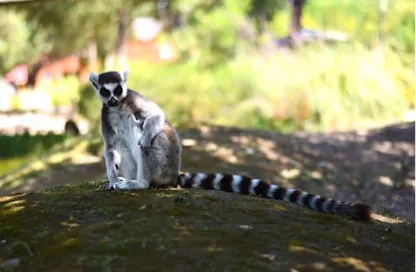
Figure 1. The ring-tailed lemur ... 8
Figure 2. Lemur catta distribution ... 9
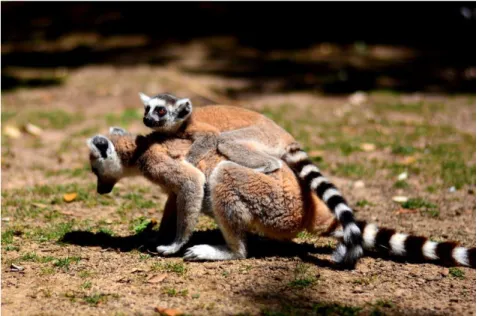
Figure 3. Young lemur attached to mother's back ... 11
Figure 4. Ring-tailed lemur eating vegetation ... 11
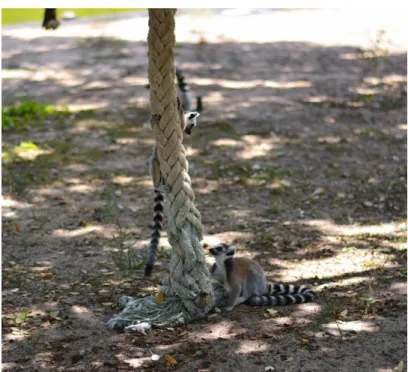
Figure 5. Attempt to mimic the wild habitat using a rope for young lemurs ... 16
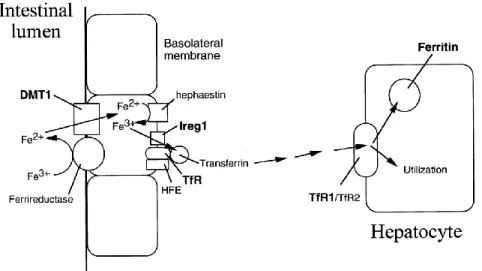
Figure 6. Iron absorption and transport scheme ... 20
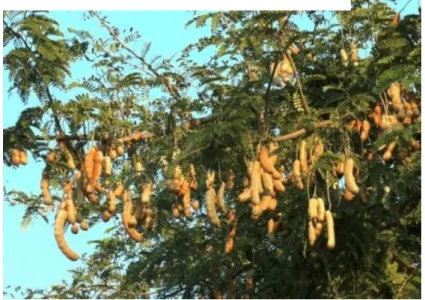
Figure 7. Tamarindus indica tree ... 23
Figure 8. Leaves, pods, seeds and barks from Tamarindus indica tree ... 23
Figure 9. Deposits of hemosiderin found in the liver of a black-and-white ruffed
lemur ... 25
Figure 10. Histopathologic findings: Deposits of hemosiderin in the hepatocytes of a
black-and-white ruffed lemur ... 25
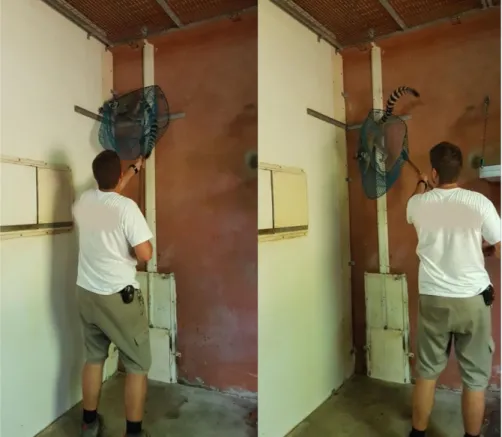
Figure 11. Zookeeper capturing a ring-tailed lemur ... 34
List of tables
Table 1. Transferrin Saturation (%TS) baseline values in human medicine and their
interpretation ... 28
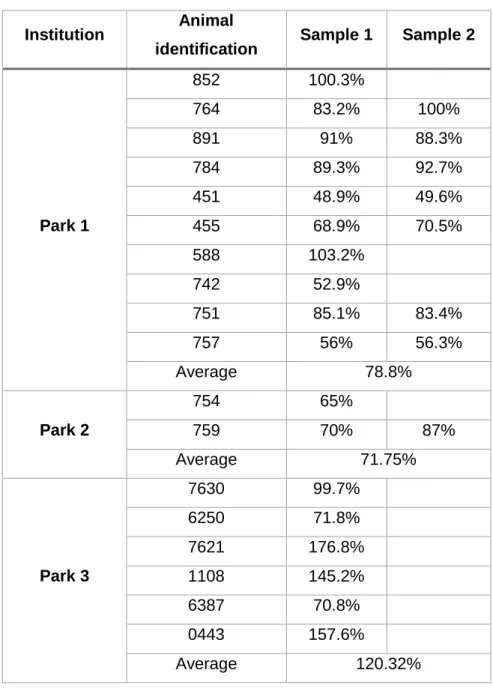
Table 2. Individual transferrin saturation values ... 36
Table 3. Sample features for transferrin saturation ... 37
Table 4. List of fruits, vegetables and cereals given to the lemurs at Park 1 ... 39
Table 5. Diet analysis for ten animals in Park 1 ... 40
Table 6. List of fruits, vegetables and cereals given to the two lemurs at Park 2 ... 43
Table 7. Diet analysis for two animals in Park 2... 44
Table 8. List of fruits, vegetables and cereals given to the lemurs at Park 3 ... 48
Table 9. Foods avoided at Park 3 ... 48
Table 10.
Analytical composition of lemurs’ dry food - Marmoset / New World
monkeys, 4 mm pellets (Complete feed for Marmosets – NHP) ... 49
Table 11. Diet analysis for six animals in Park 3 ... 50
Table 12. Amount of iron and vitamin C given to the animals ... 52
List of graphics
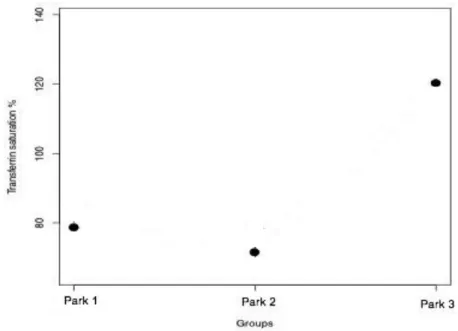
Graphic 1. Average transferrin saturation values for the different groups ... 36
Graphic 2. Results presentation per group ... 37
Graphic 3.
Constituents of lemurs’ diet at Park 1 ... 38
Graphic 4.
Constituents of lemurs’ diet at Park 2 ... 43
Acronyms
AZA Association of Zoos and Aquariums
BW Body Weight
DFO Deferoxamine
DM Dry matter
EAZA European Association of Zoos and Aquariums
EEP European Endangered Species Programmes
ESB European Studbooks
ISD Iron Storage Disease
IUCN International Union for Conservation of Nature
RCP Regional Collection Plans
SF Serum Ferritin
SI Serum Iron
SSP Species Survival Plan
TAG Taxon Advisory Groups
TIBC Total Iron Binding Capacity
Internship report
The present study was developed during the 6th year of the Integrated Masters in Veterinary Medicine of the Faculty of Veterinary Medicine, University of Lisbon, under the supervision of Dr. João Almeida and Dr. George Stilwell.
The final masters’ internship was realised at Badoca Park for a period of four months - about 700 hours. The shifts had the duration of eight hours per day. During this time, I had the opportunity to follow the park’s veterinary Dr. João Almeida on his daily routine. This included the involvement in different fields of veterinary medicine, such as internal medicine, surgery, medical imaging and mainly anaesthesiology.
It was possible to participate in numerous anaesthesia procedures with wild mammals such as zebra, buffalo, wildebeest, oryx, wallaby, baboon, among others. Besides monitoring the patients during these procedures, I also had the chance to: prepare and administer subcutaneous, intramuscular and intravenous medication, including injectable anaesthetic darts; collect samples of blood and faeces; place intravenous catheters; measure blood pressure; realise a bronchoalveolar lavage, skin scraping, blood smears; wound cleansing and debridement; realisation and interpretation of blood and urine analysis and cytology; microscopically observe parasites.
Considering the field of internal medicine, I had the chance to participate in several medical cases regarding wild mammals (primates, ruminants, equines, marsupials, etc), reptiles (crocodiles and turtles) and numerous species of birds. It was possible to observe the animals and identify the clinical signs, when showed; elaborate a list of differential diagnosis and collaborate in the realisation of diagnostic methods and implementation of treatment. Regarding medical imaging, I had the opportunity to help containing and positioning the animals and to realise and interpret radiographic exams and ultrasound exams.
Additionally I also joined the veterinary in several surgery procedures such as: orchiectomy, caesarean section, bone fractures resolution, nodule removal, tooth removal, among others. Besides follow the responsible veterinary, I could also accompany the zookeepers on their daily routine, preparing the animals’ food, feeding the animals and cleaning the animals’ interior installations. I had the chance to get closed to the ring-tailed lemurs and feed them at least three days per week, during my internship.
Furthermore, I had the opportunity to take part in anaesthesiology formations for veterinary students and professionals.
The idea of choosing the subject “Iron Storage Disease in captive ring-tailed lemurs” came along with my special interest for this species. Additionally, the fact that this is a common but barely known syndrome that affects numerous species such as lemurs, black rhinos, tapirs, etc. made my supervisors and I consider it as an interesting opportunity to deepen this topic.
The overall internship gave me the chance to apply and enhance the veterinary knowledge learned during the last six years. It also provided practical and theoretical tools, allowing the development of notable scientific, technical and personal competences.
I.
INTRODUCTION
Iron is an essential nutrient for all living organisms. Its multiple metabolic processes include oxygen transport, DNA synthesis and electron transport (Conrad, Umbreit, & Moore, 1999). Iron balance is normally controlled by iron absorption, since its excretion is insignificant. The absorption occurs through the upper intestine portion, under intestinal mucosa regulation (Gordeuk, Bacon, & Brittenham, 1987).
Despite being essential for most animals, iron can become toxic when excessive amounts of this nutrient are absorbed, which can lead to hemosiderin accumulation in the liver, spleen, lymph nodes, duodenum and other organs (Gonzales, Benirschke, Saltman, Roberts, & Robinson, 1984), causing iron storage disease.
Therefore, once absorbed, iron must be bound to proteins to prevent free radical formation (Conrad et al., 1999), since it can be associated with tissue damage and increased risk of neoplasia (Gonzales et al., 1984).
Spelman, Osborn and Anderson (1989) hypothesized that the increased bioavailability of iron in lemurs’ captive diet, compared to their natural diet, may be the critical factor for the high incidence of hemosiderosis in this species.
However, despite the high levels of iron in the captive diets lead to an increased iron absorption, there are several dietary components that can influence iron’s bioavailability. Ascorbic acid is the most efficient enhancer of non-heme iron absorption (Teucher, Olivares & Cori, 2004), therefore diet components such as citrus fruits and other substances with vitamin C, will increase iron bioavailability and consequently, its absorption.
Contrary, phenolic compounds (polyphenols, tannins) are known to restrict iron absorption by constituting a complex with this nutrient in the gastro-intestinal lumen, turning it less bioavailable for cellular uptake (Brune, Rossander, & Hallberg, 1989).
For these reasons, several authors proposed a severe change in captive husbandry and diet practices.
Numerous studies have been made in order to evaluate the incidence of hemosiderosis in captive lemur populations, concluding that it is certainly a consistent postmortem finding in different captive lemur species (Wood, Fang, Hunt, Streich, & Clauss, 2003). However, there is still a lack of information about the ideal captive diet for this species. For this reason, it has been recently proposed that new studies comparing multiple facilities should be elaborated (Clauss & Paglia, 2012).
Considering this evidence, the present study compares the diet of three different zoological facilities and relates it to the transferrin saturation values obtained from all the ring-tailed lemurs housed at each institution.
Transferrin saturation was used to evaluate iron storage disease (ISD) status from each lemur collection. As well as in human medicine, this parameter indicates if excessive amounts of iron are being absorbed, prior to iron excessive deposition and tissue damage (Wood et al., 2003).
Therefore, this study intends to reveal the impact of the captive lemurs’ diet on the transferrin saturation values obtained at the respective institution.
II.
LITTERATURE REVIEW – Iron Storage Disease Prevalence in Captive
Ring-tailed Lemus
1. Lemur
1.1. Origin
Madagascar is the only place where members of the Superfamily Lemuroidea can be found in the wild.
Situated off the southeast coast of Africa and separated from the continent by the 800 km-wide Mozambique Channel, the island of Madagascar, in the southwestern Indian Ocean, is the world’s fourth largest island (Swindler, 2002), after Greenland, New Guinea and Borneo and the largest oceanic island (Schwitzer, Mittermeier, Davies, Johnson, Ratsimbazafy, Razafindramanana, Louis & Rajaobelina, 2013).
It has been separated from other landmasses for at least 88 million years, and from mainland Africa, its closest neighbour, for at least 130 million years (Schwitzer et al., 2013).
Madagascar is a 1650 km (1025 mi) long island split by a mountain chain running from north to south.
According to Pastorini, Thalmann and Martin (2003) the island can be divided into eight major zones of species distribution, each with distinctive climatic and vegetation characteristics and/or delimited by physical barriers. The authors consider that these climatic, vegetation and physical factors are important to understand the phylogeography of the Malagasy lemurs.
With 581,540 km2, Madagascar’s total land area is only about 7% of Brazil, the world’s richest country in primates, and yet its primate diversity is comparable and its endemism much higher (Schwitzer et al., 2013).
Ganzhorn et al. (1999) suggest that a combination of long geographic isolation, poor soils, and low plant productivity, in an erratic and severe climate, could have played a major role in lemur evolution.
Until around 130 million years ago, Madagascar was attached to the African mainland as part of the super continent Gondwanaland (formed by Africa, South America, Australia, Antarctica, India, and Madagascar), but as Gondwanaland fractured, Madagascar moved away from Africa (Wild Madagascar, 2017). The flora and fauna of Madagascar underwent numerous adaptive radiations, due to the island’s long isolation and low rates of colonization resulting in one of the world’s most diverse biotas with remarkable levels of endemism (Myers, Mittermeier, Fonseca & Kent, 2000).
Endemism is extremely high, ranging from 55–100% at the species level, and at genus and family level it far surpasses any other hotspot, with more than 480 genera and 26 families
endemic to this island (Schwitzer et al., 2013).
Madagascar’s endemic primates, the lemurs, are the most diversified element of a highly unusual fauna that displays an adaptive variety surpassing that of any comparable primate group, especially if the recently extinct “subfossil” forms are taken into account (Mertl-Millhollen, 2008).
As stated by Martin (2000), although lemurs have remained relatively primitive in many features, the adaptive array is remarkable. As an example, the author affirms that lemurs show a greater spectrum of dental formulae and molar morphology than all other living primates taken together, and there is also a considerable diversity in dietary habits, ranging from insectivory through frugivory to folivory and including the special dietary adaptations of the aye-aye.
The lemurs of Madagascar provide an excellent model for exploring evolutionary diversification (Pastorini et al., 2003).
The first lemur-like primates on the fossil record appeared roughly 60 million years ago in mainland Africa and crossed over to Madagascar shortly thereafter (Wild Madagascar, 2017).
As admitted by Schwitzer et al. (2013) the diversity of the lemur fauna of Madagascar is even more impressive when one looks at the giant lemur species that disappeared since the arrival of humans on the island some 2,000–2,500 years ago. These included at least 8 genera and 17 species, all of them larger than the surviving species.
Further, and of particular concern for conservation purposes, less than 10% of Madagascar remains sufficiently intact to serve as habitat for wild lemur populations, meaning that all of the country’s primate diversity is confined to an area of approximately 50–60,000 km2 (Mittermeier, Ganzhorn, Konstant, Glander, Tattersall, Groves & Rasoloarison, 2008).
Indeed, Madagascar is so important for primates that it is considered one of the four major biogeographic regions for primates, together with South and Central America, mainland Africa, and Asia, in spite of being only about 1.3–2.9% the size of each of the three continental regions (Schwitzer et al., 2013).
The Malagasy lemurs constitute one of six major natural groups of living primates. Lemurs species show remarkable diversity, both numerically and in terms of adaptation (Martin, 2000).
Classification within the Lemuriformes remains highly controversial and several different taxonomic schemes have been proposed. However, according to Pastorini et al. (2003), the living primates of Madagascar comprise five families: Lemuridae, Cheirogaleidae, Indriidae, Daubentoniidae and Lepilemuridae.
The authors assume that at present, a tentative consensus accepts four genera (Eulemur, Hapalemur, Lemur, and Varecia) in the family Lemuridae, which includes at least 10 species. The Cheirogaleidae family is currently classified into five genera (Allocebus, Cheiro-galeus,
Microcebus, Mirza, and Phaner), containing at least 13 species. The family Indriidae comprises at least seven species in three genera (Avahi, Indri, and Propithecus). The family Daubentoniidae contains only one extant lemur species (Daubentonia madagascariensis). Lepilemur is the only genus in the family Lepilemuridae and currently comprises a maximum of seven species (Pastorini et al., 2003).
All of lemur species enounced are endemic to Madagascar and just a few of them are kept in captivity in significant numbers. It means that the conservation of their unique habitat is an imperative strategy to protect the future of most species that will remain in situ.
As cited by Schwitzer et al. (2013), looking at the importance of Madagascar’s primate fauna in another way, although the country is only one of 91 countries having wild primate populations, it alone is home to 15% of all primate taxa (103 of 682), 21% of all primate species (99 of 480), 19% of all primate genera (15/77), and 29% of all primate families (5/17) – a great responsibility for any one country and a concentration of unique primate species unmatched by any other nation.
As has been stated many times, the survival of Madagascar’s unique biota, including its primates and ultimately the well-being of its people, depends on the continued presence of forests in the country (Harcourt & Thornback, 1990).
Madagascar, in the opinion of many, is the world’s single highest priority biodiversity hotspot (Schwitzer et al., 2013).
1.2. The ring-tailed lemur
One of the most emblematic lemur species found in the island of Madagascar and the most common in captivity belongs to Lemuridae family, and is usually called ring-tailed lemur (Figure 1).
The scientific name of this small primate is Lemur catta. Lemur derives from the Latin word lemurs, which means ghosts or spectres, a reference to the animal’s nocturnal habits and silent movements. The specific epithet catta refers to the animal’s catlike form (Hanlon & Wilson, 2010).
1.2.1. General characteristics
The conspicuous characteristic for which ring-tailed lemurs are known is their long tail, measuring about 60cm that has alternating bands of black and white rings (Mittermeier, Tatterson, Konstant, Meyers, & Mast, 1994).
Males and females are about the same size, in the wild measuring about 42.5cm from head to rump and weighing between 2207 and 2213g on average (Sussman, 2000).
As evidenced by Kappeler (1991), ring-tailed lemurs weigh slightly more in captivity than their wild counterparts with males weighing, on average, 2705g and females average 2678g. Ring-tailed lemurs share unique dental characteristics with other members of the Superfamily Lemuroidea. They have specialized teeth in their lower jaw that form a dental comb. These long, narrow teeth project nearly straight forward from the jaw and this specialized dentition is thought to aid in grooming (Swindler, 2002).
Males and females are minimally dimorphic. Males can be easily identified by their hairless black scrotums and appear slightly larger in the head, upper arms, and shoulders. They have well-developed wrist and brachial glands. Both sexes utilize anogenital glands for scent marking (Cawthon, 2005).
The species is not considered territorial in a strict sense, but they will defend seasonal resources against other ring-tailed lemur troops, as cited by Sauther & Sussman (1993). They are diurnal and more terrestrial than other lemur species (Jolly, 1966).
Ring-tailed lemurs spend most of their time sleeping, sunbathing and resting, with males engaging in these activities slightly more than females (Rasamimanana, Andrianome, Rambeloarivony & Pasquet, 2006). The remainder of their time is spent feeding, moving, traveling, and grooming.
These animals live in social groups consisting of multiple males and females that are focused around a single dominant female (Jolly, 1966). The average group size is 13 individuals but it can range from 5 to 27 animals (Jolly, 1966; Sauther, Sussman, & Gould, 1999).
Females stay within their natal groups but males, begin to disperse when reaching three years, and repeat the migration every 3.5 years (Shire, 2012).
In the wild, it is rare for female ring-tailed lemurs to live past 16 years of age and the oldest known wild female was between 18 and 20 years old. Male life span is even less well-known, because of the social system, but have been recorded living to at least 15 years of age (Gould et al. 2003). In captivity, life span has reached 27 years (Jolly 2003).
1.2.2. Distribution
Lemur catta is found in the wild only in Madagascar (Hanlon & Wilson, 2010).
The diurnal ring-tailed lemur is found in dry brush, scrub and closed canopy forests of southern and southwestern portion of this island (Figure 2), and is probably the most terrestrial of all lemur taxa (Mittermeier, Konstant, Nicholl & Langrand, 1992).
Ring-tailed lemurs are patchily distributed throughout this portion of the island and they are found in a variety of habitats up to altitudes of 2600m (Cawthon, 2005).
Rainfall in the southern domain is sparse and irregular, ranging from 300-800 mm and the dry season is marked and very long (Mittermeier et al., 1994).
Because of the highly seasonal environment in which they live, wild ring-tailed lemurs must exploit a wide variety of food sources throughout the year (see below Diet).
1.2.3. Reproduction
Lemurs are sexually mature when they reach eighteen months of age. However, young males have a marked inferiority complex towards the older females and they do not usually mate till the age of 2.5 years (Basilewsky, 1965).
In captivity, where food is not limited, mothers produce their first offspring at an earlier age, have higher weight neonates, and shorter interbirth intervals, compared to mothers in the wild (Wright, 1999). This suggests that body condition and mother’s nutritional state have a
strong impact on female’s reproduction.
Lemur’s reproductive cycle is strongly correlated to a particular season of the year. In the wild births occur between August and November. The same happens in zoos in the southern hemisphere. In the northern hemisphere the situation is different, occurring between March and June.
The gestation period range from 130 to 144 days (Hanlon & Wilson, 2010).
In the first days, young animals are seen attached to their mothers’ bellies and at about fifteen days, they start to climb on their mother’s back (Figure 3). When they reach one month, young lemurs begin to share some food with their mothers.
At six months they are quite independent, though they may continue to suckle till about five months and cling to their mother if danger threatens (Basilewsky, 1965).
Figure 4. Ring-tailed lemur eating vegetation (Source: http://etc.usf.edu) Figure 3. Young lemur attached to mother's back (Original picture)
1.2.4. Diet
Lemur catta feeds primarily on fruit, but extensively on leaves as well (Hanlon & Wilson, 2010). Didiereaceae, an endemic plant family, and various species of Euphorbia are the dominant plant forms in their habitat (Mittermeier et al., 1994) and constitute part of their diet. One of the most important food sources for ring-tailed lemurs is the tamarind tree (Tamarindus indica) which is abundant in gallery and more open forests away from rivers, and produces fruits and leaves at alternating times of the year, providing a reliable food source throughout the year (Jolly et al., 2002; Mertl-Millhollen et al., 2003). Tamarinds leaves and seed pods can provide up to 50% of the total food consumed during particular seasons of the year and are considered a keystone resource for ring-tailed lemurs (Sauther, 1998; Jolly, 2003).
However, ring-tailed lemurs are best characterized as opportunistic omnivores so, besides ripe fruits and leaves they eat leaf stems, flowers, flower stems, plant exudates, spiders, spider webs, caterpillars, cicadas, insect cocoons, birds, chameleons, grasshoppers, and even dirt from termite mounds (Oda, 1996; Sauther et al., 1999; Jolly, 2003). Like most folivorous primates, ring-tailed lemurs supplement their diet by consuming soil, as it provides a considerable sodium intake (Ganzhorn, 1987).
1.2.5. Threats
The primary threats to forests of the southern domain are the collection of firewood and ornamental and medicinal plants, charcoal production and the uncontrolled use of the land for livestock, especially cattle and goats (Mittermeier et al., 1994).
As evidenced by (Wright, 1999) the widespread annual burning, still engrained in the Malagasy culture, has destroyed the seed banks and prevents restoration or recovery of tree cover in many areas. Subsequent over-grazing and the falling of trees for charcoal production further impact wild lemur populations (Andriaholinirina et al., 2014).
Additionally, much of their natural habitat has also been altered by human through deforestation to create settlements.
Actual predation pressure on ring-tailed lemurs is unknown. However, some potential predators include raptors, cat-like carnivores such as fossas and civets, various snakes, and brown lemurs, which have been recorded capturing and eating infant ring-tailed lemurs. Domestic cats introduced to Madagascar are also responsible for predation losses.
According to Kim Reuter (2016), two new independent studies estimate that there are only between 2,000 and 2,400 ring-tailed lemurs — perhaps the most charismatic of Madagascar’s animals, and a flagship species of the country — left in the wild. This is a 95% decrease from the year 2000, when the last known population estimate was published. It also means that at present there are more ring-tailed lemurs in zoos around the world than remain in the wild.
In addition, the species is being extracted from the wild for the illegal pet trade, which provides private households with pets and businesses with lemurs for foreign tourists’ amusement.
There is a suspected ring-tailed lemur population reduction of more than 50% over a three generation period (36 years, estimating the generation length to be 12 years) (Andriaholinirina et al., 2014).
Based on these premises, it is seriously necessary to implement conservation strategies that may prevent this species extinction.
1.3. Conservation
Fortunately, as evidenced by Kim Reuter (2016) the illegal trade of live lemurs out of Madagascar into the international market is strictly monitored. The author affirms that ring-tailed lemurs in zoos across the world have not been the victims of this trade; rather, they have been bred in captivity and are often incorporated in global breeding programs.
These breeding programs are part of a common conservation plan that integrates responsible entities, in order to safeguard healthy populations, hoping that one day they can be reintroduced in their wild habitat.
Habitat loss and hunting are the greatest causes of concern. Madagascar has undergone major habitat destruction in the last millennium, resulting in a complete loss of 80% of endemic habitat, and this deforestation has resulted in major erosion and drying of western and central habitats (Wright, 1999).
The ring-tailed lemur has a strong preference for gallery forests and for Euphorbia bush, but these habitats are already restricted in southern Madagascar and continue to decrease due to annual burning practices that help create new pasture for livestock (Andriaholinirina et al., 2014).
As affirmed by Jolly (2003), ring-tailed lemurs require some forest cover and are not successful at resettling in secondary growth areas once they have been cleared, therefore the total range occupied is large, but their distribution is patchy and dependent on forest cover.
Ring-tailed lemurs are currently listed as Endangered, since 2014, on the IUCN Red List (2017), and face a series of immediate threats from habitat loss and bushmeat hunting. Satellite surveys of southern Madagascar indicate that Lemur catta habitat is disappearing at an alarming rate, as indicated by Mittermeier et al. (1994). The same author states that more surveys are needed to determine the distribution and sizes of remaining populations. Efforts should also be made to link captive breeding programs with conservation programs in the field.
Captive Lemur catta housed in zoos accredited by the Association of Zoos and Aquariums (AZA) are managed under the AZA Species Survival Plan (SSP) (Shire, 2012). The main goal of these plans is to use captive populations to ensure demographic stability and genetic diversity of a species that is threatened or endangered in the wild through breeding and management recommendations (AZA, 2017).
In addition, well-managed captive lemurs could contribute to global breeding programs (Reuter & Schaefer, 2016).
EAZA (European Association of Zoos and Aquariums) member institutions have established Taxon Advisory Groups (TAG) for all the different species of animals that are kept in zoos and aquariums. One of the main tasks of the TAGs is to develop Regional Collection Plans that describe which species are recommended to be kept, why, and how these species should be managed. The Regional Collection Plans also identify which species need to be managed in European Endangered Species Programmes (EEP) and European Studbooks (ESB) (EAZA, 2017).
Those mentioned breeding programmes, EEP and ESB, as well as the Regional Collection Plans (RCP), aim at conserving healthy populations of animals in captivity while safeguarding the genetic health of the animals (EAZA, 2017).
The purpose of these programs is to protect the future of the world’s most vulnerable species, such as the Lemur catta. This animal, listed as Endangered in IUCN Red List Status 2017, is included in ESB program (IUCN, 2017).
The studbook keeper collects all the data on births, deaths, transfers, etc., from all the EAZA zoos and aquariums that keep the species in question. These data are entered in special computer software programs, which allow the studbook keeper to carry out analyses of the population (EAZA, 2017).
It is possible that EAZA zoos and aquariums may ask the studbook keepers for recommendations on breeding or transfers. By collecting and analysing all the relevant information on the species, the studbook keeper can judge if it is doing well in EAZA zoos and aquariums, or if maybe a more rigid management is needed to maintain a healthy population over the long term (EAZA, 2017).
These captive breeding programs can represent an important solution to restock the forested areas of Madagascar, one of the world’s highest primate conservation priorities.
2.
Captivity
The potential for zoos to contribute to conservation and education has increased, due to fragmentation and destruction of natural habitats (Rabb, 2004).
Conservation and education are considered two main goals for most zoos (Patrick, Matthews, Ayers & Tunnicliffe, 2007).
2.1. Adaptation
were introduced in large numbers. As affirmed by Basilewsky (1965), even in the period between the two World Wars it was rare for a ship to land at Marseilles, coming from Madagascar, that did not have a pair of lemurs on board. At that time, there were lemurs in practically every zoo in the world.
Lemurs are a commonly held species in captivity with an estimated 3,318 ring-tailed lemurs housed in zoos and parks around the world, as registered in 2014 (Species 360, 2018), in addition to many more in smaller roadside collections, laboratories, and pet trade. The species is not only the most common lemur in captivity but indeed the most common of all captive primates (Andriaholinirina et al., 2014).
Ring-tailed lemurs are the most intensely studied of all lemurs. In addition, they are also the most easily recognizable lemurs.
The large number of captive individuals and the existence of ample literature covering species-specific behaviors in the wild make this an ideal population to study.
The ring-tailed lemur is one of the most suitable candidates for captive conditions, when talking about primates. The fact that they have relatively short generation times (compared to anthropoid primates), increases the chance that permanent behavioural changes, as a result of captivity, will become more widespread in the captive population in a shorter amount of time (Shire, 2012).
Like many captive primates, ring-tailed lemurs are typically held in an environment that does not mimic all the qualities of the wild habitat. Therefore, they do not have the full spectrum of behavioural stimuli as wild ring-tailed lemurs (Hosey, 2005; Tarou, Bloomsmith & Maple, 2005).
Despite all the efforts to simulate the wild habitat, the zoo staff cannot replicate a completely natural environment in captivity.
Hence, it is particularly important to study the requirements of individual species. The captive environment should offer the appropriate conditions to encourage the entire behavioural potential of an animal. This includes providing appropriate social conditions, which for primate species play a particularly important role. Primates living in groups have a set of cognitive capabilities and “emotional dispositions” (Netto & Van Hooff, 1986) that optimizes their inclusive fitness. Artificial social systems, such as those found in captivity, are less complex than those in the wild and may not provide adequate social interactions (Shire, 2012).
Therefore, social animals must be kept in an open-air enclosure living in a social group, with its subsequent troop activity, and provided with sufficient space to live a normal healthy life. To follow advice from field scientists on the lemurs' nutritional, social and territorial requirements is essential (Mallinson, 1967).
As cited by Carlstead (2000), one of the primary challenges of captive species management is assessing and coordinating husbandry protocols that facilitate the reproductive and
behavioural potential of all individuals in the captive population. The same author also mentioned that standardizing methods to describe and quantify behaviour of animals housed at different institutions is an essential tool for understanding intra-species behaviours.
Taking these facts into account, it is of singular importance that zoo vets and keepers have in mind the necessity of follow guidelines that demonstrate the correct practices to keep these animals in appropriate captive conditions.
When considering the effect of the zoo environment on a captive species, it is essential to first consider the natural history of the species and the behaviour of conspecifics in the wild (Hosey, Melfi & Pankhurst, 2013; Sherwen, Hemsworth, Butler, Franson & Magrath, 2015). Ring-tailed lemurs are characterized by their behavioural flexibility and adaptability (Sauther et al., 1999).
This species has proven to be easily kept in captivity and to breed readily in the right conditions.
Zoos and wildlife parks might be the future for this species, whose adaptability, social intelligence, opportunistic behaviour and ability to adjust to new environments, will certainly be the appropriate attributes for the success in captivity.
Figure 5. Attempt to mimic the wild habitat using a rope for young lemurs (Original picture)
2.2. Common problems in captivity 2.2.1. Obesity
considered, so animals that need a lot of exercise, fresh air and sunshine were confined to small heated indoors accommodation, and kept singly or in pairs. As a result, some of them have become excessively fat and incapable of breeding, as affirmed by the author.
This is an important aspect to take into consideration, since one of the main health problems of captive ring-tailed lemurs is obesity. This generally occurs due to the selective consumption of preferred food items by alpha individuals in the group (Tyler, 2008).
Obesity is a major nutritional problem in captive lemurs and results from general overfeeding or overfeeding of highly palatable foods (Junge, Williams & Campbell, 2009). These authors suggest that providing excessive quantities of food, feeding inappropriate amounts of high-sugar and high-starch foods relative to primate biscuit, the overuse of food for environment enrichment, and the lack of exercise in captivity contribute to obesity.
It is quite common to see overweight or even obese lemurs in captivity (Goodchild, 2008). Indeed, studies comparing wild and captive lemurs have concluded that those kept in captivity are heavier than the ones found in the wild. The author states that this is a problem that faces many collections, probably due to a lack of knowledge and information.
A key characteristic of lemur physiology is a low basal-metabolic rate, also reflected in their behaviour. Folivorous species minimize energy expenditures to use a diet marginal in energy. Sportive lemurs spend up to 85% of their time eating or resting, with a resting metabolic rate that is among the lowest measured in mammals (Junge et al., 2009).
In addition, once obese lemurs become inactive and lethargic they do not burn off their excess energy. As a result, they will gain even more weight, intensifying the situation.
When it comes to breeding problems, and considering obese females, the cycle may not occur properly or the young are sometimes too large, which can carry serious difficulties for females trying to give birth.
Periodic weighing paired with well-chosen girth and skinfold measurements with animals of known linear dimensions would help zoos to monitor the effects of dietary and housing adjustments, established to enhance reproduction, condition and welfare (Carolina, Keynes, & Kingdom, 1995).
Besides causing breeding problems, obesity also leads to other health consequences. Coronary heart disease and diabetes are two of the main problems that can derive from obesity.
2.2.2. Diabetes
Information on the prevalence of diabetes mellitus in lemurs is limited. However, occasional case reports mentioning a high prevalence of diabetes in lemurs can be found.
It is unknown if there is a species or genetic predisposition in lemurs for developing this condition; however, obesity has been implicated as a risk factor in ring-tailed lemurs (Junge
et al., 2009).
Diamond (2003) suggested that “there is now a diabetes epidemic among captive populations of many primate populations” and that can be attributed to their “zoo lifestyle”. The most common diabetes type among lemurs is Type II diabetes mellitus. This condition presupposes that there’s an inadequate use of insulin or the production of this hormone is compromised. Therefore, high levels of blood glucose are usually found.
Type II Diabetes mellitus is related to obesity and insulin resistance (Kuhar, Fuller & Dennis, 2012) which in turn may be related to a number of factors in captive animal husbandry, including stress, diet, lack of exercise, and lower fecundity (Wagner et al., 2006).
Nutritional management of diabetic lemurs consists of limiting the consumption of simple sugars and starches, increasing dietary levels of fibre, fat, and protein, and spreading feedings throughout the day to minimize fluctuation in blood glucose levels (Junge et al., 2009).
In the early stages of diabetes, nutritional management alone may provide sufficient control; however, as diabetes progresses, medical management with oral hypoglycemic agents or insulin may be necessary in addition to dietary modifications and weight management to control the condition (Junge et al., 2009).
2.2.3. Iron Storage Disease
When reflecting about common health problems in lemurs, it is extremely important and almost inevitable to consider iron storage disease, a syndrome usually referred to as hemosiderosis or hemochromatosis (Wood et al., 2003). This disease, has been studied since many decades ago, due to a high prevalence in captive lemurs.
Iron storage disease in lemurs has been reported since as early as the 1960s, and in the 1980s was demonstrated to be a consistent finding in postmortem investigations of captive lemurs (Wood et al., 2003). According to Junge et al. (2009), reports of hemosiderosis or excess iron accumulation in tissues of lemurs at necropsy initially appeared in the literature in the 1980s.
Excessive iron storage is a condition in which higher amounts of iron than normal are in circulation, iron is deposited within the body, or both. Sometimes, the finding is directly associated with clinical signs, disease, or mortality, but sometimes it is just an incidental finding at necropsy without evident involvement in the cause of death (Clauss & Paglia, 2012).
Spelman et al. (1989) found that captive lemurs were extremely susceptible to excess iron deposition (hemosiderosis) in the duodenum, liver and spleen, and they attributed this disease to a diet rich in iron and ascorbic acid, and poor in tannins.
Whatever the reasons for ISD susceptibility, reducing dietary iron levels to maintenance requirements of the species in question seems to be a logical preventive measure (Clauss &
Paglia, 2012).
3. Pathophysiology of Hemosiderosis or Iron Storage Disease
3.1. Iron metabolism
Iron is an essential mineral and is involved in many physiologic events, including oxygen transport, electron transport and DNA synthesis (Abbaspour, Hurrell & Kelishadi, 2014). However, when ingested in excessive quantities, this element can become toxic. This toxicity involves many organs and can lead to a variety of serious diseases, such as liver disease, heart disease, diabetes mellitus, hormonal abnormalities dysfunctional immune system, etc. (Kang, 2001).
Iron is not easily excreted; therefore, absorption of dietary iron generally dictates body stores (Beard, Dawson & Piñero, 1996).
When iron absorbed by the body exceeds amounts needed for normal physiologic functions, the excess is stored in combination with the protein apoferritin, forming ferritin micelles. (Williams, Junge, & Stalis, 2008; Kumar, Abbas & Aster, 2017). Hemosiderin is a granular pigment that represents large aggregates of these ferritin micelles (Kumar et al., 2017). An excessive systemic load of iron that is characterized by abundant hemosiderin in a variety of tissues without impairment of the organ function is called hemosiderosis (Zachary, 2017). Excessive accumulation of iron in tissues results in pathologic changes in those tissues, due to ferrous ion’s (Fe2+) ability to catalyse reactions that generate toxic free radicals. In addition, free iron readily damages tissues (Abbaspour et al., 2014).
Dietary iron contains both inorganic iron and the heme form.
This mineral is initially absorbed in the upper portion of duodenum. Iron is released from heme by heme oxygenase and enters the plasma as inorganic iron, to be bound to a transport protein, transferrin, which is responsible for iron’s blood transportation (Figure 6) (Conrad, Umbreit & Moore, 1999).
Once absorbed, iron is recycled extensively so that iron losses are low (Conrad, Umbreit & Moore, 1994).
Most forms of dietary iron occur in the oxidized ferric (Fe3+) state; however this form is poorly absorbed unless it is either reduced or chelated, because ferric iron is insoluble in aqueous solutions more alkaline than pH 3, whereas most ferrous iron remains soluble at neutral pH (Conrad et al., 1999).
There are two major chemical forms of iron in a mixed diet, and each is absorbed by a different mechanism (Morck & Cook, 1981). The same authors describe heme form as the
one found in haemoglobin and myoglobin and equivalent to 40% of the iron present in animal tissue. On the other hand, the iron in non-heme form, which is correspondent to the remaining 60%, must be released before it can be absorbed. Non-heme form can be found in vegetables and its availability is affected by other dietary components.
Iron is stored primarily as 2 non-heme compounds: ferritin and hemosiderin. These are found throughout the body but especially in the liver and spleen (Sheppard & Dierenfeld, 2002). Factors affecting bioavailability and absorption are numerous and include the animal’s iron status (i.e. iron deficient or replete), the animal’s age and sex, the chemical form of iron in the diet, and levels of other dietary components including vitamins, minerals, fibre, and secondary plant compounds (polyphenols, tannins, phytates, etc.) (PTAG, 2003). Dietary constituents that solubilize iron enhance absorption, whereas compounds that either precipitate or polymerize iron decrease absorption (Conrad et al., 1999).
The conversion of dietary Fe3+ to the more “bioavailable” Fe2+ is enhanced by ascorbic acid (vitamin C), which provides enough reducing power to increase the absorption of non-heme iron by three to five fold (Monsen, 1982).
The extent of vitamin C’s enhancement on iron absorption, however, depends on a number of factors including dietary levels of fibre, phosphates, and phytates (PTAG, 2003).
High dietary levels of manganese, copper, cobalt, cadmium, and zinc decrease absorption of iron, evidently by competing for binding sites (Sheppard & Dierenfeld, 2002). Therefore, high levels of dietary iron may interfere directly with absorption of copper, leading to secondary deficiencies of that nutrient.
In addition, plant polyphenols have been shown to decrease iron absorption by binding dietary iron, making it unavailable for uptake (PTAG, 2003).
Figure 6. Iron absorption and transport scheme. Molecules shown in bold (DMT1. Ireg1, Tf R1 and ferritin) are regulated through iron-responsive elements (Templeton & Liu, 2003)
Literature indicates that the excess intake of dietary iron and ascorbic acid (citrus fruits) combined with an insufficient amount of tannins ingested, can lead to an excessive accumulation of iron in the animal tissues, also named hemosiderosis.
It is important to distinguish between hemosiderosis and hemochromatosis. Iron accumulates first in the mucosal cells of the duodenum and then is preferentially stored in the liver, spleen, and bone marrow as hemosiderin (Glenn, Campbell, Rotstein & Williams, 2006). When hemosiderin is detected in tissues with no evidence of toxicosis the condition is termed hemosiderosis. The term hemochromatosis is reserved for conditions in which there is functional or morphologic evidence of iron toxicosis (Williams et al., 2008) and in which pathologic changes have occurred (Junge et al., 2009). Hemochromatosis is an abnormally increased storage of iron within the body that can cause hepatic dysfunction (Zachary, 2017). This disease affects multiple tissues and can originate liver and heart disease, diabetes mellitus, neurodegenerative disorders, organ fibrosis and an increased risk of cancer, predominantly hepatic carcinomas.
3.2. Epidemiology
Excessive burden of iron, or iron storage disease, has been reported in a large variety of captive mammal species, including browsing rhinoceroses; tapirs; fruit bats; lemurs; marmosets and some other primates; sugar gliders; hyraxes; some rodents and lagomorphs; dolphins; and some carnivores, including procyonids and pinnipeds (Clauss & Paglia, 2012). The disease occurs most commonly in species that, in the wild, feed primarily on fruits and insects, which are generally poor sources of dietary minerals (Sheppard & Dierenfeld, 2002). The discovery of high susceptibility of lemurs to iron overload has generated a significant concern regarding this species. With natural diets low in iron, this species may have developed physiological mechanisms to compensate this scarcity, extracting dietary iron very efficiently (Spelman et al., 1989; Dierenfeld, Pini & Sheppard, 1992).
The disease has been particularly investigated in lemurs and marmosets (Clauss & Paglia, 2012). The same authors concluded, based in several surveys of lemur pathology, that there is a very high incidence of excessive iron storage in many lemur species with evident differences between free-ranging and captive specimens.
However, although Lemur catta is considered susceptible to ISD, differences among lemur species are evident andring-tailed lemur tends to develop hemosiderosis to a lesser extent in captivity than other lemur species (Glenn et al., 2006).
3.3. Aetiology
and acquired causes (Siah, Ombiga, Adams, Trinder & Olynyk, 2006).
A syndrome of excessive iron accumulation, leading to hemosiderin deposits (hemosiderosis) was first recognized in lemurs as early as the 1960’s, but descriptive reports of the condition were not published until the 1980’s (PTAG, 2003).
Reports of hemosiderosis in captive lemurs published in the 1980s described excessive iron deposits in tissues at necropsy in 67% to 100% of lemurs examined, whereas wild lemurs dying within a month of importation had no detectable hemosiderin deposits (Williams et al., 2008).
As referred, the aetiology of ISD can either be genetic, caused by heritable changes in iron uptake and storage, or acquired. Although the causes for the high incidence of this disease in lemurs were not completely clarified yet, there is strong evidence, based on several experimental studies, that supports the hypothesis of being related to nutritional causes. Lemurs have physiological mechanisms to compensate the scarcity of dietary iron to which they are submitted in the wild. This can lead to an enhanced predisposition to ISD when the levels of dietary iron are above those found in standard captive diets (Spelman et al., 1989; Dierenfeld et al., 1992). One explanation is that the captive lemur ingests and stores more dietary iron than it is genetically capable of utilizing (Spelman et al., 1989).
The natural diet of affected species provides them with lower levels of available iron than the diet in captivity, meaning that those species did not have to develop mechanisms to protect them against iron overload. This is particularly important, when animal by-products are used as a protein source in commercial diets fed to frugivores and insectivores (Sheppard & Dierenfeld, 2002).
Manufactured complete feeds often inadvertently contain high amounts of iron, not because it is added deliberately, but because it is contained in various ingredients, especially in sources of other minerals, such as calcium carbonate or phosphorus sources, and because of small inevitable abrasions from the processing machinery (Clauss & Paglia, 2012). For example, commercial monkey biscuits fed to lemurs provide 15 times the human requirement of iron per kg (Gonzales et al., 1984).
As a link to diet has been proposed, some researchers have recommended altering the diets of captive lemurs to more closely mimic the presumed diet of wild lemurs (Williams et al., 2008).
Initial reports of iron overload in captive lemurs suggested that captive diets containing low levels of natural iron-binding ingredients (such as tannins) and high levels of iron and vitamin C were responsible for the high incidence of hemosiderosis observed.
Tannins are polyphenols that prevent the iron uptake by the duodenum mucosal cells. These secondary plant compounds act by chelating transition metals such as iron, which is bound to a hydroxyl group.
Figure 7. Tamarindus indica tree (Richard & Francis, 2016)
Figure 8. Leaves, pods, seeds and barks from Tamarindus indica tree (Source: pfaf.org)
Tamarindus indica, predominant on the soils of Madagascar (Figure 7).
The tamarind dominates the gallery forest of western Madagascar and contains from 7 to 32% tannin in its leaves, pods, and bark (Figure 8)that are consumed by ring-tailed lemurs, constituting almost 50% of their natural diet (Spelman et al., 1989).
Such plants with high concentrations of tannins are not included in the diet of captive lemurs. In addition, the iron absorption and bioavailability is enhanced by ascorbic acid, also known as vitamin C, provided in many fruits and vegetables offered in captive diets.
The high levels of dietary ascorbic acid also increase the formation of free-radical reactions that produce the toxic effects of iron (Spelman et al., 1989).
3.4. Symptomatology, post-mortem lesions and histopathology
The disease can be directly associated with clinical signs or mortality, but sometimes it is just an incidental finding at necropsy without evident involvement in the fatality (Clauss & Paglia, 2012).
Usually, the first clinical signs are caused by liver fibrosis, resulting in circulatory failure, ascites and hypoalbuminemia (Sheppard & Dierenfeld, 2002).
Besides liver disease, excess tissue iron deposition can lead to an increased risk of cancer, organ fibrosis, heart disease, decreased immunity, and diabetes mellitus (Glenn et al., 2006). The histopathology of this condition has been well described and follows a characteristic pattern: clusters of hemosiderin appear first in the phagocytic cells of the duodenum (the normal site of iron absorption) and accumulates in liver, kidney, spleen, and bone marrow. In severe cases, this pigment also accumulates in the parenchymal cells and interstitial areas of various organs, particularly the liver (Spelman et al., 1989). In this situation, when iron overload becomes more pronounced, hepatic cell necrosis and periportal fibrosis can occur. At necropsy, considerable liver damage and disease are often observed in lemurs, with subsequent staining revealing the presence of iron in the damaged liver and other organs (Lowenstine & Munson, 1999; Dorrestein, Sa, Ratiarison & Mete, 2000; Smith, 2000).
Additionally, there are several reports that relate a high incidence of neoplasia in animals with ISD, enouncing hepatocelullar carcinoma as the most common necropsy finding.
consequences for many captive wild mammals, such as lemurs. Therefore, the implementation of prophylactic programs against ISD becomes particularly indispensable.
Figure 9. Deposits of hemosiderin found in the liver of a black-and-white ruffed lemur (Adapted from Burnum, 2016)
Figure 10. Histopathologic findings: Deposits of hemosiderin in the hepatocytes of a black-and-white ruffed lemur (Adapted from Burnum, 2016)
3.5. Diagnosis
Evaluating the iron status of lemurs is difficult, and hemosiderosis is most consistently Permission granted only for viewing on SEVPAC website.
The definitive antemortem diagnosis of iron storage disease can only be made by hepatic biopsy (PTAG, 2003), a non-practical procedure to be done in zoos that would not be well tolerated by the animals. The lack of a non-invasive method to evaluate iron status in captive lemurs limits investigators’ ability to effectively screen animals for the presence of ISD, and to detect the condition early when treatment protocols are most effective (Williams et al., 2006). Nevertheless, a complete investigation of lemur iron status should be a recurrent preventive strategy implemented in most lemur husbandry programs. This comprises diagnostic tests, including total serum iron (SI), total iron binding capacity (TIBC), ferritin and percent transferrin saturation (%TS).
Measurements of SI concentration, TIBC, ferritin concentration, and transferrin saturation are routinely used to evaluate iron status in humans and various domestic animals (Smith, 1997; Bassett, Halliday, Bryant, Dent, & Powell, 1988; Kang, 2001).
Although serum iron tests can be used to diagnose iron metabolism disorders, they are not specific for iron storage disease. Additionally, it is important to take into consideration that the time of the day, the recent ingestion of a meal, the regular consumption of iron-containing supplements, chronic inflammation, infection, liver disease and malignancy can all influence the measurement of iron analytes in serum (Williams et al., 2006).
Complicating this issue, serum ferritin concentration is usually measured using an immunologic assay that is species specific. When ferritin assays are unavailable, transferrin saturation is a useful and readily available backup option for monitoring iron status (Clauss & Paglia, 2012).
Transferrin saturation is an assessment of tissue iron supply, calculated using serum iron expressed as a percentage of total iron binding capacity (Williams et al., 2008). It represents the percentage of all binding sites in the serum that contain iron; as it becomes saturated, iron is deposited in the liver (Dutton, Junge, & Louis, 2003).
Transferrin saturation decreases in iron deficiency and in chronic disease states associated with infection, inflammation, and malignant disease. Values increase in response to increased iron absorption from the gastrointestinal tract and increased demand for hematopoiesis (Williams et al., 2008).
The %TS value is regarded as a highly reliable diagnostic parameter in human hemochromatosis (O’Hara, Cavanagh, Cassidy & Cullina, 2003). The %TS gives a quantified indication of whether excessive amounts of iron are being absorbed from the diet. This can reveal the problem prior to excessive iron deposition and the damage to internal organs that would, over time, result from that excessive absorption (Wood et al., 2003).
Non-dietary factors should be considered as they can also affect %TS values. Recent blood loss (e.g., from parturition, injury or phlebotomy), certain malignancies and inflammation falsely decrease %TS, while hepatitis, pregnancy, contraceptive agents, hyperthyroidism and recent ingestion of iron-containing supplements cause %TS to increase (Williams et al.,