MIETE
MESTRADO EM INOVAÇÃO E
EMPREENDEDORISMO TECNOLÓGICO
Collaborative Networks: Perspectives from
Software Development companies
Nuno Tiago de Carvalho Guedes
Msc Dissertation
Supervisor: Prof. João José Pinto Ferreira
Faculdade de Engenharia da Universidade do Porto
Abstract
For the current fast paced environments, characterized by the profusion of new technologies, businesses and highly competitive markets, organizations face continuous challenges and have to design new organizational forms in order to stay competitive. The trend to collaborative networks of organizations has emerged in the last years, supported by advancements in information and communication technologies, leveraging competitiveness in demanding markets. These new organizational forms induce innovation and the creation of added value propositions, enabled by the development of new ideas.
Although with foreseen benefits, there isn’t a wider and generalized adoption of these models, from where a question needs to be asked: “How are Portuguese companies, from the software development industry, willing to join Collaborative Network Organizations?”
The main objective of this dissertation is then to answer this research question, through an exploratory case study approach, with three Portuguese software development companies, applying a qualitative method consisting of interviews to their CEOs. This dissertation has also as objectives to provide answers to the following questions: “How can a suitable collaborative product development methodology be supported?” and “How can the Lead User concept be integrated in collaborative network organizations?”
Derived from the author professional experience and research performed on related literature, an integrative model for collaboration is presented, with the purpose of allowing companies to gradually become more involved in collaborative processes, through engagement in knowledge domains, where Lead Users can perform a significant role, and in the learning or alignment of product development methodologies towards future collaboration processes.
As main conclusions, companies presented a cautious interest in joining collaborative networks, although recognizing value in them, since there are practical concerns such as processes, resources, financing and accountability that need further clarity. Companies have shown a higher interest in joining communities of professionals around specific knowledge domains, where lead users can be integrated, and commonly identified Agile methodologies as the suitable method for most collaborative new product development scenarios.
The interest in the knowledge domain involvement and product development methodologies alignment have proven to be fundamental dimensions of the proposed integrative model, which triggered companies interest for its practical implementation in a near future, as an effective collaboration learning step.
Keywords: Collaborative Network Organizations; Communities of firms; Virtual Breeding
Environments; Virtual Organizations; Professional Virtual Communities; Software Development; Agile; Lead User.
Resumo
Para os actuais ambientes altamente dinâmicos, caracterizados por novas tecnologias, negócios e mercados altamente competitivos, as organizações enfrentam desafios contínuos, esquematizando novos modelos organizacionais para se manterem competitivas. A tendência para redes colaborativas emergiu nos últimos anos, suportada por avanços no domínio das tecnologias de informação, alavancando a competitividade em mercados exigentes. Estas formas de organização induzem a inovação e criação de novas propostas de valor, alicerçadas no desenvolvimento de novas ideias.
Apesar dos benefícios identificados, não existe uma adopção generalizada destes modelos, surgindo a questão: “Como estarão as empresas portuguesas, na indústria do desenvolvimento de software, dispostas a juntar-se a redes colaborativas de organizações?”
O principal objectivo deste trabalho é responder a esta questão de investigação, numa abordagem exploratória através de casos de estudo com três empresas portuguesas, na área do desenvolvimento de software, aplicando um método qualitativo consistindo em entrevistas aos seus responsáveis máximos. Outros objectivos deste trabalho são as respostas às questões “Como poderá ser suportada uma metodologia mais adequada para o desenvolvimento colaborativo de produto?” e “Como pode o conceito de Lead User ser integrado em redes colaborativas de organizações”.
A partir da experiência pessoal do autor e da pesquisa efectuada na literatura relacionada com o tema, é proposto um modelo integrativo para colaboração, que permitirá às empresas um envolvimento gradual nos processos colaborativos, através da participação em domínios de conhecimento, onde “Lead Users” poderão ter um papel significativo, e na aprendizagem ou alinhamento de metodologias de desenvolvimento de produto com vista a processos colaborativos futuros.
Como principais conclusões, é observado que as empresas têm algumas reservas em juntarem-se a redes colaborativas e, apesar de reconhecerem valor nestas, há aspectos como processos, financiamento e responsabilidades que necessitam de maior clarificação. As empresas demonstraram um interesse elevado em fazerem parte de comunidades profissionais em torno de domínios de conhecimento, onde o conceito de “Lead User” poderá ser integrado e identificaram as metodologias Agile como as mais adequadas para o desenvolvimento colaborativo de novos produtos, na maior parte dos casos.
O interesse na participação em domínios de conhecimento e nas metodologias de desenvolvimento de produto mostraram ser dimensões fundamentais do modelo integrativo proposto, que despertou o interesse das empresas na sua implementação práctica, num futuro próximo, como um passo eficaz no processo da aprendizagem colaborativa.
Keywords: Collaborative Network Organizations; Communities of firms; Virtual Breeding
Environments; Virtual Organizations; Professional Virtual Communities; Software Development; Agile; Lead User.
Acknowledgements
This work is a direct reflection of the theme approached, where without the collaboration, knowledge and guidance from several people few advancements could ever be made, people to whom I am sincerely grateful.
I wish to express my gratitude to Prof. João José Pinto Ferreira, my supervisor, for his availability and for providing guidance, clarity and knowledge throughout all the time this work has been carried out.
I’m thankful to the companies and their leaders, who among the ocean of things to do, dedicated some of their precious and valuable time to this work.
My gratitude for my family and friends, for their support and understanding of the time I couldn’t be with them.
Table of Contents
1 Introduction ... 1 1.1 Contextualization ... 1 1.2 Motivation ... 1 1.3 Objectives ... 3 1.4 Dissertation Structure ... 4 2 Literature review ... 52.1 From single firms to communities of firms ... 5
2.2 Collaboration between organizations ... 8
2.3 Classes of collaborative networks ... 10
2.4 New Product Development ... 16
2.5 Lead Users ... 19
3 Methodology ... 21
3.1 Motivation ... 21
3.2 Proposal for an Integrative Collaboration Model ... 22
3.2.1 Learning Phase ... 25
3.2.2 Operation Phase ... 26
3.3 Research Design ... 28
3.4 Data Collection ... 29
3.5 Data Analysis... 30
4 Case Studies results and model validation ... 32
4.1 Case Studies ... 32
4.1.1 Company A ... 32
4.1.2 Company B ... 33
4.1.3 Company C ... 33
4.2 Results and model validation ... 34
4.2.1 Past Collaboration Experiences ... 36
4.2.2 Corporate Governance ... 38
4.2.3 Collaborative Product Development ... 39
4.2.5 Integrative Model Validation ... 42
5 Conclusion ... 43
5.1 Future Works ... 45
6 References... 47
Annex A – Interview Script ... 56
Annex B – Interview Results ... 60
Index of Figures
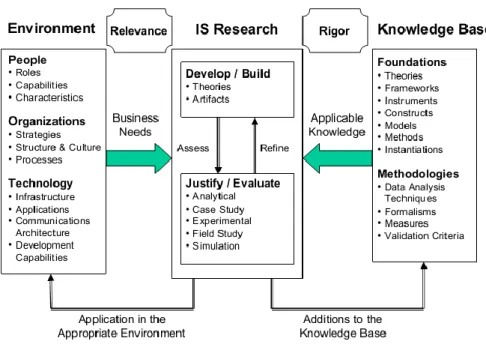
Figure 1 - Collaborative Networks (Camarinha-Matos et al., 2008, p. 10) ... 11Figure 2 – Information Systems Research Framework (von Alan et al., 2004, p. 9) ... 23
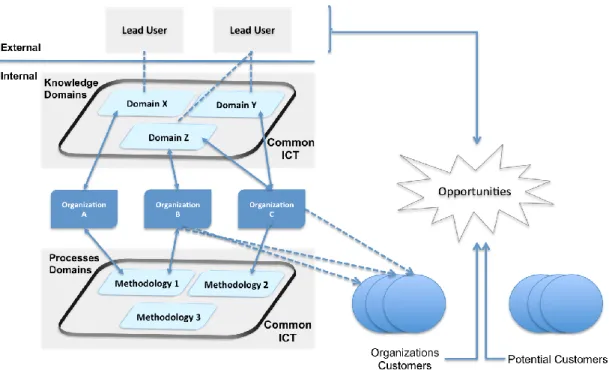
Figure 3 - Integrative Model: Learning phase ... 24
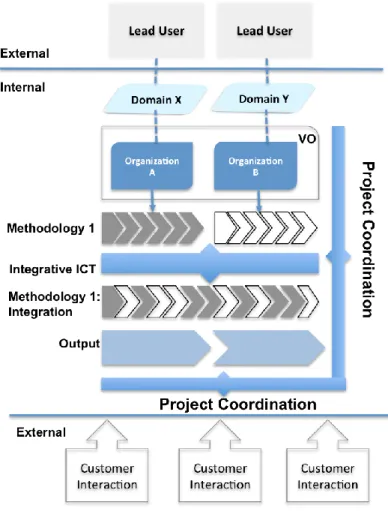
Figure 4 - Integrative Model: Operation Phase ... 27
Index of Tables
Table 1 - Summary of results ... 361 Introduction
1.1 Contextualization
The current study was performed in the context of Master Thesis dissertation project for the Mestrado em Inovação e Empreendedorismo Tecnológico at the Faculdade de Engenharia da Universidade do Porto, in order to assess the predisposition, motivation and conditions from Portuguese software development companies to become part of collaborative network organizations. It has been organized in three main areas:
Relevant literature review about collaboration models evolution between organizations, product development methodologies and lead users;
Integrative model proposal for incremental collaboration mechanisms;
Three exploratory case studies about companies’ predisposition and conditions to collaborate, collaborative product development and lead users involvement within the integrative model;
The identities of the companies as well as interviewees names will not be disclosed due to confidentially agreements.
1.2 Motivation
The importance of knowledge creation and its use to leverage firm’s competitiveness in global markets has led to a number of different organizational designs over the past three decades (Snow et al., 2011).
Starting from single firm organizations, where firms relied entirely on their own resources and knowledge to achieve success in the market (Miles et al., 1978), firms evolved to the multi firm network organizations with new adaptive mechanisms such as outsourcing, off-shoring, downsizing (Miles and Snow, 1986) which lead to the establishment of stable networks (Miles and Snow, 1994).
With the increase of markets dynamics, in high velocity environments characterized by newer technologies and businesses, fast paced and highly competitive markets (Brown and Eisenhardt, 1998), firms faced a new challenge and begun to establish or join communities with other firms, in order to enable knowledge sharing through supporting mechanisms and infrastructured services, improving participants’ ability to network internally and externally (Miles et al., 2009; Snow et al., 2011).
In the recent years, a large variety of collaborative networks have emerged such as dynamic supply chains, extended and virtual enterprises, virtual organizations and professional virtual communities (Camarinha-Matos and Afsarmanesh, 2006b) supported by advances in the information and communication technologies (ICT) areas (Camarinha-Matos and Afsarmanesh, 2005; Camarinha-Matos and Afsarmanesh, 2006b).
The potential benefits of participating in a collaborative network include higher survival rates for highly dynamic markets, common goals achievement by leveraging individual capabilities, access to new and wider markets, risks and resources sharing and joining complementary competences (Camarinha-Matos and Afsarmanesh, 2005; Camarinha-Matos and Afsarmanesh, 2006b). Besides the agility, the new organization forms also induce innovation and creation of new value (Camarinha-Matos and Afsarmanesh, 2005; Camarinha-Matos and Afsarmanesh, 2006b) enabled by the development of new ideas and processes, new resource and technologies combinations.
Collaboration plays an important role in business performance, which is critical for the current markets dynamism and the hypercompetitive global environments (Todeva and Knoke, 2005).
Evolving to a collaborative environment requires a new organizational culture based on commitment, leadership, trust building, effective communication, global and long-term vision, knowledge sharing and innovation (Romero et al., 2008) in a gradual process implying time, effort and dedication (Romero et al., 2008).
Small to medium sized enterprises (SMEs) in particular need to, and have already begun, to collaborate with other organizations to increase their survival rate in the global competition (Durugbo and Riedel, 2013), but there are still practical issues needing clarification for the widespread implementation of collaborative networks (Durugbo and Riedel, 2013).
Other essential dimension of success and survival of organizations is the new product development especially for firms operating in either fast-paced or competitive markets (Brown and Eisenhardt, 1995; Krishnan and Ulrich, 2001). Across several industries firms able to develop new products meeting customer needs in short times are more prone to succeed (Brown and Eisenhardt, 1995; Brown and Eisenhardt, 1997).
The success of Japanese product development practices in the mid-1980s (Imai et al., 1984; Takeuchi and Nonaka, 1986; Brown and Eisenhardt, 1995) characterized by flexibility to perform at a quick pace and rapidly change direction under uncertain and dynamic environments converged under the designation of “Agile” and spread through different industries, such as manufacturing (Ben Naylor et al., 1999; Christopher, 2000) originating the Agile Manufacturing principle (Kidd, 1995) or the software development industry originating the Agile Software Development methodologies and multiple variants (Schwaber, 1997; Dingsøyr et al., 2012).
Understanding user needs and using them as an input to new product development has long been recognized as a critical success factor (Von Hippel, 1986; Urban and Von Hippel, 1988). However not all users are able to provide enriched inputs, since their insights can be constrained by real life experiences (Von Hippel, 1986; Urban and Von Hippel, 1988). The Lead User concept (Von Hippel, 1986; Urban and Von Hippel, 1988; Von Hippel, 1998) has been a research area for long, identified as a source of novel products, processes or services. These
type of users are characterized by having strong needs that will be only general in the market place months or years in the future (Von Hippel, 1986; Urban and Von Hippel, 1988; Von Hippel, 1998). According to Churchill et al. (2009), lead users can be grouped in three categories: “a) lead users in the target application and market; b) lead users of similar applications in advanced “analogue” markets; c) lead users with respect to important attributes of problems faced by users in the target market” (Churchill et al., 2009, p.9).
From this study’s author practical experience with traditional collaboration models limitations for new product development, which were essentially based in the multi firm models (Miles and Snow, 1986), the value recognition in collaborative network organizations models (Camarinha-Matos and Afsarmanesh, 2006b), the potential source of new products from Lead Users (Churchill et al., 2009) and to address the practical issues that need clarification for a wider implementation of collaborative networks (Durugbo and Riedel, 2013), an integrative model for collaboration is proposed, following design-science research guidelines by von Alan et al. (2004) through the creation of a meaningful artifact addressing the need for effective implementation of collaboration networks.
The model is based on two dimensions: the knowledge domain and the processes domain, as results from the personal experience in these areas, from the literature review and from the exploratory case study methodology (Yin, 2014) applied. The model proposes two phases: the learning phase, with the alignment of methodologies and knowledge creation or sharing, and the operation phase, where organizations effectively engage in collaborative networks.
The model has been further validated by the companies participating in the study and improved with their feedback (von Alan et al., 2004), from where a starting point has been defined to implement it in practice in a very short time.
1.3 Objectives
The main objective of this study is to provide an answer to the main research question:
How are Portuguese companies, from the software development industry, willing to join Collaborative Network Organizations?
To answer this research question, an exploratory case study approach has been used, with three Portuguese software development companies, through a qualitative method consisting of interviews to organizations’ CEOs and operating within the software development industry.
Related with the main research question, other two are presented:
How can a suitable collaborative product development methodology be supported?
How can the Lead User concept be integrated in collaborative network organizations?
Another key objective is the proposal and validation of an integrative model that will allow companies to become gradually involved in collaborative network organizations.
1.4 Dissertation Structure
This dissertation is organized in six chapters, with the current chapter being the introduction, study contextualization, motivation and objectives for the dissertation.
Chapter 2 provides a literature review, with a description of the evolution in organizations collaboration models, an overview over the collaborative network organizations presenting the concepts of Virtual Breeding Environments, Virtual Organizations and Professional Virtual Communities. Relevant literature has also been reviewed for product development approaches, focusing on Agile methodologies, and the Lead User concept.
Chapter 3 proposes an integrative collaboration model and describes the methodology applied in the study, presenting the research design, data collection and data analysis description.
Chapter 4 describes the companies participating in the case studies, discusses the results and the validation of the proposed integrative model.
Chapter 5 provides the main conclusions of this study and identifies future extensions that can be made to address its limitations.
2 Literature review
This chapter presents the literature review relevant to the current study. The chapter describes the evolution of organizational designs, from the single firm model to the communities of firms model, presents the collaboration models between organizations and the classes of collaboration. The ECOLEAD (European Collaborative Leadership Initiative) project, developed within the Collaborative Network Organizations (CNO) area is presented as a base for a detailed description of the CNOs framework particularly for the Professional Virtual Communities, Virtual Breeding Environments and Virtual Organizations.
Different new product development approaches, with a particular emphasis on Agile methodologies are then described, concluding with the revision of the Lead User concept.
2.1 From single firms to communities of firms
The single firm model
After the World War II and up until the 1970’s, firms operated independently and with their own internal resources (Miles et al., 1978), according to one of the four strategic orientations as identified by Miles et al. (1978) in their typology: prospector (firms that continuously developed new products, services technologies and markets); defenders (firms with stable product or service lines that leveraged their competence in developing process efficiencies); analysers (firms that used their applied engineering and manufacturing skills to make a new product better and cheaper) and reactors (firms with no consistent strategic approach and drifting accordingly with environmental events).
The three relevant strategy types from Miles-Snow typology (Miles et al., 1978) were also sources of innovation (Miles et al., 1993) and subsequent empirical research on Miles-Snow typology has shown that, on the several industries landscapes observed in the 1960’s-1970’s, the prospector, analyser and defender strategies co-existed successfully within the same industries (Shortell and Zajac, 1990; Zahra and Pearce, 1990).
The perspective of producer-centred innovation has also led to governmental laws and incentives, to protect producers from imitators, and granting them an exclusive but temporary control over their innovations (Machlup and Penrose, 1950; Teece, 1986; Gallini and Scotchmer, 2002). With this political approach, it was assumed that losses occurred by intellectual property rights grants would be overcome by gains with innovation investment (Machlup and Penrose, 1950; Penrose, 1951; Foray, 2004).
Post 1970’s Market & Technological Demands for new organizational designs
The 1970s brought a changing globalized economy as well as increasingly complex technologies, making large hierarchical companies to struggle with this new scenario and bringing upfront new organizational challenges (Peters et al., 1982). A direct response to these new challenges were the new forms of organizational designs based on outsourcing, offshoring,
downsizing and delayering (Peters et al., 1982; Achrol, 1997) as an attempt to resist the competitiveness decline for many US firms in the 1970’s. The large-scale division of labour, brought with Industrial Revolution, was being replaced by specialization and division of business functions (Achrol, 1991).
In the 1980’s, a new organizational form emerged: the network organization (Powell, 1990) also referred by multi firm network (Miles and Snow, 1986). The rise of the Japanese global enterprise, where key success factors appeared to result from external relations, largely contributed to this new design (Achrol, 1997). Achrol (1997) further defined network organization as: “a network organization is distinguished from a simple network of exchange linkages by the density, multiplexity and reciprocity of ties and a shared value system defining membership roles and responsibilities” (Achrol, 1997, p. 59). Other authors, such as Thorelli (1986) explored the definition of a network not only through the positions (strategically occupied by firms) and links resultant from the interaction between positions (Thorelli, 1986), but also in terms of dynamics with the entry, positioning, repositioning and exit processes for network membership (Thorelli, 1986).
Outsourcing as a network organization was related to several industries such as: electronics, biotechnology, automobiles, aerospace, telecommunications, pharmaceuticals, chemicals, healthcare, financial services energy systems and software (Powell et al., 1996; Dahan and Hauser, 2002; Carson, 2007; Hätönen and Eriksson, 2009; Quinn, 2013).
The early multi firm networks aimed the ideal combination of each type of single firm strategy from the Miles-Snow typology: the responsiveness and innovation focus from prospectors, the efficient processes from defenders and resource maximization from analysers (Miles and Snow, 1994).
Although the initial outsourcing strategy seemed to consider cost reduction in order to maximize profits (Hätönen and Eriksson, 2009), Hamel and Prahalad (1990) with the book “The Core Competence of the corporation” (Prahalad and Hamel, 1990) caused a paradigm change so that more strategic functions were outsourced (Quinn, 2013) in order to acquire skills that firms were lacking.
Due to the complexity and ever expanding knowledge in industries such as new materials, biotechnology and information systems, strategic partnerships have presented a substantial growth in the 1980s (Hagedoorn and Schakenraad, 1990; Hagedoorn, 1990). According to Powell et al. (1996), these partnerships evolved to become networks of learning instead of solely being dedicated to compensate lack of skills or based on individual and time limited transactions (Powell et al., 1996).
According to Hagedoorn (1993), strategic partnerships motives at the time were grouped in the following categories: basic and applied research, that could have technological development; innovation processes and market access, with search for opportunities.
Multi firms evolved to strategic partnerships mostly in terms of joint ventures for Research and Development activities in core technologies (Hagedoorn, 2002), which gradually became less popular due to organizational costs of joint ventures in combination with their high failure rate (Kogut, 1988).
The strategy behind still relied in building stable and long term relations to defend a market position or gain competitive advantage (Brown and Eisenhardt, 1998).
In the high-velocity environments, where changes occured so rapidly and in a discontinuous process, information was often inaccurate (Bourgeois III and Eisenhardt, 1988; Eisenhardt, 1989b), and strategic resource needs (in terms of new markets, competitors and pioneering technology) and social resource opportunities (management team well connected and with high status) drove the partnerships between firms (Eisenhardt and Schoonhoven, 1996).
In the late 1980’s / early 1990’s the “Dynamic Network” organization (Miles and Snow, 1994; Miles et al., 1997) emerged as a response to the rapid technological development and market changes which challenged the stable network configuration introducing new partnerships and closing of existing ones, as firms moved in and out of networks and markets (Miles and Snow, 1994).
According to (Fine et al., 2002) a company's real value was creating competency, perhaps its only sustainable one, which might be accumulated from its ability to continuously restructure its value chain (i.e. a network competence (Kakabadse and Kakabadse, 2002).
Rapid change for the 1990s - Communities of Firms for the knowledge age
Miles et al. (1997), envisioned a new organizational form presented as “cellular”, where autonomous business units could act independently but also interact with other “cells” and produced added value outputs (Miles et al., 1997). Under the scope of internal organization structure, this concept evolved to the “Federation of firms” (Boudreau et al., 1998; Snow et al., 2011) where firms were linked through contractual agreements such as joint ventures, strategic alliances, minority investments, consortia, coalitions, outsourcing, and franchises (Boudreau et al., 1998).
The concept of community
According to (Adler, 2001), besides the market form of organization (price mechanism driven) and the hierarchy form (authority driven) a third organizational form appeared: the community organization form based on principles of shared values and norms where knowledge creation is an important driver for their formation (Adler, 2001; Adler and Heckscher, 2006; Miles et al., 2009). The community appears as an alternative for effective knowledge generation (Powell, 1990; Adler, 2001; Adler and Heckscher, 2006), especially in knowledge intensive industries, such as biotechnology, where the trend to interfirm trust originated multilateral network organization forms (Powell, 1990).
For the innovative knowledge based communities, where firms learn to exploit their existing businesses while simultaneously explore new areas (March, 1991) three models are commonly considered (Paavola et al., 2004): the model presented by Nonaka (1991) focusing on knowledge management that placed a central role in tacit knowledge as a main driver for innovation; the model by Engestrom (1999) of expansive learning contextualizing human behaviour within the sociocultural context and the Bereiter (2002) model of knowledge, stating that knowledge can be systematically produced and shared among members of a community.
The knowledge view of the firms identifies knowledge as the most important and final outcome of internal methods and creative processes within the firms which are hard to replicate (Liebeskind, 1996; McLure Wasko and Faraj, 2000).
The community of practice concept (Lave and Wenger, 1991; Wenger, 1998; Wenger et al., 2002) systematizes how groups of people sharing a problem or interest in a certain domain, socially interacting with each other, with the original problem or interest as the connecting link, through a continuous learning process and where process’s produced outputs are again applied to their activities (Lave and Wenger, 1991; Wenger, 1998). Knowledge is then a public good for the community that is created, sustained and exchanged within the community of practice (Brown and Duguid, 1991; Lave and Wenger, 1991).
2.2 Collaboration between organizations
A core organizational capability acting as key driver for communities of firms is collaboration (Camarinha-Matos and Afsarmanesh, 2006a; Pisano and Verganti, 2008; Miles et al., 2009) and the models where it can be achieved.
Pisano and Verganti (2008) identified two dimensions for collaboration processes: the participation mode (open or closed) and the governance mode (flat or hierarchical).
In the open participation and hierarchical mode, any person can join in and offer ideas, but its the engaging company that defines the problem scope and ultimately selects the adequate solution (Pisano and Verganti, 2008). A typical example of this collaboration model is crowdsourcing (Howe, 2006b; Howe, 2006a), where a call for ideas is launched to a potentially large and unknown population (Surowiecki, 2005; Howe, 2006b; Brabham, 2008; Poetz and Schreier, 2012) as a possibility to successfully generate new products (Jeppesen and Frederiksen, 2006; Piller and Walcher, 2006; Poetz and Schreier, 2012).
For the open participation and flat mode, anyone can request and offer ideas, without later judgment of what is and what isn’t a viable solution or innovation (Pisano and Verganti, 2008). Open Source Software (OSS) development is one of the most researched (Lerner and Tirole, 2002) collaboration community with these characteristics (Lerner and Tirole, 2002; Lakhani and Von Hippel, 2003; Von Krogh et al., 2003; Hippel and Krogh, 2003).
In the closed participation and hierarchical mode, the engaging company selects individual participants or groups of participants and decides which ideas will be developed (Sawhney and
Prandelli, 2000; Pisano and Verganti, 2008). Partnering relationships with “Specialist Knowledge Providers” (Tether and Tajar, 2008) either privately held or the public science-based (such as universities and government research institutions) (Hertog, 2000; Kuusisto and Meyer, 2002; Tether and Tajar, 2008) are observed in this category. Another collaborative model is the lead-user involvement (Von Hippel, 1986; Urban and Von Hippel, 1988; Olson and Bakke, 2001; Schreier and Prügl, 2008).
In the closed participation and flat mode, the engaging company selects a group of participants where information and intellectual property is shared and commitment for decision making processes are made within the group (Pisano and Verganti, 2008). In this category, examples of industrial consortia to jointly develop a technology are observed (Hagedoorn et al., 2000; Pisano and Verganti, 2008).
Camarinha-Matos and Afsarmanesh (2006b) defined the collaboration as the overall result of three components extension:
Networking: focusing on the process of communicating and exchanging information, but without any common goal or structure;
Coordination: involving an alignment in time of activities for increased efficiency but where goals can still be set on individual level and each party uses the benefits independently;
Cooperation: besides sharing information and aligning activities, resources may be shared in order to reach a common goal, where overall value is obtained by the sum of each individual’s contribution.
Collaboration is then result of sharing information and resources in order to jointly plan and execute a set of activities towards a common goal (Camarinha-Matos and Afsarmanesh, 2006b), in a development continuum of building blocks, known as the continuum of collaboration (Romero et al., 2009).
The key driver for collaboration is then the strong belief across different organizations that, within a collaborative network, members can achieve goals that would be out of their reach or would have higher costs if pursued individually (Camarinha-Matos and Afsarmanesh, 2005). In addition, the sustainability of the organizations in complex environments is also increased, through the sharing of risks and resources, access to wider markets and knowledge whilst focusing on core competencies and keeping organizational agility, which leads to the creation of new value through innovation processes throughout the collaboration process (Camarinha-Matos and Afsarmanesh, 2006a; Camarinha-(Camarinha-Matos and Afsarmanesh, 2006b; Romero et al., 2009).
Although recognized as an outcome, the value quantification (or the amount of value added by each member) in a collaborative process presents itself as a challenge to define schemas for revenue and liability distribution, more significantly if non tangible goods (services or intellectual
property) are the process outcomes (Matos and Afsarmanesh, 2006a; Camarinha-Matos and Afsarmanesh, 2006b).
2.3 Classes of collaborative networks
Collaborative Networks have been defined as “a network consisting of a variety of entities (e.g. organizations and people) that are largely autonomous, geographically distributed, and heterogeneous in terms of their operating environment, culture, social capital and goals, but that collaborate to better achieve common or compatible goals, and whose interactions are supported by computer network” (Camarinha-Matos and Afsarmanesh, 2006b, p. 30).
These collaborative networks can be identified in different forms and a classification model has been proposed by Camarinha-Matos and Afsarmanesh (2006b) distinguishing Collaborative Network Organizations (CNO), which implicitly have an organization with governance rules and roles for its actors, from Ad-Hoc Collaboration where a community collaborates voluntarily for a common goal, but with no plan or implicit structure defined (like a social cause) (Camarinha-Matos et al., 2005b).
Within the CNO’s two network types are identified: the goal oriented network, with the purpose of targeting a specific opportunity or have a continuous provisioning of products and services, and the long term strategic alliances where main focus is to provide the infrastructure and conditions for the formation of collaboration networks to target specific opportunities (formation of goal oriented networks) (Camarinha-Matos and Afsarmanesh, 2006b). For a better visualization on CNOs’ classification, these are depicted in the Figure 1
.
From the goal-oriented networks, two types are of particular significance: the Virtual Organization (VO) and the Dynamic Virtual Organization. The VO is defined as set of legally independent organisations, that share risks and resources in order to reach a common goal (Camarinha-Matos and Afsarmanesh, 2006b) while the Dynamic VO is essentially the same as a VO, but with a shorter life cycle and being dissolved when the market opportunity is fulfilled (Camarinha-Matos and Afsarmanesh, 2006b).
Figure 1 - Collaborative Networks (Camarinha-Matos et al., 2008, p. 10)
For the long term strategic alliances, the concept of Virtual Organization Breeding Environment (VBE) is of particular relevance – VBEs are groups of organizations (an association or cluster) supported by one or more common institutions, willing to collaborate together on the base of common principles and practices from where a subset of these organizations can be selected to constitute a VO when an opportunity appears (Camarinha-Matos and Afsarmanesh, 2005; Camarinha-(Camarinha-Matos and Afsarmanesh, 2006b).
Several examples of early VBEs were identified across the globe: IECOS (Mexico); CeBeNetwork (Germany); Helice network (Spain); NetworkA (Finland); Virtuelle Fabrik (Switzerland); Torino Wireless (Italy) (Afsarmanesh and Camarinha-Matos, 2007). These examples were confined to specific geographical region and used little support from ICT tools being categorized as 1st generation VBEs (Afsarmanesh and Camarinha-Matos, 2007).
The ECOLEAD Initiative
Belonging to a network has become a key factor for organizations aiming to achieve competitive advantage, and particularly relevant for small and medium sized enterprises (SMEs) (Camarinha-Matos et al., 2008). To accomplish market demands, either in manufacturing or services industries, competencies sharing and resources collaboration are crucial for success (Camarinha-Matos et al., 2005a; Camarinha-Matos et al., 2008).
Over the last years, a large number of R&D projects pursued the establishment of technological foundations and operating practices supporting Collaborative Network Organizations across several geographical regions (Camarinha-Matos et al., 2005a; Afsarmanesh et al., 2007) particularly in Europe, through European Union’s funded programs
(such as ESPRIT, IST, INCO) (Camarinha-Matos et al., 2005a; Afsarmanesh et al., 2007; Camarinha-Matos et al., 2008).
These initiatives produced a large amount of empirical knowledge (Camarinha-Matos et al., 2005a) but very fragmented, dispersed and focused on solving very specific problems without considering broader applicability scenarios (Camarinha-Matos et al., 2008). Research projects such as IST VOSTER Matos and Afsarmanesh, 2004), THINKcreative (Camarinha-Matos, 2004) and VO Map (Camarinha-Matos and Afsarmanesh, 2004) targeted both knowledge consolidation, with the development of a systematic approach for Virtual Organizations theoretical foundation and an holistic approach to this concept (Camarinha-Matos et al., 2008).
The European Collaborative Networked Organizations Leadership Initiative – ECOLEAD - was launched (Camarinha-Matos et al., 2008) as an outcome from the adoption of key results of European roadmap initiatives such as VO Map (Camarinha-Matos and Afsarmanesh, 2004), COMPANION, CE-NET, and ROADCON (Camarinha-Matos et al., 2008),
The project lasted for 51 months, from March 2004 until June 2008, involving 28 partners from industry and academic. A total of 14 countries (12 in Europe and 2 in Latin America, where some of its constituents were already end-user networks (Virtual Breeding Environments and Professional Virtual Communities) acting as real-world validation of project results (Camarinha-Matos et al., 2008).
The ECOLEAD vision was stated as (EU, 2008):
“In ten years, in response to fast changing market conditions, most enterprises and specially the SMEs will be part of some sustainable collaborative networks that will act as breeding environments for the formation of dynamic virtual organizations.”
ECOLEAD overall main goal was to create the necessary foundations and mechanisms for establishing a network based industry society (Camarinha-Matos et al., 2008), addressing the three fundamental and inter-related dimensions: Virtual Breeding Environments, Dynamic Virtual Organizations and Professional Virtual Communities - which are known as the three fundamental pillars, their inter-relationships and horizontal ICT support infrastructures and theoretical foundation for Collaborative Networked Organizations (Camarinha-Matos et al., 2005a; Afsarmanesh et al., 2007; Camarinha-Matos et al., 2008),
ECOLEAD also produced formal approaches to characterize and model value systems and models for the network benefits in a VBE (Abreu and Camarinha-Matos, 2008).
Professional Virtual Communities
One of the three fundamental pillars of the ECOLEAD project, Professional Virtual Communities combines the concepts of Virtual Community and Professional Community (Camarinha-Matos et al., 2005a; Afsarmanesh et al., 2007; Camarinha-Matos et al., 2008).
Virtual Communities are characterized as social network systems of individuals sharing common interests such as sports, science, professions and whose relationships are enabled a diversity of internet technologies (such as online social networks, newsgroups, messaging services, document technologies) sharing and creating knowledge, originating value from their activities (Camarinha-Matos et al., 2008).
Community of Practice (Lave and Wenger, 1991; Wenger, 1998; Wenger et al., 2002) describes groups of people sharing a problem or interest in a certain domain, socially interacting with each other with the original problem or interest as the connecting link, in a continuous learning and knowledge sharing process that leads to the creation of new knowledge (Lave and Wenger, 1991; Wenger, 1998).
When these communities adopt practices and tools from Virtual Communities, they become Professional Virtual Communities (Camarinha-Matos et al., 2008) which is characterized by a group of professional individuals prepared to engage in a collaboration process initiated by a business opportunity, through the creation of Virtual Teams (Afsarmanesh et al., 2007; Camarinha-Matos et al., 2008) sharing a common body of knowledge from their professions and working cultures, problem solving techniques and professional values (Camarinha-Matos et al., 2008).
Professional Virtual Communities, when part of a VBE, can further explore skills from its members which may not be required to the core business of the organizations but can however generate new business opportunities for the benefit of all (Camarinha-Matos et al., 2008).
Virtual Organization Breeding Environments (VBEs)
Virtual Organization Breeding Environments are defined as “an association or pool of organisations and their related supporting institutions, adhering to a base long-term cooperation agreement, and adoption of common operating principles and infrastructures, with the main goal of increasing both their chances and their preparedness towards collaboration in potential Virtual Organizations” (Camarinha-Matos and Afsarmanesh, 2006b, p. 32). For a viable business opportunity identified by a member (broker), an assessment of existing collaborating organizations is performed in order to select a suitable subset of organizations to form a Virtual Organization, to address the opportunity.
Typical example of VBEs include: Industry Clusters - where a group of companies operating in a common business sector establish connections to increase competitiveness through supply chain relationships, technologies or distribution channels; industrial districts – a similar concept to Industry Cluster, but that can cover more than one specific business sector; business ecosystem – which covers a specific region main business sectors and local attributes such as culture and traditions, benefiting from public incentives in many situations (Camarinha-Matos and Afsarmanesh, 2006b).
VBE members must then recognize common interests and agree on the VBE’s Working and Sharing Principles (Galeano et al., 2005; Irigoyen et al., 2006) which can be categorized under
five perspectives (Afsarmanesh and Camarinha-Matos, 2005; Romero et al., 2007; Romero et al., 2009): Organisation - VBE’s players and responsibilites, and the inherent structure and governance model; Business process - the VBE lifecycle; Resources – assets management; Value system and business model membership; Interactions: - Virtual Organization creation process and external interactions.
The main VBE elements (Afsarmanesh and Camarinha-Matos, 2005) include the VBE Members which are the organizations registered at the VBE or supporting institutions; the Roles performed within the VBE such as the VBE Member, VBE administrator, Opportunity Broker, VO Planner and VO coordinator; the Life Cycle which identified the stages the VBE follows and the Assets representing the tangible and intangible outputs of the VBE life cycle.
Virtual Organization Creation
The main reasons for a VBE existence (Camarinha-Matos and Afsarmanesh, 2007b) have been identified has: establishing the underlying trust mechanisms for VO generation; assisting in the creation, agreement and contract negotiation for establishment of VOs; reducing the time to find compatible candidates for the VO and assisting the dynamic VO reconfiguration process. The overall purpose of a VBE is then to gather and process adequate information about organizations competences and preparedness for rapidly engaging in a VO creation process (Camarinha-Matos and Afsarmanesh, 2006c; Camarinha-Matos and Afsarmanesh, 2007b), to target the existing business opportunity.
According to (Camarinha-Matos and Afsarmanesh, 2006c; Camarinha-Matos and Afsarmanesh, 2007b), four phases for a Virtual Organization creation process are foreseen: Planning phase – with the collaboration opportunity characterization and an initial estimate on the VO structure; a consortia formation phase – involving the process of searching and selecting suitable organizations, negotiation between involved parties and the VO composition definition; VO launching phase with the detailed VO planning and the formalization of contracts and agreements between all parties; VO Setup – where effectively the newly formed VO starts operation. Each phase must be supported by adequate ICT tools in order to track on going processes and provide data for post creation VO performance assessment and future process improvements (Camarinha-Matos, 2005; Camarinha-Matos and Afsarmanesh, 2006c; Camarinha-Matos and Afsarmanesh, 2007b).
Joining Virtual Breeding Environments
A critical condition to successful collaborative network organizations is to identify potential members which are prepared to engage in the dynamics of a Virtual Organization Breeding Environment (Romero et al., 2009). The cost of not finding the right partners is the reduced or inexistent agility thus compromising the Virtual Organization objectives (Camarinha-Matos and Afsarmanesh, 2006c).
Assessing the collaboration readiness for potential VBE members willing to engage in posterior Virtual Organizations becomes then a key evaluation factor, so that organizations are
able to understand their stage of preparedness and to implement the necessary changes when failing to fulfil the established requirements (Romero et al., 2008; Romero et al., 2009).
In order to understand if an organization is ready to collaborate, two concepts must be defined: readiness, which means a state of preparedness, promptness, aptitude and willingness (Romero et al., 2008; Romero et al., 2009) and collaboration readiness as the reflection of readiness in providing resources (financial, staff, infrastructure) and assets (technology) to support collaboration across organisational boundaries (Romero et al., 2008; Romero et al., 2009).
Rosas and Camarinha-Matos (2009) identified as key factors for collaboration readiness not only more tangible factors such as competence or technology fit but also less tangible factors such as behaviour, ethic, value system and specially trust (Rosas and Camarinha-Matos, 2009). Although extensive research has been done in what comes to assess readiness from holistic views regarding product and service systems (Durugbo and Riedel, 2013) to contribution of ‘soft’ and ‘hard’ organizations skills (Rosas and Camarinha-Matos, 2009), three key scenarios are identified where readiness should be asserted: readiness for VBE applicants to become VBE member (Romero et al., 2008; Romero et al., 2009); after becoming part of a VBE, the readiness of VBE members to form Virtual Organizations (Romero et al., 2008; Romero et al., 2009); and VBE members continuous improvement for future VO partnering opportunities (Romero et al., 2009).
For the initial stage, where organizations want to become part of a VBE, the readiness assessment focuses on three key dimensions: corporate governance, enterprise architecture and past collaboration performance (Romero et al., 2008; Romero et al., 2009).
The applicant’s corporate governance assessment should identify common interests between VBEs overall strategy and the applicants strategy, a process defined as “strategic fit” (Romero et al., 2009) where by means of explicitly sharing common goals, levelled expectations can be settled and more successful outcomes expected (Romero et al., 2008; Romero et al., 2009).
The enterprise architecture of the applicant is assessed in terms of their market, processes, resources, organization and knowledge contributing for changing rapidly for mutating environmental conditions, for generating results in a short period of time and in the ability to generate solutions in a problem-solving approach for a Virtual Organization (Romero et al., 2008; Romero et al., 2009).
The third key dimension for the VBE Membership applicant is the previous experience in collaborative models (Romero et al., 2008; Romero et al., 2009) such as subcontracting, licensing, cooperatives, join ventures or other types as classified by (Todeva and Knoke, 2005), where organizations more prone to collaborate already have a proven collaborative success history (Romero et al., 2009).
The final outcome of this stage is then admitting the applicant, if this has proven to provide value to the VBE or identifying the gaps between the VBE network architecture requirements and the applicant’s organizational assets, which can be later used to improve the applicant’s capabilities towards a successful admission (Romero et al., 2008; Romero et al., 2009).
After the successful admission into a VBE, members are subjected to a second stage of evaluation, with the purpose of engaging in Virtual Organizations targeting a specific collaboration opportunity (Romero et al., 2008; Romero et al., 2009).
To identify the state of readiness to become a VO partner, a competency based approach (Boucher and Lebureau, 2005; Ermilova and Afsarmanesh, 2006) is used to identify members with the most suitable set of competencies, capacities, capabilities and availability to deliver the required product or service, under the inherent constraints of time, cost and quality while keeping the agility to undergo with transient or more permanent market opportunities (Romero et al., 2008; Romero et al., 2009). Another dimension for evaluation is performance assessment of the possible VO partner past VO’s collaboration activities, within the VBE (Romero et al., 2009).
Being a VBE member and engaging in VO collaboration opportunities shouldn’t contribute to a static membership state (Romero et al., 2009). The third readiness evaluation assessment is the state of remaining ready to collaborate where VBE and VBE’s members work together either to continuously improve member’s preparedness by internally improving their self-learning capabilities or VBEs perform thorough evaluation of collaboration processes to address new areas for improvements (Romero et al., 2009). VBEs can also proactively explore new markets and business models(Loss and Crave, 2011) , and identify potential members with the adequate set of competences or train existing members to acquire and develop the missing ones (Romero et al., 2009).
2.4 New Product Development
Product development has long become a critical competitive advantage factor for firms across the several industries (Brown and Eisenhardt, 1995) and have evoked the interest of many researchers for the last decades (Cooper and Kleinschmidt, 1986; Zirger and Maidique, 1990; Clark and Fujimoto, 1991; Brown and Eisenhardt, 1995; Krishnan and Ulrich, 2001). The ever-changing technologies and market environments have also led to associate product development to deep organizational changes towards the firms efforts to stay competitive in these conditions (Brown and Eisenhardt, 1995).
Brown and Eisenhardt (1995) were amongst the first to review and organize the vast empirical literature within a time span ranging from 1969 to the 1990s, with the purpose of identifying crucial factors affecting the success of product development. As result from their study, Brown and Eisenhardt (1995) have classified the product development successful practices into three categories: “product development as rational plan, communication web, and disciplined problem solving” (Brown and Eisenhardt, 1995, p. 344).
The “rational plan” perspective advocated that success inherent to product development was related to an extensive and careful product planning for an attractive market, the plan execution by skilled and coordinated cross-functional teams and the support of top management (Cooper and Kleinschmidt, 1986; Zirger and Maidique, 1990; Brown and Eisenhardt, 1995). The authors further stated “intrinsic value of the product, including unique benefits to customers, high quality, attractive cost, and innovative features, was the critical success factor” (Brown and Eisenhardt, 1995, p. 351).
The “communication web” approach, favoured both internal and external communication as critical to the product development successful outcome (Brown and Eisenhardt, 1995). The better the project participants communicated between themselves and with key external agents, the more successful the product would be (Brown and Eisenhardt, 1995). The communication with external key agents was also identified by Von Hippel (Von Hippel, 1986; Urban and Von Hippel, 1988; Von Hippel, 1998) as a critical factor to enhance product success.
The success of Japanese product development practices in the mid 1980s (Imai et al., 1984; Quinn, 1985; Takeuchi and Nonaka, 1986) originated the “problem solving” approach, based on problem solving activities underwent by a sufficiently autonomous team combined with the discipline imposed by the presence of a strong leader and the continuous support of senior management who established the product vision (Takeuchi and Nonaka, 1986; Brown and Eisenhardt, 1995). The final result was a “fast, productive development process and a high-quality product concept. ”(Brown and Eisenhardt, 1995, p. 359). The pace for product development was enhanced by allowing overlapping developing phases, through the cross-functional teams, with high communication flow along teams (Takeuchi and Nonaka, 1986; Clark and Fujimoto, 1991; Brown and Eisenhardt, 1995; Eisenhardt and Tabrizi, 1995).
A good product is not good enough
Having a successful product through a pre-established innovation and development process was one of the perspectives for product development (Imai et al., 1984; Quinn, 1985; Takeuchi and Nonaka, 1986; Clark and Fujimoto, 1991; Brown and Eisenhardt, 1995; Eisenhardt and Tabrizi, 1995).
Another essential perspective studied by researchers was the pace of product development and how this induced adaption in the organization to cope with technology and market changes (Brown and Eisenhardt, 1995; Eisenhardt and Tabrizi, 1995; Brown and Eisenhardt, 1997).
In another pioneering study, Eisenhardt and Tabrizi (1995) analysed the product development pace of 72 projects from European, Asian and US computer firms comparing two development models: one experiential, based on flexibility, real-time experience and improvisation for an uncertain process. The other assumed a well-known rational process and relies on shortening or blending the several sequential steps in a “compression” practice.
The compression strategy of clearly defining and planning every step of the process, involving suppliers to simplify execution (Imai et al., 1984; Clark and Fujimoto, 1991), reducing
each step execution time adding overlapping development steps (Clark and Fujimoto, 1991) and providing rewards for “on time” developments proved to accelerate developments for industries that were already mature (Eisenhardt and Tabrizi, 1995).
Eisenhardt and Tabrizi (1995) concluded that fast and successful product development for high velocity environments (Eisenhardt and Tabrizi, 1995; Iansiti and MacCormack, 1996; Iansiti, 1998; MacCormack et al., 2001), characterized by emergent technologies and varying markets surrounded by uncertainty, was linked to an experiential and iterative with frequent testing product development strategy (Quinn, 1985), involving cross-functional teams and strong leadership (Sethi et al., 2001).
The experiential practice as a successful product development practice for high velocity and uncertain environments was further extended by a number of other authors in the literature (Iansiti and MacCormack, 1996; MacCormack et al., 2001), addressing the flaws of the sequential project “stages” separated by a milestones called “gates” (e.g. the stage-gate model (Cooper and Kleinschmidt, 1993; Ulrich, 2003).
Becoming Agile
The flexibility to perform at a quick pace and rapidly change direction under uncertain and dynamic environments converged under the designation of “Agile” and spread through different industries, such as manufacturing (Ben Naylor et al., 1999; Christopher, 2000) originating the Agile Manufacturing principle (Kidd, 1995) or the software development industry originating the Agile Software Development methodologies (Schwaber, 1997; Dingsøyr et al., 2012).
Based on the article published by (Takeuchi and Nonaka, 1986) “The New Product Development Game”, Sutherland and Schwaber (1995) jointly presented a new software development methodology, based on the scrum description from Takeuchi’s article, and in the principles of Object Oriented software design and development.
Schwaber (1997) presented a formal practical framework to address the complexity of system development processes where a high degree of flexibility is needed to cope with unpredictable project developments – the scrum methodology.
One of the main principles for the scrum methodology is the flexibility of the product delivered where content is set according to the environmental variables such as time available, competing products, cost of production and functionality (Schwaber, 1997).
Key aspects of the scrum methodology include market intelligence, close and constant customer feedback and team’s cross-functional competences. Addressing the uncertainty, frequent adjustments to delivered outputs can occur during the project (Schwaber, 1997).
The Agile Software Development practices led to the Agile Manifesto (Beck, 2001), where a group of influent practitioners not only from the scrum methodology but also from other Agile practices such as eXtreme Programming (XP), lean software development, feature-driven
development (FDD), and crystal methodologies (Dingsøyr et al., 2012) defined the Values and Principles of Agile Software development.
Agile Software Development has gained increasing interest from the research community, since the Agile Manifesto statement in 2001, through the growing number of scientific publications, the popularity in scientific forums and the countries’ wide footprint in Agile research (Abrahamsson et al., 2009; Dingsøyr et al., 2012).
2.5 Lead Users
To face the problem of lack reliability of user needs for new products or product categories changing rapidly in time (Von Hippel, 1986; Urban and Von Hippel, 1988), Von Hippel presented his theory of “Lead User” defining them as “users whose present strong needs will become general in a market place months or years in the future” (Von Hippel, 1986, p.791). Von Hippel claimed that regular users selected for marketing research were constrained by their limited usage needs and thus not likely to reach beyond and generate new products ideas (Von Hippel, 1986). Taking a step further and in order to fill the existing need, a lead user may develop prototype products or services to benefit before they are commercially available (Von Hippel, 1986; Churchill et al., 2009).
Proceeding in his research, Von Hippel (1986) also found that in the areas of scientific instruments and in the electronics industry on the previous years to his research, a large percentage of innovations were coming from the users with advanced needs (Von Hippel, 1986). Other technology intensive industries such petrochemical, computer and CAD systems have confirmed the high percentage of innovations (Urban and Von Hippel, 1988; Lilien et al., 2002; Lüthje, 2003; Franke and Hippel, 2003; Lüthje et al., 2005)
To complete his theory, Von Hippel (1986) proposed a Lead User market research method (Von Hippel, 1986; Urban and Von Hippel, 1988) that has been applied through several experimental practices to confirm the initial model: one such case was Hilti AG’s new pipe hangers system where the new product concept development time was reduced by half (Herstatt and Von Hippel, 1992). The most representative example is the 3M’s IGLU (Idea Generation with Lead Users) research project (Von Hippel et al., 1999) that resulted in projects with higher degree of novelty, addressing more newer customer needs, forecasted market share and sales significantly higher than the projects being funded at the time (Von Hippel et al., 1999; Lilien et al., 2002).
The Lead User theory has been also studied outside the firm’s innovation processes from technologically intensive industries and extended to other areas such as outdoor consumer sports and extreme sporting communities where the innovations applied by this key group of users can significantly improve current equipment designs or create new ones (Shah, 2000; Franke and Shah, 2003; Lüthje et al., 2005; Franke et al., 2006; Schreier et al., 2007). Lead users may act still as opinion leaders and contribute significantly to the diffusion and adoption of new products, due to their status within the community of related field (Schreier et al., 2007).
The Lead User method
The Lead User method for market research study involves four essential steps (Von Hippel, 1986; Urban and Von Hippel, 1988; Churchill et al., 2009) that can be described in four steps: “(1) Specify the characteristics a Lead User will have in the product/market segment of interest; (2) Identify a sample of Lead Users who fit these Lead User criteria; (3) Bring the sample of Lead Users together with company engineering and marketing personnel to engage in group problem-solving; (4) Test whether concepts found valuable by Lead Users will also be valued by the more typical users in the target market.” (Herstatt and Von Hippel, 1992, p. 5).
According to Churchill et al. (2009), lead users can be grouped in three categories: “a) lead users in the target application and market; b) lead users of similar applications in advanced “analog” markets; c) lead users with respect to important attributes of problems faced by users in the target market” (Churchill et al., 2009, p. 9).
Identifying Lead Users
Since Lead Users are not “regular” types of users, it is important to characterize what describes this type of users: field-dependent characteristics (consumer expertise and use experience) as well as field-independent variables (locus of control and innovativeness) are key attributes to narrow the scope and improve the search process (Schreier and Prügl, 2008).
Applying a technique named as “Pyramiding” (von Hippel et al., 2009), where instead of asking individuals to identify others that possess equal knowledge of the desired attribute, asks people for references of others that know more of that attribute, until the top of the pyramid is achieved (von Hippel et al., 2009), has resulted in higher levels of lead user identification have been obtained (Von Hippel et al., 1999; Olson and Bakke, 2001; Lilien et al., 2002; von Hippel et al., 2009).
Follow up on Lead User method implementation
Although the “Lead User method” has proven good results in terms of product innovations and commercial acceptance (Herstatt and Von Hippel, 1992; Von Hippel et al., 1999; Lilien et al., 2002), there are also other researched situations where the adoption of Lead User methods in New Product Development failed to have a continuous implementation (Olson and Bakke, 2001). Although initial successful new products concepts and ideas were generated and the cross functional routines for team work, the follow up performed afterwards revealed that management abandoned the Lead User process due to lack of time and resources (personnel turnover). Olson and Bakke (2001) in their analysis, concluded that the reasons presented are in fact the result of “poor organizational learning caused by a desire to avoid ambiguity, compartmentalized thinking and inertia” (Olson and Bakke, 2001, p. 395). The authors also argued that Lead User method can be time consuming and resource intensive being this a severe obstacle for firms to overcome (Olson and Bakke, 2001).
3 Methodology
The previous chapter presented the literature review on areas pertinent to this study: evolution of organizational designs, collaboration models between organizations and the classes of collaboration. Different new product development approaches, with a particular emphasis on Agile methodologies have been described, concluding with the revision of the Lead User concept.
This chapter proposes an integrative collaboration model and describes the methodology applied in this study with research design, data collection and data analysis performed.
3.1 Motivation
Research methods are considered the basis of knowledge production for all areas (Dubé and Paré, 2003). The increase of different research methods and specifically of qualitative methods appear as a result of different philosophical perspectives and different trends in research topics (Dubé and Paré, 2003). From the different qualitative research methods available (Berg and Lune, 2004), case studies are the most frequent (Piekkari et al., 2008).
According to Eisenhardt (1989a), case study research can be defined as “a research strategy which focuses on understanding the dynamics present within single settings.” (Eisenhardt, 1989a , p.534 ). Yin (2014) describes case study research as an empirical process of investigating a phenomenon that occurs in real life and especially when the boundaries between the phenomenon and context are not clear. Case study research becomes appropriate when a phenomenon is complex and wide, an overall comprehension and investigation are needed and when it’s not possible to study it outside the bounding context (Dubé and Paré, 2003; Yin, 2014), such as organizational and management processes (Yin, 2014).
According to Yin (2014), case study research should be used when the purpose is to answer questions such as “how” or “why”, when investigator has little or no possibility to control the events and when the phenomenon is to be studied in a real-life context. The research questions to be answered in this study are related to this method:
How are Portuguese companies, from the software development industry, willing to join Collaborative Network Organizations?
How can a suitable collaborative product development methodology be supported?
How can the Lead User concept be integrated in collaborative network organizations?
Still according to (Yin, 2014), three different types of case study research can be identified: Exploratory case studies, which are conducted to define research questions and hypotheses; Explanatory case studies that seek establish a link from an event with its effects, suitable for investigating causality and Descriptive case studies used to illustrate events and their specific