University Institute of Lisbon, School of Social Sciences and Humanities Department of Social and Organizational Psychology
Boosting Children’s Creativity through
Creative Interactions with Social Robots
Patrícia Alves-Oliveira
Thesis specially presented for the fulfillment of the degree of Doctor in Psychology Thesis performed under the co-affiliations: Human-Robot Collaboration & Companionship Lab
at Cornell University, and INESC-ID from Instituto Superior Técnico, Universidade de Lisboa
Supervisor:
Ph.D. Patrícia Arriaga, Assistant Professor Iscte - University Institute of Lisbon
Co-supervisors:
Ph.D. Ana Paiva, Full Professor
Instituto Superior Técnico, Universidade de Lisboa Ph.D. Guy Hoffman, Associate Professor
Cornell University
Research reported in this dissertation was financed by the Portuguese Foundation for Science and Technology (FCT) via an individual PhD grant to the author (SFRH/BD/110223/2015).
Abstract
Creativity is an ability with psychological and developmental benefits. Creative levels are dynamic and oscillate throughout life, with a first major decline occurring at the age of 7 years old. However, creativity is an ability that can be nurtured if trained, with evidence suggesting an increase in this ability with the use of validated creativity training. Yet, creativity training for young children (aged between 6-9 years old) appears as scarce. Additionally, existing training interventions resemble test-like formats and lack of playful dynamics that could engage children in creative practices over time. This PhD project aimed at contributing to creativity stimulation in children by proposing to use social robots as intervention tools, thus adding playful and interactive dynamics to the training. Towards this goal, we conducted three studies in schools, summer camps, and museums for children, that contributed to the design, fabrication, and experimental testing of a robot whose purpose was to re-balance creative levels. Study 1 (n = 140) aimed at testing the effect of existing activities with robots in creativity and provided initial evidence of the positive potential of robots for creativity training. Study 2 (n = 134) aimed at including children as co-designers of the robot, ensuring the robot’s design meets children’s needs and requirements. Study 3 (n = 130) investigated the effectiveness of this robot as a tool for creativity training, showing the potential of robots as creativity intervention tools. In sum, this PhD showed that robots can have a positive effect on boosting the creativity of children. This places social robots as promising tools for psychological interventions.
Keywords: creativity, social robots, children, intervention
PsycINFO Codes: 3500 Educational Psychology; 3350 Specialized Interventions; 4010 Human Factors Engineering; 4140 Robotics.
Resumo
Criatividade é uma habilidade com benefícios no desenvolvimento saudável. Os níveis de criatividade são dinâmicos e oscilam durante a vida, sendo que o primeiro maior declínio
acontece aos 7 anos de idade. No entanto, a criatividade é uma habilidade que pode ser nutrida se treinada e evidências sugerem um aumento desta habilidade com o uso de programas validados de criatividade. Ainda assim, os programas de criatividade para crianças pequenas (entre os 6-9 anos de idade) são escassos. Adicionalmente, estes programas adquirem o formato parecido ao de testes, faltando-lhes dinâmicas de brincadeira e interatividade que poderão motivar as crianças a envolverem-se em práticas criativas ao longo do tempo. O presente projeto de doutoramento procurou contribuir para a estimulação da criatividade em crianças propondo usar robôs sociais como ferramenta de intervenção, adicionando dinâmicas de brincadeira e interação ao treino. Assim, conduzimos três estudos em escolas, campos de férias, e museus para crianças que
contribuíram para o desenho, fabricação, e teste experimental de um robô cujo objetivo é ser uma ferramenta que contribui para aumentar os níveis de criatividade. O Estudo 1 (n = 140) procurou testar o efeito de atividade já existentes com robôs na criatividade e mostrou o potencial positivo do uso de robôs para o treino criativo. O Estudo 2 (n = 134) incluiu crianças como co-designers do robô, assegurando que o desenho do robô correspondeu às necessidades das crianças. O Estudo 2 (n = 130) investigou a eficácia deste robô como ferramenta para a criatividade, demonstrando o seu potencial para o treino da criatividade. Em suma, o presente doutoramento mostrou que os robôs poderão ter um potencial criativo em atividades com crianças. Desta forma, os robôs sociais poderão ser ferramentas promissoras em intervenções na psicologia.
Acknowledgments
Doing a PhD is so much about the journey. I want to express my gratitude to everyone who walked with me during these years. I would like to start expressing my deepest gratitude to all of my supervisors, Patrícia Arriaga, Guy Hoffman, and Ana Paiva. I have been honored to work with them and everything I accomplished would not have been possible without their mentorship, guidance, and trust. Each of my supervisors comes from a different discipline and the combination of this interdisciplinary mentorship from the fields of psychology, computer science, mechanical engineering, and robotics, enabled me to grow and expand in ways I could never image. I want to thank Patrícia for her incredible capacity to work side-by-side with me, and for teaching me to deepen my scientific thought over and over again. This empowered me with the necessary tools to achieve my PhD goals and extended my capacity as a researcher. It was in those moments that I re-connected with the passion that brought me to academia in the first place. I would like to thank Guy for being such an incredible role model. I could not have asked for a more inspirational, passionate, and visionary mentor. Our weekly meetings, the classes, and the lab discussions taught me the precious value of hard work. Guy helped me stick through the hard times of my PhD, to never give up, and to see the beauty of the process. This strengthen my persistence and endurance and showed me the importance of owing my own work. I am deeply grateful for having Ana as my supervisor. Ana has been a passionate mentor even before the beginning of my PhD as we have been working together for 7 years now! Ana’s vast experience guided me throughout the different aspects of the academic world, teaching me how grow into an independent researcher. I am grateful for all the opportunities that Ana provided and for always being available to mobilize resources which resulted in unique opportunities for connecting and collaborating with others.
I am profoundly grateful to Cecília Aguiar, who was part of my external committee since the very beginning of my PhD. The annual feedback from Cecilia was essential to clarify where I made progress and where I should be focusing next.
I also want to express my gratitude to Oren Zuckerman from IDC Herzliya, for taking me at the Media and Innovation Lab in Israel for a summer internship. The hands-on experience vibe of this lab was contagious and absolutely eye-opening for new ways of conducting research. Not to mention that Tel-Aviv provided a great cuisine, weather, and a fantastic cultural background experience!
Additionally, I take this chance to thank who helped me navigate throughout the PhD bureaucracy. A super thanks to Marco Rego, Marcia Sawyer, and Sandra Sá. Bureaucracy rocks with you!
Having three supervisors from three different universities, made me privileged to belong to several different labs where I met incredible, outstanding, and intelligent people. Sharing my daily struggles and accomplishments with them was a life-savior. From my Lab at Iscte, I wish to thank Isa Figueira, Inês de Oliveira, Eduardo Reis, and Sara Soares. From Cornell University, I want to thank Michael Sugitan, Vighnesh Vatsal, Matt Law, Thais Campos, Doga Yücalan, and Samalis Santini. From Instituto Superior Técnico (INESC-ID), I want to thank Kim Baraka, Filipa Correia, Tiago Ribeiro, Miguel Vasco, and Sofia Petisca. I want to give a special thanks to all the people that directly contributed to my PhD project. To Margarida Antunes, Ana Bispo, Ankita Chandak, Albert Chu, Ian Cloutier, Rebecca Cooper, Matthew A. Cronin, Samuel Gomes, Priyanka Kompella, Beatriz Maia, Diogo Martins, Peter Moegenburg, Daniel Mota, Andreia Nóbrega, Daniela Nunes, André Pires, Isabel Valverde, and Carla Xavier - thank you very much, you were all essential elements of this work!
Iscte, Cornell University, and Instituto Superior Técnico (INESC-ID) were incredible places to develop my work. I enjoyed so much the surrounding nature in Cornell as it always centered my mind and made me at peace. I enjoyed Iscte and INESC-ID in Lisbon as they are located in my home city, which meant I got to be close to so many people that are dear to me. To my friends in Lisbon that know me for so many years, I am grateful for all the many times we got together for dinner, drinks, dancing, and late-night conversations. Thank you with all my heart Filipa Oliveira, Mafalda Magalhães, Ricardo Pereira, Ana Isabel, Daniel Pimentel, and Ricardo Major. During my PhD, I lived in five different houses between Lisbon and Ithaca. I had incredible and fun roommates and I will never forget the delicious dinners we cooked together. Thank you so much for the good times Alberto Provedel, Guillaume Bauchet, Silvia Tulli, Rita Tulha, Peter Daboczi, Fabian Giska, Ela Correa, Sijan Khan, and Sabrina. You have made my life so much better.
I want to thank my family for everything. Words cannot contain all the love and gratitude I feel. I am deeply grateful to my mom and my dad for supporting my studies and valuing the presence of education in my life. Nothing of what I accomplished would have been possible without their incredible efforts, love, and caring for me. I want to thank my mom, Fernanda, for teaching me to be the best version of myself in everything I do. I have learned so much just by looking at how she does things. I am thankful to Tobias for being the most amazing, goofy, and smart brother in the world. It has been a pleasure to grow up together with him. I have the most magical, beautiful, and brave sister in the world, Jessica. I want to thank her for all the things she has taught me, most of them unintentionally and without being aware of it. I want to thank Christoforo, my boyfriend, who I am so happy to have met. He is the best partner in all my adventures.
On a more technical note, I am grateful for all the children, parents, teachers, and staff that embraced my project and with whom I have collaborated during these years. Specifically, I would like to thank Colégio Campo de Flores, Colégio Cocas, Ardozia, The Inventores, Colégio São Francisco de Assis, Sciencenter, Colégio da Fonte, Colégio Pedro Arrupe, Cayuga Heights Elementary, Ithaca Community Childcare Centre, and Associação Infante Sagres. I also want to express my gratitude to Professor Sara Ibérico Nogueira for the time she has put on training me within the field of creativity research.
On a lighter note, I want to thank my classic ballet teachers Palmira Camargo, Miranda Strichartz, Cindy Reid, and Rachel Myers, who taught me ballet in the many cities I lived during my PhD. I also want to thank Juliana and Mark for their classes. Ballet is all about perfecting movements by repetition and not giving up during hard poses. This is what makes a dancer move forward in the practice. This philosophy somehow accompanied my PhD, leading me to find the beauty of hard work, method, and focus.
Table of Contents
Index of Tables……….…12
Index of Figures………13
Index of Acronyms………...16
Chapter 1. General introduction………18
Overview of the current thesis………...19
Studying social robots with a psychology lens………..24
Chapter 2. Theoretical underpinnings………...27
Abstract………..28
Social humans and social robots………29
Social robots design space……….45
Creativity definition, development, and measurement………..54
Chapter 3. Systematic review of creativity interventions for children………...59
Abstract………..60
Introduction………61
Theoretical Background……….62
Method………...65
Taxonomy of Creativity Interventions………...85
Results………89
Discussion………110
Conclusion………...…113
Highlights……….116
Chapter 4. Activities with robots to unlock creative potentials……….118 Abstract………119 Theoretical background………...120 Method……….123 Results………..130 Discussion………135 Highlights……….138
Implications for this thesis………...138
Chapter 5. Designing, fabricating, and programming YOLO, a robot for creativity…….140
Abstract………141 Theoretical background………...…142 Designing YOLO……….146 Building YOLO………...176 Programming YOLO………...191 Conclusion………...203 Highlights……….204
Implications for this thesis………...204
Chapter 6. Empirical evidence of robots as creativity-flourishing tools………...205
Theoretical background………...206
Method……….…………210
Results………..221
Discussion………227
Chapter 7. General discussion………..………..………..……231
Reflections for Future Studies in Child-Robot Interaction for Creativity………...235
References………..………..………..……….239
Appendix………..………..………..………...320
Appendix A………..321
Index of Tables
Table 1. Summary of selected definitions of creativity………56
Table 2. Inclusion and exclusion criteria according to PICO Framework………66
Table 3. Search-terms used in different databases………68
Table 4. Descriptors of the studies included in the systematic review……….73
Table 5. Quality assessment………,,,,,,……82
Table 6. Taxonomy of the creativity elements………..……90
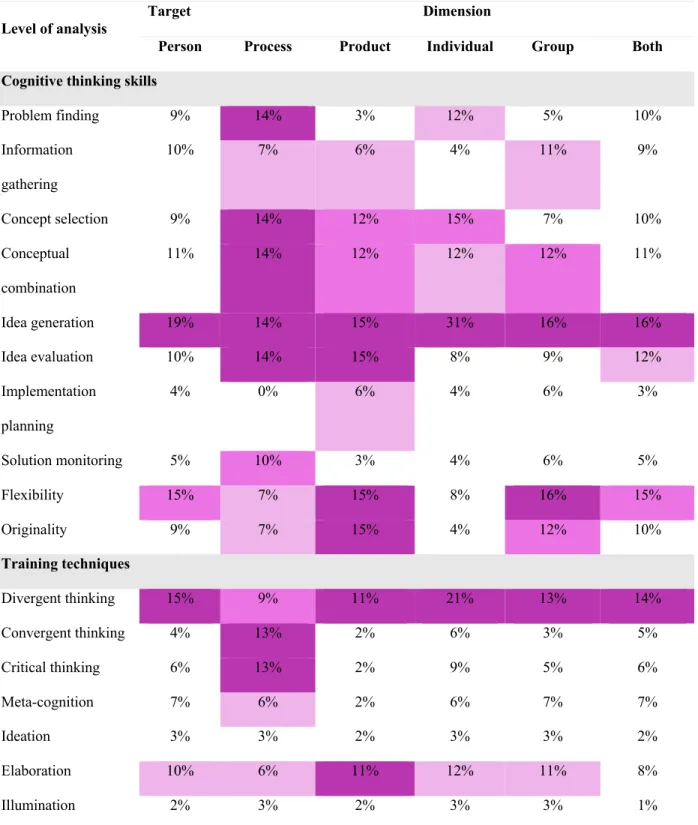
Table 7. Level of analysis of creativity interventions………,………106
Table 8. Sample demographics ………..124
Table 9. Adaptation of the terminology of personalities for children…….………129
Table 10. Values of TCT-DP according to study conditions………..…131
Table 11. Mean values of TCT-DP dimension adaptiveness and innovativeness..………134
Table 12. Design Process of the robot ………159
Table 13. Design files to build YOLO………182
Table 14. Materials and their usages required to initialize YOLO.………189
Table 15. YOLO software functionalities………..………196
Table 16. Sample demographics of eligible participants as a function of conditions…….……211
Table 17. Comparison of conditions according to controlled variables ………222
Index of Figures
Figure 1. Example of an interaction between children and YOLO………...…...21
Figure 2. Roadmap for the present thesis’ chapters.……….………23
Figure 3. Research space of the current thesis.……….………24
Figure 4. Visual summary of the Extended Classification Framework………30
Figure 5. Summary of robot’s appearance classification.……….………34
Figure 6. Classification of relational roles of robots towards humans………..…………37
Figure 7. Six roles that children might have in the design of new technologies………..………47
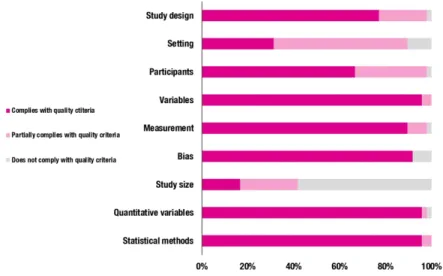
Figure 8. Flow chart of data collection of articles according to PRISMA-P guidelines……..…70
Figure 9. Quality assessment………72
Figure 10. Taxonomy of Creativity Elements………...………86
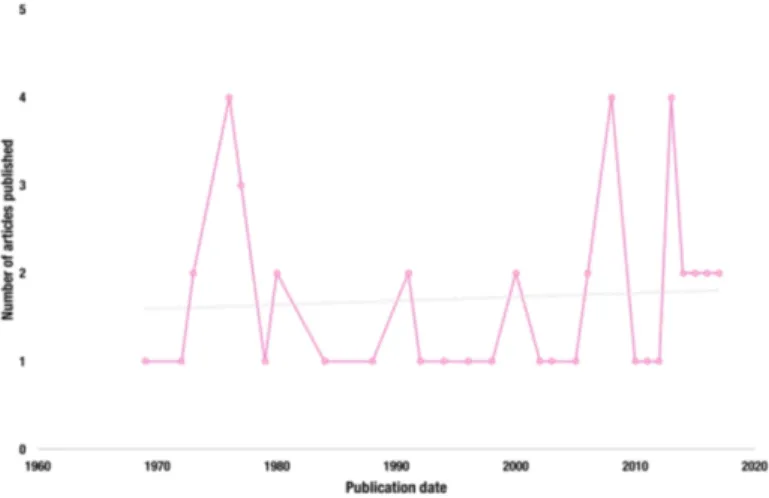
Figure 11. Recency of publications on creativity interventions for children.………...…99
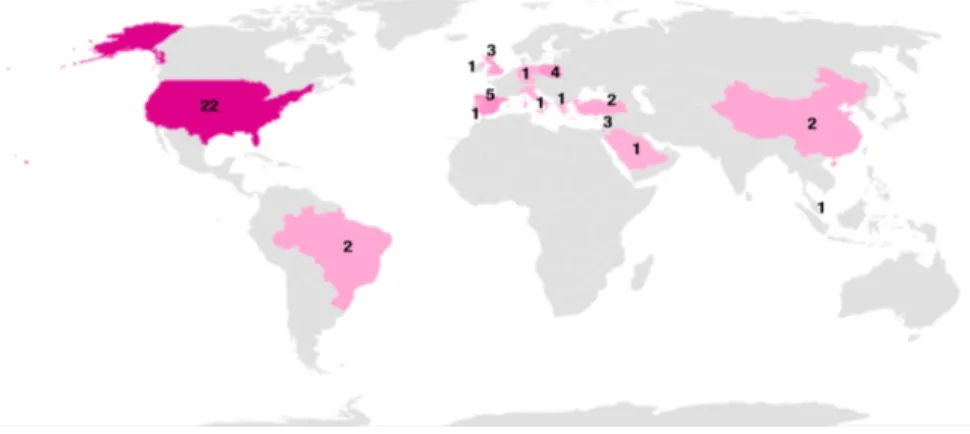
Figure 12. World map of publications of creativity interventions.………...………..100
Figure 13. Word cloud extracted from the keywords of publications………101
Figure 14. Percentage of the attributes of creativity.………..…………102
Figure 15. Dash and Dot robots used for the study………...………..……128
Figure 16. Paper prototypes used for the study……….………..……130
Figure 17. Changes of TCT-DP global scores………132
Figure 18. Difference between pre- and post-testing for each TCT-DP item……….……133
Figure 19. Changes of TCT-DP innovativeness……….………135
Figure 20. Roadmap of the work performed to develop YOLO………145
Figure 21. Iterative prototypes of the robot………161
Figure 23. Paper-cubes used during the co-design study with children………..………164
Figure 24. Example of a sketch produced by a child using paper-cube………..………165
Figure 25. Children playing with the robot and picking cards………168
Figure 26. Perspective views of YOLO………..…………177
Figure 27. Detailed views on YOLO robot……….………178
Figure 28. YOLO’s drawing with main dimensions………...………180
Figure 29. YOLO’s exploded view……….……181
Figure 30. YOLO parts lineup………183
Figure 31. Close-ups on YOLO’s inside.………184
Figure 32. YOLO’s assembly flow……….………186
Figure 33. Wiring schematics of YOLO with visual components………..………188
Figure 34. Operating instructions for YOLO………..………190
Figure 35. Storytelling arcs associated with creativity techniques……….……192
Figure 36. Architecture of the modules that compose YOLO software……….………197
Figure 37. Workflow of the ML algorithm for shape recognition used by YOLO………198
Figure 38. Movement shapes performed by YOLO.………..199
Figure 39. State machine diagram………...………200
Figure 40. Use-case example of a child using YOLO………201
Figure 41. Play sequence between a child and the YOLO robot.………...……209
Figure 42. Time measurements included Latency and Exploration time.…………..…………217
Figure 43. Increase in verbal creativity (CREA) from pre to post-test………...………225
Figure 44. Duration of story creation as a function of conditions ……….………226
List of Acronyms HRI………...………Human-Robot Interaction HCI……….Human-Computer Interaction WoZ……….Wizard of Oz UCD………...User-Centered Design PD……….Participatory Design AI……….Artificial Intelligence ML………Machine Learning
“Num país e num mundo onde há famílias sem casa e doentes sem tratamento e sem hospital a questão da liberdade de criação artística e intelectual pode parecer uma questão secundária. Mas sabemos que a cultura influi na estrutura social e na estrutura política. E, por isso, a questão da liberdade na cultura é uma questão primordial.” Sophia de Mello Breyner Anderson Intervenção na Assembleia Constituinte em 1975
(In English) “In a country and in a world where there are families without a home and patients without treatment and a hospital, the issue of freedom of artistic and intellectual creation may seem a secondary issue. But we know that culture influences the social structure and the political structure. And, therefore, the issue of freedom in culture is a primary issue.” Sophia de Mello Breyner Anderson Intervention at the Constitutional Assembly in 1975.
Overview of the Current Thesis
Robinson (2001) characterized creativity as being at the heart of what it means to be human. During childhood, we spend most of our time between fantasy and pretend play, creating new worlds, exploring, and living in fantasy (Russ, Robins, & Christiano, 1999). As we grow older, critical thinking skills take over and gradually we let go of the creative elasticity that our brain was functioning for. Despite becoming more efficient and skilled as adults, we also become less risk-taking, exploratory, and original (Gopnik, Griffiths, & Lucas, 2015; Roberts, &
Mroczek, 2008). We, therefore, might trait our fearless creative imagination for a more grounded sense of the world.
Creativity is considered one of the highest human cognitive abilities with innumerous benefits to health and personal growth (Krathwohl, & Anderson, 2009). It is a skill related to one’s well-being and healthy development (Collard, & Looney, 2014) and relates to our sense of self-expression and identity (Collard & Looney, 2014; Robinson, 2011). It sets up the mood for joy, wonder, excitement, efficiency, and pleasure into moments of our lives (Baer, 2017;
Kaufman, 2018b). Creativity is considered a transferable skill since it benefits different areas of human development and growth (Chadha, 2006). Additionally, competencies of problem-solving and thinking outside of the box and rewarded in later life stages (Kaufman, 2018b) as they constitute one of the most sought-after workforce skills due to the shift of developed societies from industrialized to creative economies (Robinson, 2011). Indeed, creativity during childhood appears as a predictor of creativity levels in adulthood (Ayman-Nolley, 1992). Therefore, it is crucial to stimulate this ability in the early stages of life.
Despite its benefits, creativity levels are dynamic during life and tend to suffer a first major oscillation around the age of 7 years old (Kogan, 1973; Sawyer et al., 2003; Spodek &
Saracho, 2014). At this age, a tendency for creativity levels to decrease is reported to occur in a phenomenon named “creativity crisis” (Kim, 2011). This decline has been associated with diverse factors, such as formal education and conformity behaviors towards peers, among others (Runco, Acar, & Cayirdag, 2017). Nonetheless, creativity is a skill that can be developed if trained (Scott, Leritz, & Mumford, 2004). Existing creativity training programs for young children have been designed, developed, and validated. While some of these programs include play dynamics that engage children in the training process, others still resemble test-like formats, lacking joyful and playful elements. Therefore, there is a need to continue developing programs that are pleasurable for children (Chan, & Yuen, 2014; Kogan, 1973; Runco, Acar, & Cayirdag, 2017).
Given the benefits of creativity but also its decline in early ages of life, this thesis aims to contribute to nurturing this ability in young children. As current intervention programs for creativity are scarce and given the willingness of children to interact with technology (Belpaeme, Kennedy, Ramachandran, Scassellati, & Tanaka, 2018), we proposed to use social robots as tools for creativity interventions. Towards this goal, we have designed, fabricated, and tested a social robot for storytelling interactions with children. During the interaction with the robot in the context of storytelling, we expect to positively impact on their creativity levels. This thesis thus relies on knowledge from different disciplines, including Psychology, Design Research, and Human Robot-Interaction (HRI) (see Figure 1).
The primary goal of this PhD work was to contribute to increasing creativity in children. To do so, we have developed a social robot named YOLO that was used as part of an
Figure 1. Example of an interaction between children and YOLO during storytelling play. Children move the robots on the floor as a storytelling character stand-in. Based on the
trajectories detected by the robots’ motion sensors, they take on different personalities that either mirror or contrast the children’s story lines, as a creativity-stimulating technology intervention. Retrieved from Alves-Oliveira, Arriaga, Paiva, and Hoffman (under review).
storytelling activity between children and the robot in which the robot autonomously acted as a character for children’s stories. Through the interaction between children and the robot,
creativity is expected to be promoted (see Figure 1)1 (Alves-Oliveira, Arriaga, Paiva, &
Hoffman, 2020). For this to occur, the robot behavior was designed to include behaviors that potentially could trigger creativity responses during the interaction. This thesis includes literature review om creativity, the development of a robotic character as a way to innovate creativity training, and an experimental study to test the effects of the intervention. The present document is organized as follows (see Figure 2):
1We present a video describing the research intervention and technical features of the robot that designed and
developed to be an intervention tool for creativity:
https://www.youtube.com/watch?v=e-K3J5UZ9M4&feature=youtu.be.
Chapter 1 presents a general introduction for this thesis, explaining the interdisciplinary nature of this work and framing the contributions accordingly.
Chapter 2 introduces the theoretical underpinnings relevant to this thesis. We address key concepts from the field of HRI, such as the notion of what is a social robot and what research efforts have been developed for the inclusion of robots as research tools. Secondly, we clarify notions from the field of Design Research that grounded this work, namely concepts related to User-Centered Design (UCD), Participatory Design (PD), and the role of children when
designing technologies. Thirdly, we provide literature on creativity research, including variables associated with creativity and different methods to measure creativity in children derived from the field of Psychology.
Chapter 3 concerns a systematic literature review of interventions for creativity
dedicated to children. We presented a review of evidence on creativity interventions for children from 5-12 years old by systematically reviewing publications from 1950 to 2018. Therefore, this review included 68 years of research and provided an additional classification system with multiple levels of analysis for characterizing intervention programs, thus expanding the literature on this topic. The collected evidence from this work supported the choice of techniques for stimulating creativity within the scope of our work. Specifically, this review informed what methods could be used to design a social robot whose interaction modalities with children that would raise their creativity levels.
Chapter 4 reports on our first experimental study aimed at investigating if activities with robots promote creativity in children. Towards this goal, we have studied existing activities with robots already implemented in schools to understand the potential of using this type of
Figure 2. Roadmap for the present thesis’ chapters.
interactive technology for creativity stimulation. We have chosen schools that include Science, Technology, Engineering, and Mathematics programs (STEM) and within these, we chose activities in which children either code or design a robot. This study demonstrated that activities with robots, with special emphasis on coding robots, promote the creative potential of children.
Chapter 5 includes a description of the social robot that was designed, fabricated, and developed during this PhD. This chapter presents studies with children conducted in schools and museums for children. Taking into account methods and practices from Design Research, we included children at all design stages, resulting in children having an active role in the design of the robot. Additionally, concepts from Mechanical Engineering, Computer Science, and Robotics were learned throughout this the time of this thesis to enable the development of this robot. Instead of using off-the-shelf robotic platforms, we proposed to design our robot tailored for the specific purpose of stimulating creativity in children.
Chapter 6 presents the final experimental study in which the developed social robot was tested in the context of summer camps. During this study, children interacted with the social robot by creating a story and using it as an active character. We considered different comparison
Figure 3. Research space of the current thesis.
groups that triggered different interaction dynamics between children and the robot.
Chapter 7 provides a discussion and conclusion for this thesis in which finding from the different studies are summarized and integrated in the state of the art. We conclude this thesis with a reflection for future research in child-robot interactions for creativity, combing the results from the studies with the interdisciplinary nature of this work.
Studying Social Robotics with a Psychology Lens
Nowadays, technology is everywhere. It has reached a maturity level that enables us to contact, connect, establish, and maintain relationships at a distance or even just to serve as an additional communication modality (Brey, 2018). Until a few years ago, the role of robotics has been mainly tailored to the manufacturing, corporative, or military sectors. These areas benefited from technology to provide societal advancement and economic growth (Ramesh, & Devadasan, 2007). Nowadays, technology costs have lowered and made accessible to most populations.
Additionally, the Maker Movement has made innovations within the scope of robotics and small gadgets open to everyone, especially within the field of education (Dougherty, 2012, 2013; Halverson, & Sheridan, 2014; Martin, 2015; Peppler, & Bender, 2013).
Together with the technological advances, robotics applications have been extended beyond their traditional role in manufacturing and industry, to coexist with humans in their daily life (Campa, 2016; Šabanović, 2010; Salvini, Laschi, & Dario, 2010). Social robots, or robots with the capability of perceiving and interacting with humans, have been included as part of the household (Cakmak, & Takayama, 2013), in education (Belpaeme, Kennedy, Ramachandran, Scassellati, & Tanaka, 2018; Mubin, Stevens, Shahid, Al Mahmud, & Dong, 2013; Toh et al., 2016), as a social assistive technology for the elderly (Broekens, Heerink, & Rosendal, 2009; Mordoch, Osterreicher, Guse, Roger, & Thompson, 2013) and in the context of autism spectrum disorder (Diehl, Schmitt, Villano, & Crowell, 2012; Pennisi, et al., 2016), to mention a few.
A unique aspect of social robotic technology is the evocative power of social interaction that comes with a physical coexistence of robots. This qualifies robots as tools for investigation in many fields. For example, designers and artists have been interested in investigating aesthetics of robots and their application in art settings (e.g., Moura, 2007), engineers use robots as testbeds for algorithms that are envisioned to go beyond simulation and become real-world applications (e.g., Bhattacharjee, Cabrera, Caspi, Cakmak, & Srinivasa, 2019), and social scientists use robots as reliable platforms capable of replication the same movements for testing theories or exploring new research endeavors to then inform the field of psychology itself (e.g., Cangelosi, &
Schlesinger, 2018). In particular, Psychology is a field of research with solid foundations that can support the advancement of the field of HRI, which is a newer field, while at the same time benefiting from it. For example, HRI heavily relies on developed questionnaires and scales from
Psychology that are adapted to fit an intervention with a robot. However, most of the time, the scales are informally adapted and lack proper validation processes. In this sense, Psychology can provide important contributes to the validation of metrics specially developed and validated for the field of HRI. Additionally, because robots are such reliable platforms, they can be used by psychologists to replicate paradigms and used widely between cultures and even between laboratories and universities.
The present thesis views robots primarily from the latter perspective. Therefore, we relied on social robots as a research tool to study novel ways to investigate human creativity. At the same time, we grounded our research in psychological theories, methods, and experimental designs. To achieve our goal, we also delved into other research fields to gain knowledge on robot design, fabrication, and programming. As a result, the contributions of this thesis extend beyond the field of Psychology and have the potential to inform the field of Design by providing information about how to design robots for creativity interventions. Additionally, this thesis can contribute to the field of HRI and Robotics by enriching the applications for which robots are being developed for. See Figure 3 for a visual representation of the research space that this thesis encompassed.
Chapter 2. Theoretical Underpinnings
This chapter was based on the following papers:
*Baraka, K., *Alves-Oliveira, P., & Ribeiro, T. (2020). An extended framework for
characterizing social robots. arXiv preprint arXiv:1907.09873. (Chapter submitted and accepted to the Evaluation Methods Standardization in Human-Robot Interaction Book, Springer. In press).
Giger, J. C., Piçarra, N., Alves‐Oliveira, P., Oliveira, R., & Arriaga, P. (2019). Humanization of robots: Is it really such a good idea? Human Behavior and Emerging Technologies, 1(2), 111-123.
Paiva, A., Mascarenhas, S., Petisca, S., Correia, F., & Alves-Oliveira, P. (2018). Towards more humane machines: Creating emotional social robots. In New interdisciplinary landscapes
in morality and emotion (pp. 125-139). Routledge.
Abstract
We provide a broad-ranging overview of the main relevant topics of this work. Firstly, we detail on aspects related to the field of Human-Robot Interaction and characterize several relevant dimensions that are important when discussing social robots. The dimensions we discussed are: social robots’ appearance, social capabilities, purpose and application area, relational role between humans and robots, and the difference between autonomy and intelligence. Secondly, we detail the design space of technologies that are developed to impact human creativity. Specifically, we provide an overview of user-centered design practices, including participatory design with children, and present research efforts on the design of social robots aimed at
promoting human creativity. Thirdly, we provide a theoretical overview of the field of creativity research, as creativity is the core concept of this thesis. Specifically, we discuss several existing definitions for the term “creativity” and elaborate on how creativity is framed within this thesis. In addition, we provide an overview of how creativity skills change according to human
developmental stages. Finally, we elaborate on the different measures and methods to assess, quantify, and analyze creativity. This Chapter is meant to serve as a resource for researchers, designers, and developers within and outside the field of social robotics and creativity. It is intended to provide them with the knowledge to better understand and position existing social robots and their role in human creativity stimulation.
Social Humans and Social Robots
Humans are inherently social beings, spending a great deal of their time establishing a diverse range of social connections. Their social nature is not only demonstrated by their social behavior (Homans, 1974), but also possesses a biological basis (Frith, & Frith, 2010). This social dimension prompts human beings to involuntarily ascribe social qualities even to non-human media, such as technological artifacts, often treating them similarly to how they would treat humans or other living beings (Nass, Steuer, & Tauber, 1994). This disposition stems from the general human tendency of ascribing human-like qualities to non-human entities, called “anthropomorphism”, which has been observed and demonstrated in several contexts (Epley, Waytz, & Cacioppo, 2007). These phenomena, therefore, place technologies capable of social interactions with humans as unique technological innovations. In particular, social robots, i.e., robots deliberately designed to interact with humans socially, open up a new paradigm for humans to communicate, interact, and relate to robotic technologies.
The integration of a social dimension in the design of robots has generally been following two approaches. First, existing robotic technologies are being enhanced with social capabilities for more fluid interactions with humans. Second, social robots are being developed for new application areas where the social dimension is central, and beyond a mere interface. Social robots offer a spectrum of interactions that is being continuously enriched by researchers from a variety of disciplines. The field of HRI, as an expanding field of research, reflects this
observation.
HRI is a multidisciplinary field bringing together researchers from an eclectic set of disciplines, including robotics, computer science, engineering, artificial intelligence, machine learning, human-computer interaction, design, art, animation, cognitive science, psychology,
Figure 4. Visual summary of the seven dimensions of the Extended Classification Framework, positioned in relation to the robot, the interaction, the context, and the human that are present during a human-robot social interaction (Baraka, Alves-Oliveira, & Ribeiro, 2020).
sociology, ethology, and anthropology (Alves-Oliveira, Küster, Kappas, & Paiva, 2016; Baxter, Kennedy, Senft, Lemaignan, & Belpaeme, 2016; Eyssel, 2017; Fong, Nourbakhsh, &
Dautenhahn, 2003; Irfan et al., 2018; Murphy, Nomura, Billard, & Burke, 2010). The multidisciplinary inherent to this field of research provides contributions and advancements nurtured by scholars from different backgrounds in the conception, design, and implementation of social robots. In addition to development, HRI aims to evaluate how well such robots perform or serve the purpose they were designed for, being concerned with proper evaluation, testing, and refinement of these technologies. The result is a rich multidisciplinary effort to create engaging robots that can sustain personalized interactions with humans, adapt to the task at hand and the interaction flow, but also understand and model aspects about humans, such as affect and cognition (Ho, Dautenhahn, Lim, & Du Casse, 2010; Leite, Martinho, & Paiva, 2013).
The Extended Classification Framework proposed by Baraka, Alves-Oliveira, and Ribeiro (2020) provides a holistic understanding about the state of the art in HRI, while aiming at unifying, clarifying, and extending key concepts to be considered in the design of social robots. Specifically, this framework comprises several dimensions identified to be of major relevance to the design of social robots. Some of these dimensions relate to the robot itself, namely appearance, social capabilities, and autonomy/intelligence, others relate to the
interaction, namely proximity and temporal profile, and the remaining ones relate to the context, namely robot’s relational role and purpose/application area (see Figure 4). In the context of this thesis, we focused our work mainly in the appearance of the robot as it was designed and
fabricated by us, instead of using off-the-shelf robotic planforms. We also dedicated attention to its social capabilities, as we have programmed the robot according to the creativity techniques and social behaviors desired for its application context of creativity stimulation. Additionally, our robot acted autonomously and was not remotely controlled, and its purpose/application area was well-established from the beginning of this research, which concerned primarily concerned using it as a tool for creativity research training.
Social Robot Appearance
The mere physical presence of robots in a shared time and space with humans sparks crucial aspects of a social interaction. Indeed, embodiment, a term used to refer to the idea that “intelligence cannot merely exist in the form of an abstract algorithm but requires a physical instantiation, a body” (Pfeifer, & Scheier, 2001) plays an important role in the perception and experience of interacting with intelligent technology. Indeed, literature supports that physical embodiment influences the interaction between humans and robots (Fasola, & Mataric, 2011; Kennedy, Baxter, & Belpaeme, 2015; Lee, Jung, Kim, & Kim, 2006; Li, 2015; Mumm, & Mutlu,
2011; Powers, Kiesler, Fussell, & Torrey, 2007; Wainer, Feil-Seifer, Shell, & Mataric, 2007). In particular, the physical appearance of a robot per se, was shown to have a strong influence on people regarding aspects like perception, expectations, trust, engagement, motivation and usability (Jordan, 1998; DiSalvo, & Gemperle, 2003; Breazeal, 2004).
Several taxonomies were developed to create representative classifications for a robot’s appearance. To cite a few, Shibata (2004) classified robots as being human type, familiar animal type, unfamiliar animal type, or imaginary animals / new character type. Additionally, Fong, Nourbakhsh, and Dautenhahn (2003) considered anthropomorphic, zoomorphic, caricatured, and functional categories. The amount of classifications presented in the literature urges for a unified and broad classification for social robot appearances. Building upon the existing classifications, this Extended Classification Framework introduces a broad classification that encompasses main categories described by other authors, as well as new categories and subcategories. This
Framework targets only and exclusively a robot’s physical appearance, as distinct from any type of robot behavior, i.e., “robot at rest”.
The robot developed in the scope of this PhD was included in the Taxonomy of Baraka, Alves-Oliveira, and Ribeiro (2020), as an imaginary artifact-shaped robot (see Figure 5). The robot developed for this thesis is the one on the right side of the “imaginary” ellipse). According to Baraka, Alves-Oliveira, and Ribeiro (2020), the category of artifact-inspired robots bears robots whose appearance comes from human creations or inventions. They may be inspired by objects, such as furniture and everyday objects. They may also be inspired by an existing apparatus, demonstrating how existing apparatuses can become robotic systems while
maintaining the same appearance, such as self-driving cars2, but also everyday apparatuses like a
toaster, washing machine, etc. Additionally, artifact-shaped robots may be imaginary, i.e., translating the invention of the designer, such as the Greeting Machine (Anderson-Bashan et al., 2018).
Social Robot Capabilities
Social robots vary greatly in their social capabilities, i.e., how they can engage in and maintain social interactions of varying complexities. As such, researchers have classified and defined them according to those social capabilities. Based on the work of Fong, Nourbakhsh, and Dautenhahn (2003), the different components of a social robot’s capabilities are as follows:
• Communicating using natural language or non-verbal modalities - Examples of these ways of communication include natural speech (Williams, Thames, Novakoff, & Scheutz, 2018), motion (Dragan, Lee, & Srinivasa, 2013; Knight, 2011), possibly including gaze (Admoni, & Scassellati, 2017), gestures or facial expressions, lights (Baraka, & Veloso, 2018; Szafir, Mutlu, & Fong, 2015), sounds (Bethel, & Murphy, 2006), or a combination of them (Löffler, Schmidt, & Tscharn, 2018). Mavridis (2015) provided a review on verbal and non-verbal interactive communication between humans and robots, defining different types of existing communications such as interaction grounding, affective communications, speech for purpose and planning, among others.
• Expressing affect and/or perceiving human emotions - Beyond Ekamn’s five basic emotions (Ekman, 1992) - anger, disgust, fear, happiness, sadness, and surprise -, this may include more complex affective responses such as empathy. For example, Paiva,
Figure 5. Summary of robot’s appearance classification. This classification was based on prior work from Fong, Nourbakhsh, and Dautenhahn (2003) and Shibata (2004), and was unified, extended, elaborated, and clarified in the context of the Extended Framework by Baraka, Alves-Oliveira, and Ribeiro (2020).
Artifact-shaped robots Apparatus-inspired Imaginary Object-inspired Human-inspired robots Humanoids Androids
Geminoids Body parts
Bio-inspired robots
Animal-inspired robots
Real Imaginary
Familiar Unfamiliar Familiar Unfamiliar
Body parts
Functional robots
Leite, Boukricha, and Wachsmuth (2017) analyzed different ways by which robots and other artificial agents can simulate and trigger empathy in their interactions with humans. • Exhibiting distinctive personality and character traits - The major components to be
considered, according to Robert (2018), are human personality when interacting with a robot, robot personality when interacting with humans, dissimilarities or complementary in human-robot personalities, and aspects that facilitate robot personality. Some
companies such as Misty Robotics3 are prioritizing the user personalization of a robot's
personality as an important feature for future commercial social robots.
• Modeling and recognizing social aspects of humans - Modeling human agents allows for robots to interpret aspects of human behavior or communication and appropriately respond to them. Rossi, Ferland, and Tapus, (2017) provide a survey of sample works aimed at profiling users according to different types of features. More advanced models may have to consider theory of mind approaches (Scassellati, 2002).
• Learning and developing new social skills and competencies - In addition to being programmed to have social skills, social robots may have the ability to refine those skills with time through adaptation, or even developing new skills altogether. An active area of research that looks at such paradigms is the area of developmental robotics (Lungarella, & Metta, 2003).
• Establishing and maintaining social relationships - Relationships operate over a timespan that goes beyond a few interactions. A number of questions arise when one considers long-term interactions of robots with humans and what it means for a robot to proactively establish and maintain a relationship that is two-sided. Leite, Martinho, and
Paiva (2013) established some initial guidelines for the design of social robots for long-term interaction. These include continuity and incremental robot behaviors (e.g., recalling previous activities and self-disclosure), affective interactions and empathy (e.g.,
displaying contextualized affective reactions), and memory and adaptation (e.g., identifying new and repeated users).
In the case of the robot developed during this PhD, it uses non-verbal communication
modalities of lights with different colors and movements at different speeds to communicate with children. The robot can model the play patterns of children thus adapting the interaction and behaviors o different play moments.
Purpose and Application Area of Social Robots
Usually, the physical characteristics of a technological device (e.g., toaster, microwave, typewriter, manufacturing machine) tend to be strongly coupled with its purpose, i.e., the task it was designed to achieve. With the advent of personal computers and smartphones, we moved away from defining those devices solely by their purpose. For instance, it would be inappropriate to call a modern computer an “electronic typewriter” or even a smartphone an “electronic
phone”, because those devices can serve an immense variety of uses, thanks to software applications that constantly create new purposes for them. Similarly, even though some robots may currently be designed for a specific purpose in mind, some robots may possess a set of skills that can prove useful in a variety of scenarios, sometimes across completely different application areas. As a result, (1) many different robots can be programmed to be used for the same purpose, but also (2) a single robot can be used for many different purposes. For example, a robot such as NAO4 has been used across a large variety of purposes, both in research and industry, from
playing soccer (Graf, Härtl, Röfer, & Laue, 2009) to assisting individuals with cognitive impairments (Shamsuddin et al., 2012) or teaching children (Alves-Oliveira, Sequeira, Melo, Castellano, & Paiva, 2019).
According to Baraka, Alves-Oliveira, and Ribeiro (2020), the main application areas for social robots are healthcare and therapy; industry; education, entertainment and the arts; home and workplace; search and rescue; public service; and social sciences. In the scope of this PhD thesis, we used a social robot for two main application areas: education and social sciences.
Robots in education are mainly used with children because they can increase engagement
in learning while favoring an interactive and playful component, which may be lacking in a traditional classroom setting (Kanda, Sato, Saiwaki, & Ishiguro, 2007; Tanaka, Cicourel, & Movellan, 2007). There is a number of formats that educational scenarios can take, where the robot has a different role. Beyond being a teacher delivering material, the robot can also act as a social mediator between children, encouraging dyadic, triadic, and group interactions (Kozima, Michalowski, & Nakagawa, 2009). Moreover, the robot may play the role of a learner in
learning-by-teaching scenarios, in which the child teaches the robot and, in this process, develops their own skills (Jacq, Lemaignan, Garcia, Dillenbourg, & Paiva, 2016). In the case of our work, our robot acts as a toy for children and can be used in schools, summer camps, and children’s playgrounds. Therefore, despite not having the purpose of directly impacting learning content and generating learning gains in children, the robot has the purpose of empowering creative abilities that are beneficial to other contexts of learning as a transferable skill.
In our work, we also used the robot for social sciences. Due to the possibility of programming robots to exhibit mechanisms of cognition similar to those of humans, a less-publicized purpose of robots is in fields of the social sciences for the study of social
development, social interaction, emotion, attachment, and personality (Fong, Nourbakhsh, & Dautenhahn, 2003). The idea is to use robots as test subjects in controlled laboratory
experiments, leveraging the fact that such robots can reproduce consistent behaviors repeatedly and can be controlled to test predictions of human models of cognition. For example, the Cog robot (Scassellati, 2003) was used to investigate models of human social cognition. Similarly, a doll-like robot, Robota (Billard, Robins, Nadel, & Dautenhahn, 2007) was used in comparative studies for social development theories (Dautenhahn, & Billard, 1999). Additionally, robots (human-inspired or other types) can be used as stimuli to elicit behaviors from humans for the development and refinement of theories about human behavior and cognition. For a more
detailed discussion on cognitive robotics and its applications outside of technology-related fields, consult Lungarella, Metta, Pfeifer, and Sandini, (2003). Our robot was used mainly as a tool in psychology research. By being programmed with the same creative technique, the interactions with children across the different groups varied according to code programmed in the robot, thus making it a perfect platform for the social sciences. Additionally, we have released the hardware (Alves-Oliveira, Arriaga, Paiva, & Hoffman, 2019) and software (Alves-Oliveira, et al., 2020) of this robot in open-access publications, making it an accessible tool in research.
Relational Role Between Humans and Robots
One of the relevant dimensions that shape human-robot interaction is the role that the robot is designed to fulfill. The concept of role is an abstract one, for which various different perspectives can be presented. We specifically looked at the relational role of the robot towards the human. This is the role that a robot is designed to fulfill within an interaction, and is not necessarily tied to an application area. The relational role the robot has been designed to have is critical to the perception, or even the relationship, that arises between robot and human.
Figure 6. Classification of relational roles of robots towards humans (represented as the “you”) by Baraka, Alves-Oliveira, and Ribeiro (2020).
Towards clarifying the concept of relational role, it is important to distinguish relational role from role in an activity or application. In a specific activity or application, we may expect to find activity-specific roles (as in role-playing), such as teacher, driver, game companion, cook, or therapist. These types of roles are defined by the type of activity performed between the robot and humans, therefore making it an open-ended list that is likely to stay in constant evolution, as robots become applied to new fields and tasks. Given the fuzziness of this concept in the HRI field, there have not been many attempts at generalizing the concept of role of robots within and in relation to humans. Therefore, Baraka, Alves-Oliveira, and Ribeiro (2020) attempted to gather previous literature on robot roles towards humans (Breazeal, 2004b; Goodrich, & Schultz, 2008; Norman, 1986; Scholtz, 2003) and provided a visual classification for these roles (see Figure 6). This classification system does not necessarily add or propose new roles, but instead, redefined them from a relational perspective, placing emphasis on how the robot relates from a human’s
perspective. As such, Baraka, Alves-Oliveira, and Ribeiro (2020) considered the following roles that a robot may have towards you (the human):
• A robot “for you” serves some utility on a given task. This is the most traditional role of a tool or a servant and is inspired by most previous classifications (e.g., Dautenhahn, 2005). Despite closely related to the concept of a tool, this role is framed as a broader type of robotic tool, which can even include robots like autonomous cars.
• A robot “as you” plays the role of a proxy, namely, but not limited to, telepresence. However, it does not necessarily imply interaction from far away as in Breazeal’s (2004b) classification. This type of role can exist even when inter-actors are co-located, as long as the robot is acting in place of another person who operates it (e.g., shared autonomy scenarios).
• A robot “with you” is typically collaborative, with various levels of autonomy, including being part of a group with you. It is used in applications in which both the human and the robot act together, as a team, or towards common goals, and also includes robots for companionship. The robot and the human are not necessarily co-located, such as for example human-robot teams that have to communicate remotely.
• A robot “as if you” emulates particular social or psychological traits found in humans. These robots are mainly used as social sciences research tools in which, e.g., a human can control remotely control a robot without the participant being aware to investigate the effects of interacting with robots. This method is called the Wizard-of-Oz (WoZ) and is commonly used for research contexts in which the development of an autonomous version of the interaction is still not attainable or requires too much time to develop considering the research timeline (Steinfeld, Jenkins, & Scassellati, 2009; Riek, 2012).
To date, robots have been used to examine, validate and refine theories of social and biological development, psychology, neurobiology, emotional and non-verbal communication, and social interaction.
• A robot “around you”, shares a physical space and common resources with the human. It differs from a “robot with you” by the fact that it is necessarily co-located with the human, but not necessarily collaborating with them. These are typically called co-operating, co-present, or bystanders, as previously proposed in Scholzt’s (2003) classification.
• A robot “as part of you” extends the human body’s capabilities. These robots typically have nonexistent or very limited autonomy but provide humans with physical capabilities that they could not otherwise perform using their own biological bodies. Such robots can be used for pure embodiment extension (e.g., strength-enhancing exoskeletons), or for close-range HRI collaboration, such as the robotic wearable forearm (Vatsal, & Hoffman, 2018) whose function is to serve as a supernumerary third arm for shared workspace activities.
The list of relational roles presented defines non-exclusive roles, meaning that for some particular applications, we may design and develop robots that take more than one of these roles, or take a different role when more than one human is involved in the interaction. An example would be of a robot used in an office, which can be used “for the users” to deliver mail and packages to different locations, while at the same time acting “around the users” when navigating the office space. In the context of this thesis, the proposed robot was under two different roles taking into account the viewpoint of the researchers (i.e., us) and of the children (i.e., as study participants). Therefore, the robot was designed “for you” as it acted as a tool “for
the research” to use with the specific purpose of a creativity intervention context. At the same time, the robot was designed “with you” as the nature of the task between children and the robot consists of a collaborative storytelling activity. In this sense, the robot and the children
participant collaborate on the creation of a story. Robot Autonomy and Intelligence
The concepts of autonomy and intelligence are hard to define, and there does not seem to be unique accepted definitions (Beer, Fisk, & Rogers, 2014). In particular, existing definitions in the literature seem to differ depending on the context of application, and the main field of focus of the author(s). When considering social robots, concepts of autonomy and intelligence arise and become necessary aspects to consider when characterizing the behavior of robots. Although related, these are two distinct concepts that are often inconsistently and confusingly used in existing literature (Gardner, Kornhaber, & Wake,1996; Gunderson, & Gunderson, 2004). In particular, it is often assumed that a high level of robot autonomy implies both a high level of intelligence and of complexity. In reality, some fully autonomous systems can possess very low intelligence (e.g., a traditional manufacturing machine) or complexity (e.g., a simple self-operated mechanism). A better clarification of the concepts of autonomy and intelligence, and their relation, is needed, especially in the context of social robotics.
It may seem somewhat paradoxical to talk about autonomy in the context of interactive robots, because traditionally fully autonomous robots are involved in minimal interactions with humans; in other words, reduced interaction with humans is a by-product of increased robot autonomy. For social robots however, this relation between the amount of human interaction and robot autonomy is questioned. Highly autonomous social robots are expected to carry out more fluid, natural, and complex interactions, which does not make them any less autonomous. There
exists a very large number of definitions of autonomy for general agents, however central to most existing definitions is the amount of control the robot has over performing the task(s) it was designed to fulfill (or that it sets to itself), as emphasized by Beer, Fisk, and Rogers, (2014). For social robots, tasks may include well-defined goal states (e.g., assembling furniture) or more elusive ones (e.g., engaging in conversation).
The concept of autonomy should also account for learning (Baraka, Alves-Oliveira, and Ribeiro, 2020. Indeed, many learning paradigms include human-in-the-loop approaches, such as active learning (Chao, Cakmak, & Thomaz, 2010) learning by demonstration (Rybski, Yoon, Stolarz, & Veloso, 2007), and corrective human feedback learning (Meriçli, Veloso, & Akın, 2011), used within the context of interactions in applications involving human teachers such as learning-by-teaching educational scenarios (Jacq, Lemaignan, Garcia, Dillenbourg, & Paiva, 2016) or general collaborative scenarios (Breazeal, Hoffman, & Lockerd, 2004).
As a result, Baraka, Alves-Oliveira, and Ribeiro (2020) extended the definition from Beer, Fisk, and Rogers, (2014) to make it applicable to social robots, and defined autonomy of a social robot as “The extent to which a robot can operate in the tasks it was designed for (or that it creates for itself) without external intervention.” The same authors extended the definition proposed initially by Gunderson, & Gunderson (2004) to be applicable to social robots and defined intelligence as “The ability to determine behavior that will maximize the likelihood of goal satisfaction under dynamic and uncertain conditions, linked to the environment and the interaction with other (possibly human) agents.”
Additionally, the design of social robots is that a robot’s perceived intelligence (Bartneck, Kulić, Croft, & Zoghbi, 2009) can be drastically different from its actual intelligence, which leads us to ways of measuring autonomy and intelligence. Both autonomy and intelligence can
be seen as belonging to a continuum, taking into account aspects of robot perception, cognition, execution, and learning (Gunderson, & Gunderson, 2004; Yanco, & Drury, 2004). As a result, autonomy is a dimension that one designs for, constrained by possible achievable levels of intelligence. As a general rule, the higher the autonomy and intelligence is, the higher the complexity of the system is.
For a highly heterogeneous technology such as a social robot that involves a combination of hardware, software architecture, cognition mechanisms, intelligent hardware control, just to name a few, it is important to define dimensions about aspects such as autonomy and
intelligence. The overall assessment of these aspects would then depend on a combination of assessments over individual dimensions. Researchers at IBM have proposed to define
“dimensions of (general artificial) intelligence”, as a way to define an updated version of the Turing test (Turing, 2009). Their list is more task-oriented but can serve as a basis to think about general dimensions for both intelligence and autonomy. Based on Baraka, Alves-Oliveira, and Ribeiro (20202) work, the following dimensions of intelligence and autonomy are defined: perception of environment-related and human-related factors, modeling of environment and human(s), planning actions to interact with environment and human(s), executing plans under physical and social constraints, and learning through interaction with the environment or humans.
The dimensions above span most existing building blocks for the intelligence of a social robot. However, depending on their implementation and complexity, some robots may not include one or more of the above dimensions. Those dimensions are generally separated in the design and implementation of most robots, hence as a result, intelligence and autonomy on each dimension may be completely different. As technology advances, higher amounts of robot
intelligence will be achievable, unlocking new possible levels of autonomy for more complex tasks; however, the amount of autonomy of a system (within possible technological limits) will remain a design choice.
Our robot was designed considering the dimension of planning actions to interact with environment and humans in terms of its intelligence/autonomy as within this dimension the decision-making of a robot is reduced to creating plans for robot actions that take into account the shape of the task, the goal, and the current state of the world, including the robot, the
environment, and the human(s). Indeed, our robot collected only patterns from the play motions of children to plan its next behavior. No personal data from the children themselves (e.g., facial expressions) is collected. This was a deliberate design decision to protect children’s privacy.
Social Robot Design Space
The actual design process of social robots, which includes a robot’s physical shape and its behavior, has benefited from several design approaches inspired by design practices from a variety of fields such as engineering, computer science, Human-Computer Interaction (HCI), design research, and human factors. For example, design patterns can be reused without having to start from scratch every time a robot is designed (Kahn et al., 2008). There generally exist three broad design approaches, each of which may be valid depending on the intended context and objectives. For this thesis, we will be focusing on user-centered design approaches with special emphasis on participatory design.
User-centered design. UCD’s central paradigms concerns the involvement of the intended user population as part of most development stages, including identifying needs and requirements, brainstorming, conceptualizing, creating solutions, testing, and refining prototypes through an iterative design process (Abras, Maloney-Krichmar, & Preece, 2004; Norman, 2013).
In the HRI context, the main assumption is that humans have their own communication
mechanisms and unconsciously expect robots to follow human social communication modalities, rules, conventions and protocols. From an evaluation point of view, UCD relies strongly on subjective self-reports of users to measure their perceptions and complement more objective measures such as task performance. Additionally, UCD grounds most of the intermediate design evaluations on Formative research, a research methodology that is used to guides an entire design process and has the benefit of allowing for ongoing intermediate assessments to improve current systems (Van den Akker, 1999; Van den Akker, Gravemeijer, McKenney, & Nieveen, 2006).
By including users in the design process, UCD reflects a methodology that supports designers to be sensitive to their unexamined biases, directly within the technology design processes. Examples of these methodologies are reflective design in which the reflection on unconscious values is the core principle of technology design (Sengers, Boehner, David, & Kaye, 2005), value-sensitive design in which the design of any technological artifact accounts for human values in a principled and comprehensive way (Friedman, 1996; Friedman, & Hendry, 2019), participatory design in which stakeholders of the technology are actively involved in the design process to help ensure the result meets their needs and that the technology is usable and will be accepted (Björgvinsson, & Hillgren, 2010; Nesset, & Large, 2004). These critical design approaches explore technology designs as a way to engender positive social changes for various issues and its core idea is to empower users by giving them a voice in the design of products that are meant to be used by them. In our work, we used a participatory design approach with
Figure 7. The six roles that children might have in the design of new technologies according to Druin (2002), Van Doorn (2016), and Iversen, Smith, and Dindler (2017).
children as a way to include them at the core of the design process of the robot’s appearance and behaviors.
Participatory design with children. Children can acquire different roles when included in participatory design research (Landoni, Rubegni, Nicol, & Read, 2016). Druin (2002) was the first author to define the different roles that children can have when they are included in the design of technologies, postulating that children can act as users, testers, informants, and design partners. Later on, Van Doorn (2016) added the role of children as co-researchers, and Iversen, Smith, and Dindler (2017) extended this classification to add children as protagonists. We further describe these roles below and visually represented them in Figure 7.
• Children as users - With this role, children use technology and researchers conduct behavioral observation about this usage. At this stage, the technology is not being developed and changed anymore; instead, it has already been developed and it is being distributed for commercial or research purposes. The methods used are mostly
technology (e.g., by using child-friendly toolkits (Read, 2008)). If in higher
developmental stages, children’s impressions can also be collected via interviews and qualitative surveys.
• Children as testers - With this role, prototypes of future technological artifacts are tested with children before any commercial release. The intention is to collect information about the usability, utility, and experiential qualities of the proposed technology. The methods used are based on observation and directed interaction (Van Kesteren, Bekker,
Vermeeren, & Lloyd, 2003). When acting as testers, children help to shape the technology, however, have no involvement during the design stages;
• Children as informants - With this role, children play a part in the design process before the process starts. Researchers gain insights to inform the design at various stages of the design process by eliciting and including children’s expert knowledge. Direct
observation, sketching, and story- or comic-boarding are used to elicit graphic
visualizations to illustrate an interaction scenario (Hart, 2008). Children can be invited to draw or have an adult drawing their ideas for them (Moraveji, Li, Ding, O'Kelley, & Woolf, 2007);
• Children as partners - With this role, children are equal stakeholders during the design process. Cooperative inquiry (Abbas, Tootell, Freeman, & Ellmers, 2018) co-design (Melonio & Gennari, 2012), and other methods, are used during workshop activities and design sessions. As design partners, children have an enormous impact on the design and development of technologies. It is through the empowerment of children by giving them a voice in design that meaningful technologies are developed;