David Fernandes Farinha
Licenciado em Química Aplicada
Selenium-containing polyphenols:
antioxidant properties
Dissertação para obtenção do Grau de Mestre em
Química Bioorgânica
Orientador: Dra. Alexandra M. M. Antunes, CQE-IST-UL
Co-orientador: Dr. João Paulo Telo, CQE-IST-UL
Júri:
Presidente: Prof. Doutora Paula Cristina de Sério Branco
Arguente(s): Prof. Doutora Luísa Pinto Ferreira
Selenium-containing polyphenols: antioxidant properties.
Copyright David Fernandes Farinha
Resumo
Apesar de não ser recente, o interesse em compostos orgânicos contendo selénio na sua composição tem vindo a ser cada vez maior, em grande parte devido ao seu potencial antioxidante e anticarcinogénico. Nesse sentido, a introdução de um átomo de selénio em moléculas onde este não existe inicialmente é vista como uma técnica promissora na busca de antioxidantes mais potentes e versáteis para possíveis fins biomédicos.
Este trabalho teve como objectivo a introdução de um átomo de selénio em diferentes estruturas moleculares, de forma a obter um painel de compostos que pudessem ser testados pela sua potencial actividade antioxidante. Para tal, foi inicialmente testado um método de síntese de purinas selenadas com recurso a microondas. No entanto, as condições reaccionais não permitiram obter produtos passíveis de análise, pelo que a estratégia de síntese foi alterada, tendo sido escolhido um método sintético baseado na selenação directa de estilbenos com recurso a pó de selénio, que originou vários benzo-selenofenos, em rendimentos baixos na maioria dos casos. Estes foram totalmente caracterizados estruturalmente, nomeadamente por Ressonância Magnética Nuclear e Espectrometria de Massa.
De modo a comprovar o pretendido aumento da potencial actividade antioxidante relativamente aos estilbenos de partida, os benzo-selenofenos sintetizados foram testados pelas suas actividades de armadilha de radicais livres e actividade mimética da glutationa peroxidase. Relativamente ao primeiro ensaio, dos três compostos sintetizados, tanto o 31a
como o 36 apresentam melhorias no que diz respeito à capacidade de transferência de um átomo de hidrogénio, quando comparados com o respectivo material de partida. A energia de dissociação da ligação O-H foi calculada computacionalmente. Os resultados mostram que após a selenação, tanto os compostos 35 como 36 apresentam uma diminuição na energia de ligação O-H para os grupos presentes nas respectivas estruturas. Relativamente ao composto 31a, verifica-se a diminuição da energia de ligação O-H na posição R1,
estruturalmente mais perto do átomo de selénio, e um aumento dessa mesma energia para as ligações O-H nas posições R3 e R4’. Em relação ao segundo teste, todos os quatro
benzo-selenofenos sintetizados apresentam um aumento significativo na capacidade de redução de peróxido de hidrogénio, por comparação com o estilbeno de partida.
Os resultados apresentados mostram-se promissores, e indicam que a selenação de compostos com potencial antioxidante pode promover um aumento dessa mesma actividade, sendo esta uma técnica a ter em conta quanto à formulação de novas aplicações com fins terapêuticos.
Abstract
Interest in organic compounds containing selenium in its composition has grown, mainly due to its antioxidant and anti-carcinogenic potential. For that reason, introducing a selenium atom in molecules where it is not present initially is viewed as a promising technique in order to attain more powerful and versatile antioxidants with possible biomedical purposes.
The present work was aimed at introducing a selenium atom in different molecular structures, in order to obtain several compounds able to be tested for their potential antioxidant activity. As such, a methodology based on microwave synthesis was initially considered for the preparation of selenated purines. However, reaction conditions did not allowed to obtain products able to be analysed. A new synthetic methodology was then selected, based on the direct selenation of stilbenes using selenium powder, which afforded the desired benzoselenohene compounds in low yields, for most cases. These were structurally completely characterized, namely by the Nuclear Magnetic Resonance and Mass Spectrometry techniques.
In order to confirm the desired increase of antioxidant activity, synthesized compounds were tested for their free radical scavenging and GPx-like activities. For the first test, of the three tested compounds, 31a and 36 presented improvements regarding the H-atom transfer activity, when compared to their respective starting materials. O-H bond dissociation energy (BDE) was computationally calculated. Results show that selenation for both compounds 35
and 36 leads to a decrease in O-H bond energy for all the OH groups present in those compounds. Compound 31a presents a reduction of the O-H bond energy for the OH group at position R1, structurally closer to the new selenium atom, and an O-H bond energy increase
for the OH groups at positions R3 and R4’. For the second test, all four synthesized
compounds showed a significant increase in the reduction of hydrogen peroxide, when compared with the parent stilbene.
Results presented in this work are promising, and indicate that the antioxidant activity of stilbenes is boosted upon selenation, making this a technique to consider when developing new drugs for therapeutic purposes.
Acknowledgments
This thesis was accomplished with the help of many people.
First of all I must thank my supervisors, Doctor Alexandra Antunes and Doctor
João Telo for the opportunity to develop this work, their advice, patience, and support
during my time spent at Instituto Superior Técnico. To Doctor Paula Branco, for all
the effort put in helping in the best possible way. To all the nice people at CQE:
Doctor Gonçalo Justino, Pedro Pinheiro, João Nunes, Inês Martins, Catarina
Charneira, Shrika Harjivan, Mohamed Mahgoub and Ana Dias. They made my time
spent at the laboratory much better than I could ask for, and I cannot thank them
enough for that.
To the good friends I made throughout my academic life: Pedro Cardoso, João
Vieira, Ana Semeano, Joana Rodrigues, Alexandre Ventura, Inês Matias. Thanks for
sharing so many good memories, and hoping to build much more!
To the persons not mentioned that somehow helped me be what I am today.
A special thank you to my parents and brother, who always gave their best for
me.
Obrigado a todos!
Index
Resumo
... 3
Abstract
... 4
Acknowledgments
... 5
Figure Index
... 7
Scheme Index
... 7
Equation Index
... 8
Table Index
... 8
Chart Index
... 9
Glossary
... 10
I. Introduction
... 11
I.1. Selenium
... 11
I.1.1. Selenium and its biological role
... 12
I.2. Organoselenium compounds
... 14
I.2.1. Organoselenium compounds as anticarcinogenic and chemopreventive
agents
... 15
I.3. Antioxidant activity of organoselenium compounds
... 17
I.3.1. Scavenging activity of organoselenium compounds
... 18
I.3.2. GPx-like activity of organoselenium compounds
... 19
I.4. Synthesis of biologically significant organoselenium compounds
... 21
II. Results and Discussion
... 29
II.1. Microwave assisted seleno-purine synthesis
... 29
II.2. Synthesis of benzoselenophene derivatives
... 29
II.3. Structural characterization of benzoselenophene derivatives
... 32
II.4. DPPH Scavenging activity
... 37
II.5. GPx-like assay
... 42
II.6. Conclusions
... 43
III. Experimental Section
... 44
III.1. Materials and Methods
... 44
III.2. Synthesis
... 45
III.2.1. Microwave assisted seleno-purine synthesis
... 45
III.2.2. Synthesis of substituted stilbenes
... 46
III.2.3. Synthesis of benzoselenophene derivatives
... 46
III.3. Computational Studies
... 48
III.4. DPPH Scavenging Activity
... 49
III.5. GPX-like Assay
... 49
IV. Bibliography
... 50
Figure Index
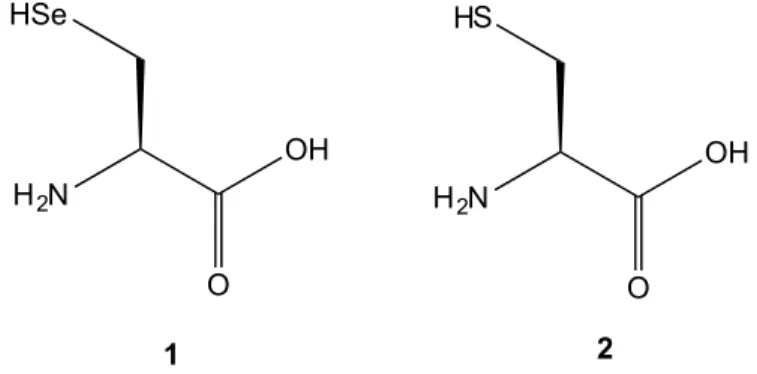
Figure I.1 – Selenocysteine (1) and cysteine (2) structures
Figure I.2 – Ebselen (3) structure.
Figure I.3 – Methylselenocysteine (4) and methyl-selenenic acid (5) structures.
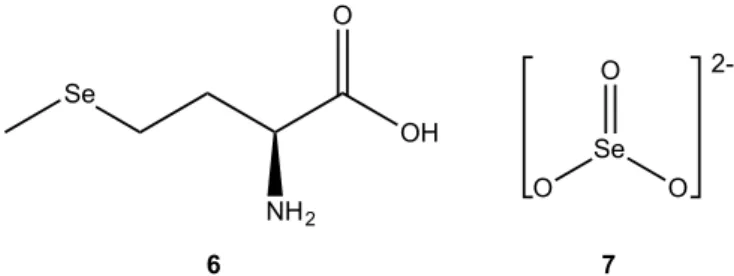
Figure I.4 – Selenomethionine (6) and selenite (7) structures.
Figure I.5 – Benzylselenocyanate (8) and ρ-phenylenebis(methylene)selenocyanate (9) structures.
Figure I.6 – Selenium-containing chrysin (10) and 3,7,3’,4’-tetramethylquercetin (11) structures.
Figure I.7 – ROS generation and decomposition reactions.
Figure I.8 – 3,3-diselenobispropionic acid (12) structure.
Figure I.9 – Selenocarbamate analogues. Methyl-N-phenylselenocarbamate (13) and methyl-N-(4-methylphenyl)selenocarbamate (14) structures.
Figure I.10 – Selenazofurin (24) and tiazofurin (25) structures.
Figure II.1 – Generic scheme for the methodology reported by Martins et al.
Figure II.2 – Benzoselenophene structure and respective substituent groups.
Figure II.3 – Three bond correlations on a HMBC spectrum for compound 36 (CDCl3,
400 MHz).
Figure II.4 – Above: calculated isotopic distribution for the deprotonated molecule of compound 36. Below: Full scan mass spectrum obtained by electrospray ionization in negative mode for the deprotonated molecule of compound 36 at m/z 289.
Figure II.5 – DPPH assay generic reaction.
Figure II.6 – Canonical resonance for the radical delocalization possible on 30.
Figure II.7 – Canonical resonance for the radical delocalization possible on 33.
Figure III.1 – Generic structure and respective substituent groups used as reagents for benzoselenophene derivatives syntehesis.
Scheme Index
Scheme I.1 – Selenium metabolic pathway. Adapted from.
Scheme I.2 – Glutathione reduction/oxidation mechanism.
Scheme I.3 – Mechanism of the catalytic reduction of hydroperoxides by ebselen. Adapted from.
Scheme I.4 – Synthetic route described by Hsu for the preparation of ebselen derivatives.
Scheme I.5 – Synthetic route described by Bhabak and Mugesh for the preparation of ebselen derivatives.
Scheme I.7 – Synthetic route described by Młochowski and co-workers for the preparation of ethaselen (26).
Scheme I.8 – Synthetic route described for the preparation of amselamine (27).
Scheme I.9 – Woolins’ reagent (28) dissociation.
Scheme I.10 – Synthetic route proposed by Martins et al for the preparation of selenocaffeine (29) using Woolins’ reagent.
Scheme I.11 – Synthetic route described by Martins et al for chrysin direct selenation.
Scheme I.12 – Synthetic route described by Martins et al for quercetin selenation
Scheme I.13 – Synthetic route described by Tanini et al for resveratrol selenation.
Scheme II.1 – Generic scheme for the methodology reported by Tanini et al., and respective substituents.
Scheme II.2 – Reaction mechanism for the formation of (E)-2-methoxy-4-styrylphenol (32). Adapted from Sinha et al.
Equation Index
Equation II.1 – SeCl2 formation reaction.
Equation III.1 – DPPH radical scavenging activity.
Equation III.2 – ntot value calculation. Equation III.3 – k1 value calculation.
Table Index
Table I.1 – Selenium isotopes with a known natural abundance. Adapted from.
Table I.2 – Some selenoproteins and their function. Adapted from.
Table I.3 – GPx-like activity of ebselen and derivatives synthesized by Hsu.
Table I.4 – Initial rates (ν0) for the reduction of hydrogen peroxide by glutathione (2
mM) in the presence of ebselen derivatives (80 µM) at 23 ºC.
Table II.1 – Starting materials and respective products, with corresponding reaction yield.
Table II.2 – 1H NMR chemical shift (δ, ppm) for the benzoselenophene derivatives.
Table II.3 – 13C NMR chemical shift (δ, ppm) for the benzoselenophene derivatives.
Table II.4 – 77Se NMR chemical shift (δ, ppm) for the benzoselenophene derivatives.
Table II.5 – Percentage of DPPH reduction, IC50 values obtained for the free DPPH
radical scavenging activity of the starting materials (30, 32, 33) and benzoselenophene compounds (31a, 35, 36) with DPPH (200 µM), rate constant, and number of H-atoms transferred at 20 min. of reaction.
Chart Index
Chart II.1 – Decrease in the absorbance at 515 nm of 200µM DPPH in the presence of different concentrations of the starting material (30) and selenophene compound (31a), in methanol.
Chart II.2 – Decrease in the absorbance at 515 nm of 200µM DPPH in the presence of different concentrations of the starting material (32) and selenophene compound (35), in methanol.
Chart II.3 – Decrease in the absorbance at 515 nm of 200µM DPPH in the presence of different concentrations of the starting material (33) and selenophene compound (36), in methanol.
Chart II.4 – Decrease in the absorbance at 515 nm of 200 µM DPPH in the presence of all starting materials and all benzoselenophene compounds at 75 µM, in methanol.
Chart II. 5 - Glutathione peroxidase-like activity of the tested compounds: plot of percentage of DTTred vs time. Oxidation of DTTred mediated by H2O2 in the presence of a
catalytic amount (10%) of the tested compounds was monitored by 1H NMR.
Glossary
[Aox]i - initial antioxidant concentration
Abs. - visible absorbance at time t
Abs.initial - initial absorbance Abs.final - final visible absorbance BDE - bond dissociation enthalpy
13
C NMR - Carbon 13 Nuclear Magnetic Resonance COSY - correlation spectroscopy
d - duplet
DMAP - 4-dimethylaminopyridine DMF - dimethylformamide
DMSO - deuterated dimethylsulfoxide DNA - deoxyribonucleic acid
DPPH - 2,2-diphenyl-1-picrylhydrazyl DTTred - reduced dithiotreitol
EDTA - Ethylenediamine tetraacetic acid ESI - electrospray ionization
GSH - glutathione
GSSG - glutathione dissulfide GPx - Glutathione Peroxidase
1
H NMR - proton Nuclear Magnetic Resonance HMBC - heteronuclear multiple bond correlation HSQC - heteronuclear single quantum coherence IC50 - half maximal inhibitory concentration
IMPDH - inosine 5’-monophosphate dehydrogenase m/z - mass-to-charge ration
met-tRNA - methionine transfer ribonucleic acid min. - minutes
ppm - parts per million MS - Mass spectrometry
NADPH - reduced Nicotinamide adenine dinucleotide phosphate ntot - total stoichiometry
OH - hydroxyl radical
(O2)
- superoxide anion radical ρ - para
prep. T. L. C. - preparative thin layer chromatography ROS - Reactive oxygen species
77
Se NMR - Selenium 77 Nuclear Magnetic Resonance
t1/2 - half-life
t - triplet
THF - tetrahydrofuran
T. L. C. - thin layer chromatography TrxR1 - thioredoxin reductase 1 Trx - thioredoxin reductase v0 - initial rate
W.R. - Woolins’ reagent δ - chemical shift
I. Introduction
I.1. Selenium
Despite having a crucial role in human metabolism, selenium (Se) has a low natural occurrence1,2 and therefore is classified as a trace element. During the past 40 years it went from being known as a toxin that caused serious health problems, to an essential micronutrient, with benefits for both human and animal wellbeing, when used in proper concentration3. The recent realization of its role in human metabolism and the effects it may have as an antioxidant and anticancer element, led to an increase in its scientific interest and subsequent research.
Selenium was discovered in 1817 by the swedish scientist Jöns Jakob Berzelius. He was investigating an illness affecting workers in a chemical factory at Gripsholm, Sweden, where acetic, nitric, and sulfuric acids were produced. Berzelius guess was that this illness could be related to arsenic contamination from the sulfur ore, and further analysis led him to discover an unknown element that had properties similar to tellurium. For that it was named after the greek goddess of the moon, Selene, since tellurium was a reference to the latin word for “earth”, tellus.
Selenium is a chemical element of the group 16 of the periodic table and along with oxygen, sulfur, tellurium, and polonium, all are referred to as chalcogens or the oxygen family. Se atomic number is 34, giving it an [Ar] 3d10 4s2 4p4 electronic distribution, and common oxidation states of +6, +4, -2 4. There are six naturally occurring stable Se isotopes (Table I.1)5.
Table I.1 – Selenium isotopes with a known natural abundance. Adapted from 5.
Atomic Mass Number Natural Abundance (%) Half-life
74 0.89 Stable
76 9.37 Stable
77 7.63 Stable
78 23.77 Stable
80 49.61 Stable
I.1.1. Selenium and its biological role
Selenium has had a controversial part regarding its biological role since it was discovered. The toxicological role of selenium was initially identified in the 1930s, as cause of livestock death in some parts of the U.S.A. due to high concentrations in cereal grains6. Later, in 1957, it was recognized as essential to human metabolism7 and, in 1973, its key role against oxidative stress was revealed.
Selenium is acquired mainly through the diet, being found in different food sources such as meat, cereals, grains, milk, fruits and vegetables8. The average recommended daily intake is 60 µg (for men) and 53 µg (for women), with dosages above 400 µg considered to be toxic. Excess selenium consumption can lead to a condition named selenosis, with main signs consisting of hair and nail loss. Other, more serious symptoms include skin and nervous system lesions, nausea, diaharrea, skin rashes, mottled teeth, fatigue, irritability, and nervous system abnormalities9.
Se is an important element to the human metabolism, and that is verified by its presence in most mammalians in the form of seleno-containing proteins. At least 25 distinct mammalian selenoproteins 8 are currently known and are characterized by possessing in its structure the amino acid residue selenocysteine (Fig. I.1, 1), structurally very similar to cysteine (Fig. I.1, 2), where the side chain sulfur atom is replaced for a selenium atom.
Figure I.1 - Selenocysteine (1) and cysteine (2) structures.
Selenium can be incorporated into human metabolism through more than one way. As shown 10,11(Scheme I.1), selenomethionine can be incorporated into general body proteins instead of methionine since it readily acylates met-tRNA. Alternatively, it can be converted through the trans-sulfuration mechanism to selenocysteine, which is degraded to hydrogen selenide (H2Se). Additionally, selenite is metabolized to hydrogen selenide via
selenodiglutathione and glutathione selenopersulfide. Hydrogen selenide is considered to be
H2N
OH
O HSe
1
H2N
OH
O S
the precursor for supplying Se in an active form for the synthesis of selenoproteins. It can then be excreted via exhalation in the form of dimethylselenide ((CH3)2Se) or via urine as
trimethylselenonium ((CH3)3Se +
).
Scheme I.1 - Selenium metabolic pathway. Adapted from 10,11.
The majority of Se-containing proteins are synthesized in the liver, making it a key organ in Se metabolism 12. There are only few selenoproteins that still do not have a known function in the human metabolism, but most of them are well studied and have extremely important enzymatic functions. A few examples are presented (Table I.2).
(Hidrogen Selenide) Selenophosphate
Selenoproteins
(Methylselenol)
(Dimethylselenide) - breath
(Trimethylselenonium) - urine
(Glutathioselenol) (Selenodiglutathione)
(Sodium Selenite) - diet
(Selenocysteine) - diet (Selenomethionine) - diet
General body proteins Se O O O Na Na OH O NH2 HN O NH S O Se S O OH HN O HN O OH O
H2N
O OH
HO O
H2N
N H O H N S O SeH O OH OH NH2 Se O
H2N
OH O HSe H Se H
H3C
Se
H
H3C
Se
CH3
H3C
Table I.2 - Some selenoproteins and their function. Adapted from 8,12.
Selenoprotein Function
Iodothyronine deiodinase Regulation of thyroid hormone activity by reductive deodination.
Glutathione peroxidase (GPx) Glutathione-dependent detoxification of hydrogen peroxide.
Thioredoxine reductase (TRx) Reduction of the oxidized form of cytosolic thioredoxin.
I.2. Organoselenium compounds
Organoselenium chemistry has become a matter of great interest in recent past, mostly due to its wide utility and biological beneficial effects. In particular, a considerable number of organoselenium compounds have been reported as promising candidates for cancer therapy and prevention due to their ability to modulate multiple physiological functions implicated in cancer development and progression, by presenting antioxidant 13, chemopreventive 14–16 , or apoptotic 17 activities. Regarding antioxidant activity, the protective effects of selenium-containing compounds are related to their ability of scavenging one electron (radical) and two-electron oxidants; rapid and ready repair of oxidized selenium species; binding to metal ions; and their role as catalytically active residues in multiple protective enzymes 13, being these the characteristics of organoselenium compounds responsible for their anticarcinogenic activity.
One of the most successful examples of organoselenium compounds is 2-phenyl-1,2-benzisoselenazole-3 (2H)-one, commonly referred to as ebselen (Fig. I.2, 3).
Figure I.2 – Ebselen (3) structure.
It is a compound that has been intensively studied for its glutathione peroxidase-like (GPx-like) and radical scavenging activities, among other characteristics that make it a very interesting potential drug.
Se N O
I.2.1. Organoselenium compounds as anticarcinogenic and
chemopreventive agents
Se status of a possible anti-carcinogenic is relatively recent. In fact, during the 1940’s different Se forms were reported as carcinogens in rat livers 18, and in 1969 elemental Se was associated with the risk of cancer 19. The hypothesis that Se could reduce experimental carcinogenesis lead to an intensive study 20–24 that resulted in solid evidence of an inverse relationship between Se intake and risk of cancer in humans.
Based on the effects that selenoenzymes have on antioxidant defences, several mechanisms have been proposed for the anti-carcinogenic activity of Se, such as GPx-like and radical scavenging activities, programmed cell death, DNA repair, carcinogen detoxification, regulation of cell proliferation, and tumour cell invasion 25,26. It is also most likely that Se does not reduce carcinogenesis by a single mechanism, but instead by combined use of the ones mentioned above.
One remarkable characteristic about selenium-containing molecules is that they are not organ specific, since tumour inhibition has been reported in mammary gland, liver, skin, pancreas, oesophagus, colon, and a few other sites. Instead, there is a dose-dependent response regarding the site 11. Some examples of molecules that have been tested for their anti-carcinogenic properties are methylselenocysteine (Fig. I.3, 4) and methyl-seleninic acid (Fig. I.3, 5).
Figure I.3 - Methylselenocysteine (4) and methyl-selenenic acid (5) structures.
Methylselenocysteine (4) is reported to be more effective then selenomethionine (Fig. I.4, 6), a natural occurring amino acid, in supressing the development of paramalignant lesions and the formation of adenocarcinomas in the mammary gland of carcinogen-treated rats 27, and is also reported to be a better chemopreventive agent than both selenomethionine (6) or selenite (7) 28. Additionally, methyl-seleninic acid (5) has been reported to significantly suppress the growth of human premalignant breast cancer at levels of 5-10 µmol/L 29, while a concentration of 200 µmol/L of methylselenocysteine (4) was required to produce the same decrease in cell number.
OH O
Se
NH2
4
Se O
OH
Figure I.4 – Selenomethionine (6) and selenite (7) structures.
Examples of synthetic selenium-containing molecules with possible chemopreventive activity are benzylselenocyanate (Fig. I.5, 8) and ρ-phenylenebis(methylene)selenocyanate (Fig. I.5, 9).
Figure I.5 – Benzylselenocyanate (8) and ρ-phenylenebis(methylene)selenocyanate (9)
structures.
Benzylselenocyanate has proven to be a versatile chemopreventive agent in different model systems 30,31 and has been reported to inhibit the development of colon 32 and mammary 33 tumors in rats. Whereas ρ-phenylenebis(methylene)selenocyanate was developed 34 and proven 35 to be less toxic than benzylselenocyanate. Its efficiency for carcinogenesis in colon 36, lung 37, and tongue 38 cancer among others, such as its chemopreventive effects 15, have been reported.
Other examples of synthetic selenium-containing molecules with potential cancer chemotherapy applications are selenium-containing chrysin (SeChry) (Fig. I.6, 10) and 3,7,3’,4’-tetramethylquercetin (SePQue) (Fig. I.6, 11).
Figure I.6 - Selenium-containing chrysin (10) and 3,7,3’,4’-tetramethylquercetin (11) structures.
These compounds have been evaluated in nine human cancer cell lines of multiple origins, namely melanoma cells, colorectal adenocarcinoma cells, pancreatic
6 7
OH
NH2 Se
O
O
Se
O O
2-Se
N
Se N
Se N
8 9
O HO
OH Se
O H3CO
OH Se
OCH3
OCH3
10 11
adenocarcinoma cells, breast adenocarcinoma cells, multidrug resistant breast adenocarcinoma cells, cervical adenocarcinoma cells, cisplatin-resistant cervical adenocarcinoma cells, and ovarian adenocarcinoma cells. Results show that replacing the oxygen atom of the carbonyl group by selenium presented a marked increase of cytotoxicity towards malignant cells, both in 10 and in 11, when compared to their non-selenated analogues and also cysplatin, one of the most widely used anticarcinogenic drugs. In fact, 11
presented to be about 9-fold more cytotoxic towards malignant cells than its unprotected non-selenated derivative, and 3-fold more than cysplatin, one of the most widely used anticarcinogenic drugs.
As referred before, the anticancer and chemopreventive properties of organoselenium compounds are considered to be, at least in part, due to their antioxidant activity, which can be mediated by their ability to scavenge free radicals and/or by their capacity of affecting or mimicking the function of key redox enzymes 39.
I.3. Antioxidant activity of organoselenium compounds
Oxidative stress is a harmful condition characterized by a shift towards the pro-oxidant in the pro-oxidant/antioxidant balance in living cells, and this is an implied condition for a number of diseases where Alzheimer, Parkinson, and myocardial infarction are some examples 40.
Reactive oxygen species (ROS) are produced in human metabolism due to more than one cause. They can be generated by cellular energy production and also through environmental agents such as ultraviolet radiation, thermal stress, and tobacco smoke, among others. The cellular energy process production undergoes a sequence of reactions having oxygen as the final electron acceptor, originating ROS such as the superoxide anion radical ((O2)
-), hydroxyl radical (OH), and hydrogen peroxide (H
2O2) among others 41
. Amongst ROS, superoxide anion radical and hydroxyl radical are free radicals due to having one unpaired electron and a short half-life, quickly reacting with multiple other cellular targets.
Oxidative reactions occur naturally in the human organism, and are balanced through antioxidants, that can be endogenous or attained by diet. Oxidative stress results in damage to cells 42, and exposure of a healthy cell to free radicals is known to damage structures and consequently to interfere with functions of enzymes and critical macromolecules. A free radical produced within a cell will react with surrounding molecules also within the cell to become paired and stable, resulting in oxidation of nucleic acids, lipids, carbohydrates, and proteins 43.
that are able of inactivating free radicals. Other defence mechanisms involve endogenous enzymes, such as superoxide dismutase, catalase, and glutathione peroxidase (GPx).
I.3.1. Scavenging activity of organoselenium compounds
One mechanism through which the human body counteracts reactive oxygen species is by scavenging and neutralizing radicals, preventing them to cause any damage to healthy cells.
ROS can be generated through different processes. Superoxide anion radical is highly reactive 44 (Fig. I.7, (1)) and occurs upon reduction of O2. It causes the inactivation of GPx,
among others enzymes, and oxidation of intracellular components such as glutathione, due to its long half-life (0.05 s in the absence of scavengers) 45. Hydrogen peroxide is not a radical species and is relatively stable 46, but its importance comes from the ability to generate ROS, particularly hydroxyl radical. Hydrogen peroxide is generated by the disproportionation of superoxide anion 47 (Fig. I.7, (2)). Hydroxyl radical is generated by the reduction of hydrogen peroxide through redox-active metal ions (Fig. I.7, (3) and (4)), and it is considered to be the most reactive and harmful ROS 46. Its lifetime is limited, meaning it will react with molecules immediately after formation and subsequent release. It is reported to cause oxidation of lipids, proteins, nucleic acids, and also DNA modifications 48.
Figure I.7 – ROS generation and decomposition reactions.
A balance between the formation of free radicals and protection against cellular damage induced by these species is essential for normal cellular function. When this balance is disrupted as a result of excessive generation of damaging species or low levels of antioxidants, a cell will enter a state of oxidative stress. Following this, the cell either repairs the damage or dies. However, if the damage persists, the cell will enter a state of genetic instability that can lead to chronic diseases or carcinogenesis 49.
Selenium compounds are well known for their ability to scavenge ROS. Indeed, ebselen (Fig. I.2, 3), mentioned before, has been reported to enhance the antioxidant activity of the human enzyme thioredoxin reductase (Trx) system by acting as a substrate for the selenium-containing enzyme 50. Additionally, among others, 3,3-diselenobispropionic acid
(1) O2 + e- O2
(2) 2O2 + 2H+ H
2O2 + O2
(3) Fe2+ + H
2O2 Fe3+ + OH + OH
-(4) Cu+ + H
-(Fig. I.8, 12) has been reported 51 to scavenge peroxyl radical (CCl3O2), causing its
antioxidant activity to be attributed to radical scavenging.
Figure I.8 – 3,3-diselenobispropionic acid (12) structure.
Selenocarbamates (Fig. I.9) analogues have also been reported 52 to present high radical scavenge activity towards superoxide radical, giving them importance as possible treatments for pathologies associated with superoxide radical and oxidative stress.
Figure I.9 – Selenocarbamate analogues. Methyl-N-phenylselenocarbamate (13) and methyl-N
-(4-methylphenyl)selenocarbamate (14) structures.
I.3.2. GPx-like activity of organoselenium compounds
Another defence mechanism regarding oxidative stress involves glutathione peroxidase (GPx) (Scheme I.2). GPx is a selenoprotein with the ability to reduce free hydrogen peroxides to water, using glutathione as a co-factor, and can also contribute to cellular defence system against oxidative stress 53 .
Scheme I.2 - Glutathione reduction/oxidation mechanism.
This is an important intracellular mechanism, allowing maintenance of the oxidation balance attained by GPx though oxidation of glutathione (GSH), in a process that reduces
N H
Se O
N H
Se O
13 14
HO Se
Se OH
O O
hydrogen peroxide and generates glutathione dissulfide (GSSG) (Scheme I.2). Intracellular ratio between reduced GSH to GSSG is indicative of cellular oxidative stress.
Glutathione peroxidase acts as an antioxidant enzyme in plasma, inactivating free radicals and decomposing hydrogen peroxides and lipid peroxides 43. Its activity and concentration have been shown to increase according to selenium consumption, until the dose-response ratio reaches a plateau, on serum selenium level between 70 and 90 ng/ml 54.
GPx catalyzes the reduction of a considerable number of hydroperoxides, but has some restraints, such as instability, poor availability, and high molecular weight, features that result in a limited therapeutic application 40. With that in mind, considerable efforts have been made to find or synthesize organoselenium compounds capable of mimicking the enzymatic properties of glutathione peroxidase and with the least possible drawbacks. Ebselen, mentioned before, is an interesting example of an organoselenium compound with GPx-like activity, among others presented later.
In fact, ebselen is known for being the first organoselenium compound reported as a GPx mimic, with a proposed 55 catalytic mechanism (Scheme I.3) kinetically identical to that of the GPx enzyme. Ebselen catalyzes the reduction of different hydroperoxides and assists cellular defence system against oxidative stress 53. Another relevant characteristic of ebselen and other organoselenium compounds is the ability to utilize a variety of thiols in addition to glutathione as a substrate 56,57, unlike GPx which contains binding sites conferring substrate specificity.
Scheme I.3 – Mechanism of the catalytic reduction of hydroperoxides by ebselen. Adapted from
40,55
.
As shown, ebselen (3) can be oxidized to the selenoxide derivative 15 by the reaction
Se N O Se N O O Se HN O O SR Se HN O O OH RSH RSSR RSH
H2O2 H2O A Se HN O Se HN O Se HN O SR H2O
RSH
RSSR H2O2
H2O H2O SeH
HN O H2O2
H2O
RSH RSSR B C 1 2 3 4 1 2 3 4 2 3
ebselen, 3
with hydrogen peroxide (cycle A, step 1). In the presence of excess thiol, the Se-N bond in the ebselen selenoxide is immediately cleaved by the thiol to produce the corresponding thiolseleninate 16 followed by the formation of selenenic acid 17 (cycle A, step 3). The nitrogen nucleophilic attack to the selenium atom regenerates ebselen (5) and water (cycle A, step 4). The thiol group can cleave ebselen to give selenenyl sulfide 18, which reacts with the thiol group and gives the ebselen selenol 19 (cycle B, step 2). Ebselen selenol 19 can be oxidized to selenenic acid 17 (cycle B, step 3), participating in cycle A. The simultaneous reduction and oxidation of the selenenyl sulfide 18 produces the corresponding diselenide 20
(cycle C, step 2), that can regenerate ebselen through H2O2 with the formation of water.
Additionally, there is evidence showing that supplementation, in vitro and in vivo, with inorganic selenium or various forms of organoselenium compounds inhibited both chemically and physically induced oxidative damage 58–60, due to the fact that it is incorporated in GPx and other selenium enzymes 61. However, the role of selenium-containing enzymes in preventing diseases is not yet clearly defined, and it has been reported that excessive intake of Se may result in oxidative damage leading to genomic instability 62.
I.4. Synthesis of biologically significant organoselenium compounds
Since ebselen presents such potential and remarkable characteristics regarding its use as an anticarcinogenic drug, the search and design for selenium-containing heterocyclic molecules has become extremely relevant, and several compounds have been reported and studied with the goal of duplicating or improving those same characteristics. Some of those compounds are here presented.
Ebselen (Fig. I.4, 5), mentioned before, was first prepared in 1924, being reported as an anti-inflammatory with antioxidant and GPx-like activity. Preparation of this molecule has undergone several methods. In the earliest approach, 2,2’-diselenobis(benzoic acid) was converted to selenyl chloride benzoyl chloride, which was treated with aniline to produce ebselen. More recent advances involve ortholithiation of benzanilide, subsequent insertion of selenium into benzanilide-derived dianion and cyclization of selenium-containing dianion to ebselen (Scheme I.4).
Scheme I.4 – Synthetic route described 63 by Hsu for the preparation of ebselen derivatives.
Se N O
R
22a = (p)-CH3 b = (m)-CH3 c = (o)-CH3 d = (p)-CH3-Ph-CH2 e = (o)-CH3-Ph-CH2 -OH
O
1. SoCl2
2. R-NH2
NHR O
1. 2BuLi/THF 2. Se 3. CuBr2
Since it presented several interesting and promising possibilities, ebselen derivatives have been developed and studied. In order to enhance its solubility and to increase its activity, Hsu and co-workers synthesized 63, using the latter method described, five ebselen derivatives (22a-e) that were tested for their GPx-like activity, and all displayed slightly higher activity than ebselen (Table I.3).
Table I.3 – GPx-like activity of ebselen and derivatives synthesized by Hsu.
Compound GPx-like activity (relative to ebselen)
Ebselen 1.00
22a 1.36
22b 1.47
22c 1.17
22d 1.60
22e 1.60
* Assay conditions: The consumption of NADPH upon addition of H2O2 in the absence of the compounds tested was 0.8 µM/min and the consumption of NADPH for ebselen was 10.9 µM/min.
Several ebselen derivatives were synthesized by Bhabak and Mugesh, and evaluated for their antioxidant activity 64. The selenenyl chloride (Scheme I.5, 23), synthesized from anthranilic acid and disodium selenite (Na2Se2), was used as intermediate for the synthesis of
most of the ebselen derivatives (Scheme I.5, 22f-j) reported by these authors. Compounds
22g-j were synthesized upon treatment of 23 with appropriate primary amines in dry acetonitrile.
Scheme I.5 – Synthetic route described by Bhabak and Mugesh 64 for the preparation of ebselen
derivatives.
NH2
OH O
NaNO2
HCl
N OH O
N+Cl
-OH
-N ONa O
N+OH
-Na2Se2
H+
Se OH O
Se
HO
O
SOCl2
DMF
SeCl
R-NH2
Se
N R
O
23
22f = H g = (p h = (m i = (p j = OH-CH2-CH2
-22 O
All exhibited excellent GPx-like activity in the presence of glutathione (Table I.4), and some even presented higher activity than ebselen. Lower activity for 22f suggests that a substitution at the N atom is required for higher GPx activity.
Table I.4 – Initial rates (ν0) for the reduction of hydrogen peroxide by glutathione (2 mM) in
the presence of ebselen derivatives (80 µM) at 23 ºC.
Initial rates, ν0 [µM.min -1
]
Compound H2O2
Ebselen 140.3±1.6
22f 103.3±0.5
22g 278.0±1.3
22h 257.7±0.3
22i 71.2±0.8
22j 179.1±1.7
* Assay conditions: phosphate buffer (100mM), glutathione reduced (2 mM), NADPH (0.4 mM),
EDTA (1 mM), glutathione reductase (1 unit), peroxide (1.6 mM) and test compound (80 µM)
Selenazofurin (Fig. I.10, 24), the selenium-derivative of tiazofurin (Fig. I.10, 25), is reported 65 to have anti-tumor activity in animals and broad spectrum in vitro anti-viral activity, and has also been reported 65,66 to be 5-10 fold more potent than tiazofurin in different in vitro
and in vivo anti-tumor screenings.
Figure I.10 – Selenazofurin (24) and tiazofurin (25) structures.
Its synthetic route (Scheme I.6) was developed similarly to the preparation method reported 66 by Srivastava and Robins for tiazofurin. It began by treating the precursor
2,3,5-tri-O-benzoyl-β-D-ribofuranosyl-1-carbonitrile with hydrogen selenide, and 4-dimethylaminopyridine (DMAP) as catalyst, resulting in 2,5-anhydro-3,4,6-tri-O -benzoyl-D-allonoselenoamide. It was then treated with ethyl bromopyruvate to produce ethyl
2-(2,3,5-tri-O-benzoyl-D-ribofuranosyl)selenazole-4-carboxylates as a mixture of α,β-anomers, which were readily separated by silica gel column chromatography. Selenazofurin (24) was obtained by the deprotection and amination reaction of the β-anomer with metallic ammonia.
O HO
N Se
O
NH2 HO
OH
O HO
N S
O
NH2 HO
OH
Scheme I.6 – Synthetic route described by Srivastava and Robins 66 for the preparation of selenazofurin (24).
Although selenazofurin, a synthetic nucleoside analogue, is a potent broad-spectrum anti-viral agent, not much is known about its metabolism and mechanism of action because of its development as an anti-tumor agent. Selenazofurin is thought to demonstrate anti-viral activities by inhibiting inosine 5’-monophosphate dehydrogenase (IMPDH), a rate-limiting enzyme, which results in inhibition of tumor cells proliferation 67.
Ethaselen (1,2-bis[1,2-benzisoselenazolone-3(2H)-ketone)]ethane) (Scheme I.7, 26) demonstrated 68 significant anti-tumor effects with slight toxicity and immune regulating characteristics in several tumor models.
Scheme I.7 – Synthetic route described by Młochowski and co-workers for the
preparation of ethaselen (26).
Synthetic strategy (Scheme I.7) is similar to that of ebselen. The reaction of 2-chloroselenobenzoyl chloride with ethylenediamine was carried out under standard conditions to produce the corresponding ethaselen. It was reported that ethaselen induces tumor cells apoptosis by inhibition of wild-type mammalian thioredoxin reductase 1 (TrxR1), considered to be an important anticarcinogenic drug target, and involved in both carcinogenesis and cancer progression. Ethaselen specifically binds to the unique selenocysteine-cysteine redox pair in the C-terminal active site of mammalian Trx-R1. It has recently entered phase I clinical trials in China, and is considered to be a great candidate for development of anti-tumor and anticarcinogenic drug.
O CN
OBz BzO
BzO
H2Se
DMAP
O
OBz BzO
BzO
Se
NH2
ethyl bromopyruvate
O
OBz BzO
BzO N
Se
O
OEt
O
OH HO
HO
N Se
O
OEt NH3
CH3OH
24
SeCl O
Cl
CH3CN
H2N NH 2
N
Se
N Se
O O
Amselamine (2-amino-5-(2-aminoethyl)-4-methyl-1,3-selenazole) (Scheme I.8, 27) is a selenium analogue of amthamine, a very effective H2-R-agonist.
Scheme I.8 – Synthetic route described for the preparation of amselamine (27).
Histamine is a biogenic amine that mediates its effects by four histamine receptor (HR) subtypes, being that the H2-R subtype has a crucial physiological role in stimulating gastric
acid secretion. Amthamine is a structure that can act as H2-R-angonist with high efficiency
rates. Studies show 69 that amselamine (27) is a more potent H2-R-agonist than amthamine
and histamine . Due to the selenazole ring of amselamine being more basic than the thiazole ring of amthamine, it is expected that amselamine has higher affinity for H2-R than histamine.
Caffeine [1, 3, 7-trimethyl-1H-purine-2,6-(3H, 7H)-dione], a natural occurring methylxanthine commonly used as a component of tea, coffea, and soft drings, has been studied for its antioxidant and anticarcinogenic activity, and effects in cell cycle 70. Since its basic scaffold is of unquestionable interest as lead compound for the development of new derivatives with enhanced activities and/or lower activities, the synthesis of a selenium derivative was reported 71 by replacing the oxygen of a carbonyl group by a selenium atom, using a microwave-based methodoly. Conversion of carbonyl groups to selenocarbonyl was achieved by using Woolins’ reagent (Scheme I.9, 28).
Scheme I.9 – Woolins’ reagent (28) dissociation.
The proposed synthetic route presented (Scheme I.10) is consistent with structural characterization, and studies conducted showed that selenated-caffeine (Scheme I.10, 29)
O
Br N
O O
+
H2N Se
NH2
ethanol reflux
N
O O
N
Se H2N
48% HBr
reflux
NH2 N
Se H2N
27
P
Se Se
P Se
Se
P
Se Se
P
Se Se
2
presented an improvement of the antioxidant effect when compared to caffeine, despite its scavenging capacity to be only moderate.
Scheme I.10 – Synthetic route proposed by Martins et al for the preparation of
selenocaffeine (29) using Woolins’ reagent.
The same methodology was applied on different compounds 72 by Martins et al, namely chrysin (Scheme I.11) and quercetin (Scheme I.12). These are flavonoids, a common group of plant polyphenols, which have been extensively studied regarding their health promoting properties and potential pharmacological applications in cancer therapy and prevention.
Scheme I.11 – Synthetic route described by Martins et al for chrysin direct selenation.
Assay conditions: a = Woolins’ reagent, acetonitrile, MW, 175 W, 150 ºC, 5 min.
The preparation method for selenium-containing derivatives of chrysin was through direct selenation (Scheme I.11). For the quercetin compound, preparation involved initial protection of hydroxyl groups by methylation with dimethylsulfate (Scheme I.12, step a) followed by selenation of the carbonyl group (Scheme I.12).
N
N O
O
N N
P Se
Se
N
N O
O
N N Se P
Se
N
N O
O
N N Se P
Se
P Se
O
N
N Se
O N
N
+
29
O HO
OH O
O HO
OH Se
a
Scheme I.12 – Synthetic route described by Martins et al for quercetin selenation. Assay
conditions: a = (CH3)2SO4, KH2CO3, acetone, Δ; b = Woolins’ reagent, acetonitrile, MW, 175 W, 150 ºC, 5 min.
The preliminary evaluation of the free radical scavenging activity of seleno-derivatives crysin (Scheme I.11, 10) and quercetin (Scheme I.12, 11) was studied. It presented an improvement of the ability to scavenge the DPPH upon selenation of the carbonyl group, for 10, when compared to the non-selenated compound. The selenated-quercetin compound 11
exhibited a value of DPPH radical scavenging activity very similar to the non-selenated quercetin, a powerful radical scavenger. When tested for their catalytic properties as GPx mimics, results show that both tested compounds exhibit potential GPx-like activitiy.
In an effort to discover a new organoselenium compound with potential therapeutic use, selenation of the resveratrol (Scheme I.13, 30) molecule was studied 73 . Resveratrol [(E )-5-(4-hydroxystyryl)benzene-1,3-diol] is a natural stilbene known for its antioxidant activity. Selenation as a way of boosting its antioxidant capacity presented three different selenated resveratrol derivatives (Scheme I.13, 31a-c), attained due to the variable ratio between Se and SO2Cl2 73.
Scheme I.13 – Synthetic route described by Tanini et al 73 for resveratrol selenation. Assay
conditions: a = i) SO2Cl2 2.0 equiv, neat, 10 min, rt; ii) dry THF, 1h, rt; b = dry DMF, 24h, rt; c = in situ formed Cl2.
O HO
OH O OH
OH OH
O H3CO
OH O OCH3
OCH3
OCH3
a b H O
3CO
OH Se OCH3
OCH3
OCH3
11
Se(0) SeCl2
HO
OH
OH
OH HO
OH
SeCl
Se HO
OH Cl
OH
Se HO
OH
OH
Se HO
OH
OH
Se HO
Cl
OH
OH
Cl Cl
1.0 equiv. a
0.4 equiv.
b
c c
31a 31b 31c
The three selenium derivatives were tested for their antioxidant capacities using DPPH and ferric reducing/antioxidant power assay. DPPH assay results show that all the selenophene derivatives are more efficient than resveratrol when tested under the same conditions, and 31a activity presented to be similar to that of the standard used. Results of the assay measuring reducing capacity of the selenophene derivatives show that 31a
presents an activity comparable to the standard used, while the chlorinated derivatives 31b
II. Results and Discussion
II.1. Microwave assisted seleno-purine synthesis
The initial approach towards synthesis of organoselenium compounds involved a microwave methodology, aiming to obtain selenated purine derivatives, with the procedure (III.2.1.) adapted from Martins et al 71 that consisted on converting a carbonyl into a selenocarbonyl using Woolins’ reagent (W. R.) (Fig. II.1).
Figure II.1 – Generic scheme for the methodology reported by Martins et al 71.
However, despite the results presented by these authors, the experiments carried out presented some problems, with reagents insolubility to be the main issue. In an effort to overcome this, a number of modifications to the original protocol were tested, such as the use of different solvents and overall reaction time. Yet, all syntheses resulted in mixtures with dark aggregates and red powder residues with a strong odor, presumably arising from Woolins Reagent (W.R.), that were unable to be analyzed. For those reasons this procedure was disregarded, and a different synthesis procedure was considered.
II.2. Synthesis of benzoselenophene derivatives
The procedure followed for preparation of the benzoselenophene derivatives is based on a synthesis using resveratrol as the scaffold for selenium-containing resveratrol analogues reported by Tanini et al73. As shown before, introduction of a third-period or higher chalcogen atom is reported to effectively enhance the antioxidant capacity of phenolic compounds. With that in mind, selenium was used in this study as means of boosting the antioxidant activity of stilbenes via conversion to 2-phenylbenzoselenophene analogues, with potential antioxidant and GPx-like activity.
Tanini et al successfully reported the increase of resveratrol derivatives antioxidant activity 73 upon selenation, and a similar strategy (Scheme II.1) was chosen for synthetizing different benzoselenophene derivatives.
N
N O
O N
N
+ P
Se Se
P Se
Se N
N
Se O N
Scheme II.1 – Generic scheme for the methodology reported by Tanini et al73, and respective
substituents.
All the stilbenes used as reagents were available in the laboratory and were previously synthesized by Dr. João Paulo Telo 74, except 32 which was unavailable in the laboratory, and was then synthesized using the same methodology refered (Scheme II.2., 32).
Scheme II.2 – Reaction mechanism for the formation of (E)-2-methoxy-4-styrylphenol (32).
Adapted from Sinha et al75.
After column chromatography and prep. T. L. C., two fractions were separated and evaluated using T. L. C., with one revealing to be a somewhat pure fraction with the desired compound, and the other a mixture of compounds. Aiming to purify that same mixture, prep. T.L.C (dichloromethane) was used, resulting in a total of 1.156 g (17 % yield) of pure compound, (E)-2-methoxy-4-styrilphenol.
R4'
R1 R2
R3
30: R1 = OH R2 = H R3 = OH R4' = OH
32: R1 = OCH3 R2 = OH R3 = H R4' = H
33: R1 = OH R2 = H R3 = OH R4' = H
34: R1 = OCH3 R2 = H R3 = OCH3 R4' = H
R1 R2 R3 Se R4' SeCl2 1 6 5 4 3 2 1a 1b 1' 2' 3' 4' 5' 6' 3a 4 5 6 7 7a 3 2 1' 2' 3' 4' 5' 6' 1
31a: R1 = OH R2 = H R3 = OH R4' = OH
35: R1 = OCH3 R2 = OH R3 = H R4' = H
36: R1 = OH R2 = H R3 = OH R4' = H
37: R1 = OCH3 R2 = H R3 = OCH3 R4' = H
HO OCH3 H O + O O H H O O O HO OCH3 H O + O OCH3 HO H O O H B:
O O O
H - CO2
HO
OCH3
OCH3 OCH3
32
B:
H
There are some reasons that may justify the low yield presented. One of them may be a not so effective purification. Indeed, when evaluated by T. L. C., the spots appeared to have a good separation when using dichloromethane as eluent, which led to its choice as the eluent for the prep. T. L. C. However, upon separation of the different observed fractions, they were too close to each other, even after a second elution. That may indicate some overlap between the fractions, resulting in losses during the process of extraction of the presumable pure compound
Structure characterization was attained by 1H and 13C NMR (Nuclear Magnetic Resonance) spectra (III.2.2.1) and is similar to the one reported upon synthesis of the same product by Sinha et al 75.
Regarding benzoselenophene derivatives, the procedure followed is based on the efficient selenation of the reagents, involving in situ generation of SeCl2, a convenient source
of electrophilic Se2+76, through the reaction of Se(0) with SO2Cl2 (Equation II.1), followed by
the reaction with the respective substituted stilbene in dry DMF.
Equation II.1 – SeCl2 formation reaction.
Similarly to the procedure described (Scheme I.13), the goal of this experiment was to attain different derivatives without any chlorine atom in the molecule, which lead to the use of a [Se : SO2Cl2 : substituted stilbene] ratio of [1 : 0.8 : 0.4]. This allowed isolation of all the
desired benzoselenophene compounds (Fig. II.2) using silica gel chromatography or prep. T. L. C., confirmed after structural characterization, discussed later in this section.
Figure II.2 – Benzoselenophene structure and respective substituent groups.
Table II.1 – Starting materials and respective products, with corresponding
reaction yield.
Starting
Material Product Yield (%)
30 31a 59
32 35 1
33 36 13
34 37 8
Se + SO
2Cl
2SeCl
2+ SO
2R1 R2
R3
Se
R4' 3a
4 5
6
7 7a
3
2 1' 2' 3'
4'
5' 6' 1
This reaction is advantageous in terms of costs and expedient operational conditions, without the need for phenol group protection, sometimes required due to the structure of the starting material; therefore, this is a facile and scalable procedure. Solvents were used as described by the followed protocol. THF was used in the first step of the reaction since it significantly reduces disproportionation of monochalcogen dihalides into oligo-chalcogen dihalides 76,77. For the second step of the reaction, protic solvents such as water or methanol were discarded due to their reactivity with SO2Cl2 and the formation of electrophilic
seleno-species. All stilbenes presented good solubility in DMF, being a solvent compatible with the reaction conditions.
Yields obtained for benzoselenophenes were considerably low, as shown (Table II.1). In fact, despite the relatively higher yield for compound 31a, all the other derivatives where isolated in low yields, and a reason that can explain this result is that the methodology used was developed specifically for resveratrol compounds, which was the reagent used in that specific reaction.
The fact that the reaction leading to compound 36 was the next best efficient reaction may be supportive of the specificity of the overall procedure, since compounds 31a and 36
only differ in one OH group at the substituent position R4’.
Introduction of the selenium atom involves an electrophilic aromatic substitution reaction, favoured by the presence of electron-donating groups, such as hydroxyl (–OH) and methoxy (–OCH3)groups, at the orto/para position regarding the entering group, and even
considering that SeCl2 is a weak electrophilic species. Analysis of the data obtained seems to
indicate that the presence of an –OH group at the orto position promotes a higher yield to the selenation reaction when compared to the presence of an –OCH3 group, which is consistent
with the fact that the –OH group is a better electron donor than –OCH3.
As stated before, the proposed mechanism for the formation of benzoselenophenes derivatives (Scheme I.13) also predicts the formation of chlorinated products, when using a different ratio between Se and SO2Cl2. In fact, the reaction leading to 35 allowed the isolation
of a product that would probably have one or more chlorine atoms in its structure. However, since that was not the intent of this work, and 1H and 13CNMR along with mass spectrometry (MS) analysis of that chlorinated product was not conclusive to the effective structure, its structural elucidation was set aside.
II.3. Structural characterization of benzoselenophene derivatives
Analysis of the isolated compounds revealed that the syntheses were successful, regarding the desired reaction products, despite low yields. The entire initial proposed structures were isolated and structural characterization was achieved using unidimensional
correlation spectroscopy (COSY) experiments, along with mass spectrometry (MS). Regarding compound 31a, NMR spectra acquired show that the chemical shifts presented here are similar and consisted to the ones already reported 73. Assignment of the structure for compound 36, for instance, was based on a 1H, 13C heteronuclear multiple bond correlation (HMBC) spectrum (Fig. II.3). Namely, proton H4 at 6.87 ppm presented 3-bond correlations with C7a quaternary carbon at 120 ppm and C3 carbon at 123 ppm; also highlighted is the the signal of H6 hydrogen proton at 6.32 ppm and C7a carbon at 120 ppm. Structural characterization of the remaining compounds was attained using the same methodology (Table II.2 and Table II.3).
Chemical shifts for 77Se NMR spectra confirm the success of the selenation reaction, since analysis of three of the four tested compounds (Table II.4) present chemical shifts similar to the values reported by Tanini et al 73. Regarding 35, the amount of benzoselenophene available was not enough for analysis.
Additionally, all compounds were analysed by MS using electrospray ionization (ESI) (III.2.3). Spectra for compound 36 (Fig. II.4), for instance, present six of selenium’s most abundant natural isotopes corresponding to the deprotonated molecule [M-H]-, leaving no doubts as to the selenation efficacy. The same isotopic distribution is present for the remaining compounds.
Figure II.2 – Three bond correlations on a HMBC spectrum for compound 36 (CDCl3, 400 MHz).
Figure II.3 – Above: calculated isotopic distribution for the deprotonated molecule of compound
36. Below: Full scan mass spectrum obtained by electrospray ionization in negative mode for the deprotonated molecule of compound 36 at m/z 289.
35 H9
-‐
-‐
-‐
3.90 (3H, s) H8 - 3.99 (3H, s) - 3.98 (3H, s) H6 6.26 (1H, s) - 6.32 (1H, d, J =1.9 Hz)
6.42 (d, J = 2.0
Hz) H5
-
6.97 (1H, d, J =
8.4 Hz) - - H4 6.66 (1H, s) 7.37 (1H, d, J =
8.4 Hz)
6.87 (1H, d, J =
1.9 Hz)
6.92 ( d, J = 2.0
Hz) H3 7.58 (1H, s) 7.54 (1H, s) 7.59 (1H, s) 7.67 (1H, s) H4’ - 7.59 (1H, t, J =
7.5 Hz)
7.34 (1H, t, J =
7.5 Hz)
7.32 (1H, t, J =
7.3 Hz) H3’ + H5’
6.81 (2H, d, J =
8.5 Hz)
7.50 (2H, t, J =
7.3 Hz)
7.41 (2H, t, J =
7.5 Hz)
7.43 (2H, t, J =
7.4 Hz) H2’ + H6’
7.48 (2H, d, J =
8.2 Hz)
7.78 (2H, d, J =
7.6 Hz)
7.64 (2H, d, J =
6.6 Hz)
7.66 (2H, d, J =
7.2 Hz)
Structure / δ (ppm)
Se HO OH OH 1 2 3 3a 4 5 6 7 7a 1' 2' 3' 4' 5' 6' 9 8 7' 31a O Se HO 1 2 3 3a 4 5 6 7 1' 2' 3' 4' 5' 6' 8 9 7a 35 OH Se 1 2 3 3a 4 5 6 7 7a 1' 2' 3' 4' 5' 6' HO 36 O Se 1 2 3 3a 4 5 6 7 7a 8 1' 2' 3' 4' 5' 6' 9 O 37
36
C9 - 56.1 - 55.70 C8 - - - 55.79 C7a 121.9 Not assigned 120.0 121.5 C7 157.2 or 154.3 146.6 154.9 or 152.6 156.4 C6 99.4 150.1 99.5 95.8 C5 157.2 or 154.3 123.5 154.9 or 152.6 159.6 C4 102.5 131.9 103.8 99.9 C3a 145.4 129.0 145.3 144.2 C3 121.9 111.8 123.0 123.3 C2 147.5 146.6 149.4 148.8 C4’ 158.2 126.3 128.4 128.2 C3’ + C5’
116.2
128.2
129.0
128.9 C2’ + C6’
128.0 129.7 126.8 126.7 C1’ 127.3 138.3 136.1 136.4 Structure / δ (ppm)
77
Se (δ, ppm)
464.99
- a Structure 31a 35 Se HO OH OH 1 2 3 3a 4 5 6 7 7a 1' 2' 3' 4' 5' 6' 9 8 7' 31a O Se HO 1 2 3 3a 4 5 6 7 1' 2' 3' 4' 5' 6' 8 9 7a 35 OH Se 1 2 3 3a 4 5 6 7 7a 1' 2' 3' 4' 5' 6' HO 36 O Se 1 2 3 3a 4 5 6 7 7a 8 1' 2' 3' 4' 5' 6' 9 O 37
Table II.4 – 13C NMR chemical shift (δ, ppm) for the benzoselenophene derivatives.
Table II.3 – 77Se NMR chemical shift (δ, ppm) for the benzoselenophene derivatives.
a