Corresponding Author: 2011 May-Jun;19(3):540-7
www.eerp.usp.br/rlae
Corresponding Author: Eneida Rejane Rabelo
Universidade Federal do Rio Grande do Sul. Escola de Enfermagem Departamento de Enfermagem Médico-Cirurgica
Rua São Manoel, 963 Bairro Rio Branco
CEP: 90620-910 Porto Alegre. RS, Brasil E-mail: [email protected]
Excess Fluid volume: Clinical Validation in Patients with
Decompensated Heart Failure
Quenia Camille Soares Martins
1Graziella Badin Aliti
2Joelza Chisté Linhares
3Eneida Rejane Rabelo
4This cross-sectional study aimed to clinically validate the defining characteristics of the
Nursing Diagnosis Excess Fluid Volume in patients with decompensated heart failure. The
validation model used follows the model of Fehring. The subjects were 32 patients at a
university hospital in Rio Grande do Sul. The average age was 60.5 ± 14.3 years old. The
defining characteristics with higher reliability index (R): R ≥ 0.80 were: dyspnea, orthopnea,
edema, positive hepatojugular reflex, paroxysmal nocturnal dyspnea, pulmonary congestion
and elevated central venous pressure, and minor or secondary, R> 0.50 to 0.79: weight
gain, hepatomegaly, jugular vein distention, crackles, oliguria, decreased hematocrit and
hemoglobin. This study indicates that the defining characteristics with R> 0.50 and 1 were
validated for the diagnosis Excess Fluid Volume.
Descriptors: Heart Failure; Nursing Diagnoses; Medical History Taking; Physical
Examination.
1 RN, M.Sc. in Nursing, Nursing Service Onco-Hematological, Hospital de Clínicas de Porto Alegre, RS, Brazil. E-mail:
2 RN, Hospital de Clínicas de Porto Alegre, RS, Brazil. Doctoral Student, Escola de Enfermagem, Universidade Federal do Rio Grande
do Sul, RS, Brazil. E-mail: [email protected].
3 RN, Master’s Student, Escola de Enfermagem, Universidade Federal do Rio Grande do Sul, RS, Brazil. E-mail: [email protected].
4 RN, Ph.D. in Biological Sciences. Adjunct Professor, Escola de Enfermagem, Universidade Federal do Rio Grande do Sul, RS, Brazil.
www.eerp.usp.br/rlae
Volume de líquidos excessivo: validação clínica em pacientes com insuiciência cardíaca descompensada
Estudo transversal que teve como objetivo validar clinicamente as características
deinidoras do diagnóstico de enfermagem volume de líquidos excessivo, em pacientes com insuiciência cardíaca descompensada. Para a validação, utilizou-se o modelo de
Fehring. Participaram 32 pacientes de um hospital universitário do Rio Grande do Sul. A
média de idade foi de 60,5±14,3 anos. As características deinidoras maiores com taxa de idedignidade(R): R ≥0,80 foram: dispneia, ortopneia, edema, reluxo hepatojugular
positivo, dispneia paroxística noturna, congestão pulmonar e pressão venosa central
elevada; e menores, ou secundárias, R >0,50 a 0,79: ganho de peso, hepatomegalia,
distenção da veia jugular, crepitações, oligúria, hematócrito e hemoglobina diminuídos. Demonstrou-se, neste estudo, que as características deinidoras com R >0,50 e 1 foram validadas para o diagnóstico volume de líquidos excessivo na amostra em estudo.
Descritores: Insuiciência Cardíaca; Diagnóstico de Enfermagem; Anamnese; Exame
Físico.
Volumen de líquidos excesivo: validación clínica del diagnóstico en pacientes con insuiciencia cardíaca descompensada
Estudio transversal que tuvo como objetivo validar clínicamente las características
deinidoras del Diagnóstico de Enfermería Volumen de Líquidos Excesivo en pacientes con insuiciencia cardíaca descompensada. Para la validación se utilizó el modelo de
Fehring. Participaron 32 pacientes de un hospital universitario en Rio Grande del Sur.
El promedio de edad fue de 60,5±14,3 años. Las características deinidoras mayores que tuvieron tasa de iabilidad (R): R ≥ 0,80 fueron: disnea, orto-disnea, edema, relujo hepatoyugular positivo, disnea paroxística nocturna, congestión pulmonar y presión venosa central elevada; y las menores o secundarias con R > 0,50 a 0,79, fueron: aumento de peso, hepatomegalia, distención de la vena yugular, crepitaciones, oliguria, hematocrito y hemoglobina disminuidos. Se demostró en este estudio que las características deinidoras con R > 0,50 y 1 fueron validadas para el diagnóstico Volumen de Líquidos Excesivo en la muestra en estudio.
Descriptores: Insuiciencia Cardiaca; Diagnóstico de Enfermería; Anamnesis; Examen
Físico.
Introduction
Heart failure (HF) is a chronic illness with alarming
morbidity and mortality impacts(1). Although studies
indicate that HF prognoses have improved due to the
optimization of medication treatment, electronic devices
and patient follow-up by multidisciplinary teams, these
patients’ evolution is still unfavorable in terms of
rehospitalizations(2-3).
A recent study conducted in Brazil demonstrated
that the most common clinical manifestations in patients
admitted at emergency units are related to congestion
and hypertension episodes(3).
In this context, patient admission to emergency
rooms demands eficient, fast and safe assessment by
physicians and nurses. Early recognition of the clinical
situation determines and orients the most adequate
interventions for patients(4). In this perspective, a
recent study stands out, aimed at comparing the clinical
assessment of congestion by a nurse and by cardiologists,
correlating their assessments with N-terminal BNP
(NT-proBNP) levels. The results of that research suggest
that a specialist nurse trained in HF obtained a similar
and assess the hemodynamic proile of patients with
chronic HF(5).
In clinical practice, it is observed that, at many
institutions, nurses are responsible for patient screening
at emergency units. Thus, the accomplishment of the
nursing process phases will beneit the establishment
of a priority nursing diagnosis related to the clinical
manifestations present in congestion patients(6). In
this context, clinical nursing assessment will permit
the establishment of the diagnosis Excess Fluid
Volume, directly related with pulmonary and systemic
congestion.
In the scenario of research on the nursing diagnosis
Excess Fluid Volume, a study stands out that identiied the deining characteristics in the context of HF patients.
In that documentary retrospective study of 30 patients’
records, the characteristics related to the diagnosis
were pulmonary crackles, increased pulmonary capillary
pressure, dyspnea and decreased vesicular murmur(7).
Also, a descriptive and exploratory research included 29
patients, selected by two expert nurses and divided in
two groups: with (nine patients) and without a diagnosis
(20 patients). Results from the patient group with the
diagnosis identiied the following deining characteristics:
edema, orthopnea, blood pressure variation, positive
luid balance, change in breathing pattern, central
venous pressure variation and electrolyte alteration.
The two experts agreed on patients with and without a
diagnosis(8).
Based on the research indings in literature so far, a
gap is evidenced regarding clinical validation studies for
this diagnosis. The relevance of clinical validation studies
in different contexts permits establishing priority nursing
diagnoses and, mainly, determining conducts based on
the best evidence. Although nursing interventions and
outcomes for patients with cardiovascular patients with
the Excess Fluid Volume diagnosis have recently been
validated(9), clinical validation of the diagnosis remains
unexplored in the context of HF.
Aim
To clinically validate the deining characteristics
of the diagnosis Excess Fluid Volume in patients with
decompensated HF.
Methods
A prospective and cross-sectional study was
accomplished between January and June 2007 at a
university hospital in Porto Alegre, Rio Grande do Sul,
Brazil. The sample comprised patients diagnosed with
class III or IV decompensated HF, according to the
New York Heart Association (NYHA) classiication(10). For the study, male and female patients were included,
aged 18 years or older, hospitalized within six hours
at the emergency units, Intensive Care Unit (ICU) and
Hospitalization Wards. Patients could manifest systolic
or diastolic ventricular dysfunction and should score
eight ore more points, according to the Boston criteria
for decompensated HF diagnosis. To obtain these
criteria, data were assessed from the clinical history,
physical examination and radiological indings(11). Patients with acute HF were excluded (post-acute
myocardial infarction, secondary to sepsis or patients
submitted to coronary graft surgery in the last 30
days).
To validate the deining characteristics, Fehring’s
clinical validation model was followed. Clinical
validation is based on the search for evidence for
a given diagnosis starting from the actual clinical
environment, in which data are obtained through
direct assessment of patients’ responses. This
model deines that two expert clinical nurses assess
a certain number of patients with a pre-established
diagnosis; for each of the patients, both experts
individually assess the presence or absence of each
of the deining characteristics of the diagnosis; and inally, the inter-rater reliability index (R) is calculated for each characteristic. According to that method,
characteristics with R≥0.80 are considered primary or
major, while those with R > 0.50 to 0.79 are considered
secondary or minor(12). One of the experts in this study
had doctored, while the other held a Master’s degree
in cardiology, both with relevant scientiic production,
addressing both heart failure and the nursing process.
In addition, both had proven clinical experience of
more than eight years in care delivery to HF patients.
Clinical patient assessment took place at two distinct
times, at intervals of less than 10 minutes between
one examination and the other.
The irst data collection instrument systemizes the
patient’s initial clinical assessment, aimed at establishing
the decompensated HF diagnosis upon hospital admission
through the Boston criteria and functional class(11). To
assess these criteria, data were used from the clinical
history, physical examination and chest x-ray. The
second instrument covers demographic (age, gender
www.eerp.usp.br/rlae
Martins QCS, Aliti GB, Linhares JC, Rabelo ER.
comorbidities, cause of decompensated HF, weight,
blood pressure, heart frequency and alteration on chest
x-ray), besides questions related to the presence of
the deining characteristics for the diagnosis Excess Fluid Volume. Dry weight was based on the patient’s
information regarding usual weight (before the start of
the decompensation symptoms and afterwards checked
with the weight veriied during outpatient appointments
for patients monitored at the institution) and current
weight was checked when the patient was included in
the study. Pharmacological adherence was self-referred
(according to the patients’ answers on the regular intake
or not of prescribed drugs) and non-pharmacological
adherence was assessed through answers regarding
self-care (sodium and luid intake restriction, daily
weight measurement and physical exercise). Questions
related to non-pharmacological adherence had already
been used in a previous study by the same research
group(13).
Approval for this study was obtained from the
Institutional Review Board under number 06-632.
Patients received full information on the study aims
and were included after signing the Informed Consent
Term.
Statistical analysis
Data were analyzed using Statistical Package for
Social Sciences software version 14.0. Categorical
variables were described with absolute and relative
frequencies, while continuous variables were described
as mean and standard deviation or median and
inter-quartile interval. To calculate the inter-rater reliability
index for each deining characteristic, the following
formula was used:
R = A X
A + D
F1/N + F2/N 2
Where A = number of agreements; D= number of
disagreements; F1= frequency of characteristics observed
by irst observer; F2= frequency of characteristics
observed by second observer; N= number of subjects
observed; and R= inter-rater reliability index(12).
Results
Thirty-two patients diagnosed with decompensated
HF were included, with a mean age of 60.5+14.3
years, 17 (53%) of whom were men. The predominant
functional class was III. It was observed that the main
Characteristics n=32
Age (years) * 60.5 ± 14.3
Gender (male) 17 (53)
Color (white) 19 (59)
Functional class III (New York Heart Association) 20 (62.5)
Functional class IV (New York Heart Association) 12 (37.5)
Left ventricular ejection fraction (%) 31 ± 11.5
X-Ray alteration (bilateral pleural effusion) 17 (53)
Cause of decompensation – lack of adherence 20 (62.5)
Comorbidities (two or more) 27 (84)
Boston criteria (10 or more points) 19 (59)
Dry weight Kg* 71.5 ± 19.5
Weight gain Kg† 4.5 (1.4 - 7.6)
Current weight Kg* 74.5 ± 19.5
Systolic blood pressure mmHg* 118 ± 30.5
Diastolic blood pressure mmHg* 82 ± 21
Heart frequency bpm* 84 ± 12.5
cause of decompensated HF was lack of treatment
adherence 20 (62.5%). Data are shown in Table 1.
Categorical data presented as n (%); *Variable expressed as mean ±
standard deviation; † Variable expressed as median and 25-75 percentiles.
Deining characteristics of ND Excess Fluid Volume
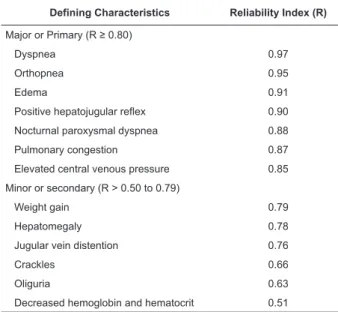
Table 2 illustrates the inter-rater reliability index. To
validate this diagnosis, 32 patients were assessed, from
whom seven major (R ≥ 0.80) and six minor deining
characteristics (R > 0.50 to 0.79) were obtained.
Table 2 - Inter-Rater Reliability Index for deining
characteristics of ND Excess Fluid Volume, Porto Alegre,
Brasil, 2007
Defining Characteristics Reliability Index (R)
Major or Primary (R ≥ 0.80)
Dyspnea 0.97
Orthopnea 0.95
Edema 0.91
Positive hepatojugular reflex 0.90
Nocturnal paroxysmal dyspnea 0.88
Pulmonary congestion 0.87
Elevated central venous pressure 0.85
Minor or secondary (R > 0.50 to 0.79)
Weight gain 0.79
Hepatomegaly 0.78
Jugular vein distention 0.76
Crackles 0.66
Oliguria 0.63
Decreased hemoglobin and hematocrit 0.51
Table 1 - Characteristics of decompensated heart failure
Discussion
This is the irst clinical validation study for the ND
Excess Fluid Volume in the context of decompensated
HF patients.
The sample of 32 patients included white men
between 46 and 79 years of age, admitted to the
emergency service with a high score on decompensated
HF diagnostic criteria. The patients displayed clear
functional limitation at the moment of the assessment,
severe ventricular dysfunction, presence of pleural
effusion, besides other comorbidities. The majority
decompensated due to bad treatment adherence.
The primary or major deining characteristics dyspnea, orthopnea, edema, hepatojugular relex,
pulmonary congestion and elevated central venous
pressure were identiied as the main clinical indicators
for the diagnosis Excess Fluid Volume. These signs and
symptoms picture the manifestations decompensated
patients most commonly present and are mainly related
to congestive episodes, with 80.7% in patients admitted
to emergency units(3).
The deining characteristic dyspnea was considered one of the most important to validate the diagnosis under
analysis and obtained the highest inter-rater reliability
index. This is one of the most common symptoms
among HF patients(14) and can be directly associated
with pulmonary congestion(15). Similar results were also
demonstrated in a retrospective study of congestive
HF patients, in which dyspnea was one of the most
expressive deining characteristics, identiied in 93.3%
of patients(7).
The deining characteristic orthopnea is associated with frequent hospitalizations, disability to improve the
ventricular ejection fraction and has been a symptom
capable of identifying groups of people with a worse
long-term prognosis(16). In a content validation study of
this same diagnosis, orthopnea was also evidenced as
one of the primary characteristics(17).
The presence of edema is a common inding in
patients diagnosed with decompensated HF(18). Similar
results in the same content validation of this diagnosis
classiied edema as a major characteristic(17). The deining characteristic edema is a relevant clinical
inding in the assessment. Its importance is highlighted
in a publication that evidenced that the presence of
peripheral edema and hepatojugular relex in patients with systolic HF were clinical signs capable of deining
different pressure levels in the right heart chamber(19),
which are useful to stratify prognoses in this syndrome.
Thus, the presence of edema in HF patients appoints the
need for a detailed assessment, seeking other signs of
congestion that can support a precise clinical decision.
The identiication of the presence of positive
hepatojugular relex is an alteration that relects
the right ventricle’s disability to adapt to the greater
blood volume it is offered during the congested liver’s
compression(20). In patients with HF and dyspnea, the hepatojugular relux is a clinical predictor successfully
used to identify congestive HF(19). In an exploratory and
descriptive study developed at an institution specialized
in patients with cardiovascular diseases, the researchers
attempted to detect 61 nurses’ use of and importance
attributed to the deining characteristics of the diagnosis Excess Fluid Volume. Hepatojugular relex scored high in the importance category, with 3.89 on a scale ranging
from 1 to 5 points(21).In that research, the important relation between hepatojugular relex and the Excess
Fluid Volume diagnosis could be observed.
The deining characteristic nocturnal paroxysmal
dyspnea is another symptoms frequently associated with HF. In these cases, during sleep, the peripheral
edema is reabsorbed, leading to systemic and pulmonary
hypervolemia, with consequent worsening of pulmonary
congestion and emergence of nocturnal paroxysmal
dyspnea(14,20). In studies on the Excess Fluid Volume
diagnosis, this characteristic was not mentioned. The
characteristic nocturnal paroxysmal dyspnea was an
important clinical symptom to validate that diagnosis,
as it revealed to be a complaint different patients
manifested. It should be highlighted that this symptom
does not igure among the deining characteristics present
in the North American Nursing Diagnosis Association’s
(NANDA-I) classiication, but was considered a primary
characteristic in the present study.
Evidence of pulmonary congestion was also validated
in this study. In this context, a research assessed
mortality during one year in patients hospitalized with
acute HF and the authors demonstrated that pulmonary
congestion was the most common symptom in the
sample, present in 63.5% of cases assessed(22). In the
results of a study performed at an institution specialized
in cardiovascular patients, the nurses who participated
in the study described pulmonary congestion with
above-average scores in the category ‘use of deining
characteristics’, corresponding to 4.35 on a scale from
1 to 5 points(21). Besides, in a content validation study
of this nursing diagnosis, it was observed that this was
one of the primary characteristics(17). In the present
www.eerp.usp.br/rlae
Martins QCS, Aliti GB, Linhares JC, Rabelo ER.
assessed through an x-ray, highlighting the importance
of equipping nurses to interpret this inding.
Finally, the validation of the deining characteristic elevated central venous pressure also highlights its primary nature. In this study, this measure was
assessed through the estimated central venous
pressure technique, obtained through jugular distention
inspection and measurement(23). The indings of this
physical examination method can be extremely useful
in clinical practice, as it is a feasible and low-cost means
to support the assessment of hemodynamic conditions,
especially in critical patients(24).In a study of a group of
cardiovascular patients, in which nurses detected the use
and importance granted to the deining characteristics of the diagnosis Excess Fluid Volume, it was veriied that increased central venous pressure igures among above-average characteristics, scoring 3.84(21). In another study, central venous pressure variations were deined as one of the minor deining characteristics, identiied in
55.5% of patients diagnosed with Excess Fluid Volume
by expert 1 and in 66.6% of patients by expert 2(23).
This characteristic was also mentioned among the major
characteristics observed in the content validation study
of this diagnosis(17).
Validated secondary characteristics include weight
gain within a short time period, hepatomegaly, jugular
vein distention, crackles, oliguria and decreased
hematocrit and hemoglobin.
Weight gain within a short time period was already investigated in a content validation study,
where it was classiied as a primary characteristic
of the study diagnosis(17). In another research on the use and importance of the deining characteristics in
cardiovascular patients, nurses mentioned weight in
these two categories, scoring 4.36 and 4.31, respectively,
on a numerical scale from 1 to 5(21). It should be
highlighted that weight gain is directly related with the
development of congestive episodes, culminating in luid accumulation, which is relected in weight gain. A hardly
perceptible 10% increase in total body weight may occur
until the edema becomes evident(25).
In this study, hepatomegaly was also veriied, a
symptom associated with venous hepatic congestion in
HF, and more frequently related with congestive episodes
due to right HF(20,23). Although hepatomegaly has not been described in the list of deining characteristics
NANDA-I proposed for the diagnosis Excess Fluid Volume,
until date, nor has it been mentioned in any research
on the theme, the researchers suggest including this
signal in the list of deining characteristics, based on the
physiopathological relevance of liver distention and also
on evidence found in the present study.
Pulmonary crackles were classiied as a secondary deining characteristics. Often due to compensatory
lymphatic drainage in chronic congestive HF patients,
crackles are absent in more than 80% of cases, despite increased illing pressures. Nevertheless, data found
in the present research reinforce literature evidence,
identifying the constant presence of this clinical inding
in HF patients diagnosed with Excess Fluid Volume. In a
retrospective study, crackles were identiied in 96.6% of
congestive HF patients(7). This clinical inding was also
observed in a content validation study that described it
as a major deining characteristic(17),particularly in the categories ‘use’ (4.56) and ‘importance’ (4.63), with
scores ranging from 1 to 5, according to nurses(21). Finally, oliguria, decreased hemoglobin and
hematocrit complete the secondary deining characteristics identiied in this study. In a content validation research, oliguria was considered a primary deining characteristic,
while decreased hemoglobin and hematocrit were
deined as secondary characteristics(17).
Conclusions
This was the irst study in a clinical context that validated the deining characteristics of the diagnosis
Excess Fluid Volume is decompensated HF patients.
The following were validated as primary or major characteristics: dyspnea, orthopnea, edema, positive
hepatojugular relex, nocturnal paroxysmal dyspnea,
pulmonary congestion and increased central venous
pressure; minor or secondary characteristics: weight gain, hepatomegaly, jugular vein distention, crackles,
oliguria and decreased hemoglobin and hematocrit.
It is highlighted that two characteristics, nocturnal paroxysmal dyspnea and hepatomegaly, were clinically
relevant to validate this diagnosis. Therefore, their
inclusion into the current deining characteristics in the
NANDA-I taxonomy is suggested.
The deining characteristics azotemia, intake
exceeds output, reduced breath sounds, S3 heart sound and change in mental status scored less than 0.50 and
were ignored for the diagnosis.
Implications for Clinical Practice
The validation of nursing diagnoses based on data directly observed in the clinical environment and
determined by expert nurses can contribute to improve the accuracy of other phases in the nursing process and,
These study results contribute to enhance diagnostic
accuracy when decompensated HF patients are admitted
and, hence, to direct the most adequate interventions.
References
1. Cleland JG, Khand A, Clark A. The heart failure epidemic:
exactly how big is it? Eur Heart J. 2001;22:623-6.
2. Barreto ACP, Del Carmo CH, Cardoso JN, Morgado PC,
Munhoz RT, Eid MO, et al. Re-hospitalizações e morte por insuficiência cardíaca - Índices ainda alarmantes. Arq Bras Cardiol. 2008;91:335-41.
3. Mangini S, Silveira SF, Silva CP, Grativvol PS,
Seguro LFBC, Ferreira SMA, et al Insuficiência cardíaca descompensada na unidade de emergência de hospital
especializado em cardiologia. Arq Bras Cardiol.
2008;90(6):400-6.
4. Nohria A, Tsang SW, Fang JC, Lewis EF, Jarcho JA, Mudge
GH, et al. Clinical assessment identifies hemodynamic
profiles that predict outcomes in patients admitted with
heart failure. J Am Coll Cardiol. 2003;41(10):1797-804. 5. Sauer J, Rabelo ER, Castro RA, Goldraich L, Rhode LE, Clausell N, Beck-da-Silva L. Nurses’ performance in
classifying heart failure patients based on physical exam:
comparison with cardiologist’s physical exam and levels
of N-terminal pro-B-type natriuretic peptide. J Clin Nurs.
2010;19 (23-24):3381-9.
6. Lunney M. Critical thinking and accuracy of nurses’
diagnoses. Int J Nurs Terminol Classific.
2003;14(3):96-107.
7. Rocha PCS, Maria VLR. Excesso no volume de líquidos pulmonares: diagnóstico de enfermagem. Rev Enferm UERJ. 1996;4(2):183-90.
8. Guimarães HQCP, Barros ALBL, Gutierrez MGR. Identificação das características definidoras do diagnóstico de enfermagem Excesso no Volume de Líquidos. Rev. Latino-Am. Enfermagem.
2000;8(2):68-73.
9. Lopes JL, Barros ALBL, Michel JLM. A pilot study to
validate the priority nursing interventions classification
interventions and nursing outcomes classification
outcomes for the nursing diagnosis “Excess fluid
volume” in cardiac patients. Int J Nurs Terminol Classific.
2009;20(2):76-88.
10. Dickstein K, Cohen-Solal A, Filippatos G, McMurray
JJV, Ponikowski P, Poole-Wilson PA, et al. ESC Guidelines
for the diagnosis and treatment of acute and chronic heart
failure: The Task Force for the Diagnosis and Treatment of
Acute and Chronic Heart Failure 2008. European Society of Cardiology. Eur Heart J. 2008;29(19):2388-442.
11. Carlson KJ, Lee DC, Goroll AH, Leahy M, Johnson
RA. An analysis of physicians’ reasons for prescribing
long-term digitalis therapy in outpatients. J Chronic Dis.
1985;38(9):733-9.
12. Fehring R. Methods to validate nursing diagnoses.
Heart & Lung. 1987;16(6):625-9.
13. Castro RA, Aliti GB, Linhares JC, Rabelo ER. Adesão ao tratamento de pacientes com insuficiência cardíaca em um hospital universitário. Rev Gaúcha Enferm.
2010;31(2):225-31.
14. Shiber J R, Santana J. Dyspnea. Med Clin N Am.
2006;90:453-79.
15. Maisel A, Hollander JE, Guss D, McCullough P, Nowak
R, Green G, et al. Primary results of the rapid emergency
department heart failure outpatient trial (REDHOT). A
multicenter study of B-type natriuretic peptide levels,
emergency department decision making, and outcomes
in patients presenting with shortness of breath. J Am
Coll Cardiol. 2004;44(6):1328-33.
16. Beck da Silva L, Mielniczuk L, Laberge M, Anselm
A, Fraser M, Williams K. Persistent orthopnea and the
prognosis of patients in the heart failure clinic. Congest
Heart Fail. 2004;10:177-80.
17. Serget E. Diagnostic content validity of fluid volume
excess: a construct replication. In: NANDA, editor.
Nursing Diagnoses Proceedings of Ninth Conference;
1990; Philadelphia: Lippincott; 1990.
18. Wender OCB, Boustany SM. Exame do sistema
vascular periférico. In: Barros EJG, Albuquerque GC,
Pinheiro CTS, Czepielewski MA, editores. Exame Clínico.
Porto Alegre (RS): Artmed; 2005.p. 289-98.
19. Rohde LE, Beck-da-Silva L, Goldraich L, Grazziotin
TC, Palombini DV, Polanczyk CA, et al. Reliability and
prognostic value of traditional signs and symptoms in
outpatients with congestive heart failure. Can J Cardiol.
2004;20(7):697-702.
20. Oliveira JG. Insuficiência cardíaca congestiva. In: Porto CC, editor. Doenças do coração prevenção
e tratamento. 2 ed. Rio de Janeiro (RJ): Guanabara
Koogan; 2005. p. 264-78.
21. Boery RNS, Barros ALBL, Lucena AF. Características definidoras do diagnóstico de enfermagem Volume de Líquidos Excessivo. Rev Gaúch Enferm.
2005;26(3):326-32.
22. Rohde LE, Goldraich L, Polanczyk CA, Borges AP, Biolo
A, Rabelo E, et al. A simple clinically based predictive
rule for heart failure in-hospital mortality. J Card Fail.
www.eerp.usp.br/rlae
Martins QCS, Aliti GB, Linhares JC, Rabelo ER.
23. Biolo A, Netto R, Dora JM, Polanczyk CA. Exame do
sistema cardiovascular. In: Barros EJG, Albuquerque GC,
Pinheiro CTS, Czepielewski MA, editores. Exame Clínico:
consulta rápida. Porto Alegre (RS): Artmed; 2005. p.
163-82.
24. Vinayak AG, Levitt J, Gehlbach B, Pohlman AS,
Hall JB, Kress JP. Usefulness of the external jugular
vein examination in detecting abnormal central venous
pressure in critically ill patients. Arch Intern Med. 2006;
166(9):2132-7.
25. Cotter G, Felker GM, Adams KF, Milo-Cotter O,
O’Connor CM. The pathophysiology of acute heart
failure-Is it all about fluid accumulation? Am Heart J.
2008;155:9-18.