A Work Project presented as part of the requirements for the Award of a Masters Degree in Management from
Nova School of Business and Economics
Nova School of Business &
Economics
Sustainability Report
Paula Peste Santana #608
A Project carried out on the context of the Sustainability Analysis Field Lab, with the supervision of:
Professor Luísa Agante
2
Index
Executive Summary ... 3
1. Introduction ... 4
2. Literature Review ... 6
3. Sustainability Report’s Proposal Methodology... 8
Report Content Definition ... 8
Structure ... 10
4. Results from Framework appliance... 10
Economic Performance ... 12
Environmental Performance ... 13
Social Performance ... 14
Educational Performance ... 15
5. Conclusions ... 17
6. Recommendations ... 19
Process ... 19
Structure and Presentation ... 20
Content ... 20
7. References ... 23
3
Executive Summary
This work project consists of a sustainability report proposal for NovaSBE, consolidating its strategic goals of preparing students for sustainable development
challenges of today’s organizations and communication towards stakeholders. This proposal arouses from the partnership with the Consultancy firm for Sustainable Development Sair da Casca. The first assignment given by the company consisted of building a sustainability observatoriumthat included the top 25 Portuguese companies’ sustainability practices. However, during the process, the company realized such a benchmarking tool already existed so that it did not make sense to develop it. It was then that from the alignment of interests between the company and the Field Lab purpose emerged the idea of a sustainability report for the school. To conduct a Sustainability Report Proposal for NovaSBE, the previous experience of collecting data
on the top 25 companies’ sustainability practices allowed for a deeper knowledge on
sustainability reporting.The Global Reporting Initiative sustainability reporting standards were chosen to carry this project out considering that its wider acceptance
applies for NovaSBE’s internationalization ambitions. Nonetheless, the standard
framework was adjusted to NovaSBE’s specificities in what sustainability is concerned.
Overall, the results from this report’s proposal show that although NovaSBE has already
taken several sustainability related measures they lack on strategic orientation and coordination, so that their full potential is not being achieved. Taking into consideration the conclusions, several recommendations for future sustainability reports are presented.
4
1.
Introduction
Sustainability is one of the biggest challenges of today’s organizations and therefore
Universities, as the main source of future generators of sustainable value for organizations, should prepare students for such challenge. They can do it through sustainability related courses, conferences and research, but a hands-on, real life application of the concept is still missing on these approaches. Several foreign universities have gone beyond these practices by starting to report on their sustainability as they realized that their own organizational practices should reflect the values and attitudes they want to instill in students (PRME. 2011). Nevertheless, in Portugal there are no Universities currently reporting on their sustainability.
5
the crisis context it will be faced with public resources scarcity and, consequently, higher demand for transparency regarding the management of those resources.
Bearing in mind the reasons above mentioned, a sustainability report, as a
communication tool for stakeholders on the school’s achievements towards their
interests and concerns, would allow the consolidation and further development of the
commitment’s content because it incorporates all the principles; as well as for addressing the demand for transparency. Therefore, this work project focuses on developing a sustainability report proposal for NovaSBE. As it targets stakeholders and school services, its goal is to disclose NovaSBE’s performance on the topics of
stakeholders’ interest, reflecting its sustainability status, at the same time it provides guidelines for the development of future sustainability reports and strategies. The Global Reporting Initiative 3.1 sustainability reporting standards were chosen for this proposal considering that their wider acceptance addresses NovaSBE
internationalization ambitions. However, due to the school’s operational specificities,
these standards were adapted.
The sustainability report’s proposal with all its indicators is on Booklet 2, being this current document a summary of the report’s methodology, conclusions of results and recommendations for future reports.
6
2.
Literature Review
Sustainability Concept
The Industrial Revolution was the turning point for the fast moving society as we know it. The exponential growth of population and production led to the perception
of the “scale and complexity” of our natural resources consumption and how it was endangering the integrity of the planet and living standards (WCED, 19871) which, ultimately, was the starting point of the sustainability concept. The most widely accepted definition for sustainable development was generated in 1987 by the United Nations WCED Commission and it states that “Sustainable Development is development that meets the needs of the present without compromising the ability of
future generations to meet their own needs.”As key players within society, organizations have accrued responsibilities in what concerns pursuing this goal (GRI, 2000-2011), which is based on three pillars, namely: economic, environmental and social, embodying the triple bottom line approach (Elkington, 1997). Universities, as the major catalysts for change, are a privileged element to spread the word on sustainability, thus it should become a priority in University’s Curriculum regarding future leaders’ development (Pidlisnyuk, 2010). The implementation of the United Nations Decade of Education for Sustainable Development Initiative (2005 -2014) has supported and encouraged Universities on their efforts to incorporate sustainability within their mission and practices (Graham, 2004). Other major players in what concerns education for sustainability are, internationally, the World Business Council for Sustainable Development (WBCSD) and, nationally, the BCSD Portugal.
Sustainability Reporting
1
7
Sustainability reporting consists of quantifying and communicating the obtained results to stakeholders in what concerns the organization’s sustainability performance (GRI 3.1 Guidelines 2000-2011). According to Cunha et al. (2011), the most widely used reporting standards are: Social Accountability 8000, ISO 9000 and 14001, ECO-Management and Audit Scheme, Accountability 1000 series and, above all, due to their flexibility, the Global Reporting Initiative reporting guidelines. The GRI standard framework results from practical considerations faced by organizations from several economic sectors, which explains its flexibility as it has been considered widely
applicable for reporting any organization’s sustainability performance (GRI, 2011).
However, the GRI standards were not aiming to assess universities’ specificities (Cole, 2003), which means they have to be adjusted (Lozano, 2010).
Approaches to Incorporate Sustainability in Universities
The main approach is from Van Weenen (Lozano, 2010) who considers four levels of university engagement: 1) institutional practice adjustments; 2) teaching and research contents; 3) university management; 4) external stakeholders’ engagement. Other authors (Buckland et al., 2001) focus on creating change from within by recognizing that each institution has unique features.
University Sustainability Reporting
As every university has its own specificities, there is no standard approach. A sustainability report, though, is a voluntary initiative that aims at: 1) measuring the
organization’s performance in economic, environmental and social terms; 2)
disclaiming the efforts taken to stakeholders (Lozano, 2010), and therefore these topics should be present in any approach. Several guidelines were developed specially for
8
Environment or the Sustainability Assessment Questionnaire, but they lack on the comparability, auditability and accuracy provided by the GRI guidelines.
There are, at least, 322 universities reporting on their sustainability (The College Sustainability Report Card, 20112) within the U.S.A and Canada, and several others within Europe, from which approximately 10 submitted their reports to the GRI (2010). In Portugal there was only one University sustainability report attempt from the Oporto Engineering Faculty in 2006 which was not accomplished, making our project really pioneering in Portugal.
3.
Sustainability Report’s Prop
osal Methodology
For this report’s proposal, the GRI 3.1 Guidelines and Framework were applied considering that their wider acceptance allows for comparability, auditability and easier
understanding of the report’s content. Moreover, the same wider acceptance fits
NovaSBE’s internationalization goals.
Report Content Definition
The GRI 3.1 Guidelines point out the following principles for the report’s
content definition: Completeness, Materiality, Stakeholder Inclusiveness and Sustainability Context. The Completeness of the content refers to the scope, boundaries and reporting period. The definition of these aspects was the first step of the project and took place at a meeting with one of the Associate Deans who takes part on the decision-making process. We agreed to consider only core activities for 20103, such as undergraduate, master and PhD studies, as well as research, and to exclude the extensions - Nova´s Executive Education, Angola Business School and Consulting
2
http://www.greenreportcard.org/
3
9
Services. All these activities are analyzed through a triple bottom line approach to which an education focused chapter should be added. These decisions embody the
10 School’s performance it should be contextualized in what sustainability is concerned4, otherwise the report would fail to respond the underlying question of how the School contributes to the development or decline of economic, environmental and social conditions (GRI.2000-2011).
Structure
As mentioned before, the structure used is GRI 3.1 Standard Framework which allows a triple bottom line approach to sustainability. As a result, it has three standard chapters on economic, environmental and social performance. Each one has a set of
core and optional indicators. Considering the School’s decision of keeping the report simple, only core indicators were covered. In order to adapt the standard frame to the
School’s specificities, the material topics previously identified were added, as
NovaSBE’s performance on those topics affects its sustainability. An extra chapter on Educational Performance was created in order to include these added topics in order to clearly separate what it is standard and what it is specific. Taking into consideration the
fact that the report’s proposal target are the school’s services, the structure is a very
scholastic one following strictly GRI’s guidelines so that the rules and content on which to report are clear for future sustainability reports considerations.
4.
Results from Framework appliance
Regarding the report’s content, all of the information used was publicly disclosed
data or records kindly provided by the School’s services. The report starts with an introductory section in which NovaSBE and the report parameters mentioned in the methodology are presented. Regarding NovaSBE’s presentation, its strategy and
4
11 organizational profile allow for the understanding of NovaSBE’s orientation to what
concerns sustainability, providing the context for its performance on subsequent sections of the report. The main conclusions that can be drawn from NovaSBE’s strategy with implications for its sustainability are its goal of preparing students for marketplace challenges5; serving the wider community through the knowledge it generates5; academic recognition through the ability to attract Faculty and students, and service quality5; internationalization ambitions5; the value proposition for educational content, which reflects a sustainable development focus (Machado, J. Ferreira. 2009); and, ultimately, commitment to the United Nations Six Principles for Responsible Management Education6. As for the organizational profile, aspects such as the primary services provided7, the public nature of ownership, as well as the operational structure
and scale justify most of the school’s performance on the economic, environmental and
social pillars. This presentation section also includes Governance disclosures which play a critical role in what concerns a publicly owned school’s sustainability report considering the demand for transparency on how public resources are managed.
NovaSBE’s governance structure shows a balanced and democratic distribution of
powers, with responsibilities clearly identified (NovaSBE. 2011 b) (UNL. 2009 b) as well as the strategic decision making process (NovaSBE. 2009).
Following this contextualization and organizational overview part, and consistent with the GRI standard framework, we present the performance disclosures on the three sustainability pillars.
5
http://www.novasbe.unl.pt/php/templates/article_simple.php?id=8
6
http://oldwww.fe.unl.pt/index.php?page=529&view=news:View&id=45 7
12
Economic Performance
The economic pillar of sustainability refers to the economic impact of the organization on its stakeholders, so that it goes beyond what is commonly reported in financial accounts. Thus, economic indicators from this section (refer to Appendix 3 for detailed information description of the economic indicators) reflect the flows of capital within the different stakeholders and its major economic impacts on society (GRI. 2000-2011). These indicators are divided into three categories: economic performance, market presence and indirect economic impact. In what economic performance is concerned, indicators show that the main sources of revenues are tuitions and Government transfers, being the latter predominant (NovaSBE. 2011 b). Employees’ remuneration is the major source of costs (NovaSBE. 2011 b). The fact that overall costs overcome the total revenues, in addition to the high dependency from Government Transfers, affects negatively the School’s economic sustainability because, considering the economic impact on society, it implies the consumption of public resources. Moreover with the crisis situation the trend is for those to be even more limited, which ultimately might reflect the increase in tuition fees, and thus affecting students. The indirect economic value generated, channeled by students, faculty and research, should be also accounted for. Although it is impossible to measure it accurately, the presence of Faculty members in public offices and research produced signal the existence of a significant contribution for society in what knowledge production is concerned, which
13
(UNL. 2009 b), which balances the negative impact for the local community of an international recruitment strategy.
Environmental Performance
According to the GRI guidelines, this sustainability pillar accounts for the
organization’s impact on natural systems regarding materials, energy and water consumption, biodiversity, emissions and effluents. Bearing in mind NovaSBE’s core business and scale, its operations’ impact on the natural systems cannot be considered significant. Aware of that, NovaSBE has not made it a priority so that environmental issues are not addressed by the school through specific policies or goals. This conclusion comes across as most of this pillar’s indicators (refer to Appendix 4 for detailed description of the environment performance indicators) were not answered due to lack of measurement or by not being applicable. It was however possible to analyze materials, energy and water consumption between 2009 and 2010 from which resulted that energy consumption has increased more than proportionately to the number of students enrolled, whereas materials and water consumption have decreased even though the number of students increased. There is no way of finding the reasons that explain this fact or even if these consumption levels are acceptable or not, as it would
imply past years’ trends analysis or benchmarking similar schools’ results but such data
is not disclosed. Nevertheless, NovaSBE has taken a few symbolic measures regarding the environment. Thus, results on NovaSBE’s environmental sustainability are inconclusive because on the one hand it does not have an environmental impact that jeopardizes natural systems, justifying impact mitigation initiatives but on the other hand, as a school, it has the responsibility of creating awareness for such issues which,
14 description on stakeholders and school’s interests and importance assigned) and have not been sufficiently addressed by the school.
Social Performance
Social aspects of sustainability cover the organization’s impact on the social
systems it operates in (GRI. 2000-2011). Consequently, indicators of this performance (refer to Appendix 5 for detailed description of social indicators) draw upon Labor Practices, Human Rights, Society and Product Responsibility. Labor Practices regarding recruitment and workforce composition replicate the new demands from the school’s value proposition for 2009/2013 (Machado, J. Ferreira. 2009), as well as its mission and vision, signaling the sustainability of the school in what these practices are concerned. As for Human Rights, no specific data was found or provided although this subject’s consideration is implicit in several procedures such as academic scholarship attribution (non-discrimination rights), for instance. Considering the low risk and impact of Human Rights violation of the School’s core activities, this lack of disclosure does not have a very negative impact in terms of sustainability performance. Society section refers to
NovaSBE’s impact on local community. On this topic the school has several scattered initiatives implementing local community engagement. The school faces these
initiatives as a way of developing its students’ soft skills8
. If we consider the high importance NovaSBE assigns to soft skills development and the medium importance it gives to local community engagement there is an unsustainable discrepancy. Furthermore, being an important subject for stakeholders, the low awareness and scale of community engagement activities in 2010 plus the absence of an integrated orientation among them, do not apply for sustainability. Nonetheless, this is partly
8
15
compensated by the fact that NovaSBE has low risk of impacting the community negatively. Besides these initiatives, the school has made several contributions to the community at a national level throughout its research studies and presence of Faculty members in public offices. Finally, regarding product responsibility, as a business
school, NovaSBE’s activities are not likely to impact negatively students’ health and
safety so that this cannot be considered a critical topic for NovaSBE’s sustainability. Though this does not mean that NovaSBE neglects or can neglect these aspects, as they respect basic needs. About service labeling, the school complies with the information requirements demanded by law9, which adds up to its sustainability in this aspect.
Educational Performance
In the process of adapting GRI’s standard framework to the School’s sustainability
specificities, this section was added integrating the key topics identified by stakeholders with the strategic topics identified by the school (refer to Appendix 2). Therefore, it develops around Ability to Attract Students, Alumni Network, Education for Sustainability, Employability, Internationalization and Soft Skills Development. The ability to attract students affects the school’s sustainability because it will determine revenues considering that tuitions and Government transfers are the main sources of income and that the number of students is one of the criteria to calculate the amount of Government transfers to be received10. To asses it, the evolution of the number of candidates per vacancy and the minimum grade of entry were the indicators used,
showing a positive trend of increasing demand for the school’s services. As for the alumni, this is a topic mainly of the school’s interest, as the relationship with former students is an excellent way of promoting it. This topic was analyzed through the events
9 Law nº62/2007 – Higher Education Institutions Regulation, article 162nd : http://www.uac.pt/pdf/rjies.pdf 10
16
and other channels used to come closer to those former students. It resulted that there is still much to do, considering the scarce number of events and meetings conducted throughout the year, as well as the small number of alumni involved. In what education for sustainability is concerned, besides being identified as very important by stakeholders, it is also one of the aspects contemplated in the strategic plan’s value proposition and PRME the school has committed to. For the assessment of NovaSBE’s performance on this topic, the variety of elective courses related to sustainability and the number of students enrolled, as well as the number of publications produced within the subject were the indicators. From academic year 2008/2009 to 2010/2011, both the number of students enrolled and the variety of elective courses sustainability related increased considerably. Moreover, the number of publications produced by NovaSBE members in 2010 accounted for 33% of the total of the hit publications (NovaSBE. 2011 c) of the school. Regarding employability, as part of NovaSBE’s mission, it is crucial as its ability to produce students desirable to recruiters will, ultimately, increase its ability
to attract more students. Results from the school’s Career Management Office (CMO) show that there was a percentage decrease in students employed within six months of graduating, with exception of students employed abroad, which experienced an increase (NovaSBE. 2011 c). The latter shows that the school’s international placement goals are
17
internationalization goals (NovaSBE. 2011 c). This reinforces the accomplishment of
the school’s mission and value proposition but, however, it was not identified as one of the stakeholders most important topics, so there is here a discrepancy that might
jeopardize NovaSBE’s sustainability. Finally, regarding Soft Skills these are increasingly appreciated and sought by recruiters so that their development increases
NovaSBE students’ desirability for those. To assess the school’s performance on soft skills development the diversity of activities that promotes them, as well as the evolution of the number of enrolled students were considered. Conclusions show a clear positive trend in both activities’ variety and number of students from academic year 2009/2010 to 2010/2011. Overall, this Educational Performance section is the one showing the most positive results in terms of sustainability if we consider the positive trends and efforts to address each of the issues identified. However, before this report’s proposal, data on these topics had not been analyzed11 or collected being disperse except for information on internationalization and employability. This section shows particularly how the school addresses its PRME commitments as it provides sustainable development capabilities training for students through the inclusion of global social responsibility values within curricula and stimulating research. In addition, the CMO develops programs aiming at a closer relationship between the school and organizations,
so that the latter’s challenges become clearer for the school to address. This alignment with the PRME is proof of educational performance sustainability achievements.
5.
Conclusions
Appendix 6 provides an overall idea on the standard topics covered that, when compared with the GRI application level criteria (refer to Appendix 7 for detailed
11
18
information on GRI application level criteria), leads to the conclusion that NovaSBE’s level of compliance of this report proposal with the GRI standards is C+12. The level of application provides the readers information on the extend of the GRI standard framework covered in the report (GRI. 2000-2011). Level C+ reflects the fact that NovaSBE is a first-timer in what sustainability reporting is concerned, providing a starting-point and incentives for further improvements, the plus resulting from the fact that it was conceived and revised by external entities13. To contextualize this result, we can pick an example from the list of the 2010 sustainability top 25 Portuguese companies14: the first classification was taken by EDP which achieved an A+ application level, whereas Mota-Engil, the 19th from the list, achieved a C level of application, for example. Reporting on sustainability is not an easy task especially for an organization that has not got an integrated sustainability strategy such as NovaSBE.
In fact, despite the school’s clear intentions towards sustainability, measures taken are dispersed and not coordinated. However, the work of compiling the required information pays off in terms of resource efficiency by allowing the prioritization of aspects to address and activities’ closer monitoring, which improves time of reaction. It would also add to a better relationship with stakeholders considering the transparency purposes of a sustainability report. For NovaSBE it has even more advantages if we consider the pedagogical side of it15 and the fact that it is an innovative project that fits
the school’s needs for communication and transparency16. This report’s proposal
besides being a guideline for the school’s services to produce other sustainability
12
Scale from C to A+, C being the lowest score and A+ the highest
13
The author and the Sair da Casca consultant
14
Sair da Casca Engagement Rating
15 Students in contact with one of today’s biggest challenges for organizations – reporting on
sustainability
16
19
reports, provides a sustainability diagnosis showing the school’s strengths17 and weaknesses18. Nevertheless, this report’s proposal fails to provide a full sustainability diagnosis as it only covers part of the school’s units, operations and stakeholders. Moreover, the limited access to information also jeopardized the length of the diagnosis.
6.
Recommendations
The following recommendations draw upon both sustainability reporting and strategic issues that arose from the framework application to NovaSBE. Therefore, they rely only on the information used for this report, not being exhaustive recommendations.
Process
Regarding the reporting standard choice, the GRI has proven to be a very complex tool with so many requirements to comply with that it can easily discourage first time reporting organizations to use it. NovaSBE is free to choose other standards, but considering its internationalization ambitions the GRI are the only standard globally recognized. Still about the process, measuring and monitoring impacts allows a more efficient management approach. Thus, for future sustainability reporting considerations these should be the foundation. Also, in order to obtain a 360º perspective on the
school’s sustainability, every stakeholder should be included and engaged in the process
of creating the report. Only an integrated vision from all entities affecting and affected by NovaSBE will allow the understanding of the full range of topics to address. For
instance, this report’s proposal provides a partial vision of the school’s sustainability
because it only considers some of the stakeholders and operations. Moreover, for
17
operations with low to inexistent negative impacts; strong alignment of operations with strategy; positive trend regarding the development of ways towards sustainability
18 discrepancy between stakeholders’ and school’s interests; dispersed data; lack of monitoring and
20
integration and coordination purposes of the activities required, responsibilities will have to be assigned considering that so far the fact that authority is missing resulted in scattered initiatives lacking in strategic orientation. The centralization of these
activities’ coordination would allow the school to take full advantage of their potential.
Structure and Presentation
Bearing in mind its target, the report’s proposal followed a very scholastic approach,
showing step by step every requirement of the GRI framework and guidelines. However, when targeting stakeholders, it should have a more reader-friendly presentation using as much images and graphics as possible to simplify data comprehension, avoiding the long indicator’s descriptions and focusing on the content. As a communication tool, the future reports should be published in a systematic basis19 and submitted to the GRI recognition, for the ultimate external assurance (GRI. 2000-2011). One sustainable way of publishing the reports would be creating an interactive webpage allowing a more easy and segmented reading, as well as paper savings.
Content
One argument against reporting that arose during stakeholders’ consultation was
that it would mean disclosing strategic data. However, this report’s proposal was almost
entirely based on publicly disclosed information which means that the only difference is that it brings all the scattered information together in one single document, easing the access to the information. Additionally, regarding the content, in order to be sustainable,
the school’s strategy should be aligned with stakeholders’ interests and concerns.
Therefore, frequent assessment of those is required so that the school can identify risks on time to address them and communicate its efforts on those topics. Furthermore, the
19
21
more complete the report is in what concerns boundaries, the better the conclusions on its effective/overall sustainability. Regarding Economic Performance, if the high dependency on Government transfers threats the school’s economic sustainability it should diversify its funding sources. Increasing the number of vacancies is not a sustainable solution because, although more students would mean an increase in Government transfers10 and tuition fees, that would also imply more operational costs
and, in addition, the school faces space limitations as it is confined to the Campolide
building’s dimensions. Consequently, the diversification of funding sources would apply to the operations/units not covered by this report such as Nova Forum, Angola
Business School and Consulting Services. Raising masters’ tuition fees may also be a
solution but, considering NovaSBE is a public school, in order to be sustainable it
22
highlighted. Considering this, information on labour experience and organizational/corporate connections should be also included in this section, providing facts on measures taken to carry out the mission. For being sustainable, NovaSBE also has to engage employees, creating incentives and conditions for them to include sustainability within their tasks. So far, although the several measures concerning sustainability mentioned, the structure of career incentives still does not contemplate sustainability related aspects, so that the way NovaSBE has been implementing sustainability cannot be considered sustainable itself. To what Community Engagement
is concerned, NovaSBE’s sustainability depends on the students’ soft skills
development that it provides and also on the social awareness created. Although the
school has developed programs to pursue these aspects, the lack of results’ monitoring
compromises its sustainability by undermining their full potential. Therefore, closer
monitoring and results discloser are crucial for the school’s social sustainability. About Product Responsibility, albeit health and safety of the students is not a critical topic for
NovaSBE’s sustainability, there are measures taken to ensure the basics needs are covered. Even these measures should be communicated as it shows the school’s concern for its stakeholders’ health and safety allowing the school to strengthen the relationship with stakeholders which, ultimately, will increase its sustainability. Even though some
23
itself recognizes (Machado, J.Ferreira.2009). In due course, a sustainability report would be a solution for both.
7.
References
AA1000 SES. 2011. AccountAbility: “AA1000 Stakeholder Engagement Standard,
2011”. http://www.accountability.org/standards/aa1000ses/index.html
Buckland, H., F. Brookes, D. Seddon, A. Johnston and S. Parkin. 2001. “The UK
Higher Education Partnership for Sustainability (HEPS).” ULSF’s TheDeclaration, v. 5, no.1, December.
Graham, Amanda C. 2004. “Interim Report on Higher Education Sustainability
Activities”. http://globalsustainability.org/data/ags_highered_int_rep7-20-04.pdf Cole, L. 2003. “Assessing Sustainability on Canadian University Campuses:
Development of a Campus Sustainability Assessment Framework”. http://neumann.hec.ca/humaniterre/campus_durable/campus_memoire.pdf
Cunha, M. Pina, Arménio Rego, Helena Gonçalves, Susana Frazão Pinheiro. 2011.
“Estratégia Oceano Verde”. First edition 2011 by Texto Editores, Lda
Elkington, J. 1997. “Cannibals with Forks: the Triple Bottom Line of 21st Century Business”. First edition 1997 by Capstone Publishing Limited
GRI. 2000-2011. Global Reporting Initiative: “Sustainability Reporting Guidelines, version 3.1”. https://www.globalreporting.org/resourcelibrary/G3.1-Guidelines-Incl-Technical-Protocol.pdf
Lozano, R. 2010. “The State of Sustainability Reporting In European Universities”. ERSCP-EMSU conference, Delft, The Netherlands
24
NovaSBE. 2009. “Estatutos da Faculdade de Economia da Universidade Nova de Lisboa”. Diário da República, II série — N.º 18 — 27 de Janeiro de 2009
NovaSBE. 2011 a. “Handbook 2011-2012”
NovaSBE. 2011 b. “Demonstrações dos resultados por naturezas para os exercícios findos em 31 de Dezembro de 2010 e Dezembro de 2009”
NovaSBE. 2011 c. “Relatório de Actividades 2010”
Pidlisnyuk, Valentina. 2010. “Education in Sustainable Development: the role of
Universities”. Economic and Environmental Studies. Vol. 10, No. 1 (13/2010),59-70
PRME. 2011. United Nations Six Principles for Responsible Management Education: http://www.unprme.org/index.php
UNL. 2009 a. Universidade Nova de Lisboa: “Nova em Números 2009”. http://www.unl.pt/universidade/nova-em-numeros
UNL. 2009 b. Universidade Nova de Lisboa: “Relatório de Actividades 2009”. http://www.unl.pt/universidade/relatoriounl-2009.pdf
8.
Appendices
Appendix 1 - Key topics identified by stakeholders
Category Relevant Topics
Economic Ability to attract Students; Employability of Students; International Partnerships; Position in Rankings; Alumni Network; Ability to attract
recognized professionals
Social Projects regarding the improvement of host community; Access to education (tuition fees/scholarships)
Environmental Waste Recycling; Efficient use of energy
25
Appendix 2 –NovaSBE’s Materiality Profile
Appendix 3 - Economic Indicators (GRI. 2000-2011)
Core Indicators Description Category
EC1 Direct Economic value generated and distributed
Economic Performance EC2 Financial implications due to climate change
EC3 Coverage of benefit plan obligations EC4 Financial assistance from Government
EC6 Policies with regard to local suppliers Market Presence
EC7 Local Hiring
EC8 Investment for public benefit Indirect Impact
Appendix 4 - Environmental Indicators (GRI. 2000-2011)
Core Indicators Description Category
EN1 Materials used
Materials
EN2 Recycled input materials %
EN3 Direct energy consumption
Energy
EN4 Indirect energy consumption
EN8 Total water withdrawal Water
EN11 Location and protected areas/high biodiversity areas
Biodiversity EN12 Significant impacts of activities on biodiversity
EN16 Greenhouse gas emissions
Emissions, Effluents and
Waste EN17 Other relevant indirect greenhouse gas emissions
EN19 Emissions of ozone depleting substances
EN20 NO and SO emissions
EN21 Total water discharge
EN22 Total weight of waste
26
EN26 Initiatives to mitigate environmental impacts Products and Services EN27 Packaging materials reclaimed by category
EN28 Fines for non-compliance with environmental laws Compliance
Appendix 5 - Social Indicators (GRI. 2000-2011)
Core Indicators Description Category
LA1 Total Workforce
Labor Practices and Decent Work LA2 Total number of new employees hires and turnover
LA15 Parental Leaves: return to work and retention LA4 Employees covered by collective agreements % LA5 Min. period notice for operational changes LA7 Injuries, occupational diseases, absenteeism LA8 Health and safety education and prevention LA10 Average hours of training per employee LA13 Composition of governance bodies LA14 Ratio of basic salary of women to men
HR1 % Contracts that include human rights clauses
Human Rights HR2 Business partners human rights screened
HR3 Human rights training
HR4 Nº of discrimination incidents
HR5 Risk of freedom of association violation
HR6 Risk of child labor incidents
HR7 Risk of compulsory labor
HR10 Operations subject to human rights review HR11 Nº of grievances human rights related
SO1 Local community engagement
Society SO9 Risk of negative impact in local community
SO10 Mitigation of negative impact in local community SO2 % business units analyzed for corruption risk
SO3 Anti-corruption training
S04 Response to corruption incidents SO5 Public policy positions and participation
SO8 Non-compliance fines
PR1 Health and safety service assessment
Product Responsibility PR3 Service information required by procedures
PR6 Marketing communications adherence programs
27
Appendix 6 - GRI Content covered
GRI Standard Disclosures GRI Indicators
Strategy and Analysis 1.1 and 1.2
Organizational Profile 2.1 to 2.10
Report Parameters 3.1 to 3.13
Governance, Commitment and Engagement
4.1 to 4.3, 4.6 to 4.9; 4.11 to 4.13; 4.14 to 4.17
Core Performance Indicators GRI Indicators
Economic Performance EC1, EC2, EC3, EC4, EC6, EC7, EC8 Environmental Performance EN1, EN3, EN8, EN26
Social Performance LA1, LA2, LA13, SO1, PR1, PR3
Nova School of Business and Economics
Proposal for the Design of
NovaSBE 2010 Sustainability Report
Paula Peste Santana #608
NovaSBE Sustainability Report Proposal 2010
2 Field Lab - Sustainability Analysis
Content
Introduction ... 4
GRI Content Index ... 7
Level of Application of the GRI framework ... 8
1. Strategy and Analysis ... 8
1.1 Statement from the Dean ... 9
1.2 Key impacts, risks and opportunities ... 14
2. Organizational Profile ... 15
3. Report Parameters ... 19
3.1 Report Profile ... 19
3.2 Report Scope and Boundary ... 19
4. Governance, Commitments and Engagement ... 20
Governance ... 20
Commitment to External Initiatives ... 25
Stakeholder Engagement ... 26
5. Management Approach and Performance Indicators ... 28
5.1 Economic Performance ... 28
5.2 Environmental Performance ... 33
5.3 Social Performance ... 36
5.3.1 Labor Practices and Decent Work ... 36
5.3.2 Human Rights ... 41
5.3.3 Society ... 43
5.3.4 Product Responsibility ... 45
5.4 Educational Performance ... 47
5.4.1 Ability to attract students ... 47
5.4.2 Alumni Network ... 50
5.4.3 Education for Sustainability ... 50
5.4.4 Employability ... 52
5.4.5 Internationalization ... 54
5.4.6 Soft Skills Development ... 56
Conclusions ... 59
NovaSBE Sustainability Report Proposal 2010
3 Field Lab - Sustainability Analysis
Figures Index
Figure 1 - GRI 3.1 Process for creating a Sustainability Report………..5 Figure 2 – GRI Application Level Criteria………...7 Figure 3 –NovaSBE’s Impacts and Impact on NovaSBE………..14 Figure 4 –NovaSBE’s SWOT Analysis……….15 Figure 5 –Nova’s Lisbon University units……….17 Figure 6 –NovaSBE’s organizational structure………..21 Figure 7 –Stakeholders’ Engagement scheme………26 Figure 8 –NovaSBE’s Sustainability Materiality Profile………...27 Figure 9 – CMO Career Management Plan 2010………....53 Figure 10 – Sustainability Classification………60
Tables Index
Table 1 – GRI Content Covered………7 Table 2 –NovaSBE’s School Council composition………23 Table 3 –NovaSBE’s list of relevant stakeholders……….26 Table 4 –Relevant Topics identified by NovaSBE’s stakeholders……….27 Table 5 –NovaSBE’s Revenues and Expenditures for years 2009 and 2010……….29 Table 6 –NovaSBE’s Material Expenditures for 2009 and 2010………...33 Table 7 –NovaSBE’s Energy Expenditures for 2009 and 2010……….33 Table 8 –NovaSBE’s water expenditures for 2009 and 2010……….34 Table 9 –NovaSBE’s employees per type for 2008, 2009 and 2010………..37 Table 10 –Professional categories of NovaSBE’s teaching employees for 2008, 2009 and 2010…….37 Table 11 –Professional categories of NovaSBE’s non-teaching employees for 2008, 2009 and 2010 38 Table 12 –NovaSBE’s governance bodies composition in 2010………...39 Table 13 –NovaSBE’s employees’ age and gender distribution for 2008……….40 Table 14 –NovaSBE’s Undergraduate demand and supply for academic years 2009/2010 and 2010/2011…..48 Table 15 - NovaSBE’s masters demand and supply for academic years 2009/2010 and 2010/2011….48 Table 16 - NovaSBE’s research master students enrolled for academic years 2009/2010 and 2010/2011……..49
Table 17 - NovaSBE’s PhD students enrolled for academic years 2009/2010 and 2010/2011………..49
NovaSBE Sustainability Report Proposal 2010
4 Field Lab - Sustainability Analysis
Introduction
Purpose
As the title suggests, the hereby document is a proposal for Nova School of Business and Economics (NovaSBE) Sustainability Report. Its main goal is to provide
NovaSBE’s with a sustainability diagnosis and disclose its performance to stakeholders.
Therefore, its targets are NovaSBE’s stakeholders, for communication purposes, and
internal services, showing the processes to be followed for future sustainability reports. Motivations
Many reasons could be enumerated to justify a sustainability analysis of NovaSBE and, therefore, sustain this document preparation, namely:
Sustainability Analysis Trend - the perception that resources are limited has led organizations to concern about their ability to continue operations successfully in the future. Considering that, there has been a growing trend among organizations regarding sustainability analysis and NovaSBE is a School that provides an education that prepares students for the corporate world, offering practical learning experiences. Thus it should address this trend, not only throughout its educational programs, but also by acting as an example preparing its students for such challenges.
Resources Scarcity and Demand for Transparency Trend – with the crisis event the limited Government’s budget for Schools, the main source of NovaSBE financing, has been severely decreasing, which points to an even more serious rationalization and control of the existing resources. For that, a sustainability report would fit as it would
allow for a more accurate understanding of the School’s resources and its stakeholders
expectations by measuring all the available resources (“You cannot manage what you
do not measure”) and disclosing about them.
School’s Engagement with the Principles for Responsible Management Education
(PRME) – NovaSBE joined the United Nations PRME back in 2008 being the first Portuguese school to do that. The organizations that join this initiative commit to an alignment of their mission, strategy and main competences to what concerns education and research with the 6 UN PRME. The engagement model contemplates three phases, one of which is reporting to stakeholders. Hence, in order to pursue what it has committed to, NovaSBE should embrace this initiative of reporting on its sustainability.
NovaSBE Sustainability Report Proposal 2010
5 Field Lab - Sustainability Analysis
Methodology
This document was written using the Global Reporting Initiative (GRI) 3.1 Framework and Guidelines, as the use of such a widely accepted framework allows for better understanding and comparability of its content and structure. In addition, that wider
acceptance applies for NovaSBE’s internationalization goals.
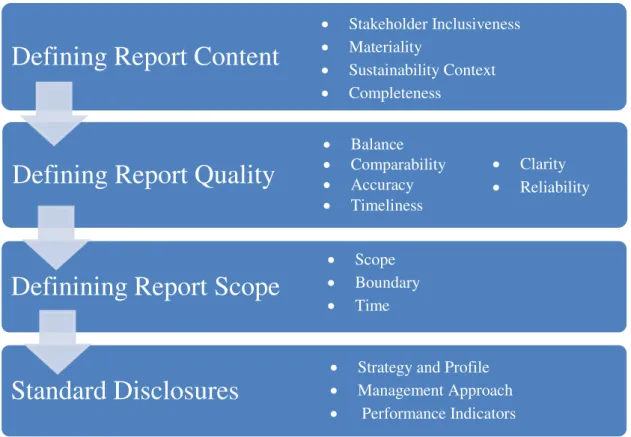
Figure 1 - GRI 3.1 Process for creating a Sustainability Report. Source: GRI 3.1 Technical Protocol
The figure above synthesizes the general process recommended by the GRI 3.1 Guidelines. When applying this process to this document the result was:
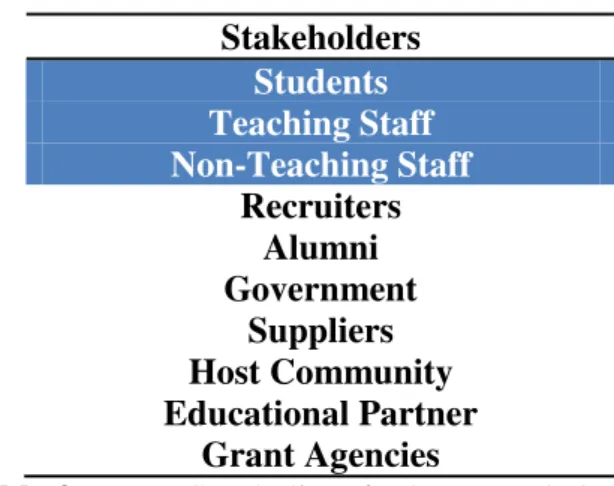
Defining Report Content: the first step taken was to identify and consult the relevant stakeholders on their interests and expectations regarding NovaSBE and Sustainability. To do so, the boundaries of the “report” were first defined in a meeting with a member of the School’s Direction. Then, according to those limits, the relevant stakeholders were identified. Open interviews to 12 students, 6 Professors and 6 non-teaching employees were conducted. The information provided by this step allowed for the definition of the relevant topics and indicators to be reported (materiality). The following step consisted of NovaSBE’s contextualization in what sustainability is concerned (what does NovaSBE does with regards to each of the sustainability pillars? How and why does it address it or does not?), otherwise the report would fail to respond to the underlying question of how does the School contribute to the development or decline of economic, environmental and social conditions.
Defining Report Content
Defining Report Quality
Definining Report Scope
Standard Disclosures
Stakeholder Inclusiveness Materiality
Sustainability Context Completeness
Balance Comparability Accuracy Timeliness
Clarity Reliability
Strategy and Profile Management Approach Performance Indicators Scope
NovaSBE Sustainability Report Proposal 2010
6 Field Lab - Sustainability Analysis
Defining Report Quality: both negative and positive aspects are reflected in this document allowing an assessment of the overall performance of NovaSBE (balance). Bearing in mind the fact that there is not a previous document with such nature, comparability is not currently applicable but should be for the analysis to come. About accuracy, the author was as detailed as possible in the information provided, considering her limited access to that same information. Timeliness is not also applicable in this case considering the nature of a first attempt, but should also be considered for future reports. In what clarity is concerned, the author adopted an approach that allows content clarity for two targets: stakeholders, as the communication
target, and School’s services, making the process of creating a sustainability report
comprehensible. The content’s reliability is based on the fact of its source being the School itself.
Defining Report Boundaries: this was one of the first steps taken, being the limits defined accordingly to one Associate Dean and the Dean’s expectations and intentions towards the document. Therefore, the decision was that, as a first attempt, “simple is
beautiful”, so that its spectrum included only, for time being, the core activities of the school – undergraduate, master and PhD studies plus research.
Standard Disclosures: as the title suggests, the GRI has a standard framework that could be used by different types of organizations from all sectors of activity. This may threaten the quality of the conclusions on the overall performance of the reporting organization if we consider that there can be crucial performance specificities of that organization that are not covered by the GRI standards. As a result of that, the GRI framework is flexible enough to allow the introduction of topics and indicators beyond its standards in order to include all the key aspects of the organization’s activities. The standard disclosures include the following sections: economic performance, environmental performance and social performance (Labor practices and Decent work, Human Rights, Society and Product Responsibility). It was decided with the member of
the School’s Direction that an Education performance section should be added as it is of utmost importance for NovaSBE.
Sources
The content of this document was collected by the NovaSBE student Paula Santana, using NovaSBE’s publicly disclosed information, as well as data kindly provided by the
School’s Services and Stakeholders. Information concerning the structure of the document was taken from GRI 3.1 Guidelines and Framework. Additional sources account for the UN PRME website. Therefore, the content of this report’s proposal relies on quotations from information originally produced by NovaSBE, Nova’s Lisbon University, The Global Reporting Initiative and The United Nations. Quotations’ sources are identified in the beginning of each section. The chapters Introduction, Key Impacts, opportunities and risks, Stakeholders Engagement, Performance Evaluations, Conclusions and Recommendations do not rely on quotations, being independently
NovaSBE Sustainability Report Proposal 2010
7 Field Lab - Sustainability Analysis
Both content and structure were revised and enlightened by a “Sair da Casca” consultant
and Professor Luísa Agante. Strategic decisions such as the ones regarding the scope or content of the document were based on stakeholders and on the Pre-Experience Associate Dean decisions and opinions.
Structure
This document follows exactly the GRI 3.1 framework list of topics to be covered, with the respective content description. Due to the guideline nature of this document the following sections were added to the standard framework: Introduction, Conclusions and Recommendations. This is a very scholastic report approach, being the most common a stakeholder-interests-oriented one (information is organized in a more easy-to-read way and according to stakeholders preferences/interests). The scholastic
approach fits the document’s purpose better as it provides detailed guidelines, leaving
up to the School how the content will then be presented.
GRI Content Index
GRI Standard Disclosures GRI Indicators
Strategy and Analysis 1.1 and 1.2
Organizational Profile 2.1 to 2.10
Report Parameters 3.1 to 3.13
Governance, Commitment and Engagement
4.1 to 4.3, 4.6 to 4.9 4.11 to 4.13 4.14 to 4.17 Core Performance Indicators GRI Indicators
Economic Performance EC1, EC2, EC3, EC4, EC6, EC7, EC8 Environmental Performance EN1, EN3, EN8, EN26
NovaSBE Sustainability Report Proposal 2010
8 Field Lab - Sustainability Analysis
Figure 2 – GRI Application Level Criteria. Source: GRI 3.1 Application Levels
Level of Application of the GRI framework
The level of application provides the readers of the report information on the extent of the GRI standard framework covered. The different levels go from C to A grade, C
reflecting a beginner’s level, B an intermediate one and A an advanced level. A “plus”
can be added for each level in case the report is submitted to external assurance.
This report’s proposal responds to all profile disclosure items but, however, is shorter on management approach disclosures and only reports fully on 16 performance indicators (at least one from each of the social, economic and environmental topics). Adding the fact that it was conceived and revised by external entities (the author and the Sair da Casca consultant), we can conclude that NovaSBE obtained C+ level of the GRI application. This level reflects the fact that NovaSBE is a first timer in what sustainability reporting is concerned, providing a starting-point and incentives for further improvements (refer to Recommendations section). To contextualize this level result, we can pick an example from the list of the 2010 sustainability top 25 Portuguese companies (source of this list: Sair da Casca Engagement Rating): the first classification was taken by EDP which achieve an A+ application level, whereas Mota-Engil, the 19th, achieved a C level of application, for example.
1.
Strategy and Analysis
Mission
Source: NovaSBE’s website1
NovaSBE provides an excellent level of higher education and research.
NovaSBE aims to:
Produce graduates and postgraduates equipped for the marketplace. The high-quality and innovative courses are geared to providing the knowledge and skills required, and are regularly reviewed to aim at best practice. Teaching is rigorous, and benefits from the stimulus of a wide range of electives, international recruitment and exchange programs. The intellectual environment will attract and stimulate both Faculty and students.
Serve the wider community and advance knowledge. NovaSBE influences economic policy and improves business practice, through the provision of executive
1The reference NovaSBE’s website or current website refer to the following address:
NovaSBE Sustainability Report Proposal 2010
9 Field Lab - Sustainability Analysis
education, and consultancy services. It conducts pure and applied research, which is scholarly relevant, and rated internationally.
Profit from its strengths. As a combined school of Economics, Finance and Management, NovaSBE benefits from the synergy between these disciplines. The research underpins the quality of our teaching. Through embracing international perspectives and harnessing local experience, it creates a positive environment for education and research.
Bring prestige to Portugal, students, Faculty, alumni and staff through international recognition. The School pursues international accreditation to enhance its standing, attract Faculty, students and stakeholders, validate our standards, promote change and stimulate our quest for continuous improvement.
Vision
Source: NovaSBE’s website
The vision states how the School would like to see itself as an organization in a near future.
“Our vision is to be among the best in Europe”
1.1 Statement from the Dean
Source: “A Five Years Plan”, message from the Dean approved by the School
Council in 2009-05-27
The School’s vision is “To be among the best school in Europe”. The creation of an
international reputation and of internationally competitive programs requires academic and scientific excellence – without which no credible standing is possible – and
“product differentiation” – without which is harder to stand out.
Academic recognition is boosted by accreditation and rankings, but it is ultimately sustained by the international prestige of the students and faculty; its ultimate measure
is the School’s ability to compete for students and faculty. To compete, the School
needs also to sharpen its value proposition by supplying distinctive (“exportable”)
expertise. This differentiating feature will result from creating reputable centers of knowledge building up on already existing capabilities. But they will also decisively come from leveraging on assets that are unique to a Business and Economics school in Portugal namely, the historical links with Portuguese speaking countries in Africa and South America.
NovaSBE Sustainability Report Proposal 2010
10 Field Lab - Sustainability Analysis
and Brazil is by being among the best schools in Europe. On the other hand, developing a distinctive expertise in business and economic subjects relevant to those countries and to its multilateral links with, say, Europe, India and China, will create a distinctive knowledge banner that may help projecting NOVA among European schools. Furthermore, a stronger presence in those parts of the world may be interesting from the financial view point, thus contributing to ease resources constraints and to promote overall academic excellence.
The proposed medium‐term strategic goals are organized in three areas: Academic recognition
Value Proposition Stakeholders
The strategic vectors below do not cover all academic programs or all areas of involvement. They focus on programs or areas of strategic importance (rather than
tactical), where significant changes must occur in order to foster the School’s ability to
compete.
Academic Recognition
Academic recognition is a broad concept with a wide range of dimensions. The School has always favored a research based international dimension. Although the ultimate gauge of recognition is the ability to attract internationally mobile students, we have always believed that the quality of the research production and the existence of formal accreditations are critical inputs.
From the point of view of improving NOVA’s international profile, the Bologna Masters’ represent a tremendous opportunity since there the playing field is not yet
dominated by the most powerful academic institutions. Consequently, our efforts will be to a great extend directed to these programs.
The focus on Masters’ does not mean that we will overlook the undergraduate and
doctoral programs. We believe that we are national leaders in undergraduate studies in Economics and Management. These constitute an essential part of the informal
recognition of our brand and a natural recruiting ground for Masters’ students. The
School must, therefore, continue to be regarded as offering the top undergraduate programs in Portugal (measured by, say, the quality of incoming students). NOVA offers PhD programs in Economics, Finance and Management. The first two are the oldest in Portugal and a critical part of our image as a full service school. We also believe that these programs are important in attracting young research oriented faculty to the School. It is our intention to keep the Doctoral programs at their current levels that is, graduating an average of 5 students per year.
Value Proposition
NovaSBE Sustainability Report Proposal 2010
11 Field Lab - Sustainability Analysis
differentiate themselves. For some schools differentiation based on outstanding scientific quality across the board is feasible. Others must look for specific niches of expertise from where to stand out. NOVA is in the second category.
The targets in this area are as follows:
Create knowledge centers around academic expertise areas following, for instance, the model of the already existing CGG‐Center for Globalization & Governance. These centers will be tools to coordinate research and teaching initiatives and to communicate existing expertise to outside constituencies. In addition to CGG three additional centers seem natural looking at existing resources (the designations are merely indicative):
o Finance
o Creative Organization Studies
o People, Markets and Policy, comprising areas such as, Health Economics
Markets’ Regulation
Empirical Business Strategy Sustainability and Development
Project NOVA as the pivot in the relationship between the European Academies of Economics and Management and the Portuguese speaking world in the South Atlantic (namely Angola and Brazil). The ambition should be to attract people from all over the world for whom specialized local knowledge of those markets is at a premium and, also, to target Portuguese companies in those markets. In the medium‐term, we envision three types of specific actions:
o Immediate implementation of executive education initiatives in Angola;
o The creation of a “vehicle” (for instance a local company with NOVA
FORUM participation) that may provide a consistent basis for Executive Education programs in the Angolan market. Reasonable targets of success for this venture are: 1. To have a local organization in Angola representing the School; 2. To offer one management course for executives (General Management Course‐type) on a regular yearly basis
as of 2010; 3. To see the relevance to Angola’s long‐term development
of NOVA’s presence recognized by the national authorities.
o Finally, devise a strategy that, using our presence in the Executive Education market in Angola as lever, may project the intended pivotal role. Such a strategy will be drafted during 2009. It should be ambitious and comprehensive: it should go beyond executive education and include
all the relevant aspects of the School’s academic life, Economics as well as Management and research as well as teaching. Namely, it should contemplate:
NovaSBE Sustainability Report Proposal 2010
12 Field Lab - Sustainability Analysis
specific experience with the Portuguese speaking African countries (workshops, field trips, work projects, and so on); Consolidation of a research expertise on Sustainable
Development;
Stronger focus of the Masters in Management and MIM on cross cultural management emphasizing Africa and Brazil; The (longer term) possibility of offering academic programs
under the brand NOVA in Angola (say, in cooperation with a local University).
Stakeholders
The School is a poor communicator of its initiatives and strengths both to internal and external stakeholders as well as to the society in general. To improve on this front we plan, namely: to launch a quarterly news letter series, to create a intranet platform were different subjects can be widely discussed (already used to discuss the naming of the School), to hire a media agency to increase the School’s presence (both institutional and through individual faculty) in the national media, and to continue direct communication initiatives such as the bi‐monthly meetings of the Dean with administrative staff.
The School needs a serious alumni network with national and international chapters. Some steps have already been taken but much rests still to be done. At the end of the mandate, the score on this count will be a clear “unsuccessful” if such a network is not in place.
Programs of good academic quality are, of course, fundamental but do not suffice to attract students and create a positive feedback from alumni to prospective students. The School needs to provide its students a better overall learning experience at NOVA in terms of friendliness of service as well as simplicity and responsiveness of processes. Students must leave the School as long time friends. Progress in this area will be measured through customer satisfaction questionnaires using the platform INOVQUAL.
The medium term goals outlined above are reachable within the School’s actual
resources constraints. And, it is believed, they constitute steps in the right direction. From this one should not infer that, relative to its ultimate ambition of being a serious European competitor, the School does not face a severe lack of scale and resources. The scale of our operations is roughly 10 million Euros per year. For a significant leap forward this amount must be increased by a multiple.
Sustainability
Sources: NovaSBE’s old website2and PRME’s website3
2
http://oldwww.fe.unl.pt/
3
NovaSBE Sustainability Report Proposal 2010
13 Field Lab - Sustainability Analysis
With regards to NovaSBE’s adherence to the PRME, Professor José Ferreira Machado stated that “the initiative reveals itself as another step forward in what concerns the
recognition of social responsibility and sustainability as part of the School’s educational and research activities”.
NovaSBE joined the United Nations Principles for Responsible Management Education back in 2008 being the first Portuguese school to do that. The organizations that join this initiative commit to an alignment of their mission, strategy and main competences to what concerns education and research with the 6 UN Principles:
Principle 1 – Purpose: We will develop the capabilities of students to be future generators of sustainable value for business and society at large and to work for an inclusive and sustainable global economy.
Principle 2 - Values: We will incorporate into our academic activities and curricula the values of global social responsibility as portrayed in international initiatives such as the United Nations Global Compact.
Principle 3 - Method: We will create educational frameworks, materials, processes and environments that enable effective learning experiences for responsible leadership. Principle 4 - Research: We will engage in conceptual and empirical research that advances our understanding about the role, dynamics, and impact of corporations in the creation of sustainable social, environmental and economic value.
Principle 5 - Partnership: We will interact with managers of business corporations to extend our knowledge of their challenges in meeting social and environmental responsibilities and to explore jointly effective approaches to meeting these challenges. Principle 6 - Dialogue: We will facilitate and support dialog and debate among educators, students, business, government, consumers, media, civil society organizations and other interested groups and stakeholders on critical issues related to global social responsibility and sustainability.