Association between periodontal disease and subclinical
atherosclerosis: a systematic review
Associação entre doença periodontal e aterosclerose subclínica: uma revisão sistemática
Rafaela das Mercês Batista
1, Eliana Zandonade
2, Leonard Hermann Roelke
3, Adauto Oliveira Emmerich
4, Elizabeth Pimentel
Rosetti
5, Maria Del Carmen Bisi Molina
6, Edson heodoro dos Santos Neto
7Abstract
he association between periodontal disease and the development of atherosclerosis has been studied. he systematic review of literature aims to evaluate the association between periodontal disease and subclinical atherosclerosis. A literature search of the PubMed, Scopus, LILACS, BBO, Cochrane Library and Scielo bibliographic databases was conducted using the following descriptors: “periodontal disease”, “periodontitis”, “carotid”, and “therosclerosis”. Articles were excluded if they: presented abstracts written in languages other than Portuguese, English and Spanish; experimental studies; did not contain data testing the degree of association between periodontal disease and subclinical atherosclerosis; did measure the extent of periodontal disease by parameters other than the clinical examination; did not measure the carotid artery intima-media wall thickness by ultrasonography; and covered speciic population groups. he studies design, measurement protocols and reported data were compared. A total of 63 papers identiied only 10 studies that met the inclusion criteria: 1 longitudinal study, 6 cross-sectional, and 3 case control studies. here was a wide heterogeneity between the studies regarding the methods of measuring periodontal disease and atherosclerosis outcomes. he conclusion is that periodontal infections are strongly associated with the development of subclinical atherosclerosis, however the mechanisms involved on the pathogenic process remain unknown.
Keywords: atherosclerosis; periodontics; carotid artery diseases.
Resumo
A associação entre doença periodontal e o desenvolvimento de aterosclerose tem sido pesquisada. Esta revisão sistemática da literatura se propõe a veriicar a associação entre a doença periodontal e a aterosclerose subclínica. A pesquisa utilizou as bases de dados: PubMed, Scopus, LILACS, BBO, Biblioteca Cochrane e Scielo com os termos: “doença periodontal”, “periodontite”, “carótida” e “aterosclerose”. Foram excluídos artigos: que apresentaram resumos escritos em idiomas diferentes do português, inglês e espanhol; com abordagem laboratorial em modelos experimentais; sem descrição ou referência a estimadores de associação entre doença periodontal e aterosclerose subclínica; pesquisas que realizaram a medida da doença periodontal por parâmetros diferentes de exames clínicos; pesquisas que não analisaram a espessura da íntima média da artéria carótida através de exame de ultrassom; e que abordassem grupos especíicos. Foram comparados os desenhos de estudo, protocolos de medida e os dados relatados. De um total de 63 referências, apenas 10 artigos contemplavam todos os critérios de inclusão, distribuídos em: 1 estudo longitudinal, 6 transversais e 3 casos controles. Observou-se uma heterogeneidade entre os estudos em relação ao método de mensuração da doença periodontal e os desfechos da aterosclerose. Concluiu-se que infecções periodontais são fortemente associadas ao desenvolvimento da aterosclerose subclínica, entretanto os mecanismos envolvidos no processo patogênico ainda permanecem desconhecidos.
Palavras-chave: aterosclerose; periodontia; doenças das artérias carótidas.
Study carried out at the Center for Health Sciences of Universidade Federal do Espírito Santo (UFES) – Vitória (ES), Brazil
1 Periodontist; Master of Public Health from UFES – Vitória (ES), Brazil. 2 PhD in Statistics; Professor of Public Health at UFES – Vitória (ES), Brazil.
3 Specialist in Angiology and Vascular Surgery; Professor of Surgical Clinics at UFES – Vitória (ES), Brazil.
4 Post-doctorate degree in Public Health from Fundação Oswaldo Cruz – Rio de Janeiro (RJ), Brazil; Professor of Public Health at UFES – Vitória (ES), Brazil. 5 PhD in Periodontics; Professor at Centro Universitário de Vila Velha – Vila Velha (ES), Brazil.
6 Post-doctorate degree in Public Health from Universidade Estadual do Rio de Janeiro (UERJ) – Rio de Janeiro (RJ), Brazil; Professor of Public Health at UFES – Vitória (ES), Brasil. 7 Graduate student (Doctorate Degree) in Epidemiology and Public Health at Fundação Oswaldo Cruz – Rio de Janeiro (RJ), Brazil; Professor of Social medicine at UFES – Vitória (ES), Brazil. Conlict of interests: nothing to declare.
Introduction
Periodontal disease (PD) is a multifactorial
im-munologic chronic disease that arises in response to
periodontopathogenic antigens
1. In this disease,
in-flammation of tooth-supporting tissues occurs, and
sub-sequently, the inflammatory process extends from the
gum to the adjacent bone and periodontal ligaments
2.
PD is a common disease, with the mild and moderate
forms affecting 30 to 50% of the adult population, and
the severe form affecting 5 to 15% of the adults in the
United States
3. These estimates are confirmed by
stud-ies conducted with the Brazilian population
4-5. A study
performed in São Paulo showed that 45% of the subjects
presented some degree of periodontal impairment and
5% presented severe PD
6.
The association between PD and cardiovascular
atherosclerotic disease has received a great deal of
at-tention
7-13. The findings of the studies on this subject,
however, have been controversial
14-17. Some studies
re-port that periodontal infection, through an
inflamma-tory process
18 ,may cause inflammation of the vascular
endothelium
19and contribute to the onset of
athero-sclerosis, thus increasing the risks of thromboembolic
event, such as myocardial ischemia and infarction
20,21.
Besides that hypothesis, there several other suggested
mechanisms, in which microbial agents can induce or
accelerate atherosclerosis, such as: local aggregation of
lymphocytes and macrophages, with production of tissue
growth factors
22; local release of endotoxin
(lipopolisa-charides); and molecular mimetism of microbial protein
60, inducing an autoimmune response. Besides that, the
systemic increase of cytokines, with activation of
inflam-matory markers and stimulation of pro-coagulants may
cause thrombosis and acute ischemia, and may induce
changes in lipoproteins, resulting in a
pre-atherosclerot-ic condition
23.
Some publications
24-27have created research protocols
aiming at studying the possible association between PD and
atherosclerosis using the carotid intima-media complex
thickness (IMT) to investigate subclinical atherosclerosis
28.
his method allows the prediction of outcomes of future
cardiovascular events with a noninvasive technique. It is
performed using Doppler ultrasonography, which has
clini-cal usefulness, because IMT has proven to be a quantiiable
risk factor for cardiovascular disease (CVC)
29-31.
he progression of atherosclerotic disease is usually
followed by an increase in the thickness of the
intima-me-dia layer of the arterial wall
32,33, as well as the appearance of
ibrous or calciied plaques
34,35. Measurement of the carotid
artery IMT is a means of evaluating an important marker of
the presence of cardiovascular disease
36,37.
he objective of this systematic review is to investigate
the association between periodontal disease and
subclini-cal atherosclerosis. From the results of the studies reviewed,
even a modest level of association has a large impact in
public health policies, for the costs of treating sequelae of
atherosclerosis are high and periodontal disease is largely
treatable and can be prevented.
Methods
Search strategy
A search for published studies addressing the
asso-ciation between PD and atherosclerosis was carried out
in Scopus, PubMed, LILACS, BBO, SciELO and Cochrane
Collaboration databases, using the following keywords:
“periodontitis”, “carotid”, “atherosclerosis” e “peridontal
disease” and corresponding keywords in Portuguese. he
search included all studies published in the above
men-tioned databases through May 2010. We also performed
a manual search of the bibliographic references, editorials
and letters to the editor that discussed that possible
asso-ciation. All the papers found in the search were read by a
trained author.
In the irst stage of the search, the articles found
repeat-ed in diferent databases, and papers written in languages
other than Portuguese, English and Spanish were excluded.
Articles in which the abstract described that the association
of periodontal disease with atherosclerosis was not tested
were also excluded from the review.
Most papers selected were available at the CAPES
web-site. Articles not available
on-line
were accessed through
the
Rede de Comutação Bibliográica
, a search service for
diicult-to-ind articles.
Analysis and selection
Inclusion and Exclusion criteria
Articles included in the analysis should have the
asso-ciation between PD and subclinical atherosclerosis tested
with a statistical parameter. Information on the diagnosis
of atherosclerosis should have been acquired through the
measurement of Carotid Artery IMT by Doppler
ultra-sonography. Studies conducted in experimental models
were not included
excluded. Also excluded were studies on specific
popu-lations, such as patients with systemic diseases, diabetes,
kidney transplant and chronic renal failure on
hemodi-alysis treatment.
Results
Using the keywords “atherosclerosis”, “carotid” and
“periodontal disease”, 45 papers were found in Scopus
da-tabase. In the same database, when we used the keywords
“atherosclerosis”, “carotid” and “periodontitis”, 36 papers
were found, but only four had not appeared in the previous
search. We selected 7 papers in PubMed that were not found
in other databases. Two articles were found in LILACS, one
in BBO, and four on the Cochrane database. In SciELO,
however, we found no relevant studies. he search was
per-formed in all databases using the aforementioned descriptor
both in Portuguese and in English. A total of 63 papers were
selected for review.
Only three articles were not written in Portuguese,
English or Spanish, and six did not address the
associa-tion between PD and atherosclerosis. Four studies had no
abstract, so they had to be read in full. Hence, 54 papers
met the search criteria (Figure 1). A study that evaluated
the frequency of atheromas by radiography
38and one that
did not evaluated atherosclerosis by ultrasonography
39were excluded from the analysis. Studies
8-10,16,17,23,32,42-53in
which statistical tests were not used to check the
associa-tion between PD and atherosclerosis were excluded. One
metanalysis
54was excluded because it addressed all the
pa-pers included in our systematic review. Nine
experimen-tal studies
55-63were excluded because the authors did not
perform carotid ultrasonography to assess atherosclerosis.
hree more studies
25,64,65were not selected for this review
Figure 1. Fluxogram of papers selected for analysis.
“Periodontitis”, “Carotid”, “Atherosclerosis”, “Periodontal disease”
Scopus* 81
Scopus* 46
Pubmed* 67
Pubmed* 5
BBO* 2
BBO* 1
Lilacs* 2
Lilacs* 2
Cochrane* 4
Cochrane* 0
Scielo* 0
Scielo* 0 Repeted: 32
No association: 1 Different language: 2
Repeted: 60 No association: 1 Different language: 1
No association: 4 Repeted: 1
Total of papers read in full: 54
Total analysed: 1024,27,73-80
P
ap
er
s f
o
un
d
P
ap
er
s e
xc
lu
d
ed
A
rt
ic
le
s r
ea
d in f
ull
Excluded papers:
- Ultrasonography not used: 438-41
- No statistical patterns: 1910,42-53
- Metanalysis: 154
- Laboratory samples: 955-63
- Periodontitis without clinical assessment: 366-68
- Use of other examination methods: 325,64,65
- Specific groups of patients: 469-72
- Sample duplication: 126
because the authors evaluated PD by interproximal or
pan-oramic radiography.
Studies in which PD was assessed by examinations
other than physical or radiographic
66-68, as well as those that
addressed group of patients with speciic conditions such
as diabetes
69, hemodialysis
70, renal transplant
71and
hyperc-holesterolaemia
72were excluded. One study
26that mention
the same sample of another study was also excluded from
the analysis.
Ater careful selection, our review included ten studies:
one longitudinal
27, six cross-sectional
24,74-78and three
case-control studies
73,79,80, as shown in Table 1. Most studies were
carried out in industrialized and developed countries such
as the United States (USA) Sweden and other European
countries.
he only longitudinal study
27selected had a six to
nine-month follow-up. Regarding sample size, the largest study
included 6,017 patients
24, and the smallest, 35 patients
77.
Pocket depth probing (PDB) and clinical insertion level
(CIL) index were the methods mostly used to classify the
pa-tients on the extent of PD. However, other clinical signs were
also analyzed, such as bleeding on probing, tooth mobility,
and plaque index. Only two studies
73,76used radiographic
analysis as a complementary method of examination.
Most studies classiied patients according to the
sever-ity of periodontitis based on bone loss occurred throughout
life, by measuring six sites per tooth. However, the methods
for data collection on periodontitis were not standardized.
Only one study
27classiied patients as to their dental
condi-tion, including caries, tooth loss and tooth repair, based on
the CPO-D index.
he common carotid artery was chosen in most
stud-ies for the IMT measurement and ultrasonography
exami-nation evaluated atherosclerotic plaques in all studies but
one
76. Besides the common carotid, other measurements
were performed in the external carotid, internal carotid and
at the carotid bifurcation.
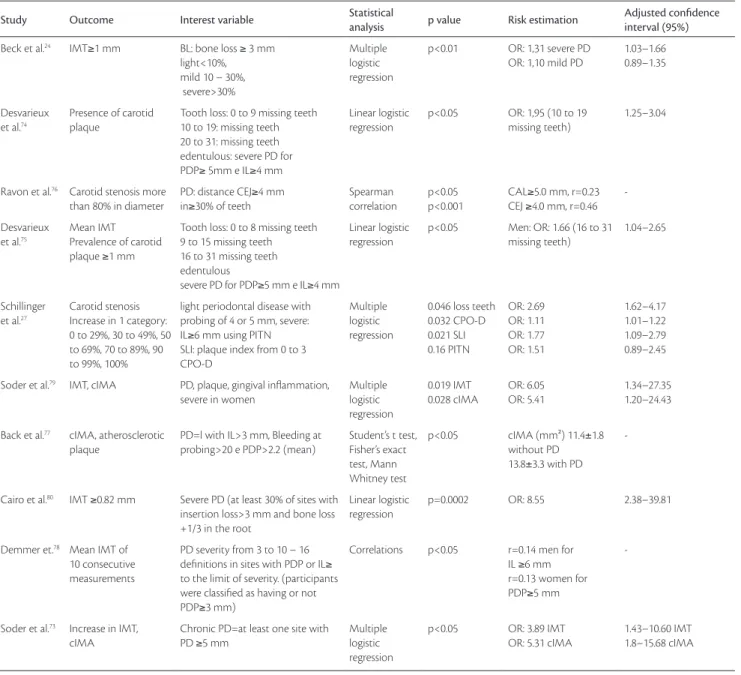
Table 2 shows the results of all studies. It may be
ob-served that there is no categorization pattern established for
subclinical atherosclerotic variables, for some were
quali-tative dichotomic measured in nominal scale, some were
quantitative and assessed in an ordinal scale, some had
several categories. Besides measurement of the IMT
74,75-77,
some authors used the calculated the intima-media area
Table 1. Distribution of studies according to methodology
CCA– common carotid artery; ICA– internal carotid artery; ECA– external carotid artery; BCA– carotid artery bifurcation; PITN– periodontal index of treatment needs; PD– periodontal disease; IMT– intima-media thickness; OR– odds ratio; PDP– Pocket depth probing; IL– insertion level; SLI– Silness-Loe index; RS– right side; LS– left side; US– ultrasonography; IC– incisor tooth; C– canine; 1st M– irst mola tooth; rx– radiographies
Study Study design Sample (n) Age group (years) Location Time of study Data collection Data on IMT
Beck et al.24 Cross-sectional 6.017 52–75 USA 1996–1998 PDP, IL, in 6 sites per tooth CCA, ICA, BCA
Desvarieux et al.74 Cross-sectional 711 ≥55 (mean: 66±9) USA Not speciied PDP, IL, in 6 sites per tooth
Plaque, mobility
CCA, ICA
Ravon et al.76 Cross-sectional 83 Positive ultrasound: men:
mean 69.3±6.7 women: mean 68.3±8.3
USA Not speciied PDP, IL, in 6 sites per tooth bleeding at probing, bone loss in radiographies
ICA
Desvarieux et al.75 Cross-sectional 1.710 45–75 German 1997–2001 PDP, IL, in 4 sites per tooth
alternate subjectss
CCA, ICA, BCA, ECA
Schillinger et al.27 Longitudinal 411 62–76 Áustria 6 to 9 months CPO-D index, SLI,
PITN, edentulous
CCA, ICA
Soder et al.79 Case-control 67;46 cases 30–40 Sweden Not speciied PDP, IL, in 6 sites per tooth
Gingival index, Plaque index CCA
Back et al.77 Cross-sectional 35 52.9±2.7 with DP§
54.7±3.2 without DP
Sweden 1985–2001/ 2003 PDP, IL, in 6 sites per tooth Bleeding at probing, Plaque index
CCA
Cairo et al.80 Case-control 90;45 cases 18–40 Italy Not speciied PDP, IL, in 6 sites per tooth
Plaque, bleeding at probing CCA
Demmer et al.78 Cross-sectional 1.745 ≥45 Pomerânia 1997–2001 PDP, IL in 4 sites per tooth
R and LS, alternate Bleeding at probing in IC, C, 1st M
CCA
Soder et al.73 Case-control 111;80 cases 54.4±3.0 with DP
53.2±.2.8 without DP
Sweden 1985–2003 PDP, IL, Bleeding at probing in 6 sites per tooth, plaque index, 14 rx
(cIMA)
73,77,79to evaluate outcomes. he cIMA is used to
compensate the narrowing efect of arterial distension
(sec-ondary to high blood pressure) on wall thickness
73.
In the majority of studies, both bivariate analysis and
multivariate analysis were used, the former to test the
as-sociation between PD and CVD, and the latter to identify
the impact of several confounding factors.
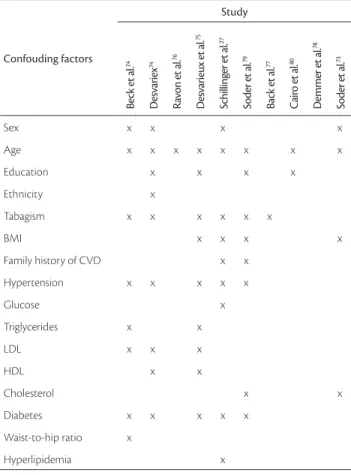
Table 3 presents the statistically signiicant
confound-ing factors (p values less than 5%) found in multivariate
analysis of all studies.
It should be emphasized that only one paper
78did
not make adjustment confounding factors. On the other
hand, the association between PD and CVD remained
statistically significant after adjustment only for male
patients with 16 to 31 missing teeth in the study by
Desvarieux et al.
75. In another study
27, Tooth loss was
a predictor factor for progressive carotid stenosis after
multivariate logistic regression analysis, suggesting that
severe PD is probably the determinant factor of tooth
loss in these patients.
Table 2. Distribution of studies according to results of the association between periodontal disease and subclinical atherosclerosis
PITN– periodontal index of treatment needs; CIL– clinical insertion loss; CEJ– cementum-enamel junction; PD– periodontal disease; IMT– media thickness; cIMA– Calculated intima-media area; OR– odds ratio; PDP– Pocket depth probing; IL– insertion level; SLI– Silness-Loe index; r: ratio.
Study Outcome Interest variable Statistical
analysis p value Risk estimation
Adjusted confidence interval (95%)
Beck et al.24 IMT≥1 mm BL: bone loss ≥ 3 mm
light<10%, mild 10 – 30%, severe>30%
Multiple logistic regression
p<0.01 OR: 1,31 severe PD OR: 1,10 mild PD
1.03–1.66 0.89–1.35
Desvarieux et al.74
Presence of carotid plaque
Tooth loss: 0 to 9 missing teeth 10 to 19: missing teeth 20 to 31: missing teeth edentulous: severe PD for PDP≥ 5mm e IL≥4 mm
Linear logistic regression
p<0.05 OR: 1,95 (10 to 19 missing teeth)
1.25–3.04
Ravon et al.76 Carotid stenosis more
than 80% in diameter
PD: distance CEJ≥4 mm in≥30% of teeth
Spearman correlation
p<0.05 p<0.001
CAL≥5.0 mm, r=0.23 CEJ ≥4.0 mm, r=0.46
-Desvarieux
et al.75
Mean IMT Prevalence of carotid plaque ≥1 mm
Tooth loss: 0 to 8 missing teeth 9 to 15 missing teeth 16 to 31 missing teeth edentulous
severe PD for PDP≥5 mm e IL≥4 mm
Linear logistic regression
p<0.05 Men: OR: 1.66 (16 to 31 missing teeth)
1.04–2.65
Schillinger et al.27
Carotid stenosis Increase in 1 category: 0 to 29%, 30 to 49%, 50 to 69%, 70 to 89%, 90 to 99%, 100%
light periodontal disease with probing of 4 or 5 mm, severe: IL≥6 mm using PITN SLI: plaque index from 0 to 3 CPO-D
Multiple logistic regression
0.046 loss teeth 0.032 CPO-D 0.021 SLI 0.16 PITN OR: 2.69 OR: 1.11 OR: 1.77 OR: 1.51 1.62–4.17 1.01–1.22 1.09–2.79 0.89–2.45 Soder et al.79 IMT, cIMA PD, plaque, gingival inlammation,
severe in women
Multiple logistic regression 0.019 IMT 0.028 cIMA OR: 6.05 OR: 5.41 1.34–27.35 1.20–24.43 Back et al.77 cIMA, atherosclerotic
plaque
PD=l with IL>3 mm, Bleeding at probing>20 e PDP>2.2 (mean)
Student’s t test, Fisher’s exact test, Mann Whitney test
p<0.05 cIMA (mm²) 11.4±1.8 without PD 13.8±3.3 with PD
-Cairo et al.80 IMT ≥0.82 mm Severe PD (at least 30% of sites with
insertion loss>3 mm and bone loss +1/3 in the root
Linear logistic regression
p=0.0002 OR: 8.55 2.38–39.81
Demmer et.78 Mean IMT of
10 consecutive measurements
PD severity from 3 to 10 – 16 deinitions in sites with PDP or IL≥
to the limit of severity. (participants were classiied as having or not PDP≥3 mm)
Correlations p<0.05 r=0.14 men for IL ≥6 mm r=0.13 women for PDP≥5 mm
-Soder et al.73 Increase in IMT,
cIMA
Chronic PD=at least one site with PD ≥5 mm
Multiple logistic regression
p<0.05 OR: 3.89 IMT OR: 5.31 cIMA
Other study
76was signiicant because it showed
sub-jects with mean age of 69 years for males and 68 years
for females had positive ultrasonographic exams
(mean-ing presence of atherosclerotic disease), while patients of
younger age groups had negative ultrasonographic exams.
his variable alone remained signiicant, even ater
adjust-ment for other variables: genre, ethnicity, smoking and
past medical history. However, smoking and age were
pre-dictors of both PD and CVD (Table 3).
Discussion
Although the majority of studies reviewed
24,73-75have
found a positive association between PD and
atheroscle-rosis, methodological limitations raise doubts on the
validity of outcomes and conclusions. The studies
pre-sented considerable variation on methodology quality,
including small sample size, limited number of
statis-tical analysis, inadequate control of confounding
fac-tors, inadequate evaluation of PD and reliance on
cross-sectional data. Despite these limitations, the association
of PD and atherosclerosis seems plausible.
The studies were mainly conducted in industrialized
countries, because the investigation of this disease
as-sociation requires highly skilled professionals and
high-technology instruments, in order to measure the extent
of both PD and subclinical atherosclerosis. Those
con-ditions make this kind of research too costly to be
per-formed in developing countries.
Cross-sectional studies are important because they
allow the inclusion of large samples of subjects and,
therefore, large volumes of data can be collected and
analyzed, unlike cohort studies, which are very costly
to perform. Thus, cross-sectional design is indicated for
the diagnosis of the current situation of the disease
un-der analysis, but not to make estimations of populational
risk. In the case of DP, it is possible to measure the extent
of past history of DP, based on the CIL index, but it is
not possible to predict which phenomenon came first:
atherosclerosis or PD.
Longitudinal studies are difficult to be done to
ana-lyze the relevant factors, for both DP and
atheroscle-rosis are chronic disease processes that develop slowly
over time. It is possible to diagnose atherosclerosis as
an intermediate subclinical outcome by measuring the
carotid IMT.
The present review shows a clear association
be-tween PD and subclinical atherosclerosis because all
ar-ticles reviewed, regardless of the study design, showed
statistically significant association, even after adjusting
for confounding factors.
The comparison between results of the studies is
limited by the wide range of outcomes found, even using
carotid IMT as an inclusion criterion. This finding agrees
with that of a systematic review that studied the
relation-ship between PD and coronary heart disease
15. The
dif-ference in patterns of carotid IMT measurement was also
a restriction, for authors used IMT values
≥
0.82 mm in
some studies and
≥
1 mm in others
24,75,80.
Other limitations were the variety in PD
measure-ments and lack of consensus as to its definition and
classification of PD in epidemiological studies. Reliable
measurement methods should include PDB and CIL
in-dex in six sites per tooth
24,73,74,76-80.
It is noteworthy the role age and smoking habit
play in the development of PD and CVD. Nevertheless,
the pathophysiological mechanisms that leads to the
progression of atherosclerosis have not been fully
understood
18,23.
Table 3. Adjusted confouding factors for atherosclerosis (p<0.05).
CVD– cardiovascular disease; HDL– high-density lipoprotein; BMI– body mass index; LDL– low-density lipoprotein.
Confouding factors Study B ec k e t a l. 24 D es va rie x 74 R av o n e t a l. 76 D es va ri eu x e t a l. 75 Sc h illin ge r e t a l. 27 So d er e t a l. 79 B ac k e t a l. 77 C air o e t a l. 80 D emm er e t a l. 78 So d er e t a l. 73
Sex x x x x
Age x x x x x x x x Education x x x x Ethnicity x
Tabagism x x x x x x
BMI x x x x
Family history of CVD x x Hypertension x x x x x
Glucose x
Triglycerides x x
LDL x x x
HDL x x
Cholesterol x x
Diabetes x x x x x Waist-to-hip ratio x
Some studies
73,76-78,80presented inadequate control of
independent variables and outcomes, so their findings
and conclusions were not that reliable. Methodological
limitations may not allow consistent conclusions about
the possible effects of PD on atherosclerosis development
and outcomes. A possible causal relationship between
the two associations remains unproved. Analytic
stud-ies with more rigorous methodology employing more
suitable measurement methods to evaluate exposure and
outcome may be useful in future research.
Few studies
10have evaluated the response
endothe-lial dysfunction or IMT reduction to periodontitis
treatment. Perhaps this is the right path to investigate
the possible association of PD with CVD. The present
systematic review suggests the need for methodological
standardization of future studies, to make it possible
bet-ter data synthesis for metanalysis
80. Based on data found
in this review, further studies on the association of PD
and atherosclerosis association should be made by
pro-spective cohort studies with previous sample size
calcu-lation and long term follow-up that would allow the
ob-servation of PD progression. This way, variables related
to atherosclerosis could be tested.
Conclusions
Periodontal infections were found to be strongly
associated with the development of subclinical
athero-sclerosis. However, the mechanisms through which
this factor influences the progression and outcomes of
clinical atherosclerosis are not yet fully understood.
Cardiovascular disease and periodontal infections are
complex phenomena. Further studies should shed light
on the effects of periodontal therapy in the progression
of atherosclerosis.
General risk factors such as age, genre, and tobacco
smoking, variables that interfere in the development of
cardiovascular diseases and PD should be controlled in
those studies.
Due to the methodological characteristics of the
studies reviewed, further studies with more rigorous
methodology and larger samples should be performed
in order to clarify the actual association between PD
and atherosclerosis. In addition, research should be
per-formed in countries with specific characteristics, such as
the developing countries.
Future studies involving the association of oral
con-ditions and atherosclerosis should be standardized as
to their methodology, in order to advance the scientific
knowledge of this phenomenon.
References
1. Pihlstrom BL, Michalowicz BS, Johnson NW. Periodontal diseases. Lancet. 2005;366(9499):1809-20.
2. Cortelli JR, Lotufo RFM, Oppermann RV, et al. Glossário da Sociedade Brasileira de Periodontologia. Rev Periodontia. 2005;15(4):5-61.
3. Burt B; Research, Science and herapy Committee of the American Academy of Periodontology. Position paper: epidemi-ology of periodontal diseases. J Periodontol. 2005;76(8):1406-19.
4. Bassani DG, Silva CM, Oppermann RV. Validity of the Community Periodontal Index of Treatment Need’s (CPITN) for population periodontitis screening. Cad Saúde Pública. 2006;22(2):227-83.
5. Susin C, Albandar JM. Aggressive periodontitis in an urban popu-lation in southern Brazil. J Periodontol. 2005;76(3):468-75.
6. Cortelli JR, Cortelli SC, Pallos D, et al. Prevalência de periodontite agressiva em adolescentes e adultos jovens do Vale do Paraíba. Pesqui Odontol Bras. 2002;16(2):163-8.
7. Accarini R, Godoy MF. Doença periodontal como fator de risco para síndromes coronarianas agudas. Arq Bras Cardiol. 2006;87(5):592-6.
8. Persson GR, Persson RE. Cardiovascular disease and periodon-titis: an update on the associations and risk. J Clin Periodontol. 2008;35 (Suppl 8):362-79.
9. Ridker PM, Silvertown JD. Inlammation, C-reactive protein, and atherothrombosis. J Periodontol. 2008;79 (Suppl 8):1544-51.
10. Piconi S, Trabattoni D, Luraghi C, et al. Treatment of periodon-tal disease results in improvements in endothelial dysfunction and reduction of the carotid intima-media thickness. FASEB J. 2009;23(4):1196-204.
11. Tonetti MS. Periodontitis and risk for atherosclerosis: an update on intervention trials. J Clin Periodontol. 2009;36(Suppl 10):15-9.
12. Beck JD, Couper DJ, Falkner KL, et al. he periodontitis and vas-cular events (PAVE) pilot study: adverse events. J Periodontol. 2008;79(1):90-6.
13. Rizzo M, Corrado E, Coppola G, et al. Prediction of cardio- and cerebro-vascular events in patients with subclinical ca-rotid atherosclerosis and low HDL-cholesterol. Atherosclerosis. 2008;200(2):389-95.
14. Friedewald VE, Kornman KS, et al. he American Journal of Cardiology and Journal of Periodontology editors’ consen-sus: periodontitis and atherosclerotic cardiovascular disease. J Periodontol. 2009;80(7):1021-32.
15. Humphrey LL, Fu R, Buckley DI, et al. Periodontal disease and coronary heart disease incidence: a systematic review and meta-na-analysis. J Gen Intern Med. 2008;23(12):2079-86.
17. Helfand M, Buckley DI, Freeman M, et al. Emerging risk factors for coronary heart disease: a summary of systematic reviews con-ducted for the US Preventive services task force. Ann Intern Med. 2009;151(7):496-507.
18. Fong IW. Emerging relations between infections diseases and cor-onary artery disease and atherosclerosis. CMAJ. 2000;163(1):49-56.
19. Libby P. Inlammation and cardiovascular disease mechanisms. Am J Clin Nutr. 2006;83(2):456S-60S.
20. Herzberg MC, Meyer MW. Dental plaque, platelets, and cardio-vascular diseases. Ann Periodontol. 1998;3(1):151-60.
21. Van Dyke TE. Inlammation and periodontal diseases: a reap-praisal. J. Periodontol. 2008;79 Suppl 8:1501-2.
22. Serrano Junior CV, Souza JA. Doença periodontal como poten-cial fator de risco para síndromes coronárias agudas. Arq Bras Cardiol. 2006;87(2):562-3.
23. Tzorbatzoglou ID, Sfyroeras GS, Giannoukas AD. Periodontitis and carotid atheroma; is there a causal relationship? Int Angiol. 2010;29(1):27-9.
24. Beck JD, Elter JR, Heiss G, et al. Relationship of periodontal disease to carotid artery intima-media wall thickness: the atherosclerosis risk in communities (ARIC) study. Arterioscler hromb Vasc Biol. 2001;21(11):1816-22.
25. Leivadaros E, van der Velden U, Bizzarro S, et al. A pilot study into measurements of markers of atherosclerosis in periodontitis. J Periodontol. 2005;76(1):121-8.
26. Söder PO, Söder B, Nowak J, et al. Early carotid atherosclerosis in subjects with periodontal diseases. Stroke. 2005;36(6):1195-200.
27. Schillinger T, Kluger W, Exner M, et al. Dental and periodontal status and risk for progression of carotid atherosclerosis: the in-lammation and carotid artery risk for atherosclerosis study den-tal substudy. Stroke. 2006;37(9):2271-6.
28. van der Meer IM, Bots ML, Holfman A, et al. Predictive value of noninvasive measures of atherosclerosis for incident myocar-dial infarction: the Rotterdam study. Circulation. 2004;109(9): 1089-94.
29. Torres FS, Moreira CM, Vianna FF, et al. Medida da espessura das camadas íntima e média das artérias carótidas para avaliação do risco cardiovascular. Rev Bras Hipertens. 2007;14(3):167-71.
30. O’Leary DH, Polak JF, Kronmal RA, et al. Carotid-artery intima and media thickness as a risk for myocardial infarction and stroke in older adults. Cardiovascular Health Study Collaborative Research Group. N Engl J Med. 1999;340(1):14-22.
31. O’Leary DH, Polak JF. Intima-media thickness: a tool for ath-erosclerosis imaging and event prediction. Am J Cardiol 2002;90(10C):18L-21L.
32. Jacobs Junior DR, Crow RS. Subclinical cardiovascular disease markers applicable to studies of oral health: multiethnic study of atherosclerosis. Ann N Y Acad Sci. 2007;1098:269-87.
33. Stein JH, Korcarz CE, Hurst RT, et al. Use of carotid ultrasound to identify subclinical vascular disease and evaluate cardiovascular disease risk: a consensus statement from the American Society of Echocardiography Carotid Intima-Media hickness Task
Force. Endorsed by the Society for Vascular Medicine. J Am Soc Echocardiogr. 2008;21(2):93-111.
34. Chambless LE, Folsom AR, Clegg LX, et al. Carotid wall thickness is predictive of incident clinical stroke: the Atherosclerosis Risk in Communities (ARIC) study. Am J Epidemiol. 2000;151(5):478-87.
35. Cao JJ. Arnold AM, Manolio TA, et al. Association of carotid ar-tery intima-media thickness, plaques, and C-reactive protein with future cardiovascular disease and all-cause mortality: the cardio-vascular health study. Circulation. 2007;116(1):32-8.
36. Lorenz MW, Markus HS, Bots ML, et al. Prediction of clinical car-diovascular events with carotid intima-media thickness: a system-atic review and meta-analysis. Circulation. 2007;115(4):459-67.
37. Lim TK, Lim E, Dwivedi G, et al. Normal value of carotid intima-media thickness – a surrogate marker of atherosclerosis: quan-titative assessment by B-mode carotid ultrasound. J Am Soc Echocardiogr. 2008;21(2);112-6.
38. Quiñónéz P, Calderón V, Quintana M. Frecuencia de ateromas em radiograias panorámicas de pacientes mayores de 40 años con enfermedad periodontal atendidos em una clínica dental universitaria. Rev Estomatol Hered. 2006;16(2):110-4.
39. Aquino AR. Detecção de bactérias periodontais cultiváveis e não cultiváveis em placas ateromatosas. [dissertação]. Natal: Universidade Federal do Rio Grande do Norte, 2008.
40. Beckstrom BW, Horsley SH, Scheetz JP, et al. Correlation between carotid area calciications and periodontitis: a retrospective study of digital panoramic radiographic indings in pretreatment can-cer patients. Oral Surg Oral Med Oral Pathol Oral Radiol Endod. 2007;103(3):359-66.
41. Cairo F, Gaeta C, Dorigo W, et al. Periodontal pathogens in ather-omatous plaques. A controlled clinical and laboratory trial. J Periodontal Res. 2004;39(6):442-6.
42. Okuda K, Kato T, Ishihara K. Involvement of periodontopathic bioilm in vascular diseases. Oral Dis. 2004;10(1):5-12.
43. Beck JD, Pankow J, Tyroler HA, et al. Dental infections and athero-sclerosis. Am Heart J.1999;138(5 Pt 2):S528-33.
44. Beck JD, Ofenbacher S, Williams R, et al. Periodontitis: a risk factor for coronary heart disease? Ann Periodontol. 1998;3(1):127-41.
45. Goldstein LB, adams R, Alberts MJ, et al. Primary preven-tion of ischemic stroke. A guideline from the American Heart Association/American Stroke Association Stroke Council: Cosponsored by the Atherosclerotic Peripheral Vascular Disease Interdisciplinary Working Group; Cardiovascular Nursing Council; Clinical Cariology Council; Nutrition, Physical Activity, and Metabolism Council; and the Quality of Care and Outcomes Research Interdisciplinary Working Group: he American Academy of Neurology airms the value of this guideline. Stroke. 2006;37(6):1583-1633.
46. Blum A, Front E. Periodontitis, endothelial dysfunction and ath-erosclerosis. Vascular Disease Prevention. 2006;3(1):57-60.
47. Ameriso SF, Villamil AR, Barreto MP. Infection, inlammation, and stroke. Rev Esp Cardiol Supl. 2004;4 Suppl G:7-12.
49. Grau A, Buggle F. Infection, atherosclerosis and acute ischemic cerebrovascular disease. Rev Neurol. 1999;29(9):847-51.
50. Corea F, Kwan J, Abbas MA. Predisposition to carotid atheroscle-rosis in ICARAS dental substudy. Stroke. 2007;38(1):12.
51. Sinzinger H. Does the risk factor proile have predictive value for the site of atherosclerosis. J Neurol Neurosurg Psychiatry. 2005,76(8):1045.
52. Study links smoking and cardiovascular disease. Expert Review of cardiovascular therapy. 2005,3(2):191-2.
53. Söder B. Dental plaque as a possible risk factor for general dis-ease – results from longitudinal studies. Int J Dent Hyg. 2006;4 (Suppl 1):22-5; discussion 50-2.
54. Mustapha IZ, Debrey S, Oladubu M, et al. Markers of systemic bacterial exposure in periodontal disease and cardiovascular dis-ease risk: a systematic review and meta-analysis. J Periodontol. 2007;78(12):2289-302.
55. Aimetti M, Romano F, Nessi F. Microbiologic analysis of peri-odontal pockets and carotid atheromatous plaques in advanced chronic periodontitis patients. J Periodontol. 2007;78(9):1718-23.
56. Romano F, Barbui A, Aimetti M. Periodontal pathogens in peri-odontal pockets and in carotid atheromatous plaques. Minerva Stomatol. 2007;56(4):169-79.
57. Ford PJ, Gemmell E, Chan A, et al. Inflammation, heat shock proteins and periodontal pathogens in atherosclerosis: an im-munohistologic study. Oral Microbiol Immunol. 2006;21(4):206-11.
58. Ford PJ, Gemmell E, Hamlet SM, et al. Cross-reactivity of GroEL antibodies with human heat shock protein 60 and quantiica-tion of pathogens in atherosclerosis. Oral Microbiol Immunol. 2005;20(5):296-302.
59. Fiehn NE, Larsen T, Christiansen N, et al. Identiication of peri-odontal pathogens in atherosclerotic vessels. J Periodontol. 2005;76(5):731-6.
60. Glurich I, Grossi S, Albini B, et al. Systemic inlammation in cardio-vascular and periodontal disease: comparative study. Clin Diagn Lab Immunol. 2002;9(2):425-32.
61. Chiu B. Multiple infections in carotid atherosclerotic plaques. Am Heart J. 1999;138(5 Pt 2):S534-6.
62. Haraszthy VI, Zambon JJ, Trevisan M, et al. Identiication of peri-odontal pathogens in atheromatous plaques. J Periodontol. 2000,71(10):1554-60.
63. Brodala N, Merricks EP, Bellinger DA, et al. Porphyromonas gingiva-lis bacteremia induces coronary and aortic atherosclerosis in nor-mocholesterolemic and hypercholesterolemic pigs. Arterioscler hromb Vasc Biol. 2005; 25(7):1446-51.
64. Engebretson SP, Lamster IB, Elkind MSV, et al. Radiographic mea-sures of chronic periodontitis and carotid artery plaque. Stroke. 2005;36(3):561-6.
65. Persson RE, Hollender LG, Powell VL, et al. Assessment of periodontal conditions and systemic disease in older sub-jects. II. Focus on cardiovascular diseases. J Clin Periodontol. 2002;29(9):803-10.
66. Desvarieux M, Demmer RT, Rundek T, et al. Periodontal micro-biota and carotid intima-media thickness: the Oral Infections and Vascular Disease Epidemiology Study (INVEST). Circulation. 2005;111(5):576-82.
67. Pussinen PJ, Nyyssönen K, Alfthan G, et al. Serum antibody levels to Actinobacillus actinomycetemcomitans predict the risk for coronary heart disease. Arterioscler hromb Vasc Biol. 2005;25(4): 833-8.
68. Beck JD, Eke P, Lin D, et al. Associations between IgG antibody to oral organisms and carotid intima-medial thickness in communi-ty-dwelling adults. Atherosclerosis. 2005;183(2):342-8.
69. Taniguchi A, Nishimura Y, Nagasaka S, et al. Porphyromonas gin-givalis infection is associated with carotid atherosclerosis in non-obese japanese type 2 diabetic patients. Metabolism. 2003;52(2): 142-5.
70. Franek E, Blaschyk R, Kolonko A, et al. Chronic periodontitis in hemodialysis patients with chronic kidney disease is associ-ated with elevassoci-ated serum C-reactive protein concentration and greater intima-media thickness of the carotid artery. J Nephrol. 2006;19(3):346-51.
71. Genctoy G, Ozbek M, Avcu N, et al. Gingival health status in re-nal transplant recipients: relationship between systemic inlam-mation and atherosclerosis. Int J Clin Pract. 2007;61(4):577-82.
72. Vieira CLZ. Relação entre doenças periodontais e aterosclerose subclínica em indivíduos com hipercolesterolemia familiar. [tese]. São Paulo: Universidade de São Paulo, 2008 .
73. Söder PO, Meurman JH, Jogestrand T, et al. Matrix metallopro-teinase-9 and tissue inhibitor of matrix metalloproteinase-1 in blood as markers for early atherosclerosis in subjects with chron-ic periodontitis. J Periodontal Res. 2009;44(4): 452-8.
74. Desvarieux M, Demmer RT, Rundek T, et al. Oral Infections and Vascular Disease Epidemiology Study (INVEST). Relationship be-tween periodontal disease, tooth loss, and carotid artery plaque: the Oral Infections and Vascular Disease Epidemiology Study (INVEST). Stroke. 2003;34(9):2120-5.
75. Desvarieux M, Schwahn C, Völzke H, et al. Gender diferences in the relationship between periodontal disease, tooth loss, and atherosclerosis. Stroke. 2004;35(9):2029-35.
76. Ravon NA, Hollender LG, Mc Donald V, et al. Signs of carotid cal-ciication from dental panoramic radiographs are in agreement with Doppler sonography results. J Clin Periodontol. 2003;30(12): 1084-90.
77. Bäck M, Airila-Månsson S, Jogestrand T, et al. Increased leukot-riene concentrations in gingival crevicular luid from subjects with periodontal disease and atherosclerosis. Atherosclerosis. 2007;193(2):389-94.
78. Demmer RT, Kocher T, Schwanhn C, et al. Reining exposure dei-nitions for studies of periodontal disease and systemic disease as-sociations. Community Dent Oral Epidemiol. 2008;36(6):493-502.
79. Söder B, Yakob M. Risk for the development of atherosclerosis in women with a high level of dental plaque and severe gingival inlammation. Int J Dent Hyg. 2007;5(3):133-8.
Correspondence
Rafaela das Mercês Batista Av. Resplendor, 563, sala 305 – Itapoã CEP29101-500 – Vila Velha (ES), Brazil E-mail: [email protected]
Author’s contribution
Conception and design: RMB, AEO, ETS Analysis and interpretation: RMB, EPR, EZ