DEVELOPMENT AND INTEGRATION OF ANIMAL-BASED WELFARE INDICATORS, INCLUDING PAIN, IN GOAT FARMS IN PORTUGAL
ANA CATARINA LOPES VIEIRA GODINHO DE MATOS
Orientadores: Prof. Doutor George Thomas Stilwell
Prof. Doutora Mónica Duarte Correia de Oliveira
Tese especialmente elaborada para obtenção do grau de Doutor em Ciências Veterinárias, Especialidade de Clínica
2015 LISBOA
DEVELOPMENT AND INTEGRATION OF ANIMAL-BASED WELFARE INDICATORS, INCLUDING PAIN, IN GOAT FARMS IN PORTUGAL
ANA CATARINA LOPES VIEIRA GODINHO DE MATOS
Orientadores: Prof. Doutor George Thomas Stilwell
Prof. Doutora Mónica Duarte Correia de Oliveira
Tese especialmente elaborada para obtenção do grau de Doutor em Ciências Veterinárias, Especialidade de Clínica
Júri:
Presidente: Doutor Rui Manuel de Vasconcelos e Horta Caldeira Vogais:
- Doutora Silvana Mattiello
- Doutor Severiano José Cruz da Rocha e Silva - Doutor Miguel Luís Mendes Saraiva Lima - Doutora Mónica Duarte Correia de Oliveira - Doutor George Thomas Stilwell
- Doutora Maria Leonor Santos Galhardo
2015 LISBOA
de pessoas e instituições por todo o apoio necessário para a conclusão desta tese de doutoramento.
O meu Obrigada:
Ao meu orientador, Professor George Stilwell, e à minha co-orientadora, Professora Mónica Oliveira. Professor Stiwell, foi uma honra ter sido a sua primeira aluna de doutoramento. Professora Mónica, sendo de uma área científica tão diferente, obrigada por ter aceite orientar a minha tese, aprendi muito consigo. Obrigada por todo o apoio e disponibilidade, por todas as ideias e, também, por todas as críticas.
Ao Telmo Nunes, por toda a partilha de ideias, por toda a orientação e por toda a ajuda. Muito do que fomos conversando está espalhado por estas páginas.
A todos os investigadores do projecto AWIN, e em especial à Professora Silvana Mattiello e à Monica Battini. Grazie per tutto il lavoro che abbiamo sviluppato insieme. Ho imparato molto da voi. E também à Francoise Wemelsfelder. Thank you Francoise for all our inspirational discussions around measurement.
Aos Professores Graça Pires de Melo, Miguel Saraiva Lima, Rui Bessa e Rui Caldeira, pela constante disponibilidade e comentários sempre úteis. Aos Professores António Monteiro e Severiano R. Silva, pelos comentários e ajuda tão importantes no desenvolvimento da escala visual de condição corporal.
À Susana Brandão, por todo o trabalho que desenvolvemos para a construção da escala visual de condição corporal. Obrigada por teres aceite o desafio e por tanto que aprendi contigo. A todos os produtores que nos abriram as portas das suas explorações e das suas casas. Sem o seu interesse este trabalho não teria nunca sido possível. E aos colegas Álvaro Lopes, Ana Caria, Ana Rita Simões, Bonacho Costa, Hélder Quintas e Miguel Madeira, pelos contactos que estabeleceram com alguns dos produtores e por nos terem acompanhado nas visitas. Obrigada pelo vosso interesse.
À Direcção Geral de Alimentação e Veterinária, nas pessoas da Dra. Maria Jorge Correia e da Dra. Ana Paula Martins. Ao Queijo Saloio, na pessoa do Enj. João Aleixo. Obrigada por toda a ajuda e por todo o vosso interesse.
Aos colegas Carla Marmelo, Felipe Fernandes de Almeida, Inês Barão, Mónica Fonseca, Sara Martins, Uriel Mateus, por toda a ajuda com a recolha de dados nos diferentes projectos que constituem esta tese. Foi sempre muito divertido trabalhar convosco.
Ao José Chumbo da Virtualmente.pt, obrigada pela ajuda com o desenvolvimento e implementação do web-survey. E obrigada pela paciência quanto te pedia as “listagens”. Ao Pedro Salgado. Obrigada pelo desenho científico. Foi uma colaboração fantástica.
sucedida!
À Edna Can, a “minha co-orientanda”. Tenho a certeza que aprendi muito mais contigo, do que tu comigo. Obrigada Edna, por tudo!
À Inês Viegas, ao Rodolfo Oliveira Leal e à Ana Paula Resende. Obrigada pela amizade, pela companhia e pelas pausas para café. Oxalá nos venhamos a reencontrar!
Aos meus pais, por todo o apoio. Sem eles nada, desde sempre, tinha sido possível. Ao Miguel, meu marido, obrigada por toda a ajuda e paciência. Eu sei que às vezes foi preciso ter muita! Tenho a certeza que és o professor de Business Analytics que mais sabe sobre bem-estar animal. Aos meus filhos, Miguel e Tomás, que dentro da minha barriga visitaram explorações de cabras de Norte a Sul de Portugal.
"Development, integration and dissemination of animal-based welfare indicators, including pain, in commercially important husbandry species, with special emphasis on small ruminants, equidae and turkeys (KBBE.2010.1.3-03: 7th Framework Programme (# 266213)".
ABSTRACT
The development of species-specific protocols for on-farm welfare assessment represents a major concern for the European Union agricultural policy. Proper welfare assessment demands for the use of valid, reliable and feasible animal-based welfare indicators. The literature and policy-makers recognise the need for advancing knowledge in this area. This thesis aims at developing and integrating animal-based indicators in on-farm welfare assessment protocols, focusing on dairy goat farms.
Specifically, this thesis contributes to literature in three areas. First, it contributes to the identification of animal-based welfare indicators that should be included in welfare assessment protocols. We conducted a literature review that allowed for the recognition of the need for future research in the indicators’ psychometric properties, such as reliability and feasibility. Secondly, this thesis develops tools to assist the measurement of body condition and lameness. For body condition, we developed a visual body condition scoring system (BSC). Our approach requires minimum animal handling without compromising a valid and reliable individual assessment of the goats. With respect to lameness we developed a web-survey that allowed us to collect observer’s ratings of goats lameness condition. Our web-survey showed that observers were only able to consistently assess severely lame goats, a finding which is important towards the integration of the indicator in assessment protocols. The observers’ ratings also showed that the numerical rating scales should only be used considering their ordinal level of measurement. This directs research towards the development of scoring systems with higher levels of measurement, like the modified visual analogue scales. Third, this thesis contributed to the development of a welfare assessment protocol that integrated and tested the two studied indicators (BCS and lameness). Such protocol was implemented in 30 Portuguese farms and provided insights into the main welfare problems affecting intensively kept dairy goats in our country (claw overgrowth, queuing at feeding, very fat animals), which is paramount to improve dairy goats’ welfare. Research conducted for this thesis has practical implications for both welfare assessment research and to the goat industry in general. Ultimately, through the development of adequate assessment tools, it integrates the welfare issue into the food chain, meeting the consumers’ expectations in the development of a sustainable food production system.
KEYWORDS: on-farm welfare assessment; dairy goat; body condition score; lameness;
RESUMO
A elaboração de protocolos de avaliação de bem-estar específicos para cada espécie pecuária é uma preocupação da política agrícola europeia. A literatura da área de bem-estar animal identifica a criação de instrumentos de medição como o primeiro passo para a elaboração destes protocolos. Esta tese tem como objetivo desenvolver e integrar indicadores para incluir em protocolos de avaliação para utilizar em explorações de cabras de aptidão leiteira.
Esta tese apresenta três contributos para a literatura de bem-estar animal. Em primeiro lugar, contribui para a identificação de indicadores, baseados nos animais, com potencial para integração em protocolos de avaliação. A revisão bibliográfica realizada permitiu reconhecer a necessidade premente de investigação nesta área, dado que a maior parte dos indicadores necessitam de ser testados e validados. Em segundo lugar, esta tese desenvolve ferramentas para apoiar a avaliação da condição corporal e da claudicação. Para a condição corporal foi criado um sistema visual de avaliação considerado válido e repetível, e que apenas necessita de uma breve contenção dos animais para ser utilizado. Relativamente à claudicação foram recolhidas participações de observadores relativamente à observação de vídeos de cabras com diferentes níveis de claudicação. A análise destas observações permitiu concluir que os participantes apenas são consistentes a avaliar os casos mais graves de claudicação, facto importante para a integração do indicador em protocolos de avaliação. As classificações dos observadores mostraram ainda que as escalas numéricas em uso apenas podem ser utilizadas considerando um nível ordinal de medição. Este facto abre o caminho para o desenvolvimento de escalas com níveis mais elevados de medição, como as escalas visuais analógicas modificadas. Em terceiro lugar, esta tese desenvolve um protocolo de avaliação que inclui e testa os indicadores condição corporal e claudicação. Este protocolo permitiu investigar sobre os maiores problemas de bem-estar que afetam as explorações intensivas de leite de cabra em Portugal (sobre crescimento das unhas, filas na manjedoura, animais gordos), sendo esta informação fundamental para analisar como melhorar o bem-estar das cabras de leite.
A investigação conduzida no âmbito desta tese apresenta implicações práticas tanto para o estudo do bem-estar animal, como para a exploração de leite de cabra. O desenvolvimento de ferramentas adequadas de avaliação permite a integração da valoração do bem-estar na cadeia de produção, indo ao encontro das expectativas dos consumidores para a concepção de sistemas mais sustentáveis de produção de alimentos.
PALAVRAS-CHAVE: avaliação de bem-estar animal nas explorações; cabra de leite;
Table of Contents ... xiii
List of Figures ... xv
List of Tables ... xvii
List of Abreviations ... xix
List of Publications ... xxi
Part I | General Introduction ... 1
Chapter 1 | Objectives, And Thesis Structure ... 3
1.1 Thesis Overall and Main Objectives ... 5
1.2 Thesis Structure and Specific Objectives ... 6
Chapter 2 | Animal Welfare – Concept Definition ... 9
2.1 Animal Welfare as a Multidimensional Concept ... 10
Chapter 3 | Animal Welfare – Measurement ... 15
3.1 Environmental-Based (Resource and Management) Indicators ... 16
3.2 Animal-Based Indicators ... 17
3.3 Challenges of Animal-Based Indicators ... 19
Chapter 4 | Animal Welfare - Overall Assessment: From Indicators To Protocols ... 21
4.1 Developing Welfare Indicators – What are the Basics? ... 21
4.2 Scoring System Development ... 27
4.3 Integration Indicators - What is the Aim the Protocol? ... 29
Chapter 5| Dairy Goat Production ... 35
Part II | Applied Research on Development and Integration of Animal-Based Indicators ... 39
Chapter 6 | Invited Review: Animal-Based Indicators for On-Farm Welfare Assessment for Dairy Goats ... 41
6.1 Introduction ... 42
6.2 Methodology ... 43
6.3 Good Feeding Principle ... 46
6.4 Good Housing Principle ... 51
6.5 Good Health Principle ... 57
6.6 Appropriate Behaviour Principle ... 65
7.2 Materials and Methods ... 76
7.3 Results and Discussion ... 83
7.4 Conclusions ... 89
Chapter 8 | Design and Test of a Web-Survey for Collecting Observer’s Ratings on Lameness Scoring Data ... 91
8.1 Introduction ... 91
8.2 Development and Application of the Web-Survey ... 92
8.3 Web-Survey Outreach ... 97
8.4 Insights from Designing and Implementing the Web-Survey ... 98
Chapter 9 | Making The Case For Developing Alternative Lameness Scoring Systems For Dairy Goats ... 103
9.1 Introduction ... 104
9.2 Materials and Methods ... 106
9.3 Results ... 109
9.4 Discussion ... 112
9.5 Conclusions ... 114
Chapter 10 | On-Farm Welfare Assessment Of Dairy Goat Farms Using Animal-Based Indicators: The Example Of 30 Commercial Portuguese Farms ... 115
10.1 Introduction ... 116
10.2 Materials and Methods ... 117
10.3 Results ... 122
10.4 Discussion ... 128
10.5 Conclusions ... 133
Part III | General Discussion ... 135
Chapter 11 | Discussion And Conclusions ... 137
11.1 Main Theoretical And Methodological Results ... 138
11.2 Practical Applications ... 145
11.3 Limitations Of The Research Work And The Results Presented ... 148
Chapter 12 | Future Research Perspectives ... 153
References ... 157
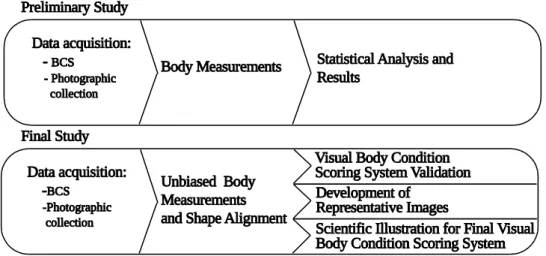
Figure 2. Visual body condition scoring system development outline ... 76
Figure 3. Measurements and their relation with body features. Figure on the left
(front view) shows the measurements: sternum area (a1), sternum perimeter (p1), smaller width at the level of the fifth rib (w1), larger width at the level of the scapula (w2). Figure on the center (rump region) shows the width between tuber sacrale (hip or hook bones) (w3), smaller width of the rump region (w4), width between tuber ischia (pin bones) (w5), length of the rump region (l1), rump region area (a2), rump region perimeter (p2). Figure on the right (lateral rump region) shows the lateral virtual area (a3), and the lateral virtual perimeter (p3). The lateral virtual area (a3) corresponds to the negative or positive area that is limited by the line that unites the hipbone and the ipsilateral thurl; the lateral virtual perimeter (p3) corresponds to the line surrounding a3. ... 77
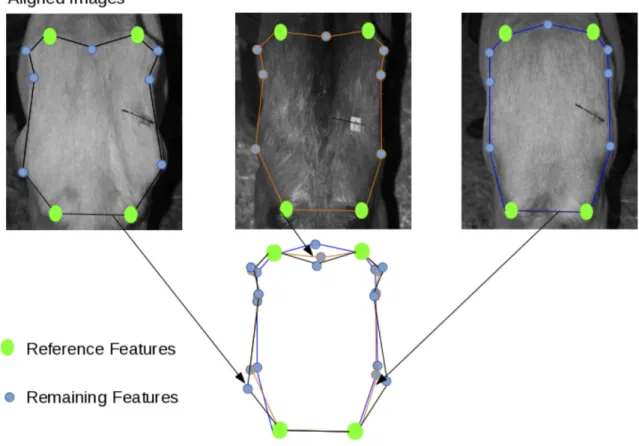
Figure 4. Scheme showing the shape alignment process of different body size and
camera pose using the four reference features in the animal rump ... 79
Figure 5. Scheme representing the distortion introduced from changes in the camera
orientation with respect to rump plane ... 84
Figure 6. Representative images for the BCS categories (very thin, normal and very
fat) and the respective scientific illustration. We also include the threshold images that delimit each category: Threshold I marks the separation between Very Thin and Normal, and Threshold II between Normal and Very Fat. Each representative image was created by combining the images of several animals of each category. The procedures for selecting the animals from each category and for combining are described in subsection Development of representative images. ... 86
Figure 7. Final visual body condition scoring ... 87
Figure 8. Print-screen of the web-survey presenting the guidelines page ... 94
Figure 9. Print-screen of the web-survey presenting the section for the respondent’s
characteristics collection ... 95
Figure 10. Print-screen of the web-survey presenting a video and three individual
VASs ... 96
Figure 11. Variation of some of the most prevalent indicators among the 30
Portuguese commercial intensive dairy goat farms visited, divided by farm category. Points (o) and asterisks (*; extreme values) represent outliers. ... 123
Figure 12. Prevalence’s variation of some of the less prevalent indicators among the
30 Portuguese commercial intensive dairy goat farms visited, divided by farm category. Points (o) and asterisks (*; extreme values) represent outliers. ... 123
Figure 13. Word chart of the QBA assessed in the 30 dairy goat farms. This
2-dimensional loading plot shows the relationship among the 13 QBA descriptors representing dairy goat behaviour on the two principal components. ... 126
Figure 14. Score plot of farms of different size categories on the first two PCs, based
Table 2. Definitions of attributes (validity, reliability and feasibility) used to identify
potential promising welfare indicators in adult dairy goats ... 45
Table 3. Animal-based indicators for assessing good feeding, excluding physiological
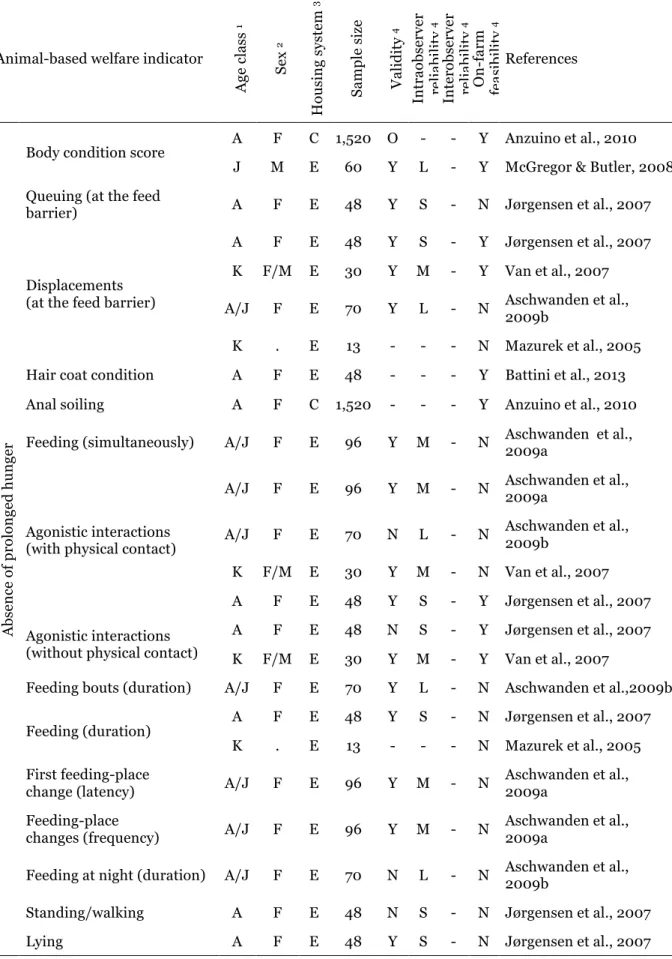
measurements in dairy goats ... 47
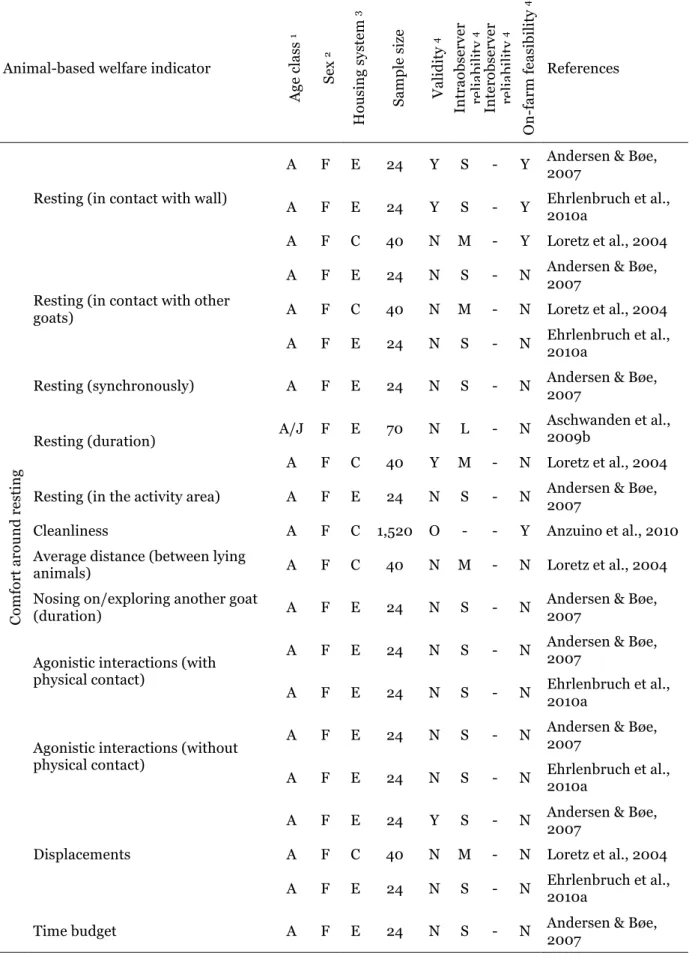
Table 4. Animal-based indicators for assessing good housing, excluding physiological
measurements, in dairy goats ... 52
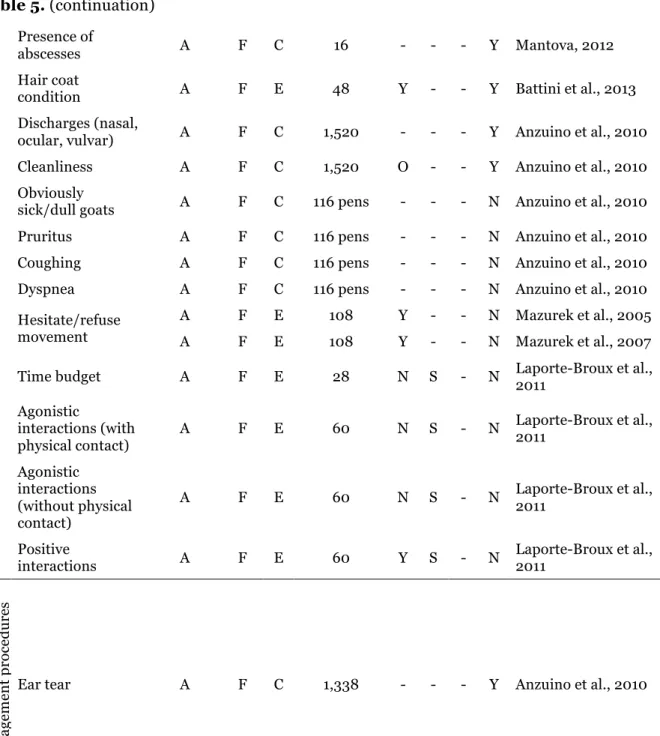
Table 5. Animal-based indicators for assessing good health, excluding physiological
measurements, in dairy goats ... 57
Table 6. Animal-based indicators for assessing “appropriate behaviour”, excluding
physiological measurements, in dairy goats ... 66
Table 7. Promising indicators identified as suitable for inclusion in on-farm welfare
assessment protocol, classified according to Welfare Quality principles and criteria ... 72
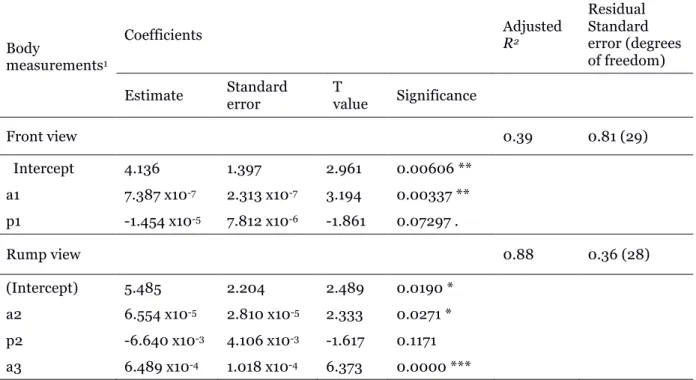
Table 8. Summary of the stepwise linear regression model applied to the front and
rump view measurements (in millimetres). ... 78
Table 9. Summary of the adjusted R2 and residual standard error (degrees of freedom) for the three analysed models where we evaluated the relationship between the BCS and the unbiased body measurements using a stepwise linear regression. In the first model we explore a linear relation (First order polynomial), we then explore relations above the linear, computing the second (Second order polynomial), and third order monomial (Third order polynomial) of the measurements. Higher adjusted R2 is used as the criterion for determining the best model that explains the relationship between the BCS and the unbiased body measurements. ... 85
Table 10. Inter-observer agreement in the evaluation of the visual body condition
scoring system before and after training of the observers, respectively. ... 88
Table 11. Characteristics (education, occupation and experience) of the final sample of
respondents (n=570) to the web-survey on goat lameness assessment. ... 98
Table 12. Description of the datasets that correspond to the different levels of cardinal
consistency being investigated. The different levels were built in line with consistency concepts from the decision analysis literature and depict state of the art literature in observers' lameness scoring inconsistencies. ... 107
Table 13. Overview of the characteristics (gender, education, occupation and
experience) of the final sample of respondents. We present the total number (and the percentage of the total number of respondents) of each characteristic in assessment. ... 109
Table 14. Datasets (identified from B to E with the number of respondents that respect
different levels of cardinal consistency considered, for each lameness sign (and as a percentage of the total number of respondents included in dataset A) ... 110
Table 15. Summary of the linear and multiple linear regression models applied to the
“All consistent” dataset and for the gait sign. The linear model implies a linear relation between the VAS score given by the respondents and the experts’ ordinal score; hence it fits data where we can observe evenly spaced (consecutive) lameness descriptors. The multiple linear model assumes there is a simultaneous, and different, effect of the different lameness descriptors on the VAS score; for this reason it allows for an uneven distribution of the lameness descriptors. Higher adjusted R2 and the lower AIC are used as the criteria for determining the best model that fits the distribution of descriptors along the VAS. ... 111
Portuguese farms - Individual assessment. ... 120
ot defined. Table 18. Most prevalent indicators of the 30 Portuguese commercial intensive dairy
goat farms visited: each indicator’s prevalence is organized according to farm category. ... 124
Table 19. Results of queuing at feeding and at drinking of the 30 Portuguese
commercial intensive dairy goat farms according to farm category ... 126
Table 20. Less prevalent indicators of the 30 Portuguese commercial intensive dairy
AD Avoidance Distance
AIC Akaike Information Criterion AWIN Animal Welfare Indicators BCS Body Condition Scoring
CAB Commonwealth Agricultural Bureaux CAE Caprine Arthritis and Encephalitis COT Consistency of indicators Over Time
DGAV Direcção Geral de Alimentação e Veterinária
DGSANCO General Directorate for the Health and Consumer Protection
DF Degrees of Freedom
DL Decreto-lei
EFSA European Food Safety Authority
EU European Union
FAO Food and Agriculture Organization of the United Nations
FAOSTAT Food and Agriculture Organization of the United Nations Statistics Division FAWC Farm Animal Welfare Council
HAR Human-animal Relationship ICC Intra-class Correlation IP Internet Protocol
INE Instituto Nacional de Estatística NRS Numerical Rating Scale
PC Principal Component
PCA Principal Component Analysis QBA Qualitative Behaviour Assessment RGB-D Red Green Blue - Depth
RSPCA Royal Society for the Prevention of Cruelty to Animals SCC Somatic Cell Count
SD Standard Deviation
SE Standard Error
SIFT Scale-Invariant Feature Transform SPSS Statistical Package for the Social Sciences SQL Structured Query Language
TGI Tiergerechtheitsindex
UK United Kingdom
USA United States of America VAS Visual analogue scale
Battini, M., Vieira, A., Barbieri, S., Ajuda, I., Stilwell, G. & Mattiello, S. (2014). Invited review: Animal-based indicators for on-farm welfare assessment for dairy goats. Journal of Dairy Science, 97(11), 6625-6648. http://dx.doi.org/ 10.3168/jds.2013-7493.
Vieira, A., Brandão, S., Monteiro, A., Ajuda, I., & Stilwell, G. (2015). Development and
validation of a visual body condition scoring system for dairy goats with picture-based training. Journal of Dairy Science, 98(9), 6597-6608. http://dx.doi.org/ 10.3168/jds.2015-9428
Vieira, A., Oliveira, M.D., Nunes, T. & Stilwell, G. Design and test of a web-survey for
collecting observe's ratings on lameness scoring data. Manuscript submitted for publication.
Vieira, A., Oliveira, M.D., Nunes, T. & Stilwell, G. (in press) Making the case for developing
alternative lameness scoring systems for dairy goats. (Accepted at Applied Animal Behaviour Science)
Can, E., Vieira, A., Battini, M., Mattiello, A. & Stilwell, G. On-farm welfare assessment of dairy goat farms using animal-based indicators: The example of 30 commercial Portuguese farms. Manuscript submitted for publication.
The research work also resulted in the following posters and oral presentations:
Vieira, A., Can, E. & Stilwell, G. (2015, March). Applying the AWIN welfare assessment
prototype to Portuguese dairy goat farms – preliminary results. Poster session presented at the 7th IDF International Symposium on Sheep, Goat and other non-Cow Milk, Limassol, Cyprus.
Vieira, A., Amaral, R., Nunes, T., Ajuda, I., Stilwell, G. & Oliveira, M. (2014, September).
A multicriteria decision analysis model for the selection of welfare strategies in dairy goat farms. Poster session presented at the 6th International Conference on the Assessment of Animal Welfare at Farm and Group Level, Clermont-Ferrand, France.
Vieira, A. “A elaboração de um protótipo de avaliação de bem-estar – as principais
dificuldades e soluções.” Avaliação de bem-estar animal em animais de produção - PsiAnimal. Benavente, IN. 26-27 April 2014. Conference Presentation.
Vieira, A., Battini, M., Mattiello, S. & Stilwell, G. “A proposal for a new welfare assessment
protocol for goats”. European Regional Meeting on Goats. International Goat Association. Debrecen, Hungary, 8-11 April 2014. Conference Presentation.
Vieira, A., Battini, M., Mattiello, S. & Silwell, G. “Selecção dos indicadores mais apropriados
para a avaliação do bem-estar de cabras de leite em regime intensivo”. VI Congresso Sociedade Portuguesa de Ciências Veterinárias. Oeiras, IN. 3-5 April 2014. Conference Presentation.
Vieira, A., Battini, M., Ajuda, I., Mattiello, S. & Stilwell, G. 2013. [abstract] [electronic
version]. Is the collection of animal-based welfare indicators during milking affected by the order of goats entry into the milking parlor? In Proceedings UFAW International Animal Welfare Science Symposium, Barcelona, Spain, July, 4-5, p. 100. Retrieved from http://www.ufaw.org.uk/UFAW%202013%20Symposium%20abstract%20booklet%20final %20v3.pdf
Vieira, A., Battini, M., Ajuda, I & Stilwell, G. “Indicadores de bem-estar em cabras de leite
e locais de eleição para a sua avaliação”. 2º Congresso da Associação Portuguesa de Terapia do Comportamento e Bem-Estar Animal - PsiAnimal. Lisboa, IN. 29-30 September 2012. Conference Presentation.
The research work conduted in this thesis also contributed to the following manuscripts (international peer-reviewed papers), posters, and oral presentations:
AWIN (2015). AWIN welfare assessment protocol for goats. doi: http://dx.doi.org/ 10.13130/AWIN_goats_2015.
Battini, M., Stilwell, G., Vieira, A., Barbieri, S., Canali, E. & Mattiello, S. (2015) On-farm welfare assessment protocol for adult dairy goats in intensive husbandry systems. Animals, 5, 934-950. http://dx.doi.org/10.3390/ani5040393
Battini, M., Peric, T., Ajuda, I., Vieira, A., Grosso, L., Barbieri, S., Stilwell, G., Prandi, A., Comin, A., Tubaro, F. & Mattiello, S. (2015). Hair coat condition: A valid and reliable indicator for on-farm welfare assessment in adult dairy goats. Small Ruminant Research, 123(2-3), 197–203. http://dx.doi.org/10.1016/j.smallrumres.2014.12.009
Stilwell, G., Battini, M, Vieira, A., Barbieri, S., Canali, E., Zanella, A. & Mattiello, S. “On farm welfare assessment protocol for adult female dairy goats in intensive husbandry systems”. 7th IDF International Symposium on sheep, goat and other non-cow milk. Limassol, Cyprus, IN. 23-25 March, 2015. Conference Presentation
Mattiello, S., Battini, M., Barbieri, S., Vieira, A., Stilwell, G., Canali, E. & Zanella, A. (2014). Un protocollo per la valutazione del benessere nella capra: I risultati del progetto AWIN. Large Animal Review, 1(4), 90 – 93. Retrieved from http://www.sipaoc.it/documenti/2014/ XXI%20Congresso%20SIPAOC%202014%20%20Atti%0congressuali.pdf
Ajuda, I., Vieira, A. & Stilwell, G. (2014). Are there differences in dairy goats claws’ temperature, before and after trimming? [electronic version]. In 2014 IEEE International Symposium on Medical Measurements and Applications (MeMeA), Lisbon, Portugal, 11-12 June, pp. 1–5. http://dx.doi.org/10.1109/MeMeA.2014.6860149.
Ajuda, I., Vieira, A. & Stilwell, G. “How does trimming affect the animal and welfare in intensive bred goats with overgrown hooves? – Preliminary results”. European Regional Meeting on Goats. International Goat Association. Debrecen, Hungary, IN. 8-11 April 2014. Conference Presentation.
Ajuda, I., Vieira, A. & Stilwell, G. (2013, September). Pain in disbudding kids, is there a practical solution? Preliminary results. Poster session presented at the 31st World Veterinary Congress (WVC), Prague, Czech Republic.
Ajuda, I., Vieira, A., de Almeida, F.F. & Stilwell, G. (2013, August). Lameness on dairy goats: What is the level of pain experienced and how can we evaluate it? Preliminary results. Poster session presented at the 17th International Symposium and 9thInternational
Conference on Lameness in Ruminants, Bristol, UK.
Ajuda, I.G., Vieira, A., de Almeida, F. & Stilwell, G. “Conformation of the udder, is that a problem in our dairy farms? Preliminary results”. Goat Milk Quality conference. Tromsø, Norway, IN. 4 – 6 June 2013. Conference Presentation.
Battini, M., Barbieri, S., Ajuda, I., Vieira, A., Stilwell, G. & Mattiello, S. “Le condizioni del mantello sono un valido indicatore di benessere nella capra?”. XX Congresso Nazionale S.I.P.A.O.C. Siracusa, Italy, IN. 26-29 September, 2012. Conference Presentation.
Ajuda, I., Vieira, A., Battini, M. & Stilwell, G. (2012, September). Deformation and overgrowth of the hooves, is it a problem in intensive dairy goat farms? Poster session presented at the XI ICG 2012, Gran Canaria, Spain.
Battini, M., Vieira, A., Ajuda, I., Mattiello, S. & Stilwell, G. (2012, September). Identifying promising animal-based welfare indicators in intensively bred dairy goats. Poster session presented at the XI ICG 2012, Gran Canaria ,Spain.
“I often say that when you can measure what you are speaking about, and express it in numbers, you know something about it; but when you cannot measure it, when you cannot express it in numbers, your knowledge is of a meagre and unsatisfactory kind; it may be the beginning of knowledge, but you have scarcely in your thoughts advanced to the state of Science, whatever the matter may be.”
General introduction
The general introduction starts with the context and drivers for this research thesis, followed by the objectives and thesis structure. To comprehensively understand the focus of the work conducted in this research, the first part is organized into four more chapters that present a brief literature review. Along chapters two to four, the underlying theoretical and methodological concepts of this research work are presented. The general introduction finishes with chapter five that presents some data on the species under assessment- dairy goats.Objectives, and thesis structure
Chapter 1 presents the Animal Welfare Indicators project, along with the drivers for this research thesis. It finishes with the overall and main objectives, followed by the thesis structure.
The present PhD thesis aims at developing and integrating animal-based welfare indicators, in dairy goat farms, and was conducted within the scope of a collaborative, large-scale European project with the reference: "Development, integration and dissemination of animal-based welfare indicators, including pain, in commercially important husbandry species, with special emphasis on small ruminants, equidae and turkeys (KBBE.2010.1.3-03: 7th Framework Programme (# 266213)" that started in 2011. We thus start by describing this project and will then frame the objectives of this research thesis.
The Animal Welfare Indicators (AWIN) project engaged 10 Institutions in nine countries and approached animal welfare indicators in four separate, but complementary, Work Packages (WP). Work Package 1 aimed at developing and integrating animal welfare indicators, including pain indicators, in order to set welfare assessment protocols for horses, donkeys, turkeys, sheep and goats. Work Package 2 studied the relationship between diseases, including pain, and animal welfare, WP3 examined the influence of prenatal and early- -postnatal environments and handling methods on welfare and health of pregnant females and their offspring. Finally, WP4 was one of the distinctive aspects of the project as it focused on animal welfare education and dissemination of science to farmers, animal owners, stakeholders and other interested parties. The objective was to construct global networks of excellence, being the ultimate example, the creation of the Animal Welfare Science Hub (www.animalwefarehub.com) that incorporates research and learning materials, derived from deliverables of the diverse WPs.
The research conducted in this thesis was part of WP1 (Welfare, including pain, assessment) and addressed, in cooperation with another research team from the University of Milan, the development of an on-farm welfare assessment protocol for dairy goats. In order to meet WP1 objectives regarding the dairy goats, the two Universities designed an action plan that will be briefly described.
The starting point was to identify promising animal-based indicators that could be included in a welfare assessment protocol for goats1, based on a comprehensive review of the existing
scientific literature (whereby it was also reviewed available data on their psychometric proprieties2). The criteria for inclusion of these indicators was discussed in meetings with
experts3. After drafting an initial list of relevant indicators, consensus had to be reached
among experts about categories of animals to be assessed. This was extremely important as the welfare of animals in different types of production is highly dependent on the particular details and management of the system.
Taking into account that intensive livestock production is continuously growing across different farmed species, and it is expected to continue to do so (Cronin, Rault & Glatz, 2014), focus was given to this production system4. Additionally, the development of goat husbandry is fairly more
intense under the extreme settings of very intensive and very extensive systems (Boyazoglu et al., 2005; Morand-Fehr et al., 2004). Moreover, this is the system where concerns from consumers more frequently arise, so we would be tackling and anticipating future demand.
A research action plan to tackle the lack of knowledge concerning the validity, repeatability and feasibility of the indicators was thus drafted within the scope of WP1. In this context, research conducted in the Animal Behaviour and Welfare Lab., Centre for Interdisciplinary Research in Animal Health, of the Faculdade de Medicina Veterinária, focused on the development of indicators that were classified according to the “welfare principles” of “good feeding”, “good housing”, and “good health”, whereas research conducted in the University of Milan focused mainly on behavioural indicators.
The newly developed indicators and the already established ones were integrated into a welfare assessment prototype protocol that was tested for its overall feasibility in 60 goat farms located in Portugal and Italy. Regarding the welfare assessment protocols, the WP1 strategy across species was to propose a stepwise strategy for on-farm welfare assessment, with the protocol suggesting, as a first level, a quick screening comprising a selection of robust and feasible indicators that could be readily recorded. This assessment could then advance into a longer and more in-depth evaluation.
During the course of the project, all WP1 researchers encouraged a participatory approach through the involvement and the collaboration with stakeholders, in order to assure the effectiveness and sustainability of the final assessment protocols. This direct contact between researchers and stakeholders, as pointed by Morand-Fehr et al. (2004), is a main requisite to applied research. Within the scope of the AWIN project, the research objectives set for this thesis will now be clarified.
1 The reasons why the AWIN project focused on animal-based indicators in detriment of environmental-based ones are discussed on chapter three.
2 In chapter four extensive attention is given to these basic, but fundamental, concepts. 3 The result of this work is presented in chapter six.
1.1 THESIS OVERALL AND MAIN OBJECTIVES
The overall objective of this research thesis is to develop and integrate animal-based welfare indicators, including pain, in dairy goat farms.In order to accomplish this overall objective, three main objectives were set:
1. The identification – by means of an extensive and comprehensive literature review – of the animal-based welfare indicators that had inherent value to be included in welfare assessment protocols, but needed further scientific support;
2. The development of animal-based indicators based on the assessment of their psychometric proprieties and the level of measurement needed – the research conducted in this thesis focused particularly on the indicators body condition scoring (BCS) and lameness. This was due mainly to three reasons:
a) the importance associated with these two indicators (Lievaart & Noordhuizen, 2011). Body condition scoring is considered a valid welfare indicator across different species not only for the “good feeding”, but also for the “good health” principle. Nevertheless, for goats traditional methods lack the feasibility needed to be included in welfare assessment protocols, as it needs further reliability studies. Lameness, as an important indicator of pain, is frequently addressed in welfare assessment protocols regarding the “good health” principle. However, no scoring systems for goats’ lameness, including its psychometric proprieties, have been established;
b) collaborative studies could be developed in Portugal by having WP2 conducting studies that requested the use of these two indicators. For instance, the lameness work was in part validated by WP2 comprehensive studies on claw overgrowth and deformation, and the work conducted for the development of the visual BCS system demonstrated to be valuable for WP2 studies on pregnancy toxaemia; c) the fact that the hosting institution is a Veterinary School with all the available
expertise for the indicator’s validation. And this PhD thesis had the supervision of a researcher of the Centre for Management Studies of Instituto Superior Técnico that supervised the formal aspects of scoring system development, which represented scientific advances in this field of knowledge.
3. The integration and testing of the animal-based indicators in welfare assessment protocols and their use to point on-farm prevalence and tendencies, as a basis for setting thresholds of acceptability. The 30 farms visited in Portugal were entirely commercial farms, which showed great advantages concerning the validation of indicators and the feasibility of the protocol5.
1.2 THESIS STRUCTURE AND SPECIFIC OBJECTIVES
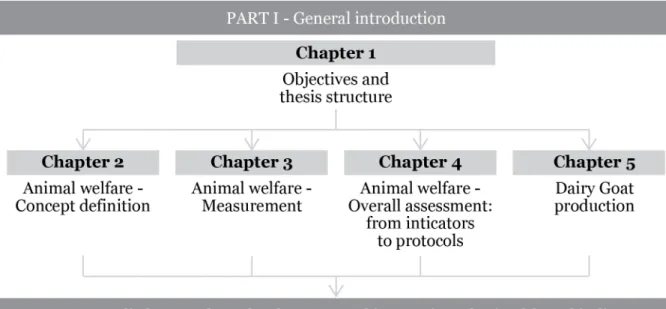
Figure 1 depicts the thesis structure, showing the workflow followed during the research process. The following paragraphs assist in reading Figure 1, introducing briefly each chapter of this research thesis and highlighting each chapter specific objective and contribution to the above mentioned objectives.Part I is dedicated to the General introduction and is organized in five chapters. More than
introducing the different subjects of research, these chapters provide a brief literature review on the concepts needed to comprehensively understand the research undergone in this thesis. The main and specific objectives of each chapter are as follows:
Chapter 1 presents the research context, the objectives, and thesis structure.
Chapter 2 takes the reader through the emergence of animal welfare as a scientific
discipline, highlighting the importance society had in its establishment. Moreover, it introduces and debates the state of the art for the animal welfare concept.
Chapter 3 introduces the two main categories of indicators used to measure animal welfare
on farms. It focuses mainly on animal-based indicators and the challenges posed. This review is paramount to explain the options made in the two first main objectives of this thesis.
Chapter 4 elucidates the reader on how animal welfare scientists generally go from
indicators to protocols, aiming for an overall assessment of welfare. Furthermore, it introduces and discusses the basic concepts for the indicators development that were behind all the fieldwork conducted during this research, and presents current forms of animal welfare control.
Chapter 5 presents some facts and figures regarding dairy goat farming.
Part II presents the research conducted to fulfil the objectives above mentioned and is
divided into five chapters. All the five chapters have been published, are “in press” or have been submitted to peer-reviewed journals.
Chapter 6 presents the result of the first main objective of this thesis. This study was
developed in cooperation with the University of Milan. As already mentioned the specific objective was to review promising animal-based indicators that could be used to set up a valid, reliable, feasible, and practical on-farm welfare assessment protocol for dairy goats, centred on the evaluation of lactating animals. Most of the reviewed literature dealt with dairy goats; however, although lactating dairy goats are our main target, papers considering other productive categories (e.g., kids, dry goats) or goats farmed for different purposes, or even other species, were taken into account whenever they provided evidence to support the use of indicators that could be included in an on-farm welfare assessment protocol for lactating dairy goats. We excluded indicators that focused exclusively on resources and
management, as well as animal-based indicators that require further laboratory analysis, or routinely collected herd data.
Chapters 7, 8 and 9 cover the second main objective of this research, the development of
BCS and lameness as animal-based indicators.
Chapter 7 describes the development of a new scoring system to assess body condition in
goats. In this chapter we address the feasibility challenges of including this indicator on on- -farm welfare assessment protocols, and present an innovative approach to the development of a visual BCS system for adult dairy goats. Moreover, we present a training program using the new scoring system based on the concept of threshold images, and assess the inter- -observer reliability of the scoring system under field conditions.
Chapters 8 and 9 are related with the development and integration of the lameness
indicator. In chapter eight we present and discuss the use of web-surveys as an alternative method for data collection in animal lameness scoring. In chapter nine we start by discussing distinct drawbacks that have been associated with different types of scoring systems traditionally used to assess lameness in goats, and then move to assess the grounds for developing a modified VAS to assess lameness in goats. The strategy followed allowed us to identify the level of measurement that could be set to assess lameness considering the constraints dairy goat farms present.
Chapter 10 covers the third main objective of this research, and presents the results of the
prevalence of the indicators in the on-farm welfare assessment protocol prototype developed within the AWIN project, considering 30 dairy goat farms visited in Portugal. It was important not only to assess the integration of the indicators developed in the previous objective, but also to gain knowledge on their overall importance in Portuguese farms.
Part III is dedicated to the general discussion and future research perspectives.
Chapter 11 focuses on the main theoretical and methodological implications findings of this
research, integrating the knowledge developed throughout all the previous chapters and highlighting the practical implications of this research. Moreover, it discusses some of the limitations of this research work.
Animal welfare – Concept definition
Chapter 2 discusses the emergence of animal welfare as a scientific discipline, and debates the state of the art animal welfare concept. This introductory chapter is important to recognize animal welfare as a multidimensional concept.
Intensive farming has its origin after the II World War (Cronin et al., 2014). In 1945 Europe was in deep food deprivation as its production systems had been destroyed, and its population moved from the fields to the cities where it was not possible to practice a self-sustainable agriculture. These situations led to a scarcity of food from animal origin, which made the price of food very high for the general population. Hence, strategies had to be put in place that would allow producing a large amount of food, at reasonable prices, and without depending too much on human labour.
Farms became larger and more specialized, and there was an enormous increase in total number of production animals and of stock density (Blokhuis, Miele, Veissier & Jones, 2013). Consequently, there were profound changes in facilities and introduction of mechanization and automation, which changed profoundly the management of the animals (Cronin et al., 2014; Keeling, 2005). This trend continued to our days as governments promoted a series of changes in farm structural and enterprise characteristics, encouraging constant rises in the number of animals per farm (Cronin et al., 2014; Winter, Fry & Carruthers, 1998).
In parallel, scientific research, enhanced by governments and supported by industries from the pharmaceutical and nutrition fields, developed knowledge towards the maximization of production, essentially by improving animal health, nutrition and genetics.
For cultural, behavioural, and commercial reasons there was a gap of communication between those that produced food and those who ate it, making consumers too distant from all these changes (Blokhuis et al., 2013). In the sixties, two books started to close this gap: Silent Spring by Rachel Carson (1962) and Animal Machines: The New Farming Industry by Ruth Harrison (1964) (with preface written by Rachel Carson). The two books had a tremendous impact in society promoting its own conscience and perhaps more importantly the awareness of the scientific community. By a very vivid and clear description of what was
production intensification and its consequences, both authors brought these questions to the societal debate. It was the beginning of the consumer-citizen concept.
Particularly the book Animal Machines: The New Farming Industry began an animal welfare debate that culminated in 1965 when Professor Roger Brambell chaired a technical committee assigned by the British Government to examine these issues (Keeling, 2005). The “Report of the Technical Committee to Enquire into the Welfare of Animals Kept under Intensive Livestock Husbandry Systems”, also known as “The Brambell Report”, (Brambell Committee, 1965) established the “Brambell’s Five Freedoms”, stating that animals should have the freedom “to stand up, lie down, turn around, groom themselves and stretch their limbs”. The Committee not only recommended that new general and specific legislation was needed to protect the welfare of farm animals, but also that a statutory advisory committee on farm animal welfare should be created. As a result, the Farm Animal Welfare Advisory Committee (FAWAC) was created in 1967, to monitor the livestock production sector, and statutory provisions for the welfare of livestock were considered in the Agriculture (Miscellaneous Provisions) Act 1968. Later, in 1979, the Farm Animal Welfare Council (FAWC) replaces the FAWAC and codifies the “Brambell’s Five Freedoms” into the “Five Freedoms” concept6, the basis for all future animal welfare assessment.
Thus, to fully understand the current concept of animal welfare, it is very important to consider that animal welfare, as a scientific discipline, owes its existence to society ethical concerns and not to scientists’ curiosity or findings (Fraser, Weary, Pajor & Milligan, 1997; Keeling, 2005). For this reason, animal welfare analysis is composed of two perspectives: an ethical (focusing on values and judgment), and a scientific one (focused on facts), and these two should be clearly separated (Broom, 1991). In the research conducted in this thesis we follow the scientific component perspective of animal welfare.
2.1 ANIMAL WELFARE AS A MULTIDIMENSIONAL CONCEPT
Animal welfare science has developed in the last years giving special attention to welfare indicators (Fraser, 2006; Veissier, Butterworth, Bock & Roe, 2008), and to the development of species-specific protocols for on-farm welfare assessment.Measurement is an fundamental component of scientific research (Streiner & Norman, 2008), and one of the rules before measuring something is having a clear definition of what is being measured (Nunnally & Bernstein, 1994). Temple Grandin usually says “you can’t manage what you can’t measure”, also thinking of welfare. So, it is clear that the concept of what is being measured has a strong influence on the type of research that is conducted
6 Initially, 1) Freedom from hunger and thirst, by ready access to water and a diet to maintain health and vigour; 2) Freedom from discomfort, by providing an appropriate environment; 3) Freedom from pain, injury and disease, by prevention or rapid diagnosis and treatment; 4) Freedom to express normal behaviour, by providing sufficient space, proper facilities and appropriate company of the animals’ own kind; 5) Freedom from fear and distress, by ensuring conditions and treatment that avoid mental suffering.
(Duncan & Fraser, 1997; reviewed by Fraser et al., 1997). For this reason before moving on to the more methodological and theoretical concepts underlying this research, it is important to clearly state the “animal welfare” definition adopted.
Being a concept intrinsically related to culture and beliefs, the interpretation of what is animal welfare differs widely between countries and people (Vanhonacker, Verbeke, Van Poucke & Tuyttens, 2007), with science being essential to objectively define it (Fraser et al., 1997). However, even scientists have presented different definitions. From literature it is possible to identify at least three main approaches to define animal welfare.
The first approach focuses on “natural-living” concerns and highlights the importance of animals living in harmony with their environment, hence having the ability to express natural genetically encoded behaviour patterns, including those acquired through their normal ontogenic development (Fraser et al., 1997; Rollin, 1993). This approach is very close to consumers’ beliefs, and therefore aspects allowing animals to meet their behavioural (or ethological) needs, by providing proper environmental conditions, are considered welfare requisites (Fraser, 2006). Nevertheless, scientists have highlighted the importance of not considering the full range of behaviours as a guide to assess animal welfare, as there are behaviours that, although natural, are considered to show suffering (e.g., flight reactions) (Fraser et al., 1997; Hughes & Duncan, 1988).
The second approach centres its attention on animal’s “feelings and emotions”, pointing to more psychological aspects of welfare, like suffering and fear, as negative emotions, or pleasure and comfort, as positive ones (Fraser et al., 1997). This approach is based on the belief that non-human animals can experience these emotional states, and considers that welfare is mostly dependent on what the animal “feels” (Duncan, 1993, 1996). This approach has been accepted and integrated in European legislative and administrative provisions as a key principle ever since animals are considered to be “sentient beings” (The Treaty of Lisbon, 2009). Therefore, animal welfare is given the same type of footing as other key principles such as human health or sustainable development. There are several studies that show it is possible to measure animals’ emotions. However, there are no studied direct and objective indicators to assess an animal’s emotional state. Therefore researchers have to rely on assessing behavioural or physiological changes, which are frequently associated with cognitive bias from observers and may therefore present problems of interpretation (Fraser, 2009; Mendl, Burman, Parker & Paul, 2009).
The third welfare approach is based on the concept of an adequate “biological function”, and describes the welfare of an individual as “its state as regards its attempts to cope with its environment” (Broom, 1986, p. 524). It relies on the assumption that an animal to be able to overcome a challenge that affects it’s functioning, has to be able to activate coping mechanisms that can be either physiological or behavioural, at a determined “biologic cost”,
sometimes referred as “stress”. The notion of a good level of welfare implies that an adequate balance is set between different coping strategies and the fulfilment of biological needs, as the imbalance may lead to the occurrence of disease (Broom & Johnson, 1993). However, the establishment of a link between welfare and indicators of biological function is not always easy or straightforward, as it is not always guaranteed that the fact that an animal is not capable to answering to an aversive situation leads to the manifestation of diseases or injuries (Broom & Johnson, 1993).
All these approaches have their own drawbacks and cannot by themselves define animal welfare; considering only one approach can even be seen as a hindered concept that can therefore limit the overall aim of animal welfare research (Fraser et al., 1997). Hence, these approaches should be considered as intertwined, leading to the need to assess animal welfare in a more “holistic” approach (Broom, 1998). The FAWC followed this more “holistic” approach and integrated all three of the above mentioned concerns when adopting and revising the “Five Freedoms” concept by the Brambell Committee in 1965 (Farm Animal Welfare Council [FAWC]; 2009). The “Five Freedoms” concept is still today a reference for the study and assessment of animal welfare in production animals (Webster, 2001), and should be viewed as a general guideline pointing the way to improve animal welfare (Rushen, Butterworth & Swanson, 2011).
In 2008, the Welfare Quality project re-elaborated the concept of the “Five Freedoms” (FAWC, 2009) and defined four main areas of concern (“Welfare Principles”), which were then split into twelve criteria (“Welfare criteria”) (Table 1) (Blokhuis, Veissier, Miele & Jones, 2010; Rushen et al., 2011), each of which corresponded to a key welfare dimension as a result of a fruitful science-society dialogue around the welfare of farm animals. Accordingly, criteria are independent of each other and form an exhaustive, but minimal list (Blokhuis et al., 2010; Botreau, Veissier, Butterworth, Bracke & Keeling, 2007). The Welfare Quality concept of animal welfare establishes a hierarchical aggregation procedure to produce an overall assessment of animal welfare (Botreau, Capdeville, Perny & Veissier 2008).
Table 1. Welfare principles and criteria, as defined by the Welfare Quality project
Principles Welfare Criteria
Good Feeding Absence of prolonged hunger Absence of prolonged thirst
Good Housing Comfort around resting
Thermal comfort Ease of movement
Good Health Absence of injuries
Absence of disease
Absence of pain induced by management procedures Appropriate Behaviour Expression of social behaviours
Expression of other behaviours Good human-animal relationship Positive emotional state
Derived from what was written above, nowadays the state of the art considers the animal welfare concept to be a multidimensional one, requiring that all welfare key criteria are included and interconnected to determine the overall welfare status (Botreau, et al., 2008; Mason & Mendl, 1993). The need to consider multiple criteria when evaluating on-farm animal welfare makes the development of welfare assessment protocols a difficult task. For this reason the development of feasible indicators is one of the main challenges in welfare assessment research (Knierim & Winckler, 2009). The work conducted in this thesis on the development of the BCS and lameness indicators aimed to advance knowledge in that area. It is also important to mention that the animal welfare definition is not static and is subjected to permanent changes as society and scientific knowledge advances. A recent example of this was the work conducted by Tuyttens, Vanhonacker, Van Poucke & Verbeke (2010). This team of researchers assessed the quantitative correspondence between the operational definition of animal welfare, having defined the concept in terms of four “welfare principles” and 12 “welfare criteria”, and the opinion of different stakeholders from Belgium. The results showed that the Belgium stakeholders (that were not present in the focus groups that lead to the Welfare Quality operational definition) broadly agreed with the concept division on the four “welfare principles” and 12 “welfare criteria”, but had questions regarding the aggregation procedures not considering all principles to be equally important (Tuyttens et al., 2010). Therefore reflecting public concerns on an animal welfare definition is a challenge, especially considering the diversity of cultural background and socio-economic development
among European countries. Even within each country citizens have different perceptions and understanding of what is animal production and welfare.
Still, the concept defined by the Welfare Quality project is nowadays the definition that represents the more generalised consensus of what is animal welfare, both to society and to the scientific community7 (Rushen et al., 2011). For this reason the Welfare Quality
framework was followed to identify the most promising welfare indicators to assess dairy goats' welfare8.
7 The literature review conducted on chapter six followed this state of the art definition. 8 Further information regarding the indicators is presented on chapter six.
Animal welfare – Measurement
Chapter 3 introduces the two main categories of welfare indicators used to assess animal welfare on farms. It gives special emphasis to the challenges associated with developing animal-based indicators that have triggered some of the research conducted in this thesis.
As discussed in the previous chapter, animal welfare is a multidimensional concept. Therefore, to have a proper overall assessment, all the key concerns have to be considered (together with their interconnectedness), which turns animal welfare assessment into a complex multicriteria evaluation challenge (Botreau et al., 2008). When structuring a multicriteria model, the first step consists in defining, following theoretical and practical rules, a set of criteria that are considered relevant (Bana e Costa & Beinat, 2005; Botreau, Veissier, et al., 2007). The definition of such criteria was conducted by the Welfare Quality project, and represents the starting point for the research developed in this thesis.9
After the “welfare criteria” are defined, the next step is to ensure their operationalization through different indicators (Bana e Costa & Beinat, 2005; Botreau, Veissier & Perny, 2009). The association of an indicator to a “welfare criterion” is usually a matter of choosing from the pool of indicators available the ones that are considered most adequate (i.e., that have the proprieties that will be described in the beginning of chapter four). It is also important to acknowledge that the same indicator may provide information related to different “welfare criteria” (Blokhuis et al., 2010).
Two main categories of indicators have been used to assess on-farm animal welfare: environmental-based (resource and management) and animal-based (Rushen et al., 2011). In the next sub-chapters we detail some characteristics of the two categories of indicators. The objective is to help the reader to understand the option to use animal-based indicators in detriment of environmental-based ones.
3.1 ENVIRONMENTAL-BASED
(RESOURCE AND MANAGEMENT) INDICATORS
Environmental-based indicators (also referred to as input-based indicators) describe the features of the environment in which the animals are inserted, therefore focusing on what is available to the animals in terms of resources (e.g., food, shelter, type of floor, space allowance, access to pasture), and management choices (e.g., how and when they are fed, how and if they are moved and mixed with other animals, what and how painful procedures are executed) (Johnsen, Johannesson & Sandøe, 2001; Rushen et al., 2011; Sandøe, Munksgaard, Badsgard & Jensen, 1997).Resource and management-based indicators are considered to have a low level of subjectivity, and are usually associated with a high level of feasibility (they require little training and are not time consuming, therefore also have low costs associated), and reliability (usually having high inter and intra-observer reliability) (Capdeville & Veissier, 2001; Johnsen et al., 2001; Whay, 2007). Moreover, the assessment of environmental-based indicators can be seen as a way to prevent welfare problems, therefore considering these type of indicators more as risk factors than direct measures of animal welfare (Canali & Keeling, 2010; Rushen et al., 2011).
For the reasons presented above, most of the monitoring systems that were developed in Europe since 2001 are largely based on environmental-based indicators (Johnsen et al., 2001), e.g., the Animal Needs Index developed by Bartussek (1999), the Freedom Food Schemes (Main, Webster & Green, 2001), as well as the majority of national and European legislation that has been produced (Veissier et al., 2008).
However, in order to adopt environmental-based indicators, scientific evidence should exist to support the assertion that a given housing or management routine is unquestionably a hazard affecting welfare. Conversely, some studies do not sustain environmental-based indicators as valid, showing farms with equivalent production systems demonstrating enormous variation in animal welfare (Mülleder, Troxler, Laaha & Waiblinger, 2007; Sandøe et al., 1997). Furthermore, individuals with different genetic backgrounds (e.g., different breeds) may respond differently to the same environment. For example, Mattiello, Battini, Andreoli & Barbieri (2011) showed how dairy cows from different breeds presented different levels of welfare under similar environmental conditions. The validity of using this type of indicators can be questioned due mainly to their indirect relation with animal welfare, and for all the multiple interactions that can be established with other resource and management features and the animal itself (Waiblinger, Knierim & Winckler, 2001).
This type of studies highlight two important findings: 1) how assessments based on environmental-based indicators can fail to assess the welfare status of animals in a given farm, as the link between specific environmental indicators and the animals’ welfare status is
not completely clear (Blokhuis et al., 2013); and, 2) how, only by using animal-based indicators (e.g., behavioural and health indicators), it is possible to assess the animals’ response to living in a particular farm, and so to properly assess animal welfare at herd level (Rushen et al., 2011).
These points show the disadvantages of using environmental-based indicators and support the decision to focus on animal-based indicators for welfare assessment. This has being highlighted by multiple research teams (e.g., Welfare Quality) and there are several current studies that focus on the development and integration of animal-based indicators in welfare assessment protocols (Main, Kent, Wemelsfelder, Ofner & Tuyttens, 2003; Rushen et al., 2011; Webster, 2005; Whay, Main, Green & Webster, 2003). This was also the strategy followed in the AWIN project and consequently in this thesis.
3.2 ANIMAL-BASED INDICATORS
Animal-based indicators (also referred as outcome-based indicators) give a more direct assessment of the animal’s welfare as, by observing the animal directly, they measure the way in which the animal itself responds to the environmental conditions to which it is subjected (Johnsen et al., 2001; Rushen et al., 2011; Whay et al., 2003), therefore allowing for comparisons of the welfare of animals kept in different types of farming conditions. There are four main categories of animal-based indicators: health, physiological, behavioural, and record-based indicators.The most commonly addressed examples of health indicators are injuries (e.g., skin injuries and locomotion disorders) or diseases (e.g., presence of external abscesses, presence of nasal or ocular discharges), both of which can be directly assessed by looking at the animals. All health problems are of economic importance, thus there is an array of studies focusing on health indicators, which makes this category the most quoted. For example, for goats see Battini et al. (2014).
Physiological indicators, including some blood parameters, heart-rate and hormones (e.g., hypothalamic pituitary adrenal axis activity), have a lot of limitations to be used in on-farm welfare assessments as they are difficult to interpret, not always associated with poor welfare, and have several feasibility issues (e.g., methods can be invasive, usually require animals’ restraining, require special training and material, being therefore costly, the results are not readily available) (Capdeville & Veissier, 2001; Winckler, 2006).
Behavioural indicators, either in the form of tests performed (e.g., avoidance distance) or in observations (e.g., looking for signs of lameness or abnormal behaviours such as stereotypies or self-mutilation) are very commonly used in welfare assessment schemes. Viñuela-Fernández, Jones, Welsh & Fleetwood-Walker (2007) even point out that behavioural indicators are the most frequently used indicators to assess pain at farm-level.