Mental Health Care assessed based
On Structure, Process and Outcome
A Retrospective Cohort Study
Masters Dissertation
International Master in Mental Health Policy and
Services
Natasha Van Schalkwyk Pimenta de Oliveira
Supervisor: Professora Doutora Graça Cardoso
2013
Universidade NOVA de Lisboa
Dedicated to João and Tiago,
“Julle is my inspirasie, dankie dat julle in my lewe is”
ACKNOWLEDGEMENTS
To begin with, I would like to convey my utmost respect and thank my former
Department Director and Supervisor, Professor Graça Maria Pereira Cardoso,
for being who she is, for believing in me, and for having enabled the realization
of this Masters and this Dissertation. She has been a pillar of support and
confidence for many years. Her dedication, knowledge, guidance and
thoroughness were fundamental throughout this process.
To Professors Ana Luisa Papoila and Sara Alexandra Dias, my deepest and
most sincere thank you, for their insightful suggestions and their precious
assistance, without which this dissertation would have been much poorer by far.
I would also like to thank Professor José Caldas de Almeida for allowing me to
partake in his vision and intention of making the world a better place for all
those who suffer, or will come to suffer from a mental illness.
A special thanks to both Professors Benedetto Saraceno and Francisco Torres
for their kindness and support in the attainment of the International
Classification of Mental Health Care.
To Professor Miguel Xavier for his collaboration and permission to use the
Portuguese version of the Verona Service Satisfaction Scale, translated and
adapted by him and Professor Caldas de Almeida.
To all my remarkable teachers who until now had been but mere references in
my books.
To my colleagues in the Community Mental Health Teams for their assistance in
giving me an insight into the whereabouts of our “missing persons”.
To my colleague and friend Dr. Miguel Pinto for his friendship and support.
To all the patients, who teach me new things every day, my heartfelt thank you.
And, last but not least, a special thank you to my friends and family for their
ABSTRACT
Mental health disorders are common, universal, and associated with heavy
personal, family, social and economic burden. Mental health services should be aimed at adequately addressing patients’ and families’ needs at clinical and social level.
The current study was carried out at a time of great transformation in the health and mental health systems in Portugal, in a Psychiatric Department developed taking in consideration the WHO principles.
The objectives included characterizing: 1) the Psychiatric Department’s
different units; 2) the patients admitted for the first time to the inpatient unit; 3) their use of community mental health services after discharge; and 4) assessing some of the
department’s quality indicators, with resource to Donabedian’s Structure-Process-Outcome model.
Methodology: A retrospective cohort design was chosen. All the firstly admitted
patients in the period between 2008 and 2010 were included in the study. Their clinical
records and the hospital’s database which registers all of the contacts the patients had with the mental health professionals during the study period, were reviewed to retrieve sociodemographic and clinical data and information on follow-up. The instruments used
were the WHO International Classification of Mental Health Care (ICMHC) to
characterize the department, the Initial Nurses’ Assessment in Mental Health and
Psychiatry (AIESMP) for patients’ sociodemographic data, and the Verona Service
Satisfaction Scale (VSSS) to assess patients’ satisfaction with care received. Statistical
analysis included descriptive, quantitative and qualitative analysis of the data.
Results: The Department’s Functional units revealed high levels of articulation,
and were consistent with patients’ needs for psychiatric care and psychosocial rehabilitation. The 543 patients firstly admitted were mainly (56.9%) female, Caucasian
(81.2%), diagnosed with mood disorders (66.3%), voluntarily admitted (59.7%), and with a mean age of 45.1 years. Female patients were significantly older, more frequently employed, married/cohabiting and had a higher prevalence of mood
disorders when compared to males. Involuntary admission was more significant in males (54.7%). Dropout rates during follow-up (4.2%) and readmission rates (2.9%) in
the fortnight following discharge were lower than standards in international literature. Overall patients’ satisfaction with mental health care was positive.
endorsed and maintained throughout the care process. This department may be considered an example of both humane and effective treatment, and a reference for
future psychiatric care.
Key words: Psychiatric Services, Quality Assessment, Psychiatric Admissions,
RESUMO
As doenças mentais são comuns, universais e associadas a uma significativa
sobrecarga pessoal, familiar, social e económica. Os Serviços de Saúde Mental devem abordar de forma adequada as necessidades dos pacientes e familiares tanto ao nível
clínico como também ao nível social.
O presente estudo foi realizado num período de grande transformação nos
sistemas de saúde primário e de saúde mental em Portugal, num Departamento de Psiquiatria desenvolvido com base nos princípios da OMS.
Os objectivos incluem a caracterização: 1) das Unidades Funcionais do
Departamento; 2) dos pacientes internados pela primeira vez no internamento de agudos; 3) da utilização dos serviços nas equipas comunitárias após a alta; e 4) da
avaliação de alguns dos indicadores de qualidade do departamento, com recurso ao modelo de Donabedian sobre a articulação entre a Estrutura-Processo-Resultados.
Metodologia: Foi escolhido um estudo de coorte retrospectivo. Todos os
pacientes internados pela primeira vez entre 2008 e 2010 foram incluídos no estudo.
Os seus processos clínicos e a base de dados do hospital onde são registados todos os contactos que estes tiveram com os profissionais de saúde mental foram revistos
de forma a obter dados sociodemográficos e clínicos, durante o período do estudo e após a alta. Os instrumentos utilizados foram o WHO-ICMHC (Classificação Internacional de Cuidados de Saúde Mental), para caracterizar o Departamento, o
AIESMP (Avaliação Inicial de Enfermagem em Saúde Mental e Psiquiatria) para
recolha dos dados sociodemográficos, e o VSSS (Escala de Satisfação com os Serviços de Verona) de forma a avaliar a satisfação dos pacientes em relação aos
cuidados recebidos. A análise estatística incluiu a análise descritiva, quantitativa e qualitativa dos dados.
Resultados: As Unidades Funcionais do Departamento revelaram níveis
elevados de articulação e consistência com as necessidades de cuidados psiquiátricos e reabilitação psicossocial dos pacientes. Os 543 pacientes admitidos pela primeira
vez eram maioritariamente (56.9%) mulheres, caucasianas (81.2%), com diagnóstico de perturbações do humor (66.3%), internadas voluntariamente (59.7%), e uma idade
era mais significativo nos homens (54.7%). A taxa de abandono no pós-alta (4.2%) e a taxa de reinternamentos (2.9%) na quinzena após a alta revelaram-se inferiores aos
padrões na literatura internacional. De forma global, a satisfação dos pacientes com os cuidados de saúde mental foi positiva.
Conclusões: Os cuidados prestados mostraram-se eficazes, adaptados e
baseados nas necessidades e problemas específicos dos pacientes. A continuidade e a abrangência de cuidados foram difundidos e mantidos ao longo do processo de
cuidados. Este Departamento pode ser considerado um exemplo de como
proporcionar tratamento digno e eficiente, e uma referência para futuros serviços de psiquiatria.
Palavras-chave: Serviços de Psiquiatria, Avaliação de Qualidade, Admissões
RESUMEN
Las enfermedades mentales son comunes, universales y están asociadas a
una significativa sobrecarga personal, familiar, social y económica. Los Servicios de Salud Mental deben abordar de forma adecuada las necesidades de pacientes y
familiares tanto a nivel clínico como social.
El presente estudio fue realizado durante un período de profunda
transformación de los sistemas de salud primaria y de salud mental en Portugal, en un Departamento de Siquiatría y fue desarrollado con base a las normas que establece la OMS.
Los objetivos de este trabajo incluyeron la caracterización de: 1) las Unidades
Funcionales del Departamento; 2) Los pacientes ingresados por primera vez en la sala
de agudos; 3) la utilización de los servicios en los equipos comunitarios después del alta; 4) la evaluación de algunos de los indicadores de calidad del departamento,
según el modelo de Donabedian aplicado a la articulación entre la Estructura-Proceso-Resultados.
Metodología: El estudio escogido fue de cohorte retrospectivo. Con el
propósito de obtener datos socio-demográficos y clínicos durante el período de estudio
y después del alta fueron incluidos todos los pacientes con un primer ingreso entre 2008 y 2010 así como analizadas todas las historias clínicas y la base de datos del hospital donde son registrados los contactos que los pacientes tuvieron con los
profesionales de salud mental. Los instrumentos utilizados fueron el WHO-ICMHC
(Clasificación Internacional de Cuidados de Salud Mental), para caracterizar el Departamento, el AIESMP (Evaluación Inicial de Enfermería en Salud Mental y
Siquiátrica) para obtener los datos socio-demográficos y el VSSS (Escala de Satisfacción con los Servicios de Verona) para evaluar la satisfacción de los pacientes en relación a los cuidados recibidos. El análisis estadístico incluyó un análisis
descriptivo, cuantitativo y cualitativo de todos los datos.
Resultados: Las Unidades Funcionales del Departamento revelaron niveles de
elevada articulación y consistencia con las necesidades de cuidados siquiátricos y de rehabilitación sicosocial de los pacientes. Los 543 pacientes admitidos por primera vez
encontramos más desempegadas, casadas/en unión consensual y tenían una mayor prevalencia de perturbaciones del humor comparativamente con los hombres (54.7%).
La cifra de abandono después del alta (4.2%) y la de reingresos (2.9%) en la quincena posterior al alta fue inferior al encontrado en los patrones de la literatura internacional.
En general, la satisfacción de los pacientes con los cuidados de salud mental fue positiva.
Conclusiones: Los cuidados prestados mostraron ser eficaces, adaptados y
basados en las necesidades y problemas específicos de los pacientes. La continuidad
y la extensión de cuidados de salud fueron difundidas y mantenidas a lo largo del proceso de cuidados. Este Departamento puede ser considerado un ejemplo de cómo
proporcionar tratamiento digno y eficiente y constituye una referencia para futuros servicios de siquiatría.
Palabras Clave: Servicios Siquiatría; Evaluación de Cuidados; Ingresos Siquiátricos;
TABLE OF CONTENTS
ACKNOWLEDGEMENTS ... 3
ABSTRACT ... 4
RESUMO... 6
RESUMEN ... 8
TABLE OF CONTENTS ...10
LIST OF TABLES, FIGURES AND GRAPHS ...13
LIST OF ABBREVIATIONS ...15
INTRODUCTION ...16
Part 1 -‐ REVISION OF THE LITERATURE 1. THEORETICAL FRAMEWORK / BACKGROUND...18
2 . SETTING ...22
3 . STATE OF THE ART AND INNOVATIVE ASPECTS OF THE STUDY ...24
4. STRUCTURE – REVISION OF THE LITERATURE ...24
5 . PROCESS – REVISION OF THE LITERATURE ...28
5.1. Pathways to Care ... 28
5.2. Psychiatric Emergency Room -‐ PER ... 29
5.3. Inpatient Admission and Care ... 31
5.4. Voluntary versus Compulsory admission... 34
5.5. Attendance at First appointment after discharge... 36
5.6. Continuity of Care in Mental Health ... 37
5.7. Treatment Discontinuity / Drop-‐outs ... 39
5.8. Migration and Ethnicity ... 40
6. OUTCOME – REVISION OF THE LITERATURE ...43
6.1. Satisfaction with Mental Health Care ... 43
PART 2 -‐ CURRENT STUDY 1. STRUCTURE ...48
1.1. Psychiatric Department... 48
1.1.1. Acute Inpatient Functional Unit ...48
1.1.2. Community Functional Unit ...49
1.1.3. Day Hospital Functional Unit ...50
1.1.4. Liaison Psychiatry Functional Unit,...51
1.1.5. Child and Adolescent Mental Health Team ...51
1.1.6. Psychiatric Emergency...52
2. PROCESS ...56
2.1. Acute Inpatient Functional Unit ... 57
2.2. Community Functional Unit ... 59
2.3. Day Hospital Functional Unit ... 62
2.4. Liaison Psychiatry Functional Unit ... 62
PART 3 -‐ METHODOLOGY 1. OBJECTIVES AND EXPECTED OUTCOME...64
2. STUDY HYPOTHESES / INFERENCES ...65
3. VARIABLES...67
3.1. Predictor Variables:... 67
3.2. Outcome Variables:... 67
4. METHODOLOGY...67
4.1. Study Design... 67
4.2. Population ... 68
4.3. Procedures ... 68
4.4. SELECTION OF INSTRUMENTS ...71
4.4.1. The AIESMP -‐ Avaliação Inicial de Enfermagem em Saúde Mental e Psiquiatria ( Inicial Nurses’ Assessment in Mental Health and Psychiatry) ... 71
4.4.2. WHO -‐ International Classification of Mental Health Care (ICMHC) ... 72
4.4.3. Verona Service Satisfaction Scale (VSSS)... 75
4.5. STATISTICAL ANALYSIS PLAN...77
4.6. ETHICAL CONSIDERATIONS AND APPROVAL...77
PART 4 -‐ RESULTS 1. RESULTS...78
1.1. Structure ... 78
1.1.1. Assessment of the Psychiatric Department...78
1.1.2. Characterization of the First Admissions Sample ...79
1.1.3. Sociodemographic characteristics and Gender ...82
1.1.4. Gender and ICD-‐10 Diagnoses...84
1.1.5. Sociodemographic characteristics and Psychiatric Diagnoses by Ethnicity...85
1.2. Process ... 88
1.2.1. PER use ...88
1.2.2. Voluntary and involuntary first admissions...90
1.2.3. Physical Restraint during first admission...93
1.2.4. Comorbidity -‐ Alcohol and Substance use ...94
1.2.5. Length of stay (LOS) in the Psychiatric Inpatient Unit ...95
1.2.6. Period between discharge and First Psychiatric Appointment ...96
1.2.7. Readmissions...96
1.2.8. Readmissions ≤15 days after discharge from the Inpatient Unit ...97
1.2.10. Further Care ...99
1.3. Outcome... 100
1.3.1. Content analysis of open-‐ended questions ...103
PART 5 -‐ DISCUSSION AND CONCLUSION 1. DISCUSSION ...104
1.1. Objectives... 104
1.2. Hypothesis... 109
1.3. Structure ... 110
1.4. Process ... 111
1.5. Outcome... 113
2. LIMITATIONS OF THE STUDY ...114
3. CONCLUSION ...115
REFERENCES ...117
ANNEXES
List of Tables, Figures and Graphs
Page
Table 1 -‐ Population residing in the Psychiatric Department's Catchment area, characterized by Gender and No. of Families (Source INE 2011)
55
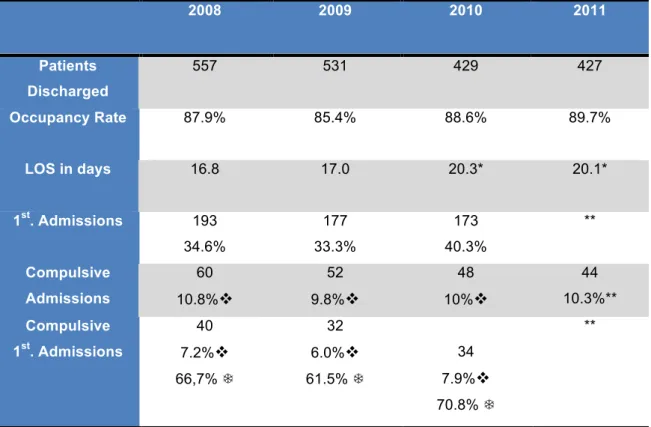
Table 2 -‐ The In-‐patient Unit: Patient occupancy, LOS, first admissions and compulsive admissions between 2008 and 2011
58
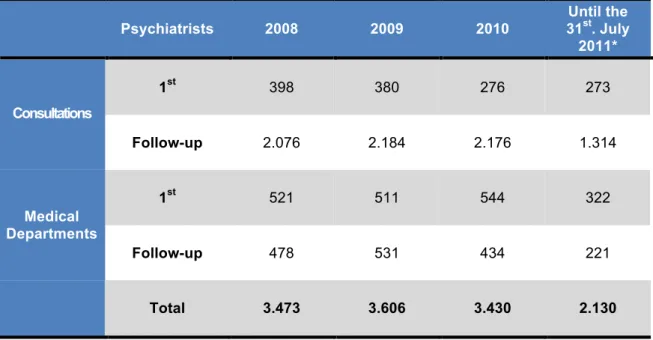
Table 3 -‐ Number of First and Follow-‐up Psychiatric Consultations in the
Community Mental Health Unit between 2008 and the 31st July 2011
59
Table 4 -‐ Community Mental Health Nursing Activity between 2008 and the 31st July 2011
60
Table 5 -‐ Community Psychology activity between 2008 and the 31st July 2011. 61
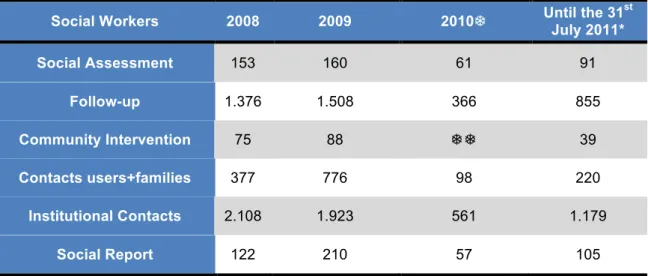
Table 6 -‐ Activity of the Social Service between 2008 and the 31st July 2011 61
Table 7 -‐ Average number of patients and total number of sessions in the Day Hospital between 2008 and the 31st July 2011
62
Table 8 -‐ Activity of the Liaison Psychiatrists between 2008 and the 31st of July 2011
63
Table 9 -‐ Activity of the Liaison Psychologist between 2008 and 31st July 2011 63
Table 10 -‐ Sociodemographic characteristics of index-‐admitted patients
(N = 543)
80
Table 11 – Association between Marital Status and Living situation by gender in
the study sample.
83
Table 12 – Psychiatric and Non-‐Psychiatric Diagnoses according to ICD-‐10 by gender.
84
Table 13 – Age and Ethnic Group at Index-‐admission 85
Table 14 – Sociodemographic Characteristics and Ethnicity 85
Table 15 -‐ Diagnoses and Ethnicity 87
Table 16 – PER visits before and after index-‐admission 88
Table 17 – Origin and Area of residence of patients admitted to the Inpatient Unit
90
Voluntary admissions. 91
Table 19 – Diagnoses of Involuntary and Voluntary admissions 92
Table 20 – Involuntary and Voluntary Admissions and LOS 93
Table 21 – Gender and Risk Factors/Behaviour. 94
Table 22 – Discontinuation during follow-‐up 99
Table 23 – Mean scores of Patients’ satisfaction measured by VSSS. 100
Table 24 – Specific Department Interventions (items 41-‐54 of the VSSS) received
or not received by patients.
101
Figure 1 -‐ The World Health Organization's "Service organization Pyramid for an
optimal mix of Services for Mental Health
25
Figure 2 – Flowchart -‐ Patient referral and back-‐referral to and from the
Psychiatric Department and the PER
53
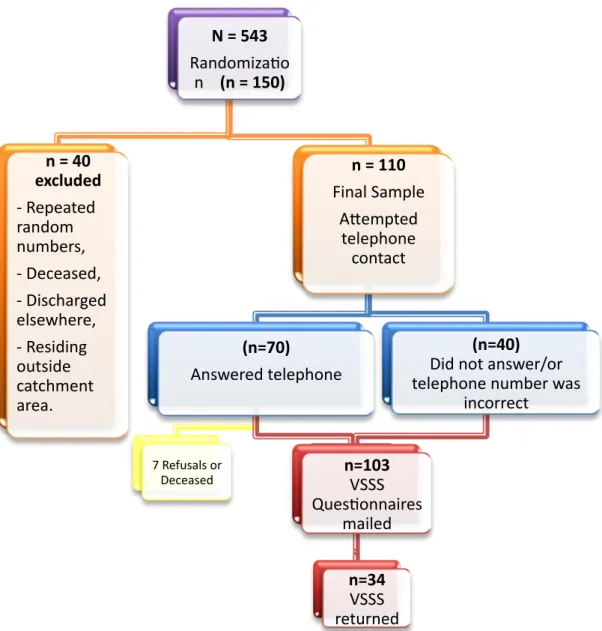
Figure 3 -‐ Flowchart – Steps undertaken to assess patients’ satisfaction with care received.
70
Graph 1 -‐ Age groups of the population residing in the Amadora and Sintra Municipalities, by Parishes (Source HFF's intranet)
56
Graph 2 -‐ Profile of Care of the Psychiatric Departments’ Functional Units according to the ICMHC
78
List of Abbreviations
AIESMP – Avaliação Inicial de Enfermagem em Saúde Mental e Psiquiátrica (Inicial
Nurse Assessment in Mental Health and Psychiatry)
CBT -‐ Cognitive Behavioural Therapy
CHKS -‐ Caspe healthcare Knowledge System
CMH -‐ Community Mental Health
CMHT/s -‐ Community Mental Health Team/s
DALYs -‐ Disability Adjusted Life Years
DEMoBinc -‐ Development of a European Measure of Best Practice for People with
Long Term Mental Illness in Institutional Care
DSM -‐ Diagnostic and Statistical Manual
ECT -‐ Electro-‐convulsive Therapy
EPSILON -‐ European Psychiatric Services: Inputs linked to Outcomes and Needs
GPs -‐ General Practitioners – Family Doctors
HFF – Hospital Professor Doutor Fernando Fonseca
INE – Instituto Nacional de Estatística (National Institute of Statistics)
LOS -‐ length of stay
NGO – Non-‐Governmental Organization
PER -‐ Psychiatric Emergency Room
VSSS -‐ Verona Service Satisfaction Scale
WHO -‐ World Health Organization
WHO–ICMHC or ICMHC – World Health Organization -‐ International Classification of
INTRODUCTION
At a time of worldwide awakening to the importance and impact of Mental
Health and more specifically of Mental Health Disorders, the current study
materialized with the objective of assessing the Structure, Process and
Outcome of a Psychiatric Department, with a special focus on first Psychiatric
admissions.
Understanding the key components that constitute the quality of the
mental health care rendered and the patients’ satisfaction with the care received
are an essential part of Service planning. Furthermore, identifying possible
pitfalls is equally crucial, in that it may enlighten the mental health professionals
and the service planners into going back to the basics, in other words, the main
values and principles of the Psychiatric Department.
Working in the Psychiatric Department for 16 years, I am fortunate to
have worked in a Community Mental Health Team for seven years, and
currently the Department’s Day Hospital. This experience has allowed me to
gain quite significant knowledge of how mental health care is delivered, and this
research is an insight into what can still be done to further comprehend and
ameliorate our service and care.
The current study is divided into five parts, and whenever possible, an
attempt was made to underline the Structural, Processual and Outcome
components of the Psychiatric Department. The first part is the theoretical
framework and revision of national and international literature, which has a
purpose of laying out a backdrop on which the rest of the research, and
consequently this thesis, could take centre stage. The second part is an
in-depth description of the actual Psychiatric Department of the Hospital Prof. Dr.
Fernando Fonseca, EPE, as well as the population residing in the Department’s
catchment area.
The third part is the description of the research methodology, and the
presentation of the instruments used in the study. This part includes both the
consistent data, which may be of use in future service planning when there is a
warrant for such.
The next part of this study is the presentation of the results obtained from
both the assessment instruments and the database that was created specifically
for this research, but can easily be introduced into every day practice in the
Department’s Inpatient Unit. With the intention of avoiding repetition of data and
information presented in the chapters broaching the results of the study, the
discussion of the results will objectively focus on the study objectives and
hypothesis, in addition to a focus on the Structure, Process and Outcome with
resort to available literature. This Fourth part of the thesis also presents and
analyses the limitations of the study.
The last part is constituted by a brief personal conclusion of this research
process, and with the hope that this project may contribute to further research,
Part 1
Review of the Literature
1.
Theoretical Framework / Background
According to the World Health Organization (WHO, 2001), mental health
is defined as “a state of well-being in which the individual realises his or her own
abilities, can cope with the normal stresses of life, can work productively and
fruitfully, and is able to make a contribution to his or her community”. This
definition clearly expands the boundaries of the previous concept of mental
health, which was defined in a very restrictive manner as “the absence of
disease”. According to Sartorius (1990), mental health is better understood as
a state of balance between physical, mental, cultural, spiritual and other
personal factors, and between the Self, others and the environment.
Furthermore, mental health is intimately related to physical health and
behaviour.
The absence of positive mental health and the presence of mental health
problems and mental disorders cause death, suffering, disability and exclusion
from society. The World Health Report (2001) stated that Mental or Psychiatric
disorders are among the top causes worldwide of disease burden and disability
both for the individuals suffering from them and their families. By 2020, it is
estimated that the burden of psychiatric disorders will have increased to 15% of
the total Disability Adjusted Life Years (DALYs) lost due to all diseases and
injuries.
This projection of the WHO (2001) demonstrates that mental disorders
are common, and affect between 20 to 25% of all people at some time during
impact on societies, including service costs. The negative impact on the quality
of life of individuals and families is massive.
Restoration of mental health is not only essential for individual well-being,
but is also necessary for economic growth and reduction of poverty in societies
and countries (WHO, 2008). In 2001 through the World Health Day, World
Health Assembly, and World Health Report (Mental Health: New
Understanding, New Hope), WHO and its Member States pledged their full and
unrestricted commitment to this area of public health. Also, according to
Baca-Garcia et al. (2008), mental health is one of the priorities of the European
Commission. Studies of the use and cost of mental health facilities are needed
in order to improve the planning and efficiency of mental health resources.
Although the care of people with mental health problems has been the
object of major concern over the past several decades, few countries have
actually undergone the necessary major changes needed to improve the care
rendered. These changes should commence with the creation of mental health
care legislation, inexistent in many lower and middle-income countries, or with
changes to very outdated legislation concerning the existing mental health
systems, to the actual deinstitutionalization and community-based care for
people suffering from mental health problems. Ensuing a long and very
arduous undertaking, described in a very simplistic manner in the preceding few
lines, and once all the mental health care mechanisms are in place, the next
step should be the effective continuous monitorization of all available resources,
in order to understand, evaluate, and improve what is actually being done.
Nonetheless, to be able to understand the rationale behind this research, one
must go back to the basics.
While there is still much to be done in Portugal to improve the Mental Health
Care System, Portugal was one of the first European countries to develop and
adopt a Mental Health Policy, which occurred in 1963 with the passing of the
Law 2118. Although important steps have been taken over the past four
decades, the path leading to our current situation was certainly not an
Policy, to what it is today, underwent three distinct phases, which will briefly be
described as follows.
• The first phase began in 1963 with the new mental health law 2118,
based on the principles of sectorization, which enabled the creation of
mental health centres and the appearance of various important
movements, such as social psychiatry and the integration of mental
health in primary care. Another significant change was the regulation of
compulsory treatment. Between 1985 and 1990, the first mental health
program was instituted; enabling the creation of mental health centres in
the big towns and a period of restructuring of psychiatric hospitals began.
• The second phase occurred between 1990 and 1995, with a
counter-reform in Portuguese mental health. The strengthening of psychiatric
hospitals, the integration of mental health centres in general hospitals
and the dismantling of most of the community services characterized this
phase.
• The third and current phase commenced in 1995 with a national debate
on mental health, that produced a consensus document on mental health
policy in 1997, and a year later, in 1998, the passing of the new mental
health policy (Law 35/98 and Decree Law 36/99). This new mental
health policy was created in accordance with the principles that were
suggested by the major international organizations on the subject of
mental health service organization, and at the same time, the legislation,
which supported psychosocial rehabilitation programmes as well as
supported employment, was also approved with the Dispatch 407/98.
This was an important breakthrough due to the complete nonexistence of
residences in the community and social firms for the seriously mentally
ill.
Although Portugal had a very solid policy, this was not enough to implement
significant change in the development of mental health services. According to
WHO (2005), a policy is an essential and powerful tool, however, it can only
have a significant impact on the mental health of the population it addresses
when it is properly formulated and implemented through plans and
programmes, which in turn, assist countries in reaching their goals.
Health Plan Committee that would oversee the development of a Mental Health
Plan, which was approved by the Council of Ministers in the Resolution no.
49/2008.
The current study is being elaborated at a time of great transformation in the
health system in Portugal, namely in the reformation of the Primary Health and
Mental Health Care Systems. The latter is currently undergoing a
deinstitutionalization process with the concomitant creation of Psychiatric
Departments located in General Hospitals, and the creation of Community
Mental Health Teams, in accordance with the National Mental Health Policy
(Law 35/98 and Decree Law 36/99) and Plan (2007-2016), as well as the
directives of the World Health Organization (2003) that state six key principles
for organizing services. Briefly, these are:
Accessibility – services must be available locally and close to the
population.
Comprehensiveness – mental health services should include all facilities
and programmes that are required to meet the essential care needs of
the population.
Coordination and continuity of care – frequently achieved through
sectorization or catchment area of organization. It is extremely important
for people with severe mental disorders that services work in a
coordinated manner and attempt to meet the range of social,
psychological and medical care needs.
Effectiveness – guided by evidence of the effectiveness of particular
interventions.
Equity – people’s access to services of good quality, should be based on
need. In order to ensure equity, it is necessary to address issues of
access and geographical disparities.
Respect for Human Rights – services should respect the autonomy,
should empower and encourage these people to make decisions
affecting their lives and should use the least restrictive types of
According to Wing (1996), “knowledge of three broad and overlapping kinds
provides a basis for planning and evaluating services. The first is the
recognition of the characteristics, epidemiology and causes (biological,
psychological, social) of mental disorders and any associated social
disablement. The more knowledge of this kind accumulates, the easier it
becomes to acquire the second, which is concerned with effective methods of
primary, secondary and tertiary prevention. Both kinds of knowledge facilitate
the accumulation of the third, which is efficient and economical delivery of
prophylaxis, treatment and care; including enough properly trained staff, enough
settings where staff and users can interact to best advantage and cost-effective
planning and administration”
With this in mind, this study is being developed in a modern Psychiatric
Department, located in a General Hospital, which has been actively practicing
mental health care for 17 years.
2 . Setting
The setting of the current study is the Psychiatric Department of the
Hospital Prof. Dr. Fernando Fonseca, a general hospital in the Municipality of
Amadora, a large suburban area 10 km away from Lisbon. The Hospital is in
many ways a pioneer. It was the first public hospital in Portugal to have a
private administration and, it was also the first Portuguese hospital to receive
international quality accreditation, namely by the King’s Fund in 2001, and
international re-accreditation and certification in 2009 and 2012 by CHKS
(Caspe healthcare Knowledge System) Healthcare Accreditation and Quality
Unit and ISO, respectively.
Even though the project for the creation of the Psychiatric Department, of
the future General Hospital the Hospital Prof. Dr. Fernando Fonseca,
commenced in 1993, amidst the period of counter-reform, the future Director of
the Department, Prof. Dr. Graça Cardoso, was somewhat of a visionary. As a
1995 in a group that opposed this counter-reform, and which, later in 1995,
would lay down the foundations for the new Mental Health Law.
According to Cardoso & Maia (2009), the first plan for the creation of the
Department was presented to the Hospital’s Board of Directors in 1995, which,
at the time, was under public administration. This plan consisted of the
organization of a Psychiatric Department that was to be developed both in the
Hospital and in the Community. Later in that year, after a public contest, the
administration of the Hospital was conferred to a private company, the
Sociedade Gestora Amadora/Sintra, S.A., becoming, as mentioned previously,
the first public Hospital to be administered by a private company in Portugal.
In accordance with the previous authors, the vision of the Psychiatric
Department is to render, in a concerted manner, a range of indispensable
measures of mental health care adapted to the fundamental needs of the
population. In line with this vision, the main values and principles of the
Psychiatric Department are:
1. Integrated response to the patients’ needs on both a clinical and a
psychosocial level, by resorting to individual care programmes adapted
to their specific needs and problems;
2. Continuity of care;
3. Priority given to interventions in the community and to treatment in the
least restrictive environment possible;
4. User and family participation in the development and rendering of care.
There have been various studies and research conducted in the
Department, which have produced some objective data about the way in which
the Department functions, but to date, none have addressed the simultaneous
Structural, Processual and Outcome variables and indicators of the mental
health care of the patients.
Taking this into consideration, and in addition to the fact that the Psychiatric
Department has been operating for seventeen years, with recognition by
international quality accreditation boards, the study’s principal-investigator, a
subjective inside knowledge about the quality of the care rendered, has
designed this research project with the intention of obtaining a more accurate
depiction and evidence, on the effectiveness of the Department, as well as
patients’ satisfaction with the care received.
3 . State of the Art and Innovative Aspects
of the Study
The innovative aspect of this study is that its objective is to address all of
the aspects of the mental health care delivered by a Psychiatric Department,
namely the Structure, the Process and Outcome. Thus far, and to the author’s
knowledge, there are no studies or research projects of this kind in Portugal.
According to Donabedian (2003) the structure-process-outcome model,
which was developed to assess clinical practice, “is not always properly
understood”, therefore he states that structure, process and outcome are not
attributes of quality, and “they are only kinds of information one can obtain,
based on which one can infer whether quality is good or not”. Donabedian
continues and affirms, “Inferences about quality are not possible unless there is
a predetermined association among the three approaches, so that structure
influences process and process influences outcome.
4. Structure – Revision of the Literature
According to Tugwell (1979) and Donabedian (2003), the Structural level,
which may also be denominated as the resource level, refers to the general
frame that defines the working conditions of the system. On one hand, it
includes the Sociodemographic characteristics of the population, and on the
other, the human, physical and financial resources of a health system.
mental health needs of the population. This process is being developed under
the aegis of the WHO, who has developed the “Optimal mix of services
pyramid” framework to provide guidance to countries on how to organize
services for mental health (Who, 2007). According to this framework (Figure 1),
the majority of mental health care can be self-managed or managed by informal
community mental health services1. When further expertise and support are
needed, a more formal network of services is required. These include, primary
care services, at the base level, followed by specialist community mental health
services and psychiatric services based in general hospitals, and lastly by
specialist and long stay mental health services.
FIGURE 1 -‐ THE WORLD HEALTH ORGANIZATION'S "SERVICE ORGANIZATION PYRAMID FOR AN
OPTIMAL MIX OF SERVICES FOR MENTAL HEALTH
In accordance with the WHO (2007), the most frequent care in the WHO
pyramid framework should be self-care2. To facilitate the autonomy and ability
of people to care for themselves, the health service or NGOs need to provide
1 for example, community groups, religious organizations and schools.
information to people. This should be available and accessible to all people
through, for example, radio and television shows, or leaflets that are distributed
in language and literacy levels that people understand.
The next level is the existence or creation of informal community mental
health services, which are services provided in the community but that are not
part of the ‘formal’ health and welfare system3. This level is also extremely
important for ‘down-referral’4. Informal services are usually accessible and
acceptable to the community, as they are an integral part of the community.
The next level is the integration of mental health care into primary health
services. This is a critical component of comprehensive mental health care, as
the essential services that constitute this level enable early identification of
mental health disorders, management of stable psychiatric patients, referral to
other levels when required, as well as promotional and prevention activities5.
Seeking and receiving treatments, as part of general health care, is also less
stigmatising for the individual, especially in cultures or societies where having a
mental disorder is regarded as shameful. From a clinical perspective, it has
been found that most common mental disorders can be treated at this level.
Notwithstanding, integration of mental health into primary health care requires
careful training and supervision of staff. In communities where there is no
integrated first level formal care, additional pressures are put on the higher
levels of care. This may mean that people are wrongly referred to higher and
more specialised levels of care that should be dealing with more complex
problems. On the other hand, where there is no early identification of problems,
treatment or prevention and promotion, more people become seriously ill, and
need to be treated at higher levels.
The fourth level of the pyramid is related to the development of mental
health services in general hospitals, and the development of community mental
3 Examples of this may be traditional healers, professionals in other sectors, such as teachers, police, village health workers, services provided by NGOs, user and family associations, and laypersons.
4 -‐ For example, people who have been treated in hospital, and discharged, often need informal support to prevent relapses, or need care at a higher level.
health services6. Although there are many advantages, one cannot forget that
this solution also has some limitations. The first limitation is related to the fact
that general hospital services can manage acute episodes of mental illness, but
do not provide a solution for people with chronic disorders, who may become
revolving-door patients, unless they are backed up by primary health services or
community mental health services. The second limitation has to do with the fact
that normally the general hospitals are located in district headquarters or big
cities, and this may create access problems. On this level, as mentioned
previously, it is of vital importance the development of ‘formal’ community
mental health services7. Whilst not all community mental health services will be
able to supply all of these services, a combination of some of these, based on
needs and requirements, is essential for mental health care. Good community
care has been shown to have better health and mental health outcomes, and
patients have better quality of life than those treated in institutions. As part of
the mental health system, represented by the pyramid of care, it is important
that the community mental health services have strong links with other services
such as informal care, as well as with both primary health care and general
hospital services (WHO, 2007).
Once all of these services are in place, a planned and gradual transition,
from a predominantly institutionally based service model to a model that
provides treatment and care through community services, general hospitals,
and most importantly through primary healthcare, should occur. Due to their
high costs, poor clinical outcomes and human rights violations, mental hospitals
represent the least desirable use of scarce financial resources that could be put
to better use in the services described previously.
At present, in Portugal, mental health services are functioning on all of
the levels shown in Figure 1. Further in this study, work being developed on the
6 -‐ In relation to the former, given the nature of mental disorders, for a number of people some hospitalisation, during acute phases of their condition, may become necessary. Any co-‐morbid conditions can easily be treated and special investigations can be conducted.
Service level, of the Psychiatric Department of the Hospital Prof. Dr. Fernando
Fonseca, will provide an ongoing practical example of a Service that is
constantly working towards the main objective of meeting the mental health
needs of its population.
5 . Process – Revision of the Literature
Over the last several decades, the interest in evaluating mental health
care processes has greatly increased (Jong, 2000; Piotrowski et al., 2009).
According to Jong (2000), “somewhat surprisingly however, most of the
literature published, focused on the first and third level of the mental care
process, this is, the problems presented (diagnosis) and the outcome of the
process after the interventions provided by the mental health care system. The
second aspect, the process of providing care itself, was mainly described in
very little detail.
The Process level refers to all of the diagnostic, therapeutic and
preventive activities that are carried out in mental health care. The Process
also includes the system’s dynamics: the flow of patients, the patterns of
service use, continuity of care, and the integration and coordination of all of the
care mechanisms”.
5.1. Pathways to Care
Integrated care pathways is a well developed concept in non-psychiatric
specialities, consisting of a multidisciplinary outline of anticipated care, placed in
an appropriate timeframe, to help a patient, with a specific condition or set of
symptoms, move progressively through a clinical experience to positive
outcomes (Middleton and Roberts, 2002). In mental health in general, there are
few integrated care pathways, since routes of access to help are diverse and
criminal justice system Singh and Grange (2006), and housing services
(Morgan et al., 2004).
Rogler and Cortes (1993) define Pathways to Care as “the sequence of
contacts with individuals and organizations prompted by the distressed person’s
efforts, and those of his or her significant others, to seek help as well as the
help that is supplied in response of these efforts”.
Amaddeo et al. (2001) affirm that the careful analysis of pathways to specialist
mental health care, particularly in community-based services, is important since
it promotes an understanding of the inter-relation between the parts that
constitute the whole system of care. Furthermore it can also support informed
decisions about resource allocation, and describe the actual referral routes,
rather than those which are planned or intended. This is fundamental
particularly for new episodes of care, where new patients often do not know
how to gain access to treatment and care.
Goldberg and Huxley have identified the sequential filters to help-seeking
pathways that may account for the delays in treatment. Individual, family, social
and cultural factors all may be relevant in determining, if and when, help is
sought and who is consulted. According to Steel et al. (2006), and numerous
other studies (Commander et al.,1997 & 1997; Morgan et al., 2004; Alexandre
et al., 2010; Wit et al.,2012; Mohan et al.,2006; Snowden & Holschuh, 1992),
belonging to an ethnic minority may also influence the pathways leading to
psychiatric services and service use.
In the era of clinical governance and quality assurance, understanding
pathways to care is a crucial first step in ensuring improved clinical
decision-making and effective service delivery (Singh & Grange, 2006).
5.2. Psychiatric Emergency Room - PER
According to Bruffaerts, Sabbe & Demyttenaere (2005), the
psychiatric hospitals, and an increase in the number of psychiatric patients
living in the community. Whereas before, one of the main functions of the
Psychiatric Emergency Room (PER), was to triage patients with severe mental
illness to more appropriate settings, over the last decade the PER has evolved
due to the help-seeking tendencies of the patients with mental disorders.
The clinical profile of the PER patients seems subject to a progressive
change: it seems to have become a central entry point for a wide range of
patients, or “for both the worried well and the acutely psychotic patient” (Larkin
et al.,2005), meaning there has been a great increase in the number of patients
that attend the PER annually. This trend has been observed in both the United
States and in Europe. According to these authors over the last decade the
incidence of mental disorders in the community has stabilized, whereas the
proportion of persons seeking help for these disorders has increased
significantly. This increase is in great part due to less severe disorders that
used to be relatively scarce in the PER, namely mood and anxiety disorders.
Bruffaerts, Sabbe & Demyttenaere (2005), carried out a study on the
characteristics of PER users. The result show that of 3719 patients that visited
the PER between March 2000 and March 2002, 63.7% were “incident users”
and 36.3% were “recurrent users”. The mean age was 38 years and females
represented 55% of the sample. Nearly 73% was married or living with
someone, and 66% of the sample was unemployed. Recurrent users were more
likely to be unemployed, to be living alone, to present with substance abuse,
and auto and hetero-aggressive behaviour when compared to incident users. In
this study, recurrent users were much more likely to have used inpatient and
outpatient services in the past. Moreover, 12.1% of the recurrent users reported
that they had never received previous treatment, compared to 49.6% of the
incident users. Of the initial sample, about 44% were admitted for inpatient
treatment. In those patients who were admitted 90.6% were voluntary
admissions, whereas the remainder 9.4% were involuntary admissions. Almost
twice as many recurrent users were involuntary admissions when compared to
incident users (13.4 vs. 7.6%; Fisher Exact Test, p=0.001).
Of all patients presenting to the PER in over 32% of the cases this was
about which factors induced a repeated utilization of the PER: was there a lack
of adequate social support, were aftercare arrangements at the previous referral
inefficient to keep patients away from the PER, were the services that they
already used insufficient in addressing their needs, or were repeated PER visits
inherent to their emotional problems? Earlier studies show that patients who
received continuous care after a PER referral or a psychiatric hospitalization,
resided a longer time in society than those without such care (Bruffaerts et
al.,2005). In line with these studies, Lay et al. (2006)conclude that it has been
known for some time that underprivileged patients often use psychiatric
(especially emergency) services and many of the problems of
multiple-admission patients are rooted in social disadvantage.
5.3. Inpatient Admission and Care
According to Johnstone and Zolese (1999), “first-ever admission to a
psychiatric facility represents a major personal event for patients and their
families, as well as a very expensive form of psychiatric treatment”. In addition,
Guzzetta et al. (2010) state that it is a well-known fact that the characteristics
of this first contact with psychiatric services are good predictors of the
subsequent course of illness.
Several factors have been advanced as contributing to the admission to a
psychiatric inpatient facility (Bowers, 2005), namely:
• Dangerousness - risk to self or others;
• Assessment – need of diagnostic assessment;
• Medical treatment – which may include administration of medication or
electroconvulsive therapy;
• Severe mental disorder – symptomatic behaviour that cannot be
managed in the community;
• Respite for carers – mainly due to an increase in family burden, which in
many cases may not be attributed to an increase in severity of the
patients’ symptoms but to other stressful family life-events;
• and Respite for the patient – the admission may be made to remove the
patient from an environment that is worsening his mental illness, or is
otherwise psychologically noxious.
Nonetheless, very little is known about first-ever psychiatric admissions.
According to Guzzetta et al., (2010), and Ballerini et al. (2007), most studies on
first-ever admissions have focussed on specific diagnostic groups of patients,
and very few have investigated the sociodemographic, clinical and treatment
related characteristics, as well as the reasons leading to first-ever admission, in
non-psychotic patients or in a (diagnostically) heterogeneous sample of
first-ever admitted psychiatric patients. The former authors, as part of the
PROGRES-Acute project, funded by the Italian Ministry of Health and jointly
coordinated by the Italian National Institute of Health and the Department of
Mental Health of Trieste, have carried out a study concerning first-ever admitted
patients in 21 Italian regions, during the index period in the year 2004. The
aims of this study have similarities with the research of this thesis.
In this study by Guzzetta et al. (2010), of all the psychiatric admissions to
inpatient facilities in Italy, 21.4% (N=337) were first-ever admissions. Of these,
55% were male, and the mean age at admission was 42.1 years. More than
60% were younger than 44 years, and more than 40% were between 24 and 44
years of age. About 50% of these first-ever admitted patients had received
some kind of treatment during the month prior to admission, and most (82.1%)
were voluntary admissions.
In the Suffolk County Mental Health Project, (Mojtabai et al.,2005), results
showed that 43% of the first-ever admitted patients (N=573) were readmitted at
least once during the 48 month follow-up. The median number of readmissions
was 2, with a range from 1 to 12. Although there was a decline in the number of
inpatient days, this was mainly due to reduced LOS, rather than reduced
frequency of admissions.
diagnosis of psychosis, or personality disorders (Korkeila et al., 1998). Studies
analysing psychiatric service use, have repeatedly found that 10 to 30%
patients “consume” between 50 and 80% of service resources. (Lay, Lauber &
Rössler, 2006)Possible risk factors for heavy psychiatric use, are the number of
previous admissions, moreover, psychotic disorders as well as comorbid
Diagnostic and Statistical Manual (DSM) axis-I diagnosis, and in particular high
levels of drug and alcohol misuse are also associated with heavy use (Lauber &
Rössler, 2006; Baca-Garcia et al., 2008). These authors also conclude that
studies focusing on sociodemographic aspects of help seeking behaviour
suggest various social risk factors that increase the chances of repeated
psychiatric service use. Younger age, unemployment and living alone or
homelessness, may be stronger correlates than certain clinical diagnoses.
Although there is an expansion of community care, some patients seem to
need long and frequent psychiatric admissions. Carr et. al. (2003), referring to a
Finnish study, by Saarento et al. published in 1997, concluded that of the 537
new patients in the follow-up study, 5 percent met the criteria for
“revolving-door” patients, and the readmission rates were higher among the patients who
had diagnoses of psychosis and personality disorders. In this study, 2% of the
cohort became long-stay patients, and this outcome was predicted by
psychiatric diagnosis. Research concludes that the factors, which may delay
psychiatric discharge, are psychiatric diagnosis, but add that other medical
conditions as well as behavioural problems, such as severe substance abuse or
medication noncompliance, as well as dangerous behaviour when not
supervised, may weigh significantly when assessing readiness for discharge
Fisher et al. (2001). Trieman, Leff & Glover (1999) also conclude that long-term
inpatient care will still be needed when psychiatric institutions have closed. A
systematic review performed by the DEMoBinc European study, (Taylor et al.
2009) showed that long stay patients vary between 2 and 50%. These patients
deserve attention, because they make considerable demands on psychiatric
resources, on personnel, and their care is expensive, not only in terms of
hospital beds occupied but also in terms of sickness benefits and disability
pensions. This study group also concluded that the ideal institution for these
a low density of residents and maximise residents’ privacy”. This group also
advocates the need for Cognitive Behavioural Therapy (CBT), family
interventions involving psychoeducation, and integrated supported employment,
amongst other interventions (Taylor et al., 2009).
5.4. Voluntary versus Compulsory admission
Involuntary hospital admissions have been part of modern psychiatry
since its beginnings more than 200 years ago (Katsakou & Priebe, 2006),.
Compulsory admissions of psychiatric patients, which are increasing in
many European countries is a topic in mental health care currently facing strong
criticism particularly by human rights advocates (Salize & Dressing, 2004; Post
et al., 2008). This is an undesirable trend, which not only leads to a very
negative experience for the patient, and a reduction of her/his autonomy, but
also has a negative effect on the prognosis of these disorders (Post et al.,
2008). A number of interacting factors are believed to be associated with the
risk of coerced admission Klinkenberg & Calsyn 1996; Cougnard et al.,2004).
In short, these are:
• Patient vulnerability, which can be defined by individual patient
characteristics such as type and severity of psychopathology, and
sociodemographic factors;
• social support, in that, higher levels of social support may reduce the risk
of (compulsory) admission;
• ‘responsiveness’ of the health care system;
• and “willingness” to receive treatment or treatment adherence, which, in
psychiatry as in the whole of medicine, is a major problem, since
treatment non-adherence has very significant implications for the delivery
of adequate care, patient prognosis and health care costs.
The results of a systematic literature review on involuntary versus voluntary
significant number of patients did not feel retrospectively that the admission was
justified and/or beneficial. This systematic review qualified 41 out of 3227
references found in Medline and PSYNDEXplus, and the authors analyzed the
available data on three distinct levels: Service-related outcome domains;
Clinical and observer-based outcome domains; and Subjective outcome
domains. On the Service-related level, in general, studies showed that length of
stay (LOS) for patients admitted compulsorily was at least as long as, or longer,
than for patients admitted voluntarily. The likelihood of compulsorily admitted
patients being readmitted was at least as high, or higher, than for those
admitted voluntarily, and the risk was even higher in patients with compulsive
index-admissions. On the level of clinical and observer-based outcome
domains, compulsively admitted patients, showed either, a comparable or lower
level of social functioning both at admission and at discharge, but their
improvement was in the same range as for those voluntarily admitted.
Furthermore, there were no group differences in terms of general
psychopathology, treatment compliance or medication compliance. On the level
of subjective outcome domains, the systematic review demonstrated that
compulsively-admitted patients were significantly less satisfied with important
aspects of their treatment than voluntarily-admitted patients, a greater number
of voluntary patients versus compulsive patients significantly felt that they
needed hospital treatment.
Another, smaller review-paper (Katsakou & Priebe, 2006), concluded that on
average, involuntarily admitted patients did show clinical improvement and, at
follow-ups viewed their admission and treatment rather positively. However, in
the various studies reviewed between 6% and 33%, retrospectively, did not feel
that their admission was justified and beneficial. Some studies suggest that the
length of time between compulsory admission and follow-up interviews might be
an important factor influencing self-rated outcomes, since patients appear to