Efficacy of Short-Term High-Dose Statin in Preventing
Contrast-Induced Nephropathy: A Meta-Analysis of
Seven Randomized Controlled Trials
Yongchuan Li., Yawei Liu., Lili Fu, Changlin Mei*, Bing Dai*
Division of Nephrology, Nephrology Institute of PLA, Shanghai Changzheng Hospital, Second Military Medical University, Shanghai, China
Abstract
Background:A few studies focused on statin therapy as specific prophylactic measures of contrast-induced nephropathy have been published with conflicting results. In this meta-analysis of randomized controlled trials, we aimed to assess the effectiveness of shor-term high-dose statin treatment for the prevention of CIN and clinical outcomes and re-evaluate of the potential benefits of statin therapy.
Methods:We searched PubMed, OVID, EMBASE, Web of science and the Cochrane Central Register of Controlled Trials databases for randomized controlled trials comparing short-term high-dose statin treatment versus low-dose statin treatment or placebo for preventing CIN. Our outcome measures were the risk of CIN within 2–5 days after contrast administration and need for dialysis.
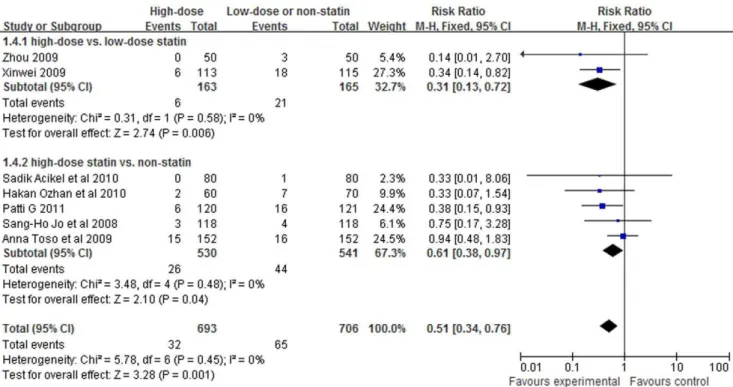
Results:Seven randomized controlled trials with a total of 1,399 patients were identified and analyzed. The overall results based on fixed-effect model showed that the use of short-term high-dose statin treatment was associated with a significant reduction in risk of CIN (RR = 0.51, 95% CI 0.34–0.76, p = 0.001; I2= 0%). The incidence of acute renal failure requiring dialysis was not significant different after the use of statin (RR = 0.33, 95% CI 0.05–2.10, p = 0.24; I2= 0%). The use of statin was not associated with a significant decrease in the plasma C-reactive protein level (SMD20.64, 95% CI:21.57 to 0.29, P = 0.18, I2= 97%).
Conclusions:Although this meta-analysis supports the use of statin to reduce the incidence of CIN, it must be considered in the context of variable patient demographics. Only a limited recommendation can be made in favour of the use of statin based on current data. Considering the limitations of included studies, a large, well designed trial that incorporates the evaluation of clinically relevant outcomes in participants with different underlying risks of CIN is required to more adequately assess the role for statin in CIN prevention.
Citation:Li Y, Liu Y, Fu L, Mei C, Dai B (2012) Efficacy of Short-Term High-Dose Statin in Preventing Contrast-Induced Nephropathy: A Meta-Analysis of Seven Randomized Controlled Trials. PLoS ONE 7(4): e34450. doi:10.1371/journal.pone.0034450
Editor:Nick Ashton, The University of Manchester, United Kingdom
ReceivedDecember 9, 2011;AcceptedFebruary 28, 2012;PublishedApril 12, 2012
Copyright:ß2012 Li et al. This is an open-access article distributed under the terms of the Creative Commons Attribution License, which permits unrestricted use, distribution, and reproduction in any medium, provided the original author and source are credited.
Funding:This work was supported by grants from the National Natural Science Foundation of China (30900692, 81000283, 30971368) and Shanghai Leading Academic Discipline Project (B902). The funders had no role in study design, data collection and analysis, decision to publish, or preparation of the manuscript.
Competing Interests:The authors have declared that no competing interests exist.
* E-mail: [email protected] (BD); [email protected] (CM)
.These authors contributed equally to this work.
Introduction
Contrast-induced nephropathy (CIN), characterized by the development of acute renal failure after exposure to radiocontrast, is the third leading cause of hospital-acquired acute renal injury, accounting for 11% of all cases [1]. It is defined as an increase in baseline serum creatinine level of 25% or an absolute increase of 44mmol/L (0.5 mg/dL). Although CIN is generally benign in
most instances, it is associated with lengthened hospital stays, increased health care costs, and higher risk of death [2–4]. Several strategies, including using iso-osmolar contrast, limiting the amount of administered contrast media and volume expansion have become well established methods for the prevention of CIN. The pathophysiological mechanisms of CIN is not well known. However, multiple studies have suggested that renal vasoconstric-tion, oxidative stress, inflammation and direct tubular cell damage
by contrast media may play crucial important roles in the renal injury process [5–8]. Statins, drugs primarily associated with low-density lipoprotein cholesterol-lowering effects, have been shown to possess pleiotropic effects that include enhancement of endothelial nitric oxide production [9–11], anti-inflammatory and antioxidative actions [12,13]. Therefore, statins are consid-ered as promising candidate agents for the prevention of CIN.
A few studies focused on statin therapy as specific prophylactic measures of CIN have been published with conflicting results [14– 22]. In this meta-analysis of randomized controlled trials (RCTs), we aimed to assess the effectiveness of short-term high-dose statin treatment for the prevention of CIN and clinical outcomes and re-evaluate of the potential benefits of statin therapy.
from 1 day before to 1 day post-procedure
post-procedure
Xinwei et al,2009
113 115 PCI Simvastatin, 80 mg/day from admission to the day before, 20 mg/day after procedure
Simvastatin, 20 mg/ day
from admission to the end
Iodixanol for CKD,iohexol for others
227 240 NS, 1 ml/kg/hour for 6 to 12 hours before and 12 hours after procedure
Zhou Xia et al,2009
50 50 CAG or PCI Atorvastatin,80 mg/day before for 1day,10 mg/day for 6days after procedure
Atorvastatin, 10 mg/ day for 7 days
Iopamidol 119 113 1000 mL saline infusion, for 12 hours before and 12 hours after intervention
Sadik Acikel et al,2010
80 80 CAG.eGFR.60 ml/min per 1.73 m2
Atorvastatin,40 mg/day,3 days pre-procedure and 2 days post-procedure
Nothing Iohexol 105 103 Isotonic saline,1 ml/kg/hour starting 4 h before and continuing until 24 h after procedure
Hakan Ozhan et al,2010
60 70 CAG.SCr#1.5 mg/dl or eGFR$70 ml/min per 1.73 m2
Atorvastatin,80 mg 1 day pre-procedure and 2 days post-procedure+600 mg NAC bid pre-procedure
600 mg NAC bid pre-procedure
Iopamidol 97 93 1000 ml saline infusion during 6 h after procedure
Giuseppe Patti et al,2011
120 121 CAG and/or PCI. SCr#3 mg/dl
Atorvastatin,80 mg(12 hs before)+40 mg(2 hs before), 40 mg for 2days after procedure
Placebe+40 mg atorvastatin for 2days after procedure
Iobitridol 209 213 For patients CrCl,60 ml/min,1 ml/hour/ kg for 12 h before and 24 h after intervention
Statin = statin-treated group(high-dose);Control = control group(low-dose or non-statin);CAG = coronary angiography;PCI = percutaneous coronary intervention;CrCl = creatinine clearance;Scr = serum creatinine;eGFR = estimated glomerular filtration rate;NAC = N-acetylcysteine;NS = 0.9% sodium chloride.
doi:10.1371/journal.pone.0034450.t001
Statin
Prevents
Contrast-In
duced
Nephropath
y
2
April
2012
|
Volume
7
|
Issue
4
|
Materials and Methods
Search strategy
The literature search was performed on PubMed October 2011), OVID (1966 to October 2011), EMBASE (1966-October 2011), Web of science (1986- (1966-October 2011) and the Cochrane Central Register of Controlled Trials (1996 to October 2011). We derived three comprehensive search themes that were then combined using the Boolean operator ‘‘AND’’. For the theme ‘‘contrast media’’, we used combinations of MeSH, entry terms and text words: contrast, radiocontrast, contrast medium, contrast media, contrast dye, radiographic contrast, radiocontrast media, radiocontrast medium and contrast agent. For the theme ‘‘renal insuficiency’’, we used: renal insufficiency, renal failure, diabetic nephropathies, nephritis, nephropathy, nephrotoxic, (impair or injury or damage or reduce) and (renal or kidney), contrast-induced nephropathy and contrast-associated nephropathy. For the theme ‘‘statin’’, statin, atorvastatin, rosuvastatin, cerivastatin, simvastatin, pravastatin, lovastatin, Hydroxymethylglutar-yl(HMG)-CoA reductase inhibitors and HMG-CoA reductase inhibitors were used. Appendix S1 shows the detailed search method. We did not restrict by language or type of article. To identify other relevant studies, we manually scanned reference lists from identified trials and review articles, and we also searched conference proceedings. We requested original data by directly contacting authors.
Study selection
We included studies when the following criteria were met: (1) randomized, controlled trials assessing preventive strategies for CIN; (2) the intervention was high-dose statin (defined as a daily
dose of 80 mg or 40 mg) versus low-dose statin treatment (defined as a daily dose of 20 mg or 10 mg) or placebo. Studies that incorporated NAC were included only if both arms were administered NAC; (3) studies reported the incidence of contrast-induced nephropathy in both arms. We did not restrict eligibility according to kidney function. The primary outcome measure was the development of contrast-induced nephropathy, defined as an increase in baseline serum creatinine level of 25% or an absolute increase of 44mmol/L (0.5 mg/dL) within 2 to 5 days after the exposure to contrast medium. Secondary outcome measures were need for dislysis, in-hospital mortality and length of hospital stay.
Data extraction and quality assessment
Data were collected independently by 2 reviewers. Extracted data included patient characteristics (mean age, diabetes status, mean baseline creatinine level and postprocedural change in C-reactive protein level); inclusion criteria; type and dose of contrast media; protocol for the treatment of statins; periprocedural hydration protocol and specific definition of CIN. Quality assessment was judged on concealment of treatment allocation; similarity of both groups at baseline regarding prognostic factors; eligibility criteria; blinding of outcome assessors, care providers, and patients; completeness of follow-up; and intention-to-treat analysis [23]. We quantified study quality by using the Jadad score [24]. A third reviewer adjudicated any disagreement about extracted data. Then data were checked and entered into the Review Manager (Version 5.0. Copenhagen: The Nordic Cochrane Centre, The Cochrane Collaboration, 2008) database for further analysis.
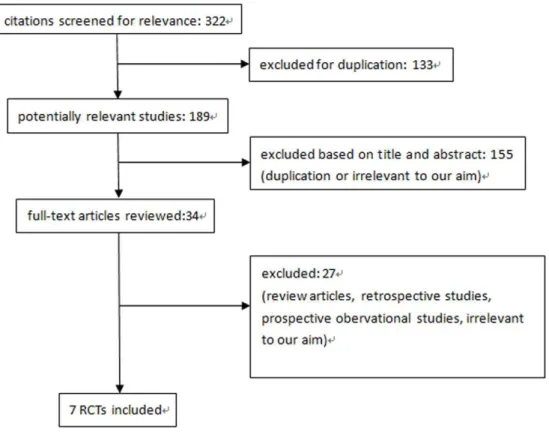
Figure 1. Study selection diagram.
doi:10.1371/journal.pone.0034450.g001
Statin Prevents Contrast-Induced Nephropathy
within 5 days.
Xinwei et al,2009
65 66 20% 22% 72(0.82) 73(0.83) 1.960.5 3.461.2 Increase of Scr.0.5 mg/dL or .25% within 48 hours
6 18
Zhou Xia et al,2009
60 61 22% 18% 92(1.04) 95(1.08) NS NS Increase of
Scr.0.5 mg/dL or .25% within 72 hours
0 3
Sadik Acikel et al,2010
59 61 23.8% 25.0% 74(0.84) 75(0.85) NS NS Increase of
Scr.0.5 mg/dL within 48 hours
0 1
Hakan Ozhan et al,2010
54 55 15.00% 17.14% 77.8(0.88) 77.8(0.88) NS NS Increase of Scr.0.5 mg/dL or .25% within 48 hours
2 7
Giuseppe Patti et al,2011
65 66 30% 25% 92(1.04) 92(1.04) 8.4610.5 13.1620.8 Increase of Scr.0.5 mg/dL or .25% within 48 hours
6 16
Statin = statin-treated group (high-dose);Control = control group (low-dose or non-statin);CAG = coronary angiography;PCI = percutaneous coronary
intervention;CrCl = creatinine clearance;Scr = serum creatinine;CRP = C-reactive protein;eGFR = estimated glomerular filtration rate;NAC = N-acetylcysteine;NS = 0.9% sodium chloride; NS = not specified or available.
doi:10.1371/journal.pone.0034450.t002
Table 3.Quality of included RCTs.
Author, Year
Jadad Score
Allocation Concealment
Similarity of Baseline Characteristics
Eligibility
Criteria Blinding
Completeness of Follow-up
Intention-to-Treat Analysis
Outcome Assessor
Care
Provider Patient
Sang-Ho Jo et al,2008
5 YES YES YES NS YES YES YES YES
Anna Toso et al,2009
5 YES YES YES NS YES YES YES YES
Xinwei et al,2009
3 YES YES YES NO NO NO YES NS
Zhou Xia et al,2009
3 NS YES YES NS NS NS YES NS
Sadik Acikel et al,2010
1 NS NO YES NO NO NO YES NS
Hakan Ozhan et al,2010
2 NS YES YES NO NO NO YES NS
Giuseppe Patti et al,2011
5 YES YES YES YES YES YES YES YES
Statistical analysis
Dichotomous data (contrast-induced nephropathy and need for dialysis) were analyzed using the risk ratio (RR) measure and its 95% confidence interval (CI). Moreover, heterogeneity across trials was evaluated with I2statistic, which defined as I2.50%. If heterogeneity existed, a random-effect model was used to assess the overall estimate. Otherwise, a fixed-effect model was chosen. We assessed for potential publication bias by using Begg funnel plots of the natural log of the relative risk versus its standard error [25]. To further detect and evaluate clinically significant heterogeneity, we also a priori decided to perform several subgroup analyses to identify potential differences in treatment across the trials. Subgroup analysis was conducted based on renal function in participants at baseline (with or without renal impairment), the control group property (low dose of statin or control), the addition of NAC (with or without NAC), and Jadad study quality score (Jadad.3 or Jadad#3). All tests were two-tailed and a P value less than 0.05 was regarded as significant in this meta-analysis.
Results
Selected studies and characteristics
We identified 322 potentially relevant citations from the initial literature search. After independently reviewing the title and abstract of all potential articles, 34 articles were considered of interest and reviewed in full-text. Of these, 27 were excluded from the meta-analysis (review articles, retrospective studies, prospective obervational studies, irrelevant to our aim). Although the study carried out by Acikel Sadik et al [20] did not provide data on the incidence of CIN, we requested it by directly contacting the author. Therefore, seven randomized controlled studies with a total of 1,399 patients with undergoing radiocontrast-related procedures were identified and analyzed [16–22]. Our search strategy is outlined in Figure 1.
Table 1 and table 2 summarizes the characteristics of the included studies. All of them had been reported since 2008. 693 subjects were assigned to short-term high-dose statin treatment group and 706 subjects were assigned to short-term low-dose or non-statin treatment group. The proportion of patients lost to follow-up was less than 5% in all studies. CIN was defined
Figure 2. Forest plot of risk ratios and 95% confidence intervals (CI) for the incidence of contrast induced nephropathy among patients assigned to statin therapy versus control.
doi:10.1371/journal.pone.0034450.g002
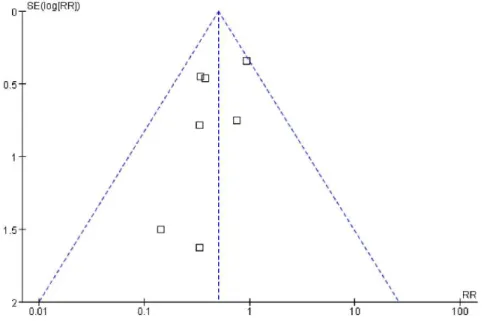
Figure 3. Funnel plot with 95% confidence intervals (CI) to assess for evidence of publication bias.
doi:10.1371/journal.pone.0034450.g003
Statin Prevents Contrast-Induced Nephropathy
differently among the included studies. Six studies [16,17,19–22] used an increase in serum creatinine of .0.5 mg/dL or.25% from baseline within 48–72 h after radiocontrast exposure as their definition, whereas the other study [18] regarded an absolute increase in serum creatinine of.0.5 mg/dl within 5 days as their primary definition of CIN. Two studies [17,18] involved patients
with creatinine clearance rate less than 60 ml/min; four studies [16,20–22] enrolled patients with creatinine clearance rate or estimated glomerular filtration rate.60 ml/min and there was no restriction according to renal function but patients with creatinine level.3 mg/dl were excluded in the study by Patti G et al [19]. All studies evaluated patients undergoing coronary angiography or
Figure 4. Forest plot of risk ratios and 95% confidence intervals (CI) for the incidence of CIN among patients assigned to short-term high-dose statin treatment versus low-dose or non-statin.
doi:10.1371/journal.pone.0034450.g004
Figure 5. Forest plot of risk ratios and 95% confidence intervals (CI) for the incidence of CIN among patients assigned to statin therapy versus control with NAC using or not.
other intervention, for example, percutaneous coronary interven-tion (PCI). All of the patients received low-osmolar or iso-osmolar contrast media and median contrast volume ranged from 93 ml to 240 ml. Periprocedural hydration was used in every one, except the patients without pre-existing renal failure in the study by Patti
G et al [19]. Five studies [16,18–20,22] used atorvastatin and simvastatin was used in the other two studies [17,21]. The duration of statin treatment ranged from 3 to.7 days and the total dose ranged from 140 mg to.460 mg in the high-dose statin treatment group. Two of the included studies [16,18] also used
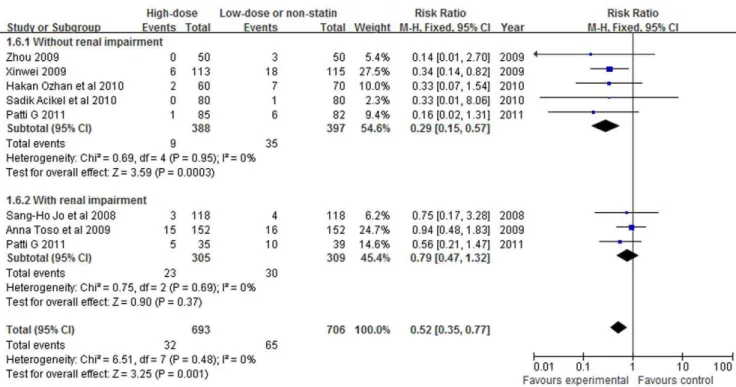
Figure 6. Forest plot of risk ratios and 95% confidence intervals (CI) for the incidence of CIN among patients assigned to statin therapy versus control according to renal function.
doi:10.1371/journal.pone.0034450.g006
Figure 7. Forest plot of risk ratios and 95% confidence intervals (CI) for the incidence of CIN among patients assigned to statin therapy versus control according to Jadad score.
doi:10.1371/journal.pone.0034450.g007
Statin Prevents Contrast-Induced Nephropathy
In-hospital mortality was observed in only one patient who died from acute heart failure aggravated by major bleeding in these seven studies [18]. Although the study carried out by Zhou Xia et al [22] reported incidence of cardiovascular event in short-term high-dose treatment group (5/50) and low-dose group (2/50), it didn’t give any details. The total length of hospital stay were reported only in two studies. There was no difference between statin-treated group and control group in length of hospital stay in the study [17] by Jo SH et al. However, length of stay after intervention was shorter in patients randomized to atorvastatin (2.960.9 vs 3.260.8 days, P = 0.007) in the other study [19].
Figure 3 demonstrates that there was no evidence to suggest publication bias according to the relative symmetry in the Begg funnel plot.
Postprocedural changes in C-reactive protein (CRP) levels were analyzed in three trials [17,19,21]. The use of statin was not associated with a significant decrease in the plasma CRP level (SMD20.64, 95% CI:21.57 to 0.29, P = 0.18, I2= 97%).
Subgroup analysis
Classified according to low-dose statin-treated or not in control group, studies [16–20] comparing short-term high-dose statin treatment with non-statin treatment showed a significant protec-tive trend toward decreased incidence of CIN (RR = 0.61, 95%CI 0.38–0.97, P = 0.04; Figure 4) and the same effect was seen in other two studies [21,22] which compared short-term high-dose with low-dose statin treament (RR = 0.31, 95%CI 0.13–0.72, P = 0.006).
In all five studies in which statin was compared with control without the addition of NAC, the risk of CIN was significantly decreased (RR = 0.38, 95%CI 0.22–0.65, P = 0.0006; Figure 5). In contrast, the risk of CIN did not significantly differ in the two studies in which statin plus NAC versus NAC only (RR = 0.76, 95%CI 0.42–1.39, P = 0.38).
In studies that included patients without renal impairment at baseline (creatinine clearance rate or estimated glomerular filtration rate.60 ml/min), RR was 0.29 (95%CI 0.15–0.57, P = 0.0003; Figure 6). A reduced risk of CIN was not found in studies that included patients with pre-existing renal impairment (creatinine clearance rate#60 ml/min). RR for CIN associated with the use of statin was 0.79 (95%CI 0.47–1.32, P = 0.37).
Classified according to the Jadad score.3 or not, studies whose Jadad score#3 showed a significant reduction of CIN (RR = 0.31, 95%CI 0.15–0.65, P = 0.002; Figure 7). However, the risk of CIN did not significantly differ in the studies whose Jadad score.3 (RR = 0.67, 95%CI 0.41–1.10, P = 0.11).
Discussion
In the past two decades, although hydration has been well recognized and widely performed to prevent the CIN, the
Given their pleiotropic effects, statins could decrease acute renal injury after iodinated contrast administration through two major pathways. Firstly, statins may modulate the kidney hypoperfusion after contrast administration by downregulation of angiotensin receptors and decreased synthesis of endothelin-1 [26,27]. Secondly, toxic damage on the tubular cells by oxygen-free radicals and proinflammatory cytokines may be decreased by anti-inflammatory effects of statins that inhibit tissue factor expression by macrophages and prevent the activation of nuclear factor-kB
[28]. Moreover, its nonlipid-lowering effect could be demonstrated within a few hours after statin therapy initiation [29,30]. Although many clinical trials [31,32] have shown that high-dose statins provide more clinical benefits, such as atorvastatin 80 mg can further reduce vascular risks compared with low-dose statin therapy, the threshold of statins to reduce the risks of CIN remains unknown. In this meta-analysis, all of the included trials were short-term high-dose statin therapy, two of which compared two different doses of statin in preventing CIN. We found that high-dose statin therapy significantly lowered the incident of CIN compared with low-dose statin therapy. These results were consistent with the previous studies that high-dose statin has been shown to be more potent to suppress platelet activity and inflammatory chemokines than low-dose statin therapy [33].
The results of this meta-analysis are not in line with research from Zhang T et al [34], Zhang L et al [35] and Pappy R et al [36] which showed non-statistically significant reduction in the incidence of CIN with statin treatment from the pooled estimate for the randomized trials. In fact, Zhang T et al [34] and Pappy R et al [36] included both randomized and non-randomized trials in their meta-analysis, while the latter might lead to potential bias because it was impossible to completely remove interference of unknown confounding factors. The meta-analysis by Zhang L et al [35] involved only 4 RCTs, which included an abstract that overlapped with participants included in a separate study by the same author. Therefore, to avoid including any individual participant more than once, abstract by the same author was excluded in our meta-analysis [37]. Moreover, all of above three meta-analysis did not include two large scale studies [19,20] published in recent days.
pre-existing renal dysfunction found no preventive effect of statins. Multiple nonreversible pathogenetic mechanisms involved in advanced renal failure may attenuate the response for statins, especially for their vasodilatation and anti-inflammatory effects. In addition, although a higher serum level was expected in CKD patients, local drug concentration still might be compromised due to renal scar and structural impairment. So the safety, pharma-cokinetics and permeability of various statins in CKD patients should be well evaluated in future studies. Third, N-acetylcysteine, a thiol-containing antioxidant, was a promising agent to prevent contrast induced nephropathy because of its antioxidative and haemodynamic effects in the renal medulla and its general organ-protective effects described in several ischaemia-reperfusion models [40]. In the subgroup analysis of statin plus NAC versus NAC only, the difference were not significant. This could be attributed to that statin and NAC might decrease CIN occurrence through the similar pathways, such as scavenging oxygen free radicals produced after contrast exposure; therefore, the second agent could not exert addictive renal protection if NAC offered full protection available through antioxidants.
There are several potential limitations in this meta-analysis. Firstly, although all included studies reported the incidence of CIN, few trials designed to investigate the effect of statins on hard clinical outcomes such as acute renal failure requiring dialysis, length of hospital stay and in-hospital mortality. Secondly, we did not have access to patient-level data to determine whether the risk factors (eg, diabetes and age) could influence the effect of short-term high-dose statin treatment on the risk of contrast-induced nephropathy. Finally, studies included in this meta-analysis
analyzed the efficacy of statin with different type of statins for varied periods of time. It is possible that dose, duration and type of statin may have differential effect in prevention of CIN. An accepted uniform statin protocol would be helpful in both the clinical and research arenas.
In conclusion, although this meta-analysis supports the use of statin to reduce the incidence of CIN, this result must be considered in the context of variable patient demographics. Only a limited recommendation can be made in favour of the use of statin based on current data. Considering the limitations of included studies, a large, well designed trial that incorporates the evaluation of clinically relevant outcomes in participants with different underlying risks of CIN is required to more adequately assess the role for statin in CIN prevention.
Supporting Information
Appendix S1 Detailed search method.
(DOC)
Acknowledgments
We thank Acikel Sadik who provided additional data to conduct this analysis and Shijian Liu for his kind help with statistical methods.
Author Contributions
Conceived and designed the experiments: BD CLM. Performed the experiments: YCL YWL LLF. Analyzed the data: YCL YWL BD. Wrote the paper: YCL YWL BD CLM.
References
1. Nash K, Hafeez A, Hou S (2002) Hospital-acquired renal insufficiency. Am J Kidney Dis 39(5): 930–6.
2. Gruberg L, Mehran R, Dangas G, Mintz GS, Waksman R, et al. (2001) Acute renal failure requiring dialysis after percutaneous coronary interventions. Catheter Cardiovasc Interv 52(4): 409–16.
3. McCullough PA, Wolyn R, Rocher LL, Levin RN, O’Neill WW (1997) Acute renal failure after coronary intervention: incidence, risk factors, and relationship to mortality. Am J Med 103(5): 368–75.
4. Tepel M, Aspelin P, Lameire N (2006) Contrast-induced nephropathy: a clinical and evidence-based approach. Circulation 113(14): 1799–806.
5. McCullough PA (2008) Multimodality prevention of contrast-induced acute kidney injury. Am J Kidney Dis 51(2): 169–72.
6. Katholi RE, Woods WT Jr., Taylor GJ, Deitrick CL, Womack KA, et al. (1998) Oxygen free radicals and contrast nephropathy. Am J Kidney Dis 32(1): 64–71. 7. Goldenberg I, Matetzky S (2005) Nephropathy induced by contrast media: pathogenesis, risk factors and preventive strategies. CMAJ 172(11): 1461–71. 8. Tumlin J, Stacul F, Adam A, Becker CR, Davidson C, et al. (2006)
Pathophysiology of contrast-induced nephropathy. Am J Cardiol 98(6A): 14K–20K.
9. John S, Schneider MP, Delles C, Jacobi J, Schmieder RE (2005) Lipid-independent effects of statins on endothelial function and bioavailability of nitric oxide in hypercholesterolemic patients. Am Heart J 149(3): 473.
10. Kaesemeyer WH, Caldwell RB, Huang J, Caldwell RW (1999) Pravastatin sodium activates endothelial nitric oxide synthase independent of its cholesterol-lowering actions. J Am Coll Cardiol 33(1): 234–41.
11. Laufs U, Liao JK (1998) Post-transcriptional regulation of endothelial nitric oxide synthase mRNA stability by Rho GTPase. J Biol Chem 273(37): 24266–71.
12. Ridker PM, Rifai N, Clearfield M, Downs JR, Weis SE, et al. (2001) Measurement of C-reactive protein for the targeting of statin therapy in the primary prevention of acute coronary events. N Engl J Med 344(26): 1959–65. 13. Wagner AH, Kohler T, Ruckschloss U, Just I, Hecker M (2000) Improvement of nitric oxide-dependent vasodilatation by HMG-CoA reductase inhibitors through attenuation of endothelial superoxide anion formation. Arterioscler Thromb Vasc Biol 20(1): 61–9.
14. Attallah N, Yassine L, Musial J, Yee J, Fisher K (2004) The potential role of statins in contrast nephropathy. Clin Nephrol 62(4): 273–8.
15. Khanal S, Attallah N, Smith DE, Kline-Rogers E, Share D, et al. (2005) Statin therapy reduces contrast-induced nephropathy: an analysis of contemporary percutaneous interventions. Am J Med 118(8): 843–9.
16. Ozhan H, Erden I, Ordu S, Aydin M, Caglar O, et al. (2010) Efficacy of short-term high-dose atorvastatin for prevention of contrast-induced nephropathy in patients undergoing coronary angiography. Angiology 61(7): 711–4. 17. Jo SH, Koo BK, Park JS, Kang HJ, Cho YS, et al. (2008) Prevention of
radiocontrast medium-induced nephropathy using short-term high-dose simvas-tatin in patients with renal insufficiency undergoing coronary angiography (PROMISS) trial–a randomized controlled study. Am Heart J 155(3): 499.e1–8. 18. Toso A, Maioli M, Leoncini M, Gallopin M, Tedeschi D, et al. (2010) Usefulness of atorvastatin (80 mg) in prevention of contrast-induced nephropathy in patients with chronic renal disease. Am J Cardiol 105(3): 288–92.
19. Patti G, Ricottini E, Nusca A, Colonna G, Pasceri V, et al. (2011) Short-Term, High-Dose Atorvastatin Pretreatment to Prevent Contrast-Induced Nephropa-thy in Patients With Acute Coronary Syndromes Undergoing Percutaneous Coronary Intervention (from the ARMYDA-CIN [Atorvastatin for Reduction of MYocardial Damage during Angioplasty-Contrast-Induced Nephropathy] Trial. Am J Cardiol 108(1): 1–7.
20. Acikel S, Muderrisoglu H, Yildirir A, Aydinalp A, Sade E, et al. (2010) Prevention of contrast-induced impairment of renal function by short-term or long-term statin therapy in patients undergoing elective coronary angiography. Blood Coagul Fibrinolysis 21(8): 750–7.
21. Xinwei J, Xianghua F, Jing Z, Xinshun G, Ling X, et al. (2009) Comparison of usefulness of simvastatin 20 mg versus 80 mg in preventing contrast-induced nephropathy in patients with acute coronary syndrome undergoing percutane-ous coronary intervention. Am J Cardiol 104(4): 519–24.
22. Zhou X, Jin YZ, Wang Q, Min R, Zhang XY (2009) Efficacy of high dose atorvastatin on preventing contrast induced nephropathy in patients underwent coronary angiography. Zhonghua Xin Xue Guan Bing Za Zhi 37(5): 394–6. 23. Verhagen AP, de Vet HC, de Bie RA, Kessels AG, Boers M, et al. (1998) The
Delphi list: a criteria list for quality assessment of randomized clinical trials for conducting systematic reviews developed by Delphi consensus. J Clin Epidemiol 51(12): 1235–41.
24. Jadad AR, Moore RA, Carroll D, Jenkinson C, Reynolds DJ, et al. (1996) Assessing the quality of reports of randomized clinical trials: is blinding necessary. Control Clin Trials 17(1): 1–12.
25. Begg CB, Mazumdar M (1994) Operating characteristics of a rank correlation test for publication bias. Biometrics 50(4): 1088–101.
26. Ichiki T, Takeda K, Tokunou T, Iino N, Egashira K, et al. (2001) Downregulation of angiotensin II type 1 receptor by hydrophobic 3-hydroxy-3-methylglutaryl coenzyme A reductase inhibitors in vascular smooth muscle cells. Arterioscler Thromb Vasc Biol 21(12): 1896–901.
27. Hernandez-Perera O, Perez-Sala D, Navarro-Antolin J, Sa´nchez-Pascuala R, Herna´ndez G, et al. (1998) Effects of the 3-hydroxy-3-methylglutaryl-CoA
Statin Prevents Contrast-Induced Nephropathy
Treatment with ezetimibe plus low-dose atorvastatin compared with higher-dose atorvastatin alone: is sufficient cholesterol-lowering enough to inhibit platelets. J Am Coll Cardiol 49(10): 1035–42.
analysis. Clin Nephrol 76(6): 475–83.