M
ESTRADO EM
M
ARKETING
T
RABALHO
F
INAL DE
M
ESTRADO
D
ISSERTAÇÃO
W
HY BUY
G
REEN
H
OUSECLEANING
P
RODUCTS
?
I
NÊS
W
ORM
T
IRONE
O
RIENTAÇÃO:
P
ROF.ª
M
ARIAM
ARGARIDA DEM
ELOC
OELHOD
UARTEAGRADECIMENTOS
Antes de mais, gostaria de agradecer a todas as compradoras que se disponibilizaram a partilhar as suas ideias, opiniões e sugestões de melhoria, contribuindo para a concretização deste estudo.
Agradeço o apoio académico concedido pelo ISEG durante todo o processo, nomeadamente à Professora Maria Margarida de Melo Coelho Duarte pela disponibilidade e orientação no desenvolvimento deste estudo, permitindo-me conciliar a minha experiência internacional com as obrigações académicas.
Gostaria ainda de agradecer à minha família e aos meus amigos, em especial aos meus pais e ao meu companheiro de vida que sempre acreditaram em mim e que nunca deixaram de me apoiar quando mais precisei. Como nota final, agradeço o apoio e amizade incondicional das colegas que passaram a amigas graças ao percurso no ISEG.
ABSTRACT
Nowadays, buyers are looking for ecological housecleaning products as an alternative to conventional options made of harsh chemicals that harm their personal health and the environment.
This study aims to analyse in detail the individual relevance of different determinants that influence the purchase of ecological housecleaning products.
For this purpose and to gain the adequate knowledge, a qualitative study was made to ecological housecleaning product buyers, using semi-structured in-depth interviews and consumption biographies.
The results suggest that the ecological housecleaning product purchase is based on determinants that are evaluated differently by each individual buyer forming a complex decision process.
Keywords: Ecological housecleaning products, Consumer buyer behaviour, Buying determinants, Qualitative analysis, Consumption Biography.
RESUMO
Na sociedade atual a compra de produtos de limpeza ecológicos surge como uma alternativa sustentável aos produtos convencionais que são constituídos por químicos agressivos que afetam a saúde individual e o ambiente.
Este estudo apresenta como principal objetivo a análise detalhada dos determinantes que compõem o processo de decisão de compra de produtos de limpeza de casa ecológicos.
Com esta finalidade, foi desenvolvido um estudo em profundidade a compradores de produtos de limpeza de casa ecológicos, recorrendo a entrevistas semiestruturadas e a biografias de consumo.
Todos os fatores determinantes em análise apresentam um impacto diferente no processo de decisão de compra, variando de comprador para comprador.
Palavras-chave: Produtos Ecológicos de Limpeza de Casa, Comportamento de Comprador, Determinantes de Compra, Análise Qualitativa, Biografia de Consumo.
TABLE OF CONTENTS
ABSTRACT ... i
RESUMO ... ii
INDEX OF TABLES ... iv
CHAPTER 1 – INTRODUCTION ... 1
1.1 Framework and Relevance ... 1
1.2 Purpose of this Study ... 1
CHAPTER 2 – LITERATURE REVIEW ... 2
2.1 Green Buyer Concept ... 2
2.2 Green Buyer Behaviour ... 3
2.3 Green Product Concept: Housecleaning Product ... 3
2.4 Determinants of Green Purchase Behaviour ... 5
2.5 Research Objective ... 8
CHAPTER 3 – METHODOLOGY AND DATA COLLECTION ... 9
3.1 Method and Procedures ... 9
3.2 Data Collection ... 10
3.3 Sample Profile ... 10
CHAPTER 4 – DATA ANALYSIS AND DISCUSSION ... 11
4.1 The Green Housecleaning Product Buyer ... 11
4.2 Ecological Housecleaning Products Determinants ... 12
4.2.1 High prices ... 13
4.2.2 Product availability and time ... 15
4.2.4 Environmental Commitment of the Brand and Trust ... 18
4.2.5 Health ... 20
4.2.6 Habits ... 21
4.2.7 Knowledge / Environmental concern / Social responsibility ... 23
4.2.8 Guilt ... 25
4.2.9 Social influence: reference groups and media ... 26
4.2.10 Concern for self-image and self-enhancement ... 27
CHAPTER 5 – CONCLUSIONS ... 31
CHAPTER 6 – LIMITATIONS ... 33
REFERENCES ... 34
ATTACHEMENTS ... 36
ATTACHEMENT 1: INFORMATION SHEET & CONSUMPTION BIOGRAPHY . 36 ATTACHEMENT 2: INTERVIEW ... 38
ATTACHEMENT 3: TABLE 2: SUBJECTIVE KNOWLEDGE SCALE ... 41
INDEX OF TABLES
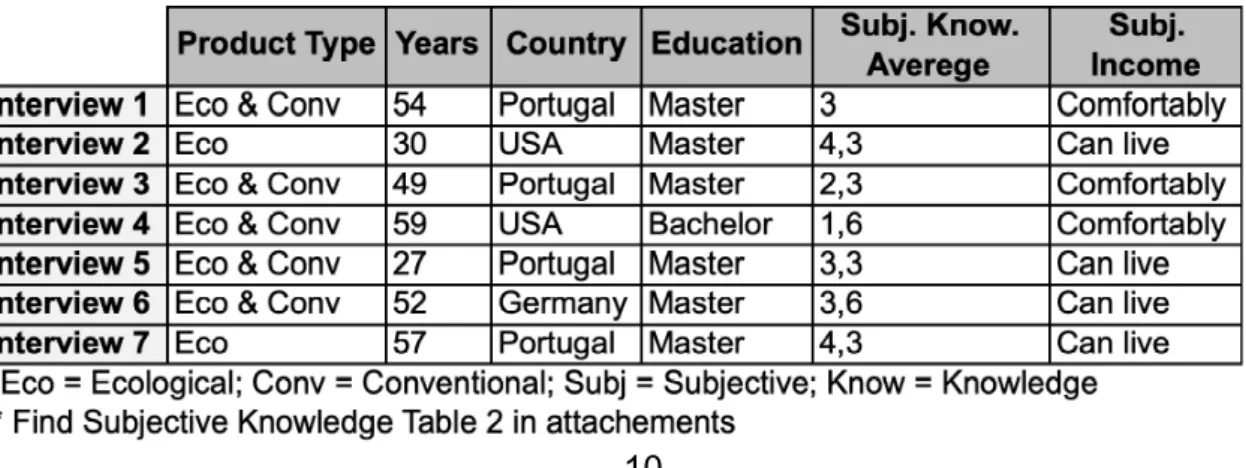
TABLE 1 - Sample characterization ... 10CHAPTER 1 – INTRODUCTION
1.1 Framework and RelevanceThe world is facing many changes at a very quick pace due to environmental needs, natural disasters and technological advances. These changes are shifting the mind of consumers and buyers to a place where global and personal wellbeing is considered crucial when purchasing products. This new approach to buying products “is future oriented. Sustainability takes the consideration of corporate and marketing strategy beyond the long-term, to take an open-ended view. This means considering the needs of future as well as current stakeholders” (Peattie, 1999, p. 134). Industries are being put under pressure to find solutions for this challenge (Elkington, 1994) and are looking for the right markets and the right approaches for their customers (Schlegelmilch, Bohlen & Diamantopoulos, 1996).
These buyers are becoming more informed and are looking out for products that are safe for them and the planet they live in. However, this is not an easy and simple choice. When looking for ecological solutions and the benefits of each product, one can say that there is a large scope of factors that might influence this buying decision.
1.2 Purpose of this Study
The different factors that influence the green consumer when deciding on which products to buy have been widely studied, since it is relevant for the industry to understand how to best address these buyers. This study aims to deepen the understanding of the determinant factors that influence an ecological product buyer, specifically when buying ecological housecleaning products.
This study focuses on the green buyer behaviour and, in particular, the associated factors that influence the choice between ecological and conventional housecleaning products.
CHAPTER 2 – LITERATURE REVIEW
2.1 Green Buyer ConceptA green buyer can be considered a socially conscious consumer. This buyer is aware of the problems surrounding him. Not only does the green buyer pay attention to environmental issues, but also considers the contribution certain products and services may have to solving them (Webster, 1975). Webster (1975) defines the socially conscious consumer as an informed and educated person who perceives the impact of individual choices and actions. This buyer is aware of the consequences that non-ecological consumption has on the environment and seeks to improve his purchase and consumption behaviour in order to reduce the environmental impact (Kumar & Ghodeswar, 2014).
The purchase behaviour of the green buyer is distinguishable from the regular buyer through the selection of products that reduce, reuse and recycle materials (Salam, 2011). Vermillion (2010) argues that the number of consumers that are adopting green product consumption is going to continue to increase, since the consumers’ buying behaviour is changing in a compelling way.
Elkington, Hailes and Makower (1990, as cited in Moisander, 2007) explain that an extremely dedicated green consumer only buys indispensable products. Since we live in a consumerist society it is hard to be true to that principle. Having this in mind, the common green buyer chooses products and services that are less destructive and have a positive impact on the environment (Elkington et al., 1990 as cited in Moisander, 2007). This buyer seems to favour the environment and neglect individual interests. However, the consequences of these ecological choices seek a healthier planet from which he and everyone else will benefit (Peattie, 1999).
2.2 Green Buyer Behaviour
Green buyer behaviour reflects a type of socially responsible attitude that demands a complex decision-making process based on ethical values (Joshi & Rahman, 2015) and on the knowledge and consciousness of the consequences that purchases have on the environment (Schlegelmilch et al., 1996).
The complexity of this decision-making process is partially due to the amount of environmental and ecological causes. Furthermore, because of their contradictory means and ends, some of these aren’t compatible and many apparently positive choices may only work in favour of some and even affect negatively other causes (Moisander, 2007). Consequently, the buyer has to make decisions based on value judgment and on priorities, considering his personal strategy as a responsible and ecological consumer. Additionally, this costumer has to take both, personal and shared interests into consideration, since there are collective goods that can be influenced by an individuals’ choice (Moisander, 2007). However, these choices might interfere with personal preferences and established lifestyles (Moisander, 2007).
According to Moisander (2007, p. 406), “few ecologically minded consumers decide to do everything right, or in an environmentally responsible manner. […] Nonetheless, although people do not regularly engage in some or many of the ecologically relevant behaviours they know of, they may still consider themselves ‘ecologically responsible’ green consumers.” There are a number of buyers that consider themselves environmentally friendly and conscious, but only purchase alternative products when there is an immediate tangible benefit besides the positive environmental consequences (Vermillion, 2010). Some of these consumers may also feel that an individual contribution doesn’t make a significant change, since it will have a long-term benefit for the world, but few short-term and immediate benefits for the individual (Moisander, 2007).
2.3 Green Product Concept: Housecleaning Product
Salam (2011) considers that green products are defined by certain characteristics, such as the reduction of waste, the improvement of energy
efficiency and the fact that they are made out of recyclable materials and are reusable. Companies that produce these products have to analyse all stages of the products’ lifecycle in order to reduce waste as much as possible (Salam, 2011). Peattie (1999) argues that the product lifecycle concept may have to shift from an economical perspective to a physical one, meaning that the lifecycle of a product doesn’t end when the client buys it, but rather when the consumer disposes it.
According to Siwayanan, Bakar, Aziz and Chelliapan (2015) the detergent industry is a highly competitive market, since cleanliness is an important issue for a high number of costumers regardless of their age, geographical position and financial possibilities. Simultaneously, Jardak, Drogui and Daghrir (2015) argue that our health and the environment are at high risk because of the contamination of the earths’ water and soil caused by surfactants. Arslan-Alato and Erdinc (2006, p. 3409) define chemical surfactants as “a diverse group of chemicals that are widely used in housecleaning detergents, personal care products, paints, polymers, pesticide formulations, pharmaceuticals, mining, oil recovery, pulp and paper industries as well as in textile preparation and dyeing operations.” Companies choose these chemicals due to their low costs and their cleaning efficiency. The damage that they have been causing is big, because of their chemical stability and their excessive use. This contamination happens through “storm water discharges and run-off and the direct discharge of effluents from industrial and urban area” (Jardak et al., 2015, p.104).
Surfactants are causing a great damage to our health and the ecosystems (Jardak et al., 2015), the environmental regulations are changing and the petrochemical feedstock prices are increasing (Siwayanan et al., 2015). All these factors are compelling the detergent industry to create alternative eco-friendlier products (Siwayanan et al., 2015). According to Siwayanan et al. (2015), these eco-friendly alternative detergents are “manufactured using natural or oleo chemical based surfactants and will not harm the aquatic ecosystems” (Siwayanan et al., 2015, p. 127). These new products will improve the health of the environment and, simultaneously, benefit the consumers (Siwayanan et al., 2015).
2.4 Determinants of Green Purchase Behaviour
Kumar and Ghodeswar (2014, p. 340) argue that “the decision to purchase a green product requires a deliberate conscious evaluation of environmental, individual and social consequences associated with green products […]. [Simultaneously] consumers look for fulfilment of their functional, emotional and experiential needs.”
There are several factors that the green buyer takes into consideration during the decision-making process: high prices; product availability and time; perceived product quality; environmental commitment of the brand; health; trust; habits; knowledge/environmental concern/social responsibility; guilt; social influence: reference groups and media; concern for image and self-enhancement (Connell, 2010; Peattie, 1999; Young et al. 2010; Bray, Johns & Kilburn, 2011; Joshi & Rahman, 2015; Moisander, 2007; Dahl, Honea & Manchanda, 2003; Grubb & Grathwohl, 1967; Kumar & Ghodeswar, 2014; Goldsmith & Goldsmith, 2011).
2.4.1 High Prices
Green products tend to have higher selling prices than conventional ones (Connell, 2010). These products may have higher production costs because of the improvement of their ecological performance (Peattie, 1999). Young et al. (2010) underlines that high prices are a strong limitation for the purchase of green products and, when purchasing a product, some costumers value more the financial than the ethical advantages (Bray et al., 2011)
2.4.2 Product availability and time
The availability of green products, their presence in big retailers and the way these are labelled and organized facilitates their purchase, since it takes less time for the buyer to find and include these products in the daily shopping experience (Young et al., 2010). Furthermore, specific products are only distributed by certain retailers. This forces the consumer to strive for the green cause (Peattie, 1999). Consequently, this contributes to a retraction of the consumer (Young et al., 2010).
2.4.3 Perceived product quality
The costumer develops a perception of a product through the search of information, previous usage of the product and/or previous experience of another person (Kumar & Ghodeswar, 2014). The perceived quality of the product influences positively the buyer when combined with functional and sustainable characteristics (Joshi & Rahman, 2015). However some green products may not have the same technical performance as traditional ones and because of the absence of harsh chemicals, green detergents may not be as effective (Peattie, 1999).
2.4.4 Environmental commitment of the brand
The ecological costumer expects there to be environmental benefits when buying a product (Peattie, 1999). Having this in mind, a green product has to be developed considering other factors besides its’ efficiency and tangible dimensions. These might be the harmful impact that the product has on the environment or some values and actions that the business and suppliers might take, which the consumer doesn’t approve (Peattie, 1999). According to Kumar and Ghodeswar (2014), the green buyer chooses products made by environmentally responsible companies over traditional companies.
2.4.5 Health
The health of the consumer is an important factor for the buyer during the purchase decision process (Elkington et al., 1990 as cited in Moisander, 2007). A consumer might choose an ecological improved product over a traditional one because of direct personal health benefits or consequence of a healthier planet (Peattie, 1999).
2.4.6 Trust
The buyer has to be assured that there is a real environmental issue that is being dealt with by the company that sells the product or service. Consequently, there has to be an ecological improvement through the acquisition of the product or the performance of the company (Peattie, 1999).
Brands use eco-labelling or eco-certification to inform the consumer about their characteristics and to simplify the identification of green products (Young et al., 2010). However the complexity of environmental information and the
disbelief in green marketing make it difficult for the buyer to trust these classifications (Moisander, 2007). Bray et al. (2011) show in their study that customers have a cynical perspective towards the brands’ values and ethical claims, considering them just a marketing move to gain more buyers.
2.4.7 Habits
Habits appear to be a strong anchor when changing from traditional to ecological purchase. The buyers’ loyalty towards some brands and habitual purchase makes it very difficult to change their buying decisions (Bray et al., 2011).
2.4.8 Knowledge / Environmental concern / Social responsibility
According to Moisander (2007) there is a lot of information that the consumer has to gather in order to be capable of making ecological decisions. Whether it is how to divide the daily garbage or to dispose of specific material, the consumer has to spend time and effort analyzing this kind of information. The lack of knowledge might be an excuse for the consumer not to invest in a specific ecological cause and there are gaps of awareness that link environmental issues to specific productions and products (Connell, 2010). Because of the complexity and difficulty, it is a factor that discourages the consumer to act more in favour of ecological choices (Moisander, 2007).
2.4.9 Guilt
It has also been shown that the feeling of guilt towards the harm to the environment motivates the consumers’ green purchase (Young et al., 2010). Dahl, Honea and Manchanda (2003) argue that a consumer can experience different kinds of guilt, however they all tend to motivate the consumer to compensate this action. In other words, that if there is a situation where the consumer chooses to consider his personal needs over the collective ones, the same consumer might compensate this action through another ecological choice (Moisander, 2007).
2.4.10 Social influence: reference groups and media
Friends, family, the Internet and retailers are a strong influence once a buyer decides to start changing his purchase habits and starts searching for alternatives (Young et al., 2010), since the behaviour of others often predict our
own behaviour (Goldsmith & Goldsmith, 2011). Bray et al. (2011) found that consumers are more likely to incorporate a change in their buying decision when there is an external influence from the news, emphasizing an ethical issue. Also, there is a stronger reaction to negative than to positive news (Bray et al., 2011). However, opinions differ among influencers and the available information on ecological choices and purchases is complex and contradictory. Consequently the search for this information and the decision of what is right and wrong is even more complex than the buying decision itself (Moisander, 2007).
2.4.11 Concern for self-image and self-enhancement
To better understand the self-image of a buyer, one can “link the psychological construct of an individual's self-concept with the symbolic value of the goods purchased in the marketplace” (Grubb & Grathwohl, 1967, p. 23). Being an environmentally friendly person has a positive impression on others (Joshi & Rahman, 2015). According to Kumar and Ghodeswar (2014), the perception that others have about the buyer is a trigger for the purchase of green products.
Consumers want not only to fulfil their own personal goals, but also to fit into the community standards (Dahl et al., 2003). Grubb and Grathwohl (1967) considered the self-enhancing process as being the buyers’ belief that a purchased product is recognized publicly supporting his self-image. In order to seem like a environmentally responsible person, the buyer adopts an eco-friendly lifestyle and tends to purchase publically recognized green products (Kumar & Ghodeswar, 2014).
2.5 Research Objective
All the previous mentioned determinants may affect the purchase decision when buying ecological housecleaning products. The objective of this study is to analyse the relevance of the different factors when buying ecological housecleaning products and how these determinants influence this purchase individually.
CHAPTER 3 – METHODOLOGY AND DATA COLLECTION
As mentioned, the purchase of ecological products has a complex decision-making process. The factors that might influence the purchase of these products are going to be analysed in this study. The purpose of this study will be exploratory because of the way it clarifies the “understanding of a problem [and] […] the precise nature of the problem” (Saunders, Lewis, & Thornhill, 2012).
3.1 Method and Procedures
The purpose of this study is to gain in-depth knowledge about the factors that determine the purchase of ecological housecleaning products and to analyse the buyer’s behaviour and priorities during the purchase-decision process. For this study a qualitative approach was chosen, through “non-standardized semi-structured in-depth interviews” (Saunders et al., 2012, p. 163) and consumption biographies, in order to gather a more in depth and detailed view of the respondents on their choices during the purchase of ecological products, more specifically, ecological detergents. Some of these in-depth interviews were performed face-to-face or over Skype and others were completed by e-mail.
Firstly the respondents were asked to fill a form with general socio-demographic information and a “subjective product knowledge” scale, in order to assess the participants’ knowledge on ecological products and concerns (Flynn & Goldsmith, 1999, as cited in Aertsens, Mondelaers, Verbeke, Buysse, & Huylenbroeck, 2011). Subsequently a consumption biography questionnaire was presented, where we asked the participant to select four housecleaning products they had recently bought. The in-depth interviews were adapted to the interviewees that had both ecological and non-ecological housecleaning products and to those who only had ecological products.
3.2 Data Collection
Due to scarcity of time and the lack of financial resources, the information for this study was gathered using a non-probabilistic, convenience sample (Saunders et al., 2012). As it wasn’t possible to perform all interviews in person, some participants were interviewed by e-mail and through questionnaires. The respondents were chosen having in mind that they’re frequent ecologically concerned product shoppers.
The study was implemented from the 17th of September to the 6th of October and included a total of seven interviewees, of which three answered in-person or through Skype and four answered by e-mail. All participated in both, the in-depth interviews and the consumption biographies.
3.3 Sample Profile
As shown in Table 1, all participants were female aged 27 to 57, who buy ecological housecleaning products. Two of the interviewees only purchase ecological housecleaning products, whereas the remaining participants purchase both ecological and conventional housecleaning products. Two live in the USA, one in Germany and four in Portugal. They all have degrees, either masters’ or bachelor and in terms of their subjective income, all of them either consider they “can live with their income” or they can “comfortably live with their income”. When asked about the subjective product knowledge, the two interviewees who only purchase ecological housecleaning products have the highest average of knowledge whereas interviewee four and three have lowest one.
CHAPTER 4 – DATA ANALYSIS AND DISCUSSION
4.1 The Green Housecleaning Product Buyer“The Green Housecleaning Product Buyer” encompasses the perception of the impact and consequences that the purchase of conventional products has on the environment (Webster, 1975; Kumar & Ghodeswar, 2014). According to Elkington et al. (1990, as cited in Moisander, 2007) this buyer only purchases essential products that reduce, reuse and recycle materials (Salam, 2011). As an alternative that contributes to the health and the environment (Jardak et al., 2015), eco-friendly housecleaning products are produced using natural or oleo chemical based surfactants, which don’t contaminate the earth’s water and soil (Siwayanan et al., 2015).
The Green Housecleaning Product Buyer: Concept. When asked about the
ecological concerns and choices they make to improve the environmental condition, interviewee one expressed her worry about climate change and natural disasters, as well as water pollution and mentions using water thoughtfully, trying not to pollute it as much as possible. Furthermore, she also recycles her garbage. Interviewee four admitted trying to limit her purchase to products that recycle and reuse materials and don’t risk the environment. She also takes actions like not letting her car run when standing still.
“I worry a lot about global warming and the climate changing as well as the natural catastrophic events that have been occurring, because they’re out of hand and we can’t control them. Also, we know that water is an essential need and we are polluting our oceans and rivers daily.”
“Some examples of what I do are: I use water thoughtfully, I try not to create too much water pollutions (by using eco-friendly detergents) and I recycle my garbage as much as possible.” (Interview 1, 54 years old, Portugal) “Yes I do consider the environment and always try to select products that are not hazardous to it. I try to recycle and reuse and limit my consumption […].” “[…] I do not let my car run if I am standing still.”
Interviewee two admits buying ecological washing detergent for her clothing because of the positive effects it will have on the sewage system and waterways. Additionally, interviewee seven refers to having stopped using Chlorine in her product choices for over thirty years.
“I will choose a biological washing up liquid for my clothing, because I know it will not affect the sewage system badly, which then doesn’t affect the waterways it ends up in […].” (Interview 2, 30 years old, USA) “I haven’t used Chlorine in any products for over 30 years. I have used ecological and organic and sustainable products as they became available on the market. All cleaning products included.” (Interview 7, 57 years old, Portugal)
Conclusions. All participants listed ecological habits showing their
awareness of the consequences that the consumption of conventional products have on the environment. Supporting the study of Salam (2011), the participants mentioned limiting their purchase to products that are made out of reusable and recycled materials. Interviewees showed their concern for the negative affects that the purchase of conventional housecleaning products has on the health and environment (Jardak et al., 2015; Kumar & Ghodeswar, 2014).
4.2 Ecological Housecleaning Products Determinants
This chapter is dedicated to the detailed analysis of the previous gathered data through our study, focusing on the determinants that influence the complex decision making process when buying ecological housecleaning products: (1) high prices, (2) product availability and time, (3) perceived product quality, (4) environmental commitment of the brand, (5) health, (6) trust; habits, (7) knowledge/environmental concern/social responsibility, (8) guilt, (9) social influence: reference groups and media, (10) concern for self-image and (11) self-enhancement.
4.2.1 High prices
The determinant “high prices” refers to the higher selling prices that green products have in comparison to conventional ones (Connell, 2010), to the fact that high prices are a strong limitation for the purchase of green products
(Young et al., 2010) and that consumers value the direct financial convenience more when purchasing a product over the ethical advantages (Bray et al., 2011).
High prices: determinant when purchasing ecological products. In this study
the participants were asked if they consider the price factor when purchasing a housecleaning product and if they have ever considered not buying an ecological housecleaning product due to its price tag. Interviewee one said that in moments of financial restraints, she feels that she has to consider the price when buying housecleaning products for her home and interviewee two mentioned that she has a price limit when purchasing specific products.
“Yes. We must have priorities in a household, and during difficult times, […] there were times where I had to choose a conventional product because the difference was just too large and didn’t seem like a fair price.”
(Interview 1, 54 years old, Portugal) “Yes, if I think it’s too expensive. I think 10$ for a large clothes cleaning product is the limit I would spend for example.” (Interview 2, 30 years old, USA) Interviewee number five considered it to be an important point when choosing her housecleaning products, but pointed out that it is not an impediment, since the ecological cause is the motivation for this purchase decision.
“Yes, I consider the price of the product, but I continue to buy regardless of the price because the motivation for this choice is not the price, but the environment.” (Interview 5, 27 years old, Portugal)
On the other hand, interviewees four, six and seven said they don’t consider price as a limitation for the purchase of these products. They do compare prices among ecological products, however not between ecological and conventional housecleaning products.
“I might buy the cheaper brand if all the other factors are the same. I would not buy a non-eco product because it was cheaper ever.”
(Interview 4, 59 years old, USA)
High prices: Spending more money on certain products. To better
spending more money on certain ecological products. Interviewee two mentioned not minding spending more money on dishwasher tablets and on floor cleaning products because of the health related dangers. Interviewee three considered dishwashing soap as a product she would be willing to spend more money on because of it’s efficiency as a cleaning product.
“I will spend more on dishwasher tablets (as we eat directly from the plates) and floor cleaning products, because of the fumes they emit.”
(Interview 2, 30 years old, USA) “Yes, there are. I definitely spend more money on dishwashing soap, since it’s hard to find one that cleans well.” (Interview 3, 49 years old, Portugal)
Conclusions. Having the socio-demographic study in mind, interviewees
one, three and four considered they “could live comfortably with their current income” and interviewees two, five, six and seven said they could live with their current income. There doesn’t seem to be a direct relationship between the interviewees’ financial situation and their decision being related to the price determinant, since the ones who said they don’t consider price as factor are not the ones who showed to be less confortable with their financial situation.
Even though the interviewees’ opinions differed from each other when asked about the importance of the products’ price during their purchase decision, most of them consider it to be relevant as Connell (2010) pointed out. Supporting the study of Young et al. (2010) and Bray et al. (2011), both, interviewee one and two, mention that high prices are a strong limitation for the purchase of green products, which shows some consumers still value the direct financial benefit more when purchasing a product over ethical advantages. It stood out that there are certain kinds of products, which the consumer might be willing to spend more money on, either because of health related worries or the cleaning effectiveness. “High prices” is not unanimously a limitation, this shows that the ecological cause in some cases weighs more than personal wellbeing and the personal financial situation.
4.2.2 Product availability and time
“Product availability and time” encompasses the fact that the green consumer has to overtake obstacles, such as the availability of the product and consequently the time spent buying it, in order to fulfil his ecological purchase (Peattie, 1991) and that the convenience of the shopping experience encourages the purchase of ecological products (Young et al., 2010).
Product availability and time: availability as a determinant when purchasing ecological products. The Interviewees answered the question if they have ever
considered not buying a product because it wasn’t available at their usual retailer. Interviewee four, who lives in the USA, mentioned that she will consider not buying an ecological product if she doesn’t find it after looking for it in one or two stores.
“Yes, if I cannot find it in one or two stores, I will give up.”
(Interview 4, 59 years old, USA) Interviewee two and three consider that with lack of time, they have chosen conventional products because ecological one were not available in stores they visited.
“The closest supermarket doesn’t have ecological detergents and I usually don’t have time to go to big retailers.” (Interview 3, 49 years old, Portugal) “When I was living in Portugal […] – if I really needed a dish hand-wash product and I didn’t have time to go to the specific store that sells it I have occasionally purchased a non-ecological one.”
(Interview 2, 30 years old, USA) Whereas Interviewee seven mentions that the availability is not an issue, since she stocks up in order to always prevent a moment of weakness.
“No. I always stock up when I shop so as NOT to have to use a non-ecological product.” (Interview 7, 57 years old, Portugal)
Product availability and time: time as a determinant when purchasing ecological products. When questioned if they consider the time spend buying
ecological products as a determinant factor in their choice of housecleaning products, interviewee six made it clear that it is not an issue for her since there
is a high amount of products available and accessible to her, she even considers buying online if it is necessary.
“No, having to spend more time buying an ecological cleaning product was never an issue as they are offered by many retailers. Worst case, I would get them from Amazon.” (Interview 6, 52 years old, Germany) Interviewee two mentions that she doesn’t mind taking time while deciding which product to buy when there is more than one option available.
“When the options are available in the shop I take my time to choose the right product. I don’t get nervous because there is too much choice.”
(Interview 2, 30 years old, USA)
Conclusions. The availability of the products in retailers and in local shops
and the time people spend while purchasing these products are important factors, as consumers are limited to what’s available, showing that they would consider buying more ecological products if they were more available. As Young et al. (2010) mentioned in their study, the presence of the product in the retailers has a big impact and there is clearly an influence of the country where they are living in. They are often compelled to stock up in order to always have ecological housecleaning products at home. These statements support Peatties’ (1999), having in mind that the consumer has to make an extra effort for this green cause. However, having the demographic information in mind, we can see that interviewee six, who lives in Germany, didn’t seem to be as worried about this matter as our interviewees living in Portugal, since these products are more accessible to her.
4.2.3 Perceived product quality
“Perceived product quality” considers the perception that a consumer has about the quality of a product through previous personal experience or someone else’s experience (Kumar & Ghodeswar, 2014) and the fact that when a product has both, ecological characteristics and perceived quality, it generates more purchases (Joshi & Rahman, 2015).
Perceived product quality: How to assess quality. When asked about the
interviewees mentioned that previous experience is one of the main ways to assess quality. However it was also mentioned that the experience of someone else serves as an example and as a factor when judging the quality of a product, through online research and asking what their experience is with that product.
“I have to try them out, read about them online and many times I ask for advice to people I know that have used the product.”
(Interview 5, 27 years old, Portugal) “If it is the first time I want to buy an ecological housecleaning product for a specific cleaning purpose, I do research by reading reviews/assessments. Or I follow a tip from someone I know. After I have chosen one, I basically see if the result is the one I expect.” (Interview 6, 52 years old, Germany)
Perceived product quality: Attributes that define quality. Quality can be
defined by many attributes and when the interviewee named what attributes were quality wise important for them, more than one participant mentioned the effectiveness of the product to be important since the goal of the product is to clean.
“I would choose efficiency. We buy these products for cleaning, if it is not efficient, it does not fulfil its purpose. I also value that we don’t have to use more quantity because it still is a cleaning product that will contaminate water […].” (Interview 1, 54 years old, Portugal) The sustainability and ingredients were mentioned several times to be an important factor when analyzing a product’s quality. Interviewee two specifically mentioned the origin of the ingredients besides the importance of not being harmful for the environment.
“Ingredients, transparency of the brand on where they source them and how they produce the products and their effectiveness when using them.”
(Interview 2, 30 years old, USA) “Toxicity, unnatural harsh odours, harmful colouring, environmentally harmful
ingredients” (Interview 4, 59 years old, USA)
Perceived product quality: determinant when purchasing ecological products. In order to understand how important the quality of the product is for
the buyer, our participants were asked if they had ever considered not buying a product because of the lack of quality. All interviewees said they would consider not buying a product if it didn’t fit quality wise, mainly if the product didn’t clean well enough in a previous experience.
“Yes, once I bought a shampoo to bathe my dog and it didn’t clean at all.” (Interview 3, 49 years old, Portugal) “I only recently started to buy eco dishwasher soap, as the old ones did not work well enough.” (Interview 4, 59 years old, USA) “After trying it, I realized that dishwashing detergents are difficult to equal the effectiveness of a normal one. They do not clean as well, it does not remove as much grease and shine.” (Interview 5, 27 years old, Portugal) “Only if I tried it and it didn’t have the effect I was expecting – as for example a bathroom-cleaning product from HONEST that I felt had a smell that was too strong. I didn’t think that it didn’t have quality, I just wouldn’t necessarily buy it again.” (Interview 2, 30 years old, USA)
Conclusions. The most common characteristic that stood out when
analysing the interviews was that the interviewees would need to test the product and gather information in order to be sure of its quality, supporting the study of Kumar and Ghodeswar (2014). Regarding the perceived product quality, this study shows that the cleaning efficiency of the product goes hand in hand with its’ sustainability which goes in line with the study of Joshi and Rahman (2015). However, some interviewees consider that many ecological housecleaning products they find, still lack in effectiveness confirming Peattie (1999), which impedes the change from conventional to ecological product being this, the main impediment for a change in their habits.
4.2.4 Environmental Commitment of the Brand and Trust
“Trust” and “environmental commitment of the brand” encompass the fact that the buyer expects there to be a direct impact on the environment through that purchase (Peattie, 1999) and that brands find ways to support this engagement through Eco labels and Eco certifications (Young et al., 2010).
Trust: how to trust that a cleaning product is ecological. To better
understand how a consumer is ensured that the product is ecological, the participants were asked to name their ways of making sure that the product that they’re buying is as ecological as it says it is. Certifications and Eco labels seemed to be a very common and important factor. In addition to it, Interviewee seven mentioned that the product needs to be sold by a retailer that she trusts and interviewee two considers it to be important for the brand to have an clear website. Interviewee three said that the product has to be part of a “big” well-known brand.
“Certifications & a transparent and good website.”
(Interview 2, 30 years old, USA) “It needs to be sold by the shops I trust. It needs to have a credible label with information. If it has some form of ecological certification this also builds my trust.” (Interview 7, 57 years old, Portugal) “That they are associated to a big brand or being sold in organic stores.”
(Interview 3, 49 years old, Portugal) “Ultimately, an Eco label and reviews /assessments from known, independent and unbiased consumer organizations / foundations like the German Stiftung Warentest. […]” (Interview 6, 52 years old, Germany)
Trust: importance of eco-labelling and eco-certification. When asked about
the importance of eco-labelling and eco-certification in the decision making process, all interviewees considered it to be very important. Interviewee two mentioned that through these labels, companies are held accountable for their choices and interviewee five mentioned the importance of verifying the origin of these products and brands through the certifications. Interviewee six says that it is an important characteristic, since these certifications and labels are issued by unbiased organizations, which inspire trust, as interviewee four mentions.
“I think certification seals are important because they give credibility and can verify their origin.” (Interview 5, 27 years old, Portugal) “Yes, because they are set up to hold companies accountable for their practices.” (Interview 2, 30 years old, USA)
“I think I do so because the label inspires trust.”
(Interview 4, 59 years old, USA) “Yes, because I trust that the organizations issuing the labels and or eco-certificates are knowledgeable and unbiased. […]”
(Interview 6, 52 years old, Germany)
Environmental Commitment of the Brand: values and promises. When
asked specifically to name brands they trust and why they trust them, interviewee two mentioned that there is no way to be assured of their actual good practices unless a person works directly with them. Also, interviewee six mentioned a German brand that went through a process of mistrust although they were the first ones on the market who claimed to be eco-friendly.
“[…] There are no perfect brands […]. Brands like the German “Frosch” that were the first ones in the market to offer phosphate-free cleaning agents, gained numerous awards, but were also in the focus of criticism some years ago because they were not acting as sustainable as they were saying. I don’t believe there is a perfect brand. But there are products which I do trust”
(Interview 6, 52 years old, Germany) “Ecover, Honest - I don’t think one ever knows the truth unless one works with them, but I have read a lot about them and, therefore, trust them enough.”
(Interview 2, 30 years old, USA)
Conclusions. When evaluating the environmental commitment of the brand
and the consumers’ trust, we can see that, as Peattie (1999) pointed out in his study, it is mandatory for the brand to be ecologically committed to the environment. Interviewees mentioned ecological labelling and the reputation of the retailers where the products are sold in as important determinants, which underlines the study of Young et al. (2010).
4.2.5 Health
“Health” is considered to be an important factor for the buyer, since it affects individually and directly the consumers (Elkington et al., 1990 as cited in Moisander, 2007 and Peattie, 1999).
Health: determinant when buying ecological housecleaning products. In this
study the participants were asked to name the main ecological concerns in their daily routine. Interviewee two mentioned personal health as a concern, since these choices have not only an effect on the planet but also on individuals’ health. Interviewee one showed her concern for the health of the future generations that will live on our planet.
“[…] I purchase – not only because of its direct environmental impact (affecting waterways, air quality, etc.), but also the impact these choices have on my personal health.” (Interview 2, 30 years old, USA) “I worry about the conditions of our planet and this is what a person can do to help save it for our children and grandchildren.”
(Interview 1, 54 years old, Portugal) When asked about the main characteristics they consider when buying an ecological product, interviewee two and six mentioned personal health as being important.
“Natural non-GMO ingredients that don’t harm our skin/health or the waterways they end up in. These are important for our own health and for others and the environment’s health.” (Interview 2, 30 years old, USA) “[…] It should contain little to no environmentally and health-damaging substances. […]” (Interview 6, 52 years old, Germany)
Conclusions.
It was shown throughout the interviews that all interviewees consider their personal health as an important factor when making ecological choices (Elkington et al., 1990 as cited in Moisander, 2007). There is also an emotional attachment and thought about the future generations and the impact that the purchase choices have on their health and well being.
4.2.6 Habits
“Habits” refer to the fact that consumers are drawn to what they already practice in their daily life and how the habit of buying conventional products is a limitation for when to purchase a new ecological product (Bray et al., 2011). In this study our participants were divided into the ones who chose only ecological
products in their consumption biography and the ones who chose both ecological and conventional products.
Habits: reasons for continuing to buy conventional products. When the
participants were asked why they continue buying conventional products, interviewee six mentioned that when she is satisfied with a product, it is hard for her to change to a new one, which shows that the daily shopping routines are sometimes a limitation when having to change to a new product.
“Yes. I guess the main difficulty, if you want to call it like that, is the habit. One has ones products and is happy with them so there is no real need to change.
[…].” (Interview 6, 52 years old, Germany)
Habits: conventional products that are irreplaceable. Interviewees who
affirmed they buy both ecological and conventional products were asked what conventional products were difficult to replace. The participants considered bleach and drain cleaners to be irreplaceable conventional housecleaning products. Interviewee five and four relate this to the effectiveness and quality of the product. Interviewee four also mentions that the cleaning lady influences her to buy these conventional products.
“Bleach and the Skip brand because I haven’t found ecological products that can replace the quality of these products.” (Interview 5, 27 years old, Portugal) “It would not be difficult if I always chose environment over function. A drain cleaner is not going to work if it is non-toxic. Sometimes one needs bleach to get something white. I am okay with using some “bad” products on a limited basis. Also the cleaning lady insists on having some of them.”
(Interview 4, 59 years old, USA)
Habits: transition to ecological products. When the participants who only
chose ecological products in their consumption biography were asked about their transition from conventional to ecological products, they stated that this transition is not present for them, since they don’t even remember it.
“I never really used conventional products, if so then it was a long time ago when I was very young as my parents were always very conscious about this for as long as I remember […].” (Interview 2, 30 years old, USA)
Participants who buy ecological and conventional products also mentioned that they include ecological housecleaning products in their daily purchase routine. As a result, it makes the purchase of ecological housecleaning products much easier.
“No: When shopping, I never feel compelled to buy something different than I usually do. My goal is always to follow the shopping list and put everything as quickly as possible in the basket. So, it wouldn’t happen to me at the retailer that I would not consider buying an ecological concerned household cleaning product for quality reasons.” (Interview 6, 52 years old, Germany) “In the shops I go to there are only big ecological brands, so generally I would not be confronted with doubting the quality of a product. Of course I expect the product to look professional and to have the relevant information on the label. If it has some form of ecological certification this also builds my trust.”
(Interview 7, 57 years old, Portugal)
Conclusions. Our study shows that the daily habits in a person’s life and the
loyalty to brands is a limitation, similar to Bray et al. (2011). However, when the buyer has ecological housecleaning products already included in the daily purchase routines, it is more unusual to change back to conventional housecleaning products. Also, most of our interviewees stated that the main reason why they don’t change from a conventional to an ecological product in their routine is because there isn’t a vast choice of efficient alternatives.
4.2.7 Knowledge / Environmental concern / Social responsibility
“Knowledge / Environmental concern / Social responsibility” refer to the relationship that the buyer of ecological products has to gather in order to be capable of making a choice (Moisander, 20017) and how, sometimes, this information is complex and hard to evaluate.
“Knowledge / Environmental concern / Social responsibility”: the amount of information that has to be gathered. In this study the participants were asked if
they felt that they had to gather a lot of information in order to make an ecological choice. Interviewee two and seven considered they didn’t need to
gather a lot of information, since they trust the shops where they buy their products.
“I usually purchase the products from supermarkets I really trust – so most of the time I don’t feel the need to look into products I don’t know too much.”
(Interview 2, 30 years old, USA) “I trust the organization that holds the products […] and I do ask the attendants who are informed to give me the information I ask for”
(Interview 7, 57 years old, Portugal)
“Knowledge / Environmental concern / Social responsibility”: how ecological product buyers’ evaluate the information they have to gather. When asked to
name an adjective that describes “ecological information,” interviewee one considered it to be “obvious” because of the amount of information you can find when you search for it. Interviewee four chose “available” as the right adjective as it is very easy to identify.
“Obvious - Because this information reaches us permanently through the
media.” (Interview 1, 54 years old, Portugal)
“Available – I trust it is found on the label and proved by the government certification.” (Interview 4, 59 years old, USA)
Interviewee seven considered this information to be “important”, because of the significance that each individual’s action might have on the environment and how this information might affect the purchase and actions.
“Important - Because I believe that my actions have impact and I need to impact as positively as possible to feel at one with the planet.”
(Interview 7, 57 years old, Portugal) On the other hand, interviewee three considered information to be “insufficient” since there are too many factors that have to be considered when purchasing an ecological product.
“Insufficient - There are too many things that have to be considered at the same
time.” (Interview 3, 49 years old, Portugal)
Interviewee six considered that information should be included in the education since early on because of the impact that it can have on a child’s life.
“Something which should be taught in all schools repeatedly. It is important that children learn to feel social responsibility early in their lives. […]”
(Interview 6, 52 years old, Germany)
Conclusions. The answers that our participants gave on this matter differ a
lot, which shows that it is very complex to gather and evaluate ecological knowledge. However, as Moisander stated (2007), we can see that it is a crucial element for the decision making process.
4.2.8 Guilt
The determinant “Guilt” is considered to be a motivation factor towards the purchase of ecological products (Young et al., 2010; Moisander, 2007).
Guilt: Ecological consequences of a purchase. When asked if they feel
responsible for their contributions to the environment through their purchase of ecological products, interviewee two admitted feeling very worried about the negative effect that her choices might have on the environment and as interviewee five also said, both strive to do as much as individually possible. “Yes, I do. It makes me feel very uncomfortable that I might be having a negative effect. It makes me feel like I’m not doing well enough, that I’m failing” (Interview 2, 30 years old, USA) “I feel responsible and feel that I have some power in my hands. […]”
(Interview 5, 27 years old, Portugal) However two of our interviewees mentioned that they don’t feel guilty when they don’t buy ecological housecleaning products. Interviewee four and six admitted doing as much they can to make the right choices. However, they don’t consider feeling guilty when they can’t comply with some of the right purchase choices in specific situations.
“I try to buy the most ecologically friendly, ”green” products, but I don’t feel guilty if I can’t or don’t. […]” (Interview 4, 59 years old, USA) “[…] I do not feel guilty if for whatever reason I purchase something that has a less positive ecological impact.” (Interview 6, 52 years old, Germany)
Conclusions. The majority of our interviewees expressed guilt towards the
conditions of the environment, as well as the feeling of responsibility towards their choices when purchasing housecleaning products, which supports Young et al. (2010).
4.2.9 Social influence: reference groups and media
“Social influence: reference groups and media” encompasses the influence that media, family and friends have in the daily ecological housecleaning product purchase decision process (Young et al., 2010).
Social influence: reference groups and media: what contributed to a change in the purchase decisions. Participants were asked when they had started to
have ecological concerns and if there had been a specific event that made them aware of this issue. Interviewee five mentions that she changed her purchase decisions after becoming more aware of ecological issues through social media. Also, interviewee five mentioned exhibitions and documentaries as important turning points in her purchase decisions.
“[…] It was about a year ago when I began to see images on the Internet of animals affected by the amount of plastic that are in the ocean or images of plastic islands in the Pacific Ocean. And I began to realize that even making small changes in my day-to-day life is not enough.”
(Interview 5, 27 years old, Portugal) “It has been a journey and I am becoming more and more aware of this, but there were some turning points, such as an exhibition I saw with my children many years ago, movies and documentaries such as Al Gore’s.”
(Interview 1, 54 years old, Portugal) On the other hand, we can see that interviewees two and four mention not remembering a specific event in their life, since this was the environment they were born into.
“When I was very young and it became a movement and awareness began to be placed on the environment. It was not a personal event.”
(Interview 4, 59 years old, USA) “[…] I have done this since I live alone (18) and since I can remember at my parents – so I didn’t consciously transition from conventional products.”
(Interview 2, 30 years old, USA) When asked about how they gathered their ecological knowledge, interviewee three mentioned that she has specific people in her life that are well informed and from who she tries to learn more about this issue. Additionally, interviewee one also mentions social media and online documentaries as an important source of information.
“I mainly look this information up on the internet. I also have a lot of friends that are better informed than me and I asked them for advice a lot of times as well.”
(Interview 3, 49 years old, Portugal) “Most of it through the Internet (like TedTalks and social media) but also on the news, in magazines and through some family members.”
(Interview 1, 54 years old, Portugal)
Conclusions. Supporting the study of Young et al. (2010), all participants
seemed to be externally influenced through the Internet and social media or through friends and family members. Also, as stated above, there are interviewees that were born into this ecological purchase environment and don’t remember a specific event that changed their behaviour.
4.2.10 Concern for self-image and self-enhancement
“Concern for self-image and self-enhancement” refers to the positive impression that an environmentally conscious person has on others (Joshi & Rahman, 2015) and how the perceptions that others have on the person serves as a trigger for the purchase of ecological products (Kumar & Ghodeswar, 2014).
Concern for self-image and self-enhancement: Opinion about a person who doesn’t buy ecological products. When asked about what their opinion is on a
mentioned that a person with no worry about the ecological cause does not have the awareness of the consequences of that decision. Interviewees two and seven mention that they would not judge a person who would not consider buying ecological product, furthermore they would try to make them see how that choice could affect the environment and the well-being of others. Interviewee four mentioned that this choice might be related to financial reasons and, because of that, would not judge the person.
“[…] If that person is somehow instructed but doesn’t consider buying any ecological products because he/ she doesn’t bother at all about the ecological consequences, literally doesn’t care, I would think that that person is an absolute egocentric with no sense of responsibility at all – towards nothing and anybody […].” (Interview 6, 52 years old, Germany) “I don’t judge them, I just try and convince them that it’s worth it […]”
(Interview 2, 30 years old, USA) “I avoid judgment, so I think that in time they will shift to using friendlier products” (Interview 7, 57 years old, Portugal) “I would not judge the person. It might be for economic reasons. Most people I socialize with do not want to have toxic products for their own health concerns. It is not just the world environment. I don’t drive a Prius either”
(Interview 4, 59 years old, USA)
Concern for self-image and self-enhancement: Opinion about a person who buys ecological products. The participants were asked what they would think
about a person who buys ecological products and who makes ecological purchase choices. Interviewee four stated again that she would not judge the person because she considers that this choice might be related to the current financial situation. Interviewee two and five admitted that it shows that the person cares about others and the well being of the ones surrounding them. “[…] I suppose most people who buy green have more money. Poor people cannot buy green […].” (Interview 4, 59 years old, USA)
“It shows care, consideration & attention, as you still these days have to go a little out of your way to use ecological products.”
(Interview 2, 30 years old, USA) “It says that the person cares, about herself and the beloved ones but also about others/the rest of the world/ the environment. … has a sense of responsibility… is conscious… is willing to make a positive contribution for a better future.” (Interview 6, 52 years old, Germany)
Concern for self-image and self-enhancement: Opinion about themselves as an ecological product buyer. When asked about what they thought that their
own purchase choices say about themselves, interviewee five considered that it shows how she cares about others and about how her choices can impact the environment. On the other hand, interviewee two said that she does not think about that, considering it to be a personal choice for her own piece of mind. In addition, interviewee four mentioned that it does not say anything about her, except that she has the financial possibilities to make ecological purchase choices.
“I consider that it shows that I am a person who is worried about the environment that thinks about the present and the future. That I respect the planet, all the living being and the ecosystem I live in.”
(Interview 5, 27 years old, Portugal) “I don’t really worry about that – I just want to feel for myself that I’m doing the right thing and I really don’t like to feel guilty of doing the wrong thing. So it just makes me feel more at ease with myself.” (Interview 2, 30 years old, USA) “It really does not say anything about me except that I can afford the products and prefer to not have toxic products around me. I think that the fact that I want to reduce carbon emissions but I do not have a Prius or other hybrid car, says more. I would not buy an SUV that is highly polluting, but I don’t go so far as to drive a car that is not really safe and comfortable. […]”
On the other hand, interviewee six talked about the importance of being a role model for her children and how her choices impact their future and their education.
“[…] being a role model when it comes to environmental issues and how every one of us can contribute to make it a better place to live in today and in the
future” (Interview 6, 52 years old, Germany)
Conclusions. When analysing the concern for image and
self-enhancement, it is clear that the majority of our interviewees consider that the purchase of ecological housecleaning products has a positive impact on others. The participants expressed that it conveys a worry about the environment and the ones who surround them, showing to be a caring and a self-less person. It supports the study of Joshi and Rahman (2015), confirming that the buyers’ perception about the opinion that others have about his own buying decisions, is a trigger for the purchase of ecological housecleaning products. However, it is clear that some of our interviewees are making these choices for their personal accomplishments, goals and as role models for the next generations.
CHAPTER 5 – CONCLUSIONS
The purpose of this study was to understand why consumers choose ecological housecleaning products over conventional ones, including a detailed analysis of the determinants that influence the purchase decision process. To accomplish this goal a qualitative study was undertaken, that included a consumption biography and an in-depth interview. Through the consumption biography, two different types of participants stood out: (1) ecological housecleaning product buyers and (2) ecological and conventional housecleaning product buyers. The in-depth interviews were adapted to these two types of participants in order to gather a wider scope of information.
As green buyers, both type of participants showed their awareness of the “impact” and the consequences that non-ecological housecleaning products have on the environment (Kumar & Ghodeswar, 2014; Jardak et al., 2015), since these are polluting “oceans and rivers daily”. By using water “thoughtfully” and choosing “biological washing up liquid”, they are considering the effects that this purchase has on the “sewage system” and “waterways it ends up in”.
Regarding the decision-making process of ecological housecleaning products, the relevant determinants that influence each buyer individually are the following:
High prices are important to the buyer and there is a “price limit” for a
purchase because there are “priorities in a household,” which supports Connell (2010). Nonetheless it is not a unanimous limitation and some buyers won’t choose a conventional product because it is “cheaper.” However, according to our study, there isn’t a clear direct link between the financial situation of the buyer and the willingness to spend more money on an ecological housecleaning product.
Some of the participants appear to be limited by the availability of the
products and the time they have to spend in order to find ecological
housecleaning products, supporting Young et al., 2010. As identified in this study, some of the interviewees mentioned that the “closest” local shops or supermarkets don’t sell these ecological housecleaning products, leading the