i
MODELING
PROCESSES:
STUDY
IN
A
PORTUGUESE NONPROFIT ORGANIZATION
Tiago António Mendonça Pinto da Costa
Project Work report presented as partial requirement for
obtaining
the
Master’s
degree
in
Information
Management
i
MGI
2018
TIAGO ANTÓNIO MENDONÇA PINTO DA COSTA
MGI
MODELING PROCESSES: STUDY IN A PORTUGUESE NONPROFIT ORGANIZATION MODELING PROCESSES: A STUDY IN A NONPROFIT PORTUGUESE ORGANIZATION
ii
NOVA Information Management School
Instituto Superior de Estatística e Gestão de Informação
Universidade Nova de Lisboa
MODELING PROCESSES: STUDY IN A PORTUGUESE NONPROFIT
ORGANIZATION
by
Tiago António Mendonça Pinto da Costa
Project Work report presented as partial requirement for obtaining the Master’s degree in Information Management, with a specialization in Information Systems and Technologies Management
Advisor: Professor Doutor Pedro Manuel Carquejeiro Espiga da Maia Malta, NOVA IMS
iii
DEDICATION
“Acreditar faz-me mais forte”
This work is dedicated to all “Barnabés” - children and young people who live or have had an oncological disease in their childhood or youth, and to all the parents and families that stay together with their children in this situation of frequent challenges that the oncological disease causes them.
iv
ACKNOWLEDGMENTS
This work was only conceivable due to the contribution of different significant people that I must show thankfulness for.
I would like to thank my project work supervisor, Professor Pedro Manuel Carquejeiro Espiga da Maia Malta, for his continuous availability in times of need, for his advice, and for his support. I want to thank you to the opportunity that you gave me to work with you. I also would like to thank Professor Vítor Santos for his wise advice during the first steps of the structuring of ideas, and the development of academic research work.
I would also like to thank all ACREDITAR´s professionals, for their availability, and time they spent with me, and for the interest demonstrated in helping me during the course of my work, since the beginning to the end of fieldwork.
To my dearest friend, Inês Feiteira, for the long hours at the study room sharing experiences and working together and likewise for all my other friends, who have always encouraged me to never give up.
Finally, to my parents and my brother for always being there for me and for giving me the opportunity to realize and support me in my academic studies.
v
ABSTRACT
Oncological diseases, particularly the ones affecting children and young people, are a reality that is present in the quotidian thinking of world society. It is vital that during and after the treatment of children and young people with cancer, their quality of life is evaluated, such as in the case of adolescence. The performance of health organizations must consider an effective and efficient management of their processes and activities so that they can meet their mission and values.
In most cases, health organizations are unprofitable, providing services in a way that satisfies a need or following a cause. It is therefore essential to emphasize the concept of social responsibility where organizations, beyond the actions of social transformation, meet the involvement of their stakeholders through a transparent and cohesive relationship where they demonstrate how projects reach the creation of a more significant social impact.
This project work aims to identify and analyze the primary processes of a Portuguese nonprofit organization in pediatric oncology, ACREDITAR, contributing with a set of recommendations to improve its activity performance.
This work was made to follow a case study methodology. The design science research procedure was used as a guide, following five steps: (1) the problem identification and motivation, (2) definition of the objectives, (3) the design and development, (4) the demonstration and evaluation and (5) communication. After a requirement gathering conducted by open interviews, the existing documentation, and participant observation, it was possible to identify the main activities of the organization, that were modeled with the help of the BPM notation (BPMN). The models were then submitted for evaluation, by the organization´s professionals, through semi-structured interviews which by the qualitative analysis of content have combined into a set of several propositions, that were then validated through a questionnaire.
The result of the evaluation of the propositions will help to a future improvement of ACREDITAR performance and can serve as an example to other nonprofit organizations.
KEYWORDS
Childhood Cancer; Cancer Survivors; Nonprofit organizations; Health; BPMN; Processes analysis; Design Science Research
vi
INDEX
1.
Introduction ... 1
1.1.
Project context, relevance, and motivation ... 1
1.2.
Objectives ... 1
1.3.
Study outline... 2
2.
Theoretical framework ... 3
2.1.
Nonprofit organizations ... 3
2.2.
The importance of business process management in NPO´s ... 5
2.2.1.
BPM ... 6
2.2.2.
BPM critical success factors ... 7
2.2.3.
BPM lifecycle ... 7
2.2.4.
BPM areas ... 8
2.2.5.
Business process model and notation (BPMN) ... 9
2.3.
A nonprofit organization in the health area ... 10
2.3.1.
Oncology ... 10
2.3.2.
Cancer survivors ... 11
2.3.3.
The impact of the disease in children, young people, and families ... 12
2.3.4.
Deprivation of young people in hospitals ... 13
2.3.5.
Case Study: Organization of pediatric oncology ... 13
3.
Work plan ... 15
3.1.
Design science research methodology ... 15
3.2.
Project phases ... 16
3.2.1.
Objectives of the project ... 17
3.2.2.
Design and development ... 17
3.2.3.
Demonstration and evaluation... 21
vii
3.3.
Tools ... 21
4.
Project development ... 22
4.1.
Fieldwork ... 22
4.1.1.
AS-IS description ... 22
4.1.2.
Evaluation of AS-IS ... 33
4.1.3.
Ought to be ... 42
4.1.4.
Propositions formulation ... 45
4.2.
Evaluation and discussion of results ... 53
4.2.1.
Characterization of the population ... 53
4.2.2.
Themes validation ... 53
5.
Contributes for the study ... 57
6.
Conclusions ... 62
6.1.
Syntheses ... 62
6.2.
Limitations ... 62
6.3.
Future work ... 63
7.
Bibliography ... 64
Appendixes ... 76
Appendix A ... 76
Appendix B ... 77
Appendix C ... 77
Appendix D ... 78
Appendix E (1) ... 79
Appendix E (2) ... 82
Appendix E (3) ... 84
Appendix F ... 88
Appendix G ... 89
Appendix H (Interview 1) ... 90
Appendix H (Interview 2) ... 91
viii
Appendix H (Interview 3) ... 93
Appendix H (Interview 4) ... 95
Appendix H (Interview 5) ... 100
Appendix H (Interview 6) ... 102
Appendix H (Interview 7) ... 105
Appendix H (Interview 8) ... 108
Appendix H (Interview 9) ... 110
Appendix H (Interview 10) ... 113
Appendix H (Interview 11) ... 114
Appendix H (Interview 12) ... 117
Appendix H (Interview 13) ... 118
Appendix H (Interview 14) ... 121
Appendix I ... 125
Appendix J ... 127
Appendix K ... 129
Appendix L ... 130
Appendix M ... 145
Appendix N ... 160
Appendix O ... 161
Annexes ... 176
Annex 1 ... 176
Annex 2 ... 176
Annex 3 ... 177
Annex 4 ... 177
Annex 5 ... 178
Annex 6 ... 178
Annex 7 ... 179
Annex 8 ... 179
ix
Annex 9 ... 180
Annex 10 ... 180
Annex 11 ... 181
Annex 12 ... 181
Annex 13 ... 182
Annex 14 ... 182
Annex 15 ... 182
LIST OF FIGURES
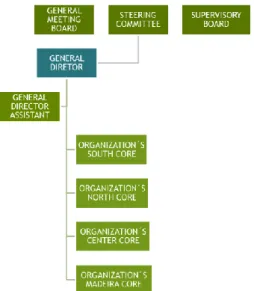
Figure 1 - ACREDITAR Organizational Chart ... 14
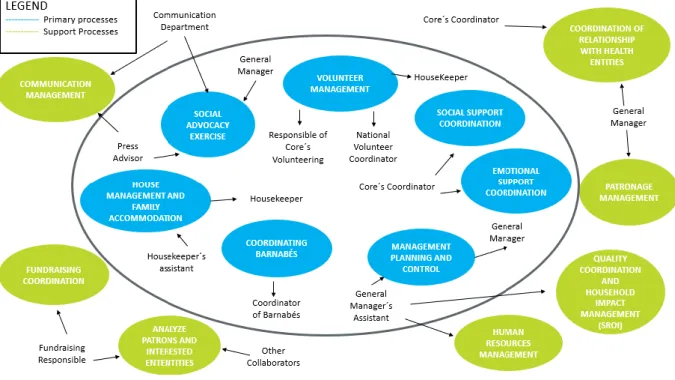
Figure 2 - First Mlearn approach of ACREDITAR processes. ... 22
Figure 3 - Social Support Coordination ... 24
Figure 4 - Logistics Support Coordination ... 25
Figure 5 - Volunteer Management ... 27
Figure 6 - Monitoring Volunteers ... 27
Figure 7 - Volunteers Performance Evaluation ... 28
Figure 8 - Continuous Training Management ... 28
Figure 9 - Annual Evaluation Management ... 28
Figure 10 - Communication Management ... 30
Figure 11 - Definition of the Action Plan and Strategy ... 31
Figure 12 - Stakeholder analysis ... 31
Figure 13 - Fundraising Coordination ... 31
Figure 14 - Recruitment Management ... 32
x
Figure 16 - New version of Mlearn model ... 34
Figure 17 - Fundraising Definition Plan ... 42
Figure 18 - Barnabés Enrollment ... 43
Figure 19 - Barnabés Coordination ... 44
Figure 20 - Participation in activities for young person and adults ... 44
Figure 21 - Participation in activities for children and adolescents ... 45
LIST OF TABLES
Table 1 - Applying DSRM to this work project ... 16
Table 2 – Number of comments per process ... 57
Table 3 – Number of proposition per theme ... 58
xi
LIST OF ABBREVIATIONS AND ACRONYMS
ABPMP Association of Business Process Management Professionals
BPM Business Process Management
BPMN Business Process Modeling Notation
CIOs Chief Information Officers
CCI Childhood Cancer International
CSFs Critical Success Factors
CSR Corporate Social Responsibility
DSRM Design Science Research Methodology
EORTC European Organization for Research and Treatment of Cancer
IARC International Agency for Research on Cancer
IPSS Instituições Particulares de Solidariedade Social
INE Instituto Nacional de Estatística
ISO International Organizational for Standardization
KPIs Key Performance Indicators
NCI National Cancer Institute
NPIs Nonprofit Institutions
NPOs Nonprofit Organizations
OMG Object Management Group
PIPOP Portal de Informação Português de Oncologia Pediátrica
REDF Roberts Enterprise Development Fund
RORENO Registo Oncológico Regional do Norte
ROR-CENTRO Registo Oncológico Regional do Centro ROR-SUL Registo Oncológico Regional do Sul
RON Registo Oncológico Nacional
SIOP International Society of Pediatric Oncology
SIOPE European Society of Pediatric Oncology
xii
USA United States of America
1
1. INTRODUCTION
1.1. PROJECT CONTEXT, RELEVANCE, AND MOTIVATION
This work project was developed in a Portuguese nonprofit organization, within the pediatric oncology area. ACREDITAR (Association of Parents and Friends of Children with Cancer) is an organization that assures the rights and promotion of quality of life of children and young people, in the pediatric oncology area. Although it has been carrying out its mission to monitor children and young people with cancer since 1994 and has been establishing a trusting and sustained relationship with its stakeholders, there is no design of the processes of its activities.
To usefully achieve its mission of addressing social problems of childhood cancer disease, a better processes activity management, become a necessity to this nonprofit organization. Nonprofits have an obligation to seek new and ever more effective ways of making tangible progress toward their missions, and this requires building organizational capacity (McKinsey & Company, 2001).
Through the business process management, it is possible to know how the organization works, to understand what processes can be improved, and to ensure that the organization in study fulfills its mission. It seems to be a way to understand the daily activity, especially when using a modeling language, which promotes visual representation of different ideas of the same process.
To that end, it was used the Business Process Management (BPM) approach that is a discipline that combines customer expectations with the values and goals of the organization, by focusing on the importance of end-to-end processes. It will be a useful tool to fulfill the gap mentioned before since BPM helps the organization activities to add value, enhances its performance all along the processes, measures the benefits cost and quality and improves processes that will have a positive impression on the organization´s beneficiaries (Benedict et al., 2013). The improvement of quality, efficiency, and performance and economic sustainability are also some of the measures that some Portuguese health institutions have been carrying out (ACSS, 2017; George et al., 2017; Grupo técnico para a reforma hospitalar, 2011; Instituto Português de Oncologia de Lisboa Francisco Gentil, 2018a, 2018b).
BPMN is a standard that can be explicit for everyone, for example, the end user. From the reading of the graphical diagrams, the meaning, properties, and execution of the processes can be understood (Chinosi & Trombetta, 2012).
In addition to being able to contribute to the increase of the performance of the organization under study by the analysis of its active processes, this study also intends to contribute to the health sector with some insights as it is seen in chapter 5.
1.2. OBJECTIVES
This project work aims to identify and analyze the primary processes of a Portuguese nonprofit organization contributing to a set of recommendations to improve its activity performance. For reaching the main objective, it was necessary to meet some underlying goals such as:
• Understand how the tasks in the organization are performed; • Modeling and evaluation of the main processes of the organization; • Creation of guidelines for a future transformation of the processes.
2 An enhancement is going to be proposed to the ACREDITAR organization processes, leading to a better process management. In the absence of the previous modeling of the association processes, the gathering of the procedures performed in the organization under study was carried out, and later a design and modeling phase of the same activities was developed. These operations will be a support for further review and analysis.
At the end of this project, it is expected to have a vision of the current situation of the organization under study, getting a sense of how the information is managed and how the work is performed, and define what can be changed. It is hoped that this project can serve as an example for other nonprofit organizations in Portugal so that they can meet their mission.
Also, the importance of carrying out this study in a nonprofit organization is related with the continuous communication that this type of organizations has with patrons and interested entities so that they can carry out their activities successfully. This relationship is made since the first contact with these entities until the follow-up and share of information on the effort invested by them in the nonprofit organization.
ACREDITAR is a nonprofit organization in the health area and it is essential that its activity processes are efficient and visible to the different interested entities that have daily contact with the organization, such as health entities, health professionals, community, volunteers, families, and children. The guidelines for a future improvement of processes of the organization in the study will contribute to a better monitoring of children and young people with cancer as well as help ACREDITAR to continue to be a national reference in guaranteeing the rights and promoting the quality of life in pediatric oncology.
1.3. STUDY OUTLINE
Firstly, an introductory chapter is presented. Chapter 2 presents a literature review of the nonprofit organization’s management and their social responsibility, as well as the framework of business process management and corresponding notation used for the process modeling. Also, in this chapter, there is a description of the organization where the study was carried out and the introduction of themes related to the area of action of the organization such as cancer disease, cancer survivors and the impact of the disease in children and families. Chapter 3 labels the methodology of this study that consists of a case study that aims to improve the processes of a nonprofit health organization in Portugal, and where the data collection and analysis are shown. After that, in chapter 4, is exhibited the graphical diagrams of the modeled processes of the organization in the study, as well as, the propositions that resulted from the semi-structured interviews. It also presents and discusses the confirmation or denial of previously created propositions through the results of a questionnaire that was made to the organization´s professionals. Chapter 5 describes the main contribution to the study. Lastly, the main conclusions that can be taken, based on the previous step results, are shown in Chapter 6, and the limitations of this study, as well as some recommendations for future work, are listed as well.
3
2. THEORETICAL FRAMEWORK
2.1. NONPROFIT ORGANIZATIONS
According to the System of National Accounts1, nonprofit institutions (NPIs) are units that have a
legal or social nature, establish to produce goods or services. These organizations primary purpose is not to make a profit, to be a source of income or another financial gain from other institutions that interact with them. NPIs have been receiving attention, by policymakers seeking to improve the quality of public services (United Nations, 2003). This type of organizations belongs to the third sector together with other institutions such as mutual and cooperatives, social enterprises and volunteering or social movements that are performed without any payment (Salamon & Sokolowski, 2016).
Third sector entities have four similar characteristics. They must be private organizations, they are self-governed, non-compulsory, and must be limited from distributing any surplus they earned to stakeholders (European Union’s Seventh Framework Programme, 2018b; Salamon, 2000; Salamon & Sokolowski, 2016; United Nations, 2003). The third sector organizations provide renewable and sustainable resources for social and economic problem-solving, democracy, and civic engagement (European Union’s Seventh Framework Programme, 2018a).
NPIs also called Nonprofit Organizations (NPOs) are faced with the problem of scarcity of resources, which makes them keep continuously combining the available resources and seek for the highest likely impact of their activities. These institutions should be prepared for changing moments in future (Azevedo, Franco, & Menezes, 2012).
The capacity to innovate will allow nonprofits to respond to the needs of the external or internal environment, to take advantage of and use external resources (Jaskyte & W.Dressler, 2005).
Nonprofit organizations should be concerned about (1) the creation of a suitable organizational structure with efficient methods and procedures, (2) the effort and improvement in the management and decision making by the managers, (3) innovation in the attraction of resources (financial, material or technical), knowing that the community, the State or other stakeholders are increasingly demanding due to the variety of NPOs, (4) networking, capacity to interact with other organizations, sharing ideas, resources and contributing to the development of the sector, (5) the use of the advantages of new technologies in their activities, (6) the need to professionalize employees and attract young talents, with many NPOs being managed based on volunteering and (7) the social responsibility of the organization through proper management, transparency of accountability and social impact assessment (Azevedo et al., 2012).
To have a better vision of NPOs capacity and increase the effectiveness in these organizations, the consultant Mckinsey (McKinsey & Company, 2001) developed a specific model for the analysis of NPO, presenting as crucial variables aspirations, strategies, organizational competencies, human resources, systems and infrastructures, the organizational structure and culture as shown in the Annex 1.
1The System of National Accounts, 1993 is a set of international guidelines for the development of economic
accounts of member countries and for reporting such statistics to international organizations in a manner comparable across countries (United Nations, 2003).
4 Organizations are paying more attention to social issues since they see in people´s work a crucial way to achieve profit and the introduction of social impact evaluation in corporations´ business proceedings, can become a competitive advantage (Andrade, 2018; Gilligan & Golden, 2009). There is also the concern by consumers for companies to shape their business according to socially responsible procedures (Bassi & Vincenti, 2015) as well as stakeholders that are more strict and expect performance and impact evaluation from organizations they support and also transparency (Machado, 2015). Social and environmental performance is also reported by organizations (Andrade, 2018; Crane, Matten, McWilliams, Moon, & Siegel, 2008).
A socially responsible institution feels susceptible to society by presenting its corporate social responsibility (CSR). CSR is demonstrated through philanthropic activities such as charitable gifts or donations (Andrade, 2018; Schnurbein, Seele, & Lock, 2016), employee´s volunteerism, networking and development of environmental subjects (Andrade, 2018; Deigh, Farquhar, Palazzo, & Siano, 2016). The purpose of a social organization is the establishment of social value, besides aiming for-profit activities, which guarantees sustainability and enables the development of innovative opportunities (Andrade, 2018; SAGE, 2012).
The need for an organization to evaluate its social impact performance, ables it to find out progress against the mission, learn how to improve, secure funding, inspire staff and improve their work, raising the profile and contribute to the knowledge of what works (Rickey, Lumley, & Ógáin, 2011). The purpose of social impact assessment is to analyze, monitor and manage the economic, social and environmental consequences of a business activity, positive or negative, independently of the scope of the operation, helping the decision-makers to evaluate the advantages of ongoing with their business and old evaluations procedures of activities undertaken (Florman, Kingler-Vidra, & Facada, 2016).
The importance of measurement force to the development of tools that allow organizations to measure their social impact (SAGE, 2012). Impacts mean the long-term adjustments organizations produce in their stakeholders due to their interventions (Charity Finance Group Institute of Fundraising, 2012).
Good impact reporting helps beneficiaries, volunteers, donors, and other stakeholders understand and engage with an organization. It also motivates staff and volunteers to focus on results and work to achieve their vision (Charity Finance Group Institute of Fundraising, 2012; NCVO, 2013). An institution that can launch and describe its impact has a solid foundation for communicating its work as well as managing it to achieve the highest effect (Charity Finance Group Institute of Fundraising, 2012).
One of the many different impact methods is Social Return on Investment (SROI), which is the method that the nonprofit organization in this study resorts for their houses´ social impact as it can be seen in Chapter 2.3.5.
As social enterprises, they come under increasing pressure to measure their performance and value by their stakeholders. SROI has been encouraged to capture this value. Measuring and monitoring effectiveness are crucial elements in assessing the success of social organizations (Manetti, 2014). SROI is a way to enable the social enterprise sector to understand the broader impacts of service delivery better and quantify that value in monetary terms (Manetti, Bellucci, Como, & Bagnoli, 2015; Millar & Hall, 2013).
Initially developed by the Roberts Enterprise Development Fund (REDF) (Florman et al., 2016; Long, Clark, Rosenzweig, & Olsen, 2004; Manetti, 2014; Manetti et al., 2015; Millar & Hall, 2013), SROI is a framework for measuring and accounting for value, seeking to decrease inequality, environmental deprivation and develop wellbeing by combining social, environmental, economic costs and asset. It
5 describes the feature of how change is being implemented through the measure of social, environmental and economic outcomes (Nicholls et al., 2012), that are the changes that happen to social systems (Olsen & Galimidi, 2008). In Annex 2 it is possible to see a proposal for a standard for social return on investment analysis according to (Olsen & Lingane, 2003).
SROI supports the development of a cost-benefit analysis of a social project in an organization by the study of its impact on the community, assigning monetary values to social and environmental returns to establish broader value creation (Florman et al., 2016; Millar & Hall, 2013; Olsen & Lingane, 2003; SAGE, 2012; Wright, Nelson, Cooper, & Murphy, 2009). It is based on seven principles (Nicholls et al., 2012): (1) involve stakeholders, (2) understand what changes, (3) value the things that matter, (4) only include what is material, (5) do not over-claim, (6) be transparent and (7) verify the result.
The SROI methodology can serve several purposes such as be used as an instrument for strategic planning and improving, to communicate the organization´s impact and attract new sources of investment, or for making investment decisions. Additionally, SROI can promote the organizations´ activities by understanding and maximize the social value of a service, helping to manage unexpected outcomes, demonstrating the importance to work with networked companies and people involved in change creation and creating good relations with stakeholders (Nicholls et al., 2012).
The SROI approach measures the economic value of social benefits by translating an organization´s social objectives about the relative cost of achieving those benefits (Manetti, 2014; Nicholls et al., 2012; Wright et al., 2009) as it can be seen in the formula in Annex 3.
2.2. THE IMPORTANCE OF BUSINESS PROCESS MANAGEMENT IN NPO´S
Before addressing the topic of business process management and its importance to nonprofits, it is essential to take into consideration what a business process is. According to Davenport (1993), a process is a set of activities that are developed across time and in a place, that have a beginning and an end, transforming inputs into aimed outputs (Zairi, 1997). In a business environment, the result of these activities should create value to a customer (Hammer, 1997) or fulfill other strategic objectives or outcomes (ABPMP, 2013; Guha, Grover, Kettinger, & Teng, 1997; Strnadl, 2006; Trkman, 2010).
A business process can be categorized into three different types: primary processes, support processes or management processes (Benedict et al., 2013). The basic procedures are developed from the beginning to the end of an activity, end-to-end operations, and are the ones that carry value to the customer because they characterize the essential services and the value chain of an organization. Then, the support processes, help to handle resources or infrastructures needed by the primary means. These are associated with functional areas, and they are not involved in the direct creation of value to customers. Lastly, the management processes, are intended to measure and control business activities, to ensure that primary and support processes are demonstrated and implemented in a way that the organizational objectives are efficiently achieved.
By following a business orientation, a process should include some components such as the elements of the structure, focus, measurement, ownership, and customers (Davenport, 1993). The effectiveness of a business process has been chosen to support the measure of the organization performance (Hafeez et al., 2002; Möller, 2006; Trkman, 2010). The process view allows the analysis, design, management, and optimization of the dynamic structure of a business. (Strnadl, 2006; Trkman, 2010). From a process perspective, BPM is frequently viewed as a best-practice
6 management value to support companies sustain competitive advantage (Hung, 2006; Trkman, 2010).
Organizations are disposing to start to go for a management approach focused on processes rather than a functional approach due to some factors, such as, the increase in product development occurrence, the need for a quick information disclosure and a quick decision making, the need to adapt to changes in demand and an increasing number of international competitors (de Pádua, da Costa, Segatto, Júnior, & Jabbour, 2014; Lahajnar & Rozanec, 2016; Seethamraju & Marjanovic, 2009).
2.2.1. BPM
According to a survey made by Deloitte in 2016, the primacy of Chief Information Officers (CIOs) were customers, organization growth, and performance, cost and innovation. By creating value through the combination of IT and business standards, CIOs were also concern about the improvement of business processes, costs reduction and reach efficiency, the maintenance of IT systems, cyber security management and business innovation (Deloitte, 2016).
BPM is defined as a management discipline involving identifying, designing, modeling, automation, execution, control, measurement and optimization of business activity flows. It has the primary focus on end-to-end processes, by combining the organization objectives, culture, and strategy with the customer's expectations (ABPMP, 2009; Benedict et al., 2013; Bizagi US, 2018; Chinosi & Trombetta, 2012; de Pádua et al., 2014; T.Dwyer; G.Rock, 2015). The analysis, design, implementation, control and constant improvement of end-to-end processes such as marketing, communications or other operations activities, leads to good process governance (Benedict et al., 2013; Trkman, 2010; Zairi, 1997).
Zairi (1997) referred that for the success of a BPM culture there has to be an arrangement of the primary objectives and the collaborators´ work should focus on adding value to the end customer. The success of BPM also corresponds to the constant achievement of set goals, following a defined project scope over a period (Trkman, 2010). Some studies have exposed that there is a definite correlation between process management and business success. (Hernaus, Škerlavaj, & Dimovski, 2008; K. McCormack et al., 2009; K. P. McCormack & Johnson, 2001; Trkman, 2010).
BPM delivers governance of a business's process environment to increase agility and operational performance (Aalst, 2013; Chinosi & Trombetta, 2012; de Pádua et al., 2014; Neubauer, 2009; Recker & Mendling, 2016). For an efficient business process management, there must be a connection between business processes, people, and technology. The principle of BPM is that organizational objectives can be achieved through the focus on the management of business processes. An organization, regardless of whether it has as its primary objective the profit or not, its purpose must always be to create value for its customers in the form of products or services (Benedict et al., 2013; de Pádua et al., 2014; K. P. McCormack & Johnson, 2001). BPM is useful in eliminating recurrent day-to-day tasks, improving employee efficiency, getting products to market faster and improving the customer experience (Bizagi US, 2018).
In Annex 4, it is shown the benefits of BPM for four different groups of stakeholders that often interact with the BPM practice. For example, for an enterprise, one of the benefits of using BPM is the performance management benefits cost and quality. In customer perspective, improved processes will positively impact customer satisfaction.
7
2.2.2. BPM critical success factors
Critical success factors (CSFs) be defined as areas in which outcomes guarantee successful performance (Alazmi & Zairi, 2003; Trkman, 2010). BPM is successful if it continually meets the fixed objectives and if it combines some factors such as business processes, organizational management, and technology (Benedict et al., 2013; Trkman, 2010). BPM methodology has the potential to overcome regulatory barriers by improving the relationship between stakeholders inside and outside the organization (Jeston & Nelis, 2006).
Jeston and Nelis (2006) defined some CSFs that can be useful for BPM tasks development such as leadership, BPM experienced business project manager, alignment to organization strategy, process architecture, a structured approach to BPM implementation, people change management, people empowerment, project initiation and accomplishment, sustainable performance, and delivery of value. Other CSFs such as the value chain and business process; organization goals; executive sponsorship and governance; process ownership; metrics, measures, and monitoring can also be applied (Benedict et al., 2013) Annex 5.
Trkman (2010) as also defined, in a case study of a financial organization, some CSFs by the application of three theories: contingency, dynamic capabilities, and task-technology fit, as it is explicit in Annex 6.
Due to the multiple BPM initiatives in enterprises of all sizes and from different markets, BPM feels the necessity for some corresponding elements to be addressed for its successful and continuous development. Vom Brocke and Roseman (2010) designated six core elements in which each represents a critical success factor for BPM as it is possible to see in Annex 7.
2.2.3. BPM lifecycle
ABPMP (2009) refers that the management proceeding of BPM it is characterized as a continuous lifecycle of combined BPM activities, such as planning, analysis, design and modeling, implementation, monitoring and control, and refinement Annex 8. During this lifecycle, business processes are influenced by some factors, just as values, beliefs, leadership, and culture.
This lifecycle and its phases descriptions can diverge relying on different authors (de Pádua et al., 2014). In this project work, it will be used the ABPMP (2009) BPM cycle phases description.
Planning and strategy: In this phase, it is established a process strategy and plan for the organization. The plan helps to understand how organizational strategy delivers value to the customers and guarantees the alignment with a corporate approach connecting strategy, people, processes and systems across functional conditions. It is defined the policy and direction for the BPM process and the identification of suitable BPM organizational roles and responsibilities, objectives, expected performances measures and methodologies.
Analysis:Integration of methodologies to comprehend the existing organizational processes, in the context of the intended organization objectives, by searching for information for example from strategic plans, process models, performance measurements or environmental changes.
Design and Modeling:The design activities focus on the thoughtful design of how end-to-end work occurs, with the purpose of delivering value to customers. It is also essential to guarantee that the right management controls and metrics are in place for agreement and performance measurement. Understanding the process includes the activity of process modeling and a valuation of the environmental factors which influence the process, on the condition of the organization´s degree of maturity.
8
Measuring and Monitoring: In this phase, process managers can handle the resources to meet process objectives by gathering the information generated by the measure and monitoring of business processes. The process performance analysis can allow for improvement, redesign or re-engineering of the processes and provides valuable insights into the other activities in the life cycle.
Transformation: Process transformation generates the output of the iterative analysis and design cycle. It approaches organizational change management tasks and is expected at continuous improvement and process optimization.
This research will focus on the modeling phase and as contribution will try to add value to all entities that are in touch with the organization under study.
2.2.4. BPM areas
According to the Association of Business Process Management Professionals (ABPMP), there are defined eight BPM areas: process modeling, analysis, design, performance measurement, transformation, management organization, enterprise process management, and BPM technology (ABPMP, 2009; Benedict et al., 2013).
Process Modeling: Business process modeling is the determined number of activities involved in
creating representations of an existing or proposed business process. It can provide an end to- end perspective or a segment of an organization’s primary, supporting, or management processes. It enables enterprises to get to know the higher value of their business processes and people to understand, manage, measure and communicate the primary components of business processes (Benedict et al., 2013).
For a model, it is understood as a clear representation of a thing, concept, or activity. Business process modeling has the purpose to create a representation of the process that describes it precisely and suitable for the task at hand (ABPMP, 2009; Benedict et al., 2013).
Some benefits that result from modeling are: models are easy to understand, it can provide a guide for measurement and for process performance analysis (ABPMP, 2009; Benedict et al., 2013).
Process Analysis: A process is a defined set of sequential or parallel activities or behaviors to
achieve a goal. Following this idea, process analysis provides an understanding of the process activities and measures the results of those activities in meeting the organization’s goals (ABPMP, 2009; Benedict et al., 2013).
Process analysis is achieved through several techniques such as interviewing, simulations and other analytical techniques and procedures. It is also, sometimes, necessary to study other factors that are related to the organization´s environment and culture (ABPMP, 2009; Benedict et al., 2013). Process analysis is an essential instrument to evaluate how efficiently the organization´s business is, producing the information necessary for the organization to make informed decisions, measuring its business’s activities (ABPMP, 2009; Benedict et al., 2013). By the assessment based on documented, validated facts, current‐state analysis, it can help the organization to the redesign of processes and consequently to efficiently meet the goals of its business (ABPMP, 2009).
Process Design: Process design is the formal definition of the goals, deliverables, and organization
of the activity and rules needed to produce some product, service, or outcome. It also includes the gathering of all activity into flow based on activities’ relationships between each other, and the identification and combination of skills, instruments, and support needed to perform the activity (Benedict et al., 2013).
9 It is during this phase that the organization´s strategy for the request processes state is developed whether it is for a process redesign or the development of a new process (ABPMP, 2009).
Process Performance Measurement: Process performance management is normally used to
indicate the management of the business operation at both a process level (cross‐organizational) and a workflow level within a given business unit (Benedict et al., 2013).
In BPM background, this can also link to identify some work redistribution or quality problems in time that have to be rectified. It will imply control over the way work moves, consistent response to events, quality measurement (real‐time) and control over the rules that direct work (Benedict et al., 2013).
Two important concepts emerge during this BPM area: process maturity and process performance. Process maturity is the characteristics and capabilities that define the current state of the company’s move to understanding and managing processes (Benedict et al., 2013). The process maturity level of an organization goes from non-existence (not formalized) to optimized (continuous and effective, automated). Process performance can be characterized as the measurement of some characteristics, defined by key performance indicators (KPIs), standards, industry best practices, ISO, and others (Benedict et al., 2013).
Process Transformation
Process transformation is the fundamental rethinking of a process. The purpose is to innovate and to make the function of new business approaches, techniques or technologies. Process transformation is cross-organizational, the scope will include all the business units that are part of the process (Benedict et al., 2013).
2.2.5. Business process model and notation (BPMN)
The notation is understood as a standardized set of symbols and rules that defines how the symbols represent something else (Benedict et al., 2013). Business Process Modeling Notation (BPMN) is a notation that labels the logic of the phase in a business process, by coordinating the sequence of processes and messages that flow between participants in different activities (BPM, 2017). BPMN give the organizations the ability to communicate their business procedures in a standard manner (Object Management Group, 2018), and to be able to analyze and improve the current processes (Chinosi & Trombetta, 2012).
The primary objective of BPMN is to provide a standard graphical notation that is readily noticeable by all business users. In this way, it simplifies the understanding of the business processes performance, reducing the gap and discrepancies between business processes and their implementation (BPM, 2017; Chinosi & Trombetta, 2012; Meek, Jackson, & Leibovici, 2016; Object Management Group, 2018; White, 2004).
The modeling notation chose for this project work is the Business Process Model and Notation 2.0 that is a standard that was created by the Object Management Group (OMG). BPMN 2.0 provides a compelling set of symbols to different model features of business processes, by describing well-defined relationships (Benedict et al., 2013).
Several graphical elements support the process modeling of business processes following the BPMN 2.0 notation, as it can be seen in Annex 9.
10
2.3. A NONPROFIT ORGANIZATION IN THE HEALTH AREA
Although there are several types of nonprofit organizations, in this project a study was done in a health association, more specifically in pediatric oncology. Therefore, it is important to contextualize some concepts related to this topic.
2.3.1. Oncology
Cancer is usually called to a collection of related diseases. It is characterized by the spread of body´s cells into surrounding tissues that begin to split without stopping and in some types of cancer, it can form some solid tumors that can be malignant or benign (National Cancer Institute, 2018). This kind of disease is still dread by society, for being unpredictable and its treatments are too long and intensive, such as chemotherapy, radiation therapy or transplantation, and result in different side effects (Pinheiro, 2015). Despite its constant improvement of the knowledge, new technologies in treatment such as nanotechnology, and a reduction of deaths caused by this disease (Eschenbach, 2004), the loss of quality of life is still a consequence of this illness (Pinheiro, 2015). It has been in the interest of society for a long time to have better research on cancer and to fight this disease by investing in the early detection and proper treatment of cancer, as defined in the United States National Cancer Act in 1971 (Eschenbach, 2004).
Together with cardiovascular diseases, chronic respiratory diseases, and diabetes, the oncological illness is one of the deadliest diseases in the world. By 2015, the World Health Organization (WHO) predicted that this trend would continue, a year marked by the death of 9 million people with the oncological disease (World Health Organization, 2016). According to the WHO, chronic diseases are the ones that are permanent, produce residual disability or deficiencies, are caused by irreversible pathological changes, require specialized training of the patient for rehabilitation, or may require long periods of supervision and observation (Direção Geral da Saúde, 2010).
In agreement to the International Agency for Research on Cancer (IARC), through the Globocan2
project in 2012, the Asian and European continents presented a higher number of cancer incidents and also a higher number of deaths due to cancer diseases (Globocan, 2012). This study also reveals that lung, breast and colorectal cancer were the most commonly detected types of cancer and that cancer in the liver, lungs, and stomach was associated with a higher number of deaths (Globocan, 2012). In 2013, cancer was also, one of the leading cause of deaths in European countries, is the lung cancer the most common on men and the breast cancer the most common on women (OECD, 2016). In the United States of America (USA), there were expected 1 688 780 new diagnosed cancer cases and 600 920 deaths from cancer, in 2017 (American Cancer Society, 2017).
At the Pediatric level, there are different types of cancer. About half of all childhood cancers in the world are cancers in blood cells, such as lymphomas and leukemias, as well as some tumors of the central nervous system. Unlike in adults, breast, lung or stomach cancer is rare in children (Cancer, 2016). In USA 1 190 deaths were expected for childhood cancer, the second leading cause of death following the accidents (American Cancer Society, 2017). The search and investigation for adult and childhood cancer are still crucial for example in countries of Latin America (Denburg et al., 2017). In Portugal, the cancer disease is also present in the daily life of the Portuguese people. (Direção-Geral da Saúde, 2016). In 2010, 46724 new cases of cancer were diagnosed in the country, 4.5%
2 This project aims to provide estimates of the incidence, mortality and prevalence of major cancers at
11 more than in 2009 (Norte, 2016). The most frequent types of cancer at the national level were prostate, breast, colorectal and lung cancer (Norte, 2016). In the future, it is predictable that the number of cases of this disease will continue to increase (Direção-Geral de Saúde, 2015).
According to a study by the Portuguese National Statistical Institute (INE) in 2014, 0.5% of all deaths were individuals under 20 years old (Carrilho, 2015). Malignant tumors were also a leading cause of childhood death at the national level, from 2002 to 2013, and were the leading cause of childhood death among children aged 5 to 9-year-old (Carrilho, 2015). Also in the adolescent age group, from 15 to 19-year-old, malignant tumors assumed a high percentage of cases of infant death (Carrilho, 2015).
Through some data available in the Portuguese pediatric oncology information portal PIPOP, it can be concluded that in 2005, the age group of adolescents was the class with the highest incidence of childhood cancer and that leukemias and lymphomas were the types of childhood cancer with higher percentages (Castro, 2010).
In 2010, the last Portuguese cancer registry available, there were 407 new cases of childhood cancer, up to 19-year-old. Of these 407 occurrences, it is highlighted by the class of adolescents, 15-19-year-old, with the highest number of cases. The most prevalent types of cancer were cancer in the connective tissue and soft tissues, cancer of the brain and central nervous system, lymphoid leukemia, bone and cartilage cancer, and Hodgkin´s lymphoma (Norte, 2016).
2.3.2. Cancer survivors
There are several definitions for cancer survivors. The European Organisation for Research and Treatment of Cancer (EORTC) uses this term to define patients who have completed their first oncology treatment (Moser & Meunier, 2014). For the National Cancer Institute (NCI), a cancer survivor is someone who has had cancer since the time he is diagnosed through the rest of their lives (Moser & Meunier, 2014; Vollmer Dahlke, Kellstedt, & Weinberg, 2014). IARC defines three-stage cancer survivor: initial treatment, clinical follow-up, and cure (Moser & Meunier, 2014). In recent years, there has been a substantial increase in the number of cancer survivors (Armstrong et al., 2014; Martinez & Hebl, 2015).
By 2014, there were about 30 million cancer survivors in the world (Moser & Meunier, 2014). Only in the USA, it is projected that the number of cancer survivors grows to 18 million by the year of 2022 (Cowens-Alvarado et al., 2013; McCabe et al., 2013; Vollmer Dahlke et al., 2014). This situation is a result of early detection and screening, innovative clinical research techniques and extended access to care and treatment (Jacobs, Palmer, Schwartz, Demichele, & Mao, 2009; Jacobs & Shulman, 2017; Vollmer Dahlke et al., 2014).
The increasing number of cancer survivors leads us to a new paradigm. It is necessary to think about the life of these people (Geenen et al., 2007; Mayer, Birken, Check, & Chen, 2015) since many survivors, although the treatment of this disease was a success, suffer side effects like physical, social, financial or psychological, after the illness (Aaronson et al., 2014; Armstrong et al., 2014; Cowens-Alvarado et al., 2013; Geenen et al., 2007; Jacobs & Shulman, 2017; McCabe et al., 2013; Vlachioti, Perdikaris, Megapanou, Sava, & Matziou, 2016; Vollmer Dahlke et al., 2014). Some physical side effects may be, for example, cardiovascular (Vrooman, Lipshultz, & Sallan, 2014), cognitive, or even other malignant tumors. These ex-patients are also discriminated against by their society after treatment that affects them in a diversity of situations, such as getting a job (Martinez & Hebl, 2015), their education, applying for health insurance or a loan to the bank (Moser & Meunier, 2014).
12 In most of the times, cancer survivors and their families remain to require support and information to reach healthy survivorship and quality of life after the conclusion of the treatments because many of them don’t have the help they need and are left adrift (Jacobs & Shulman, 2017; McCabe et al., 2013; Vollmer Dahlke et al., 2014).
There is a need for a survivorship follow-up care and a quality of life assessment after a cancer disease and the monitoring of studies of the quality of life of cancer survivors should be noted because its importance in identifying cancer survivors needs, monitoring the long-term effects and treatments, in an individual and familiar environment (Geenen et al., 2007; Gibson, Aslett, Levitt, & Richardson, 2005; Jacobs et al., 2009; Jacobs & Shulman, 2017; Pinto & Ribeiro, 2006).
2.3.3. The impact of the disease in children, young people, and families
The treatment of oncological disease undertakes some therapies such as chemotherapy, radiotherapy, surgery, immunotherapy and in some cases, there may also be a need to perform bone marrow transplantation. In the fact of pediatric cancer, there is the specificity that the child´s body is still growing. Due to the treatments, it can happen some short side effects such as nausea, vomiting, and fatigue or long side effects such as vision, heart (Armstrong et al., 2013), growth development effects. A pediatric cancer survivor also has a higher risk of developing another kind of cancer than someone that never had an oncological disease before (Pinheiro, 2015) and consequently the risk of death by that second cancer incidence (Reulen et al., 2010).
According to Pinheiro (2015), there is a more significant impact, especially in adolescents as they are at a stage of their life in which they pretend to acquire autonomy from their parents, spend more time with friends and establishing relationships. With the experience of the oncological disease, these young people lose the freedom they had before, and the psychological impact of the illness can expose the identity and the meaning of their lives leading to the isolation or breaking of relationships. It is essential to promote and maintain the social network and contact with friends. As previously mentioned, cancer disease also has an impact on the entire household, leading to changes in the family´s activities and their lifestyle, specifically at an economic, professional, personal, emotional and social context. Families are forced into restructuring and reorganization in their lives due to the cancer disease impact (Pinheiro, 2015). To help find the effects that a chronic disease can bring to a family, Rolland (1987) created a conceptual framework that assesses the relationship between family´s activities and chronic illness as shown in the figure below. These categories were defined as onset, course, outcome, and incapacitation of disease, and were shaped to be the most psychological significant as possible in the relationship between the family and the illness, as it is seen in Annex 10.
Rolland complements his previous conceptual model, with a scheme of the timeline and phases of illness as it can be seen in Annex 11. There are three main phases in this scheme that are a crisis, chronic and terminal phases, where each stage has its psychosocial developmental tasks that will require from the families different attitudes and changes during the chronic disease (Rolland, 1987).
In the context of pediatric oncology, the terminal stage has been replaced by the survival phase due to the increased cases of childhood cancer survivors. The last period is no longer a reality for many families who are now concerned with the quality of life of the cancer survivors but also with the fear of a possible recurrence.
13
2.3.4. Deprivation of young people in hospitals
Young people who lived the disease, especially the adolescents, may have physical and psychological consequences of the treatments, consequently reducing their quality of life (Moruno Miralles, Ramón, & Valero, 2016).
The treatment of cancer has a significant impact on children and young people, as it translates into several procedures performed over an extended period. This leads to changes in their lives, where they may lose the opportunity to present activities related to their age, such as education, that is one of the most relevant areas for this age group because it promotes social integration, primarily when these young people are treated in adult wards (Kim, 2017; Moruno Miralles et al., 2016). Another problem begins when adolescents have to deal with stressful circumstances such as numerous hospital visits, painful treatments and effects (Gameiro, 2012), moving from different treatment areas or from different hospitals in a short period of time, not finding a place of stability and safety, as they go through this critical phase of life where they want to try something new, travel, think about their future, career (Cho & Park, 2016) and also where peer acceptance, self-image, and independence are their major constant concerns (Gameiro, 2012; Lehmann et al., 2014).
Most of the time these young people just want to find a place identical to their homes or where they are with their friends, like in school. When experiencing this disease, they are more encouraging to situations of deprivation and isolation (Moruno Miralles et al., 2016).
2.3.5. Case Study: Organization of pediatric oncology
ACREDITAR (Association of Parents and Friends of Children with Cancer) is an organization that assures the rights and promotion of quality of life of children and young people, in the pediatric oncology area. It is present in four cities, Lisbon, Porto, Coimbra, and Funchal, near the pediatric treatment health centers.
It´s mission is to “"Treat the child or young person with cancer and not only cancer in the child or young person, promoting their quality of life and family” and has the vision to be the Portuguese national reference organization in guaranteeing the rights and promoting the quality of life in the pediatric oncology area (ACREDITAR, 2016a).
It works from the following values: cooperation, privacy, transparency, solidarity, innovative spirit, and respect.
It is ACREDITAR's policy to support children and young people with cancer and their families in their needs, in a timely manner and with the best quality, continuing the continuous improvement of their services through the domain of processes and the involvement of employees. To this end, it is committed to ensuring an effective resource management that allows the balance between the development of the institution's activity, the well-being of all who participate in it and the environment (ACREDITAR, 2016a).
ACREDITAR is a social solidarity private institution (IPSS), that is an organization of a private character, non-profit making and self-governing, with the purpose of responding in a structured way to the moral duty of solidarity and justice among individuals in society (Segurança Social, 2017). The organizations act on some values such as solidarity, respect, privacy, cooperation, innovation and transparency (ACREDITAR, 2016a).
14 Through an active link with individuals, organizations, State, etc., ACREDITAR seeks to engage and spread its work to more people every day. Through awareness, it makes the community well informed for a better reintegration of children, young people and their families that are living or lived with the oncological disease (ACREDITAR, 2016a).
ACREDITAR has a global vision and is also aware of what is happening in the world, in pediatric oncology. It is also a member of the CCI (Childhood Cancer International) that is a worldwide organization of parent groups of children with cancer (CCI, 2017). ACREDITAR also participates in some international conferences such as conferences promoted by the CCI, SIOPE (European Society for Pediatric Oncology) or SIOP (International Society of Pediatric Oncology), where there is an opportunity for meeting with those who are part of pediatric oncology (ACREDITAR, 2015).
The children or young person that is facing or have faced the cancer disease are known in the organization as Barnabés.
Barnabés are a group of children and young people who live or have had an oncological disease in their childhood, adolescence or youth; they are the leading cause that leads ACREDITAR to exist. They are united by common experience in life, with the objective of being active participants in the fulfillment of ACREDITAR mission, living independently and to participating actively in the subjects that directly concern them in the daily life. Barnabés are present in the four cores of ACREDITAR and promote activities at the regional and national level, such as group meetings, outreach, and awareness raising events and volunteering. (ACREDITAR, 2016a).
Although most of Acreditar's work in monitoring children and families is done by volunteers, the organization is also composed of a small and cohesive team of national-level professionals. It operates with four cores: North, Center, South, and Madeira, that report to a General Director, reporting this to the other board of directors as you can see in the figure below.
Source: Made by the author
In every ACREDITAR core´s some functions are represented in the four cores like the Professionals, the Barnabés, and the Volunteers. Together with these people, there is also the local community because as mentioned before, ACREDITAR solidifies its activity through many supports received by civil society. For a higher detail of the organograms of the four different cores, it can be seen in Appendix A, Appendix B, Appendix C, and Appendix D.
15
3. WORK PLAN
3.1. DESIGN SCIENCE RESEARCH METHODOLOGY
According to Alan et al. (2004), in a design process, there are some activities that result in an innovative product or design artifact. This artifact is evaluated and where form that evaluation is obtained feedback information and a better knowledge of the problem in question, leading to the improvement of the quality of the product and the design process. In this work project, all the organization in study activities that are designed will be later evaluated, where the feedback received after this evaluation will contribute to the improvement of the organization´s processes. In Information Systems research, there are two commonly used paradigms: Behavioral and Design Science, where both tries to improve effectiveness and efficiency between people, organizational characteristics and practices, and technology, leading to better knowledge acquisition. The behavior-science pattern has the objective of developing and validating theories about human or organizational behavior. In another hand, design-science research pursues to create new artifacts, increasing human and organization competencies by building and applying a designed model (Alan et al., 2004).
In this project, it was followed the Design Science Research Methodology (DSRM). This methodology has the objective to improve the production, presentation, and evaluation of Design Science Research (Geerts, 2011).
According to Alan et al., (2004) there are seven guidelines for the information systems design-science research, as you can see in Annex 1. Firstly, they mention that this type of research needs to create innovation by building an artifact that is applied to a specific problem. Then, there must be an evaluation of the artifact, to see its utility. Other characteristics as the innovation, the rigor, coherence, and consistency should be applied in the design-science research artifact. In the construction process of the artifact, it is included a search process where it is defined as a problem and a methodology to find a practical solution for it. Finally, there is a communication of the results of the research.
More recently, Peffers, Tuunanen, Rothenberger, & Chatterjee, (2008) presented a new model for this type of research, the design science research methodology. It includes a sequence of six procedures that identify problem and motivation, define the objectives of a solution, design, and development, demonstration, evaluation, and communication (Kao et al., 2016; Peffers et al., 2008). Annex 14 illustrates a description of the six DSRM activities and how these activities can be executed.
The first activity is the problem identification and motivation, where it is described the specific research problem and explained the main contribution of the solution. After that, it is defined the objectives of the solution. In the design and development activity, it is where the artifact occurs. It includes figuring out the artifact´s purpose and its construction and then generates it.
The activity in Annex 15 is the demonstration where according to Peffers et al.,(2008), it should be demonstrated “ the use of the artifact to solve one more instance of the problem. This could be present in some methods such as a case study, a simulation or experimentation. After the demonstration, we will have to see how well the artifact supports a solution to the problem by evaluating it. Through some metrics and analysis techniques, the artifact usage results, through the demonstration, are now compared with the objectives of the solution. The last activity of the design-science research methodology is communication.
16
3.2. PROJECT PHASES
Based on this last model and the guidelines for the Design-Science Research, a new model was adapted for this work project, as you can see in Table 1.
DSRM activities Activity description
Problem identification and motivation
Contribute to better monitoring of children and young people facing a cancer disease; Modeling and analyzing a nonprofit
organization in the pediatric oncology area; Willingness to supply to the health sector
some insights with a BPMN approach.
Objectives of the project
Case study;
Definition of the sample;
Understand how the work in the organization is performed;
Guidelines for a future transformation of the processes to a better focus on the mission of the organization.
Design and development
Functional analysis of the organization; Gathering of requirements;
Definition of processes; Processes Modeling;
Presentation of the processes modeled to the sample;
Evaluation of the sample on the modeled processes;
Proposition formulation.
Demonstration and Evaluation
Confirmation or denial of propositions and analysis;
Creation of guidelines for a future improvement of the organization processes. Communication Presentation of the results and contributions
of the study to the organization.
Table 1 - Applying DSRM to this work project
17
3.2.1. Objectives of the project
Based on what was the first research step, it makes sense to continue the work project as described in the steps of the previous table.
The purpose of the project is to identify and analyze the primary processes of ACREDITAR, a Portuguese nonprofit organization, contributing to a set of recommendations to improve its activity performance.
This project will be based on a case study approach. The advantage of a case study is that it characterizes an ideal strategy when how and why questions are asked about a contemporary set of events in some real-life context, over which the investigator has little or no control (Trkman, 2010; Yin, 2009).
The case study relies on techniques used by historical research, as well as two sources of evidence: direct observation and regular series of interviews. It differs in its facility to deal with an extensive variety of evidence such as documents, artifacts, interviews, and observations, that is, it goes beyond what is available in traditional historical studies (Yin, 2009).
The choice of this type of study relies on the fact that it was understood how a nonprofit organization works in the health area and how its professionals interact. This choice was also influenced by the fact that it could be used different sources of data collection, such as participant observation, organization´s documentation, interviews, as well as some quantitative methods, for example, a questionnaire.
Following what was mentioned previously, it was used a mixed methods approach in the data collection, that involves the collection of both quantitative and qualitative data. This combination of qualitative and quantitative methodologies provides a better understanding of the investigation problem than either approach alone (Creswell, 2014).
Sometimes, qualitative data has the susceptibility to be open-ended without predetermined answers while quantitative data usually includes closed-ended responses such as found on questionnaires. (Creswell, 2014).
This type of research has the purpose to rely on the participants´ views of the topic being studied, in order to interpret their vision. The questions become broad and general so that the participants can construct the meaning of a situation, typically forged in discussions or interactions with other persons. (Creswell, 2014).
3.2.1.1.Sampling
The target population of this study consists of the ACREDITAR professionals.
This target population definition is chosen since these group of people is the one that is more linked to the daily activities related to the monitoring of children and young person who are in the treatment of the oncological disease.
3.2.2. Design and development
3.2.2.1.Data collection
In this stage, for data collection, it was used the methodological triangulation. This approach uses several methods to study a research problem, such as qualitative and quantitative methods that