Alternative brewing organisms in wort
fermentation for novel non-to-low alcoholic
beverages with unique flavour profiles
MASTER THESIS
Mariana Machado Pires Canoso
Integrated Master on Bioengineering – Biological Engineering
Faculty of Engineering of University of Porto (FEUP), Portugal
Supervisor (FEUP)
Prof. F. Xavier Malcata
Supervisor (Carlsberg Research Laboratory)
Marta Mikš
Gemma Buron-Moles
Never be afraid of going through the hot sand to reach the sea
Acknowledgments
First of all, I would like to say the biggest thank you I can to Gemma and Marta. For Gemma, thanks for the HUGE support and teaching, for all your dedication and patient for my questions and mistakes, for always be ready to help, for spending so much time with me even when a bunch of other things were around… THANKS for caring so much about me and for being my non-Danish mum in Denmark for the past 4/5 months! For Marta, thanks for the advices, guidance and support, for the discussions and great learnings, for always giving your best and getting time for me in your super busy agenda. Without you both, for sure, this project would not be possible!
Thanks to Kathrine for your constant good mood and friendship during the long days in the laboratory, for always helping me, for making my days funnier and more relaxed. For Jonas and Rocío, thanks for such a nice environment at the office, for all the laughs and chitchats, but also for the productive discussions and support. For Rosa and Jochen, I feel quite grateful for the chance of developing this project at Carlsberg Research Laboratory. Thanks to all those that made lunch time, cake club and Friday bar always so enjoyable and amusing.
I would also like to express my gratitude to Prof. Malcata for accepting me under his academic guidance in this project
-
and in particular his careful review of this thesis, and also on behalf the MIB’s Direction for allowing me to take this great journey. For Catarina, João and Rita, also enormous thanks for all the excellent moments during the last years, for sure you contributed a lot to make it much better.Last but not least, thanks to Augusto for being the input of this great adventure and for being always present during this 5 year journey. Thanks to my family and friends for always believing in me and giving me their best support on everything.
O Prof. Francisco Xavier Malcata, orientador desta dissertação, é membro integrado do LEPABE – Laboratório de Engenharia de Processos, Ambiente, Biotecnologia e Energia, financiado pelos Projetos (i) POCI-01-0145-FEDER-006939 (Laboratório de Engenharia de Processos, Ambiente, Biotecnologia e Energia, UID/EQU/00511/2013) financiado pelo Fundo Europeu de Desenvolvimento Regional (FEDER), através do COMPETE2020 – Programa Operacional Competitividade e Internacionalização (POCI) e por fundos nacionais através da Fundação para a Ciência e a Tecnologia I.P., (ii) NORTE-01-0145-FEDER-000005 – LEPABE-2-ECO-INNOVATION, financiado pelo Fundo Europeu de Desenvolvimento Regional (FEDER), através do COMPETE2020 – Programa Operacional Competitividade e Internacionalização (POCI) e Programa Operacional Regional do Norte (NORTE2020)
Abstract
The non-alcoholic and clean label beverages are getting more and more important in the market, due to an increased interest in terms of health and nutrition.
Food grade lactic acid bacteria (LAB) strains and non-conventional yeast were tested in attempts to find strains with high productivity of volatile organic compounds (VOCs), associated to a fresh and sour profile (without off-flavours) and a low or inexistent level of alcohol. All strains were inoculated in high fan glucose wort (HFGW); after preliminary sensory evaluation, the best candidates were selected, and also tested in maltose wort (MW). In the first screening, optical density (OD), pH, alcohol by volume (ABV) and VOCs concentration were measured; an aroma evaluation was also performed. In order to explain the correlation between all this data and the strains tested, as well as shed light onto their relative influence, cluster analysis (CA), principal component analysis (PCA) and partial least squares analysis (PLS) were performed. For the candidates, growth parameters (OD, pH and ABV) were measured, and a flavour (aroma and taste) evaluation was performed.
In terms of results encompassing LAB, PCA explained 93% of the variance obtained in the VOCs and growth parameters (OD, pH and ABV) data, being acetaldehyde and 4-vinylguaiacol the principal components identified (83% and 10%, respectively). Comparisons between PCA results and the candidates for a role in flavour evaluation indicated that acetaldehyde might be the chief responsible VOC for the fresh and sour profile obtained. For non-conventional yeast, PCA explained 94% variance obtained in the VOCs and growth parameters data, being isoamyl alcohol and acetaldehyde the principal components identified (accounting for 63% and 31% of variability, respectively). Comparisons between the PCA results and the candidates to flavour evaluation showed that isoamyl alcohol and acetaldehyde were probably associated with the fresh and sour profile; however, more studies are suggested to take a more educated decision. Apart from Lactobacillus pentosus (Lb.25), Lactobacillus salivarius (Lb.56) and confidential yeast 2 (Y2) that presented a sweeter profile in MW, almost no sensory differences were noticed between the yeast and bacteria candidates, when fermented in HFGW and MW. For downstream processing of fermented MW, pasteurization was performed, yet no sensory differences were perceived between pasteurized and non-pasteurized samples. Different fermentation times (24 h and 7 d) were also tested for the MW fermented by non-conventional yeast, and differences in ABV level and aroma profile were noticed.
Contents
1.
Introduction ... 1
2.
State of Art ... 2
2.1.
Non-to-low alcoholic beer ... 2
2.1.1.
Background ... 2
2.1.2.
Production processes ... 3
2.2.
Lactic acid bacteria ... 3
2.2.1.
Taxonomy ... 4
2.2.1.1.
Lactobacillus ... 5
2.2.1.2.
Pediococcus ... 5
2.2.1.3.
Leuconostoc ... 5
2.2.1.4.
Lactococcus ... 5
2.2.2.
Growth and metabolism ... 6
2.2.2.1.
Alternative pathways ... 8
2.2.2.2.
Impact of media characteristics ... 8
2.2.3.
Flavour ... 9
2.3.
Non-conventional yeasts ... 12
2.3.1.
Overview ... 12
2.3.2.
Growth and metabolism ... 13
2.3.3.
Flavour ... 14
2.4.
Aims of the project ... 15
3.
Material and Methods ... 16
3.1.
Media ... 16
3.1.1.
MRS medium ... 16
3.1.2.
GM17 medium ... 16
3.1.3.
YPD medium ... 16
3.1.4.
High fan glucose wort ... 16
3.1.5.
Maltose wort ... 17
3.2.
Microorganisms ... 18
3.2.1.
Lactic acid bacteria ... 18
3.2.2.
Non-conventional yeast ... 19
3.3.
Fermentation and samples processing ... 20
3.4.
Analysis ... 21
3.4.1.
Bacterial growth monitoring - optical density ... 21
3.4.2.
Acidifying activity - pH ... 22
3.4.3.
Ethanol content - alcohol by volume ... 22
3.4.5.
Aroma profiles - volatile organic compounds analysis ... 22
3.4.6.
Fermentation rate - carbon dioxide release ... 23
3.5.
Statistical analysis ... 23
3.5.1.
Cluster analysis ... 23
3.5.2.
Principal component analysis ... 24
3.5.3.
Partial least squares regression ... 24
4.
Results and Discussion ... 25
4.1.
Lactic acid bacteria ... 25
4.1.1.
Cluster analysis ... 25
4.1.2.
Principal component analysis ... 27
4.1.3.
Partial least squares regression ... 28
4.2.
Non-conventional yeast ... 31
4.2.1.
Cluster analysis ... 31
4.2.2.
Principal component analysis ... 33
4.2.3.
Partial least squares regression ... 34
4.3.
Candidates ... 36
4.3.1.
Lactic acid bacteria ... 36
4.3.2.
Non-conventional yeasts ... 37
4.3.2.1.
Yeast fermentation rate ... 39
5.
Conclusions ... 41
6.
Future Work ... 42
References ... 43
Annexes ... I
Annex A: Tapping wort out from a barrel ... I
Annex B: Sterile filtration of wort ... II
Annex C: ABV measurement ... III
Annex D: Sensory analysis ... IV
Annex D.1: Aroma evaluation ... IV
Annex D.2: Taste evaluation ... V
Annex E: Lactic acid bacteria and non-conventional yeast data ... VI
Annex E.1: Volatile organic compounds ... VI
Annex E.2: Sensory analysis ... IX
Annex E.3: Growth parameters ... XV
Annex F: PCA analysis ... XXI
Annex F.1: Lactic acid bacteria ... XXI
Annex F.2: Non-conventional yeast ... XXII
Annex G: Growth parameters data for candidates ... XXIV
List of Figures
Figure 1- Most common production methods of alcohol-free beer (Brányik et al. 2012) ... 3
Figure 2- Homofermentative and heterofermentative pathways of LAB (Reis et al. 2012) ... 7
Figure 3- Pathways for the alternative fates of pyruvate (Lahtinen et al. 2012). ... 8
Figure 4- Functional metabolic pathways for the generation of aroma compounds from existing precursors, during lactic acid fermentation of malt wort (Nsogning Dongmo et al. 2016). ... 10
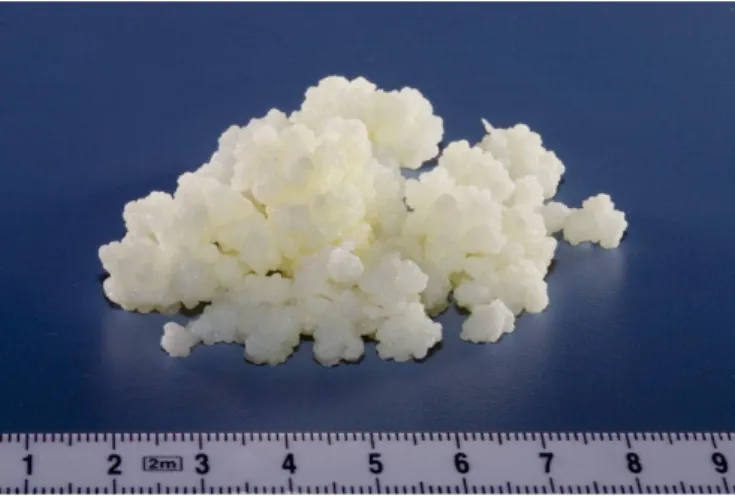
Figure 5- Kefir grains (Kniesel 2017) ... 12
Figure 6- Respiration (left) and fermentation (right) pathways of yeast (Walker 1998) ... 13
Figure 7- Cluster analysis plot for LAB, based on VOCs concentration ... 25
Figure 8- Principal component analysis bi-plot obtained for LAB, based on VOCs and growth parameters (PC-1 (83%) vs PC-2 (10%)) ... 27
Figure 9- Principal component analysis plot obtained for LAB metabolism (PC-1 (83%) vs. PC-2 (10%)) ... 27
Figure 10- Partial least squares regression plot obtained for LAB, based on VOCs and sensory analysis (Factor-1 (85%,1%) vs Factor-2 (10%,1%) ... 29
Figure 11- Cluster analysis plot for non-conventional yeast, based on VOCs concentration ... 31
Figure 12- Principal component analysis plot obtained for non-conventional yeast, based on VOCs and growth parameters (PC-1 (63%) vs PC-2 (31%)) ... 33
Figure 13- Partial least squares regression plot obtained for non-conventional yeast, based on VOCs and sensory analysis (Factor-1 (40%,11%) vs Factor-2 (54%,5%) ... 35
Figure 14- CO2 release plot for non-conventional yeast candidates in HFGW ... 39
Figure 15- CO2 release plot for non-conventional yeast candidates in MW ... 40 List of Figures in Annexes :
Figure F.1. 1- Principal component analysis plot obtained for LAB, based on VOCs and growth parameters (PC-3 (3%) vs PC-4 (1%)). ... XXI Figure F.1. 2- Principal component analysis 3D-plot obtained for LAB, based on VOCs and growth parameters (PC-1 (83%) vs PC-3 (3%) vs PC-4(1%)) ... XXI Figure F.2. 1- Principal component analysis plot obtained for non-conventional yeast, based on VOCs and growth parameters (PC-3 (3%) vs PC-4 (2%)). ... XXII Figure F.2. 2- Principal component analysis plot obtained for non-conventional yeast, based on VOCs and growth parameters (PC-4 (2%) vs PC-5 (1%)). ... XXII Figure F.2. 1- Principal component analysis plot obtained for non-conventional yeast, based on VOCs and growth parameters (PC-3 (3%) vs PC-4 (2%)). ... XXII Figure F.2. 2- Principal component analysis plot obtained for non-conventional yeast, based on VOCs and growth parameters (PC-4 (2%) vs PC-5 (1%)). ... XXII
List of Tables
Table 1- LAB families and respective genus ... 4
Table 2- Common aroma active compounds produced by LAB fermentation ... 11
Table 3- Common aroma active compounds produced by non-conventional yeasts fermentation ... 14
Table 4- Chemical composition of the high fan glucose wort ... 17
Table 5- Code and taxonomic name of the LAB tested ... 18
Table 6- Code and taxonomic name of the non-conventional yeasts tested ... 20
Table 7- Volatile compounds screened in all samples ... 22
Table 8- LAB candidates selected from the sensory analysis ... 36
Table 9- Non-conventional yeasts candidates selected from the sensory analysis ... 38
List of Tables in Annexes:
Table D. 1- Aroma evaluation table ... IV Table D. 2- Taste evaluation table ... V Table E.1. 1- Volatile organic compounds data for LAB (part I) ... VI Table E.1. 2- Volatile organic compounds data for LAB (part II) ... VII Table E.1. 3- Volatile organic compounds data for non-conventional yeast ... VIII Table E.2. 1- Sensory analysis data for LAB (part I) ... IX Table E.2. 2- Sensory analysis data for LAB (part II) ... X Table E.2. 3- Sensory analysis data for LAB (part III) ... XI Table E.2. 4- Sensory analysis data for LAB (part IV) ... XII Table E.2. 5- Sensory analysis data for LAB (part V) ... XIII Table E.2. 6- Sensory analysis data for non-conventional yeasts ... XIV Table E.3. 1- Growth parameters data for LAB (part I) ... XV Table E.3. 2- Growth parameters data for LAB (part II) ... XVI Table E.3. 3- Growth parameters data for LAB (part III) ... XVII Table E.3. 4- Growth parameters data for LAB (part IV) ... XVIII Table E.3. 5- Growth parameters data for LAB (part V) ... XIX Table E.3. 6- Growth parameters data for LAB (part VI) ... XX Table E.3. 7- Growth parameters data for non-conventional yeast ... XXI Table G. 1- Growth parameters data for LAB candidates ... XXIV Table G. 2- Growth parameters data for non-conventional yeast candidates ... XXIV
List of Abbreviations
ABV: Alcohol by Volume AFB: Alcohol Free Beer ATP: Adenosine Tri-Phosphate CA: Cluster Analysis
DoE: Design of Experiments
Fr.: Fructobacillus
GC: Gas Chromatography GM17: Glucose Media 17
GRAS: Generally Recognized as Safe HFGW: High Fan Glucose Wort LA: Low-Alcoholic
LAB: Lactic Acid Bacteria
Lb.: Lactobacillus Lc.: Lactococcus Leuc: Leuconostoc
MR: Multiple Regression MRS: Man, Rogosa and Sharpe MVA: Multi-Variate Analysis MW: Maltose Wort
OD: Optical Density
P.: Pediococcus
PC: Principal Component
PCA: Principal Components Analysis PLS: Partial Least Squares
QPS: Qualified Presumption of Safety ssp: subspecies
Strep.: Streptococcus
T0: Time 0 h after inoculation
T24: Time 24 h after inoculation
T7days: Time 7 days after inoculation
VOC: Volatile Organic Compound YPD: Yeast Extract Peptone Dextrose
1. Introduction
The Carlsberg group was founded in 1847 by Jacob Christian Jacobsen and, some years later, in 1875, he also founded the Carlsberg Laboratory driven by the need of understanding the beer chemistry and the physiology of the organisms involved. In 1979, the brewery was moved to Frederica (centre of Denmark), leaving the laboratory and all business offices in Copenhagen.
J. C. Jacobsen spent his whole life trying to get the latest knowledge available, attending many lectures during his youth that allowed him to realize how scientific research is important to increase the product quality and the industrial productivity. A few years later, he visited many brewing colleges in Europe in order to share his knowledge and experience; and, at the same time, to bring new ideas and insights back to Carlsberg.
Since the Laboratory was established, the research major goal has been the development of beer as close to perfection as possible, providing a brewing model in Denmark and for the rest of the World. Based on these principles, the Carlsberg Laboratory has been presenting innovative and pioneering results, and revolutionised modern brewing. Some of the most important scientific highlights coming from Carlsberg Laboratory are: creation of the first method for culturing pure yeasts (Emil Christian Hansen, 1883), development of a method for quantifying nitrogen in organic compounds and raw materials called Kjeldahl method (Johan Kjeldahl, 1883), introduction of the pH concept for measuring the level of acidity or alkalinity of a solution and development of its scale (Søren Sørensen, 1909), discovery of sexual reproduction by yeast cells and first genetic manipulation of this microorganism (Øjvind Winge, 1935),
discovery of the enzyme subtilisin as responsible for degradation of egg albumin (Martin Ottesen, 1970) and, more recently, discovery of new barley sorts able to convey to beer an increased freshness sensation, a longer shelf life and a better head (superficial foam on top of beer) stability (Birgitte Skadhauge, 2000’s) (Carlsberg Foundation 2016; Carlsberg Group 2016; Skadhauge, Haldrup, and Olsen 2016).
Nowadays, the renamed Carlsberg Research Laboratory is working towards development of new opportunities in terms of brewing and biotechnology, with its research divided in four areas: brewing science and technology, yeast and fermentation, raw materials and new ingredients (Carlsberg Foundation 2016). The current project was developed in the Yeast and Fermentation Department.
2. State of Art
A bibliographic review of the main topics supporting the goals of the project is presented in this chapter, starting with a general overview about non-to-low alcoholic beer and its manufacture processes. A characterization of LAB ensues, from the taxonomy of the bacteria screened in this project to their growth and metabolism, as well as flavour characteristics. At the end, a similar description is presented for non-conventional yeasts that can positively contribute to non-to-low alcoholic wort beverages.
2.1. Non-to-low alcoholic beer
Non-to-low alcoholic beers are getting more and more popular in recent years. In the majority of the European countries, low alcohol content beers are divided between alcohol-free beers (AFBs) with ≤0.5% alcohol by volume (ABV) and low-alcoholic (LA) beers with a maximum of 1.2% ABV (Michel et al. 2016). In the United States of America, there are stricter rules, so AFBs do not have any alcohol present in their composition and the upper limit for LA beers is 0.5% ABV. In contrast, in the countries where drinking of alcoholic beverages is prohibited by religion, LA beers in general must not exceed 0.05% ABV (Brányik et al. 2012).
2.1.1. Background
The creation of non-to-low alcoholic beers can be justified by several historical reasons in the past century. During both the 1st and the 2nd World Wars (1914-1918 and 1939-1945), the production of beers with non-alcoholic content arose due to the lack of raw materials (water, barley, hops and yeast) necessary to produce standard beer. However, even during peace time (1919-1933), the production process of this type of beers was developed because in the USA authorities did not allow manufacture, sale and consumption of alcohol. Late in the 20th century, after both wars, the production of AFBs was expanded due to different reasons, such as to provide alternatives to beer consumers during activities/conditions not compatible with alcohol consumption (driving, sports practicing, pregnancy, medication), but also to try to enter the market where one is not allowed to consume alcohol due to religious reasons (Brányik et al. 2012) .
Nowadays, apart from a number of incompatible activities and religious reasons, the market of non-alcoholic brews has widely expanded also due to health issues, because taking care of eating habits and personal weight are getting quite trendy topics. There are still many consumers that prioritize flavour over nutritional benefits; since many of the available non-alcoholic beverages present a poor flavour profile that is not accepted by them, production techniques of these type of beverages have been improved in order to adjust the flavour of non-alcoholic beverages to the characteristics of standard beers (Catarino and Mendes 2011).
2.1.2. Production processes
The methods to produce AFBs can be split in physical and biological processes, being included some specific strategies in each category (Figure 1). The physical methods are more related to removal of alcohol from regular beers, requiring some costly special equipment that, after optimisation, produce AFBs with trace alcohol levels. In terms of biological methods, many of them rely on modification of the normal brewing process, in order to limit the fermentation and have lower production of ethanol. Since some of these methods are performed during beer fermentation, there is no requirement of extra equipment or investment, only an accurate and controlled process, as well as a careful selection and propagation of the microorganism(s) involved. However, when following continuous fermentation, it is also based on limited alcohol formation, but requires some special equipment such as continuously operating bioreactors or carriers for cell immobilization, being also profitable due to the high productivity attained. Another possibility, also related to fermentation but not with the microorganisms, is taking a part of the mashing product obtained during the brewing process, heating it up and then putting it back with the rest of the mixture; this allows inactivation of some enzymes, which prevents buildup of normal concentrations of fermentable sugars, that is later reflected in lower ethanol production during fermentation (Brányik et al. 2012; Bamforth 2009; Preedy 2009).
As mentioned before, many consumers complain about the lack of beer flavour in non- or low-alcoholic beers. To solve this problem, the biological methods are claimed as advantageous because they avoid the unwanted extraction of flavour compounds, a common problem when ethanol extraction is performed after fermentation (physical processes) (Basso, Alcarde, and Portugal 2016).
Figure 1- Most common production methods of alcohol-free beer (Brányik et al. 2012)
2.2. Lactic acid bacteria
LAB are characterized as gram-positive bacteria, non-sporulating, aerotolerant, catalase-negative; in terms of morphology, they can be categorized as cocci or bacilli. In general, LAB are considered beneficial for health, but some genera include species identified as human or animal pathogens (Lahtinen et al. 2012).
In terms of brewing, LAB are well known as the main spoilage agent, having some studies showed that can be responsible for 60% to 70% of all cases of beer spoilage (Garofalo et al. 2015). However, the brewing industry has been improving and applying a number of inventions, including the use of LAB as a player to improve wort characteristics, as well as aroma profiles and flavour stability (Lowe and Arendt 2004). Some well-known beers as German Berliner Weisse and several Belgian styles are made with a mixture of yeast and LAB, resulting in a tasty and characteristic final product (Vriesekoop et al. 2012).
2.2.1. Taxonomy
The basis of LAB classification was published by Sigurg Orla-Jensen in 1919 (Orla-Jensen 1919), and the four genera recognized at that time were Lactobacillus, Leuconostoc, Pediococcus and Streptococcus. The criteria used at that time for classification of LAB included cellular morphology, glucose fermentation, ranges of growth temperature and patterns of sugar consumption. As time passed by, more advanced tools have been used, with a special focus on molecular biology methods that allow a more accurate classification. In this way, LAB are now known to belong to the phylum Firmicutes, class Bacilli and order Lactobacillales; in Table 1, it is possible to observe the existing LAB families and the corresponding genera (Lahtinen et al. 2012).
Table 1- LAB families and respective genus
Family Genera Aerococcaceae Aerococcus Carnobacteriaceae Carnobacterium Enterococcaceae Enterococcus Tetrageonococcus Vagococcus Lactobacillaceae Lactobacillus Pediococcus Leuconostocaecae Leuconostoc Oenococcus Weissella Streptococcaceae Lactococcus Streptococcus
From the four genera originally described in 1919, it is now possible to observe that are more genera included in the different LAB families. For this project, the four main LAB genera tested were Lactobacillus, Pediococcus, Leuconostoc and Lactococcus, so a brief description of them will be presented below.
2.2.1.1. Lactobacillus
Bacteria from the genus Lactobacillus can be found in many different microbial-heavy host habitats (i.e. human mucosa surfaces), dairy environments rich in nutrients or natural ecological niches as plants and soil. The wide range of conditions where this genus can live is reflected on its diversity because it comprises over a hundred different species. Some of the most well characterized and relevant species, both scientifically and industrially, are Lb. acidophilus, Lb. casei, Lb. delbrueckii ssp. bulgaricus, Lb. plantarum, Lb. rhamnosus, and Lb. salivarius (Lahtinen et al. 2012). In terms of food industry applications, the genus Lactobacillus is often used in bread, cheese, cured ham, soy sauce, yogurt and wine (Vuyst and Vandamme 1994).
2.2.1.2. Pediococcus
During many decades, only five species were considered the taxonomic core of this LAB genus, i.e. P. damnosus, P. acidilactici, P. pentosaceus (including the subspecies pentosaceus and intermedius), P. parvulus and P. inopinatus. However, seven more species have been added to this genus in recent years, encompassing also P. claussenii, P. cellicola, P. stilesii, P. ethanolidurans, P. siamensis, P. argentinicus and P. lolii. In general, these species can be found in raw or processed foods, and in the intestinal tract of animals and humans (Batt and Tortorello 2014; Lahtinen et al. 2012).
This bacteria genus has many applications in the food industry due to its recognized capacities as a probiotic (live microorganisms that confer health benefits to the host when administered in adequate amounts); for example, they stimulate gut microbiota balance due to their resistance to low pH and to bile salts present in the intestinal tract. Usually, Pediococcus species can be used for example, in milk, bread, sausages and pork meat (Porto et al. 2017) .
2.2.1.3. Leuconostoc
There are many species included in the Leuconostoc bacteria genera, such as Leuc. carnosum, Leuc. citreum, Leuc. fallax, Leuc. gasicomitatum, Leuc. gelidum, Leuc. holzapfelii, Leuc. inhae, Leuc. kimchi, Leuc. lactis, Leuc. mesenteroides, Leuc. palmae, Leuc. garlicum and Leuc. pseudomesenteroides. The natural habitats for these bacteria are vegetables, fruit and animal products as meat, fish and milk (and its derivatives), not being spontaneously present in healthy warm-blooded animals, including humans (Batt and Tortorello 2014; Lahtinen et al. 2012). The species Leuc. carnosum, Leuc. gasicomitatum and Leuc. gelidum are often associated with food spoilage, but they can also contribute positively to fermented foodstuff (sauerkraut, pickles, processed meat, etc.), dairy products and play an important role in functional food (Hemme and Foucaud-Scheunemann 2004).
2.2.1.4. Lactococcus
Bacteria from the genus Lactococcus comprise seven different species: Lc. lactis (including the subspecies cremoris, lactis, and hordniae), Lc. garvieae, Lc. piscium, Lc. plantarum, Lc. raffinolactis, Lc. chungangensis and Lc. fujiensis. The typical ecological niches of Lactococci are vegetables, milk (or other animal sources as, for example, human gut), but they can also be found in the foam of activated
sludge, in forage or in fish (Lahtinen et al. 2012). This is a LAB genus widely used in the food industry, being applied for example in the production of butter, cheese, sour cream (Vuyst and Vandamme 1994).
2.2.2. Growth and metabolism
LAB do not possess a functional respiratory system, so they need to obtain energy through substrate phosphorylation. As shown in Figure 2, there are two basic fermentative pathways: homofermentation, which is based on glycolysis (Embden-Meyerhof-Parnas pathway), resulting only in lactic acid production, and heterofermentation (pentose phosphate pathway, hexose monophosphate shunt or 6-phospho-gliconate pathway), that (besides lactic acid) also produces considerably amounts of CO2 and
ethanol or acetate, requiring the presence of hexoses in the media as starter sugars. If the hexose that enter the pathways is other than glucose (mannose, galactose, fructose), different isomerization and phosphorylation steps are taken. In terms of pentose fermentation, they can only be fermented heterofermentatively by entering the pathway as either ribulose-5-phosphate or xylulose-5-phosphate, without CO2 production. In terms of energy yield, the homolactic fermentation produces 2 moles of
adenosine triphosphate (ATP) per mole of glucose consumed, but the heterolactic fermentation only results in 2 moles of ATP if acetate is produced because the production of ethanol only generates 1 mole of ATP.
Bacteria form the genus Lactobacillus can be divided in three groups: obligately homofermentative (i.e. Lb. acidophilus, Lb. delbrueckii, Lb. salivarius), facultatively heterofermentative (i.e. Lb. casei, Lb. curvatus, Lb. plantarum, Lb. sakei) or obligately heterofermentative (i.e. Lb. brevis, Lb. buchneri, Lb. fermentum, Lb. reuteri), respectively. The other three main genera used in this project do not present fermentation groups, being Lactococcus and Pediococcus characterized as homofermentative and Leuconostoc characterized as obligately heterofermentative, which may change due to medium conditions (Lahtinen et al. 2012; Priest and Campbell 1996).
Figure 2- Homofermentative and heterofermentative pathways of LAB (Reis et al. 2012)
*Homofermentative: 1. glucokinase, 2. fructose-1,6-diphosphate aldolase, 3. glyceraldehyde-3-phosphate dehydrogenase, 4. pyruvate kinase, 5.
lactate dehydrogenase;
Heterofermentative: 1. glucokinase, 2. glucose-6-phosphate dehydrogenase, 3. 6-phosphogluconate dehydrogenase; 4. phosphoketolase; 5.
glycer-aldehyde-3-phosphate dehydrogenase; 6. pyruvate kinase; 7. lactate dehydrogenase; 8. acetaldehyde dehydrogenase; 9. alcohol dehydrogenase;
2.2.2.1. Alternative pathways
In Figure 2 is possible to observe that pyruvate occupies a central role in both pathways (homo- and heterofermentative), being responsible for acceptance of electrons in order to obtain lactic acid and keep the oxidation-reduction balance in the cell. However, there are alternative pathways for the pyruvate, depending on the LAB strain selected and on particular growth conditions, that result in the formation of uncommon fermentation products such as diacetyl, acetoin, 2,3-butanediol and acetaldehyde (Figure 3). In the case of diacetyl, it can contribute positively to some dairy products (butter, cottage cheese, etc), but in products like fermented sausages, wine and beer it is usually considered unpleasant (Hugenholtz 1993).
Figure 3- Pathways for the alternative fates of pyruvate (Lahtinen et al. 2012).
*1. diacetyl synthase, 2. acetolactate synthase, 3. pyruvate–formate lyase, 4. pyruvate dehydrogenase, 5. pyruvate oxidase, 6. acetate kinase; dashed arrow represents a non-enzymatic reaction
2.2.2.2. Impact of media characteristics
Beer is usually recognized as a beverage with a good microbiological stability, being that mainly caused by the conditions settled in terms of oxygen level, pH, temperature or substrate composition that avoid presence of spoiled LAB (Suzuki et al. 2006).
Oxygen is an important factor during LAB fermentation because it can affect the metabolism of pyruvate and lactate, being necessary its presence for an effective fermentation process. As mentioned before, bacteria from the genus Leuconostoc are heterofermentative; some studies proved that they produce more acetate and less ethanol during aerobic growth (presence of oxygen), without affecting
production of lactate, which is a quite important point for the production of low-to-no alcoholic beverages using this bacteria genus (Condon 1987) .
It has been described that for the fermentation of some LAB strains, when pH is adjusted within the range 5.0-6.5 and temperature is settled between 30 ºC and 37 ºC, there is an increase on the ratio of lactic acid produced, being possible to observe a tendency to just follow the homolactic pathway (Hofvendahl, Van Niel, and Hahn-Hägerdal 1999).
In terms of substrate composition, the four main ingredients of wort are water, hops, malted barley and adjuncts. The malted barley, often called just “malt” is main source of starch, providing also enzymes to break down the starch into fermentable sugars (Barth 2013). In general, the sugar concentration in the fermentation media also affects LAB fermentation because, for example, when the glucose concentration is limited, some strains as Lc. lactis (that usually is homofermentative) turn heterofermentative, thus resulting in a so-called mixed-acid fermentation. Some other similar cases are reported in the literature, being also stated that once the glucose level turns back to non-limiting values, bacteria return to the homofermentative pathway (Liu 2003). The presence of hops in the wort composition is another factor that limits the growth and fermentation of LAB, due to their inability to survive in the presence of this bitter flavour inductor. Nowadays, there are already some LAB strains showing hop resistance due to appearance of the genes horA and horC, but a few number of (spoilage) strains have these genes; hence, for a successful fermentation of the LAB, the wort used should be unhoped (Suzuki et al. 2006).
2.2.3. Flavour
In terms of nose and mouth sense, the terms aroma, taste and flavour are often used, sometimes even as synonymous. However, according to the experts on this topic, aroma is related with the odours perceived by the nose, taste corresponds to the sense during mouth passage of the product and flavour describes the overall sensation of aroma and taste together. In the case of food, the consistency (tactile sensation) is also included in the flavour description, but in beverages it does not make sense to be considered (Rothe 1988).
In food fermentation processes, flavours use to be caused by the accumulation of volatile and non-volatile aroma compounds, as well as other compounds related to taste (bitterness, umami, sweetness, sourness, and saltiness). In terms of aroma compounds, the volatile compounds are divided in different chemical classes such as alcohols, aldehydes, ketones, esters, phenolic compounds, organic acids and terpenes, being their precursors provided by the three main food elements: proteins, carbohydrates and lipids. Generally, the conversion of the precursors in aroma components is not carried out by a single enzyme, but through a functional metabolic pathway (Figure 4). Regarding taste compounds, these can also be divided in different chemical classes, such as aminoacids (responsible for sweetness and umami), oligopeptides (related with bitterness) or simple organic acids (sourness taste) (Smid and Kleerebezem 2014).
Figure 4- Functional metabolic pathways for the generation of aroma compounds from existing precursors, during lactic acid
fermentation of malt wort (Nsogning Dongmo et al. 2016).
*PKP, phosphoketolase pathways; EMPP, Embden-Meyerhof-Parnas pathways; TCA, tricarboxylic acid cycle; PC, pyruvate carboxylase; CS, citrate synthase; SCS, succinyl-CoA synthase; SDH, succinate dehydrogenase; FA, fumarase; MDH, malate dehydrogenase; OAD, oxaloacetate decarboxylase; PO, pyruvate oxidase; PFL, pyruvate formate lyase; ALS, acetolactate synthase; LDH, lactate dehydrogenase; PTA, phosphate acetyltransferase; ALDH, acetaldehyde dehydrogenase; ALDC, acetolactate decarboxylase; PDC, pyruvate decarboxylase; AK, acetate kinase; AAT, alcohol acyltransferase; DR, diacetyl reductase; DS, diacetyl synthase; BDH, 2,3-butanediol dehydrogenase; MLF, malolactic fermentation; AT, aminotransferases; DC, decarboxylase; DH; dehydrogenase; H, hydrogenase; TA, threonine aldolase; OX, oxidation; KMBA, 2-oxo-4-methylthiobutyric acid; CR, chemical reaction; LP, lipase; FAD, fatty acid desaturase; BOX, b-oxidation; HPL, hydroperoxide lyase; KADC, b-ketoacyldecarboxylase; R, reductase; ES, esterase; GS, glycosylation; DO, dioxygenase; BGs, b-glucosidase; ACR, acidic chemical reaction; PADs, phenolic acid decarboxylases; PARs, phenolic acid reductases: in bold are major aroma compounds.
In Table 2 are presented some of the main aroma active compounds and their typical odours detected in cereal based beverages (Nsogning Dongmo et al. 2016) and in other cereal related products (Pico, Bernal, and Gómez 2015), fermented by LAB.
Until a few years ago, there were no literature data about the key aroma compounds of cereal beverages fermented by LAB. However, some recent studies identified β-damascenone, furaneol, phenylacetic acid, 2-phenylethanol, 4-vinylguaiacol, sotolon, methional, vanillin, acetic acid, nor-furaneol, guaiacol and ethyl 2-methylbutanoate as the twelve key aroma compounds that present a major contribution to the flavour profile of malt wort beverages fermented with LAB; it was also stated that acetaldehyde has a great importance on the aroma profile. Among all these compounds, the ones considered more appealing and with high acceptance by the consumers are β-damascenone, acetaldehyde, furaneol, phenylacetic acid and ethyl 2-methylbutanoate; however, further studies about exclusion and recombination of aromas can help realize the real contribution of each key compound to the final flavour, probably being also interesting to develop some studies about their synergistic effect (Nsogning Dongmo et al. 2017).
Table 2- Common aroma active compounds produced by LAB fermentation
Compounds class Compound Aroma descriptor
Alcohols
Ethanol Alcohol (1)
Isobutanol Malty, wine (1) 2-Ethoxyethanol Sweet, ether (1)
Propanol Alcohol, pungent (1) Isoamyl alcohol Malty, balsamic, alcoholic (2)
Aldehydes Acetaldehyde Fresh, green (1)
Ketones
Acetone Ether, grape (1) β-Damascenone Baked apple (1)
2-Pentanone Pungent, fish like (1)
Diacetyl Butter (1)
Esters
Ethyl 2-methylbutanoate Fruity (1) Isobutyl acetate Fruity, floral (2) Isoamyl acetate Banana (2)
Ethyl caproate Fruity (2) Ethyl caprylate Sweet, fresh, fruity (2)
Ethyl acetate Fruity (1) 2-Phenylethyl acetate Rose (2)
Phenolic compounds
2-Phenylethanol Rose (1) 4-Vinylguaiacol Clove (1) Phenylacetic acid Honey (2)
Guaiacol Smoky (1)
Vanillin Vanilla, sweet (1)
Heterocyclic compounds
Furaneol Caramel (1)
Sotolon Seasoning-like (1) Nor-furaneol Caramel (1)
Organic acids
Formic acid Pungent (1)
Acetic acid Sour (1)
Lactic acid Sour (1)
Hexanoic acid (caproic acid) Sweaty (1) Octanoic acid (caprylic acid) Sweaty (1)
Decanoic acid (capric acid) Rancid, fatty (2) Sulfurous compounds Methional Boiled/cooked potatoes (2)
Terpenes Linalool Flowery
(1)
Limonene Citrus (2)
2.3. Non-conventional yeasts
Non-conventional yeasts are usually undomesticated strains, performing spontaneous fermentation, but there is a growing interest in isolating and characterising them for development of starter cultures that increase flavour diversity in different type of beverages, including beer. They usually exhibit low fermentation yields, and are more sensitive to ethanol stress than Saccharomyces cerevisiae strains. However, non-conventional yeast have a good control of microbial spoilage and can provide a characteristic aroma and taste, thus resulting in new variations and styles of beer (Varela 2016; Steensels and Verstrepen 2014).
2.3.1. Overview
Some of the most popular examples of non-conventional yeasts that show brewing and non-alcoholic beer production potential are Brettanomyces anomalus, Brettanomyces bruxellensis, Candida tropicalis, Saccharomycodes ludwigii, Torulaspora delbrueckii, Pichia kluyveri or Zygosaccharomyces rouxii (Michel et al. 2016). However, since this project is focused on non-to-low alcoholic beverages with a unique flavour profile, the selection of the non-conventional yeasts was based on previous in-house experimental tests that showed some interesting results. In this way, the group of yeasts selected include some strains isolated from kefir grains (Saccharomyces kefir, Saccharomyces unisporus and Kluyveromyces marxianus), a small group of confidential yeasts and strains of the species Galactomyces geotrichum, Kazachstania gamospora and Hanseniaspora guilliermondii.
The kefir grains consist on a complex microbial symbiotic mixture of lactic acid bacteria (Lactobacillus, Lactococcus, Leuconostoc, and Streptococcus spp.), acetic acid bacteria (Acetobacter) and yeasts (Kluyveromyces, Saccharomyces and Torula) involved in a polysaccharide-protein matrix (Figure 5), being the species Saccharomyces kefir, Saccharomyces unisporus and Kluyveromyces marxianus frequently found in this mixture (Piermaria, de la Canal, and Abraham 2008).
Figure 5- Kefir grains (Kniesel 2017)
The species Galactomyces geotrichum does not have a defined isolation source, but Kazachstania gamospora and Hanseniaspora guilliermondii can be find on soil and in fruits, respectively (Gamero et al. 2016). Galactomyces geotrichum is used in food fermentation, but in the last years, it has been
extensively described in the literature as being very efficient in the removal/cleaning of azo dyes (major class of synthetic colorants) in the textile industry. This species is described as an excellent alternative to the several physicochemical methods developed in the last few decades, since they produce a lot of toxic sludge (aromatic amines) and secondary waste products that are not environmental recommended (Govindwar et al. 2014; Waghmode et al. 2012; Waghmode, Kurade, and Govindwar 2011). In the field of the cereal based products, the species Kazachstania gamospora was quite recently described as a good contributor in the bakery field, showing better overall results that typical baker’s yeast (Saccharomyces cerevisiae) (Zhou et al. 2017). The species Hanseniaspora guilliermondii is commonly used in wine fermentation due to many pleasant characteristics that it provides to the final product (Moreira et al. 2011; Zironi et al. 1993).
2.3.2. Growth and metabolism
In general, yeast can obtain energy from sugars through respiration or (alcoholic) fermentation (Figure 6). Respiration is usually performed in the presence of abundant amounts of oxygen and results in a high yield of ATP, being possible for S. cerevisiae to obtain 38 ATPs per glucose molecule. However, when the oxygen conditions are limited, fermentation is performed and usually only results in 2 ATPs per glucose molecule, having the advantage of not requiring oxygen (Pfeiffer and Morley 2014).
Figure 6- Respiration (left) and fermentation (right) pathways of yeast (Walker 1998)
In the presence of oxygen, a few types of yeast as S. cerevisiae tend to perform fermentation instead of respiration when glucose concentrations are sufficiently high, even with a so discrepant difference in terms of energy yield. This is called the Crabtree effect, and the yeasts that display it are named Crabtree-positive. However, when respiration is exclusively used it is called the Pasteur Effect, and it happens due to an end product of the aerobic glucose utilization that inhibits one of the main enzymes involved in the
fermentation process. These yeasts that exclusively use respiration can be also called Crabtree-negative (De Deken 1966).
The Crabtree effect is considered successful and a good advantage because, besides the low production of cell-biomass, there is production of ethanol that is considered an excellent tool to compete with other microorganisms - thus avoiding contaminations and allowing an exponential yeast growth (Hagman et al. 2013).
2.3.3. Flavour
The demand for niche products with distinctive aroma profiles has led to a strong interest on non-conventional yeasts, due to the capacity of many of them to produce unique aroma compounds that might be perceived as desirable in particular fermented products. In Table 3 are presented some of the main aroma active compounds produced by yeast and their typical odours detected in cereal-based products fermented by non-conventional yeast (Aslankoohi et al. 2016; Pozo-Bayón, Guichard, and Cayot 2006).
Table 3- Common aroma active compounds produced by non-conventional yeasts fermentation
Compounds class Compound Aroma descriptor
Alcohols
Dihydromyrcenol Citrus (1) Isobutanol Glue, alcohol (1) 1-Vinylhexanol Mushroom (1)
Propanol Alcohol strong (2)
Isoamyl alcohol Whiskey, malt, alcohol (1)
Aldehydes
Acetaldehyde Fresh, grass (2)
Decanal Soap, orange peel (1)
Safranal Herb, sweet (1)
Phenylacetaldehyde Honey, sweet (1)
Benzaldehyde Almond (1)
Ketones
Isophorone Peppermint (1)
2-Nonanone Fruit, flower (1)
Sulcatone Green, citrus (1)
2-Heptanone Soap, fruit, cinnamon (1)
Ester
Isobutyl acetate Fruity (2)
Ethyl decanoate Grape, fruit (1)
Isoamyl acetate Banana (1)
Ethyl acetate Fruity (2)
Ethyl caprylate Fruit, sweet, soap, fat (1)
Ethyl caproate Fruity, sweet (2)
2-Phenylethyl acetate Rose, honey, flower (1)
Phenolic compounds 2-Phenylethanol Honey, rose, flower
(1)
Heterocyclic compounds
2-Pentyl furan Fruit, flower (1)
2-Furanmethanol Burnt, warm oil (1)
Furfural Bread, almond, sweet (1)
Organic acids
Hexanoic acid (caproic acid) Sweaty (2)
Octanoic acid (caprylic acid) Sweat, fruit-acid, soap (1)
Nonanoic acid Green, fat Decanoic acid (capric acid) Soapy (2)
Terpenes
Caryophyllene-E Wood, spice (1)
Linalool Flowers, fresh (2)
Limonene Citrus, lemon, mint (1)
(1) (Aslankoohi et al. 2016), (2) (Pozo-Bayón, Guichard, and Cayot 2006)
2.4. Aims of the project
Besides what is described in the literature and presented previously, there is still a scarce knowledge about the use of LAB and some non-conventional yeast for the production of non-to-low alcoholic beverages. Therefore, the main objective of this study was to evaluate the biodiversity of bacteria and yeast strains in terms of VOCs production during fermentation of cereal-based liquids, and how they can contribute to unique flavour profiles. More specifically, this study aimed at:
- Select bacterial strains of GRAS/QPS status (Generally Recognized as Safe/ Qualified Presumption of Safety, respectively) and non-conventional yeast strains that present high production of VOCs associated with a fresh and sour profile (without off-flavours), as well as low ethanol production when fermenting unhopped high fan glucose wort and maltose wort.
- Apply multivariate statistical analysis (CA, PCA and PLS regression) to explain possible correlations between bacteria/yeast strains growth and VOCs profiles, with regard to the sensory evaluation.
3. Material and Methods
3.1. Media
During this project, bacteria were inoculated in de Man, Rogosa and Sharpe (MRS) medium (de Man, Rogosa, and Sharpe 1960) or Glucose M17 (GM17) medium (Terzaghi and Sandine 1975), depending on the specifications of the strain; the non-conventional yeasts tested were inoculated in yeast extract peptone dextrose (YEPD or YPD) medium.
For the fermentations of all LAB and non-conventional yeasts, the media used was high fan glucose wort (HFGW). After running these fermentations, the best candidates in terms of aroma profile were also inoculated in maltose wort (MW).
3.1.1. MRS medium
The MRS media used was supplied by Oxoid (Oxoid Ltd. 2017) and the solution was prepared following the proportions of 52 g of MRS broth in 1 L of deionised (DI) water at approximately 60 ºC. After mixing the solution until it was completely dissolved, it was autoclaved at 121 ºC during 15 min to make it sterile.
3.1.2. GM17 medium
The GM17 media used was also supplied by Oxoid (Oxoid Ltd. 2017), and the solution was prepared by mixing 48.25 g of GM17 broth in 950 mL of DI water that was then slightly boiled. To make it sterile, it was autoclaved at 121 ºC during 15 min. Once it cooled down and reached 50 ºC, 50 mL of sterile glucose solution (0.5% w/v) was added.
3.1.3. YPD medium
The YPD media used was obtained by mixing bacto yeast extract (1% w/v, 10 g/L) and bacto peptone (2% w/v, 20 g/L), both from Becton, Dickinson and Company (Becton, Dickinson and Company 2017), with agar (2% w/v, 20 g/L) from PanReac AppliChem (PanReac AppliChem 2017) and glucose-monohydrate (2% w/v, 0,22 g/mL) from Merck Millipore (Merck Millipore 2017). After mixing all these ingredients with DI water, the final product was autoclaved at 121 ºC during 15 minutes.
3.1.4. High fan glucose wort
The initial wort was HFGW 14.5 ºP, produced at the Brewing Pilot Plant at Carlsberg Research Laboratory and stored in barrels at 10 ºC.This wort was unhoped, enriched with some aminoacids and glucose was the major sugar. To ensure a consistent quality of the wort, some enzymatic solutions as Ultraflo Max (0,1 g/kg) , Attenuzyme Pro (1 g/kg), AMG 300 L BrewQ (6 g/kg) and Neutrase 0.8 L BrewQ (2 g/kg) were added, all supplied by Novozymes (Novozymes 2017). In order to avoid possible contaminations, after extraction from the barrel (Annex A: Tapping wort out from a barrel), all the wort used was centrifuged in 1L bottle assemblies during 40 min, at 5000 rpm on a Avanti J-26S XPI centrifuge from Beckman Coulter (Beckman Coulter 2017), and filtered under sterile conditions (Annex B: Sterile filtration of wort) using a Pellicon3 Cassette Holders (XX42PMINI) filter from Merck
Millipore (Merck Millipore 2017), supported by a MCP-Z Process pump from Ismatec (Ismatec 2017). Its final composition is presented on Table 4.
Table 4- Chemical composition of the high fan glucose wort
Aminoacids Concentration (mg/L) Sugars Concentration (g/L) Minerals Concentration (mg/L)
Leucine 206.00 Glucose 104.20 Phosphate 977.60
Phenylalanine 170.00 Maltose 4.90 Potassium 648.00
Valine 161.00 Sucrose 3.10 Phosphorus 437.10
Arginine 159.00 Fructose 2.20 Chloride 314.40
Glutamic acid 145.00 Maltotriose 2.00 Magnesium 91.00
Alanine 134.00 TOTAL 116.40 Sulphate 47.70
Tyrosine 133.00 Calcium 38.22
Lysine 102.00 Free oxalic acid 34.80
Serine 92.00 Silica 32.58
Isoleucine 88.00 Sodium 30.80
Aspartic acid 88.00 Nitrate 2.40
Threonine 85.00 Zinc 0.38 Histidine 64.00 Iron 0.29 Methionine 52.00 Manganese 0.07 Glycine 48.00 Copper 0.06 TOTAL 1727.00 Aluminium 0.004 TOTAL 2655.404
Due to previous optimization studies, all the wort used in the performed fermentations was adjusted to pH 6 and all strains were tested at 7 ºP, except a few of them that were also tested on 5 ºP. To adjust the Plato (ºP), the wort was mixed with autoclaved DI water in the appropriate proportion and it was measured using a Density Meter DMA 35N from Anton Paar (Anton Paar 2017). Usually, the pH of the HFGW 7 ºP was between 5.2 and 5.7 so some drops of potassium hydroxide (46%) were added to increase this value, being controlled by a Lab 850 pH meter from SI Analytics (SI Analytics 2017).
To guarantee that the wort was sterile, after pH and Plato adjustments, it was all passed through a 0.2 µm filter to sterile glass flasks, always close to the flame.
3.1.5. Maltose wort
The initial MW was at 15 ºP and it was obtained directly from the brewing kettle before addition of the hops (unhopped), at the Brewing Pilot Plant at Carlsberg Research Laboratory. It was composed of 70% pilsner malt and 30% barley, being also added 0.5 g/kg of calcium chloride. As mentioned before, to ensure a consistent quality of the wort, some enzymatic solutions as Ultraflo Max (0,15 g/kg) and Attenuzyme Pro (0.15 g/kg) were added, all supplied by Novozymes (Novozymes 2017). Since the MW
wort was quite dense - and even after centrifugation the pellet was not stable at the bottom of the bottle, it was not possible to filtrate it. In this way, to avoid contaminations, it was pasteurized in a 20 L water bath from GFL (GFL 2017), during 1h at 100 ºC.
As well as for the HFGW, the pH and the Plato of the MW used for the fermentations were adjusted to 6 and 7 ºP, respectively. However, since it was not possible to filter this wort, the adjustments in terms of pH and Plato were done inside of the flow bench to keep it sterile.
3.2. Microorganisms
In this project, both LAB and non-conventional yeasts were taken for wort fermentation during the experimental trials.
3.2.1. Lactic acid bacteria
The LAB strains used in this project were mainly obtained from Carlsberg Research Laboratory collection. The strains tested are all considered food-grade and the majority of them are from genera Lactococcus (Lc.), Lactobacillus (Lb.), Leuconostoc (Leuc.) or Pediococcus (P.); the genus Fructobacillus (Fr.) is a reclassification of the genus Leuconostoc (Endo and Okada 2008). Apart from these, one species from the Streptococcus (Strep.) genus was also tested. The number, the genus code and the corresponding taxonomic name of each strain are presented in Table 5.
Table 5- Code and taxonomic name of the LAB tested
Code Strain Code Strain Code Strain
Lc.1 Lc. lactis ssp. cremoris Lb.17 Lb. farraginis Lb.62 Lb. rhamnosus Lc.2 Lc. lactis ssp. lactis Lb.18 Lb. uvarum Lb.63 Lb. rhamnosus Lc.3 Lc. lactis ssp. lactis Lb.19 Lb. silagei Lb.64 Lb. casei ssp. casei Lc.4 Lc. lactis ssp. lactis Lb.20 Lb. oeni Lb.65 Lb. zeae Lc.5 Lc. lactis ssp. lactis Lb.21 Lb. zeae Lb.66 Lb. casei Lc.6 Lc. lactis ssp. lactis Lb.22 Lb. paracasei ssp. paracasei Lb.67 Lb. plantarum Lc.7 Lc. lactis ssp. lactis Lb.23 Lb. parakefiri Lb.68 Lb. rhamnosus Lc.8 Lc. lactis ssp. lactis Lb.24 Lb. gasseri Lb.69 Lb. plantarum Lc.9 Lc. lactis ssp. hordniae Lb.25 Lb. pentosus Lb.70 Lb. plantarum Lc.10 Lc. lactis ssp. lactis Lb.26 Lb. alimentarius Lb.71 Lb. harbinensis Lc.11 Lc. lactis ssp. lactis Lb.27 Lb. farciminis Lb.72 Lb. paracasei Lc.12 Lc. lactis ssp. lactis Lb.28 Lb. gallinarum Lb.73 Lb. rhamnosus Lc.13 Lc. lactis ssp. lactis Lb.29 Lb. hilgardii Lb.74 Lb. casei Lc.14 Lc. lactis ssp. lactis Lb.30 Lb. johnsonii Lb.75 Lb. paracasei Lc.15 Lc. lactis ssp. lactis Lb.31 Lb. pasteurii Lb.76 Lb. plantarum ssp. plantarum Lc.16 Lc. lactis ssp. lactis Lb.32 Lb. plantarum ssp. plantarum Lb.77 Lb. plantarum Lc.17 Lc. raffinolactis Lb.33 Lb. casei Lb.78 Lb. rhamnosus Lc.18 Lc. plantarum Lb.34 Lb. curvatus Lb.79 Lb. plantarum Lc.19 Lc. lactis ssp. tructae Lb.35 Lb. brevis Lb.80 Lb. plantarum ssp. plantarum Lc.20 Lc. fujiensis Lb.36 Lb. buchneri Lb.81 Lb. plantarum Lc.21 Lc. lactis ssp. lactis Lb.37 Lb. coryniformis ssp. coryniformis Lb.82 Lb. rossiae Lc.22 Lc. lactis ssp. lactis Lb.38 Lb. malefermentans Lb.83 Lb. paracasei
Lc.23 Lc. lactis Lb.39 Lb. delbrueckii ssp. sunkii Lb.84 Lb. plantarum Lc.24 Lc. lactis Lb.40 Lb. pentosus Lb.85 Lb. rhamnosus Lc.25 Lc. lactis ssp. lactis Lb.41 Lb. pentosus Lb.86 Lb. zeae Lc.26 Lc. lactis Lb.42 Lb. paraplantarum Lb.87 Lb. plantarum
Lc.27 Lc. lactis Lb.43 Lb. leichmannii Leuc.1 Leuc. mesenteroides ssp. cremoris Lc.28 Lc. lactis ssp. lactis Lb.44 Lb. paracasei Leuc.2 Leuc. citreum
Lc.29 Lc. lactis Lb.45 Lb. acidophilus Leuc.3 Leuc. fallax Lb.1 Lb. delbrueckii ssp. bulgaricus Lb.46 Lb. casei Leuc.4 Leuc. citreum Lb.2 Lb. delbrueckii ssp. delbrueckii Lb.47 Lb. fermentum Leuc.5 Leuc. citreum Lb.3 Lb. delbrueckii ssp. lactis Lb.48 Lb. gasseri Leuc.6 Leuc. mesenteroides ssp. dextranicum Lb.4 Lb. helveticus Lb.49 Lb. plantarum Leuc.7 Leuc. lactis Lb.5 Lb. dextrinicus Lb.50 Lb. rhamnosus Leuc.8 Leuc. palmae Lb.6 Lb. mali Lb.51 Lb. rhamnosus Leuc.9 Leuc. miyukkimchii Lb.7 Lb. acidophilus Lb.52 Lb. rhamnosus Leuc.10 Leuc. holzapfelii Lb.8 Lb. nagelii Lb.53 Lb. rhamnosus Leuc.11 Leuc. carnosum Lb.9 Lb. salivarius Lb.54 Lb. acidophilus Fr.12 Fr. durionis Lb.10 Lb. fermentum Lb.55 Lb. casei ssp. casei Fr.13 Fr. ficulneus Lb.11 Lb. sakei ssp. sakei Lb.56 Lb. salivarius Fr.14 Fr. fructosus Lb.12 Lb. sakei ssp. carnosus Lb.57 Lb. acidophilus Fr.15 Fr. pseudoficulneus Lb.13 Lb. sanfranciscensis Lb.58 Lb. rhamnosus Pe.1 Pe. acidilactici Lb.14 Lb. amylolyticus Lb.59 Lb. rhamnosus Pe.2 Pe. pentosaceus Lb.15 Lb. amylovorus Lb.60 Lb. rhamnosus Pe.3 Pe. claussenii
Lb.16 Lb. delbrueckii ssp. jakobsenii Lb.61 Lb. salivarius Strep.1
Strep. salivarius ssp. thermophilus
The strains were kept at -80 ºC in glycerol and from there they were inoculated (500 µL) in glass tubes with 9 mL of MRS or GM17 - being then set to grow during 24 h at 30 ºC or 37 ºC, depending on the optimal incubation temperature of each strain. After 24 h, the tubes were vortexed and the strains were sub-cultured using an inoculation loop of 10 µL; for the strains that were not growing sufficiently, 2/3 mL of the media was removed, in order to have it more concentrated after vortexing, thus increasing the chances of growth. The subculture on the growth media was repeated for two or three days, depending on how fast the strains were growing, being then ready for inoculation on the fermentation media.
3.2.2. Non-conventional yeast
The yeast strains tested in this project are also part of the Carlsberg Research Laboratory collection; they were specifically selected because previous projects showed their potential as non-to-low ethanol producers with an interesting flavour profile.
The strains tested include species from the genus Saccharomyces and Kluyveromyces, which were isolated from Kefir grains, but also Galactomyces, Kazachstania and Hanseniaspora strains. The remaining yeasts are confidential, so their taxonomic name will be kept in secret. The full list of yeasts tested, as well as the corresponding code of each strain, is presented in Table 6.
Table 6- Code and taxonomic name of the non-conventional yeasts tested Code Strain S.1 Saccharomyces kefyr 1 S.2 Saccharomyces kefyr 2 S.3 Saccharomyces unisporus Kl. Kluyveromyces marxianus Y1 Yeast 1 Y2 Yeast 2 Y3 Yeast 3 Y4 Yeast 4
Gal.1 Galactomyces geotrichum 1 Gal.2 Galactomyces geotrichum 2 Gal.3 Galactomyces geotrichum 3 Kaz. Kazachstania gamospora Hans. Hanseniaspora guilliermondii
These yeast strains were kept in the fridge at 5 ºC, and inoculation was done through transfer of 500 µL of each to a plastic tube with 6 mL of YPD media, being then set to growth for 24 h at 25 ºC. Like bacteria strains, the inoculation on growth media of the yeast strains was repeated during two or three days, depending on how fast they were growing, being then ready for inoculation on the fermentation media.
3.3. Fermentation and samples processing
Fermentations were performed in glass cylinders of 250 mL filled with HFGW at pH 6 and, apart from LAB strains Lc.2, Lc.23, Lb.52, Leuc.2, Leuc.5, Pe.1 and Pe.2 that were run both on 5 ºP and 7 ºP, all the others were just tested in HFGW 7 ºP. All cylinders were inoculated with 2.5 mL (1% v/v) of the corresponding bacteria or yeast strain (T0).
Once the glass cylinders were inoculated, they were placed in Cimarec i Poly 15 multipoint stirrers from ThermoFisher Scientific (Thermo Fisher Scientific 2017), at 25 ºC for yeast and at 30 ºC or 37 ºC for LAB, during 24 h. After this incubation period (T24), the content of each cylinder was split in five 50 mL
conical centrifuge tubes, which were then centrifuged during 20 min at 4700 rpm and 20 ºC on a Heraeus Multifuge X3R centrifuge, from Thermo Fisher Scientific (Thermo Fisher Scientific 2017). Once the tubes were all centrifuged, the supernatant was transferred to new 50 mL conical centrifuge tubes. Hence, five tubes per sample were produced, being one of them used for the sensory analysis, two for VOCs analysis, another for ABV analysis and the fifth one kept frozen in-house.
After all these fermentations, the best candidates in terms of aroma profile were picked. All the bacteria strains selected were inoculated again in HFGW at pH 6 and 7 ºP, but also in MW at pH 6 and 7 ºP. The inoculation and fermentation conditions were exactly the same as described before, but two cylinders per
strain were used instead of only one (more volume for sensory analysis). After 24 h of the inoculation, two cylinders’ content per strain was poured in 1L bottle assemblies and centrifuged during 20 min at 5000 rpm and 20 ºC, on a Avanti J-26S XPI centrifuge from Beckman Coulter (Beckman Coulter 2017). When centrifuged, the HFGW samples were all passed through a 0.2 µm filter to sterile glass flasks, always close to the flame, and kept in the cold room. However, for the MW, after centrifugation, the volume was split equally in two glass bottles (250 mL), being one of them pasteurized for 40 min at 65 ºC. In both cases, 25 mL was taken to conical centrifuged tubes for ABV analysis (the remaining 25 mL of the tube where filled with DI water, in order to save more volume for the sensory analysis).
In terms of non-conventional yeasts, they were also inoculated in HFGW and MW at pH 6 and 7 ºP, but instead of 24 h-fermentation, one week-fermentation was tested. After this 7-day period, sample processing for both types of wort was exactly the same as explained for the LAB candidates, except that samples for ABV analysis were also taken from the fermentations in HFGW due to the different fermentation time of this trial.
In all laboratorial trials, there was one cylinder just filled with wort, for each incubation temperature tested, that was used as a control.
3.4. Analysis
In order to obtain as much information as possible to well characterize all the strains tested in this project, several different analyses were performed.
3.4.1. Bacterial growth monitoring - optical density
The optical density (OD) of each sample was measured just right after inoculation of the strain in the glass cylinders with HFGW (pH 6, 5 ºP or 7 ºP) (T0), and after 24 h incubation at the optimal growth
temperature (25 ºC, 30 ºC or 37 ºP) of each strain (T24), in order to follow growth of all strains. The
measurements were performed at 600 nm (OD600), using 1,5 mL cuvettes in a Spectronic BioMate 3
UV-Vis spectrophotometer from Thermo Electron Corporation, part of Thermo Fisher Scientific (Thermo Fisher Scientific 2017).
Since at T0 there was no fermentation, the samples were not turbid, so there was no dilution for OD
measurements. However, the samples collected at T24 were considerably turbid, so they were diluted 10
times (100 µL of sample and 900 µL of autoclaved DI water). In both cases, the blank of each sample was obtained by centrifugation of 1 mL at 13 000 rpm for 3 min, using a 260D brushless microcentrifuge from Denville Scientific Inc. (Denville Scientific Inc. 2017).
For the LAB candidates, the OD was measured at T0 and T24 on the MW (because the data on HFGW
were already obtained before); for the non-conventional yeast, the OD was measured in both fermentation media, at T0 and at T7days. The procedure and conditions were exactly the same as described previously,