Original Article
Artigo Original
Relationship between the presence of
videolaryngoscopic signs suggestive
of laryngopharyngeal reflux and voice
disorders in teachers
Relação entre a presença de sinais
videolaringoscópicos sugestivos de
refluxo laringofaríngeo e distúrbio de
voz em professoras
Bruna Mateus Rocha de Andrade1
Susana Pimentel Pinto Giannini1
André de Campos Duprat2
Léslie Piccolotto Ferreira1
Keywords Laryngopharyngeal Relux
Voice Disorders Teachers Association Voice
Descritores Reluxo Laringofaríngeo
Distúrbios da Voz Docentes Associação Voz
Correspondence address:
Bruna Mateus Rocha de Andrade Rua Amazonas, 427, Bairro Siqueira Campos, Aracaju (SE), Brazil, CEP: 49075-070.
E-mail: [email protected]
Received: April 30, 2015
Study carried out at Pontifícia Universidade Católica de São Paulo – PUC-SP - São Paulo (SP), Brazil.
1 Pontifícia Universidade Católica de São Paulo – PUC-SP - São Paulo (SP), Brazil. 2 Santa Casa de São Paulo - São Paulo (SP), Brazil.
Financial support: Conselho Nacional de Desenvolvimento Cientíico de Tecnológico – CNPq. Conlict of interests: nothing to declare.
ABSTRACT
Objective: To analyze the relationship between the presence of videolaryngoscopic signs suggestive of
laryngopharyngeal relux (LPR) and voice disorder (VD) in teachers. Methods: this is a cross-sectional
study with convenience sample and inclusion criteria as subjects 18 years or older, be a teacher female, seek care with complaint of VD and/or LPR. The exclusion criteria included smoking and presence of respiratory changes. All subjects concluded the following instruments: Vocal Production Condition - Teacher (VPC-T), including the Screening Index for Voice Disorder (SIVD); and Voice Handicap Index (VHI). Speech samples were collected for voice perceptual assessment and all of them were submitted to otorhinolaryngology review.
Results: We evaluated 121 teachers, with a mean age of 43 years and 7.8 class hours per day. Only 24.0% of
the teachers did not have vocal cord lesions and 42.1% had videolaryngoscopic signs suggestive of LPR. In the group of teachers with presence of Signs suggestive of LPR, the most common symptoms of SIVD were dry throat, hoarseness, throat clearing; the average VHI was 17.9 points. There was no association between voice disorder and presence of videolaryngoscopic signs suggestive of LPR. The independent factors for the LPR in the multiple binary logistic regression analysis were age and VHI score (tertile: 13-20). Conclusion: There was
no association between VD and LPR, but between age and VHI score.
RESUMO
Objetivo: Analisar a relação entre a presença de sinais videolaringoscópicos sugestivos de reluxo laringofaríngeo
(RLF) e distúrbio de voz (DV) em professoras. Métodos: Pesquisa de natureza transversal, com amostra por
conveniência que teve, como critérios de inclusão, ter mais de 18 anos, ser professor do sexo feminino, procurar atendimento com queixa de DV e/ou de RLF. Os fatores de exclusão foram: ser fumante e apresentar alterações respiratórias. Todos os sujeitos preencheram os seguintes instrumentos: Condição de Produção Vocal – Professor (CPV-P), inclusive o Índice de Triagem para Distúrbio de Voz (ITDV), e o Índice de Desvantagem Vocal (IDV). Fez-se coleta de amostra de fala para avaliação perceptivo-auditiva da voz e todas foram submetidas à avaliação otorrinolaringológica. Resultados: Foram avaliadas 121 professoras, com média de idade de 43 anos
INTRODUCTION
In Brazil, the professor carrier is considered high risk for voice
disorders(1). Teacher have an intense work load, predisposing their voice, main work tool, to an important overload and the predisposing factors to this vocal change are, among others, lack of voice prepare, adequate work organization and social
recognition(2).
In addition, teachers’ works in adverse conditions, due to the environment, work organization, i.e., they live situations of physical and emotional stress, aspects that impair their performance and favor the vocal effort. Health problems and psychological factors also interfere with the process of teaching, as they contribute to the emergence or intensiication of voice disorder. Lack of hydration, smoking and problems with sleep, associated with pathological factors such as the presence of allergy or laryngopharyngeal relux are known aspects in the voice disorder registry(2-4).
Over 20 years ago, a study(5)pointed out that the symptoms related to gastroesophageal relux were reported by patients with voice disorder, which has been conirmed by new studies(6,7). Due to the troubled context of everyday life, people generally replace standard meals for snacks, which can help gastrointestinal disorders, especially gastroesophageal relux(8).
The gastroesophageal relux disease is presented in different ways and one of them is called laryngopharyngeal relux (LPR)(5), studied here. Studies on signs of laryngopharyngeal relux and voice disorders appear in national and international literature: are usually research with speciic clinic and hospitals populations(6,7). Studies with population that works in education as primary, secondary or higher school teachers are scarce, but three of them are worth mentioning(9-11).
In a research performed through a questionnaire with 451 teachers, there was the prevalence of dysphonia in pre-school and primary school teachers, linked to some factors. Among these associations, there was symptoms of gastroesophageal relux disease (GERD) and increased frequency of vocal symptoms, which draws attention to the planning of preventive actions and treatment to voice disorder(9).
Other study(10)analyzed 240 teachers (120 diagnosed with vocal nodules and 120 without laryngeal lesions) taking into account personal factors (age, gender) and professional (work room environment) and carried out evaluation of voice and videolaryngostroboscopy. Some potential predisposing factors for voice disorders, such as poor and noisy conditions in classrooms, laryngitis signs and symptoms of gastroesophageal relux were identiied through the analysis of the tests.
The prevalence of voice disorders was estimated at 931 teachers studied in La Rioja (Spanish Autonomous Community)(11)and to this end, teachers illed out a standard questionnaire and then underwent otolaryngological evaluation (videolaryngostroboscopy) and voice assessment (acoustic analysis). The prevalence of voice disorders was 57%, and 20.2% had and organic lesions, and 8.1% laryngitis signals by reluxing.
The pathophysiology of laryngopharyngeal relux is not fully understood and the diagnosis criteria remain controversial.
Despite advances in the clinical understanding of LPR, there are still questions to be clariied(8).
In this sense, this study started with the identiication of videolaryngoscopic signs suggesting Laryngopharyngeal Relux in teachers that sought service in public hospitals; and proposed to evaluate the association between the Laryngopharyngeal Relux and voice disorder with a hypothesis of association. The indings may help to deepen understanding of the changes that interfere with the vocal quality of these professionals voice and may also assist in the preventive actions to be performed with groups of teachers.
The study aimed to analyze the relationship between the presence of videolaryngoscopic signs suggestive of laryngopharyngeal relux (LPR) and voice disorder (VD) in teachers that sought service.
METHOD
This cross-sectional design study was approved by the Ethics Research Committee of the Universidade Católica de São Paulo under the number 568.568, CAEE: 17888913.200005482, according to the Ethics Research Comittee of the Hospital do Servidor Público Municipal de São Paulo.
Hospital do Servidor Público Municipal de São Paulo was determined as sample collection site, in which the city public workers receive service at the Otorhinolaryngology Clinic and Speech Language Pathology Clinic. It is noteworthy that the workers that most sought these sectors with complaints of allergy, relux, voice disorder, ear pain, among others, were kindergarten, primary and secondary teachers.
The convenience sample had as inclusion criteria, subject is over 18, seek the mentioned sector in the period from August 2013 to May 2014 (total of 10 months), being a female teacher (since women seek the sector more) with complaint of voice disorder (including self-reference to complaints of hoarseness, cough, dry throat, globus pharyngeal, among others) or laryngopharyngeal relux (LPR).
The exclusion criteria included smoking and presence of respiratory changes. Smoking was self-reported and respiratory changes were evaluated by an otolaryngologist doctor as: no respiratory disorders (allergies, sinusitis, rhinitis) and respiratory alterations, considering the concept of united airways, namely the interrelation of the upper and lower airways (nose, throat, lung)(12).
In this sense, the total initial sample included 158 teachers and, after exclusion of 37 individuals (8 smokers and 29 due to respiratory disorders), the total was 121 teachers.
It is important to highlight that due to ethic issues, all teachers serviced at the Otorhinolaryngology Clinic were referred to the Speech Therapy sector for voice evaluation, regardless of presenting signs suggestive of LPR or anatomofunctional changes in the vocal cords (VCP).
evaluation, research tools completition (details below) and voice sample collection for further perceptual-auditive evaluation.
All subjects concluded the following instruments: Vocal Production Condition - Teacher (VPC-T), including the Screening Index for Voice Disorder (SIVD); and Voice Handicap Index (VHI).
Vocal Production Condition - Teacher (VPC-T) - This Brazilian questionnaire was developed to verify the vocal production conditions of teachers. It includes 62 questions, divided in ive domains: interviewed identiication; functional status; work place; work organization; and vocal aspects, habits and life style. Most questions require the choice of one alternative according to the frequency of its occurrence, in a Likert scale
of four points: never, rarely, sometimes, always. In order to characterize the subjects, this research we analyzed questions regarding interviewed identiication (age) and functional status (work load).
The VPC-T vocal aspects domain is composed of a screening index named Voice Disorder Screening Index (VDSI), which is an epidemiologic vigilance validated to identify the voice disorder and generate data and useful information on the teachers’ voice condition. The VDSI includes 12 items: roughness, aphonia, voice disorder, slack voice, thick voice, hoarseness, dry cough, cough with discharge, pain when speaking, pain on swallowing, throat secretions, dry throat and vocal fatigue. Each symptom checked with the “sometimes” and “always” frequency corresponds to 1 point in the scale. The inal score is obtained by the sum of all points, however, it may vary from zero (0) to 12 points. The cutoff that discriminate the teachers with voice disorder is ≥ 5 points.
This questionnaire also used the Vocal Handicap Index (VHI) - Index 10, validated to Brazilian Portuguese, composed by 10 items of the complete VHI (30 items), that include 5 items from the functional domain; 3 from the organic domain and 2 of the emotional domain; with possibilities of 5 points Likert scales answers (never, rarely, sometimes, frequently, always). This questionnaire quantiies the subject’s perception regarding the voice change, allowing adding subjective parameters to the professional evaluation of voice disorders.
Thus, for the analysis we calculate the simple sum of 10 items, ranging between 0 and 40 points, considering that the higher the result, the higher is the vocal impairment realized by the subject. Researches(13) realized it with eficacy studies with cutoff values of 7.5 points when analyzing item by item of VHI-10.
The voice sample was composed of the following sequence: data emission corresponding to the evaluation date; answering to the question “how is your voice at the moment?”; and issuance of prolonged vocals /a/, /Ɛ/, /i/. These activities were performed, preferentially in the morning, to ensure the minimum vocal rest (night). The register was made in computer desktop (Dell, Windows 7), using of headset microphone (Philips SHM7400) positioned at an angle of 45° and average distance of 5 cm from the mouth of the research participant.
The speech samples were analyzed by three speech therapists with at least three years’ experience in clinical care of voice disorder, which had not attended the speech sample collection and had no knowledge of the identity of the subjects.
The analysis of voice quality was performed by the perceptual evaluation, using the scale GRBASI (Grade, Roughness, Breathiness, Asteny, Strain, Instability), as it is an international instrument use and high reliability. According to this proposal, the voices were classiied according to the general extent of alteration (G) roughness (R), breathiness (B), asthenia (A), stress (S) and instability (I). Therefore, the judges assigned values to each parameter: 0 (absence), 1 (slight change), 2 (moderate change) or 3 (intense change). The rating was given by the consensus of answers: each judge fulilled the form after hearing the voices, as many times as necessary, and after that task confronted the answer with the other judges, arguing in case of discrepancies in the records.
For association we considered the presence of voice disorder (DV) according to the perceptual auditive evaluation against the voice change record in grade 2 or 3 in GRBASI scale; and no voice disorder (NDV) with grade 0 or 1, considering that most of the teachers presented mild voice change.
Doctors of the Hospital Otolaryngology Clinic performed perceptual-visual evaluation in the teacher, with video laryngoscopy exam, using the video laryngoscopy, with endoscope (Stroboskop 4, Atmos), 70º hard telelaryngoscopy (Storz), lexible nasal iberscope (Pentax FNLRP3) and micro camera (IK-CU43A, Toshiba). The visualization was made under local anesthesia
(lidocaine spray), when necessary. Each teacher was asked to perform the vocal emission /i/. We registered data regarding the larynx anatomical condition considering: presence of edema, hyperemia and/or pachyderm in interarytenoid, etrocrioidea and arytenoids regions; functional changes; structural lesions and glottal closure.
The glottal closure change was shown in most teachers, with all types of gaps (fusiform, midposterior, hourglass, triangle to the full extent, irregular closing, anterior, hiatal). Thus we considered yes for those with cleft and no for those with no cleft or posterior triangular cleft, which is characterized as the female laryngeal standard and almost never interfere in the voice quality.
Based on these data, the responsible doctor diagnosed regarding presence or absence of vocal cords problems (VCP). To consider the presence of Signs suggestive of LPR, the subject had to present at least two possible signs that can be observed in the video laryngoscopy as: edema, redness and/or pachyderma in the interarytenoid region; edema and/or hyperemia in the retrocrioidea and arytenoids regions; ulcers and contact granulomas in the vocal processes, stenosis of the posterior larynx, subglottic.
Some individuals were seen by the gastroenterologist doctor with results as 24 hours pH monitoring or upper endoscopy. Considering the small number on individuals with such exam results and referral impossibility of other individuals for achieving it, they were not considered.
In conclusion, based on the speech and otolaryngologist evaluation we considered teachers with voice disorder those that presented: vocal cords anatomofunctional change and record of voice change level 2 or 3 in the GRBASI scale ; and no voice disorder those teacher with no vocal cords anatomofunctional change and record of voice change level 0 or 1 in the GRBASI scale.
Considering the signs of Laryngopharyngeal Relux, it was possible to elaborate the group A, composed by teachers with signs suggesting LPR, as edema, hyperemia and/or pachyderma in Interarytenoid region; edema and/or hyperemia in arytenoids; and group B, composed of teachers with no signs or presence of just one.
We performed a descriptive data analysis using the absolute and relative frequencies, measures of central tendency and dispersion. In the analysis of different average it was observed the compliance to the normal curve of quantitative variable by the Komolgorov-Smirnov test and, since these did not show normality, we used the Mann-Whitney nonparametric test.
In order to verify association among independent variables and the Laryngopharyngeal Relux resulting variable, we used the Chi-Square Test, or the Fisher’s exact test for variables presenting blanks with value lower than expected or equal to 5 and univariate regression models and multiple logistic. The variables with p-value < 20% in the univariate analysis or those with clinical relevance were tested with the multiple models by the Stepward technique. Statistical signiicance assumed a descriptive level of 5%. Data were entered in Microsoft Ofice Excel and analyzed in Statistical Package for Social Sciences (SPSS) version 20.0 for Windows.
RESULTS
We evaluated 121 teachers, with a mean age of 43.4 years (SD = 8.5), median of 43, ranging from 23 to 64 years old. We evaluated the total class-hours per day, observing a 7.8 hour lesson per day (SD = 2.4), median of 8 class-hours per day, minimum 2 and maximum of 13 hours per day.
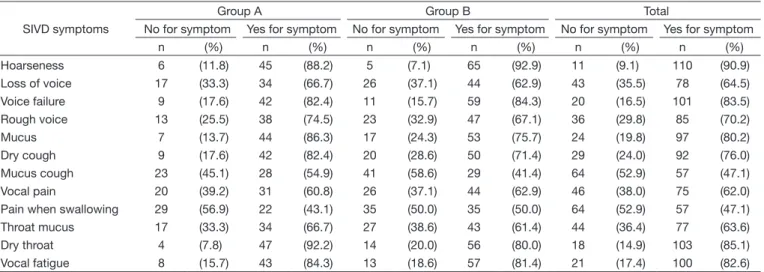
Table 1 shows the total of teachers with and without signs
suggestive of LPR according to symptoms that make up the Voice Disorder Screening Index (VDSI). In Group A, the most common symptoms were: dry throat, hoarseness, hoarseness, vocal fatigue. In Group B, the symptoms were hoarseness, voice fails, vocal fatigue, dry throat. In total, it was found that hoarseness was the symptom that obtained the highest value.
When observing the Vocal Handicap Index (VHI), 36.4% (n = 44) of teachers showed index higher than 20 points; 32.2% (n = 39), index of 13 to 20 points; and 31.4% (n = 38), index lower than 13. We registered the average of 17 points (SD = 8.8), median of 18 points, minimum of 0 and maximum of 36. In Group A, the mean was 17.9 (SD = 8.3), median 20, ranging between 0 and 32 points, while in Group B, the average score was 16.4 (SD = 9, 2), median 17, minimum 0, maximum 36 points, with no statistically signiicant difference (p = 0.223).
As to VDSI, most, 88.4% (n = 107) teachers showed index greater than or equal to 5 points; and 11.6% (n = 14) had fewer than 5. The average was 8.5 points (SD = 2.7), median of 9, ranging between 0 and 12 points. In Group A, the mean was 8.8 (SD = 2.2), median of 9 points, ranging between 3 and 12, with no statistically signiicant difference (p = 0.548). Regarding Group B, the average score was 8.3 (SD = 3.1), median 8.59, minimum value of 0 and a maximum of 12 points.
In the sample studied, 24% (n = 29) of the teachers did not show lesions on the vocal cords (VCP). In Table 2 shows the
distribution of teachers according to type of injury.
In Table 3, it appears that the perceptual evaluation of
variables, based on GRBASI scale, was not signiicantly associated with the outcome variable related to the presence of signs suggesting LPR.
The association analysis shows that the variables age and presence of cleft were signiicantly associated with Group A
(Table 4). The second tercio of the VHI variable proved to be
a protective factor for signs suggestive of LPR. There was no statistically signiicant association between the signs suggestive of LPR and workload variables, VDSI and voice disorder (perceptual-auditive and visual evaluation).
Table 1. Number and percentage of teachers according to symptoms of the Screening Index for Voice Disorder (SIVD) and presence of signs suggesting Laryngopharyngeal Reflux (LPR)
SIVD symptoms
Group A Group B Total
No for symptom Yes for symptom No for symptom Yes for symptom No for symptom Yes for symptom
n (%) n (%) n (%) n (%) n (%) n (%)
Hoarseness 6 (11.8) 45 (88.2) 5 (7.1) 65 (92.9) 11 (9.1) 110 (90.9)
Loss of voice 17 (33.3) 34 (66.7) 26 (37.1) 44 (62.9) 43 (35.5) 78 (64.5)
Voice failure 9 (17.6) 42 (82.4) 11 (15.7) 59 (84.3) 20 (16.5) 101 (83.5)
Rough voice 13 (25.5) 38 (74.5) 23 (32.9) 47 (67.1) 36 (29.8) 85 (70.2)
Mucus 7 (13.7) 44 (86.3) 17 (24.3) 53 (75.7) 24 (19.8) 97 (80.2)
Dry cough 9 (17.6) 42 (82.4) 20 (28.6) 50 (71.4) 29 (24.0) 92 (76.0)
Mucus cough 23 (45.1) 28 (54.9) 41 (58.6) 29 (41.4) 64 (52.9) 57 (47.1)
Vocal pain 20 (39.2) 31 (60.8) 26 (37.1) 44 (62.9) 46 (38.0) 75 (62.0)
Pain when swallowing 29 (56.9) 22 (43.1) 35 (50.0) 35 (50.0) 64 (52.9) 57 (47.1)
Throat mucus 17 (33.3) 34 (66.7) 27 (38.6) 43 (61.4) 44 (36.4) 77 (63.6)
Dry throat 4 (7.8) 47 (92.2) 14 (20.0) 56 (80.0) 18 (14.9) 103 (85.1)
Vocal fatigue 8 (15.7) 43 (84.3) 13 (18.6) 57 (81.4) 21 (17.4) 100 (82.6)
The independent factors for video laryngoscopy signs suggestive of LPR were age and score of the VHI tool. It is found that teachers aged over 43 years had an OR = 2.23 (p = 0.039), i.e., teachers in this age group had a higher chance of having Signs suggestive of LPR when compared to younger teachers.
Regarding the LPR, teachers in the second tercio have independent protective factor of the presence of Signs suggestive of LPR, OR = 0.37 (p = 0.040). That means, teachers between 13 and 20 points have a chance, 63% lower, show signs suggestive of LPR in relation to teachers in the last tercio (Table 5).
DISCUSSION
This study characterizes the video laryngoscopy signs suggestive of laryngopharyngeal relux (LPR) in teachers who sought care with vocal complaints and/or complaints of LPR and statistically analyzing such characteristics as well as possible associations, in particular the relationship between the signs of laryngopharyngeal relux and voice disorders.
We evaluated 121 teachers working in municipal public schools of São Paulo, with a mean age of 43.4 years and average hours 7.8 hours-class per day. These data corroborate other studies in the period 2007-2009(3) and from 2010 to 2011(14) in the same hospital and with teachers who also sought care. Although these authors have presented the variables age and workload in the form of range and not as absolute data, found that the highest number of teachers - in the periods studied(3,14) – belonged to the corresponding age group 40-49 years and met a workload of 31-40 hours a week, evidencing that this is the proile of most of the teachers who sought the service.
In studies conducted in other municipalities, in order to identify the voice disorder, the data on age and working hours per week are also similar. In municipal schools of Sorocaba (Sao Paulo) teachers had a mean age greater than or equal to 42 and less than 39 hours class hours per week (less than 7.8 hours
per day)(15). In schools of Jatai (Goiás), most teachers had an average age between 30-39 years and 31-40 hours-class per week (6.2 to 8 hours per day) (16). In Salvador, the proile of teachers
Table 2. Number and percentage of teachers according to anatomofunctional changes in the vocal cords (VCP) and presence of signs suggesting Laryngopharyngeal Reflux (LPR)
VCP changes Group A Group B
n (%) n (%)
No lesion 13 (25.5) 16 (22.9)
Nodule 14 (27.5) 26 (37.1)
Cyst 3 (5.9) 1 (1.4)
Polyp 0 (0.0) 2 (2.9)
Crease 15 (29.4) 15 (21.4)
Reinke edema 1 (2.0) 2 (2.9)
Other 5 (9.8) 8 (11.4)
Total 51 (100.0) 70 (100.0)
Caption: n = number of subjects; Group A = teachers with signs suggesting LPR; Group B = teachers without signs suggesting LPR
Table 3. Association analysis by Chi-square test and univariate binary logistic, according to perceptual-auditive evaluation - GRBASI scale and signs suggesting Laryngopharyngeal Reflux (LPR)
GRBASI scale Group A Group B p (X2) OR* CI
95% p
n (%) n (%)
Overall degree
No 23 (41.1) 33 (58.9) 0.824 1.0
Yes 28 (43.1) 37 (56.9) 1.09 0.53-2.24 0.824
Roughness (R)$
No 45 (40.5) 66 (59.5) 0.319 1.0
Yes 6 (60.0) 4 (40.0) 2.20 0.59-8.24 0.242
Breathiness
No 39 (41.1) 56 (58.9) 0.641 1.0
Yes 12 (46.2) 14 (53.8) 1.23 0.14-2.95 0.641
Tension (S)
No 31 (48.4) 33 (51.6) 0.138 1.0
Yes 20 (35.1) 37 (64.9) 0.57 0.28-1.20 0.139
Instability (I)
No 43 (42.6) 58 (57.4) 0.831 1.0
Yes 8 (40.0) 12 (60.0) 0.90 0.34-2.39 0.831
Total 51 (42.1) 70 (57.9)
$Fisher’s exact test
*category without LPR is reference
in a state school education had a mean age of 43.6 to 45.8 years and weekly workload of 40 hours (8 hours per day)(17).
Age was signiicantly associated with the presence of signs suggesting LPR, as teachers aged over 43 years were more likely to have signs of LPR when compared to younger teachers. This data corroborates indings of a study(11) that pointed out that the inding of chronic laryngitis, suggestive signs of LPR, was more frequent in teachers around 50 years of age; and a
research(6) that observed 69% of the subjects showed signs of LPR and had an average age between 53 and 55 years. Other study(18) found that with age increases the possibility of inding signs of relux and female, older age is a risk factor for the occurrence of extra esophagic changes as laryngopharyngeal relux.
This inding is also related to Gastroesophageal Relux Disease (GERD)(19), since the occurrence of GERD increased with age and was prevalent after 55 years in a study of women. These indings were probably justiied by the decline in the functioning of the body, which causes the different systems being compromised and dificult to carry out their functions.
As for the self-reference for vocal symptoms, more than 90% of the teachers of this research recorded these in number ≥ 5, which according to the instrument used, Voice Disorder Screening Index (VDSI), is compatible with a likely voice disorder. Important to note that 76.1% had some type of anatomical changes in the vocal cords. These data are similar to research indings(20) in which the vocal and laryngeal symptoms were recorded in 91.0% of teachers and 62.7% had some type of change in the vocal cords.
It is noteworthy that some teachers included in this study had no symptoms of laryngopharyngeal relux, much less symptoms of heartburn (gastroesophageal relux disease), but had signs suggestive of LPR in the otolaryngologist examination. The opposite happened also, i.e., there was record of teachers who reported symptoms of LPR but did not show signs in question. This fact conirms the complexity to reach a diagnosis of LPR.
The breathing disorder is a clinical feature which creates uncertainty in the diagnosis, because the displacement of gastric contents from the stomach through the esophagus into
Table 5. Multiple binary logistic regression analysis
Variable Category OR ajusted* CI95% P
Age < 43 1.0
≥ 43 2.23 1.04-4.77 0.039
VHI (points) < 13 0.59 0.23-1.48 0.259
13 a 20 0.37 0.15-0.95 0.040
> 20 1.0
*no LPR category is reference; OR ajusted by variable hours-class
Caption: VHI = Vocal Handicap Index
Table 4. Association analysis using the chi-square test and univariate binary logistic second identification features, Vocal Handicap Index (VHI), Vocal Disorder Screening Index (SIVD) and voice disorder among variable result with signs suggesting Laryngopharyngeal Reflux (LPR)
Variables Group A Group B p (X2) OR* CI
95% p
n (%) n (%)
Age (years)
< 43 20 (32.3) 42 (67.7) 0.024 1.0
≥ 43 31 (52.5) 28 (47.5) 2.32 1.11-4.86 0.025
Work load (h/day)
≤ 8 30 (41.7) 42 (58.7) 0.896 1.0
> 8 21 (42.9) 28 (57.1) 1.05 0.50-2.20 0.896
VHI (points)
< 13 15 (39.5) 23 (60.5) 0.084 0.54 0.22-1.31 0.175
13 a 20 12 (60.0) 27 (69.2) 0.37 0.15-0.91 0.031
> 20 24 (54.5) 20 (45.5) 1.0
SIVD (points)
< 5 3 (21.4) 11 (78.6) 0.095 1.0
≥ 5 48 (44.9) 59 (55.1) 2.98 0.79-11.30 0.108
Voice disorder
None 33 (40.7) 48 (59.3) 0.655 1.0
With 18 (45.0) 22 (55.0) 1.19 0.55-2.56 0.655
Presence of cleft
No 36 (37.1) 61 (62.9) 0.024 1.0
Yes 15 (62.5) 9 (37.5) 2.82 1.12-7.11 0.028
Total 51 (42.1) 70 (57.9)
*category without LPR is reference
the laryngopharynx and the upper and lower airways may lead to different clinical symptoms such as heartburn, regurgitation, hoarseness, globus and allergy symptoms, cough, itchy nose and runny nose. The lack of knowledge of the possible relation of relux and respiratory changes remains a matter for the
diagnosis(21).
In this study we chose to exclude individuals who have respiratory changes, given that corresponded to 18.3% of the teachers originally included in the research sample. Other research with teachers pointed this inding in higher percentages: 55.7% of teachers (total = 198) with dysphonia show respiratory problems(20); and 65.5% of 84 university professors of health had breathing problems(22).
It should be remembered that these studies relied on self-reference data, collected through questionnaires and, in this study, these data were conirmed in an otolaryngologist examination.
Among the symptoms listed in VDSI instrument, hoarseness, dry throat, vocal fatigue and hoarseness were reported by more than 80% of the teachers. It is interesting to note that this inding is similar to a study of the same type of population for about ive years(3). Group A (presence of signs suggestive of LPR) made as a dry throat, followed by hoarseness, hoarseness, vocal fatigue. It should be noted that in Group B (no signs suggestive of LPR), the teachers reported in greater numbers symptoms hoarseness, failed voice, vocal fatigue and dry throat. The difference between the groups refers to cough symptoms (Group A) and voice failure (group B).
The most common LPR symptoms are dry throat, hoarseness and cough(23), data that corroborate the indings of this research. Other study(6) observed that subjects with Signs suggestive of LPR also refer symptoms hoarseness, hoarseness, chronic cough. In a study with 39 subjects with signs suggestive of LPR, over 70% reported symptoms such as hoarseness and dysphonia(24).
The hoarseness is caused by edema of the retrocricoid region and the very act of clearing the throat increases local inlammation, affecting the process and may even lead to the formation of ulcers or granules caused by contact in the region of the vocal processes(5). Thus, this symptom may be related not only to the LPR, but also respiratory disorders, whereas cough can also cause vocal edema, making diagnosis dificult.
The LPR analysis showed score> 20 (total 40) for teachers of Group A (presence of LPR signals) and between 13-20 for Group B (without LPR signals). Similar indings were reported
in research(17)that when evaluating 31 teachers teaching of the state schools in Salvador pointed out that teachers mostly had vocal change and average VHI between 20.44 and 21.78.
The VHI tool has been used in different studies with teachers, mostly in its full version (cutoff point 19(13)), since the brief was translated and recently validated(25). A study(3) performed with a population similar to this research, met similar data, since the group of teachers with voice disorder reported an average of 48.99 (for a total of 120) and 22.52 for the control group (teachers without voice disorder).
Other research with teachers recorded lower scores: average of 38.4 in 46 teachers with vocal symptoms seeking care(26); and averaged of 27.1 in 22 teachers with vocal complaints(25).
This data can hypothesize that some teachers with voice disorder perceive this voice handicap, but do not consider that disrupt or impact the development of their work on a daily basis.
There was an association between the VHI score scored between 13-20 and signs suggestive of LPR, i.e., teachers who registered this score are less likely to have signs suggestive of LPR compared to teachers with VHI values above 20 points. Considering cutoff value of 7.5 points(13) it can be analyzed that the smaller the vocal handicap, the less chance of inding anatomical changes and signs suggestive of LPR in the larynx.
Voice quality data (GRBASI) point to greater changed overall grade record, soprosity, tension and instability in Group A (presence of LPR signals) and roughness in Group B (no signs), although it was not registered association signiicant. Research with 120 women(10) in which 25.8% have vocal nodules and early diagnosis of GERD found breathiness (GRBASI) in light level at 40.8%, and a moderate level of 13.3%.
A study(27)performed laryngeal examination (video laryngoscopy) and voice assessment, also through GRBASI scale in 22 adults with hormonal deiciency untreated growth and noted that 66.6% showed signs of LPR and 68.2% signs of roughness and breathiness. This fact seems to reinforce the idea that Signs suggestive of LPR, such as edema, for example, can lead to changes in the vocal cords and thus compromising voice quality.
As for vocal cord lesions, 33% of the teachers present node; 24.7%, groove; 19.8%, slit; and 23.9%, absence of lesions. Group A recorded change in vocal cord nodule, slot and groove; and Group B, node, cleft and groove. Findings similar to those organic lesions were found in the population of 292 dysphonic teachers: 8% had relux laryngitis and were recorded vocal nodules, polyps and Reinke edema, as well as change in glottal closure(11). Other study(28), patients diagnosed with LPR had nodules, polyps, groove, cyst and laryngeal lesions such as edema, without speciication as the laryngeal region.
Among the study participants, 42.1% had video laryngoscopy signs suggestive of LPR (arytenoid edema and interarytenoid region). Such signs were also found in a study that also through laryngoscopy, pointed out that all the singing teachers (20) had laryngitis signs of relux, which included arytenoids edema indings and Interarytenoid and retrocricoid regions(29). In another study which involved 39 subjects with signs suggestive of LPR, all showed edema in the retrocricoid and Interarytenoid regions(24).
This research showed no association between the presence
of cleft and signs suggestive of LPR. Even though there is no biological plausibility for this association, it is emphasized that the increase in the mucosa mass of the vocal cords may favor the formation of cracks, prevalent aspect in the population of teachers with signs suggestive of LPR.
In the literature, the association between the voice disorder presence and signs suggestive of LPR is controversial. In this research, it was not recorded, as well as in iled work(10,11) and in review studies(8). These studies indicate the presence of relationship but they do not prove a causal link between LPR and voice disorder.
prove a causal link between LPR and laryngeal changes, which corroborates indings of this study(6).
Studies seek the best way to conirm the diagnosis of LPR. An example was given in a study(30) wherein found a statistical correlation between the instruments Relux Finding Score (RFS) and Laryngopharyngeal Relux Symptoms Index (ISLPR), especially if the result of the RFS was ≥ 7 points. The purpose of the protocol is: application of ISLPR and RFS instruments, followed by ibroendoscopy, drug treatment and pH-meter (if necessary). Thus, the authors concluded that the protocol provided the diagnosis of LPR and also served to monitor the evolution of medical treatment.
In this sense, researchers(28)analyzed the hypothesis that the diagnosis for the LPR has been overused by doctors in an attempt to explain the hoarseness and other voice disorders with no apparent cause. According to the authors, in the recent years, the increasing the number of Laryngopharyngeal Relux diagnoses (LPR) between patients treated by different medical specialties (particularly otolaryngology) was generated by a number of factors that contributed to this: increasing the interest in research of gastroesophageal relux disease (GERD); scientiic advances in medical technology (improvement in ambulatory pH testing, improved endoscopic visualization of the larynx); and better communication between gastroenterologists and otolaryngologists.
Other factors may favor the voice disorder, and different studies have conirmed the association between the teaching work and the occurrence of voice disorder, namely: the risk factors in the school environment and the organization of work, showing the inappropriate conditions in which the teaching work develops from primary school to university, but especially in kindergarten and elementary(4).
The voice disorder is related to environmental factors and work organization(4), also point to other studies that analyze environmental factors such as dust, noise, temperature(3,20), and organizational, as the presence of violence, little autonomy, overwork, stressful environment, lack of time for regular meal and room for rest(3,22), were associated with self-reported vocal complaints by teachers.
Habits like intense vocal use, lack of hydration, smoking and problems with sleep, associated with biological (allergy presence or Laryngopharyngeal Relux), and combined to inappropriate environmental characteristics favor but not suficient causes for the occurrence of the voice disorder(3).
Also, for a long time, or lack of knowledge or dietary conditions that differed from international studies, little record had the diagnosis of LPR. From a few years, though, the further integration of medical specialists pointed by the authors, as well as dietary changes (with increasing choice of fast food in daily
life) increased even more the number of diagnosed LPR(28). There are few studies conducted to examine the relationship between the presence of LPR signals and voice disorder in people engaged in education as primary school teachers, secondary or higher. This research has advanced for studying this population, but has as a limit the issue of volunteer bias, since it collected in a hospital in which the teachers were seeking treatment. Thus the possible anatomical lesions in vocal cords that appeared on the
teachers were considered. Another limitation was the fact that it relied on otolaryngologist data collected by different physicians. It is known that the diagnosis of LPR is controversial and has the weakness to rely on subjective information.
Future research seeking to study the Laryngopharyngeal Relux in teachers should consider studies that suggested protocol for evaluation and treatment of the LPR. The ILPR and RFS instruments were not used in this study because they were not yet validated, although translated into Brazilian Portuguese(30).
In this sense, this research indicates that the voice disorder record in teachers seeking care and with videolaryngoscopic signs suggestive of laryngopharyngeal relux can be aggravated and not determined by the relux.
CONCLUSION
The presence of video laryngoscopy signs suggestive of laryngopharyngeal relux recorded in nearly half of the studied teachers was not associated with the presence of voice disorder.
The relationship was recorded in teachers aged greater than
or equal to 43 years and those who were self-reference vocal disadvantage in the VHI score (13-20).
REFERENCES
1. Behlau M, Zambon F, Guerrieri AC, Roy N. Epidemiology of voice
disorders in teachers and nonteachers in Brazil: prevalence and adverse effects. J Voice. 2012;26(5):665.e9-665.e18. http://dx.doi.org/10.1016/j. jvoice.2011.09.010. PMid:22516316.
2. Giannini SPP, Latorre MRDO, Fischer FM, Ghirardi ACAM, Ferreira LP. Teachers’ voice disorders and loss of work ability: a case-control study. J Voice. 2015;29(2):209-17. http://dx.doi.org/10.1016/j.jvoice.2014.06.004. PMid:25499521.
3. Giannini SPP, Latorre MRDO, Ferreira LP. Factors associated with voice disorders among teachers: a case-control study. CoDAS. 2013;25(6):566-76.
4. Correira JM, Servilha EAM. Correlação entre condições ambientais e organizacionais do trabalho e sintomas vocais autorreferidos por professores universitários e a avaliação fonoaudiológica. In: XVIII Encontro de Iniciação Científica. III Encontro de Iniciação em Desenvolvimento Tecnológico e Inovação; 2013 Set 24-25; Campinas. Anais. Campinas: PUC-Campinas; 2013 [citado em 2014 Ago 16]. Disponível em: https://www.puc-campinas. edu.br/websist/portal/pesquisa/ic/pic2013/html/resumos.htm
5. Koufman JA. The otolaryngologic manifestations of gas- troesophageal reflux disease (GERD): a clinical investigation of 225 patients using ambulatory 24-hour pH monitoring and an experimental investigation of the role of acid and pepsin in the development of laryngeal injury. Laryngoscope. 1991;101(4 Pt 2, Suppl 53):1-78. PMid:1895864.
6. Koufman JA, Amin MR, Panetti M. Prevalence of reflux in 113 consecutive patients with laryngeal and voice disorders. Otolaryngol Head Neck Surg. 2000;123(4):385-8. http://dx.doi.org/10.1067/mhn.2000.109935. PMid:11020172.
7. Zucato B, Behlau MS. Índice de sintomas do refluxo laringofaríngeo:
relação com os principais sintomas de refluxo gastresofágico, nível de uso de voz e triagem vocal. Rev CEFAC. 2012;14(6):1197-203. http://dx.doi. org/10.1590/S1516-18462012005000078.
8. Hawkshaw MJ, Pebdani P, Sataloff RT. Reflux Laryngitis: an update,
2009-2012. J Voice. 2013;27(4):486-94. http://dx.doi.org/10.1016/j. jvoice.2013.03.001. PMid:23769008.
9. Fuess VLR, Lorenz MC. Disfonia em professores do ensino municipal:
10. Fernandez CAP, Lopez JP. Nódulos de cuerdas vocales. Factores de riesgo en los docentes. Estudio de casos y controles. Acta Otorrinolaringol Esp. 2003;54(4):253-60. PMid:12825241.
11. Preciado J, Pérez C, Calzada M, Preciado P. Incidencia y prevalencia
de los trastornos de la voz en el personal docente de La Rioja Estudio clínico: cuestionario, examen de la función vocal, análisis acústico y vídeolaringoestroboscopia. Acta Otorrinolaringol Esp. 2005;56(5):202-10. http://dx.doi.org/10.1016/S0001-6519(05)78601-5. PMid:15960123. 12. Cruz AA. Vias aéreas unidas: projeto ARIA. In: Naspitz CK. Alergias
respiratórias. São Paulo: Vivali; 2003. p. 341-52.</edb>
13. Behlau M, Couto EB Jr, Paulinelli BR, Santos LMA, Oliveira G, Moreti F, et al. Eficiência e valores de corte de protocolos de autoavaliação do
impacto de problemas de voz. In: 21º Congresso Brasileiro e 2º Ibero-Americano de Fonoaudiologia. São Paulo: CoDas; 2013. Supl. Especial 44.
14. Bissera MP. Voz e trabalho: estudo dos condicionantes das mudanças a partir do discurso de docentes [dissertação]. São Paulo: Pontifícia Universidade Católica de São Paulo; 2013.
15. Caporossi C, Ferreira LP. Sintomas vocais e fatores relativos ao estilo
de vida em professores. Rev. CEFAC. 2011;13(1):132-9. http://dx.doi. org/10.1590/S1516-18462010005000099.
16. Ferreira LP, Alves IAV, Esteves AAO, Biserra MP. Voz do professor: fatores predisponentes para o bem-estar vocal. Distúrb Comum. 2012;24(3):379-87.
17. Pereira LPP. Aquecimento vocal e treino respiratório em professores: ensaio clínico randomizado [dissertação]. Salvador: Universidade Federal da Bahia, Faculdade de Medicina da Bahia, Salvador; 2014.
18. Aguero GC, Lemme EMO, Alvariz Â, Carvalho BB, Schechter RB, Abrahão L Jr. Prevalência de queixas supra-esofágicas em pacientes com doenças
do refluxo erosiva e não-erosiva. Arq Gastroenterol. 2007;44(1):39-43. http://dx.doi.org/10.1590/S0004-28032007000100009. PMid:17639181. 19. Moraes-Filho JPP, Chinzon D, Eisig JN, Hashimoto CL, Zaterka S.
Prevalence of heartburn and gastroesophageal reflux disease in the urban Brazilian population. Arq Gastroenterol. 2005;42(2):122-7. http://dx.doi. org/10.1590/S0004-28032005000200011. PMid:16127569.
20. Bassi IB, Assunção A, Gama ACC, Gonçalves LG. Características clínicas,
sociodemográficas e ocupacionais de professoras com disfonia. Distúrb Comum. 2011;23(2):173-80.
21. Pacheco-Galvána A, Hartb SP, Moriceb AH. Relationship between
gastroesophageal reflux and airway diseases: the airway reflux paradigm.
Arch Bronconeumol. 2011;47(4):195-203. http://dx.doi.org/10.1016/ S1579-2129(11)70046-5. PMid:21459504.
22. Servilha EAM, Arbach MP. Queixas de saúde em professores universitários e sua relação com fatores de risco presentes na organização do trabalho. Distúrb Comum. 2011;23(2):181-91.
23. Belafsky PC, Postma GN, Koufman JA. Validity and reliability of the
reflux symptom index (RSI). J Voice. 2002;16(2):274-7. PMid:12150380. 24. Eckley CA, Costa HO. Salivary EGF concentration in adults with chronic
laryngitis caused by laryngopharyngeal reflux. Braz J Otorhinolaryngol. 2003;69(5):590-7.
25. Costa DB, Lopes LW, Silva EG, Cunha GMS, Almeida LNA, Almeida AAF.
Fatores de risco e emocionais na voz de professores com e sem queixas vocais. Rev CEFAC. 2013;15(4):1001-10. http://dx.doi.org/10.1590/ S1516-18462013000400030.
26. Tutya AS, Zambon F, Oliveira G, Behlau M. Comparação dos escores dos
protocolos QVV, IDV e PPAV em professores. Rev Soc Bras Fonoaudiol. 2011;16(3):273-81. http://dx.doi.org/10.1590/S1516-80342011000300007. 27. Barreto VMP, D’Avila JS, Sales NJ, Goncalves MIR, Seabra JD, Salvatori
R, et al. Laryngeal and vocal evaluation in untreated growth hormone
deficient adults (IGHD). Otolaryngol Head Neck Surg. 2009;140(1):37-42. http://dx.doi.org/10.1016/j.otohns.2008.10.028. PMid:19130959. 28. Thomas JP, Zubiaur FM. Over-diagnosis of laryngopharyngealreflux as
the cause of hoarseness. Eur Arch Otorhinolaryngol. 2013;270(3):995-9. http://dx.doi.org/10.1007/s00405-012-2244-8. PMid:23143641. 29. Heman-Ackah YD, Dean CM, Sataloff RT. Strobovideolaryngoscopic
Findings in Singing Teachers. J Voice. 2002;16(1):81-6. http://dx.doi. org/10.1016/S0892-1997(02)00075-9. PMid:12002891.
30. Iglesia FV, Gonzálezb SF, Gómezc MC. Reflujo faringolaríngeo: correlación
entre los síntomas y los signos mediante cuestionarios de valoración clínica y fibroendoscópica. Es suficiente para realizar el diagnóstico? Acta Otorrinolaringol Esp. 2007;58(9):421-5. http://dx.doi.org/10.1016/ S0001-6519(07)74959-2. PMid:17999907.
Author contributions
BMRA study development and schedule, literature review, collection and analysis of data, article writing, submission and procedures of the article; SPPG data collection and analysis and writing; ACD data analysis and article writing;
LPF study and schedule elaboration, data analysis, article review and inal