GRADUATE PROGRAM IN CHEMICAL ENGINEERING
Daniel Dornellas Athayde
Synthesis and characterization of perovskite
materials for production of mixed ionic and
electronic conduction membranes
Supervisor: Prof. Dr. Wander Luiz Vasconcelos
III
GRADUATE PROGRAM IN CHEMICAL ENGINEERING
Daniel Dornellas Athayde
Synthesis and characterization of perovskite
materials for production of mixed ionic and
electronic conduction membranes
Dissertation presented in the Graduate
Program in Chemical Engineering of
Universidade Federal de Minas Gerais as a
requirement for obtaining the Master’s
Degree in Chemical Engineering.
Research Field: Energy and Materials
Supervisor: Prof. Dr. Wander Luiz Vasconcelos
VI Dedication
To my parents, Ricardo and Stella,
To my lovely wife, Natália
VII Acknowledgements
Special thanks to my family, who have always supported me. My father for being my inspiration for becoming a constant questioner of the facts around me, and my mother, a passionate person who showed me how important it is to pursue my dreams.
Also, special thanks to my wife for creating in me the intention to pursue the Master’s degree and for remaining by my side at every moment, always offering support and love.
Many thanks to my supervisor, Prof. Dr. Wander Vasconcelos who guided me on the challenges involved on creating and developing a research project.
This project would not have been possible without the support of the staff from LMC, specially Daniela, Eduardo, Alysson and Douglas for the countless discussions we have had since the beginning of this project, and Daiana and Marcus for helping me with the experimental part. In addition, I owe particular thanks to Prof. Joe Diniz da Costa for the support and advices.
Thanks to CAPES for the scholarship, providing me the financial support for completion of this research project.
Thanks for the technical professionals from Magnesita whose support was essential for production and treatment of some samples. In addition, I would like to acknowledge the Center of Microscopy at the Universidade Federal de Minas Gerais for providing the equipment and technical support for experiments involving electron microscopy. Moreover, thanks for the XRD laboratory of the Metallurgical Engineering Department at Universidade Federal de Minas Gerais.
VIII
Abstract
The need of a clean energy delivery is increasing daily with the changes taking place around the planet. Oxygen separation methods for coal power plants are a good option to reach the demands and goals, since some idealized systems show great potential for controlling carbonic gas emissions. Recent studies with dense membranes are optimistic about the application of this technology in the oxygen separation process. Perovskites have been used as a strategic material to produce dense membranes, since it has the ability to transport ions and electrons simultaneously. Best results reported so far are for the Ba0.5Sr0.5Co0.8Fe0.2O3-δ (BSCF) perovskite. In this work, the BSCF perovskites were synthesized by two variations of the sol-gel method in order to reach the optimum properties for the preparation of dense membranes. A correlation between the material properties and synthesis parameters were studied and a route was suggested for future studies. Also, partial substitution of cesium, yttrium and scandium on the perovskite structure was performed in order to assess the ability of the structure to accommodate foreign cations and change the properties of the final material. Partial substitution with cesium on the A-site was not possible, however yttrium and scandium were successfully incorporated. Oxygen vacancy concentration allowed estimation of improvements on the oxygen permeation of the membranes. Moreover, the stability of the perovskite with scandium was measured under CO2 atmosphere, confirming promising improvements on
the membrane’s stability.
IX Contents
1. Introduction ... 1
2. Bibliographic Review ... 4
2.1. Oxygen separation ... 4
2.2. Perovskite materials ... 10
2.3. Non-stoichiometric solids... 13
2.4. Transport mechanism ... 15
2.5. Synthesis methods ... 19
2.5.1. Solid state reaction ... 19
2.5.2. Co-precipitation ... 22
2.5.3. Sol-gel technique ... 24
2.5.3.1. Alkoxide route ... 25
2.5.3.2. Alkoxide-salt route ... 25
2.5.3.3. Pechini method ... 26
2.5.4. Hydrothermal ... 32
2.5.5. Spray and freeze drying... 33
2.5.6. Novel methods ... 34
2.5.7. Comparison of synthesis method ... 36
2.6. Membrane consolidation ... 41
2.7. State of Art ... 45
2.8. Overview ... 50
3. Objectives ... 52
3.1. Main objectives ... 52
3.2. Specific objectives... 52
4. Methodology ... 53
5. Results and discussion... 60
5.1. Microwave assisted synthesis ... 60
5.2. Synthesis optimization ... 65
5.2.1. Initial analysis ... 65
5.2.2. Synthesis parameters optimization ... 71
5.3. Synthesis of BSCF perovskite with partial substitution ... 80
5.3.1. BSCF – Cs ... 81
X
5.3.3. BSCF – Sc ... 94
5.4. Final discussion ... 104
6. Conclusions ... 107
XI
Figures summary
Figure 1 – Oxy-fuel coal power system (adapted from [2]) ...4
Figure 2 – Scheme of a coal gasification system (adapted from [2]) ...5
Figure 3 – Membrane processes for oxygen separation: (a) solid electrolyte cell (oxygen pump) and (b) mixed ion-electronic conducting membranes [3,5] ...8
Figure 4 – Dual phase membrane for oxygen separation (adapted from [3]) ...9
Figure 5 – Typical morphology of an asymmetric membrane ... 10
Figure 6 – Crystal structure of ABO3 perovskite [2] ... 11
Figure 7 – Conduction mechanism in MIEC membranes [30] ... 15
Figure 8 – Concentration profile of oxygen during its transport through a perovskite membrane [5] ... 16
Figure 9 – Limiting factor for oxygen diffusion in MIEC membranes [5] ... 17
Figure 10 – Complexes formed between metal ions and chelating agents: EDTA on the left and citric acid on the right ... 27
Figure 11 – Structure formed by the polyesterification between EDTA and citric acid ... 29
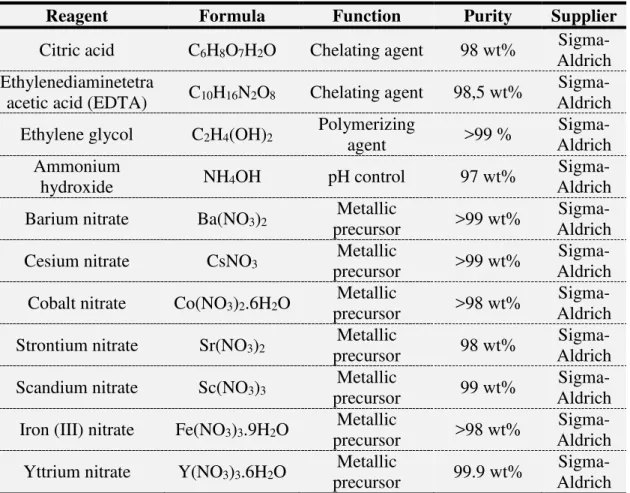
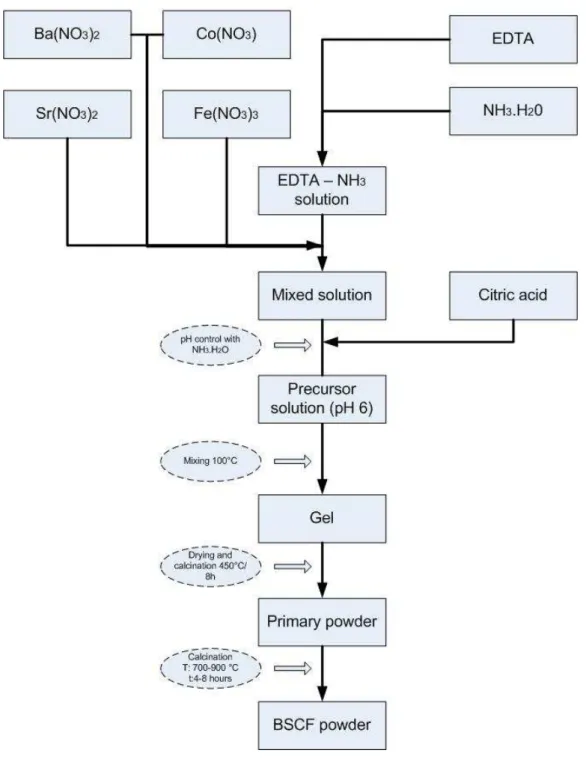
Figure 12 – CA-EDTA complexing method ... 54
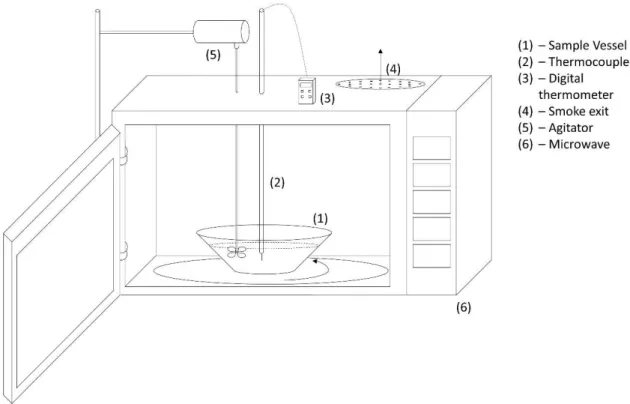
Figure 13 – Adapted household microwave ... 55
Figure 14 – CA-EDTA complexing method microwave assisted……….56
Figure 15 – CA-EDTA-EG complexing method with polymerization subsequent step ... 57
Figure 16 – XRD pattern of the agglomerate in which (p) represents the perovskite peaks and (*) represents the impurities present in the sample ... 61
XV
Table content
Table 1 – Comparison of main alternatives for oxygen production from air separation ... 7
Table 2 – Complex forming constants (log K) for cations used for BSCF production [76,77] .. 28
XVI
Abbreviations list
BSCF Ba0.5Sr0.5Co0.8Fe0.2O3-δ
LSCF La1-XSrXCo1-YFeYO3-δ
TG Thermogravimetry
XRD X-ray Diffraction
SEM Scattered Electron Microscope
FTIR Fourier Transform Infrared Spectroscopy
PSA Pressure Swing Adsorption
MIEC Mixed Ionic-Electronic Conducting membranes
EDTA Ethylenediaminetetraacetic acid
DTG Derivative Thermogravimetry
DSC Differential Scanning Calorimetry
TPD O2 Temperature Programmed Desorption of Oxygen
EDS Energy-Dispersive X-ray Spectroscopy
BSCF-Cs Csx(Ba0.5Sr0.5)1-xCo0.8Fe0.2O3-δ
BSCF-Y Ba0.5Sr0.5(Co0.8Fe0.2)1-xYxO3-δ
1
1.
Introduction
Oxygen plays a key role in the industrial sector, with an estimated industrial production of 100 million tons every year [1]. O2 is used in the production of glass, metals, cement,
chemicals and petrochemicals. The O2 market has experienced continuous growth,
making the separation of oxygen from air an important technology [2,3]. O2 is becoming
the reactant of choice in clean coal energy delivery, a process known as oxy-fuel coal combustion [4]. In this process, coal is burnt with a stream containing O2 and recycled
CO2, thus generating a high concentration CO2 flux gas, which can be easily transported
and stored to avert the emission of greenhouse gases.
O2 can be separated from atmospheric air using an air separation unit. Among the
commercial technologies commonly applied for oxygen separation, cryogenic distillation is the most used to produce high purity ~99 % O2. However, it is an energy intensive
process as it operates at temperatures as low as -185 °C and under high pressure, which leads to both large capital investments and high operating costs. Another process commonly used is pressure swing adsorption (PSA). In this process gas is adsorbed at room temperature delivering ~95 % O2 purity, at small to medium scale plants [2,4]. In
addition to these mature technologies, a more recent technology based on ionic transport membranes (ITM) has been gathering pace which is evidenced by the large number of scientific publications and patents published since 2000, and by the potential of this new technology to reduce the energy costs of O2 production by at least 35 % [4].
In the forefront of oxygen transport membranes are perovskite materials. These are known as mixed ionic electronic conductors (MIEC), as perovskites can transport both oxygen ions and electrons concomitantly. Perovskites exhibit a crystal cubic structure as displayed in Fig. 1, described by the general formula ABO3 where the cation A is
surrounded by twelve equidistant oxygen atoms and the cation B is surrounded by six oxygen atoms [5]. In perovskite oxides used for oxygen separation the A-site is commonly occupied by elements from the rare earth, alkali or alkaline families such as La, Na, Ca, Sr or Ba [3]. While the ideal ABO3 structure does not show ionic conducting
2
flux is highly dependent on the number of vacancies, the partial substitution of A or B-site cations is a common strategy for improving the performance of perovskite membranes [5]. When doped with different cations, a general formula for perovskites is AXA'1-XBYB'1-YO3-δ, where δ is the concentration of oxygen vacancies in the structure,
and x and y vary from zero to one. Several strategies for partial substitution of A and B-site cations have been used to reach oxygen fluxes that are economically attractive [5]. Ba1-XSrXCo1-YFeYO3-δ (BSCF) and La1-XSrXCo1-YFeYO3-δ (LSCF) are the most studied
perovskites.
MIEC membranes are dense, so the direct passage of the oxygen molecules is blocked. Therefore, the transport of oxygen ions (O2-) occurs via the vacancies in the perovskite structure. As only O2- can diffuse through the MIEC membrane, the purity of O2 in the permeate stream can be as high as 100 %, provided that the membrane does not have any defects. The transport of O2- takes place due to a driving force associated with the partial oxygen pressure in feed side being higher than in the permeate side [5].
Many routes can be used to synthesize perovskite materials, including solid state reaction, co-precipitation, hydrothermal, spray and freeze drying, and sol-gel process. The selection of the synthesis method is extremely important for the performance of the membrane. It has been established that for similar operating conditions with a particular compound, membranes synthesized by different methods result in different values for oxygen permeation flux. Clearly, the unique microstructure obtained by each method has a great impact on the ionic and electronic conduction of the material [5]. Further, there are a number of methods used to prepare perovskite membranes where the combination of synthesis methods and membrane preparation methods becomes very important to deliver membranes with high oxygen fluxes.
3
4
2. Bibliographic Review 2.1. Oxygen separation
Oxygen plays a key role in the industrial sector, since about 100 million tons of O2 are
produced every year [1]. It has been used in a wide range of applications and the market is continuously increasing, making the separation of oxygen from air an important technology for this sector [1-3]. A remarkable application for O2 is in coal power plants,
in which a new concept of clean coal energy delivery is important in the current scenario of pollutant emissions. It consists in the concept of energy produced from coal power plants with a low emission of pollutants, specifically focusing on CO2 emissions [2]. In
the pursuit of a clean coal energy delivery, two main examples of processes were idealized for coal power plants, which require the use of an oxygen separation step, namely oxy-fuel combustion and coal gasification [4].
An oxy-fuel power plant relies on the ideal of coal combustion in the presence of a stream of pure oxygen. As a result, the flue gas will contain mainly CO2 and water vapor with
small amounts of ashes and impurities. Water is easily removed from flue gas and the almost pure CO2 can be captured by many techniques as reported elsewhere [6-8].
Another advantage associated with oxy-fuel systems is that the flue gas can be used to dilute the oxygen before its combustion and, consequently, as a mechanism for an enhanced control of the boiler temperature [2]. Figure 1illustrates a simplified scheme of an oxy-fuel system integrated to a coal power plant.
5
The other idealized system is the coal gasification process, which consists on the production of syngas obtained from a mixture of H2 and CO using coal, steam, and
oxygen. Its high efficiency reduces the emissions of SOX, NOX and particulate matter,
making it an attractive technique for the power generation sector. The early coal gasifiers showed limited success, but with the use of pure oxygen, they were enabled to reach the optimum parameters for the syngas synthesis. Emissions of CO2 in modern power plants
using the coal gasification process is nowadays about 20 % lower when compared to a similar older power plants, which indicates an expressive potential for future improvements in this technology [2]. A basic scheme of a coal gasification system is shown in Figure 2.
Figure 2 – Scheme of a coal gasification system (adapted from [2])
Regarding the air separation unit, there are two technologies being currently used in large commercial installations. Among the technologies commonly applied for oxygen separation, cryogenic distillation has been the most used technology so far. It operates at temperatures as low as -185 °C and under high pressures, which leads to both large capital investments and high operating costs [2,4,9]. A large-scale O2 separation based on
6
power plant the energy efficiency is reduced by 30-40 % because cryogenic distillation is an energy intensive process [2].
The other method commonly used is a non-cryogenic distillation process also known as pressure swing adsorption (PSA), in which the gas is adsorbed at room temperature and under high pressures [4]. The final stream has both a high purity (up to 99.99 %) and large recovery rates (up to 94 %). Recent studies are increasing the PSA efficiency by the development of novel adsorbents. For oxygen separation, the adsorbent generally used are zeolites, but their application is restrict to small and medium scale ranges [2]. The adsorbents used in the PSA process may show a microporous structure. Nonetheless, the accurate characterization of these adsorbents is still a challenge. As a result, accurate prediction of the gas-solid interaction that takes place inside the adsorbent pores is a difficult task. Moreover, the prediction of multicomponent gas adsorption characteristics, such as equilibria, kinetics and heats, is difficult due to the lack of experimental data available in the literature [10].
In addition to these mature technologies, a new trend to use dense membranes has been reported in research studies, due to their great potential for application in oxygen separation units. Some of these membranes are both ionic and electronic conductors, and are known as MIEC (mixed ionic-electronic conducting) membranes. When integrated to a coal power generation plant, this technology reduces the energy cost of O2 separation
by at least 35 % [2,11]. Furthermore, MIEC membranes can be used at high temperatures because of their expressive thermal stability, and exhibit high oxygen flux, which makes these membrane promising materials for using in a wide variety of industrial applications, including energy production [2]. Increased attention has been focused on these materials, as it can be observed by the large number of scientific publications and patents related to this subject published since 2000 [4].
7
Table 1 – Comparison of main alternatives for oxygen production from air separation
Methods Status Oxygen production Oxygen purity
Cryogenic distillation Mature Large-scale 99 %
Pressure Swing Adsorption Mature Small and Medium-scale 95 %
Dense membranes Developing Large-scale 100 %
8
compounds called perovskite and a scheme of this membrane is exhibited in Figure 3b [3,5].
Figure 3 - Membrane processes for oxygen separation: (a) solid electrolyte cell (oxygen pump) and (b) mixed ion-electronic conducting membranes [3,5]
High temperatures are required for activating the oxygen transport through a MIEC membrane. The best results reported so far for these materials were obtained using temperatures ranging from 800 to 1100 °C. Since the oxygen transport is carried out through the material structure and not through its pores, the selectivity of MIEC membranes is theoretically infinite. Therefore, only oxygen can diffuse through the material, which reveals a great potential application for production of high purity oxygen streams by using perovskites [5].
9
Figure 4 - Dual phase membrane for oxygen separation (adapted from [3])
10
Figure 5 – Typical morphology of an asymmetric membrane
With respect to the materials used for preparing these membranes, those exhibiting a perovskite-type structure are an interesting alternative. It is well known that these materials usually exhibit outstanding catalytic, electronic and magnetic properties. Furthermore, the ability of electronic conduction, which allows the oxygen separation process without the need of associating the membrane with an external electrode system, coupled to high oxygen permeation rates, make perovskites promising candidates for performing O2-separation [13]. Therefore, this work is most focused on MIEC
membranes obtained from perovskite materials. Further information about other materials and membranes for oxygen separation from air may be found elsewhere [5].
2.2. Perovskite materials
Perovskites exhibit a structure similar to that exhibited in Figure 6, in which large metal ions give rise to a simple cubic structure with oxygen atoms present at the faces of the cube, and a small metal ion located at the center. The general formula ABO3 is used to
describe this structure where the cation A is surrounded by twelve equidistant oxygen atoms and the cation B is surrounded by six oxygen atoms. CaTiO3 is a classic perovskite
11
occupied by elements from the rare earth, alkali or alkaline families. La, Na, Ca, Sr or Ba are the atoms usually observed at these sites. The B-site is occupied by transition metal cations, including Fe, Co, Ni or Cu [3]. The overall charge of the perovskite crystal must maintain the charge balance and the charges of each cation is usually represented by the compositional formula of A2+B4+O
3. However, other formulas such as A1+B5+O3 and
A3+B3+O
3 are also observed [5].
Figure 6 - Crystal structure of ABO3perovskite [2]
The shape of the crystal formed is strongly related to the cation size. Goldschmidt suggested a factor known as “Goldschmidt factor” (t) given by Equation (1):
r r
(1)2 r r t
O B
O A
where rA and rB represent the radii of the cations located at the A and B sites, and rO is the
ionic radius of oxygen [18]. The typical structure of a perovskite is preserved if the t factor is within the range of 0.75-1. For crystals showing Goldschmidt factors above 1, the distortion becomes significant and other crystal structures may be observed [2]. While the ideal ABO3 structure does not show ionic conducting properties, the partial
12
symmetry, these oxygen vacancies can be occupied by the diffusing ions while they are free to diffuse along energetically equivalent crystallographic sites [2,3]. Since it has been shown that the oxygen flux is highly dependent on the number of vacancies, the partial substitution of A or B-site cations is a common strategy for improving the performance of the material [19,20]. Also, the electronic conductivity of the compound is influenced by the B-site cations, depending on its nature and generally is more evident than the ionic conductivity. For instance, Teraoka et al. (1988) [21] tested the electronic and ionic conductivities for perovskite materials at 800 °C in air and reported values of 102-103 S
cm-1 and 10-2-1 S cm-1, respectively [21]. Therefore, the electronic conduction usually
does not represent a limiting step for the overall oxygen transport in perovskites [3]. When doped with different cations, a general formula for perovskites is AXA'1-XBYB' 1-YO3-δ, where δ is the concentration of oxygen vacancies in the structure, and x and y vary
from zero to one. Several strategies for partial substitution of A and B-site cations have been used to reach oxygen fluxes economically attractive, creating a large number of perovskite materials [5,22,23]. Teraoka et al. [21,24,25] first published studies devoted on the development of oxygen and electrical conductive properties of perovskite membranes using compounds based on SrCo0.8Fe0.2O3-δ. They reported that these
materials exhibited high oxygen permeation when exposed at high temperatures to a helium flow in one side while the other side is kept in air. This material did not exhibit sufficient chemical and mechanical stability. However, the initial experimental data led the research community to test new chemical formulas to obtain novel perovskite materials with improved chemical stability and oxygen permeability [5].
Ba1-XSrXCo1-YFeYO3-δ (BSCF) and La1-XSrXCo1-YFeYO3-δ (LSCF) have been the most
studied perovskites for producing O2-enriched gas streams. BSCF usually shows higher
oxygen fluxes (10-15 mL.min-1.cm-2) than LSCF. Nonetheless, BSCF is unstable at
temperatures below about 825 °C, which could lead to both the crystal phase change and membrane unit failure. On the other hand, LSCF displays superior chemical and mechanical properties, giving rise to a more stable membrane when exposed to CO2 and
water, but with lower oxygen fluxes (about 1 mL.min-1.cm-2). Its higher stability allows
13
stability and oxygen permeation is a constant challenge for researches and considerable efforts have been made in order to improve both properties in one single compound.
2.3. Non-stoichiometric solids
Chemical compounds with fixed proportions of constituents, namely fixed ratio between cations and anions, are special cases and deviations from this pattern, known as non-stoichiometric solids, are not difficult to observe in nature. Defects or imperfections lead to the reduction of Gibbs free energy for a particular compound up to a certain defect concentration in which the compound reaches its minimum Gibbs free energy [5,26]. The presence of defects in the material also causes an increase in entropy, since there are many possible positions that can be occupied by defects. According to the principles of the defect theory, a high amount of energy is required for an ion to move among lattice positions, thus the concentration of defects increases at higher temperatures. However, when defects are present, such as unoccupied lattice positions in the structure (vacancies), ions have lower activation energy for diffusion [26]. Therefore, the defect concentration strongly affects the mobility of ions within the material structure [5,27].
The imperfections present in crystalline solids can be categorized as point defects, linear defects or two-dimensional defects. Defects such as vacancies (vacant lattice sites), interstitial ions (ions at the interstices between lattice sites) and impurity atoms are examples of point defects. It is well established that point defects show a great influence on the ionic conductivity of dense membranes [5,26,27].
The presence of oxygen vacancies plays a key role in the transport of ions through dense membranes. When a foreign atom is incorporated into the host crystal, forming a solid solution, it may give rise to a new phase when this scenario leads to the lowering of the system energy. If the foreign atom shows an electrical charge quite different from the host atoms, a charge compensation process must take place in order to maintain the charge balance of the system. For example, when CaO forms a solid solution with ZrO2 and a
Ca2+ ion substitutes for Zr4+ in the host crystal,the amount of oxygen anions decreases,
14
energy barrier caused by the concentration of vacancies is low enough to allow the diffusion of ions through the structure from a vacancy to another [26].
As aforementioned, the concentration of defects is dependent on the temperature, though for oxides it is also dependent on the oxygen partial pressure. Therefore, inorganic compounds may act as a prevalent ionic conductor or as a prevalent electronic conductor in different process parameters [5]. Regarding the electronic conductivity, nonstoichiometric oxides may act as either p-type or n-type semiconductors. In the case of nonstoichiometry caused by either a deficiency of oxygen or excess of cations, the formation of oxygen vacancies takes place with the formation of two electrons (Equation 2), leading to the creation of an excessive concentration of electrons. This kind of material is called n-type semiconductor. If the nonstoichiometry is caused by either the excess of oxygen or deficiency of cations, the formation of cation vacancies occurs simultaneously with the formation of electron holes. Considering the positive electron-hole concentration, this material is known as a p-type semiconductor [5,26]. Thus, when the defects present in a material cause the formation of either electrons or electron holes, they are easily transported through the structure, making the material an electronic conductor. In addition, the presence of multivalent cations in mixed oxides leads to hopping of electrons between cations with different valence states [5].A review of concepts such as semiconductors, electrons, and electron holes may be found in specific literature [28]. In order to predict the formation of defects, electrons and electron holes, an approach similar to the mass balance used for chemical reactions has been applied, as it can be observed in Equations 2 to 5. In these equations X
O
O represents a neutral oxygen atom at the anion site of the crystal, ..
O
V an oxygen vacancy, '' i
O an interstitial oxygen (it will be transported between oxygen vacancies), e an electron, and h an electron hole. Equations 2 to 5 were expressed according to the Kröger-Vink notation [5,26].
(2) 2e O 2 1 V
O .. 2
O X
O
(3) 2h O O 2 1 '' i
15
(4)
h
e
null
) 5 ( V
O
O ..
O '' i X
O
Each of these equations involves an equilibrium constant K. It is well know that K depends on the temperature and, as it can be noticed, one of the parameters to calculate K is PO2, which provides the relation between the oxygen vacancy concentration with temperature and oxygen partial pressure.
2.4. Transport mechanism
Since a MIEC membrane is dense, direct passage of the oxygen molecules is blocked and it is necessary to form the interstitial oxygen ion, which is represented by O2-. Surface
reactions take place on the membrane surface to dissociate the oxygen molecules at the feed side (high oxygen partial pressure) in which the O2 molecule reacts with electrons
and then form the oxygen ion. The formed oxygen ion permeates through the MIEC membrane from the high oxygen partial pressure side to the low oxygen partial pressure side, while an opposite and simultaneous transport of electrons compensates the overall charge balance of the membrane. At the permeate side (low oxygen partial pressure) the oxygen ions react to form oxygen molecules and release electrons that now are free to be transported through the membrane. The gas flow at the permeate side is responsible to drag the formed oxygen molecule and giving rise to a stream with low oxygen partial pressure [3,29]. An overall scheme of the transport process is detailed in Figure 7.
16
The kinetic mechanism of oxygen transport through a dense membrane can be described in five stages [30]:
Mass transfer of oxygen molecule from the feed side (high oxygen partial pressure) to the interface of the membrane;
Adsorption of an oxygen molecule and subsequent reaction at the interface I with the dissociation into oxygen ions;
Bulk diffusion of the oxygen ions through the membrane;
Reaction in the surface of the membrane (interface II) with association of oxygen ions and subsequent desorption of the oxygen molecule;
Mass transfer of oxygen molecule from the membrane interface to the gas permeate stream (low oxygen partial pressure).
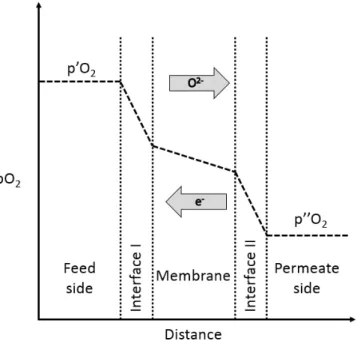
Figure 8 represents the concentration profile of the oxygen through the membrane showing the influence of the five stages listed above.
Figure 8 – Concentration profile of oxygen during its transport through a perovskite membrane [5]
17 ) 6 ( dμ σ t t 4²F²L 1
J μ I
II
μ i e t O
O
2 O
2
O 2
2
JO2 is the oxygen permeation flux in mol m-2 s-1, F is the Faraday constant, L is the membrane thickness, ti and teare the ionic and electronic transfer numbers, σt the overall
conductivity and
2
O
μ the chemical potential of the oxygen molecule at the interfaces.The oxygen permeation flux will increase by reducing the membrane thickness when the bulk diffusion is the limiting step, both influences easily understood from Equation 6 [4,5]. The strong correlation between membrane thickness and oxygen permeation flux represents a great potential for improving the oxygen permeation in membranes [8]. Nevertheless, the dependence of the oxygen permeation with the membrane thickness is observed only until a certain value (Lc) called critical thickness. Below this value, the surface reactions in both sides become more relevant to the overall kinetic of the process than the bulk diffusion. As a consequence, there are two regions in the graph detailing the oxygen flux as function of membrane thickness, as shown in Figure 9. The region with membrane thicknesses below Lc is the kinetic-controlled region and for values above Lc it is called Diffusion-controlled region [15].
Figure 9- Limiting factor for oxygen diffusion in MIEC membranes [5]
18
improvements of the oxygen permeation flux can be achieved by forcing different surface reaction paths, such as the use of certain catalysts, or by changing the morphology of the surface [9,31].
Typical values of Lc usually ranges from 20 to 3000 µm [30]. It depends on both the oxygen partial pressure in membrane interfaces and temperature used as expressed by Equation 7, where DV is the oxygen vacancy diffusion coefficient, ��is a kinetic constant
and ��′2and �
�′′2 are the oxygen partial pressure at the feed and permeate sides,
respectively:
L
c=
DV 2 kf1 p'O20.5
+
1
p''O20.5 Equation 7
Lower temperatures or oxygen partial pressures lead to a high Lc, making the improvement of oxygen permeation rate by reducing membrane thickness significantly limited [4]. Lc is not considered an intrinsic property of the material, since it depends on the process parameters. Nonetheless, the presence of certain cations may influence Lc, as shown by the influence of x value in the compound AXA'1-XBYB'1-YO3-δ[5,32].
For the case where surface reactions are the rate limiting step, the Wagner equation (Equation 6) cannot be used. The pursue for different models for this case motivated some groups to suggest mechanisms for the surface-exchange reaction with sequential steps, such as adsorption from the gas phase or charge transfer reaction between the adsorbed species and the bulk, which can be found elsewhere [5]. Additionally, some authors have incorporated all limiting cases of transport into a single model for the oxygen permeation flux through perovskite membranes [33-35]. After several assumptions, models were proposed for LSCF disk-shaped and tubular membranes and they are a good basis for scaled-up engineering calculations, however each model still has its limitations and they need to be well understood. Specific details of each case, such as assumptions, parameters and limitations, and its respective equation are listed in other works [4,5].
19
flat membranes is lowered with decreasing their thickness. On the basis of this behavior many research groups are focusing on the preparation of asymmetric membranes since ultrathin membranes exhibit high gas fluxes [15]. However, since they do not have enough mechanical resistance to withstand high pressure gradients, a support is required to ensure the viability of industrial applications. This support represents a resistance for the oxygen transport through the membrane. However, recent studies have shown a great potential for the utilization of asymmetric membranes [15].
2.5. Synthesis methods
Many routes can be used to synthesize perovskite materials, including solid state reaction, co-precipitation, hydrothermal, spray and freeze drying, and sol-gel process [36]. The selection of the synthesis method is extremely important for the performance of the membrane, as it is established that for similar operating conditions with a particular compound, membranes synthesized by different methods result in different values for oxygen permeation flux. Clearly, the unique microstructure obtained by each method has a great impact on the ionic and electronic conduction of the material [5].
2.5.1. Solid state reaction
20
Reaction rates usually are considerably small and strongly affected by the used temperature. In other words, if the intention is to obtain the material in a short time, one must increase the reaction temperature. Initially the reaction only occurs at the interface of the mixed solids and only after the substance in the interface has completely reacted, the reaction continues as ions diffuse from the bulk to the interface between particles. At higher temperatures both the reaction rate at the interface and diffusion of ions are accelerated, which shortens the reaction time. Since diffusion is often the limiting step for the overall reaction rate, it is required that the precursors show a small particle size and are well mixed in order to both increase the interfacial area between particles and shorten the diffusional path length for ions [37].
In addition, the particle size of the final material, usually with broad size distribution, is highly dependent on both the mechanical mixture and grinding processes of the starting powder. The preparation of particles with sizes below 1μm is technically difficult and
energy expensive. Other drawback is the homogeneity and purity of the final powder, which are relatively poor [36]. The method requires a high amount of energy because of the high temperatures usually employed. In addition, it may occur the volatilization of toxic components during the long reaction times [5]. Conveniently, the precursors for this method are readily available [38].
Since the solid state reaction process is the most traditional method for preparing ceramic materials, there is a significant amount of experimental data available in the literature that are related to this synthesis route. An analysis of the relationship between structure stability and cation substitution was carried out by Nagai et al. (2007). Perovskites compounds synthesized were La0.1Sr0.9CoO3-δ and SrCo0.9X0.1O3-δ in which X was Ni, Cu,
21
al. (2008). They obtained BaCo0.7Fe0.3-xNbxO3-δ perovskites synthesized by the solid state
method and calcined at 1000 °C. The authors reported that hexagonal structures were observed when x was below 0.08 while Perovskite structures were obtained only when x was above 0.08. Moreover, DTA analysis pointed out that increasing the Nb doping (x varied between 0.0 and 0.2) can restrain phase transformation and stabilize the cubic perovskite structure [40]. Juste et al. (2008) synthesized La1-xSrxFe1-yGayO3-δ with a
calcination step at 1000 °C for 8 hours and obtained a material with the presence of minor secondary phases, identified as La2O3, precursor not reacted, and SrFeLaO4. According
to the author, the synthesis method used is the main cause of the presence of these impurities [41].
Samples of Ba1-xSrxCo1-yFeyO3-δ and La0.3Ba0.7Co0.2Fe0.8O3-δ were synthesized for
performance studies by Waindich et al. (2009). The precursors were calcined at 1200 and 1250 °C for 24 hours and 15 hours, respectively. After sintering both materials, they were compared with a commercial perovskite (Ba0.5Sr0.5Co0.8Fe0.2O3--δ) by SEM and a higher
porosity was observed in the two samples prepared by solid state reaction, even though all samples were expected to be dense. This unwanted property may be related to either the preparation or sintering conditions [42]. Recently, Geffroy et al. (2010), have synthesized La(1-x)SrxFe(1-y)GayO3-δ to analyze the influence of Ga on the oxygen
permeation and the surface exchange coefficients for some compositions. The mean
particle size obtained was 0.3 μm and a XRD analysis revealed that perovskite powders
with high Sr and Ga amounts exhibit traces of the La precursor, La2O3 and SrFeLaO4
[43]. Different calcination temperatures were used by Luo et al. (2010) to determine in which temperature the pure perovskite is obtained by the solid state method. The synthesis of BaCo0.7Fe0.2Ta0.1O3-δ for use in reactors for the partial oxidation of methane to syngas
22
milling for 2 hours. XRD analysis pointed out the absence of second phase formation in all the compositions. Except for the composition of x = 0.5, all samples were gastight, enabling oxygen permeation measurements [45]. Reichmann et al. (2014) produced La0.5A0.5Fe0.7Ga0.3O3-δand La0.5A0.5Fe0.7Co0.3O3-δ, where A is Ba, Ca or Sr. The mixture
was heat treated at 1000 °C for 8 hours. The grain sizes obtained after milling were approximately 1 to 2 μm. XRD analysis of the sintered membranes showed that the
materials exhibit a well-defined perovskite structure with few secondary phases, except by the La0.5A0.5Fe0.7Ga0.3O3-δmembrane, in which the perovskite phase corresponds to a
minor phase with the membrane showing a partially crystallized structure [27].
Other examples of perovskite compounds synthesized by this method, for many different applications, can be extensively found in literature [31,44,46-62]. This method can be associated with continuous milling of the powders without the need of external heating. Also known as mechanochemical route, it gives rise to finer particles [63].
It is clear that the presence of second phases is a regular issue when using the solid state method. Characterizations are needed to determine in which temperature the material is obtained with the desired purity. However, as aforementioned, there is no evidence of any correlation between oxygen permeability and the occurrence of second phases and further studies need to investigate if there is no correlation [39]. The higher porosity mentioned by Waindich et al. (2009) is another issue that might lead to lower oxygen permeation flux [42]. Despite its disadvantages, conventional powder method is a simple and fast method for the synthesis of perovskites when compared to other methods.
2.5.2. Co-precipitation
23
material. The resultant material requires a lower sintering temperature when compared to solid state reaction because of the higher dispersion of different cations in the precipitate. A material with good homogeneity and purity is generally formed, but special attention is needed to the precipitation rates since different precipitation rates of each compound may lead to material with low microscopic homogeneity. It happens because each cation needs different optimum parameters (pH and temperature) to precipitate in solution, thus a fine control of these parameters is essential to obtain compounds without deficiency of metal cations [5,36]. The addition of some doping agents in the liquid phase can be used in specific applications, for instance, suitable surfactants and capping agents are used to obtain materials with particle sizes of few nanometers [36].
Other methods can be used for inducing the supersaturation conditions, such as chemical reduction, photoreduction, oxidation and hydrolysis. Also, some other parameters related to the solubility can be used for this purpose, for instance temperature and concentration of species in solution. Simple induction of precipitation do not guarantee the production of a nanoparticulate material, since when precipitation begins, small crystal formed in the nucleation step starts to quickly aggregate and form larger, more thermodynamically stable particles (growth step). Only precise control the synthesis parameters will guarantee accurate management of each specific stage and result in a final product with desired properties. [64].
It is known that this method involves stages of nucleation, growth, coarsening, and agglomeration, usually occurring simultaneously. However, to isolate each stage for independent study is still a challenge. Consequently, fundamental mechanisms of co-precipitation is not thoroughly understood. A review of the theory and thermodynamics of the process was detailed by Cushing et al. (2004), together with an extensive list of several inorganic materials synthesized by this method [64].
The use of the co-precipitation method for synthesis of perovskite powders was done by Zeng et al. (1998) in which the nitrate precursors for the synthesis of La0.8Sr0.2Co0.6Fe0.4O3
24
problem due to the drain of strontium in the washing steps used to remove alkaline impurities, which leads to the production of a perovskite material with lack of strontium, estimated in less than 10 % [65]. Also, a LSCF compound was prepared by Qi et al. (2000) with a similar procedure. Molar ratios were measured by elemental analysis and strontium content was found to be 0.03, while it was expected a molar ratio of 0.20, due to the same causes of low strontium hydroxide solubility. Optimization is still necessary in order to achieve a material with the desired stoichiometry [66]. Other experimental data are reported for successful production of nanocrystalline perovskites by the co-precipitation methods [67,68].
2.5.3. Sol-gel technique
The sol-gel technique can be classified in two general routes. The first one consists in the colloid chemistry of aqueous media, whereas the second one consists in the formation of polymeric chains connected with the metal ions in solution. Both methods are able to produce porous membranes and each step involved in the synthesis has a great influence on the porous structure. In this way, a fine control of the process variables can lead to a porous structure suitable for each application [3].
25
A variety of sol-gel techniques are used for preparing perovskites, including alkoxide, alkoxide-salt, and Pechini methods. The latter has derived a variety of routes using the same principles, with small differences between the chemicals used. For this work, the Pechini methods discussed are the complexation method with EDTA-Citrate and a method in which a posterior stage is carried out with the addition of ethylene glycol in the EDTA-Citrate solution.
2.5.3.1.Alkoxide route
In this route, metal alkoxides are used as precursors. The incompatibility of water with a non-polar solvent gives rise to regions where the concentration of water is very high resulting in reactions of hydrolysis and condensation with formation of hydroxides or oxides [36]. Organic by-products are easily removed by volatilization resulting in very pure products. The hydrolysis and condensation reactions are:
M OR X+ xH2O → M OH X+ xROH Equation 8
2M OH X → M2OX+ xH2O Equation 9
Complex perovskites materials have been synthesized by this technique, showing lower reaction temperatures (around 100 °C) when compared to other conventional methods, as well as calcination temperatures [70].
2.5.3.2.Alkoxide-salt route
26
when using this technique, which gives rise to the need of a precise control of the hydrolysis reaction [5].
2.5.3.3.Pechini method
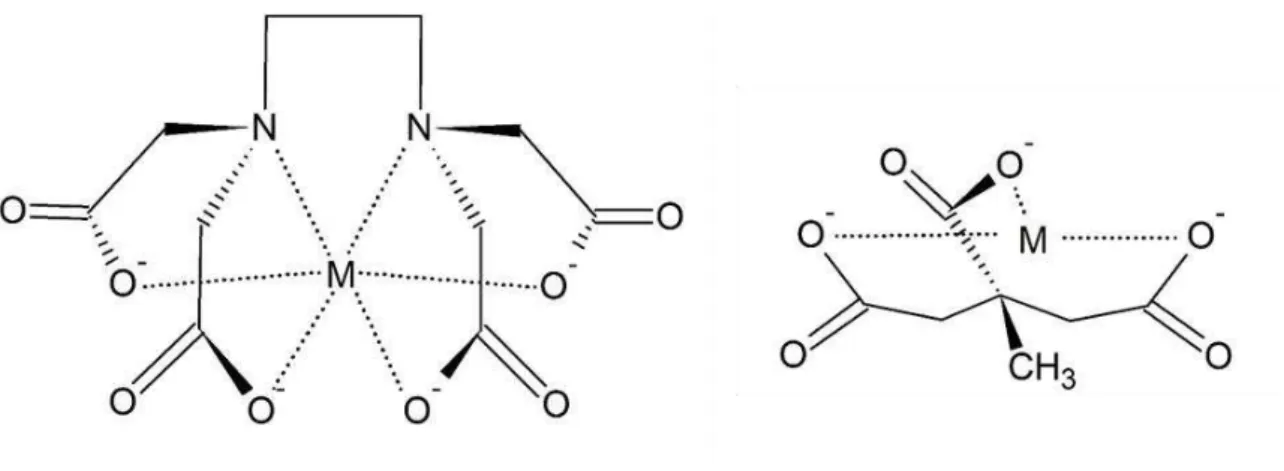
The Pechini method is a widely used option for the synthesis of many mixed oxides. It has been idealized on the ability of some compounds, such as, lactic, glycolic, citric, and ethylenediaminetetraacetic (EDTA) acids, to form polybasic acid chelates with cations dissolved in the system [71]. Chelating agents are used to prevent the partial segregation of metals in the final compound, which may be caused by different interactions between metal ions present in the solution [5]. The addition of a polyhydroxy alcohol, allied with heating the solution, leads to the polyesterification of the chelates, creating a cross-linked chain of metal atoms bonded to organic radicals. The heat treatment, which requires lower temperatures than conventional methods, leads to the removal of organic material and formation of the mixed oxides. These oxides are finely divided and exhibit high purity as well as high homogeneity. As a consequence, the system is in a highly desirable state for successfully sintering into a dense membrane [71].
Some groups have shown that the use of two chelating agents may be an interesting alternative in order to guarantee the absence of unbound metal cations [72,73]. In other words, the cooperation of the chelating agents guarantee the complexation of all metal ions, causing the formation of a precursor solution with all metal ions completely bound [72]. Consequently, a more stable chelate complex system is formed, requiring even lower temperatures as observed when compared to the thermal behavior during the heat treatment of compounds obtained with only one chelating agent [73].
The citrate-EDTA complexation method is an example of route that consists in a solution of metal nitrates as precursors in an aqueous solution with addition of citric acid and ethylenediaminetetracetic acid (EDTA) as chelating agents. Complexation of metal ions with EDTA and citric acid occur while the pH is controlled by dosing NH3H2O. Finally,
27
complexation [74]. Recommended pH values depend on the desired properties for each application.
A subsequent step may be performed with the addition of a polyol, such as ethylene glycol, promoting the polymerization with the chelating agent. It has been reported that the use of ethylene glycol can result in a material with increased homogeneity and high surface area when compared to samples prepared using only chelating agents; since a polyester net can minimize further segregations of particular metals during the decomposition process at the required temperatures in the heat treatment [5,75].
Figure 10 – Complexes formed between metal ions and chelating agents: EDTA on the left and citric acid on the right
28
when using only citric acid the time required to reach 5 % of conversion was significantly longer than for the other routes, which were very similar. It is pointed out that this fact occurs because of the different number of possible bonds formed between the molecule and metal. Therefore, EDTA is a more efficient chelating agent than citric acid. Finally, FTIR showed that a lower amount of impurity s usually present in materials obtained by that route where both chelating agents are used, suggesting that this is the best choice between the studied chelating agents [73].
Another advantage of using two chelating agents is that one of them might partially contribute to the polyesterification of the other components, without the use of a polyhydroxy alcohol. Each chelating agent exhibit different tendencies for complex formation with a specific metal ion, which reveals that they have distinctive complex formation constants (K). Table 2 summarizes the complex forming constants of EDTA and citric acid with cations used for BSCF production and it is clear that EDTA shows a more intense tendency of forming complexes than citric acid.
Table 2 – Complex forming constants (log K) for cations used for BSCF production [76,77]
Cations Complex forming constants (K)
EDTA Citric acid
Ba2+ 7.86 2.73
Sr2+ 8.74 3.02
Co2+ 16.3 5.00
Fe3+ 15.1 11.2
29
Figure 11 – Structure formed by the polyesterification between EDTA and citric acid
Perovskite-based materials have been extensively produced by the Pechini method. Kakihana et al. (1999) synthesized LaMnO3+compounds by using the polyesterification
reaction between citric acid and ethylene glycol. The heat treatment at 700 °C for 6 hours was sufficient to produce a high purity powder with a specific surface area of 20.2 m2/g.
For the sake of comparison, the same powder was produced without the use of ethylene glycol, cited as non-polymerizable amorphous citrate route, and the result was a powder with 18.5 m2/g. Some unknown impurities were found by XRD analysis for powders
obtained at temperatures below 500 °C for the method without the use of ethylene glycol. However, for temperatures above 700 °C the collected XRD pattern was similar to those obtained by the ethylene glycol-based method. The specific surface areas exhibited by materials obtained by both methods were compared with powders prepared in other studies by other routes, such as solid-state and co-precipitation. It was observed that samples obtained by these methods showed higher surface areas than those reported elsewhere [75]. An investigation of the calcination temperature required for successful production of SrCe0.95Yb0.05O2.975compounds was done by Liu et al. (2001) using citric
30
The ratio between metal precursors and chelating agents can play an important role on the heat treatment used in the synthesis process. Liu et al. (2002) suggested that this ratio should be high enough to guarantee that all metal ions are strongly bonded to their structure and to avoid the precipitation of these metals during the drying process of the solution used. On the other hand, it is interesting to minimize the amount of chelating agents used in order to produce the desired material with minimal costs. The authors discussed about the method used to calculate the mentioned ratio, and also which is the best chelating agent (EDTA, glycine or citric acid) for the synthesis of a perovskite with the general formula SrCe1-xMxO3-α (M = Yb, Y, In, Ga, La). Due to the presence of
carboxylate and aliphatic amine groups on EDTA and glycine, the ratio required for these reactants were lower than for citric acid. Powders synthesized with each reagents were characterized by TG analysis, with all three methods exhibiting its final weight loss stage at about 800 °C. The structural evolution of SrCe1-xMxO3-αwas examined by XRD.
Powders obtained at temperatures in the range of 800-950 °C exhibited the presence of perovskite and impurities such as SrO and for temperatures above 950 °C there was only the perovskite phase. Therefore, the authors suggested a heat treatment at temperatures above 950 °C for preparing materials with only the perovskite phase. As already discussed, samples obtained by the solid state reaction method need to be calcined at temperatures as high as 1400 °C for long times. At last, SEM analysis of ceramic powders obtained using glycine revealed that the resulting structure was more porous, probably because of the explosive reaction during the heat treatment. Synthesis using EDTA and citric acid produced larger, harder and denser powders agglomerates that are connected each other. Average particle sizes were measured by SEM and the results are that when using citric acid, average particle sizes were smaller than the other methods. However, this behavior was noticed only for sintering temperatures below 1100 °C [80].
31
tests performed at 950 °C for at least 4 hours it was possible to obtain a phase with lattice parameter similar to the usually found in the literature, indicating absence of disorder. When comparing all compositions and process parameters used, the conclusion is that all powders synthesized at 950 °C for at least 4 hours were similar, therefore final perovskite phase formation is independent of these parameters. However, for temperatures below 900°C some impurity peaks were found in the XRD patterns, and the powder with lower impurities was the powder obtained at pH 7 and a EDTA / metal cation ratio of 1.0 [81]. For deeper discussion about the influence of composition on the final powder, FTIR spectra were taken for each composition. Absorption bands related to the twisting and stretching vibration of CO32- were observed in all spectra, but they exhibited different intensities. It is clear that the higher the EDTA content, the smaller are these peaks. Nonetheless for citric acid the relation is opposite; the peaks become stronger with increasing the citric acid concentration. No evidence was found for the influence of the solution pH on the intensity of the aforementioned bands. Results obtained by SEM and BET showed that the agglomerate size decreases when EDTA content is increased, as well as specific surface area increases with increasing the solution pH. The particle shape was independent of EDTA and citric acid contents, but a higher number of spherical
particles were noticed for powders prepared at high pH’s. Best results for particle
morphology were obtained with the proportion of 1.0/1.5/1.0 (metal ions/citric acid/EDTA) with pH 9, with specific surface area of 18.57 m²/g and particle size of
0.056μm. Tests to measure the membrane sinterability showed that the highest shrinkage
between samples was found for the perovskite obtained by these parameters, due to the highest surface area [81]. Further discussion on pH influence on properties of perovskite materials are detailed elsewhere [74,82].
32
The results from the mentioned studies are evidences of the strong influence that the synthesis parameters have on the materials properties, and it represents a strategic advantage of the sol-gel method. Several different parameters can be controlled in order to achieve the best properties for the desired application, making the method adaptable for each situation. This accurate control associated with advantages such as low temperature required for the calcination process, high purity and accurate control of the composition of the final compound, make the sol-gel route one of the most used and studied chemical routes for preparing perovskites [83-91]. It is worth to mention the study by Chen et al. (2014) showing that the presence of some impurity ions, in small amounts, does not interfere on the performance of a BSCF membrane making it possible to use raw materials with lower purity, thus lowering the costs of production of the sol-gel route and increasing the competitiveness of BSCF for industrial applications [92].
2.5.4. Hydrothermal
This technique operates at temperatures between the boiling point of water and the material critical temperature is generally used combined with high pressures (15MPa), so that the calcination step can be eliminated. It can be associated with sol-gel technique to control the particle size [5]. Production of CaTiO3 by this method was reported using
pressures in the range of 2.5-15 atm and the lowest temperature that the powder was produced was 150 °C for at least 6 hours [93]. X-ray patterns were used to compare the as-prepared powder to that obtained after a heat treatment at 1300 °C. No significant differences were observed in either the phases (no impurities were observed in the samples) or in the cell parameters, validating that the calcination step is not necessary [93].
33
aggregates. Another crucial advantage of this method is the capability for continuous production of materials by the hydrothermal method, making it particularly useful in industrial continuous fabrication of ceramic powders [94]. Most systems synthesized by this method have utilized the trial-and-error method, an approach that is extremely time consuming. However, thermodynamic modeling to design hydrothermal synthesis is becoming a trend, but only when the system is well known [94].
Some recent effort has been made in studies about the synthesis parameters of perovskites using the hydrothermal method [95-97]. However, it is not widely used yet. Its high potential for low cost production of perovskite powders still has to be completely explored.
2.5.5. Spray and freeze drying
These two techniques use specific rates for phase change of the solvent used to form the solution containing the metal cations. Spray drying uses a fast vaporization of the solvent contained in small droplets of the solution. Taking into account that this is a well-established industrial process, scale up for the production of complex materials can be easily performed. On the other hand, freeze drying uses a slow rate of sublimation of the solvent where the solution is sprayed in fine droplets into liquid nitrogen, with subsequential sublimation of the solvent in the absence of liquid phase [36]. The first step of rapid freezing allows minimum segregation of diluted salts and results in intimate mixing of the ions [98]. Both methods produce homogeneous fine particles with a high control of the morphology and composition [36].
Perovskites powders based in cobalt and nickel were synthesized by the freeze drying method for catalytic applications. It is known that the specific surface area plays an important role on the catalyst activity. Therefore, several compounds were produced using different metals in order to optimize the specific surface area of the final material. Values were within the range of 8.0 – 22.7 m2/g and all samples showed significant
34
Examples of perovskite production by spray [100] and freeze drying can be found elsewhere [101,102].
2.5.6. Novel methods
In an attempting for improving the powder properties, novel methods for perovskite production have been developed over the past 2 decades. Each application has its own specificities and requirements, such as for catalytic applications, in which the surface area plays a key role on the materials performance. In this context a method known as spray pyrolysis was recently developed. This method involves a solution with metal precursors that is nebulized into an oxy-hydrogen flame and the nanometric particles are collected in an electrostatic precipitator. The resulting material exhibited high thermal stability and sub-micron spherical particles with specific surface areas as high as 40 m2/g [103]. High
drying rates, induced by the low pressures and high temperatures inside the flame, are the main factor causing the formation of nanoparticles [104]. One interesting application of this method is the ability to form regular particles with hollow and thin walls, since a simple milling process of these particles can result in nanoscale particles [105].
The apparatus for spray pyrolysis is designed in a way that the production of the material is continuous, increasing the production rate [104], as well as readily scaled up for commercial production of nanopowders [105]. Additionally, accurate investigation of the experiment is required, since powder morphology strongly depends on process parameters such as temperature of the diffusion flame and residence time inside the high temperature flame, which are easily controlled [105] [106]. Other authors have also shown this strong correlation with several process parameters [107-111].
35
calcination stages might be extremely important, due to the lack of time available to grain growth and a uniform and fine microstructure is obtained. However, some materials do not absorb well microwave radiation at certain temperature ranges (usually low temperatures) and the need of another heating source is required. In this case, a material with capacity of absorbing the microwave radiation, called susceptor, is placed near to the sample and this material will assist in the heating of the sample until a temperature in which it couples well with microwave radiation [114-116]. When the material to be processed is a ceramic powder, this method is used in most cases and may be called of hybrid microwave heating.
Experimental work by Yan et al. (1997) showed the production of powders of LiCoO2 by
hybrid microwave calcination. The result was a powder with grain size of one tenth of the grain size obtained by conventional sintering and further milling was not necessary, since particle coarsening was avoided [112]. In addition, phase purity is achieved with lower temperatures when using microwave heating, suggesting that a different reaction path takes place by this method [5,117-121]. For example, the LiCoO2 powder was produced
at temperatures of 600 °C instead of the 800-900 °C usually required for conventional synthesis. Another feature is that volatilization of certain materials is reduced, which inhibits variances and uncertainty in atomic ratios within the final material [112].
An attractive option is the association of wet chemical synthesis methods with the use of microwaves, since water is usually used as solvent and it absorbs well the microwave radiation. For instance, Zhai et al. (2006) used the Pechini method for the synthesis of perovskites using a domestic microwave with basic adaptations for homogeneous mixing of the solution. The evaporation took place until the powder was obtained and it was subsequently calcined in a conventional furnace. Few secondary phases were observed in the samples prepared using the microwave and the particles showed a small grain size [122]. Similarly, complexation of metal cations with PVA (Poly(vinyl alcohol)) was performed in the same adapted microwave and exhibited the advantage of consuming less organic reagents [123]. Hydrothermal synthesis was also performed using a domestic microwave furnace and the result is a BaTiO3 powder with particles showing a uniform
36
Another alternative is the combustion synthesis, also known as self-propagating high temperature synthesis, in which metal precursors are mixed with a fuel (glycine, hydrazine and urea) and is characterized by fast heating rates, high temperatures (up to 3000 K), and short reaction times [37,125-127]. Highly exothermic and even explosive reactions are used to reach high heating rates and temperatures. Once ignited the system must lose less heat than generates, if not the system will extinguish [37].
Between the conventional methods, the first three methods are commercially well established, whilst the others are still in a demonstration stage. It is clear the trend towards development of synthesis methods in order to obtain improved powders and, consequently, membranes with enhanced properties. Properties such as particle size, homogeneity, purity, specific surface area (surface activity) are the main target in the current scenario (performance properties are extremely correlated with these properties, however they will be discussed in a farther point) and there is strong evidences to support the improvement and utilization of more advanced methods. Another important point of recent researches is the energy and time required for thermal stages within the methods, both strongly interconnected. It is of great interest to produce materials with lower calcination temperature, since it provides savings in the amount of energy demanded by the process, which is already high-energy, although novel methods usually result in higher costs with apparatus [5].
2.5.7. Comparison of synthesis method
37
[65,81,129]. This is in accordance with the theory about the densification process, since the driving force for the process is the decrease in surface area [26]. In addition to the requirement of eliminating isolated pores, the membrane cannot allow permeation of gases other than oxygen, and a dense layer is required to guarantee an absence of leakage. Development of perovskite phases are also dependent on the synthesis process, thus different calcination temperatures are required for each one. Comparison of the solid state method and two variants of the Pechini method by XRD analysis within a range of temperatures superior of 700-1000 °C, demonstrated that the Pechini method using citric acid and EDTA results in perfect perovskite phases in lower temperatures (900 °C) than other methods [128]. Therefore, parameters such as powder surface area and calcination temperature are important in order to choose wisely which synthesis process is indicated for each application.
Experimental data comparing several properties for different synthesis methods are vastly reported in literature. For example, Zeng et al. (1998) synthesized a perovskite compound (La0.8Sr0.2Co0.6Fe0.4O3) by four different synthesis methods: hydrothermal synthesis,
co-precipitation, spray-pyrolysis and conventional powder method. The hydrothermal synthesis resulted in a system in which the desired reaction was not viable under commercial conditions but further analysis of this method was not performed in this study. Despite some initial issues for the co-precipitation method, due to the complexity of this process with a four component system and partial loss of Sr during washing steps, all three methods resulted in a single-phase perovskite. A comparison of surface area of each method have shown that the co-precipitation and spray-pyrolysis methods resulted in similar values, about 7 m2/g, and the conventional method exhibited the lowest values
(~2.5 m2/g). They were pressed into disk-shaped samples and sintered at a temperature
range. Higher densities were found for the co-precipitation method and the low density for the spray pyrolysis was associated with the fact that the powder particles were not completely dense [65].
Another investigation of the relation between the synthesis method and properties of the powder and of the membrane was performed with the synthesis of La0.8Sr0.2Co0.6Fe0.4O
3-δ by the Pechini method (mentioned in the original article as citrate), solid state,
38
![Figure 2 – Scheme of a coal gasification system ( adapted from [2])](https://thumb-eu.123doks.com/thumbv2/123dok_br/15790913.132458/21.892.304.634.466.847/figure-scheme-coal-gasification-adapted.webp)
![Figure 3 - Membrane processes for oxygen separation: (a) solid electrolyte cell (oxygen pump) and (b) mixed ion-electronic conducting membranes [3,5]](https://thumb-eu.123doks.com/thumbv2/123dok_br/15790913.132458/24.892.209.737.227.452/figure-membrane-processes-separation-electrolyte-electronic-conducting-membranes.webp)
![Figure 7 - Conduction mechanism in MIEC membranes [30]](https://thumb-eu.123doks.com/thumbv2/123dok_br/15790913.132458/31.892.211.722.851.1104/figure-conduction-mechanism-in-miec-membranes.webp)
![Figure 9- Limiting factor for oxygen diffusion in MIEC membranes [5]](https://thumb-eu.123doks.com/thumbv2/123dok_br/15790913.132458/33.892.269.657.702.977/figure-limiting-factor-for-oxygen-diffusion-miec-membranes.webp)
![Table 2 – Complex forming constants (log K) for cations used for BSCF production [76,77]](https://thumb-eu.123doks.com/thumbv2/123dok_br/15790913.132458/44.892.155.777.657.807/table-complex-forming-constants-cations-used-bscf-production.webp)