Elaine Maria Seles Dorneles
IMMUNE RESPONSE OF CALVES VACCINATED WITH Brucella abortus S19 OR RB51 AND REVACCINATED WITH RB51
Tese apresentada à Escola de Veterinária da Universidade Federal de Minas Gerais, como requisito parcial para a obtenção do grau de Doutor em Ciência Animal.
Área de concentração: Medicina Veterinária Preventiva Orientador: Prof. Andrey Pereira Lage
Co-orientadores: Dra Andréa Teixeira Carvalho Dr. Márcio Sobreira Silva Araújo
Belo Horizonte UFMG – Escola de Veterinária
Acknowledgments
To God who made it all possible.
To my husband Paulo for being so supportive, comprehensive, patient and lovely in all moments during this journey.
To my mom, Adeilde, and my brothers Leandro and Fernanda by unconditional love, motivation and affection.
To Andrey for the opportunity, friendship, trust and teachings.
To Dr. Nathan for the new world that he showed me and for his kindness and teachings To Prof. Marcos for the support and friendship.
To the LBA’s friends for all the encouragement, support and laughs, in particular to Telma, Luciana, Ethiene, Jordana, Ana Paula, Karina, Jamili, Mayra, Andréa, Ermilton, Dionei, Carolina, Gabriela and Frederico. I'm very lucky to have met you all!
To Jane for the affection and friendship.
To all DMVP and FEP-MVZ staff who work in an essential way to carry out this work. Especially the Grazielle, Graciela, Agda, Eduardo and Renata.
SUMMARY
RESUMO ... 12
ABSTRACT ... 12
1.INTRODUCTION ... 13
2.OBJECTIVES... 14
3.REFERENCES ... 14
CHAPTER 1 - RECENT ADVANCES IN Brucella abortus VACCINES ... 18
ABSTRACT ... 18
1. INTRODUCTION ... 18
2. VACCINES, VACCINATION AND THEIR USE IN BRUCELLOSIS CONTROL AND ERADICATION PROGRAMS... 18
3. S19 VACCINE ... 20
4. RB51 VACCINE STRAIN... 21
5. 45/20 VACCINE ... 22
6. SR82 VACCINE STRAIN ... 22
7. VACCINATION WITH RECOMBINANT GENES, PROTEINS, VECTORS AND B. abortus RECOMBINANT MUTANTS ... 23
7.1. DNA VACCINES ... 23
7.2. SUBUNIT VACCINES ... 23
7.3. VECTOR VACCINES... 24
7.4. B. abortus RECOMBINANT MUTANTS ... 25
8. OTHER B. abortus POTENTIAL VACCINES ... 26
9. FINAL CONSIDERATIONS ... 26
13. ACKNOWLEDGEMENTS ... 26
14. REFERENCES ... 27
CHAPTER 2 - IMMUNE RESPONSE TRIGGERED BY Brucella abortus FOLLOWING INFECTION OR VACCINATION ... 34
ABSTRACT ... 34
1. INTRODUCTION ... 34
2. INNATE IMMUNE RESPONSE ... 35
2.1. CELLS ... 35
2.2. CYTOKINES, CHEMOKINES AND PRRS / PAMPS ... 37
3. ADAPTIVE CELL-MEDIATED IMMUNE RESPONSE ... 38
3.1. CELLS ... 39
3.2. CYTOKINES ... 40
4. ADAPTIVE HUMORAL IMMUNE RESPONSE ... 40
5. BRUCELLOSIS VACCINATION ... 41
6. FINAL CONSIDERATIONS AND FUTURE PERSPECTIVES ... 42
7. CONFLICT OF INTEREST STATEMENT ... 42
8. ACKNOWLEDGEMENTS ... 42
9. REFERENCES ... 42
ABSTRACT ... 50
1. INTRODUCTION ... 50
2. MATERIAL AND METHODS ... 51
2.1. MONOCLONAL ANTIBODIES (mAbs) ... 51
2.2. ANIMALS AND CONTROLS ... 51
2.3. SHORT-TERM WHOLE BLOOD IN VITRO CULTURE AND IMMUNOSTAINING FOR INTRACELLULAR CYTOKINE ANALYSIS BY FLOW CYTOMETRY ... 53
2.4. FLOW CYTOMETRY DATA STORAGE AND ANALYSIS ... 53
3. RESULTS ... 55
4. DISCUSSION... 55
5. ACKNOWLEDGEMENTS... 60
6. REFERENCES ... 60
CHAPTER 4 - T LYMPHOCYTES SUBSETS AND CYTOKINE PATTERN INDUCED BY VACCINATION AGAINST BOVINE BRUCELLOSIS EMPLOYING S19 CALFHOOD VACCINATION AND ADULT RB51 REVACCINATION ... 62
ABSTRACT ... 62
1. INTRODUCTION ... 62
2. MATERIAL AND METHODS ... 63
3. RESULTS ... 64
4. DISCUSSION... 65
5. ACKNOWLEDGEMENTS... 67
6. REFERENCES ... 67
CHAPTER 5 - CHARACTERIZATION OF COMPARATIVE IMMUNE RESPONSE OF Brucella abortus S19 OR RB51 VACCINATED CALVES AND RB51-REVACCINATED HEIFERS ... 69
ABSTRACT... 69
1. INTRODUCTION ... 69
2. MATERIAL AND METHODS ... 70
2.1. LOCALE, ANIMALS AND EXPERIMENTAL DESIGN ... 70
2.2. VACCINES AND VACCINATIONS ... 72
2.3. MONOCLONAL ANTIBODIES (mAbs) ... 72
2.4. PERIPHERAL BLOOD MONONUCLEAR CELLS (PBMC) ISOLATION, CULTURE AND IMMUNOPHENOTYPING ... 72
2.5. CELL PROLIFERATION ASSAY ... 72
2.6. FLOW CYTOMETRY ACQUISITION AND ANALYSIS ... 72
2.7. IL-4, IL-6, IL-10 AND IFN-Γ DETECTION ... 74
2.8. SEROLOGIC ASSAYS ... 74
2.9. QUANTITATIVE REAL TIME REVERSE TRANSCRIPTASE-POLYMERASE CHAIN REACTION (qRT-PCR) ... 74
2.10. STATISTICAL ANALYSIS ... 76
3. RESULTS ... 76
3.1. S19 AND RB51 VACCINATION, AS WELL AS RB51 REVACCINATION INDUCED SIGNIFICANT INCREASE IN PROLIFERATION OF ANTIGEN-SPECIFIC CD4+ AND CD8+ T-CELLS 76 3.2. S19 VACCINATION SIGNIFICANTLY INCREASE CD8+GRANZYME B+ T-CELLS, WHEREAS RB51 VACCINATION AND REVACCINATION SIGNIFICANTLY INCREASE BOTH CD8+GRANZYME B+ AND CD8+PERFORIN+ T-CELLS ... 76
3.4. CD4+IFN-Ɣ+, CD8+IFN-Ɣ+, CD4+IL-17A+ T-CELL RESPONSE WAS SIGNIFICANT HIGHER IN RB51-PRIME-VACCINATED ANIMALS AFTER RB51 REVACCINATION,
COMPARED TO S19-PRIME VACCINATED CATTLE ... 77
3.5. S19 AND RB51 VACCINATION, AS WELL AS RB51 REVACCINATION INDUCED IFN-γ RESPONSES ... 78
3.6. S19 OR RB51 VACCINATION, AS WELL AS RB51 REVACCINATION, DID NOT INDUCE SIGNIFICANT LEVELS OF IL-4 NOR CD4+IL-4+ OR CD8+IL-4+ CELL RESPONSE 79 3.7. S19 INDUCED HIGHER IL-6 SECRETION THAN RB51 FOLLOWING VACCINATION, BUT IL-6 LEVELS DECREASED AFTER RB51 REVACCINATION IN BOTH GROUPS ... 79
3.8. ONLY CELLS FROM CALVES VACCINATED WITH S19 PRODUCED SIGNIFICANT LEVELS OF IL-10 FOLLOWING VACCINATION ... 79
3.9. S19 AND RB51 VACCINATION INDUCE CD4+ AND CD8+ MEMORY CELLS, BUT ONLY S19 STIMULATE THE DEVELOPMENT OF CD21+ MEMORY CELLS ... 79
3.10. FOLLOWING RB51 REVACCINATION, RB51 BUT NOT S19 PRIME-VACCINATED ANIMALS SHOWED INCREASE IN CD4+ AND CD8+ MEMORY CELLS ... 80
3.11. IgG1 WAS THE MAIN IMMUNOGLOBULIN PRODUCED FOLLOWING S19 AND RB51 VACCINATION, AND AFTER RB51 REVACCINATION ... 80
3.12. IMMUNE RESPONSE FOLLOWING S19 OR RB51 VACCINATION, AS WELL AS AFTER RB51 REVACCINATION WAS PREDOMINANTLY TH1 ... 81
4. DISCUSSION... 81
5. ACKNOWLEDGEMENTS... 84
6. REFERENCES ... 84
OVERALL CONCLUSIONS ... 91
LIST OF FIGURES
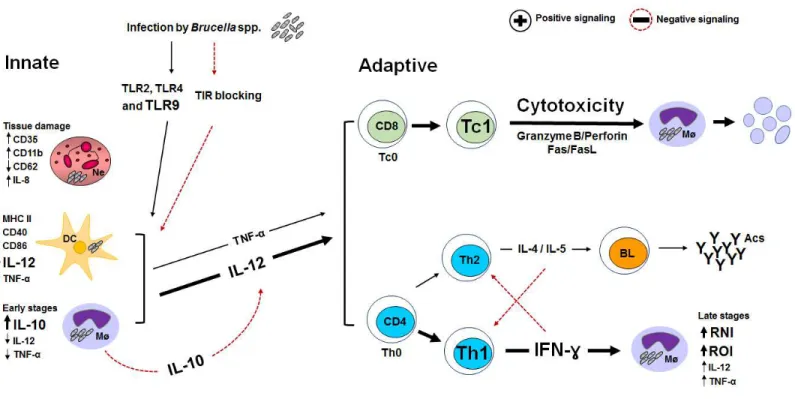
CHAPTER 2Figure 1 - The key mechanisms in different cells of the innate and adaptive immune system after
B. abortus infection.
... 36CHAPTER 3
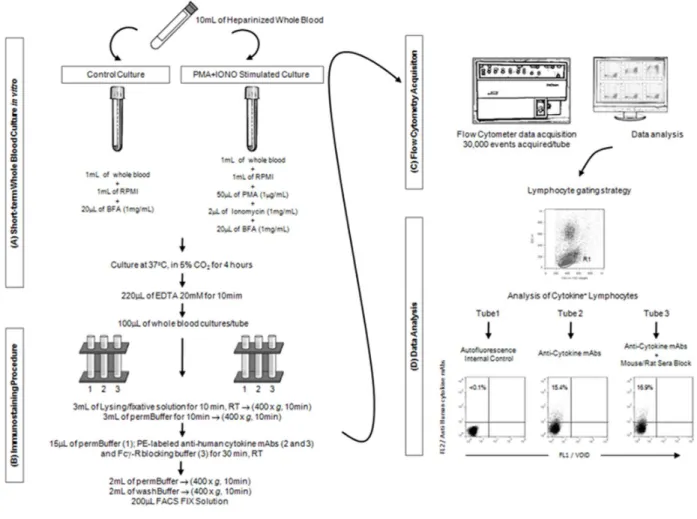
Figure 1. Short-term whole blood culture in vitro.
... 54Figure 2. Gating strategy.
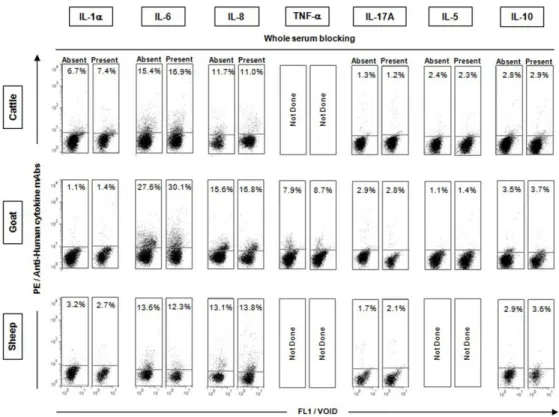
... 56Figure 3. Cross-reactivity of anti-human cytokine mAbs with cattle, goat and sheep
lymphocytes.
... 57Figure 4. Whole serum blocking..
... 58CHAPTER 4
Figure 1. Gating strategies used to select specific leukocytes subpopulation.
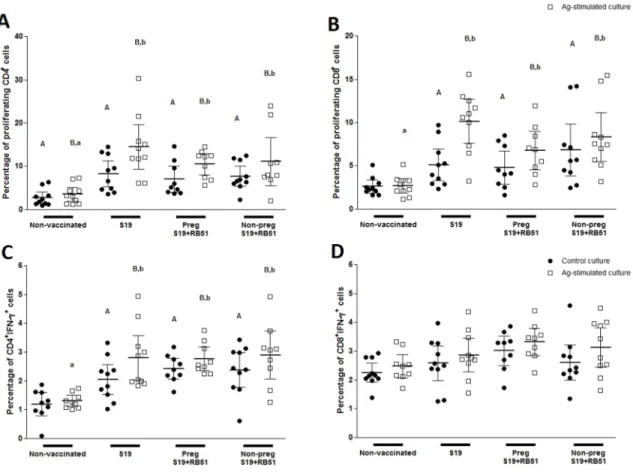
... 64Figure 2.CFSE proliferation analysis of CD4
+and CD8
+T-cell subsets in peripheral blood
mononuclear cells (PBMC) of non-vaccinated, S19 vaccinated (S19), RB51 pregnant
revaccinated (PregS19+RB51) and RB51 non-pregnant revaccinated (Non-pregS19+RB51)
cattle upon in vitro stimulation with
γ
-irradiated B. abortus 2308..
... 65CHAPTER 5
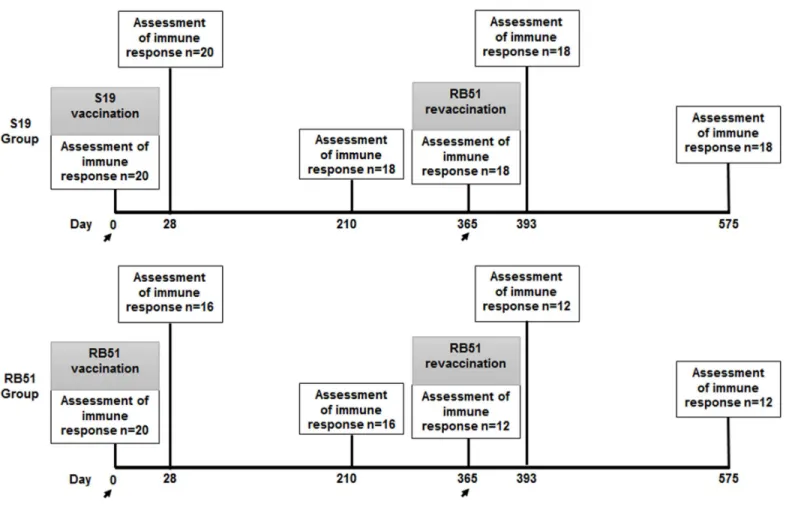
Figure 1. Experimental design.
... 71Figure 10. CFSE proliferation analysis of CD4
+(white box plots) and CD8
+(light gray box
plots) T-cells subsets in peripheral blood mononuclear cells of S19 and RB51 prime vaccinated,
and RB51 revaccinated cattle upon in vitro stimulation with
ɣ
-irradiated B. abortus 2308.
... 77Figure 3. Granzyme B (white box plots) and perforin (light gray box plots)-expressing CD8
+T-cells in peripheral blood mononuclear T-cells of S19 and RB51 prime vaccinated, and RB51
revaccinated cattle upon in vitro stimulation with
ɣ
-irradiated B. abortus 2308.
... 77Figure 4. IFN-
ɣ
and IL-17A production by CD4
+(white box plot) and CD8
+(light gray box
plot) T-cell subsets in peripheral blood mononuclear cells of S19 and RB51 prime vaccinated,
and RB51 revaccinated cattle upon in vitro stimulation with
ɣ
-irradiated B. abortus 2308.
... 78Figure 5. IFN-
ɣ
, IL-6, IL-4 and IL-10 accumulated in cell culture supernatant of peripheral
blood mononuclear cells of S19 and RB51 prime vaccinated, and RB51 revaccinated cattle upon
in vitro stimulation with
ɣ
-irradiated B. abortus 2308.
... 79Figure 6. Subsets of memory (CD45RO
+) lymphocytes in peripheral blood mononuclear cells of
S19 and RB51 prime vaccinated, and RB51 revaccinated cattle upon in vitro stimulation with
ɣ
-irradiated B. abortus 2308.
... 80Figure 7. Immunoglobulin profile of S19 and RB51 prime vaccinated, and RB51 revaccinated
cattle measured by I-ELISA using S19 and RB51 whole-cell antigens.
... 81Figure 8. Mean of fluorescence intensity of MHC class II on CD4
+T-cells of S19 and RB51
prime vaccinated, and RB51 revaccinated cattle upon in vitro stimulation with
ɣ
-irradiated B.
abortus 2308.
... 88Figure S1. Immunoglobulin profile of S19 and RB51 prime vaccinated, and RB51 revaccinated
cattle measured by I-ELISA using S19 and RB51 lysed heat-killed antigens.
... 89Figure S2. Expression of FoxP3 and CD25 by CD4
+(white box plot) and CD8
+(light gray box
plot) T-cells of S19 and RB51 prime vaccinated, and RB51 revaccinated cattle upon in vitro
stimulation with
ɣ
-irradiated B. abortus 2308.
... 89Figure S3. mRNA level of IL-10 and TGF-
β
in peripheral blood mononuclear cells of S19 and
RB51 prime vaccinated, and RB51 revaccinated cattle upon in vitro stimulation with
ɣ
LIST OF TABLES
CHAPTER 3
Table 1- Percentage of amino acid sequence homology among human (H) and Mouse (M)
cytokines and domestic ruminants (cattle, sheep and goat) cytokines
... 52Table 2 – Summary of cross-reactivity of anti-human and anti-mouse cytokines mAbs with
ruminant cytokines
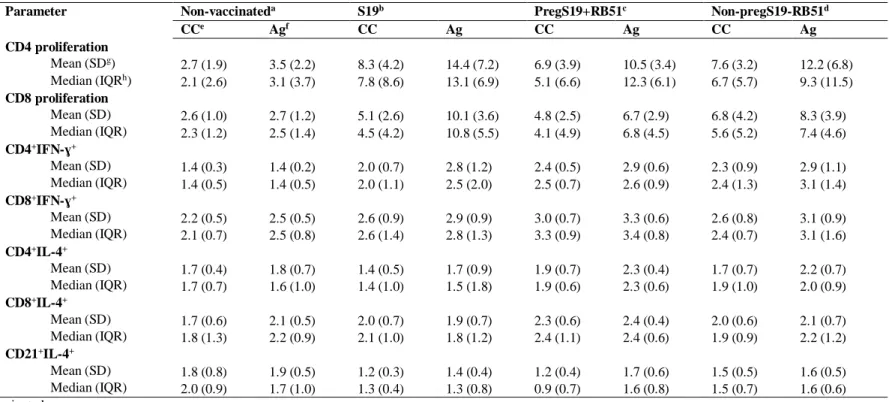
... 52 CHAPTER 4Table 1 – Statistic data of immunologic evaluation of S19 vaccinated and RB51 revaccinated
cattle in peripheral mononuclear cells upon in vitro
stimulation with γ
-irradiated B. abortus
2308.
... 66 CHAPTER 5RESUMO
As vacinas de Brucella abortus B19 e RB51 têm sido utilizados com sucesso para controlar a brucelose bovina em todo o mundo, no entanto, no presente, a maior parte do nosso entendimento da resposta imunológica protetora induzida pela vacinação vem de estudos realizados em camundongos. Assim, o objetivo deste estudo foi caracterizar e comparar as respostas imunes induzidas em bovinos primo imunizados com B. abortus B19 ou RB51 e revacinados com RB51. Bezerras com idades entre 4 a 8 meses foram imunizados com as vacinas B19 ou RB51, no dia 0, e revacinados com RB51 no dia 365 do experimento. A caracterização da resposta imunológica foi realizada utilizando soro e as células mononucleares do sangue periférico. As amostras de sangue foram coletadas nos dias 0, 28, 210, 365, 393 e 575 após-imunização. Os resultados mostraram que a vacinação com B19 e RB51 induziu uma resposta imune caracterizada pela proliferação de células T CD4+ e células T CD8+; produção de IFN-γ e IL-17A por células T CD4+; indução de células T citotóxicas CD8+; secreção de IL-6; indução de células de memória T CD4+ e CD8+; indução de imunoglobulinas da classe IgG1; e expressão dos fenótipos de ativação nas células T. As diferenças na resposta imune estimulada por B19 em comparação com RB51 foram a maior persistência de IFN-γ e células T CD4+ de memória, a indução de células CD21+ de memória e maior secreção de IL-6. Após a revacinação com RB51, a resposta imunológica foi caracterizada principalmente por aumento da expressão de IFN-γ, proliferação de células T CD4+ e células T CD8+ antígeno específicas, células T CD8+ citotóxicas e diminuição de IL-6 em ambos os grupos. No entanto, uma polarização diferente da resposta imune, CD4 ou CD8-dominante, foi observado após o reforço com RB51, em animais primo vacinados com RB51 e B19, respectivamente. Os nossos resultados indicam que após a primeira vacinação, ambas as estirpes de vacina (B19 e RB51) induziram uma resposta imune forte e complexa dominada por um perfil Th1, embora após a revacinação RB51 as diferenças entre os perfis imunológicos induzidos pela primo vacinação tornaram-se mais acentuadas.
Palavras-Chave: vacinas de brucelose, resposta imune, B. abortus, bovinos.
ABSTRACT
Brucella abortus S19 and RB51 have been successfully used to control bovine brucellosis worldwide, however, at the present, most of our understanding of the protective immune response induced by vaccination comes from studies in mice. Therefore, the aim of this study was to characterize and compare the immune responses induced in the cattle prime immunized with B. abortus S19 or RB51 and RB51 revaccination. Calves aged 4 to 8 months were immunized with either vaccine S19 or RB51 on day 0, and revaccinated with RB51 on day 365 of the experiment. The characterization of the immune response was performed using serum and peripheral blood mononuclear cells. The blood samples were collected on days 0, 28, 210, 365, 393 and 575 post-immunization. Results showed that S19 and RB51 vaccination induced an immune response characterized by proliferation of CD4+ and CD8+ T-cells; IFN-γ and IL-17A
production by CD4+ T-cells; cytotoxic CD8+ T-cells; IL-6 secretion; CD4+ and CD8+ memory cells;
immunoglobulins of IgG1 class; and expression of the phenotypes of activation in T-cells. The differences in the immune response stimulated by S19 compared to RB51 were the higher persistency of IFN-γ and CD4+ memory cells, induction of CD21+ memory cells and higher secretion of IL-6. After RB51
revaccination, the immune response was chiefly characterized by increase in IFN-γ expression, proliferation of antigen-specific CD4+ and CD8+ T-cells, cytotoxic CD8+ T-cells and decrease in IL-6
production in both groups. However, a different polarization of the immune response, CD4- or CD8-dominant, was observed after the booster with RB51, for S19 and RB51 prime vaccinated animals, respectively. Our results indicate that after first vaccination both vaccine strains (S19 and RB51) induce a strong and complex immune response dominated by Th1 profile, though after RB51 revaccination the differences between immune profiles induced by prime vaccination become more accentuated.
1.
INTRODUCTION
The microorganisms of the genus Brucella are causing brucellosis, an infectious disease that affects numerous livestock and wildlife animal species besides man (Corbel, 2006; OIE, 2009). Brucellosis is a major zoonosis in public and animal health, and found disseminated worldwide (Corbel, 2006). Brucella infection is a highly contagious disease that affects man and numerous livestock and wildlife animal species (Corbel, 2006). Approximately 500,000 cases of human brucellosis are reported annually to the World Health Organization (WHO) (Pappas et al., 2005). The infection in man is almost invariably transmitted by direct or indirect contact with infected animals or their products and a human Brucella vaccine does not exit. Moreover, Brucella microrganims are classified as a biosafety level 3 pathogen and considered to be a potential bioterrorist agent (Pappas et al., 2005).
Cattle are the preferred hosts of Brucella abortus (Corbel, 2006; OIE, 2009) and the economic importance attributed to bovine brucellosis is based on direct losses caused by abortions, stillbirths, weight loss, decreased milk production and the establishment of sanitary barriers to international trade of animals and their products (Bernues et al., 1997). Moreover, transmission of the disease to humans occurs almost invariably through the direct or indirect contact with infected animals or their products (Corbel, 2006).
The measures employed in the control of bovine brucellosis are justified by their importance to public health and the economic losses it causes, and can be classified into two main general categories: hygiene and vaccination (Lage et al., 2005). The hygiene whose purpose is to limit the exposure of susceptible animals, includes all processes, as the agent isolation, diagnosis, restraint of trade and slaughter of positive animals (Lage et al., 2005). Vaccination is the most effective measure in reducing the prevalence and incidence of brucellosis. This procedure has contributed enormously to the success of many programs, especially at the control stage of the disease (Olsen and Stoffregen, 2005).
The best results in the brucellosis prevention are observed for vaccines prepared with live attenuated strains of Brucella (Olsen and Stoffregen, 2005), despite countless recent advances in the development of new vaccines, mainly recombinant. Currently, S19 and RB51 are the B. abortus vaccine strains more widely used in the prevention of the brucellosis in cattle. Both vaccines are effective in the prevention of abortion and infection, besides offer long lasting protection (McDiarmid, 1957; Manthei, 1959; McDiarmid, 1960; Cheville et al., 1993; Cheville et al., 1996; Elzer et al., 1998; Poester et al., 2006). B. abortus S19 is a stable smooth attenuated organism with relatively high immunogenicity and antigenicity that has been used for the prevention of brucellosis for more than seven decades. RB51 vaccine is a lipopolysaccharide O-antigen deficient mutant derived from the virulent smooth strain B. abortus 2308, which does not induce an antibody response detectable by routine serological tests (Schurig et al., 1991). This feature allows RB51 vaccination to be performed at any age, while vaccination with S19 is normally restricted to calves between 3 and 8 months of age to avoid the vaccinal interference in the routine serological tests (Brasil, 2006).
In contrast, for cattle there is limited information concerning the immune mechanism by which the B. abortus vaccines confer protection. Some studies show that IFN-γ is induced after RB51 vaccination in cattle (Polci et al., 2006; Singh et al., 2012) and that immunization with S19 has been shown to elicit both CD4+ and CD8+ T cell–responses after vaccination (Hu et al., 2009). However, T lymphocyte response specifically induced by B. abortus vaccination in cattle has been extensively evaluated only through the blastogenic response (Confer et al., 1985; Smith et al., 1990; Wyckoff et al., 1993; Stevens et al., 1994, 1995; Palmer et al., 1997), whose results indicate the development of cell mediated immune response following vaccination. Even though not able to differentiate between the various biological functions of B and T-cells subpopulations, proliferation assays promotes experimental evidence of the stimulation of cell-mediated immune response components (Banks et al., 2011).
Characterize protective immunity conferred by B. abortus vaccines in cattle is critical for the development of new vaccines, more effective and safer, besides new methods to assess these potential vaccines. The incomplete characterization of B. abortus-specific T and B lymphocytes subsets preclude a definitive conclusion about the exact responsibility of the immune cells subpopulations in protective response. Furthermore, it remains to be determined whether animals vaccinated with RB51 or S19 have equal profile and persistence of the immune response and, still if revaccination of adult animals previously vaccinated with S19 or RB51 promotes some improve in immune response, which would strengthen the argument in favor of using RB51 in regions of focus. Also, understanding of the immunological mechanisms involved in Brucella spp. immunization / infection promotes the opportunity to know more details of the host / pathogen relationship. Additionally, some studies have shown promising results using RB51 and S19 as vaccine vector for heterologous antigens (Vemulapalli et al., 2000a; Sanakkayala et al., 2005; Ramamoorthy et al., 2007a; Ramamoorthy et al., 2007b; Vemulapalli et al., 2007; Sabio y Garcia et al., 2008; Sabio y Garcia et al., 2010), in this sense, is essential to understand in details the immune response generated by this strain so that its use as a vector may be appropriate and maximized.
2.
OBJECTIVES
The objectives of this study are to evaluate and compare:
i - The subset of lymphocytes (CD4+, CD8+, CD21+, Treg) induced by calfhood vaccination with S19 or RB51 and by adult revaccination with RB51;
ii - The in vitro production of IL-4, IL-6, IL-10, IL-17A, TGF-β and IFN-γ by peripheral blood mononuclear cells of vaccinated animals;
iii - The in vitro lymphocyte (CD4+ and CD8+) proliferation of vaccinated animals;
iv - The cellular activation phenotypes (MHCIIhigh and CD25high) of peripheral mononuclear leukocytes (CD4+, CD8+, CD21+) vaccinated animals;
v - The induction of T and B memory cells in vaccinated animals;
vi - The cytotoxic activity (Granzyme B and Perforin) of CD8+ T lymphocytes in vaccinated animals.
3.
REFERENCES
Agranovich, I., Scott, D.E., Terle, D., Lee, K., Golding, B., 1999. Down-regulation of Th2 responses by Brucella abortus, a strong Th1 stimulus, correlates with alterations in the B7.2-CD28 pathway. Infection and Immunity 67, 4418-4426.
Araya, L.N., Elzer, P.H., Rowe, G.E., Enright, F.M., Winter, A.J., 1989. Temporal development of protective cell-mediated and humoral immunity in BALB/c mice infected with Brucella abortus. Journal of Immunology 143, 3330-3337.
Banks, H.T., Sutton, K.L., Thompson, W.C., Bocharov, G., Roose, D., Schenkel, T., Meyerhans, A., 2011. Estimation of cell proliferation dynamics using CFSE data. Bulletin of mathematical biology 73, 116-150.
Bernues, A., Manrique, E., Maza, M.T., 1997. Economic evaluation of bovine brucellosis and tuberculosis eradication programmes in a mountain area of Spain. Preventive Veterinary Medicine 30, 137-149.
Brasil, 2006. Manual Técnico do Programa Nacional de Controle e Erradicação da Brucelose e Tuberculose – PNCEBT. Ministerio da Agricultura Pecuária e Abastecimento, Brasília.
Cabrera, A., Saez, D., Cespedes, S., Andrews, E., Onate, A., 2009. Vaccination with recombinant Semliki Forest virus particles expressing translation initiation factor 3 of Brucella abortus induces protective immunity in BALB/c mice. Immunobiology 214, 467-474.
Caron, E., Peyrard, T., Kohler, S., Cabane, S., Liautard, J.P., Dornand, J., 1994. Live Brucella spp. fail to induce tumor necrosis factor alpha excretion upon infection of U937-derived phagocytes. Infection and Immunity 62, 5267-5274.
Cheville, N.F., Olsen, S.C., Jensen, A.E., Stevens, M.G., Palmer, M.V., Florance, A.M., 1996. Effects of age at vaccination on efficacy of Brucella abortus strain RB51 to protect cattle against brucellosis. American Journal of Veterinary Research 57, 1153-1156.
Cheville, N.F., Stevens, M.G., Jensen, A.E., Tatum, F.M., Halling, S.M., 1993. Immune responses and protection against infection and abortion in cattle experimentally vaccinated with mutant strains of Brucella abortus. American Journal of Veterinary Research 54, 1591-1597.
Clapp, B., Skyberg, J.A., Yang, X., Thornburg, T., Walters, N., Pascual, D.W., 2011. Protective live oral brucellosis vaccines stimulate Th1 and th17 cell responses. Infection and Immunity 79, 4165-4174.
Confer, A.W., Hall, S.M., Faulkner, C.B., Espe, B.H., Deyoe, B.L., Morton, R.J., Smith, R.A., 1985. Effects of challenge dose on the clinical and immune responses of cattle vaccinated with reduced doses of Brucella abortus strain 19. Vet Microbiol 10, 561-575.
Corbel, M.J.E., S.S.; Cosivi O., 2006. Brucellosis in humans and animals. World Health Organization Geneva.
Elzer, P.H., Enright, F.M., Colby, L., Hagius, S.D., Walker, J.V., Fatemi, M.B., Kopec, J.D., Beal, V.C., Jr., Schurig, G.G., 1998. Protection against infection and abortion induced by virulent challenge exposure after oral vaccination of cattle with Brucella abortus strain RB51. American Journal of Veterinary Research 59, 1575-1578.
Fu, S., Xu, J., Li, X., Xie, Y., Qiu, Y., Du, X., Yu, S., Bai, Y., Chen, Y., Wang, T., Wang, Z., Yu, Y., Peng, G., Huang, K., Huang, L., Wang, Y., Chen, Z., 2012. Immunization of mice with recombinant protein CobB or AsnC confers protection against Brucella abortus infection. PloS One 7, e29552. He, Y., Vemulapalli, R., Zeytun, A., Schurig, G.G., 2001. Induction of Specific Cytotoxic Lymphocytes in
Mice Vaccinated with Brucella abortus RB51. Infection and Immunity 69, 5502-5508.
Hu, X.D., Yu, D.H., Chen, S.T., Li, S.X., Cai, H., 2009. A combined DNA vaccine provides protective immunity against Mycobacterium bovis and Brucella abortus in cattle. DNA and Cell Biology 28, 191-199.
Jiang, X., Baldwin, C.L., 1993. Effects of cytokines on intracellular growth of Brucella abortus. Infection and Immunity 61, 124-134.
Lage, A.P., Poester, F.P., Gonçalves, V.S.P., 2005. Controle da brucelose bovina. Cadernos Técnicos de Veterinária e Zootecnia 47, 30-41.
Luo, D., Ni, B., Li, P., Shi, W., Zhang, S., Han, Y., Mao, L., He, Y., Wu, Y., Wang, X., 2006. Protective immunity elicited by a divalent DNA vaccine encoding both the L7/L12 and Omp16 genes of Brucella abortus in BALB/c mice. Infection and Immunity 74, 2734-2741.
McDiarmid, A., 1957. The Degree and Duration of Immunity in Cattle Resulting from Vaccination with S. 19 Br. abortus Vaccine and its Implication in the Future Control and Eventual Eradication of Brucellosis. Veternary Record 69, 877-879.
McDiarmid, A., 1960. The prophylaxis of brucellosis in cattle. Veternary Record 72, 917-920.
OIE, 2009. Bovine Brucellosis. Manual of diagnostic tests and vaccines for terrestrial animals. World Organisation for Animal Health.
Oliveira, S.C., Splitter, G.A., 1995. CD8+ type 1 CD44hi CD45 RBlo T lymphocytes control intracellular Brucella abortus infection as demonstrated in major histocompatibility complex class I- and class II-deficient mice. European Journal of Immunology 25, 2551-2557.
Olsen, S.C., Stoffregen, W.S., 2005. Essential role of vaccines in brucellosis control and eradication programs for livestock. Expert review of vaccines 4, 915-928.
Palmer, M.V., Olsen, S.C., Cheville, N.F., 1997. Safety and immunogenicity of Brucella abortus strain RB51 vaccine in pregnant cattle. American journal of veterinary research 58, 472-477.
Pappas, G., Akritidis, N., Bosilkovski, M., Tsianos, E., 2005. Brucellosis. The New England Journal of Medicine 352, 2325-2336.
Pasquali, P., Adone, R., Gasbarre, L.C., Pistoia, C., Ciuchini, F., 2001. Mouse cytokine profiles associated with Brucella abortus RB51 vaccination or B. abortus 2308 infection. Infection and Immunity 69, 6541-6544.
Poester, F.P., Goncalves, V.S., Paixao, T.A., Santos, R.L., Olsen, S.C., Schurig, G.G., Lage, A.P., 2006. Efficacy of strain RB51 vaccine in heifers against experimental brucellosis. Vaccine 24, 5327-5334.
Polci, A., Leone, A., Di Provvido, A., 2006. Study of the gene expression of Th1 and Th2 cytokines in the immune response of cows vaccinated with Brucella abortus RB51. Veterinaria Italiana 42, 147-155.
Ramamoorthy, S., Sanakkayala, N., Vemulapalli, R., Duncan, R.B., Lindsay, D.S., Schurig, G.S., Boyle, S.M., Kasimanickam, R., Sriranganathan, N., 2007a. Prevention of lethal experimental infection of C57BL/6 mice by vaccination with Brucella abortus strain RB51 expressing Neospora caninum antigens. International Journal for Parasitology 37, 1521-1529.
Ramamoorthy, S., Sanakkayala, N., Vemulapalli, R., Jain, N., Lindsay, D.S., Schurig, G.S., Boyle, S.M., Sriranganathan, N., 2007b. Prevention of vertical transmission of Neospora caninum in C57BL/6 mice vaccinated with Brucella abortus strain RB51 expressing N. caninum protective antigens. International Journal for Parasitology 37, 1531-1538.
Rosinha, G.M., Myioshi, A., Azevedo, V., Splitter, G.A., Oliveira, S.C., 2002. Molecular and immunological characterisation of recombinant Brucella abortus glyceraldehyde-3-phosphate-dehydrogenase, a T- and B-cell reactive protein that induces partial protection when co-administered with an interleukin-12-expressing plasmid in a DNA vaccine formulation. J Med Microbiol 51, 661-671.
Sabio y Garcia, J.V., Bigi, F., Rossetti, O., Campos, E., 2010. Expression of MPB83 from Mycobacterium bovis in Brucella abortus S19 induces specific cellular immune response against the recombinant antigen in BALB/c mice. Microbes and Infection 12, 1236-1243.
Sabio y Garcia, J.V., Farber, M., Carrica, M., Cravero, S., Macedo, G.C., Bigi, F., Oliveira, S.C., Rossetti, O., Campos, E., 2008. Expression of Babesia bovis rhoptry-associated protein 1 (RAP1) in Brucella abortus S19. Microbes and Infection 10, 635-641.
Sanakkayala, N., Sokolovska, A., Gulani, J., Hogenesch, H., Sriranganathan, N., Boyle, S.M., Schurig, G.G., Vemulapalli, R., 2005. Induction of antigen-specific Th1-type immune responses by gamma-irradiated recombinant Brucella abortus RB51. Clinical and Diagnostic Laboratory Immunology 12, 1429-1436.
Schurig, G.G., Roop, R.M., 2nd, Bagchi, T., Boyle, S., Buhrman, D., Sriranganathan, N., 1991. Biological properties of RB51; a stable rough strain of Brucella abortus. Vet Microbiol 28, 171-188. Singh, R., Basera, S.S., Tewari, K., Yadav, S., Joshi, S., Singh, B., Mukherjee, F., 2012. Safety and
Smith, R., 3rd, Adams, L.G., Sowa, B.A., Ficht, T.A., 1990. Induction of lymphocyte responsiveness by the outer membrane-peptidoglycan complex of rough strains of Brucella abortus. Veterinary Immunology and Immunopathology 26, 31-48.
Stevens, M.G., Olsen, S.C., Cheville, N.F., 1994. Lymphocyte proliferation in response to immunodominant antigens of Brucella abortus 2308 and RB51 in strain 2308-infected cattle. Infection and Immunity 62, 4646-4649.
Stevens, M.G., Olsen, S.C., Cheville, N.F., 1995. Comparative analysis of immune responses in cattle vaccinated with Brucella abortus strain 19 or strain RB51. Veterinary Immunology and Immunopathology 44, 223-235.
Vemulapalli, R., He, Y., Boyle, S.M., Sriranganathan, N., Schurig, G.G., 2000a. Brucella abortus strain RB51 as a vector for heterologous protein expression and induction of specific Th1 type immune responses. Infection and Immunity 68, 3290-3296.
Vemulapalli, R., He, Y., Cravero, S., Sriranganathan, N., Boyle, S.M., Schurig, G.G., 2000b. Overexpression of protective antigen as a novel approach to enhance vaccine efficacy of Brucella abortus strain RB51. Infection and Immunity 68, 3286-3289.
Vemulapalli, R., Sanakkayala, N., Gulani, J., Schurig, G.G., Boyle, S.M., Lindsay, D.S., Sriranganathan, N., 2007. Reduced cerebral infection of Neospora caninum in BALB/c mice vaccinated with recombinant Brucella abortus RB51 strains expressing N. caninum SRS2 and GRA7 proteins. Veterinary Parasitology 148, 219-230.
Wyckoff, J.H., 3rd, Howland, J.L., Confer, A.W., 1993. Comparison of Brucella abortus antigen preparations for in vitro stimulation of immune bovine T-lymphocyte cell lines. Veterinary Immunology and Immunopathology 36, 45-64.
Yu, D.H., Hu, X.D., Cai, H., 2007a. A combined DNA vaccine encoding BCSP31, SOD, and L7/L12 confers high protection against Brucella abortus 2308 by inducing specific CTL responses. DNA and Cell Biology 26, 435-443.
Yu, D.H., Li, M., Hu, X.D., Cai, H., 2007b. A combined DNA vaccine enhances protective immunity against Mycobacterium tuberculosis and Brucella abortus in the presence of an IL-12 expression vector. Vaccine 25, 6744-6754.
Zhan, Y., Cheers, C., 1995. Endogenous interleukin-12 is involved in resistance to Brucella abortus infection. Infection and Immunity 63, 1387-1390.
Zhan, Y., Cheers, C., 1998. Control of IL-12 and IFN-gamma production in response to live or dead bacteria by TNF and other factors. Journal of Immunology 161, 1447-1453.
Zhan, Y., Kelso, A., Cheers, C., 1993a. Cytokine production in the murine response to Brucella infection or immunization with antigenic extracts. Immunology 80, 458-464.
Zhan, Y., Kelso, A., Cheers, C., 1995. Differential activation of Brucella-reactive CD4+ T cells by Brucella infection or immunization with antigenic extracts. Infection and Immunity 63, 969-975.
Zhan, Y., Liu, Z., Cheers, C., 1996. Tumor necrosis factor alpha and interleukin-12 contribute to resistance to the intracellular bacterium Brucella abortus by different mechanisms. Infection and Immunity 64, 2782-2786.
CHAPTER 1 - RECENT ADVANCES IN Brucella abortus VACCINES
Elaine M. S. Dornelesa, Nammalwar Sriranganathanb, Andrey P. Lagea#
aLaboratório de Bacteriologia Aplicada, Departamento de Medicina Veterinária Preventiva, Escola de Veterinária, Universidade Federal de Minas Gerais, Belo Horizonte, MG, Brazil.
bCenter for Molecular Medicine and Infectious Diseases, Department of Biomedical Sciences and Pathobiology, Regional College of Veterinary Medicine, Virginia Polytechnic Institute and State University, Blacksburg, VA, USA.
#Address correspondence to Andrey P. Lage, [email protected]
ABSTRACT
Brucella abortus vaccines play a central role in bovine brucellosis control/eradication programs and have been successfully used worldwide for decades. Strain 19 and RB51 are the approved B. abortus vaccines strains most commonly used to protect cattle against infection and abortion. However, due to some drawbacks shown by these vaccines much effort has been undertaken for the development of new vaccines, safer and more effective, that could also be used in other susceptible species of animals. In this paper, we present a review of the main aspects of the vaccines that have been used in the brucellosis control over the years and the current research advances in the development of new B. abortus vaccines.
Keywords: B. abortus; RB51; S19; DNA; subunit; vector; mutants; and outer membrane vesicles (OMVs) vaccines.
1.
INTRODUCTION
B. abortus is the main causative agent of brucellosis in cattle, causing abortion and infertility in adult animals [1]. Bovine brucellosis is a worldwide zoonotic disease, endemic in some regions of the world such as Latin America, Middle East, Africa and Asia [1] and responsible for large economic losses due to animal and human health problems.
Due to public health importance of brucellosis and the damage that it causes to the livestock industry, much effort has been expended to control and eradicate the disease in cattle. The development of an efficacious vaccine for brucellosis control/eradication has been a challenge for scientists for many years. Despite enormous advances and the development of B. abortus S19 and RB51 vaccines, the search for improved vaccines has never ends. Although the available vaccines are effective in controlling brucellosis, they have numerous drawbacks, such as interference with diagnostic tests, pathogenicity for humans, potential to cause abortion in pregnant animals, among others. In this paper, we present a review of the main aspects of the vaccines that have been used in the bovine brucellosis control and eradication over the years and some of the current advances in the research for a new B. abortus vaccine.
2.
VACCINES, VACCINATION AND THEIR USE IN BRUCELLOSIS CONTROL
AND ERADICATION PROGRAMS
abortion, even in pregnant animals inoculated with a single dose; (v) do not lead to seroconversion on revaccination; (vi) be stable and do not revert virulence in vivo nor in vitro; and (vii) be inexpensive, easy to produce and to administer.
Even though we still do not have an ideal vaccine, vaccination with available vaccine strains remains the most successful method for the prevention and control of brucellosis in cattle, being a critical component of most brucellosis control and eradication programs throughout the world [4]. Numerous countries have adopted control measures against bovine brucellosis in order to reduce the prevalence or eradicate the disease from domestic livestock in an effort to prevent transmission to humans and mitigate economic losses. Vaccination of female calves is the central point of any brucellosis control program, since it has performed well in the reduction of disease prevalence, therefore useful at the disease control stage. Considering that vaccination alone is not enough to control and eradicate the disease, it should be associated with continuous elimination of infected animals [5], as they are the source of new infections. Thus, besides vaccination, most bovine brucellosis eradicate programs also include test–and–slaughter policies, surveillance and hygiene measures [4].
The aim of vaccination is the reduction of susceptibly individuals in the population and the success of any vaccination program depends mainly on the effectiveness of the vaccine used and its coverage in the target population. Vaccines against brucellosis have been evaluated with respect to their potency by three different approaches: (i) testing in laboratory animals or (ii) testing in natural hosts experimentally challenged and (iii) testing under natural conditions [6]. Of these, test in natural hosts shows more significant response and is the only one able to measure the efficacy of B. abortus vaccines [7, 8]. In experimental studies of vaccine efficacy, vaccinated and non-vaccinated controls will receive a known infectious dose of a virulent B. abortus strain at the most susceptible period (mid-gestation), and the protection is measure by the ability of the vaccine in preventing abortion [4]. However, it is important to emphasize that the experimentally obtained effectiveness may differ from field efficacy, that can be influenced by other factors, such as nutrition, environmental stress, age at vaccination, vaccination management or immunological status [4]. Besides, the above three classical methodologies, B. abortus vaccines could also be assessed by measuring the immune responses and determination of correlates of protection by mathematical modeling. The identification of protection markers can be a useful approach to screen vaccine candidates whether validated by vaccine potency tests [9]. Since experiments involving challenge of pregnant cattle are very expensive, time-consuming and requires large animal biosafety level 3 facilities, the rational way for the future of B. abortus vaccines testing and development could be the characterization and identification of the correlates of protection.
Another important aspect related to the success of brucellosis control programs is the quality of the vaccine used. Despite the cost of the vaccine being just one fraction of the total cost of a control program, its quality will affect directly and dramatically the outcome of the program. Assessing the quality of live Brucella vaccines is usually based on in vitro criteria, including physico-chemical and microbiological in vitro tests as to purity, dissociation, and determination of pH, humidity and count of viable bacteria [10]. Recently, genetic stability has also been proposed as an additional criterion in assessing of the quality of Brucella spp. vaccines [11-13]. Although less frequently, immunogenicity in mouse can also be included in Brucella vaccines tests, however not having cutoff points (protection zone) defined for vaccine [10, 12] and as mouse immune system does not accurately represent bovine immune system, it is very difficult to use such data.
It is also important take into account that although cattle are the main target of the vaccination against B. abortus within bovine brucellosis control and eradication programs, they are not the unique species infected by this agent. Goats, feral swines, elks, bisons and other hosts can also be infected by B. abortus and some of them are even able to sustain the disease, being considered important source of the re-emergency of the disease in cattle [1].
Only a few vaccines have been used massively in cattle immunization against B. abortus, S19, RB51, 45/20 and SR82, being S19 and RB51 the most widely used vaccines [4]. However, many B. abortus vaccine candidates have been developed, including DNA, subunit, recombinant B. abortus and recombinant vector vaccines. All of them are evaluated principally in mouse model [14-47], and with a few exceptions the majority of these new vaccines, have not been tested in cattle or were not protective in cattle, the target species.
3.
S19 VACCINE
Strain 19 is a live attenuated vaccine and the first B. abortus vaccine to be used extensively for bovine brucellosis control [48]. In USA, this vaccine was used for more than five decades from 1941 and is still being used in several other countries [4].
Brucella abortus S19 was isolated in 1923 from milk of a Jersey cow by Dr. John Buck [49]. This virulent culture was accidentally left out at room temperature for one year and when tested in guinea pigs showed lower virulence compared with previous tests [50]. Subsequently, S19 showed to be highly successful in immunization of calves [49, 51]. The efficacy of B. abortus S19 has been proven by extensive efficacy tests in cattle [48, 52] and has been evaluated under field conditions [6, 53] and its main characteristics are stable low pathogenicity, relatively high immunogenicity, and moderate antigenicity [54]. Strain 19 is a smooth attenuated B. abortus biovar 1 that induces antibody response that cannot be distinguished from the antibody response induced by infection with field strains [4, 51]. The lipopolysaccharide (LPS) O-side chain is an immunodominant antigen to which the majority of antibodies resulting from S19 immunization or natural infection are directed [55]. Antibody titers resulting from vaccination may persist for a prolonged period in a small proportion of vaccinated calves: approximately two animals per 100,000 calfhood vaccinated ones [55]. Residual antibody titers increase with the age at which the animal was vaccinated [6], and to address this issue, vaccination is usually performed on young female calves between three and eight months of age [48]. However, vaccination of this age group does not appear to significantly differ in immunity induced [48]. Restriction on age of vaccination, due to the interference in the brucellosis diagnosis, is the main disadvantage of vaccination with S19. This has contributed greatly to their replacement by RB51 vaccine strain, which does not have this problem.
In calves, S19 vaccination can be performed with full dose [2.5 – 12 x 1010 colony forming units (CFU)], orginal dosage used in S19 classical experiments, or with reduced dosage (3-10 x 109 CFU) to minimize residual antibody titers and to prevent occasional persistent vaccinal infection [4]. After calfhood-vaccination, S19 is usually cleared from superficial cervical lymph node within 10 to 12 weeks [56]. Vaccination of adult cattle with S19, low dosage (0.3-3 x 10⁹ CFU), was also successfully employed in infected herds [6, 57, 58]. S19-adult vaccination was tested as a strategy to be used in infected herds in order to reduce abortions and subsequently brucellosis transmission; however, it was discontinued because vaccination of pregnant animals can cause abortion and mainly because of the persistence of vaccinal antibodies [58, 59].
hence infertility [60]. Furthermore, the vaccination of infected animals with S19 does not cure nor alter the normal course of the disease [48, 51].
On the other hand, duration of immunity induced by S19 in cattle vaccinated as calves has proven to be quite long, reaching almost the entire productive lifespan of the animal [48, 52]. The immunity in cattle vaccinated between 6 and 8 months of age does not decrease from the first through the fifth pregnancy [48, 52]. Moreover, revaccination experiments with S19 and killed B. abortus vaccines demonstrated no apparent benefit in cattle-challenge experiments compared with just S19-calfhood immunization [48], despite McDiarmid [52] having observed a small gain from S19 revaccination. Under field conditions, 82 to 95% of vaccinated cattle have been shown to have complete protection against infection with virulent strains [51]. However, it has also been demonstrated that the effectiveness of the vaccine decreases proportionally with an increasing dose of bacterial exposure [48, 51].
Regarding the immune response triggered by S19 vaccination, most of our knowledge come from mice studies, which have been showed a strong Th1 immune response with production of IFN-γ and high levels of antigen-specific CD4+ and granzyme B-secreting CD8+ T-cell responses [33].
Being pathogenic to man, the utilization of S19 requires safety training of the personal involved and the use of personal protection equipaments as gloves, long sleeve coats, protection glasses, and N95 masks.
4.
RB51 VACCINE STRAIN
B. abortus strain RB51 is a rough rifampicin-resistant strain, which exhibited a lack of expression of the LPS O-side chains (OPS) [61]. RB51 vaccine strain was developed in 1982 by Prof. Gerhardt Schurig’s group and is derived from a virulent smooth B. abortus biovar 1 strain 2308 [61]. This is a natural mutant derived by serial passages on media containing subinibitory concentrations of rifampicin or penicillin and by selecting single colonies with rough morphology [61]. The rough characteristic is stable during in vitro and in vivo passages and does not revert to virulent phenotype [61].
The protection against abortion and infection induced by RB51 vaccination in cattle has been sufficiently demonstrated under experimental conditions [7, 8, 56, 62, 63]. Also, the use of RB51 is highly effective under field conditions, in herds with high and low brucellosis prevalence [5, 64, 65].
The literature shows that calves vaccinated with RB51 at three, five and seven months of age are protected against infection and abortion [56], as well as heifers vaccinated at age of 10 or 24 months, after challenge with the virulent B. abortus 2308 [7, 62]. Nevertheless, it has been suggested that under experimental circumstances the vaccination with S19 is slightly (not significant) more efficacious than RB51 [4, 56]. After vaccination, RB51 is usually cleared from calf superficial cervical lymph node within 6 to 10 weeks [56]. RB51 is considered more attenuated than S19, based on results of clearance and histologic examination of infected tissues of vaccinated animals [62, 66].
In general, the recommended dosage for RB51 calfhood vaccination is 1.0 – 3.4 x 10¹⁰ CFU [4]. Protection against B. abortus infection is similar through the suggested dosage, although higher antibody titers and longer persistence of bacteria had been associated with the full dose (3.4 x 10¹⁰ CFU) [8]. Reduced dosage (1 x 10⁹ CFU), generally recommended for adult animals, also protects against infection and abortion caused by virulent 2308 [63]. Despite RB51 having highly reduced abortifacient characteristics [61, 67], it is not completely safe for pregnant cow, mainly when full dose is administrated [66]. However, some results indicate that non-vaccinated cattle and cattle vaccinated with S19 as calves can be safely vaccinated with RB51 (full dose) during the pregnancy [5, 7, 68]. Furthermore, data indicates that RB51 vaccination is a safe procedure also for males [69].
to be aware during diagnosis and treatment of humans. Therefore, the same protective measures recommended for S19 also applies to RB51 use.
Because of the rough phenotype, RB51 does not induce the production of anti-OPS antibodies in immunized animals, overcoming the serologic problems observed after S19 vaccination [8, 61, 63]. Consequently, RB51 vaccinated cattle can be easily and accurately differentiated from naturally infected animals, allowing the effective use of the test-and-slaughter and vaccination policies simultaneously. Vaccination with RB51 does not induce antibodies detectable by routine serologic brucellosis diagnostic tests, even after S19 calfhood vaccination and multiple RB51 boosters or use of full dose of RB51 (3.4 x 10¹⁰ CFU) [8, 63, 68]. However, RB51-specific antibodies can be detected by dot enzyme-linked immunosorbent assay or ELISA using killed RB51 antigens [71, 72], until approximately 12 weeks after vaccination, with the peak occurring four weeks after vaccination or revaccination with decreasing titers after ten weeks [63, 73]. Interestingly, S19-vaccinated cattle exhibit higher titers against RB51 antigens in ELISA than animals vaccinated with RB51, probably due to persistence of S19, which may result in high levels of cross-reacting antibodies against RB51 antigens [73].
So far, there are no experiments that evaluated the duration of immunity, but Olsen and Stoffregen [4] suggest that a booster vaccination is required between 4 and 5 years of age to maintain high levels of protection after RB51 calfhood vaccination. Also, RB51 revaccination has been recommended six months and one year after calfhood vaccination in northern Mexico [74]. Nonetheless, findings from blastogenic response of CD4+ and CD8+ T-cells and the production of IFN-ɣ and IL-4 by the lymphocyte subsets six months after RB51 revaccination indicate that there was no increase or improvement in the immunological response resulting from RB51-revaccination of adult cattle [75]. Even though, RB51 revaccination may still be considered as a tool for increasing herd immunity, since not all animals are completely protected after primary immunization [51]. Furthermore, it has been demonstrated that RB51 induces a strong Th1 cellular immune response with production of IFN-γ and CD8+ specific cytotoxic cells, but not IL-4 after vaccination of mice [76].
5.
45/20 VACCINE
This vaccine is prepared with heat-killed B. abortus biovar 1 strain 45/20 combined with oil adjuvant [77]. The 45/20 is a rough B. abortus, derived of smooth strain 45/0 after 20 passages through guinea pigs [78]. This bacterin was used in some European Union countries for B. abortus control replacing the S19, in order to eliminate the problems related to the induction of antibodies interfering in the routine diagnosis of infection [6]. However, data of experimental efficacy and immunologic response are contradictory and mostly show the superiority of vaccination with S19 [79, 80]. Furthermore, its use has some drawbacks such as the use of oil adjuvant, needing of repeat vaccination and reversion to smooth strain when used as a live vaccine [6, 78]. Furthermore, some studies have also indicated that 45/20 is not completely free of the O-side chain [81], hence this vaccine can induce antibodies detectable by rotine serologic tests employed in the diagnosis of bovine brucellosis. The variability in reported protection, along with unpredictable serological effects and the occurrence of reactions at the site of vaccine injection in some animals led to the interruption of the use of 45/20 vaccine.
6.
SR82 VACCINE STRAIN
7.
VACCINATION WITH RECOMBINANT GENES, PROTEINS, VECTORS AND
B. abortus RECOMBINANT MUTANTS
Classically and historically, the vaccines used in the bovine brucellosis control are live attenuated vaccines produced from spontaneously attenuated or ramdomly selected strains. Nonetheless, the numerous advances in genomics, proteomics, recombinant DNA technology and even in vaccinology, allowed the exploration of other tools for the development of safer vaccines, without drawbacks observed in classical vaccines. In this context, several studies aimed to develop, test the efficacy or assess the immulogical responses of the B. abortus genetically engineered vaccines (recombinant genes, proteins, vectors and modified B. abortus strains) have been performed essentially in mice. However, with a few exceptions the majority of these recombinant vaccines, have not been tested or did not protect cattle, their target species. Moreover, it important take into account that recombinant vaccines, especially non-living ones, have important limitations regarding economic viability, need for multiple doses and the need for combination of antigens.
7.1.
DNA VACCINES
DNA vaccines offer the possibility of inducing both cellular and humoral responses, expression of antigens is prolonged, they have better stability and do not require refrigeration under storage. Therefore, several antigens have been explored for their value as DNA vaccines against B. abortus challenge, providing various levels of protection. DNA vaccines ecoding ribosomal L7/L12, lumazine synthase (BLS), P39 (a putative periplasmic binding protein), Omp16 (outer membrane protein) and BAB1_0278 genes have demonstrated to confer protection against B. abortus challenge in mice [23, 24, 28, 43]. Moreover, Cu/Zn superoxide dismutase (Cu-Zn SOD) DNA vaccine induced a protection level similar to the one induced by RB51 [26]. All these genes also proved capable of eliciting a desirable cellular immune response in mice [23, 24, 33, 34, 43]. In contrast, plasmid DNA carrying the BAB1_0263 and bacterioferritin (BFR) genes did not induce significant level of protection against challenge with virulent B. abortus [23, 43].
Combined DNA vaccines have also demonstrated their ability to protect better against a challenge. DNA vaccines of genes coding for an immundominant antigen (BCSP31) and promising Brucella-antigens (SOD and L7/L12) provided significantly better protection than S19 in mice [33]. This combined DNA vaccine also elicited significantly higher cytotoxic response (granzyme B–producing CD8+ T cells) compared to S19-vaccinated mice [33]. Likewise, divalent fusion DNA vaccine encoding L7/L12 and Omp16 genes also proved to be effective and able to elicit a strong T-cell proliferative response and induce a large amount of gamma interferon producing T cells [28]. Additionally, data show that combination of these B. abortus genes (BCSP31, SOD and L7/L12) with Mycobacterium tuberculosis (Ag85B, MPT64, and MPT83) or Mycobacterium bovis (Ag85B, MPT64, and MPT83) genes are very promising for both agents [34, 35]. DNA vaccine containing six genes encoding immunodominant antigens from M. bovis and B. abortus induced protection comparable to S19 and better than Bacillus Calmette-Guerin (BCG) vaccine in cattle, suggesting that this is a highly promising vaccine for both diseases [35]. Combined DNA vaccine containing M. tuberculosis and B. abortus genes with added IL-12 adjuvant system and showed that besides the high level of protection, IL-12 acts as an adjuvant to enhance protective immunity against M. tuberculosis and B. abortus in challenge mice [34]. Conversely, results suggest that a SOD DNA vaccine fused to IL-2 did not improve protection efficacy [30].
However, despite some of B. abortus DNA vaccines candidate have showed very promising results in mice, the need of several booster vaccinations (at least four) to be effective as well as the high cost for be use in large animals, make this type of vaccine impractical for cattle, the main target of brucellosis vaccination. Moreover, excluding mice studies practically no DNA vaccine has been explored in natural hosts. The potential targets for protective immunity observed using the DNA vaccine should be tested using other approaches as recombinant B. abortus mutants.
7.2.
SUBUNIT VACCINES
outer membrane proteins (OMPs) of B. abortus, potential immunogenic antigens, have been widely explored as subunit vaccines [38, 40, 44, 46]. Unlipidated recombinant Omp16 and Omp19, and recombinant Omp25 liposome encapsulated gave protection comparable to S19 in vaccinated mice following challenge [38, 40, 46]. Also, Omp28 subunit vaccine increased resistance against challenge with virulent B. abortus but at lower level than live attenuated vaccines [44].
Similarly, flagellar proteins have been screened in search for a subunit vaccine antigen candidate. Five flagellar genes, although Brucella spp. are non-motile, (BAB1_0260 (FlgJ); BAB2_0122 (FliN); BAB2_0150; BAB2_1086; BAB2_1093) were evaluated for their ability to induce humoral and cell-mediated responses and protect mice against B. abortus challenge [84]. Of these, FlgJ and FliN were found to be protective antigens that produced humoral and cell-mediated responses in mice [84].
Moreover, recombinant proteins of other proven or putative pathogenesis-associated genes such as L7/12, BLS, rSurA and rDnaK induced different levels of protective immunity and cellular immune response in mice against brucellosis [15, 25, 32]. Whereas, dihydrolipoamide succinyltransferase (rE2o) and cysteine synthase A (rCysK) provided partial protection against B. abortus challenge and induced primarily Th2 type of immune response [42, 47]. Furthermore, CobB, AsnC and P39 elicit protective immunity similarly to Cu/Zn SOD and S19, which is marked by both humoral and cellular immune responses [22, 85]. Also, Cu/Zn SOD recombinant protein (liposomes encapsulated) confers resistance in mice, further increased upon co-immunization with recombinant IL-18 [41]. In contrast, BAB1_0560, BAB1_1108, BAB2_0059 (VirB10), BAB2_0191, BAB2_0423 (GntR) and BRF protein vaccines did not induce protective immune response [22, 85].
The potential use of B. abortus subunit vaccines under field conditions is very limited, although some encouraging results showed. The requirement of multiple boosters, adjuvants and combination of several antigens, as well as observed for DNA vaccine, make it economically unviable for cattle. Moreover, it is important considered that the response observed in mice may not reflect the protection achieved in natural hosts after vaccination. Furthermore, generate a strong and protective immune response that can mimic the natural infection from a combination of few proteins of the pathogen is a hard and complex challenge.
7.3.
VECTOR VACCINES
Alternatively, genes encoding immunodominant B. abortus antigens can be introduced into attenuated viruses or bacteria that serve as vector vaccines. B. abortus genes have been sucessfully expressed in viruses (Semliki Forest virus and Vaccinia virus) and bacteria (Escherichia coli, Ochrobactrum anthropi, Lactococcus lactis, Salmonella enterica subsp enterica serovar Typhimurium and B. abortus) [17, 21, 27, 29, 36, 39, 45, 86]. Escherichia coli, O. anthropi (plus unmethylated CpG motifs) and L. lactis expressing Cu/Zn SOD antigen of B. abortus were able to elicit a Th1 immune response and to protect mice following challenge with virulent B. abortus [21, 29, 45, 86]. Likewise, Semliki Forest virus-based vector carrying RNA encoding Brucella translation initiation factor 3 (IF3) showed a significant level of protection against a challenge with B. abortus 2308 in mice [36]. L7/L12 protein carried by S. enterica serovar Typhimurium but not by Vaccinia virus conferred protective efficacy and immunogenicity [27, 39]. Also, vaccinia virus carrying 18-kDa OMP of B. abortus were not able to protect mice against a challenge with the virulent strain B. abortus 2308 [87].
7.4.
B. abortus RECOMBINANT MUTANTS
Another focus of research for new vaccines to protect against B. abortus infection has been the construction of RB51 recombinant mutants, which retain the rough phenotype and attenuation but have improved characteristics such as immunogenicity and protection against a challenge [18-20]. Hence, some studies have shown that the complementation of RB51 with a functional wboA gene (RB51WboA), which lead to the expression of O-side chain in its cytoplasm, or the overexpression of Cu/Zn SOD protein (RB51SOD) results in significant enhancement of the vaccine efficacy against challenge with virulent B. abortus in mice [18, 19]. Furthermore, the combination of these two genes in a single RB51 strain (RB51SOD/wboA) also significantly increased the protective ability of this RB51 recombinat vaccine in mice and did not alter its desirable characteristics [20]. Nonetheless, this RB51-recombinant strain was not as effectives as the parental RB51 strain in calfhood vaccination of bison after challenge with 2308 [37].
Besides RB51, B. abortus strain 2308 has also been tested as recombinant mutant vaccine; the deletion of the gene znuA, important protein for survival and normal growth under low Zn2+ concentrations, generated a mutant capable of conferring protection similar to S19 or RB51 against challenge with parental 2308 in mice [31]. Experiments in natural hosts, cattle, was showed that the double gene deletion (htrA cycL) PHE1 was attenuated in the bovine host when compared to the virulent parental 2308 [88]. However, due the absence of a standard challenge study using this potential vaccine, the meaning of such data is unclear. Recombinant mutants based on deletion of ABC transporter ATPase (BAB1_0542) or phosphoglycerate kinase (pgk) gene of B. abortus 2308 also showed protection against challenge with virulent strain in mice and the critical of role of these genes to full bacterial virulence [89, 90]. In addition to the virulence attenuation, is desired that these B. abortus mutants also show no interference with the diagnostics tests, hence genes associated to the smooth phenotype have been explored in the generation of deleted vaccines. Rough mutant generated by wboA gene deletion of S19 protected mice against challenge with 2308 and did not induced abortion in pregnant sheep, showing promising results to be explored in the future development of rough vaccines [91].
The improvement of the existing B. abortus vaccines or the creation of new attenuated vaccines by deletion or complementation of some genes, it seem to be the most promising direction to find a safer and more efficient substitute for the known B. abortus vaccines. Modified live vaccines are highly effective in comparison to killed vaccines. This is most likely due to strong and protective cellular immune response induced by live vaccines [2, 3]. The use of this platform avoid the main disadvantages related to the non-living vaccines, as multiple delivery, low immunogenicity, need for adjuvants and costly. Furthermore, B. abortus strains, even if genetically modified, can colonize, be immunogenic, and therefore perfectly simulate the natural infection. They are able to multiply within animals for a short period of time expressing in vivo protective antigens. The major advantage of this approach over the use of vectors is that recombinant mutants share most of proteins with B. abortus field strains, whereas carrier organisms are able of expressing only few Brucella antigens. However, a real concern on B. abortus mutant strains is the presence of antibiotic selection marker. The antibiotic marker is used in the screening of transformed clones, but it is not desirable in the final vaccine due to the potential of spread an antibiotic resistance marker. Options, as an RB51 leucine auxotroph, have been explored to avoid this issue [92]. Additionally, so far, there is no data available to exclude the possibility of these live mutants will not have similar safety and diagnostic issues as live strains, especially if made from smooth strains. Also, to move towards in the control of bovine brucellosis, these recombinant mutants must be evaluated in cattle and other target species of animals. The worldwide need is a vaccine for natural hosts, since the transmission of disease occurs from cattle to people. The results obtained in mice, although favorable for some vaccines, have to be interpreted according to its limitations, as they cannot be directly transported to cattle.
encoding for the heterologous antigens of Babebia bovis or M. bovis demonstrated successful specific cellular immune response to recombinant proteins in mouse model [95, 96]. These above bivalent live modified B. abortus candidate vaccines need further evaluation as to their ability to induce protective immune response as well lack of interference in the diagnostic tests.
8.
OTHER B. abortus POTENTIAL VACCINES
Besides B. abortus recombinants vaccines, also vaccines based on outer membrane vesicles (OMVs) has been exploited as an acellular alternative to live vaccines [97]. OMVs are bilayer membrane vesicles release by Gram-negative and Gram-positive bacterias, which have been associated to many processes such as release of virulent factors, DNA transfer, regulation of host immune response and survival in the host cell [98]. B. abortus OMVs are mainly composed for outer membrane proteins (Omps) and have been associated with modulation of host immune response by inhibition of TNF-α and IL-8 response, inhibition of IFN-γ induced expression of MHC class II molecules on human monocytes and increase in expression of adhesion molecules [97-99]. A Brucella melitensis vaccine based on OMVs has been tested and showed promising results in BALB/c mice [100]. Furthermore, it is already available a vaccine based on OMVs, against meningococcus serogroup B (Neisseria meningitides) in some countries as Cuba, Norway and New Zealand [97]. Therefore, it is possible to speculate that an OMV vaccine against B. abortus has a great potential to be considered as part of the continuous efforts to reach B. abortus vaccine safer and more effective. Nonetheless, due high cost and labor intensive related to OMV production, this is a more suitable approach to human vaccine, being impracticable for cattle.
9.
FINAL CONSIDERATIONS
Vaccination is a determinant strategy for brucellosis control and eradication programs, therefore it has been the target of innumerous studies over decades. Nowadays, some effective vaccines are available to control the disease in cattle. S19 and RB51 are the officially approved B. abortus vaccine strains more widely and successfully used to prevent bovine brucellosis worldwide. However, due to some side effects shown by these current vaccines, plus the advances in recombinant DNA technology and the lack of a vaccine for humans, there is an on going extensive efforts focused on the development of new and better vaccines. Engineered vaccines have the potential to be the future of the bovine and human brucellosis control, but many studies are still needed to develop a better vaccine than the current vaccines in terms of safety, efficacy and other desirable characteristics. Moreover, it is important consider that, mainly non-living recombinant vaccines, such as subunit and DNA, also present important issues, as necessity for multiple booster, adjuvant, optimal combination of antigens, besides induction of poor cellular immune response. In addition, although the excellent results observed for some recombinant vaccines in mice, very few of these candidate vaccines have been evaluated in cattle. The recent studies showed that drive the mutant construction to exclude the drawbacks presented by RB51 and S19 and to enhance immunogenicity offered to these vaccines is the future of a new B. abortus vaccine. Furthermore, concerning immune response induced after S19 and RB51 vaccination, as well as after RB51 revaccination, in cattle very little is understood. Efforts to find out the principal characteristics of the immune response triggered in cattle by the two most used and successful B. abortus vaccine strains are essential to try to establish an ideal vaccine. The definition of immune markers correlated with protection, by mathematical modeling or evaluation of the immune response in vaccine – challenge studies – would be very helpful in the screening B. abortus candidate vaccines. The search for an ideal vaccine passes through the better understanding of how existing vaccines confer protection in the target species.