R
eviewA
RticleAbstract
Objectives: This review aims to evaluate if the use of hypotonic saline solutions as maintenance intravenous luid therapy in hospitalized children increases the risk of hyponatremia, if the administration of isotonic luids is able to protect against acquired hyponatremia and if the isotonic solutions increase the risks of deleterious effects such as hypernatremia or luid overload.
Sources: We researched the relevant literature on the PubMed (Jan 01 1969 to Jul 13 2011), EMBASE (1989 to 2011) and Cochrane Library (1989 to 2011) databases. Furthermore, references of selected studies were included.
Summary of the indings: Hospitalized children are potentially at risk of developing hyponatremia and the use of hypotonic saline solutions is the main risk factor for this disease. Isotonic saline solutions have shown a protective effect against hyponatremia, and, so far, there have been no signiicant deleterious effects such as luid overload, hypernatremia or phlebitis.
Conclusions: The evidence found indicates that the traditional recommendation of Holliday and Segar to use maintenance luid therapy for sick and hospitalized children deserves to be reconsidered due to the adverse effects found to arise from it, apart from the better results obtained by using isotonic solutions.
J Pediatr (Rio J). 2011;87(6):478-86: Isotonic solutions, hypotonic solutions, luid therapy, hyponatremia, child, hospitalization.
Copyright © 2011 by Sociedade Brasileira de Pediatria
478 Introduction
Hyponatremia is deined as the concentration of seric sodium under 136 mmol/L. When symptomatic, this disturbance can occur as dysfunction of the central nervous system (CNS), characterized by: cephalia, nausea, vomiting, lethargy, disorientation, depression of tendon relexes, convulsions, permanent neurological dysfunction, death due
to cerebral edema and herniation of the cerebral trunk.1 Brain damage and death have been described as being associated with hyponatremia acquired in hospital, in both children and adults.2-4 The main factor which contributes to the development of this disturbance in hospitalized patients seems to be the routine use of hypotonic luids in those
Isotonic saline solution as
maintenance intravenous luid therapy
to prevent acquired hyponatremia in hospitalized children
Josélia T. L. Alves,1 Eduardo J. Troster,2 Carlos Augusto C. de Oliveira31. Médica pediatra. Especialização, Terapia Intensiva Pediátrica, Departamento de Pediatria, Faculdade de Medicina, Universidade de São Paulo (USP), São Paulo, SP, Brazil.
2. Professor livre-docente, Departamento de Pediatria, Faculdade de Medicina, USP, São Paulo, SP, Brazil. Coordenador, UTI Pediátrica, Hospital Israelita Albert Einsten, São Paulo, SP, Brazil.
3. Doutor. Departamento de Pediatria, Faculdade de Medicina, USP, São Paulo, SP, Brazil. Professor de Epidemiologia Clínica e Medicina Baseada em Evidências, Faculdade de Medicina, Univille, Joinville, SC, Brazil. Coordenador, Disciplina de Medicina baseada em Evidências, Curso de Emergências Pediátricas, Instituto Israelita de Ensino e Pesquisa Albert Einstein, São Paulo, SP, Brazil.
No conflicts of interest declared concerning the publication of this article.
Suggested citation: Alves JT, Troster EJ, de Oliveira CA. Isotonic saline solution as maintenance intravenous fluid therapy to prevent acquired hyponatremia in hospitalized children. J Pediatr (Rio J). 2011;87(6):478-86.
with free water excretion impaired, as those with excess arginine vasopressin (AVP).5-7
Practically all the hospitalized patients have a risk of developing hyponatremia as a result of multiple potential stimuli for producing AVP.2 These stimuli can be hemodynamic, as in the cases of hypovolemia caused by: vomiting, diarrhea, use of diuretics, renal salt loss, hypoaldosteronism; or in the cases of hypervolemia caused by: nephrosis, cirrhosis, congestive heart failure and hypoalbuminemia. The stimuli of non-hemodynamic origin include: inappropriate antidiuretic hormone release syndrome, a condition present in disturbances of the CNS in patients with meningitis, encephalitis, hypoxic lesion or brain abscess; pulmonary diseases as asthma and pneumonia; tumors of several sites (pulmonary, brain, genitourinary, leukemias and lymphomas); use of medication (carbamazepine, cyclofosfamide, vincristine and morphine); postoperative occurrences (stress, pain, cortisol deiciency).1,2
Practically all the patients requiring maintenance luids have a potential stimulus for excess AVP and should be considered to be at risk for hyponatremia.8 Studies in hospitalized adults and children with hyponatremia have detected non-osmotic secretion of AVP in most of the patients.9-11 Besides this, children are a group at risk for developing postoperative hyponatremic encephalopathy. In these cases, the cutoff point of the concentrations of seric sodium associated with the convulsions is higher than that observed in adults, probably due to the greater cerebral volume of the children.7
The administration of hypotonic luids to patients with excess AVP makes the development of hyponatremia, a condition present in up to 30% of hospitalized patients,12-15 predictable.
The decision to use hypotonic luids in children was proposed in 1957 by Holliday & Segar, who justiied this option by the consumption of energy in healthy children and by the composition of maternal and cow milk.16 This is still the recommendation in force in pediatric medical texts.17,18 Recently, several studies2,5-7,19-22 have questioned if this type of maintenance luid therapy is the most appropriate one for hospitalized children, among other reasons, for the greater release of antidiuretic hormone.
The discrepancy between the accumulated indings concerning the use of hypotonic solutions and the recommendations for their use indicate the need to review the current status of the knowledge about the subject.
The objectives of this review are to evaluate if the use of hypotonic saline solutions in hospitalized children increases the risk of hyponatremia, if the administration of isotonic luids is capable of protecting against acquired hyponatremia and if the isotonic solutions increase the risks of deleterious effects as hypernatremia of luid overload.
Methods
Identiication of the studies
Publications were searched in the databases MEDLINE (01/01/1969 to 07/13/2011), Embase (1989 to 2011) and Cochrane Library (1989 to 2011). Furthermore, references were included of the studies selected. The descriptors used for the search were: isotonic solutions, hypotonic solutions, luid therapy, hyponatremia, hospitalization and child. The search strategies were personalized for each database.
Publication selection criteria
- Designs: controlled clinical tests, retrospective and prospective cohort studies of the case-control type and systematic reviews.
- Interventions: luid therapy with hypotonic solution compared with isotonic solution for luid maintenance. Solutions were considered to be hypotonic if they contained a concentration < 0.9%, and isotonic or approximately isotonic if they contained a concentration of 0.9% or if Ringer lactate.
- Population: from 0 to 18 years old, hospitalized for any clinical or surgical condition, and requiring parenteral maintenance luids.
- There was no publication language restriction.
- The titles and abstracts of all the citations were revised by an author, and all the articles which satisied the addition criteria for the population, intervention, comparison and outcomes of interest were recovered in full. The systematic reviews were evaluated according to speciic protocols,23,24 and the controlled randomized studies were evaluated by the Jadad score.
- Outcomes: occurrence of acquired hyponatremia in hospitalized children. Hyponatremia was deined as plasmatic sodium concentration < 136 mEq/L.1
Publication exclusion criteria
- Editorials, case reports, articles which included an adult population in analysis, non-systematic reviews, book chapters, articles with contents not related to the search theme.
- Studies with children involving intravenous or oral luid therapy for rehydratation and not for maintenance. Studies involving premature newborns, owing to the particularity of their sodium and water balances.25 - Studies with patients carriers of prior hyponatremia or with
comorbities which resulted in sodium dsturbances.
Outcomes evaluated
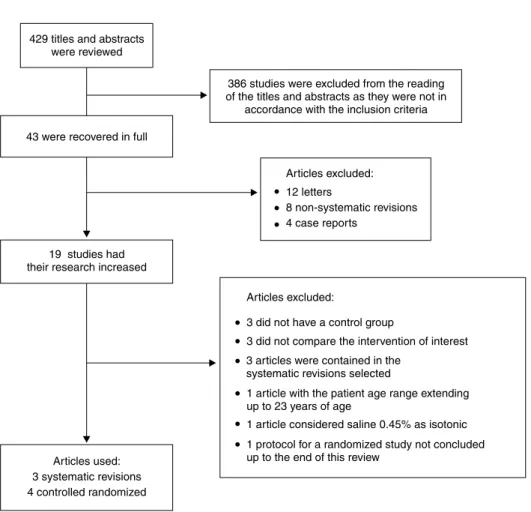
Figure 1 – Diagram showing the selection process of this review
Results
As per the diagram of Figure 1.
Critical literature review
Choong K, Kho ME, Menon K, Bohn D. Hypotonic versus isotonic saline in hospitalised children: a systematic review. Arch Dis Chil. 2006;91:828-35.26
A study of which the main objective was to evaluate the safety of isotonic and hypotonic intravenous maintenance solutions in hospitalized children. The secondary objective was to identify subgroups who had a greater risk of morbidity and for whom the hypotonic solution should be avoided.
The databases searched were MEDLINE (1966 to 2006), Embase (1980 to 2006) and Cochrane Library. The addition criteria were: controlled studies, cohort studies and case-control studies with children aged from 1 month to 17 years old, hospitalized for any clinical or surgical condition. The outcomes studied were: balance of luids, clinical evidence of volume overload, hypertension, convulsions, cerebral
edema, death, admission and time remaining in an intensive pediatric therapy unit (UTIP) and hypernatremia (Na > 145 mmol/L).
group which received hypotonic luids. The numerical data of the balance and volume of luids were not presented in the other studies, but only described as similar in both the groups. Four of the publications referred to surgical patients. The hypotonic solutions increased the risk of developing hyponatremia (odds ratio [OR] 17.22; 95% conidence interval [95%CI] 8.67-34.2). No study reported the development of hypernatremia, and 3 described a reduction of the plasmatic sodium in spite of the infusion of isotonic solution.
The authors concluded that the prescription of parenteral maintenance luids in children is not based on clinical evidence with a suitable evaluation of outcomes which are important for the patient. Moreover, the use of hypotonic solutions seems to exacerbate the risks of hyponatremia, whereas isonotronic solutions can be protective. The following were considered to be limitations of this systematic revision: the heterogeneity of the designs, the small and limited sample of the studies, the variable quality and non-evaluation of confounding variables.
Beck CE. Hypotonic versus isotonic maintenance intravenous luid therapy in hospitalized children: a systematic review. Clin Pediatr (Phila).
2007;46:764-70.29
The databases used were MEDLINE (1966 to 2007), Embase (1980 to 2007), Cochrane (2006), ACP Journal Club (2006) and DARE (2006). The studies selected contained at least 2 groups comparing hypotonic and isotonic luids. The study design was not a limiting factor, but studies with premature newborns and those in which the population had used luids for rehydratation were excluded. 3 studies were selected, all of them observational.
Only the study of Burrows et al.28 compared hypotonic with isotonic solutions, and only a few patients received the isotonic solution: just four compared with 20 who received the hypotonic solution, which weakened the internal validity of the study. Furthermore, the patients were from a speciic postoperative population, which makes it dificult to generalize from the results to other patients who did not have these characteristics.
In the study of Hoorn et al., 12 the cases received three times more water free of electrolytes than the controls (p < 0.001) and a greater total volume of luids (p < 0.001).
Beck29 concluded that, in spite of the observational studies suggesting an adverse secondary outcome when using hypotonic solutions in hospitalized children, the isotonic saline solution has not been well evaluated concerning the eficacy to prevent hyponatremia, the risk proile of volume overload, or the risk for hypernatremia. The author suggests that more prospective studies comparing hypotonic and isotonic luids, as well as the volume of luids infused should be performed.
The limitations of this study according to the reviewers were as follows: 1) all the studies included were observational, with biases inherent in this type of study and confounding variables which were not suitably discussed; 2) the author did not deine, in the addition criteria, which concentrations the solutions considered to be hypotonic and isotonic had.
Mathur A, Duke T, Kukuruzovic R, South M. Soluciones salinas hipotónicas versus isotónicas para los líquidos intravenosos en el tratamiento de las infecciones agudas (Revisión Cochrane traducida). In: La Biblioteca Cochrane Plus, 2008 Número 4. Oxford: Update Software Ltd. http:// www.update-software.com (Traducida de The Cochrane Library, 2008 Issue 3. Chichester, UK: John Wiley & Sons, Ltd.).30
A systematic review aiming to compare hypotonic saline solution (NaCl 0.9%) with isotonic solution (NaCl < 0.9%) as maintenance luid therapy in patients with acute infections. The results of interest included seric sodium disturbances, convulsive crises, cerebral edema, super-hydratation, mortality and neurological sequelae. The databases selected were MEDLINE, Embase and Cochrane Record of Controlled Tests. Studies with premature newborns and with patients with gastroenteritis were excluded. No test complied with the addition criteria.
As a conclusion, the authors did not ind evidence to support the use of isotonic saline solution as a maintenance liquid and stated that it is necessary to perform studies to evaluate the advantages and possible risks of the use of isotonic solution as a maintenance liquid.
Montañana PA, Modesto i Alapont V, Ocón AP, López PO, López Prats JL, Toledo Parreño JD. The use of isotonic luid as maintenance therapy prevents iatrogenic hyponatremia in pediatrics: a randomized, controlled open study. Pediatr Crit Care Med. 2008;9:589-97.31
A study with the following objectives (Jadad score equal to 3): describe the occurrence of hyponatremia and hypernatremia and the possible associations with the maintenance luids administered to children who are seriously ill; identify the potential deleterious impact of the use of hypotonic luids in the maintenance phase in these patients; evaluate the current recommendations concerning the administration of maintenance luids in children who are seriously ill; determine if the use of isotonic luids prevents hyponatremia and if they increase the occurrence of adverse events.
(Na = 140 mEq/L and K =15 mEq/L, tonicity 155 mOsm/ L) (n = 59) or hypotonic luids (Na = 20-100 mEq/L, corresponding to 2-4 mEq/kg/24 hours) (n = 63).
In both the groups, the daily volume of liquids was calculated by the Holliday & Segar formula.16 The offer of the other electrolytes and the glycose concentration were similar for both the groups. The concentration of plasmatic electrolytes, glycemia and blood pressure were measured 0.6 and 24 hours after the start of the luid therapy. Plasmatic creatinine, urinary density and concentration of electrolytes in the urine were measured with 6 hours of treatment. The authors considered hyponatremia as seric Na < 135 mEq/L and hypernatremia as seric Na > 145 mEq/L.
Patients with acute or chronic kidney failure, with a risk of cerebral edema and with plasmatic sodium levels upon admission < 130 mEq/L or > 150 mEq/L and/or dehydration > 5% of the body weight.
At 6 hours, a total of 19 patients were withdrawn from the study: 18 because the doctor thought that the luid therapy should be suspended before 6 hours, and one for requiring emergency surgery. After 24 hours, 57 patients had been lost, 48 due to early luid interruption, eight for having sodium < 130 mEq/L, and one to undergo emergency surgery. 46 patients were left to be studied: 23 in the hypotonic infusion group and 23 in the isotonic group.
At the moment of admission, no difference was found between the groups concerning natremia or the occurrence of hyponatremia. After 24 hours, the occurrence of hyponatremia in the hypotonic group was 20.6%, and in the isotonic group it was 5.1% (p = 0.02). No other difference was observed regarding adverse events.
When the subgroups were studied by diagnosis, lower levels of natremia were observed in patients undergoing abdominal surgery and receiving hypotonic luids. The author raised the issue that these indings can be biased due to the formulation of luids used during surgery. However, this datum was not collected in the study, so, even with the randomized design, trying to avoid this confusion, it is not clear if abdominal surgery can act as an accelerating factor of the hyponatremic effect of hypotonic luids, this needing to be conirmed in future studies.
The authors concluded that, after 24 hours of infusion, the use of hypotonic luids increases the risk of hyponatremia when compared with the use of isotonic luids. Moreover, the use of isotonic luids as maintenance luid therapy reduces the risk of iatrogenic hyponatremia in children conined in an ICT and did not increase the risk of adverse events when compared with the use of hypotonic luids.
Yung M, Keeley S. Randomised controlled trial of intravenous maintenance luids. J zaediatr Child Health. 2009;45:9-14.32
A study aiming to study the effect of two types of luid
therapy for intravenous maintenance (Jadad score equal to 5).
Fifty children, of whom 37 were surgical patients, and all with sodium seric levels between 135-145 mmol/L, without hypoglycemia and who required intravenous maintenance luids for another 12 hours were randomized for an intervention group, receiving saline solution at 0.9% and a control group with luid at 0.18% with glycose 4%. Both study groups received a traditional luid maintenance rate or 2/3 of it. The urinary and plasmatic electrolytes were measured, as was the osmolality, both upon admission, and 12-24 hours afterwards. The luid balance was documented from the admission to the end of the study when the second blood sample was taken. The data included postoperative conditions, demographic information, use of diuretics and mechanical ventilation.
The main outcome measure was the change in the plasmatic sodium upon admission and after 12-24 hours. Secondary outcomes were a change in the osmolality, a requirement for additional luid bolus infusion, adverse events including neurological complications (as cephaleia and convulsions), dehydratation and shock. The plasmatic sodium dropped in all the groups, and the mean drop was 2.3 mmol/L. The luid type (p = 0.0063) was signiicantly associated with the drop of plasmatic sodium, differing from the infusion rate (p = 0.12). The group which received a saline solution 0.18% and glycose 4% had a grater drop in plasmatic sodium than the saline group 0.9% (weighted mean difference 3 mmol/L; 95%CI 0.8-5.1). The full maintenance rate caused a greater drop in sodium than the restricted rate, but the difference was small and not signiicant (1.6 mmol/L; 95%CI -0.7 to 3.9). There was no signiicant difference in the sodium concentration between the ventilated and non-ventilated patients. The indings for the osmolality accompanied those of the sodium concentration. There was no difference between the groups regarding the debit and urinary sodium. Two patients underwent adverse events: one developed hyperglycemia resolved early on and the other developed asymptomatic hypoglycemia, which was corrected by an infusion of glycose.
Limitations of the study according to the authors:
- The short and variable duration of the follow-up (12-24 hours) limits extrapolating the indings to longer periods.
- The possible contamination of the results by the effects due to employing luids used before the admission to the ICU and during the anesthesia. The small sample size can have left the groups unbalanced regarding their composition, increasing the possibility of selection biases and confounding factors.
- Most of the patients were surgical cases and not ventilated, which left the sample with more features of postoperative patients and fewer of ICU patients.
The authors concluded: 1) sick and postoperative children receiving a saline solution 0.18% with glycose 4% and a traditional maintenance rate are at risk of having hyponatremia; 2) studies with a larger sample and including a comparison of two infusion rates of isotonic luids, as well as studies with a sicker population and a longer follow-up time should be considered. Studies with a measure of antidiuretic hormone (ADH) and regulatory hormones and protocols for luids administered before the patients being admitted to the ICUI and measures of anesthetic luids are also required.
Kannan L, Lodha R, Vivekanandhan S, Bagga A, Kabra SK, Kabra M. Intravenous luid regimen and hyponatremia among children: a randomized controlled trial. Pediatr Nephrol. 2010;25:2303-9.33
This study (Jadad score equal to 4) aimed to compare the effect of three intravenous maintenance luid systems upon the occurrence of hyponatremia in hospitalized children in the age range from 3 months to 12 years, the patients included (167 children) required maintenance luids for a minimum period of 24 hours of hospitalization. Patients with hyponatremia or hypernatremia, hyperglycemia, malnutrition, hepatic cirrhosis, congestive cardiac insufficiency, chronic kidney insufficiency, nephrotic syndrome or who received drugs which altered the plasmatic sodium were excluded. The primary outcome measured was the occurrence of hyponatremia (plasmatic Na < 130 mEq/ L). The secondary outcomes evaluated were hypernatremia (plasmatic Na > 150 mEq/L) and symptomatic hyponatremia or hypernatremia (deined as indings of encephalopathy not explained by other reasons). The children were randomized in three groups: group A, saline 0.9% in 5% of glycose with a standard maintenance rate (58 patients); group B, saline 0.18% in glycose 5% with a standard maintenance rate (56 patients); group C, saline 0.18% in glycose 5% with 2/3 of the standard maintenance rate (53 patients). The maintenance volume was calculated according to the Holliday & Segar formula.
The difference in the occurrence of hyponatremia between groups A and B was statistically signiicant (p = 0.014). Patients of group A had eight times less chance of developing hyponatremia than those of group B (relative risk [RR] = 0.12; 95%CI 0.016-0.93). For the patients of group C, the risk of hyponatremia was four times lower than for those of group B, although not being statistically signiicant (RR = 0.26; 95%CI 0.059-1.19).
No patient was observed with symptoms attributed to hypernatremia, and one with encephalopathy was randomized to group C. According to the authors, the
study had the limitation of the evaluation of morbidity and mortality due to the hyponatremia acquired in the hospital. Conclusion: the occurrence of hyponatremia acquired in the hospital can be reduced by administration of saline 0.9% in glycose 5% with a standard maintenance rate.
Neville KA, Sandeman DJ, Rubinstein A, Henry GM, McGlynn M, Walker JL. Prevention of hyponatremia during maintenance intravenous luid administration: a prospective randomized study of luid type versus luid rate. J Pediatr. 2010;156:313-9.34
A study (Jadad score equal to 4) performed upon 124 patients in the age range from 6 months to 15 years, with a body weight above 8 kg and undergoing elective or emergency surgery and who remain without eating for a minimum period of 8 hours after surgery. Patients with a signiicant blood loss during surgery, with surgery associated with an excess secretion of ADH (cranial or thoracic) or with abnormal secretion of ADH, nephrogenic diabetes insipidus, kidney disease, chronic pulmonary disease or disorders of the pituitary gland or hypothalamus, as well as those using dugs to stimulate the secretion of ADH were excluded. The patients were randomized for one of four luid systems: saline 0.9% or saline 0.45%, both with an addition of glycose at 5 or 2.5% in 50 or 100% of the maintenance rate calculated by the Holliday & Segar rule. Plasmatic electrolytes, osmolality and ADH in the anesthetic induction were measured, 8 and 24 hours after surgery. Glycose and ketones were measured in the blood every 4 hours. Electrolytes and osmolality were measured in urine samples. The plasmatic sodium concentrations dropped in both the groups which received saline 0.45% 8 hours after surgery (a group with a maintenance rate of 100%: -1.5±2.3 mmol/L, and a group with a maintenance rate of 50%: -1.9±2.0 mmol/L; p < 0.01). Hyponatremia was more common in the groups which received saline 0.45% than in the groups which received saline 0.9% 8 hours after surgery (30 versus 10%; p = 0.02) but not 24 hours
after the surgical procedure. The authors concluded that the risk of hyponatremia was reduced by the isotonic saline solution, but not by the luid restriction.
Discussion
recommendation may not be associated with any risk in the case of healthy patients, but can have undesirable effects in sick children with limited ability to excrete free water.31
In the presence of acute infections there is hydric retention by greater secretion of ADH, and the administration of more sodium and less free water can reduce the risk of hyponatremia.35 A signiicant correlation between gain in free water and reduction in plasmatic sodium has been shown,36 and the primary source of free water is the exogenous administration of hypotonic luids.28,37 The systematic review made by Marthur et al.30 comparing isotonic and hypotonic solutions in children with acute infections could not answer this question. With the exception of the study made by Marthur et al.,30 all the other publications included in this review showed that the use of hypotonic solutions increases the risk of acquired hyponatremia. In the study of Arieff et al.,4 the occurrence of deaths among patients with hyponatremia was 8.4% (95%CI 1.85-15%), showing the clinical relevance of the disturbances induced by hypotonic luids.
In spite of the tonicity of the luids being at the heart of the discussion in most of the studies,2,5,6,38 the volume of liquids infused can play an important role in the disturbance of the sodium, and this variable was examined in two studies of this revciew.33,34 In both the studies the infusion rate of luids did not affect in a statistically signiicant manner the disturbance of the sodium, the variable of the hypotonicity being responsible for the hyponatremia. In the study of Kannan et al.,33 the group which received a restricted rate of luid infusion had a larger number of cases of hypernatremia, without being statistically signiicance, and no child was dehydrated. The authors of this study33 attributed the reduced excretion of water to the higher levels of vasopressin, other cases which can cause loss in the excretion of water, as kidney failure, contraction of the intravascular volume or use of diuretics being excluded. The levels of the plasmatic vasopressin were measured in 54/167 (32%) of the patients, and were found to be high in the three study groups, but without being statistically signiicant (p = 0.54; 0.39 and 0.1 for measures taken at the start of the study, and after 24 and 48 hours respectively). In the study of Neville et al.,34 the use of isotonic saline solution with a standard maintenance rate of 100% it was the luid system s which best answered the needs of parenteral maintenance, without changes in the mean concentration of sodium, less chance of hyponatremia and without hypernatremia. In contrast with the children who received hypotonic saline solution, 30% developed hyponatremia regardless of the luid maintenance rate. The indings of this author support the assertion that, when the isostonic saline solution is used, hyponatremia is les likely to occur and with an insigniicant risk for hypernatremia. No child developed hyperchloremic acidosis, and the chlorine levels 24 hours after surgery receiving an isotonic saline
solution were similar to those of the anesthetic induction. In this study, the restriction of luids for a maintenance rate of 50% did not meet the requirements of either luids or electrolytes of a signiicant number of children in the period of 8 and 24 hours after surgery. The restriction of luids did not reduce the risk of hyponatremia regardless of the type of luid, and 24 hours after surgery, 23% of the patients who received a restricted rate of luids had their system of luids modiied by dehydration, and three patients had slight hypernatremia. According to the authors, the sodium content was more important than the rate of infusion in preventing hyponatremia in children after surgery.
The systematic review of Beck29 used three studies, all focusing upon the tonicity of the luids, in one of which,35 70% of the patients received more than 50% of the recommended maintenance volume, whereas in another one, a case-control study,12 the cases received a signiicantly greater volume of luids when compared with the controls (p < 0.001). In the systematic review made by Choong et al.,26 the balance and volume of luids were not speciically presented in the studies, the authors limiting themselves to reporting them as equal in both the groups. The studies of Yung & Keeley32 and Montañana et al.31 documented the volume of luids; however, in both cases, the authors emphasized more the tonicity of the luids. Montañana et al.31 administered volumes of liquids calculated by the Holliday & Segar formula16 and observed that after 24 hours the percentage of hyponatremia in the hypotonic group was 20.6%, whereas in the isotonic group it was 5.1% (p = 0.02). In the study of Yung & Keeley,32 it is not clear if the results concerning the sodium concentration were more due to the type of luid than the rate of administration, as the authors did not measure the regulatory hormones, the extracellular luid volumes or the weight of the patients.
References
1. Adrogué HJ, Madias NE. Hyponatremia. N Eng J Med. 2000;342:1581-9.
2. Moritz ML, Ayus JC. Hospital-acquired hyponatremia - why are hypotonic parenteral luids still being used? Nat Clin Pract Nephrol. 2007;3:374-82.
3. Asadollahi K, Beeching N, Gill G. Hyponatraemia as a risk factor for hospital mortality. QJM. 2006;99:877-80.
4. Arieff AI, Ayus JC, Fraser CL. Hyponatremia and death or permanent brain damage in healthy children. BMJ. 1992;304:1218-22. 5. Moritz ML, Ayus JC. Hospital-acquired hyponatremia: why are
there still deaths? Pediatrics. 2004;113:1395-6.
6. Moritz ML, Ayus JC. Prevention of hospital-acquired hyponatremia:
a case for using isotonic saline. Pediatrics 2003;111:227-30. 7. Moritz ML, Ayus JC. Preventing neurological complications from
dysnatremias in children. Pediatr Nephrol. 2005;20:1687-700. 8. Gerigk M, Gnehm HE, Rascher W. Arginina vasopressin and renin
in acutely ill children: implication for luid therapy. Acta Paediatr. 1996;85:550-3.
9. Gerigk M, Bald M, Feth F, Rascher W. Clinical settings and vasopressin function in hyponatraemic children. Eur J Pediatr. 1993;152:301-5.
10. Anderson RJ, Chung HM, Kluge R, Schrier RW. Hyponatremia: a prospective analysis of its epidemiology and the pathogenic role of vasopressin. Ann Intern Med. 1985;102:164-8.
Owing to the theoretical risks of hypernatremia, hypertension by increased blood volume arising from the osmolality above the physiological one, the hypotonic solutions continue to be used,7 although, so far, no collateral effect has been reported from using isotonic luids in children.31 In the review made by Choong et al.,26 the studies selected did not support the concern that isotonic luids can cause hypernatremia, a condition also not reported in adults, in whom the isotonic luids are routinely used.26 In the studies made by Kannan et al.33 and Neville et al.34, hypernatremia was observed in the patients who received a restricted rate of infusion of luids, but not in the patients who received an isotonic saline solution with a standard maintenance rate.
It should be pointed out that the there is also a risk of hyponatremia for patients who receive isotonic luids.37,39 Steele et al.40 observed that the expansion of the volume of the extracellular luid employing isotonic or quasi-isotonic luids in the perioperative period led to hyponatremia due to the production of free water arising from the excretion of hypertonic urine, a phenomenon which the authors called “desalinization.” The physiopathology of this process is not completely clariied, but is probably multifactorial and related to the volumes of saline solution infusion to maintain the suitable blood pressure after inducing anesthesia, in combination with the increase of ADH, natriuretic peptide, increased glomerular iltration and the suppression of aldosterone. In the postoperative period, the anesthetic effect having passed, the excess expansion of the volume of the extracellular luid stimulates the urinary excretion of Na+ and K+. The water free of electrolytes is not excreted owing to the actions of the ADH, even with the use of isotonic or quasi-isotonic solutions. This causes the development of hyponatremia, of which the risk and gravity are even further exacerbated if a hypotonic solution is administered.41
Also in Montañana et al.,31 the occurrence of hypernatremia, phlebitis and hypertension did not differ between the groups with 6 and 24 hours of luid therapy. Therefore, the supposed risks of employing the isotonic solution do not seem to be a reason affecting the decision to use it.31 This study did note valuate alterations concerning the acid-base equilibrium and, although the authors recommend isotonic luids, it is yet to be determined if it is advisable to administer luids with sodium in another form than chloride, owing to the risk of hyperchloremic acidosis.
This review looked at a current clinical issue relevant to caring for seriously ill pediatric patients, seeking, through a critical review, the best evidence available. The following limitations should be considered for this study: only one reviewer selected the articles included in the review; one of the systematic reviews was only composed of observational studies, with the biases known to be inherent in this type of study and in which confounding variables were not
appropriately reported; part of the population evaluated taking part in three of the studies included26,32,34 was composed of patients in postoperative surgery, which may not relect the situation of a general population of an ICU and limit the external validity.
11. Gross PA, Pehrisch H, Rascher W, Schömig A, Hackenthal E, Ritz E.
Pathogenesis of clinical hyponatremia: observations of vasopressin and luid intake in 100 hyponatremic medical patients. Eur J Clin Invest. 1987;17:123-9.
12. Hoorn EJ, Geary D, Robb M, Halperin ML, Bohn D. Acute hyponatremia related to intravenous fluid administration in hospitalized children: an observational study. Pediatrics. 2004;113:1279-84.
13. Singhi S. Hyponatremia in hospitalized critically ill children: current concepts. Indian J Pediatr. 2004;71:803-7.
14. Schrier RW, Bansal S. Diagnosis and management of hyponatremia in acute illness. Curr Opin Crit Care. 2008;14:627-34.
15. DeVita MV, Gardenswartz MH, Konecky A, Zabetakis PM. Incidence and etiology of hyponatremia in an intensive care unit. Clin Nephrol. 1990;34:163-6.
16. Holliday MA, Segar WE. The maintenance need for water in parenteral luid therapy. Pediatrics. 1957;19:823-32.
17. Roberts KB. Fluid and electrolytes: parenteral luid therapy. Pediatr Rev. 2001;22:380-7.
18. Siegel NJ. Rudolph’s Pediatrics. 21st ed. New York: McGraw Hill; 2003.
19. Hatherill M. Rubbing sat in the wound. Arch Dis Child. 2004;89:414-8.
20. Moritz ML, Ayus JC. Hospital-induced hyponatremia. J Pediatr. 2005;147:273-4.
21. Friedman AL. Pediatric hydratation therapy: historical review and
a new approach. Kidney Int. 2005;67:380-8.
22. Moritz ML, Ayus JC. Hypotonic luids should not be used in volume-depleted children. Kidney Int. 2005;68:409-10.
23. Glasziou P, Del Mar C, Salisbury J. Evidence-based practice workbook. London: Blackwood Publishing, BMJ Books; 2007. 24. Jackson R, Ameratunga S, Broad J, Connor J, Lethaby A, Robb
G, et al. The GATE frame: critical appraisal with pictures. Evid Based Med. 2006;11:35-8.
25. Rees L, Shaw JC, Brook GD, Forsling ML. Hyponatremia in the
irst week of life in preterm infants. Part II. Sodium and water balance. Arch Dis Child. 1984;59:423-9.
26. Choong K, Kho ME, Menon K, Bohn D. Hypotonic versus isotonic
saline in hospitalised children: a systematic review. Arch Dis Chil. 2006;91:828-35.
27. Wilkinson E, Rieff J, Rekate HL, Beals S. Fluid, blood, and blood product management in the craniofacial patient.Pediatr Neurosurg. 1992;18:48-52.
28. Burrows F, Shutack JG, Crone RK. Inappropriate secretion of antidiuretic hormone in a postsurgical pediatric population. Crit Care Med. 1983;11:527-31.
29. Beck CE. Hypotonic versus isotonic maintenance intravenous luid therapy in hospitalized children: a systematic review. Clin Pediatr (Phila). 2007;46:764-70.
30. Mathur A, Duke T, Kukuruzovic R, South M. Soluciones salinas hipotónicas versus isotónicas para los líquidos intravenosos en el tratamiento de las infecciones agudas (Revisión Cochrane traducida). In: La Biblioteca Cochrane Plus, 2008 Número 4. Oxford: Update Software Ltd. http://www.update-software.com (Traducida de The Cochrane Library, 2008 Issue 3. Chichester, UK: John Wiley & Sons, Ltd.).
31. Montañana PA, Modesto i Alapont V, Ocón AP, López PO, López Prats JL, Toledo Parreño JD. The use of isotonic luid as maintenance therapy prevents iatrogenic hyponatremia in pediatrics: a randomized, controlled open study. Pediatr Crit Care Med. 2008;9:589-97.
32. Yung M, Keeley S. Randomised controlled trial of intravenous maintenance luids. J Paediatr Child Health 2009;45:9-14. 33. Kannan L, Lodha R, Vivekanandhan S, Bagga A, Kabra SK, Kabra
M. Intravenous luid regimen and hyponatremia among children: a randomized controlled trial. Pediatr Nephrol. 2010;25:2303-9. 34. Neville KA, Sandeman DJ, Rubinstein A, Henry GM, McGlynn
M, Walker JL. Prevention of hyponatremia during maintenance intravenous luid administration: a prospective randomized study of luid type versus luid rate. J Pediatr. 2010;156:313-9. 35. Halberthal M, Halperin ML, Bohn D. Lesson of the week: Acute
hyponatremia in children admitted to hospital: retrospective analysis of factors contributing to its development and resolution.
BMJ. 2001;322:780-2.
36. Cowley DM, Pabari M, Sinton TJ, Johnson S, Carroll G, Ryan WE. Pathogenesis of postoperative hyponatremia following correction of scoliosis in children. Aust N Z J Surg. 1988;58:485-9. 37. Brazel PW, McPhee IB. Inappropriate secretion of antidiuretic
hormone in postoperative scoliosis patients: the role of luid management. Spine (Phila Pa 1976).1996;21:724-7.
38. Hoorn EJ, Lindemans J, Zieste R. Development of severe hyponatremia in hospitalized patients: treatment-related risk factors and inadequate management. Nephrol Dial Transplant. 2006;21:70-6.
39. Neville KA, Verge CF, Rosenberg AR, O’Meara MW, Walker JL.
Isotonic is better than hypotonic saline for intravenous rehydration of children with gastroenteritis: a prospective randomized study.
Arch Dis Child. 2006;91:226-32.
40. Steele A, Gowrishankar M, Abrahamson S, Mazer CD, Feldman RD, Halperin ML. Postoperative hyponatremia despite near-isotonic saline infusion: a phenomenon of desalination. Ann Intern Med. 1997;126:20-5.
41. Choong K, Bohn D. Maintenance parenteral luids in the critically ill child. J Pediatr (Rio J). 2007;83:S3-S10.
42. Flaring U, Lonnqvist PA, Frenckner B, Svensson JF, Ingolfsson I, Wallensteen L, et al. The eficacy of hypotonic and near-isotonic saline for parenteral luid therapy given at low maintenance rate in preventing signiicant change in plasma sodium in post-operative pediatric patient: protocol for a prospective randomized non-blinded study. BMC Pediatr. 2011;11:61.
Correspondence: Josélia T. L. Alves