1984-0462/$ - see front matter © 2014 Sociedade de Pediatria de São Paulo. Published by Elsevier Editora Ltda. All rights reserved.
REVISTA PAULISTA
DE PEDIATRIA
www.spsp.org.brREVIEw ARTIcLE
Nutritional impact of inlammatory bowel diseases on children
and adolescents
☆Gilton Marques dos Santos*, Luciana Rodrigues Silva, Genoile Oliveira Santana
Universidade Federal da Bahia (UFBA), Salvador, BA, Brazil
Received 19 December 2013; accepted 7 April 2014
☆Study conducted at the Service of Pediatric Gastroenterology and Hepatology (complexo HUPES-cPPHO) and Faculdade de Medicina da Bahia, Universidade Federal da Bahia, Salvador, BA, Brazil.
*corresponding author.
E-mail: [email protected] (G.M. Santos).
KeywORdS
Nutritional assessment; Nutritional status;
Inlammatory bowel
diseases; child; Adolescent
Abstract
Objective:To perform a sistematiy review of the literature about the nutritional impact
of inflammatory bowel diseases in children and adolescents.
Data sources: A systematic review was performed using PubMed/MEDLINE, LILAcS and SciELO databases, with inclusion of articles in Portuguese and in English with original data, that analyzed nutritional aspects of inflammatory bowel diseases in children and adolescents. The initial search used the terms “inflammatory bowel diseases” and “children” or “adolescents” and “nutritional evaluation” or “nutrition deficiency”. The selection of studies was initially performed by reading the titles and abstracts. Review studies and those withouth data for pediatric patients were excluded. Subsequently, the full reading of the articles considered relevant was performed.
Results: 237 studies were identified, and 12 of them were selected according to the inclusion criteria. None of them was performed in South America. During the analysis of the studies, it was observed that nutritional characteristics of patients with inflammatory bowel disease may be altered; the main reports were related to malnutrition, growth stunting, delayed puberty and vitamin D deficiency.
Conclusion: There are nutritional consequences of inflammatory bowel diseases
in children and adolescents, mainly growth stunting, slower pubertal development, underweight and vitamin deficiencies. Nutritional impairments were more significant in patients with crohn’s disease; overweight and obesity were more common in patients with ulcerative rectocolitis. A detailed nutritional assessment should be performed periodically in children and adolescents with inflammatory bowel disease.
Introduction
Inflammatory bowel diseases (IBDs) are represented by ulcerative rectocolitis (URc), crohn’s disease (cD) and indeterminate colitis,1 which affect the gastrointestinal tract in different ways, mainly the ileum and other segments of the jejunum, very often the colon in cD and only the colon and/or rectum in URc. These diseases have overlapping clinical and pathological characteristics; however, some have distinct features.2,3
There are several predisposing factors for their onset, such as genetic, environmental, and immunological factors, and an important role is played by the intestinal microbiota imbalance, as well as by changes in mucosal permeability and immune response. The risk factor to be emphasized is the reporting of similar cases in the family, especially in first-degree relatives.4,5 IBDs have a worldwide distribution, with increasing incidence in recent decades in all geographic areas, with two peaks of incidence, one in adolescence and another in adulthood. children are also affected, and the incidence in this age range is also increasing.6
In cD there is transmural inflammation affecting any segment of the gastrointestinal tract, from mouth to anus, especially distal small intestine and colon, while URc is restricted to the mucosa and submucosa and can involve the colon and rectum. Both can have extraintestinal
manifestations and variable severity. when clinical, radiological, endoscopic and histopathological criteria are not completely consistent, the disease is classified as indeterminate colitis.7,8
Nutrition is an extremely important aspect for patients with chronic diseases, especially in the pediatric age range. Nutritional problems are common in patients with IBDs, accompanied by clinical exacerbation of disease activity and remission, depending on the activity, the location, extension, severity and presence of complications. Nutritional changes can be identified in 20-85% of patients, especially in patients with cD.9,10
There may be growth delay, malnutrition, specific micronutrient deficiencies, or eventually even overweight and obesity. The determinants of nutritional changes are: reduction of food intake, intestinal malabsorption, gastrointestinal losses due to inflammation, increased nutritional needs due to disease activity, concomitant infections, reduced food intake due to decreased appetite or due to fear of worsening symptoms, immunosuppressive treatment, side effects of medications and even surgical resections, and other systemic complications and involvement of other organs, which may cause weight loss, anemia, anorexia, hypoalbuminemia, negative nitrogen balance and nutrient and vitamin deficiencies.11-13
Repercussões nutricionais em crianças e adolescentes na presença de doenças inlamatórias intestinais
Resumo
Objetivo: Realizar revisão sistemática de literatura sobre repercussões nutricionais em
crianças e adolescentes na presença de doenças inflamatórias intestinais.
Fontes de dados: Realizada revisão sistemática utilizando as bases de dados PubMed/ MEDLINE, LILAcS e SciELO, com inclusão de artigos em língua portuguesa e inglesa com dados originais que analisaram aspectos nutricionais de crianças ou adolescentes com doenças inflamatórias intestinais. Na busca inicial, utilizaram-se os termos “inflamma-tory bowel diseases” and “children” or “adolescents” and “nutritional evaluation” or “nutrition deficiency”. A seleção de estudos foi feita, inicialmente, por meio da leitura dos títulos e resumos. Foram excluídos estudos de revisão e sem resultados para faixa pediátrica. Em um segundo momento, foi realizada leitura completa dos artigos consi-derados relevantes.
Síntese de dados: Foram identificados 237 estudos – desses, 12 foram selecionados de
acordo com os critérios de inclusão, não havendo nenhum na América do Sul. Na análise dos artigos, foi observado que características nutricionais em pacientes com doenças inflamatórias intestinais podem estar alteradas, sendo relatados principalmente desnu-trição, retardo de crescimento e puberdade e deficiência de vitamina D.
Conclusão: Há alterações nutricionais nas doenças inflamatórias intestinais em pedia-tria, ressaltando-se parada no crescimento e desenvolvimento puberal, baixo peso e deficiências vitamínicas. Os comprometimentos nutricionais relatados são mais expres-sivos nos pacientes portadores de Doença de crohn, e sobrepeso e obesidade mais fre-quentes na Retocolite Ulcerativa. A avaliação nutricional detalhada deve ser realizada periodicamente em todas crianças e adolescentes portadores de doenças inflamatórias intestinais.
© 2014 Sociedade de Pediatria de São Paulo. Publicado por Elsevier Editora Ltda. Todos os direitos reservados.
PALAvRAS-chAve
Avaliação nutricional; Estado nutricional;
Doenças inlamatórias
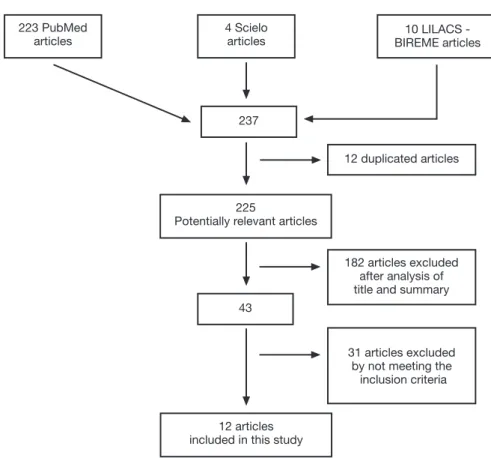
Figure 1 Flowchart of the systematic review of inlammatory bowel diseases in the pediatric age range and nutritional aspects
IBDs can cause manifestations of the digestive tract as well as extradigestive ones. These conditions also determine several psychosocial and economic problems, missed days at work and school, depression, change in body image and low self-esteem, sexuality and socialization difficulties, feeding difficulties, fear to leave the house and not finding a public restroom available, among others, which limit the quality of life. Patients also report feeding problems, a fact that contributes to the worsening of the nutritional impairment, to the development of anemia, stunted growth and systemic complications.14
Nutritional alterations represent public health problems, which affect all strata of society. IBDs can aggravate nutritional deficiencies, causing malnutrition, but in some cases they may be associated with overweight as a result of drugs and aspects of binge eating. Inadequate nutritional status is a poor prognosis and may influence treatment response, as well as morbidity and mortality.15,16
Nutritional assessment is of great importance for all pediatric patients, especially those with IBDs, allowing early identification of nutritional alterations, and it can be performed with anthropometric data, biochemical indices, sophisticated tests, and even through nutritional survey.18,19 One of the most used methods is the assessment of Body Mass Index (BMI), calculated by dividing the patient’s weight by the squared height. Based on the BMI vs. age charts and the z score, one can classify the nutritional status of children.20,21 Adequate nutritional status, growth and development are key aspects in pediatric patients from
the neonatal period to adolescence, particularly in patients with chronic diseases.
There is a scarcity of studies on nutritional assessment in pediatric patients with IBDs,3 and there have been no reports in children and adolescents in Brazil. This study aimed to perform a systematic review on the nutritional implications of the presence of IBDs in children and adolescents.
Method
To develop this study, a systematic review was performed in PubMed/ MEDLINE, SciELO and LILAcS databases to identify the literature published from January 2006 to January 2013, using the following terms: (Nutritional assessment OR nutritional disorders OR body compositions) AND (Inflammatory bowel diseases OR crohn disease OR ulcerative disease) AND (children OR pediatrics OR adolescents). Only studies published in Portuguese and English, with original data that analyzed dietary habits of children and adolescents with IBDs were included. Review studies and those with no results for pediatric patients were excluded.
Study selection was initially performed by reading the titles and abstracts of articles. In the second phase, the reading of the methods section was performed, and in the third phase, the reading of the full texts was carried out. The non-relevant articles were discarded (Fig. 1). After analyzing and interpreting the articles, the information
223 PubMed articles
4 Scielo articles
10 LILACS -BIREME articles
237
12 duplicated articles
225
Potentially relevant articles
182 articles excluded after analysis of title and summary 43
31 articles excluded by not meeting the
inclusion criteria
was organized in thematic groups. As this is a systematic review, it was not necessary to submit the study to the ethics committee for approval.
Results
After the search for published articles on the topic, the review identified 237 studies published during the defined period on the nutritional aspects of children and adolescents with IBDs. A total of 223 articles were found in PubMed, 10 in LILAcS and 4 in SciELO. After exclusions, 12 articles were selected for final assessment, and they comprised this systematic review (Fig. 1). The selected studies were carried out in four countries: United States, United Kingdom, Australia and Pakistan, with nine of them having been carried out in the United States. There were no studies carried out in Brazil. The list is shown in Table 1.
Nutritional characteristics in IBds
The analyzed studies showed that pediatric IBD patients, especially those with cD, have alterations in nutritional status, and malnutrition is frequently reported. Aurangzeb
et al22 studied 28 children with IBD and compared them with healthy children. The first showed lower BMI z score and lower weight for age (p=0.05 and p=0.01, respectively), and lower levels of leptin, suggesting malnutrition. Almost half of these children were diagnosed in the age group of 9-12 years (prepubertal or pubertal), with the presence of nutritional impairment in an important phase of growth and development. wiskin et al23 assessed 55 children with IBD and found a malnutrition rate of 2.2%, according to the wHO criteria.
There is a tendency for underweight in patients with IBDs, but studies have shown some changes in that profile, such as an increase in the number of overweight or obese individuals in recent years, especially in those with URc. Long et al24 assessed the prevalence and epidemiology of obesity in 1,598 children and adolescents aged 2-18 years with IBD and found that 23.6% were obese or overweight. The study suggests that, with the advent of treatments for IBDs, malnutrition and underweight may cease to be a marker of IBD severity, with children showing high rates of overweight and obesity, as well as the general population. Kugathasan et al25 assessed 783 patients with IBD and showed that the majority (68%) was within the normal weight range, and that of the newly diagnosed patients with IBDs, 9-34%, depending on the type, were overweight – at a lower rate (7-24%), they had underweight or underweight risk.
Growth delay is common in patients with a diagnosis of IBD in childhood and this may be the only symptom. wiskin
et al, 23 in 2011, observed growth delay in 18.2% of the children studied. Lee et al,26 also in 2011, assessed 295 patients with IBD diagnosed between the ages of 1-18 years in a prospective cohort study and found that 22% had growth problems, according to the z score of height for age. The same authors observed a growth curve with a slight shift to the left in patients with IBD, while 11.3% of these patients had impaired final adult height. The same authors also
found that patients with growth problems achieve lower mean final target height than healthy individuals.
Hood et al,27 in 2011, assessed 475 men and women with IBD aged 16, 18 and 20 years to evaluate the final adult height and found no significant differences between the height of patients with IBD and that of healthy individuals, despite the identified growth problems. These authors emphasize the importance of identifying patients with early growth retardation. Aurangzeb et al22 and Hood et al27 reported that those diagnosed in the prepubertal or pubertal stages are more vulnerable to pubertal and growth delay, and consequently, to a compromised final height, especially if the diagnosis occurs before Tanner stages 1 and 2. Thayu et al28 analyzed 78 patients with cD and 669 controls aged 5 to 21 years and found older age for the same Tanner stage in cD patients, demonstrating that, in association with growth retardation, children and adolescents with IBDs often have pubertal delay.
Nutrient and vitamin deficiencies are reported, mainly vitamin D deficiency. Pappa et al,29 in 2011, assessed 448 patients with IBD and showed that hypovitaminosis D is prevalent in children and adolescents. At least one measurement of serum 25-hydroxyvitamin D (25-OHD) was reported in this study and classified as optimal (>32ng/
mL), suboptimal (≤2ng/mL), insufficient (≤20ng/mL) and deficient (≤15ng/mL) levels. Serum 25-OHD levels less than
optimal were reported in 58.5% of patients, and insufficient or deficient levels in 20.1%.
The association of vitamin D deficiency with risk factors is similar to that of the general population, when considering geographic areas with little exposure to sunlight at certain seasons of the year (winter and spring), dark skin, high BMI and lack of vitamin D supplementation, in addition to malabsorption of calcium and vitamin D due to intestinal lesion and chronic use of medications, especially corticosteroids. Pappa et al,30 in 2006, analyzed the status of vitamin D in children with IBD, in a cross-sectional study
with 130 patients, and the prevalence of deficiency (≤15ng/ mL of 25-OHD) and severe deficiency (≤15ng/mL of 25-OHD)
of vitamin D was present in 34.6% and 10.8%, respectively. Pappa et al,29 in 2011, observed lower concentrations of 25-OHD in young patients with active disease; in severe disease; in those not receiving vitamin D supplements; in patients with some nutritional impairment; in patients with newly diagnosed disease, and in those with more extensive disease.
Levin et al31 analyzed serum 25-OHD levels in 78 children and classified them as: severe deficiency (<30nmol/L); moderate deficiency (<51nmol/L) and insufficiency (between 51 and 70 nmol/L), and found 57.5% of individuals with serum 25-OHD levels lower than the ideal, and 19.2% with moderate or severe deficiency. The authors concluded that newly diagnosed patients had higher mean serum levels of 25-OHD when compared to those with long-term disease, and that patients with deficiency had longer time of exposure to corticosteroids. Other nutritional analyses were performed in the selected studies.
407 Table 1 Characteristics and description of studies on nutritional aspects in children and adolescents with inlammatory bowel diseases included in the systematic review.
Author/Year /local Objective Sample/ Main Results cD X URc conclusion
controls/Age
Pappa et al30 Report the prevalence of n. 130/ c. 0/ 8 The prevalence of Mean serum [25 OHD] was Vitamin D deficiency is
2006 USA vitamin D deficiency months-2 years vitamin D deficiency similar in patients with cD highly prevalent among pediatric
in IBD was 34.6%. and URc patients with IBD.
Kugathasan et al25 compare the BMI of all n. 783/ c. 2,748/ Most children with IBD BMI <5% was observed in children with IBD are affected
2007 USA children with a recent <16 years had normal BMI (5% 84%). 24% of children with cD and by current population trends
diagnosis of IBD in two 9% in URc. 10% of the children in relation to overweight.
independent groups with cD and 30% of those A subgroup of children with newly
with URc had BMI consistent diagnosed IBD has a BMI classified with overweight or risk of as overweight or at risk of
overweight. overweight.
Thayu et al28 To evaluate lean mass n. 78/c. 669/ cD was associated with cD was associated with deficits
2007 USA and fat mass in children 5-21 years height, BMI, lean and fat in lean mass and fat mass. and adolescents with cD mass that was low for age.
at diagnosis.
Sylvester et al33 Observe the effects of cD n. 42/ c. 81/ BMI z was reduced at The correction of BMI is
2009 USA on body composition in 6-17 years diagnosis in children with associated with clinical
a cohort of children over cD compared with controls. improvement in children with
a period of two years During the study period cD two years after diagnosis
of 2 years, BMI z scores will normalize in patients with cD.
Heyman et al32 compare folate n. 37/ c. 41/ Serum folate concentrations Higher folate concentrations
2009 USA concentrations between 5 to 17 years were 11.1% lower in controls were observed in children with
children with newly than in patients with newly diagnosed untreated
diagnosed IBD and healthy IBD (p=0.031). IBD than in the controls.
controls
Lee et al26 compare final adult height n. 295/c. 569/ 22% had impaired growth Most patients with growth Most patients with IBD do not
2010 USA of patients and the target 1-18 years (zH /A<-1.64, equivalent problems had cD (88% cD vs. persist with impaired growth
height based on the heights to percentile <5). 12% URc) in adulthood.
of parents. Only 11.3% with impaired
growth up to adulthood.
Long et al24 Determine the prevalence n. 1,598/ c. 0/ The prevalence of Higher rates of overweight Approximately 1/5 of children
2011 USA of obesity in a multicentric 2-18 years overweight and obesity in and obesity were found in with cD and 1/3 with URc cohort of children with IBD children and adolescents URc than in cD (30.1% and are overweight or obese.
Santos GM et al Table 1 Characteristics and description of studies on nutritional aspects in children and adolescents with inlammatory bowel diseases included in the systematic review (cont.).
Author/Year /local Objective Sample/ Main Results cD X URc conclusion
controls/Age
Pappa et al29 To evaluate the n. 448/ Serum [25-OHD] ≤20ng/mL Both patients with URC and Hypovitaminosis D is prevalent
2011 USA prevalence of c. /8-22 years (insufficiency) identified cD are at risk of among children and young hypovitaminosis D in in 14.3% of patients and hypovitaminosis D. individuals, including patients
children and adolescents serum [25-OHD] ≤15ng/mL with IBD.
with IBD. (deficiency) in 5.8%.
Levin et al31 Document the 25-OHD n. 78/ c. 0/ mean 19% of the children had A high proportion of Australian
2011 Australia status in a population age of 12.6 vitamin D deficiency and children with IBD were vitamin-D
of Australian children (±3.5) years 38% had vitamin D deficient.
with IBD. insufficiency.
wiskin et al23 Describe the height, n. 55/ c. 0/ Malnutrition rate, Nutritional deficits were more Most children showed satisfactory
2011 UK weight and body 6.5-17.7 years according to the wHO common in crohn’s disease height and weight, although some
composition in a cohort criteria, was 2.2%. Growth children were underweight for
of children with IBD. deficit of 18.2% among height and others were
the studied children. overweight.
Aurangzeb et al22 Define the nutritional n. 28 children with IBD have Detailed nutritional assessment
2011 Pakistan status of children with c. 56 6 months BMI z score and weight should be an integral part of newly diagnosed IBD to 16 years percentile for age lower the conduct for all children with
than controls (p=0.05 and IBD.
p=0.01, respectively)
Hood et al27 compare heights at n. 475/ c. 0/ compared to the general Most patients with IBD reach
2011 USA expected age of 16-20 years population (163.8 cm at adult height within normal
cessation of growth age 16 in girls and values for the population.
(16 for girls and 18 for 176.8 cm at age 18 in boys), boys) with those obtained girls and boys with IBD
after two years. were 2.7 cm and 2.6 cm
shorter, respectively.
untreated IBD was higher than that obtained in healthy controls, although folic acid intake was higher in the controls. They also observed that anemia in patients with IBD does not depend on folate levels. Sylvester et al,33 in 2009, found that lean mass and bone mineralization were significantly lower in patients with IBD, when compared to controls.
Nutritional assessment in pediatric patients
with IBds
Of the 12 selected studies, almost all patients had data on height, weight and BMI, expressed directly or as z scores. Aurangzeb et al22 observed that the BMI z score and weight-for-age percentile in IBD patients were significantly lower than in controls (p<0.05 and p<0.01, respectively). Heyman et al32 found that the mean BMI in patients with IBDs was lower than in controls, but the difference was not significant (18.7 and 20.1kg/m² respectively, p=0.189). Thayu et al28 reported that patients with cD had significantly lower height and z scores of BMI than the control children (p<0.001).
Pappa et al,29,30 in two studies (2006 and 2011), analyzed height, age and BMI (z scores) and observed that high BMI is a risk factor for low 25-OHD levels (negative association). Kugathasan et al25 followed the weight and height for two years and observed that BMI increased significantly during the period, reaching normal rates when compared to controls, but lean mass values remained lower than that of controls, suggesting that BMI alone is not sufficient for nutritional assessment in these patients, and the association with other methods is necessary. Kugathasan et al25 showed that children with normal BMI can have IBDs, especially URc.
crohn’s disease X Ulcerative Rectocolitis
in Pediatric Patients
when comparing types of IBDs, there is a greater prevalence of nutritional impairment in patients with cD when compared to those with URc. Pappa et al30 observed that patients with cD have significantly lower mean z score values of weight, height, and BMI when compared to those with URc (p=0.001, p=0.002 and p=0.03), as well as albumin values (p=0.02), suggesting greater severity in cD.
when assessing excess weight and obesity in children and adolescents, it was observed that despite the tendency for increased risk of obesity and overweight in IBD, cD patients had lower values when compared to those with URc. Long
et al24 found that the prevalence of obesity or overweight was 20% in patients with cD versus 30% of those with URc. cD patients with excess weight had higher rates of complications, such as IBD-related surgeries. Patients with URc who use corticosteroids have a greater association with excess weight.
Kugathasan et al25 found a prevalence of excess weight or obesity of approximately 10% in cD, and 20% to 30% in URc. The authors also observed that the BMI value at diagnosis depends on the type of disease, with less excess weight and a higher rate of malnutrition in patients with cD. Lee et al,26 when assessing the linear growth
of children and adolescents with IBD, found that growth delay is significantly more prevalent in cD than in URc, with growth problems in 88% of patients with cD and only 12% in those with URc. Unlike the previous observations, some studies found a higher prevalence of growth deficit in patients with URc.
Pappa et al29 observed that the mean concentration of serum 25-OHD was 8.2% lower in patients with URc, when compared to those with cD, but without statistical significance (p=0.12). Levin et al31 observed significantly lower mean levels of 25-OHD (p=0.02) in patients with URc, when compared to cD patients with serum levels of 54.4nmol/L and 73.1nmol/L. In the study by Heyman et al,32 the mean folate level was similar in patients with cD and URc.
discussion
The assessment of the nutritional status of children and adolescents with IBDs is crucial in the clinical follow-up, to ensure normal growth and development, to define appropriate drug and nutritional therapy, and promote a better quality of life. Another aspect is the need to prevent prolonged corticosteroid therapy, due to the consequent growth impairment.34,35 It is essential to identify nutritional deficiencies that usually manifest as decreased weight for height and/or height for age, as well as specific nutritional deficiencies in children and adolescents with IBDs, and pubertal delay in adolescents.
Therefore, the nutritional assessment can guide the dietary therapy and adequate supplementation and provide an early correction of nutrient deficiencies, helping to reduce disease activity and minimize symptoms.36,37
The studies included in this review demonstrate that children and adolescents with IBDs, especially those with cD, may have nutritional impairment due to several factors, such as reduced food intake, malabsorption, high intestinal losses, increased energy expenditure due to chronic inflammation and medications.38,39 These effects can lead to problems such as malnutrition, underweight, growth and developmental delay, delayed onset of pubertal characteristics, anemia, osteopenia and osteoporosis, micro and macronutrient deficiencies, in addition to significant psychological problems related to self-image and social interaction with peers, difficulties in the onset of sexual activity and depression.40
Other studies have shown that there is greater nutritional impairment in cD patients when compared to those with URc, as a consequence of the greater severity and extent of the affected area in the digestive tract. cD usually affects the small intestine segments responsible for absorption, as well as frequently affecting the colon and other parts of the digestive tract.35-37 Not only the extent of the involvement, but also the severity, presentation, extraintestinal manifestations and comorbidities that may impair the nutritional status should be taken into account.34,41
increased infections, growth and development delay, social problems and higher rates of comorbidities. Stunted growth and pubertal delay are significantly important manifestations in pediatric patients and may be the first clinical findings of this condition, an aspect observed in several studies35-37 emphasizing the growth delay, which was reported in 18 to 22% of patients.
Several studies have shown high rates of growth retardation, often preceding the intestinal manifestations, ranging between 5% and 88%, with cD patients experimenting higher rates of nutritional impairment when compared to patients with URc. In association with growth retardation, impairment of pubertal development is observed in 20-30% of patients, mainly in those with cD38,41,42 of multifactorial etiology.35,36
Other explanations for growth delay are associated with the use of medications, especially corticosteroids and hormonal disturbances caused by both the direct effects of the inflammatory processes and pubertal delay. children with an early diagnosis of IBD in prepubertal or pubertal stages deserve special attention regarding linear growth.35,37,42
Another aspect is the change in the overweight or obesity profile in the pediatric population with IBDs, with a tendency to the increase in the number of patients with overweight or obesity, ranging from 9-34%, depending on the disease subtype, with a higher prevalence in patients with URc. In a study carried out in the United States, high BMI was found in 20-30% of patients, with the highest values in patients with ulcerative rectocolitis.41 This increase in rates of overweight and obesity in pediatric patients with IBDs may be explained, in part, by the epidemic of metabolic syndrome that occurs worldwide, due to changes in eating habits.
Studies have shown that deficiencies of minerals, trace elements and vitamins are common in patients with IBDs, with vitamin D deficiency being the most common, reaching 60% in some cases.41 These several deficiencies reflect chronic blood loss, chronic diarrhea or impairment of specific absorption sites, in addition to malabsorption due to the extent of inflammation, or surgical resections.34 In some studies, the most common deficiency was that of vitamin D in patients with URc, when compared to those with cD, differing from publications in the literature that showed a higher prevalence in patients with cD.38,40
conclusions
A limited number of articles was found, and no studies on this subject have been carried out in South America. Nutritional alterations of multifactorial etiology can be found in inflammatory bowel diseases in children, especially growth and pubertal delay, underweight and vitamin deficiencies.
The reported nutritional impairments were more significant in patients with crohn’s disease, and overweight and obesity more common in ulcerative rectocolitis. A detailed nutritional assessment should be performed periodically in all children and adolescents with inflammatory bowel diseases, combined with different methods and
multidisciplinary resources. More studies are needed in the pediatric age range with larger sample sizes.
conlicts of interest
The authors declare no conflicts of interest.
References
1. Heyman MB, Kirschner BS, Gold BD, Ferry G, Baldassano R, cohen SA et al. Children with early-onset inlammatory bowel
disease (IBD): analysis of a pediatric IBD consortium registry. J Pediatr 2005;146:35-40.
2. Salviano FN, Burgos MG, Santos EC. Peril socioeconômico e nutricional de pacientes com doença inlamatória intestinal
internados em um hospital universitário. Arq Gastroenterol 2007;2:99-106.
3. Zhou N, Chen W, Chen S, Xu C, Li Y. Inlammatory bowel disease unclassiied. J Zhejiang Univ Sci B 2011;12:280–6.
4. Vagianos K, Bector S, Mcconnell J, Bernstein cN. Nutrition
assessment of patients with inlammatory bowel disease. JPEN
J Parenter Enteral Nutr 2007;31:311–9.
5. Sandhu BK, Fell JM, Beattie RM, Mitton SG, wilson Dc, Jenkins H et al. Guidelines for the management of inlammatory bowel
disease in children in the United Kingdom. J Pediatr Gastroen-terol Nutr 2010;50 (Suppl 1):S1–13.
6. Silverberg MS, Satsangi J, Ahmad T, Arnott I, Bernstein cN, Brant SR et al. Toward an integrated clinical , molecular and
serological classiication of inlammatory bowel disease. Can J
Gastroenterol 2005;19 (Suppl A):5A-36.
7. Satsangi J, Silverberg MS, Vermeire S, colombel JF. The Montreal
classiication of inlammatory bowel disease: controversies,
consensus, and implications. Gut 2006;55:749-53.
8. Ausiello D, Goldman L. cecil Medicina. 23th. Rio de Janeiro: Elsevier; 2010.
9. Prince A, whelan K, Moosa A, Lomer Mc, Reidlinger DP.
Nutritional problems in inlammatory bowel disease: the
patient perspective. J crohns colitis 2011;5:443-50.
10. Rodrigues Sc, Passoni cM, Paganotto M. Aspects nutricionais in the crohn illness. cadernos da Escola de Saude 2008:1–8. 11. Gassull MA, Abad A, cabré E, González-Huix F, Giné JJ, Dolz c.
Enteral nutrition in inlammatory bowel disease. Gut 1986;27
(Suppl 1):76–80.
12. Fisher RL. wasting in chronic gastrointestinal diseases. J Nutr 1999;129:252-5.
13. Nanau RM, Neuman MG. Nutritional and probiotic supplementation in colitis models. Dig Dis Sci 2012;57:2786–810.
14. camilleri M, Dubois D, coulie B, Jones M, Kahrilas PJ, Rentz AM et al. Prevalence and socioeconomic impact of upper gastrointestinal disorders in the United States: results of the US upper gastrointestinal study. clin Gastroenterol Hepatol 2005;3565:543–52.
15. cali AM, caprio S. Obesity in children and adolescents. J clin Endocrinol Metab 2008;93 (Suppl 1):S31–6.
16. Sarni RO, carvalho M de D, Monte cM, Albuquerque ZP, Souza FI. Anthropometric evaluation, risk factors for malnutrition, and nutritional therapy for children in teaching hospitals in Brazil. J Pediatr (Rio J) 2009;85:223–8.
17. Burgos MG, Salviano FN, Belo GM, Bion FM. DII: o que há de novo em terapia nutricional? Rev Bras Nutr clin 2008;184-9. 18. Silva ML, Dias Mc, Vasconcelos MI, Sapucahy MV, catalani LA,
19. campos FG, waitzberg DL, Teixeira MG, Mucerino DR,
Habr-Gama A, Kiss DR. Inlammatory bowel diseases: principles of
nutritional therapy. Rev Hosp clin Fac Med S Paulo 2002;57: 187-98.
20. Lopes A, Oliveira AF, Bleil RT. Apostila de avaliação nutricional I [cited 2014 Jan 01]. Available from: http://www. nutricaoemfoco.com.br/NetManager/documentos/apostila. av.nutricional.pdf
21. Brasil - Ministério da Saúde. Secretaria de Atenção à Saúde - departamento de atenção básica. Incorporação da curvas de crescimento da Organização Mundial da Saúde de 2006 e 2007 no SISVAN. Brasília: SISVAN; 2007.
22. Aurangzeb B, Leach ST, Lemberg DA, Day AS. Assessment of
nutritional status and serum leptin in children with inlammatory
bowel disease. J Pediatr Gastroenterol Nutr 2011;52:536–41. 23. wiskin AE, wootton SA, Hunt TM, cornelius VR, Afzal NA,
Jackson AA et al. Body composition in childhood inlammatory
bowel disease. clin Nutr 2011;30:112–5.
24. Long MD, crandall wV, Leibowitz IH, Duffy L, del Rosario F, Kim Sc et al. Prevalence and epidemiology of overweight and
obesity in children with inlammatory bowel disease. Inlamm
Bowel Dis 2012;17:2162-8.
25. Kugathasan S, Nebel J, Skelton JA, Markowitz J, Keljo D, Rosh J et al. Body mass index in children with newly diagnosed
inlammatory bowel disease: observations from two
multicenter North American inception cohorts. J Pediatr 2007;151:523-7.
26. Lee JJ, Escher Jc, Shuman MJ, Forbes Pw, Delemarre Lc, Harr Bw et al. Final adult height of children with inlammatory
bowel disease is predicted by parental height and patient
minimum height Z-score. Inlamm Bowel Dis 2010;16:
1669-77.
27. Hood Hc, cohen LE, Lee JJ. Late adolescent linear growth
pattern in pediatric-onset inlammatory bowel disease. J
Pediatr Gastroenterol Nutr 2011;53:246-9.
28. Thayu M, Shults J, Burnham JM, Zemel BS, Baldassano RN,
Leonard MB. Gender differences in body compositions deicits
at diagnosis in children and adolescents with crohn’s disease.
Inlamm Bowel Dis 2009;13:1121-8.
29. Pappa HM, Langereis EJ, Grand RJ, Gordon cM. Prevalence and risk factors for hypovitaminosis D in young patients with
inlammatory bowel disease: a retrospective study. J Pediatr
Gastroenterol Nutr (New York) 2011;53:361-4.
30. Pappa HM, Gordon cM, Saslowsky TM, Zholudev A, Horr B, Shih M et al. Vitamin D status in children and young adults with
inlammatory bowel disease. Pediatrics 2006;118:1950–61.
31. Levin AD, wadhera V, Leach ST, woodhead HJ, Lemberg DA, Mendoza-cruz Ac et al. Vitamin D deiciency in children with inlammatory bowel disease. Dig Dis Sci 2011;56:830-6.
32. Heyman MB, Garnett EA, Shaikh N, Huen K, Jose FA, Harmatz P et al. Folate concentrations in pediatric patients with newly
diagnosed inlammatory bowel disease. Am J Clin Nutr 2009;
545–50.
33. Sylvester FA, Leopold S, Lincoln M, Hyams JS, Grifiths AM,
Lerer T. A two-year longitudinal study of persistent lean tissue
deicits in children with Crohn’s disease. Clin Gastroenterol
Hepatol (Philadelphia) 2009;7:452-5.
34. Alastair F, Emma G, Emma P. Nutrition in inlammatory bowel
disease. JPEN J Parenter Enteral Nutr 2011;35:571–80. 35. Kappelman MD, Bousvaros A. Nutritional concerns in pediatric
inlammatory bowel disease patients. Mol Nutr Food Res 2008;
52:867–74
36. Mallon DP, Suskind DL. Nutrition in pediatric inlammatory
bowel disease. Nutr clin Pract 2010;25:335–9.
37. conklin LS, Oliva-Hemker M. Nutritional considerations in
pediatric inlammatory bowel disease. Expert Rev Gastroenterol
Hepatol 2010;4:305-17.
38. Gurram B, Joeckel R, Stephens M. Nutrition in pediatric
inlammatory bowel disease. Nutr Clin Practice (Baltimore).
2010; 25:335–9.
39. Shamir R. Nutritional aspects in inlammatory bowel disease. J
Pediatr Gastroenterol Nutr 2009;48 (Suppl 2):S86–8
40. Taminiau JA. Review article: the clinical importance of growth
in children with inlammatory bowel disease: is it important to
the gastroenterologist? Aliment Pharmacol Ther 2007;26 (Suppl 2):53–6.
41. Gerasimidis K, McGrogan P, Edwards cA. The aetiology and
impact of malnutrition in paediatric inlammatory bowel
disease. J Hum Nutr Dietetics 2011;24:313-26.
42. Hartman c, Eliakim R, Shamir R. Nutritional status and
nutritional therapy in inlammatory bowel diseases. World J