UNIVERSIDADE DA BEIRA INTERIOR
Ciências da Saúde
INHALER TECHNIQUE PERFORMANCE IN ELDERLY
PATIENTS WITH ASTHMA AND COPD
Tiago João Pais Maricoto
Tese para obtenção do Grau de Doutor em
Medicina
(3º ciclo de estudos)
Orientador: Prof. Doutor Luís Taborda Barata
Co-orientador: Prof. Doutor Jaime Correia de Sousa
Acknowledgments
During this journey I had the opportunity to work and learn with extraordinary people. Some of them played an important role by inspiring me to go further and deeper in this quest for answers, and others by giving me their precious time, providing me with their best knowledge, skills and friendship. My heartfelt thanks go to:
My PhD supervisor, Professor Luís Taborda Barata, for trusting in my motivation and capabilities and for giving me the guidance I needed to improve my scientific skills beyond my own imagination.
My PhD co-supervisor, Professor Jaime Correia de Sousa, for being a key contributor, opening me the doors to my scientific journey since the early beginning, and for arousing on me the interest in the field of respiratory problems.
All the co-workers that gave me, unconditionally, their precious help to develop all the tasks hereby described. They are, proudly, the co-founders of this thesis.
The patients that participated in this work, for contributing and understanding the purpose of clinical research.
My best colleagues and workmates, for giving me the ground I needed to settle my tools, and for holding the ladder I needed to climb.
My best friends, which always gave me motivation and drive, and for always looking at me with the admiration that they, more than everyone, deserve.
My family, my safe harbour, to whom I will devote some words in Portuguese:
o Deixo um agradecimento profundo à minha família, em especial aos meus pais, por me terem ensinado a trabalhar… a viver… e a Amar! Estarão para sempre no meu coração.
o À Sónia, a minha companhia, a minha confidente, a minha estrela guia, por me apoiar em todos os momentos, em todas as dificuldades e em todas as vitórias. Sem ela nada teria a mesma alegria!
o À Julieta, o meu maior presente, a minha fonte de inspiração e que me completa cada dia. Por ela tudo vale a pena!
Abstract
Chronic Obstructive Pulmonary Disease (COPD) and Asthma affect up to 400 million people worldwide, and almost half of these patients have poor disease control. The elderly are more vulnerable to exacerbations, and that is due to the presence of comorbidities and frequent inhaler misuse. Educational programmes may reduce exacerbation risk, but its real impact on clinical outcomes is still unknown, as well as the main factors associated with individual risk. This thesis aims to evaluate the impact of inhaler technique performance on major outcomes in elderly patients and to identify their principal potential predictors.
Several methods were performed: A systematic review with meta-analysis focusing on interventional studies with inhaler education and clinical outcomes was carried out; through its results, a cost-effectiveness analysis was performed, estimating potential cost-savings and available budget for educational interventions; In addition, a cross-sectional study was performed, aiming to identify major predictors of inhaler performance and clinical risk. Several variables were collected as predictors, as well as the main clinical outcomes; finally, we designed a protocol for a randomised, single-blinded clinical trial, aiming to test the impact of a teach-to-goal placebo device education programme on clinical outcomes, in a one-year follow-up, versus "usual care".
The systematic review with meta-analysis collected data from eight interventional studies and a significant reduction in exacerbation risk of 29% (95% CI=14-41) was observed in the clinical trials. From the cost-effectiveness perspective, the affordable budget for educational interventions was estimated to be up to 1800 euros per patient per year, and the estimated average savings is 311.88 euros per patient per year, which may represent up to 131 million euros for the whole National Health Service. The cross-sectional study was performed with 130 elderly patients, with a mean age of 74.4 (± 6.4) years. The prevalence of errors in the inhaler technique was 71.6% (95% CI: 64-78.5) and that of critical errors was 31.1% (95% CI: 24-38.8). Major predictors of inhaler performance were: cognitive performance, adherence index, male gender, having previous education with placebo device performed by a physician, the existence of allergies or comorbidities with respiratory impact, active smoking and depression. The main predictors of symptoms control were: having previous teaching of inhaler technique delivered by a physician, smoking load, anti-influenza vaccination, depression, respiratory comorbidities, and educational level. Lung function was associated with smoking load, as well as presence of errors in drug activation and absence of end pause.
Our results suggest that interventions with inhaler technique education can significantly reduce the risk of exacerbations in elderly patients with Asthma or COPD, and are cost-effective. Moreover, it is possible to identify patients who are at greater risk of misusing their devices, and also have an increased risk of poor outcomes. However, causal studies with longitudinal designs and well-designed clinical trials should be carried out to clarify the major predictors for individual risk, as well as the real impact of inhaler performance education programmes.
Keywords
Resumo
A Doença Pulmonar Obstrutiva Crônica (DPOC) e a Asma afetam até 400 milhões de pessoas em todo o mundo, e cerca de metade dos doentes têm a doença mal controlada. Os idosos são mais vulneráveis a exacerbações, e isso deve-se à presença de comorbilidades e frequentes erros no uso dos inaladores. Os programas educacionais podem reduzir o risco de exacerbação, mas o seu real impacto nos resultados clínicos ainda é desconhecido, assim como os principais fatores associados ao risco individual dos doentes. Esta tese tem como objetivo avaliar o impacto da performance da técnica inalatória nos principais parâmetros clínicos em doentes idosos e identificar seus principais preditores.
Vários métodos foram usados: Realizou-se uma revisão sistemática com meta-análise sobre estudos intervencionais com ensino da técnica inalatória nos parâmetros clínicos. Através dos seus resultados, foi realizada uma análise de custo-efetividade, estimando potenciais poupanças de custos e de orçamentação disponível para intervenções educativas. Além disso, foi realizado um estudo transversal, com o objetivo de identificar os principais preditores da performance da técnica inalatória e do risco clínico. Diversas variáveis foram recolhidas como preditores, assim como os principais parâmetros clínicos. Finalmente, desenhou-se um protocolo para um ensaio clínico aleatorizado, de ocultação simples, com o objetivo de testar o impacto de um programa de ensino por treino com dispositivos placebo nos parâmetros clínicos, ao longo de um ano, comparando com “ambiente real” (usual care).
Na revisão sistemática com metanálise recolheram-se dados de oito estudos intervencionais, e nos ensaios clínicos observou-se uma redução significativa no risco de exacerbações de 29% (IC95% = 14-41). Na perspetiva da relação custo-efectividade, o orçamento disponível para intervenções educacionais foi estimado em 1800 euros por doente por ano, e a poupança média estimada é de 311,88 euros por doente por ano, o que pode representar 131 milhões de euros para todo o Serviço Nacional de Saúde. O estudo transversal foi realizado com 130 idosos, com média de 74,4 (± 6.4) anos. A prevalência de erros na técnica inalatória foi de 71,6% (IC95%: 64-78,5) e de erros críticos foi de 31,1% (IC95%: 24-38,8). Os principais preditores de desempenho do inalador foram: desempenho cognitivo, índice de adesão, sexo masculino, ensino prévio com dispositivo placebo realizada por um médico, a existência de alergias ou comorbilidades com impacto respiratório, tabagismo ativo e depressão. Os principais preditores do controle dos sintomas foram: receber ensino prévio de técnica inalatória de um médico, carga tabágica, vacinação antigripal, depressão, comorbilidades respiratórias e escolaridade. A função pulmonar foi associada à carga tabágica, assim como à presença de erros na ativação do fármaco e à ausência de apneia final.
Estes resultados sugerem que as intervenções com ensino da técnica inalatória podem reduzir significativamente o risco de exacerbações em doentes idosos com Asma ou DPOC e são custo-efetivas. Além disso, é possível identificar pacientes com maior risco para o uso indevido dos dispositivos, bem como para um maior risco de desfechos clínicos adversos. No entanto, devem ser realizados mais estudos longitudinais de causalidade e ensaios clínicos bem desenhados, de modo a esclarecer os principais preditores do risco individual, bem como o real impacto de programas de ensino sobre técnica inalatória.
Palavras-chave
Resumo Alargado
A Doença Pulmonar Obstrutiva Crónica (DPOC) e a Asma são as principais doenças respiratórias crónicas e afetam cerca de 400 milhões de pessoas em todo o mundo. Aproximadamente metade destes doentes apresenta a sua doença mal controlada, estando com sintomas persistentes, o que lhes confere um risco acrescido de exacerbações e eventos adversos, que muitas vezes colocam a vida em risco. O tratamento da Asma e da DPOC assenta essencialmente na terapia inalatória, que dirige os fármacos diretamente para as vias aéreas. No entanto, a maioria dos doentes não usa corretamente os seus inaladores, comprometendo a eficácia terapêutica e o controlo clínico. Muitos estudos têm sugerido que o bom uso dos dispositivos inalatórios está associado a menor risco de exacerbações e menores custos de saúde.
Os idosos apresentam maior vulnerabilidade para os eventos adversos associados a Asma e DPOC, e isso deve-se a presença de comorbilidades frequentemente associadas, mas também a maior prevalência de erros na técnica inalatória. O correto uso dos dispositivos pode ser ensinado aos doentes através de diversas ferramentas, como folhetos, vídeos ou treino prático por dispositivos placebo, mas o seu real impacto nos resultados clínicos ainda é desconhecido. Por outro lado, é ainda difícil em ambiente real identificar os doentes de maior risco e que devem ser alvo de intervenções personalizadas e prioritárias, quer no que diz respeito ao risco de má técnica inalatória quer no que concerne ao risco de pior controlo da doença e consequentes exacerbações.
Esta tese tem como objetivos gerais avaliar o impacto da técnica inalatória e do seu ensino personalizado, em idosos com Asma ou DPOC, bem como identificar os principais preditores de má performance da técnica inalatória e de acrescido risco clínico.
Para o alcance dos objetivos propostos foram realizadas tarefas em 3 principais fases, através dos seguintes métodos:
Numa primeira fase realizou-se uma revisão sistemática com meta-análise, abordando estudos com intervenções de ensino da técnica inalatória aos idosos com Asma ou DPOC, e medindo o seu impacto em resultados clínicos. Para tal realizou-se uma pesquisa bibliográfica abrangente, selecionando estudos intervencionais aleatorizados e não aleatorizados, independentemente do método de ensino da técnica inalatória usado, e definindo como resultados principais o controlo clínico de sintomas, a qualidade de vida, a função pulmonar e a taxa de exacerbações. Utilizaram-se as recomendações PRISMA para a avaliação dos resultados obtidos. Através dos
resultados da revisão sistemática sobre o impacto no risco de exacerbações, nomeadamente na redução do risco relativo, realizou-se uma análise de custo-efectividade na perspectiva do prestador de cuidados. Para tal, usou-se um modelo de árvore de decisão, com uma adaptação ao cenário Português, nomeadamente nos custos associados à hipotética intervenção e aos resultados medidos. Elaborou-se um modelo de intervenção baseado em consulta médica e de enfermagem, de frequência anual e que inclui ensino da técnica inalatória bem como avaliação clínica e funcional dos doentes. Avaliou-se o seu potencial impacto económico em termos de poupanças estimadas e de orçamentação disponível para a intervenção. Realizou-se ainda uma análise de sensibilidade para definir limiares de confiança para o melhor e pior cenário, em função dos intervalos de confiança de todos os dados e estimativas usadas.
Numa segunda fase, realizou-se um trabalho de investigação original e transversal, com idosos com Asma ou DPOC e acompanhados em Cuidados de Saúde Primários. Os principais objetivos foram identificar os preditores de performance da técnica inalatória e de risco clínico. Para tal estimou-se uma amostragem necessária de 130 participantes, com representatividade estatística suficiente para garantir a robustez e os pressupostos necessários à modelação multivariada. Como preditores possíveis identificaram-se e recolheram-se diversas características base de natureza sociodemográfica, clínica e pessoal, bem como dos principais indicadores de performance da técnica inalatória, avaliada por listas de verificação validadas. Como potenciais resultados de medida, identificaram-se os principais indicadores de controlo clínico, qualidade de vida, controlo funcional respiratório e a história de exacerbações prévias.
Finalmente, e em face dos principais resultados e conclusões previamente recolhidas, desenhou-se um protocolo de ensaio clínico aleatorizado e com ocultação simples. Este estudo terá como objetivo testar um programa de ensino da técnica inalatória, recorrendo a treino prático com dispositivos placebo, ao longo de um ano de acompanhamento, com intervenção realizada aos 0, 3 e 6 meses. O braço de intervenção será comparado com o braço de “ambiente real” (usual care), de modo a avaliar o seu impacto no controlo de sintomas, na qualidade de vida, na função pulmonar e no risco anual de exacerbações. Para este estudo estimou-se uma amostragem de 146 participantes (73 em cada braço), que permitirá detetar uma redução de forma estatisticamente significativa de 50% na taxa de exacerbações anuais. O estudo terá ocultação simples dos participantes e contará com diversas medidas de controlo de viés e contaminação, nomeadamente através da duplicação da equipa de investigadores, ocultando a recolha de dados, bem como através da minimização do efeito Hawthorn e através de análises interinas.
A revisão sistemática com meta-análise recolheu dados de quatro ensaios clínicos aleatorizados e quatro estudos intervencionais de desenho pré-pós, envolvendo mais de 1800 participantes. Em todos os estudos foi realizada intervenção com ensino da técnica inalatória, sendo o mais frequente método usado o treino prático por dispositivos placebo. Em praticamente todos os estudos foram incluídos outros aspetos para além do ensino da técnica inalatória isolado, como o ensino de autogestão da doença e a evicção de fatores desencadeantes das exacerbações. Dos ensaios clínicos (estudos aleatorizados) obteve-se uma redução significativa no risco de exacerbações anual de 29% (risco relativo estimado=0.71, IC95%=0.59-0.86; p<.001), mas não na melhoria do controlo sintomático, da qualidade de vida ou da função pulmonar. Esta redução do risco relativo de exacerbações, quando extrapolada para uma análise de custo-efectividade, revelou ser custo-efetiva. No melhor cenário, estimou-se uma orçamentação disponível para intervenção educativa até 1800 euros por doente por ano, de acordo com os custos reportados em Portugal. Em termos globais, será possível aplicar para intervenções educativas até 22% dos custos das exacerbações, e isto é aplicável em qualquer país. A poupança média estimada com o modelo de intervenção desenhado é de 311.88 euros por doente por ano, o que pode representar até 131 milhões de euros no serviço nacional de saúde português. O rácio incremental de custo-efectividade em Portugal varia entre 93.73 e 437.43 euros, por cada exacerbação evitada.
O estudo de investigação exploratório transversal foi realizado com 130 participantes idosos com Asma ou DPOC, com uma média de idades de 74.4 (±6.4) anos. A prevalência de erros na técnica inalatória foi de 71.6% (IC95%: 64-78.5) e de erros críticos foi 31.1% (IC95%: 24-38.8). Os dispositivos pressurizados de dose calibrada (pMDI) foram os que mais erros críticos revelaram. 82.3% dos participantes apresentavam comorbilidades e mais de metade tinham doença em estadio moderado a severo, de acordo com as classificações internacionalmente consensuais. Na modelação estatística multivariada, os principais preditores de performance da técnica inalatória identificados foram: a performance cognitiva, o índice de adesão à terapêutica, o género masculino, a existência de ensino prévio através de treino prático com dispositivos placebo realizada por médico, a existência de alergias ou comorbilidades com impacto respiratório, o tabagismo ativo e a depressão. Os principais preditores do controlo clínico de sintomas foram: a existência de ensino prévio da técnica inalatória por médico, a carga tabágica em unidades/maço/ano, a vacinação antigripal, a existência de depressão, de comorbilidades respiratórias e o nível de educação e escolaridade. A função pulmonar associou-se de forma significativa à carga tabágica, bem como à existência de erros na ativação da dose do inalador e à ausência da apneia final após a inalação.
Já em relação ao ensaio clínico proposto, este procurará esclarecer o verdadeiro impacto que o ensino da técnica inalatória, por dispositivos placebo, terá na redução de
exacerbações e na melhoria do controlo clínico dos doentes idosos com Asma e DPOC. Espera-se com estes resultados confirmar o benefício deste método de ensino, tornando possível aprimorar as recomendações de prática clínica, dirigindo estratégias educacionais mais eficazes a estes doentes.
Os resultados dos trabalhos desenvolvidos nesta tese revelam que as intervenções que incluem ensino de técnica inalatória aos doentes são eficazes, podendo reduzir significativamente o risco de exacerbações nos idosos com Asma e DPOC. Apesar disto, é recomendável que as mesmas incluam outras dimensões de educação e capacitação dos doentes, uma vez que faltam estudos que avaliem o verdadeiro impacto do ensino da técnica inalatória como intervenção isolada. Por outro lado, estas intervenções são custo-efectivas, havendo confiança para a sua implementação em terreno real e de forma sistemática, através de consultas regulares com médicos e/ou enfermeiros, uma vez que permitem gerar poupanças significativas. Para além disso, é possível identificar os doentes que estão em maior risco para o mau uso dos dispositivos e para piores resultados clínicos, devendo ser alvo de intervenções personalizadas. Assim, são de destacar os doentes idosos que têm função cognitiva comprometida, baixa escolaridade, alergias ou comorbilidades com impacto respiratório, que nunca tenham recebido ensino prévio da técnica inalatória, que tenham antecedentes tabágicos e que demonstrem erros críticos. Apesar disto, os fatores determinantes para classificar o risco individual destes doentes deverão ser explorados em estudos de causalidade com desenhos longitudinais, uma vez que diversos fatores de confundimento podem estar envolvidos. Também, o verdadeiro impacto das intervenções educativas com ensino da técnica inalatória de forma isolada ainda está por determinar, tal como a diferença de eficácia entre diferentes métodos de ensino. Estes aspetos são particularmente importantes em doentes idosos, pelo seu acrescido risco, e devem ser alvo de testes em ensaios clínicos bem desenhados com minimização de potenciais vieses.
Palavras-chave
Table of Contents
Table of Contents xiii
List of Figures xv
List of Tables xvii
List of Abbreviations xix
Chapter One – General Introduction 1
1.1 The burden of Asthma and COPD 3 1.2 Disease control and exacerbations 9 1.3 Inhaler technique performance 13
1.4 Elderly patients 19
Chapter Two – Aims 41
Chapter Three – Research Methods 45
3.1 Organization of the thesis 49
Chapter Four – Results 53
4.1 Inhaler technique education and exacerbation risk in older adults with Asthma
or COPD: a Meta-analysis 55
4.2 Inhaler review in elderly with Asthma or COPD – a cost-effectiveness study and
a perspective in Portugal 75
4.3 Inhaler technique in elderly Asthma or COPD patients – a predictive tool for
inhaler performance 93
4.4 Inhaler technique in elderly Asthma or COPD patients – a predictive tool for
clinical risk 115
4.5 Inhaler technique education in elderly patients with Asthma or COPD: impact on disease exacerbations – a protocol for a single-blinded randomised controlled trial
135
Chapter Five – General Discussion 155
Chapter Six – Conclusion and Final Remarks 173
Chapter Seven - Appendixes 177
Appendix I – Curriculum Vitae 179 Appendix II – Permissions, ethics and administrative approvals 189 Appendix III – Material used throughout the study on objectives three and four 213 Appendix IV – Published article and supplementary material of objective one 235 Appendix V – Published article and supplementary material of objective two 251 Appendix VI – Published article and supplementary material of objective five 261
List of Figures
Figure 1.1.1 - Ten leading causes of burden of disease, worldwide, at 2004 and 2030. Figure 1.1.2 - Asthma and COPD hospital admissions in adults, 2015 (or nearest year). Figure 1.2.1 - The decline in lung function with age, smoking, and smoking cessation. Figure 1.3.1 – Available inhalers in Portugal.
Figure 1.3.2 - Evolution of inhaler performance on reported studies over the last 40 years. Figure 1.4.1 – Conceptual graph of causal pathways between disease onset, inhaler technique performance and disease outcomes in Asthma and COPD.
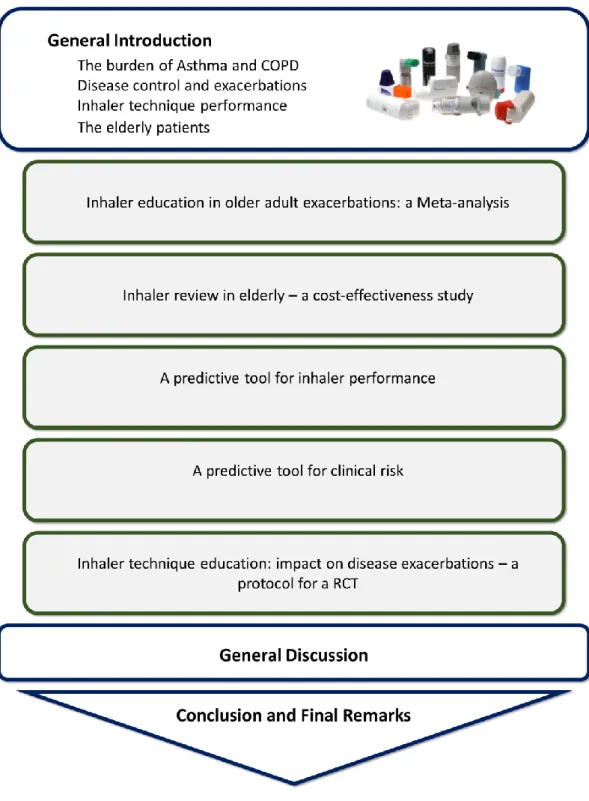
Figure 3.1.1 - Illustrative scheme of the thesis chapters.
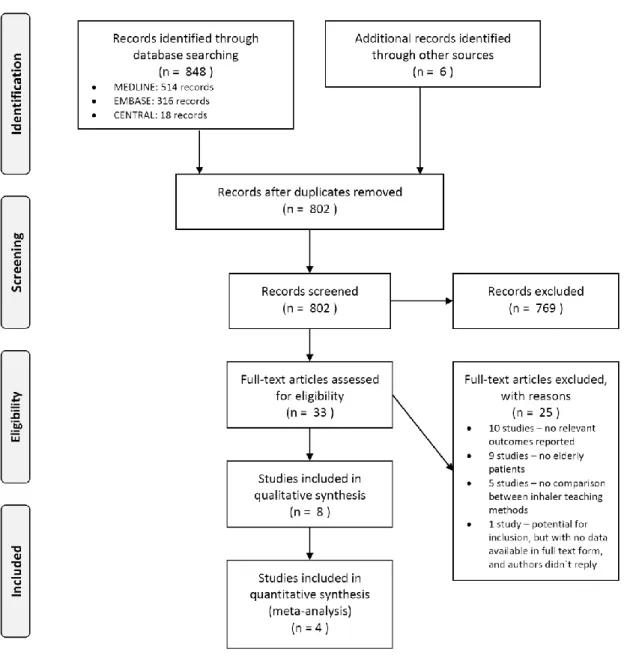
Figure 4.1.1 – Flow diagram on search and article inclusion, according to PRISMA statement, for meta-analysis.
Figure 4.1.2 – Risk of Bias assessment in included for meta-analysis studies according to GRADE tool and recommended by Cochrane.
Figure 4.1.3 – Meta-analysis of educational interventions with inhaler technique review. Figure 4.2.1 - Decision tree model to compare Usual care versus Inhaler technique review intervention.
Figure 4.2.2 – Cost-effectivity thresholds according to exacerbation costs.
Figure 4.2.3 – Incremental cost-effectiveness ratio (ICER) for Portugal at worst-case and best-case scenarios according to lower and upper limits of Intervention Costs and Risk Difference. Figure 4.3.1 - Regression line of the multivariate analysis to inhaler performance score, on the development of a predictive tool of inhaler performance.
Figure 4.3.2 - Regression line of the multivariate analysis to the “absence of inhaler errors”. The x-axis represents the score obtained according to predictors’ coefficients. The y-axis represents the probability of having a total correct inhaler performance (absent errors). Figure 4.3.3 - Box plot of Inhaler performance score according to device type, age, and cognitive performance.
Figure 4.4.1 - Regression line of the multivariate analysis to quality of life score, on the development of a predictive tool of clinical risk.
Figure 4.4.2 - Regression line of the multivariate analysis to FEV1% of predicted values, on the development of a predictive tool of clinical risk.
Figure 4.5.1 – Study design diagram for the randomised control trial protocol.
Figure 5.1.1 - Causal pathways between inhaler technique performance and disease outcomes in Asthma and COPD, revaluation upon this thesis.
List of Tables
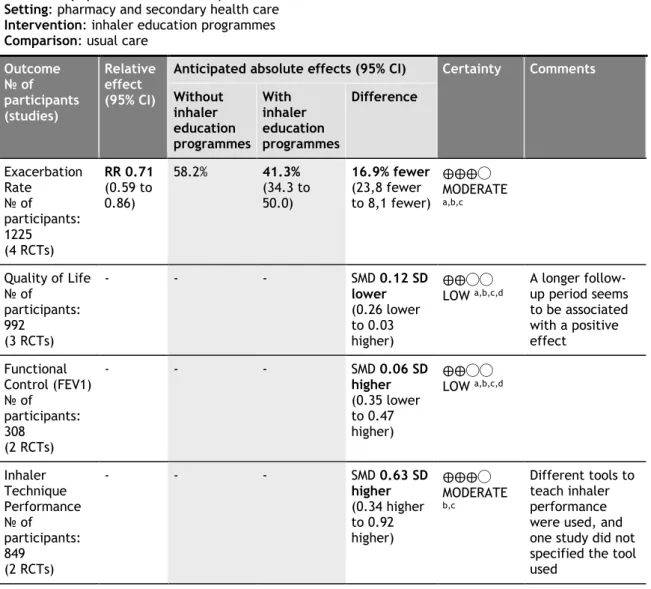
Table 4.1.1 – Summary of findings of intervention effect on clinical and relevant outcomes. Table 4.2.1 – Input parameters used in the model for cost-effectiveness analysis.
Table 4.3.1 – Data from demographic and clinical predictor variables collected from all participants and comparisons according to the major outcome variables, for the development of a predictive tool of inhaler performance.
Table 4.3.2 – Data from inhalers use as predictor variables collected from all participants and comparisons according to the major outcome variables, for the development of a predictive tool of inhaler performance.
Table 4.3.3 – Predictors identified with statistical significance on multivariate analysis
according to the major outcome variables, for the development of a predictive tool of inhaler performance.
Table 4.3.4 – Predictive score for the probability of having “absent errors” in inhaler performance, for the development of a predictive tool of inhaler performance.
Table 4.4.1 – Data from demographic and clinical predictor variables collected from all participants and comparisons according to the major outcome variables, for the development of a predictive tool of clinical risk.
Table 4.4.2 - Data from inhalers use as predictor variables collected from all participants and comparisons according to the major outcome variables, for the development of a predictive tool of clinical risk.
Table 4.4.3 - Predictors identified with statistical significance on multivariate analysis
according to the major outcome variables, for the development of a predictive tool of clinical risk.
List of Abbreviations
ACO Asthma-COPD Overlap
ACSS Portuguese Central Administration of Health System ACT Asthma Control Test
ADMIT Aerosol Drug Management Improvement Team AQLQ Asthma Quality of Life Questionnaire
AUC Area Under the Curve BAI Breath-Actuated Inhaler
CARAT Control of Allergic Rhinitis and Asthma Test CAT Asthma Quality of Life Questionnaire CCQ Clinical COPD Questionnaire
COPD Chronic Obstructive Pulmonary Disease DALYs Disability Adjusted Life Years
DPI Dry Powder Inhaler ER Emergency Room
FEV1 Forced Expiratory Volume in First Second FVC Forced Vital Capacity
GINA Global Initiative for Asthma
GOLD Global Initiative for Chronic Obstructive Lung Disease ICER Incremental Cost Effectiveness Ratio
ICS Inhaled Corticosteroid LABA Long-Acting Β2-Agonist
LAMA Long-Acting Muscarinic Antagonists
MEF25-75 Maximum Expiratory Flows of 25-75% of FVC mMRC modified Medical Research Council
MoCA Montreal Cognitive Assessment NNT Number Needed to Treat
OECD Organisation for Economic Co-Operation and Development PEF Peak Expiratory Flow
pMDI Pressurized Metered-Dose Inhaler
pMDI+S Pressurized Metered-Dose Inhaler Plus Spacer QALY Quality Adjusted Life Years
RCT Randomised Control Trials SMD Standardised Mean Difference SMI Soft Mist Inhaler
TSA Trial Sequential Analysis UBI Universidade da Beira Interior WHO World Health Organization
CHAPTER ONE
General Introduction
General Introduction
“…the most expensive inhaler is the one that is not used correctly” - The Aerosol Drug Management Improvement Team
1.1 The burden of Asthma and COPD
Human health has experienced major shifts in the last hundred years, in a tremendous epidemiological revolution (1). Chronic conditions took their place among the main health priorities, overcoming infectious diseases as the main causes of death. This was mostly due to better lifestyle conditions, better sanitation, better health care resources, and also, to the ageing of population in most countries.
Respiratory diseases currently account for one of the most important causes of death worldwide. Most of that phenomenon is due to lower respiratory infections, but also to the increasing prevalence and incidence of chronic conditions, such as Asthma and Chronic Obstructive Pulmonary Disease (COPD). The last report of the World Health Organization (WHO) on the global burden of diseases pointed out that near 7% of all deaths are due to respiratory diseases, and COPD leads this subset right after infectious diseases (2). Asthma and COPD together affect more than 300 million people worldwide and near 40 million in Europe, and those numbers kept arising in the last few years. Asthma and COPD are both within the ten main causes of years of life lost, and 13% of those patients have moderate or severe disability, which has significant impact on people’s quality of life and also on health services’ burden. A recent report from the Institute for Health Metrics and Evaluation reaffirms such findings (3).
Figure 1.1.1 present the main leading causes of burden of diseases in terms of Disability Adjusted Life Years (DALYs), with a perspective from 2014 and an estimation to 2030. COPD currently represents the thirteenth leading cause of burden of diseases, with 2% of total DALYs, but it should be highlighted that it is estimated to rise up to nearly 4%, right to the top five, in the next few decades. Nevertheless, lower respiratory infections will drop from the leading cause of disability to the sixth position, with a decrease of 3% on its quota. These changes highlight the epidemiological shift that will happen in the next few years, and other diseases are following the same pattern, such as mood disorders, cardiovascular and cerebrovascular diseases, diabetes and also some sensorial diseases, such as hearing loss and refractive errors.
Figure 1.1.1 - Ten leading causes of burden of disease, worldwide, at 2004 and 2030.
Adapted from The Global Burden of Disease – WHO (2).
The burden of Asthma and COPD embraces several dimensions of disability and complications. According to a recent report from the Organisation for Economic Co-operation and Development (OECD) (4), in 2015 Asthma and COPD were responsible for almost 240 hospital admissions/100.000 inhabitants. Although Portugal has a lower rate of 74 admissions/100,000 inhabitants, in some countries those numbers rise to nearly 430 (Figure 1.1.2).
Asthma and COPD are associated with significant risk of adverse outcomes and death. In Portugal, in 2009, respiratory diseases were responsible for more than 83.000 hospitalisations, which represent 14% of total admissions and for about 10% of all deaths (5, 6). Asthma, COPD and rhinitis altogether affect up to 40% of the population. The standardised death rate for COPD in Portugal is nearly 18/100,000 inhabitants, slightly below the OECD mean, and has been diminishing in the last few years (7). However, it is still responsible for 20% of all deaths from respiratory causes. The mean age of COPD patients increased 2 years in the past decade, and that is mainly due to the ageing population in Portugal (6). These patients are frequently undiagnosed in Primary Health Care, and only 10% of those diagnosed have a confirmatory spirometry. In Asthma, the hospital admissions rate is nearly 26.8/100,000 inhabitants (8), but it causes only 1% of all deaths from respiratory causes. Regarding the elderly, Portugal has the second highest mortality rate from respiratory diseases, with more than 500 deaths per 100,000 habitants (5), which represent up to 130 years of life lost per 100,000 inhabitants. Hospital admissions carry a significant economic burden, with a total net expenditure of €213 million every year in Portugal. Treatment of respiratory diseases
accounts for 7% of the total public budget of the National Health Service, and most of it is due to acute care (5). It is estimated that Asthma and COPD represent a total cost up to €4 billion in Europe (9, 10), and COPD only may account for 50% of all respiratory treatment costs (11). In Portugal, regular treatment of a patient with COPD costs up to €1500 every year (7) and with an Asthma patient a mean of €1200 (12). Asthma alone leads to a total expenditure of almost €400 million in Portugal, and one third of it is due to acute care (13).
Figure 1.1.2 - Asthma and COPD hospital admissions in adults, 2015 (or nearest year).
Adapted from Health at a Glance – OECD (4).
The definition of Asthma and COPD, as well as their clinical staging, has been under several reviews over time, under the light of new evidence on its pathogenesis, endotypic and phenotypic features. Both rest on the same basis, an inflammatory component with varying features but involving subsequent airway obstruction. However, Asthma and COPD differ in clinical presentation, although such difference may be less apparent in elderly patients. According to the Global Initiative for Asthma (GINA) 2018 Report (14), Asthma is an "heterogeneous disease, usually characterized by chronic airway inflammation. It is defined
by the history of respiratory symptoms such as wheeze, shortness of breath, chest tightness and cough that vary over time and in intensity, together with variable expiratory airflow limitation". It can manifest itself in several clinical phenotypes, but such classification has
not reached a full consensus so far since different parameters have been used for definition of clinical/functional phenotypes, and other definitions of phenotypes on the basis of the presence or absence of atopy, features of inflammation, types of triggers, age of onset or other have also been put forward. Clearly, future studies will further address the issue of classifying patients into multiple phenotypic clusters, which may be helpful to adequately
tailor treatments. The worldwide prevalence of Asthma is nearly 10%, but it may reach 18% in some countries (14). A recent national survey in Portugal estimated a prevalence of 6.8% of Asthmatic patients, which represents nearly 700,000 people, but lifetime Asthma prevalence may reach 10% (15, 16), as reported worldwide. However, real data from Portugal, and according to clinical primary health care records in the Portuguese National Health Service, show that only 2% of the population is documented as having Asthma, which suggests widespread underdiagnosis (5).
COPD, according to the Global Initiative for Chronic Obstructive Lung Disease (GOLD) (11), is a "common, preventable and treatable disease that is characterised by persistent respiratory
symptoms and airflow limitation that is due to airway and/or alveolar abnormalities usually caused by significant exposure to noxious particles or gases". COPD definition seems more
accurate and objective than Asthma, giving a greater importance to persistent symptoms and airflow limitation, which may be intermittent in Asthma, as well as to a previous and chronic respiratory exposure, such as to smoke and heavy particles. COPD classification has been under recent review, and it now includes four different grades, according to three main aspects: symptomatic control, airflow limitation and previous history of exacerbations. However, airflow limitation has lost some importance to the other two. COPD affects more than 380 million people, with a global prevalence estimated in 11.7%; however, most reports show a prevalence of less than 6%, which also suggests clear underdiagnosis (11). The same phenomenon occurs in Portugal. A recent study estimated a prevalence up to 14.2% in patients above 40 years old (17); however underdiagnosis may reach up to 86% of patients, because only near 1% of the population is correctly identified (5).
Nevertheless, there are a few subsets of patients in whom the diagnosis is still difficult to establish, because they often present symptoms of both Asthma and COPD. Frequently this happens with smokers or older adults, or even with foreign Asthma patients that spent many years with their disease uncontrolled, due to smoking or exposure to noxious gases. This is called the Asthma-COPD Overlap (ACO) (18), and it is more than a simple disease itself. For this reason, GOLD and GINA have recently released a consensus report establishing its definition as being “characterised by persistent airflow limitation with several features
usually associated with Asthma and several features usually associated with COPD. ACO is therefore identical in clinical practice by the features that it shares with both Asthma and COPD”. These patients usually need to be treated with approaches from both diseases,
combining inhaled corticosteroids (more relevant in Asthma) and bronchodilators (more relevant in COPD). The underlying mechanisms of ACO are still largely unknown, but these patients present a higher clinical risk for exacerbations and adverse outcomes. The global prevalence of ACO is estimated to vary between 15% and 55%, according to different studies (18).
Etiological factors and triggers
The onset of Asthma and COPD can be due to many different etiological factors (see figure 1.4.1 further), and some are closely related to primordial prevention features, such as outdoor and indoor dust exposure, air quality and smoking policies (6). In fact, in Portugal air quality is considered good, overall, but only 20% of the population is under an acceptable monitoring system, which makes them more vulnerable to such exposure. Smoking is also known to be a strong trigger of Asthma and COPD burden. In Portugal, smoking rate is about 20%, slightly below the European average, which, to some extent, may explain the lower disease prevalence. In addition, it should be considered that elderly people in Portugal, mainly those living in rural areas, were under significant exposure to fumes, due to the regular use of home fireplaces and firewood for heating and cooking purposes.
In Asthma, in particular, a significant role for gene-environment interactions on disease onset has been demonstrated, and most of those interactions may occur in early life or even in-utero (14). Some of the involved factors are related to nutrition, early allergen exposure, pollutants, microbes and psychosocial triggers. In addition, other factors may contribute to worsening of symptoms or exacerbations, such as smoking, low pulmonary function, obesity, economic difficulties, allergies and frequent previous exacerbations. Comorbidities may also play a role in this continuum, namely gastroesophageal reflux, depression and anxiety, rhinitis (mainly allergic rhinitis), sinusitis and nasal polyposis.
There are many aetiological factors that are both related to Asthma as to COPD, but in COPD some specific ones may be involved, such as alpha-1 antitrypsin deficiency and lung growth and development (11). In addition, several factors may worsen clinical control, such as smoking, occupational and environmental exposure to noxious gases, or even comorbidities, such as cardiovascular diseases (heart failure, ischaemic heart disease, arrhythmias, peripheral arterial disease and hypertension), skeletal muscle dysfunction, metabolic syndrome (such as diabetes), osteoporosis, anxiety, depression, gastroesophageal reflux, bronchiectasis, sleep apnoea syndrome and lung cancer.
1.2 Disease control and exacerbations
Many patients with Asthma or COPD present frequent symptoms, revealing poor clinical control (11, 14). However, defining good clinical control and disease severity is also difficult since these semiological concepts have been changing over time. GINA defines Asthma severity and clinical control based upon the prescribed treatment step in five major classes, and this is now considered the gold standard for use in clinical practice and in epidemiological studies (14). This is based on the assumption that patients are prescribed the best treatment option, and thus, a “difficult-to-treat and severe” (or difficult-to-manage) Asthma is the one that keeps revealing daily symptoms or regular exacerbations, despite optimal therapy with high doses of inhaler corticosteroid plus a long-acting bronchodilator and a proper management of comorbidities. These patients frequently experience exacerbations that could be life-threating, and according to GINA (14), these are “episodes characterized by a
progressive increase in symptoms of shortness of breath, cough, wheezing or chest tightness and progressive decrease in lung function (…) that is sufficient to require a change in treatment”. Exacerbations usually occur in response to an external trigger or agent, and
usually assume different terminologies in clinical practice, such as “flare-up”, “episode” or “attack”.
The definition of clinical control in COPD is also difficult, but globally it is similar to Asthma, as a result of a comprehensive approach to chronic obstructive diseases as a whole. According to GOLD, clinical control of COPD should be based on several features, such as the presence of symptoms, the frequency of exacerbations and the grade of airway obstruction. COPD exacerbation is also life threating, and GOLD defines it as “an acute worsening of respiratory
symptoms that results in additional therapy”. Exacerbations can be classified as mild,
moderate or severe, according to the intensity of the clinical manifestations, the type of therapeutic agents used and the need for hospitalisation (11). The main objective of treatment of these patients is to maintain good symptomatic relieve, good tolerance to exercise, and to prevent lung function decline, future exacerbations and death (14, 19). According to a national survey in Portugal, almost half of the Asthmatic patients have their disease uncontrolled, but nearly 90% of them think the opposite (20). In 2010, exacerbation rates reached about 23% in secondary health care and 3% needed a hospital admission to be properly treated. More than one third of these patients had not had any medical appointment in the previous year, although it is highly recommended to keep a regular follow-up. The Portuguese National Directorate for Health recommends that patients with Asthma should have a follow-up appointment every 3 to 6 months, focusing on inhaler technique review, as well as on allergen and smoking avoidance (8). It also highlights the role of Primary Health Care and Family Doctors in such control. This is in accordance with international recommendations (11, 14). Regarding COPD, admission rates in Portugal are significantly below the OECD average (71.6 versus 198.4 admissions per 100,000 habitants), and have been
decreasing nearly 12% every year (7). Nevertheless, the mean hospital stay time is nine days, which may also be due to high prevalence of comorbidities (nearly 37%) and to the ageing population (78% of those patients are elderly). Exacerbations in Asthma and COPD lead to a significant economic burden on health services. Acute medical care with Asthma may reach €200 per patient (13), but in COPD this amount can vary from €50 up to €6,000 per patient (7, 21).
The continuum of exacerbations and lung function
Exacerbations in Asthma and COPD are very complex events, because many pathophysiological mechanisms lay underneath them. In fact, due to the different endotypic and phenotypic presentations of such patients, is has been difficult to clarify all the inflammatory pathways of exacerbations and disease progression. In Asthma (14), the main pattern lies on acute inflammatory mediators and though activation of cells such as T lymphocytes, eosinophils and/or neutrophils. These contribute towards airflow limitations and mucus hypersecretion. Differently from COPD, airway remodelling and fibrosis are usually absent in most cases of Asthma, and this is usually reversible with proper treatment, since the fibroelastic properties of airway’s wall are maintained. However, a subset of these patients, mainly those who are non-allergic and smokers, tend to show fixed airflow limitation, and some even develop ACO. On other hand, in COPD (11, 22), chronic inflammatory mediators are usually present in a more complex setting. A complex protease-antiprotease imbalance, an increased oxidative stress, as well as the activation of dendritic cells, CD8 type T cells and fibroblasts, lead to a progressive airflow limitation and gas trapping, which ultimately leads to gas exchange abnormalities, pulmonary hypertension and emphysema.
Several factors may contribute to increased risk of exacerbations, as previously mentioned, but the role of smoking (23), poor adherence and poor inhaler technique (14), as well as educational and socioeconomic determinants, obesity and being child or elder (20) should be highlighted. Health literacy seems to be highly related to adverse outcomes, and some studies approaching its true impact start to suggest that this could be even more relevant than comorbidities (24). These findings are divergent somehow, because comorbidities also seem to worsen dyspnoea in these patients (25), and self-knowledge alone seems to be not enough to prevent the onset of new exacerbations in high-risk patients (26).
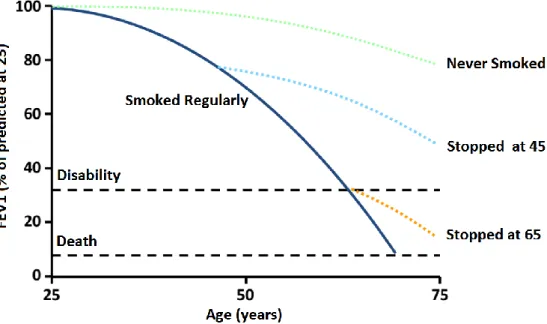
Lung function is a dynamic phenomenon, because it naturally changes over time with ageing, starting to decline at age 25, and this is more evident in smokers and former smokers (27) (Figure 1.2.1). By the older age the normal lung function is significantly compromised, which leads to worsening of respiratory symptoms (28). The average decline in Forced Expiratory Volume at first second (FEV1) in non-smoking healthy adults is about 15-20 mL/year, but this
could be increased in Asthma and COPD (14). In Asthma, this decline is not as marked as in COPD, but it could be irreversible in high-risk and uncontrolled patients. In COPD, lung function keeps declining even with optimal treatment, and it may be worsened by comorbidities (11, 29). Frequent exacerbations lead to progressive and irreversible changes in lung structure and lung function, but that is not all, because other systemic complications may occur with frequent events. For instance, there is evidence that exacerbations worsen cognitive function in elderly patients (30, 31).
Figure 1.2.1 - The decline in lung function with age, smoking, and smoking cessation. FEV1 – Forced Expiratory Volume in first second. Adapted from Fletcher et al (27).
1.3 Inhaler technique performance
The best way to treat Asthma and COPD is by delivering the drug directly into the lungs via inhaler devices. The development of inhaler therapy started many centuries ago, but it was near the 19th century that it started to be addressed as a medical device therapy (32, 33).
Since then, inhaler therapy has evolved significantly, and currently, inhaler devices allow the ability to deliver the drug into the lower and upper airways, in accordance with the desired effect and location, and by adjusting different particle sizes and kinetics. Today, several types of inhalers are available in the market, differing slightly among countries. In Portugal (34), the main type of devices may be subdivided according to the physical state of the drug and its release form, into (Figure 1.3.1): dry powder inhaler (DPI), soft mist inhaler (SMI), breath-actuated inhaler (BAI) and pressurized metered-dose inhaler (pMDI). The last type can also be coupled to a spacer (pMDI+S).
Different aspects should be considered when choosing an inhaler, because all the main inhaler technique steps should suit the patient’s profile (35, 36). The main common steps of inhaler technique are: drug activation, previous expiration, drug inhalation and finally an end pause. The first problem starts with drug activation, because each inhaler has some specific features of drug activation previous to inhalation itself. Although manufacturers usually develop instructions for their inhalers, those occasionally differ from the main guidelines, thus hampering proper learning by patients (37). This is particularly relevant with DPI, due to the recent increase in different available inhalers, and with pMDI, because these need to be shaken previously and also because drug release (activation) should be done right after the beginning of inhalation (hand-breath coordination). Except when using a pMDI+S, the inhalation in all devices should be done after a previous expiration, in order to "create available space" in lower airways, and followed by an end pause, in order to allow proper sedimentation of drug particles. Nevertheless, each one of these categories has some specific features to be considered during inhalation itself. For instance, DPI need a deep and strong inhalation, so that bigger particles can disaggregate into smaller ones, during device exit, to reach enough speed to carry them through the airways. With the remaining devices (pMDI, pMDI+S, SMI and BAI) the inhalation flow should be steady and soft enough to allow disaggregation of drug particles from propellant. This will also create a laminar flow as particles travel through the airways, thereby minimizing deposition on oropharynx.
Nevertheless, many patients use more than one single type of device, which makes it harder to teach them how to use the inhaler properly (38). In fact, using multiple devices is one of the main factors contributing to poor adherence, and that should be checked regularly, since many patients do not use their inhalers with the prescribed frequency (14, 39). Adherence is also closely related to poor inhaler technique, and teaching inhaler technique itself may significantly improve adherence (40). In addition, several studies have shown the impact of adherence on clinical control of Asthma and COPD (41), and this is particularly compromised
in respiratory diseases, when compared to other diseases (42). Besides, adherence is a key factor to exacerbation risk (19, 40, 43) and thus, to its respective economic burden (44). Several methods may be used to check inhaler adherence, and new electronic devices have arisen with reliable measures to help clinical practice (45).
Figure 1.3.1 – Available inhalers in Portugal in 2019. BAI – Breath-actuated inhaler. DPI – Dry powder inhaler. pMDI – Pressurized metered-dose inhaler. SMI – Soft mist inhaler. Adapted from Aguiar R, et al. (34).
The patient’s perspective
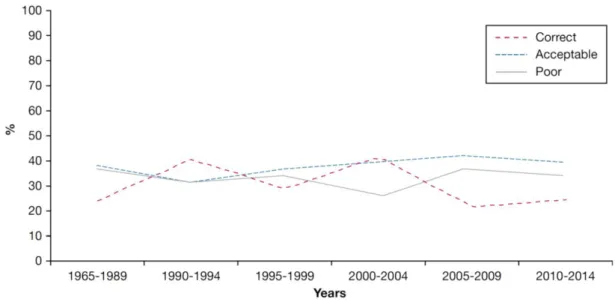
Inhaler technique performance has been under research for a few decades, and quite early it became clear its close relation to adherence, to drug deposition in the lungs and, ultimately, to clinical control (46, 47). Most patients use their inhalers incorrectly, and the prevalence of inhaler errors varies significantly across several studies. According to recent systematic reviews, it may reach up to 90% in some particular patients and occurs in all different steps of inhaler performance (48, 49). Moreover, only 11% of patients receive regular inhaler review and 25% have never received proper education (49, 50). Besides the technological evolution in inhaler therapy and the emerging of new and more evolved devices, this problem still remains, and no improvements have been seen in inhaler performance, in the past few decades (51) (figure 1.3.2).
Figure 1.3.2 - Evolution of inhaler performance on reported studies over the last 40 years. Adapted from Sanchis J, et al. (51).
Inhaler errors contribute to a significant burden on Asthma and COPD management, not only in terms of mortality and morbidity, but also economically (52), estimating that it leads to almost €800 million spent in Europe annually (10). Inhaler errors, however, are not all the same, and some steps seem to be more determinant to reach therapeutic efficacy. These are called critical errors, and some studies started to analyse them, pointing out a prevalence up to 50% (48, 53). Even though it is not yet clear which errors are the most critical, since they also depend on patient's and disease's profile, some have been identified, namely the need for a proper hand-breath coordination with pMDI, a sufficient inhalation flow with DPI, and a previous expiration (53, 54).
Many years ago, studies started to compare different inhalers, trying to figure out which ones would be better in terms of performance (55, 56). However, growing evidence showed that inhaler errors are performed with all of them (57, 58). Some research suggested that DPI may be better than pMDI (48, 55, 59-62), but they are also more expensive (63), and pMDI could be better used with less critical errors when coupled to a spacer (58). Recent inhalers tried to overcome barriers in drug activation steps, making it simpler to perform, and some studies suggest they might be better than older ones (64-66).
It is well established that poor inhaler performance is significantly associated with adverse disease outcomes, mainly poor clinical control, lower quality of life and an increased risk of exacerbations (41, 67-71). Several studies have tried to identify the major predictors of inhaler performance, but the evidence is still scarce and occasionally contradictory. Patients’ motivation and preferences may play an important role in that context (60, 72), but that is
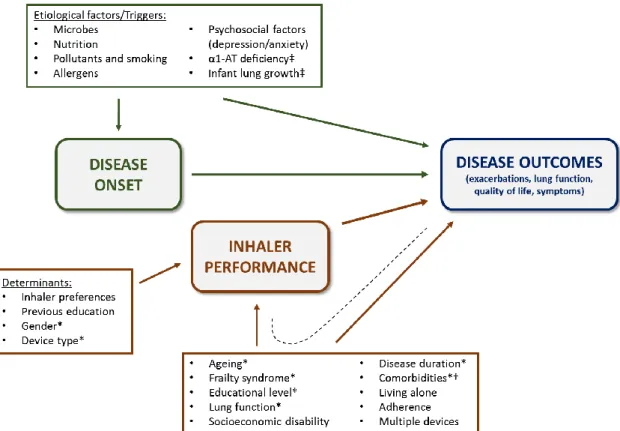
not clear yet (73). Other potential determinants have been identified, such as: age (61, 74, 75), gender (76), educational and socioeconomic level (67, 74, 75, 77, 78), living alone (77), having comorbidities (77) and being prescribed multiple devices (79). In addition, patients who have received previous inhaler education also show better performance (61, 67, 74, 75, 78). Many of such determinants are both predictors of inhaler performance and of disease outcomes, as previously mentioned. This may be due to common causal pathways or confounding, and it raises tremendous doubts upon their true causal effect (see figure 1.4.1 further).
The health professional’s perspective
Facing the growing evidence regarding poor inhaler use by patients, some studies started early on to focus on health professionals, since they are the main drive to provide good education, in clinical practice (80-82). The first results revealed that health professionals, with no exceptions, also knew little about inhaler technique performance and that is sustained by a generalised tendency for them to fail to recognise this problem (83). In fact, as this issue started to gain more importance over time, health professionals working directly in the respiratory field, such as respiratory therapists (84), pulmonologists (85, 86) and also family doctors/general practitioners (86, 87), also improved their knowledge on inhalers. Nevertheless, other health professionals still show little knowledge about inhalers, namely pharmacists (81, 88, 89), paediatricians (80) and nurses (90).
Teaching health professionals about inhaler technique seems to result (85), but this knowledge is lost after a few months without regular practice (91). Even younger health professionals show this lack of knowledge (92), which highlights the need to plan and structure an agenda on inhaled therapy education early during undergraduation (93-95).
Inhaler review and education
Educational programmes with inhaler review started to be under research in the 80's (96-99), and since then many prospective studies have been developed to test its impact on main outcomes, either with randomised control trials (RCT) or quasi-experimental ones. Most of the interventional studies were performed in adults, enrolling so far more than 6,000 patients, but most of them were designed without blinding, with short follow-ups and included other educational features besides inhaler technique alone, such as self-management plans and disease knowledge. Inhaler technique education has been tested using several tools, such as:
Tailored teach-to-goal placebo device training (100-114), which consists of a repeated physical demonstration and training of all steps of inhalation, using placebo devices, and including feedback.
Flyers or booklets with graphical schemes of all steps (99, 115).
Showing videos of inhalation steps to patients (116, 117).
Placing labels and reminders on the cover of the devices (118).
Using interactive and multimedia-based tools (119-121).
Using mobile or e-mail reminders (122).
Several studies have compared such methods in terms of inhaler performance itself. Some studies suggest that most of them seem to be equivalent (99, 115), but growing evidence points out placebo device training and videos as the best ones (98, 100, 106, 116, 123-125). Most of the interventions in those studies were performed by doctors, but there are several studies which also tested the ability of pharmacists (102-104, 110, 118, 126-129) and nurses (100, 121).
Different outcomes have thus far been addressed by interventional studies besides inhaler performance (100, 123) and inhaler adherence (99, 102, 103, 106, 108, 110, 114, 117, 121, 128-131), namely the most clinically relevant ones, such as lung function (101, 103, 111, 125, 126, 132-135), symptom control (102-108, 110, 118, 125, 127-129, 133, 136) and quality of life (97, 98, 101-103, 105, 108-110, 112, 115, 116, 126, 132, 135). Most of the studies found positive results showing that all methods improve clinical outcomes and quality of life. In addition, and regarding exacerbations, most of the evidence suggests that the best method may be placebo training with reminders, having the potential to reduce the risk (106, 115, 125, 130, 132). However, these findings must be taken with caution, because most studies had short follow-up periods and several potential biases, such as unblinded designs (137, 138). Several studies have highlighted the importance of regular reviews and feedback upon inhaler education in patients (97, 135, 139-141), and some guidelines also mention this aspect (142, 143). This is particularly important since inhaler performance is lost shortly after instructions (61). Different inhalers have also been under cost-effectiveness analysis, and some studies suggest that pMDI are less cost-effective that DPI (96, 144-146). However, the true cost-effectiveness of inhaler educational programmes is still unclear, mainly regarding clinical outcomes (147, 148).
1.4 Elderly patients
In the past few years a significant demographic shift has occurred, mainly due to ageing population in developed countries. In Portugal, this reality is particularly relevant, since it is one of the most aged countries in Europe (6). In addition, elderly patients with Asthma or COPD have higher mortality rates than younger patients, and almost twice the mean hospital stay during an admission. Also, almost 10% to 18% of elderly patients tend to have more than one hospital admission/year (5).
GINA and GOLD have also highlighted the importance that elderly patients have (11, 14), not only because of their increased risk of mortality, but also due to the significant associated morbidity. In addition, elderly patients are frequently underdiagnosed and that could be due to several features. First, these patients usually have a low perception of symptoms, and frequently have concomitant comorbidities that share similar symptoms (14, 149). In fact, associated comorbidities of Asthma and COPD frequently share respiratory symptoms and that frequently biases a correct clinical judgment (39). In addition, socioeconomic determinants may also play an important role in patients’ empowerment, thereby compromising disease diagnosis. On the other hand, the increased decline in lung function in elderly individuals may lead to overdiagnosis of COPD (11).
Most elderly patients with Asthma or COPD have uncontrolled symptoms (28), and this highlights the importance of recognising their differences from younger patients. In elderly patients, lung function declines faster (28), and the prevalence of comorbidities such as depressive states, is significantly higher, and that also contributes to poor quality of life (150, 151). In addition, exacerbations in the elderly worsen cognitive function, making it harder to manage them and to invest in proper education (30). Several factors may be associated with poor clinical control and increased risk of exacerbations in the elderly, besides inhaler technique performance (152, 153), and cognitive function seems to be one of most importance (154).
Inhaler technique performance in the elderly
Inhaler performance is a major issue in elderly patients, and several studies have shown a significant trend to poor inhaler performance as age increases (152, 155-157). In elderly patients, error prevalence may reach up to 90%, while in younger patients this varies around 50% (158). Several factors may be related to inhaler technique performance, as previously mentioned, and that has been generating a special interest in elderly patients for some time (159, 160). Some of the those predictors may be: age itself (74, 155, 156); gender (160); cognitive function (159-164); concomitant comorbidities, depression or frailty, the latter ones because they may affect patient’s motivation (160, 164, 165); educational level (74, 76, 166);
rurality, socioeconomic status and disease duration (76). Also, having regular appointments with a doctor, having received previous education, the type of device (74, 76) and lung function itself (164), may be associated with inhaler performance. However, most of such assumptions need to be clarified by true causal research, because some studies are contradictory, mainly regarding age, gender and educational level (160, 166) in elderly patients, as well as the use of multiple devices in adults also(166) (figure 1.4.1).
Inhaler review and education in the elderly
Regarding the complexity of inhaler performance in elderly patients, some studies started to address the impact of inhaler educational interventions upon them, and for the last two decades more than 3,100 patients have been recruited into interventional studies. However, the same problem arises regarding both adults and the elderly. Most studies were not randomised, had short follow-ups, were not blinded in most study design dimensions and addressed inhaler technique education not in isolation but in combination with other disease knowledge features.
Several methods were also tested in elderly patients, such as: placebo device training (166-173); videos (174, 175); flyers/booklets (169, 176-178) and videoconferencing (179). Most of the interventions were performed by doctors, but some have also been provided by pharmacists (167, 175, 178, 179) and nurses (180, 181). The majority of such studies show that interventions seem to improve major outcomes, namely inhaler performance itself (166-168, 171, 172), adherence (170, 177-179, 182), lung function (169, 176, 177, 182), symptom control (170, 174, 175, 181), and quality of life (169, 170, 176-180). Regarding exacerbations, most studies showed a significant reduction of risk ratio, but the educational tools used were diverse, such as a placebo device training (169, 170) and flyers/booklets (176-178). Teaching inhaler technique in the elderly also seems to be cost-effective (183), just as in younger adult patients, but more cost-effectiveness analyses are still needed to confirm this issue.
Figure 1.4.1 – Conceptual graph of causal pathways between disease onset, inhaler technique performance and disease outcomes in Asthma and COPD. Schema performed according to Direct Acyclic Graphs recommendations (184). The single-directional arrows show established and suspected causal pathways according to the reported bibliography. The black dashed line shows an open pathway between inhaler performance, exposure factors and disease outcomes, meaning common true causal inference or potential confounding. AT-Antitripsine. *Factors which impact is especially relevant on elderly patients. †Comorbidities identified as
significant on both Asthma and COPD (rhinitis, sinusitis, nasal polyposis, gastroesophageal reflux, obesity, depression and anxiety) and comorbidities identified as significant mostly on COPD (cardiovascular disease, lung cancer, osteoporosis, musculoskeletal diseases, metabolic syndrome, bronchiectasis, sleep apnoea syndrome). ‡Factors which impact is especially relevant on COPD.
References
1. De Flora S, Quaglia A, Bennicelli C, Vercelli M. The epidemiological revolution of the 20th century. FASEB journal. 2005;19(8):892-7. PubMed PMID: 15923399. Epub 2005/06/01. 2. World Health Organization. The global burden of disease: 2004 update. Available from: http://www.who.int: 2008 [Accessed: Sept 2016]. Report No.: 1.
3. Evaluation IfHMa. Global, regional, and national deaths, prevalence, disability-adjusted life years, and years lived with disability for chronic obstructive pulmonary disease and asthma, 1990-2015: a systematic analysis for the Global Burden of Disease Study 2015. Lancet Respir Med. 2017;5(9):691-706. PubMed PMID: 28822787. Pubmed Central PMCID: PMC5573769. Epub 2017/08/22.
4. OECD. Health at a Glance 2017: OECD Publishing; 2017. Available at: http://www.oecd.org/health/health-systems/health-at-a-glance-19991312.htm. (Accessed May 2019).
5. Barbara C, Gomes EM. Portugal - Doenças Respiratórias em Números. Programa Nacional para as Doenças Respiratórias. Available from: http://www2.portaldasaude.pt/: Direcção Geral de Saúde, 2015 [Accessed May 2016]].
6. de Araújo A. Relatório do Observatório Nacional das Doenças Respiratórias - Desafios e oportunidades em tempos de crise [e-book]. Available from: http://www.ondr.pt: Fundação Portuguesa do Pulmão, 2011.
7. Direcção Geral de Saúde. DPOC em números: Portugal e Europa. Available from: http://www.dgs.pt: 2017 [Accessed Sept 2017].
8. Direcção Geral de Saúde. Abordagem e controlo da asma. Norma número 016/2011. Available from: http://www.dgs.pt2011 [Updated 2012]. p. 14.
9. Accordini S, Corsico AG, Braggion M, Gerbase MW, Gislason D, Gulsvik A, et al. The cost of persistent asthma in Europe: an international population-based study in adults. Int Arch Allergy Immunol. 2013;160(1):93-101. PubMed PMID: 22948386. Epub 2012/09/06. 10. Lewis A, Torvinen S, Dekhuijzen PNR, Chrystyn H, Watson AT, Blackney M, et al. The economic burden of asthma and chronic obstructive pulmonary disease and the impact of poor inhalation technique with commonly prescribed dry powder inhalers in three European countries. BMC Health Services Research. 2016 07/12