Therapeutic use of the rebound effect of modern drugs:
“New homeopathic medicines”
MARCUS ZULIAN TEIXEIRA1*
1MD, PhD, Postdoctoral Student of the Department of Obstetrics and Gynecology, Faculdade de Medicina da Universidade de São Paulo (FMUSP). Coordinator of the Elective Discipline Fundamentals of Homeopathy
(MCM0773), FMUSP, São Paulo, SP, Brazil
S
UMMARYStudy conducted at the Department of Obstetrics and Gynecology, Faculdade de Medicina da Universidade de São Paulo (FMUSP), São Paulo, SP, Brazil
Article received: 7/4/2016
Accepted for publication: 7/9/2016
*Correspondence:
Departamento de Ginecologia e Obstetrícia, HC-FMUSP Address: Av. Dr. Enéas de Carvalho Aguiar, 255, 10º andar, sala 10.166
São Paulo, SP – Brazil Postal code: 05403-000 [email protected] [email protected]
http://dx.doi.org/10.1590/1806-9282.63.02.100
The homeopathic treatment is based on the principle of therapeutic similitude, employing medicines that cause certain disorders to treat similar manifestations, stimulating a reaction of the organism against its own ailments. The occurrence of this secondary reaction of the organism, opposite in nature to the primary action of the medicines, is evidenced in the study of the rebound (paradoxical) effect of several classes of modern drugs. In this work, in addition to substantiate the principle of similitude before the experimental and clinical pharmacology, we suggest a proposal to employ hundreds of conventional drugs according to homeopathic method, applying the therapeutic similitude between the adverse events of medicines and the clinical manifestations of patients. Describing existing lines of research and a speciic method for the therapeutic use of the rebound effect of modern drugs (http://www.newhomeopathicmedicines.com), we hope to minimize prejudices related to the homeopathy and contribute to a broadening of the healing art.
Keywords: homeopathy, pharmacology, pharmacodynamic action of homeopathic remedy, law of similars, rebound effect, new homeopathic remedy.
I
NTRODUCTIONThe homeopathic model for the treatment of disease is based on four assumptions: (i) the principle of healing by similars; (ii) pathogenetic experimentation of medicines in health humans; (iii) use of ultra-diluted (dynamized) med-icines; and (iv) prescription of individualized medicines. Although great importance is attributed to dynamized
medication (produced through the dilution and serial agi-tations of the substances), incorporated secondarily to the therapy in order to minimize possible initial symptomatic aggravations derived from the application of the principle of healing by similars, the irst two assumptions are the foundation of the homeopathic episteme, with individual-ized homeopathic medicine (chosen according to the total-ity of characteristic signs and symptoms) holding the inher-ent condition for awakening the organism’s healing reaction.1
In Ancient Greece, Hippocrates taught that diseases could be treated by the principles of “contraries” (con-traria contrariis curantur) or “similars” (similia similibus cu-rantur), recommendations which were followed by sev-eral exponents of subsequent medical schools.2
At present, the “principle of contraries” is applied to a large part of conventional therapy, which uses medicines with primary action against (anti-) the signs and symptoms of diseases (palliative or antipathic drugs) in order to min-imize or neutralize their manifestations. On the other hand, the “principle of similars” is used by homeopathic therapy, which uses medicines that cause similar signs and symp-toms (homeo) to diseases in order to stimulate a secondary action or reaction by the organism against its own disorders. Since 1998, we have been scientiically grounding the principle of therapeutic similarity through the systematic study of the “rebound effect” of modern drugs (“paradoxical reaction” of the organism),2-12 showing the manifestation of this secondary and opposite reaction of the organism after the primary action of numerous classes of drugs. At the end of 2013, we published a review on the rebound effect of drugs in this journal,13 showing the extent of the phe-nomenon and alerting health professionals about the serious consequences that this unknown adverse event can cause.
“para-doxical pharmacology,” similar to the one propagated by homeopathy for over two centuries, proposing the use of conventional drugs that cause an exacerbation of the disease in the short term in order to treat the same disease in the long term.14-26 Similarly, since the beginning of our studies, we have been suggesting the use of modern drugs in accordance with the principle of therapeutic similar-ity, proposing the use of drugs that cause adverse events similar to the manifestations of diseases in order to treat them homeopathically, using the rebound effect (para-doxical reaction) in a curative manner. 2,3,9,10,11,13,27-33
In this study, we elaborate on this proposal in accor-dance with the assumptions of the homeopathic model and the fundamentals of modern pharmacology, describ-ing existdescrib-ing research and a speciic methodology for the therapeutic application of the rebound effect of modern drugs, suggesting the use of this practice in a complemen-tary and adjuvant manner34 in a myriad of diseases and syndromes. As such, we hope to contribute to medical knowledge, minimizing prejudice related to homeopathy and encouraging an expansion of the art of healing.
T
HEPRINCIPLE OF SIMILARITY ACCORDING TO THEHOMEOPATHIC MODEL
In the development of the homeopathic model, Samuel Hahnemann (1755-1843) used the phenomenological meth-od of qualitative research to describe the effects of drugs on human physiology and substantiate the principle of similar-ity. Based on the study of the pharmacological properties of dozens of medicinal substances of his time, in which a “sec-ondary action or reaction of the organism after primary drug action” was observed,35 Hahnemann enunciated an aphorism to explain the possible effects of drugs on human health:
Every agent that acts upon the vitality, every medicine, de-ranges more or less the vital force, and causes a certain al-teration in the health of the individual for a longer or a shorter period. This is termed primary action. [...] To its action our vital force endeavors to oppose its own energy. This re-sistant action is a property, is indeed an automatic action of our life-preserving power, which goes by the name of second-ary action or counteraction. (Organon of medicine, § 63)36
He exempliies this principle describing the primary actions of medicines on various physiological systems and the con-sequent secondary actions or counteractions of the organ-ism, with opposite effects to the primary physiological changes, which induce the organism to return to the state prior to the intervention (conservation force or vital reaction or life-preserving power):
(...) Excessive vivacity follows the use of strong coffee (pri-mary action), but sluggishness and drowsiness remain for a long time afterwards (reaction, secondary action), if this be not always again removed for a short time by imbibing fresh supplies of coffee (palliative, short duration). After the profound stupeied sleep caused by opium (primary action), the following night will be all the more sleepless (reaction, secondary action). After the constipation produced by opium (primary action), diarrhea ensues (secondary action); and after purgation with medicines that irritate the bowels, constipation of several days’ duration ensues (secondary action). And in like manner it always happens, after the primary action of a medicine that produces in large doses a great change in the health of a healthy person, that its exact opposite, when, as has been observed, there is actually such a thing, is produced in the secondary action by our vital force. (Organon of medicine, § 65)36
In order to provide clariication to readers not familiar with the homeopathic terminology, the primary actions (direct effects) of the medicines correspond to the therapeutic and adverse effects of modern pharmacology, and the secondary actions (indirect effects) of the medicines or reactions of the organism correspond to the rebound effect of drugs or par-adoxical reaction of the organism, which we will describe in detail below. Similarly, the terms conservation force or vital reaction or life-preserving power correspond to the homeo-static mechanisms described by modern physiology, that is, the property of living organisms to maintain the constancy of the internal environment through automatic self-adjust-ments to physiological processes, ranging from simple cel-lular mechanisms to complex psychological functions.
Whereas this reaction of the organism (secondary and opposite reaction to the primary action of the medicine) may manifest with all types of drugs, regardless of the dose, and in any individual, Hahnemann raises the prin-ciple of similarity to the category of “natural phenomenon” (Organon of medicine, § 58, 61, 110-112).36
Proposing to administer substances to patients which arouse similar symptoms in individuals submitted to “ho-meopathic pathogenetic experimentation” (“pathogenetic homeopathic trials,” similar to phase I pharmacological clinical trials),37,38 the principle of therapeutic similarity aims to stimulate a curative homeostatic reaction, inducing the organism to react against its own disorders.
T
HE PRINCIPLE OF SIMILARITY IN THE LIGHT OFMODERN PHARMACOLOGY2-13
de-scribed, in recent medical literature, the occurrence of secondary and opposite reactions of the organism after the primary actions of different drugs, conirming the homeopathic postulate. As mentioned previously, this secondary action or organism’s reaction, which manifests itself automatically and instinctively in order to maintain the homeostasis of the system, is described by contem-porary pharmacology and physiology as the rebound effect of the drugs, or paradoxical reaction of the organ-ism, respectively. Analogously, the primary action of the drugs cited by Hahnemann corresponds to the therapeu-tic, adverse and collateral effects of modern drugs.
According to evidence from experimental and clinical pharmacology,2-13 the rebound effect of modern drugs presents similar characteristics to the secondary action or the reaction of the organism described by the homeo-pathic model (Organon of medicine, § 59, 64, 69):36 (i) it causes an opposite reaction of the organism with greater intensity than the primary action of the drug; (ii) it occurs after the primary action of the drug as an automatic man-ifestation of the organism; (iii) it is independent of the drug, dose, duration of treatment or the type of symptom (illness); (iv) its magnitude is proportional to the primary action of the drug; and (v) it only manifests in susceptible individuals (idiosyncratic character).
According to the extensive literature,2-13 several studies illustrate the universality of the rebound phenomenon in relation to the distinct classes of palliative drugs (antiangi-nal, antihypertensive, antiarrhythmic, antithrombotic, and antihyperlipidemic agents, anxiolytics, sedative-hypnotics, neurostimulants, antidepressants, antipsychotics, anti--inlammatory drugs, analgesics, diuretics, bronchodilators, anti-dyspeptics, bone antiresorptive agents, and immuno-modulators, among others), showing aggravation of the signs and symptoms initially suppressed by the primary and direct action of the drug, after its discontinuation.
By deinition, the rebound effect presents an inten-sity and/or frequency a few times higher than the corre-sponding baseline symptoms suppressed by the primary action of the antipathic drug, a characteristic that distin-guishes the rebound phenomenon from the natural reap-pearance of chronic symptoms after the end of treatment. Epidemiological studies show that this magnitude can cause severe and fatal events after the suspension of cer-tain classes of drugs (antithrombotics, antidepressants, bronchodilators, anti-dyspeptics and immunomodulators, among others).4-13
The rebound effect manifests itself at different intervals (hours to weeks) after the exhaustion of the biological effect (half-life) of the drug, and its duration is also variable.
De-spite the suspension or discontinuation of the drug being a prerequisite for the manifestation of the rebound effect, given that the primary action of the drug persists while the receptors are being stimulated (biological half-life), studies show that the rebound effect may also occur in the course of treatment due to therapeutic failure or the development of tolerance, tachyphylaxis or desensitization. On the other hand, a slow and gradual reduction of doses (taper-ing) to prevent abrupt discontinuation can minimize the occurrence of the rebound effect.2-13
In analogy to the proposal to be detailed below, reports in the literature describe the use of conventional drugs according to therapeutic similarity. Among these, we can cite the use of biphasic oral contraceptives to promote ovulation and rebound pregnancy in women with func-tional sterility and the use of central nervous system stimulants (methylphenidate) to treat attention deicit hyperactivity disorder (ADHD).39,40
P
ARADOXICAL PHARMACOLOGY14-26A strategy suggested by Richard A. Bond in 2001,14 para-doxical pharmacology proposes the therapeutic use of the paradoxical effects of drugs (secondary reactions of the organism with the opposite nature to the primary effects of the drugs). Universal in nature, such paradoxical, bidi-rectional or compensatory effects appear in several class-es of drugs, regardlclass-ess of the dose, and affect various per-centages of individuals. Although not fully elucidated, this paradoxical effect is manifested at different levels of the biological self-regulation systems, increasing the func-tional complexity of the entire organism, from subcellular components (channels, enzymes, receptors, transporters, organelles, etc.) to cells, tissues and organs.15-19
As described for the rebound effect,2-13 the authors cite several examples of paradoxical and bidirectional effects of drugs in different pharmaceutical classes and physio-logical systems: immunomodulators (systemic corticoids and TNF-α inhibitors), anticancer drugs (chemotherapy, radiotherapy and arsenic), antiarrhythmics (procainamide and isoproterenol), antihypertensives (methyldopa, cloni-dine, guanabenz, moxonidine and thiazides), vasodilators (nitrates), drugs for heart failure (beta-blockers, ACE in-hibitors, angiotensin II receptor blockers and hydralazine), lipid modifying drugs (ibrates and ezetimibe), inotropic and chronotropic drugs (isoproterenol, epinephrine, beta--blockers and calcium channel blockers), vasoconstrictors (ergot alkaloids and vasopressin), anesthetics (sevolurane, ketamine and propofol), antiepileptic drugs (benzodiaze-pines, barbiturates and hydantoin), sedative-hypnotics (anticholinergics, antihistamines, antispasmodics, barbi-turates, benzodiazepines, bromides, chloral hydrate, etha-nol and opioids), psychotropic drugs (antidepressants and antipsychotics), peripheral nervous system drugs (acetyl-cholinesterase and capsaicin inhibitors), antidyskinetic drugs (dopaminergic agents), acid-base agents (sodium lactate and bicarbonate), bone metabolism agents (para-thyroid hormone and bisphosphonates), electrolytes (hy-pertonic saline and magnesium hydroxide), glycemic agents (insulin and hypoglycemic agents), steroid hormones (dexa-methasone), thyroid agents (iodine and lithium), antihy-peruricemic agents (xanthine oxidase and urate oxidase inhibitors), gastrointestinal agents (opiates, cholecystoki-nin and ceruletide), hematological agents (erythropoietin, vitamin K antagonists and adenosine diphosphate receptor inhibitors), bronchodilators (short- and long-acting beta-adrenergic bronchodilators), dermatological agents (his-tamine receptor inhibitors, high-intensity long-wave ultra-violet light and 8-methoxypsoralen), and more.19
For Bond,14 a possible hypothesis to explain the func-tioning of paradoxical pharmacology is the “difference between acute and chronic effects of drugs.” Reiterating that the acute and chronic responses to drugs may differ substantially, often being of opposite natures, he pro-poses that “the exacerbation of a disease can make the compensatory and redundant mechanisms of the organ-ism achieve a beneicial long-term response.” This is par-ticularly evident in events mediated by receptors: acute exposure to inhibitors can produce receptor activation and increased signaling, while chronic exposure can pro-duce receptor desensitization and decreased signaling. The same phenomenon occurs with receptor inhibitors.
Similar to the homeopathic method of treatment, which uses ultra-diluted doses of medicines with the aim
of avoiding possible aggravation of the illness after ap-plication of therapeutic similarity, as a general rule, pro-ponents of paradoxical pharmacology suggest starting with “very small doses, increasing them gradually over the following weeks.”14
Exemplifying the therapeutic use of the paradoxical reactions of the organism, the authors describe clinical conditions which can be treated using this proposal. Con-gestive heart failure (CHF) is a disease related to impaired cardiac contractility, in which the acute use of beta-adren-ergic receptor inhibitors increases cardiac contractility, improves hemodynamics and reduces related symptoms. However, chronic use results in increased mortality. On the other hand, while the short-term use of beta-adrener-gic antagonists (beta-blockers: carvedilol, metoprolol, bisoprolol, among others) decreases contractility and exacerbates the CHF, causing the worsening of the illness, long-term use results in increased cardiac contractility and decreased mortality.14,18-20 The same is observed with cal-cium channel blockers.21
Similarly, beta-adrenergic agonists are the most potent bronchodilators and play an important role in all stages of asthma management. However, as mentioned in the study of the rebound effect, chronic use is associated with irreversible and fatal paradoxical bronchospasms. On the other hand, while short-term use of beta-adrenergic an-tagonists leads to bronchoconstriction and worsening of asthma, long-term use leads to bronchodilation and in-creased asthma management.14,18,22,23
Additional examples include the use of methylphe-nidate (a central nervous system stimulant) in the treat-ment of ADHD and the use of 5-HT1A serotonin receptor agonists (mediators of hyperalgesia) to produce analgesia.18 Of ancient knowledge, the use of thiazide class diuretics provides a paradoxical antidiuretic beneit in the treat-ment of diabetes insipidus, reducing polyuria and increas-ing urine osmolality.24
Arsenic trioxide (As2O3), an important carcinogen, has been used by homeopathy for more than two centuries as an adjuvant drug in the treatment of several types of cancer, and is being used by paradoxical pharmacology as a promising anticancer drug,25,26 mainly in the relapse of acute promyelocytic leukemia,41,42 including in Bra-zil,43,44 among other applications.19
T
HERAPEUTIC USE OF THE REBOUND EFFECTOF MODERN DRUGS
: “
NEW HOMEOPATHICMEDICINES
”
27-33manifes-tations (signs, symptoms, physiological or pathological changes, etc.) similar to disorders requiring treatment,it can be applied with any substance (natural or synthetic) and at any dose (by massive or ininitesimal), provided this principle of similarity is observed. Thus, conven-tional drugs can be employed according to the homeo-pathic premises provided they cause primary effects (therapeutic, adverse or collateral effects) similar to the totality of individual characteristic manifestations.
In this proposal,27-33 we are suggesting the use of the rebound effect of modern drugs in a curative manner, administering ultra-diluted doses (dynamized medicines) to patients of the drugs that cause a set of similar adverse events in phases I-IV pharmacological clinical trials, pro-posing to stimulate a homeostatic response of the organ-ism against its own disorders.
To make this project possible, a Homeopathic Materia Medica of Modern Drugs29was elaborated, systematizing all of the primary or pathogenic effects (therapeutic, adverse and collateral effects) to 1,250 modern drugs described in The United States Pharmacopeia Dispensing In-formation (USPDI),45 according to an anatomical and functional distribution (systems or tracts) and in ac-cordance with the dynamics used in the chapters of the classic Homeopathic Materia Medica.46
In order to facilitate the selection of the individual-ized medicines according to the totality of manifestations similar to the patient-disease binomial, an essential prem-ise for the success of homeopathic treatment, the second stage of the project involved the elaboration of a Homeo-pathic Repertory of Modern Drugs,29 where the pathogenetic effects and their corresponding medicines are organized in the same anatomical/functional distribution, following the arrangement of the classic homeopathic repertories.47
Titled New Homeopathic Medicines: Use of Modern Drugs According to the Principle of Similitude,29 this project is described and systematized in three digital compendia (Scientiic Basis of the Principle of Similitude in Modern Pharmacology, Ho-meopathic Materia Medica of Modern Drugs and Homeopathic Repertory of Modern Drugs) provided on a bilingual site with free access (http://www.newhomeopathicmedicines.com), allowing the proposal to be known and applied by all in-terested colleagues.
Exemplifying this possible ‘off label’ use of numerous classes of modern drugs according to the principle of therapeutic similarity, dozens of therapeutic drugs that show increased blood pressure as primary effect (adalim-umab, cyclosporine, dopamine and anti-inlammatory drugs, among others) could be used homeopathically to treat hypertension, provided that other primary or
patho-genetic effects of the drug present similarity with the set of signs and symptoms of the individual patient. Respect-ing this individualization of medicine, drugs that increase blood glucose (amprenavir, corticotropin, diazoxide and estrogens, and more) could be employed homeopathi-cally to treat diabetes; drugs that cause inlammation of the gastric mucosa (abacavir, anti-inlammatory drugs, carbidopa and cilostazol, among others) could be employed homeopathically to treat gastritis and gastric ulcers; med-icines that cause immunosuppression (cyclosporins, cor-ticoids and immunosuppressants, and more) could be employed to stimulate the immune system of immunosup-pressed patients; among others. Table 1 describes some examples of possible applications of therapeutic similar-ity with modern drugs in disorders, diseases and syndromes, in accordance with the adverse events caused by such on the various systems or tracts of individuals and described in phase I-IV pharmacological clinical trials.29,45
U
SE OF DYNAMIZED ESTROGEN IN THETREATMENT OF CHRONIC PELVIC PAIN
ASSOCIATED WITH ENDOMETRIOSIS
Endometriosis is a chronic inlammatory disease character-ized by the implantation and proliferation of endometrial tissue in extrauterine locations, causing chronic pelvic pain that is dificult to control. As the main pathophysiological aspect, it is worth mentioning that endometriosis is an estrogen-dependent disease. Putting into practice the pro-posal described above, we developed a clinical research protocol to assess the effect of dynamized estrogen in the treatment of endometriosis-associated pelvic pain (dys-menorrhea, deep dyspareunia, non-cyclic pelvic pain, cyclic bowel pain and/or cyclic urinary pain).
In the study of modern drugs according to the USPDI45 and, consequently, in the Homeopathic Repertory of Modern Drugs (Chapter “Female Genitalia”),29 we ind a description of the speciic pathological sign of endometriosis (“endo-metrial proliferation or hyperplasia”) as an adverse event in four classes of conventional drugs (systemic and vaginal estrogens, tamoxifen and toremifene) (Table 2).
thera-TABLE 1 Possible applications of therapeutic similitude with modern drugs.
Anatomical and functional distribution
Possible applications of therapeutic similitude (Adverse events or pathogenetic effects caused in individuals)
Mind/psyche agitation, amnesia, anxiety, coma, delirium, dementia, depression, disorientation, memory lapses, hyperactivity, irritability, lethargy, mania, nervousness, panic, schizophrenia, suicidal disposition, and more
Head cerebral aneurysm, stroke, encephalitis, intracranial hypertension, meningitis, headache/migraine, dizziness/vertigo, gait disorders, orthostatic hypotension, syncope, instability, and more
Eyes astigmatism, atrophies, bleeding, cataract, chemosis, corneal diseases, dryness, glaucoma, inlammation, keratopathy, necrosis, neuritis, nystagmus, papilledema, paralysis, pupil disorders, retinal disorders, and more
Vision amblyopia, blindness, diplopia, hyperopia, myopia, presbyopia, scotoma, and more Hearing tinnitus, deafness, hyperacusis, hearing loss, and more
Nose congestion, coryza, dryness, epistaxis, rhinitis, sinusitis, sneezing, and more Face motor tics, heat waves, hirsutism, neuritis, paralysis, swelling, trismus, and more
Mouth severe bleeding, discoloration, dryness, gingivitis, glossitis, mucositis, sialorrhea, speech disorders, stomatitis, taste disorders, ulcers, and more
Throat angioedema, dryness, dysphagia, esophagitis, pharyngitis, ulcers, and more
Outer throat goiter, heat waves, thyroid disorders, lymphadenopathy, parotitis, pain/stiff neck, and more
Stomach anorexia, dyspepsia, eructation, gastritis, gastroenteritis, hemorrhage, hiccups, nausea, polydipsia, relux, ulcer, vomiting, and more
Abdomen ascites, appendicitis, cholecystitis, cholestasis, cirrhosis, colitis, gastroenteritis, hemorrhage, liver disorders (failure, necrosis, steatosis, hepatitis, hepatomegaly), paralytic ileus, inlammatory bowel disease, intestinal obstruction or perforation, malabsorption syndrome, pancreatitis, peritonitis, splenomegaly, tumors, and more
Rectum constipation, diarrhea, hemorrhage, hemorrhoid, mucositis, tenesmus, and more Bladder hemorrhage, inlammation, urination disorders, and more
Kidneys calculi, edema, inlammation (interstitial, glomerulonephritis, pyelonephritis), renal failure, tubular disorders, and more Urine ketonuria, albuminuria, glycosuria, hematuria, proteinuria, pyuria, sediments, and more
Male genitalia testicular atrophy, sexual desire disorders, edema, sexual dysfunction (ejaculation, erection, infertility, orgasm), inlammation, and more
Female genitalia abortion, cancer, contraception, sexual desire disorders, sexual dysfunction, hemorrhage, hormonal dysfunction, endometriosis, inlammation, menstrual disorders, ovarian disorders, uterine disorders, tumors, and more Larynx and trachea inlammation, laryngism, edema (glottis, larynx), and more
Breathing types (fast, trapped, interrupted, irregular, slow), asthma, bronchitis, dyspnea, respiratory failure, wheezing, rattles, and more Chest/thorax acute myocardial infarction, angina pectoris, arrhythmias (atrial ibrillation, heart block, ventricular tachycardia),
heart failure, pericardial or pleural effusion, inlammation (alveolitis, endocarditis, pneumonitis, pericarditis, pleuritis), pulmonary disorders (edema, embolism, ibrosis), adult respiratory distress syndrome, and more
Extremities arthrosis, ataxia, edema, exostosis, fracture, gout, incoordination, inlammation (arthritis, myositis, neuritis, phlebitis, tendinitis), myopathy, neuropathies, osteoporosis, paralysis, rigidity, weakness, and more
Skin acne, allergies, alopecia, inlammation (cellulitis, dermatitis, eczema), necrosis, pemphigus, psoriasis, purpura, seborrhea, and more
General anaphylaxis, anemia, anesthesia, seizures, demyelinating diseases, diabetes, edema, encephalopathy, fatigue, hypertension, hyperthermia, hypotension, hypothermia, inluenza, lymphadenopathy, neuropathy, thromboembolism, weight (gain/loss), tumors or cancer, and more
TABLE 2 Endometriosis in the Homeopathic Repertory of Modern Drugs (Chapter “Female Genitalia”)29
Endometrium
Endometriosis; disorder, endometrial; proliferation, endometrial; hyperplasia: DrosE-syst., Estro-syst., Estro-vag., Tamo-syst., Tore-syst.
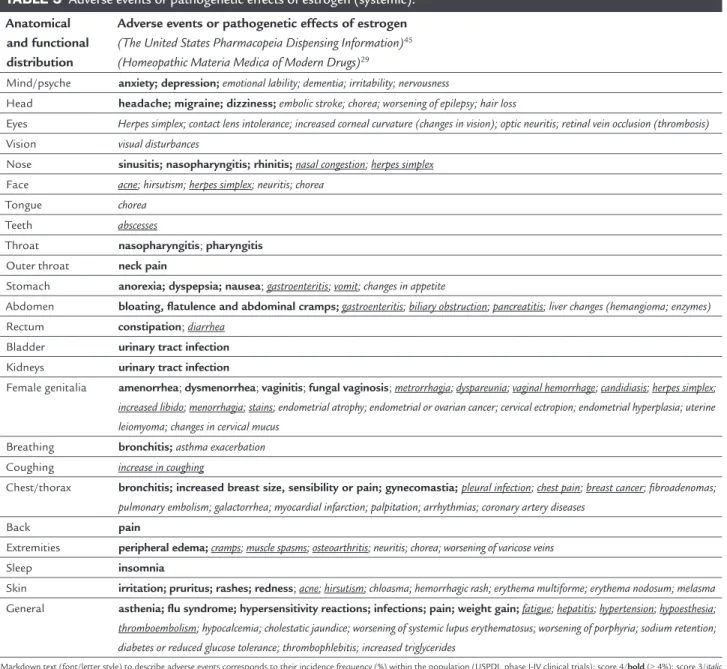
TABLE 3 Adverse events or pathogenetic effects of estrogen (systemic).
Anatomical and functional distribution
Adverse events or pathogenetic effects of estrogen
(The United States Pharmacopeia Dispensing Information)45 (Homeopathic Materia Medica of Modern Drugs)29
Mind/psyche anxiety; depression;emotional lability; dementia; irritability; nervousness
Head headache; migraine; dizziness;embolic stroke; chorea; worsening of epilepsy; hair loss
Eyes Herpes simplex; contact lens intolerance; increased corneal curvature (changes in vision); optic neuritis; retinal vein occlusion (thrombosis)
Vision visual disturbances
Nose sinusitis; nasopharyngitis; rhinitis;nasal congestion; herpes simplex
Face acne; hirsutism; herpes simplex; neuritis; chorea
Tongue chorea
Teeth abscesses
Throat nasopharyngitis; pharyngitis
Outer throat neck pain
Stomach anorexia; dyspepsia; nausea; gastroenteritis; vomit; changes in appetite
Abdomen bloating, latulence and abdominal cramps; gastroenteritis; biliary obstruction; pancreatitis; liver changes (hemangioma; enzymes)
Rectum constipation; diarrhea
Bladder urinary tract infection
Kidneys urinary tract infection
Female genitalia amenorrhea; dysmenorrhea; vaginitis; fungal vaginosis; metrorrhagia; dyspareunia; vaginal hemorrhage; candidiasis; herpes simplex; increased libido; menorrhagia; stains; endometrial atrophy; endometrial or ovarian cancer; cervical ectropion; endometrial hyperplasia; uterine leiomyoma; changes in cervical mucus
Breathing bronchitis; asthma exacerbation
Coughing increase in coughing
Chest/thorax bronchitis; increased breast size, sensibility or pain; gynecomastia; pleural infection; chest pain; breast cancer; ibroadenomas; pulmonary embolism; galactorrhea; myocardial infarction; palpitation; arrhythmias; coronary artery diseases
Back pain
Extremities peripheral edema;cramps; muscle spasms; osteoarthritis; neuritis; chorea; worsening of varicose veins
Sleep insomnia
Skin irritation;pruritus; rashes; redness; acne; hirsutism; chloasma; hemorrhagic rash; erythema multiforme; erythema nodosum; melasma
General asthenia; lu syndrome; hypersensitivity reactions; infections; pain; weight gain;fatigue; hepatitis; hypertension; hypoesthesia; thromboembolism; hypocalcemia; cholestatic jaundice; worsening of systemic lupus erythematosus; worsening of porphyria; sodium retention; diabetes or reduced glucose tolerance; thrombophlebitis; increased triglycerides
Markdown text (font/letter style) to describe adverse events corresponds to their incidence frequency (%) within the population (USPDI, phase I-IV clinical trials): score 4/bold (≥ 4%); score 3/italic and underlined (1-4%); score 2/italic (< 1%); score 1 / normal (overdose).
py and a set of signs and symptoms similar to the adverse events or pathogenetic effects of estrogen (Table 3) were recruited at the Endometriosis Sector of the Clinical Gy-necology Division of the University of São Paulo Medical School’s Hospital das Clínicas (HC-FMUSP). The selection process was carried out through an analysis of patient records and responses to structured questionnaires. After meeting the inclusion criteria, the patients were distrib-uted randomly to receive dynamized estrogen or placebo, while maintaining conventional hormone therapy. The primary clinical outcome was the severity of the chronic pelvic pain after 24 weeks of intervention.48,49 The results
of this recently published RCT showed that dynamized estrogen was signiicantly more effective than placebo for reducing endometriosis-associated pelvic pain (dysmen-orrhea, non-cyclic pelvic pain and cyclic bowel pain), im-proving quality of life (bodily pain, vitality and mental health) and reducing depressive symptoms.50
(beta-ad-renergic blocking agents, lithium and antimalarial agents, among others) corresponding with the use of dynamized estrogen to treat endometriosis.
C
ONCLUSIONDescribing the undesirable effects of the indiscriminate use of drugs that act according to the principle of contrar-ies, opposite to the principle of similars, Hahnemann warned of the risks of secondary action (rebound effect or paradoxical reaction) of the organism, validating the principle of similarity through the Aristotelian syllogism (modus tollens, denying the consequent or indirect proof):
If these ill-effects are produced, as may very naturally be expected from the antipathetic employment of medicines, the ordinary physician imagines he can get over the difi-culty by giving, at each renewed aggravation, a stronger dose of the remedy, whereby an equally transient suppression is effected; and as there then is a still greater necessity for giv-ing ever-increasgiv-ing quantities of the palliative there ensues either another more serious disease or frequently even dan-ger to life and death itself, but never a cure of a disease of considerable or of long standing. (Organon of medicine, § 60)36
With modern drugs, a large number of iatrogenic events could be avoided if health professionals paid attention to the possible occurrence of the rebound effect or par-adoxical reaction of the organism,13 minimizing the aggravation of clinical conditions with the slow and gradual decrease of doses. Although not included in conventional adverse events of drug, “effects from the discontinuation of drugs are part of the pharmacology of the drug”52 and should be incorporated into the teach-ing of modern pharmacology.
On the other hand, by employing the rebound effect of conventional drugs in a curative manner, we can ex-pand the spectrum of therapeutic similarity with hun-dreds of “new homeopathic medicines,” including signs and symptoms that are absent in classic homeopathic pathogenetic trials and allowing the application of ho-meopathic treatment for a multitude of diseases, disor-ders and syndromes.
As has been suggested by the propagators of homeo-pathic therapy for more than two centuries,28,33 Bond and Giles18 encourage researchers to examine the paradoxical phenomenon (rebound effect) without prejudice and to challenge the dogma of current treatment paradigms with new therapeutic approaches, despite the dificulty in ac-cepting new ideas by our peers.
R
ESUMOUso terapêutico do efeito rebote dos fármacos modernos: “Novos medicamentos homeopáticos”
O tratamento homeopático está fundamentado no prin-cípio da similitude terapêutica, empregando medicamen-tos que causam determinados distúrbios para tratar ma-nifestações semelhantes, estimulando uma reação do organismo contra seus próprios transtornos. A ocorrên-cia dessa reação secundária do organismo, de natureza oposta à ação primária dos medicamentos, está eviden-ciada no estudo do efeito rebote (paradoxal) de inúmeras classes de fármacos modernos. Neste trabalho, além de fundamentar o princípio da similitude perante a farma-cologia clínica e experimental, sugerimos uma proposta para empregar centenas de drogas convencionais segundo o método homeopático, aplicando a similitude terapêu-tica entre os eventos adversos dos medicamentos e as manifestações clínicas dos pacientes. Descrevendo linhas de pesquisa existentes e um método especíico para o uso terapêutico do efeito rebote dos fármacos modernos (http://www.novosmedicamentoshomeopaticos.com), esperamos minimizar preconceitos relativos à homeopa-tia e contribuir para uma ampliação da arte de curar.
Palavras-chave: homeopatia, farmacologia, ação farma-codinâmica do medicamento homeopático, lei dos seme-lhantes, efeito rebote, medicamentos homeopáticos novos.
R
EFERENCES1. Teixeira MZ. Scientiic evidence of the homeopathic epistemological model. Int J High Dilution Res. 2011; 10(34):46-64.
2. Teixeira MZ. Semelhante cura semelhante: o princípio de cura homeopático fundamentado pela racionalidade médica e cientíica [Like cures like: the homeopathic cure principle based on medical and scientiic reason]. São Paulo: Editorial Petrus; 1998. Available from: http://www.homeozulian.med. br/homeozulian_visualizarlivroautor.asp?id=3
3. Teixeira MZ. Similitude in modern pharmacology. Br Homeopath J. 1999; 88(3):112-20.
4. Teixeira MZ. Evidence of the principle of similitude in modern fatal iatrogenic events. Homeopathy. 2006; 95(4):229-36.
5. Teixeira MZ. NSAIDs, Myocardial infarction, rebound effect and similitude. Homeopathy. 2007; 96(1):67-8.
6. Teixeira MZ. Bronchodilators, fatal asthma, rebound effect and similitude. Homeopathy. 2007; 96(2):135-7.
7. Teixeira MZ. Antidepressants, suicidality and rebound effect: evidence of similitude? Homeopathy. 2009; 98(1):114-21.
8. Teixeira MZ. Statins withdrawal, vascular complications, rebound effect and similitude. Homeopathy. 2010; 99(4):255-62.
9. Teixeira MZ. Rebound acid hypersecretion after withdrawal of gastric acid suppressing drugs: new evidence of similitude. Homeopathy. 2011; 100(3):148-56.
11. Teixeira MZ. Antiresorptive drugs (bisphosphonates), atypical fractures and rebound effect: new evidence of similitude. Homeopathy. 2012; 101(4):231-42. 12. Teixeira MZ. Immunomodulatory drugs (natalizumab), worsening of multiple sclerosis, rebound effect and similitude. Homeopathy. 2013; 102(3):215-24. 13. Teixeira MZ. Rebound effect of modern drugs: serious adverse event unknown by health professionals. Rev Assoc Med Bras (1992). 2013; 59(6):629-38. 14. Bond RA. Is paradoxical pharmacology a strategy worth pursuing? Trends
Pharmacol Sci. 2001; 22(6):273-6.
15. Yun AJ, Lee PY, Bazar KA. Paradoxical strategy for treating chronic diseases where the therapeutic effect is derived from compensatory response rather than drug effect. Med Hypotheses. 2005; 64(5):1050-9.
16. Page C. Paradoxical pharmacology: turning our pharmacological models upside down. Trends Pharmacol Sci. 2011; 32(4):197-200.
17. Davies CJ, Davies DM. Paradoxical reactions to commonly used drugs. Adverse Drug React Bull. 2001; 211:807-10.
18. Bond RA, Giles H. For the love of paradox: from neurobiology to pharmacology. Behav Pharmacol. 2011; 22(5-6):385-9.
19. Smith SW, Hauben M, Aronson JK. Paradoxical and bidirectional drug effects. Drug Saf. 2012; 35(3):173-89.
20. Bristow MR. Beta-adrenergic receptor blockade in chronic heart failure. Circulation. 2000; 101(5):558-69.
21. de Vries RJ, van Veldhuisen DJ, Dunselman PH. Eficacy and safety of calcium channel blockers in heart failure: focus on recent trials with second-generation dihydropyridines. Am Heart J. 2000; 139(2 Pt 1):185-94.
22. Bond RA, Spina D, Parra S, Page CP. Getting to the heart of asthma: can “beta blockers” be useful to treat asthma? Pharmacol Ther. 2007; 115(3):360-74. 23. Dickey BF, Walker JK, Hanania NA, Bond RA. Beta-adrenoceptor inverse
agonists in asthma. Curr Opin Pharmacol. 2010; 10(3):254-9.
24. Lofing J. Paradoxical antidiuretic effect of thiazides in diabetes insipidus: another piece in the puzzle. J Am Soc Nephrol. 2004; 15(11):2948-50. 25. Cui X, Kobayashi Y, Akashi M, Okayasu R. Metabolism and the paradoxical
effects of arsenic: carcinogenesis and anticancer. Curr Med Chem. 2008; 15(22):2293-304.
26. Platanias LC. Biological responses to arsenic compounds. J Biol Chem. 2009; 284(28):18583-7.
27. Teixeira MZ. Homeopathic use of modern medicines: utilisation of the curative rebound effect. Med Hypotheses. 2003; 60(2):276-83.
28. Teixeira MZ. ‘Paradoxical strategy for treating chronic diseases’: a therapeutic model used in homeopathy for more than two centuries. Homeopathy. 2005; 94(4):265-6.
29. Teixeira MZ. New homeopathic medicines: use of modern drugs according to the principle of similitude. São Paulo: Marcus Zulian Teixeira. 3v. 2010. Available from: http://www.newhomeopathicmedicines.com.
30. Teixeira MZ. New homeopathic medicines: use of modern drugs according to the principle of similitude. Homeopathy. 2011; 100(4):244-52. 31. Teixeira MZ. Homeopathic use of modern drugs: therapeutic application
of the organism paradoxical reaction or rebound effect. Int J High Dilution Res. 2011; 10(37):338-52.
32. Teixeira MZ. ‘New Homeopathic Medicines’ database: a project to employ conventional drugs according to the homeopathic method of treatment. Eur J Integr Med. 2013; 5(3):270-8.
33. Teixeira MZ. ‘Paradoxical pharmacology’: therapeutic strategy used by the ‘homeopathic pharmacology’ for more than two centuries. Int J High Dilution
Res. 2014; 13(48):207-26.
34. Teixeira MZ. Homeopatia: prática médica coadjuvante. Rev Assoc Med Bras. 2007; 53(4):374-6.
35. Hahnemann S. Essay on a new principle for ascertaining the curative power of drugs, with a few glances at those hitherto employed. In: Dudgeon RE. The lesser writings of Samuel Hahnemann. New Delhi: B. Jain Publishers; 1995 (Reprint edition).
36. Hahnemann S. Organon of medicine. 6. ed. (Translated by William Boericke). New Delhi: B Jain Publishers; 1991. Available from: http://homeoint.org/ books/hahorgan/index.htm
37. Teixeira MZ. Brief homeopathic pathogenetic experimentation: a unique educational tool in Brazil. Evid Based Complement Alternat Med. 2009; 6(3):407-14.
38. Teixeira MZ. Protocolo de experimentação patogenética homeopática em humanos [Protocol of homeopathic pathogenetic trial in humans]. Rev Med (São Paulo). 2013; 92(4):242-63.
39. Kovács I. Examination of the rebound effect of biphasic oral contraceptives. Ther Hung. 1990; 38(3):110-3.
40. Seeman P, Madras B. Methylphenidate elevates resting dopamine which lowers the impulse-triggered release of dopamine: a hypothesis. Behav Brain Res. 2002; 130(1-2):79-83.
41. Sanz MA, Grimwade D, Tallman MS, Lowenberg B, Fenaux P, Estey EH, et al. Management of acute promyelocytic leukemia: recommendations from an expert panel on behalf of the European LeukemiaNet. Blood. 2009; 113(9):1875-91.
42. Kwaan HC. The unique hemostatic dysfunction in acute promyelocytic leukemia. Semin Thromb Hemost. 2014; 40(3):332-6.
43. Jácomo RH, Figueiredo-Pontes LL, Rego EM. [From the molecular model to the impact on prognosis: an overview on acute promyelocytic leukemia]. Rev Assoc Med Bras. 2008; 54(1):82-9.
44. Ministério da Saúde. Secretaria de Ciência, Tecnologia e Insumos Estratégicos. Departamento de Gestão e Incorporação de Tecnologias em Saúde. Relatório de Recomendação da Comissão Nacional de Incorporação de Tecnologias no SUS - CONITEC - 129. Trióxido de arsênio para o tratamento da leucemia promielocítica aguda (LPA). 2014. Available from: http://conitec.gov.br/ images/Consultas/Relatorios/2014/Relatorio_TrioxidoArsenio-CP.pdf 45. The United States Pharmacopeial Convention. The United States Pharmacopeia
Dispensing Information. 24. ed. Easton: Mack Printing Co.; 2004. 46. Kent JT. Lectures on Homoeopathic Materia Medica. New Delhi: B. Jain
Publishers; 2011. Available from: http://homeoint.org/books3/kentmm/ index.htm.
47. Kent JT. Repertory of the Homoeopathic Materia Medica. New Delhi: B. Jain Publishers; 2008. Available from: http://homeoint.org/books/kentrep/ index.htm.
48. Teixeira MZ, Podgaec S, Baracat EC. Homeopathic treatment of chronic pelvic pain in women with endometriosis. ClinicalTrials.gov Identiier: NCT02427386. Available from: https://clinicaltrials.gov/show/NCT02427386. 49. Teixeira MZ, Podgaec S, Baracat EC. Protocol of randomized controlled trial of potentized estrogen in homeopathic treatment of chronic pelvic pain associated with endometriosis. Homeopathy. 2016; 105(3):240-9. 50. Teixeira MZ, Podgaec S, Baracat EC. Potentized estrogen in homeopathic
treatment of endometriosis-associated pelvic pain: A 24-week, randomized, double-blind, placebo-controlled study. Eur J Obstet Gynecol Reprod Biol. 2017; 211:48-55.
51. Teixeira MZ. Biological therapies (immunomodulatory drugs), worsening of psoriasis and rebound effect: new evidence of similitude. Homeopathy. 2016; 105(4):344-5.