Copyright © 2014 Revista Latino-Americana de Enfermagem
This is an Open Access article distributed under the terms of the Creative Commons Attribution Non-Commercial License (CC BY-NC).
This license lets others distribute, remix, tweak, and build upon your work non-commercially, and although their new works must also acknowledge you and be non-commercial, they don’t have to license their derivative works on the same terms.
2014 Jan.-Feb.;22(1):93-9
DOI: 10.1590/0104-1169.3197.2389 www.eerp.usp.br/rlae
Corresponding Author: Maria de Lourdes Costa da Silva
Universidade Federal do Rio Grande do Norte. Centro de Ciências da Saúde Departamento de Enfermagem
Av. Senador Salgado Filho, s/n Campus Universitário
CEP: 59078-970, Natal, RN, Brasil E-mail: [email protected]
Maria de Lourdes Costa da Silva
1Ana Cristina Araújo de Andrade Galvão
2Nilba Lima de Souza
3George Dantas de Azevedo
4Selma Maria Bezerra Jerônimo
5Ana Cristina Pinheiro Fernandes de Araújo
41 Doctoral student and Assistant Professor, Departamento de Enfermagem, Centro de Ciências da Saúde, Universidade Federal do Rio Grande do
Norte, Natal, RN, Brazil.
2 Doctoral student, Departamento de Enfermagem, Centro de Ciências da Saúde, Universidade Federal do Rio Grande do Norte, Natal, RN, Brazil.
Professor, Escola de Enfermagem, Universidade Federal do Rio Grande do Norte, Natal, RN, Brazil.
3 PhD, Professor, Departamento de Enfermagem, Centro de Ciências da Saúde, Universidade Federal do Rio Grande do Norte, Natal, RN, Brazil. 4 PhD, Associate Professor, Centro de Biociências, Universidade Federal do Rio Grande do Norte, Natal, RN, Brazil.
5 PhD, Full Professor, Centro de Biociências, Universidade Federal do Rio Grande do Norte, Natal, RN, Brazil.
Objectives: to identify women with cardiovascular risk, five years after a preeclampsic episode
(PE), and identify the follow-up of these women within the Unified Health System (Sistema Único
de Saúde – SUS), in the city of Natal/RN. Methods: a quantitative and exploratory study conducted
at the Januário Cicco University Maternity Ward/RN. The sample consisted of 130 women, 65
with a PE episode and 65 who were normotensive. Results: we found statistical significance
with regard to body mass index, weight, family history of cardiovascular disease (CVD) and
cardiovascular complications when comparing women with previous PE to normotensive women.
The groups were unaware of their cardiovascular risk factors and, in addition, they reported
difficulties in accessing primary health care (PHC) services. Conclusions: women with a PE history
are at increased risk of developing CVD, unaware of late PE complications, and lacked customized
care when compared to normotensive patients.
Descriptors: Lost to Follow-Up; Pre-Eclampsia; Risk Management; Cardiovascular Diseases.
Rev. Latino-Am. Enfermagem 2014 Jan.-Feb.;22(1):93-9.
Introduction
Cardiovascular diseases (CVD) are a focus of attention
for public health policies in Brazil, as they represent the
leading cause of death in both sexes in our country(1).
Strategies of health education, professional training and
preventive measures have been implemented since the
increase in these events among women aged less than 55
years. Nevertheless, measures to reduce cardiovascular
damage need to move forward, as the cause of the
disease remains unknown, while several risk factors may
contribute to its occurrence.
In women, the following aggravating factors for
CVD could be highlighted: gestational hypertension,
preeclampsia (PE) and eclampsia, diabetes mellitus, and
obesity(2). In this sense, the American Heart Association
guidelines consider PE to be a major complication of
pregnancy associated with cardiovascular risk(3).
Preeclampsia is a systemic disorder identiied
by the presence of hypertension and proteinuria
after 20 weeks of pregnancy(4), with an incidence of
approximately 10% of pregnancies(5). It is considered
to be an extremely serious complication for the
pregnancy-childbirth cycle, by corroborating with the
occurrence of metabolic after-effects in the short-
and long-term, causing an increased cardiovascular
risk. Based on these outcomes, PE is identiied as an
independent and relevant risk factor for CVD(6).
Thus, one may recommend the promotion of clinical
and subclinical assessments during the postpartum
period, with measures of health education and stimulus
for lifestyle changes among women affected by PE(7).
Likewise, a systematic follow-up is required, as well
as the identiication and monitoring of cardiovascular
risk factors by health professionals involved in primary
health care (PHC), in order to reduce morbidity and
mortality of CVD in this population(3).
For the accomplishment of this comprehensive
care, PHC services should be easily accessible and
available to the population. Otherwise, the demand for
care may be delayed, affecting the diagnosis and the
implementation of the necessary actions to address this
health problem. Thus, accessibility is one of the most
important characteristics of PHC, directly related to its
effectiveness, transcending the geographical dimension
and including economic, cultural and organizational
aspects of care delivery(8).
It is noteworthy to note that after the Family Health
Strategy (FHS) implementation, an increase in access
and equity offered to the population was observed(8).
However, health services still do not seem prepared to
recognize women with a history of PE as being vulnerable
to CVD. These users are embedded in a care context
that places them on the same level as any other woman
from the general population. Usually, care is fragmented,
punctual, and occurs through self-referral, which does
not always relect the needs of the population. Despite this fact, it is necessary for the Uniied Health System
and health professionals to possess the required
competencies to conduct reasonable interventions,
thus promoting improved quality of life and minimizing
diseases and disorders based on risk factors(9).
Bearing in mind the associations of PE with the
long-term occurrence of CVD and the indings on the importance of early diagnosis and identiication of risk
factors of these diseases in the pre-partum period,
the presented facts impose the need of conducting
prospective studies to better comprehend the follow-up
of this population in PHC settings(10).
In this sense, this study is relevant from an
epidemiological perspective, and its indings may provide
information to managers and health professionals on the
real condition of the cardiovascular risk of women who had
PE, in order to drive effectiveness of health policies for
systematic follow-up during the late postpartum period.
Faced with this problem, we raised the following
question: What are the cardiovascular risk factors in
women with a history of PE ive years ago? Are these women being followed up in PHC services?
Given these questions, the study aimed to identify
women with cardiovascular risk factors, ive years after
a preeclampsic event (PE), and assess the follow-up in
PHC services of these women.
Methods
An exploratory and descriptive study with a
quantitative approach was conducted in the University
Maternity Ward – MEJC, a tertiary-level institution for
health care for women with high-risk pregnancies,
located in the city of Natal/RN.
The study population consisted of 311 women
selected from the database of the women’s health
research group of the Federal University of Rio Grande
do Norte. Patients with a previous history of PE, and
normotensive women who had their deliveries at this
maternity ward, ive years prior to the initiation of the
research, were included in the study.
The inclusion criteria were considered to be the
Silva MLC, Galvão ACAA, Souza NL, Azevedo GD, Jerônimo SMB, Araújo ACPF.
diagnosis of PE, without any mental deicit, a resident
of the city of Natal, RN. For sample size calculation, we
considered a limit of 5% on the estimation error for the
sample proportion, and a 50% population proportion
of women with PE history, leading us to a conservative
sample size estimation, i.e., obtaining a sample possibly
greater than what was necessary. The sample size
estimated a total number of 175 women, 87 of these
with previous PE and 88 who did not develop any form
of hypertension in pregnancy. The study subjects were
selected by simple random sampling.
We adopted as exclusion criteria: previous personal
history of CVD, cognitive or neurological sequelae, and
inadequate completion of information regarding the
diagnosis of PE in the medical records. A total of 22
women did not participate in the study, 14 for lack of
diagnostic conirmation of PE in the database records,
and eight refused to take part in research. Regarding
the group of normotensive women, 13 did not it the
inclusion criteria and ten did not volunteer for the study.
The inal representative sample for this population consisted of 130 women eligible for the study, classiied
into two groups according to the diagnosis status:
normotensive (n=65) and PE (n=65).
The survey was conducted from March to
December of 2011. Initially, we contact the study
subjects directly in their homes, and proceeded giving
detailed explanations about the characteristics and
purposes of the study, indicating the venue and date of
data collection, commonly in the PHC facilities closest
to their homes in the city of Natal.
For data collection, a questionnaire was
administered. This was composed of items related to
qualitative variables such as marital status, income,
education, occupation, types of delivery, family
history of CVD, current cardiovascular complications,
knowledge of cardiovascular risk factors, frequency
of health services utilization, blood pressure
measurement, health staff follow-up, health service of
reference, and access to medical visits. Quantitative
variables were age, weight, body mass index (BMI),
and number of deliveries.
The instrument was based on documents of experts
in high-risk pregnancy studies and on publications
about the promotion of long-term care in women with
cardiovascular risk(3-4). We guaranteed the credibility
of collected data through the validation of instrument
content and form, which was conducted in two stages:
irst the content was judged by a group of ive experts in
obstetrics and in high risk pregnancies, who evaluated the
questionnaire items as comprehensive, representative
and easy to understand for the study subject. Later,
we conducted instrument pre-testing with 13 women
who were not part of the survey, representing 10% of
the selected sample. There was no identiied need for modiications to suit the purpose of the investigation.
After completing the questionnaire, we held
anthropometric measurements (weight and height)
among the study participants, as recommended by
the World Health Organization (WHO). To assess the
nutritional status (overweight and obesity), women were
classiied according to the BMI obtained, using the WHO
recommended cutoffs: underweight for BMI < 18.4 kg/m2,
appropriate weight for BMI ranging from 18.5 to
24.9 kg/m2, overweight for BMI of 25.0 to 29.9 kg/m2,
and obesity for values above 30.0 kg/m2(11).
The project was approved by the Federal University
of Rio Grande do Norte Board of Ethics, process
number CEP-UFRN 08/01, and all participants received
information about the importance of the research, the
voluntary nature of the project, and free consent was
guaranteed in accordance with the National Health
Council Resolution 196/96(12).
For data analysis we used the Statistical Package
for the Social Sciences – SPSS, version 17.0. To verify the association between qualitative variables and the
diagnosis of PE or the normotensive status, we used
the chi-square test. To correlate the level of education
with the level of knowledge, we applied the Spearman
correlation test. The BMI variables and the number of
pregnancies did not follow the normality assumptions,
and therefore the Mann-Whitney test for comparison
of means was used, while in the other quantitative
variables we applied the Student t-test, since these
variables passed the normality test. For all tests, we
used a 5% level of signiicance.
Results
The two studied groups of women shared similar
social and demographic characteristics. The mean age
ranged from 30.85 years (SD±7.13) and 30.58 years
(SD±6.75), respectively (Table 1), the unmarried union
was the predominant marital status (63.07%) and high
school was the educational level of the majority of
women (59.23%). The family income was up to three
minimum wages in 94.61% of patients and 62.30%
reported household activities as the current occupation.
In regard to obstetric characteristics, we found
Rev. Latino-Am. Enfermagem 2014 Jan.-Feb.;22(1):93-9.
was predominant among women diagnosed with PE
(85.94 %), compared to 31.75% among normotensive
group (p=0.000). The number of pregnancies between
groups was similar (p=0.184).
Anthropometric data, presented in Table 1, revealed
a high rate of increased BMI among the PE group,
averaging 30.68 kg/m2 (SD ±10.85), a classiication
compatible with obesity. The normotensive group mean
value for BMI was 26.69 kg/m2 (SD ±6.50), indicating
overweight. There was a statistically signiicant
difference between the two groups, respectively:
p=0.001 and p=0.008.
Table 1 - Distribution of mean values and standard deviation related to age, weight and BMI in normotensive women
group and history of preeclampsia group. Natal, RN, Brazil, 2011
Table 2 - Clinical characteristics and cardiovascular risk factors in normotensive women group and history of
preeclampsia group. Natal, RN, Brazil, 2011
*Standard deviation †Student-T test ‡Mann-Whitney test
*Chi-square Pearson test
Variables Normotensive Preeclampsia Test p-value
Mean SD* Mean SD
Age 30.58 6.754 30.85 7.133 -0.215 0.830†
Weight 64.00 15.652 71.40 15.732 -2.688 0.008†
Body Mass Index 26.69 6.504 30.68 10.852 1,412.50 0.001‡
Clinical characteristics and cardiovascular risk
factors are shown in Table 2. The indings indicate
that in terms of the family history for CVD – including
hypertension, myocardial infarction, angina and cerebral
vascular attack – 93.85% of women affected by PE and
76.92% of those normotensive reported the existence
of CVD in a irst-degree relative. There was a signiicant
difference between the study participants (p=0.006)
concerning this data.
Variables Normotensive Preeclampsia p-value*
n % n %
Current cardiovascular complications 0.002
No 61 93.85 48 73.85
Yes 4 6.15 17 26.15
Familiar history of cardiovascular diseases 0.006
No 15 23.08 4 6.15
Yes 50 76.92 61 93.85
Blood pressure monitoring 0.108
No 57 87.69 50 76.92
Yes 8 12.31 15 23.08
Cardiovascular risk knowledge 0.861
No 33 50.77 34 52.31
Yes 32 49.23 31 47.69
Regarding unexpected events and complications in
current health status, 26.15% of women with a history
of PE reported some cardiovascular occurrence, such
as hypertension episodes. This event occurred in only
6.15% of normotensive women, evidencing a statistical
signiicance between groups (p=0.002). Regarding
frequency of blood pressure monitoring, 76.92 % of PE
respondents reported that health professionals did not
manage blood pressure control, similar to the 87.69%
reported by the normotensive women (p=0.108).
Regarding participants’ knowledge about CVD risk
factors, the indings pointed out deiciencies both in
the PE group (52.31%), as well as in the normotensive
group (50.77 %) (p=0.861). Table 3 shows a signiicant
positive correlation between the level of education and
knowledge of cardiovascular risk factors in the PE group
(r=0.250, p=0.044) and normotensive group (r=0.318,
Silva MLC, Galvão ACAA, Souza NL, Azevedo GD, Jerônimo SMB, Araújo ACPF.
Table 3 - Correlation between education level and knowledge of risk factors of cardiovascular and normotensive
women with a history of preeclampsia. Natal, RN, Brazil, 2011
Table 4 - Distribution of the population according to PHC services follow-up, Natal, RN, Brazil, 2011 *Correlation coeficient
†Probabilities of the Spearman correlation test
*Chi-square Pearson test
Diagnosis Education
Knowledge of CVD risk factors
r* p†
No Yes
n % n %
Normotensive No schooling 1 3.0 0 0.0 0.318 0.010
Primary education 19 57.6 9 28.1
High school 12 36.4 22 68.8
University education 1 3.0 1 3.1
Preeclampsia No schooling 1 2.9 0 0.0 0.250 0.044
Primary education 16 47.1 7 22.6
High school 15 44.1 23 74.2
University education 2 5.9 1 3.2
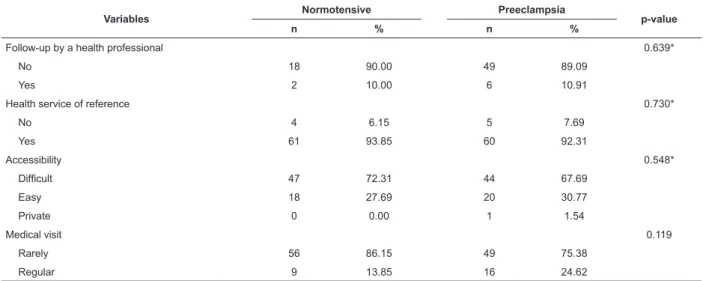
Table 4 shows that 89.09% of PE participants
and 90.00% of normotensive women had no follow
up by any health professional (p=0.639). With regard
to accessibility, the majority of respondents both
in the normotensive group (93.85%) and PE group
(92.31%) reported attending their health service of
reference (p=0.730). However, 72.31% and 67.69% of
participants with normal blood pressure and previous
PE, respectively, reported having dificulties in accessing
PHC services (p=0.548); additionally, independent
of experiencing a normal pregnancy (86.15%) or
developing PE (75.38%), they rarely sought medical
care due to dificulties such as: insuficient number
of medical practitioners, inconvenient appointment
hours, ineficient referrals, and unavailability of
medications (p=0.119).
Variables Normotensive Preeclampsia p-value
n % n %
Follow-up by a health professional 0.639*
No 18 90.00 49 89.09
Yes 2 10.00 6 10.91
Health service of reference 0.730*
No 4 6.15 5 7.69
Yes 61 93.85 60 92.31
Accessibility 0.548*
Dificult 47 72.31 44 67.69
Easy 18 27.69 20 30.77
Private 0 0.00 1 1.54
Medical visit 0.119
Rarely 56 86.15 49 75.38
Regular 9 13.85 16 24.62
Discussion
This research, which aimed to assess the
follow-up of women with a history of PE, corroborated other
studies that showed the close relationship of this disease
with metabolic alterations and cardiovascular risk from a
long-term perspective(13). The BMI among the PE group
was signiicantly higher than in women with a history
of normal pregnancy. These data were consistent with
similar studies that also found increased BMI in women
with previous PE(5,14).
A higher rate of cesarean delivery among women
with previous PE when compared with women who had
normal pregnancies was consistent with results from
a previous study that showed a higher percentage of
cesarean delivery in women affected by hypertension
in pregnancy(15). However, the American College of
Obstetrics and Gynecology recommends vaginal delivery
for woman with PE, due to maternal beneits, greater
likelihood of success with induction, and a decreased
Rev. Latino-Am. Enfermagem 2014 Jan.-Feb.;22(1):93-9.
indings of cardiovascular events in the participants with
PE differed from previous studies, which recorded the
occurrence of CVD occurring about 10 years after the
PE episode(6,16).
The higher prevalence of family history of CVD
among women affected by PE when compared with the
normotensive women suggests that cardiovascular risk
factors were often related to genetic predisposition and
environmental factors(17). However, authors restated
that, independent of traditional CVD risk factors,
including family history, hypertensive disorders during
pregnancy may increase CVD occurrence over time(18).
Regarding the follow-up of women with PE
investigated in this study, it was found that despite being
a vulnerable group for the development of CVD, and being
covered by the Family Health Strategy teams with the
availability of a reference health unit in the neighborhood,
this action was not being performed due to constraints in
women’s access to these services. This might be related
to the disintegration of health care networks and the
breach of Unifed Health System principles(19).
International guidelines recommend a routine
control and annual reassessment of blood pressure
(BP) of women affected by PE(3). However, both groups
reported that they had not their BP monitored. Similar
studies have shown BP monitoring frequency in
women with PE lasting for a maximum period of three
months after delivery, which contributed to increased
cardiovascular risk(20).
The data also showed that the previous history of PE
was not relevant in determining a differentiated service
when comparing the PE group to normotensive patients.
This circumstance could be minimized if PHC services
organization provided adequate physical infrastructure
and inputs for appropriate follow-up. Furthermore, a
competent interdisciplinary team committed to the
development of actions in at risk populations is needed,
aiming to address preventable diseases and monitoring
the current health events(8).
Another important aspect in which there was no
distinction between PE and normotensive groups was
the poor knowledge about cardiovascular risk factors.
Although they have been informed during pregnancy
about their hypertension status, women were apparently
not advised about the possible consequences of the
disease and the need for follow-up and lifestyle changes,
such as healthy eating, physical activity, regular BP
control, among others. It is also considered that the lack
of knowledge corroborated to the irregular seeking of
care among women with previous PE.
Thus, the interdisciplinary team should prioritize
health education targeted to this speciic population
during pregnancy and delivery, and also at the time of
hospital discharge, with a consistent approach for the
socioeconomic and educational context of patients.
In this perspective, the nurse, as a key element
in the care process, acts in identifying the risks of
illness and preventing injuries. Therefore, one needs
to review his/her clinical practice to organize care in a
comprehensive manner, focusing on the uniqueness and
autonomy of patients(21).
Conclusions
The indings indicated that women with a family
history of CVD, presenting obesity and current CVD
suggestive of clinical manifestations were at risk for
developing unexpected cardiovascular events, enhanced
by their previous history of PE. However, comprehensive
care and adequate follow-up in the primary health care
network were not found.
Therefore, it is necessary to maintain a solid referral
structure and a qualiied interdisciplinary team, in which
the nurse is inserted, to promote early diagnosis and
adequate follow-up of women with cardiovascular risk
factors through health education during the pregnancy and
the puerperium, as well as at the time of hospital discharge.
This would focus on the acquisition of knowledge regarding
late complications of this disease and the importance of
long-term outpatient treatment, emphasizing clinical data
monitoring and adoption of a healthy lifestyle.
This study was limited by the dificulties in locating
the study subjects due to frequent changes of address
and telephone numbers, which did not allow further
expansion of the sample size. It is necessary to conduct
new studies to investigate the functioning and integration
of health care services for women in pregnancy and
puerperium, especially those with a cardiovascular risk,
to design strategies for quality women’s health care and
outcome improvement, and also to support the indings
of this study.
References
1. Mansur AP, Favarato D. mortalidade por doenças
cardiovasculares no Brasil e na região metropolitana
de São Paulo: atualização. 2011. Arq Bras Cardiol.
2012;99(2):755-61.
2. Valdiviezo C, Garovic VD, Ouyang P. Preeclampsia and
Hypertensive Disease in Pregnancy: Their Contriibutions
Silva MLC, Galvão ACAA, Souza NL, Azevedo GD, Jerônimo SMB, Araújo ACPF.
Received: Mar. 25th 2013
Accepted: Sept. 23rd 2013
3. Mosca L, Benjamin EJ, Berra K, Bezanson JL, Dolor RJ,
LIoyd-Jones DM, et al. Effectiveness-based guidelines
for the prevention of cardiovascular disease in
women—2011. Update: a guideline from the American
Heart Association. Circulation. 2011;123:1243-62.
4. American College of Obstetricians and Gynecologistis.
Diagnosis and Management of preeclampsia and
Eclampsia. Obstet Gynecol. 2002;33:159-67.
5. Mangos GJ, Spaan JJ, Pirabhahar, Brown MA. Markers
of cardiovascular disease risk after hypertension in
pregnancy. J. Hypertens. 2012;30(2):351-8.
6. McDonald SD, Malinowski A, Zhou Q, Yusuf S,
Devereaux PJ. Cardiovascular sequelae of preeclampsia/
eclampsia: a systematic review and meta-analyses. Am
Heart J. 2008;156(5):918-30.
7. Firoz, T, Melnik T. Postpartum evaluation and long
term implications. Best Pract Res Clin Obstet Gynaecol.
2011;25(4):549-61.
8. Ministério da Saúde (BR). Conselho Nacional de
Secretários de Saúde. Atenção Primária e Promoção
da Saúde. Conselho Nacional de Secretário de Saúde.
Brasília: Conselho Nacional de Secretário de Saúde;
Ministério da Saúde; 2011.
9. Carolino IDR, Molena-Fernandes CA, Tasca RS,
Marcon SS, Cuman RKN. Risk factors in patients with
type 2 diabetes mellitus. Rev. Latino-Am. Enfermagem.
2008;16(2):238-44.
10. Melo BCP, Amorim MMR, Katz L, Coutinho I,
Veríssimo G. Perfil Epidemiológico e Evolução Clínica
Pós-Parto na Pré-Eclampsia Grave. Rev Assoc Med Bras.
2009;55(2):175-80.
11. World Health Organization. Physical status: the use
and interpretation of anthropometry. Report of a WHO
Expert Committee. World Health Organ Tech Rep Ser.
1995;854:1-452.
12. Resolução 196, de 10 de outubro de 1996 (BR).
Dispõe sobre as diretrizes e normas regulamentadoras
de pesquisa em seres humanos. 1996. [acesso 28 fev
2013]. Disponível em: http://www.ee.usp.br/pesq/doc/
resolucao_196-96.pdf
13. Forest JC, Girouard J, Massé J. Early ocurrence of
metabolic syndrome after hypertension in pregnancy.
Obstet Gynecol. 2005;105:1373-80.
14. Lu J, Zhao YY, Qiao J, Zhang HJ, Ge L, Wei Y, et al.
A follow-up study of women with a history of severe
preeclampsia: relationship between metabolic syndrome
and preeclampsia. Chin Med J. 2011;124(5):775-9.
15. Pádua KS, Osis MJD, Faúndes A, Barosa AH, Moraes
OB Filho. Fatores associados à realização de cesariana em
hospitais brasileiros. Rev Saúde Pública. 2010;44(1):70-9.
16. Smith, GN, Pudwell J, Walker M, Wen SW.
Ten-year, thirty-Ten-year, and lifetime cardiovascular disease
risk estimates following a pregnancy complicated by
preeclampsia. J Obstet Gynaecol Can. 2012;34(9):830-5.
17. Cesarino CB, Cipullo JP, Martins JFV, Ciorlia
LA, Godoy MRP, Cordeiro JA. Prevalência e Fatores
Sociodemográficos em Hipertensos de São José do Rio
Preto-SP. Arq Bras Cardiol. 2008;91(1):31-5.
18. Cassidy-Bushrow AE, Bielak LF, Rule AD, Sheedy
PF, Turner ST, Garovic VD, et al. Hypertension during
pregnancy is associated with coronary artery calcium
independent of renal function. J. Womens Health.
(Larchmt). 2009;18(10):1709-16.
19. Travassos C, Martins M. Uma revisão sobre os
conceitos de acesso e utilização de serviços de saúde.
Cad Saúde Pública. 2004;20 Suppl:190-8.
20. Macdonald SE, Walker M, Ramshaw H, Godwin M,
Chen XK, Smith G. Hypertensive disorders of pregnancy
and long-term risk of hypertension: what do Ontario
prenatal care providers know, and what do they
communicate? J Obstet Gynaecol Can. 2007;29:705-10.
21. Nauderer TM, Lima MAD. Nurses’ practices at health
basic units in a city in the south of Brazil. Rev.