
CHESTNUT-DRYTECH: Influence of drying technologies on physicochemical properties of Chesnut fruits (castanea sativa Mill)
233
0
0
Texto
(2) Autorizada a reprodução parcial desta tese (condicionada à autorização das editoras das revistas onde os artigos foram publicados) apenas para efeitos de investigação, mediante declaração escrita do interessado, que a tal se compromete..
(3) À minha irmã.
(4)
(5) A realização desta tese foi possível graças à atribuição de uma Bolsa de Doutoramento (SFRH/BD/82285/2011) pela Fundação para a Ciência e a Tecnologia (FCT), financiada pelo Programa Operacional Potencial Humano (POPH) - Quadro de Referência Estratégico Nacional (QREN) - Tipologia 4.1 - Formação Avançada, comparticipado pelo Fundo Social Europeu (FSE) e por fundos nacionais do Ministério da Educação e Ciência..
(6) Os estudos apresentados nesta tese foram realizados no Laboratório de Bromatologia da Faculdade de Farmácia da Universidade do Porto, inserido no Centro de Investigação Requimte, e no Centro de Investigação de Montanha da Escola Superior Agrária do Instituto Politécnico de Bragança..
(7) Chestnut-Drytech: Influence of drying technologies on physicochemical properties of chestnut fruits (Castanea sativa Mill.). Chestnut-Drytech: Influence of drying technologies on physicochemical properties of chestnut fruits (Castanea sativa Mill.). Acknowledgments. No culminar desta etapa académica, gostaria indubitavelmente de tornar público o meu apreço e agradecimento a todos aqueles que intervieram direta e indiretamente nestes últimos quatro anos durante a realização desta tese. Em primeiro lugar, gostaria de agradecer à minha orientadora, Professora Doutora Susana Casal da Faculdade de Farmácia da Universidade do Porto. Obrigado por todos os conhecimentos técnico-científicos que me transmitiu ao longo desta tese. Sem a sua constante disponibilidade e auxílio não seria possível concluir com êxito este projeto. Gostaria de demonstrar-lhe a minha maior admiração pela sua pessoa, quer a nível pessoal, profissional e científico. Obrigado pelos ensinamentos e pela paciência que demonstrou no decorrer deste trabalho, sem a sua ajuda nada teria sido possível. O meu muito obrigado. À minha co-orientadora, Professora Doutora Elsa Cristina Dantas Ramalhosa da Escola Superior Agrária do Instituto Politécnico de Bragança, minha mentora e um exemplo a seguir. Este trabalho não seria possível sem a sua orientação. Desde a conceção do projeto, obtenção da bolsa de doutoramento, criação das condições humanas, físicas, materiais e financeiras, foi incansável para que este projeto chegasse a bom porto. Obrigado por entregar a cem por cento as suas excelentes capacidades humanas, cientificas e de liderança na condução deste projeto. Queria-lhe agradecer por me colocar sempre no rumo certo quando desvios inesperados nos poderiam levar ao insucesso. Tudo o que alcancei a nível académico e científico, todo o conhecimento apreendido, devo-o essencialmente a si, que pegou em mim e me delapidou e moldou naquilo que sou hoje, o meu muito obrigado pela oportunidade e confiança. Aquilo que hoje sou devo-o a si, muito obrigado. Agradeço também a amizade, carinho e preocupação demonstrada ao longo de todos estes anos em que trabalhamos juntas. O meu mais sincero obrigado. Ao meu co-orientador, Professor Doutor José Alberto Cardoso Pereira da Escola Superior Agrária do Instituto Politécnico de Bragança, obrigado pelo incentivo e pelas palavras no decorrer dos trabalhos. Obrigado por nunca deixar que me faltassem meios para o correto desenvolvimento dos diferentes trabalhos desenvolvidos neste projeto. Obrigado por ter apostado em mim, e pela amizade e preocupação demonstradas ao longo destes anos. O meu muito obrigado. Gostaria de agradecer à Céu Fidaldo e ao Armindo Rodrigues, a minha segunda família, pelo apoio prestado em todas as fases deste trabalho e pela amizade e boa disposição no ambiente de trabalho e fora dele. Obrigado pelo carinho que me deram ao longo de todos estes anos, sem vocês tudo teria sido um pouco mais difícil. Obrigado por vii.
(8) Chestnut-Drytech: Influence of drying technologies on physicochemical properties of chestnut fruits (Castanea sativa Mill.). Chestnut-Drytech: Influence of drying technologies on physicochemical properties of chestnut fruits (Castanea sativa Mill.). me terem acolhido na vossa família e me terem feito parte dela. Vocês são excecentes pessoas, onde quer que eu esteja eu nunca me esquecerei de vocês e terei sempre um lugar muito especial no meu coração para cada um de vocês. Continuem assim, sem dúvida vocês são um exemplo a seguir. Obrigado por tudo o que aprendi com vocês. O meu mais sincero obrigado. Gostaria de agradecer à Carla Santos, minha colega de doutoramento, pelo apoio prestado em todas as fases deste trabalho e pela amizade e boa disposição no ambiente de trabalho e fora dele. Obrigado por seres o meu braço direito e por me ajudares a resolver grande parte dos precauços que surgiram no decorrer do trabalho. Obrigado pela amizade e carinho ao longo destes anos. Aos pilares do grupo de trabalho AgroBioTecnologia Professores Doutores José Alberto Pereira, Albino Bento, Paula Baptista, Sónia Santos e Elsa Ramalhosa obrigado por manterem o grupo coeso e cientificamente evolutivo. A todos os meus colegas do laboratório de AgroBioTecnologia da Escola Superior Agrária do Instituto Politécnico de Bragança. Cada um contribuiu à sua maneira para me ajudar a realizar este projeto: Agostinho Almeida, Luana Fernandes, Ricardo Malheiro, Nuno Rodrigues, Teresa Gomes, Fátima Martins, Diogo Mina, Lara Pinheiro, Rosalina Marrão, Ana Dinis, Valentim Coelho, Jacinto Benhadi-Marín e Maria Villa. A todos os meus colegas do laboratório do Serviço de Bromatologia da Faculdade de Farmácia da Universidade do Porto. Agradeço por todo o apoio prestado ao longo do trabalho decorrido no Porto: Carla Santos, Vânia Pereira, Rebeca Cruz, Carinha Pinho, Zita Martins, Augusta Sousa e Tânia Tavares. Aproveito também para agradecer à Bruna Paim que em muito ajudou neste projeto. Apareceste no momento certo e foste um gigante no pouco tempo que estiveste comigo. Obrigado pela ajuda, amizade e carinho que me deste no pouco tempo que estiveste cá. Sem dúvida és uma pessoa que não vou esquecer e pela qual tenho um carinho muito grande. Obrigado pela tua constante alegria e boa disposição no trabalho e também pelo teu entusiasmo em aprender e vontade de trabalhar. Na minha breve estadia em Coimbra, cabe-me agradecer o apoio incondicional da Professora Laura Maria Teixeira Santos do ISEC - Instituto Superior de Engenharia de Coimbra.por todo o apoio e ensinamentos que me forneceu relativamente à utilização do secador de tabulerios. Aos sempre presentes e disponíveis Martine Costa, Cristiano Leal e Isabel Barraca. Obrigado pela amizade e companheirismo demonstrados no período que privamos em Coimbra.. Aos meus amigos Dinarte Silva, Fausto Silva, João Pedro Saraiva, Tiago Pinto, Hugo Vieira, Filipa Silva, Carla Santos, Vânia Pereira, Patrícia Cristovão e Manuel Pires, viii.
(9) Chestnut-Drytech: Influence of drying technologies on physicochemical properties of chestnut fruits (Castanea sativa Mill.). Chestnut-Drytech: Influence of drying technologies on physicochemical properties of chestnut fruits (Castanea sativa Mill.). obrigado. Vocês sempre estiveram lá, mesmo longe sentia-vos perto, sempre pude contar convosco nos bons e principalmente nos maus momentos. Obrigado por acreditarem em mim e nas minhas capacidades, por terem sempre uma palavra amiga para me dar principalmento nos momentos mais difícies e por aturarem o meu mau feitio. Espero manter cada um de vocês por muitos e longos anos na minha vida, cada um tem um lugar especial no meu coração. Sei que posso sempre contar convosco, por tudo isso e muito mais obrigado. Gostaria de agradecer à minha família, em especial ao meu irmão, sobrinho, cunhados, etc, por todo o carinho e por acreditarem em mim. Sem vocês nada teria sido possível. Obrigado. Finalmente, gostaria de agradecer à minha irmã Marta, a pessoa que mais amo neste mundo, a pessoa que mais apostou em mim e nunca me deixou desistir mesmo nos momentos mais difíceis. Obrigado pela tolerância, pela palavra certa no momento certo, pelo amor e carinho incondicionais. Mana, és um exemplo a seguir, uma pessoa forte, determinada, amiga, carinhosa, paciente, as palavras são poucas para descrever a admiração e carinho que tenho por ti. Um muito obrigado por tudo do fundo do coração. Muito do que sou a ti o devo, obrigado. Foste a minha inspiração, a minha luz ao fundo do túnel, contigo o difícil tornou-se mais fácil. Este momento não seria possível sem os teus sacrifícios e apoio. É essencialmente a ti que dedico esta obra, espero que tenhas orgulho em mim. Aos meus pais.. ix.
(10) Chestnut-Drytech: Influence of drying technologies on physicochemical properties of chestnut fruits (Castanea sativa Mill.). Chestnut-Drytech: Influence of drying technologies on physicochemical properties of chestnut fruits (Castanea sativa Mill.). x.
(11) Chestnut-Drytech: Influence of drying technologies on physicochemical properties of chestnut fruits (Castanea sativa Mill.). Chestnut-Drytech: Influence of drying technologies on physicochemical properties of chestnut fruits (Castanea sativa Mill.). Abstract. Chestnut fruit production is an important and profitable crop in several world regions, Portugal included. Its interesting nutritional attributes include a high carbohydrate and fibre contents, gluten-free proteins, and a very low fat amount. Being a seasonal product, several post-harvest technologies are applied to extend its preservation, from refrigeration/freezing to roasting. With the purpose to valorise this product and create new chestnut presentations, different dehydration methods were tested on the most important Portuguese species, European chestnut (Castanea sativa Mill.) varieties, using two economically important varieties from the Trás-os-Montes region - Longal and Judia. The dehydration methods studied included hot air convective drying in a tray dryer (50 °C; air velocity of 1 m/s), osmotic dehydration in sucrose solutions (followed by room temperature storage or hot air convective drying), and freeze-drying. The drying behaviour of whole (with and without outer shell) and sliced chestnuts was studied in convective drying, while the effect of temperature (30, 45 and 60 °C), contact time (2.5, 5.0 and 7.5 hours) and sugar concentration (60, 70 and 80%, w/v) was studied on the second, detailing the effect on several physic and chemical chestnut components. Sensory tests along storage were also included. In general terms, Longal and Judia drying behaviours under hot air convective drying were similar, despite the microscopic differences on outer shell thickness (higher in Judia) and cells format (larger cells in Longal). After evaluating the suitability of several mathematical models, good results were obtained with the Page (Judia), and Two-term exponential and Modified Page models (Longal) for whole fruits drying. Regarding sliced chestnuts, Page, Two-term, and Modified Henderson and Pabis models also fitted well the experimental data. Regarding colour, Judia showed apparently to be more heat sensitive than Longal. The outer shell presence had a small impact on water removal, showing that chestnuts can be dried with the outer shell, leading to less expensive and faster drying processes. For chestnut slices, free sugars, important for the sensorial perception of the product, were always higher in Judia, giving support to the hypothesis of their involvement in the increased browning during drying. Also, some individual sugars increased with drying at 50 ºC, particularly when long drying periods were applied, probably related to sucrose and starch thermal hydrolysis. Small changes were observed on the lipid composition of the two varieties along drying, but Longal variety was more heat sensitive, with significant decreases on some fatty acids and tocopherols contents. Judia presented more organic acids than Longal, but the ascorbic acid losses were similar on both varieties. However, hot-air dried samples were the worst rated in terms of freshness and overall acceptance in sensory tests. xi.
(12) Chestnut-Drytech: Influence of drying technologies on physicochemical properties of chestnut fruits (Castanea sativa Mill.). Chestnut-Drytech: Influence of drying technologies on physicochemical properties of chestnut fruits (Castanea sativa Mill.). Regarding osmotic dehydration of sliced chestnuts, the optimized conditions for maximum moisture loss with minimum solids gain and colour variation were determined by “Response Optimizer” (Minitab software) and were equal to 83% sucrose concentration, at 20 °C for 9.2 hours. Nevertheless, some changes on important microcomponents were also detected: high temperatures (>45 ºC) and contact times (>5 h) decreased both protein and fat contents significantly, induced linoleic acid oxidation and thermal degradation of citric, malic and ascorbic acids. A general decrease was also observed on vitamin E content with temperature. Moreover, these samples were highly perishable. However, when combining osmotic dehydration with hot air convective drying, the obtained product had much higher shelf-life. Indeed, even though this technological combination induced relative losses on fat, protein, and organic acids, due to the relative incorporation of sucrose and/or diffusion of these components, it was the method that showed the most uniform behaviour along storage and was well rated in terms of sensory properties, only losing freshness after 30 days. Freeze-drying was the method that better preserved starch, amylose, ascorbic and citric acid molecules, with good sensorial acceptance observed up to 60 days of storage, representing the closest option to the fresh product. Based on these studies, the most promising methods to be applied in the future to chestnut slices would be freeze-drying and osmotic dehydration followed by hot-air convective drying, the first as an “in natura” healthy snack, and the second as a sweet snack. Nevertheless, more studies on packaging and storage conditions should be performed in the future.. xii.
(13) Chestnut-Drytech: Influence of drying technologies on physicochemical properties of chestnut fruits (Castanea sativa Mill.). Chestnut-Drytech: Influence of drying technologies on physicochemical properties of chestnut fruits (Castanea sativa Mill.). Resumo. A produção de castanha é uma atividade importante e rentável em várias regiões do mundo, incluindo Portugal. De entre as principais características nutricionais deste fruto seco são de destacar os teores elevados de hidratos de carbono e fibras, de proteínas sem glúten, e o facto de apresentar um baixo teor de gordura. Sendo um produto sazonal, são aplicadas diversas tecnologias de pós-colheita com o intuito de prolongar a sua preservação, desde refrigeração/congelação a assadura. Com o objetivo de valorizar este produto e criar novas formas de apresentação/preservação da castanha, pretendeu-se avaliar diferentes métodos de desidratação à castanha Europeia (Castanea sativa Mill.), a espécie mais importante em Portugal, em particular a duas variedades com importância económica na região de Trás-os-Montes - Longal e Judia. Os métodos de desidratação estudados incluíram secagem por convecção forçada com ar quente (secador de tabuleiros; 50 °C; velocidade do ar de 1 m/s), desidratação osmótica com soluções de sacarose (seguida por secagem à temperatura ambiente ou por convecção forçada com ar quente), e liofilização. Na secagem por convecção forçada com ar quente foi estudado o comportamento ao longo da secagem de castanhas inteiras (com e sem casca exterior) e fatiadas, enquanto na desidratação osmótica se estudou o efeito da temperatura (30, 45 e 60 °C), tempo de contacto (2,5; 5,0 e 7,5 horas) e concentração de sacarose (60, 70 e 80%, m/v) em vários componentes da castanha. Adicionalmente, realizaram-se testes sensoriais durante o armazenamento. Em termos gerais, o comportamento de secagem por convecção forçada com ar quente das variedades Longal e Judia foi semelhante, apesar de se terem verificado diferenças microscópicas na espessura da casca exterior (maior na variedade Judia) e no formato das células (maiores células na variedade Longal). Após avaliação da adequação de vários modelos matemáticos, foram obtidos bons resultados para os frutos secos inteiros com os modelos de “Page” (Judia), o exponencial de dois termos (“Two-term exponential”) e o de Page Modificado (“Modified Page”) (Longal). Em relação às castanhas fatiadas, os modelos de “Page”, de dois termos (“Two-term”) e de Henderson e Pabis. Modificado. (“Modified. Henderson. and. Pabis”). também. se. ajustaram. adequadamente aos dados experimentais. Em relação à alteração da cor, a variedade Judia mostrou ser aparentemente mais sensível ao calor do que a Longal. A presença da casca exterior teve um pequeno impacto na perda de água, mostrando que as castanhas podem ser secas com a casca exterior, levando a um processo de secagem menos dispendioso e mais rápido. Nas castanhas fatiadas, o teor de açúcares livres, compostos importantes para a perceção sensorial do produto, foi sempre mais elevado na Judia, dando suporte à hipótese do seu envolvimento no maior escurecimento observado xiii.
(14) Chestnut-Drytech: Influence of drying technologies on physicochemical properties of chestnut fruits (Castanea sativa Mill.). Chestnut-Drytech: Influence of drying technologies on physicochemical properties of chestnut fruits (Castanea sativa Mill.). durante a secagem. Alguns açúcares individuais aumentaram com a secagem a 50 °C, particularmente quando foram aplicados longos períodos, provavelmente relacionado com a hidrólise térmica da sacarose e do amido. Foram ainda observadas pequenas alterações na composição lipídica durante a secagem. A variedade Longal mostrou ser mais sensível ao calor, com decréscimos significativos em alguns ácidos gordos e no teor de tocoferóis. Relativamente aos ácidos orgânicos, a variedade Judia apresentou maior concentração do que a Longal, mas as perdas de ácido ascórbico foram semelhantes em ambas as variedades. Em termos sensoriais, as amostras desidratadas com ar quente apresentaram a classificação mais baixa em termos de frescura e de aceitação geral nos testes sensoriais. Em relação à desidratação osmótica de castanhas fatiadas, as condições ótimas para maximização da perda de água com o mínimo ganho de sólidos e de variação de cor foram determinadas pelo “Response Optimizer” (software Minitab), sendo definidas como: 83% de concentração de sacarose, a 20 °C, durante 9,2 horas. No entanto, também foram detetadas algumas alterações em microcomponentes importantes. Assim, com temperaturas elevadas (> 45 °C) e tempos de contacto prolongados (> 5 horas) verificou-se uma redução significativa dos teores de proteína e gordura, oxidação parcial do ácido linoleico e degradação dos ácidos cítrico, málico e ascórbico. Com o aumento da temperatura verificou-se igualmente um decréscimo no teor da vitamina E. Além disso, estas amostras mostraram ser bastante perecíveis. Contudo, quando combinada a desidratação osmótica com a secagem por convecção forçada com ar quente, o produto obtido apresentou um maior tempo de vida útil e, apesar das perdas relativas de alguns componentes devidas à incorporação de sacarose e/ou difusão de componentes para o meio, foi o método que mostrou um comportamento mais uniforme durante o armazenamento e igualmente a melhor classificação em termos de propriedades sensoriais, perdendo frescura apenas após 30 dias de armazenamento. A liofilização foi o método que preservou melhor o amido, a amilose, os ácidos ascórbico e cítrico, com boa aceitação sensorial até aos 60 dias de armazenamento, representando a opção que mais se assemelha ao produto fresco. Com base no presente trabalho, os métodos mais promissores para serem aplicados a castanhas fatiadas parecem ser a liofilização, na opção de um snack mais natural, e a desidratação osmótica seguida de secagem por convecção forçada com ar quente, para preparação de um snack doce. Deverão ainda ser realizados mais estudos sobre condições de embalamento e armazenamento.. xiv.
(15) Chestnut-Drytech: Influence of drying technologies on physicochemical properties of chestnut fruits (Castanea sativa Mill.). Chestnut-Drytech: Influence of drying technologies on physicochemical properties of chestnut fruits (Castanea sativa Mill.). Publications and communications resultant from the PhD project. Publications in peer-reviewed journals indexed to Journal Citation Reports of the ISI Web of Knowledge:. Delgado, T., Pereira, J.A., Baptista, P., Casal, S. Ramalhosa, E. Shell's influence on drying kinetics, color and volumetric shrinkage of Castanea sativa Mill. fruits. Food Research International, 2014, 55, 426-435. (Chapter 4). Delgado, T., Pereira, J.A., Casal, S., Ramalhosa, E. Effect of drying on color, proximate composition and drying kinetics of slices chestnuts. Journal of Food Process Engineering, 2016 (DOI: 10.1111/jfpe.12244). (Chapter 5). Delgado, T., Pereira, J.A., Ramalhosa, E., Casal, S. Effect of hot air convective drying on sugar composition of chestnut (Castanea sativa Mill.) slices (Submited) (Chapter 6). Delgado, T., Pereira, J.A., Ramalhosa, E., Casal, S., 2016. Effect of hot air convective drying on the fatty acid and vitamin E composition of chestnut (Castanea sativa Mill.) slices. European Food Research and Technology, 2016 (DOI: 10.1007/s00217-0152633-5). (Chapter 7). Delgado, T., Pereira, J.A., Ramalhosa, E., Casal, S. Does hot air convective drying affect chestnut (Castanea sativa Mill.) organic acids? (Submited) (Chapter 8). Delgado, T., Pereira, J.A., Casal, S., Ramalhosa, E. Optimization of osmotic dehydration of chestnut (Castanea sativa Mill.) slices using Response Surface Methodology. (Submited) (Chapter 9). Delgado, T., Pereira, J.A., Casal, S., Ramalhosa, E. Osmotic dehydration effects on major and minor components of chestnut (Castanea sativa Mill.) slices. (Submited) (Chapter 10). Delgado, T., Pereira, J.A., Ramalhosa, E., Casal, S. Comparison of different drying methods on the chemical and sensory properties of chestnut (Castanea sativa M.) slices (Submited) (Chapter 11).. Book chapters. Delgado, T., Pereira, J.A., Casal, S., Ramalhosa, E., 2016. Bioactive Compounds of Chestnuts as Health Promoters. In Luís R. Silva and Branca M. Silva (Editors), Natural Bioactive Compounds from Fruits and Vegetables as Health Promoters (1st ed.), pp 104-122. (Chapter 3). xv.
(16) Chestnut-Drytech: Influence of drying technologies on physicochemical properties of chestnut fruits (Castanea sativa Mill.). Chestnut-Drytech: Influence of drying technologies on physicochemical properties of chestnut fruits (Castanea sativa Mill.). Proceedings in scientific events. Delgado, T., Pereira, J.A., Casal, S. & Ramalhosa, E., 2014. Efeito da secagem por ar quente na cor e propriedades nutricionais de duas variedades de castanha (Castanea sativa Mill.). Atas do 12º Encontro de Química dos Alimentos. 10 a 12 de setembro de 2014, Lisboa. p.92-95. Delgado, T., Pereira, J.A., Casal, S., Ramalhosa, E., 2014. Influência das cascas e películas na cinética de secagem de castanha (Castanea sativa Mill.). Atas do 12º Encontro de Química dos Alimentos. 10 a 12 de setembro de 2014, Lisboa. p.96-99. Delgado, T., Bruna, Paim., Pereira, J.A., Casal, S., Ramalhosa, E., 2014. Efeito da desidratação Osmótica nas propriedades físico-químicas de castanha fatiada. Atas do 3º Simpósio Nacional de Fruticultura. 4 e 5 de dezembro de 2014, Vila Real. Atas Portuguesas de Horticultura, 23, p.372-379.. Oral communications in scientific events. Delgado, T., Pereira, J.A., Casal, S., Ramalhosa, E., 2013. Efeito dos ultra-sons, temperatura e tempo na actividade antioxidante de cascas de castanha (Castanea sativa Mill.). XIX Encontro Galego-Português de Química. 13 a 15 de novembro de 2013, Vigo, Espanha. Livro de resumos: p.56. Delgado, T., Bruna, Paim., Pereira, J.A., Casal, S., Ramalhosa, E., 2014. Efeito da desidratação osmótica nas propriedades físico-químicas de castanha fatiada. 3º Simpósio Nacional de Fruticultura, Universidade de Trás-os-Montes e Alto Douro. 4 e 5 de dezembro de 2014, Vila Real. Livro de resumos: p.75.. Poster communications in scientific events. Delgado, T., Pereira, J.A., Casal, S., Ramalhosa, E., 2012. Drying behaviour of two Chestnut fruits (Castanea sativa Mill.) varieties. 1st North and East European Congress on Food. 22 a 24 de abril de 2012, St. Petersburg, Russia. Livro de resumos: p.127-128. Delgado, T., Pereira, J.A., Casal, S., Ramalhosa, E., 2012. Estudos de cinética da extração de antioxidantes presentes em cascas de castanha (Castanea sativa Mill.). II Encontro em Técnicas de Caracterização e Análise Química. Universidade do Minho, 8 de junho de 2012, Braga. Livro de resumos: p.47. xvi.
(17) Chestnut-Drytech: Influence of drying technologies on physicochemical properties of chestnut fruits (Castanea sativa Mill.). Chestnut-Drytech: Influence of drying technologies on physicochemical properties of chestnut fruits (Castanea sativa Mill.). Delgado, T., Pereira, J.A., Casal, S., Ramalhosa, E., 2012. Drying behaviour of two Chestnut fruits (Castanea sativa Mill.) varieties. Advances in Molecular Structuring of Food Materials. 1 a 5 de abril de 2013, Pirassununga, São Paulo, Brasil. Delgado, T., Pereira, J.A., Casal, S., Ramalhosa, E., 2014. Efeito da secagem por ar quente na cor e propriedades nutricionais de duas variedades de castanha (Castanea sativa Mill.). XII Encontro da Química dos Alimentos. Instituto Superior de Agronomia. 10 a 12 de setembro de 2014, Lisboa. Livro de resumos: p.108. Delgado, T., Pereira, J.A., Casal, S., Ramalhosa, E., 2014. Influência das cascas e películas nas cinéticas de secagem de castanhas (Castanea sativa Mill.). XII Encontro da Química dos Alimentos. Instituto Superior de Agronomia. 10 a 12 de setembro de 2014, Lisboa. Livro de resumos: p.109. Delgado, T., Pereira, J.A., Ramalhosa, E., Casal, S., 2014. Efeito da secagem com ar quente no perfil lipídico da castanha (Castanea sativa Mill.). XX Encontro LusoGalego de Química. 26 a 28 de novembro de 2014, Porto. Livro de resumos: p.190.. xvii.
(18) Chestnut-Drytech: Influence of drying technologies on physicochemical properties of chestnut fruits (Castanea sativa Mill.). Chestnut-Drytech: Influence of drying technologies on physicochemical properties of chestnut fruits (Castanea sativa Mill.). xviii.
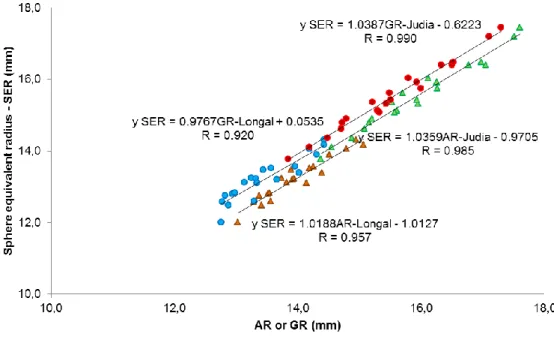
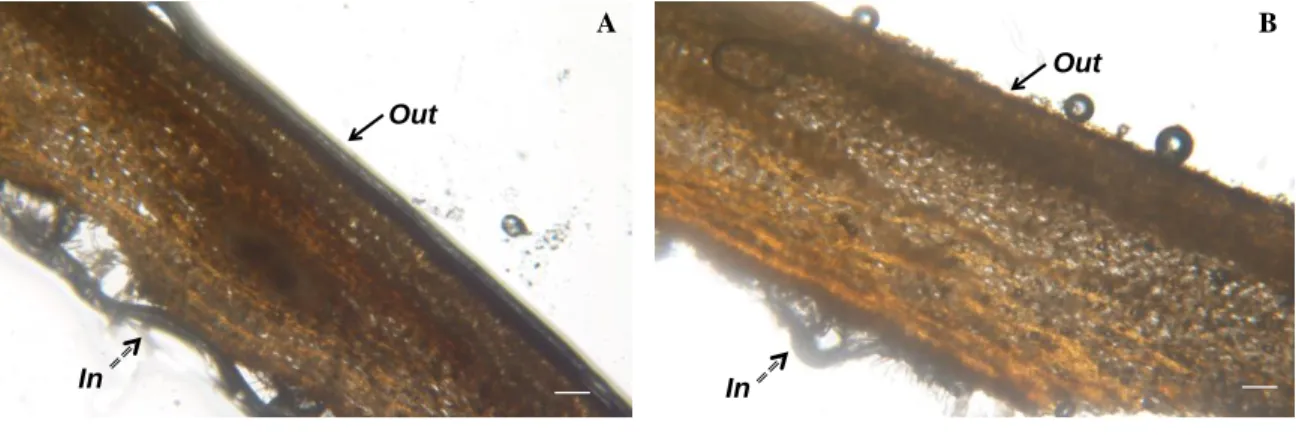
(19) Chestnut-Drytech: Influence of drying technologies on physicochemical properties of chestnut fruits (Castanea sativa Mill.). Chestnut-Drytech: Influence of drying technologies on physicochemical properties of chestnut fruits (Castanea sativa Mill.). Index Abstract ............................................................................................................................ xi Resumo........................................................................................................................... xiii Publications and communications resultant from the PhD project.................................... xv Acronyms and abbreviations .......................................................................................... xxv CHAPTER 1. ..................................................................................................................... 3 Objectives ......................................................................................................................... 3 CHAPTER 2. ..................................................................................................................... 5 General introduction .......................................................................................................... 5 CHAPTER 3. ................................................................................................................... 11 Bioactive Compounds of Chestnuts as Health Promoters................................................ 11 CHAPTER 4. ................................................................................................................... 37 Shell’s influence on drying kinetics, color and volumetric shrinkage of Castanea sativa Mill. Fruits ........................................................................................................................ 37 CHAPTER 5. ................................................................................................................... 61 Effect of drying on colour, proximate composition and drying kinetics of sliced Chestnuts ........................................................................................................................................ 61 CHAPTER 6. ................................................................................................................... 81 Effect of hot air convective drying on sugar composition of chestnut (Castanea sativa Mill.) slices ............................................................................................................................... 81 CHAPTER 7. ................................................................................................................. 101 Effect of hot air convective drying on the fatty acid and vitamin E composition of chestnut (Castanea sativa Mill.) slices ......................................................................................... 101 CHAPTER 8. ................................................................................................................. 117 Does hot air convective drying affect chestnut (Castanea sativa Mill.) organic acids? ... 117 CHAPTER 9. ................................................................................................................. 131 Optimization of osmotic dehydration of chestnut (Castanea sativa Mill.) slices using Response Surface Methodology.................................................................................... 131 CHAPTER 10. ............................................................................................................... 155 Osmotic dehydration effects on major and minor components of chestnut (Castanea sativa Mill.) slices .......................................................................................................... 155 CHAPTER 11. ............................................................................................................... 173 Comparison of different drying methods on the chemical and sensory properties of chestnut (Castanea sativa M.) slices ............................................................................. 173 CHAPTER 12. ............................................................................................................... 201 General Discussion and Conclusions ............................................................................ 201. xix.
(20) Chestnut-Drytech: Influence of drying technologies on physicochemical properties of chestnut fruits (Castanea sativa Mill.). Chestnut-Drytech: Influence of drying technologies on physicochemical properties of chestnut fruits (Castanea sativa Mill.). List of Figures Figure 2.1: Chestnut species produced around the world.................................................. 5 Figure 2.2: Chestnut worldwide production (tonnes) and chestnut area harvested (Ha) for the decade of 2003 to 2013. ............................................................................................. 6 Figure 2.3: Chestnut Europe production (tonnes) and chestnut area harvested (Ha) for the decade of 2003 to 2013 ................................................................................................... 6 Figure 2.4: Chestnut Portuguese production (tonnes) and chestnut area harvested (Ha) for the decade of 2003 to 2013. ........................................................................................ 7 Figure 2.5: The main harvested area and PDOs of chestnut in Portugal. .......................... 8 Figure 3.1: Castanea sativa: (a) Tree, (b) Chestnut fruit in the bur, (c) Fruit. ................... 13 Figure 4.1: A schematic view of the hot air convection oven (not to scale) (Memmert, Germany): fan (1); heater (2); perforated plate (3); chestnut fruits (4); shelf (5); temperature sensors (6); point of velocity measurement (7); air exhaust (8). .................. 41 Figure 4.2: Linear relationships determined between the radius of a sphere of the same volume as the chestnut fruit (Sphere Equivalent Radius - SER) and the arithmetic (AR) and geometric (GR) radius. ............................................................................................. 47 Figure 4.3: Lightness (L*) and yellowness (b*) values of chestnut fruits during drying: (A) L* parameter for fruits dried with outer shells; (B) b* parameter for fruits dried with outer shells; (C) L* parameter for fruits dried with inner shells; (D) b* parameter for fruits dried with inner shells. ............................................................................................................. 49 Figure 4.4: Drying curves of (A) Judia variety with outer shell; (B) Longal variety with outer shell; (C) Judia variety with inner shell; (D) Longal variety with inner shell. ..................... 50 Figure 4.5: Micrographs of the chestnut outer shells. (A) Outer shell cross-section of Longal variety. (B) Outer shell cross-section of Judia variety. (C) The outer shell cells in Longal variety. (D) The outer shell cells in Judia variety. ................................................. 55 Figure 5.1: Chestnuts of Longal and Judia varieties at 0 and 10 hours after drying at 50 ºC.................................................................................................................................... 63 Figure 5.2: Photograph and schematic figure of the tray dryer (Armfield): fan (1); heater (2); control panel (3); decimal balance (4); temperature and humidity sensors (5) and (6); tray for samples (7); computer (8). .................................................................................. 64 Figure 5.3: Drying rates in terms of moisture content (A) and moisture ratio (B) along drying time for Longal and Judia varieties. ...................................................................... 68 Figure 6.1: Chromatogram of sugars standards (A) and of a chestnut sample (B).. ........ 87 Figure 6.2: Evolution of sugar contents, colour variation and moisture of chestnuts of two varieties, Longal and Judia, during drying. ...................................................................... 90 Figure 6.3: Loadings and scores plot resulting from the Principal Component Analysis (PCA) of starch, amylose and sugar contents: A) Longal variety; and B) Judia variety. ... 96 Figure 7.1: Loadings and scores plot resulting from the Principal Component Analysis of fatty acids and vitamin E ............................................................................................... 112 Figure 8.1: Chromatograms of organic acids standard solution (A) and of a chestnut sample extract (B). ........................................................................................................ 121 xx.
(21) Chestnut-Drytech: Influence of drying technologies on physicochemical properties of chestnut fruits (Castanea sativa Mill.). Chestnut-Drytech: Influence of drying technologies on physicochemical properties of chestnut fruits (Castanea sativa Mill.). Figure 8.2: Drying behavior in terms of malic (A), ascorbic (B) and fumaric (C) acids along drying time for Longal and Judia varieties. .................................................................... 125 Figure 8.3: Loadings and scores plot resulting from the Principal Component Analysis of organic acids for both varieties. ..................................................................................... 127 Figure 9.1: Response Surface plot for ∆E* in function of T (°C) and time (h) for the sucrose concentration of 70%. ...................................................................................... 140 Figure 9.2: Response Surface plots: (A) Moisture content in function of T (°C) and time (h) for a sucrose concentration of 70%; (B) Moisture content in function of sucrose conc. (%) and T (°C) for a contact time of 5.0 hours; (C) Ash content in function of T (°C) and time (h) for a sucrose concentration of 70%; (D) Fat content in function of T (°C) and time (h) for a sucrose concentration of 70%. .............................................................................. 142 Figure 9.3: Response Surface plots: (A) WR in function of sucrose concentration (%) and T (°C) for a time of 5.0 hours; (B) WR in function of sucrose concentration (%) and time (h) for a temperature of 45 °C; (C) SG in function of sucrose concentration (%) and T (°C) for a time of 5.0 hours; (D) SG in function of sucrose concentration (%) and time (h) for a temperature of 45 °C. .................................................................................................... 145 Figure 9.4: Response Surface plots: (A) WL in function of sucrose concentration (%) and T (°C) for a time of 5.0 hours; (B) NMC in function of sucrose concentration (%) and T (°C) for a time of 5.0 hours; (C) NMC in function of sucrose concentration (%) and time (h) for a temperature of 45 °C. ................................................................................................. 148 Figure 9.5: Combination of temperature and time to obtain ΔE* between 5 and 12, SG between 0.05 and 0.11, and WL between 0.12 and 0.23. .............................................. 150 Figure 10.1: Linear discriminant analysis obtained for the osmotic dehydration conditions: (A) Contact time and (B) Temperature........................................................................... 168 Figure 11.1: Sugar composition along storage time. (A) Starch content; (B) Amylose content; (C) Sucrose content; (D) Glucose content; (E) Fructose content, and (F) Raffinose content. ......................................................................................................... 182 Figure 11.2: Organic acids composition along storage time. (A) Malic acid content; (B) Ascorbic acid content; (C) Citric acid content; (D) Fumaric acid content. ....................... 185 Figure 11.3: Loadings and scores plot resulting from the Principal Component Analysis: (A) Nutritional composition; (B) Starch, amylose and sugars composition; (C) Organic acids composition; (D) Lipid profile of the chestnuts snack slices. ................................. 190 Figure 11.4: Loadings and scores plot resulting from the Principal Component Analysis to the sensory data. ........................................................................................................... 193. xxi.
(22) Chestnut-Drytech: Influence of drying technologies on physicochemical properties of chestnut fruits (Castanea sativa Mill.). Chestnut-Drytech: Influence of drying technologies on physicochemical properties of chestnut fruits (Castanea sativa Mill.). xxii.
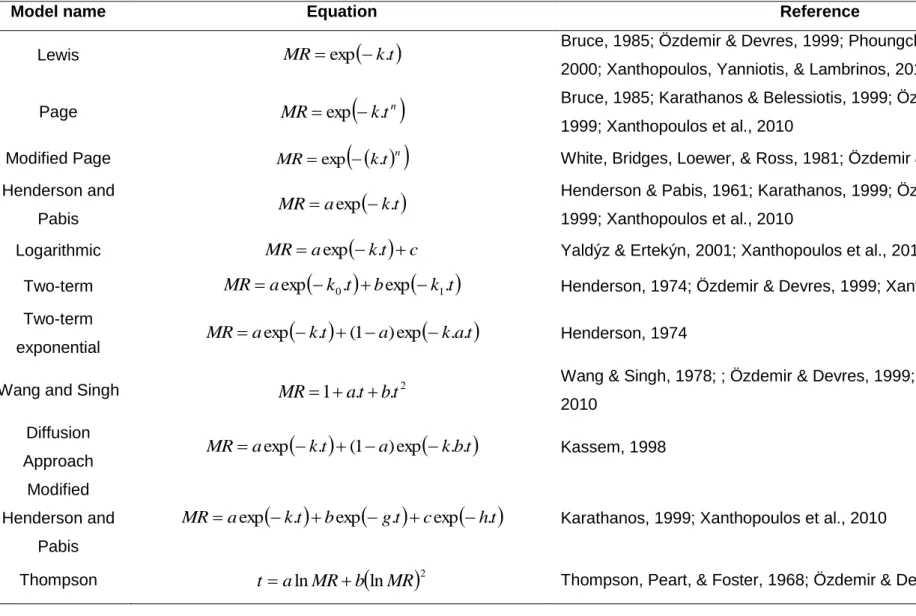
(23) Chestnut-Drytech: Influence of drying technologies on physicochemical properties of chestnut fruits (Castanea sativa Mill.). Chestnut-Drytech: Influence of drying technologies on physicochemical properties of chestnut fruits (Castanea sativa Mill.). List of Tables Table 2.1 – The main chestnut varieties produced in Portugal (Fórum Florestal, 2010) ..... 9 Table 3.1 – Proximate composition of raw chestnut fruits from several cultivars and origins (Castanea sativa Mill.) ..................................................................................................... 15 Table 3.2 - Free sugar contents of raw chestnut fruits (Castanea sativa Mill.) (g/100g DM) ........................................................................................................................................ 16 Table 3.3 – Mineral content of raw chestnut fruits (Castanea sativa Mill.) (mg/100g DM) 17 Table 3.4 - Fatty acid composition of raw chestnut fruits (Castanea sativa Mill.) (g/100g fatty acids) ....................................................................................................................... 18 Table 3.5 – Vitamin C and E contents of raw chestnut fruits (Castanea sativa Mill.) ........ 21 Table 3.6 - Organic acids contents of raw chestnut fruits (Castanea sativa Mill.) (mg/g DM) ........................................................................................................................................ 21 Table 3.7 – Antioxidant activity of different parts of chestnuts. ........................................ 22 Table 3.8 – Total phenols and individual phenolic compound contents present in raw chestnuts (Castanea sativa Mill.). .................................................................................... 23 Table 4.1 - Single-layer drying models used in the present work. .................................... 43 Table 4.2 – Chestnut fruit dimensions before and after drying. ........................................ 46 Table 4.3 – Model parameters and statistics used to evaluate the suitability of the models for chestnuts drying (fruits with outer shell) of Longal and Judia varieties. ....................... 52 Table 4.4– Model parameters and statistics used to evaluate the suitability of the models for chestnuts drying (fruits with inner shell) of Longal and Judia varieties. ....................... 53 Table 4.5 – Apparent diffusivity of chestnuts (m2/h) of Longal and Judia varieties dried with outer and inner shells: comparison of non-corrected and corrected values for shrinkage. 54 Table 5.1 – Drying curve models at 50 ºC for two chestnut varieties. .............................. 69 Table 5.2 – Color parameters along air convection drying at 50ºC for two chestnut varieties, Longal and Judiaa............................................................................................. 71 Table 5.3 – Moisture content and Nutritional composition along air convection drying for two chestnut varieties, Longal and Judiaa. ....................................................................... 73 Table 6.1 – Methods described in literature for sugar quantification on chestnuts. .......... 83 Table 6.2 – Figures of merit of the proposed methodology. ............................................. 88 Table 6.3 – Correlations (linear correlation coefficients) between the analyzed parameters ........................................................................................................................................ 95 Table 7.1 – Fatty acids composition along air convection drying for two chestnut varieties, Longal and Judia ........................................................................................................... 107 Table 7.2 – Vitamin E composition along air convection drying for two chestnut varieties, Longal and Judia ........................................................................................................... 111 Table 8.1 – Figures of merit of the proposed methodology. ........................................... 122 Table 8.2 – Organic acids composition along hot air convection drying for two chestnut varieties, Longal and Judia. ........................................................................................... 123 xxiii.
(24) Chestnut-Drytech: Influence of drying technologies on physicochemical properties of chestnut fruits (Castanea sativa Mill.). Chestnut-Drytech: Influence of drying technologies on physicochemical properties of chestnut fruits (Castanea sativa Mill.). Table 9.1 - Independent variables and their coded and uncoded values for optimization. ..................................................................................................................................... 136 Table 9.2 – CCD with experimental and predicted values for the studied properties. .... 138 Table 9.3 – Coefficients of the second-order polynomial models and model statistical parameters.................................................................................................................... 139 Table 10.1 – Nutritional composition of the osmotic dehydration chestnut slices (g/100 g dry matter). ................................................................................................................... 161 Table 10.2 - Sugar composition of the osmotic dehydration chestnut slices (g/100 g dry matter). ......................................................................................................................... 162 Table 10.3 – Organic acid composition of the osmotic dehydration chestnut slices ....... 164 Table 10.4 – Fatty acids profile of the osmotic dehydration chestnut slices ................... 165 Table 10.5 – Tocopherols composition of the osmotic dehydration chestnut slices (mg/100 g dry matter). ................................................................................................................ 166 Table 11.1 – Proximate composition of chestnut slices dried by different methods along the storage timea. .......................................................................................................... 180 Table 11.2 – Fatty acids composition along storage time for Longal varietya. ................ 188 Table 11.3 – Vitamin E composition along storage time for Longal varietya. .................. 189 Table 11.4 – Sensorial analysis along storage time for Longal varietya. ........................ 192. xxiv.
(25) Chestnut-Drytech: Influence of drying technologies on physicochemical properties of chestnut fruits (Castanea sativa Mill.). Chestnut-Drytech: Influence of drying technologies on physicochemical properties of chestnut fruits (Castanea sativa Mill.). Acronyms and abbreviations. AR - Arithmetic radius (mm) ADF – Acid detergent fibre ADL – Acid detergente lignin aw – Water activity a, b, c, k, n, k0, k1, g, h – Model parameters AAE – Ascorbic acid equivalent C16:0 – Palmitic acid C16:1 – Palmitoleic acid C18:0 – Stearic acid C18:1 – Oleic acid C18:2 – Linoleic acid C18:3 – α-linolenic acid C20:0 – Eicosanoic acid CV – Coefficient of variation CCD – Central Composite Design CE – (+)-catechin equivalents Dapp – Apparent diffusivity (m2/h) DW – Dry weight Dw - Effective coefficients of diffusion for water Ds - Effective coefficients of diffusion for solids D- Drying ELSD – Evaporative light scattering detector FW – Fresh weight FAME – Fatty acid methyl esters FID – Flame ionization detector FD – Fluorescence detector FrD – Freeze-drying GR – Geometric radius (mm) GAE – Gallic acid equivalents HTST – High temperature short time HPLC – High performance liquid chromatography L*, a*, b*, C*, h* - Color parameters (CIELab) LTHV – Low temperature high velocity LOD – Limit of detection LOQ – Limit of quantification xxv.
(26) Chestnut-Drytech: Influence of drying technologies on physicochemical properties of chestnut fruits (Castanea sativa Mill.). Chestnut-Drytech: Influence of drying technologies on physicochemical properties of chestnut fruits (Castanea sativa Mill.). LDA – Linear discriminant analysis MT – Metric Ton M0 - Sample mass before osmotic dehydration (g) M - Sample mass after osmotic dehydration (g) m0 – Initial mass of the solids in chestnut sample (g) m – Mass of the solids in chestnut sample after osmotic dehydration (g) MR – Moisture ratio MUFA – Monounsaturated fatty acids mp – Number of parameters in each model n – Number of observations NE – Northeast NDF – Neutral detergent fibre NMC - Normalized Moisture Content nd – not detected OD - Osmotic dehydration OD+D – Osmotic dehydration + drying PUFA – Polyunsaturated fatty acids PCA – Principal components analysis PC - Principal component PDO - Protected designations of origin r – Correlation coefficient RID – Refractive index detector RSM - Response Surface Methodology SER – Sphere equivalent radius SCFA – Short-chain fatty acids SFA – Saturated fatty acids SG – Solids Gain (g) TRE – Trolox equivalent tr – trace USFA – Unsaturated fatty acids UV – Ultraviolet detector V – Volume (mL) Vt – Volume at the instant t (mL) V0 – Initial Volume (mL) W – Width (mm) L – Length (mm) t –Thickness (mm) xxvi.
(27) Chestnut-Drytech: Influence of drying technologies on physicochemical properties of chestnut fruits (Castanea sativa Mill.). Chestnut-Drytech: Influence of drying technologies on physicochemical properties of chestnut fruits (Castanea sativa Mill.). W – Instantaneous dry basis water content (kg water / kg dry basis) W0 – Initial dry basis water content (kg water / kg dry basis) We – Equilibrium dry basis water content (kg water / kg dry basis) WR – Weight Reduction (g) WL – Water Loss (g) X – Moisture ratio yexp,i – Experimental value for the i observation ymodel,i – Predicted value for the i observation. xxvii.
(28) Chestnut-Drytech: Influence of drying technologies on physicochemical properties of chestnut fruits (Castanea sativa Mill.). Chestnut-Drytech: Influence of drying technologies on physicochemical properties of chestnut fruits (Castanea sativa Mill.). xxviii.
(29) Chestnut-Drytech: Influence of drying technologies on physicochemical properties of chestnut fruits (Castanea sativa Mill.). Chestnut-Drytech: Influence of drying technologies on physicochemical properties of chestnut fruits (Castanea sativa Mill.). PART I Objectives and Introduction Chapter 1. Objectives. Chapter 2. General Introduction. Chapter 3. Bioactive Compounds of Chestnuts as Health Promoters. 1.
(30) Chestnut-Drytech: Influence of drying technologies on physicochemical properties of chestnut fruits (Castanea sativa Mill.). Chestnut-Drytech: Influence of drying technologies on physicochemical properties of chestnut fruits (Castanea sativa Mill.). 2.
(31) Chestnut-Drytech: Influence of drying technologies on physicochemical properties of chestnut fruits (Castanea sativa Mill.). Chestnut-Drytech: Influence of drying technologies on physicochemical properties of chestnut fruits (Castanea sativa Mill.). CHAPTER 1.. Objectives. The main aim of the present work was to study the effect of using different drying technologies on some physic, chemical and sensory characteristics of chestnuts (Castanea sativa Mill.), in order to produce interesting and healthy snacks in the future. It was also intended to perform the mathematical modeling of the studied processes.. The specific objectives of this thesis were to:. i) Study the drying processes applied to whole and sliced fruits in order to better understand the drying kinetics and develop mathematical models that can be used by food industry in the future (Chapters 4 and 5).. ii) Study the influence of hot-air convective drying applied to sliced fruits, on the following physic and chemical properties: -. Colour and proximate composition (Chapter 5);. -. Sugar composition (Chapter 6);. -. Fatty acid and vitamin E composition (Chapter 7);. -. Organic acids composition (Chapter 8).. iii) Study the influence of temperature, contact time and concentration of the osmotic solution (sucrose) applied to osmotic dehydration of chestnut slices on their physic and chemical properties (Chapters 9 and 10).. iv) Study the effect of different dehydration methods to produce chestnut slices to be consumed as a healthy snack, and also to verify the acceptability and durability of the developed products by sensory analysis. (Chapter 11).. To achieve these objectives, the present PhD thesis is organized in three main parts, each part divided in chapters.. 3.
(32) Chestnut-Drytech: Influence of drying technologies on physicochemical properties of chestnut fruits (Castanea sativa Mill.). Chestnut-Drytech: Influence of drying technologies on physicochemical properties of chestnut fruits (Castanea sativa Mill.). PART I – Introduction and objectives. This part is subdivided in three chapters (Chapters 1 to 3). In the first chapter the objectives are presented. In the second chapter, a general introduction to the worldwide, European and Portuguese chestnut production panorama, the most common consumption ways, as well as some biological aspects of chestnuts are resumed. The third chapter intended to review the current knowledge on chestnut composition, together with the influence of diverse post-harvest technologies, such as refrigeration, flame peeling, freezing with CO2, irradiation, boiling and roasting on chestnut composition.. PART II – Pratical section. This part is subdivided in eight chapters (Chapters 4 to 11), corresponding to accepted or submitted papers, which contain the results obtained in this thesis, presented in accordance with the guidelines of each scientific journal. In chapter 4, hot air convective drying was applied to whole fruits, in order to better understand the drying kinetics and to develop mathematical models to be used by industry. In chapters 5 to 8 the effect of hot air-convective drying on several physic and chemical properties of chestnut slices is discussed. In chapters 9 and 10, the effect of osmotic dehydration on physic and chemical properties of chestnut slices is also discussed. Finally, the role of these dehydration methods on chestnut properties and also the acceptability and durability of the developed products are discussed in chapter 11. PART III – General discussion and conclusions. In chapter 12 an integrated discussion and the main conclusions gathered from all the results are presented.. 4.
(33) Chestnut-Drytech: Influence of drying technologies on physicochemical properties of chestnut fruits (Castanea sativa Mill.). Chestnut-Drytech: Influence of drying technologies on physicochemical properties of chestnut fruits (Castanea sativa Mill.). CHAPTER 2.. General introduction. The genus Castanea belongs to the angiosperm family Fagaceae. Over the world, different species of chestnut can be found (Figure 2.1), being the most known Castanea sativa (European chestnut), Castanea dentata (American chestnut), Castanea mollissima (Chinese chestnut) and Castanea crenata (Japanese chestnut). These species present significant differences including fruit size, sweetness, and disease resistance, among others.. Figure 2.1: Chestnut species produced around the world (Adapted from Fórum Florestal, 2010).. Chestnut fruit production is of high importance in the world and its production has been increasing worldwide over the last years, simultaneously with the planted area and productivity. Figure 2.2 presents the world chestnut production for the decade of 2003 to 2013, while Figure 2.3 details the production and harvested area in Europe during the same period, representing about 10% of the world production but with a lower productivity than the world average. This plant can reach 30 meters high and exceed 1500 years. The male flowers yellow grouped in clumps, are arranged in upright clusters (catkins), while the female flowers are together in a thorny summit. In Europe chestnut tree flowering occurs from March to June and the fruit ripens between October to December. Chestnut begins its fruiting six years after planting, with only 1 to 3 kg of nuts per year, increasing its 5.
(34) Chestnut-Drytech: Influence of drying technologies on physicochemical properties of chestnut fruits (Castanea sativa Mill.). Chestnut-Drytech: Influence of drying technologies on physicochemical properties of chestnut fruits (Castanea sativa Mill.). productivity up to the 10th year, when it reaches fullness productivity, on average between 30 and 50 kg per tree. After about 70 years, chestnut productivity decreases again over the time (Fórum Florestal, 2010). The production of chestnut can be affected by several factors such as climatic conditions (temperature, radiation and rainfall) and cultivation inputs (nutrient, availability, minerals, and diseases and pests of the trees and fruits) (de Vasconcelos et al., 2010). In particular, chestnut tree is very sensitive to pollution, excessive soil moisture, dry summers and very intense frosts (Fórum Florestal, 2010).. Area harvested (Ha). Chestnut production (tonnes). 2100000 1800000 1500000 1200000 900000 600000 300000 2013. 2012. 2011. 2010. 2009. 2008. 2007. 2006. 2005. 2004. 2003. 0. Years. Figure 2.2: Chestnut worldwide production (tonnes) and chestnut area harvested (Ha) for the decade of 2003 to 2013 (FAOSTAT, 2016). Area harvested (Ha). Chestnut production (tonnes). 160000 140000 120000 100000. 80000 60000 40000 20000 2013. 2012. 2011. 2010. 2009. 2008. 2007. 2006. 2005. 2004. 2003. 0. Years. Figure 2.3: Chestnut Europe production (tonnes) and chestnut area harvested (Ha) for the decade of 2003 to 2013 (FAOSTAT, 2016).. 6.
(35) Chestnut-Drytech: Influence of drying technologies on physicochemical properties of chestnut fruits (Castanea sativa Mill.). Chestnut-Drytech: Influence of drying technologies on physicochemical properties of chestnut fruits (Castanea sativa Mill.). Chestnut production in Portugal The market of chestnut fruit is extremely important for many countries’ economy, Portugal being no exception. Chestnut production and harvested area in Portugal are represented in Figure 2.4 for the period of 2003 to 2013.. Area harvested (Ha). Chestnut production (tonnes). 40000 35000 30000 25000 20000 15000 10000 5000. 2013. 2012. 2011. 2010. 2009. 2008. 2007. 2006. 2005. 2004. 2003. 0. Years. Figure 2.4: Chestnut Portuguese production (tonnes) and chestnut area harvested (Ha) for the decade of 2003 to 2013 (FAOSTAT, 2016).. In Portugal, chestnut fruit production represented, in 2013, around 24700 tonnes, but producitivity is generally low, taking into to account the harvested area around 30000 to 35000 Ha, which represents approximately 10-12% of the total world area. This might be a consequence of having a wide area of unexplored chestnut trees or those that have been affected by several diseases such as chestnut ink disease and chestnut blight. Furthermore, in some years such as 2011 and 2012 unsuitable climatic conditions were observed, decreasing the production. However, Portuguese chestnuts have an extremely good reputation in foreign markets. Indeed, chestnuts are one of the main fruits in Portuguese exports, being the external trade surplus equal to 43 421 thousand euros (INE, 2016). Geographically, more than 85% of the area occupied by chestnut trees is concentrated in Trás-os-Montes region, northeast (NE) of Portugal, especially around the protected designations of origin (PDO) of “Terra Fria”, “Padrela” and “Soutos da Lapa” (INE, 2016) (Figure 2.5).. 7.
(36) Chestnut-Drytech: Influence of drying technologies on physicochemical properties of chestnut fruits (Castanea sativa Mill.). Chestnut-Drytech: Influence of drying technologies on physicochemical properties of chestnut fruits (Castanea sativa Mill.). “Padrela” (PDO) “Souto da Lapa” (PDO). “Terra Fria” (PDO). 85% of the Portuguese chestnut production. “Marvão-Portalegre” (PDO). Figure 2.5: The main harvested area and PDOs of chestnut in Portugal.. Each species of chestnut can produce different varieties. The main varieties of Castanea sativa more cultivated in Portugal are those described in Table 2.1. Some differences can be found between them, namely in fruit size, flavour, sweetness and ease of peeling, among others.. 8.
(37) Chestnut-Drytech: Influence of drying technologies on physicochemical properties of chestnut fruits (Castanea sativa Mill.). Chestnut-Drytech: Influence of drying technologies on physicochemical properties of chestnut fruits (Castanea sativa Mill.). Table 2.1 – The main chestnut varieties produced in Portugal (Fórum Florestal, 2010) Variety. Fruit size. Number of Fruits/kg. Flavour/Sweetness. Aveleira Martaínha. Medium. 82-98. weak/sweet. Medium to big. 69-95. weak/sweet. Longal Judia. Medium to big. 67-87. weak/sweet. Big. 49-69. weak/sweet. Colarinha. Small to medium. 84-96. weak/sweet. Verdeal. Big. 58-74. weak/sweet. Rebordã. Medium to big. 76-92. weak/sweet. Côta. Small. 102. weak/little sweet. Lada. Big. 78. weak/little sweet. Bária. Medium. 82. weak/very sweet. Negral Boa Ventura. Big. 77. weak/little sweet. Medium to big. 68-76. weak/sweet. Lamela. Big. 71. weak/sweet. Zeive. Big. 73. weak/sweet. Redonda. Medium. 80. weak/very sweet. Varieties with the highest production values (Forum Florestal, 2010). Generally, in Portugal chestnut are sold fresh or frozen, being consumed in natura, roasted, fried and boiled. Chestnuts are normally stored in cold chambers before selling or transformation. Nevertheless, chestnut fruit producers have do deal with two important problems during cold storage of chestnuts: weight loss due to water evaporation and molds development. Beyond these facts, the smaller sized fruits are generally rejected by industrials and consumers and, so, it is very important to develop and produce different chestnut-based products to increase the use of the rejected fruits. Several new products based on chestnut fruits have appeared, such as chestnut flour, marron glacé, purees, and pre-cooked frozen products, sweets, jams, beyond others (Pinnavaia et al., 1995). As chestnut production is seasonal, in Portugal it was family tradition to store chestnuts in warehouses, in sand or cereal, to eat throughout the year, being this chestnut named "castanha pilada". This kind of chestnut has a very long shelf life due to its low water content caused by dehydration. “Castanha pilada” can be found in local markets but its industrial production, by using ovens or dryers, is not common. Consumers search for healthier and easy to consume food is increasing. So, several healthy snacks based on fruits, namely apples, pears, strawberries, pineapple and peach, have appeared recently on the market. However, none of them are based on chestnut fruits. This nut presents interesting nutritional properties, due to its low fat 9.
(38) Chestnut-Drytech: Influence of drying technologies on physicochemical properties of chestnut fruits (Castanea sativa Mill.). Chestnut-Drytech: Influence of drying technologies on physicochemical properties of chestnut fruits (Castanea sativa Mill.). content, high amount of starch (sugar of slow absorption) and fibres (Borges et al., 2008). Furthermore, it’s a gluten-free nut, ideal for celiac patients. Thus, it can be a good fruit to produce this kind of snacks.. References. de Vasconcelos, M.C.B.M.; Bennett, R.N.; Rosa, E.A.S; Ferreira-Cardoso, J.V. (2010). Composition of European chestnut (Castanea sativa Mill.) and association with health effects: fresh and processed products. Journal of the Science of Food and Agriculture, 90, 1578–89. Pinnavaia, G.G.; Pizzirani, S.; Papotto, E.G. (1995). Study of the production feasibility of a extruded chestnut flour product. Industrie Alimentari, 34, 977-984. Borges, O., Gonçalves, B., Soeiro de Carvalho, J.L., Correia, P., Silva, A.P. (2008). Nutritional quality of chestnut (Castanea sativa Mill.) cultivars from Portugal. Food Chemistry, 106, 976-984.. References (non-printed material). FAO (2016). FAOSTAT (http://faostat.fao.org; accessed at January 9, 2016). INE (2016). Dados estatísticos (www.ine.pt; accessed at January 10, 2016). Fórum Florestal (2010). Estudo Económico do Desenvolvimento da Fileira da Castanha. (http://forumflorestal.pt/).. 10.
(39) Chestnut-Drytech: Influence of drying technologies on physicochemical properties of chestnut fruits (Castanea sativa Mill.). Chestnut-Drytech: Influence of drying technologies on physicochemical properties of chestnut fruits (Castanea sativa Mill.). CHAPTER 3.. Bioactive Compounds of Chestnuts as Health Promoters. Teresa Delgado1,2, José A. Pereira1, Susana Casal2 and Elsa Ramalhosa1 1. Mountain Research Centre (CIMO) - School of Agriculture, Polytechnic Institute of. Bragança, Bragança, Portugal 2. LAQV-REQUIMTE, Chemistry Department, Faculty of Pharmacy, Oporto University,. Porto, Portugal. In Silva, L. R. and Silva, B M. (ed.). 2016. Natural Bioactive Compounds from Fruits and Vegetables as Health Promoters. Bentham Science Publishers, Chapter 6, p. 104-123.. Abstract. Different chestnut species can be cultivated for fruit production, the most valorised part for nutritional purposes. However Castanea sativa Mill., the “European chestnut”, is one of the most valorised worldwide. Its fruits are consumed either raw or after processing, being boiling and roasting the most usual ones. The nutritional composition of fresh chestnut is variable, with interesting amounts of carbohydrates and fibre, together with low fat content, with differences between cultivars and producing regions. In respect to the presence of bioactive compounds, such as phenolic compounds, vitamins, fatty acids, among others, some studies had focused on the fruit benefits to human health but few reported the effect of processing in those compounds. In this context, this chapter intended to review the current knowledge on chestnut composition, together with the influence of diverse post-harvest technologies, such as refrigeration, flame peeling, freezing with CO2, irradiation, boiling and roasting on the bioactive compounds of chestnut. Keywords: Antioxidant activity, bioactive compounds, boiling, carbohydrates, Castanea sativa Miller, cold storage, drying, fatty acids, fibre, irradiation, minerals, nutritional composition, organic acids, osmotic dehydration, phenolic compounds, processing, proteins, roasting, vitamin C, vitamin E. 11.
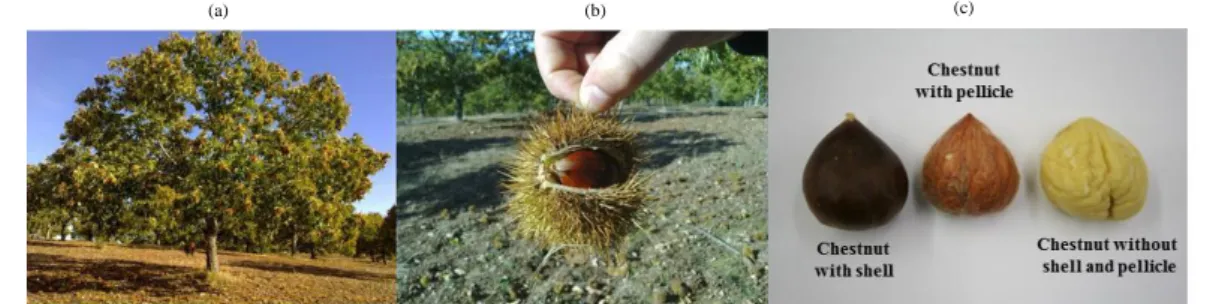
(40) Chestnut-Drytech: Influence of drying technologies on physicochemical properties of chestnut fruits (Castanea sativa Mill.). Chestnut-Drytech: Influence of drying technologies on physicochemical properties of chestnut fruits (Castanea sativa Mill.). Introduction. The genus Castanea belongs to the angiosperm family Fagaceae. Over the world, several different species of chestnut can be found, such as Castanea creanata Sieb. in Asia, C. creanata Zucc. in Japan, C. mollissima Bl. in China and Korea, C. dentada Borkh in North America, and C. sativa Mill. in Europe being, also called “European chestnut” [1,2]. The species C. sativa Mill. is one of the most valorised worldwide. However, to improve chestnut production and the resistance to certain common diseases of the tree, some hybrids have emerged over the years [3]. Chestnut production has a high importance in the world’s primary economy. China is the main producer, with about 1650000 tonnes (t) in 2012, followed by Republic of Korea (70000 t), Turkey (59789 t), Bolivia (57000 t), Italy (52000 t), Greece (28700 t), Japan (20900 t) and Portugal, the eighth largest world's producer (19100 t) [4]. Despite these figures, due to the small country size, chestnut production in Portugal still represents a high contribution for the trade balance. The greatest production area for this fruit is located in Trás-os-Montes region (northeast of Portugal). Being a natural product, chestnut production can be affected by several factors including climatic conditions such as temperature, sunlight and precipitation, and also cultivation inputs, for exemple nutrients, minerals, and diseases and pests [3]. From a botanical point of view, chestnut fruit is a starchy nut composed by a seed protected by a membrane called the pellicle (episperm) and followed by a brown peel called “shell”. This last involves the nut that is shielded by a spiny bur. When the fruit begins to mature, the bur modifies its colour, from green to yellow-brown, and breaks in 24 lengthways lines liberating three nuts. Sometimes the bur releases the chestnut fruits from the tree; however, more often the bur falls and opens completely on the ground as a result of the high humidity, liberating the fruits [5] (Figure 3.1). Even though the shell and pellicle are difficult to remove, this nut presents interesting properties which will be presented throughout this chapter. There are some review studies that discuss the nutritional properties of chestnuts in natura [3,6]; however, despite not being usual to consume it raw, there are few works reporting the effects of different types of processing on its physicochemical properties and bioactivity. Thus, in this chapter we intend to evidence the beneficial effects of chestnut on human health and in which way processing may affect the physicochemical properties of this fruit.. 12.
(41) Chestnut-Drytech: Influence of drying technologies on physicochemical properties of chestnut fruits (Castanea sativa Mill.). Chestnut-Drytech: Influence of drying technologies on physicochemical properties of chestnut fruits (Castanea sativa Mill.) (a). (b). (c). Figure 3.1: Castanea sativa: (a) Tree, (b) Chestnut fruit in the bur, (c) Fruit.. Physicochemical Properties of chestnut. Numerous studies on the physicochemical characterization of different varieties of chestnuts from different countries have been published. From the nutritional point of view, chestnut has interesting properties. Chestnuts are a good source of fibres, starch, protein, aminoacids, minerals, lipids, vitamin E and phenolic compounds, being a naturally glutenfree product. The proximate nutritional composition of raw chestnuts (Castanea sativa Mill.) is detailed in Table 3.1. The major compound is water, with moisture ranging between 40 and 64 g/100 g fresh weight (FW). This high moisture content represents a strong disadvantage for long-term preservation purposes, due to the high probability of mould formation, together with a significant weight loss during storage. On dry basis (DM), carbohydrates are the main components of chestnuts (75-91%), particularly starch (39 and 82%). Several studies have been reported about the specific content of amylose and amylopectin [15,19,20], accounting approximately for 33% and 67% of the starch content, respectively. The starch can improve health by giving energy from the catabolism process of amylose and amylopectin into glucose, as well as it can have a positive role on gut functions due to the presence of short-chain fatty acids (SCFA) that result from the bacterial catabolism of amylopectin-derived dextrins [19,21]. Also, some researchers defend that starch is partially hydrolysed into glucose during storage, which gives increased sweetness to chestnuts [10,15]. Indeed, this is one of the most important quality parameters, with recognized differences between varieties [22], being the sweetest fruits highly appreciated by the consumers. Sucrose is the main free sugar in chestnuts (Table 3.2), followed by glucose and fructose. Other sugars such as maltose and xylose can also be present in chestnut fruits, but in reduced amounts. Fibre is also an important nutrient in chestnuts (Table 3.1). Among fibre fractions neutral detergent fibre (NDF) represents 2.7 to 28.9% and acid detergent fibre (ADF) varies from 0.5 to 4.5%, while acid detergent lignin (ADL) only represents 0.02 to 1.3% 13.
(42) Chestnut-Drytech: Influence of drying technologies on physicochemical properties of chestnut fruits (Castanea sativa Mill.). Chestnut-Drytech: Influence of drying technologies on physicochemical properties of chestnut fruits (Castanea sativa Mill.). and cellulose 0.5 to 3.6%, all on dry matter (DM) basis. Dietary fibre has been described as the fragments of plant components which are not hydrolysed by human enzymes and it includes cellulose, hemicellulose and lignin, as well as other substances, namely waxes, cutin, and suberin [25]. Dietary fibres are associated to positive health effects, including “stimulation of Bifidobacterium and Lactobacillus in the intestine, decrease in cholesterol levels, reduction of the risk of cardiovascular diseases, positive regulation of insulin response, increase in anticancer mechanisms and positive effects on metabolism of blood lipids” [26]. When the fermentation of dietary fibre occurs SCFA are produced. These compounds are very important to garantee the maintenance of colonic integrity and metabolism. They can also be considered therapeutic agents for the treatment of some illnesses such as colitis, antibiotic associated diarrhoea and colon cancer [27].. 14.
Imagem


+7




Documentos relacionados
An analysis of the retrospective cohort of all renal transplants performed at Botucatu Medical School University Hospital between June 17, 1987, when the first renal transplant
3 - Mortalidade no primeiro dia de vida (%) de Trichogramma pretiosum desenvolvido em ovos de Sitotroga cerealella e armazenado com escotofase constante por diferentes períodos a 10º
According to the positive esti- mated effect for shaking time and polyurethane foam mass, their increase allows the platinum extraction process to be improved; yet, this
No momento conclusivo do presente texto, não queremos deixar de enfatizar que os documentos normativos atualmente em vigor para a disciplina de Português no
Determination of sugars in chestnut (Castanea sativa Mill. ) cultivars fro m Portugal Northeast region by HPLC-RI..
Effect of hot air convective drying on sugar composition of chestnut ( Castanea sativa Mill.) slices
Effects of roasting on chemical composition and quality of different chestnut ( Castanea sativa Mill) varieties. Paul, MN, USA:
