Paulo Serra, Eduardo Camilo e Gisela Gonçalves (Orgs.)
Participação Política e Web 2.0
Livros LabCom
www.livroslabcom.ubi.pt Série: Estudos em Comunicação Direcção: António Fidalgo Design da Capa: Cristina Lopes Paginação: Filomena Matos Covilhã, 2013
Com o apoio:
Índice
THE RESEARCH PROJECT “NEW MEDIA AND POLITICAL PARTICI
-PATION” 1
I CIDADANIA E PARTICIPAÇÃO POLÍTICA 13
Liberdade como participação em Isaiah Berlin
por António Fidalgo 15
From Brochureware to ‘MyBo’: An Overview of Online Elections and Campaigning
por Rachel Gibson 27
Notas sobre a construção do acontecimento jornalístico: do intelec-tual engajado ao advento da web 2.0
por Giovandro Ferreira 39
II PARTIDOS POLÍTICOS E DEMOCRACIA 55
Participation and Alternative Democracy: Social Media and their Contingencies
por Peter Dahlgren 57
Odres Novos, Vinho Velho? Os Novos Media e os Partidos Políticos
Partidos Políticos e Democracia. Enfoque alternativo: o associati-vismo português e o associatiassociati-vismo sindical
por Daniela Fonseca 101
III A COMUNICAÇÃO POLÍTICA NA ERA DA INTERNET 117
Soundbite: A política em frames
por Nuno Francisco 119
Desafios ao agendamento intermediático. Reflexões sobre os desaba-fos de Pedro Passos Coelho
por Eduardo Camilo e Rodolfo Silva 133
Comunicação Política 2.0: novos desafios para uma arte vetusta
por Elsa Santos e Rosália Rodrigues 161
IV OS WEBSITES DOS PARTIDOS POLÍTICOS (MODELOS DE
ANÁLISE) 193
A comunicação partidária online: os websites num contexto não elei-toral
por Catarina Silva 195
Tipología, visibilidad y funcionamiento de los recursos participativos en los sites de los partidos políticos portugueses: análisis prelimi-nar
THE RESEARCH PROJECT
“
NEW MEDIA AND POLITICAL
PARTICIPATION
”
Paulo Serra, António Fidalgo, Anabela Gradim, Américo de Sousa, Eduardo Camilo, Gisela Gonçalves, Ivone Ferreira, João Canavilhas,
Rosália Rodrigues & Tito Cardoso e Cunha
Labcom – Universidade da Beira Interior
1. Summary
T
HE AIM OF THIS PROJECTis to investigate if the participation allowed to citizens by the websites of Portuguese political parties meets citizens’ expectations. In fact, with the advent of the Web 2.0, the websites of the political parties started offering a wide range of tools and forms of partici-pation that allow citizens to create and share contents, and get involved in social networks. As we should expect, there are citizens that correspond to this offer, especially during political campaigns. The problem, however, is to know if those tools and forms of participation: i) Are effectively at stake during the “normal” periods, i.e., the periods between electoral campaigns, which correspond to limited and specific occasions; ii) Consubstantiate a real political participation, with some impact and consequences on the politicalparties agenda (themes, activities) or, on the contrary, a mere simulation of participation with mere propagandistic intentions.
The ultimate goal of this project is to gather and provide knowledge, both theoretical and practical, allowing political parties and citizens to ameliorate political communication through the websites. Although the websites of the political parties have been adapting to web 2.0 demands, in reality, no one knows if that corresponds to what citizens want, and no one knows if they feel represented and satisfied with the tools available. This project aims to shed some light onto such questions, producing data which can, in turn, be used to sharpen the communication strategies of the parties. The specific objecti-ves of this project are: (i) To analyse the tools and forms that the websites of Portuguese political parties offer to citizens’ participation, namely in what refers to the creation and sharing of contents, and the involvement in social networks (Smith & Rainie, 2008); ); ii) To pratically test the way political par-ties answer (or not) to citizens’ use of those tools and forms of participation; (iii) To know the opinion of the Portuguese political leaders and the responsi-ble for the websites of the political parties about such participation and, more specifically, if this participation leads to changes in the political party agenda (themes, activities); (iv) To know the Portuguese citizens’ opinion about the tools and forms of participation that the websites of the political parties offer them.
Our main hypothesis is that there is a lack of correspondence between the participation the websites of the Portuguese political parties allow citizens and citizens’ expectations about that. Pinpointing and describing that gap would provide new ways of bridging it. The reason to state this hypothesis is that, even if political parties give a greater importance to the citizens’ participation than they did some years ago, when they privileged the informative function (Gibson, Ward & Lusoli, 2003; Gibson, Margolis, Resnick & Ward, 2003; Schweitzer, 2005), this participation is predominantly seen in an instrumental way, to project an image of credibility and/or arouse voters’ sympathy, in a top-down logic (Rolfe, 2008).
The investigators of the Laboratory of On-line Communication (http: //www.labcom.ubi.pt), a research centre financed by FCT and that is clas-sified as Very Good, have been studying the Internet and the Web since 2003, having published several woks about online journalism, online persuasion, blogs and online political communication.
To answer our problem we’ll rely on a multi-method approach. The re-search will begin with an extensive literature review about the state of the art of the citizens’ participation in the websites political parties. Based on that literature review, we’ll do a content analysis to examine the tools and forms of citizens’ participation available in the websites of the five Portuguese political parties with Parliamentary representation. This analysis will be supplemented by testing the efficacy of those tools and forms of participation, using them. To know the opinions of the main agents of the producers and users of the websites, we shall have semi-structured interviews with the leaders of the five political parties, as well as with the responsible for the management of the websites, namely to know if the citizens’ participation influences the party agenda. In what refers to citizens, we shall conduct an online survey of a sam-ple of users of the websites. These research methods and phases will allow us to know what citizens can do in the websites of the political parties, and to compare what citizens think about what they can do there with what the leaders and other responsible of the political parties think on the same matter. As main result of the project, we’ll have a deeper knowledge about the citizens’ use of the tools and forms of participation offered by the websites of Portuguese political parties. This knowledge will may allow political parties to improve the relationship with citizens and, doing so, improving Portuguese democracy.
2. Literature Review
Democracy is the realm not only of the Modern “negative liberty”, but also of the Ancient “positive liberty” of citizen’s participation in political decisions (Berlin, 1969). In modern western societies, this participation implies the existence of media, namely the press, and free speech (Tocqueville, 1835; Habermas, 1989; Serra, 2007).
Accepting Habermas’ thesis that the advent of the mass media brought along a “re-feudalization” of the public sphere, some authors saw the birth of Internet as the rise of a “new public sphere” (Dahlgren & Sparks, 1997), a “new public space” (Ferry & Wolton, 1998). The Internet could be, in some way, the solution to the illnesses of democracy, allowing “the virtual commu-nity” (Rheingold, 1993), the “virtual democracy” (Scheer, 1994), and
radi-cal new ways of living (Dertouzos, 1997). Against these technophilic views, some critics of the “information society” saw it as the result of the ideology of communication that emerged in the post-War II (Breton & Proulx, 1991), an alleged a-political utopia (Breton, 1995) whose result would be the “cybero-cracy” (Ronfeldt, 1992), or even the end of the “lien social” (Wolton, 1999). Bearing on this same critical perspective, other authors defended the “norma-lization thesis”, the thesis that politics on the Internet is nothing but “politics as usual”, dominated by the traditional, off-line players (Margolis & Resnick, 2000).
Whatever our perspective about the potentialities of Internet as a tool for enhancing democracy and citizens’ political participation, the “new medium” has become central in the communicative strategies of political parties and candidates. In fact, according to Norris (2000), we may consider three diffe-rent communication stages, namely during campaigns: Pre-modern (from the middle of the XIX century to the end of the decade of 1950), Modern (since the end of the eighties) and Post-modern (since the beginning of the decade of 1990). If the modern period political communication is dominated by tele-vision (Blumler & Kavanagh, 1999), the post-modern has seen the emergence of the Internet as a relevant, new player, contributing to transform the “mass media campaign” in a “hypermedia campaign” (Howard, 2006). In what re-fers to the USA, Internet begins to take a key role in the presidential campaign of 1996 (Clinton vs. Dole), whose campaign websites became a central, in-tegrated tool (Williams, Trammell, Postelnicu, Landreville & Martin, 2005); outside USA, the move to the Internet took place more or less about the same time (Gibson, Ward & Lusoli, 2003).
In contrast with the “normalization thesis”, several authors have stressed the novelty and democratic potentialities of the political parties communi-cation on the Internet as a tool for enhancing political trust, pluralism and participation (Norris, 2003; Curtice & Norris, 2004; Gibson, Ward & Lusoli, 2003, 2005), and for the “horizontal communication” that is central in civic interaction (Dahlgren, 2005). However, one of the main conclusions of the comparative analysis that Gibson et al. (2003) made about the political par-ties’ websites in the USA and in the UK was that providing information and generating resources were predominant functions over promoting participa-tion and the establishment of electronic networks inside and outside the party; and that the interactivity, when present, tended to be top-down, from the
par-ties to the citizens. In a very similar way, Schweitzer (2005) mentioned that all studies about on-line campaigns emphasised the fact that the majority of political parties and candidates’ websites privileged the informative function over the interactive and participative functions (on-line discussions, surveys, on-line petitions, etc.).
Did the Web 2.0 (O’Reilly, 2005), and the new tools it offers to citizens political participation, altered this situation? And, if that is the case, what were the main alterations? As it is generally admitted, the “political commu-nication 2.0” began in the 2004 presidential campaign, when the candidates (e.g. Howard Dean) used the blogosphere “to raise money, mobilize volun-teers, and spread their message” (Williams et al., 2005), leading Williams and Tedesco (2006) to characterize this presidential campaign as the “Internet election”. In 2007, Hilary Clinton and John Edwards announced their bids for the presidency of the USA on YouTube and through e-mail (Rolfe, 2008). However, it was in the presidential campaign of Obama, in 2008, that the Web 2.0 and its tools took a decisive role as a means for political campaigning. In fact, a report by the Pew Internet & American Life Project on this campaign indicated that the internet, email or SMS had been used by 46% of Ameri-cans to get news about the campaigns, share views and mobilize others, and – even more significant – that about one in ten Internet users had made an online donation to a candidate. According with the same report, the blogging, the involvement in social networks, and the viewing of YouTube videos had become important activities during the campaign (Smith & Rainie, 2008).
However, these and other studies don’t tell us what is the degree of cor-respondence between citizens’ expectations about their participation in the political parties’ websites and the forms of participation they offer to them. They tell us mainly what are the new existing communicative possibilities (Canavilhas, 2009). In other words: do citizens get what they want when they participate in the political parties’ websites? Or is that participation a mere “simulation” with persuasive – if not propagandistic – objectives?
May we conclude, with Gibson and Römmele (2008), that despite all the statements and forecasts about the potential of the Internet, “the actual impact of Web 2.0 [. . . ] remains to be seen”?
3. Research plan and methods
Starting from the central thesis of the uses and gratification theory that states that asking “what do people do with the media?” is more important than as-king what do media do to the people (Katz, 1959), the problem we intend to investigate is what is the degree of correspondence between, on one side, the participation that the websites of the Portuguese political parties allow citizens and, on the other side, citizens’ expectations about their participation.
In this context, and partly following Smith and Rainie (2008), we unders-tand “participation” as the actions performed by citizens using the tools of the Internet, especially Web 2.0 (blogs, myspace, facebook, flickr, etc.), and through which they may create and share political content and get involved in social networks. Accordingly with the same authors, these two categories in-clude activities such as: i) Political content sharing and creation: forwarding or posting someone else’s political commentary or writing; signing an online petition of the political party; forwarding or posting someone else’s political audio or video recordings; posting his own political commentary or writing to the political party website; creating tags for news, information, or photos about the political party; creating or posting his own political video or audio recordings; ii) Involvement in social networks: getting information about the political party; signing up as a friend of the political party; starting or joining a group supporting the political party.
However, and as shown in the literature review, if there is today a great amount of studies about the role of the websites of the political parties du-ring electoral campaigns (for example the Obama presidential campaign), we know very little about what happens during the “normal” periods, i.e., the pe-riods between campaigns – since campaigns, in spite of all their importance, correspond to very specific and limited periods of the life of the political par-ties. So, our study will focus in those “normal”, between-campaigns periods.
To answer our problem, we must answer the following specific research questions:
1. What are the tools and forms of participation that the websites of Por-tuguese political parties provide to citizens in order they may create and share political content, and get involved in social networks? More specifically, we intend to answer questions like the next ones:
(i) What kind of contents do citizens create and share?
(ii) In what kind of communicative actions and social networks do they participate?
(iii) Does citizens’ participation depend on the political-ideological orientation (right/left) of the parties?
(iv) What are the constraints and the opportunities – in what refers to tools, themes, activities, etc. – to the citizens’ participation? (v) Is citizens’ participation determined by their previous, existing
po-litical attitudes (the “already convinced”)?
(vi) What political attitudes and tendencies do the citizens (users) re-veal about themselves through their participation?
2. What is the opinion of the leaders of Portuguese political parties and the responsible for the management of their websites about the citi-zens’ participation in those websites? Does this participation involve any change in the political party agenda (themes, activities)?
3. What is the citizens’ opinion about their own participation in the web-sites of the political parties? How do they evaluate that participation? Do they suggest alternative forms of participation?
Our problem, and the issues it entails, is relevant for three sets of reasons. The first is the growing importance that internet, and specially Web 2.0 en-vironments, has on political parties’ activities and strategies. The second is the fact that there is not yet a stabilized model of the websites of the poli-tical parties designed to allow the citizens’ polipoli-tical participation. The third is that there is still a lack of knowledge about how the citizens explore the participation tools that the websites of the political parties offer them.
In what concerns the expected results, the main hypotheses that, in Pop-per’s terms, we want to “falsify”, are the following ones:
1. The citizens’ participation tends to favor image based modalities of ex-pression (videos, photos), to be predominantly supportive (not critic) of the political party, and not to depend on the political-ideological orien-tation of the party.
2. The leaders of the parties and the responsible for the management of their websites tend to see citizens’ participation more as an instrument of delivering their own message than as a way of listening to citizens’ messages.
3. The citizens expect that the websites of the political parties are more open (with less constraints) to their participation, and to have more im-pact on the agenda and program of the political parties.
It is impossible to test this set of hypotheses – and answer our questions – with a conventional, single method. In fact, the incorporation of the characte-ristics and tools of the social web – blogs, wikis, facebook, myspace, youtube, etc. – in political websites is making these more and more complex and dif-ficult to study. They are becoming true “environments”, a melting pot were one can find the convergence of all the several traditional media we knew: side by side with written word, we find speech, photographs, animation, info-graphy, music, video; and all this can be produced, shared or manipulated by its own users – a process that is being described, in the literature, under the ambiguous name of “interactivity”. The Barak Obama’s site, in the past Ame-rican presidential elections, offers a good example of what we’re describing (http://www.barackobama.com/index.php, accessed on November, 3, 2008). So, we’ll use a multi-methodological approach, both quantitative and qualitative, that will allow us to cross-examine the results obtained with each method:
1. To examine what are the tools that the websites of the Portuguese po-litical parties provide the citizens to create and share popo-litical content, and get involved in social networks (research question 1), we shall use content analysis. Based upon Gibson and Ward (2000), and Gibson, Margolis, Resnick and Ward (2003), we’ll consider five main functions on the websites: Information Provision, Resource Generation, Partici-pation, Networking Internal External and Campaign. In what specifi-cally refers to Participation, we’ll distinguish the five next levels: 1 – Simple Contact (e-mail, eventually with some kind of template); 2 – Sending Content (tools to send messages, links, videos, photos, etc.); 3 – Discussion (forums, chats, etc.); 4 – Mobilization and Volunteering (inscription to participate and/or participation in meetings, campaigns,
actions, etc.); 5 – Adhesion (becoming a militant or party member). In terms of the population and sample of this content analysis, we intend to examine the websites of the five Portuguese parties which have par-liamentary representation (CDS-PP, PSD, PS, PCP-Verdes, BE).
2. To supplement the content analysis, we intend to verify if the tools for participation that the websites of the Portuguese political parties offer citizens are truly effective, and in what extent (for example: if we send an e-mail asking something, shall we receive an answer? And, if it is the case, how long after do we receive that answer?). So, during a semester, some of the members of the project will test those tools, using them.
3. To know the opinion of the leaders of the Portuguese political parties about the citizens’ participation in their websites (research question 2) and, more specifically, if the agendas of the political parties (in what refers to themes and activities) integrate the citizens’ participation on the websites – and, if so, how do they do this is this done -, we shall have semi-structured interviews with the leaders of the five political parties, as well as with and the responsible for the management of their websites (total of ten interviews). If possible, these interviews (or, at least, some of them) will be done using e-mail, Skype or video-conference.
4. To know the citizens’ opinion about the citizens’ participation on the websites of the Portuguese political parties, we shall rely on an Internet-based survey, using open source tools like Lime Survey (http://www. limesurvey.org/), addressed to a sample of five hundred Portuguese users of the political parties websites. The survey will comprehend some questions using Likert scales and some partially open questions.
5. The results of the work done in the previous phases will be summarized periodically, in meetings and conferences with the researchers and, at the end, in the Final Report of the project.
References
Berlin, I. (1969). "Two concepts of liberty", in: Four essays on liberty, pp. 118-172, Oxford. Oxford University Press.
Blumler, J. G., & Kavanagh, D. (1999). "The third age of political commu-nication: Influences and features", in: Political Communication, 16 (3), pp. 209-230.
Breton, P. (1995). L’utopie de la communication. Paris. La Découverte.
Breton, P. & Proulx, S. (1991). L’explosion de la communication: La nais-sance d’une nouvelle idéologie. Paris-Montréal. La Découverte-Boréal.
Canavilhas, J. (2009). "A comunicação política na era da Inter-net", in: Biblioteca Online de Ciências da Comunicação. Re-trieved from http://www.bocc.ubi.pt/pag/canavilhas-joao-comunicacao-politica-na-era-da-internet.pdf.
Curtice, J. & Norris, P. (2004). "e-politics? The impact of the internet on political trust and participation", in: Park, A.; Curtice, J.; Thomson, K.; Bromley, C. & Philips, M. (Eds.) (2004). British social attitudes: The 21st report, pp. 99-118, London. Sage.
Dahlgren, P. & Sparks, C. (Eds.) (1997). Communication and citizenship: Journalism and the public sphere in the new media age. London. Rou-tledge.
Dahlgren, P. (2005). "The Internet, public spheres, and political communica-tion: Dispersion and deliberation", in: Political Communication, 22, pp. 147-162.
Dertouzos, M. L. (1997). What will be: How the new world of information will change our lives. New York. Harperedge.
Ferry, J.-M. & Wolton, D. (1998). El nuevo espacio público. Barcelona. Gedisa.
Gibson, R. K. & Römmele, A. (2008). "Political communication", in: D. Caramani (Ed.) (2008). Comparative politics, pp. 473-492. Oxford. Oxford University Press.
Gibson, R. K., Margolis, M., Resnick, D. & Ward, S. (2003). "Election cam-paigning on the WWW in the US and UK: a comparative analysis", in: Party Politics, 9 (1), pp. 47-75.
Gibson, R., Ward, S. & Lusoli, W. (2003). "The Internet and political cam-paigning: The new medium comes of age?", in: Representation, 39 (3), pp. 166-180.
Gibson, R. K., Lusoli, W. & Ward, S. (2005). "Online participation in the UK: Testing a ‘contextualised’ model of Internet effects", in: BJPIR – British Journal of Politics and International Relations, 7, pp. 561-583.
Habermas, J. (1989). The structural transformation of the public sphere: An inquiry into a category of bourgeois society. Cambridge. Polity Press.
Howard, P. N. (2006). New media campaigns and the managed citizen. New York. Cambridge University Press.
Katz, E. (1959). "Mass communication research and the study of popular cul-ture: An editorial note on a possible future for this journal", in: Studies in Public Communication, 2, pp. 1-6.
Margolis, M. & Resnick, D. (2000). Politics as usual: The cyberspace “re-volution”. Thousand Oaks. Sage Publications.
Norris, P. (2000). A virtuous circle? Political communications in post-indus-trial societies. Cambridge. Cambridge University Press.
Norris, P. (2003). "Preaching to the converted? Pluralism, participation and party websites", in: Party Politics, I,(1), pp. 21-45.
O’Reilly, T. (2005). "What is Web 2.0: Design patterns and business models for the next generation of software", in: O’Reilly. Retri-eved from http://www.oreillynet.com/pub/a/oreilly/tim/ news/2005/09/30/what-is-web-20.html.
Rheingold, H. (1993). The virtual community: homesteading on the electronic frontier. Reading. Addison-Wesley.
Rolfe, M. (2008). "From big to little screens: Recurring images of democra-tic credibility and the net", in: Scan Journal, 5 (1), May 2008. Retri-eved from http://scan.net.au/scan/journal/display.php? journal_id=110.
Ronfeldt, D. (1992). "Cyberocracy is coming", in: The Information Society, 8, pp. 243-296.
Scheer, L. (1994). La démocratie virtuelle. Paris. Flammarion.
Schweitzer, E. J. (2005). "Election campaigning online: German party web-sites in the 2002 national elections", in: European Journal of Communi-cation, 20 (3), pp. 327–351.
Serra, J. P. (2007). "Community and mediation", in: Estudos em Comunica-ção, 1, pp. 103-118.
Smith, A. & Rainie, L. (2008). The internet and the 2008 election. Pew Internet & American Life Project. Retrie-ved from http://www.pewinternet.org/Reports/2008/The-Internet-and-the-2008-Election.aspx.
Van Dijk, T. A. (1988). News as discourse. Hillsdale. Lawrence Erlbaum Associates.
Williams, A. P. & Tedesco, J. C. (Eds.) (2006). The Internet election: Pers-pectives on the Web in campaign 2004. Lanham. Rowman and Littlefield Publishers.
Williams, A. P., Trammell, K. D., Postelnicu, M., Landreville, K. D. & Martin, J. D. (2005). "Blogging and hyperlinking: Use of the Web to enhance viability during the 2004 US campaign", in: Journalism Studies, 6 (2), pp. 177-186.
Wolton, D. (1999). Internet et après? Une théorie critique des nouveaux médias. Paris. Flammarion.
Parte I
CIDADANIA E PARTICIPAÇÃO
POLÍTICA
Liberdade como participação em Isaiah Berlin
António Fidalgo
Universidade da Beira Interior
1. O contexto histórico do ensaio
V
IVIA-SE EM PLENA GUERRA FRIAquando Isaiah Berlin proferiu em 31 de Outubro de 1958 a conferência inaugural na Universidade de Ox-ford, que serviu de base ao célebre ensaio “Os dois conceitos de liberdade”.1 Os Estados Unidos da América e a União Soviética dividiam o mundo em dois campos bem distintos, nomeadamente o mundo capitalista caracterizado por regimes políticos pluripartidários e pela economia de mercado e o mundo socialista caracterizado por regimes de partido único e pela economia planifi-cada. A guerra fria significava não só um estado de beligerância latente entre os dois campos, agrupados militarmente pela NATO e pelo Pacto de Varsó-via, mas também a tentativa de alargar as respectivas zonas de influência ao resto do mundo, em particular aos novos estados emergentes da descoloni-zação então em curso no chamado terceiro mundo. A supremacia que cada campo buscava era não apenas de natureza militar e política, mas também tec-nológica e ideológica. O lançamento do satélite Sputnik pelos soviéticos em 4 de Outubro de 1957 marcava não só o início da era espacial, mas consti-tuía também um precioso trunfo na competição científica e tecnológica com os regimes das democracias burguesas. Enquanto os regimes burgueses pri-vilegiavam as tecnologias que servissem o mercado, em particular de bens de consumo, os regimes socialistas apostavam na tecnologia como campo de afirmação colectiva, em particular nas tecnologias de defesa.Mas a guerra fria caracterizava-se também por uma luta ideológica. En-quanto o ocidente invocava a liberdade como um traço bem visível da sua superioridade civilizacional sobre o socialismo, nomeadamente no pluriparti-darismo, na liberdade de expressão e na liberdade de movimentos, os países do leste denunciavam essas liberdades como prerrogativas dos que tinham con-dições económicas para delas usufruir, liberdades formais que não tinham em
conta os muitos que, por insuficiências económicas e culturais, não estariam em condições de as usufruir efectivamente. As críticas socialistas da pouca valia das liberdades individuais partiam das desigualdades sociais e económi-cas existentes nas sociedades burguesas que tornavam o exercício e usufruto dessas liberdades um privilégio de uma minoria rica em detrimento da larga maioria pobre. Mais ainda, o favorecimento dessas liberdades individuais não poderia senão dar origem a mais desigualdades sociais e económicas. As ver-dadeiras liberdades, segundo a doutrina seguida nos países socialistas, tinham de ter um suporte material, económico e cultural, na sociedade de modo a poderem ser usufruídas por todos e não apenas por alguns.
Mais do que a dimensão individual de liberdade, própria das democracias ocidentais, era a dimensão colectiva da liberdade enquanto autodeterminação dos povos que os regimes socialistas privilegiavam. Esse conceito de liber-dade era atractivo sobretudo para os povos do terceiro mundo que lutavam pela autodeterminação e independência. De facto, o fim da descolonização europeia no hemisfério sul, África e Ásia, significou o alinhamento de muitos jovens países com as linhas de orientação de política interna e externa preco-nizadas pelos regimes socialistas do Leste europeu.
O intuito de Isaiah Berlin nessa conferência é então o de esclarecer dois significados de liberdade que de algum modo eram confundidos na guerra fria: o significado negativo enquanto ausência de interferência de uma vontade alheia sobre o indivíduo, e o significado positivo, entendido como capacidade de agir autónoma e espontaneamente sobre o seu destino. Esta acção é feita sempre em contexto e daí Isaiah Berlin introduzir o conceito de liberdade so-cial. Neste sentido, o indivíduo é livre enquanto participante nos destinos próprios, tanto a nível individual quanto a nível das comunidades a que per-tence.
2. A negatividade da liberdade
Na tradição liberal o indivíduo é livre quando sobre ele não se exerce coerção alheia que o impeça de agir à vontade. Será tanto mais livre quanto menos interferências alheias tiver no seu campo de acção. A liberdade total, neste sentido, seria a ausência total de restrições por parte de outros a fazer e a dizer tudo o que lhe aprouvesse e estivesse ao alcance das suas capacidades. Só por
si, as incapacidades físicas ou intelectuais de um indivíduo, ditadas pela natu-reza, não podem ser consideradas restrições à sua liberdade. Ninguém consi-derará que um indivíduo não é livre pelo simples facto de não poder saltar tão alto quanto o seu desejo ou entender a demonstração de um complexo teorema de matemática. Os limites da liberdade negativa e individual são os coloca-dos deliberadamente por outros indivíduos. Deste ponto de vista, o monarca absoluto gozaria do mais elevado grau de liberdade. Não havendo ninguém que pudesse pôr qualquer tipo de restrição à sua acção, a sua liberdade seria ilimitada.
O problema que se coloca a esta noção de liberdade é desde logo a impos-sibilidade de coexistirem liberdades ilimitadas. O detentor de uma liberdade ilimitada restringiria necessariamente a liberdade dos outros. Quanto maior fosse a liberdade de um, menor seria a liberdade dos outros. Por outro lado, a liberdade não é o único valor a comandar a convivência social. Outros va-lores há, como a justiça, a felicidade, a cultura e a equidade, que podem entrar em conflito com a liberdade individual e exigir que esta tenha de ser exercida dentro de certos limites, impostos por regras pré-definidas.
Assim, tem de haver necessariamente regras que delimitem o grau de li-berdade de cada um, justamente com o fim de salvaguardar a lili-berdade dos outros. O problema que se coloca aqui é quem estabelece essas regras e quem as impõe. Uma das críticas que Berlin faz à acepção de J. S. Mill diz respeito à origem da delimitação da liberdade individual. Para Mill o que contava era o raio de acção que essas regras deixavam ao indivíduo, não importando qual a fonte do controlo, isto é, o tipo de instância a quem caberia velar pelo cumprimento das regras de confinamento das liberdades individuais. Isaiah Berlin chama a atenção para o facto de haver autocracias que dão mais es-paço de liberdade aos indivíduos que certos tipos de democracia. De facto, o poder da maioria pode levar a cercear mais o âmbito de liberdade dos indiví-duos e das minorias que o poder de um déspota iluminado, de pendor liberal. Neste ponto, e seguindo a teoria da liberdade de Mill, centrada na liberdade como um espaço de não interferência à acção do indivíduo, a liberdade não se encontra relacionada com a democracia ou com a autodeterminação. Ora há claramente uma diferença nas perguntas e nas respectivas respostas sobre “Quem me governa?” e “Em que medida interfere o governo na minha vida?” De um ponto de vista radicalmente liberal, a primeira questão é irrelevante. Mas se essa questão for relevante, se quisermos ter uma palavra a dizer sobre
o governo e participar no processo de decisão, então chegamos a uma con-cepção diferente de liberdade, a uma concon-cepção positiva, que pode estar tão enraizada na natureza humana quanto a liberdade em sentido negativo. Para além da liberdade de enquanto não ingerência, há a liberdade para, entendida esta como uma forma de opção por um determinado modo de vida. Berlin vê nesta diferença a origem “do choque de ideologias que dominam o nosso mundo”, aludindo seguramente às ideologias subjacentes aos modelos sociais e políticos em confronto na guerra fria.
3. Liberdade como autodeterminação
O conceito positivo de liberdade expressa-se no desejo de o indivíduo ser senhor de si mesmo, de decidir sobre si próprio, sobre o tipo de vida que pretende levar e sobre as acções que quer praticar. Neste sentido, o indivíduo assume-se como um ser racional capaz de estabelecer objectivos a atingir, de lutar por eles, em suma, de ser sujeito e não objecto. O traço distintivo nesta caracterização positiva da liberdade é a racionalidade. Livre é quem é capaz de pensar, ponderar, fazer escolhas, de agir de acordo com elas e de assumir as responsabilidades decorrentes da sua decisão.
Isaiah Berlin faz notar que à primeira vista não há assim tanto que distinga os dois conceitos de liberdade, o de autodeterminação e o de ausência de in-gerências alheias sobre as opções individuais de cada um. A distinção torna--se todavia mais clara à medida em que historicamente foram divergindo cada vez mais um do outro até chegarem a entrar em conflito. O motor da diver-gência é o carácter eminentemente racional do conceito positivo de liberdade e as formas concretas que essa racionalidade foi assumindo.
Ser senhor de si mesmo pode significar além de de não ser escravo ou servo de ninguém, também ser senhor da própria natureza e das respectivas paixões. Um indivíduo pode ser política e socialmente livre, mas não o ser moral e intelectualmente. Pode ser escravo de si mesmo, dos seus instintos, paixões e preconceitos. Diz-se nestes casos que é livre ou escravo consoante a parte de si mesmo que o leva a agir. Liberdade significa aqui o domínio da razão e a sujeição das próprias paixões, ou seja a conduta racional da vida.
O problema da liberdade como racionalidade adensa-se quando a parte ra-cional do eu é identificada com um entidade supra-individual, um todo social
de que o indivíduo faz parte, seja essa entidade a tribo, o Estado ou a Igreja. Com efeito, acontece muitas vezes que o todo social é obrigado a intervir na vida do indivíduo para o próprio bem dele, bem pelo qual ele próprio opta-ria se fosse mais esclarecido e menos sujeito à influência das inclinações e paixões. A obrigatoriedade de usar o cinto de segurança no carro ou a proi-bição de fumar em lugares fechados públicos é feita em nome do interesse dos próprios e, como tal, medidas racionais que são entendidas como limi-tes à liberdade pelos indivíduos menos esclarecidos. Se todos procedessem de forma racional essas imposições legais seriam supérfluas. Mas se há ne-cessidade delas é porque há indivíduos que não suficientemente racionais, e, portanto, ainda não atingiram o necessário grau de controlo sobre si mesmos de modo a serem efectivamente livres.
Esta divisão do homem em duas partes, a parte racional e a parte instin-tiva, e a identificação da parte racional com uma entidade superior ao indiví-duo, leva ao paradoxo de liberdade positiva significar imposição. Com efeito, quando essas entidades, por exemplo, a nação, a classe, o Estado ou a Igreja, se arrogam um conhecimento dos verdadeiros interesses dos cidadãos, da-quilo que é melhor para eles, então encontram-se em condições de lhes impor coercivamente a prossecução desses interesses. Tais interesses podem ser de vários tipos, felicidade, sabedoria, justiça social, auto-realização, mas sempre tidos como objectivos que uma liberdade individual esclarecida nunca deixa-ria de almejar. A imposição justifica-se precisamente porque há indivíduos que, subjugados por paixões ou por interesses mesquinhos e egoístas, ou en-tão alienados por concepções erróneas acerca dos seus verdadeiros interesses, não se encontram capazes de exercer a sua verdadeira liberdade e optar pelo que racionalmente é do seu próprio interesse.
Sobre este paradoxo da liberdade positiva como imposição Berlin faz uma distinção crucial. Uma coisa é dizer que se coage um indivíduo para seu pró-prio bem, pois que ele, por qualquer circunstância ou motivo, é incapaz de ver esse bem. Outra coisa é dizer que, dado que se trata do próprio bem do indi-víduo, isso é não é uma verdadeira coacção, pois o indivíduo ele próprio faria essa opção estando devido esclarecido e isento de quaisquer preconceitos.
O paradoxo do conceito positivo de liberdade assenta na divisão da perso-nalidade: num lado, a parte racional, transcendente e controladora, e do outro lado o conjunto empírico de desejos e paixões que têm primeiro de ser disci-plinados. Ou seja, no fundo há nesta concepção de liberdade um substracto de
ideias sobre o homem, a identidade pessoal. Assim, não se torna difícil mani-pular o conceito de liberdade positiva desde que se possa manejar os referidos conceitos que lhe estão a montante.
4. Libertação pela razão
Um dos pontos mais pertinentes do ensaio de Isaiah Berlin é a exploração das raízes liberais que, em particular desde as Luzes, alimentaram os modernos regimes totalitários. De facto, o sonho da sociedade perfeita, em que todos os homens poderiam desenvolver, sem peias ou ingerências alheias, as potencia-lidades mais elevadas do seu ser, numa auto-realização plena de si, não só deu historicamente origem aos despotismos dos séculos XIX e XX, como mos-trou que, em princípio, desembocaria num regime autoritário, que mesmo sob a tutela de um bom e sábio Sarastro não deixaria de ser despotismo.
A ideia de que o conhecimento liberta, de que reconhecer as leis da natu-reza como leis necessárias é um acto libertador da ignorância e da superstição, leva à intelecção de que o mesmo deve ocorrer na esfera social e política. Uma criança poderá não entender porque é obrigada a ir à escola, mas não se dirá que a sua liberdade é posta em causa por causa dessa obrigação. Pelo con-trário, diremos que é justamente a sua alfabetização e formação científica a forma de a tornar mais racional, mais ciente de si e do mundo à sua volta, e desse modo tornar-se um cidadão mais consciente, mais responsável e mais liberto. Ou seja, não é só o universo físico a ser governado por regras, mas também a vida humana nas suas múltiplas facetas. Conhecer essas regras, aceitá-las e agir em conformidade é a via para a libertação do indivíduo. Na prática, a via da libertação passa pela educação.
Daqui que o processo de educação do povo seja da máxima importância nas sociedades que reivindicam a racionalidade e a ciência como seus funda-mentos. Incumbe ao todo social, concretizado na figura do Estado, a tarefa de impor a universalização e a uniformização da educação. Tal como no in-divíduo a parte racional tem de se impor aos instintos e às paixões irracio-nais, assim também na sociedade os elementos mais esclarecidos devem im-por a racionalização –justamente mediante a educação– aos elementos presos nas malhas da irracionalidade. Hegel, Fichte, Comte, são citados por Berlin, como pensadores que estabelecem o pensamento moderno que legitimou os
defensores da autoridade pública sobre a formação dos indivíduos, desde os rigorosos mestres-escola da era vitoriana e dos administradores coloniais até aos ditadores nacionalistas e e comunistas. Partindo do pressuposto de que só o conhecimento liberta, ditaduras exerceram as maiores das opressões sob o signo da educação dos povos e da reeducação dos recalcitrantes.
Berlin pergunta como foi possível que dos princípios liberais e individua-listas das Luzes se chegasse ao despotismo dos regimes colectivistas. Será que o erro se encontra nas premissas do argumento? O argumento estrutura-se da seguinte forma: todos os indivíduos têm como único fim último a determi-nação racional de si mesmos, ou seja de serem senhores do seu destino e de serem eles a decidir sobre a sua vida; os fins de seres racionais têm necessa-riamente de se enquadrar num padrão universal e harmonioso, que será mais perceptível e compreensível a uns do que a outros; a origem dos conflitos e das consequentes tragédias deve-se ao choque da razão com a irracionalidade ou a insuficiência de racionalidade, mas que esses conflitos são possíveis de evitar, sendo mesmo impossíveis de surgir entre indivíduos racionais, cabalmente es-clarecidos; e, por fim, quando todos os homens forem racionais, então todos eles obedecerão às leis racionais da sua natureza, a mesma para todos, e serão assim simultaneamente cidadãos plenamente cumpridores da lei e totalmente livres. A dúvida que se coloca face à solidez da argumentação é se na sua base não estará um erro que remonta às origens socráticas do pensamento oci-dental, a saber, o de identificar virtude e saber e de nessa identificação incluir também a liberdade.
5. Liberdade social
Antes de tentar solucionar o paradoxo da liberdade positiva mediante o es-clarecimento das relações entre virtude, racionalidade e liberdade, Berlin faz uma abordagem ao problema a partir de um novo ângulo: o do conceito de “indivíduo”. É que a noção de indivíduo usada nos pensadores liberais se-tecentistas e oitocentistas é a de um indivíduo abstracto, desenraizado, sem laços étnicos, sociais ou culturais. Contudo a identidade de um indivíduo é algo extremamente complexo, que vai muito além da sua racionalidade indi-vidual. Cada indivíduo depende de outros e o que ele é como indivíduo e o torna único resulta também de factores sociais, culturais, religiosos e
políti-cos que de algum modo o transcendem. A identidade inclui a pertença a um povo, a uma sociedade, a uma religião, a uma nacionalidade, mesmo a uma colectividade.
Ora a falta de liberdade de que muitos se queixam consiste não raras vezes na falta do devido reconhecimento dentro do grupo ou do próprio grupo face a outras entidades mais vastas. Muitos queixam-se não da ingerência a que são sujeitos, coerção, prisão arbitrária ou tirania, nem tão pouco da falta de um plano pessoal de auto-realização, mas sim da falta de reconhecimento pelos seus pares. O que aflige muitas pessoas é o serem ignoradas, desprezadas, o sofrerem a indiferença dos outros à sua volta. Aqui surge a liberdade como reconhecimento ou estatuto social.
E o que vale a nível individual vale também para os grupos, sejam de que tipo for. O que classes e nacionalidades oprimidas reivindicam não é simplesmente uma liberdade de acção para os seus membros, nem igualdade social ou oportunidade económica, mas reconhecimento do seu estatuto de classe ou nacionalidade e, portanto, como fonte independente de actividade, isto é, reconhecimento de si enquanto entidade própria, autónoma, que não quer ser governada, educada ou guiada por outros.
A afirmação de Kant de que o paternalismo é o maior despotismo ima-ginável ganha aqui um sentido bem mais amplo do que o habitual. Não por-que seja mais brutal por-que uma tirania obtusa, mas porpor-que é a negação da minha própria concepção de ser humano, autónomo, determinado a viver de acordo com objectivos próprios e, sobretudo, uma negação do meu direito a ser re-conhecido como tal pelos outros. Por sua vez, sou determinado em grande medida pelo que eu próprio sinto e penso e isso, por sua vez, é determinado pelo sentimento e pensamento dominantes na sociedade a que pertenço. Ora posso sentir-me ferido na minha liberdade não só por não ser reconhecido como sujeito autónomo, mas também pelo facto de ser membro de um grupo que não obtém o devido reconhecimento. Se for este o caso, então quero que o meu grupo (classe, comunidade, nação, raça ou profissão) se emancipe e se livre desse estatuto de menoridade. E essa vontade pode ser tão grande que justifique a preferência de ser oprimido ou mal governado por membros do meu grupo, da minha etnia ou classe social, para quem, apesar de tudo, sou reconhecido como igual ou rival, do que ser bem e tolerantemente gover-nado por alguém pertencente a um grupo superior ou remoto, mas que não me reconhece como seu igual.
É justamente este anseio de reconhecimento tanto por parte de indivíduos como de grupos que leva a que muitas vezes se prefira sofrer à mão dos mem-bros da própria comunidade do que viver pacificamente sob a tutela de uma autoridade alheia. Mesmo que não respeitem a minha liberdade negativa, eles são membros da minha comunidade, eles entendem-me tal como eu os en-tendo, e é este entendimento mútuo que faz com que eu me sinta alguém no mundo. A razão por que os nacionais de um país recém descolonizado em África ou na Ásia se queixam menos da incompetência, arbitrariedades e des-potismos do próprio governo do que da governação justa e competente das administrações externas assenta no facto de serem os “meus” a governarem e não os outros.
Isaiah Berlin introduz a problemática noção de liberdade social para de-signar este desejo de reconhecimento e estatuto que comanda, individual e colectivamente, a acção humana. Verdadeiramente não se trata nem de uma liberdade negativa, nem de uma liberdade positiva, embora inclua a liberdade negativa do grupo. A liberdade social é mais uma necessidade de associa-ção entre iguais, afim à solidariedade e à fraternidade. Enquanto a essência de liberdade negativa ou positiva reside na independência face a outros, que podem invadir o meu campo de acção, a liberdade social enquanto desejo de reconhecimento tem o seu fundamento no desejo de união, de maior compre-ensão, de integração de interesses, de uma vida de dependência e sacrifício comuns.
Pode-se contestar que este desejo de reconhecimento não é propriamente liberdade. No entanto, é indiscutível que há pessoas dispostas a sacrificarem-se, e a sacrificarem a própria liberdade, em prol do estatuto do seu grupo, e fazem-no não em nome de uma segurança ou de um outro qualquer valor, mas em nome da liberdade do grupo. A noção de liberdade social expressa o desejo que os indivíduos têm de ver o seu grupo afirmar-se perante os outros grupos, isto é, de ser o grupo a desenvolver autonomamente as suas próprias potencialidades e de determinar o seu modo de vida e de acção face a pessoas ou entidades consideradas estranhas ao grupo.
Existe certamente uma relação estreita entre o desejo de liberdade social por parte dos indivíduos e a questão sobre a fonte da autoridade. Não se trata só de determinar a circunscrição em que a autoridade se exerce, mas também sobre quem exerce essa autoridade. As possíveis respostas à questão do quem, nomeadamente “os representes legitimamente eleitos”, “os mais sábios”, “o
líder”, são tanto de um ponto de vista lógico, como social e político, indepen-dentes da questão sobre a liberdade negativa. Se a resposta à questão for a de que quem me governa é um dos meus, de uma entidade à qual pertenço, então é possível ver nisso não apenas uma acto de solidariedade e fraterni-dade, mas também uma forma de liberdade positiva, uma forma “híbrida” de liberdade. As guerras de libertação são travadas em nome desta liberdade social. Desde logo, libertação enquanto conquista da independência, isto é, afastamento de ingerências alheias, de ganhar o próprio espaço de actuação colectiva (liberdade negativa), e, depois, enquanto autodeterminação do pró-prio destino, obtendo o reconhecimento dos outros grupos enquanto entidade própria e específica de igual dignidade.
6. Soberania e participação
Não basta ao indivíduo ser senhor de si mesmo, ele também quer ter uma palavra a dizer na forma de como o grupo a que pertence se autogoverna. As revoluções populares não são travadas, na maioria dos casos, em nome das liberdades individuais, mas sim em nome da soberania do povo, ou seja, em nome de uma participação de todos na condução do governo.
A história política contemporânea, iniciada pelas revoluções americana e francesa de finais de setecentos, é constituída no fundo por duas lutas simultâ-neas: a luta pela democratização universal do poder, ou seja, pela participação de todos na determinação da vida colectiva, e a luta pela autodeterminação e independência dos diferentes povos. A formação de muitos estados ao longo dos séculos XIX e XX, primeiro na Europa e na América Latina, e depois na Ásia e em África, resulta desse movimento duplo de emancipação de indiví-duos e povos. Se, por um lado, se institui a universalização do poder ao nível individual, por outro lado, faz-se a particularização do poder ao nível dos po-vos. Todavia, num e noutro caso, em nome da participação de todos e cada um na determinação da vida colectiva.
O mérito e a força do ensaio “Os dois conceitos de liberdade” está no facto de elucidar o cerne do diferendo entre capitalismo e socialismo quanto às respectivas reivindicações à liberdade. De facto, o enfrentamento entre o capitalismo e o socialismo reside na própria noção de liberdade, não como duas interpretações do mesmo princípio, mas sim como duas posições
radi-calmente diferentes, “divergentes e irreconciliáveis”, do que é o sentido da vida. Um pensador liberal como Isaiah Berlin viu que também o socialismo reivindica de modo legítimo o estatuto de uma política de liberdade. O ideal socialista reside no empenho do indivíduo na luta, incluindo o sacrifício da própria liberdade, pela liberdade do grupo a que pertence, classe social, povo, nação ou Estado. O seu fim consiste em libertar o seu grupo de qualquer jugo a que esteja sujeito de modo a poder determinar autonomamente o seu destino enquanto grupo.
O problema do ideal socialista de liberdade é que, em seu nome, a sobera-nia almejada pode desembocar, e frequentes vezes desembocou, numa tirasobera-nia popular em que as liberdades individuais são espezinhadas. Pior ainda, em nome da soberania popular instalam-se ditaduras de decepção e ilusão. “O triunfo do despotismo é forçar os escravos a declararem-se livres. Eventual-mente não será preciso a força; os escravos podem proclamar de modo bem sincero a sua liberdade: no entanto, não deixarão de ser escravos.” (p. 236) A vantagem do liberalismo sobre o socialismo reside na assunção de que não há uma fórmula única para unificar numa harmonia perfeita todos os fins do homem. O liberalismo dá espaço à variedade, diversidade e incompatibili-dade de fins a que os homens legitimamente se propõem. Não há ninguém com uma receita miraculosa para subsumir a multiplicidade de vontades e de objectivos num único fim, bom para todos. Enquanto o socialismo se funda na convicção férrea dos méritos dos objectivos a alcançar –convicção tanto mais forte quanto é feita em nome do todo em detrimento dos próprios interesses pessoais– justificando, portanto, que os interesses particulares se submetam ao fim último, e no qual todos os interesses legítimos encontrarão a sua satis-fação última, o liberalismo assume que é impossível harmonizar os múltiplos interesses legítimos dos homens, que a vida humana é feita de opções entre fins igualmente válidos, mas díspares e incompatíveis. Ou seja, o liberalismo perfilha um certo cepticismo sobre as opções tomadas e a tomar, cepticismo esse mais consentâneo com o pluralismo e a liberdade de opiniões diferentes.
Referências
Berlin, I. (1997). The proper study of mankind. an anthology of essays. Lon-don. Chatto and Windus.
From Brochureware to ‘MyBo’: An Overview of Online
Elections and Campaigning
Rachel Gibson
Manchester University
Introduction
1T
HE STUDY OF ONLINE CAMPAIGNINGoccupies a small but increasingly important area of study for political science. Sitting at the intersection of the political communication, election campaigning and party change litera-tures it raises some new and provocative questions about whether modern-day electioneering is becoming a more participatory and grass-roots affair, and whether use of digital tools can actually affect the outcome of a race. In this short overview we aim to profile some of the key debates and findings that have emerged in relation to these and other questions posed in the literature. Specifically, we break our review down into three core areas: those studies that have focused on the ‘what’ or contents of online campaigns; those that have examined the question of ‘why’ in terms of explaining the adoption of the new digital tools; and finally those that examined the ‘so what’ question, looking at voter effects. To a degree these focuses have also proceeded in a chronological fashion. Starting in the latter part of the 1990s, scholars in the US and UK began with a close examination of campaign websites in national elections, identifying a range of core functions that parties were transferring into cyberspace and comparing them on the performance of these functions. Soon afterwards, research expanded to focus on more causal questions of up-take and impact, shifting the lens down to online campaigning at the local level. Who was using the new digital tools, and more importantly perhaps, were they gaining any electoral benefits from doing so? Below we review these three areas of academic study and profile their key conclusions. Finally, we articulate some considerations for future studies of Internet campaigning to take into account.1
Online campaigning: content, style and organization
As noted, early studies of online campaigning tended to focus on more des-criptive questions and sought to profile what the parties were doing with their websites. A series of key functions including information provision, participa-tion, networking and resource generation were identified and measured with indices that mapped the presence of certain content items such as chat ro-oms, e-mail and online donation facilities (Gibson and Ward, 1998 and 2000). Beyond this practical goal, however, scholars were driven by a more analytical aim which has recurred across studies of the topic to date. Broadly summed up, this is the question of ‘normalisation vs. equalisation’. Is the Internet an essentially levelling communication tool in that it elevates the profile of the smaller and more marginalized players in the political system? Or one that simply reinforces existing power and participatory biases? (Margolis and Resnick, 2000) Based on the findings of website contents and delivery it was possible to draw some tentative conclusions about the extent to which the In-ternet might offer a more level playing field than existing mainstream media outlets.Studies took place in a wide range of democratic contexts, moving outside the UK and US to a wide range of other European contexts including Germany, the Netherlands and France, Southern European and Scandinavian countries and down under to New Zealand and Australia. While cross-national differences emerged in timing of adoption and overall enthusiasm for online campaigning, conclusions were broadly similar in terms of failing to conclude any dramatic power redistribution taking place. The larger parties were seen as dominating their smaller and fringe counterparts in terms of richness in content and overall style and site design.
Within this picture a couple of interesting sub-trends of note emerged: first, that in between elections the differences between parties reduced so-mewhat. Rather than suggesting a ‘catch up’ by the smaller parties, however, this was actually more the result of the major parties taking a more laissez-faire attitude to their web presence. Elections, therefore, appeared to act as a catalyst to this normalising trend. Second, and in contrast to this overall theme of ‘politics as usual’, some exceptions to this rule were noted among indivi-dual parties. Green parties and those on the far right were generally seen as gaining some significant advantages from the use of the technology, primarily
in terms of building up a virtual infrastructure and intensifying communica-tion with and between activists.
More recent developments in the use of social media tools in the US and beyond have served to reopen the debate about whether the Internet can pro-vide a more prominent platform for less well-known candidates and parties. The move towards the use of Web 2.0 applications such as Facebook, You-Tube and Twitter in elections opens up new possibilities for more interac-tive communication between party elites and voters, and more significantly perhaps between voters themselves to promote and organise on behalf of their preferred party. The use of these ‘free’ third party platforms to organise and co-ordinate supporters and activists arguably extends the reach of smaller par-ties to disseminate their message and mobilise resources. Notably, evidence from Australia examining trends in web campaigning over time by minor and major party candidates confirms that it is the former that are more actively exploiting the Web 2.0 or social media channels by 2010, while candidates from the bigger parties continue to focus on building their own independent web presence (Gibson and McAllister, 2011b).
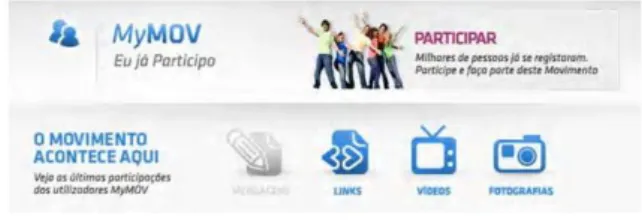
Taking this a step further, some parties and candidates have developed their own activist hub centres online (e.g. Obama’s MyBO.com and the UK Conservative party’s MyConservatives.com) where members and supporters are provided with the opportunity to canvass, fund-raise and raise awareness of the policy agenda.
Again, while this appears to be the preserve of the larger well-resourced actors, these moves towards online activist mobilisation via the Net signal the potential for a deeper structural change in parties’ campaign and wider overall organisation. As Manuel Castells (2009, p. 366) has pointed out in his recent analysis of the Obama 2008 presidential campaign, a crucial and unique ele-ment of his success was the way he transferred the ‘time-tested’ principles of community organising in America into the online environment – creating the first networked campaign. Although on the one hand this new model of organisation further centralised fund-raising efforts, it also devolved consi-derable tactical authority at the local level to a vast ‘army’ of volunteers, who operated outside formal structures. Building on and lending support to such arguments outside the political sphere is the work of Clay Shirky (2008), who in his publicised recent book Here Comes Everybody – subtitled The Power of Organizing without Organizations– talked of the ‘flattening’ effects of the
Net on traditional hierarchies and how it gave ordinary people the opportunity to challenge the monopoly of cultural institutions such as the Catholic Church and traditional media organisations such as the BBC.
In the political domain, the ‘reprogramming’ efforts of Obama, as Castells notes, was of course prefigured by the efforts of another Democrat presiden-tial contender, Howard Dean in 2004, who successfully exploited the ‘Meetup. com’ website to establish a loose national organisational infrastructure. The incorporation and deployment of these ‘social networking technologies’, or SNTs as David Iozzi and Lance Bennett (2005) term them, challenge the for-mal hierarchies of control that have typified campaign management within the US and more party-centred systems like the UK, moving them towards a more ‘decentralised network’ model that gives supporters partial control over cam-paign messages. Camcam-paigns are turned into a ‘space’, as Andrew Chadwick (2007) put it, where loose collections of supporters with disparate interests gather. Taking the argument one step further, he suggests that adoption of these new techniques or digital repertoires may be transforming the nature of political organisations more generally, with parties and interest groups con-verging on the looser social movement-inspired model of collective action (Bennett, 2003; Chadwick, 2007).
Countering these expectations for organisational decentralisation and fragmentation, however, there are of course those who claim a ‘darker’ side to the Internet’s impact, in terms of the power it cedes to elites for censo-ring, surveillance and propaganda (Morozov, 2011). In the campaigns context one needs to consider the arguments of Philip Howard (2006) who conducted an in-depth analysis of US campaign elites’ adaptation to new media techno-logies and identified a set of centralising tendencies as emerging. Essentially the move of campaigns to adopt the Internet, he concluded, was enhancing the powers of ‘hypermedia’ consultants to conduct surveillance, data mining and targeting of voters, a trend not likely to promote higher levels of internal party democracy. The future direction of travel for party organisations – towards a more ‘managed’ data-driven process or a more open ‘self-seeding’ model in which supporters use social media tools to run campaigns at the local level – is not as yet clear. As parties continue to struggle to maintain their membership bases, however, incentives to employ the ‘outsourced’ supporter-led approa-ches are likely to increase. The extent to which this new type of e-enabled campaign activism reshapes the role and profile of members, and traditional
practices in terms of meetings and financing, is clearly one for future research to follow up.
Causes and consequences of online campaigning
Aside from questions about content of web campaigns and the implications for levels of inter-party competition, the study of the topic has widened and sharpened its lens to examine questions about causality both prior and poste-rior to the process: first, understanding the drivers behind the shift to online campaigning – who is engaging in it? And second, what is its impact for voters?
Uptake
The systematic study of uptake of online campaigning at the local level among candidates in a range of national contexts including the US, the UK, Germany, Finland, Ireland and Australia has shown that a variety of factors appear to be driving the phenomenon (Carlson, 2006; Gibson and McAllister, 2006; Gibson, Nixon and Ward, 2003; Herrnson, Stokes-Brown and Hindman, 2007; Klotz, 1997; Rackaway, 2007; Strandberg, 2009; Sudulich and Wall, 2010; Zittel, 2009). Chief among them has been party size, with the major parties generally fighting the most widespread online battle. The rise of Web 2.0 technologies and new external platforms such as Facebook, Twitter and blogs that are ‘free to air’ and dramatically increase possibilities for viral messaging, however, are seen as challenging this. Other variables deemed to be important have been largely contextual and relate to the competitiveness of the race. At the individual level, while some disagreement has emerged as to whether incumbents or challengers are most likely to establish a site, there has been little evidence of a digital divide, particularly on the grounds of gender. Age has been shown to matter but more in terms of cohort than overall age, with Thomas Zittel (2009) finding those born after 1965 being much more likely to adopt a website for campaigning than those born before. Finally, given the growth in the numbers of candidates running a web campaign, analysis of the 2008 Irish online election found support for a ‘domino’ effect with the
likelihood of having an election website being significantly increased if one’s opponents did.
Mobilisation and effects of online campaigning on
vo-ters
Turning finally to voter effects, the evidence to date is rather more limited than that addressing the previous two questions; however, what has been done tells a surprisingly strong and consistent story of effects. Net of a range of other factors such as resources, party support and mainstream media expo-sure, a web campaign site is consistently and significantly linked to higher electoral support levels. One of the earliest studies of this question exami-ned the variance in the success of candidates in the 1996 US Congressional elections and concluded that those who campaigned online enjoyed a signi-ficantly higher vote total, net of party affiliation and incumbency advantage (D’Alessio, 1997). This work was followed by more in-depth survey analy-sis of voter responses to websites in US presidential and state-level elections by Bruce Bimber and Richard Davis (2003). The authors did not find strong evidence of mobilisation effects, however. Subsequent work by Rachel Gib-son and Ian McAllister (2006 and 2011a) on candidate aggregate vote sha-res in Australian elections and by Maria Laura Sudulich and Matthew Wall (2010) on Irish online electioneering using an extensive range of controls sup-ported the D’Alessio conclusions, finding a strong and consistent association between website presence and a higher vote share.2 While systematic study of the impact of the Obama campaign has not as yet been produced, survey evidence from the Dean Meetups has been analysed to show that their on-line outreach efforts did attract political novices and the ‘non-usual suspects’ (Williams, Weinberg and Gordon, 2004). Assessing the evidence Matthew Hindman (2005, p. 126) concludes that at least the volunteer corps that the Dean team recruited ‘would have been significantly smaller’ had they not had access to the Internet, as would the total funds raised.
2
It is noted that Bimber and Davis’s (2003) analysis of the 2000 election cycle using survey data found little evidence that candidates’ e-campaigns were able to convert undecided voters to their cause.
In explaining how the Internet may be mobilising voters, authors are so-mewhat sceptical of any direct effects occurring; that is, the candidate’s web-site alone has moved those viewing it to go out and vote for the candidate. While this is a view based on the logic of self-selection that drives attention to campaign websites, it is underscored by the sheer facts about the size of the audience for such sites. While again the data are not widely available, the statistics on numbers accessing campaign material show that it is very much a minority activity. Even in the 2007 French presidential elections, for example, an event where the two main candidates waged high-profile online campaigns, only around one in five Internet users were reported to have accessed election sites (Vacari, 2008; Vedel and Michalska, 2007). Parliamentary elections el-sewhere in Australia (2007) and the UK (2005) have pulled in much smaller audiences, with studies reporting around 3 per cent of voters to have acces-sed party or candidate sites (Gibson and McAllister, 2011a; Lusoli and Ward, 2005). In addition to this more specific evidence of campaign site audiences, most studies of online participation have proven highly cautious in assuming that it is bringing in a sizeable body of new or previously disengaged indivi-duals (Anduiza et al., 2008; Bimber, 2001; Bimber and Davis, 2003; Davis, 1999; De Zuniga, Puig-l-Abril and Rojas, 2009; Gibson, Lusoli and Ward, 2005; Jensen, Danziger and Venkatesh, 2006; Krueger, 2002; Lupia and Phil-pot, 2005; Mossberger, Tolbert and McNeil, 2007; Moy et al., 2005; Norris, 2001; 2003; Quintelier and Vissers, 2008; Stanley and Weare, 2004).
Failing to find support for direct effects, speculation has turned to the more plausible idea of mediating factors that might account for the apparent impact of these sites, as well as possible methodological limitations of their studies. On the latter front, it is argued that a web campaign may be a proxy for a more intangible candidate or campaign staff quality or outlook that is not captured in the models so far tested. In terms of indirect effects and whether interve-ning variables may be at work here, a particularly intriguing explanation that has emerged from recent work within the UK and also Belgium is the possi-bility of an indirect or a two-step mobilisation effect whereby campaign sites activate the activists who then mobilise others in their offline networks (Norris and Curtice, 2008; Vissers, 2009). Certainly this seemed to be the lesson lear-ned from the Dean campaign as the accounts referenced earlier attest. Here the lesson for parties and candidates would seem to be that web outreach efforts are best conceived of as resources for a committed base of activists/supporters
to go on and spread the word rather than to reach the wider electorate directly. The effect, as Sara Vissers (2009) has neatly summarised it, is campaigners ‘preaching through’, rather than to, the converted.
While for the candidates the verdict at the ballot box undoubtedly remains the most important measure of any web campaign effects, from an acade-mic perspective these studies suggest the need for a broadening of conceptual and empirical models of electoral outcomes and campaign effects. The use of Web 2.0 tools by campaigns and voters now means that the most signifi-cant and widespread changes in voters’ outlooks and activities may be taking place well in advance of election day. The socially embedded and ‘always on’ nature of new campaign technologies such as Facebook and Twitter mean that the ‘reach’ of the campaign message may far exceed that taking place in the officially sponsored ‘old’ media channels and may engage a new body of potential participants in a much more personalised manner.
The receipt or sending of political jokes via e-mail or mobile phone, rea-ding or posting to a blog or advertising support for a candidate or political cause on one’s social networking profile constitute small but potentially mea-ningful new political acts that may energise the previously inactive (Shifman, Coleman andWard, 2007). Such developments may then require an expansion of traditional political science approaches and models for understanding voter behaviour.
References
Anduiza, E., A. Gallego, M. Cantijoch & J. San Martin (2008). "Online Re-sources, Political Participation and Equality", Paper presented at the An-nual Meeting of the American Political Science Association, Boston, 28-31 August.
Bennett, L. (2003). "Communicating Global Activism: Strengths and Vulne-rabilities of Networked Politics", in: Information, Communication and Society, 6(2), pp. 143-168.
Bimber, B. (2001). "Information and Political Engagement in America", in: Political Research Quarterly, 54(1), pp. 53-68.