CIES e-Working Paper N.º 217/2018
Overview on new psychoactive substances in Portugal
Susana HenriquesJoana Paula Silva
Katrina Hsu
CIES e-Working Papers (ISSN 1647-0893)
1
Susana Henriques has a PhD in Sociology by ISCTE – University Institute of Lisbon. She is
a researcher at Centre for Research and Studies in Sociology and professor at department of Education and Distance Learning at Universidade Aberta. She has work about consumptions of psychoactive substances, communication and education / eLearning. She is the coordinator of the Portuguese research team at CIES-IUL of ‘NPS-Transnational’ project.
Email: [email protected]
Joana Paula Silva is a PhD student in Sociology at ISCTE – University Institute of Lisbon
with a thesis entitled “Smart Generation – The New Psychoactive Substances among parties
and cyberspace” focusing on the New Psychoactive Substances phenomenon in Portugal.
Her academic background is in social sciences (BA and AM Diplomas in Psychology and Educational Psychology respectively). She is a researcher in “NPS Transnational”, a transnational study into New Psychoactive Substances promoted by University Van Amsterdam and held in Centre for Research and Studies in Sociology in Portugal.
Email: [email protected]
Katrina Hsu completed her MSc in Global Health at McMaster University in Hamilton,
Canada. After spending a semester abroad at Maastricht University in the Netherlands, she is participating in an internship with a research project on new psychoactive substances in collaboration with the Centre for Research and Studies in Sociology, ISCTE. Her academic background is in life sciences (BSc in Biomedical Physiology from Simon Fraser University in Burnaby, Canada) and her master’s research paper is on how successful policy responses to drug use in Portugal could be adapted and implemented in Canada to address the current fentanyl overdose crisis.
Email: [email protected]
Abstract
This working paper provides an overview of the phenomenon of new psychoactive substances (NPS) in Portugal, including suggested definitions of NPS, a review of drug policy in Portugal, NPS markets, NPS demand and supply, prevention strategies and insights from expert interviews. NPS emerged in Portugal in 2007, and despite the closure of NPS physical selling points in 2013 and decreasing rates of NPS consumption, the market seems to be continuing with new particularities: a rise in unintentional consumers and the increasing association with problematic drug use. The new trends in users and consumption patterns as well as new forms of communication, acquisition, and production of substances have challenged conventional mechanisms of drug control in Portugal.
Keywords
New psychoactive substances, prevention, markets, drug public policies.
Resumo
Este working paper apresenta uma visão global do fenómeno das Novas Substâncias Psicoativas (NSP) em Portugal, incluindo algumas sugestões de definição das NSP, uma revisão das políticas de drogas em Portugal, mercados de NSP, procura e oferta das NSP, estratégias de prevenção e contributos das entrevistas realizadas a especialistas. As NSP emergiram em Portugal em 2007 e, apesar do encerramento dos pontos físicos de venda em 2013 e do decréscimo das taxas de consumo das NSP, o mercado parece permanecer com
2
novas particularidades: um aumento dos consumidores não intencionais e o aumento de associação com consumos problemáticos. As novas tendências nos consumidores e nos padrões de consumo, tal como as novas formas de comunicação, aquisição e produção de substâncias tem desafiado os mecanismos convencionais de controlo da droga em Portugal.
Palavras-chave
Novas substâncias psicoativas, prevenção, mercados, políticas públicas sobre drogas.
Introduction
This e-Working Paper presents a summary of the country report on New Psychoactive Substances in Portugal and information gained from interviews with eight experts in prevention in Portugal compiled for the European research project NPS-transnational (New Psychoactive Substances: transnational project on different user groups, user characteristics, extent and patterns of use, market dynamics and best practices in prevention, co-funded by the European Union – Refª HOME/2014/JDRU/AG/DRUG/7077). Research groups are located in six European Union (EU) Member States: Germany, Hungary, Ireland, the Netherlands, Poland and Portugal. The project seeks to address the priority area of New Psychoactive Substances (NPS) to support the implementation of EU legislation on NPS by monitoring the extent and patterns of use of such substances and sharing best practices on prevention. The project is directly linked to the European Drugs Strategy 2013-2020 which specifically mentions the rapid rise of new drugs among young people and the difficulties policy makers have in responding to new drug trends.
Despite increasing efforts of the government during the 1990s and 2000s, drug use in Portugal has continued to pose a significant threat to public health, especially from emerging areas such as NPS. NPS appeared in Portugal in 2007, and are defined as new drugs that comprise a broad range of substances not controlled by international drug laws, including a growing number of substances from different chemical families that mimic the effect of other older and more traditional drugs. The consumption of NPS has grown fast in the last decade in comparison to the rates of internationally controlled drugs, and the new trends in users and consumption patterns as well as new forms of communication, acquisition, and production of substances have challenged conventional mechanisms of drug control. The meaning of “new” is related to the fact that these substances are a novelty and thus newly used on the drug market. This includes new advertisement and sales opportunity on the open market, both on the internet (sometimes also delivered via courier or postal services) and in smartshops or growshops. Due to increased media attention and data from recent studies, the NPS issue rose
3
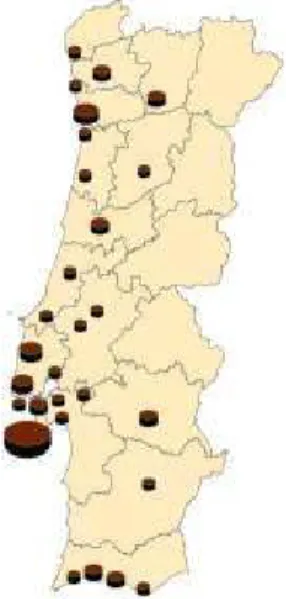
to the top of the political agenda in Portugal between 2007 and 2013. During this time, there were about sixty smartshops in the Portuguese territory, including the autonomous regions of Madeira and Azores.
Portugal seems to be a unique country regarding the NPS phenomenon. To better understand the appearance of NPS in Portugal, we have organized the following information: definitions of NPS; the chronological overview of drug policy in Portugal depicted in three different time periods (before decriminalization, during decriminalization and after the NPS appearance), NPS markets, NPS demand and supply, and NPS prevention strategies.
The Portuguese focal point is located in the General-Directorate for Intervention on Addictive Behaviours and Dependencies (SICAD 1). Closely linked to the Ministry of Health, SICAD’s mission is to promote the reduction in the use of psychoactive substances, and the prevention and reduction of addictive behaviours. SICAD is also directly responsible for the implementation of the National Plan for the Reduction of Addictive Behaviours and Addictions 2013-2020 2. This document plans, implements and coordinates drug demand reduction interventions and collects, analyses, and disseminates information on drug use and its responses.
Some universities and non-governmental institutions have been promoting studies focusing on NPS, but there is still little information available. The present e-Working Paper aims to outline the NPS landscape in Portugal based on the most important scientific and legal national resources about this phenomenon.
New Psychoactive Substances
NPS appear as new chemicals, compounds, or natural products, seldom intended for human consumption. The emergence and consumption of NPS has been a growing trend both at European and global level. According to the European definition, NPS are “psychotropic drugs not provided under the 1961 and 1971 United Nations Conventions, but that can be a threat to public health when compared to the now regulated substances” (UNODC, 2016: sp).
1
Serviço de Intervenção nos Comportamentos Aditivos e nas Dependências - http://www.sicad.pt/pt/Paginas/default.aspx
2
Plano Nacional Para a Redução dos Comportamentos Aditivos e das Dependências (PNRCAD) 2013-2020 - http://www.sicad.pt/PT/Institucional/Coordenacao/Paginas/default.aspx
4
The term “new” does not necessarily refer to new drug creations, but to substances that have been recently become available in some sell points such as internet, growshops, smartshops or among some drug dealers. In addition, NPS can be understood in multiple ways in accordance with the realities and consumption culture of each context they are found in.
NPS are also referred to as “smart drugs” (Silva, 2012), “recreational drugs” (Calado, 2006; Henriques, 2003) or “legal highs”, and the terms used reflect the way they are perceived in Portuguese society. Since the appearance of NPS in Portugal in 2007, new market niches have evolved for the sale of NPS such as smartshops, headshops, and virtual stores. NPS are sometimes perceived as less harmful or innocuous than the traditional substances (SICAD, 2014a; 2013; Silva, 2012), and were able to circumvent the laws, change perceptions, creating, and recreating novel compounds, markets and trends. In some cases, NPS have been intentionally wrong labelled with listed ingredients that do not reflect the real compounds (UNODC, 2013).
Until the definition set by the European Monitoring Centre for Drugs and Drug Addiction (EMCDDA) and the United Nations Office on Drugs and Crime (UNODC), the main definition of NPS was simply “legal drugs”. SICAD adopted the EMCDDA definition in 2012, which was published in several media, on their webpage and in the news. These concerns with the designation are related to the current terms "legal drugs", "legal highs", or "smart drugs". The NPS designation deliberately emphasizes the "new" instead of the "legal". Following the same logic, smartshops have been designated as sales points for NPS (Calado, 2013).
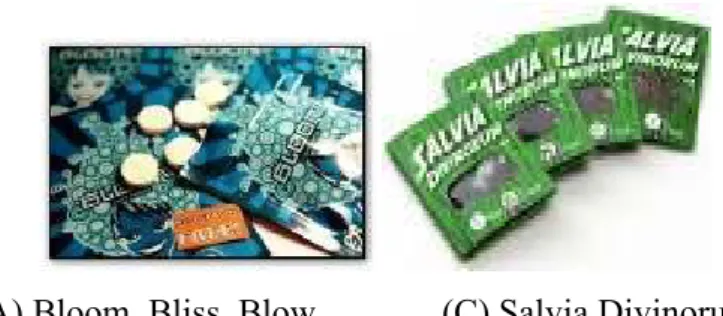
Figure 1 – Example of NPS sold in Portugal in smartshops and online (from 2007 until 2013)
(A) Bloom, Bliss, Blow (C) Salvia Divinorum
5
(E) Happy Caps (F) LSA seeds
Source: http://hallucinogens.com/; https://denunciation.wordpress.com/; http://azarius.pt/
Drug policies in Portugal
In Portugal, the legal and institutional status of drugs went through several changes starting from the 1970s. The 1970s marked the beginning of public awareness of drug problems, and since then, many steps have been taken towards the institutionalization of drugs. There are several suggestions of how to describe and explain drug policies in Portugal (Dias, 2007; Valentim, 1997), but in this work, we will organize the process of drugs institutionalization according to three main periods:
• Between 1970 and 1999, Portugal expressed an essentially repressive framework, reducing drug dependence to a crime for drug users. Since 1974, there has been a change towards a clinical-crime approach, using the psychosocial model. During this period, the first governmental structures were created to determine best practices in drug policies. Between 1983 and 1999, Portugal assumed a new and innovative approach based on the biopsychosocial model combining biological, psychological, and social aspects of drug use among individuals.
• During the 2000s, the institutionalization process of drugs acquired a national and international dynamic. Portugal gained new political and social legitimacy in terms of drugs and drug addiction by postulating a gradual, more preventative and human intervention. The Portuguese model gained prestige and culminates in one of the most famous drug policies in the world: the decriminalization of drug use. Since 2001, with the implementation of the decriminalization law, Portugal became a reference country for drug policies globally.
• Since 2007 until now, refers to the appearance of NPS in Portugal in smartshops, online companies, party events and as a lifestyle. This milestone lead to reconsideration of current laws and their effectiveness, and sparked the
6
implementation of new legislation such as the Decree-Law nº. 54/2013 of 17th April that led to the closure of smartshops all over Portugal.
From 1970 up to 1999
Although drug use existed in Portugal earlier than 1970, the drug problem as a social phenomenon was recognized during this decade. Prior to 1970, drug use in Portugal was isolated to a small and discreet group of people, mostly of use of LSD among artist communities and bohemian people. Based in a strongly conservative and Catholic regime, the drug phenomenon had little social and cultural impact among Portuguese people and consumption rates of the country were low. Changes began at the end of the African colonial war and the return of many from the colonies, as well as the fall of the dictatorship of Salazar in 1974. Almost a half century of isolation was ended, and Portuguese people were unprepared for the new reality. Visible consumption of substances promoted the social spread through naïve imitation and experimentation. There was insufficient knowledge regarding drugs and about the negative effects that addiction has on both individuals and public health.
From 1975 onwards, the clinical and psychosocial model (1975-1982) guided the drug field through criminalization and the creation of new structures to address drug related issues. Through the implementation of Decree-Law nº. 745/75, 31th December, Portugal had the first legal diploma ever to frame the drug problem into the clinical, psychosocial, and repressive domain. This led to the creation of the Youth Study Centre and the Judicial Research Centre for Drugs.
In 1976, the “functional tripartite system” was implemented which provided an alternative explanation of the drug phenomenon based on biomedical, psychological, and sociological frames. This gave legal and organizational support to governmental structures, and the Coordinator Office for Drug Control and the Research Centre and Drugs Control and the Studies Centre for Drug Prophylaxis were created. Portugal was moving towards gradual replacement of the criminal model for the clinical treatment approach, adopting a new perspective deemed more human and comprehensive.
In the 1980s and 1990s, the consumption of cannabis and heroin were dominant and HIV/AIDS emerged as a serious health problem. The Planning and Coordination Office for Drugs, dependent on the Ministry of Justice, was created with the mission of planning and coordinating the Studies Centre for Drug Prophylaxis, as consolidated the Coordinator Office
7
for Drug Control and the Research Centre and Drugs Control into the Narcotics Research Centre Section of Judicial Police.
In the 1990s, drug consumption was mainly of heroin. It became a social concern, a public health problem and a serious issue when compared with other European countries. The problematic and self-destructive drug consumption put Portugal ahead in statistics. Changes aimed to highlight the role of primary and secondary prevention and the importance of drug addicts’ rehabilitation. The biopsychosocial model was the background to integrate the context and the environmental dimensions in drug problems.
In 1983, the Ministry of Health integrated the drug use and abuse strategy with the Ministry of Justice and allow a better understanding of the drug phenomenon. In 1987, Projecto VID 3 was created to fight illicit trafficking and misuse of narcotic drugs and psychotropic substances. In June of the same year, the Taipas Centre was opened, the first therapeutic unit founded as a Hospital Special Unit in Lisbon.
The need for better and stronger responses also promoted the creation of the Prevention and Treatment Service for Drug Addiction (PTSDA) in 1990, which, under tutelage of the Ministry of Health, consolidated all previous departments and unified structures for prevention, treatment, rehabilitation, and social inclusion. This unique institution created in 1997 represents a public services network for drug prevention, treatment and rehabilitation of drug addicts.
The appearance of new synthetic drugs in the 1990s such as ecstasy continued posing new challenges. In 1999, the government announced the approval of national strategy to address drugs and the creation of the Portuguese Drugs and Drug Addiction Institute (IPDT). This institution, based on eight main principles (international cooperation, prevention, humanism, pragmatism, safety, resources coordination and rationalization, subsidiarity and global participation), aimed to create an effective international strategy, ensure preventive policies, reduce drug use among youth, guarantee access to treatment and social reintegration, protect public health promoting safety, and enhance suppression of illicit drug trafficking and money laundering.
From 2000 to 2007
3
8
The most emblematic action was the decriminalization of consumption of all psychoactive substances with Law nº. 30/2000 of 29th November. It defined the applicable legal status for narcotic use of drugs and psychotropic substances, and provided health and social protection for people who consume substances with or without prescription. This decision completely changed the drug phenomenon in Portugal, setting off innovative approaches especially in treatment areas.
Decree nº. 130/2001 of 23th April also allowed the consumption, purchase, and possession of drugs, creating a new relation between consumption and crime. The new position demanded a reorganization of almost all existing systems, as well as a new framework for defining who is considered a “consumer”. Commissions for Drug Deterrence were created to replace criminal procedures in justice courts of law. These Commissions, under supervision of the Ministry of Health, are composed of health and justice technicians and their mission is to inform and to dissuade individuals from drug use. In addition, they have the autonomy to apply administrative sanctions or refer people to treatment with their consent. Alongside the commissions, new responses were created in harm reduction areas, such as street task teams, support offices, opiate substitution programs for low-threshold (methadone), reception and care centres, and contact and information points that are now part of the national harm reduction network.
In 2002, two coexisting structures – the IPDT and Portuguese Service for Drug Addiction Treatment (SPTT), responsible for prevention, treatment and rehabilitation – were placed under the Ministry of Health’s responsibility and became a single institution called the Drugs and Drug Addiction Institute (IDT) with greater autonomy. Aiming to maintain cross-national system coordination, this merger had the main advantage of keeping all intervention areas together, thereby ensuring unity of plan, design, management, supervision and evaluation of prevention stages, research, treatment and reintegration. At the same time, this new institute improved and strengthened the relations between the Portuguese government and the international institution responsible for this subject, the EMCDDA. To reach all these goals, the IDT had central, regional, and local specialized units where the internal organizations of these services were defined from their own procedure rules.
From 2007 up to now – NPS drug policies in Portugal
NPS appeared in Portugal in early 2007 with the opening of the first sales point in Aveiro, a city in the centre of Portugal. Enabled by the rapid proliferation of smartshops, online shops
9
or sponsored events, these substances presented themselves under various forms in the market with greater expression starting in 2011 until April 2013. Often, labelling of the substance was inappropriate or false, opening space for circumvent laws. Creativity, innovation and timing allowed NPS to spread rapidly. From artist sponsorship to the organization of thematic parties in clubs and other party scenes and strong promotional activities about these new substances, public attention gradually increased. The issue was increasingly treated as a public health matter that required special attention, especially regarding use among young people.
The autonomous region of Madeira was the first region to take specific action to address NPS. Regional news reported that NPS were responsible for 4 deaths and around 190 hospitalizations up until October 2012. The regional legislative Decree nº. 28/2012M of 25th October prohibited the sale and distribution of such substances, hindering their trade and mitigating the number of psychiatric emergencies cases related to NPS in the region. According to the words of a representative from the regional Drug Prevention Service in Madeira, in December 2012, this decree had positive effects in Madeira, immediately closing almost all smartshops and reducing the number of cases related to the so-called "legal highs".
In January 2012, the Piaget Association for Development (APDES4), which works to develop and protect vulnerable public and communities, published a recommendation to the government to define the problem and suggest new actions and interventions in this area (APDES, 2012). On 4th September 2012, JSD Madeira (Democratic Socialist young politician group in Madeira region) also published an open letter to the President of the Portuguese Republic, describing the problem and requesting an amendment through the "legal highs" legislation. In December 2012, PSD (Social Democratic Party) introduced the resolution-project 520/XII, regarding NPS monitoring and this was debated in Parliament on 3rd January 2013.
In addition to the regional legislative Decree nº. 28/2012M of 25th October which outlawed NPS in Madeira, the Decree-Law nº. 13/2012 of 26th March was approved, the nineteenth amendment made to the Decree-Law nº. 15/93 of 22th January. The legislation included the new substances mephedrone and tapentadol in the illegal substances table. After this law, outlets and some smartshops offered a "liquidation" of their products, some substances available at a 50% discount. In the same year, the Ministry of Health started working with
4
10
Parliament to create a new legislation to regulate the activities of NPS sale points and control the import and sale of NPS in Portugal. It was also at this time that the Health General Directorate (DGS5) released a report identifying 34 severe cases associated NPS consumption and highlighting the prevalence of use among minor aged individuals (DGS, 2012).
Though some measures could appear to counteract the 2001 decriminalization model, Decree-Law nº. 54/2013 of 17th April and Ordinance 154/2013 of the same date were introduced, outlawing 159 new drugs and limiting the proliferation of smartshops. NPS were defined as substances that even if unspecified and uncontrolled by legislation, may constitute a threat to public health. The legislation identifies NPS as substances already listed in Decree nº. 154/2013, prohibiting the sale, production, import or export, advertising, distribution, possession or availability of NPS in Portugal. The ban also included street sale of these substances, such as by catalogue or in internet sources, except if recognized by the Governmental Authority of Medicines and Health Products (INFARMED6, IP).
The Food Safety and Economic Authority (ASAE7) was the institution responsible for monitoring the provisions of the Decree-Law by watching the commercial chains of these products and assisting authorities in research and surveys. The responsibility for analyses and expertise was assigned to the Forensic Science Laboratory of Judicial Police, the National Institute of Legal Medicine and Forensic Sciences and INFARMED. After analysis, if a substance is considered a threat to public health, it is reported to all health agencies and to SICAD, which subsequently confirms the risk assessment and determines its applicable fine.
Thus, the Decree-Law nº. 54/2013 of 17th April ended the NPS trade circle at the national level. A few months later in November 2013, SICAD’s director and EMCDDA chairman stated in an interview to a national newspaper that a very positive balance has been achieved after six months of this new public policy introduction.
NPS Markets in Portugal
5
Direção Gral de Saúde
6
Autoridade Nacional do Medicamento e Produtos de Saúde / National Authority of Medicines and Health Products
7
11
Figure 2 – Smartshops over Portugal between 2007 and 2013 Source: Calado (2013, p. 50)
While the use of NPS appears to have been limited by Decree-Law nº. 54/2013 of 17th April, the emergence of these drugs did not stop. Even after the closure of smartshops in Portugal, according reports from EU Early Warning System, both the variety and the quantity of NPS in Europe’s market are still increasing. In 2014, around 101 new psychoactive drugs were identified, including synthetic cannabinoids, stimulants, hallucinogens, and opioids (EMCDDA, 2015). In a global context, Europe is an important market for drugs, supported by both domestic production and drug trafficking from other regions. Some synthetic drugs are being manufactured to export to other parts of the world. The nature of illicit drug markets has also been changing as a result of globalization, technology and new communication forms. So, some additional challenges are being presented by innovation in drug production, trafficking methods, and the establishment of new trafficking routes.
Information and communication technologies are having an increasingly important role in drug markets, as most substances are available and can be bought on the internet. “Retailers” are exploiting the internet as a vehicle for the marketing and sale of NPS. In 2013, the number of online shops was around 693, twice as many than in previous year (EMCDDA, 2014; 2013). These online shops provide a high level of anonymity, as they exist in the deep web and in the so-called “darknets” which are anonymous computer networks. Consumers may feel safer purchasing substances online because there is less exposure and they can avoid direct contact with drug dealers. According to a study about internet among Portuguese people, 70% access internet daily and 40% access it from mobile appliances (Cardoso et al.,
12
2014). The sample of this study (n=1542) also shows that the younger the individual, the higher the access to internet (90% among 15-24 years old), significant if we consider that NPS are observed to be a more virtual phenomenon, and often more explored by the under-aged.
In Portugal, there is not enough data available to monitor the new NPS market. The lack of data could be explained by the unclear definition of NPS (SICAD, 2014b), or by the fact that these new drugs are believed to be largely used clandestinely by producers as replacements for established controlled drugs which may be in short supply. In some cases, new drugs may also be found in combination with controlled drugs, possibly in an attempt to grow the quantity of product and reduce the required amount of the controlled drug (EMCDDA-EUROPOL, 2013). This phenomena, in addition to the role of the internet in this field, make it difficult for law enforcement to identify the sellers and their customers. In national data on NPS, there are some references to the appearance of new drugs, such as ephedrine, methylphenidate, and some methamphetamines in the Portuguese context (SICAD, 2014b). A study from 2013, done before the enforcement of the decree-law, shows that most of recent consumers (less than 12 months) used to buy NPS in smartshops (58%) or get it from friends (14%) (SICAD, 2013). At the European level, data from Flash Eurobarometer (2014) with a sample of young European people aged between 15 and 24 years, shows that Portugal presents easier access to NPS compared to the general European average (42% and 25%, respectively).
National studies from 2013 and 2014 show respondents with different opinions regarding prices of NPS in comparison to traditional drugs. In 2013, NPS were considered to have similar prices (33%), lower prices (18%) or more expensive (25%), but in 2014 these values hovered around 17% and 8% for lower and higher prices, respectively (SICAD, 2013; 2014a). Hence, available data cannot be considered representative to suggest trends or describe the Portuguese drug market deeply.
NPS demand and supply in Portugal
As stated before, NPS analysis is not easy and has many limitations. The analysis presented in this section is based on a range of data sources collected from academic studies and reports in Portugal, as well as trends at the European level. The NPS phenomenon emerged in Portugal from the introduction of several new substances which had been expanding in
13
Europe, but the variety of these substances has hindered their recognition (Calado, 2013; SICAD, 2013; 2014a).
At a European level, it is estimated that about 5% of young Europeans aged between 15 and 24 years had already consumed, at least, one of these new drugs (Flash Eurobarometer, 2011). In Portugal, some studies reveal a greater NPS consumption trend among minor aged (DGS, 2012; Silva, 2012; Balsa et al., 2013). Evening night outs, festivals and home meetings seem to be the main consumption contexts (SICAD, 2013; 2014a). According to the 2012 Health Report, between 2010 and 2012, out of the 34 severe emergency cases associated to NPS consumption, 80% were under 30 years old (DGS, 2012). The most reported age was 17 (17.6%), followed by 14 to 15 years (14.7%), which quickly raised strong attention to the supervision quality in shops or entities responsible for supply.
Legally, the smartshops and web pages were only open for people aged over 18. However, the III National Survey on drug use of psychoactive substances in general (Balsa et al., 2013) has also shown that the group aged between 15 and 24 has the highest prevalence of NPS use (1%), when compared to older groups: 25-34 (0.8%), 35-44 (0.3%), 45-54 (0.2%), 55-64 (0.1%) and 65-74 (0%). Regarding NPS consumption, the study has also concluded 0.4% of respondents have experienced NPS throughout their life, NPS consumption is a more common behaviour among younger age groups, and the most common way to obtain NPS is through smartshops (44%) followed by internet (12.5%) (Balsa et al., 2013). National values from 2011, from the results of a master’s thesis, have suggested that from a sample of 64 young people aged 18-25 years old gathered near smartshops, about 58% of them have consumed, at least one NPS in their lifetime (Silva, 2012). In 2012, data from wider studies suggest a NPS consumption prevalence of around 5.4% in a total of 3049 young university people (AAVV, 2012) and 0.9% among young Portuguese people aged between 15 and 34 (Balsa et al., 2013).
Even after approval of Decree Law nº. 54/2013 of 17th April, research shows NPS use has decreased but continued, especially for recreational purposes among young people (500 university students): from 29% in 2013 to 18% in 2014 (SICAD, 2013, 2014a). The study also suggests changes in risk perception: in 2013, perceived risk from occasional use was reported by 24% and regular consumption around 80%, and in 2014 these values were around 35% and 70% respectively.
14
As for perceptions of health risks, according to the Flash Eurobarometer results from people aged 15 to 24, Portuguese youth associate a higher risk with occasional consumption of NPS (once or twice) compared to cannabis or ecstasy (55%). The majority of Portuguese youth consider regular consumption of NPS as a high risk for health (92%). Both health risk perception values are close to the respective European averages of 57% for occasional use and 87% for regular use. Another study, suggests that NPS consumption occurs early (18 and 19 years old) among peers or in recreational settings despite that the majority of consumers reveal some acknowledgment about NPS harms (Torres, 2015).
The most consumed NPS in Portugal are bloom, herbal mixtures and salvia as referred by students in the study by SICAD (2013; 2014a). The youth sample (500 respondents each year) revealed that the majority know friends who use NPS: 76% in 2013 and 54% in 2014. Many also confirmed they know someone who had health problems related to this kind of drug: 19% in 2013 and 20% in 2014. Regarding the perceived quality of NPS, in 2013 most respondents considered the quality of NPS lower than conventional drugs (54%) and in 2014 the values reduced further (25%).
NPS prevention strategies
The European Drugs Strategy 2013-2020 provides a framework for coordinated responses to drug problems in Europe. At the country level, this is mirrored in national drug strategies, budgetary frameworks and plans of actions. The prevention of NPS use and drug-related problems among young people is a key policy aim and one of the pillars of this plan. However, the Portuguese government imposed fiscal consolidation measures often referred to austerity measures following the 2008 economic recession, and as a result, this led to reductions in public budgets for many governmental activities, including the bulk of drug-related initiatives.
In Portugal, NPS are not associated with a significant demand for specialised treatment. However, there is increasing attention to the development of targeted education and prevention activities, as well as training for drug and education professionals according to
15
guidelines from the National Plan for the Reduction of Addictive Behaviours and Addictions 2013-2020 8.
Services working in nightlife and recreational settings have tended to integrate their responses to NPS with established approaches. In some cases, these interventions have been linked with drug testing and pill-checking services, harm reduction in recreational settings.
The prevention responses of SICAD are partly covered under the Operational Programme for Integrated Responses (PORI) as well as other programs and projects developed together and in coordination with governmental and non-governmental, national and international partners. At the national level, PORI is a structural measure with an integrated action in the additives and dependencies behaviour area, which seeks to enhance available synergies in the country, either through the development and implementation of methodologies for conducting diagnoses to justify intervention or through implementation of Integrated Responses Program (PRI). PRI is a specific intervention program that integrates interdisciplinary and multi-sector responses with some types of intervention (prevention, deterrence, risk reduction and harm reduction, treatment and rehabilitation) following the results of territory diagnosis as priorities.
In 2006, in order to address drug phenomenon, APDES (Piaget Agency for Development 9, a nongovernmental organization) created Check!n 10. This service is streamlined by an outreach team oriented to promote informal education about drugs and drug use, sexuality and other contextual risks. The initiative embraces the pleasure and risk management approach, as well as drugs testing in party settings, such as festivals, pubs or clubs. The team creates an information stand with non-moralistic information about drugs and sexuality and provides services such as breathalysers, snorting kits, condoms and drug checking using the thin Layer Chromatography technique. The Check!n project also works with research to identify new trends, action-research in peer education and networking as approach to health promotion.
Another intervention initiative is Kosmicare. Since 2002, a trance festival called the Boom Festival has hosted psychedelic emergency services supported by MAPS (Multidisciplinary Association for Psychedelic Studies). In 2008, the project became broader, both in
8
Plano Nacional Para a Redução dos Comportamentos Aditivos e das Dependências (PNRCAD) 2013-2020 http://www.sicad.pt/PT/Institucional/Coordenacao/Paginas/default.aspx
9
Agência Piaget para o Desenvolvimento
10
Check!n Project
16
infrastructure and partnerships. In 2010, SICAD started providing technical support, and in the same year, the Boom Festival signed a unique protocol involving the IDT and the Portuguese Catholic University. The protocol’s goals were to improve intervention at the festival by maximizing resources and more effectively communicating with offsite health services. Kosmicare now consists in a multidisciplinary team of forty people including psychiatrists, therapists, psychologists, homeopaths, therapists, and volunteers working at the festival site.
There are also a few organizations offering services based in non-formal education strategies such as the António de Bacelar Carrelhas Association (ABC Association) which offers awareness sessions among students, health and educational professionals. The internet is also increasingly important as a platform for information and counselling. Examples include drug user-led initiatives, such as forums and blogs, which provide consumer protection information and advice. Beyond NPS information spread by SICAD (www.sicad.pt), there is also a blog dedicated to the NPS phenomenon called Salviainos MUNDO SMART 11 which offers some information and sources on it. Other approaches focus on supply of NPS: Calado (2013) in his work about consumption and commercialization of salvia divinorum in Portugal, lists some websites as sources to seek for information about NPS and its commerce, such as Azarius or the Silk Road in the deep web. The emergence of NPS has manifested itself in different ways in different countries, and national responses reflect these differences. In Portugal, there has been few prevention responses specifically targeting NPS, indicating a need for further investment and development in the area.
Expert interviews
Eight experts of prevention in Portugal were interviewed, four women and four men. They were selected taking into account their work and location in order to collect a diverse overview of opinions, practices, and work experience with NPS. We present the information collected by interviews with the following:
11
Salviainos MUNDO SMART Project www.salviainos.blogspot.com
17
• Female, 39 years old, PhD in psychology, is a higher education institution professor in Porto in coordination of the Kosmicare project for intervention in psychedelic crises – further identified as E1.
• Male, 29 years old, Master in Chemistry, is a researcher in the NPS field for the last year at the Sciences University of Porto, and is responsible for the drug-checking initiative implemented by the Piaget Association for the Development (APDES) and for “The Global Drug Survey” in Portugal – further identified as E2.
• Male, 45 years old, with basic education, is a peer educator for the Group of Activists for Treatment (GAT) working as a mediator and screenings technician in the drug field; he was addicted to drugs for over thirteen years of his life – further identified as E3.
• Female 32 years old, graduated in psychology, is a PhD student and project coordinator at APDES for the BAO NPS Project, Local Pass, NPS in Europe, ALLCooL, Safe!n and Check!n Pro-jects – further identified as E4.
• Male, 53 years old, Master in Psychology, works as a clinical psychologist and is a superior technician in prevention at the governmental institute for drugs and addictions in Portugal in SICAD since 1987 – further identified as E5.
• Female, 39 years old, graduated in Communication, is working as a drug technician and coordinator of the prevention service at the Leiria Integrated Responses Centre since 2001 focusing on prevention and harm reduction among school groups – further identified as E6.
• Male, 45 years old, is a psychologist, politician, and the Director of the Regional Prevention Service of Drug Addictions in the autonomous region of Madeira – further identified as E7.
• Female, 51 years old, is a clinical psychologist and project coordinator of the Regional Association for Rehabilitation and Social Reintegration in the Azores (ARRISCA12) – further identified as E8.
Description of the work field
We will start by presenting the institutions and their action axes.
12
18
The Regional Association for Rehabilitation and Social Reintegration in the Azores (APDES) is a non-profit NGDO (non-governmental development organization) founded in 2004 that promotes integrated development. Its main goal is intervention among vulnerable communities and people in order to improve their access to healthcare services, employment, and education. APDES works in four lines of intervention: health; harm reduction and human rights; health education; social cohesion and employment; and cooperation and development. All tasks carried out by them follow successfully delineated work principles such as research, participative methodologies, outreach intervention, advocacy, assessment, and interdisciplinary approach, with special emphasis in the drug field with their initiative Check!n, the only drug-testing project available in Portugal.
The Directorate for Intervention on Addictive Behaviours and Dependencies (SICAD) is the governmental institute for drugs and addictions that has the mission of the promoting the reduction of use of psychoactive substances, the prevention of addictive behaviours, and the decreasing of dependencies in Portugal. SICAD is the central body of the Ministry of Health and is integrated in the direct administration of the state. Through the creation of the national strategy for reducing the use of substances, prevention of addictive behaviours, and reduction of dependencies and their evaluation, SICAD supports the government body responsible for the health area. SICAD’s organizational values are humanism and pragmatism, the centrality in the citizen, integration of intervention and responses, territorially and the quality, and innovation. The interventions run by SICAD are divided into five main actions: prevention; harm reduction; treatment, rehabilitation; dissuasion and prevention materials and campaigns.
The Kosmicare project is an initiative related to harm reduction and intervention in psychedelic crises during some festivals in Portugal. The Boom Festival, held in Portugal since 1997, is the main event the project takes place, although in 2015 it was replaced by the Be-in Gathering, another festival produced by the same company (E1). There have been two phases of harm reduction and risk minimization at the Boom Festival. The first ran from 2002 to 2008, and focused on drug use at the festival. The second phase, which began in 2010, focuses not only on intervention at the festival, but also with scientific research, experimentation, and validation of harm reduction methods. In 2010, the Boom Festival aimed to improve intervention by maximizing resources and effecting liaisons with offsite health services. Kosmicare responds with a team of about forty people (psychiatrists, therapists, psychologists, homeopaths, therapists, and volunteers) working at the festival site in a central area with tipis, yurts, and a seating area (E1). It has a drug testing service nearby
19
one of the music areas where festival attendees can learn about the substances they are using or are considering using which results from a partnership with the APDES organization. The project also collaborates with the festival’s in-house medical services (doctors, medics, and nurses), with offsite health services (hospitals or health centres) and security stewards.
The Group of Activists for Treatment (GAT), founded in 2001, is a non-profit organization with an individual membership structure and founded on the cooperation between people from different communities and organizations affected by HIV and AIDS. It provides services such as social support, a community advisory board, conferences, a centre against discrimination, an information and documentation centre, a needle exchange and distribution of drug use material and a place to do free HIV tests. IN-Mouraria, one of GAT’s projects, is a centre with considerable field work among drug users and drugs’ street selling.
The Regional Prevention Service of Drug Addiction in Madeira, the current Intervention Operating Unit in Behaviour Additions and Dependencies (UCAD 13), is the public service of the Management Institute of Health and Social Affairs on the island of Madeira and is responsible for the streamlining of activities to prevent and reduce the consumption of licit and illicit drugs there. In terms of intervention, UCAD activities are focused on the following areas: intervention through social media, educational contexts, families, employment contexts, recreational settings, sports, and community settings. Our interview respondent referred to prevention as one of the priorities of service, as well as the care of users, and effective referral of users to other structures (E7).
The Regional Association for Rehabilitation and Social Reintegration in the Azores (ARRISCA), is a non-profit organization with the mission of the promotion of reduction of drug use; the prevention of addictions and use reduction; the promotion of mental health and prevention of risk behaviour in the wider community; the rehabilitation and personal, family and cultural integration problems of social exclusion in children or adolescents, youth and adults; as well as the improvement in scientific, cultural, technical, organizational, ethical and human practice in psychosocial rehabilitation and socio-cultural integration (E8). The institution follows the humanistic model of centrality in the person, territoriality, integrated intervention, proximity, and cooperation. ARRISCA is recognized by the Portuguese government as the regional public service responsible for drug related issues in the Azores and the institution acts in all municipalities of the region, with around fifty-three technicians
13
20
spread over partner organizations. In terms of interventions, the organization started to work in an outpatient setting system of treatment, extending later to appointments, psychotherapeutic groups, day care centres, transition apartments, productive spaces and workshops/ateliers for drug users.
Regarding prevention, the ‘Expressa-Te’ project was created by a team of social workers and monitored by a professor from the University of Coimbra. The activity has two different actions: school settings and some neighbourhoods; as well as in recreational settings. Both actions are based on proximity and on an informal approach with people.
In regard to the time dedicated to the NPS subject, our respondents spend around 21% of their time working with NPS related issues. This average increase for one of the interviewed, E2, who reported 50% dedicated to NPS and 50% to conventional drugs. Before the Decree-Law nº. 54/2013 of 17th April, this average was generally higher for the interviewed.
Work related with NPS
Even if the description of the institutions and their activities had not been presented, defined, and detailed by the respondents in the interviews, it is possible to understand how these institutions and their work could be related to NPS according to the main principles of each organization. However, work related to NPS is scarce at the present time, based on the lack of information, knowledge, and absence of a proper NPS definition.
According to all respondents, the emergence of smart shops in Portugal was significant for all organizations between 2007 and 2013; after the smartshops closed, each region and target-group of each organization became different.
The work that has being developed by APDES, with the drug-testing initiative and some information and harm reduction materials such as flyers, conferences and research into NPS, is distinct from other institutions where the focus on NPS is lighter, with the exception of the autonomous regions of Madeira and Azores. The reason for that seems to be related to the fact that the NPS phenomenon in Madeira and Azores has a different culture of consumption and insular issues that impact the availability and prices of substances. According to our interviewed, in Madeira the substances can be five times more expensive than in the continent: “If in continental Portugal we can get cocaine for fifty euros, here we get it for
21
eighty or one hundred euros.... It’s not so easy and that’s why the NPS phenomenon is different here” (E7).
The location of each region seems to determine trends in NPS consumption. For example, the proximity to other cultures may influence the types of substances consumed, such as with the relation between Azores, Canada and United States. Azores has a huge and old history of emigration, and according to the interviewed statements, the drug problem seems to be related and affected by migratory flows that seems to bring new trends from other countries and cultures, such as the use of synthetic cannabinoids and cathinones, which seem to be more popular among Canada and the United States (E8).
The Kosmicare project never included or identified any specific work related to NPS. However, the adulteration of substances seems to be the major problem related with NPS, and has allowed their continued expansion in the market. This concern was present in almost all our interviewed. The distinction between intentional and non-intentional consumption of NPS seems to be an important consideration for the respondents who said that their work related with NPS is almost null, taking into account the consumers of these substances who didn’t intend to use NPS, but use conventional drugs, such as cocaine, heroin, LSD or MDMA (E6 and E3).
NPS definitions within organizations and respondents
As described previously, there is no consensus on a definition for NPS among the experts inter-viewed. However, we can note that most of them tend to follow regulatory definitions rather than scientific ones, not only because of the lack of scientific data about NPS, but also because of the current guidelines provided by SICAD and other recognized international definitions from the European Monitoring Centre for Drugs and Drug Addiction (EMCDDA) or the United Nations Office on Drugs and Crime (UNODC).
One of our interviewed experts, E5, defined NPS as “synthetic substances that are produced to mimic, be similar to, or potentiate the effects of the conventional drugs”, while E6 described NPS as “substances, synthetic or not, that are not identified and regulated yet and are emerging in a more or less formal way which can be easier in terms of access regarding the adding of its online availability”.
22
For the interviewed E4 and E2, both representing APDES and both involved in the development of research in this field, are also guided by a regulatory definition of NPS. For E4, NPS “have several definitions…. There are definitions which only consider NPS as substances that have emerged recently…There are others which consider NPS as research chemicals, i.e. substances that were synthesized during the 60s and 70s…. My favorite one, and from my point of view, the definition that make more sense for me, are NPS are substances that appeared recently into the market and began to be consumed recreationally…those that are now available in the markets but with less experience in terms of consumption…. At the same time, ‘the new consumption of old substances’”. In E2’s opinion, as a researcher in this field, the most relevant definition is still the regulatory from the EMCDDA. E3, speaking from his experiences with marginalized users and emigrants with GAT, follows the definition suggested by APDES, which is formally regulatory.
Though respondents generally adopted the regulatory definition, there were some exceptions. For example, E1 assumed that regulatory definitions are less important in the context of Portugal’s decriminalization model. For E7, even working with both types of definitions, the scientific definitions are much more important for him, especially because the institution he represents in Madeira works with this definition in its collaboration with the University of Coimbra. E8 from Azores reported that the regulatory definition from SICAD is the one that her association has followed formally from the beginning, even with describing the NPS phenomenon as a “cat and mouse game”.
Description of NPS use and users
Distinguishing between intentional and non-intentional consumption is one of the biggest challenges for determining who the consumers are and which NPS are the most consumed in Portugal. Few experts were able to talk deeply about the prevalence of consumption of NPS in Portugal in the years following the closure of smartshops in 2013. Only E4 and E2 from APDES, and E7 and E8 from the autonomous regions of Azores and Madeira, were able to provide insight on this subject.
E4 and E2 are part of one of the main organizations working specifically with NPS related issues, and their drug testing project Check!n as well as their scientific research focused on NPS (eg. Global Drug Survey, BAO NPS, NPS in Europe, Local Pass) were considered truly important. According to their statements, NPS users seems to be anyone in terms of
23
appearance, but most are non-intentional consumers. However, there is an additional niche of intentional consumers with a very specific profile.
Intentional users of NPS seems to be individuals who are looking for particular substances, such as 2C-B drugs, Sálvia, or MXE; or those who can be considered here as “virtual users”. Normally, these types of consumers have strong knowledge about drugs and, according to E4, seem to be “very well informed about drug policies and about accurate methodologies of consumption”.
However, the majority of NPS users appear to be unintentional consumers, and according to E2, responsible for the Check!n project, these consumers are “regular users of drugs in general” who were misled somehow. For example, nowadays it is frequent to find NBOMe-x instead of LSD. On the other hand, in the case of 2C-B, it is becoming trendy in recreational settings on its own, and the consumption can be intentional and repeated.
Regarding Azores and Madeira, there is some specific and evidence-based data about the users in those regions. E8 and E7, from their respective organizations and work field experiences, suggested that NPS consumers seems to be over 30 years old, male, and represent diverse reasons for consumption such as shortages of tradition drugs, trends brought from emigration, prices, and adulteration. In Azores, the consumption trend appears to essentially be a novel experience for those within the school aged population, but a problem for those who are a part of a therapeutic program or treatment. Synthetic cannabinoids, synthetic opioids and cathinones seem to be the most consumed NPS in the region. In Madeira, E7 told us that before Decree-Law nº. 28/2012/M outlawed and closed all smartshops in the island, the average age of NPS age users was around 25 years old or minor aged, and consumption had increased considerably in 2013. In terms of profiles, most of these individuals are unemployed and have lower levels of education. The drug market availability or unavailability is an important factor for reasons for NPS consumption, especially due to the shortages of some drugs such as heroin or cocaine.
All interviewed experts mentioned that most individuals use NPS in combination with conventional drugs such as cannabis. Recreational settings seem to be the most related setting of NPS use, with the exception of the autonomous regions of Madeira and Azores, where “marginalized users” are also considered to be a significant group of NPS users.
24
NPS related problems
Current NPS consumption patterns and markets in combination with the low levels of knowledge regarding toxicity and prevalence of use and limitations of the decriminalization model, created a legal framework that somehow lead to an uncontrolled drug market which started with the proliferation of smartshops.
When compared to other illicit and conventional drugs, the NPS phenomenon stands out because of their impact in consumption rates, and the effects and negative consequences associated with continued unintended use. According to E5, NPS are problem due to the novelty of trends and cultures of consumption. The primary goal of NPS seems to be the effects of taking the drug, “a mean to achieve an end”, in contrast to the consumption culture of the last fifty years where taking conventional illicit drugs was considered to be “a way of being”.
From E3’s point of view, the main problem of NPS when compared to other illicit drugs is the creation of new opportunities for the drug market, where conventional drugs are becoming more expensive, less pure, or simply adulterated. However, while the majority of experts mentioned the danger associated with these new markets and trends to be the biggest problem with NPS, E2 considered the online market to be less dangerous than the black or illegal market.
In general, for those experts whose work is related to mental health, the focus is on the mid- to long-term health effects, such as liver and kidneys problems (most related with synthetic cannabinoids), paranoia and other psychiatric consequences. For those who are working in the field of harm reduction, the main challenge is to understand how to avoid short-term consequences associated with NPS use such as bad trips, police or dealer conflicts. It is easy to notice differences between each expert and their work field. Violent behaviour is also often associated and identified as a NPS effect.
NPS market
According to many of the respondents, the geographical location of Portugal is one of the major reasons for the ease of access and availability of all substances in the country. Additional factors appear to influence Azores and Madeira, making these regions distinct from the rest of Portugal. In continental Portugal, nearly all substances can be purchased on
25
the street, but some cases, especially specific substances such as salvia or other products which require their own preparations, are mainly purchased online.
E5 reported that according to what he knows from his work field, some grow shops have continued to sell some types of NPS through offline ways, however, there is no confirmation in terms of data. E1, from her experience at the Boom Festival, stated that the majority of consumers bring NPS from outside, but it’s also possible to purchase it into the festival if necessary, pointing to this as the biggest concern due to the possibility of adulteration.
Regarding Madeira and Azores, the culture of consumption and purchasing seem to be different. Unlike continental Portugal, communication exchange occurs between the police and the institutions related to drug issues in the islands. According to E7, substances are generally purchased in the street, and therefore their entrance to the island seems to be essentially by post offices, suggesting a greater development of online marketplaces. The same happens in Azores, but with the additional particularity of migration flows in the region, which seems to have a significant influence on new trends, consumption, and availability of substances.
Prevention and harm reduction
The definitions for prevention and harm reduction given by respondents were mixed, and sometimes placed in the same level of intervention. However, some respondents made a distinction between prevention and harm reduction, especially for those whose work field was directly related with one of the two areas.
Prevention can be defined as the set of actions taken to provide education and increase awareness of at-risk populations about the vulnerability of developing a determined risk behaviour. Targeted interventions are developed with the intention of minimizing the negative impact of the designated risk or delaying its occurrence.
From E7’s point of view, prevention is also about providing competences using the ecological model: the individual, his family, and his environment. E8 from Azores, also mentioned the benefits of work done at the emotions level and increasing an individual’s internal skills.
26
E6, from Leiria Integrated Responses Centre, believes that prevention must be understood and implemented as a community approach rather than at the level of the individual. For her, prevention must be taken at a global and anticipated level, always before the risk exposure.
For E3, prevention seems to be much more related with the availability of information and direct health and social responses for the consumers, regardless of whether the individual uses NPS or traditional drugs.
In general, respondents agreed that good prevention measures are the ones that delay or prevent the abuse of or even contact with the substances.
In terms of a definition of harm reduction, E4, E2 and E1 described the concept in the simplest way, giving real examples of what has been done in the last few years in Portugal. For them, harm reduction is what prevents or avoids all negative consequences associated with consumption, even already among people who are already using drugs. All eight respondents mentioned the successful strategies used by the drug-testing project Check!n, such as the sharing of materials for drug use (syringes exchange, sniff kits, etc.) and information flyers on drugs and the dangers related to adulteration, work which has been developed in the last years by APDES.
It should be emphasized out of all the respondents, representing a total of six institutions with different work files, no one was able to identify any prevention or harm reduction strategies focused exclusively on the NPS phenomenon. APDES was the institution with the best responses to the subject. When asked about the lack of NPS specific interventions, E1 remarked, “I’m aware of but I’m pretty sure there aren’t any and we’re still far away from having them. It’s still necessary to make a proper profile on the users…. Still in 2012, when there were smartshops, some work was done by the media and through informational flyers”.
While there is not yet a formal classification system for NPS, the autonomous regions Madeira and the Azores have developed a system to catalogue each NPS into their respective substances class. Due to the integrated work with the police, and in Madeira’s case with the work developed by the University of Coimbra, NPS can be classified as hallucinogens, stimulants, depressives, or cannabinoids. The other classification method separates NPS by chemical category, such as the piperazines and the cathinones, but is less developed in terms of scientific data.
27
Regarding the main difficulties and limitations for NPS prevention and harm reduction activities, two significant issues were identified by respondents. First is the ongoing issue of the current lack of knowledge and data on NPS consumption; and second, almost all respondents mentioned that the team of professionals work as volunteers as a consequence of the lack of funding needed for quality work. Respondents recommended increased investment in prevention among users and their families in diverse intervention contexts, as well as continuous financial support for projects doing work in this domain.
Current drug policy and legal status of NPS
As mentioned above, there was a profound difference between when smartshops were open to the public, and when the Decree-Law nº. 54/2013 of 17th April was implemented by the Portuguese government in 2013 to close them. All respondents agreed that the closure of the smartshops has substantially reduced the main problems related with NPS consumption, including the prevalence of NPS use, negative health consequences, severe cases associated with consumption, and of course the availability of NPS. The significant impact from closing smartshops seems to indicate the legal status is an important factor associated with NPS consumption rates for the minor aged and for any user who wants to avoid contact with drug dealers.
Although smartshops closed both on the islands and the Portuguese mainland, nearly all respondents tended to provide an explanation related to the decriminalization model and its failures and limitations, such as the uncontrolled drug market. E3, the peer educator from GAT, also mentioned issues related to the absence of consumption rooms, which are not possible under the decriminalization law.
E7 advised that the differences in consumptions culture, prices and availability of conventional drugs such as cocaine or heroin on the islands, highlights the importance of creating new measures to control and criminalize the commerce of NPS, especially for these distinct Portuguese regions. E7 is currently in the process of preparing a law with the regional parliament which would properly sanction NPS trafficking in the region. In his opinion, NPS should be criminalized since the measures created by the EU are currently ineffective and slow, and EU law makers “should be more agile as it’s proven that NPS are more harmful than the traditional drugs”.
28
The greatest danger posed by NPS to health and to the current drug policies is essentially the fact that these substances have not been well studied and identified in terms of their mechanisms of action in the body, physical form, consumption forms, testing, and classification. The lack of knowledge of both consumers and professionals, is considered as a serious problem and limitation to effectively addressing NPS related issues in Portugal.
Conclusions and insights
Portugal has been under the spotlight in recent years following the decriminalization of drug use in 2001. The Portuguese model of drug policy has led to the development of innovative approaches in intervention and prevention areas, especially among minor ages. However, new trends in users and consumption patterns as well as new forms of communication, acquisition, and production of substances have challenged conventional mechanisms of drug control in Portugal, posing a significant threat to public health.
The appearance of NPS in 2007 presents one of such challenges. The consumption of NPS has grown fast in the last decade in comparison to the rates of internationally controlled drugs, however, research has not kept pace with new user and consumption trends. Since Decree-Law nº. 54/2013 of 17th April, which controlled some NPS and closed all smartshops in the country, many have concluded the end of the controversy about this phenomenon. However, while the visible market ended in 2013, the frequency of NPS appearance on internet and in lifestyles seems to be growing. One of the main conclusions of this work is the importance of cyberspace for the purchase, discussion, learning and socialisation with NPS in Portugal, giving further relevance for the need of future studies and programmes focused on NPS. If the NPS phenomenon is primarily online, prevention strategies should also be designed to be easy and fast in terms of access. Health education also must adapt to new challenges using new technologies and new ways to distribute knowledge about NPS. The increasing role of cyberspace adds additional difficulty for NPS data collection, by reducing the social presence of a phenomenon with already a low social visibility.
From the interviews, we can conclude further new particularities of the NPS market: the distinction between intentional and unintentional consumers, and an increasing association with problematic drug use rather than recreational use. Trends in NPS consumption appear to be more complex when we also take into consideration the autonomous regions of Madeira and Azores. There, reasons for NPS consumption seem to be related to the shortage of