UNIVERSIDADE FEDERAL DO CEARÁ
GRADUATE PROGRAM IN CHEMICAL ENGINEERING
DIÔGO PEREIRA BEZERRA
MODIFYING STATE-OF-ART ADSORBENTS FOR CO2 CAPTURE BY AMINE INCORPORATION AND ION-EXCHANGE
i DIÔGO PEREIRA BEZERRA
MODIFYING STATE-OF-ART ADSORBENTS FOR CO2 CAPTURE BY AMINE INCORPORATION AND ION-EXCHANGE
Thesis submitted to the Graduate Program in Chemical Engineering as partial fulfillment of the requirements for the degree of Doctor in Chemical Engineering at Universidade Federal do Ceará
Supervisors:
Prof. Diana Cristina Silva de Azevedo Prof. Rodrigo Silveira Vieira
ii MODIFYING STATE-OF-ART ADSORBENTS FOR CO2 CAPTURE BY
AMINE INCORPORATION AND ION-EXCHANGE
by
Diôgo Pereira Bezerra
Department of Chemical Engineering Universidade Federal do Ceará, 2014
Thesis submitted to the Graduate Program in Chemical Engineering as partial fulfillment of the requirements for the degree of Doctor in Chemical Engineering at
Universidade Federal do Ceará.
Certified by……….……….………
Prof. Diana Cristina Silva de Azevedo
Department of Chemical Engineering, Universidade Federal do Ceará Thesis Supervisor
Certified by……….……….………
Prof. Rodrigo Silveira Vieira
Department of Chemical Engineering, Universidade Federal do Ceará Thesis Co-Supervisor
Accepted by…….………...
Prof. Hosiberto B. Sant’Ana
Department of Chemical Engineering, Universidade Federal do Ceará
Accepted by…….………...
Prof. Moises Bastos Neto
Department of Chemical Engineering, Universidade Federal do Ceará
Accepted by…….………...
Prof. Jussara Lopes de Miranda
Department of Inorganic Chemistry, Universidade Federal do Rio de Janeiro
Accepted by…….………...
Dr. Wilson Mantovani Grava
Centro de Pesquisa e Desenvolvimento Leopoldo Américo Miguêz de Mello, Petrobras
iii ABSTRACT
CO2 is the major Greenhouse Gas (GHG), which may cause undesired consequences to
the environment, such as global warming. There are many options for CO2 separation,
among which adsorption on porous materials is highlighted in this work. Activated
carbons and zeolites have been proposed as potential adsorbents due to their natural
affinity for CO2 and to the possibility of tailoring textural properties and surface chemistry
to enhance capacity and selectivity under specific capture scenarios. This thesis focuses
on changing the surface chemistry of conventional adsorbents, by means of amine
impregnation and ion-exchange, so as to examine the effect of such modifications on their
performance for CO2 capture. The experimental section was divided into three distinct
studies. Initially, CO2 adsorption isotherms were obtained on X zeolite functionalized
with increasing concentrations of 2-aminoethanol (monoethanolamine, abbreviated as
MEA). Subsequently, activated carbon was investigated as a support for amine
impregnation for CO2 capture. Lastly, a study of ion exchange in X zeolite was conducted
in order to investigate the influence of different compensation cations in CO2 capture. In
general, MEA impregnation led to a deterioration in the textural properties of the
examined adsorbents, which are essentially microporous. It seems the amines fill
completely the micropores, as the concentration of impregnating solution increases. There
is experimental evidence that part of the loaded amine covalently bonds to the zeolitic
framework. CO2 adsorption capacity is always lower for MEA impregnated solids than
for the pristine support at 298 K, but the same is not true at 348 K. X zeolite keeps texture
and crystalline structure intact upon ion-exchange. CO2 adsorption is enhanced for
smaller and lighter compensating cations, such as Li, reaching 4.82 mmol/g at 348 K and
1 bar. In terms of working capacity (between 0.1 and 1 bar) at 298 K, Ba exchanged X
zeolite performs better than the other solids. It remains to be studied in future work the
CO2/N2 and CO2/CH4 selectivity of such materials in dry and humid conditions.
iv RESUMO
CO2 é o principal Gás de Efeito Estufa (GEE), que pode causar consequências
indesejáveis ao meio ambiente, como o aquecimento global. Há muitas opções para a
separação de CO2, entre as quais a adsorção em materiais porosos é destaque neste
trabalho. Carbonos ativados e zeólitos têm sido propostas como potenciais materiais
adsorventes, devido à sua afinidade natural com o CO2 e para a possibilidade de adaptar
as propriedades texturais e química de superfície para aumentar a capacidade e
seletividade em cenários de captura específicos. Esta tese se concentra em modificar a
química da superfície de adsorventes convencionais, por meio de impregnação de amina
e troca-iônica, de modo a avaliar o efeito de tais modificações sobre o seu desempenho
de captura de CO2. A secção experimental foi dividida em três estudos distintos.
Inicialmente, isotermas de adsorção de CO2 foram obtidos em zeólito X funcionalizado
com concentrações crescentes de 2-aminoetanol (Monoetanolamina, MEA).
Subsequentemente, o carbono ativado, foi investigado como um suporte para a
impregnação de amina para a captura de CO2. Por último, um estudo de troca iônica em
zeólito X foi realizada a fim de investigar a influência de diferentes cátions de
compensação na captura de CO2. Em geral, MEA impregnação conduziu a uma
deterioração nas propriedades texturais dos adsorventes estudados, que são
essencialmente microporosos. Quanto maior a concentração da solução de impregnação
aumenta, maior é o preenchimento dos microporos por aminas. Há evidências
experimentais de que parte da amina carregada liga covalentemente à estrutura zeolítica.
A capacidade de adsorção de CO2 é sempre menor para amostras impregnadas do que
para o suporte puro a 298 K, contudo em temperatura maiores, 348 K, é possível observar
melhorias. Zeólito X mantém textura e estrutura cristalina intacta nas amostras de
troca-iônica. Adsorção de CO2 é reforçada por cátions de compensação menores e mais leves,
como Lítio, atingindo 4,82 mmol/g a 348 K e 1 bar. Em termos de capacidade de trabalho
(entre 0,1 e 1 bar) a 298 K, o Ba em zeólito X tem um desempenho melhor do que os
outros sólidos. Ele continua a ser estudado em trabalhos futuros a CO2/N2 e CO2/CH4
seletividade de tais materiais em condições secas e úmidas.
v LIST OF FIGURES
CHAPTER 1 – INTRODUCTION
Figure 1.1. Infrared absorption by greenhouse gases (adapted image of Global
Warming Art - Robert A. Rohde)……….………. 2
Figure 1.2. Block diagrams illustrating post-combustion (a), pre-combustion
(b), and oxy-combustion (c) systems (Adapted from Figueroa et al.,
2008).……… 4
CHAPTER 3 – LITERATURE REVIEW
Figure 3.1. Amines used in the synthesis of solid supported amine adsorbents
(Adapted from Choi et al., 2009)……….……… 13
CHAPTER 4 – AMINE-GRAFTED X ZEOLITE
Figure 4.1. Nitrogen adsorption isotherms at 77 K of the studied samples ……. 39
Figure 4.2. XRD patterns of the zeolite before and after modifiers loading MEA 40
Figure 4.3. TGA and DTA curves for the parent and MEA-impregnated X
zeolite in low and high concentration ...………... 41
Figure 4.4. XPS spectrum of N 1s (a) and C 1s (b) for ZX10 after CO2 capture.. 44 Figure 4.5. In situ FTIR spectra for zeolite (ZX) sample and the amine-grafted
sample ZX10 for different spectral regions (a) and (b): under vacuum at 298 K (1), with CO2 at 298 K (2) with CO2 at 348 K (3)..……….. 47
Figure 4.6. Adsorption isotherms of CO2 in ZX, ZX0.2 and ZX10 at 298 (a) and
348 K (b).………...………... 48
Figure 4.7. Adsorption isotherms of CO2 at 348 K for ZX0.2 with regeneration
of 423 and 473 K and ZX with regeneration of 573 K .…...……….. 50
Figure 4.8. Adsorption and desorption isotherms of CO2 for ZX10 at 298 (a)
and 348 K (b) for ZX10….……… 51
Figure 4.9. Adsorption isotherms of CO2 for ZX10 at 298 and 348 K for ZX10... 53 Figure 4.10. Adsorption differential enthalpies of CO2 at 298 K .……… 55
CHAPTER 5 – AMINE-GRAFTED ACTIVATED CARBON
vi Figure 5.2. Pore size distribution from N2 adsorption isotherms at 77 K by using
NLDFT (Non Localized Density Functional Theory)..………... 68
Figure 5.3. FTIR spectra for activated carbon (AC) sample and the
amine-loaded sample (ACN20)……… 70
Figure 5.4. Adsorption isotherms of CO2 of AC at 298 and 348 K.………... 72 Figure 5.5. Adsorption isotherms CO2 of ACN20 at 298 and 348 K ………….. 73 Figure 5.6. Adsorption isotherms of CO2 of ACN10 at 298 and 348 K ……….. 74 Figure 5.7. CO2 adsorption isotherms at 273 K by joint volumetry-calorimetry... 76 Figure 5.8. Adsorption differential enthalpies of CO2 at 273 K.………...… 77
CHAPTER 6 – ION-EXCHANGED BINDERLESS X ZEOLITE
Figure 6.1. Nitrogen adsorption isotherms at 77 K of the studied samples.…….. 88
Figure 6.2. XRD patterns of NaX and ion exchanged zeolite adsorbents... 89
Figure 6.3. DTA/TGA curves of ion-exchanged zeolites samples (NaX, NH4X
and LiX)………...………. 90
Figure 6.4. DTA/TGA curves of ion-exchanged zeolites samples (BaX and
FeX)....………. 91
Figure 6.5. TGA-MS curves of ion-exchanged zeolites NH4X, NaX and LiX
samples………. 92
Figure 6.6. Scheme of unit cell of zeolite showing cations sites (adapted Hutson et al., 2000)………... 93
Figure 6.7. CO2 adsorption isotherms in NaX, BaX and FeX at 298 (a) and 348
K (b)…..……… 95
Figure 6.8. CO2 adsorption isotherms in NaX, LiX and NH4X at 298 (a) and
348 K (b)………... 97
Figure 6.9. CO2 adsorption isotherms in NaX, LiX and NH4X at 298 (a) and
348 K (b). Magnification of the pressure range between 0 and 2 bar………. 99
Figure 6.10. Differential adsorption enthalpy as a function of the CO2 uptake
vii LIST OF TABLE
CHAPTER 1 – INTRODUCTION
Table 1.1. Emission sources of greenhouse gases (IPCC, 2007)...…………...… 1
CHAPTER 3 – LITERATURE REVIEW
Table 3.1. Textural characteristics of the samples reported in the literature.…… 18
Table 3.2. Adsorption capacity of CO2 at 1 bar in some adsorbents cited……….. 24
CHAPTER 4 – AMINE-GRAFTED X ZEOLITE
Table 4.1. Summary of amine impregnation conditions on zeolite type X ……. 35
Table 4.2. Textural characteristics of the investigated adsorbents ………..…… 38
Table 4.3. Atomic concentration % for the studied samples ………... 42
Table 4.4. Binding energy values (in eV) of C 1s, O 1s and N 1s (in eV) for ZX10 and ZX10 after CO2capture at high pressure ………. 45
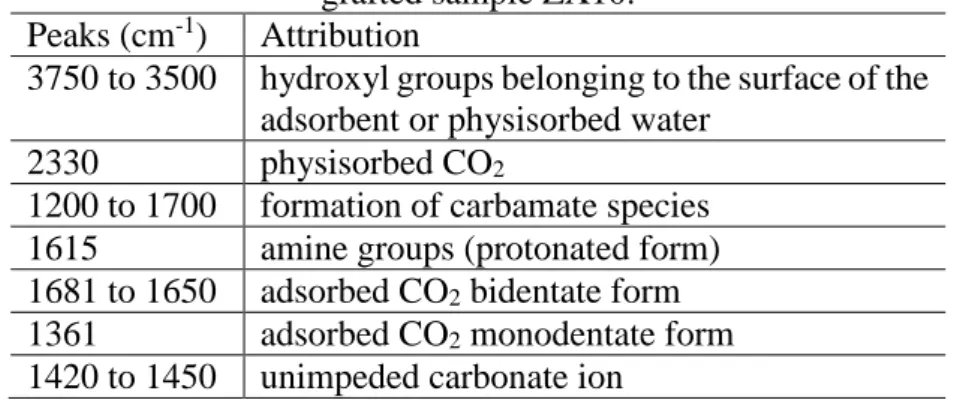
Table 4.5. Peaks observed in FTIR spectra for zeolite (ZX) sample and the
amine-grafted sample ZX10………. 46
CHAPTER 5 – AMINE-GRAFTED ACTIVATED CARBON
Table 5.1. Textural characteristics of the investigated adsorbents ……….. 67
Table 5.2. Binding energy (BE) values (in eV) of C 1s, O 1s and N 1s of AC,
ACN10 and ACN20…...………...……… 69
Table 5.3. CO2 adsorption capacity for amine-grafted on activated carbon …… 76
CHAPTER 6 - ION-EXCHANGED BINDERLESS X ZEOLITE
Table 6.1. Summary of cations compensating, ionic radius and code used ……. 85
Table 6.2. Textural characteristics of the investigated adsorbents……… 88
Table 6.3. CO2 adsorption uptakes and working capacities of zeolites samples
with different compensating cations ………....……….……… 100
Table 6.4. CO2 adsorption and work capacity in mmol/cm3……….. 101
ix ABREVIATION
Greenhouse Gases GHG
Energy Information Administration EIA
United States US
Intergovernmental Panel for Climate Change IPCC
Environmental Protection Agency EPA
Carbon Capture and Storage CCS
Density Functional Theory DFT
Non Local Density Functional Theory NLDFT
Polyethyleneimine PEI
X-ray Photoelectron Spectroscopy XPS
Fourier Transform Infrared Spectroscopy FTIR
Thermo-Gravimetric Analysis TGA
Activated Carbon AC
Pore Size Distribution PSD
x SUMMARY
ABSTRACT……… iii
RESUMO………. iv
LIST OF FIGURES……… v
LIST OF TABLE………. vii
ABREVIATIONS……….. ix
SUMMARY………. x
CHAPTER 1 – INTRODUCTION 1.1 Introduction……….. 1
1.2 References……….. 7
CHAPTER 2 – RESEARCH OBJECTIVE AND OUTLINE 2.1 Objectives……….. 10
2.2 Outline……… 10
CHAPTER 3 – LITERATURE REVIEW 3.1 Material……… 11
3.1.1 Support……… 11
3.1.2 Amines……… 11
3.2 Impregnation Method ……… 12
3.2.1 Wet Impregnation Method……… 12
3.2.2 Heat Treatment in the Presence of Ammonia……… 14
3.2.3 Electrophilic Aromatic Substitution……… 14
3.3 Possible Reaction Mechanisms………..….. 14
3.4 Characterization Methodology……… 16
3.4.1 Nitrogen Adsorption/Desorption Isotherms at 77 K……… 16
xi
3.4.3 Thermo-Gravimetric Analysis (TGA)……… 20
3.5 CO2 Equilibrium Adsorption……….. 21
3.6 Ion-Exchanged Binderless Zeolites………. 25
3.7 References……….. 26
CHAPTER 4 – AMINE-GRAFTED X ZEOLITE Abstract………... 31
4.1 Introduction………... 31
4.2 Experimental……… 34
4.2.1 Adsorbents……… 34
4.2.2 Wet Amine Impregnation……… 34
4.2.3 Characterization of the Amine-functionalized Adsorbents……… 35
4.2.4 CO2Adsorption Isotherms……… 36
4.3 Results and Discussion………. 37
4.3.1 Adsorbent Characterizations……… 37
4.3.1.1 Nitrogen Adsorption/Desorption Isotherms………...… 37
4.3.1.2 X-Ray Diffraction Analysis……… 39
4.3.1.3 TGA Analysis……… 40
4.3.1.4 XPS Analysis……… 41
4.3.1.5 FTIR Analysis……… 45
4.3.2 Adsorption Isotherms……… 47
4.3.2.1 Effect of Regeneration Temperature……… 49
4.3.2.2 Adsorption Reversibility……… 50
4.3.2.3 On the Occurrence of Chemisorption……… 52
4.4 Conclusion………. 56
4.5 References……… 57
xii
Abstract………. 61
5.1 Introduction……… 62
5.2 Experimental……… 64
5.2.1 Materials……… 64
5.2.2 Impregnation Process of AC……… 64
5.2.3 Characterization Methods……… 65
5.2.4 CO2 Adsorption Measurements……… 65
5.3 Results and Discussion……… 66
5.3.1 Adsorbent Characterizations……… 66
5.3.1.1 Nitrogen Adsorption/Desorption Isotherms……… 66
5.3.1.2 XPS Analysis……… 69
5.3.1.3 FTIR Analysis……… 70
5.3.2 Adsorption Isotherms……… 71
5.4 Conclusion……… 78
5.5 References……… 78
CHAPTER 6 – ION-EXCHANGED BINDERLESS X ZEOLITE Abstract……….. 83
6.1. Introduction……… 83
6.2. Experimental……… 85
6.2.1 Materials and Ion Exchange Procedure ……… 85
6.2.2 Physical–Chemical Characterizations……… 86
6.2.3 CO2 Capture Measurements……… 86
6.3. Results and Discussion……… 87
6.3.1 Adsorbent Characterizations……… 87
6.3.1.1 Nitrogen Adsorption/Desorption Isotherms……… 87
xiii
6.3.1.3 TGA-MS Analysis……… 89
6.3.2 Adsorption Isotherms……… 94
6.4. Conclusion……… 103
6.5. References………. 103
CHAPTER 7 – CONCLUSION AND SUGGESTION FOR FUTURE WORK 7.1. Conclusion and Final Comments……… 107
1 BEZERRA, D.P. CHAPTER 1 - INTRODUCTION
1.1 Introduction
The emissions of pollutants from combustion of fossil fuels, including air toxics
and greenhouse gases (GHGs), have become a global issue. The use of fossil fuels to meet
energy demands contributes to a number of environmental problems in global scale
(Olajire, 2010). Moreover, EIA (Energy Information Administration, of the U.S.
Department of Energy) predicts a 57 % increase in energy demand from 2004 to 2030
(EIA, 2003), which has been one of the main drives for studies on new energy sources
and ways to mitigate greenhouse gas effects.
According to the second report of the Intergovernmental Panel for Climate
Change (IPCC, 2007), human activities initiated in the industrial era have caused the
emission of four main greenhouse gases: carbon dioxide (CO2), methane (CH4), nitrous
oxide (N2O) and halocarbons (a group of gases containing fluorine, chlorine and bromine)
(see Table 1.1).
Table 1.1. Emission sources of greenhouse gases (IPCC, 2007).
GHGs Emissions From
Methane (CH4) Agriculture,
natural gas distribution
landfills
Carbon Dioxide (CO2) fossil fuel
manufacture of cement Nitrous Oxide (N2O) fertilizer
fossil fuel
Halocarbons (X/F,Cl,Br) refrigeration agents industrial processes
Ozone (O3) chemical reactions in the troposphere
through the release of carbon monoxide, hydrocarbons and nitrogen oxide
Among anthropogenic greenhouse gases, methane is thought to have the second
greatest effect on the climate, after carbon dioxide (IPCC, 1995). Methane emissions
2 BEZERRA, D.P.
contributing significantly to global warming (Ritzkowski and Stegmann, 2007). After
1750, atmospheric CH4 levels rose almost exponentially with time, reaching 1650 ppb
by the mid-1980s and 1803 ppb by 2011. Between 1980s and 2000s the atmospheric
concentration of CH4 remained stable, increasing again more recently since 2006
(Dlugokencky et al., 2009; Frankenberg et al., 2011; IPCC, 2013).
The fossil fuel combustion and fertilizer use are emission sources of nitrous oxide
(IPCC, 2005; IPCC, 2007; IPCC, 2013; Snyder et al., 2009). Its emission has increased
since the pre-industrial era, estimated at 1.88·1013 g per year (EPA, 2010). Other
greenhouse gases such as ozone and water are also studied; however, they exhibit
structural instability (short half-life) and hence they do not contribute significantly to the
greenhouse effect (IPCC, 2005; IPCC, 2007).
Among these GHGs, CO2 is the largest contributor in regards to its concentration
in the atmosphere, contributing to nearly 60 % of global warming effects (Yamasaki,
2003; IPCC, 2013). Moreover, the largest absorption of infrared radiation by carbon
dioxide and its longer residence time in the atmosphere determine its higher contribution
to the greenhouse effect (see Figure 1.1).
Large quantities of carbon dioxide are released in the atmosphere around the globe
every day, from several important industries, such as power generation, steel and cement
manufacturing (Yadav et al., 2010). CO2 emission from anthropogenic activity was
3 BEZERRA, D.P. Figure 1.1. Infrared absorption by greenhouse gases (adapted image of Global
Warming Art - Robert A. Rohde).
Given the growing CO2 emissions and increasing global energy demand (IEA,
2003; IEA 2002), concerted action is necessary in order to stabilize the atmospheric
concentration of CO2. Among the available technologies, Carbon Capture and Storage
(CCS) processes have been receiving significant attention in recent years and are being
recognized as promising options for CO2 emission reductions (Beecy and Kuuskraa,
2001; Thiruvenkatachari et al., 2009).
Under this CCS concept, carbon dioxide would be captured from emission point
sources (such as pre- and post-combustion power plants, and in large industrial process,
for instance, separating it from natural gas, coal bed methane or biogas) and injected into
geologic formations, mature petroleum and gas reservoirs, saline formations, unmineable
coal seams, among others (Klara et al., 2003; Figueroa et al., 2008).
In CCS, there are three main technological pathways that can be pursued for CO2
capture from fossil fuel-derived power generation plants: post-combustion,
pre-combustion and oxy-fuel pre-combustion. The scenario of post-pre-combustion is typical of
current power plants, CO2 being separated from other exhaust gas constituents leaving
4 BEZERRA, D.P.
low pressure of the flue gas (atmospheric pressure). Moreover, low CO2 concentration
(14-15 %), presence of steam and other components (N2, H2O, O2, CO, SOX and NOX)
and high temperatures (ca. 348 K) make it particularly difficult to capture CO2.
(a)
(b) (c)
Figure 1.2. Block diagrams illustrating post-combustion (a), pre-combustion (b), and
5 BEZERRA, D.P.
The scenario of pre-combustion is typical of power plants on a hydrogen-based
energy matrix, where the CO2 is generated by water-gas shift reactions (see Figure 1.2
(b)). In pre-combustion, generated CO2 is under high pressure (30-50 atm), about
40 % v/v and temperatures around 313 K. Other gases are usually also present (H2, CO,
H2S, N2 and H2O), which may pose additional separation challenges.
For the scenario of oxy-fuel combustion, the energy production is carried out by
burning fuel in oxygen-enriched air, resulting in a flue gas rich in CO2 (see Figure 1.2
(c)). In such scenario, combustion is highly exothermic, requiring structural changes in
the equipment or adjustments for cooling. In this process, there is also formation of other
gases (H2O, SO2, NOX and HCl), which should be separated from CO2.
Within this context, post-combustion CO2 capture can be regarded as an add-on
solution with minor changes to existing power plants, allowing for its medium to
short-term application. According to IPCC (2007) estimates, CO2 emissions to the atmosphere
could be reduced by 80-90 % in a post-combustion power plant equipped with CCS
facilities. However, its current implementation may increase the energy requirements of
the plant up to 25-40 % (without compression), requiring advances in capture
technologies and material developments for its implementation (IPCC, 2005;
Haszeldine, 2009; D'Alessandro et al., 2010).
There are many options for CO2 separation, and these include absorption,
adsorption, membranes and cryogenics. The cryogenic method of purification involves
the separation of the gas mixtures by fractional condensation and distillation of CO2 at
temperatures as low as 200 K, implying a high energy cost (Olajire, 2010). In membrane
processes, the permeating materials, either organic or inorganic, porous or non-porous,
6 BEZERRA, D.P.
(solution/diffusion, adsorption/diffusion, molecular sieving and ionic transport), may be
advantageous for natural gas purification by high pressure.
Among these technologies, absorption is promising because it can be easily
implemented for large-scale CO2 capture from point sources, being a currently
commercial technology. However, it still requires improvements in reducing energy
consumption involved in absorbent regeneration (Onoda, 2009).
Adsorption is another well-known separation technology that makes use of porous
solids with high selectivity. These materials, called adsorbents, can operate via weak
physisorption processes (van der Waals forces, repulsion and dispersion, and electrostatic
interactions including the interaction of polarization, dipole and quadrupole) or strong
chemical interactions (with formation of chemical bonds or complexation). Separation
processes are usually employed in cyclic, multi-module processes of adsorption and
desorption, with desorption induced by a pressure or temperature swing (Choi et al.,
2009).
The adsorbents typically investigated for gas adsorption include activated
carbons, zeolites, modified mesoporous silica, metal oxides, mixed hydroxides and
metal-organic frameworks. Among these, amine-grafted adsorbents have gained increased
attention in the capture of CO2 from flue gases because of their potential to maintain
adsorption capacity at temperatures around 373 K. The modification increases the strong
interactions between adsorbate and adsorbent (chemisorption) even at high temperature.
Significant advances have been reported for these adsorbents and this thesis will
review the methodologies of impregnation, the characterization techniques and results of
7 BEZERRA, D.P. 1.2 References
Beecy, D.J., Kuuskraa, V.A. Status of U.S. geologic carbon sequestration research
and technology. Environmental Geosciences 8 (2001) 152–159.
Choi, S., Drese, J.H., Jones, C.W. Adsorbent Materials for Carbon Dioxide
Capture from Large Anthropogenic Point Sources. ChemSusChem 2 (2009) 796–854.
D’Alessandro, D.M., Smit, B., Long, J.R. Carbon Dioxide Capture: Prospects for
New Materials. Angewandte Chemie International 49 (2010) 6058–6082.
EIA – U.S. Energy Information Administration. International Energy Outlook
Washington, 2003.
EPA. Inventory of U.S. Greenhouse Gas Emissions and Sinks: 1990-2008.
430-R-10-006. U.S. Environmental Protection Agency, N.W. Washington, 2010.
Figueroa, J.D., Fout, T., Plasynski, S., McIlvried, H., Srivastava, R.D. Advances
in CO2 capture technology—The U.S. Department of Energy’s Carbon Sequestration
Program. International Journal of Greenhouse Gas Control 2 (2008) 9–20.
Haszeldine, R.S. Carbon Capture and Storage: How Green Can Black Be. Science
325 (2009) 1647–1652.
IEA. CO2 emissions from fossil fuel combustion 1971–2000. International Energy
Agency (IEA), Paris, 2002.
IEA. Prospects for CO2 capture and storage. Energy technology analysis,
OECD/IEA. International Energy Agency (IEA), France, 2003.
IPCC, Climate Change 1995: Impacts, Adaptations, and Mitigation of Climate
Change: Scientific-Technical Analyses. Contribution of Working Group II to the Second
Assessment Report of the Intergovernmental Panel on Climate Change. Cambridge:
8 BEZERRA, D.P.
IPCC. Climate Change 2005: Carbon Dioxide Capture and Storage.
Intergovernmental Panel on Climate Change. Cambridge: Cambridge University Press,
2005.
IPCC, Climate Change 2007: The Physical Science Basis. Contribution of
Working Group I to the Fourth Assessment Report of the Intergovernmental Panel on
Climate Change. Cambridge: Cambridge University Press, 2007.
Klara, S.M., Srivastavab, R.D., McIlvriedb, H.G. Integrated collaborative
technology development program for CO2 sequestration in geologic formations––United
States Department of Energy R&D. Energy Conversion and Management 44 (2003)
2699–2712.
Olajire, A.A. CO2 capture and separation technologies for end-of-pipe
applications – A review. Energy 35 (2010) 2610–2628.
Onoda, M. Recent CO2 capture technology. Journal of the Japan Institute of
Energy 88 (2009) 278–283.
Ritzkowski, M., Stegmann, R. Controlling greenhouse gas emissions through
landfill in situ aeration. International Journal of Greenhouse Gas Control 1 (2007) 281–
288.
Snyder, C.S., Bruulsema, T.W., Jensen, T.L., Fixen, P.E. Review of greenhouse
gas emissions from crop production systems and fertilizer management effects.
Agriculture. Ecosystems and Environment 133 (2009) 247–266.
Thiruvenkatacharia, R., Su, S., Ana H., Yua, X.X. Post combustion CO2 capture
by carbon fibre monolithic adsorbents. Progress in Energy and Combustion Science 35
9 BEZERRA, D.P.
Yadav, V.S., Prasad, M., Khan, J., Amritphale, S.S., Singh, M., Raju, C.B.
Sequestration of carbon dioxide (CO2) using red mud. Journal of Hazardous Materials
176 (2010) 1044–1050.
Yamasaki, A. An Overview of CO2 Mitigation Options for Global Warming—
Emphasizing CO2 Sequestration Options. Journal of Chemical Engineering of Japan 36
10 BEZERRA, D.P. CHAPTER 2 – RESEARCH OBJECTIVE AND OUTLINE
2.1 Objectives
This thesis is intended to provide an assessment of adsorption in some classes of
porous solids as a CO2 uptake technology, focusing on the development of efficient
adsorbents for CO2 capture, by evaluating the adsorption characteristic of amine-based
materials with different chemical nature and ion-exchanged zeolites.
2.2 Outline
Chapter 3 focuses on a literature review of the possible interaction mechanisms
between an amine and a support and on the identification of the physical-chemical
characteristics of an adsorbent influencing on its performance for CO2 capture. In Chapter
4 the experimental results obtained of the adsorption for CO2 on X zeolite functionalized
with MEA in different concentrations will be presented. In Chapter 5, the use of activated
carbon as a support for amino impregnation was investigated for CO2 capture. Lastly, in
Chapter 6, a study of ion exchange in binder-free X zeolite pellets – a state-of-the-art CO2
adsorbent - was conducted in order to investigate the influence of different compensation
11 BEZERRA, D.P. CHAPTER 3 – LITERATURE REVIEW
Relevant advancements have been reported for amine-loaded adsorbents and this
chapter will summarize the methodologies of impregnation, the characterization
techniques, as well as the main results reported in the literature concerning these issues.
3.1 Materials 3.1.1 Support
A variety of microporous and mesoporous materials have been considered to be
used as support for amine-impregnation aiming at CO2 capture: carbon-based sorbents
such as activated carbon, carbon molecular sieves and carbon nanotubes, zeolites, and
mesoporous silica-based materials (SBA, MCM, KIT etc.).
3.1.2 Amines
Amines are organic molecules of basic character, generally used to absorb acid
gases in industrial processes. However, these industrial processes of carbon dioxide
capture using liquid amines suffer from several disadvantages, such as solvent
degradation, corrosion, and foaming. A fraction of the amine and its decomposition
products is also lost by evaporation, posing severe operational problems (Knöfel et al.,
2009). In order to overcome these disadvantages, adsorption on amino-functionalized
solids has been claimed to be a promising alternative. Amino modifications on the
surface, incorporate new adsorption sites and the more intense interaction forces may
remain unchanged even at high temperatures (Aroua et al., 2008; Bacsik et al., 2010;
Bezerra et al., 2011; Khalil et al., 2012).
The most widely studied amine in acid gas solvent scrubbing is
monoethanolamine (MEA). Despite being commercially utilized for CO2 absorption,
there are few reports of its immobilization in porous supports. A large variety of other
12 BEZERRA, D.P.
solids, seeking for a better compromise between structural and chemical interactions
(amine, polyamine, aminoalcohol, aminosilane, polyamidoamine etc.).
3.2 Impregnation Methods
3.2.1 Wet Impregnation Method
Aqueous amine solutions are added to appropriate amounts of support in a given
solid–liquid ratio. Some authors report that the theoretical value for the maximum amount
of amines that can be impregnated into a support is equal to the pore volume (cm3 g-1) of
a given support multiplied by the specific mass of the amine (g cm-3) (Choi et al., 2009).
In some cases, this theoretical amount is added gradually so that the solid is only slightly
soaked by the amine solution, which is called by some authors as incipient wet
impregnation or dry impregnation (Choi et al., 2009).
The wet impregnation is very easy as compared to other methods. In a typical
preparation, the desired amount of amine is dissolved in some solvent (water, methanol,
benzene, toluene etc.) under stirring for a given time until a homogeneous mixture is
obtained. Then, the adsorbent is added to the amine solution. The resulting slurry is
continuously stirred long enough to reach reaction equilibrium (variable for each solution
and adsorbent). Some studies add a heating step during this process. Then the slurry is
dried at a temperature next to the boiling point of the solvent by a certain time under
reduced pressure or a flow of inert gas (nitrogen, helium, etc.) (Xu et al., 2003).
Some studies report a drastic reduction in the textural characteristics of the
adsorbents after the impregnation of amines following this methodology. The
impregnation process leads to a decrease in the surface areas, indicating blocking of the
pores due to the amine filling. However, the mechanism of pore filling using different
13 BEZERRA, D.P.
due to the differences in the molecular size and shape of the amines used (Lin et al. 2013;
Yaumi et al., 2013).
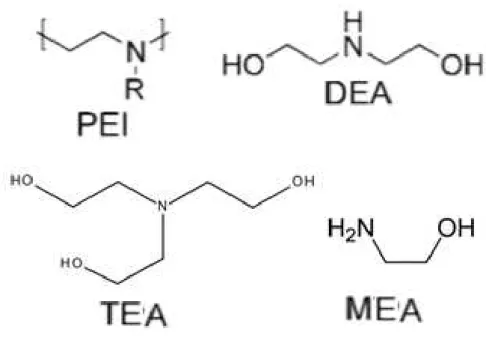
Figure 3.1. Amines used in the synthesis of solid supported amine adsorbents (Adapted
from Choi et al., 2009).
For example, MEA, a primary amine with low molecular weight (69 g/mol), is
very specific towards filling micropores, whereas branched structures with higher
molecular weight and size (e.g. polyamines) appear to build up in the mesopores and may
block off the micropores without actually filling them (Choi et al., 2009). It should also
be considered that the loaded amount of amine may also affect the pore coverage and
blockage. Theoretically, this filling effect is justified by the incorporation of amine into
the adsorbent, restricting the access of gases into the pores (Chatti et al., 2009; Xu et al.,
14 BEZERRA, D.P. 3.2.2 Thermal Treatment in the Presence of Ammonia.
The samples are obtained by placing them under ammonia pure flow at high
temperatures for a given time. This may be carried out in a vertical tube furnace at
temperatures higher than 673 K. Dried carbon is placed in a quartz reactor and held under
N2flow (Plaza et al., 2009). Once the sample reaches the desired temperature, the flow
is changed from N2 to NH3, or to NH3 in air, and held at least for 2 h. Finally, the flow is
changed back to N2 until room temperature is reached.
3.2.3 Electrophilic Aromatic Substitution
The first step involves aromatic nitration of the support (activated carbon): a
mixture of concentrated acids is prepared by adding sulfuric acid and nitric acid. Next,
the selected support is added to the acid mixture and stirred 323 K. The mixture is filtered,
washed with distilled water, and then air dried. The second step consists of reducing the
attached nitro groups to amine functionalities using sodium hydrosulfite (Na2S2O4), as a
reducing agent in basic media. Then, the nitrated sample is added to a mixture of ammonia
solution and stirred. Then, Na2S2O4 is added to the mixture, which is left to stir at room
temperature. The resulting product is filtered and washed. In order to eliminate a possible
excess of sodium hydrosulfite in the filtrate, the carbon may be allowed to stir in distilled
water for after be filtered and washed again. This process is repeated three times in order
to purify the product. Finally, the carbon is air dried (Plaza et al., 2009).
3.3 Possible Reaction Mechanisms
The loading of the amine to a solid support may overcome such disadvantages or
limitations associated with the liquid-amine-based scrubbing systems. The identified
15 BEZERRA, D.P.
regenerating the scrubbing units and problems associated with the viscous nature of the
amine solutions (Franchi et al., 2005; Chatti et al., 2009).
It is envisaged that the amine exists as a confined solvent in the porous solid
matrix, which plays the role of micro-reactors for the capture of carbon dioxide. Studies
reveal (Bacsik et al., 2010) that the interaction of amines with silica-based supports, after
to wet impregnation, occurs by reaction of the silanol and aluminol groups with a carbon
atom of the amine, according to reaction 1. Another source of basic strength is required
to remove the weak H of silanol.
SiOH + CnH2n+1–NH2⇌Si–(CnH2n)–NH2+ H2O (1)
Some authors (Chatti et al., 2009) recommend a pretreatment of the support only
with solvent (methanol, generally) so that silanol and aluminol groups present in the
support react with methanol to form Si–O–CH3 and water. It is necessary to force the
removal of water. The use of benzene in the pre-treatment will result in a greater
electron-donor effect, raising the basic character of the adsorbent.
Si + CH3–CH2–OH ⇌ Si–O–CH3 + H2O (2)
The Si–O–CH3 group then reacts with the amine molecule:
Si–O–CH3 + RNHn⇌ Si–O–(CHn)NHn (3)
The reactions taking place between CO2 and the amine-grafted adsorbents are
similar to the reactions with aqueous amine, wherein there is formation of carbonates,
bicarbonates, carbamate species depending to the conditions of humidity, temperature,
pressure etc. as shown in reaction 4 and 5 (Filburn et al., 2005; Chatti et al., 2009):
2RNH2 + CO2⇌ RNHCOO- + RNH3+ (4)
RNHCOO- + H2O ⇌ RNH2 + HCO3 – (5)
The enhancement in the adsorption capacity of the amine loaded support materials
16 BEZERRA, D.P.
theoretically be evenly dispersed in the pores of adsorbents with high surface area.
However, studies are not conclusive with reference the reactions/interactions that occur
in this system and to which extent chemisorption and physisorption may act
synergistically at high temperatures. Further studies are therefore in progress to elucidate
this mechanism.
3.4 Characterization Techniques
3.4.1 Nitrogen Adsorption/Desorption Isotherms at 77 K
From N2 adsorption/desorption isotherms at cryogenic temperature (77 K),
textural parameters (surface area, total volume pore, volume of meso or micropores, pore
diameter and pore size distribution) may be obtained.
The specific surface area, SBET, can be calculated by the Brunauer–Emmett–Teller
(BET) equation; average pore size can be estimated by means of the expression f.VP /SBET,
where f is dependent on the pore format; total pore volume, VP, were evaluated using
Gurvitch’s rule at P/Po=0.99; micropore volume, VM, can be determined by using the
Dubunin–Radushkevich equation; the mesopore volume and pore size distribution can be
calculated by applying the Density Functional Theory (DFT) methods (Rouquerol et al.,
1999). These methods are classic and suitable for textural characterization of the samples.
The textural properties of amino-grafted adsorbents tend to deteriorate as the
amine loading increases. A likely explanation is the presence of amine inside the pores,
impeding access of the probe-molecule (e.g., nitrogen with 1.57 Å).
Aroua et al. (2008) reports the impregnation of 0.28 % poliethyleneimine (PEI)
on commercial activated carbon. It is interesting to note that the volume of adsorbed
nitrogen (in micropores) is higher for PEI/AC than for virgin AC. The authors suggest
17 BEZERRA, D.P.
of the AC and as a result, reduces and constrict them. This subsequently results in creation
of additional meso- microporous and the higher volume of adsorbed nitrogen.
Impregnation with high concentrations of amine can lead to a drastic reduction in
the volume of adsorbed nitrogen, and consequently a worsening of the textural
characteristics. Son el al. (2008) reported a reduction in the textural characteristics of
mesoporous silicas (MCM-41, MCM-48, SBA-15, SBA-16 and KIT-6) for
concentrations of PEI higher than 50% in the impregnating solution.
Plaza et al. (2010) used heat treatment with gaseous ammonia to both activate
and generate basic sites in carbon. They report a development of the porous structure of
the carbonaceous material although to a lesser extent than that usually obtained by
conventional activation procedures (with CO2). Amine-impregnation showed two
advantages over activation with CO2: a shorter soaking time and a greater carbon yield.
Zukal et al. (2009) studied the impregnation of aminosilane in SBA-15 and
zeolite ITQ-6, a kind of mesoporous zeolitic material. They also reported a reduction of
the textural characteristics (surface area, mesopore volume and pore size), after amine
impregnation.
Xu et al. (2009) studied the impregnation of zeolite beta with monoethanolamine
(MEA) varying concentrations (5, 15, 40 and 60 % wt). They reported that very small
surface areas (15−17 m2/g) and pore volumes (0.063−0.090 cm3/g) were obtained when
the MEA concentration in the impregnating solution was higher than 15 % wt. Upon
further increase of the MEA loading, the micropores of zeolite beta were filled with MEA,
thus restricting access of nitrogen at its condensation temperature. Table 3.1 summarizes
18 BEZERRA, D.P. Table 3.1. Textural Characteristics of samples reported in the literature.
Sample Amine Surface Area (m2/g)
Pore volume (cm3/g)
Pore size
(nm) Reference
AC
- 941 0.524 -
Aroua et al., 2008
PEI
0.28wt% 1052 0.605 -
MCM-41 - 1042 0.85 2.8
Son et al., 2008
PEI 50wt% 4 0.01 -
MCM-48 - 1162 1.17 3.1
PEI 50wt% 26 0.10 -
SBA-15 - 753 0.94 5.5
PEI 50wt% 13 0.04 -
KIT-6
- 895 1.22 6.0
PEI 10wt% 430 0.68 5.9
PEI 30wt% 251 0.49 5.4
PEI 50wt% 86 0.18 5.3
AOS Char (AC)
- 859 0.420 1.0 Plaza et
al., 2010
NH3 (gas) 853 0.395 0.9
ITQ-6 Zeolite
(1 - 4 mmol of amine/g
ITQ-6)
- 580.4 0.318 9.5
Zukal et al., 2009
AP 102.6 0.118 9.5
MAP 121.9 0.129 9.3
PAP 58.3 0.102 9.8
SBA-15
(1 - 4 mmol of amine/g
SBA-15)
- 790.1 0.810 6.2
AP 561.7 0.785 5.8
MAP 445.3 0.572 5.6
PAP 307.2 0.472 4.8
Zeolite Beta
- 574 0.230 0.65
Xu et al., 2009
MEA
5wt% 209 0.190 0.57
MEA
15wt% 17 0.090 -
MEA
40wt% 15 0.074 -
MEA
60wt% 15 0.063 -
SBA-15 (1)
- 528.9 0.760 5.7
Fadhel et al., 2009
PAMAM 19.9 0.030 6.9
SBA-15 (2)
- 660.1 0.820 4.8
19 BEZERRA, D.P. 3.4.2 Spectroscopic Techniques (IR and XPS)
IR spectroscopy is an important technique to study the adsorbent after
impregnation and it has been mainly used for two purposes: structural elucidation and
compound identification. This technique is mostly based on absorption spectroscopy
within the infrared region of the electromagnetic spectrum. X-ray Photoelectron
Spectroscopy (XPS) is capable of identifying qualitatively all chemical elements present
on the surface of the adsorbent and their oxidation states, among other information, such
as metal arrangement (tetrahedral, octahedral, etc.) XPS spectra are obtained by
irradiating of the adsorbent with a beam of X-rays and measuring the binding energy and
number of electrons that escape from the surface (Guo et al., 2013; Yu et al., 2012).
Bacsik et al. (2010) studied certain aspects of propylamine-modified silica using
FTIR spectroscopy. The IR spectra revealed the presence of primary amino groups in all
impregnated samples. In-situ temperature-programmed adsorption of CO2 was also
studied by IR spectroscopy. As expected, the authors observed that the amount of
physisorbed CO2 is lower at high temperatures. Some chemisorbed species formed at 308
K do not occur at 343 K, as the bands of NH3+ groups decreased in intensity. Knöfel et
al. (2009) obtained similar results for mesoporous silicas impregnated with
aminopropylsilane (APS) and they postulated the formation of chemisorption products:
carbamate, and carbonate.
Chang et al. (2009) evaluated the impregnation of mono, di and tri-amines in
SBA-15 for the adsorption of CO2. They reported a decrease in IR absorption of silanol
groups followed by the appearance of absorption peaks of N–H bonds, C–H bonds and
Si–C bonds, thus suggesting the formation of aminosilanes on the surface of SBA-15.
The IR spectra of N-enriched activated carbons studied by Zhang et al. (2010)
20 BEZERRA, D.P.
aliphatic C–H stretching modes, C–O (carboxylic and lactones) and C–C. New IR
absorbance bands related to N-containing species were observed in the spectra of the
modified ACs, implying that the heat treatment of samples under ammonia flux produced
new nitrogen surface complexes. The amine groups were related to the detected
vibrational modes of bonds C–N and C–N–C. In this study, XPS confirmed significant
increment of nitrogen atomic concentration on their surfaces, from 1.80 to 2.56 N %
atomic composition.
Arrigo et al. (2010) reported the formation of nitrogen species in nanocarbons
functionalized with NH3 at different temperatures by XPS analyses. Oxidized nitrogen
groups (amide) were also identified depending on the temperature of the impregnation
process, rising from 1.3 to 10 N % atomic composition.
3.4.3 Thermo-Gravimetric Analysis (TGA)
Thermo-gravimetric analysis (TGA) measures changes in sample weight as a
function of temperature. It may be performed under inert, reducing or oxidative
atmosphere and is usually intended to assess sample thermal stability.
Xu et al. (2009) studied beta zeolite impregnated with monoethanolamine in
varying concentrations by wet impregnation. The thermo-gravimetric analysis on the
parent zeolite showed a unique weight loss up to 450 K, which is assigned to the
desorption of physically adsorbed water. For the MEA-modified zeolites, similar weight
losses attributed to water desorption were also detected. Another weight loss event is
evident at temperatures higher than 450 K, which increased in magnitude with the
increase of MEA loading. Such weight losses can thus be attributed to the desorption
and/or decomposition of impregnated amine species.
Wei et al. (2008) studied CO2 adsorption in amine (APTES,
21 BEZERRA, D.P.
showed that a significant mass loss occurred when the parent and functionalized SBA-16
was heated at 403 K, attributed to the loss of physically adsorbed water. Up to 403 K,
Wei reported superior mass loss for the functionalized silica, about 10 %, as compared to
5 % of the parent sample. The introduction of amino groups possibly increased the
hydrophilicity of the sample. For functionalized samples, another weight loss event of
about 15 % was present at temperatures 473 K, related to amine-grafting.
Knöfel et al. (2007) reported diamine (TEDA) supported SBA-16 for CO2
adsorption and they obtained 27 % mass loss, assigned to the loaded amine at
temperatures above 473 K.
3.5 CO2 Equilibrium Adsorption
Most porous adsorbents (activated carbon, zeolite, mesoporous silica etc.) have
good potential for CO2 capture, but their adsorption capacity or selectivity over other
gases becomes insufficient especially at high temperature and in the presence of humidity,
NOx and SOx (typical in post-combustion scenario). Functionalization with amines tends
increasing or maintaining adsorption capacity in the temperature range typical of flue gas
emissions.
Leal et al. (1995) was one of the first authors to report the functionalization of the silica surface with an aminosilane for the adsorption of carbon dioxide. Following this
publication, further work was carried out to investigate the adsorption of carbon dioxide
on amine-functionalized materials using different amine molecules and different
techniques (Choi et al., 2009; D’Alessandro et al., 2010; Olajire, 2010).
The studies reported by Aroua et al. (2008) with PEI-impregnated activated
carbons showed an increase in the adsorption capacity of CO2 at 298 K and 1 bar from
22 BEZERRA, D.P.
concentration of nitrogen functional groups on the surface of the AC, as introduced by
impregnation of PEI. Increase in adsorption capacities of all gases in PEI-impregnated
samples, as compared to virgin AC may perhaps be attributed to two predominant factors,
namely creation of additional meso- and micropores from PEI constriction of larger pores
as well as chemisorption due to increased presence of PEI molecules.
Chatti et al. (2009) performed impregnation in X zeolite with distinct amines.
The adsorption capacities obtained at 1 bar and 348 K were 0.71 mmol/g for unmodified
zeolite, 0.89 and 1.01 mmol/g for zeolite modified with monoethanolamine and
isopropanolamine, respectively. The decrease in surface area and pore volume of the
amine-modified adsorbent was expected to reduce the adsorption capacity of the
adsorbent. However, the increase in uptake, though small, despite the worsening of
textural properties, may be due to enhanced chemisorption at 348 K. At lower (room)
temperature, physisorption is dominant over chemisorption and available surface area of
the adsorbent, thus plays vital role in the adsorption process. However, at higher
temperatures, chemisorption on sites introduced by the incorporation of the amine groups
in the zeolite seems to be the dominant process. Thus, we observe an increase in the
adsorption capacity at higher temperature, due to increase in the chemisorption process.
A recent study on CO2/CH4 separation by amino-functionalized MIL-53
(metal-organic framework) by Couck et al. (2009) brought about important results. According
to the authors, a drastic increase in the adsorbed amount of CO2 occurs at significantly
high pressure (5 bar) attributed to breathing effect (enlarged pores under certain
conditions of temperature and pressure). The temperature change shifts the breathing
effect towards lower or higher pressures. In contrast to CO2, CH4 is essentially not
adsorbed at pressures below 2 bar. This differentiates amino-53(Al) from
23 BEZERRA, D.P.
groups on the aromatic ring of the organic linker in the framework of amino-MIL-53(Al)
reduces the number of apolar adsorption sites, leading to reduced CH4 uptake.
Zukal et al. (2009) studied mesoporous silica SBA-15 and zeolite ITQ-6 loaded
with aminosilane. The adsorption isotherms were measured at 293 K and an increase in
CO2 uptake was observed after the impregnation of amine, mainly at low pressures. In
this study the formation of ammonium carbamates species was observed at low CO2
pressures of (chemisorption), whereas at higher pressures, adsorption on the bare surface
prevails (physisorption).
Fadhel et al. (2009) evaluated mesoporous SBA-15 impregnated with PAMAM
(polyamidoamine) 50 % v/v. The impregnation improved CO2 adsorption capacity
significantly, especially at 348 and 378 K. According to the authors, impregnation seems
to break down internal H-bonding and allow for the amine groups within the dendrimer
interacting with CO2. In addition, higher temperatures enhance CO2 diffusion within the
impregnated adsorbents, presumably due to improved mobility of the dendrimers.
Knöfel et al. (2009) functionalized mesoporous silica and titania with APS
(aminopropylsilane) by wet impregnation method. Amine-loaded samples, Si-APS and
Ti-APS, adsorbed more carbon dioxide than the respective parent support materials at
low carbon dioxide coverage. The enhancement in carbon dioxide uptake is attributed to
the acid-base interaction between the CO2 molecules and the amine sites. There was also
another important point, the Ti-APS sample adsorbs significantly more carbon dioxide
then the Si-APS sample, although a similar quantity of amine sites per surface area were
present on both materials. The interaction of carbon dioxide with titania is much stronger
then with silica. Therefore, in case of the Ti-APS sample, carbon dioxide will interact not
24 BEZERRA, D.P.
groups from the support. The Table 3.2 shows comparison of CO2 adsorption capacity
on some previous studies.
Table 3.2. Adsorption capacity of CO2 at 1 bar in some adsorbents cited.
Samples Amine Temperature (K)
Adsorption Capacity
of CO2 (mmol/g)
Reference
AC - 298 0.48 Aroua et al.,
2008
PEI 298 2.28
Zeolite
Type X
- 348 0.71
Chatti et al., 2009
MEA 348 0.89
IPA 348 1.01
Zeolite
Type ITQ-6
- 298 1.09
Zukal et al., 2009
AP 298 1.19
MAP 298 0.94
PAP 298 0.49
SBA-15
- 298 0.92
AP 298 0.84
MAP 298 0.99
PAP 298 0.50
SBA-15
(pore-expanded)
DT 318 3.83
Olea et al., 2013
PEI 318 6.16
TEPA 318 7.32
* PEI = polyethyleneimine; TEPA = tetraethylenepentamine; DT = diethylenetriamine; PAP = phenylaminopropyl; MAP = methylaminopropyl; AP = aminopropyl; IPA = isopropylamine; MEA = Monoethanolamine.
As demonstrated in this section, several studies have been published about the
development of adsorbents for CO2 capture. Porous structures provide the support for
impregnation of amine groups. It became evident that the incorporation of amines in
state-of-art adsorbents (zeolite, activated carbon and mesoporous silicas) should take place by
strong interactions (preferably by covalent reactions) in order to avoid leaching of the
25 BEZERRA, D.P.
molecule. The size of the amine molecule (simple or polymeric) may obstruct the pores,
preventing CO2 from diffusing and being adsorbed. With simple amines (MEA, for
example), it is a priori possible to increase the basicity of the adsorbent surface without
compromising the textural characteristics. The microporous supports seem be more
indicated for these processes, requiring an adequate relationship between amine size and
adsorbent texture to avoid pore blocking.
3.6 Ion-Exchanged Binderless Zeolites
The influence of the structural characteristics of zeolites on CO2 adsorption may
be assigned to several factors. The intrinsic acidity of zeolites is generally derived from
specific Al location in some sites, allowing for strong interaction with CO2. The CO2
adsorption in zeolites may be associated with the compensating cations and their
distribution, size and concentration. All of these factors influence the active sites in a
zeolite. (Bonenfant et al. 2008; Yang et al., 2010; Barthomeuf et al., 2003).
A significant number of papers dealing with CO2 adsorption in ion-exchanged
zeolites have been published (Walton et al., 2006; Plant et al., 2006; Yang et al., 2010;
Yu et al., 2013).
Ion exchange may be carried out by dispersing the commercial X or Y in nitrate
or chloride salts in aqueous solution, followed by stirring at room temperature. The mass
ratio of zeolite microspheres to the metal ion solution was about 1:100. After being
washed, the samples are dried and/or calcined in air (Yu et al., 2013).
Yu et al. (2013) reported ion-exchange between Na+, K+ and Ca2+ in synthetic zeolite X. Pure gas adsorption measurements showed that the NaX CaX and KX have
high adsorption capacities for CO2, between 3 and 5 mmol/g at 298 K. They observed
26 BEZERRA, D.P.
Li, K, Ba, Fe and NH4+ in X zeolite for CO2 adsorption, however, they have not measured
their performance at high temperatures.
3.7 References
Aroua, M.K., Daud, W.M.A.W., Yin, C.Y., Adinata, D. Adsorption capacities of
carbon dioxide, oxygen, nitrogen and methane on carbon molecular basket derived from
polyethyleneimine impregnation on microporous palm shell activated carbon. Separation
and Purification Technology 62 (2008) 609–613.
Arrigo, R., Hävecker, M., Wrabetz, S., Blume, R., Lerch, M., McGregor, J.,
Parrott, E.P.J., Zeitler, J.A., Gladden, L.F., Knop-Gericke, A., Schlögl, R., Su, D.S.
Tuning the Acid/Base Properties of Nanocarbons by Functionalization via Amination.
Journal of the American Chemical Society 132 (2010) 9616–9630.
Bacsik, Z., Atluri, R., Garcia-Bennett, A.E. Hedin, N. Temperature-Induced
Uptake of CO2 and Formation of Carbamates in Mesocaged Silica Modified with
n-Propylamines. Langmuir 26 (2010) 10013–10024.
Barthomeuf, D. Framework induced basicity in zeolites. Microporous and
Mesoporous Materials 66 (2003) 1–14.
Bezerra, D.P., Oliveira, R.S., Vieira, R.S., Cavalcante Jr., C.L., Azevedo, D.C.S.
Adsorption of CO2 on nitrogen-enriched activated carbon and zeolite 13X.Adsorption 17
(2011) 235–246.
Bonenfant, D., Kharoune, M., Niquette, P., Mimeault, M., Hausler, R. Advances
in principal factors influencing carbon dioxide adsorption on zeolites. Science and
27 BEZERRA, D.P.
Chang, F., Chao, K., Cheng, H., Tan, C. Adsorption of CO2 onto amine-grafted
mesoporous silicas. Separation and Purification Technology 70 (2009) 87–95.
Chatti, R., Bansiwal, A.K., Thote, J.A., Kumar, V., Jadhav, P., Lokhande, S.K.,
Biniwale, R.B., Labhsetwar, N.K., Rayalu, S.S. Amine loaded zeolites for carbon dioxide
capture: Amine loading and adsorption studies. Microporous and Mesoporous Materials
121 (2009) 84–89.
Choi, S., Drese, J.H., Jones, C.W. Adsorbent Materials for Carbon Dioxide
Capture from Large Anthropogenic Point Sources. ChemSusChem 2 (2009) 796–854.
Couck, S., Denayer, J. F.M., Baron, G.V., Rémy, T., Gascon, J., Kapteijn, F. An
Amine-Functionalized MIL-53 Metal-Organic Framework with Large Separation Power
for CO2 and CH4. Journal of the American Chemical Society131 (2009) 6326–6327.
D’Alessandro, D.M., Smit, B., Long, J.R. Carbon Dioxide Capture: Prospects for
New Materials. Angewandte Chemie International 49 (2010) 6058–6082.
Fadhel, B., Hearn, M., Chaffee, A. CO2 adsorption by PAMAM dendrimers:
Significant effect of impregnation into SBA-15. Microporous and Mesoporous Materials
123 (2009) 140–149.
Filburn, T., Helble, J. J., Weiss, R.A. Development of Supported Ethanolamines
and Modified Ethanolamines for CO2 Capture. Industrial & Engineering Chemistry
Research 44 (2005) 1542–1546.
Franchi, R.S., Harlick, P.J.E., Sayari, A. Applications of Pore-Expanded
Mesoporous Silica. 2. Development of a High-Capacity, Water-Tolerant Adsorbent for
CO2. Industrial and Engineering Chemistry Research 44 (2005) 8007–8013.
Guo, Y., Li, Y., Zhu, T., Ye, M., Wang, X. Adsorption of SO2 and chlorobenzene
28 BEZERRA, D.P.
Khalil, S.H., Aroua, M.K., Daud, W.M.A.W. Study on the improvement of the
capacity of amine-impregnated commercial activated carbon beds for CO2 adsorbing.
Chemical Engineering Journal 183 (2012) 15–20.
Knöfel, C., Descarpentries, J., Benzaouia, A., Zelenenák, V., Mornet, S.,
Llewellyn, P.L., Hornebecq, V. Functionalised micro-/mesoporous silica for the
adsorption of carbon dioxide. Microporous and Mesoporous Materials 99 (2007) 79–85.
Knöfel, C., Martin, C., Hornebecq, V., Llewellyn, P.L. Study of Carbon Dioxide
Adsorption on Mesoporous Aminopropylsilane-Functionalized Silica and Titania
Combining Microcalorimetry and in Situ Infrared Spectroscopy. Journal of Physical
Chemistry 113 (2009) 21726–21734.
Leal, O., Bolivar, C., Ovalles, C., Garcia, J.J., Espidel, Y. Reversible adsorption
of carbon dioxide on amine surface-bonded silica gel. Inorganica Chimica Acta 240
(1995) 183–189.
Lin, C., Zhang, H., Lin, X. and Feng, Y. Adsorption CO2 on activated carbon with
surface modification. Advanced Materials Research 634 (2013) 746–750.
Olajire, A.A. CO2 capture and separation technologies for end-of-pipe
applications – A review. Energy 35 (2010) 2610–2628.
Olea, A., Sanz-Perez, E.S., Arencibia, A., Sanz, R., Calleja, G.
Amino-functionalized pore-expanded SBA-15 for CO2 adsorption. Adsorption 19 (2013) 589–
600.
Plant, D.F., Maurin, G., Deroche, I., Gaberova, L., Llewellyn, L.P. CO2 adsorption
in alkali cation exchanged Y faujasites: A quantum chemical study compared to
29 BEZERRA, D.P.
Plaza, M. G., Pevida, C., Arias, B., Casal, M.D., Martín, C.F., Fermoso, J.,
Rubiera, F., Pis, J.J. Different Approaches for the Development of Low-Cost CO2
Adsorbents. Journal of Environmental Engineering 135 (2009) 426–432.
Plaza, M.G., Pevida, C., Martín, C.F., Fermoso, J., Pis, J.J., Rubiera, F.
Developing almond shell-derived activated carbons as CO2 adsorbents. Separation and
Purification Technology 71 (2010) 102–106.
Rouquerol, F., Rouquerol, J., Sing, K. Adsorption by Powders & Porous Solids,
Academic Press, San Diego (1999).
Son, W., Choi, J., Ahn W. Adsorptive removal of carbon dioxide using
polyethyleneimine-loaded mesoporous silica materials. Microporous and Mesoporous
Materials 113 (2008) 31–40.
Walton, K.S., Abney, M.B., LeVan, M. D. CO2 adsorption in Y and X zeolites
modified by alkali metal cation exchange. Microporous and Mesoporous Materials 91
(2006) 78–84.
Wei, J., Shi, J., Pan, H., Zhao, W., Ye, Q., Shi, Y. Adsorption of carbon dioxide
on organically functionalized SBA-16. Microporous and Mesoporous Materials 116
(2008) 394–399.
Xu, X., Song, C., Andrésen, J.M., Miller, B.G., Scaroni A.W. Preparation and
characterization of novel CO2 ‘‘molecular basket’’ adsorbents based on polymer
-modified mesoporous molecular sieve MCM-41. Microporous and Mesoporous Materials
62 (2003) 29–45.
Xu, X., Zhao, X., Sun, L., Liu, X. Adsorption separation of carbon dioxide,
methane and nitrogen on monoethanol amine modified β-zeolite. Journal of Natural Gas
30 BEZERRA, D.P.
Yang, S., Kim, J., Ahn, W. CO2 adsorption over ion-exchanged zeolite beta with
alkali and alkaline earth metal ions. Microporous and Mesoporous Materials135 (2010)
90–94.
Yaumi, A.L., Hussien, I.A. andShawabkeh, R.A. Surface modification of oil fly
ash and its application in selective capturing of carbon dioxide. Applied Surface Science
266 (2013) 118–125.
Yu, J., Le, Y., Chang, B. Fabrication and CO2 adsorption performance of bimodal
porous silica hollow spheres with amine-modified surfaces. RSC Advances 2 (2012)
6784–6791.
Yu, L., Gong, J., Zeng, C., Zhang, L. Synthesis of binderless zeolite X
microspheres and their CO2 adsorption properties. Separation and Purification
Technology 118 (2013) 188–195.
Zhang, Z., Xu, M., Wang, H., Li, Z. Enhancement of CO2 adsorption on high
surface area activated carbon modified by N2, H2 and ammonia. Chemical Engineering
Journal 160 (2010) 571–577.
Zukal, A., Dominguez, I., Mayerová, J., Cejka, J. Functionalization of
Delaminated Zeolite ITQ-6 for the Adsorption of Carbon Dioxide. Langmuir 25 (2009)
31 BEZERRA, D.P. CHAPTER 4 – AMINE-GRAFTED X ZEOLITE
CO2 ADSORPTION IN AMINE-GRAFTED X ZEOLITE
Abstract
The adsorption of CO2 on X Zeolite functionalized with amino groups was studied.
Adsorbent functionalization was carried out by grafting with monoethanolamine (MEA)
in different concentrations. The adsorbents were characterized by N2
adsorption/desorption isotherms at 77 K, X-ray diffraction, TGA, in situ FTIR, XPS and
adsorption microcalorimetry. CO2 isotherms were studied in a gravimetric device up to
10 bar at 298 and 348 K. It was found that increasing loads of amine to the adsorbent tend
to reduce micropore volume of the resulting adsorbents by pore blocking with MEA.
There is experimental evidence of that the loaded MEA is effectively covalently bonded
to the zeolitic structure, whereas there is also physisorbed excess MEA which will
eventually be desorbed by raising the temperature beyond MEA boiling point. Heats of
adsorption at nearly zero coverage indicate that some of the adsorbed CO2 reacts with
available amino groups, which agrees with the finding that the adsorption capacity
increases with increasing temperature for the modified zeolite with the highest MEA load.
Keywords: CO2 adsorption; Zeolite; Amine.
4.1 Introduction
A wide variety of adsorbents has been investigated lately for CO2 capture, which
includes activated carbons, zeolites, mesoporous silicas, metal oxides, mixed hydroxides
and metal-organic frameworks (Choi et al., 2009; Shao et al., 2009; D’Alessandro et