Universidade de Aveiro Departamento de Biologia 2016
Propagação clonal, conectividade e estrutura
genetica em populações de Paramuricea clavata do
Atlntico e Mediterrãneo
Clonal propagation, connectivity and genetic
differentiation in Paramuricea clavata populations
from the Atlantic and Mediterranean Sea
JOANNA
PILCZYNSKA
Univ er sidade de A v eir o 20 1 6 JO ANNA PIL C ZYNSKAPropagação clonal, conectividade e estrutura genetica em populações de
P aramuricea cla v ata do A tlntico e Mediterrãneo
Universidade de Aveiro 2016
Departamento de Biologia
JOANNA
PILCZYNSKA
Propagação clonal, conectividade e estrutura
genetica em populações de Paramuricea clavata do
Atlntico e Mediterrãneo
Clonal propagation, connectivity and genetic
differentiation in Paramuricea clavata populations
from the Atlantic and Mediterranean Sea
Universidade de Aveiro 2016
Departamento de Bilogia
JOANNA
PILCZYNSKA
Clonal propagation, connectivity and genetic
differentiation in Paramuricea clavata populations
from the Atlantic and Mediterranean Sea
Tese apresentada à Universidade de Aveiro para cumprimento dos requisitos necessários à obtenção do grau de Doutor em Ciências do Mar, realizada sob a orientação científica do Doutor Henrique José de Barros Brito Queiroga,
Professor Associado do Departamento de Biologia da Universidade de Aveiro, da Doutora Silvia Cocito, investigadora do ENEA, Italian National Agency for New Techoligies, Energy and Sustainable Economic Development, Marine Environment Research Centre, La Spezia, Italy e da Professora Anna
Occhipinti, Full Professor of Ecology, Department of Earth and Environmental Sciences, University of Pavia, Italy
presidente Prof. Doutor Armando da Costa Duarte
Professor Catedrático, Departamento de Química, Universidade de Aveiro
Prof. Doutor Filipe Oliveira Costa
Professor Auxiliar, Departamento de Biologia, Universidade do Minho
Prof. Doutor José Pavão Mendes de Paula
Professor Associado com Agregação, Faculdade de Ciências, Universidade de Lisboa
Prof. Doutor Agnese Marchini
Post-doc fellow, Department of Earth and Environmental Sciences, University of Pavia, Pavia, Italy
Prof. Doutor Maria Marina Pais Ribeiro da Cunha
Professora Auxiliar, Departamento de Biologia, Universidade de Aveiro
Prof. Doutor Henrique José de Barros Brito Queiroga
agradecimentos
I would like to thank my supervisors, Prof. Henrique Queiroga and Dr. SilviaCocito, for their patient guidance, encouragement and advices they have provided throughout my time as their student. I would also like to thank Prof. Ana Ochipinti for her help.
This study was supported by the Ph. D. grant from the Erasmus Mundus Marine Ecosystem Health and Conservation (MARES) doctoral program; http://www.mares-eu.org/. and the DiverseShores research project (Testing associations between genetic and community diversity in European rocky shore environments), funded by Fundação para a Ciência e Tecnologia (PTDC/BIA-BIC/114526/2009). Financial support was allocated by FCT under the COMPETE Programme, which includes components from the European Regional Development Fund and from the Ministério da Ciência, Tecnologia e Ensino Superior.
Special thanks to C. Lombardi, A. Peirano, R. Albuquerque, F. Fernandes, J. Rodrigues and E. Mancuso for their help during the fieldwork.
palavras-chave
gorgônias, mortalidade, dispersão, genética, conservaçãoresumo
A gorgónia vermelha, Paramuricea clavata, é uma espécie engenheira que habita costas e recifes rochosos do Mediterrâneo e do Atlântico ao longo da costa de Portugal, a profundidades que variam entre 15 e os 80 m. Esta espécie foi severamente afetada, no Mediterrâneo NO, por eventos demortalidade induzidos por variações climáticas recentes. O objetivo geral deste estudo foi a investigação da diversidade genética de P. clavata no Mar da Ligúria (Mediterrâneio NO), uma região altamente impactada por eventos de mortalidade em massa causados por temperaturas elevadas, e no Atlântico, onde mortalidade em massa nunca foi observada em consequência de
temperaturas genericamente mais baixas. Foram utilizados microsatélites para o estudo da contribuição da reprodução clonal, padrões de conectividade, estrutura genética e diversidade genética. Adicionalmente, um marcador mitocondrial (Cytochrome Oxidase I) foi usado para comparar as populações do Atlântico e do Mediterrâneo. Os resultados revelaram que a propagação clonal não desempenha um papel importante em P. clavata, uma vez que em quatro dos nove sítios não foram detetados clones e que a máxima prevalência de clones detetada atingiu apenas 13%. No entanto, a prevalência de clones detectada no presente estudo foi maior do que o previamente relatado. O estudo não conseguiu detetar qualquer perda de diversidade genética nas populações de P. clavata afetadas por eventos de mortalidade em massa. Foi possível descrever o padrão de migração entre os sítios afetados pela
mortalidade em massa e os não afetados. Os resultados confirmaram que a baixa capacidade de dispersão larvar na gorgónia vermelha pode ainda ser ecologicamente significante para a recolonização e persistência populacional, permitindo a migração entre populações locais. A troca de larvas foi mais comum entre recifes separados por 200-300m, mas também foi detectada entre locais separados por 20 km. Os dados indicaram ainda migrações comuns entre recifes localizados a menores profundidades, impactados por mortalidade em massa, e recifes mais profundos, não impactados, do mesmo local. A presente investigação identificou uma importante descontinuidade genética na distribuição da gorgónia vermelha, com ambos os marcadores utilizados no estudo, mtDNA e microsatélites, revelando a mesma
descontinuidade entre o Mediterrâneo e o Atlântico. Foram também encontradas diferenças significativas na diversidade genética entre o
Mediterrâneo e as populações do Oceano Atlântico, com a heterozigosidade e a riqueza alélica ligeiramente, mas significativamente, mais elevadas no Mediterrâneo, possivelmente como resultado da história da colonização ou isolamento dos locais do Atlântico. Finalmente, foram ainda detectadas diferenças na diversidade genética entre as populações superficiais e mais profundas. A riqueza alélica foi menor nas populações menos profundas, menos estáveis devido a eventos de mortalidade induzidos pelo aquecimento e por outros fatores, e maior nas populações mais profundas e estáveis. Estes resultados devem revelar-se particularmente valiosos para a conservação de comunidades de gorgónias e assim a biodiversidade marinha global.
keywords
gorgonians, mortality, dispersal, genetics, conservationabstract
The red gorgonian Paramuricea clavata is an engineering species, inhabiting rocky shore in the Mediterranean Sea and Portuguese coast of the Atlantic Ocean. The species was severely impacted by climatically induced mass mortality events in the NW Mediterranean. The general aim of the study was to investigate the genetic diversity of P. clavata in the Ligurian Sea (NWMediterranean), a region highly impacted by past mass mortality events, and the Atlantic Ocean, where mass mortality was never observed due to generally lower water temperature. Microsatellites were used to study the contribution of clonal reproduction, connectivity pattern, genetic structure and diversity. Additionally one mitochondrial marker (Cytochrome Oxidase I) was used to compare the Atlantic and Mediterranean populations. The results revealed, that clonal propagation does not play an important role in P. clavata, since at four out of nine sites clones were not detected and the maximum prevalence of clones reached only 13%. The study failed to detect any genetic diversity loss in the P. clavata populations affected by mass mortality events. The migration pattern among sites affected by mass mortality and unaffected ones was described. The results confirmed that low larval dispersal capability in the red gorgonian may still be ecologically significant for population replenishment and persistence, enabling migration between local populations. This research has identified an important genetic break within the red gorgonian distribution. Both markers used in the present study, mtDNA and microsatellites, revealed the same discontinuity between the Mediterranean and Atlantic. Significant differences were found in the genetic diversity between the Mediterranean and Atlantic populations, with heterozygosity and allelic richness being slightly, but significantly, higher in the Mediterranean Sea, possibly as a result of
colonization history or isolation of the Atlantic sites. The differences in genetic diversity were also detected between deep and shallow populations. Allelic richness increase with depth, being lower in the shallow, less stable populations due to past mortality events induced by warming and other interacting factors and higher in deeper, stable populations.The results should prove to be particularly valuable for the conservation of soft corals communities and thus the overall marine biodiversity.
parole chiave
Gorgonie, mortalità, dispersione, genetica, conservazioneabstract
La gorgonia rossa Paramuricea clavata è una ‘engineering species’, vive sui fondali rocciosi del Mediterraneo e della costa portoghese dell’Oceano Atlantico. La specie è stata severamente impattata da eventi di mortalità di massa indotti dal CC nel Mediterraneo nord-occidentale. Lo scopo dello studio è stato di indagare la diversità genetica di P. clavata nel Mar Ligure(Mediterraneo nord-occidentale), una regione fortemente impattata da eventi di mortalità, e nell’Oceano Atlantico, dove eventi di mortalità non sono mai stati registrati grazie a valori di temperatura dell’acqua generalmente più bassi. Per studiare il contributo della riproduzione clonale, i pattern di connettività, la struttura e la diversità genetica sono stati usati i microsatelliti. In aggiunta, un marcatore mitocondriale (Cytochrome Oxidase I) è stato utilizzato per
confrontare le popolazioni atlantiche con quelle mediterranee. I risultati hanno mostrato che la propagazione clonale non gioca un ruolo importante in P.
clavata, in quanto in quattro siti su nove non sono stati individuati cloni e la
predominanza massima di cloni ha totalizzato solo il 13%. Lo studio non ha riscontrato perdita di diversità genetica nelle popolazioni di P. clavata colpite da eventi di mortalità. Sono stati descritti i pattern di migrazione tra siti colpiti da mortalità e quelli non colpiti. I risultati hanno confermato che la bassa dispersione larvale nella gorgonia rossa può essere ancora ecologicamente significativa per il rifornimento e la persistenza di popolazioni, favorendo la migrazione tra popolazioni locali. Questa ricerca ha identificato un importante break genetico nella distribuzione della gorgonia rossa. Entrambi i marker usati in questo studio, mtDNA e microsatelliti, hanno rivelato la stessa discontinuità tra Mediterraneo ed Atlantico. Differenze significative sono state riscontrate nella diversità genetica tra popolazioni mediterranee e atlantiche, con eterozigosità e ricchezza allelica leggermente, ma significativamente più alte nel Mediterraneo, probabilmente come risultato della storia di colonizzazione o isolamento dei siti atlantici. Le differenze nella diversità genetica sono state riscontrate anche tra popolazioni profonde e superficiali. La ricchezza allelica aumenta con la profondità, risultando più bassa nelle popolazioni più
superficiali, meno stabili a causa degli eventi di mortalità indotti dal riscaldamento e da altri fattori interagenti, e più alta nelle popolazioni più profonde e relativamente più stabili. I risultati sono di particolare interesse per la conservazione delle comunità di coralli molli e quindi nel complesso per la biodiversità marina.
Chapter 1 has been submitted to Scientia Marina: Pilczynska J, Boavida J, Cocito S, Lombardi C, Peirano A, Queiroga H. Low clonal propagation in Atlantic and Mediterranean populations of the red gorgonian (Paramuricea
clavata). Scientia Marina. Submitted
Chapter 2 has beed published in PLoS ONE as: Pilczynska J, Cocito S, Boavida J, Serrão EA, Queiroga H (2016) Genetic Diversity and Local Connectivity in the Mediterranean Red Gorgonian Coral after Mass Mortality Events. PLoS ONE 11(3): e0150590. doi:10.1371/journal.pone.0150590
Chapter 3 has been submitted to Marine Ecology as: Pilczynska J, Cocito S, Boavida J, Serrão EA, Queiroga H. High genetic differentiation of the red gorgonian populations from the Atlantic Ocean and the Mediterranean Sea. Marine Ecology
Chapter 4 has been submitted to Estuarine, Coastal and Shelf Science as: Pilczynska J, Cocito S, Boavida J, Serrão EA, Assis JM, Queiroga H. Genetic diversity increases with depth in red gorgonian populations form the
Table of contents
General introduction
1Coralligenous assemblages as a highly biodiverse and endangered community 1 Ecological value of coralligenous communities 1 Threats to coralligenous communities 2
Paramuricea clavata as a study target 5
Distribution and biology 5
Mass mortality events 7
Research gaps 9
Objectives and structure of the thesis 10
References 11
Chapter 1. Low clonal propagation in Atlantic and Mediterranean
populations of the red gorgonian (Paramuricea clavata)
191.1. Abstract 19
1.2. Introduction 19
1.3. Methods 22
1.3.1. Sampling 22
1.3.2. Molecular methods 23
1.3.3. Detection of clonal reproduction 24
1.4. Results 25
1.5. Discussion 26
1.5.1. Clonal propagation 26
1.5.2. Conclusions 28
1.6. References 29
Chapter 2. Genetic diversity and local connectivity in the Mediterranean
red gorgonian coral after mass mortality events
352.1. Abstract 35
2.2. Introduction 35
2.3. Material and methods 37
2.3.1. Sampling 37
2.3.2. Microsatellite analysis 39
2.3.3. Genetic diversity 39
2.3.4. Population differentiation and connectivity 40
2.4 Results 41
2.4.1. Genetic diversity 41
2.5. Discussion 46
2.5.1. Genetic diversity 46
2.5.2. Genetic structure and connectivity 47
2.5.3. Conclusions 50
2.6. References 50
Chapter 3. High genetic differentiation of the red gorgonian populations
from the Atlantic Ocean and the Mediterranean Sea
593.1. Abstract 59
3.2. Introduction 59
3.3. Material and methods 60
3.3.1. Sampling 60 3.3.2. Microsatellite analysis 61 3.3.3. Cytochrome Oxydase I 62 3.4. Results 63 3.4.1. Microsattelies 63 3.4.2. Cytochrome Oxidase I 65 3.5. Discussion 65 3.6. References 67
Chapter 4. Genetic diversity increase with depth in the red gorgonian
populations form the Mediterranean and Atlantic
734.1. Abstract 73
4.2. Introduction 73
4.3. Material and methods 74
4.4. Results and discussion 75
4.5. References 82
General conclusions
87The impact of past mass mortality events on the coralligenous community 87 Recovery of populations after mass mortality events 87
Phylogeography of P. clavata 88
Conservation of coralligenous assemblages 88
References 89
List of Tables 93
1
General introduction
Coralligenous assemblages as a highly biodiverse and endangered community
Ecological value of coralligenous communities
Coastal ecosystems are the most diverse of marine habitats and at the same time the most impacted by human activity (Halpern et al. 2008). One of the most species rich marine reservoirs is the Mediterranean Sea (Coll et al. 2010). Around 4-18% of the world’s marine species can be found here, which is a relatively large proportion, since the surface area and volume of the sea represents only 0.82% and 0.32% of the world ocean, respectively. High levels of endemism, averaging more than 25% among Mediterranean species, are another reason for considering this region a biodiversity hot spot (Bianchi and Morri 2000). Coralligenous assemblages are among the most species rich communities in the Mediterranean Sea - it is assumed that only the Posidonia
oceanica meadows harbor greater species diversity (Boudouresque 2004).
Coralligenous assemblages are calcareous formations of biogenic origin, growing in dim light conditions. These hard-bottom communities are characteristic of Mediterranean Sea (Ballesteros 2006). Irradiance is the most important environmental factor influencing the development of the coralligenous framework and the required light level must be between 0.05 and 0.3% of the surface light (Ballesteros 1992). Communities usually develop in the circalittoral zone throughout the Mediterranean Sea, except the coast of Lebanon and Israel, but most of the available data comes from studies on the western part of the sea. Coralligenous communities are mainly composed of encrusting calcareous algae belonging to the family Corallinales (Piazzi and Balata 2011). Another type of coralligenous assemblages are gorgonian forests, consisting mainly of red gorgonian
Paramuricea clavata (Ballesteros 2006). Animal dominated communities are usually located
deeper than algal assemblages, because of a low light level, insufficient for algae (Garrabou et al. 2002). Gorgonian forests similar to those from the Mediterranean are also present in the Atlantic Ocean, on the Portuguese coast (Cúrdia et al. 2013).
The great biodiversity of coralligenous communities has been emphasized by many authors (Laubier 1966; Hong 1980). It has been estimated that about 1241 invertebrate species live in this habitat (Ballesteros 2006) and there are at least 315 species of macroalgae (Boudouresque 1973). Animal dominated structures are generally more diverse and complex (Garrabou et al. 2002). Invertebrates living in coralligenous assemblages play an important role as builders. Together with macroalgae, they create a very complex structure that offers microhabitats for many other species. In food-rich sites with high concentrations of zooplankton, POC and DOC, suspension feeders often dominate the community, including gorgonians, sponges and bryozoans (Ballesteros 2006). High biodiversity has been described for assemblages dominated by the red gorgonian
2
Gorgonians form dense populations, which in turn serve as a substrate for many species, such as other cnidarians, sponges and encrusting bryozoans (Cocito et al. 2002). Many rare species are associated with coralligenous communities, although none of them is exclusive to this environment. Ballesteros (2006) listed 16 species of endangered macroalgae inhabiting the community. Some of the commercially valuable species are also present, including red coral Corallium rubrum (Ballesteros 2006).
The growth rate of the main framework builders is very low and well-developed assemblages may be a few thousand years old (Ballesteros 2006). Long succession time is another characteristic feature and the persistence of the animals and plants is high, especially in deep, often animal-dominated structures. Community spatial pattern complexity increases with depth and is highly mosaic and patchy (Garrabou et al. 2002). Clear annual cycles of activity are evident for such suspension feeders as gorgonian Paramuricea clavata, sponge Dysidea avara and ascidian
Halocynthia papillosa. The respiration rate is significantly lower in the summer conditions of higher
water temperatures, suggesting energy limitation during this period for benthic suspension-feeding taxa (Coma et al. 2002).
Threats to coralligenous communities
As indicated above, coralligenous communities are complex, fragile habitats characterized by low dynamics and slow development rate. These characteristics make the assemblage highly vulnerable to human induced environmental changes (Ballesteros 2006). Climate fluctuations have a great impact on both terrestrial and marine ecosystems (Stenseth et al. 2002). Human induced global warming do not only increases ocean temperature, but may also have a significant impact on water chemistry and sea currents, changing communities composition, species range, populations dynamics and migrations patterns (Harley et al. 2006).
Severe damages for coralligenous communities, called mass mortality events, have been linked with increased sea water temperature (Ballesteros 2006; Cerrano et al. 2000; Perez et al. 2000). Temperature anomalies in northwestern Mediterranean Sea became more frequent in recent years. While mean monthly winter temperature is rather constant over time, the summer temperatures at 0-20 m depth are increasing at a rate of 0.05 °C per year (Coma and Ribes, 2003). Positive temperature anomalies were reported in the Ligurian Sea (NW Mediterranean) in 1999 and 2003, when the mean temperature during the summer was 1.7–2.3°C and 0.6-1.6°C higher than in the entire study period (1997-2005) (Cocito and Sgorbini 2013). In contrast, gorgonian forests in the Atlantic Ocean were not exposed to abnormally high temperatures, due to generally colder ocean water and upwellings, commonly occurring along the Portuguese coast in the summer season (Relvas et al. 2007).
3
During the abnormally warm summers higher temperatures increase water masses stability: the upper warm layers do not mix with the lower, cold water masses. The thermocline develops earlier and water stratification persists for longer (Sparnocchia et al. 2006). Organisms living above the thermocline are longer exposed to summer conditions, which are characterized by high water stability and low food availability as a consequence of the lack of water mixing (Coma and Ribes 2003). Even if the high temperature is not lethal for organisms, exposure may cause physiological stress and energy shortage due to increased respiration rate (Coma et al. 2002). Direct effects on organisms’ physiology were recorded for Mediterranean cnidarians. During laboratory experiments, the two corals Corallium rubrum and Cladocora caespitosa showed decrease calcification rates after exposure to temperature 6°C higher than the average ambient temperature (Rodolfo-Metalpa et al. 2006; Torrents et al. 2008). Decreased calcification rate, as well as decreased photosynthetic efficiency, but for a greater temperature increase, was obtained for the symbiotic gorgonian
Eunicella singularis, highlighting the differences in species thermal tolerance and their response to
disturbance (Ferrier-Pagès et al. 2009). Measurements of phytoplankton concentration, as an indicator of water trophic status, showed a negative correlation with sea surface temperature (Vezzulli et al. 2010), indicating that the availability of food decreased in high temperatures. Reduced resources and high metabolic activity in warmer water increase the probability of mass mortality events in coastal communities (Coma et al. 2009). As a consequence, the most affected by mass mortality events were the species exhibiting energy shortages, such as suspension feeding soft corals and sponges (Coma and Ribes 2003).
The two largest mass mortality events in the NW Mediterranean Sea were linked with seawater temperatures 3-4°C higher in the summer and fall than the average (Cerrano et al. 2000; Sparnocchia et al. 2006) and strongly affected shallow water communities (10-40 m; Ballesteros 2006). During the heat wave of 1999 a total of 30 benthic species were affected and the maximum depth of the impact was 40 m in most sites (Perez et al. 2000). The signs of mass mortality were recorded along the Ligurian coast (Italy) and Provence (France) (Cerrano et al. 2000). In 2003, another mass mortality event affected 25 species to depths of 15-30 m. This event had greater spatial range: the signs of rocky bottom species die-off were visible also in the Catalan coast, Corsica, Sardinia, and the Gulf of Naples (Garrabou et al. 2009). Impacted species belonged to hard bottom communities and several of them were key species in coralligenous assemblages. Tissue necrosis or bleaching, followed by its detachment, were observed in some gorgonian species (Paramuricea clavata, Eunicella cavolinii, Eunicella singularis), corals (Corallium rubrum,
Cladocora caespitosa), sponges (Petrosia ficiformis, Spongia officinalis, Cacospongia spp., Ircinia
spp.), and bryozoans (Myriapora truncata and Sertella spp.). The degree of impact increased proportionally to temperature (Garrabou et al. 2009).
4
During both mass mortality events, the most affected species were long-living ones, with low growth rate, recruitment and mortality (Garrabou and Harmelin 2002; Coma et al. 1995a; 2004; Linares et al. 2008). Therefore, their recovery is slow, especially because of short time periods between the mortality events (Linares et al. 2007a). Moreover, some of the affected species, such as gorgonians, erect bryozoans and large sponges are key species in coralligenous framework, providing biogenic structure for other animals. The disappearance of these engineer species may have indirect effects on the whole community, changing habitat conditions (flow regime, food availability and shelter; Soulé et al. 2003). Filter-feeding organisms remove large amounts of suspended organic matter from the water column (Coma and Ribes 2003), so their reduction may increase the amount of food available for other species, changing food web and species composition (Cerrano and Bavestrello 2008). In the future, extreme events like heat waves are predicted to occur more frequently and persist longer (Diffenbaugh et al. 2007; Déqué 2007).
Physiological stress caused by elevated temperature and food deficiency has a significant impact on organisms’ fitness. Poor physiological conditions decrease the efficacy of defense, making pathogen infections more probable (Cerrano et al. 2000). As reported by Bally and Garrabou (2007) the bacterial community associated with Paramuricea clavata differs between healthy organisms and colonies partially damaged during mass mortality events. Infected colonies harbor
Vibrio coralliilyticus, a temperature-dependent coral pathogen responsible for cnidarians’ diseases
in the Red Sea and Indian Ocean (Ben-Haim and Rosenberg 2002). Elevated temperatures trigger the pathogenic process after infection, suggesting that environmental stress fosters pathogen virulence and increases host sensitivity (Bally and Garrabou, 2007).
Physical injury caused by fishery, anchoring and diving is a serious threat in densely populated areas. Fishing activities may seriously damage large areas of coralligenous concretions. Trawling has been considered as one of the most destructive methods (Palanques et al. 2001). Trawling nets cause direct physical damage by breaking the structure and detaching algae and animals from the bottom, but also increasing turbidity and sedimentation rate, which negatively affects filter-feeding and photosynthesis of coralligenous algae. Fishing lines and other gear seriously damage gorgonians, entangling colonies and mechanically scraping the tissue under the sea currents action. After tissue detachment the skeleton is colonized by numerous epibionts, weakening the colony structure and increasing the probability of breakage due to higher weight. Damages caused by fishing are most visible in shallow water (20-30 m; Bavestrello et al. 1997).
Coralligenous communities, due to their great diversity of species and beautiful seascapes, are the most popular diving spots in the Mediterranean Sea. High levels of diving activity have negative impacts on the community. Divers often cause mechanical damage, mainly by breaking the colonies of large gorgonians and bryozoans. According to Sala et al. (1996), the fragile calcareous bryozoan Pentapora fascialis was significantly less abundant and its colonies were smaller in sites often visited by divers in Medes Islands, Spain. Coma et al. (2004) found three times higher
5
mortality rates of adult Paramuricea clavata colonies in recreational diving sites in the NW Mediterranean compared to unfrequented ones, mainly due to toppling and unintentional colonies breaking. Negative impacts of diving activities on gorgonians forests were also reported for the Marine Park Professor Luiz Saldanha in the Atlantic Ocean (Rodrigues 2008). Anchoring of boats in diving sites has also a negative impact on coralligenous communities, causing detachment of the bottom organisms (Ballesteros 2006).
Mechanical damage may also occur as a consequence of natural extreme events. Severe storms, like the one in 2008 in the NW Mediterranean Sea, change species richness and composition. Mainly large, fragile organisms such as calcareous algae, sponges, anthozoans, bryozoans and tunicates were impacted, showing cover losses up to 100% in the most exposed sites (Teixidó et al. 2013).
Water pollution is another issue for coralligenous communities. Although there is no recent study in this topic, it is assumed that waste waters runoff from mainland, especially in highly urbanized areas, decrease both biodiversity of coralligenous assemblages and the density of individuals (Hong 1980).
Paramuricea clavata as a study target
The present research focus on the red gorgonian Paramuricea clavata (Cnidaria, Anthozoa, Octocoralia). Considering the numerous studies about the species biology (Coma et al. 1995ab; Linares et al. 2007ab) and its importance for biodiversity (Ballesteros 2006), the red gorgonian may be consider as a model organism. A growing body of literature describes mass mortality events affecting P. clavata (e.g. Bally and Garrabou 2007; Coma et al. 2009) and examines impact of mortality on gorgonian populations (e.g. Linares et al. 2005; Cerrano and Bavestrello 2008; Cupido et al. 2008). This section summarizes the existing knowledge about P. clavata biology and mortality episodes.
Distribution and biology
The red gorgonian is a key species of sublittoral rocky habitats, contributing to one of the most diverse communities in the Mediterranean Sea and in the Atlantic (Ballesteros 2006). Gorgonians form dense populations, which in turn serve as a substrate for numerous species, including other cnidarians, sponges and encrusting bryozoans (Cocito et al. 2002). The species creates a structure for the coralligenous assemblage and thus the survival of the community may be dependent on the survival of the species (Gili and Coma 1998).
Corralligenous assemblages dominated by P. clavata are widespread in the western Mediterranean Sea (Carpine and Grasshof 1975) and in the Adriatic Sea (Kipson et al. 2014), and less common in the Aegean Sea (Öztürk et al. 2004). The species is present on the Portuguese coast (Cúrdia et al.
6
2013), but data from the Atlantic Ocean are limited. Personal observations confirmed the red gorgonian occurrence in the Algarve, Arrábida and Berlengas, the last location being probably the northern species range in the Atlantic. Assemblages dominated by P. clavata are common on vertical surfaces with low irradiance and intense water flow (Ballesteros 2006), with the highest population abundance between 15 and 35 m (Linares et al. 2008).
The red gorgonian is a passive suspension feeder with a broad and heterogeneous diet, which contains nanoeukaryotes, phytoplankton and zooplankton, as well as detritus (Ribes et al. 1999). According to Ribes et al. (1999) detrital carbon accounts for 86% of the total ingested carbon. Phillips and Gregg (2003) reported that particulate and suspended organic matter (POM and SOM) from seawater and sediment contributes 75% of the diet of P. clavata. The red gorgonian does not exhibit seasonality in food preference and organic matter from seawater and sediment is supposed to be the main food source in the summer and winter (Cocito et al. 2013).
P. clavata is characterized by low growth rate but long life span. Individual colonies may reach up
to 1.5 m height (Linares et al. 2007a), which may correspond to an age up to 100 years (Coma et al. 2001). It is difficult to estimate the age of living gorgonian colonies because breakage of branches is relatively common and therefore colonies may be much older than they appear. Additionally, estimates of growth rates vary between different studies. Coma et al. (2001) estimated average growth rates of the Medes Islands population at 0.8 cm·yr-1 in colony height, suggesting
ages of up to 50–100 years for the older colonies. The annual growth rate for La Spezia (Ligurian Sea) population was estimated at 3 cm·yr-1 for adult colonies and 4.5 for recruits (Cupido et al.
2012). P. clavata reach sexual maturity when colonies attain a size of 20 cm at an age of 13 years (average from Medes Islands; Coma et al. 1995a), but these values also may vary among locations. The height of fertile female colonies in the La Spezia population was 8.5 cm and the age was estimated at 3 years (Cupido et al. 2012). The demographic characteristics, such as survival, growth, and fecundity are rather more influenced by size than by age, which is typical for species with indeterminate growth.
The reproduction biology of P. clavata has been well studied. The species is almost exclusively dioecious (Coma et al. 1995b), since the abundance of hermaphroditic colonies does not exceed 1% (Gori et al. 2007). The sex ratio was reported to be close to 1:1 in undisturbed populations (Coma et al. 1995a). However, a skewed sex ratio was found in a population from the Cape de Palos, Spain, where male colonies were more abundant. Significant segregation of sexes at a small spatial scale was also found in the La Spezia population (Cupido et al. 2012). Synchronous spawning occurs twice a year in June, around the new and full moons. Spawning episodes last 2-3 days and are separated by several days (Linares et al. 2007a). P. clavata is a surface brooder. Females secrete a mucous, which adheres the eggs to the surface of the mother colony, while male gametes are released into the water (Coma et al. 1995b). This mode of reproduction seems to provide high fertilization rate by avoiding both sperm limitation and polyspermy (Lasker 2006).
7
Fertilization, embryogenesis and maturation of the planula larvae take place on the surface of the mother colony (Linares et al. 2007a). However, strong currents may detach the mucus material from the colony, in which case larval development takes place away from the mother colony. During field observations, the first mature planulae appeared 48 hours after the spawning event (Coma et al. 1995b). In laboratory experiments, embryos reached the blastula stage after 24 hours and embryogenesis ended after 48-72 hours, when the pear-shaped planulae appeared (Linares et al. 2007a). The larvae have vitelline reserves that comprised their sole food source during their motile stage (Coma et al. 1995b). Planulae can swim actively or crawl on the sea bottom (Linares et al. 2007a). In situ observations indicate that the dispersive stage of the larvae is short because of negative phototaxis and negative buoyancy – the larvae settle a few minutes after hatching, near the mother colony (Coma et al. 1995b). The short larval phase does not favor dispersal, but possibly decreases larval mortality and wastage, contributing to replenishment of local populations (Linares et al. 2007a).
A percentage of mature colonies and a proportion of fertile polyps in the colony increase rapidly, proportionally to colony size (Cupido et al. 2012). Proportion of fertile polyps and a number of gonads per polyp is the highest in the first order (apical) branches. Since first order branches make up the largest share of colony biomass, they produce 85% of all gametes (Coma et al. 1995a). Therefore, colony size is the major determinant of reproductive output. The percentage of colonies with gonad-bearing polyps increase from 70% in colonies shorter than 10 cm to 100% in colonies higher than 30 cm (Coma et al. 1995a). Young individuals (height < 10 cm) invest 0.2-2% of the carbon weight of tissue for gamets production, whereas colonies higher than 40 cm invest 84-98% of the carbon weight of tissue. Although large colonies constitute only a few percent of the population, their contribution to the reproductive output is as large as 40% production of the female gametes and 33% of the male gametes (Coma et al. 1995a).
Red gorgonians make significant investment in reproduction each year but recruitment rates are typically low (Coma et al. 1995a; 2001). In laboratory experiments, survival of the planula stage was 70%, but only 12% of individuals survived metamorphosis and turned into primary polyp. Linares et al. (2007a) reported that during 2 years of monitoring the Medes population any of the 230 settled polyps observed in the study area survived longer than 7 months.
Mass mortality events
In 1999 and 2003, two episodes of mass mortality events affected several populations of benthic suspension feeders in the northwestern Mediterranean (Linares et al. 2005; Coma et al. 2006; Cupido et al. 2008; Huete-Stauffer et al. 2011). It is generally agreed that mass mortality of Mediterranean benthic communities was caused by temperature anomalies linked to global warming (Garrabou et al. 2009). Increased metabolic activity in high temperature, together with low food availability in the summer, were the most probable factors causing gorgonians’ mortality (Coma et al. 2009).
8
Physiological stress, caused by an increase in seawater temperature, decrease defense capacity and make organisms more susceptible to disease. The presence of virulent Vibrio species on damaged P. clavata coenchyme portions indicates that bacterial infection may be an additional factor causing gorgonian mortality (Martin et al. 2002). Bally and Garrabou (2007) identified Vibrio
coralliilyticus, a thermodependent pathogen of tropical corals, to be virulent for P. clavata. The
occurrence of Vibrio spp. in seawater is temperature dependent. V. coralliilyticus increase in abundance in the warm season and was recorded only in temperatures higher than 18°C (Vezzulli et al. 2010). Additionally, when temperature returned to lower levels after the mortality event, Vibrio concentration in healthy and recovering colonies did not differ, highlighting the role of temperature in the pathogen virulence.
Paramuricea clavata was one of the most impacted species during the mass mortality events in
1999 and 2003. As reported in Garrabou et al. (2009), the proportion of affected colonies reached 80% at some sites. Small-scale mortality events were recorded also in 2006 by Cerrano and Bavestrello (2008) and Cupido et al. (2008). The first signals of mortality appeared in late summer, when parts of P. clavata colonies showed necrosis of tissue, changing its color from red to grey as a result of organic parts decomposition. Dead tissue detached from the colony’s axis, leaving a bare skeleton that was rapidly overgrown by epiphytic organisms (Cerrano et al. 2000; Garrabou et al. 2009). Large colonies were more affected and their density decreased dramatically, causing a clear shift towards smaller size classes (Linares et al. 2008; Cupido et al. 2008; Huete-Stauffer et al. 2011). Partial mortality affected also colony morphology, changing it from planar, fan-shaped to bushy, with several equivalent branches. This regeneration pattern may have significant impact on colony fitness, decreasing growth rate due to self-shading (Cerrano and Bavestrello 2008).
The number of colonies affected by partial mortality decreased with depth, with colonies living below 30-40 m being much less affected than those from the shallower sites (Linares et al. 2005; Huete-Stauffer et al, 2011). The clear differences between the healthy, deep populations, and the shallow ones, affected by mass mortality, were visible in population structure several years after the last mortality event. Size classes’ distribution in the deep population were characteristic for the species, with large colonies predominance and low recruits density. In the shallow sites, small, unfertile colonies dominated and the density of large individuals was very low (Cerrano and Bavestrello 2008; Cupido et al. 2009). As hypothesized by Cerrano and Bavestrello (2008; 2009), deeper subpopulations may act as a reservoir, supplying larvae to shallower sites, especially because large colonies with high fecundity rates survived there.
Mortality events had also a significant impact on gorgonians reproduction. The most affected colonies (more than 33% colony injured) exhibited a decrease in fecundity one year after the event (Linares et al. 2008). The decrease in gonadal biomass and the number of fertile polyps was
9
proportional to the extent of the injury. This effect was more visible in female colonies (73-75% reduction in oocyte production) than in males (49-64% reduction in sperm production). A study conducted two years after the mortality event revealed similar pattern of decreased fecundity (Linares et al. 2008). In undisturbed environments the low recruitment rate observed in P. clavata is sufficient to ensure the persistence of local populations. However, recruitment did not compensate mortality after the mass mortality events (Linares et al. 2005). Mass mortality had greater effect on large, fertile colonies and therefore population recovery after the disturbances may be restricted.
The impact of mass mortality events on P. clavata population is still felt several years after the event and the regeneration of the population started after a substantial period, lasting 3-4 years (Linares and Doak, 2010). Partially damaged colonies can survive the loss of living tissue and regrow it, but regeneration depends on the extent of injuries and is often fairly low (Linares et al. 2005). Regeneration of the tissue on the exposed skeleton of partially damaged colonies was estimated at 0.15 ± 0.2 cm day-1 (Bavestrello et al. 1997). Colonies density increase in the
damaged sites was slow due to low recruitment rate. Bavestrello et al. (1997) observed only 2 recruits on the experimental plot from which 23 colonies were removed four years earlier. However, in the years following the mortality event (2004-2008) increased population densities in the Gulf of La Spezia were detected. The number of recruits reached 24 % of colonies and their density increased from 2.6 recruits per m2 in 1998 (before mortality) to around 6 in 2007 and 2008.
Recruitment rate in this site became two fold greater than before the mass mortality event (Cupido et al. 2009).
Research gaps
The Mediterranean coralligenous assemblages have been widely studied. However, the response of coralligenous assemblages to past mass mortality events is not fully understood. Mass mortality events may have a wide impact on populations. The most apparent consequences are density and abundance decreases. Less evident are changes in population structure, size classes’ distribution and reproductive output. One of the least studied consequences of mass mortality is the impact of decreased population abundance on genetic diversity. To date, the effect of climatically induced mass mortality events on genetic diversity of affected populations has not been studied in the Mediterranean Sea.
The mechanisms of population recovery after mass mortality events are still poorly understood. Increased reproduction or recruitment rate may be among the factors, which allow to increase the population density. The reproduction of sessile invertebrates, in particular the red gorgonian, has been studied extensively, but much uncertainty still exists about the larval phase duration and propagation distance. Additionally, little is known about the role of asexual reproduction in temperate gorgonians, despite the fact that clonal propagation may led to rapid increase in population densities and therefore enable population recovery after mass mortality.
10
Population recovery may be supported by migrants from neighboring, non-impacted sites. Little is known about short distance larval migration, which may support population recovery. The estimates of connectivity pattern among Marine Protected Areas and larval migration from protected populations to damaged ones, are essential for effective protection plans, especially important for fragile, engineering species. This study use the red gorgonian P. clavata as a model organism to obtain data which will help to address these research gaps.
Objectives and structure of the thesis
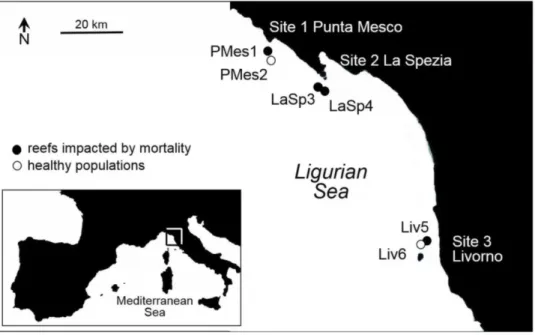
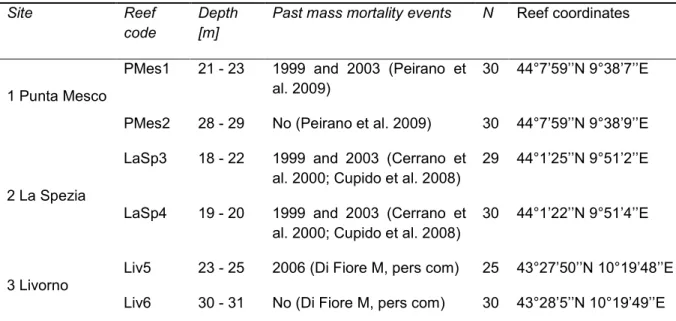
My research is being performed after two events of mass mortalities of benthic organisms in the Mediterranean Sea, in 1999 and 2003. The general aim of the study is to investigate the genetic diversity of Paramuricea clavata in the Ligurian Sea (NW Mediterranean), a region highly impacted by past mass mortality events, and the Atlantic Ocean, where mass mortality was never observed due to generally lower water temperature.
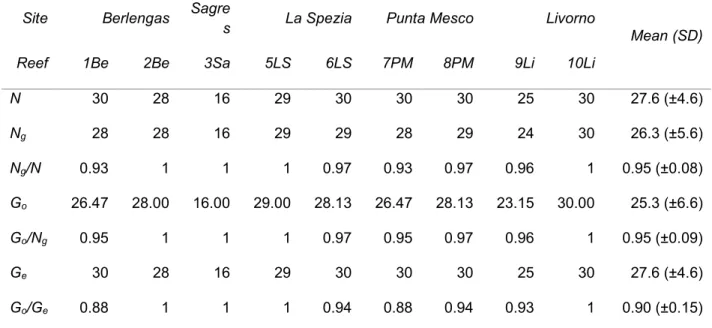
First chapter focuses on reproduction mode of the red gorgonian populations from the Ligurian Sea (NW Mediterranean), severely affected by climatically- induced mortality events in 1999, 2003 and 2006 and from the Atlantic Ocean, where mass mortality was never observed. The aim of the study was to evaluate the contribution of asexual reproduction and to investigate if clonal propagation plays an important role in P. clavata reproduction at sites that have been affected by mass mortality in the recent past.
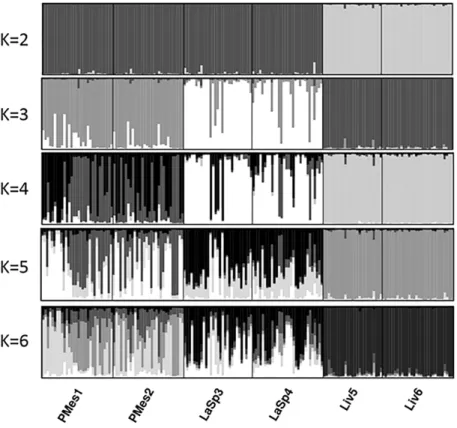
Second chapter describes the genetic structure of P. clavata populations in a region impacted by mass mortality events, the Ligurian Sea (NW Mediterranean). The aim of the study was to investigate a possible bottleneck effect of past mortality events on genetic diversity in a region where some populations were highly affected by mass mortality events and others were not. The second objective was to assess a connectivity pattern and migration at the local scale (10s of km).
The aim of the third chapter was to compare the genetic diversity between P. clavata populations from the Ligurian Sea and Atlantic Ocean. Highly variable microsatellite markers were used together with mitochondrial DNA COI gene. The differences in genetic composition and diversity between populations from two basins were discussed in terms of species phylogeography.
In the fourth chapter, the differences in genetic diversity in the red gorgonian coral from populations inhabiting different depths in the Atlantic and Mediterranean were examined. We hypothesize that genetic diversity may change with depth, being lower in the shallow populations due to past mortality events, and higher in deep, more stable environments
11
References
Ballesteros E (1992) Els vegetals i la zonacio litoral: especies, comunitats i factors que influeixen en la seva distribucio. Arxius Secció Cičncies 101, 1–616. Barcelona: Institut d’Estudis Catalans
Ballesteros E (2006) Mediterranean coralligenous assemblages: A synthesis of the present knowledge. Oceanogr Mar Biol Annu Rev 44, 123–195
Bally M, Garrabou J (2007) Thermodependent bacterial pathogens and mass mortalities in temperate benthic communities: a new case of emerging disease linked to climate change. Glob Chang Biol 13(10), 1–11
Bavestrello G, Cerrano C, Zanzi D, Cattaneo‐Vietti R (1997) Damage by fishing activities to the gorgonian coral Paramuricea clavata in the Ligurian Sea. Aquat Conserv 7(3), 253-262
Ben-Haim Y, Rosenberg E (2002) A novel Vibrio sp. pathogen of the coral Pocillopora damicornis. Mar Biol 141(1), 47–55
Bianchi C, Morri C (2000) Marine biodiversity of the Mediterranean Sea: situation, problems and prospects for future research. Mar Pollut Bull 40(5), 367-376
Boudouresque CF (1973) Recherches de bionomie analytique, structurale et experimentale sur les peuplements benthiques sciaphiles de Mediterranee Occidentale (fraction algale). Les peuplements sciaphiles de mode relativement calme sur substrats durs. B Mus Natl Hist Nat 33, 147–225
Boudouresque CF (2004) Marine biodiversity in the Mediterranean: status of species, populations and communities. Sci. reports Port-Cros Natl. Park 20(9), 97–146
Carpine C, Grasshof M (1975) Les gorgonaires de la Méditerranée. Bull. Inst. Oceanogr 71, 1–140
Cerrano C, Bavestrello G, Bianchi CN, Cattaneo-vietti R, Bava S, Morganti C, Morri C, Picco P, Sara G, Schiaparelli S, Siccardi A, Sponga F (2000) A catastrophic mass-mortality episode of gorgonians and other organisms in the Ligurian Sea (North-western Mediterranean), summer 1999. Ecol Lett 3, 284–293
Cerrano C, Bavestrello G (2008) Medium-term effects of die-off of rocky benthos in the Ligurian Sea. What can we learn from gorgonians? Chem Ecol 24 (1), 73-82
Cerrano C, Bavestrello G (2009) Massive mortalities and extinctions. In: Marine Hard Bottom Communities. Patterns, Dynamics, Diversity, and Change. (M Wahl ed). Cap. 21. Ecological Studies 206: 295-307. DOI: 10.1007/978-3-540-92704-4_21 Springer-Verlag Berlin Heidelberg
12
Cocito S, Bedulli D, Sgorbini S (2002) Distribution patterns of the sublittoral epibenthic assemblages on a rocky shoal in the Ligurian Sea (NW Mediterranean). Sci Mar 66 (2), 175-181
Cocito S, Ferrier-Pagès C, Cupido R, Rottier C, Meier-Augenstein W, Kemp H, Reynaud S, Peirano A (2013) Nutrient acquisition in four Mediterranean gorgonian species. Mar Ecol Prog Ser 473, 179-188
Cocito S, Sgorbini S (2013) Long-term trend in substratum occupation by a clonal, carbonate bryozoan in a temperate rocky reef in times of thermal anomalies. Mar Biol 161(1), 17-27
Coll M, Piroddi C, Steenbeek J, Kaschner K, Ben Rais Lasram F, et al. (2010) The biodiversity of the Mediterranean Sea: estimates, patterns, and threats. PLoS ONE 5(8), e11842
Coma R, Ribes M, Zabala M, Gili J-M (1995b) Reproduction and cycle of gonadal development in the Mediterranean gorgonian Paramuricea clavata. Mar Ecol Prog Ser 117, 173–183
Coma R, Zabala M, Gili J-M (1995a) Sexual reproductive effort in the Mediterranean gorgonian
Paramuricea clavata. Mar Ecol Prog Ser 117, 185–192
Coma R, Linares C, Pola E, Zabala M (2001) Seguiment temporal de la gorgonia Paramuricea
clavata de les illes Medes Exercici 2001. Pages 59–82 in M. Zabala, editor. Seguiment
temporal de l’area marina protegida de les illes Medes. Informe anual any 2001. Departament de Medi ambient, Generalitat de Catalunya, Barcelona, Spain
Coma R, Ribes M, Gili JM, Zabala M (2002) Seasonality of in situ respiration rate in three temperate benthic suspension feeders. Limnol Oceanogr 47, 324–331
Coma R, Ribes M (2003) Seasonal energetic constraints in Mediterranean benthic suspension feeders: Effects at different levels of ecological organization. Oikos 101(1), 205–215
Coma R, Pola E, Ribes M, Zabala M (2004) Long-term assessment of temperate octocoral mortality patterns, protected vs. unprotected areas. Ecol Appl 14(5), 1466–1478
Coma R, Linares C, Ribes M, Diaz D, Garrabou J, Ballesteros E, Zabala M (2006) Consequences of a mass mortality event on the populations of the gorgonian Eunicella singularis (Cnidaria, Octocorallia) in Menorca (Balearic Islands, NW Mediterranean). Mar Ecol Prog Ser 327, 51-60
Coma R, Ribes M, Serrano E, Jiménez E, Salat J, Pascual J (2009) Global warming-enhanced stratification and mass mortality events in the Mediterranean. P Natl Acad Sci 106(15), 6176-6181
13
Cupido R, Cocito S, Sgorbini S, Bordone A, Santangelo G (2008) Response of a gorgonian (Paramuricea clavata) population to mortality events: recovery or loss? Aquat Conserv: Mar Freshw Ecosyst 18 (6), 984-992
Cupido R, Cocito S, Barsanti M, Peirano A, Santangelo G (2009) Unexpected long-term population dynamics in a canopy-forming gorgonian following mass mortality. Mar Ecol Prog Ser 394, 195-200
Cupido R, Cocito S, Manno V, Ferrando S, Peirano A, Iannelli M, Bramanti L, Santangelo G (2012) Sexual structure of a highly reproductive, recovering gorgonian population: quantifying reproductive output. Mar Ecol Prog Ser 469, 25-36
Cúrdia J, Monteiro P, Afonso CM, Santos MN, Cunha MR, Gonçalves JM (2013) Spatial and depth-associated distribution patterns of shallow gorgonians in the Algarve coast (Portugal, NE Atlantic). Helgoland Mar Res 67(3), 521–534
Déqué M (2007) Frequency of precipitation and temperature extremes over France in an anthropogenic scenario: model results and statistical correction according to observed values. Global Planet Change 57(1), 16–26
Diffenbaugh NS, Pal JS, Giorgi F, Gao X (2007) Heat stress intensification in the Mediterranean climate change hotspot. Geophys Res Lett 34(11)
Ferrier-Pagès C, Tambutté E, Zamoum T, Segonds N, Merle PL, Bensoussan N, Allemand D, Garrabou J, Tambutté S (2009) Physiological response of the symbiotic gorgonian
Eunicella singularis to a long-term temperature increase. J Exp Biol 212(18), 3007-3015
Garrabou J, Ballesteros E, Zabala M (2002) Structure and dynamics of north-western Mediterranean benthic communities along a depth gradient. Estuar Coastal Shelf S 55(3), 493–508
Garrabou J, Coma R, Bensoussan N, Bally M, Chevaldonné P, Cigliano M, Diaz D, Harmelin JG, Gambi CM, Kersting DK, Ledoux JB, Lejeusne C, Linares C, Marschal C, Perez T, Ribes M, Romano C, Serrano E, Teixido N, Torrents O, Zabala M, Zuberer F, Cerrano C (2009) Mass mortality in Northwestern Mediterranean rocky benthic communities: effects of the 2003 heat wave. Glob Change Biol 15(5), 1090-1103
Garrabou J, Harmelin JG (2002) A 20-year study on life-history traits of a harvested long-lived temperate coral in the NW Mediterranean: insights into conservation and management needs. J Anim Ecol 71(6), 966–978
14
Gili JM, Ballesteros E (1991) Structure of cnidarian populations in Mediterranean sublittoral benthic communities as a result of adaptation to different environmental conditions. Oecologia Aquatica 10, 243–254
Gili JM, Coma R (1998) Benthic suspension feeders in marine food webs. Trends Ecol Evol 13, 297–337
Gori A, Linares C, Rossi S, Coma F, Gili JM (2007) Spatial variability in reproductive cycle of the gorgonians Paramuricea clavata and Eunicella singularis (Anthozoa, Octocorallia) in the Western Mediterranean Sea. Mar Biol 151(4), 1571-1584
Halpern BS, Walbridge S, Selkoe KA, Kappel CV, Micheli F, et al. (2008) A Global Map of Human Impact on Marine Ecosystems. Science 319, 948–952
Harley CDG, Randall Hughes A, Hultgren KM, Miner BG, Sorte CJB, Thornber CS, Rodriguez LF, Tomanek L, Williams SL (2006) The impacts of climate change in coastal marine systems. Ecol Lett 9(2), 228–241
Hong JS (1980) Étude faunistique d’un fond de concrétionnement de type coralligčne soumis ŕ un gradient de pollution en Méditerranée nord-occidentale (Golfe de Fos). Doctoral Thesis. Universite d’Aix-Marseille II
Huete-Stauffer C, Vielmini I, Palma M, Navone A, Panzalis P, Vezzulli L, Cerrano C (2011) Paramuricea clavata (Anthozoa, Octocorallia) loss in the Marine Protected Area of Tavolara (Sardinia, Italy) due to a mass mortality event. Mar Ecol 32(s1), 107–116
Kipson S, Linares C, Čižmek H, Cebrián E, Ballesteros E, Bakran‐Petricioli T, Garrabou J (2014) Population structure and conservation status of the red gorgonian Paramuricea clavata (Risso, 1826) in the Eastern Adriatic Sea. Mar Ecol 36(4), 982-993
Lasker HR (2006) High Fertilization Success in a Surface-Brooding Caribbean Gorgonian. Biol Bull 210(1), 10-17
Laubier L (1966) Le coralligene des Alberes: monographie biocenotique. Ann. Inst. Oceanogr. (Monaco) 43, 139–316
Linares C, Coma R, Diaz D, Zabala M, Hereu B, Dantart L (2005) Immediate and delayed effects of a mass mortality event on gorgonian population dynamics and benthic community structure in the NW Mediterranean Sea. Mar Ecol Prog Ser 305, 127–137
Linares C, Coma R, Mariani S, Diaz D, Hereu B, Zabala M (2007a) Early life history of the Mediterranean Gorgonian Paramuricea clavata: implications for population dynamics. Invertebr Biol 127(1), 1-11
15
Linares C, Doak D, Coma R, Diaz D, Zabala M (2007b) Life history and population viability of a long-lived marine invertebrate: the octocoral Paramuricea clavata. Ecology 88(4), 918–928
Linares C, Coma R, Zabala M (2008) Effects of a mass mortality event on gorgonian reproduction. Coral Reefs 27(1), 27–34
Linares C, Doak DF (2010) Forecasting the combined effects of disparate disturbances on the persistence of long-lived gorgonians: a case study of Paramuricea clavata. Mar Ecol Prog Ser 402, 59-68
Martin Y, Bonnefont JL, Chancerelle L (2002) Gorgonians mass mortality during the 1999 late summer in French Mediterranean coastal waters: the bacterial hypothesis. Water Res 36(3), 779-782
Öztürk B, Aktan Y, Topaloğlu B, Keskin Ç, Öztürk AA, Dede A, Türkozan O (2004) Marine life of Turkey in the Aegean and Mediterranean Seas. Turkish Marine Research Foundation (TUDAV) Publications. Marine Education Series. Number 10. Istanbul, Turkey, 200 pp.
Palanques A, Guillen J, Puig P (2001) Impact of bottom trawling on water turbidity and muddy sediment of an unfished continental shelf. Limnol Oceanogr 46(5), 1100–1110
Perez T, Garrabou J, Sartoretto S, Harmelin JG, Francour P, Vacelet J (2000) Mass mortality of marine invertebrates: an unprecedented event in the Northwestern Mediterranean. Compt Rend Acad Sci Paris, Sci Vie 323, 853–865
Phillips DL, Gregg JW (2003) Source partitioning using stable isotopes: coping with too many sources. Oecologia 136, 261−269
Piazzi L, Balata D (2011) Coralligenous habitat: patterns of vertical distribution of macroalgal assemblages. Sci Mar 75(2), 399-406
Relvas P, Barton ED, Dubert J, Oliveira PB, Peliz A, da Silva JCB, Santos AMP (2007) Physical oceanography of the western Iberia ecosystem: Latest views and challenges. Prog Oceanogr 74(2-3), 174-191
Ribes, M., Coma, R., and Gili, J. M. (1999) Heterogeneous feeding in benthic suspension feeders: the natural diet and grazing rate of the temperate gorgonian Paramuricea clavata (Cnidaria: Octocorallia) over a year cycle. Mar Ecol Prog Ser 183, 125-137
Rodolfo-Metalpa R, Richard C, Allemand D, Ferrier-Pagès C (2006) Growth and photosynthesis of two Mediterranean corals, Cladocora caespitosa and Oculina patagonica, under normal and elevated temperatures. J Exp Biol 209(22), 4546-4556
16
Rodrigues SCM (2008) Dados ecológicos de gorgónias (octocorallia: Alcyonacea)-contributo para
a conservação e gestão de actividades subaquáticas no parque marinho professor Luiz Saldanha (Portugal) (Doctoral dissertation, Master’s thesis, Universidade de Lisboa)
Sala E, Garrabou J, Zabala M (1996) Effects of diver frequentation on Mediterranean sublittoral populations of the bryozoan Pentapora fascialis. Mar Biol 126(3), 451–459
Soulé ME, Estes JA, Berger J, Del Rio CM (2003) Ecological effectiveness, conservation goals for interactive species. Conserv Biol 17(5), 1238–1250
Sparnocchia S, Schiano ME, Picco P, Bozzano R, Cappelletti A (2006) The anomalous warming of summer in the surface layer of the central Ligurian Sea (western Mediterranean). Ann Geophys 24, 443–452
Stenseth NC, Mysterud A, Ottersen G, Hurrell JW, Chan KS, Lima M (2002) Ecological effects of climate fluctuations. Science 297(5585), 1292-1296
Teixidó N, Casas E, Cebrián E, Linares C, Garrabou J (2013) Impacts on Coralligenous Outcrop Biodiversity of a Dramatic Coastal Storm. PloS one 8(1), e53742
Torrents O, Tambutté É, Caminiti N, Garrabou J (2008) Upper thermal thresholds of shallow vs deep populations of the precious Mediterranean red coral Corallium rubrum (L.): assessing the potential of warming in the NW Mediterranean. J Exp Mar Biol Ecol 357, 7-19
Vezzulli L, Previati M, Pruzzo C, Marchese A, Bourne DG, Cerrano C (2010) Vibrio infections triggering mass mortality events in a warming Mediterranean Sea. Environ microbiol 12(7), 2007-2019
19
Chapter 1. Low clonal propagation in Atlantic and Mediterranean
populations of the red gorgonian (Paramuricea clavata)
1.1. Abstract
Clonal propagation is a common feature of benthic marine organisms. In the present study, we investigated the contribution of clonal reproduction in the red gorgonian Paramuricea clavata. Mediterranean populations of P. clavata were severely affected by mortality events in 1999 and 2003, caused by increased water temperature. The populations are characterized by slow growth and episodic recruitment, however, after the observed mortalities, an unexpected high recovery rate was observed in the severely affected populations from the Ligurian Sea, NW Mediterranean. Ten years after the last mortality event, we investigated the contribution of clonal propagation in populations from the Ligurian Sea, where some populations were highly affected by mass mortality events, and from the Atlantic, where mortality was never observed. All individuals were genotyped for 10 microsatellite loci. The contribution of clonal reproduction varied from 0 to 13% and did not differ significantly between affected and unaffected populations. We confirm by using genetic markers that clonal propagation in P. clavata is not common and the contribution of clones is too low to play an important role in red gorgonian reproduction and cannot contribute to population recovery in sites that have been affected by mass mortality events.
1.2. Introduction
Clonal propagation is widespread among marine invertebrates and a number of studies have attempted to explain its evolutionary importance and adaptive significance (Coffroth and Lasker 1998; McFadden 1991). Asexual reproduction does not only allow domination of the community by the most adapted genotype (Miller and Ayre 2004), but has also a significant role in the colonization of new areas, since it may allow for a faster increase in abundance compared to sexual reproduction (Dybdahl and Kane 2005; Mergeay et al. 2006).
Asexual reproduction may play an important role in corals, supporting high population growth rates (Lasker 1988). In species with frequent vegetative propagation and low recruitment of larvae produced through sexual reproduction, a few successful clones may dominate the population (McFadden 1991, 1997). Additionally, observations of skewed sex ratio, frequently reported in octocorals (Kahng et al. 2011), may be generated by asexual reproduction, such as in the Caribbean gorgonian Plexuara sp. populations (Brazeau and Lasker 1989). This species reveals extremely low males contribution, but at the same time reproductive output is high, suggesting that eggs develop parthenogenetically. If this is the case, Plexuara sp. clones, spread locally by fragmentation (Lasker 1984) and between reefs by the dispersal of parthenogenetic eggs, may reach wide geographic distributions. Chen et al. (2002) found noticeably high contribution of clonal reproduction in a local population of the gorgonian coral Junceella fragilis from Taiwan. The
20
population was dominated by only two distinct genotypes, probably as a result of multiple clonal reproduction events following colonization by two founder individuals. Numerous cnidarian species may change their reproductive mode and increase or decrease the contribution of clonal reproduction to recruitment in response to environmental changes. As reported in Coffroth and Lasker (1998), the lowest genotypic diversity, meaning the highest contribution of clones, may be related to wave action, such as in the gorgonian Plexuara kuna populations from the Caribbean (Lasker et al. 1998). Wave action promotes the detachment of the colony branches, but fragments need calm periods to reattach to the substratum and become established, therefore the highest contribution of clones are found at sites with intermediate wave impact. Changes in reproductive mode may occur seasonally. The soft coral Alcyonium spp. from North-western Pacific exclusively uses sexual reproduction during the summer and thus clonal reproduction becomes more important in winter, when animals do not spend energy on sexual propagation (McFadden 1991). Clonal reproduction may be also promoted by human activities, i.e. anchoring and fishing gear, causing colonies detachment (Harmelin and Marinopoulos 1994). Detached coral fragments may reattach to substratum and create a new colony.
The red gorgonian (Paramuricea clavata, Risso 1826) is widely distributed in the western Mediterranean Sea (Carpine and Grasshof 1975) and along the Portuguese coast of the Atlantic (Boavida et al. 2015). Assemblages dominated by P. clavata are common on vertical surfaces with low irradiance and intense water flow (Ballesteros 2006), with the highest population abundance between 15 and 35 m (Linares et al. 2008). The species is known to reproduce almost exclusively by sexual propagation (Coma et al. 1995ab). In the Mediterranean Sea synchronous spawning occurs twice a year in June, around the new and the full moon. Fertilization, embryogenesis and maturation of the planula larvae take place on the surface of the mother colony (Linares et al. 2007). The reproductive effort of P. clavata increases with colony size (Coma et al. 1995a; Cupido et al. 2012). Coma et al. (1995a) reported that large colonies (height >40 cm) are generally scarce in the population from the Medes Islands (NW Mediterranean), constituting less than 3% of colonies, but their contribution to the production of gametes was on the order of 40% of female gametes and 33% of male gametes. In contrast, the recruitment rates are considered to be low. Linares et al. (2007) reported that during 2 years of monitoring the population from Medes Islands none of the settled polyps in the study area survived longer than 7 months.
P. clavata may also reproduce asexually by fragmentation of the colony or stolonization. Colonies
originated from fragments differ in appearance from the typical fan-shaped colonies. They are attached to the substratum at several points and have several parallel branches growing up from a branch lying on the substrate (Coma et al. 1995b). This morphology can not only be a result of asexual reproduction, but also an adaptation to hydrodynamics, i.e. to turbulent current regime or a result of partial colony mortality in the past (Cerrano and Bavestrello 2008). Colonies originating from stolons are connected to the mother colony until they reach around 15 cm in height, but the connection breaks up with time (Coma et al. 1995b). Based on colony morphology, Coma et al.