Clinical profile of patients with myasthenia gravis followed at the
University Hospital, Federal University of Minas Gerais
ALINE MANSUETO MOURÃO1*, LUIZ SÉRGIO MAGESTE BARBOSA2, ELIZABETH REGINA COMINI-FROTA3, DENISEDA SILVA FREITAS4,
RODRIGO SANTIAGO GOMEZ4, TED M. BURNS5, STELA MARIS AGUIAR LEMOS6, ANTONIO LÚCIO TEIXEIRA7
1PhD Student – Speech Pathologist and Audiologist, Master’s degree – Speech Pathologist and Audiologist, MSc in Neuroscience from the Federal University of Minas Gerais, Belo Horizonte MG, Brazil 2Neurologist – Center for Neuromuscular Diseases, Neurology Service, Clinics Hospital, Federal University of Minas Gerais, Belo Horizonte, MG, Brazil
3PhD – Neurologist, Center for Neuromuscular Diseases, Neurology Service, Clinics Hospital, Federal University of Minas Gerais, Belo Horizonte, MG, Brazil 4Neurologist – Center for Neuromuscular Diseases, Neurology Service, Clinics Hospital, Federal University of Minas Gerais, Belo Horizonte, MG, Brazil 5PhD – Neurologist, “MG Composite” and “MG–QOL15” Study Groups, Professor at the University of Virginia, Charlottesville, Virginia, USA
6PhD – Speech Pathologist and Audiologist, Professor at the Department of Speech Pathology and Audiology, Federal University of Minas Gerais, Belo Horizonte, MG, Brazil 7PhD – Neurologist and Psychiatrist, Professor at the Medical School of the Federal University of Minas Gerais, Belo Horizonte, MG, Brazil
S
UMMARYStudy conducted at Center for Neuromuscular Diseases, Neurology Service, Clinics Hospital, Federal University of Minas Gerais, Belo Horizonte, MG, Brazil.
Article received: 4/29/2014
Accepted for publication: 10/21/14
*Correspondence:
Address: Rua Itajuba, 1945/103, Sagrada Família Belo Horizonte, MG – Brazil
Postal code: 31.035-540 Phone: (31) 3459-3200 (31) 9732-0286 [email protected]
http://dx.doi.org/10.1590/1806-9282.61.02.156
Conflict of interest: none
Objective: to determine the clinical profile of patients with myasthenia gravis (MG); followed at the Neuromuscular Diseases Clinic of the University Hospital, Fed-eral University of Minas Gerais, Brazil, and to compare it with other Brazilian case series.
Methods: sociodemographic and clinical data were collected from patients, and a systematic literature review performed, focusing on national studies on the clinical profile of MG patients.
Results: sixty nine patients were enrolled in the study. Fifty five (91%) subjects were female and the mean age (SD) was 37.6 (±11.4) years. The mean disease du-ration was 14.1 years. Regarding treatment, prednisone was the most used strat-egy (64%), followed by the use of azathioprine (43%). There was no difference be-tween thymectomized (42) and non-thymectomized (27) patients regarding disease severity and medication use.
Conclusion: clinical and socio-demographic features of this MG sample from a University-based clinic resemble those reported in other Brazilian series and in the international literature.
Keywords:myasthenia gravis, epidemiology, neurology, thymectomy, therapeu-tics.
I
NTRODUCTIONMyasthenia gravis (MG) is a prototypical autoimmune dis-order in which muscle weakness occurs as a result of the
impairment in neuromuscular transmission.1 The main
clinical symptoms are fatigue and fluctuating weakness of ocular, bulbar, respiratory, and appendicular muscles.2
This weakness tends to increase during the day and it is as-sociated with physical activity, while muscle strength im-proves with rest or with anti-cholinesterase drugs.3-6 In
most patients, the maximum level of severity is reached during the first three years of the disease.5-8
For the last 60 years, several epidemiological studies have been conducted on MG worldwide with great vari-ability in the reported prevalence and incidence of the
disease. Most of these studies were done in Europe and
North America.9-16 These heterogeneous results may be
partly explained by methodological differences and bio-logical factors.17-23 There is, for instance, hormonal and/
or environmental influence on disease development. There is no Brazilian study aiming to determine the prevalence of MG in the community. Conversely, a few Brazilian case series have been reported, describing clin-ical and sociodemographic features of patients followed at specialized clinics.17-30
com-paring it with other series to draw a picture of the MG in Brazil.
M
ETHODSThis is an observational cross-sectional study that collect-ed data from 69 patients with MG followcollect-ed at the Neuro-muscular Diseases Clinic of the University Hospital, UFMG. Socio-demographic and clinical information was obtained through chart review and clinical evaluation.
Diagnosis of MG was based on the following criteria: clinical history of fatigability with recovery after rest, and clinical response to the administration of anti-cholinester-ase drugs, associated with antibodies detection and/or de-creased electrical activity in repetitive nerve stimulation, and exclusion of alternative neurological diseases.7,31
The severity of MG was graded according to the
My-asthenia gravis Foundation of America Clinical Classifica-tion (MGFA).31 This scale was developed to identify
sub-groups of MG patients who share clinical features, possibly indicating similar prognosis and/or therapeutic response. It is now recognized as the main instrument to classify patients with MG, separating patients with pure-ly ocular involvement from those with generalized or bul-bar muscle weakness, specifying the degree of weakness in mild, moderate or severe.
Descriptive analysis was performed, reporting the fre-quency of all categorical variables, and analysis of the measures of central tendency and dispersion of continu-ous variables.
A systematic literature review was also carried out, se-lecting Brazilian studies that aimed to characterize and/or describe the clinical profile of patients with MG followed at outpatient services. The Medline and Lilacs databases were assessed. The following descriptors were used: Myas-thenia gravis and Epidemiology; Myasthenia gravis and Ther-apeutics; Myasthenia gravis and Review; Myasthenia gravis and Prevalence, Incidence and Myasthenia gravis; Thymectomy and Epidemiology; Thymectomy and Therapeutics; mectomy and Review; Thymectomy and Prevalence, Thy-mectomy and Incidence. For the SciELO database, the same descriptors in Portuguese were used.
This study was approved by the Ethics Committee of the Federal University of Minas Gerais under ETIC license no 0476.0.203.000-11.
R
ESULTSSixty nine patients with MG were enrolled in this study (Tables 1 and 2). Most patients were women (91%) with a female:male proportion of 4:1. Mean age (SD) was 37.6 (±11.4) years. According to the MGFA, Classes II A and V
had the highest number of patients, with 14 in each class (20.3%), followed by 13 patients (18.8%) in Class I.
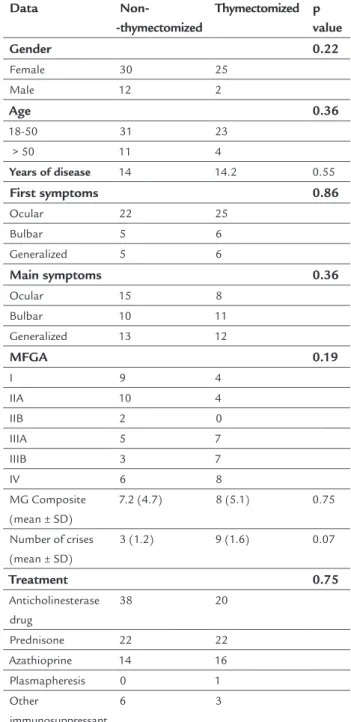
TABLE 1 Comparison of clinical and socio-demographic
characteristics of thymectomized (n=27) and non-thymectomized (n=42) patients with myasthenia gravis.
Data Non-
-thymectomized
Thymectomized p value
Gender 0.22
Female 30 25
Male 12 2
Age 0.36
18-50 31 23
> 50 11 4
Years of disease 14 14.2 0.55
First symptoms 0.86
Ocular 22 25
Bulbar 5 6
Generalized 5 6
Main symptoms 0.36
Ocular 15 8
Bulbar 10 11
Generalized 13 12
MFGA 0.19
I 9 4
IIA 10 4
IIB 2 0
IIIA 5 7
IIIB 3 7
IV 6 8
MG Composite (mean ± SD)
7.2 (4.7) 8 (5.1) 0.75
Number of crises (mean ± SD)
3 (1.2) 9 (1.6) 0.07
Treatment 0.75
Anticholinesterase drug
38 20
Prednisone 22 22
Azathioprine 14 16
Plasmapheresis 0 1 Other
immunosuppressant
6 3
MG: myasthenia gravis; MGFA: Myasthenia gravis Foundation of America Clinical Classification Test Statistics; Mann-Whitney U; Fischer’s Exact Test.
44 (64%) prednisone and 58 (84%) with symptomatic drug (pyridostigmine). The use of prednisone associat-ed with symptomatic massociat-edication was the most adoptassociat-ed strategy.
Despite no difference between thymectomized and non-thymectomized patients in demographic and clini-cal features (Table 2), all patients who underwent thy-mectomy reported improvement of symptoms and/or re-duction of the frequency of myasthenic crises after the surgery. Two out of 27 (7.4%) had thymoma.
Socio-demographic and clinical data from the Bra-zilian studies are shown in Table 2. Fourteen BraBra-zilian
TABLE 2 Clinical profile of myasthenia gravis patients from Brazilian case series.
Study N F:M Age
(Mean)
Length of disease (years)
Main symptoms Treatment
R O B G T I AZA PDN MS
25 Oliveira et al. 1995
52 6.4:1 27 3.1 0 0 52
(100%) 52 (100%)
0 0 52
(100%) 0
17 Saraiva et al. 1996
324 2.1:1 34.6 . 62 (19.1%) 16 (4.9%) 246 (75.9%) 16 (4.9%) . . . . 18 Cunha et al. 1999
153 2.1:1 32.1 6.2 103 (67.3%) 121 (79%)
76 (49.6%)
4 (2.6%) . . . .
19 Asis et al. 1999
41 1:1.4 45 5 1 (2.4%) 6 (14.6%) 10 (24.4%) 41 (100%) . 9 (21.5%) 21 (51.2%) 10 (24.4%) 26 Almeida
et al. 2000
90 3:1 28.2 3.4 . . . 0 0 11
(12.2%)
0 79
(87.8%)
24 Morrita et al. 2001
18 1.2:1 7.3 . . . . 5
(27.8%) . 1 (5.6%) 16 (88.9%) . 20 Werneck et al. 2002
24 2.3:1 39.5 4.1 0 23 (95.8%)
1 (4.1%) 12 (50%) 3 (12.5%) 4 (16.7%) 17 (70.8%) 0 27 Oda et al. 2002
22 6.3:1 37.8 7.3 . . . .
28 Saito et al. 2003
21 6:1 29.7 6 . . . 0 . . . .
21 Maffeis et al. 2004
26 2.7:1 28 . . . . 18
(69.2%)
. . . .
22 Ruiz et al. 2004
46 2:1 30 26.3 4 (8.7%) 22 (47.8%) 20 (43.4%) 46 (100%) 0 1 (2.1%) 7 (15.2%) 9 (19.5%) 23 Mega
et al. 2005
15 2.7:1 35 . . . . 15
(100%)
. . . .
29 Aguiar et al. 2010
122 2.2:1 31.9 8.9 6 (4.9%) 0 111 (94.1%) 52 (42.6%) 0 40 (32.8%) 109 (89.3%) 122 (100%) 30 Lorenzoni
et al. 2013
53 4.9:1 42.1 15.1 28 (52.8%) 21 (39.6%)
4 (7.5%) 21 (39.6%) 0 46 (86.7%) 50 (94.3%) 52 (98.1%) Current study
69 4:1 37.6 14.1 23
(33.3%) 21 (30.4%) 25 (36.2%) 27 (39.1%) 9 (13%) 30 (43%) 44 (64%) 58 (84%)
R: references; N: number of patients; F:M: female:male proportion; O: ocular; B: bulbar; G: generalized; T: thymectomy; I: immunosuppressant (except AZA); AZA: azathioprine; PDN: prednisone; SM: symptomatic medication (pyridostigmine).
studies with enough data to characterize the clinical pro-file of MG patients were found. Only one study was car-ried out in children and adolescents.24 The main clinical
Master course. We would like to thank Dr. Izabela Bar-bosa for assistance in the systematic review of literature.
R
ESUMOPerfil clínico de pacientes com miastenia gravis em acom-panhamento no Hospital das Clínicas, da Universidade Federal de Minas Gerais.
Objetivo: determinar o perfil clínico dos pacientes com
miastenia gravis (MG) atendidos na Clínica de Doenças
Neuromusculares do Serviço de Neurologia do Hospital das Clínicas da Universidade Federal de Minas Gerais, e comparar com outras séries de casos brasileiras.
Métodos: foram coletados dados clínicos e sociodemo-gráficos dos pacientes, e realizada revisão sistemática de literatura, focando em estudos nacionais sobre o perfil clínico de pacientes com MG.
Resultados: sessenta e nove pacientes participaram do estudo, sendo 55 (91%) do sexo feminino, e a média de idade (desvio-padrão) de 37,6 (±11,4) anos. O tempo mé-dio de doença foi de 14,1 anos. Em relação ao tratamen-to, o uso isolado de prednisona foi a estratégia mais ado-tada (64%), seguida do uso de azatioprina (43,3%). Não houve diferença entre os pacientes timectomizados (47) e não timectomizados (22) no que diz respeito à gravida-de da doença e ao tratamento.
Conclusão: as características clínicas e sociodemográfi-cas da presente amostra de pacientes com MG de um ser-viço universitário assemelham-se às características de ou-tras séries brasileiras e da literatura internacional.
Palavras-chave: miastenia gravis, epidemiologia, neuro-logia, timectomia, terapêutica.
R
EFERENCES1. Meriggioli MN, Sanders DB. Autoimmune myasthenia gravis: emerging clinical and biological heterogeneity. Lancet Neurol.2009;8(5):475-90.
2. Drachman DB. Myasthenia gravis. N Engl J Med. 1994;330(25):1797-810. 3. Grob D, Brunner N, Namba T, Pagala M. Lifetime course of myasthenia gravis.
Muscle Nerve.2008;37(2):141-9.
4. Somnier FE, Keiding N, Paulson OB. Epidemiology of myasthenia gravis in Denmark. A longitudinal and comprehensive population survey. Arch Neurol.1991;48(7):733-9.
5. Beekman R, Kuks JB, Osterhuis HJGH. Myasthenia gravis: diagnosis and follow-up of 100 consective patients. J Neurol. 1997;244(2):112-8. 6. Robertson NP, Deans J, Comspton DAS. Myasthenia gravis: a population
based epidemiological study in Cambridgeshire, England. J Neurol Neurosurg Psychiatry. 1998;65(4):492-6.
7. Donaldson DH, Ansher M, Horan S, Rutherford RB, Ringel SP. The relationship of age to outcome in myasthenia gravis. Neurology. 1990;40(5):786-90. 8. Mantegazza R, Beghi E, Pareuson P, Antozzi C, Peluchetti D, Sghirlanzoni
A, et al. A multicentre follow-up study of 1,152 patients with myasthenia gravis in Italy. J Neurol. 1990;237(6):339-44.
D
ISCUSSIONOverall, the profile of MG patients followed at the Neu-romuscular Diseases Clinic of the University Hospital, UFMG was similar to those described in other Brazilian series, which were also specialized-center based, and in the international literature.17-30
Ocular symptoms were the first symptoms described by most MG patients; however, they were not considered the main problem with the disease progression. Bulbar symptoms were considered the most disabling, which is in agreement with some studies.2-4,17,18,27
Thymectomy is mandatory in MG patients with thy-moma, which was identified in two patients in the cur-rent series. For patients without thymoma, uncontrolled studies suggest that thymectomy increases the likelihood of remission. There was no significant difference between thymectomized and non-thymectomized patients in clin-ical parameters which is concordant with other Brazilian reports.20,29,30 Indeed, several cross-sectional studies failed
to find any significant difference between patients who underwent thymectomy and those under conservative treatment.5,9,12,20,21,24,29 In this scenario and taking into
ac-count the risks associated with the surgical procedure, the indication of thymectomy is frequently withheld. To solve this issue a multi-center, single-blind, randomized study, comparing thymectomy to no thymectomy in MG patients receiving prednisone, is underway (clinicaltrials. gov; identifier: NCT00294658).
Only the latest studies detailed the therapeutic strat-egies used,29,30 and they are concordant with the clinical
practice in our clinic. In contrast, even recent Brazilian case series18,19,22,23,25,27,29 used the clinical classification of
Osserman-Gerkins, while the recommended standards of clinical research on MG and the international literature
have adopted MGFA since the early 2000s.21,30
C
ONCLUSIONDespite the clinical heterogeneity of MG, the clinical and demographic profiles and therapeutic strategies report-ed in Brazilian case series are quite similar. Further stud-ies in different settings (i.e. clinical vs. community), with long-term follow-up and collection of clinical data with
standardized instruments (e.g. MGFA and QOLMG-15)
are warranted to better define the unmet needs of the Bra-zilian subjects with MG.
A
CKNOWLEDGMENTS9. Rastenytė D, Vaitkus A, Neverauskas R, Pauza V. Demographic-clinical profile of the patients with Myasthenia gravis. Medicina (Kaunas). 2002; 38(6):611-6.
10. Carr AS, Cardwell CR, McCarron PO, McConville J. A systematic review of population based epidemiological studies in Myasthenia gravis. BMC Neurology. 2010;10(46):1-9.
11. Phillips LH 2nd: The epidemiology of myasthenia gravis. Ann N Y Acad Sci. 2003;998:407-12.
12. Heckmann JM, Owen EP, Little F. Myasthenia gravis in South Africans: racial differences in clinical manifestations. Neuromuscul Disord. 2007;17(11-12):929-34.
13. Alshekhlee A, Miles JD, Katirji B, Preston DC, Kaminski HJ. Incidence and mor tality rates of myasthenia gravis and myasthenic crisis in US hospitals. Neurology. 2009;72(18):1548-54.
14. Sanchez JL, Uribe CS, Franco AF, Jimenez ME, Arcos-Burgos OM, Palacio LG. Prevalence of myasthenia gravis in Antioquia, Colombia. Rev Neurol. 2002;34(11):1010-2.
15. Phillips LH, Torner JC. Epidemiologic evidence for a changing natural histo-ry of myasthenia gravis. Neurology.1996;47(5):1233-8.
16. Jacobson DL, Gange SJ, Rose NR, Graham NM. Epidemiology and estimated population burden of selected autoimmune diseases in the United States. Clin Immunol Immunopathol. 1997; 84(3):223-43.
17. Saraiva PAP, Assis JL, Marchiori PE. Evaluation of the respiratory function in myasthenia gravis. Arq Neuropsiquiatr. 1996;54(4):601-7.
18. Cunha FMB, Scola RH, Werneck LC. Myasthenia gravis: clinical evaluation of 153 patients. Arq Neuropsiquiatr. 1999;57(2-B): 457-64.
19. De Assis JL, Zambon AA, Souza PS, Marchiori PE. Myasthenia gravis and thymoma Evaluation of 41 patients. Arq Neuropsiquiatr. 1999;57(1):6-13. 20. Werneck LC, Scola RH, Germiniani FMB. Myasthenic Crisis.Report of 24
cases. Arq Neuropsiquiatr. 2002;60(3-A):519-24.
21. Maffeis RC, Nucci A, Marques JFC, Roveri EG, Pfeilsticker BHM, Garibaldi SG, et al. Plasmaférese no tratamento da miastenia grave: estudo retrospectivo de 26 pacientes. Retrospective study of 26 patients. Arq Neuropsiquiatr. 2004;62(2-B):391-5.
22. Ruiz RLR, Reibscheid SM, Cataneo AJM, Rezende LAL. Extended thymectomy for treating patients with myasthenia gravis (MG). J Bras Pneumol. 2004;30(2):115-20.
23. Mega R, Coelho F, Pimentel T, Ribero R, Matos N, Araújo A. Thymus surgery in a general surgery department. Acta Méd Port. 2005;18(4):267-70. 24. Morrita MPA, Gabbai AA, Oliveira ASB, Penn AS. Myasthenia gravis in children.
Analysis of 18 patients. Arq Neuropsiquiatr. 2001;59(3-B):681-5. 25. Oliveira JT, Campos GB, Cardoso FEC. Myasthenia gravis: results of
thymectomy in 52 patients. Arq Neuropsiquiatr. 1995;53(2):198-202. 26. Almeida FHS, Okano N, Vargas EC, Ferreira-SantosR, SatoT, Barreira AA.
Analysis of 90 cases treated with thymectomy. Acta Cir Bras. 2000;15(2):53-6. 27. Oda AL, Chiappetta ALML, Annes M, Marchesan IQ, Oliveira ASBO. Clinical,
endoscopical and manometric evaluation of swallowing in patients with
myasthenia gravis. Arq Neuropsiquiatr. 2002 60(4):986-95.
28. Saito EH, Higa C, Nunes RA, Magalhães GC, Vaz LCA, Cervante VF. Extended thymectomy through video assisted thoracic surgery and cervicotomy in the treatment of myasthenia. J Pneumol. 2003;29(5):273-9.
29. Aguiar AA, Carvalho AF, Costa CM, Fernandes JM, DAlmeida JA, Furtado LE, et al. Myasthenia gravis in Ceará, Brazil Clinical and epidemiological aspects. Arq Neuropsiquiatr. 2010;68(6):843-8.
30. Lorenzoni PJ, Augusto LP, Kamoi Kay CS, Scola RH, Werneck LC. Myasthenia gravis and thymus: long-termfollow-up screening of thymectomized and non-thymectomized patients. Arq Neuropsiquiatr. 2013;71(7):462-4. 31. Jaretzki A, Barohn RJ, Ernstoff RM, Kaminski HJ, Keesey JG, Penn AS, et al.