Universidade de Lisboa
Faculdade de Farmácia
Design synthesis and biological evaluation of
new antiplasmodial compounds related to
ellagic acid
Bernardo Santos Brasil
Mestrado Integrado em Ciências Farmacêuticas
2
Universidade de Lisboa
Faculdade de Farmácia
Design synthesis and biological evaluation of
new antiplasmodial compounds related to
ellagic acid
Bernardo Santos Brasil
Monografia de Mestrado Integrado em Ciências Farmacêuticas apresentada
à Universidade de Lisboa através da Faculdade de Farmácia
Orientador: Prof. Dr. Pierre Francotte
Co-Orientador: Prof. Dra. Francisca Lopes
3
O projecto apresentado na presente monografia resulta do acordo
bilateral estabelecido entre a Faculdade de Farmácia da
Universidade de Lisboa e Université de Liège, ao abrigo do
Programa Erasmus+. Este projecto foi desenvolvido no Laboratoire
de Chimie Pharmaceutique pertencente à Faculté de Médecine e
teve a supervisão e orientação do Professor Pierre Francotte.
4
Resumo
Actualmente, a malária continua a ser uma das maiores ameaças à vida humana em termos de problemas de saúde pública a nível mundial. Estima-se que cerca de 3,2 biliões de pessoas, em 95 países e territórios, estejam em risco de infecção pelo
Plasmodium e assim contrair esta doença que, por vezes, se torna fatal. Em 2015,
foram registados 212 milhões de casos de malária, verificando-se ainda cerca de 429 000 mortes. A epidemia tem maior impacto no hemisfério sul, principalmente em países em desenvolvimento sendo que mais de 90% das mortes devidas à malária acontecem na zona subsariana de África. As crianças com idade inferior a 5 anos, que representam 70% das mortes registadas em África, e as grávidas constituem os grupos de maior risco no que concerne à infecção, tendo em conta o estado débil dos seus sistemas imunitários. No entanto, têm-se verificado avanços no controlo e tratamento desta doença, com a taxa de incidência a diminuir 41% no período de 2000 a 2010, e 21% entre 2010 e 2015. Este declínio no número de casos e mortes registados deve-se, em grande medida, às melhorias no acesso a cuidados de saúde incluindo o uso de terapias combinadas à base de artemisinina e ainda às grandes campanhas de prevenção e sensibilização organizadas. A infecção pelos parasitas da malária pode levar a um amplo espectro de sintomas, desde a sua ausência ou mesmo sintomas muito leves, tais como náuseas, vómitos, dores de cabeça e febre, até a uma doença com consequências graves e possivelmente fatais, como anemia grave por hemólise ou insuficiência renal aguda.
A malária é, então, uma doença infecciosa transmitida por mosquitos e provocada por parasitas protozoários do género Plasmodium, cujo ciclo de vida se verifica extremamente complexo. A transmissão para humanos ocorre pela picada de uma fémea infectada do mosquito Anopheles, a qual introduz no sistema circulatório do humano os esporozoítos presentes na sua saliva, que vão posteriormente infectar os hepatócitos, onde maturam desenvolvendo esquizontes. Após a maturação dos esquizontes estas células rompem libertando na circulação merozoítos, que vão infectar os glóbulos vermelhos. Nas hemácias, ocorre a multiplicação assexuada formando um esquizonte sanguíneo cuja ruptura liberta novamente merozoítos com a capacidade de infectar novos eritrócitos. Os parasitas na fase sanguínea são os responsáveis pelas manifestações clínicas da doença, e alguns destes têm a capacidade de se diferenciar em formas eritrocíticas sexuais (gametócitos). Os gametócitos masculinos e femininos, micro e macrogametócitos respectivamente, são
5 ingeridos pela fémea do mosquito Anopheles através de uma picada dando-se início ao ciclo esporogónico com a multiplicação dos parasitas no mosquito. Uma vez no estômago do mosquito, os microgâmetas penetram os macrogâmetas dando origem a zigotos que se tornam alongados e móveis (oocinetes) e invadem a parede do intestino onde se desenvolvem em oocistos. Estes oocistos crescem e após a sua ruptura libertam esporozoítos que através da circulação sanguínea chegam às glândulas salivares do mosquito. Quando ocorre nova picada do mosquito Anopheles num outro ser humano, os esporozoítos são inoculados conjuntamente com a saliva do mosquito e começa, então, outra infecção humana.
Quanto à prevenção da malária, os seus principais objectivos são reduzir consideravelmente a transmissão do parasita, limitar a propagação da doença e, em última instância, diminuir a morbidade e a mortalidade. Existem várias estratégias de prevenção para alcançar os objectivos supramencionados, como a quimioprevenção, através de fármacos que suprimem as infecções; por controlo do vector, evitando as picadas de mosquitos em seres humanos e, eventualmente, no futuro, pela vacinação. A utilização destes métodos é essencial para evitar o aparecimento e desenvolvimento de resistências aos tratamentos já existentes.
Durante o século XX ocorreram vários progressos científicos e tecnológicos no desenvolvimento de novos fármacos, onde a cloroquina e a artemisinina figuram como as descobertas mais relevantes. Contudo, o Plasmodium falciparum possui a capacidade de desenvolver resistência a estas moléculas e, assim, comprometer a eficácia continuada dos tratamentos. Este facto desperta então uma grande necessidade de novas abordagens terapêuticas, bem como o desenvolvimento de novos fármacos, de preferência com diferentes mecanismos de acção. Em resposta à propagação da resistência adquirida pelo Plasmodium à cloroquina e outros antimaláricos como a sulfadoxina e pirimetamina, as Terapias de Combinação à base de Artemisinina (TCAs) estão actualmente recomendadas para o tratamento da malária não severa, e o seu uso tem sido um factor determinante no notável decréscimo do número de casos desta doença infecciosa a nível mundial.
Apesar de todos os esforços desenvolvidos nas últimas décadas, ainda não existe nenhuma vacina disponível. RTS,S/AS01, uma vacina anti-esporozoíta é, neste momento, o candidato em ensaios clínicos mais promissor. Actualmente já passou, com sucesso, os testes clínicos de fase III em mais de 15.000 crianças africanas. Durante um ano de seguimento, a vacinação com uma série de três doses, diminuiu os casos clínicos de malária em 18% em lactentes e 28% em crianças. Esta vacina, que
6 representa grande esperança para o controlo da malária, está a ser desenvolvida pela GlaxoSmithKline (GSK) em colaboração e parceria com outras entidades.
Neste trabalho o grande foco, na tentativa de encontrar melhorias para a saúde global no combate à malária, esteve num composto natural polifenólico presente em inúmeros frutos e vegetais como morangos, framboesas, nozes e romãs: o ácido elágico. A estrutura do mesmo é composta por dois anéis lactónicos e dois anéis fenílicos com dois grupos hidroxilo cada - C14H6O8. As principais actividades biológicas
deste composto incluem a acção antioxidante, anticarcinogénica, antimicrobiana, anti-inflamatória e antimalárica, como reportado por vários estudos realizados. O ácido elágico possui um valor de IC50 entre 100 e 300 nM, contra várias estirpes de
Plasmodium falciparum, seja qual for o seu nível de resistência contra a cloroquina e a
mefloquina, e não mostra toxicidade em células humanas a 100 μM. Demostra também propriedades profilácticas, bem como uma clara sinergia com a cloroquina, mefloquina, artesunato e atovaquona, actuando na parte final da fase eritrocítica do ciclo de vida do parasita. No entanto o seu uso como fármaco in vivo encontra-se comprometido devido à sua reduzida biodisponibilidade oral. Esta desvantagem deve-se ao facto do ácido elágico apredeve-sentar uma baixa solubilidade em água bem como em outros solventes orgânicos. Esta característica pode ser explicada pela estrutura planar da molécula favorecendo a aglomeração da mesma e tornando bastante difícil a sua separaração. Vários alvos moleculares foram propostos para explicar a actividade antimalárica do ácido elágico, tais como a regulação da expressão da glutationa S-transferase (GST), a inibição da formação de β-hematina e, em menor grau, a inibição das plasmepsinas, mas o seu mecanismo de acção ainda não se encontra totalmente esclarecido.
O presente trabalho visa, então, desenvolver novos compostos antimaláricos derivados da estrutura do ácido elágico na tentativa de melhorar os parâmetros farmacocinéticos relativamente ao composto original. Através da introdução de cadeias alquilo polares na estrutura do composto espera-se uma melhoria das
características físicas e químicas dos derivados quando comparadas com os atributos do ácido elágico. Algumas das alterações estruturais realizadas poderiam ser também responsáveis pela obtenção de compostos com uma clara melhoria da actividade antimalárica relativamente ao ácido elágico. Dessa forma, os principais objectivos poder-se-ão dividir em três partes: 1) síntese de derivados do ácido elágico com o intuito de melhorar os seus parâmetros farmacocinéticos; 2) purificação e identificação dos compostos sintetizados; e 3) avaliação da actividade malárica desses mesmos compostos, usando um ensaio in vitro com o Plasmodium falciparum.
7
Abstract
Malaria remains a major public health problem, especially in subtropical regions. This endemic disease is caused by parasitic protozoans that belong to the
Plasmodium type and people who get malaria are typically very sick with high fevers,
shaking chills, and flu-like symptoms. Approximately 3.2 billion people worldwide are at risk of being infected and develop this disease. The highest risk is in the sub-Saharan Africa region where approximately 80 % of cases and 90 % of deaths occurs, mostly in children under five years and in pregnant women. The rise and spread of the resistance of Plasmodium falciparum malaria to chloroquine, sulfadoxine-pyrimethamine and artemisinin as well as the resistance of P. falciparum malaria vectors to pyrethroids (insecticides used to prevent malaria in endemic regions), presents a serious challenge, especially in developing countries. Therefore it is imperative and crucial the design of new antimalarial drugs. Medicinal plants constitute a promising source of new drugs and there is now a real worldwide interest in antiplasmodial plants. Ellagic acid is a polyphenol found in various plant products, whose main biological activities include antioxidant, anticarcinogenic, antimicrobial, anti-inflammatory and antiplasmodial effect. This compound has an in
vitro IC50 between 100 and 300 nM against several Plasmodium falciparum strains,
whatever the level of resistance against chloroquine and mefloquine, and it shows no toxicity on human cells at 100 µM. It has also prophylactic properties throughout in vivo studies, synergistic activities with chloroquine, mefloquine, artesunate and atovaquone, and it acts at the late stage of the erythrocytic life cycle. This natural compound has also in vivo activity against Plasmodium, thanks to parenteral administration, but modification of the compound could lead to improved pharmacological properties, principally for the oral route because this molecule suffers of a poor oral bioavailability. In this research work, the main objective was to develop new antiplasmodial compounds derived from the structure of ellagic acid and showing improved pharmacokinetic parameters compared to the parent compound. These new compounds should constitute a set of powerful drug candidates for the treatment of malaria, when its antimalarial activity in vitro should be evaluated.
8
Aknowledgements
Tomo, então, por liberdade escrever os agradecimentos em português.
Exceptionally in English, to Prof. Bernard Pirotte for the opportunity to realize my Erasmus+ experience in Liège. To Prof. Pierre Francotte, a special acknowledgment by the incredible way I was received in Liège. I have also to thank you for all the help and knowledge which culminated in this monography. To Eric Goffin and all people from de Laboratoire de Chimie Pharmaceutique for making me feel at home during the three months that I've been in Belgium.
À Professora Francisca Lopes, um grande obrigado pela forma inexcedível como me ajudou. Sem o seu apoio, a elaboração deste trabalho teria sido bastante mais difícil. Aos meus Pais por me proporcionarem este momento. Pelo apoio incondicional e pelo magnífico exemplo de vida que são para mim.
À minha irmã pela paciência e carinho demonstrado, obrigado por estares sempre lá. À minha família, o meu pilar, um agradecimento sem fim. Por tudo o que sou hoje, e por me fazerem sentir saudades de casa.
Aos meus amigos de sempre, um obrigado nunca será suficiente. Por todas as palavras e momentos e, especialmente, por me fazerem sentir que é ao cantinho à beira-mar que pertenço.
Aqueles que a vinda para Lisboa me deu, nunca vos vou deixar mal. Espero retribuir um dia tudo o que fizeram por mim. Em especial aquele magnânimo grupo de amigos que se formou, porque o que importa são as inúmeras memórias. Essas sim perdurarão nas nossas memórias. Obrigado a todos.
À DAEFFUL 15 e 16, obrigado pela forma como me fizeram tornar numa pessoa melhor. A estas duas famílias que levo desta aventura, o que cresci convosco tornou-se imensurável.
À Maria, por ter estado sempre lá. O teu apoio e carinho foram preponderantes para este momento, tentarei agradecer a cada dia que passa.
9
List of Abbreviations
ACTs Artemisinin-based combination therapies
AQ Amodiaquine
BCS Biopharmaceutical Classification System BMGF Bill & Melinda Gates Foundation
bs Broad singlet
CDCl3 Deuterated chloroform CEA Coruleoellagic acid
d Doublet DCM Dichloromethane DMAP 4-Dimethylaminopyridine DMF Dimethylformamide EA Ellagic acid EtOH Ethanol
FEA Flavellagic acid
GNF Genomics Institute of the Novartis Research Foundation GSK GlaxoSmithKline
GST Glutathione S-transferase
hept heptet
HHDP Hexahydroxydiphenoyl
hrs Hours
IPTi Intermittent preventive treatment of malaria in infants IPTp Intermittent preventive treatment of malaria in pregnancy IRS Indoor residual spraying
ITN Insecticide-treated mosquito net
K13 Gene Pfk13
m Multiplet
MEM 2-methoxyethoxymethyl
MEMCl 2-methoxyethoxymethyl chloride
min Minutes
MMV Medicines for Malaria Venture MVI PATH-Malaria Vaccine Initiative NITD Novartis Institute for Tropical Diseases
10 NMR Nuclear Magnetic Resonance
PE Pre-erythrocytic PfATP4 P-type Na+-ATPase
PfGST Glutathione S-transferase of the malarial parasite Plasmodium falciparum pLDH Parasite lactate dehydrogenase
q Quadruplet
RT Room temperature
s Singlet
SEA Southeast Asia
SP Sulfadoxine-pyrimethamine
Swiss TPH Swiss Tropical and Public Health Institute
t Triplet
TBAF Tetra-n-butylammonium fluoride TCAMS TresCantos antimalarial set TIPS Triisopropylsilyl
TIPSCl Triisopropylsilyl chloride
TLC Analytical Thin Layer Chromatography TMS Tetramethylsilane
UV Ultraviolet
WHO World Health Organization
11
Table of Contents
Resumo ... 4 Abstract ... 7 Aknowledgements ... 8 List of Abbreviations ... 9 Table of Contents ... 11 Figures Index ... 12 Schemes Index ... 13 Tables Index ... 14 1. Introduction ... 15 1.1. The Malaria... 151.1.1. The malaria parasite life cycle ... 16
1.1.2. Prevention ... 17
1.1.3. Treatment ... 18
1.2. Ellagic Acid ... 22
2. Objectives ... 24
3. Experimental ... 25
3.1. General Chemistry Experimental ... 25
3.2. Synthesis of Ellagic Acid Derivatives ... 26
4. Discussion ... 33
5. Conclusion ... 36
12
Figures Index
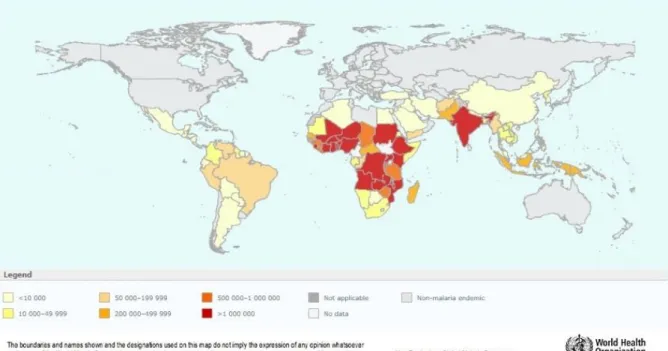
Figure 1 - Malaria: number of reported cases in 2014(3) ... 15
Figure 2 - Life Cycle of Plasmodium falciparum (7) ... 17
Figure 3 - 1H-NMR spectra of 3, 3’, 4, 4’ – Tetrakis – O – triisopropylsilylellagic acid,
13
Schemes Index
Scheme 1: synthesis of 3, 3’, 4, 4’ – tetra – O – acetylellagic acid... 27
Scheme 2: synthesis of 4, 4’ – di – O – acetylellagic acid ... 27
Scheme 3: synthesis of 3, 3’, 4, 4’ – tetra – O – propionylellagic acid ... 28
Scheme 4: synthesis of 3, 3’, 4, 4’ – tetra – O – hydroxyehylellagic acid ... 29
Scheme 5: synthesis of 3, 3’, 4, 4’ – tetra- O – ehylellagic acid ... 29
Scheme 6: synthesis of 3, 3’, 4, 4’ – tetrakis – O – triisopropylsilylellagic acid ... 30
Scheme 7: synthesis of 3, 3’ – bis – O – methoxyethoxymethyl – 4, 4’ – bis – O – triisopropylsilylellagic acid ... 31
Scheme 8: synthesis of 3, 3’ – bis – O – 2 – iodoethyl – 4, 4’ – bis – O – triisopropylsilylellagic acid ... 32
14
Tables Index
Design synthesis and biological evaluation of new antiplasmodial compounds related to ellagic acid
15
1. Introduction
1.1. The Malaria
Appearing as one of the most significant infectious disease in the world, malaria is a mosquito-borne illness which affects human beings and other animals, and caused by parasitic protozoans that belong to the Plasmodium genus. The transmission to humans occurs through the bite of an infected female Anopheles mosquito.(1)
Malaria continues to be a disease of worldwide health importance with 3,2 billion people at risk of being infected and develop disease, distributed in 95 countries and territories. In 2015, WHO estimate the number of cases of malaria at 212 million, leading to around 429 000 deaths. This epidemic is generally located in the south countries, as shown in figure 1, with more than 90% of the deaths caused by malaria occurring in the African region, mostly in children (around 70% of deaths in children under 5 years old). The incidence rate decreased by 41% between 2000 and 2015, and by 21% between 2010 and 2015. The decline in the number of infections and deaths was largely facilitated by better access to care including the use of ACTs (artemisinin based combination therapies), and by large prevention campaigns.(2)
Design synthesis and biological evaluation of new antiplasmodial compounds related to ellagic acid
16 Although the majority of deaths are due to P. falciparum, in 2015 the infection caused by Plasmodium vivax led to 3100 deaths with 86% of these cases happening outside the African region.(2,4)
The infection with malaria parasites may result in a wide variety of symptoms, ranging from absent or very mild symptoms such as nauseas, vomits, headaches and fever; to severe disease with severe anaemia due to hemolysis, acute kidney failure and even death.(4)
1.1.1. The malaria parasite life cycle
Plasmodium spp. are global pathogens with a complex life cycle (Figure 2) which
involving two types of hosts: humans and female Anopheles mosquitoes.(4) Throughout a blood meal, a malaria-infected mosquito inoculates sporozoites to the human host that infect hepatocytes and develop into schizont, which rupture and consequently release merozoites.(5)
After this, merozoites infect red blood cells where asexual multiplication occurs forming a blood schizont, which rupture results in the release of more merozoites that can infect further erythrocytes.(6) The blood stage is responsible for the clinical manifestations of the disease(4), and some merozoites can differentiate into sexual erythrocytic forms (gametocytes).(7)
The male and female gametocytes, micro and macrogametocytes respectively, are ingested by an Anopheles mosquito during another blood meal and start the sporogonic cycle with the multiplication of parasites in the mosquito. Once in the mosquito's stomach, the microgametes penetrate the macrogametes generating zygotes, which become motile and elongated (ookinetes) and invade the midgut wall of where they develop into oocysts. The oocysts grow, rupture, and release sporozoites, which make their way to the mosquito's salivary glands.(4,7) When the Anopheles mosquito takes a blood meal on another human, the sporozoites are injected with the mosquito's saliva and start another human infection.(4)
Design synthesis and biological evaluation of new antiplasmodial compounds related to ellagic acid
17
Figure 2 - Life Cycle of Plasmodium falciparum (7)
1.1.2. Prevention
The major goals of malaria’s prevention are to reduce considerably the transmission of the parasite, to limit the propagation of the malaria and ultimately to decrease both morbidity and mortality.(2,4) There are several prevention strategies in order to achieve the supramentionated objectives, such as the chemoprevention, through drugs that supress the infections; by vector control, avoiding the mosquitoes bites in humans and, eventually in the future, by vaccination. The use of these methods is essential to avoid the appearance and the development of resistances from the existent treatments linked either to natural resistances or to post-infection therapeutic misuse.(2)
a. Chemoprevention:
The intermittent preventive treatment of malaria in pregnancy (IPTp) and in infants (IPTi) with sulfadoxine-pyrimethamine (SP) has been shown to reduce some problems arising from this disease as the anaemia.(2,4) Amodiaquine combined with SP (AQ + SP) has been used in the chemoprevention of seasonal malaria, showing to
Design synthesis and biological evaluation of new antiplasmodial compounds related to ellagic acid
18 decrease the occurrence of clinical attacks and severe malaria when used in children aged 3-59 months. In 2016, 10 African countries had already implemented this therapy.(2)
b. Vector Control:
The main contribution to the decrease in malaria burden since 2000 was made by two core vector-control interventions – use of ITNs (insecticide-treated mosquito net) and IRS (indoor residual spraying).(4) In some specific conditions and situations, ITNs and IRS can be complemented by larval management or other environmental alterations that decrease the suitability of environments as mosquito habitats or that on other hand can limit bites of humans.(2)
c. Vaccination:
At the moment, some research projects about malaria vaccines are ongoing. Only one have completed Phase 3 testing, RTS,S/AS01 (trade name Mosquirix™), which has shown to reduce the clinical incidence by 39% and severe malaria by 31,5% among children aged 5-17 months who completed four doses of this vaccine.(2,7,8) WHO recommended the implementation of RTS,S/AS01 on a pilot scale in some sub-Saharan African countries to provide information on feasibility, safety and mortality impact, and to guide recommendations on the potential wider scale use of this vaccine.(2)
1.1.3. Treatment
a. Antimalarials:
The first use of quinine from the cinchona tree marks the beginning of the treatment against malaria and since there antimalarial drugs have been the main tool of control and prophylaxis. During the 20th century occurred some scientific progresses in drug development, wherein chloroquine and artemisinin were the most important discoveries.(7) However, P. falciparum has the ability to develop resistance to these drugs what compromises the continuing efficacy of the treatment. This raised the need of novel therapeutic approaches, as well as the development of new drugs
preferentially with different mechanisms of action.(9) In answer to the spread of acquired resistance to chloroquine and other molecules such as sulfadoxine and pyrimethamine, artemisinin-based combination therapies (ACTs) are currently recommended for
Design synthesis and biological evaluation of new antiplasmodial compounds related to ellagic acid
19 treatment of uncomplicated malaria, and their use has been a key factor of the notable decrease in malaria worldwide.(7,10)
b. Mechanism of Artemisinin Action and Resistance
Although, the mechanism of action of artemisinin against malaria parasite is not fully understood, it is already identified the importance of heme-mediated opening of the endoperoxide bridge (arising from the degradation of hemoglobin) for its activity.(7) But how does the endoperoxide bridge break open to form free radicals? In 1991, Meshnick and collaborators presented that artemisinin interacted with intraparasitic heme, and suggested that heme or iron might function to activate artemisinin inside the parasite into toxic free radicals. The malaria parasite is rich in heme-iron, derived from the proteolysis of host cell haemoglobin. This could explain why artemisinin is selectively toxic to parasites. Once formed, the artemisinin-derived free radicals appear to damage specific intracellular targets, possibly via alkylation. (11–13)
For decades, Southeast Asia (SEA) has been fertile ground for the appearance of drug-resistant malaria parasites.(14) After resistance to numerous antimalarials (such as chloroquine, sulfadoxine, and mefloquine) resistance to artemisinin was detected for the first time in 2006 in Cambodia.(15) Two key mechanisms are responsible for Plasmodium resistance to practically all antiplasmodial drugs: (i) reduced drug availability at its site of action, essentially due to mutations in transporter genes; and, (ii) modification of the drug target by mutations in corresponding genes.(16) However, artemisinin resistance results from another cellular process, the quiescence.
Plasmodium resistance to artemisinin occurs due to the enhanced
number of young ring forms to enter into a quiescence state upon exposure to artemisinin, which quickly resume the growth after the artemisinin discontinuation. This ability is conferred by mutations of a gene called Pfk13 (K13).(7,16,17) This gene is currently monitored to follow artemisinin resistance spread according to WHO recommendations.(15,16)
To date, more than 200 non-synonymous mutations in the K13 gene have been reported in South-East Asia, but these mutations are still rare and highly diverse in Africa countries.(15) To avoid the spread of this drug resistance, some factors should be controlled which include mobile populations and migrants, uncontrolled use of ACT’s, artemisinin monotherapy, the use of subtherapeutic levels of artemisinin, substandard and counterfeit drugs and co-use of artemisinin derivatives as prophylactic agents.(18)
Design synthesis and biological evaluation of new antiplasmodial compounds related to ellagic acid
20 c. Development of Novel Antimalarials
Malaria caused by P. vivax and P. falciparum has effective therapy to treat and control it. But Plasmodium acquired resistance against antimalarials which rises serious worries about the long-term usage of the existing therapies.(7) WHO defined numerous objectives regarding this disease for 2030, but the current situation doesn’t seem promising because the available therapies are scarce to achieve these purposes.(2,7) Concerns about artemisinin resistance have led universities and research institutes, funding agencies, governments, non-governmental organizations, the military and public-private partnerships to work together to find possible replacement medicines.(19) To reach the malaria elimination it has become crucial to discover new drugs that feat broadly to cure the asexual blood stage to mitigate symptoms, clean the liver stage which is responsible for relapses for P. vivax and P. ovale malaria, and stop transmission.(7)
There are different strategies to reach the development of new antimalarial drugs. Though efforts have been made in existing molecules (for example by modifying a scaffold to work against parasites that have acquired resistance to the parent scaffold), most novel classes of antiplasmodial compounds have come from high-throughput screens. In this approach, a huge compound library is screened to identify compounds that are active against the parasite in what is called a “phenotypic” or “whole-cell” assay.(19) This has been increased by the availability of the TresCantos
antimalarial set (TCAMS) of 13,000 compounds that have antimalarial activity.(7,20) From this, Medicines for Malaria Venture (MMV) assembled 400 unique compounds with bloodstage antimalarial activity that has been called the Malaria Box.(7,21) MMV, in collaboration with many researchers, have built a research and development portfolio from lead compounds to novel antimalarials currently in clinical trials.(22)
Whole-cell screens of asexual blood stages of P. falciparum identified the spiroindolone class of compounds, leading to the candidate KAE609 (cipargamin) currently in clinical trials.(7) KAE609 is a novel synthetic spiroindolone developed by the Novartis Institute for Tropical Diseases (NITD) in Singapore in collaboration with the Swiss Tropical and Public Health Institute (Swiss TPH), the Dutch Biomedical Primate Research Center, and the Genomics Institute of the Novartis Research Foundation (GNF) in San Diego.(18) Cipargamin and related compounds bind the P-type Na+ -ATPase (PfATP4) expressed on the parasite plasma membrane. This disrupts sodium homeostasis, thus blocking asexual blood-stage development and transmission to the mosquito.(7,23)
Design synthesis and biological evaluation of new antiplasmodial compounds related to ellagic acid
21 d. Vaccine Development
Despite all the efforts during the last 30 years, there is no vaccine available yet. The attempts have targeted pre-erythrocytic (PE), blood and sexual stages. A fully effective PE vaccine would prevent malaria by stopping establishment of blood-stage infection. Vaccines impacting the asexual blood stages replication have been considered to control morbidity and mortality. Vaccines against the sexual stages would interrupt the transmission cycle but not have a direct effect on an established infection. Ideally the malaria vaccine would be based on preserved targets that cause, for all lifetime, sterile protection with as less doses as possible but until now this has not been achieved.(7)
The development of RTS,S/AS01 malaria vaccine is being conducted by GlaxoSmithKline (GSK) in collaboration and partnership: the early stage development was undertaken in collaboration with WRAIR (Walter Reed Army Institute of Research, US) and the paediatric clinical development through an innovative Public Private Partnership with PATH-Malaria Vaccine Initiative (MVI), funded by the Bill & Melinda Gates Foundation (BMGF). Clinical trials are carried out with African Research Institutes and their Northern hemisphere partners.(24)
RTS,S/AS01, an antisporozoite vaccine, is the most promising clinical candidate up to date and has proceed through phase III clinical trials with over 15,000 African children. During a year of follow-up, vaccination with a three-dose series decreased clinical malaria cases by 18% in infants and 28% in young children. After these trials, it was possible to conclude that the period of protection was very short and efforts to understand the reason of this are urgently needed. A comprehensive study of interaction between malaria parasites and the human immune system and how they co-evolve is another area that will help in designing better vaccine strategies.(7,24,25)
Design synthesis and biological evaluation of new antiplasmodial compounds related to ellagic acid
22
1.2. Ellagic Acid
(1)
Ellagic acid, 1, is a natural polyphenol compound found in numerous fruits and vegetables such as raspberries, strawberries, walnuts and pomegranates.(26,27) This compound is present as structure element of hydrolysable and highly concentrated tannins.(28) In plants and fruits the tannins are called the ellagitannins and are composed by moieties of hexahydroxydiphenoyl (HHDP) esterified to a sugar, usually the glucose. Once hydrolysed these tannins (HHDP) allows the production of ellagic acid.(29) Clinical studies reported that the main biological activities of ellagic acid include antioxidant, anticarcinogenic, antimicrobial, anti-inflammatory and antiplasmodial effects.(26,27)
The structure of ellagic acid is composed of two lactonic rings and two benzene rings with two hydroxyl groups each.(30) Its molecular formula and weight are, respectively, C14H6O8 and 302,194 g/mol.(31) According to the Biopharmaceutical
Classification System (BCS), ellagic acid is classified as a class IV molecule.(32) Thus, ellagic acid has very low solubility in water, polar solvents as well as in organic solvents, which makes it very difficult to use.(31,33) Therefore, its oral bioavailability does not exceed 1%, and this feature doesn’t allow its use in vivo as a drug.(34) The very low
solubility is explained by the flatness of the molecule enabling the creation of flat stack of molecule very difficult to separate.
Ellagic acid has a promising effect in vitro, shows high curative antiplasmodial activity and has prophylactic activity without any toxicity in vivo after intraperitoneal injection. Moreover this compound shows a synergy of action with chloroquine,
Design synthesis and biological evaluation of new antiplasmodial compounds related to ellagic acid
23 atovaquone, mefloquine and artesunate but in the presence of artemisinin, it will exhibit a slight antagonistic effect.(35)
According to Soh et al. (2009) mice infected with Plasmodium vinckei petteri were treated with 1, 50, and 100 mg/kg/day of ellagic acid by the oral and intraperitoneal routes. The results showed that with the 4-day suppressive test, the ED50 of ellagic acid administered by the intraperitoneal route was inferior to 1 mg/kg/day, and at doses of 50 and 100 mg/kg/day, a 100% inhibition of parasite growth was obtained. On the other hand, mice treated orally showed very little inhibition of parasite growth. In prophylactic-curative tests, mice treated with ellagic acid by the intraperitoneal route before parasite inoculation had a high-level reduction (between 79 and 93%) of parasitemia compared with the controls at day 6, suggesting a prophylactic effect of ellagic acid.(35)
According to the same study, ellagic acid acts on late stages of the erythrocytic
Plasmodium life cycle. During the erythrocytic life cycle, the period of activity of ellagic
acid at pharmacological doses was between the 24th and the 40th hours. This period corresponds to the trophozoite and early schizont forms of the parasites; which is the most metabolically active phase, where protein, RNA, and DNA synthesis taking place.(35)
Several molecular targets have been proposed to explain the antiplasmodial activity of ellagic acid, such as regulation of glutathione S-transferase (GST) expression, inhibition of β-haematin formation and, to a lesser extent, inhibition of plasmepsins, but its mechanism of action remains not yet fully understood.(36,37)
So P. falciparum possesses only one GST isoenzyme (PfGST), which differs structurally from all other known GST classes. Functional studies have shown that the inhibition of PfGST’s system may lead to:
A decrease in the general detoxification capacity; A reduction in the antioxidant capacity of the parasites;
An increase in the free heme concentration in the vacuoles of the parasite.
All these considerations make PfGST’s system a potential target for antimalarial drug development.(26) For this reason, Sturm et al.(38) decided to investigate the inhibitory effect of ellagic acid on the PfGST’s system and discovered that these compounds - EA, flavellagic acid (FEA) and coruleoellagic acid (CEA) - are very good inhibitors of PfGST’s system.(26,38)
Design synthesis and biological evaluation of new antiplasmodial compounds related to ellagic acid
24
2. Objectives
The present project aims to develop new antiplasmodial compounds derived from the structure of ellagic acid and showing improved pharmacokinetic parameters compared to the parent compound. Ellagic acid was found to be highly active in vitro an
in vivo against malaria parasites with interesting selectivity and therapeutic indices after
intraperitoneal administration. Nevertheless, its low oral bioavailability, linked to poor water solubility, precludes its oral use. This project will thus focus on the improvement of ellagic acid’s critical physiochemical (i.e. hydrosolubility) and pharmacokinetic parameters through the design of prodrugs and original derivatives bearing polar alkyl chains, starting from the structures of ellagic acid and its metabolites. Some of the pharmacomodulations envisaged in this work could also be responsible for an improvement of the antimalarial activity. These new compounds should constitute a set of powerful drug candidates for the treatment of malaria.
To conclude, the objectives of this work could be divided in three main goals: I. Synthetize the ellagic acid’s derivatives, to improve the pharmacokinetic
parameters of this antimalarial compound;
II. Purify and identify the compounds previously synthesized;
III. Evaluate the antiplasmodial activity of those compounds, using an in vitro assay with Plasmodium falciparum.
Design synthesis and biological evaluation of new antiplasmodial compounds related to ellagic acid
25
3. Experimental
3.1. General Chemistry Experimental
Melting points were determined on a Büchi Tottoli capillary apparatus and are
uncorrected.
The 1H NMR spectra were recorded on a Bruker Avance (500 MHz) instrument
using deuterated chloroform (CDCl3) as the solvent and tetramethylsilane (TMS) as an
internal standard; chemical shifts are reported in δ values (ppm) relative to that of internal TMS. Coupling constants were determined using MestreNova and the values are quoted in Hz. The abbreviations s = singlet, d = doublet, t = triplet, q = quadruplet, hept = heptet, m = multiplet and bs = broad singlet are used throughout.
Analytical Thin Layer Chromatography (TLC) was performed using normal
phase Merck silica gel 60 F254 aluminium-supported thin layer chromatography sheets.
The sheets were visualised using UV light absortion (λmax 254 or 365 nm) or thermal
development after staining with nihydrin or potassium permanganate.
Chemicals were purchased from Sigma Aldrich, ABCR, Acros, or Fluorochem
Design synthesis and biological evaluation of new antiplasmodial compounds related to ellagic acid
26
3.2. Synthesis of Ellagic Acid Derivatives
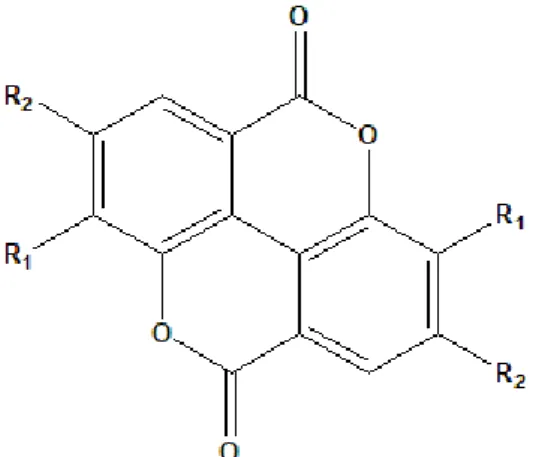
The present project was focused on the preparation of antimalarial derivatives with an improved hydrosolubility, oral bioavailability and/or antiplasmodial activity. Based on the structure of ellagic acid, some approaches to introduce various (substituted or not) alkyl chains on selected phenolic functions (as R1 and R2 shown in
structure below) were made. With these modifications, we expect to modulate the pharmacokinetic parameters and to obtain compounds with a safety profile close to that of ellagic acid. The Table 1 schematize the attempts achieved in this work and the numbers of compounds represented will be used in the rest of the report, where compound 1 represents the ellagic acid.
Table 1 - Resume of the derivatives of ellagic acid tried to synthetize
Compound R1 R2 1 OH OH 2 OCOCH3 OCOCH3 3 OCOCH3 OH 4 OCOCH2CH3 OCOCH2CH3 5 O(CH2)2OH O(CH2)2OH 6 OCH2CH3 OCH2CH3 7 O-TIPS O-TIPS 8 O-TIPS O-MEM 9 O-TIPS O(CH2)2I
Design synthesis and biological evaluation of new antiplasmodial compounds related to ellagic acid
27
3.2.1. Synthesis of 3, 3’, 4, 4’ – tetra – O – acetylellagic acid (2)
(1) (2)
Scheme 1:
Reagents and conditions: (i) CH3COONa, (CH3CO)2O, 110 ºC, 2 hrs.
Compound 2 was synthesized after adaptation of the method found in Heur et al. (1992).(39) A suspension of ellagic acid (1,0 g; 3.31 mmol), sodium acetate (0,2 g; 2,4 mmol) in 10 ml of acetic anhydride was refluxed at a temperature of 110 ° C during 2 hours. The reaction was followed by TLC. At the end of the chemical reaction, 20 mL of CH2Cl2 and 60 mL of EtOH were added to promote precipitation and the precipitate
was recovered by filtration and placed in the oven at 30 °C to remove the last traces of solvents. The identification of the product was made by 1H NMR.
3.2.2. Synthesis of 4, 4’ – di – O – acetylellagic acid (3)
(2) (3)
Scheme 2:
Design synthesis and biological evaluation of new antiplasmodial compounds related to ellagic acid
28 Compound 3 was synthesized according to the method of Jurd (1959).(40) A suspension of compound 2 (2,0 g) in pyridine (10,0 ml) was heated to boiling. Water (5,0 ml) was added, the mixture was heated briefly to boiling and then on a steam-bath for 3 minutes. The compound 2 dissolved to give a yellow solution. Almost immediately yellow needles began to separate. Water (30 ml) was added, the mixture was cooled and the crystalline product was collected. After washing with water, methanol and acetone the product was recrystallized from N,N-dimethylformamide. Compound 3 separated in almost colorless needles, m. p. 325-327 ºC wich did not give a color with methanolic ferric chloride. The identification of the product was confirmed by 1H NMR.
3.2.3. Synthesis of 3, 3’, 4, 4’ – tetra – O – propionylellagic acid (4)
(1) (4)
Scheme 3:
Reagents and conditions: (i) CH3COONa, (CH3CH2CO)2O, 110 ºC, 2 hrs.
Compound 4 was synthesized after adaptation of the method found in Heur et al. (1992).(39) A suspension of ellagic acid (1,0 g; 3.31 mmol), sodium acetate (0,2 g; 2,4 mmol) in 10 ml of propionic anhydride was refluxed at a temperature of 110 ° C during 2 hours. The end of the reaction was verified by TLC, and after that 20 mL of CH2Cl2 and 60 mL of EtOH were added to promote precipitation and the precipitate
was recovered by filtration and placed in the oven at 30 °C to remove the last traces of solvents. The compound was confirmed by 1H NMR.
Design synthesis and biological evaluation of new antiplasmodial compounds related to ellagic acid
29
3.2.4. Synthesis of 3, 3’, 4, 4’ – tetra – O – hydroxyethylellagic acid (5)
(1) (5)
Scheme 4:
Reagents and conditions: (i) Cs2CO3, DMF, RT, 30 min; (ii) 2-bromoethanol, 110 ºC, 6
hrs.
Compound 5 was synthesized after adaptation of the method of White.(41) A suspension of ellagic acid (0,2 g; 0,662 mmol), and cesium carbonate (1,73 g; 5,3 mmol) in 4 dimethylformamide (4 ml) was stirred at room temperature. After 30 minutes of stirring, 2-bromoethanol (0,4 ml; 5,3 mmol) was added and the mixture was heated at 110 ºC during 6 hours. Lithium chloride (10 ml) was added and the mixture was extracted 3 times with chloroform. Brine wash of organic phase was realized. A Dry Column Vacuum Chromatography was realized to separate the products, and the final product was confirmed by 1H NMR.
3.2.5. Synthesis of 3, 3’, 4, 4’ – tetra – O – ethylellagic acid (6)
(1) (6)
Scheme 5:
Reagents and conditions: (i) Cs2CO3, DMF, RT, 30 min; (ii) diethylsulfate, 110 ºC, 6
Design synthesis and biological evaluation of new antiplasmodial compounds related to ellagic acid
30 Compound 6 was synthesized after adaptation of the method of White.(41) A suspension of ellagic acid (0,2 g; 0,662 mmol), and cesium carbonate (1,73 g; 5,3 mmol) in dimethylformamide (4 ml) was stirred at room temperature. After 30 minutes of stirring, diethylsulfate (0,7 ml; 5,3 mmol) was added and the mixture was heated at 110 ºC during 6 hours. Litium chloride (10 ml) was added and the mixture was extracted 3 times with chloroform. Brine and magnesium sulfate were added to wash and dry the mixture, respectively, and the filtration and evaporation in vacuum were realized. The recrystallization with ether and hexane was tried, unsuccessfully. So the product was collected by filtration and identified by 1H NMR.
3.2.6. Synthesis of 3, 3’, 4, 4’ – Tetrakis – O – triisopropylsilylellagic acid (7)
(1) (7)
Scheme 6:
Reagents and conditions: (i) imidazole, DMAP, DMF, DCM, TIPSCl, 50 ºC, 12 hrs.
Compound 7 was synthesized according to the method of Kobayashi et al. (2013).(42) Ellagic acid (1 g; 3,31 mmol), imidazole (1,73 g; 5,3 mmol) and 4-Dimethylaminopyridine (0,12 g; 0,094 mmol) were added into a flask. Using syringes, dry dimethylformamide (1,375 ml), dry dichloromethane (10,375 ml) and triisopropylsilyl chloride (3,55 ml; 16,62 mmol) were added, while the mixture was under stirring. The suspension was stirred at 50 ºC during 12 hours. Saturated aqueous ammonium chloride (10 ml) was added and the mixture was extracted 3 times with chloroform. Brine and magnesium sulfate were added to wash and dry the organic layer, respectively, and the filtration and evaporation in vacuum were realized. The product was recrystallized from isopropyl alcohol and the filtrate was collected by filtration. The
Design synthesis and biological evaluation of new antiplasmodial compounds related to ellagic acid
31 identification of the product was made by 1H NMR. 1H-NMR H (500 MHz, CDCl3): 1.13
(36H, d, J = 7.7 Hz, CH3), 1.14 (36H, d, J = 7.6 Hz, CH3), 1.40 [6H, hept, J = 7.7 Hz,
Si-CH-(CH3)2], 1.56 [6H, hept, J = 7.6 Hz, Si-CH-(CH3)2], 7.61 (2H, s, Ar-H).
3.2.7. Synthesis of 3, 3’ – Bis – O – methoxyethoxymethyl – 4, 4’ – Bis – O – triisopropylsilylellagic acid (8)
(7) (8)
Scheme 7:
Reagents and conditions: (i) Molecular sieves 4A, DCM, TBAF, RT, 10 min; (ii) Cs2CO3, MEMCl, -50 ºC, 4 hrs.
Compound 8 was synthesized according to the method of Kobayashi et al. (2013).(42) Compound 7 (0,4 g; 0,43 mmol), and 800 mg of molecular sieves 4A were added into a flask. Using syringes, dry dichloromethane (8 ml) and tetra-n-butylammonium fluoride (0,85 ml) were added and the mixture was under stirring at room temperature. After 10 minutes, cesium carbonate (0,42 g; 1,3 mmol) and 2-methoxyethoxymethyl chloride (0,154 ml; 1,3 mmol) were added and the mixture was stirred at -50 ºC during 4 hours. Saturated aqueous ammonium chloride (10 ml) was added to adjust the pH for 5-6. The molecular sieves and the insoluble material were removed by filtration and the mixture was extracted 3 times with chloroform. Brine and magnesium sulfate were added to wash and dry the organic layer, respectively, and the filtration and evaporation in vacuum were realized. The product was filtrated and concentrated in vacuum, and the identification was made by 1H NMR.
Design synthesis and biological evaluation of new antiplasmodial compounds related to ellagic acid
32
3.2.8. Synthesis of 3, 3’ – Bis – O – 2-iodoethyl – 4, 4’ – Bis – O – triisopropylsilylellagic acid (9)
(7) (9)
Scheme 8:
Reagents and conditions: (i) Molecular sieves 4A, DCM, TBAF, RT, 10 min; (ii) Cs2CO3, iodoethane, -50 ºC, 4 hrs.
Compound 9 was synthesized according to the method of Kobayashi et al. (2013).(42) Compound 7 (0,4 g; 0,43 mmol), and 800 mg of molecular sieves 4A were added into a flask. Using syringes, dry dichloromethane (8 ml) and tetra-n-butylammonium fluoride (0,85 ml) were added, and the mixture was under stirring at room temperature. After 10 minutes, cesium carbonate (0,42 g; 1,3 mmol) and iodoethane (0,105 ml; 1,3 mmol) were added and the mixture was stirred at -50 ºC during 4 hours. Saturated aqueous ammonium chloride (10 ml) was added to adjust the pH for 5-6. The molecular sieves and the insoluble material were removed by filtration and the mixture was extracted 3 times with chloroform. Brine and magnesium sulfate were added to wash and dry the organic layer, respectively, and the filtration and evaporation in vacuum were realized. The product was filtrated and concentrated in vacuum. The final product was confirmed by 1H NMR.
Design synthesis and biological evaluation of new antiplasmodial compounds related to ellagic acid
33
4. Discussion
Ellagic acid is a molecule highly insoluble in almost all solvents and to improve its bioavailability is imperative to increase its solubility. This very low solubility could be explained through the flatness of the molecule which leads to the creation of a flat stack of molecules with intermolecular bounds very difficult to separate.
During this work, the attempts to synthesize ellagic acid’s derivatives with improved pharmacokinetic parameters proved to be a difficult process. Due to several obstacles found in the performed approaches, it became impossible to assemble a robust set of compounds to perform the assessment in vitro of the antiplasmodial activity.
The follow-up of the reactions has shown to be truly difficult to achieve, mainly due to two important facts about the ellagic acid and its derivated compounds: i) the low solubility in several solvents; ii) the rapid oxidation of these compounds. Therefore, the mentioned factors were preponderant in the impossibility of following the synthesis by TLC.
Another key issue was the particular difficulty to obtain the final product purified, sometimes due to the impossibility to remove certain solvents such as DMF. On the other hand, there is a possibility that the desired final compound that have been lost during various extraction processes with some solvents such chloroform or methanol.
About the identification by 1H NMR of the synthesised products, there were also some obstacles created by special characteristics of the compounds. Firstly, the low solubility of the compounds observed in water and in other solvents made it difficult to identify them. The ellagic acid and its derivatives have a few number of protons which was also an obstacle to understand the compounds presented in NMR analysis, as well as the possible presence of other compounds and impurities.
In general, the approaches to synthesize and identify these derivatives of ellagic acid, reveals to be a very difficult task. The synthesis and purification to obtain derivatives (2), (3), (4), (5), (6), (8) and (9) was unsuccessfully performed based on all the features previously mentioned.
The attempts used to produce the compounds (2), (3) and (4) revealed a problem in the purification of the desired product. It was difficult to follow the reaction by TLC and when the identification by NMR was done it was impossible to detect the final product, probably due to the presence of other components and impurities.
Design synthesis and biological evaluation of new antiplasmodial compounds related to ellagic acid
34 The reactional scheme of the syntheses using DMF as main solvent - attempts to synthesize the compounds (5) and (6) - showed a huge difficulty to remove it completely and to obtain the final product purified as intended.
The synthesis of the product (7) was made successfully, with a yield of 77 %. The processes of purification and identification occurred as expected, and it was possible to identify clearly the desired compound by 1H-NMR as showed in Figure 3.
Regarding 1H-NMR spectra (Figure 3), aromatic signals from phenyl rings at a downfield shift, corresponding to 2 protons, appeared as a singlet with a δH value of
7.61 ppm. The assignment of the chemical shifts on the aliphatic region reveals 72 protons, corresponding to 24 methyl groups that appeared as two doublets (two times 36 protons) with δH values of 1.14 ppm and 1.16 ppm. In the same region a signal
corresponding to 12 protons, appeared as two heptets (two times 6 protons) with δH Figure 3 - 1H-NMR spectra of 3, 3’, 4, 4’ – Tetrakis – O – triisopropylsilylellagic acid,
Design synthesis and biological evaluation of new antiplasmodial compounds related to ellagic acid
35 values of 1.42 ppm and 1.58 ppm. This signal is due to the CH of the isopropyl group, which is coupled with two methyl groups.
Finally, compound (7) was used as intermediate to produce new derivatives substituted with TIPS in positions 4 and 4’ and MEM for compound (8) and iodoethyl for compound (9) in positions 3 and 3’. Again, it was impossible to obtain the desired compounds. It would be interesting to try different approaches using other reactants and conditions in order to obtain these compounds properly purified.
Ideally, the assessment of antimalarial activity was planned according to the method developed by Makler (43). It would consist in the measure of the parasite lactate dehydrogenase (pLDH) activity, in order to determine parasitemia. Chloroquine and artemisinin would be used as positive controls and the medium as a negative control. In presence of lactate dehydrogenase, a tetrazolium salt added to the medium would be reduced to blue formazan, which could be measured through the coloration. Finally, the absorbance would be measured at 630 nm allowing estimation of parasitemia. As previously mentioned, once we could not obtain the desired compounds, it became impossible to perform this assessment.
Design synthesis and biological evaluation of new antiplasmodial compounds related to ellagic acid
36
5. Conclusion
During the 21st century, despite the great scientific and technological advances achieved, there are still some threats to human life and malaria continues to appear as one of the biggest health worldwide current problems. World Health Organization estimates that 3.2 billion people live in areas at risk of malaria transmission in 95 countries and territories, and aims to eradicate this disease by 2030. However, to achieve this milestone, it is strictly necessary to discover new drugs and improve the therapies currently used. It is also important to clarify the mechanism of action of the current antiplasmodial compounds as well as discover the mechanism of resistance to these drugs. For five times, the Nobel Prize in Physiology or Medicine has been awarded for work associated with malaria: to Sir Ronald Ross (1902), Charles Louis Alphonse Laveran (1907), Julius Wagner-Jauregg (1927), Paul Hermann Müller (1948), and Youyou Tu (2015). This curious fact highlights the importance of this serious and potentially fatal disease.
Two important currently used antimalarial drugs are derived from plants whose medicinal values had been noted for centuries: artemisinin from the Qinghaosu plant (Artemisia annua, China, 4th century) and quinine from the cinchona tree (Cinchona spp., South America, 17th century). Ellagic acid, a natural polyphenol compound found in numerous fruits and vegetables, is a molecule with great cytotoxic and antitumour potential, as well as immunomodulatory, antimicrobial, antifungal and antiplasmodial effects. To date, it is not possible to use it orally as a result of its almost total insolubility in water and other solvents. This insolubility is translated in vivo by a reduced bioavailability.
During the research work, it has been attempted to increase this solubility and therefore the bioavailability of ellagic acid in vivo. The main objective of this project was to gather a set of compounds derived from the parent molecule, the ellagic acid, with improved pharmacokinetic parameters and to evaluate their antiplasmodial activity in
vitro. Unfortunately, due to several reasons, it was impossible to accomplish those
objectives. Nevertheless, previous studies proved the efficacy in vitro and in vivo of the ellagic acid and it is important to continue working with this molecule. Therefore, further studies need to be conducted in order to become possible the oral administration of this natural compound, not only by structural alterations but also through other strategies, such as the incorporation of the molecule in micellar vehicles.
Design synthesis and biological evaluation of new antiplasmodial compounds related to ellagic acid
37
6. References
1. Cox FE. History of the discovery of the malaria parasites and their vectors. Parasit Vectors. 2010;3(1):5.
2. WHO (World Health Organisation). World malaria report 2016. 2016. 186 p. 3. WHO | World Health Organization [Internet]. [cited 2017 Oct 23]. Available from:
http://gamapserver.who.int/gho/interactive_charts/malaria/cases/atlas.html?geog
=0&indicator=i0&date=2014&bbox=-322.06928820960707,-62.897000000000006,322.06928820960707,90.59700000000002&printmode=tr ue&geog=0&indicator=i0&date=2014&bbox=-373.9907485281749
4. CDC - Centers for Disease Control and. CDC - Malaria - About Malaria. 2017 [cited 2017 Oct 11]; Available from:
https://www.cdc.gov/malaria/about/index.html
5. Tavares J, Formaglio P, Thiberge S, Mordelet E, Van Rooijen N, Medvinsky A, et al. Role of host cell traversal by the malaria sporozoite during liver infection. J Exp Med [Internet]. 2013;210(5):905–15. Available from:
http://www.jem.org/lookup/doi/10.1084/jem.20121130
6. Gazzinelli RT, Kalantari P, Fitzgerald KA, Golenbock DT. Innate sensing of malaria parasites. Nat Rev Immunol [Internet]. 2014 Nov;14(11):744–57. Available from: http://dx.doi.org/10.1038/nri3742
7. Cowman AF, Healer J, Marapana D, Marsh K. Review Malaria : Biology and Disease. Cell [Internet]. 2016;167(3):610–24. Available from:
http://dx.doi.org/10.1016/j.cell.2016.07.055
8. Stephen L. Hoffman, Johan Vekemans, Thomas L. Richie PED. The march toward malaria vaccines. 2014;33(2):367–402.
9. Ashmi H, Parija S. Antimalarial drug resistance: An overview. Vol. 6, Tropical Parasitology. 2016. 30 p.
10. World Health Organization. Guidelines for the Treatment of Malaria. Guidel Treat Malar. 2015;3rd Editio:316.
11. R Meshnick S. Artemisinin: mechanisms of action, resistance and toxicity. Vol. 32, International journal for parasitology. 2003. 1655-1660 p.
12. R. Meshnick S, Thomas A, Ranz A, M Xu C, Z Pan H. Artemisinin (qinghaosu): The role of intracellular hemin in its mechanism of antimalarial action. Vol. 49,
Design synthesis and biological evaluation of new antiplasmodial compounds related to ellagic acid
38 Molecular and biochemical parasitology. 1992. 181-189 p.
13. J. Rosenthal P, R. Meshnick S. Hemoglobin catabolism and iron utilization by malaria parasites. Vol. 83, Molecular and biochemical parasitology. 1997. 131-139 p.
14. Fairhurst RM, Dondorp AM. Artemisinin-resistant Plasmodium falciparum malaria. PLoS Pathog [Internet]. 2016;11(4):1–14. Available from:
https://www.ncbi.nlm.nih.gov/pubmed/25836766?dopt=Abstract&holding=npg 15. WHO. Artemisinin and artemisinin-based combination therapy resistance
[Internet]. 2017. Available from:
http://apps.who.int/iris/bitstream/10665/208820/1/WHO_HTM_GMP_2016.5_eng .pdf?ua=1
16. Paloque L, Ramadani AP, Mercereau-Puijalon O, Augereau J-M, Benoit-Vical F. Plasmodium falciparum: multifaceted resistance to artemisinins. Malar J
[Internet]. 2016 Mar;15(1):149. Available from: https://doi.org/10.1186/s12936-016-1206-9
17. Krishna S, Uhlemann A, Haynes R. Artemisinins: Mechanisms of action and potential for resistance. Vol. 7, Drug resistance updates : reviews and
commentaries in antimicrobial and anticancer chemotherapy. 2004. 233-244 p. 18. Chrubasik C, Jacobson RL. The development of artemisinin resistance in
malaria: reasons and solutions. Phyther Res [Internet]. 2010;24(7):1104–6. Available from: http://dx.doi.org/10.1002/ptr.3133
19. Flannery EL, Chatterjee AK, Winzeler EA. Antimalarial Drug Discovery:
Approaches and Progress towards New Medicines. Nat Rev Microbiol [Internet]. 2013 Dec 11;11(12):849–62. Available from:
http://www.ncbi.nlm.nih.gov/pmc/articles/PMC3941073/
20. Gamo F-J, Sanz LM, Vidal J, de Cozar C, Alvarez E, Lavandera J-L, et al. Thousands of chemical starting points for antimalarial lead identification. Nature [Internet]. 2010 May 20;465(7296):305–10. Available from:
http://dx.doi.org/10.1038/nature09107
21. Spangenberg T, Burrows JN, Kowalczyk P, McDonald S, Wells TNC, Willis P. The Open Access Malaria Box: A Drug Discovery Catalyst for Neglected Diseases. PLoS One [Internet]. 2013 Jun 17;8(6):e62906. Available from: https://doi.org/10.1371/journal.pone.0062906
Design synthesis and biological evaluation of new antiplasmodial compounds related to ellagic acid
39 2017 Nov 3]. Available from: https://www.mmv.org/research-development/mmv-supported-projects
23. Spillman NJ, Allen RJW, McNamara CW, Yeung BKS, Winzeler EA, Diagana TT, et al. Na+ Regulation in the Malaria Parasite Plasmodium falciparum Involves the Cation ATPase PfATP4 and Is a Target of the Spiroindolone Antimalarials. Cell Host Microbe [Internet]. 2017 Nov 2;13(2):227–37. Available from: http://dx.doi.org/10.1016/j.chom.2012.12.006
24. RTS , S / AS01 Candidate Malaria vaccine Summary for the SAGE meeting. (October 2009):1–14.
25. Greenwood B, Doumbo OK. Implementation of the malaria candidate vaccine RTS,S/AS01. Lancet [Internet]. 2017 Nov 2;387(10016):318–9. Available from: http://dx.doi.org/10.1016/S0140-6736(15)00807-7
26. Fotie J. The Potential of Ellagic Acid as a Possible Antimalarial Drug Candidate. Vol. 6, Current Bioactive Compounds. 2010. 161 – 177 p.
27. Arnadi Ramachandrayya S, Sunitha V, Bhat HP, Palatty PL, Baliga S. Phytochemicals Are Effective in the Prevention of Ethanol-Induced
Hepatotoxicity: Preclinical Observations. Bioactive Food as Dietary Interventions for Liver and Gastrointestinal Disease. 2013. 743-758 p.
28. Bobinaite R, Viskelis P, Venskutonis R. Chemical Composition of Raspberry (Rubus spp.) Cultivars. 2015. 713-731 p.
29. Liberal J, Costa G, Carmo A, Vitorino R, Marques C, Domingues MR, et al. Chemical characterization and cytotoxic potential of an ellagitannin-enriched fraction from Fragaria vesca leaves. Arabian Journal of Chemistry. 2015. 30. H. Barch D, M. Rundhaugen L, Stoner G, Pillay N, A. Rosche W. Structure -
Function relationships of the dietary anticarcinogen ellagic acid. Vol. 17, Carcinogenesis. 1996. 265-269 p.
31. PubChem Compound Database. National Center for Biotechnology Information. PubChem Compound Database; CID=5281855 [Internet]. [cited 2017 Oct 23]. Available from: https://pubchem.ncbi.nlm.nih.gov/compound/5281855
32. Bulani V, Kothavade P, Kundaikar H, B. Gawali N, Chowdhury A, Degani M, et al. Inclusion complex of ellagic acid with β-cyclodextrin: Characterization and in vitro anti-inflammatory evaluation. Vol. 1105, Journal of Molecular Structure. 2015.
Design synthesis and biological evaluation of new antiplasmodial compounds related to ellagic acid
40 33. Analytical methods for assay of ellagic acid and its solubility studies. J Pharm
Biomed Anal [Internet]. 2006 Jan 23 [cited 2017 Oct 23];40(1):206–10. Available from: http://www.sciencedirect.com/science/article/pii/S0731708505004371 34. R. Hamad A-W, al momani W, Janakat S, Oran S. Bioavailability of Ellagic Acid
After Single Dose Administration Using HPLC. Vol. 8, Pakistan Journal of Nutrition. 2009.
35. Soh P, Witkowski B, Olagnier D, Nicolau M-L, Garcia-Alvarez M-C, Berry A, et al. In Vitro and In Vivo Properties of Ellagic Acid in Malaria Treatment. Vol. 53, Antimicrobial agents and chemotherapy. 2008. 1100-1106 p.
36. Mohring F, Pretze J, Jortzik E, Becker K. The Redox Systems of Plasmodium Falciparum and Plasmodium Vivax: Comparison, in Silico Analyses and Inhibitor Studies. Vol. 21, Current medicinal chemistry. 2013.
37. Dell’Agli M, Parapini S, Basilico N, Verotta L, Taramelli D, Berry CC, et al. In Vitro Studies on the Mechanism of Action of Two Compounds with
Antiplasmodial Activity: Ellagic Acid and 3,4,5-Trimethoxyphenyl(6′- O -Galloyl)-β- D -glucopyranoside. Vol. 69, Planta medica. 2003. 162-164 p.
38. Sturm N, Hu Y, Zimmermann H, Fritz-Wolf K, Wittlin S, Rahlfs S, et al.
Compounds Structurally Related to Ellagic Acid Show Improved Antiplasmodial Activity. Vol. 53, Antimicrobial agents and chemotherapy. 2008. 622-630 p. 39. H Heur Y, ZENG WG, Stoner G, A. Nemeth G, Hilton B. Synthesis of Ellagic
Acid O-Alkyl Derivatives and Isolation of Ellagic Acid as a Tetrahexanoyl Derivative from Fragaria ananassa. Vol. 55, Journal of natural products. 1992. 1402-1407 p.
40. Jurd L. Plant Polyphenols. VI. Experiments on the Synthesis of 3,3’- and 4,4’-Di-O-Methylellagic Acid1. J Am Chem Soc [Internet]. 1959 Sep 1;81(17):4606–10. Available from: http://dx.doi.org/10.1021/ja01526a039
41. White DA. Alkylations with Potassium Carbonate in Dimethylformamide. Synth Commun [Internet]. 1977 Jan 1;7(8):559–68. Available from:
http://dx.doi.org/10.1080/00397917709409277
42. KOBAYASHI R, HANAYA K, SHOJI M, OHBA S, SUGAI T. Synthesis of Okicamelliaside, a Glucoside of Ellagic Acid with Potent Anti-Degranulation Activity. Biosci Biotechnol Biochem [Internet]. 2013 Apr 23;77(4):810–3. Available from: http://dx.doi.org/10.1271/bbb.120966
Design synthesis and biological evaluation of new antiplasmodial compounds related to ellagic acid
41 Parasite Lactate Dehydrogenase as an Assay for Plasmodium falciparum Drug Sensitivity. Vol. 48, The American journal of tropical medicine and hygiene. 1993. 739-741 p.