www.rpped.com.br
REVISTA
PAULISTA
DE
PEDIATRIA
REVIEW
ARTICLE
Support
of
breastfeeding
by
health
professionals:
integrative
review
of
the
literature
Jordana
Moreira
de
Almeida
∗,
Sylvana
de
Araújo
Barros
Luz,
Fábio
da
Veiga
Ued
UniversidadeFederaldoTriânguloMineiro(UFTM),Uberaba,MG,Brazil
Received11June2014;accepted14October2014 Availableonline27June2015
KEYWORDS
Breastfeeding; Professionalrole; Patientcareteam
Abstract
Objective: Toreviewtheliteratureinordertoevaluatehowhealthprofessionalspromoteand supportbreastfeeding.
Datasources:Studiesfromthefollowingdatabaseswereretrieved:Scopus,PubMed,MEDLINE, Lilacs,SciELO,WebofScienceandCumulativeIndextoNursingandAlliedHealthLiterature (Cinahl).Thedescriptors‘‘breastfeeding’’,‘‘professionalrole’’and‘‘patientcareteam’’were usedintheresearch.Thereviewwaslimitedtoarticles inPortuguese,Spanish,andEnglish publishedbetween1997and2013.
Datasynthesis: Thesearchretrieved1396studies,18ofwhichwereselectedforbeingdirectly relevanttothemainquestion.Thereviewshowedthatbreastfeedingisachallengeforhealth professionals,regardlessoftheirspecialization,astheyhavetofaceademandthatrequires skill andsensibility,for which they arenotprepared. Healthprofessionalshave considered breastfeedingapurelyinstinctiveandbiologicalact.Moreover,itisnoticeablethatmanyof thempossesstheoreticalexpertiseonthesubject,butlackthepracticalskills.
Conclusions: Health professionals need to be better trained to work on promoting breast-feeding,whetherbyhealthandmedicalschoolsorbyhealthcareadministrators,inorderto consolidatemultiprofessionalteamscommittedtomaternal-infanthealth.
© 2015 Sociedadede Pediatriade São Paulo. Publishedby Elsevier Editora Ltda. Allrights reserved.
PALAVRAS-CHAVE
Aleitamentomaterno; Papelprofissional; Equipedeassistência aopaciente
Apoioaoaleitamentomaternopelosprofissionaisdesaúde:revisãointegrativada literatura
Resumo
Objetivo: Fazerumarevisãodaliteraturaparaavaliarapráticadeprofissionaisdesaúdena promoc¸ãoenoapoioàamamentac¸ão.
DOIoforiginalarticle:http://dx.doi.org/10.1016/j.rpped.2014.10.002
∗Correspondingauthor.
E-mail:[email protected](J.M.Almeida).
Fontesdedados: Foramidentificadosartigosnasbasesde dadosScopus,PubMed,MEDLINE, Lilacs,SciELO, Web ofScience e Cumulative Index toNursing and AlliedHealth Literature (Cinahl).Paraapesquisausaram-seosdescritores‘‘aleitamentomaterno’’(breastfeeding), ‘‘papelprofissional’’(professionalrole)e‘‘equipedeassistênciaaopaciente’’(patientcare team).Abuscalimitou-seaosartigosemportuguês,espanholeinglêsecompreendeuosanos depublicac¸ãoentre1997e2013.
Síntesedosdados: A pesquisaencontrou1.396 estudos,dentreos quais foramselecionados 18quecontemplavam aperguntanorteadora. Apesquisarevelouqueaamamentac¸ãoéum desafiopara oprofissional desaúde,independentementedaárea deatuac¸ão,uma vezque elesedeparacomumademandaparaaqualnão foipreparadoequeexigesensibilidadee habilidadeemseutrato.Osprofissionaisdesaúdetêmconsideradoaamamentac¸ãocomoum atopuramenteinstintivoebiológico.Alémdisso,nota-sequemuitostêmdomínioteóricodo assunto,masausênciadodomínioprático.
Conclusões: Osprofissionaisdesaúdeprecisamsermaisbemcapacitadosparatrabalharcoma promoc¸ãodoaleitamentomaterno,sejapormeiodasinstituic¸õesdeensinoeformac¸ão,seja porgestores dasaúde,afim deconsolidarequipesmultiprofissionais comprometidascoma saúdematerno-infantil.
© 2015SociedadedePediatria de SãoPaulo. Publicado porElsevier EditoraLtda. Todosos direitosreservados.
Introduction
Regardingchildren’shealth, breastfeedingisessentialdue toitsnutritional,emotional, immunologicaland socioeco-nomicbenefits,andcontributiontothechild’sdevelopment, inadditiontomaternalhealthbenefits.Unfortunately,early weaningbyBraziliannursingmothersisan evidentreality, but,inordertopromotematernalandchildhealthinrecent years,therehasbeenanincreaseinbreastfeeding encour-agementbyhealthprofessionalsandservicesaswellasby governmentagencies.1
InBrazil,itcanbeobservedthatalthoughmostwomen startbreastfeeding,morethanhalfof thechildrenareno longerreceivingexclusivebreastfeedinginthefirstmonth oflife.Despitetheincreasingtrendtowardbreastfeedingin thecountry,wearefarfrommeetingtherecommendation oftheWorldHealthOrganization(WHO)onexclusive breast-feedinguptosixmonthsoflifeandcontinuedbreastfeeding uptothesecondyearoflifeorlonger.2
Rego3indicates,asoneofthecausesof earlyweaning,
thelackofinformationofthegeneralpopulationand, espe-cially,of thehealth professionals.The authoralsoaffirms thatthereasongivenfortheweaningisthehealthteam’s recommendation. The percentage of misinformation dis-semination is similar to the percentage of mothers who abandonbreastfeedingclaimingthat‘‘milkdoesnotsatisfy the baby’’, which highlights the importanceof the train-ing of health professionals toincrease the prevalence of breastfeeding.
Considering the experience of baby-friendly hospitals (HospitaisAmigosdaCrianc¸a),therearedifficultiesin sup-portingthetenstepstosuccessfulbreastfeeding,whichvary fromplacetoplace. However,theresults obtainedwitha multidisciplinaryeffortdemonstratetheirimportance,not onlydue tothehumanization ofmaternal andchild care, butalsoduetotheincreaseinexclusivebreastfeedingrates
thathavebeenachievedwiththisprogram.Therefore,the DepartmentofBreastfeedingoftheBrazilianSocietyof Pedi-atrics,consistingofrenownedexpertsinthefield,supports and encourages the Baby-Friendly Hospital Initiative pro-graminthecountryasaneffectivewaytoencourageand promotebreastfeeding.4
The actions of breastfeeding encouragement, promo-tion and support should be part of the set of actions by health professionalsduringtheprenatal,pre-delivery,and delivery periods, as well as during scheduled immuniza-tions,newbornscreeningtestandreturntothepost-partum consultation.Itis essentialthatthehealthteamhave the roleof welcoming mothers andbabies,beingavailable to listenandclarifydoubtsanddistressingquestions, encour-agingtheexchangeofexperiencesandproviding,whenever necessary,auniqueassessmentofeachcase.5
To obtain accurate and actual information related to the community’s health, it is necessary to prioritize the personal, human and interdisciplinary characteristics of trainingofprofessionalsworkinginthehealthcarefield.The appreciationoftheprofessionalsthroughtheirqualification andknowledgeoftheprofileofeachteammemberbecomes essentialforanadequateperformance,improvingservices andthus,theuser’shealth.6
Teamwork,individualimprovement in multiple skills in theinterdisciplinarycontextandcooperationbetween pro-fessionals are essential for the adequate flow of health services.Currently,theteamsarebecomingmoreimportant in service organizations thanks to the efficient organiza-tionalstructureanduseofhumanskills.Amoreglobaland collectiveviewoftheworkbecomesnecessaryforabetter useoftheskillsoftheprofessionalsinrelationtomaternal andchildhealth.7
capableofsupplyingthisdemand.Theaimofthisstudywas toidentifythepeculiaritiesindicatedby literatureonthe importanceandinfluenceofhealthprofessionalsin promot-ingbreastfeeding.
Method
Toachieve theproposedobjective,theintegrativereview wasselected astheresearchmethod, definedby the fol-lowing steps: (1) identification of the problem or issue (creation of guiding question, establishment of descrip-tors and criteria for inclusion/exclusion of articles); (2) sampling(selectionofarticles);(3)categorizationof stud-ies;(4)definitionofinformationtobeextracted fromthe reviewedstudies;(5)analysisanddiscussionofthe technolo-gies used/developed, and (6) synthesis of the knowledge providedby theanalyzed articlesandpresentation of the integrativereview.8,9
The following guidingquestion wasestablished: ‘‘What are the peculiarities indicated by literature on the importance of health professionals in the promotion of breastfeeding?’’Theinclusioncriteriafor thisstudywere: thepublicationtopicshouldbeonthepromotionof breast-feeding by health professionals; publications classified as original articlesand literaturereviews, publisheda maxi-mumof 20 years prior tothe study,published in English, Spanish,andPortuguese;completepublicationswith avail-ableabstractsandindexedintheScopus,PubMed,LILACS, MEDLINE, SciELO, Webof Science and CINAHL databases. Editorialswereexcluded, aswellasLetterstotheeditor, reflectivestudiesand studiesthatdidnot coverthetopic relevanttothereviewobjective.
The search in the databases was carried out between JulyandOctober2013,usingthehealthterminology iden-tifiedattheDescriptorsofHealthSciences(DECS)andthe MedicalSubjectHeadings(Mesh),throughwhichthe follow-ingdescriptorswereidentified:breastfeeding,professional role,andpatientcare.
References were assessed using a form adapted from Ursi.10 This allowed theanalysis ofthe following aspects:
identification of the study (article title, journal title, authors, country, language, year of publication); journal; and methodological characteristics of the study (type of publication, technology used/developed and their target audience). Thearticleswere arrangedby yearof publica-tionandclassifiedbylevelsofevidence(I---VI,withIbeing thehighestlevelofevidence)accordingtoStetleretal.11
(Table 1). The article quality analysis was performed by two independent evaluators, who attained an agreement regardingtheirclassification.
Then, the main data were extracted using the above-mentionedtool,10aimingatthisstagetoconciselyorganize
and summarize the information on breastfeeding support by healthprofessionals, thus creatingan easilyaccessible and manageable database. The information included the study sample, the objectives, methodology used, results, andmainfindingsofeachstudy.
Thus, following the above mentioned methodological approach,thearticlesthataddressedtheguidingquestionof thisstudywereselected,aswellasthosemeetingthe pre-viouslyestablishedcriteria, respectingtheethicalaspects
Articles found 1,396
Articles selected for reading and data extraction
27
Articles excluded from the review
9
Articles included in the review
More than 20 years since publication
5
Not available 3
Editorial 1
18
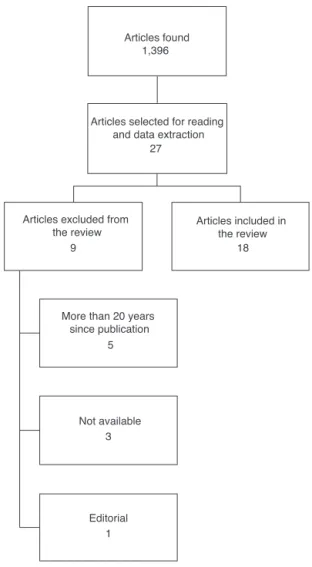
Figure1 Studyinclusionandexclusionflowchart.
relatedtotheperformanceofthescientificresearch.The analysis of breastfeeding support actions by health pro-fessionals was carried out by assessing the methodology ofeacharticle, observingthecompositionof theinvolved professional team and the observation of the assistance demandsinthisareaandthepracticecarriedoutbysuch actors.
Results
Atotalof1396studieswereidentifiedandsodistributedin thedatabasesused.Ofthistotal,1369wereexcludedbased oninconsistenciesregardingthethemeofbreastfeeding pro-motionbyhealthprofessionals.Noneofthestudieslocated intheCINAHLandWebofSciencedatabaseswereused,as theydidnotmentionbreastfeedingsupportbyhealth pro-fessionals.Therefore,inthisintegrativereview,27studies werepotentiallyrelevanttobeanalyzed,basedonthe read-ingandanalysisoftitlesandabstracts,butninedidnotmeet theinclusioncriteria,andwerealsoexcluded.Finally,this studyincluded18articles(Fig.1).
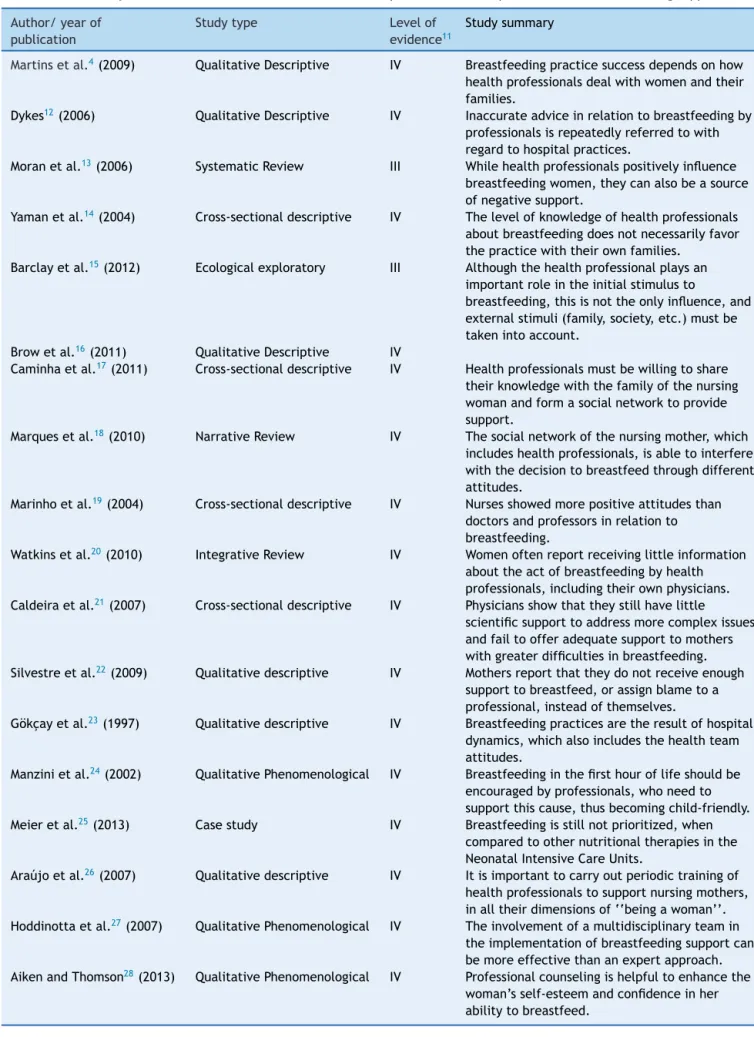
Table1 Summaryofthemainresultsofstudiesrelatedtothepracticeofhealthprofessionalsinbreastfeedingsupport. Author/yearof
publication
Studytype Levelof evidence11
Studysummary
Martinsetal.4(2009) QualitativeDescriptive IV Breastfeedingpracticesuccessdependsonhow
healthprofessionalsdealwithwomenandtheir families.
Dykes12(2006) QualitativeDescriptive IV Inaccurateadviceinrelationtobreastfeedingby
professionalsisrepeatedlyreferredtowith regardtohospitalpractices.
Moranetal.13(2006) SystematicReview III Whilehealthprofessionalspositivelyinfluence
breastfeedingwomen,theycanalsobeasource ofnegativesupport.
Yamanetal.14(2004) Cross-sectionaldescriptive IV Thelevelofknowledgeofhealthprofessionals
aboutbreastfeedingdoesnotnecessarilyfavor thepracticewiththeirownfamilies.
Barclayetal.15(2012) Ecologicalexploratory III Althoughthehealthprofessionalplaysan
importantroleintheinitialstimulusto
breastfeeding,thisisnottheonlyinfluence,and externalstimuli(family,society,etc.)mustbe takenintoaccount.
Browetal.16(2011) QualitativeDescriptive IV
Caminhaetal.17(2011) Cross-sectionaldescriptive IV Healthprofessionalsmustbewillingtoshare
theirknowledgewiththefamilyofthenursing womanandformasocialnetworktoprovide support.
Marquesetal.18(2010) NarrativeReview IV Thesocialnetworkofthenursingmother,which
includeshealthprofessionals,isabletointerfere withthedecisiontobreastfeedthroughdifferent attitudes.
Marinhoetal.19(2004) Cross-sectionaldescriptive IV Nursesshowedmorepositiveattitudesthan
doctorsandprofessorsinrelationto breastfeeding.
Watkinsetal.20(2010) IntegrativeReview IV Womenoftenreportreceivinglittleinformation
abouttheactofbreastfeedingbyhealth professionals,includingtheirownphysicians. Caldeiraetal.21(2007) Cross-sectionaldescriptive IV Physiciansshowthattheystillhavelittle
scientificsupporttoaddressmorecomplexissues andfailtoofferadequatesupporttomothers withgreaterdifficultiesinbreastfeeding. Silvestreetal.22(2009) Qualitativedescriptive IV Mothersreportthattheydonotreceiveenough
supporttobreastfeed,orassignblametoa professional,insteadofthemselves.
Gökc¸ayetal.23(1997) Qualitativedescriptive IV Breastfeedingpracticesaretheresultofhospital
dynamics,whichalsoincludesthehealthteam attitudes.
Manzinietal.24(2002) QualitativePhenomenological IV Breastfeedinginthefirsthouroflifeshouldbe
encouragedbyprofessionals,whoneedto supportthiscause,thusbecomingchild-friendly. Meieretal.25(2013) Casestudy IV Breastfeedingisstillnotprioritized,when
comparedtoothernutritionaltherapiesinthe NeonatalIntensiveCareUnits.
Araújoetal.26(2007) Qualitativedescriptive IV Itisimportanttocarryoutperiodictrainingof
healthprofessionalstosupportnursingmothers, inalltheirdimensionsof‘‘beingawoman’’. Hoddinottaetal.27(2007) QualitativePhenomenological IV Theinvolvementofamultidisciplinaryteamin
theimplementationofbreastfeedingsupportcan bemoreeffectivethananexpertapproach. AikenandThomson28(2013) QualitativePhenomenological IV Professionalcounselingishelpfultoenhancethe
andreviewarticles.Asforthelanguage,itseemstheEnglish languagewasthe mostfrequent (60.0%),followedby Por-tuguese (40%). The articles found were published in the years1997---2013 andareshown inTable 1.The resultsof thereviewarereportedbelow.
According to Dykes,12 while health professionals
posi-tivelyinfluence breastfeeding women, theycan alsobe a sourceofnegativesupportbyprovidinginconsistent infor-mationand inadequaterecommendations tothe patients. Conflictinginformationand,in fact,inaccurateadviceare repeatedly reported by patients regarding hospital prac-tices.Moranetal.3reinforcethathealthprofessionalshave
oftenbeenidentifiedasbeinginadequatetosupport breast-feeding, for relaying contradictory and even misleading information.
An analysis carried out by Yaman and Akc¸am,14 on
the influence of the level of knowledge and the atti-tudes promoting breastfeeding within the family context of the professionals, showed that the level of theoret-ical instruction of these professionals did not translate in favor of breastfeeding within their own families’ sce-nario.
AccordingtoBarclayetal.15andBrowetal.,16itis
impor-tanttoconsidered thatalthough healthprofessionalsplay an importantrole inthe initialstimulus tobreastfeeding, theyarenottheonlyinfluence;familyandfriendsmayhave a moresignificant influence. On theother hand, Caminha et al.17 report that it is important for the health
profes-sionalto considerthemother’s ‘‘culturalbaggage’’ asan influenceonthedecisiontobreastfeed.However,the pro-fessionals must be willing to share their knowledge with the family and form a social network to provide support andencouragementfornursingmotherstoovercome obsta-cles.
The members of the nursing mothers’ social network, includingthehealthprofessionals,arecapableofinterfering inthedecisiontobreastfeed,byencouragingandsupporting theinitiative,bytransferringknowledgeandculturalvalues, orfamilytraditionscombinedwithgrowingdisinterestand discouragement,duetothepressureonthenursingmother in relation to how to feed the child.18 Considering that,
Marques etal.18 infer about the need to implement new
healthpractices regardinghowtocare forthispopulation group.
A relevant aspect is the wayhealth professionals deal withwomen and theirfamilies, becausetheir doubts and questionsarenotalwaysspontaneouslyexposed.Institutions suchastheWHOandtheUNChildren’sFund(UNICEF) recom-mendthat,forthisapproachtobecarriedoutinaneffective manner,itisnecessarytousecounselingskills,suchas lis-tening,understandingandofferinghelptomotherswhoare breastfeeding,supportingthemtodealwithpressures,thus increasingtheirconfidence andself-esteemandpreparing themformakingdecisions.4
Browetal.16concludethatmothersareundermany
dif-ferentinfluencesregardingthedecisiontobreastfeed,such aslackofknowledgeandmotivation,easy-to-useformulas, amongothers,andalthoughtheprofessionalsarewillingto supportthemothers,theyfacealackoftimeandresources todoso.Theneedtoprovideconsistentsupportisevident, by increasing the number of professionals involved, opti-mizing timeandprovidingmaterial resourcestofacilitate
handling.Onlythen professionals canbetrainedand thus offersupporttobreastfeeding.
A study by Marinho and Leal,19 aiming to investigate
the health professionals’ attitudes toward breastfeeding, found statistical differences due to the profession, the workplaceandnursingspecialty.Nursesshowedmore pos-itiveattitudesthanphysiciansandprofessors.Watkinsand Dodgson20 observedthattheknowledgeattributedto
nurs-ingprofessionalsthroughtraininghaspositiveimplications forthepractice,beinganimportantfactorwhensupporting a mother regarding the decision tobreastfeed. However, womenfrequentlyreportreceivinglittleinformationabout theactof breastfeedingbyhealth professionals,including theirownphysicians.
Caldeira etal.21 reportedin their study, based onthe
analysis of professionals’ performance in specific knowl-edge tests about breastfeeding through a questionnaire given to 41 college or university-level professionals and 152technical-level ones,that, in most cases,health pro-fessionals have theoretical knowledge on the benefits of breastfeeding. When analyzing data from the question-naires, we observed a mean of more than 80% for all professional categories considered satisfactory. However, theperformancebelow50%forphysiciansabout the tech-niqueofbreastfeedingandmanagementofmajorlactation problemsshowsthatsuchprofessionalsstillhavelittle sci-entificsupporttoaddress morecomplexissuesandfailto offeradequatesupporttomotherswithgreaterdifficulties innursing.
Usingasemi-structuredinterviewwithfivenursingaids, sixresidentdoctorsandtwonursesfromanObstetricCenter onthe knowledgeof the‘‘TenStepstoSuccessful Breast-feeding - the Baby-FriendlyHospital Initiative’’, Silvestre et al.22 found that nearly 50% of the professionals were
unableto report at least one step. Considering that this subjectshouldbefamiliartohospitalprofessionals,itcan besaidthatthelackofknowledgeisconsiderable. There-fore,insomecases,despitethegoodintentionstransmitted byhealthprofessionals,mothersfeeltheydidnotreceive enoughsupport,orassignblametoaprofessional,instead ofthemselves.
Breastfeedingpractices,farfrombeinganindividual pro-cess involving only the mother---child pair, are the result ofhospitaldynamics,which alsoincludes theattitudes of healthprofessionals.Thereareobstaclestothe‘‘Tensteps tosuccessful breastfeeding’’ that are resolvable, despite theunfavorable conditionsthat public hospitals currently offertotheirusers.23
In a study carriedout by Manzini etal.24 in the
Meier etal.25 emphasize that breastfeedingis stillnot
prioritized, when compared to other nutritional thera-pies in NeonatalIntensive CareUnits (NICU). Membersof the NICU staff and patients have inconsistent informa-tion, coupled with the lack of information on lactation management to optimize the dose and feeding intervals. Evidence for the use of human milk in the NICU is com-pelling,butthetranslationofevidenceintobestpractices, tools, policies, procedures and discussion points is still limited.25
Caminha et al.17 verified that, in the presence of the
maternal difficulties faced at the beginning of breast-feeding, health professionals, in addition to theoretical knowledge and clinical expertise in breastfeeding, need communication skills. To acquire theseskills, it is impor-tant to differentiate between the simple act of advising andcounseling.Ifadvising istosay whatshouldbedone, counseling is a type of action where the professional listens and understands, and thus, offers help for moth-ers to plan and make decisions and become stronger to handle pressure, increasing their self-esteem and self-confidence.
AraújoandAlmeida26 analyzedbreastfeedingasamajor
challengeforhealthprofessionals,astheyfaceasituation forwhichtheywerenotprepared,whichrequires sensibil-ityandskillstobeperformed.Itisimportanttocarryout periodictrainingofhealthprofessionalstoprovide breast-feedingassistance,usinganapproachthatgoesbeyondthe biologicalfactors,understandingthenursingmotherinall her dimensions of ‘‘being a woman’’. It is evident that healthprofessionalsbasetheiractionstostimulate breast-feeding on understanding this phenomenon as a natural act, a result of maternal instinct, while recognizing that thisprocess isdetermined by socialobjects of the family context.26
Hoddinott et al.,27 in their study, conclude that it is
essentialtoincludethetopic‘‘Breastfeeding’’atthe tech-nicalandCollege/Universitylevel educationasanspecific andmultidisciplinaryissue, establishingnationalstandards for education, with designated funding and participation of experts. It has been hypothesized that, by involving a multidisciplinary team in the implementation of a more effectivesupporttobreastfeeding,aninterventioninvolving severalprofessionalsmaybemoreeffectivethana special-ist’sapproach. Relationshipsbetween healthprofessionals canbeanimportantfactorforthesuccessofpositive inter-ventions in breastfeeding promotion. Healthprofessionals mayfeelmore capable ifknowledge and experiences are sharedwithinandbetweenteams.
Discussion
Theanalyzedstudiesshowed,inmostcases,thatthehealth professionalsarenottrainedtopromotebreastfeeding. Ide-ally,all health professionalswithwhomthe pregnantand postpartumwomencomeintocontactshouldbecommitted tothepromotionofbreastfeedingandabletoprovide appro-priateinformation, in additionto demonstratingpractical skillsinbreastfeedingmanagement.
However,theidentifiedstudiesdidnotshowacommon evaluationmethod,whichisspecificandabletoanalyzethe
practicalabilityofbreastfeedingmanagementbya multidis-ciplinaryteam,inadditiontonotproposingsolutions,which hindersthediscussion ofthefindings.Perhaps,thefact is justifiedby the lowappraisal andnewperspective of the multidisciplinaryapproach.
In the current scenario of breastfeeding difficulties, advicefromhealthprofessionalsiscrucialtohelpmothers overcomethepre-establisheddifficulties.Thisshouldoccur atseveraldifferenttimes:duringprenatalcare,inthe deliv-eryroom,duringrooming-inandthepostpartumperiod.This informationand guidance shouldalso beextended to the family supportnetwork, asa motherwho does not easily breastfeed loses confidence in herself and becomes sus-ceptibletopressurefromrelativesandfriends,inaddition to imparting this distress to other nursing mothers. Still, evenifa certainmotheris a healthcareprofessional,she is also subject to the same family, social and emotional pressures, soit isnecessary tointervenein thesameway aswiththeother mothers,asprofessionaladviceisaimed at enhancing self-esteemand confidence in herability to breastfeed.17,28
Whatisroutinelyobservedinhealthservicesis the iso-lated work of professionals, each one carrying out hisor her functionin isolation and without interactionwiththe health team. Very oftenthe lack of a commonapproach, coordinationandcooperationamongprofessionalsare per-sistentproblemsthathinderwomen’sconfidenceregarding breastfeeding.Thelackofadequatematernalguidance,as acontributingfactortodecreasebreastfeedingduration,is anaggravatingissue,especiallyforteenagersandnew moth-ers,whowanttobreastfeedbutarelesslikelytoinitiateor continuebreastfeeding.
Allhealthprofessionals,includingdoctors,nurses, nutri-tionists,physicaltherapists,occupationaltherapists,speech therapists, amongothers,and morespecifically gynecolo-gistsandobstetricians---astheyhavegreatercontactwith pregnant women during prenatal care --- as well as the pediatrician,needtounderstandbreastfeedingasa biopsy-chosocial, dynamic, and relational process, aswell asits changesovertime.Peoplegreatlylookuptothephysicianas asourceofknowledgeandputtheirtrustintheiradvice,so breastfeedingisaprocessthatshouldbehighlyappreciated andincludedintheconsultations.
Mothers seekprofessionalhelp tosolve theirproblems related tobreastfeeding, butthe professionalusually has manyrules andregulationsthatdonotaddresstheir real-ity, andthese factorsultimately bringfearand insecurity to the nursing mother. Considering the mother’s routine, it is necessary to go beyond what is theorized and con-template the reality she lives in, as well as to help her reflectonthebestcourseofactioninanattempttoimprove her worries and promote healthy breastfeeding for her child.
Allhealthprofessionals,withoutexception,shouldhave modulesincludedintheirtrainingcoursesthatdemonstrate theimportanceofconsideringinterdisciplinaryparameters ofcollaborationregardingbreastfeeding.Educational insti-tutionsneedtocontributetothisprocess.
multiprofessional universe, in which the performance of thesedifferentactorsconstitutestheobjectofresearch.
Final
considerations
Literaturedoesnotclearlydepicttheimportanceofhealth professionalsregardingthepromotionofbreastfeeding,and there are few studies demonstrating the role of health professionals that can constitute a breastfeeding support team,includingelementsofeducation,problem-solvingand adequatesupport.Thelackofhealthprofessionalstrained to deal withthe breastfeeding factor was evident in the analyzedstudies,andespeciallythephysician,whoshould betheprotagonistinhealthprotectionthrough breastfeed-ing.
Itcanbeconcludedthathealthprofessionalsneedtobe bettertrainedtowork withbreastfeeding.It issuggested a greater incentive on the part of managers (at munici-pal, state and federal levels) to create multidisciplinary teamscommittedtomaternalandchildhealthand improve-ment regarding the approachof theoretical andpractical contentsintechnical,aswellascollege/university institu-tions.
Encouragement tothe practiceof breastfeedingshould occur through improvements and changes of all profes-sional teams. Changes must occur, mainly in hospital routines, by implementing the ‘‘Ten steps to successful breastfeeding’’. These steps guide and reinforce effec-tivebreastfeedingsupport,inadditiontobeingoneofthe requirementsfor theimplementationoftheBaby-Friendly Hospital.
Funding
Thisstudydidnotreceivefunding.
Conflicts
of
interest
Theauthorsdeclarenoconflictsofinterest.
References
1.SantosJS,AndradeM,SilvaJL.Fatoresqueinfluenciamno des-mameprecoce:implicac¸ões parao enfermeirode promoc¸ão da saúde na estratégia de saúde da família. Informe-se. 2009;5:26---9.
2.Chaves RG, Lamounier JA, César CC. Factors associated with duration of breastfeeding. J Pediatr (Rio J). 2007;83: 241---6.
3.RegoJD.Aleitamentomaterno:umguiaparapaisefamiliares. 2nded.SãoPaulo:Atheneu;2002.
4.MartinsRM,MontroneAV.Implementac¸ãodaIniciativaUnidade Básica Amiga da Amamentac¸ão: educac¸ão continuada e prática profissional. Rev Eletron Enferm. 2009;11:545---53. Available from: http://www.fen.ufg.br/fenrevista/v11/n3/ v11n3a11.htm[accessed11.08.14,serialontheInternet]. 5.Oliveira MIC, Gomes MASM. As unidades básicas amigas da
amamentac¸ão: uma nova tática no apoio no aleitamento materno.In: Rego JD, editor.Aleitamentomaterno. 2nd ed. RiodeJaneiro:Atheneu;2009.p.343---66.
6.BeinnerMA,BeinnerRP.Theprofileofprofessionalsinhealth andeducationfieldsatworkintheircommunities.CiencSaude Colet.2004;9:77---83.
7.MottaPR.Desempenhoemequipesdesaúde:manual.Riode Janeiro:FGV;2001.
8.Mendes KD, Silveira RC, Galvão CM. Integrative literature review:aresearchmethodtoincorporateevidenceinhealth careandnursing.TextoContextoEnferm.2008;17:758---64.
9.SouzaMT,SilvaMD,CarvalhoR.Revisãointegrativa:oqueée comofazer.Einstein.2010;8:102---6.
10.Ursi ES, Gavão CM. Perioperative prevention of skin injury: an integrative literature review. Rev Latino Am Enferm. 2006;14:124---31.
11.Stetler CB, Morsi D, Rucki S, et al. Utilization-focused integrative reviews in a nursing service. Appl Nurs Res. 1998;11:195---206.
12.Dykes F. The education of health practitioners supporting breastfeedingwomen:timeforcriticalreflection.MaternChild Nutr.2006;2:204---16.
13.HallMoranV,EdwardsJ,DykesF,DowneS.Asystematicreview ofthenatureofsupportforbreast-feedingadolescentmothers. Midwifery.2007;23:157---71.
14.Yaman H, Akc¸am M. Breastfeeding practices of health professionals and care workers in Turkey. Coll Antropol. 2004;2:877---84.
15.Barclay L, LongmanJ, Schmied V,et al. The professionalis-ingofbreastfeeding---whereareweadecadeon?Midwifery. 2012;28:281---90.
16.BrowA,RaynorP,LeeM.Healthcareprofessionals’andmothers’ perceptionsoffactors that influencedecisionstobreastfeed or formula feed infants: a comparative study. J Adv Nurs. 2011;67:1993---2003.
17.CaminhaMF, ServaVB,Anjos MM, BritoRB,LinsMM, Batisto FilhoM.Exclusivebreastfeedingamongprofessionalsinafamily healthcareprogram.CiencSaudeColet.2011;16:2245---50.
18.Marques ES, Cotta RM, Magalhães KA, Sant’Ana LF, Gomes AP,Siqueira-BatistaR.Theinfluenceofthesocial netof lac-tating mothers in the breastfeeding: the strategic role of therelativesand professionalsofhealth. CiencSaudeColet. 2010;15:1391---400.
19.Marinho C,Leal IP. Health professionals and breast-feending exploratorystudyofnursesandphysiciansattitudes.Psicologia: Saude&Doenc¸as.2004;5:93---105.
20.Watkins AL,Dodgson JE. Breastfeedingeducational interven-tions for health professionals: a synthesis of intervention studies.JSpecPediatrNurs.2010;15:223---32.
21.Caldeira AP, Nobre de Aguiar G, Cavalcanti Magalhães WA, FagundesGC.Knowledgeand practicesinbreastfeeding pro-motion byfamilyhealth teamsin MontesClaros,Brazil.Cad SaudePublica.2007;23:1965---70.
22.SilvestrePK, CarvalhaesMA, VenâncioSI, Tonete VL, Parada CM. Breastfeedingknowledge and practice ofhealth profes-sionals in public health care services. Rev Lat Am Enferm. 2009;17:953---60.
23.Gökc¸ayG,UzelN,KayatürkF,NeyziO.Tenstepsforsuccessful breast-feeding:assessmentofhospitalperformance,its deter-minantsandplanningforimprovement.ChildCareHealthDev. 1997;23:187---200.
24.Manzini FC, Parada CM, Juliani CM. Aleitamento materno na sala de parto: a visão dos profissionais de saúde. In: Proceedingsofthe8thBraziliannursingcommunication sym-posium.2002,May.
26.AraújoRM,AlmeidaJA.Breastfeeding:thechallengeto under-standtheexperience.RevNutr.2007;20:431---8.
27.Hoddinott P,PillR, ChalmersM.Health professionals, imple-mentationandoutcomes:reflectionsonacomplexintervention to improve breastfeedingrates inprimary care. Fam Pract. 2007:84---91.