Fisioter. Mov., Curitiba, v. 29, n. 1, p. 159-72, Jan./Mar. 2016 Licenciado sob uma Licença Creative Commons DOI: http://dx.doi.org.10.1590/0103-5150.029.001.AR01
[T]
Whole-body vibration and musculoskeletal
diseases in professional truck drivers
[I]
Vibração de corpo inteiro e desordens
musculoesqueléticas em motoristas de caminhão
[A]
Geraldo Fabiano de Souza Moraes[a,b], Rosana Ferreira Sampaio[a], Luiz Felipe Silva[b], Mariana Angélica Peixoto Souza[a]*
[a] Universidade Federal de Minas Gerais, (UFMG), Belo Horizonte, MG, Brazil [b] Universidade Federal de Itajubá, (UNIFEI), Itabira, MG, Brazil
[R] Abstract
Background: Most occupational diseases do not fit the paradigm of medical interpretation of the
health-dis-ease process based on linear causality, in which it would be possible to find a single cause for each type of
disease. Objectives: to conduct a systematic review in order to investigate the association between
whole-body vibration (WBV) and musculoskeletal disorders (MSD) in professional truck drivers (PTD). Methods:
The scientific databases of PubMed, Cochrane, Lilacs and Scielo were used to collect articles published from 2000 until the present time. Two independent reviewers adopted inclusion and quality criteria to evaluate the
selected articles. Results: From adopted inclusion and quality criteria, nine articles were chosen to identify
the association between MSD and WBV in PTD. The results showed that MSD seems to be closely associated to exposure to WBV in these workers, mainly due to high prevalence and symptoms of low back pain. Two cohort studies showed exposure to WBV as risk for MSD. Only one, with case-control design, did not show WBV as a
significant factor. Conclusions: In this study the importance of exposure analysis of WBV in the occurrence of
MSD in PTD was elucidated. This study showed the importance of WBV exposure analysis on the occurrence of MSD in PTD. There is adequate information to provide rationale for the reduction of WBV exposure to the lowest possible level, to ensure the health of these workers. Studies with a greater power of investigation, of a prospective, design, should be encouraged, supplanting those only of association.
[P]
Keywords: Vibration. Occupational hazard. Musculoskeletal diseases. Low back pain. Systematic review.
[B] Resumo
Introdução: A maioria das doenças ocupacionais não se enquadra no paradigma médico de interpretação do processo saúde-doença baseado na causalidade linear, em que seria possível encontrar uma causa única para cada tipo de doença. Objetivo: Empreender uma revisão sistemática para investigar a associação entre vibração
de corpo inteiro (VCI) e desordens musculoesqueléticas (MED) em motoristas profissionais de caminhão (PTD).
Métodos: Foram utilizadas as bases de dados científicas PubMed, Cochrane, LILACS e SciELO para coletar os
artigos considerando publicações de 2000 aos dias atuais. Foram aplicados critérios de inclusão e avaliação da qualidade metodológica dos artigos selecionados por dois revisores independentes. Resultados: Nove artigos
foram incluídos para identificar análises de associação entre VCI e MED em PTD. Os resultados demonstram que as MED parecem estar intimamente associadas à exposição à VCI nesses trabalhadores, principalmente devido à
alta prevalência de dor lombar e sintomas decorrentes dessa afecção. Dois estudos de coorte apontaram a
exposi-ção à VCI como risco para MED. Somente um, com desenho caso – controle, não observou a exposiexposi-ção à VCI como significante. Conclusões: Este estudo elucidou a importância da análise da exposição à VCI na ocorrência de MED
em PTD. Há informação adequada para dar razão à redução da exposição à VCI ao nível mais baixo possível, para assegurar as condições de saúde desses trabalhadores. Estudos com maior poder de investigação, como os pros -pectivos, devem ser estimulados, superando aqueles apenas de associação.
[K]
Palavras-chave: Vibração. Risco ocupacional. Doenças musculares. Dor lombar. Revisão sistemática.
Background
The labor world has undergone major changes in its organization and dynamics, creating new chal-lenges and preserving unresolved problems on the health-labor relationship (1, 2).
Musculoskeletal disorders (MSD) are among those occupational diseases that currently demand atten-tion in the health and labor area. These MSD have been highlighted in the agenda for discussion due to their high prevalence in all countries, regardless of the degree of industrialization (3-5). The MSD are followed by suffering and disability for workers and their families, and also result in social and financial losses, resulting from the decrease of productivity and deprivation of earnings, volume of granted ben-efits, medical expenses and integration of the indi-vidual in the production context (6, 7).
Epidemiological studies have shown that back pain accounts for approximately 50% of all MSD that
161 to identify the correct ratio of its occurrence in PTD
in their workplace (6, 7, 12, 13).
In recent years, studies conducted in the cargo transport sector have analyzed the exposure to whole-body vibration (WBV) and MSD occurrence, especially in the onset of low back pain in PTD and other machinery and vehicle operators, with direct harm to the development of these professionals’ ac-tivities (11, 14). The impact of vibration on physical and technical capacity of the drivers may be related to the exposure time, intensity and frequency, as well as the operational and environmental conditions in which the activity is developed (11, 15). Evidence suggests that WBV exposure time triggers micro and macro impacts in the spine, and presents a clear relationship between the driver’s position and the impact of transmission to important areas in the musculoskeletal system that directly compromises the absorption and dissipation of forces (11, 16 - 18). Despite advances in research in this area, there is no consensus when it comes to evidence that predicts the health risk to PTD on micro and macro impacts due to WBV exposure associated with the operation of cargo transport vehicles. In the same way, mea-sures capable of minimizing the harmful effects of the MSD on the health of drivers remain uncertain. Given the above, this study aimed to conduct a sys-tematic review to identify evidence that explores the significance of WBV exposure in the generation of MSD in PTD. We also aimed to summarize the evi-dence found regarding the theme, by assessing the methodological quality of these studies in order to clarify the involved factors in this relationship and to assist with proposals for prevention and health promotion of these workers.
Methods
A systematic review was conducted based on sur-veys of studies published between 2000 and 2014,
in the databases of PubMed1, Cochrane2, LILACS3 e SciELO4. This study period is justified due to the fact that the previous two systematic reviews on the sub-ject were published in 1999 and 2000 with literature published from 1986 to 1997, (19) and from 1992 to 1999 (20), respectively. In this study, the last sur-vey was performed in July of 2014. The keywords followed the description of the medical terms in English: 'Vibration' (MeSH), 'Whole Body Vibration', 'Musculoskeletal Disorder', 'Low Back Pain' (MeSH), 'Work' (MeSH), 'Workload' (MeSH), 'Occupational risk', 'Occupational Disease' (MeSH), 'Occupational Health' (MeSH), 'Occupational Accident' (MeSH), 'Occupational Hazard' and 'Truck Drivers'. Also, a search with the same keywords in Portuguese and Spanish was per-formed. Initially, keywords were crossed by using the Boolean operators "OR" and "AND", and then the active search for articles was performed.
In the present study, we included full-text articles with cross-sectional, case-control and cohort designs, as identified by the search strategy. Reviews and case reports were excluded. The studies should have pre-sented an association between WBV and MSD in PTD. We excluded studies that described the relation-ship between WBV and lower back pain in other occupations, and also studies with measurements that were performed in laboratories, studies using animals, experimental studies focused on interven-tions in the workplace, rehabilitation treatments and professional reintegration. Studies were selected by title, abstract and full text.
The summary of the identified articles after the application of the search strategy was evaluated by two independent examiners according to the fol-lowing eligibility criteria: i) published in English, Portuguese or Spanish; ii) describe WBV assessment procedures with the use of a validated questionnaire/ scale; iii) consider MSD in PTD as an outcome; and iv) measure of WBV exposure in real work situations.
A standardized list of pre-defined criteria was used for evaluation of internal and external validity
1 PubMed: the bibliographic database [Internet]. Bethesda: National Library of Medicine; [s.d.]. Available at: http://www.ncbi.nlm. nih.gov/pubmed
2 Cochrane Library: Latin American and Caribbean Center of Information in Health Sciences. Bireme – PAHO – OMS. Available at: http://cochrane.bireme.br/portal/php/index.php
3 LILACS: Latin American and Caribbean Health Sciences Literature [Internet]. São Paulo: Bireme; [s.d.]. Available at: http://lilacs. bvsalud.org/
Based on this final score, each item was classified as being of high or low quality. High quality studies were considered those in which at least 51% of applicable items were evaluated as positive (23).
Results
The search criteria used in this review initially identified a total of 351 articles. After screening by the titles and abstracts, 283 articles were excluded, as they did not fit the theme addressed. In addition, 31 were discarded due to design (literature review), duplication in two or more databases, or because they did not meet the proposed inclusion criteria. Thus, 37 works were reviewed by two researchers through a complete reading followed by the application of the pre-defined eligibility criteria for the systematization of evidence. The final result of the search and selec-tion phase included nine articles (9, 10, 11, 17, 24, 25, 26, 27, 28): six cross-sectional, two prospective co-hort, and one case-control studies, all of which were classified as high quality by the identification of the association between WBV and MSD in PTD (Figure 1). of the studies. The list was adapted from van der
Windt et al. (21) and Hayden, Bombardier and Côté (22) (Table 1). Two independent reviewers applied the criteria, and their results were compared to se-lect the potential articles for inclusion in this review. Discrepancies in the evaluation of the reviewers were discussed collectively to reach a consensus for a final decision about the inclusion or exclusion of the article.
The items of the assessment tool received the following classification: positive (no bias); negative (potential bias); undefined (when the information in the article was insufficient) and, lastly, do not apply. Disagreements between reviewers in certain items were identified and resolved during a con-sensus meeting. After reading the articles selected, the references cited therein were checked, and those judged relevant were also reviewed. Articles that met the study eligibility criteria were classi-fied as ACCEPTED for this review and a full reading was performed.
For each study, a total quality index was calculated by counting the number of items classified as positive, divided by the total number of applicable study items.
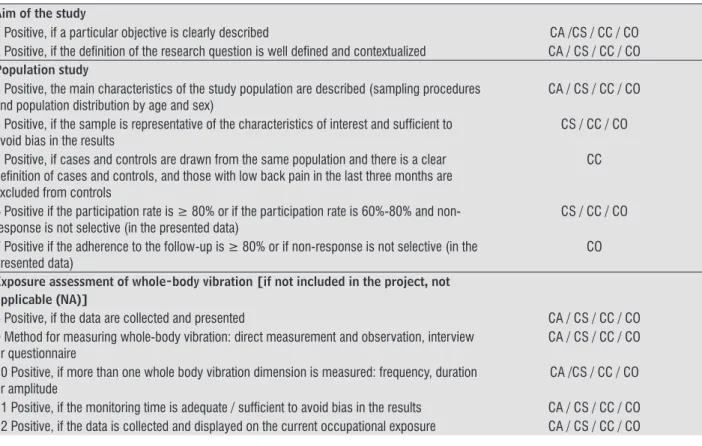
Table 1 - Standardized checklist of methodological quality of the cross-sectional (CS), case-control (CC) and cohort (CO) articles
Aim of the study
1 Positive, if a particular objective is clearly described CA /CS / CC / CO
2 Positive, if the deinition of the research question is well deined and contextualized CA / CS / CC / CO
Population study
3 Positive, the main characteristics of the study population are described (sampling procedures and population distribution by age and sex)
CA / CS / CC / CO
4 Positive, if the sample is representative of the characteristics of interest and suficient to avoid bias in the results
CS / CC / CO
5 Positive, if cases and controls are drawn from the same population and there is a clear deinition of cases and controls, and those with low back pain in the last three months are excluded from controls
CC
6 Positive if the participation rate is ≥ 80% or if the participation rate is 60%-80% and non-response is not selective (in the presented data)
CS / CC / CO
7 Positive if the adherence to the follow-up is ≥ 80% or if non-response is not selective (in the presented data)
CO
Exposure assessment of whole-body vibration [if not included in the project, not applicable (NA)]
8 Positive, if the data are collected and presented CA / CS / CC / CO
9 Method for measuring whole-body vibration: direct measurement and observation, interview
or questionnaire CA / CS / CC / CO
10 Positive, if more than one whole body vibration dimension is measured: frequency, duration or amplitude
CA /CS / CC / CO
11 Positive, if the monitoring time is adequate / suficient to avoid bias in the results CA / CS / CC / CO
12 Positive, if the data is collected and displayed on the current occupational exposure CA / CS / CC / CO
163
Table 1 - Standardized checklist of methodological quality of the cross-sectional (CS), case-control (CC) and cohort (CO) articles
13 Positive, if the data is collected and if previous occupational exposure is considered CA / CS / CC / CO
14 Positive, if the data is collected and a history of musculoskeletal disorders is considered CA / CS / CC / CO
15 Positive, if exposure is measured in the same way for cases and controls CC
16 Positive, if the exposure assessment is masked to the disease state CS / CC
17 Positive, if exposure is assessed at a time before the occurrence of the disease CC
Evaluation of results
18 Positive, if the data were collected for a period ≥ 1 year CO
19 Positive, if the data were collected at least every 3 months CO
20 Method to assess musculoskeletal disorders: Masked physical examination for the condition of exposure (+), self-assessment: speciic questions related to musculoskeletal disorders or using anatomical models (+), single question (-)
CA/ CS / CC / CO
21 Positive, if he results are adequately presented CA / CS / CC / CO
Analysis and presentation of data
22 Positive, if the appropriate statistical model is used CS / CC / CO
23 Positive, if the analysis is controlled CS / CC / CO
24 Positive, if all measured variables are presented in the results CA / CS / CC / CO
Discussion and Conclusion
25 Positive, if the evidence supports the conclusions described CA / CS / CC / CO
Note: Subtitle: (+) = positive; (-) = negative
Source: adapted from van der Windt et al (21). and Hayden, Côté, Bombardier (22).
(Conclusion)
Identification
Duplicated materials n = 31 351 articles identified in the databases
n = 186 PubMed n = 39 LILACS n = 22 Cochrane
n = 104 SciELO
Screening
Elegibility
Inclusion
Studies that were excluded for inadequacy for the proposed theme-based on reading of the title
and/or abstract= 283
Studies reviewed after consensus meeting for inclusion = 6 Selected articles for full-reading
n = 37
Articles included in the review n = 9
Studies excluded based on the eligibility criteria (Table 1)
n = 28
Table 2 presents the results of the methodological quality assessment of the selected studies.
The selected articles showed a population of 2173 PTD [2160 were men (99.4%) and 13 women (0.6%)], and samples that ranged from 14 to 598 participants. All studies defined the participants’ occupation as PTD. Two studies compared results with a one-year and a two-year follow-up (11, 17).
Three studies had women in their sample with a total population percentage of 1.04% (30), 3.27% (9) and 42.85% (29), respectively. Four studies used a group of non-truck drivers as controls (10, 31, 32, 33). All investigations described the sample selec-tion criteria.
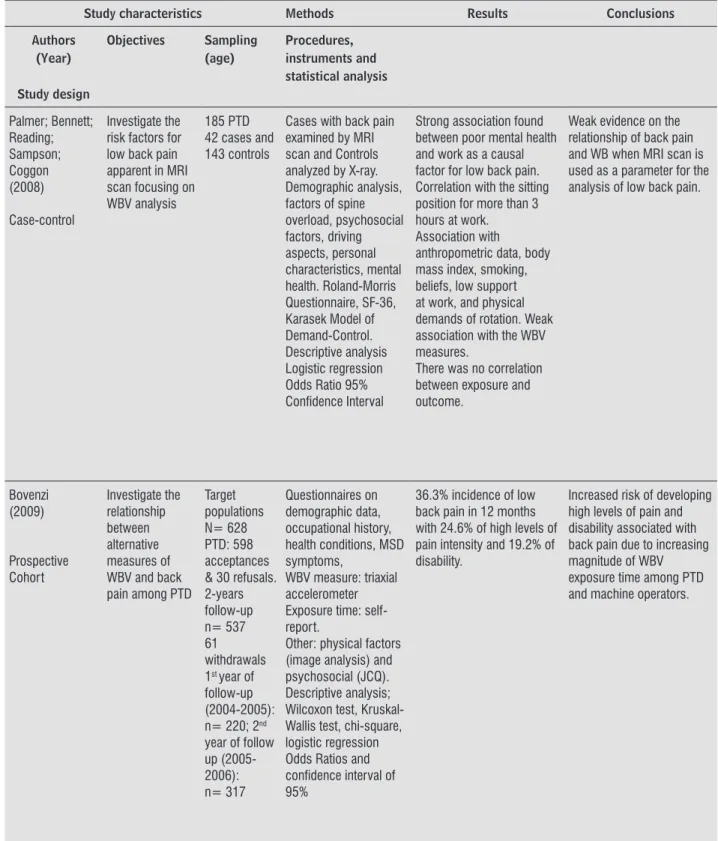
Table 3 describes, in detail, the features of the ar-ticles selected for this systematic review.
Table 2 - Standardized checklist of methodological quality of the cross-sectional (CS), case-control (CC) and cohort (CO) articles
Criteria(*)
Articles
Miyamoto et al., 2000
Kumar,
2004 et al. 2005Hoy Okunribido et al., 2006
Bovenzi et
al., 2006 Mansield, Robb e 2007
Palmer et
al., 2008 Bovenzi, 2009 Bovenzi, 2010
Aim of the study
1 + + + + + + + + +
2 + + + + + + + + +
Study population
3 + + + + + + + + +
4 + - - - + + + + +
5 NA NA NA NA NA NA - NA NA
6 + - + - + + - + +
7 NA NA NA NA NA NA + NA NA
WBV exposure assessment [if it is not included in the study, consider as
“not applicable” (NA)]
8 + + + + + + + + +
9 - - + + - - - -
-10 - + + + + + + + +
11 - + + + + + + + +
12 + + + + + + + + +
13 - - - + + - - + +
14 - - + + + + - + +
15 NA NA NA NA NA NA + NA NA
16 - - - - + + + NA NA
17 NA NA NA NA NA NA - NA NA
Assessment of the study findings
18 NA NA NA NA NA NA NA + +
19 NA NA NA NA NA NA NA -
-20 + + + + + + + + +
21 + + + + + + + + +
Analysis and presentation of findings
18 NA NA NA NA NA NA NA + +
19 NA NA NA NA NA NA NA -
-20 + + + + + + + + +
21 + + + + + + + + +
165
Table 2 - Standardized checklist of methodological quality of the cross-sectional (CS), case-control (CC) and cohort (CO) articles
Criteria(*)
Articles
Miyamoto et al., 2000
Kumar,
2004 et al. 2005Hoy Okunribido et al., 2006
Bovenzi et
al., 2006 Mansield, Robb e 2007
Palmer et
al., 2008 Bovenzi, 2009 Bovenzi, 2010
Analysis and presentation of findings
22 + + + + + + + + +
23 + + + + + + + + +
24 + - + + + + + + +
Discussion and final considerations
25 - + + + + + + + +
Positive results regarding the study quality of the methods (%)
63.2 63.2 78.9 84.2 84.2 89.5 73.9 78.3 78.3
Note: Subtitle: (*) Criteria correspondent to those described in table 1
(Conclusion)
Table 3 - Characteristics of the articles selected for systematic review
Study characteristics Methods Results Conclusions
Authors (Year)
Study design
Objectives Sampling (age)
Procedures, instruments and statistical analysis
Miyamoto; Shirai; Nakayama; Gembun; Kaneda (2000)
Cross-sectional
Investigate the prevalence of back pain symptoms and its risk factors among PTD by using a questionnaires
148 men e 5 women (19-61 years old)
A questionnaire on symptoms of low back pain, analysis of personal and occupational factors was applied.
Student's t-test Logistic regression, odds ratios and 95% conidence interval.
Prevalence of symptoms of low back pain in 50.3% of the sample. High correlation between personal factors and low back pain (odds ratio = 2.7, 95% CI 1.3 to 5.4) regarding the item “spend time recently with my family”. High correlation between occupational factors: irregular scale work (Odds Ratio = 3.0, 95% CI 1.3 to 7.0), little time to rest (Odds Ratio = 2.4, 95% CI 1,2 4.7) and long driving hours (odds ratio = 2.0, 95% CI 1.0 to 4.3). 52.9% of the sample indicated relationship between low back pain and WBV.
There is a high prevalence of low back pain in PTD. WBV is a major risk factor in the occurrence of the symptoms of low back pain in PTD. Prophylactic measures at the personal, organizational and environmental level are important for low back pain prevention.
Table 3 - Characteristics of the articles selected for systematic review
Study characteristics Methods Results Conclusions
Authors (Year) Study design Objectives Sampling (age) Procedures, instruments and statistical analysis Kumar (2004) Cross-sectional Investigate the WBV level among seated PTD during operation in mining 8 men (32-55 years old) 6 women (23-49 years old) WBV (triaxial accelerometer) on the truck seat, L3 and C7.
Descriptive analysis and
MANOVA
The WBV in the seat ranged from 0.37 to 11.73 by m/s2;
at the back from 0.34 to 2.72 m/s2; in the cervical
from 0.2 to 2.22 m/s2.
Gender, driving aspects and loaded cargo had no signiicant effect on the WBV levels.
The body mass of the driver, old truck, truck type and the experience of the driver, as well as their interactions, had signiicant effects on the WBV levels
The PTD working in mining activities are signiicantly exposed to health risks. The greatest risks are linked to the WBV exposure level that exceeds the limits for most of the working day.
Hoy; Mubarak; Nelson; Sweerts de Landas; Magnusson; Okunribido; Pope (2005) Cross-sectional Investigate the risks of WBV and postural demands in the occurrence of low back pain
23 PTD and 23 controls (non- PTD)
Demographics data, Questionnaire on lifestyle, job satisfaction,
occupational and health factors.
Posture assessment (OWAS and RULA), WBV measures (triaxial accelerometer)
Descriptive analysis, univariate analysis
Higher prevalence of low back pain in drivers compared to non-drivers. PTD presented an occurrence two times higher than others (OR 3.516, 95% CI 1044-11828). Smoking, physical activity and job satisfaction were not signiicant in the prevalence of low back pain. Body posture is a determining factor in the occurrence of low back pain. Satisfactory levels of exposure to WBV, but with inluence over the assumed posture.
There is a high prevalence of low back pain in PTD. The WBV is inluenced by other factors. The number of working hours is a factor to be considered in the analysis of low back pain and may be associated with other factors such as type of seat, displacements and spine movement during working hours, exposure to WBV on vehicle loading conditions Okunribido; Magnuson; Pope (2006) Cross-sectional To investigate the role of WBV, posture and manual labor as risk factors for low back pain
369 PTD e 49 non-drivers individuals (control)
Questionnaire on health history, posture and manual activities and direct measures of WBV (triaxial accelerometer), posture and manual activities score.
Logistic Regression, Odds Ratio, 95% conidence interval Log-linear models
55.7% reported low back pain in the last 12 months (LBP). 30.1% reported acute symptoms (ABP). Increased occurrence of LBP / ABP-related to the sitting working condition (OR = 2.420, 95% CI 1.450 to 24.036 / OR = 2.182, 95% CI 1.341 to 3.552), and trunk rotation (OR = 2.644; 95% CI 1,745- 4,005 / OR = 2.158, 95% CI 1.380 to 3.376). Discomfort by WBV associated with the LPB / APB (OR = 5.553, 95% CI 3.387 to 9.102 / OR = 4.044, 95% CI 2.502 to 6.537).
The increased occurrence of low back pain is associated with the combination of body posture and WBV and / or more manual activities than the exposure of a single factor.
167
Table 3 - Characteristics of the articles selected for systematic review
Study characteristics Methods Results Conclusions
Authors (Year) Study design Objectives Sampling (age) Procedures, instruments and statistical analysis
Bovenzi et al. (2006)
Cross-sectional
To investigate the prevalence of low back pain in Italian PTD. Analyze the association of WBV, physical overload psychosocial aspects with low back pain. 598 men (PTD) 30 controls (non- PTD) Demographics data, questionnaire on occupational and health records.
WBV (triaxial accelerometer) Roland-Morris Questionnaire and pain scale of Von Korff Descriptive analysis, Student's t test, ANOVA, chi-square test, logistic regression Odds Ratio 95% Conidence Interval
The daily exposure to WBV varies from 0.1 to 1.18 m/s2.
The duration of exposure to WBV ranged from 1-41 years long. The prevalence of chronic low back pain (12 months) and acute low back pain (7 days) was higher in the group of drivers (OR = 4.49, 95% CI 1.05 to 19.2) / than in the control group (OR = 2.81, CI 95% 1.31 to 6.04). The occurrence of lower back pain, increased intensity of symptoms and functional disability are associated to an increase in the cumulative exposure level to WBV. Individual factors and the physical burden index at work are signiicantly associated with the degree of back pain, whereas psychosocial factors have a marginal association with symptoms of lower back pain.
PTD have increased risk for low back pain associated with the work. Exposure to WBV and factors at work that lead to physical overload are important factors in multifactor composition of low back pain onset in this profession.
Robb e Mansield (2007) Cross-sectional Examine the relationship between MSD and possible risk factors for PTD in heavy vehicles, in order to develop WBV exposure reduction actions 190 men 2 women (all PTD) (22-71 years old)
A questionnaire on, demographic data, description of the job, exposure to WBV, report of MSD.
Descriptive analysis; T-test for independent samples, chi-square; Pearson's coeficient
Exposure to WBV varies from 12 to 85 hours per week (average 43,8hours), distance traveled during working hours 256-6400km per week (average 2469km); 81% of the sample reported MSD in the past 12 months, 60% reported lower back pain. Signiicant relationship between distance and MSD (p <0.01) and no signiicant time between exposure and MSD.
There is a positive association between symptoms of MSD and distance travelled with the truck. Risk reduction strategies should aim to cargo handling and comfort of the vehicle seat
Table 3 - Characteristics of the articles selected for systematic review
Study characteristics Methods Results Conclusions
Authors (Year)
Study design
Objectives Sampling (age)
Procedures, instruments and statistical analysis
Palmer; Bennett; Reading; Sampson; Coggon (2008)
Case-control
Investigate the risk factors for low back pain apparent in MRI scan focusing on WBV analysis
185 PTD 42 cases and 143 controls
Cases with back pain examined by MRI scan and Controls analyzed by X-ray. Demographic analysis, factors of spine overload, psychosocial factors, driving aspects, personal characteristics, mental health. Roland-Morris Questionnaire, SF-36, Karasek Model of Demand-Control. Descriptive analysis Logistic regression Odds Ratio 95% Conidence Interval
Strong association found between poor mental health and work as a causal factor for low back pain. Correlation with the sitting position for more than 3 hours at work.
Association with anthropometric data, body mass index, smoking, beliefs, low support at work, and physical demands of rotation. Weak association with the WBV measures.
There was no correlation between exposure and outcome.
Weak evidence on the relationship of back pain and WB when MRI scan is used as a parameter for the analysis of low back pain.
Bovenzi (2009)
Prospective Cohort
Investigate the relationship between alternative measures of WBV and back pain among PTD
Target populations N= 628 PTD: 598 acceptances & 30 refusals. 2-years follow-up n= 537 61 withdrawals 1st year of
follow-up (2004-2005):
n= 220; 2nd
year of follow up (2005-2006): n= 317
Questionnaires on demographic data, occupational history, health conditions, MSD symptoms,
WBV measure: triaxial accelerometer Exposure time: self-report.
Other: physical factors (image analysis) and psychosocial (JCQ). Descriptive analysis; Wilcoxon test, Kruskal-Wallis test, chi-square, logistic regression Odds Ratios and conidence interval of 95%
36.3% incidence of low back pain in 12 months with 24.6% of high levels of pain intensity and 19.2% of disability.
Increased risk of developing high levels of pain and disability associated with back pain due to increasing magnitude of WBV exposure time among PTD and machine operators.
169
Table 3 - Characteristics of the articles selected for systematic review
Study characteristics Methods Results Conclusions
Authors (Year)
Study design
Objectives Sampling (age)
Procedures, instruments and statistical analysis
Bovenzi (2010)
Prospective cohort
Investigate the relationship between low back pain and results of measures of daily exposure to WBV among PTD
202 PTD. Follow-up time (2 years): 1st year of
follow-up (2004-2005):
n= 92; 2nd
year of follow up (2005-2006): n= 110
Questionnaires on demographic data, occupational history, health conditions, MSD symptoms
Nordic questionnaire for WBV measure (triaxial accelerometer) Pain intensity. Other: physical factors (image analysis) and psychosocial (JCQ) Descriptive analysis; Wilcoxon test, Kruskal-Wallis test, chi-square, Logistic Regression Odds Ratios and conidence interval of 95%
Cumulative incidence of back pain of 38.6% in the follow-up; 16.8% had high intensity pain and 14.4% presented disability
The workload is presented as a predictor for the outcome of low back pain and psychosocial factors are not associated with low back pain in the workplace.
Discussion
This study aimed to conduct a literature review and investigate the association between exposure to WBV and MSD. The finding of this systematization of evidence suggests an association between exposure to WBV in PTD in the event of MSD, especially due to the observation of high prevalence of low back pain and symptoms resulting from this condition.
The PTD are exposed to injuries in the cervical and lumbar spine, pressure points and poor circulation in the legs and buttocks, resulting from long periods in the sitting position. Furthermore, they may increase their risk of injury when handling objects, in addition to their usual occupation activities (30).
These professionals have a higher prevalence of low back pain, which presents greater intensity when compared to the other drivers (10). The age of the ve-hicle, the driver’s body mass and other organizational factors appear as significant variables in the negative impact caused by the exposure to the WBV (24). The posture assumed during the driving operation, along with the WBV exposure is another variable that may be identified as associated with back pain (33).
The physiological effects of this condition can be explained by the posture taken by the employee during his/her working hours, associated with the organic-structural conditions of the individual who is subjected to adverse environmental conditions (33). As a result of this issue, one can highlight the capacity ratio of that person to deal and interact with these exposure factors that trigger MSD and manifest them-selves in the form of a disease. That person builds this capacity through strategies during his working life. (11, 30, 33).
According to Dejours (34) the "work organiza-tion is defined as the division of labor and of men." The prescription precedes the task execution, and composes a record that meets the need for guidance, bureaucratization and inspection, being a source for both recognition and punishment. The real work is one that happens at the very moment of its execution. Time of weekly exposure to WBV and the distance driven were variables that have been observed and associated with the occurrence of MSD (26). The in-tensity of pain and the incapacity for work are mani-fested directly with increasing exposure gradients (17, 27).
Final Considerations
In this systematic review study on the impor-tance of WBV exposure and MSD, we identified that organizational factors and operating conditions may directly or indirectly affect WBV exposure, and they must be considered in the analysis of the physical harms associated with PTD work. There are some examples of factors that must be addressed with in-tervention measures at the level of prevention and health promotion, such as: long journeys and work-ing hours that cause longer exposure times to WBV, body postures assumed while driving the vehicle, the influence of the work organization, the value of the exposure magnitude affected by the age of the vehicle, road conditions and others. This review’s findings identified that the included studies presented meth-odological quality on the subject, which provides sol-id and sufficient evsol-idence to reduce WBV exposure to the lowest possible in order to prevent the occur-rence of MSD, especially low back pain among PTD. The study subject, from an epidemiological point of view, should place more value on prospective studies with more consistency and less on those, which only seek association.
References
1. Caldbick S, Labonte R, Mohindra KS, Ruckert A. Glo-balization and the rise of precarious employment: the new frontier for workplace health promotion. Glob Health Promot. 2014;21(2):23-31.
2. Ruiz VS, Araújo ALL. Health and safety, and
subjectiv-ity at work: the psychosocial risks. Rev BrasSaúde Ocup. 2012;37:170-80.
3. Matos MG, Hennington EA, Hoefel AL, Dias-da-Costa JS. Lower back pain in health insurance policyhold-ers: prevalence and associated factors. Cad Saúde Pública. 2008; 24:2115-22.
4. Carter B, Danford A, Howcroft D, Richardson H, Smith A, Taylor P. 'Stressed out of my box': employee experi-ence of lean working and occupational ill-health in clerical work in the UK public sector. Work Employ Soc. 2013; 27:747-67.
5. Härmä M, Kompier MAJ, Vahtera J. Work-related stress and health — risks, mechanisms and countermea-sures. Scand J Work Environ Health. 2006; 32:413-19.
The PTD who has a sedentary lifestyle and finds himself exposed to high levels of WBV associated with the density and intensity of working hours, may in-crease the damage to his health, once he is at the limit required for systemic functioning (30). Such factors predispose the PTD to health problems such as MSD affecting his overall physical ability, with consequent impairment in the production process and impact on the healthcare system. The consequences of this re-lationship are highlighted in the individual's removal as a "social being" and in the physical impairments that can lead to mental impairment.
The majority of workers, while reporting MSD, only considered those diseases as a limiting factor for work when they are unable to perform their occu-pational activities. They use the knowledge acquired with the working practice to put them forward in a situation in which they are exposed to risks, such as in the case of WBV exposure.
Among the studies chosen for review, after the application of the selection criteria, we did not find evidence for the relevance of WBV exposure to health issues except in the case-control study developed by Palmer et al. (28). The authors explain their find-ings by the conditions of the sample cases in relation to the period of WBV exposure, which was after the occurrence of low back pain; and by the diversity of activities present by the drivers. They suggest that exposure to WBV may be not the main cause of se-vere back pain; instead, the mental aspects and the perception of general health have a more significant contribution with stronger association with the oc-currence of low back pain in the sample. However, two studies of cohort/longitudinal design, developed by Bovenzi (11, 17), stressed the importance of WBV exposure in the onset of low back pain. Those studies present a greater power of risk elucidation and less vulnerability to bias.
171
17. Bovenzi M. Metrics of whole-body vibration and ex-posure–response relationship for low back pain in professional drivers: a Estudo de coorte prospectivo. Int Arch Occup Environ Health. 2009;82:893-917. 18. Saporiti AF, Borges LH, Salaroli LB, Molina MDCB.
Dores osteomusculares e fatores associados em mo-toristas de carretas nas rodovias do Espírito Santo. Re-vista Brasileira de Pesquisa em Saúde. 2010;1272-8. 19. Bovenzi M, Hulshof CT. An updated review of epidemi-ologic studies on the relationship between exposure to whole-body vibration and low back pain (1986-1997). Int Arch Occup Environ Health. 1999;72:351-65.
20. Lings S, Leboeuf-YC. Whole-body vibration and low
back pain: a systematic, critical review of the epi-demiological literature 1992-1999. Int Arch Occup
Environ Health. 2000 Jul;73(5):290-7.
21. Van der Windt DA, Thomas E, Pope DP, de Winter AF, Macfarlane GJ, Bouter LM, Silman AJ. Occupational risk factors for shoulder pain: a systematic review. Occup Environ Med 2000;57:433-42.
22. Hayden JA, Côté P, Bombardier C. Evaluation of the
Quality of Prognosis Studies in Systematic Reviews.
Ann Intern Med. 2006;144:427–37.
23. Hoogendoorn WE, van Poppel MN, Bongers PM, Koes BW, Bouter LM. Systematic Review of Psychosocial Factors at Work and Private Life as Risk Factors for Back Pain. Spine. 2000;25(16): 2114-25.
24. Kumar S. Vibration in operating heavy haul trucks in overburden mining. Appl Ergon. 2004;35(6):509-20.
25. Okunribido, O.O.; Magnuson, M; Pope, M.H. Low back pain in drivers: The relative role of whole-body vibra-tion, posture and manual materials handling. J Sound Vib. 2006;298:540-55.
26. Robb MJ, Mansfield NJ. Self-reported musculoskel-etal problems amongst professional truck drivers.
Ergonomics. 2007;50:814-27.
27. Bovenzi M, Rui F, Negro C, D’Agostin F, Angotzi G, Bianchi S, Bramanti L, Festa GL, Gatti S, Pinto I, Rondina L, Stacchini N. An epidemiological study of low back pain in professional drivers. J Sound Vibr.
2006;298:514-39. 6. Neri M, Soares WL, Soares C. Health conditions in the
cargo and passenger road transportation industry: a study based on the Brazilian National Sample House-hold Survey. Cad Saúde Pública. 2005;21:1107-23. 7. Kuijer W, Groothoff JW, Brouwer S, Geertzen JHB,
Dijkstra PU. Prediction of Sickness Absence in Pa-tients with Chronic Low Back Pain: A Systematic Re-view. J Occup Rehabil. 2006;16:439-67.
8. Coggon D, Ntani G, Palmer KT, Felli VE, Harari R, et al. Disabling musculoskeletal pain in working pop-ulations: is it the job, the person, or the culture? Pain. 2013;154:856-63.
9. Miyamoto M, Shirai Y, Nakayama Y, Gembun Y, Kaneda K. An epidemiologic study of occupational low back pain in truck drivers. J Nippon Med Sch.
2000;67:186-90.
10. Hoy J, Mubarak N, Nelson S, Sweerts de Landas M, Magnusson M, Okunribido O, Pope M. Whole body vibration and posture as risk factors for low back pain among forklift truck drivers. J Sound Vib.
2005;284:933-46.
11. Bovenzi M. A longitudinal study of low back pain and daily vibration exposure in professional drivers. Ind Health. 2010;48:584-95
12. Boshuizen HC, Bongers PM, Hulshof CTJ. Back disor-ders and occupational exposure to whole-body vibra-tion. Int J Ind Ergonomics. 1990a;6:55-9.
13. Donoghue AM. Occupational health hazards in min-ing: an overview. Occup Med (Lond). 2004;54:283-9. 14. Pope MH, Wilder DG, Magnusson M. Possible mech-anisms of low back pain due to whole-body vibra-tion. J Sound Vibr.1998;215:687-97.
15. Vanerkar AP, Kulkarni NP, Zade PD, Kamavisdar AS. Whole body vibration exposure in heavy earth moving machinery operators of metalliferrous mines. Environ
Monit Assess. 2008;143:239-45.
16. Rehn B, Nilsson T, Lundström R, Hagberg M, Burström L. Neck pain combined with arm pain among profes-sional drivers of forest machines and the association with whole-body vibration exposure. Ergonomics.
32. Howard B, Sesek R, Bloswick D. Typical whole body vibration exposure magnitudes encountered in the open pit mining industry. Work .2009;34:297–303. 33. Lis AM, Black KM, Korn H, Nordin M.
Associa-tion between sitting and occupaAssocia-tional LBP. Eur Spine. J 2007;16:283-298.
34. Dejours C. Psicopatología del trabajo – Psicodinámica del Trabajo. Laroreal. 2011; 7:13-6.
Recebido: 21/10/2014
Received: 10/21/2014
Aprovado: 28/05/2015
Approved: 05/28/2015 28. Palmer KT, Harris EC, Griffin MJ, Bennett J, Reading I,
Sampson M, Coggon D. Case–control study of low-back pain referred for magnetic resonance imaging, with special focus on whole-body vibration. Scand J Work Environ Health. 2008;34:364-73.
29. Smets MP, Eger TR, Grenier SG. Whole-body vibration experienced by haulage truck operators in surface mining operations: a comparison of various analysis methods utilized in the prediction of health risks. Appl Ergon. 2010;41:763-70.
30. Bovenzi M, Ronchese F, Mauro M. A longitudinal study of peripheral sensory function in vibration-exposed workers. Int Arch Occup Environ Health.
2011;84:325-34.