Professional satisfaction of nurses working
with home care
O
RIGINAL
A
R
TICLE
SATISFAÇÃO PROFISSIONAL ENTRE ENFERMEIROS QUE ATUAM NA ASSISTÊNCIA DOMICILIAR
SATISFACCIÓN PROFESIONAL ENTRE ENFERMEROS QUE ACTÚAN EN ATENCIÓN DOMICILIARIA
1 Nurse. Specialist in Hospital Infection Control. Professor of the Nursing Course, Universidade José do Rosário Vellano. Nurse of the Home Care Program of a Private Company in the city of Belo Horizonte. Belo Horizonte, MG, Brazil. fl [email protected] 2 Ph.D. in Nursing. Full Professor of Basic Nursing, School of Nursing, Federal University of Minas Gerais. Belo Horizonte, MG, Brazil. [email protected] 3 Nurse. Specialist in Hospital Infection Control. Nurse of the Home Care Program of a Private Company in the city of Belo Horizonte and at the Minas Gerais Military Police Hospital. Belo Horizonte, MG,
RESUMO
Estudo realizado com 34 enfermeiros para conhecer o nível de sai sfação desta classe profi ssional em relação ao trabalho. Ui li-zou-se o quesi onário do Índice de Sai sfa-ção Profi ssional (ISP), traduzido, validado para a língua portuguesa e adaptado para a assistência domiciliar analisando seis com-ponentes: Interação, Autonomia, Remu-neração, Status Profi ssional, Normas Or-ganizacionais e Requisitos do Trabalho. Os resultados mostraram os enfermeiros mais sai sfeitos nos aspectos Autonomia, Inte-ração e Requisitos do Trabalho. O ISP en-contrado no estudo foi de 13,19. Esse valor foi baixo, considerando a possível variação de 0,9 a 37,1, embora tenha sido superior aos índices de sai sfação encontrados em outras pesquisas envolvendo enfermeiros.
DESCRITORES
Enfermagem Sai sfação no trabalho
Serviços de Assistência Domiciliar
ABSTRACT
The objeci ve of this study was to learn the level of sai sfaci on that nurses have about their work. Pari cipants were 34 nurses, who answered the Professional Sai sfaci on Index (PSI), translated and validated for the Portuguese language and adapted to home care. The following six components were analyzed: Interaci on, Autonomy, Remunerai on, Professional Status, Organizai onal Norms, and Working Requirements. The PSI found in the study was 13.19. This was a low value, consider-ing the possible variai on from 0.9 to 37.1, though it was greater than the sai sfaci on indexes found in other nurse studies.
DESCRIPTORS
Nursing Job sai sfaci on Home Care Services
RESUMEN
Estudio realizado con 34 enfermeros para co-nocer el nivel de sai sfacción de esta modali-dad profesional en relación al trabajo. Se usó cuesi onario de Índice de Sai sfacción Profe-sional (ISP) traducido, validado para lengua portuguesa y adaptado para la atención do-miciliaria, analizando seis componentes: In-teracción, Autonomía, Remuneración, Status Profesional, Normas Organizacionales y Re-quisitos Laborales. Los resultados mostraron a los enfermeros más sai sfechos en los as-pectos Autonomía, Interacción y Requisitos Laborales. El ISP resultante del estudio fue de 13,19. Ese valor resultó bajo considerando la posible variación de 0,9 a 37,1, a pesar de ha-ber sido superior a los índices de sai sfacción encontrados en otras invesi gaciones involu-crando personal de enfermería.
DESCRIPTORES
Enfermería
Sai sfacción en el trabajo
Servicios de Atención de Salud a Domicilio
INTRODUCTION
The changes made in the working process have increased the demands imposed on workers, who must be more and more qualifi ed in order to produce work with bet er
qual-ity and greater produci vity. In the health area, new health care technologies and populai on aging have contributed to increasing the demand for highly complex services, with a consequent rise in the costs of those services.
Home care emerged as an alternai ve to hospital in-terveni ons, aiming at reducing the demands of hospital admissions or shortening the length of stay. The incor-porai on of new technologies and methods of treatment permit ed to off er, at home, many of treatments that were once only available at hospitals.
The home care model represents a great challenge for nurses, as some features of its working process are very diff erent from the hospital model, which was the main fo-cus of the nurses’ educai on.
Some characterisi cs specifi c to the
home care model, e.g. a greater pari
cipa-i on in family confl icts, the risk of being
ex-posed to violence on their way to the visit, a smaller infrastructure for emergency situ-ai ons at home, or the therapy limitai ons of pai ents receiving palliai ve care could be considered as factors that contribute to dissai sfaci on at work. However, it is as-sumed that because the care occurs out-side an insi tui on, nurses would have more freedom in their work and have greater au-tonomy, which would result in professional sai sfaci on.
Therefore, we quesi on if the model ad-opted in Home Care provides the sai
sfac-i on or dissai sfaci on of nurses towards work and what are the variables involved in the sai sfaci on/dissai
sfac-i on binomial in this model of care.
Although controversies exist regarding the concept of Work Sai sfaci on and its associated variables, systemai -cally, it can be defi ned as a pleasant or posii ve emoi onal
state resuli ng from the evaluai on of a work situai on, or any experience lived in it. That evaluai on is subject to one’s values and beliefs, and, if the outcome is an un-pleasant emoi onal state, it will cause dissai sfaci on and may aff ect the worker’s physical and mental health, inter-fering in his/her professional or social behavior(1-2).
Considering the growing disseminai on of home care services in Brazil, and in view of the relevance that the theme professional sai sfaci on has for nurses and the scarcity in our environment of studies surrounding this theme, it became i mely to develop a study that would fi ll
in the exisi ng gap.
The present study was designed with the objeci ve to evaluate the work sai sfaci on of nurses working with home care.
LITERATURE REVIEW
Home Care as we know it appeared in the United States, in 1947, as an insi tui onalized praci ce moi vated by the need to relieve the hospitals and create an environ-ment more suitable for the pai ent’s recuperai on(3).
The Norm Resolução da Diretoria colegiada (RDC) number 11 was established in 2006, and disposes about the technical regulai on for the delivery of home care ser-vices, which involves a variety of modalii es: from visii ng chronic pai ents at home, through providing palliai ve care to terminally ill pai ents, to establishing medical-hospital devices for intensive home care, similar to that off ered in hospital care(4). Therefore, the health care needs of a
pa-i ent receiving home care are very diff erent from those of a pai ent in hospital, and thus may involve diff erent types and intensii es of physical and emoi onal ef-forts form the professionals assisi ng them.
The managerial processes adopted at the hospital level aff ect the nurses’ health condii ons, and can become determinants of health hazards if authoritarian or improve health if more fl exible and democrai c. The
aci vii es performed by the nursing team working in hospitals are permeated with physical and psychological burdens that harm their quality of life(5). Therefore, it is
important to invesi gate if that physical and emoi onal burden persists in other contexts of care, such as Home Care.
It has been suggested that organizai ons should evaluate the factors of work dissai s-faci on among nurses so they can be treated with the due importance. That would allow for nurses to be acknowl-edged through their competence, polii cizai on, organi-zai on of the category, the posii oning of the team in the insi tui on, and performing quality work(6).
Regardless of the locai on and methodology used, pro-fessional sai sfaci on in nursing is a theme that should be invesi gated so that the diffi culi es that nurses experience in their praci ce can be detected and minimized(7).
METHOD
This exploratory, descripi ve study was performed with a quani tai ve approach and using prospeci ve data(8).
The study was performed at a private company, in the city of Belo Horizonte, that assists home care as defi ned
by RDC 11/2006(4). The profi le of the clientele is character-...we question if the
model adopted in Home Care provides
the satisfaction or dissatisfaction of nurses towards work
ized by having at least one impaired Aci vity of Daily Living (ADL), with most pai ents being individuals with
demen-i as and stroke complicai ons, and other chronic-degener-ai ve diseases such as Parkinson’s disease.
The study populai on consisted of 44 nurses working at the service. The following were excluded: one nurse whose aci vii es were exclusively administrai ve; three nurses who were on sickness leave by the Nai onal Social Security Insi tute (INSS), with no expected date of return; two, for being the researchers; and four who did not wish to pari cipate. The sample was, hence, composed of 34 subjects, referring to 77% of the total.
The independent variables of the study were the pro-fessional data, and propro-fessional sai sfaci on was the depen-dent variable, defi ned as that which the researcher wishes
to explain, understand, or predict, which is infl uenced,
de-termined, or aff ected by the independent variables(8).
The Professional Sai sfaci on Rate (PSR) was measured using an instrument translated and validated to Portu-guese, which has the objeci ve to evaluate work sai
sfac-i on according to six components: Autonomy, Interaci on, “Professional Status”, Work Requisii ons, Organizai on Norms, and Remunerai on(9). Because the original
instru-ment was created specifi cally to collect data among
nurs-es working in the Intensive Care Unit (ICU), it was adapted for home care, thus meei ng the object of study. The only change made to the original instrument was replacing ICU by Home Care. A pre-test was made with 10% of the study populai on, and the instrument was considered appropri-ate, preserving the original standard.
The instrument has the form of a quesi onnaire con-sisi ng of three parts: the fi rst (Part A) consists of items for
socio-demographic and professional characterizai on of nurses; the second (Part B) contains one method of Paired Comparisons that combines six components related to Professional Sai sfaci on in terms of the degree of impor-tance that nurses assign to each component; the third (Part C) relates the measurement of the current work situ-ai on with the measurement of the expectai ons towards work using a Likert scale. The scale has a posii ve
direc-i on and the highest score (7) should be assigned to the answer that indicated the highest level of sai sfaci on(9).
The study began at er being approved by the Research Ethics Commit ee on 03/03/2009 under document num-ber 565/08, and complied with all the parameters of Resolui on 196/96, the Nai onal Health Council (Ministry of Health), regarding research involving human beings in Brazil, including the consent form(10).
The researchers collected the data between April and August 2009, in the mornings and at ernoons, at the Home Care Program center.
The obtained data were organized on an electronic spreadsheet as a databank for stai si cal analysis. To do this, we used Stai si ca 6.0 and Microsot Excel 2007.
The socio-demographic and professional data of the home care nurses were analyzed using descripi ve analysis.
The quesi ons that addressed the PSR were recoded following the steps that the author recommended for scoring(9). We used the Weighi ng Coeffi cient of the
com-ponents of work sai sfaci on (Part B), The Mean and Total Scores of the Component on the Scale (Part C) and the Ad-justed Component Scale to obtain the nurses’ professional sai sfaci on rates.
To evaluate data reliability we used the Cronbach’s Alfa Coeffi cient ranging from 0 to 01. An appropriate al-pha for the developed instruments should b greater than 0.8(9). The total alpha coeffi cient of the scale for this study
was 0.92, which shows that the instrument has a small measurement error.
The Tau Kendall test was also used to evaluate reli-ability, and the values found were between 0.84 and 0.86. Considering that its value must be between 0.80 and 0.90(9), the obtained results indicated high reliability for
the instrument.
RESULTS AND DISCUSSION
Historically, nursing is known as a predominantly fe-male profession, as stated by several authors(7,11-12). By
analyzing the data of home care nurses according to the gender, we found there were more women (31, 91.17%) than men (3, 8.82%).
It was found that most professionals were young (32, 94.12%), with less than 37 years, and, consequently, with a maximum 10 years since their graduai on (33, 97.06%). These fi ndings are in agreement with those of previous
studies that idenifi ed that most nursing professionals
were at their most produci ve age(12-13).
Regarding educai on, 20 nurses (58.82%) had a spe-cializai on degree in other areas; only two (5.88%) had a specifi c educai on in Gerontology, although this is the
greatest demand of care in the studied service. However, 14 nurses (41.18%) informed they were at ending a spe-cializai on course in that area. There are no career or sal-ary plans in the studied company, and the mean monthly remunerai on was fi ve minimum salaries. We did not fi nd
any nurses with a i tle higher than a specializai on degree. The relevance of the nurses’ preparai on for home care can be at ributed to the growing disseminai on of this type of service and the escalai ng demand for profession-als with specifi c skills that would allow them to achieve
the goals of the increasingly complex home care service(3).
over the last four years. The weekly workload is 36 hours, and is performed exclusively in the day: 20 (58.82%) work in the morning, and 14 (41.18%) work in the at ernoon.
All the interviewed nurses reported enjoying working with home care, and are sai sfi ed with the work, and the
most common aci vity they performed was direct pai ent care. Of these nurses, only one (2.94%) was transferred to home care on the account that the service needed this change, while all the other 33 (97.06%) nurses had chosen to work with home care.
Among the above factors, working during the day and the predominance of health care services could be directly related to a higher level of work sai sfaci on, as the litera-ture has referred to having to work nights and the excessive bureaucrai c aci vii es as reasons for nurses’ dissai sfaci on towards work(3,5-7). Choosing the place of work has a
posi-i ve eff ect on work sai sfaci on and produci vity(5).
Regarding the nurses’ marital status, diff erent from previous studies(7,12-14) that reported a higher percentage
of married nurses, the present study found that most
par-i cipants (20, 58.82%) were single and without children. Among the 14 (41.18%) married nurses, two (5.88%) had more than one child, 10 (29.41%) had only one child, and two (5.88%) had none.
It is understood that the innovai ons in the working market and the demand for improving the preparai on and professional development imply that women will get married and have children at an older age. Similar results were found in a study with nurses of an ICU, which also found that most nurses were single and had no children(11).
The Weighi ng Coeffi cient of the work sai sfaci on components (Part B) was obtained using the frequency matrix of the choice of each of the paired component, fol-lowed by the conversion of the propori ons into standard deviai ons (matrix Z) using the correci on factor + 2.5. The Weighi ng Coeffi cient is directly propori onal to its degree of importance, ranging from 0.9 to 5.3(9).
The frequencies of the answers obtained for the dif-ferent levels of agreement, neutrality, or disagreement related to the ai tude scale (Part C) were grouped into categories for a bet er understanding of the results. We used the answer frequency to obtain the Mean Score of the Scale Components that show the nurses’ current professional sai sfaci on regarding each of the six compo-nents of the PSR.
The Scale Weighi ng Scores (Column I) and the Mean Scores of the Scale Components (Column II) are seen in Table 1.
Table 1 – Scores and PSR variation among Home Care Nurses - Belo Horizonte – 2009
Componente
I. Weighting Coefficient of the
Scale (Part B)
II. Total Score of the Scale Component (Part C)
III. Mean Score of the Scale Component (Parte C)
IV. Score of the Adjusted Component (I x III)
Autonomy Interaction
Remuneration
Work Requirements
Rules of the Organization Professional Status
4.75 34.32 4.90 23.29
4.56 40.88 5.11 23.30
4.41 25.07 4.29 18.92
1.03 20.28 5.07 5.22
0.99 27. 43 3.92 3.88
0.93 29.31 4.88 4.54
The studied nurses considered that the most important component to obtain work sai sfaci on was Autonomy. Pre-vious studies performed with the nursing teams of Intensive Care Units (ICU), Emergency Medical Services (SAMU) and Surgery Departments have found similar results(7,9,11-12,14).
Autonomy off ers bet er professionalizai on and
reputa-i on to an occupai on, meei ng the individual need of social integrai on. The lack of autonomy is seen as a negai ve fac-tor for work(11). In the ai tude scale (Part B), we found that
85.29% of the nurses marked they disagreed with the state-ment Somei mes I feel frustrated because all my aci vii es ap-pear to have been programmed for me, 88.23% agreed with the item I feel I pari cipate enough in planning the health care for each pai ent, but 55.88% disagree with the statement I have too many responsibilii es and not much authority.
Therefore, an unbalance is observed between the im-portance assigned to autonomy and the third posii on this component occupies in the nurses’ current sai sfaci on, as seen in Table 1.
Today, there are many challenges in the world regard-ing the fragmented thought created by the rai onalism of modern age(15). It is considered that the alternai ve
health care models, including home care, need to over-come biological myths in order to develop interdisci-plinary knowledge founded on the theory of social pro-duci on. This new paradigm in health implies a greater interaci on of all the subjects involved in the service, which in home care surpasses the limitai ons of the pro-fessional team, as pai ents, relai ves and caregivers are aci ve subjects of care.
Total Score of the Scale: 207.98 (variation of 44 - 308) Mean Score of the Scale: 4.69 (variation of 1 - 7)
Regarding the Integrai on, which is the second most important item to achieve work sai sfaci on according to the pari cipants, and the component they currently show the highest sai sfaci on, there was greater agreement in the answers In my unit there is a lot of teamwork among nurses and physicians (91.18%), At my service, nurses make themselves available and help each other when things get busy (85.29%), and disagreement in The physicians at this service underesi mate the nursing team too much (79.41%).
In the sub-component I would like physicians working here to show more respect for the nurses’ skills and knowledge, most answers were neutral (55.88%).
The relai onship issue between physicians and nurses, due to the hegemony of the physicians implied by the Bio-medical Health Model, persists uni l today, and has also been confi rmed in other studies(12,14). In home care we fi nd
there is more interaci on in the team, but we observe that nurses do not see much appreciai on of their skills and knowledge from the physicians.
The hierarchy of nursing work and the power relai on-ship ot en insi tuted between nurses and the other team members are the cause of many confl icts in the relai
on-ships between these professionals(7,9,11-12,14). At the studied
service, there is no roui ne inclusion of nursing auxiliaries and technicians at work, except in cases of intensive home care, which is not the highest demand of service. The in-existence of this hierarchy is a possible explanai on for the bet er interaci on in the nursing team.
By comparing the nurses’ current level of sai sfaci on in terms of the components of professional sai sfaci on (Part III of the scale) with the level of importance at rib-uted to each (Part I of the scale), it is observed in Table 1, that Remunerai on was the only component whose per-ceived level of sai sfaci on was lower than the level of im-portance. This was an expressive fi nding, although it was
not surprising because it had already been described in previous studies about the dissai sfaci on of the nursing team regarding the low remunerai on of this professional category(9,11,14).
Several studies point at the associai on of economical aspects with work sai sfaci on and found that low remu-nerai on was one of the moi vators for dissai sfaci on in the nursing team(7,9,11,14). In the present study, 73.53% of
the nurses disagree with the statement “I am sai sfi ed with my current salary”, but 82.35% of them agreed with the statement “From what I have heard about the nursing staff from other insi tui ons, we receive a fair
remunera-i on”. It is understood that the nurses are aware about and dissai sfi ed with the low salary their category receives.
It is observed there is a disagreement regarding the evaluai on of the performance of the Work Requirements and Organizai onal Norms components.
In this study, the Work Requirements component was considered to be one of the least important, but second in
terms of sai sfaci on among nurses. As described before, we could at ribute a greater sai sfaci on in relai on to this component in this study because of the predominance of health care aci vii es in the nurses everyday roui ne in-stead of bureaucrai c and administrai ve aci vii es, which have been proven to contribute to the professional dissat-isfaci on of nurses in other studies(9,11-12).
The work bureaucrai zai on, infl exibility, roui nizai on,
and overload are considered to be the Work Requirements that cause dissai sfaci on in the nursing team (7,9,11-12).
Although 94.12% of nurses reported being sai sfi ed
with the types of aci vii es they perform at work, and 82.35% agreeing with the sub-component I have enough
i me for direct pai ent care, 73.53% of the populai on agreed with the statement In this service, nurses have a lot of bureaucrai c and administrai ve work, possibly char-acterizing work overload.
Based on the fi ndings regarding the Organizai on
Norms component, 76.47% of the studied nurses agreed with the statement In my service, nurses have enough con-trol over their own work shit planing. Considering that in home care, the service is delivered during scheduled visits, we found that the team has more fl exible working
hours, which could have a posii ve eff ect on their sai
sfac-i on towards work.
Another aspect revealed in the study was a greater per-centage of nurses (61.76%) that disagreed with the state-ment There is a large gap between the administrai on of this service and the daily problems of the nursing team. We found disagreement between this fi nding and the fact that
58.82% of nurses agreed with another statement: In this service, the administrai ve decisions have a strong infl u-ence on pai ent care. This contradici on was also found in the study with nurses of the emergency medical service(14).
The lack of promoi on opportunii es for nurses ap-peared to be associated with their demoi vai on and dis-sai sfaci on at work, as this study found that 91.18% of the populai on agreed with the statement: This job does not off er suffi cient opportunii es for nurses to be promot-ed.Therefore, the Organizai on Norms was the compo-nent that received the lowest degree of importance and sai sfaci on by the studied populai on.
The Professional Status component, which was as-signed the least importance, is described in the nurses’ praci ce as devaluai on and lack of acknowledgement of their work, verifi ed by the low remunerai on, work
over-load and few expectai ons of rising in the career(7,9,12-13).
Regarding the nurses’ percepi on of their Profession-al Status, as in previous studies(7,12,14) that reported the
lack of acknowledgement and respect for nursing work, 79.41% of nurses agree that Nursing is not broadly recog-nized as being an important profession and 55.88% dis-agree that Most people recognize the importance of
nurses agreed with the statement I have no doubts in my mind: what I do in my job is truly important.
A study performed in a surgery department evidenced that the nursing team recognized the importance of their profession, but si ll felt it was necessary to prove their es-sencial role in order to be respected as other professions in the health area(12).
The Total Scale Score provides an esi mate of the to-tal sai sfaci on levels and is calculated by summing the Total Score of the Components, ranging from 44 to 308, in which higher values represent greater work sai
sfac-i on. As for the Mean Scale Score, obtained by summing the mean Score of the Scale Component and dividing it by the number of components (6), ranges from 01 to 07. The present study presented a Total Scale Score of 207.98
and Mean Scale Score of 4.69. The Total and Mean Scale Scores found in other studies were, respeci vely: 164.86 and 3.74(7); 137.91 and 3.8(9); 141.89 and 3.81(11); 170 and
3.85(12); 133.47 and 3.5(14).
The PSR of the home care nurses was obtained by sum-ming the Adjusted Scores of each professional sai sfaci on component and dividing it by the number of components (6). The PSR found in this study was 13.19. Although it in-dicates low professional sai sfaci on considering that this rate is between 12 and a maximum of 37, it was higher than the sai sfaci on found in other nurse studied(7,9,11-12,14).
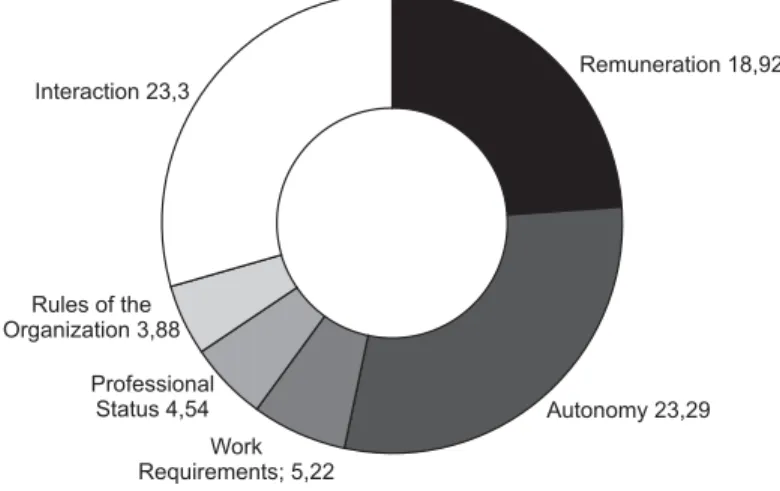
Figure 1 shows the true level of professional sai
sfac-i on among home care nurses, which is a weighted mea-sure between the importance they assign to the compo-nents and their perceived sai sfaci on in that regard(9).
Remuneration 18,92
Autonomy 23,29 Work
Requirements; 5,22 Professional
Status 4,54 Rules of the Organization 3,88
Interaction 23,3
Figure 1 – Component classifi cation according to the Level of Professional Satisfaction of Home Care Nurses – Belo Horizonte - 2009
Nurses show more sai sfaci on regarding Interaci on, Autonomy, Remunerai on, Work Requirements, Profession-al Status, and, fi nally, the Organizai on Norms component.
CONCLUSION
Considering the proposed objeci ves of the present study, we conclude that most of the studied nurses were women, young, single, and without children. Most pari ci-pants were at ending a gerontology specializai on course, and had thus chosen deliberately to work with home care, and have been working in this fi eld for less than three
years, with no previous experience.
Regarding the level of importance assigned to the pro-fessional sai sfaci on components and the real level of sai sfaci on, home care nurses considered that Autonomy was the most important and Professional Status the least important component, and were more sai sfi ed with
In-teraci on and Autonomy and least sai sfi ed with the
Orga-nizai on Norms component.
The low work sai sfaci on rate among home care nurses, despite being greater than the sai sfaci on found among nurses from other sectors, is evidence of the need to improve the working process of these professionals with a view to provide bet er life condii ons and health care quality.
REFERENCES
1. Fraser TM. Human stress, work and job sai sfaci on: a crii cal
approach. Geneva: Internai onal Labour Offi ce; 1983.
2. Locke EA. The nature and causes of job sai sfaci on. In:
Dun-net e MD, editors. Handbook of industrial and organizai onal
3. Rehem TCMSB, Trad LAB. Assistência domiciliar em saúde: subsídios para um projeto de atenção básica brasileira. Ciênc
4. Brasil. Ministério da Saúde. Agência Nacional de Vigilância Sanitária. Resolução da Diretoria Colegiada - RDC n. 11, de 26 de janeiro de 2006. Dispõe sobre o regulamento técnico de funcionamento de serviços que prestam atenção domiciliar.
Diário Ofi cial da União, Brasília, 30 jan. 2006.
5. Rocha AM. A saúde do trabalhador de enfermagem sob a ói
-ca da gerência: obstáculos e possibilidades [tese doutorado]. São Paulo: Escola de Enfermagem, Universidade de São Paulo; 2003.
6. Bai sta AAV, Vieira MJ, Cardoso NCS, Carvalho GRP. Fatores de
moi vação e insai sfação no trabalho do enfermeiro. Rev Esc
Enferm USP. 2005;39(1):85-91.
7. Matsuda LM, Évora YDM. Sai sfação profi ssional em uma UTI
adulto: subsídios para a gestão da equipe de enfermagem. Nursing (São Paulo). 2003;6(56):22-7.
8. Polit DF, Beck CT, Hungler BP. Fundamentos de pesquisa em
enfermagem: métodos, avaliação e ui lização. 5ª ed. Porto
Alegre: Artmed; 2004.
9. Lino MM. Sai sfação profi ssional entre enfermeiras de UTI:
adaptação transcultural do Index of Work Sai sfaci on (IWS)
[dissertação]. São Paulo: Escola de Enfermagem, Universi-dade de São Paulo; 1999.
10. Conselho Nacional de Saúde. Resolução n. 196, de 10 de outubro de 1996. Dispõe sobre diretrizes e normas regula-mentadoras de pesquisas envolvendo seres humanos.
Bioé-i ca. 1996;4(2 Supl):15-25.
11. Lino MM. Qualidade de vida e sai sfação profi ssional de
enfermeiras de Unidades de Terapia Intensiva [tese douto-rado]. São Paulo: Escola de Enfermagem, Universidade de São Paulo; 2004.
12. Schmidt DRC. Qualidade de vida e qualidade de vida no
trabalho de profi ssionais de enfermagem atuantes em
uni-dades de bloco cirúrgico [dissertação]. Ribeirão Preto: Es-cola de Enfermagem de Ribeirão Preto, Universidade de São Paulo; 2004.
13. Sarella P, Paravic T. Sai sfaccion laboral en enfermeras/os
que trabajan en el Sistema de Atención Médica de Urgência (SAMU). Cienc Enferm. 2002;8(2):37-48.
14. Campos RM. Sai sfação da equipe de enfermagem do
Ser-viço de Atendimento Móvel às Urgências (SAMU) no ambi-ente de trabalho [dissertação]. Natal: Escola de Enferma-gem, Universidade Federal do Rio Grande do Norte; 2005. 15. Vilela EM, Mendes IJM. Interdisciplinaridade e saúde: