of Chemical
Engineering
www.abeq.org.br/bjchePrinted in BrazilVol. 34, No. 02, pp. 395 - 405, April - June, 2017 dx.doi.org/10.1590/0104-6632.20170342s20150787
INFLUENCE OF TOLUENE AND SALINITY ON
BIOSURFACTANT PRODUCTION BY
Bacillus
sp.:
SCALE UP FROM FLASKS TO A BENCH-SCALE
BIOREACTOR
E. C. Souza
1, T. C. Vessoni-Penna
1, S. Al Arni
2, J. M. Domínguez
3,
A. Converti
4and R. P. de S. Oliveira
1*1Biochemical and Pharmaceutical Technology Department, Faculty of Pharmaceutical Sciences, São Paulo University, Av. Prof LineuPrestes, 580, Bl 16, 05508-900, São Paulo, Brazil.
Phone: +55 11 3091 0123 E-mail: [email protected]
2Department of Chemical Engineering, Kind Saudi University, P.O. Box 800, Riyadh 11421, Saudi Arabia.
3Department of Chemical Engineering, Faculty of Sciences, Vigo University, Campus of Ourense, As Lagoas s/n, 32004 Ourense, Spain.
4Department of Civil, Chemical and Environmental Engineering, Pole of Chemical Engineering, Genoa University, via Opera Pia 15, 16145 Genoa, Italy.
(Submitted: December 4, 2015; Revised: January 26, 2016; Accepted: February 8, 2016)
Abstract – To select the best biosurfactant producer, Pseudomonas putida, Bacillus megatherium, Bacillus
licheniformis and Bacillus subtilis were cultured in lasks on media with diferent salinity [low salinity (LS),
Bushnell-Haas (BH) and artiicial sea water (SW) media] supplemented or not with toluene as a model pollutant. Toluene inhibited the growth of all microorganisms and stimulated the biosurfactant production. B. subtilis
exhibited the best performance, being able to lower the surface tension (ST) in the LS medium to 65.5 mN/min in the absence of toluene, and to 46.5 mN/min in the BH medium in the presence of toluene, corresponding to ST reductions of 13.0 and 27.5 mN/m, respectively. Scaling up the process to a bench-scale fermentor, the best results were obtained in the LS medium, where B. subtilis was able to reduce the toluene concentration from 26.0 to 4.3 g/L within 12 h and ST by 17.2 mN/m within 18 h. The results of this study point out that B. subtilis is an interesting biosurfactant producer, which could be used in the bioremediation of toluene-contaminated water.
Keywords: Bioreactor; Toluene; Biosurfactant; Saline media; Bacillus subtilis; Bioremediation.
INTRODUCTION
Concerns related to the potential contamination of soil and water by oil and its derivatives have been gradually
increasing. The main sources of contamination are: a)
unintended spill during the transportation of fuels by
ships and trucks; b) leaking from underground storage tanks such as those used in gas stations, which are subject to corrosion; c) oil extraction and processing operations; and d) inadequate disposal of oily wastes from industries
that use oil derivatives to produce plastics, solvents,
pharmaceuticals, cosmetics, etc. (Du et al., 2014; Kavitha
et al., 2014).
Residues produced by such activities are composed of oils, fats, organic compounds and metals. Among the
organic compounds, there are alkanes, cycloalkanes,
benzene, toluene, xylenes, phenol and polycyclic
of these compounds are considered to be extremely polluting because, besides being toxic, some of them have carcinogenic and mutagenic potential for human beings
(Janbandhu and Fulekar, 2011).
The sea environment has been sufering constant oil
spills, and the release of thousands of tons of petroleum contaminating the ocean has been constantly reported
(Goldman et al., 2015). In Brazil, for example, one of the
most impactful spills took place in November 2011, when
594.3 thousand liters of petroleum were released from the Sedco 706 platform, operated by Chevron in Campos
Basin (Rio de Janeiro), creating a polluted area of about 163 km² (Souza, 2013).
Gasoline and diesel contain hydrocarbons from
the BTEX group (benzene, toluene, ethylbenzene and xylenes), which are the irst ones to reach groundwater (Mariano et al., 2007). Consequently, such highly-toxic
compounds (except ethylbenzene) are the major causes of death related to drinking water contamination (Di Martino
et al., 2012). Fellenberg (1980) reported that petroleum
and its derivatives, when in contact with water, spread
creating a thin ilm on the surface that prevents not only
gas exchange between air and water, but also light from
reaching phytoplankton, thus afecting the food chain. Accordingly, Asimiea and Sam-Wobo (2011) observed a strong impact of such compounds on phytoplankton communities, which sufered structural changes. The potential threat of hydrocarbons to human health is linked
to both their physical and chemical properties, which
allow them to be absorbed by the skin and quickly spread
throughout the organism(Costa et al., 2012).
Toluene has moderate systemic toxicity to humans. When
ingested, it is completely absorbed by the gastrointestinal
tract, quickly spreads through the body, especially the
fatty tissues, and is metabolized and excreted through the
urine. When inhaled, toluene afects the central nervous system (Fellenberg, 1980). In addition, embryotoxic and fetotoxic efects have been observed, though there is no
clear evidence of teratogenic or carcinogenic activity in
laboratory animals or humans (WHO, 2006; Zhang et al.,
2013).
In light of the problems caused by hydrocarbons to both the environment and human beings, the search for methods able to remove such compounds or reduce their occurrence in the environment has greatly increased in the last years. The methods used to achieve this goal are based on chemical, physical or biological means. Due to the high cost of physical treatments, and to the fact that chemical methods release substances that are harmful to
the local biota, research eforts have been mainly focused
on developing sustainable technologies using natural
biodegradable compounds (Lin et al., 2012).
Bioremediation processes, based on the use of living organisms to clean-up petroleum-hydrocarbon contaminated sites, consist of the biological decomposition
of such organic pollutants by microorganisms that use them as carbon source to get energy, thereby releasing carbon
dioxide, water, mineral salts and other gases (Banat et al.,
2010). According to García et al. (2006), biodegradation of
organic pollutants in the presence of surfactants happens when microorganisms use them as carbon and energy
source. In this process, there is, irstly, the breakdown
of hydrocarbon chains, which promotes a structural
modiication and immediate loss of amphipathicity. Then, the products of this irst degradation are converted into
CO2, water and minerals. The formation and accumulation of biosurfactants are related to a series of parameters
that, according to Mukherjee et al. (2006), need further
optimization in order to reach higher yields and lower costs. The promising future of biosurfactants depends on the use of low-cost raw materials and optimization of
growth conditions to increase their production (Borges et
al., 2015; Cortés-Camargo et al., 2016; Das and Das, 2015;
Vedaraman and Venkatesh, 2011).
In this context, the aim of this work was to investigate
the ability of biosurfactants released during cultivations of Bacillus subtilis, Bacillus megatherium, Bacillus licheniformisand Pseudomonas putida to promote toluene
uptake in three aqueous media with diferent salinity,
namely a low salinity medium, the Bushnell-Haas medium and a medium simulating seawater composition. For this purpose, the biosurfactant ability to lower the surface
tension was evaluated. The process was inally scaled up to a bench-scale fermentor to evaluate the inluence of
salinity on the ability of the best biosurfactant producer, B. subtilis, to remove toluene.
MATERIALS AND METHODS
Growth media
The Bushnell-Haas medium (BH), with osmolarity of 110 mOsmol/L and surface tension (ST) of 74.0 mN/m, had the following composition (mg/L): calcium chloride (23.0), magnesium sulfate (20.0), monobasic potassium phosphate (61.0), dibasic potassium phosphate (55.0), ammonium nitrate (50.0)and ferric chloride (69.0). The low salinity medium (LS), with osmolarity of 11 mOsmol/L and ST of 78.5mN/m, was prepared by 1:10 (v/v) dilution of the
BH medium with distilled water. The medium simulating
seawater composition (SW), with osmolarity of 1,100
mOsmol/L and ST of 74.5mN/m, was prepared pursuant to
All these saline media were supplemented or not with
3.0% (v/v) toluene, corresponding to a starting toluene
concentration of 26.0 g/L.
Microorganisms
The strains Bacillus subtilis ATCC 6051, Bacillus megatherium ATCC 14581 and Bacillus licheniformis
ATCC 14580 were tested for their ability to uptake and
degrade toluene in aqueous media, while Pseudomonas putida ATCC 12633 was selected as a reference strain for comparative purposes. All the strains were acquired from
André Tosello Foundation (Campinas, SP, Brazil) and
stored until use at -80 ºC in the BH medium containing 5%
(w/v) yeast extract and 50% (v/v) glycerol at pH 7.0.
Bacteria growth in shake lasks
Pre-cultures were prepared by transferring 1.0mL of
each strain suspension into 100 mL-lasks containing 15 mL of BH medium with 5% (w/v) of yeast extract and incubating them at 30 ºC and 200 rpm in rotary shaker, model G-25KC (New Brunswick, Enield, CT, USA) for
24 h. Two mL of pre-cultures, corresponding to a cell concentration of about 0.05 g/L, were used to inoculate test tubes containing 20 mL of each saline medium and
used in tests performed in a shaker at 200 rpm and 30 ºC
for 96 h. The whole content of three test tubes was used for each microorganism after 48, 72 and 96 h to determine biosurfactant and biomass concentrations. Runs were carried out in triplicate, and the results expressed as mean values ± standard deviations.
Controls were carried out with the same culture broths without inoculum in order to evaluate toluene loss by volatilization. In all cases studied, more than 95% of the initial toluene remained at the end of the process, thus
eliminating the possible efect of toluene volatilization
under the selected conditions.
B. subtilis cultivation in the bioreactor
B. subtilis, which showed the best performance in
terms of ST reduction in lasks, was selected to perform
cultivations in a 3-L bench-scale bioreactor, model BioFlo®/ Celligen® 115 (New Brunswick, Enield, CT, USA), containing 1.5 L of the saline medium inoculated with 30 mL of microbial suspension and supplemented with 3.0
(v/v) toluene, corresponding to a starting concentration of
26.0 g/L. Volatilization of toluene was minimized by using
a glass cooler at the exit of the bioreactor (10 °C), while the temperature inside the bioreactor was maintained at 30 °C
by recirculating water from a water bath, model Alpha RA
8 (Lauda, Delran, NJ, USA), into an external jacket.
Pre-cultures were harvested under similar conditions as earlier described. All the cultivations were carried out in triplicate
at 30°C, 200 rpm and 1.0vvm aeration for 42h, and the
results expressed as mean values ± standard deviations.
Samples were taken at diferent times to determine ST
and cell concentration. Material balances were made for each run resorting to a CO2 electrode, model InPro 5000
(Mettler-Toledo, Columbus, OH, USA), and their range of
variation was 94.7 to 96.4%.
Analytical procedures
Biomass concentration along the runs was determined
by optical density (OD) measurements at 560 nm and
expressed as dry cell concentration using a calibration
curve. Samples (5.0 mL) were iltered through pre-dried and weighed membrane ilters with 0.45 µm pores (Millipore, Billerica, MA) and then dried in an oven at
100ºC for 24 h.
Since the biosurfactant produced by the selected
microorganisms had not yet been identiied, no experimental
methodology was available to detect its concentration
directly. Therefore, the surface tension (ST) decrease along
the runs was assumed to be directly proportional to the biosurfactant concentration. The ST of culture media was measured according to the Ring method described by Kim
et al. (2000) using a tensiometer, model K9-Mk1 (Krüss,
Hamburg, Germany), at 25 ± 1 ºC and expressed in mN/m. As far as the quantiication of toluene is concerned, at irst it was extracted using a 1:3 (v/v) sample:chloroform ratio. The chloroform extract (0.5µL) was then injected into a gas chromatograph, model 7820A (Agilent Technologies, Santa Clara, CA, USA), equipped with a HP-5 column containing 5% of phenyl methyl silicone (30m x 0.32 mm) with ilm width of 0.25 µm (Agilent Technologies) and a lame ionization detector. Chromatographic analyses were carried out at initial temperature of 40°C for 1 min, heating at 10°C/min up to 80°C, and keeping the system at this
temperature for 1 min. Helium was used as carrier gas at a
lowrate of 28.5 mL/min.
The shape of all microorganisms was observed either at the beginning or the end of cultivations by an optic
confocal microscope, model MRC-1024 (Bio-rad, Munich, Germany).
RESULTS AND DISCUSSION
Growth of microorganisms in lasks and biosurfactant
production
Preliminary runs were performed using a rotary shaker
to select, among diferent Bacillus species (namely B.
subtilis, B. megatherium and B. licheniformis), the best
biosurfactant producer in terms of surface tension reduction
(STred). Bacteria were grown in media with diferent
Table 1. Microbial growth of diferent strains in low salinity (LS), Bushnell-Haas (BH) and artiicial sea water (SW) media in the
absence of toluene.
Medium LS BH SW
Strain Time
(h)
Biomass concentration
(g/L)
STred (mN/m)
Biomass concentration
(g/L)
STred (mN/m)
Biomass concentration
(g/L)
STred (mN/m)
48 0.11±0.01a 5.7±0.4 0.20±0.02f 3.5±0.5 0.52±0.03i 3.6±0.3
B. subtilis 72 0.24±0.01e 8.4±0.5 0.28±0.01i 4.4±0.5 0.80±0.03n 4.4±0.5
96 0.24±0.02e 3.0±0.6 0.26±0.01h 0.6±0.6 0.40±0.03f 13.0±0.1
48 0.20±0.02d 11.8±0.3 0.60±0.03p 0.3±0.3 0.28±0.02b 0.8±0.2
B. licheniformis 72 0.56±0.01j 2.1±1.4 0.62±0.03q 2.6±0.3 0.76±0.01m 0.4±0.3
96 0.82±0.02k 2.2±1.1 0.35±0.02l 0.6±0.3 0.28±0.02b 2.8±0.3
48 0.28±0.02f 0.1±0.1 0.48±0.01n 5.6±0.3 0.20±0.02a 2.6±0.5
B. megatherium 72 0.26±0.03ef 4.7±0.4 0.60±0.02p 2.4±0.5 0.44±0.02h 1.7±0.4
96 0.34±0.02gh 1.6±0.5 0.32±0.01k 2.6±0.54 0.32±0.03d 1.6±0.6
48 0.32±0.01g 12.4±0.8 0.60±0.02p 16.4±0.5 1.32±0.01q 7.6±0.3
P. putida 72 0.32±0.01g 21.2±1.1 1.01±0.02r 9.6±0.5 0.62±0.01k 11.8±0.3
96 0.36±0.02h 7.2±1.1 0.36±0.02l 12.4±0.4 0.72±0.03l 3.8±0.3
Table 2. Microbial growth of diferent strains in low salinity (LS), Bushnell-Haas (BH) and artiicial sea water (SW) media in the
presence of toluene.
Medium LS BH SW
Strain Time
(h)
Biomass con-centration
(g/L)
STred(mN/m)
Biomass con-centration
(g/L)
STred(mN/m)
Biomass con-centration
(g/L)
STred(mN/m)
48 0.16±0.02c 23.5±0.7 0.08±0.01a 20.5±0.7 0.34±0.03e 21.7±0.4
B. subtilis 72 0.16±0.01c 23.5±0.7 0.14±0.01c 27.3±0.3 0.40±0.02f 20.6±0.3
96 0.11±0.01a 22.3±0.5 0.10±0.01b 27.5±0.5 0.40±0.02f 23.4±0.3
48 0.11±0.02a 24.6±0.6 0.46±0.03m 24.5±0.6 0.28±0.02b 19.7±0.3
B. licheniformis 72 0.12±0.03ab 23.3±0.5 0.26±0.02h 24.5±0.5 0.30±0.01c 19.7±0.4
96 0.11±0.02a 22.2±1.1 0.16±0.03d 12.6±0.3 0.28±0.01b 17.6±0.6
48 0.14±0.03bc 19.5±0.6 0.52±0.01o 20.5±0.6 0.30±0.02c 20.7±0.3
B. megatherium 72 0.12±0.03ab 25.6±0.6 0.22±0.01g 20.6±0.5 0.54±0.02j 19.9±0.1
96 0.14±0.02bc 18.8±0.4 0.08±0.02a 17.6±0.5 0.28±0.03b 17.0±0.2
48 0.48±0.02i 25.8±0.9 0.35±0.03l 33.6±0.4 1.02±0.01p 25.4±0.2
P. putida 72 0.12±0.02ab 15.1±1.2 0.30±0.03j 23.7±0.4 0.42±0.01g 21.7±0.4
96 0.28±0.01f 0.8±0.3 0.18±0.01e 21.5±0.6 0.82±0.02o 22.0±0.3 was tested as a control microorganism for comparison
purposes, taking into account that it has been thoroughly
studied just because of its high biosurfactant production
capacity (Aparna et al., 2011). Biomass concentration
of the selected microorganisms in the media employed
for this study varied widely either in the absence (0.11 ±
0.01 g/L to 1.32 ± 0.01g/L) (Table 1) or in the presence (0.08±0.01g/L to 1.02±0.01g/L) (Table 2) of toluene.
In the low salinity (LS) medium without toluene, B. licheniformis grew better than all the other microorganisms,
reaching a biomass concentration (0.82±0.02 g/L) after 96 h of cultivation even higher than the control (P. putida) (0.36
± 0.02 g/L) (Table 1). On the other hand, the presence of
toluene was detrimental for all the selected microorganisms but the control, in that it reduced considerably their growth. As a matter of fact, the cell concentration of B. subtilis, which was the microorganism that showed the fastest
growth, did not exceed 0.16 ± 0.02 g/L after 72 h (Table 2). As far as the Bushnell-Haas (BH) medium is concerned,
its intermediate salinity seemed to stimulate the growth of all the microorganisms under almost all the conditions tested compared to the LS one. In the absence of toluene,
B. licheniformis showed again the highest growth among the tested bacilli, achieving a biomass concentration after
only 48 has high as 0.62 ± 0.03 g/L (Table 1), while in
the presence of toluene the highest growth was obtained with B. megatherium after the same time (0.52 ± 0.01
g/L) (Table 2). Nonetheless, biomass concentration was remarkably reduced at longer times either in the presence
or in the absence of toluene.
Using the medium simulating seawater (SW)
composition, i.e., that with the highest salinity, B. subtilis and B. licheniformis reached the highest biomass
concentrations in the absence of toluene (0.80 ± 0.03 g/L and 0.76 ± 0.01 g/L, respectively), but after longer time (72h) compared to the BH medium, which suggests that
these microorganisms require a long adaptation period in the presence of high salt levels. In the same medium
supplemented with toluene (Table 2), B. subtilis showed
more stable growth compared with the other bacilli, with an average cell concentration of 0.38 g/L during the whole run, thus behaving as the strain more resistant to highly salty conditions.
As regards the capacity of the selected microorganisms to produce biosurfactants, Fig. 1 illustrates their ability to reduce the surface tension either with or without toluene, while the corresponding values of STred are listed in Tables 1 and 2.
It is usually assumed that a compound has to be able to reduce ST by at least 8 mN/m to be considered a surfactant
(Van der Vegt et al., 1991). As shown in Table 1, in the
absence of toluene, B. subtilis was able to reduce ST of the LS medium by 8.4± 0.5 mN/m after 72 h and that of
the SW medium by 13.0 ± 0.1 mN/m after 96 h. Reducing
ST by 11.8± 0.3mN/m after 48 h, B. licheniformis behaved even better than B. subtilis in the LS medium but not in the
SW one, whereas B. megatherium was disappointing in all
the culture media tested, reducing the surface tension by a maximum of 5.5 ± 0.3 mN/m in the BH medium.
To select the best microorganism to be used in future
bioremediation applications, we tried to make an overall
comparison among the STred skills of the selected bacilli. The results of Table 1 show that, in spite of the poor results in terms either of cell concentration or STred in the LS medium without toluene, B. subtilis was capable of reducing the ST more than B. megatherium and B. licheniformis in the other
media. According to Desai and Banat (1997), eicient
biosurfactants have low critical micelle concentration
(CMC), i.e., a small quantity of surfactant is needed to
reduce ST, which suggests that the biosurfactant produced by B. subtilis could have been more efective than those
produced by the other species. Conversely, P. putida (used
as control for comparison) was the microorganism that
showed the best cell growth and that mostly reduced ST in almost all the systems without toluene. The ST reduction
was the highest in the LS medium after 72 h (21.2 ± 1.1 mN/m) and decreased almost proportionally to the increase in salinity (16.4± 0.5mN/m in the BH and 11.8± 0.3mN/m in the SW media, respectively).
But the most interesting inding is that the use of toluene as a carbon source signiicantly stimulated the
short-term production of biosurfactants at the expense of growth. Regardless of the salinity level of the media, all microorganisms tested did in fact ensure ST reductions greater than 19 mN/m within only 48 h. Our general conclusion is that toluene may have enhanced biosurfactant
production, hence indirectly enhancing non-speciic
permeability of the cytoplasmic membrane and resulting in
ATP leakage (Rodrigues et al., 2006).
The best performance was observed again with the control, with a ST reduction of 33.6 ± 0.4 mN/m in the BH medium. However, this reduction considerably decreased with increasing fermentation time. In particular, in the LS medium the ST reduction decreased from 25.8 ± 0.9 mN/m after 48 h to only 0.8± 0.3mN/m after 96 h. These values are in fair agreement with those of Haghighat et al.
(2008), who reported for B. Licheniformis and B. subtilis
cultivated in a rotary shaker on raw oil (2%) as carbon
source, under the same conditions as the present study, ST reductions of 30 and 29 mN/m, respectively, after 48 h of growth. However, the raw oil employed by these authors
comprised several diferent carbon sources, while toluene
was the only source used in this study besides yeast extract. Mnif et al. (2001), who used petroleum-derived
hydrocarbons, reported that the tested strains, among which a B. licheniformis strain isolated from oil ields, did
not show any capacity of using toluene as a carbon source.
Consistently, Nicholson and Fathepure (2004) observed that
only 0.004% of toluene was consumed along a 7 day-run in
a rotary shaker, while the same concentration of benzene,
ethylbenzene and xylene needed approximately 15 days to be metabolized. These observations are consistent with the
well-known harmful efects and great diiculty to remove
48 h
without toluene with toluene
35 40 45 50 55 60 65 70 75 80 S u rf a ce t e n si o n ( mN/ m) 72 h
without toluene with toluene
96 h
without toluene with toluene
h ij c l e d b c g hi e f b d kl ij f kl d d c a jk ijk 48 h
without toluene with toluene
40 45 50 55 60 65 70 75 80 S u rf a ce t e n si o n ( mN/ m) 72 h
without toluene with toluene
96 h
without toluene with toluene
ab l hi kl kl kl bcd de abc a l ghij fg abc a abc cde f ijk kl h e bcd 48 h
without toluene with toluene
45 50 55 60 65 70 75 80 S ur fa c e t en s ion ( m N /m ) 72 h
without toluene with toluene
96 h
without toluene with toluene
n k b b o f d b f l b c e p b a i q c j f q h m
Figure 1.Surface tension values obtained using diferent culture media [LS medium (A), BH medium (B) and SW medium (C)] at dif
-ferent fermentation times (48, 72 and 96 h), in the absence or the presence of toluene. Biosurfactant producers: Bacillus licheniformis
(), Bacillus megatherium (), Bacillus subtilis () and Pseudomonas putida (). Mean values (n = 3) ± standard deviations.
Dif-ferent letters in the same column mean that values difer signiicantly among them (P< 0.05).
A
B
Production of biosurfactant in the bench-scale bioreactor
Based on the results of previous experiments performed
in a rotary shaker, which demonstrated that an organic carbon source like toluene can stimulate the production
of biosurfactants, B. subtilis was selected to scale up the process to a bench-scale bioreactor. Several researches studying bioremediation of aqueous media contaminated by hydrocarbons reported starting ST values close or higher than 65 mN/m, and a subsequent reduction to less than 35 mN/m, depending on the capacity of bacteria to
produce biosurfactants (Haghighat et al., 2008; Nicholson
and Fathepure, 2004; Xia et al., 2011).
As shown in Fig. 2A, illustrating the growth of B. subtilis in the LS medium, the ST was initially 73.5 mN/m, remained almost constant for about 12 h, then decreased simultaneously with the microbial growth, and was reduced by 17.2mN/m after 15 h. Biomass continued to grow until 24 h, reaching a maximum cell concentration of 0.36 g/L, while the concentration of toluene in the medium decreased from 26.0 to only4.3 g/L after 12 h. Such a low biomass yield could have been due to the use of non-adapted cells in addition to the same energy-consuming biosurfactant production. The inoculum was in fact prepared in a medium where yeast extract was the only carbon source, while subsequent runs were done under
diferent conditions, i.e., variable salinity and the presence
of toluene as additional carbon source in this run. The ST
kept almost constant between 18 and 38 h likely due to
reaching the biosurfactant CMC during the exponential phase of B. subtilis growth; in fact, as suggested by several
authors, when micelle formation starts, the ST in the luid does not vary (Desai and Banat, 1997; Soberón-Chávez and Maier, 2010).
Recently, Vaz et al. (2012), after observing a signiicant
decrease in the ST from 4 to 24 h of fermentation, when the
lowest value of ST (30.1 mN/m) was reached, concluded
that biosurfactant production is associated with growth.
Likewise, a decrease in the ST from 71.2 to 27 mN/m was
observed by Xia et al. (2011) with B. subtilis just at the
beginning of the run, thus conirming a growth-associated
production of biosurfactant.
In the present study, after 24 h the cell concentration decreased from 0.36 to 0.16 g/L at the end of the run
(Fig. 2A). Considering that more than 84% of the toluene was consumed within the irst 15 h, the only alternative
carbon source for the microorganism might have been
the produced biosurfactant itself (García et al., 2006), as
conirmed by the inal ST increase in the LS medium up
to 61.3 mN/m.
Runs in the BH medium (Fig. 2B) showed results a little diferent from those obtained in the LS medium (Fig. 2A). Biomass concentration was in fact higher (0.90 g/L),
and, consequently, the ST progressively reduced up to the
end of the run. Regarding the SW medium (Fig. 2C), the
ST decreased from 73.1 mN/m at the start to 67.1mN/m after 15 h, i.e., to a value that was practically the same as
those obtained in the BH and LS media (Figs. 2A and 2B). In the SW medium (Fig. 2C), the toluene concentration remained practically constant (26.0–24.1 g/L) during the irst 12 h, and then suddenly decreased to 0.11g/L up to 15
h, a period during which biosurfactant was produced. These
results conirm that B. subtilis utilized toluene as primary carbon source to sustain both its growth and biosurfactant production. Many authors supported the extracellular nature of biosurfactants produced by Bacillus sp. (Desai
and Banat, 1997; Aparna et al., 2011; Cortés-Camargo et al., 2016). Consistently, Pinto et al. (2009) observed that
there was no signiicant diference between ST values of
the medium with (58.7 mN/m) or without (56.7 mN/m) B.
subtilis cells, hence concluding that the biosurfactant was extracellularly released.
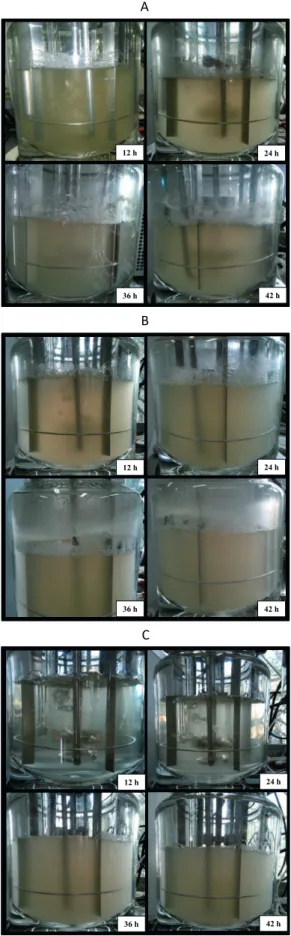
Fig. 3A shows that foam formation by B. subtiliscultures
in the LS medium started after about 12 h, remarkably
increased after 24 h and continued until the end of the run
(42 h).The behavior was qualitatively similar in the BH
medium, but the production of foam was so pronounced
that it occupied the bioreactor almost completely (Fig. 3B).
Similarly, Chen et al. (2006) observed foam formation
after 12 h with B. subtilis grown in M9 medium with 0.2%
glucose. According to Winterburn and Martin (2012), the
operating conditions of the fermentor such as aeration and
stirring rate have a strong inluence on foam formation, in
that foam tends to accumulate on the surface of the growth medium, but if there is enough aeration or stirring rate, it
will blend back and return to the medium.
Regarding the SW medium (Fig. 3C), foam production was lower than in the LS and BH media, as the likely result of its high salt content (osmolarity of 1,100 mOsm/L)
and low ST reduction capability. According to Hanna et al. (2005), the presence of salt in the solution would in
fact be responsible for a decrease in the electrostatic repulsive forces and allow for the approximation of the polar part, thus favoring the biosurfactant micellization
vertically, like a highly lexible and endless rod, with
micelle agglomeration. This rod with a higher number
of biosurfactant monomers was described by Zhai et al.
(2006) as a vesicle.
Chen et al. (2006) observed that, after 14 h of growth,
the concentration of the biosurfactant produced by B. subtilis was 32.5 mg/L in the M9 medium and 1.79 mg/L in the foam; therefore, they concluded that, when the biosurfactant concentration exceeds the CMC, foam formation begins, and micelles tend to accumulate, acting as a surfactant reservoir. Consistent with these observations,
in our work, the CMC was reached after approximately 18 h, and foam formation appeared a little after (24 h). Foam
Figure 2. Bacillus subtilis cultivations in the bench-scale bioreactor in the presence of toluene. Surface tension (), toluene concen
12 h 24 h
36 h 42 h
C
12 h 24 h
36 h 42 h
A
12 h 24 h
36 h 42 h
B
Figure 3. Foam formation in the bench-scale fermentor during cultivations of Bacillus subtilis. LS (A), BH (B) and SW (C) media in
acting as a reservoir, foam makes biosurfactant recovery easier (Junker, 2007).
CONCLUSIONS
Among the microorganisms belonging to the Bacillus
genus used in this work, B. subtilis proved to be the
most efective producer of biosurfactant in the selected
media, namely low saline medium, BH medium and a medium simulating seawater composition. The presence of toluene in the media enhanced the production of biosurfactants at the expense of microbial growth. During
fermentation, the likely formation of large vesicles rather than simple micelles could have promoted the breakdown of hydrocarbon molecules and the quick consumption of
toluene as the main carbon source. The results obtained in this study suggest that B. subtilis could be an interesting microorganism to be used in the bioremediation of toluene-contaminated waters, although further process optimizations are required.
ACKNOWLEDGEMENTS
The authors gratefully acknowledge inancial support by the São Paulo Research Foundation (FAPESP, grant number 2013/15065-0). The authors also thank the Coordination of High-Level Personnel Training (CAPES) for inancial support of Prof. Converti (Science without Borders Program, ref. n. A003_2013, process 2609/2013) and Prof. Domínguez (Science without Borders Program, process 88881.062223/2014-01). The authors extend their appreciation to the Deanship of Scientiic Research at
King Saud University, Riyadh, Kingdom of Saudi Arabia
for funding this work through the International Research
Group Project No IRG14-24.
REFERENCES
Aparna, A., Srinikethan, G., Hedge, S., Efect of addition
of biosurfactant produced by Pseudomonas spp. on biodegradation of crude oil. International Proceedings of Chemical, Biological and Environmental
Engineering,6, p. 1071-1075 (2011).
Asimiea, O.A., Sam-Wobo, S.O., The impact of
hydrocarbon waste from brass oil terminal on the phytoplancton and periphyton comunities of lower brass river, Niger delta, Nigeria. Journal of Emerging Trends in Engineering and Applied Sciences, 2, p.
729-733 (2011).
Banat, I.M., Franzetti, A., Gandoli, I., Bestetti, G.,
Martinotti, M.G., Fracchia, L., Smyth, T.J.P., Marchant, R., Microbial biosurfactants production, applications and future potential. Applied Microbiology and
Biotechnology, 87, p. 427–444 (2010).
Bidwell, J.P., Spotte, S., Artiicial seawaters – formulas and methods. Jones and Bartlett publishers, Boston (1985). Borges, W. S., Moura, A. A. O., Coutinho Filho, U.,
Cardoso, V. L., and Resende, M. M., Optimization of the operating conditions for rhamnolipid production
using slaughterhouse-generated industrial loat as
substrate. Brazilian Journal of Chemical Engineering,
32(2), 357-365 (2015).
Chen, C.Y., Baker, S.C., Darton, R.C., Batch production
of biosurfactant with foam fractionation. Journal of
Chemical Technology and Biotechnology, 81, p. 1923– 1931 (2006).
Cortés-Camargo, S., Pérez-Rodríguez, N., Oliveira, R.P.S., Huerta, B.E.B., Domínguez, J.M., Production of biosurfactants from vine-trimming shoots using the halotolerant strain Bacillus tequilensis ZSB10.
Industrial Crops and Products, 79, p. 258-266 (2016).
Costa, A.S., Romão, L.P.C., Araújo, B.R., Lucas, S.C.O.,
Maciel, S.T.A., Wisniewski Jr, A., Alexandre, M.R.,
Environmental strategies to remove volatile aromatic
fractions (BTEX) from petroleum industry wastewater using biomass. Bioresource Technology, 105, p. 31–39 (2012).
Das, S., and Das, P.; Efects of cultivation media
components on biosurfactant and pigment production from Pseudomonas aeruginosa PAO1. Brazilian
Journal of Chemical Engineering, 32(2), 317-324 (2015).
Desai, J.D., Banat, I.M., Microbial production of surfactants and their commercial potential.Microbiology and
Molecular Biology Reviews, 61, p. 47–64 (1997). Di Martino, C., López, N.I., Iustman, L.J.R., Isolation
and characterization of benzene, toluene and xylene degrading Pseudomonas sp. selected as candidates for bioremediation. International Biodeterioration and
Biodegradation, 67, p. 15-20 (2012).
Du, J., Chadalavada, S., Chen, Z., Naidu, R., Environmental
remediation techniques of tributyltin contamination in soil and water: A review. Chemical Engineering
Journal, 235, p. 141-150 (2014).
Fellenberg, G., Introduction of environment pollution problems. 1st ed., EPU, University of São Paulo, Brazil
(1980).
García, M.T., Campos, E., Dalmau, M., Illán, P., Sánchez-Leal, J., Inhibition of biogas production by alkyl benzene sulfonates (LAS) in a screening test for anaerobic biodegradability. Biodegradation, 17, p. 39– 46 (2006).
Goldman, R., Biton, E., Brokovich, E., Kark, S., Levin, N.,
Oil spill contamination probability in the southeastern Levantine basin. Marine Pollution Bulletin, 91, p.
Haghighat, S., Akhavan, A.S., Mazaheri, A.M., Pasdar,
H., Ability of indigenous Bacillus licheniformis and
Bacillus subtilis in microbial enhanced oil recovery. International Journal of Environmental Science and
Technology, 5, p. 385-390 (2008).
Hanna, K., Denoyel, R., Beurroides, I., Dubès, J.P., Solubilization of pentachlorophenol in micelles and
conined surfactant phases. Colloids and Surfaces A:
Physicochemical and Engineering Aspects, 254,
231-239 (2005).
Janbandhu, A., Fulekar, M.H., Biodegradation of
phenanthrene using adapted microbial consortium isolated from petrochemical contaminated environment.
Journal of Hazardous Materials, 187, p. 333-340 (2011). Junker, B., Foam and its mitigation in fermentation systems.
Biotechnology Progress, 23, p. 767–784 (2007).
Kavitha, V., Mandal, A.B., Gnanamani, A., Microbial biosurfactant mediated removal and/or solubilization of crude oil contamination from soil and aqueous phase: An approach with Bacillus licheniformis MTCC 5514. International Biodeterioration and Biodegradation, 94,
p. 24-30 (2014).
Kim, S., Lim, E., Lee, S., Lee, J., Lee, T., Puriication and
characterization of biosurfactants from Nocardia sp. L-417. Biotechnology and Applied Biochemistry, 31,
p. 249-253 (2000).
Lin, C.W., Wu, C.H., Tang, C.T., Chang, S.H., Novel
oxygen-releasing immobilized cell beads for bioremediation of BTEX-contaminated water. Bioresource Technology,
124, p. 45-51 (2012).
Mariano, A.P., Kataoka, A.P.A.G., Angelis, D.F., Bonotto,
D.M., Laboratory study on the bioremediation of diesel oil contaminated soil from a petrol station. Brazilian
Journal of Microbiology, 38, p. 346-353 (2007). Mnif, S., Chamkha, M., Labat, M., Sayadi, S., Ability of
indigenous Bacillus licheniformis and Bacillus subtilis
in microbial enhanced oil recovery. Journal of Applied
Microbiology, 111, p. 525–536(2011).
Mukherjee, S., Das, P., Sen, R., Towards commercial
production of microbial surfactants. Trends
Biotechnology, 24, p. 509–515 (2006).
Nicholson, C.A., Fathepure, B.Z., Biodegradation of
benzene by halophilic and halotolerant bacteria under aerobic conditions. Applied and Environmental
Microbiology, 70, 1222–1225 (2004).
Pinto, M.H., Martins, R.G., Costa, J.A.V., Evaluation of the
kinetic production of bacterial biosurfactants. Quimica Nova, 32, p. 2104-2108 (2009).
Rodrigues, L.,Banat, I.M., Teixeira, J., Oliveira, R., Biosurfactants: potentialapplications in medicine.
Journal of Antimicrobial Chemotherapy, 57, 609–618 (2006).
Soberón-Chávez, G., Maier, R.M., Biosurfactants:
a general overview. In: G. Soberón-Chávez (ed)
Biosurfactants: From Genes to Applications. Springer,
Germany (2010).
Souza, E.C., Production and biosurfactant action produced by bacteria in diferente saline media contaminated with
aromatic hydrocarbons (in portuguese). 166 p. (master’s
thesis) University of São Paulo, Brazil (2013). Van der Vegt, W., Van der Mei, H.C., Noordmans, J.,
Busscher, H.J., Assessment of bacterial biosurfactant production through axisymmetric drop shape analysis
by proile.Applied Microbiology and Biotechnology, 35, p. 766–770 (1991).
Vaz, D.A., Gudiña, E.J., Alameda, E.J., Teixeira, J.A., Rodrigues, L.R., Performance of a biosurfactant produced by a Bacillus subtilis strain isolated from crude oil samples as compared to commercial chemical surfactants. Colloids and Surfaces B: Biointerfaces, 89,
p. 167– 174 (2012).
Vedaraman, N., and Venkatesh, N., Production of surfactin
by Bacillus subtilis MTCC 2423 from waste frying
oils. Brazilian Journal of Chemical Engineering, 28(2), 175-180 (2011).
WHO - World Health Organization., Guidelines for
drinking-water quality: incorporating irst addendum,
3rd ed. Recommendations, Switzerland (2006). Winterburn, J.B., Martin, P.J., Foam mitigation and
exploitation in biosurfactant production. Biotechnology
Letters, 34, p. 187–195 (2012).
Xia, W.J., Dong, H.P., Yu, L., Yu, D.F., Comparative study
of biosurfactant produced by microorganisms isolated from formation water of petroleum reservoir. Colloids and Surfaces A: Physicochemical and Engineering
Aspects, 392, p. 124–130 (2011).
Zhai, L., Tan, X., Li, T., Chen, Y., Huang, X., Inluence of
salt and polymer on the critical vesicle concentration in aqueous mixture of zwitterionic/anionic surfactants. Colloids and Surfaces A: Physicochemical and
Engineering Aspects, 276, 28-33 (2006).
Zhang, L., Zhang, C., Cheng, Z., Yao, Y., Chen, J.,
Biodegradation of benzene, toluene, ethylbenzene, and o-xylene by the bacterium Mycobacterium cosmeticum

![Figure 1.Surface tension values obtained using diferent culture media [LS medium (A), BH medium (B) and SW medium (C)] at dif- dif-ferent fermentation times (48, 72 and 96 h), in the absence or the presence of toluene](https://thumb-eu.123doks.com/thumbv2/123dok_br/18897156.426694/6.918.274.652.93.994/figure-surface-tension-obtained-diferent-culture-fermentation-presence.webp)