1
Productive leisure activity among women living with breast and
ovary cancer: An alternative intervention strategy to improve their
subjective well-being (SWB)
Emilia Chamorro
Erasmus Mundus Master’s Programme in Social Work with Families and Children
Supervisor: Maria Inês Amaro Co-supervisor: Ana Margarida Barroso
2
Acknowledgements
First and foremost, I want to express my gratitude to my supervisor Prof. Inês Amaro for her help in the logistics behind this study and expert advice throughout the process of my dissertation. I am grateful for the never-ending communications she went through trying to gain access to the organizations and for moving her networks. I feel deeply indebted to my co-supervisor Prof. Ana Margarida for her guidance, motivation and extraordinary support and contribution to this project. Her encouragement and continuous assistance gave me a sense of calmness throughout the research process. Without all this, this dissertation would have not been possible.
I extend my deepest gratitude to our program director Prof. Maria das Dores Guerreiro for motivating me and inspiring me to pursue this research topic. Thank you for your unmeasurable enthusiasm and positive energy which allowed me to believe in myself. I genuinely appreciate all the support provided by Prof. Claudia Pereira. It is because of her persistence and assertiveness that now this research counts with the valuable face-to-face inputs of oncological patients. Prof. Joana Acevedo was also a valuable supporter in this project. My special thanks are extended to her for putting her network at the service of this dissertation and providing me advice regarding the importance of portraying the first-hand experience of women living with cancer.
I sincerely appreciate the valuable work of the ISCTE-IUL University staff who has been working behind the curtains. This dissertation is also a result of their assistance and cooperation. I am grateful for being part of the MFamily program. My colleagues made this a culturally rich experience and opened my mind in multiple ways. The culmination of these two years with a dissertation project would not have been possible without the funding coming from the European Commission, the support of my host University and all the other institutions part of this consortium. The collaboration of Amigas do Peito should also be acknowledged as it was due to its unreserved support that I could come into contact with the members of this organization. Dr. Vieira was a valuable asset to successfully carry out this study given that she granted the permissions needed to access this breast cancer organization and Hospital Santa María, Lisboa. My greatest appreciation also goes to all the volunteers from different support organizations in Portugal who took the time and effort to cooperate with me. I also wish to sincerely thank all the people in Honduras and Nicaragua who made the data collection process possible by reducing the distance gap between these countries and me.
My warmest respect and appreciation go to all those courageous women that have battled, battle and will keep battling against cancer. Words cannot express my admiration in their strength and resilience. This dissertation is dedicated to them; especially to those in my family who taught me how powerful the human spirit can be. Thank you for sharing a purpose with me and motivating my commitment to this project.
Last but not least, I will be forever indebted to my parents who shaped the person I am today. Thank you for allowing me to experience life with curiosity. Without your encouragement, support and affirmation I would have never enjoyed so many opportunities that are now engraved on my memory forever.
3 Abstract
Title: Productive leisure activity among women living with breast and ovary cancer: An
alternative intervention strategy to improve their subjective well-being (SWB)
Author: Emilia Chamorro Langrand
Key words: Breast cancer, leisure engagement, life satisfaction, social support, subjective
well-being
This study explored the relationship between leisure engagement and the subjective well-being of women with breast and/or ovary cancer diagnosis in Portugal, Honduras and Nicaragua. A mixed methods approach was designed where 7 participants were involved in a leisure activity (assembling post-surgical bras) in a peer-based group. Furthermore, 128 participants were surveyed through a questionnaire including 7 life domains mentioned as indicators of SWB. This study gathered data regarding the social support sources of participants and their experiences with illness. In addition, the quantitative portion of the research indicated the main benefits of being engaged in a leisure activity: developing new talents, building a support network, increasing self-esteem and avoid overthinking about illness. Crucial to the preliminary data needed to implement an intervention strategy to foster SWB for women affected by BC/OC, valuable results were obtained regarding the interest of participants in textile art leisure activities. The sample from Honduras reported that 84% of its participants were interested in this activity, 74% of women from Portugal and 47% of Nicaraguans. The study confirmed there is a positive association between SWB and participating in a leisure activity. Statistically significant data was reported when correlating SWB and leisure engagement, SWB and country, and SWB and organizations in charge of supporting cancer patients. This presents empirical evidence for the usefulness of leisure activity engagement as an indicator of SWB. Future studies should consider testing the correlation between leisure domain and SWB.
4 Table of Contents Acknowledgements ... 2 Table of Contents ... 4 List of figures ... 7 List of tables ... 8 List of abbreviations ... 9 1 Introduction ... 10 1.1 The research ... 11 1.1.1 Structure of dissertation ... 11
1.1.2 Purpose and aim ... 12
1.1.3 Research approach ... 13
1.1.4 Rationale and significance of the study ... 13
2 Literature Review ... 15
2.1 Subjective well-being ... 15
2.1.1 Concept and structure ... 15
2.1.2 Top-down versus Bottom-up theories ... 18
2.1.3 Why is SWB important? ... 19
2.1.4 Can we measure happiness? ... 20
2.2 Productive leisure and SWB ... 22
2.2.1 Concepts and approaches to leisure ... 22
2.3 Life after being touched by illness ... 23
2.3.1 SWB and health challenges ... 23
2.3.2 The need of alternative intervention strategies ... 25
2.3.3 Post-surgical bras and compression arm sleeves ... 29
2.4 Overview of health systems in Portugal, Honduras and Nicaragua ... 30
3 Methodology ... 32
3.1 Research design ... 32
3.2 Research tools and analysis ... 34
3.2.1 Questionnaire ... 34
3.2.2 Workshop ... 39
5
4 Findings and discussion ... 43
4.1 Textile art engagement as a tool to foster SWB ... 43
4.1.1 Content of the workshop ... 43
4.1.2 Experiences with illness ... 47
4.1.3 Behavior and attitudes as empowering tool ... 49
4.2 Survey results ... 52
4.2.1 Socio-demographic domain ... 52
4.2.2 Health domain and medical treatment ... 54
4.2.3 Leisure engagement ... 55
4.2.4 Support sources for women living with BC/OC ... 58
4.2.5 Subjective well-being... 58
5 Conclusions ... 64
References ... 67
Appendices ... 76
Appendix 1: Questionnaire English version... 76
Appendix 2: Questionnaire Portuguese version ... 86
Appendix 3: Questionnaire Spanish version ... 95
Appendix 4: Workshop invitation and pictures ... 104
Appendix 5: Analysis of Variance ... 108
1. SWB and Leisure activities ... 108
2. SWB and country... 109
3. SWB and Economic hardship ... 110
4. SWB and Support (total) ... 111
5. SWB and support (siblings) ... 112
6. SWB and support (children) ... 113
7. SWB and support (therapist) ... 114
8. SWB and support (medical staff) ... 115
9. SWB and support (parents) ... 116
10. SWB and support (associations) ... 117
11. SWB and support (friends) ... 118
6
13. SWB and support (partner) ... 120
14. SWB and support (other) ... 121
15. SWB, suuport (association), leisure – combined effect ... 122
16. SWB and cancer stage ... 123
17. SWB and cancer type ... 124
18. SWB and Education... 125
7
List of figures
Figure 1 Assembled models of garments ... 46
Figure 2 Benefits of engaging in volunteering leisure activity ... 56
Figure 3 Consequences of engaging in a leisure activity ... 57
Figure 4 SWB mean per country ... 59
Figure 5 SWB and Country... 59
Figure 6 Education and SWB levels ... 60
Figure 7 Leisure activity engagement and levels of SWB ... 62
Figure 8 Leisure activity engagement and SWB ... 63
Figure 9 Amigas do Peito members engaged in textile art work ... 105
Figure 10 Post-surgical bra under progress ... 105
Figure 11 Interaction with participant... 106
8
List of tables
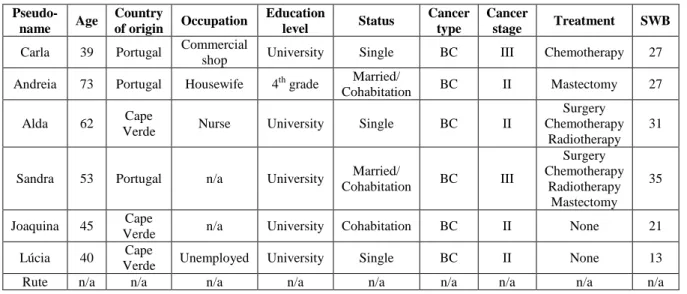
Table 3.1 Characterization of workshop participants ... 38
Table 4.1 Workshop materials and objectives ... 44
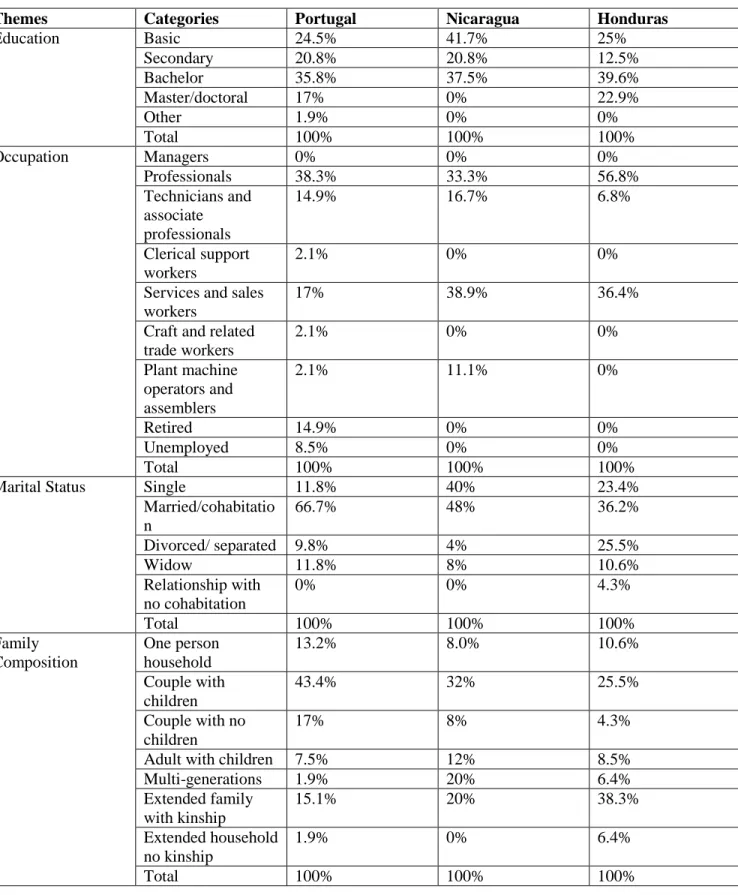
Table 4.2 Characterization of the sample ... 53
Table 4.3 Type of medical treatment or intervention ... 55
9
List of abbreviations
BC: Breast Cancer OC: Ovary Cancer LA: Latin America
10
1 Introduction
Breast cancer (hereafter referred to as BC) is one of the main causes of death (WHO, 2017) and women’s risk of developing it currently grows at a very fast rate (NHI, 2017). Since the initial stages of cancer such as diagnosis and further steps of treatment patients suffer from loss; loss that goes beyond physical health and has a consequence in their overall quality of life. Cancer brings emotional turmoil such as low self-esteem, changes in relationships with others (Devins et al., 2015), anxiety, rage and more serious affections like developing depression (Reynolds, 2002). Women living with cancer describe their illness as a deep loss of subjective control (Reynolds & Lim, 2007a). Some of them are not able to carry out their regular routines, their expectations about the future become uncertain and therefore roles that they have commonly played in society have to be adjusted accordingly. Some women take sick leave from work for long periods of time, others may feel lack of energy to maintain their regular activities (Reynolds & Lim, 2007a) and sometimes even being honest about their illness to their families and children may be challenging. Researchers put forward that when mothers are going through cancer, it becomes hard for them to keep an open communication channel with their children and this makes them feel unsatisfied with their parental roles (Cho, Yoo, & Hwang, 2015). In contemporary society, women are predominantly the caregivers (Nordenmark, Björk Eydal, & Rostgaard, 2014). The role of taking care of their children and families is still a task that is more common for women than for men. For this reason, when they have to be taken care of and not the other way around, their roles in society may be defied.
Other than bringing emotional burden, when cancer strikes, the body undergoes physical alterations related to the effects of medicine, surgery and other types of interventions. Physical obstacles add up to the already existing challenges faced by women living with cancer bringing diverse consequences in their lives. To exemplify, some women have to undergo mastectomy (Öster, Åström, Lindh, & Magnusson, 2009). Organ mutilation requires a recovery period and adapting to changes in the body image. Cancer-related lymphedema, which is the swelling of the arm after surgery, also affects the quality of life of these women (Williams & Williams, 1999). Lymphedema causes chronic pain, limited arm mobility, decrease in social functioning, and once again, challenges their body image as the shape of the arm may suffer significant changes (Pusic et al., 2013). All these alterations in health and life circumstances, lead to tremendous consequences for BC patients. For this and many other reasons that would be further discussed throughout this dissertation, alternative interventions must be called for to raise the Subjective well-being (hereafter referred to as SWB) among women living with cancer. Even though significant medical advances regarding detection, diagnosis and treatment have been observed in the past years (Puig, 2004), increasing the psychological well-being of individuals living and suffering with this disease has not been the main interest. This has caused the development and application of alternative strategies to be kept as a secondary goal in oncological research.
SWB is commonly defined as “[…] people’s emotional and cognitive evaluations of their lives. […]” (Diener, Oishi, & Lucas, 2003, p. 403) and it is what lay people call happiness. However, psychological well-being is also put forward as an inclusive term for it (Diener, Pressman, Hunter, & Delgadillo-Chase, 2017). Researchers have shown that there is a link between being involved in leisure activities and the increase of SWB (Kuykendall, Tay, & Ng, 2015; Perruzza & Kinsella, 2010). Following this research line, oncological studies have also confirmed this theory (Puig, 2004; Reynolds & Lim, 2007b). Based on these notions, this dissertation aims to
11
contribute to develop a leisure intervention strategy to foster SWB in women that are currently living with cancer or that have been diagnosed at any point in their lives as it has been observed that consequences may last many years.
There is limited research in the field of “creative occupations” and oncology or “leisure activities” and its relevance to increase SWB in oncological populations. However, literature reviews on this topic depict creativity as a restorative force with respect to health and SWB. Researchers argue it can be a tool that transforms the illness experience into something positive, motivate a sense of purpose in life and build social support (Geue, et al., 2010; Perruzza & Kinsella, 2010). Creativity is also an asset that increases self-esteem, empowers individuals, develops capacities and stimulates autonomy and competence (Perruzza & Kinsella, 2010). When creativity as a tool is put together with leisure activities done in a community-based approach, positive outomes can be expected. In oncological research, peer support is highlighted to foster the redefinition of personal sensitivities of surviving cancer by comparing themselves to individuals living similar experiences (Devins, et al., 2015). Consequently, creativity can be seen as a means to increase SWB among women that have been diagnosed with cancer (McDonough, Sabiston, & Wrosch, 2014). Social support creates conditions where individuals self-disclose and disengage from their own goals to focus in actions that can have an impact in their community (McDonough, Sabiston, & Wrosch, 2014). Sharing a space and a productive leisure with other BC survivors has the power to promote a positive group image (Devins, et al., 2015) and therefore enhance SWB. Engaging in social activities renders the opportunity to rediscover one’s self through internalizing personal experiences. In the case of women living with cancer, this insightful process may shift their perceptions of BC positively. The art of creating something in a safe place has the potential to allow participants deal with complex internal experiences and reconstruct the relationship between self, body and other perceptions (Öster, Åström, Lindh, & Magnusson, 2009).
During and after BC treatment, specialized garments become an everyday need. Arm sleeves and post-surgical bras are medical supplies that are needed by the majority of women undergoing mastectomy for their healing processes. The post-surgical bra facilitates mobility for the patient and provides support for drainage collection (Matory, 1995). Working in the production of garments related to their own physical needs can help them connect their self and body-image in a non-invasive way. Moreover, autonomy is given back to them so they can take the lead in their own health challenges. As experts in their own lives, BC survivors should have advocacy and agency in regards to their treatment and this includes the production of the medical supplies that they need. Additionally, knowing that they are part of the problem-solving of challenges faced by their own community gives back a sense of control, leadership and the knowledge that they have a life that goes beyond cancer and as so, they can contribute in someone else’s life.
1.1 The research
1.1.1 Structure of dissertation
This dissertation is structured in five chapters. The first chapter entails a general overview of the research defining the problem statement and provides the reader with an introduction of the research approach. This part also sheds light into what motivated the topic of cancer and the interest in developing a leisure strategy that promotes the SWB of women touched by it. In
12
addition, the first section contains the research objectives clearly defined along with the scope of the study. The second chapter covers an up-to-date review of the literature on the subject of SWB and leisure. The main concepts and theories regarding these topics is explored and later on related to BC to understand the factors that influence the SWB of women affected by it. Special attention is given to leisure activities as a life domain with the potential to foster SWB. To contextualize this subject, the literature review includes the physical and psychological challenges faced by women after BC diagnosis. Moreover, basic information about their treatment and the need of coping with a life beyond cancer is discussed; especially the need of medical supplies such as post-surgical bras and compression arm-sleeves as a consequence of breast surgery. In this section of the dissertation, the research also elaborates on the theoretical framework that is further used to address the research questions and analyze the data collected. The following part of the thesis contains the research methodology used to carry out the study along with a detailed account of the research design choices and techniques. This third portion of the thesis explains the challenges faced by the researcher during the investigation process and the adaptations that had to be done to successfully gather the necessary data. The fourth chapter of this study presents the data analysis. In this section, the findings are discussed in light of the theories, concepts and previous studies mentioned in the literature review section.
1.1.2 Purpose and aim
The main purpose of this research is to explore how being engaged in a productive leisure activity can impact the SWB of BC patients in three different countries (Honduras, Nicaragua and Portugal). It is also intended to promote social support by generating a setting where BC patients can gather together and work for a common goal; which in this case would be learning how to do post-surgical bras for themselves or donate them to other women lacking economic resources to obtain them. Bringing them together provides the opportunity to connect with others living similar situations and therefore they can discuss their particular challenges and concerns associated with illness. Since social support has been mentioned as a factor that fosters SWB (McDonough, Sabiston, & Wrosch, 2014), an intervention strategy can be developed and used as a tool for women living with BC. In a context where BC survivors come together as a group, social support, self-disclosure and switching from individual to common goals can be generated (McDonough, Sabiston, & Wrosch, 2014). Similarly, this can promote personal growth, life values, develop social relationships, emotional expression (Brajša- Žgnec, Merkaš, & Šverko, 2011), and enhance their overall quality of life. In other words, other than comparing the different situations experienced by BC women in the different countries included in the study, one main goal is to provide information for future interventions to support the BC community. Specific objectives
- To compare the SWB of women living with breast cancer in Honduras, Nicaragua and Portugal.
- To determine if leisure activity engagement has an impact in the SWB of BC patients. General objectives
13
- To observe and analyze through a workshop the effects of a productive leisure activity engagement.
- To development an intervention strategy to cope with cancer illness and empower women living with it.
1.1.3 Research approach
To produce a relevant contribution for the field of social work with families and children, this dissertation was designed to collect data through a mixed methods approach. The researcher considered that using a quantitative tool could provide valuable information on the SWB of BC patients in the comparison of the different countries included in the study. To fulfill other research objectives such as the impact of leisure activities in the SWB this population, the researcher designed a workshop intervention so they could engage in a group-based setting.
1.1.4 Rationale and significance of the study
This dissertation project emerges as an initiative to increase SWB among BC survivors. I believe promoting a social setting where women can be productive and creative can have a positive impact in multiple aspects of their lives. Cancer can be an isolating experience and therefore being able to transcend the illness experience can empower women strengthen them through shared-action. Similarly, the sense of belonging to a group and social participation is linked to an increase in SWB (Brajša- Žgnec, Merkaš, & Šverko, 2011; Leung & Lee, 2005).
I consider women’s empowerment and their perceived well-being a topic of the utmost relevance in a global context where cancer incidence grows and women still lack basic resources for an appropriate and dignified treatment. Coming from a developing country and observing firsthand the deficiencies in the public health system motivated me to contribute with a fresh perspective on alternative interventions to increase the well-being of women touched by cancer. Moreover, producing these medical supplies solves their issues of lacking resources to obtain them as the prices can be more accessible if there is a work contribution by volunteer work.
Working in collaboration with BC survivors by assessing their SWB and generating a creative intervention gives the opportunity to foster support networks and include them in participating in the solution of challenges faced by this community. The knowledge and experience of cancer patients is valuable. For this reason, including them in research processes should be highlighted in oncological research as no one better than them can give insights into what suits them the most. Participating in research can also promote agency and self-determination in this population as they would be able to have a saying in decisions that concern their own health issues. In this case, inviting BC patients to participate in the production of a medical supply that they need for their treatment may be an empowering tool for them and allow important research data to emerge.
While there is an ample body of literature relating leisure activities and SWB, little has been published to contribute to oncological research in this topic. This research puts forward a professional contribution to social work by shedding light into a community-based approach. However, the impact I wish to have with this dissertation is directly to the BC community by
14
supporting their transition into a life with cancer by fostering a social support network. For future implications, suggestions will be given for patient advocacy in the health system and informing public policies.
15
2 Literature Review
2.1 Subjective well-being 2.1.1 Concept and structure
2.1.1.1 Defining and contextualizing SWB
Something that human beings have in common is the universal goal of pursuing happiness. There is no secret formula that one can apply in order to achieve this state. However, since the 1980’s, what lay people referred to as happiness (Diener et al., 2003), and had already been of philosophical interest, became a ground of attention for academics in diverse disciplines. With this interest, the term of SWB was first coined and became a research field of its own (Miao, Koo, & Oishi, 2013). Researchers studying SWB focused on what underlies the state of happiness and to the current times they have conducted multiple studies with methods such as surveys, laboratory experiments and theoretical approaches to examine its correlates (Diener et al., 2003) and social indicators. Regardless of this, it should be acknowledged that the concept of SWB doesn’t replace the concept of happiness, but counts as an empirically-researchable approach.
The main fields that influenced the development of SWB studies are various. According to Diener et al (2003), sociology contributed by focusing on the effects of demographic elements in the quality of life. Humanistic psychology highlighted the importance of positive well-being and other mental health branches influenced the SWB field by developing an explanatory theory of happiness beyond the absence of symptoms of depression and lack of negative affect (Diener et al., 2003). As a counterproposal to a tendency of pathology of personality, SWB was now seen as the presence of happiness, peace, fulfillment and life satisfaction (Diener et al., 2003). Researchers observed humans were driven by incentives and not only by avoiding despair (Diener, Suh, Lucas, & Smith, 1999). It was then that a shift occurred and the interest went from explaining mental processes by the presence or absence of negative affect (pathological symptoms) to increasing understanding in happiness and its structure. Scientists also wanted to shed light on the individual perspective of this phenomenon. Thus, instead of assessing happiness by objective indicators such as economic and social components (Diener et al., 2003), subjective measures such as pleasant moods or emotions, positive affect and life satisfaction were set as a research target (Diener & Ryan, 2009).
For the scope of this dissertation, even though it is acknowledged objective factors are relevant for an in-depth understanding of SWB, the factors that will be considered exhaustively are subjective ones. SWB, as inferred by its words, is the subjective experience of individuals and therefore personal perceptions are of the utmost importance to this research. One key point emanating from the literature is that scientists have not yet reached consensus on a sole definition of SWB. It is commonly defined as “[…] people’s emotional and cognitive evaluations of their lives. […] (Diener et al., 2003, p.403).” However, recent research stresses the most inclusive term is psychological well-being (Diener et al., 2017). As previously mentioned, SWB can only be conceptualized in terms of individual life experiences and the personal judgements of these experiences (Diener & Ryan, 2009). Those judgements are cognitive reflections that are categorized as appreciations of life in different domains such as home, social relationships, work,
16
family, leisure, among others (Diener et al., 2017). Furthermore, cognitions are evaluated in terms of affect where feelings and emotions are the ground of attention (Diener et al., 2017). Since SWB is a broad term and depends on different correlations, it is described as an umbrella concept and not a specific construct. Researchers argue it is a general field of interest that can be studied by innumerable approaches and research disciplines (Diener, Suh, Lucas, & Smith, 1999). Due to this and the fact that it has several correlations and indicators, SWB cannot be easily pinned down. It is not caused by a specific domain and cannot be enhanced in such way. Instead, SWB levels can be increased by multiple factors interplaying together and causing a significant variation. For example, SWB is a term that has been used by western cultures. The majority of studies conducted are based in western societies and therefore a generalization of its correlates and the causal direction should be avoided. Happiness is experienced differently around the world as it is shaped by individual perceptions affected by factors like culture and context. As so, values, norms, and any other cultural background must be acknowledged as influential in the personal experience of happiness. This information should be kept in mind when analyzing SWB measurements and considering its correlates and variance.
To be able to measure and pinpoint its correlations and predictors, SWB is studied by three main components. This components are positive affect, negative affect (lack of), and life satisfaction (Diener, 1984). Recent studies also consider optimism to be another form of well-being or at least an important characteristic related to positive expectations about the future (Diener et al., 2017). All these components are to be assessed independently as it is demonstrated they are to some degree independent of each other (Diener et al., 2003). Momentary feelings such as enjoyment or long-term emotions like contentment are examples of positive affect experienced when people consider their lives to be going well (Diener et al., 2017). Contrariwise, when individuals perceive things in their lives are not well, negative affect is experienced through feelings of sadness, stress, anger, worry or even depression on a chronic long-term experience (Diener et al., 2017). Health social determinants follow the notion that there is a link between physical and mental health. It is known that there is a relationship between them; however the causal direction is still not clear. For this, policies that have the goal of increasing physical or mental health should consider both variables and the direct and indirect cross effects one has over the other (Ohrnberger, Fichera, & Sutton, 2017) to understand in-depth how to enhance them and adapt health policies accordingly.
2.1.1.2 Predictors of SWB
Countless elements are highlighted as predictors of SWB or life satisfaction. Since societies are dissimilar and driven by unique sets of needs and values, what predicts their SWB varies from culture to culture (Oishi, Diener, Suh, & Lucas, 1999). Considering Maslow’s hierarchical pyramid of necessities in his need gratification theory, individuals tend to prioritize their needs and structure their motivations accordingly (Maslow, 1948). Higher needs such as self-esteem or love become salient only when primary needs are satisfied (Oishi, Diener, Lucas, & Suh, 1999). In this same line of thought, the capability perspective put forward by Nussbaum and Sen (1993) stress the importance of ‘functioning’ as a predictor of well-being. One the one hand, one’s capabilities are the personal characteristics and personal arrangements, among others (Nussbaum & Sen, 1993). While on the other hand, “functionings represent parts of the state of a person -in particular the various things that he or she manages to do or be in leading a life” (p.2)
17
(Nussbaum & Sen, 1993). Highlighting capabilities, these authors argue that valuable functionings such as agency attainment or agency seen as a way of freedom can be attained (Nussbaum & Sen, 1993). For instance, being socially integrated or belonging to a community can have a central role in the well-being of someone (Nussbaum & Sen, 1993). However, supporting the need satisfaction theory of Maslow, according to Nussbaum and Sen (1993), individuals living in poor economic conditions where basic needs are lacking, a smaller number of relatively important functionings become central to their needs. In other words, in places where there is extreme poverty, standards of functionings are based on basic needs as opposed to wealthier countries.
Two studies conducted by Oishi, Diener, Lucas et al (1999) collected data from 43 different societies with socio-economic, political, geographical and cultural variations. These findings support poorer countries evaluate life satisfaction based on physiological and security needs gratification (primary needs) (Oishi, Diener, Lucas, et al., 1999). If a society lacks access to food, water, clothes and their life is in constant threat due to high rates of criminality or hazards caused by poor infrastructure or natural phenomena (hurricane, earthquake, among others), secondary needs will not be prominent. Contrary to this, nations that are more privileged tend to judge their SWB based on higher level growth needs (Oishi, Diener, Lucas, et al., 1999). To exemplify, achieving financial satisfaction may be an important factor for the SWB of poor nations while love, sense of belonging and home life satisfaction is a more relevant correlate of SWB in wealthy countries. With this said, it is important to mention individual differences and cultural values become salient once primary needs are gratified.
Commonly, the main correlates of SWB studied are genetic predisposition, demographic characteristics (sex, age, status, religiosity), personality and temperament, culture, coping capacity, individual goals, resources, interpersonal relationships and so on (Diener et al., 2003; Diener & Ryan, 2009; OISHI, 2012). Researchers are still trying to understand the interrelation between SWB and the factors that can influence it. It is documented that they are responsible of an amount of variance of SWB but it is still unknown how one affects one another. For instance, some researchers may argue happy people have better social relationships, while other researchers may explain this by stressing that having better social relationships increases the SWB of people.
Another way of studying SWB and its predictors is by focusing on the different life domains and the individual satisfaction of each of them. For example, variance in SWB can be interpreted by focusing on specific life areas such as financial, home and job satisfaction (Oishi, Diener, Lucas, et al., 1999). Other domains that have been related to quality of life and SWB are engaging in activities during leisure time (Kuykendall et al., 2015) and having social support (Pilkington, Windsor, & Crisp, 2012). The two last domains mentioned are of interest as theoretical explanations of SWB for this dissertation since it has been documented they predict a variance in the SWB of oncological patients. Moreover, they are of main focus because one of the aims of this thesis is to put forward a project that engages oncological patients in a creative and productive leisure activity that promotes social support among their peers. This is supported by evidence that states being involved in community-based groups putting spare time into a productive activity increases the levels of SWB (Perruzza & Kinsella, 2010).
18
2.1.2 Top-down versus Bottom-up theories
Several theories have emerged explaining what underlies SWB. These theories range from evolutionary approaches, cognitive theories, biological predisposition, to personality or temperament arguments. Yet, researchers from different fields still fail in pinpointing specific correlates that influence SWB and the causal direction. There are two main ongoing debates in the field of SWB. Is happiness a trait that some humans possess or is it an achievable state? Is happiness an innate capacity of human beings or is it something that must be worked for to obtain? Top-down theories stress higher levels of well-being are present in individuals that have the genetic propensity to experience it (Diener & Ryan, 2009). This predisposition to positive experiences influences the interactions that individuals maintain with the environment (Diener, 1984). On the contrary, bottom-up theories rely on the importance of pleasant inputs and the collection of these experiences is what determines high levels of well-being. In other words, accumulating happy moments produces a happy life (Diener & Ryan, 2009).
Following this same line of thought, top-down theories consider that personality is one of the main predictors of variance in SWB (Diener et al., 2003). Lykken and Tellengen (1996) conducted a study applying self-rating happiness questionnaires to 2,310 members of a twin registry. The conclusions of this study state there is a genetic predisposition of 44% to 52% of positive and negative affect. In other words, this data supports some people are inherently predestined to live happier lives than others (Lykken & Tellegen, 1996). Factors such as socioeconomic status, education, family income, marital status and religion account for not more than 3% of the variance of one’s happiness (Lykken & Tellegen, 1996). Relying on this twins study (Lykken & Tellegen, 1996), modifying happiness or unhappiness is not dependent on the individual itself but their genetic composition.
Inconclusive results have been a motivation engine for researchers to implement similar studies only to support once more that the theory of happiness and individual propensity is not consistent across studies (Diener et al., 2003). Researchers argue if some people were prone to experience happiness more than others, this trait would stable across time regardless of the situations an experiences in their lives (Diener et al., 2003). However, happiness is not consistent in cross-sectional studies and it has been documented external factor have indeed an impact on it (Diener, 2007; Diener et al., 2017; Fordyce, 1977; Leung, Ha Cheung, & Liu, 2011; Tam, Lau, & Jiang, 2012).
The two main traits associated with personality and that have most research attention are neuroticism and extraversion as negative and positive affect respectively (Diener et al., 2003). As mentioned previously, positive expectations about the future (optimism) is now considered a trait that goes in line with the view of individuals having internal cognitive structures that determine this positive perception of future outcomes (Diener et al., 2003).
Moreover, bottom-up approaches rely on various factors that consistently impact SWB (Diener et al., 2003). According to this theory, external circumstances such as events happening in one’s life and demographic characteristics influence happiness (Diener et al., 2003). Psychologist, social workers and health practitioners should give more focus to bottom-up approaches of SWB as it opens the way for relational-based intervention such as face-to-face encounters. Also, since professionals working in this field aim to alter the structural dimension of SWB as a crucial part of the
19
role they should accomplish, this should not be neglected. For instance, clinical trials have been conducted to promote happiness because of the diverse benefits it has in society as a whole (Kushlev et al., 2017). These types of interventions can impact life satisfaction, emotions and meaning in life positively (Kushlev et al., 2017; Sin & Lyubomirsky, 2009). Engaging people in intervention programs designed to improve SWB can have a long-lasting impact in their lives. This can be used as evidence that happiness can be altered by external factors such as being involved in activities that are productive and enjoyable for leisure time.
Both approaches have a strong ground support and therefore results are open to debate. To an extent, it can be argued increasing levels of SWB has no specific formula. Human beings are diverse. Societies and cultures have different needs and demands; they have different ways of expressing and experiencing emotions, concerns, values, and so forth. For this reason, personality and temperament, judgement of events, comparing one’s situation to standard conditions, leisure activities, pleasure events, and numerous factors can explain a level of variance of SWB. For this thesis, given that the main aim is to investigate the impact of leisure activities in the SWB of BC and OC patients, bottom-up theories are more relevant. Based on top-down approaches, participants would engage in this type of activity because they already have a predisposition to be happy and therefore search for pleasure activities. Since personality and temperament traits will not be assessed, the main focus of attention of this dissertation is bottom-up theories as another goal of this study is engaging participants in a leisure workshop where they will be doing a productive activity in a peer group context.
2.1.3 Why is SWB important?
To achieve a good life and what has been referred to as good society, high levels of SWB are required (Diener et al., 2003). In an individual approach, SWB is a necessary component to be a happy and fulfilled human being. Nevertheless, it is not the only mandatory component. To simplify, if a society is characterized by high indices of SWB, but other elements such as fairness (Diener et al., 2003), security, and basic needs are not met (Oishi, Diener, Suh, et al., 1999), the overall life satisfaction of this society will not reach high levels. SWB is therefore necessary but not enough to account for a good life (Diener et al., 2003). Agreeing with Diener and Ryan (2009), SWB contributes to a more stable, productive and high functioning society. Commonly people are in the pursuit of happiness through diverse and individual means. Nonetheless, various psychosocial problems usually attended in the social work arena can be solved by improving SWB. To support this argument, one can elucidate that societies having higher levels of SWB show more tolerance to controversial processes like migration and democracy (Diener & Ryan, 2009). Moreover, these societies show more interest in supporting altruistic causes like volunteering, belonging to charity groups and in general, driving their lives by healthier behaviors such as physical exercise, using seatbelt (Diener & Ryan, 2009), not smoking, respecting the law, among others. A society that is more tolerant, respectful of the law and carrying for others are bound to be less conflictive and peace promoters. One can only assume that a society that fulfills these characteristics can achieve higher levels of SWB.
For decision-makers and policy developers to evaluate their approach and improve societies beyond the economic development, relevant information of what underlies human happiness must be available (Diener, Oishi, & Lucas, 2015). It is true that indeed, economical and societal indicators of well-being are important. However, to have a complete picture of what improves
20
the quality of life of people; national accounts of well-being should also be considered (Diener et al., 2015). Diener proposed various national accounts of well-being and argued they are as important as economic accounts (Diener et al., 2015). He considers that to deliberate policies and enhances the quality of life of nations, the additional information rendered by SWB measurements are of the utmost importance to assess aspects of quality of life that are beyond the scope of economic factors for public service deliverance (Diener et al., 2015).
According to the Organization of Economic Cooperation and Development (OECD), a nation that has high levels of well-being reflects a good society in many aspects. For instance, it is claimed that the rule of law and the respect for human rights are higher in a society with increased levels of SWB (Huang, Grover, Helliwell, & Wang, 2014). Governments tend to be less corrupt, more efficient and have better services reflecting good quality of life or well-being (Huang et al., 2014).
Another reason to put forward the importance of assessing SWB is the fact that people value it (Diener et al., 2015). Individuals want to know more about happiness as per they pursue it as a main life goal. For this, when a government highlights the role of national accounts of SWB in societies, it supports its citizens accomplish their aims and desired outcomes (Diener et al., 2015).
The literature suggests there is a broad understanding of what constitutes a good society and how the level of SWB of its citizens can be elevated. This body of evidence supports implementations of policies and programs that go hand in hand with the aim of improving people’s quality of life and thus having a positive influence in society as a whole. To elucidate, some examples of relevant policies that increase SWB are effective mental health services through public assistance programs, anti-bullying intervention programs, parental skill training, supporting caregivers of people living with dementia, and so forth (Diener et al., 2015).
2.1.4 Can we measure happiness?
Even though the field of SWB has advanced in theoretical explanations and methods of assessment in the last 40 years, scientists keep developing tools that can measure “happiness” and all its components. It is argued there is still no measure of SWB that is entirely appropriate (Diener, 2009) or considered the yardstick of this concept. Quality of life or overall well-being is commonly assessed through objective factors by economists. Governments are interested in predictors such as increase income per capita, productive economy, efficient public services, equality of resource distribution or other indicators that can be quantified by standardized guidelines (OECD, 2013). However, after Diener’s proposal where he suggested attention to national accounts of SWB, more than 40 countries implemented this approach to better understand the quality of life of nations (Diener et al., 2015). In this agreement, signed by more than 50 economists, psychologist and other professionals, Diener highlights the importance of tracing psychological well-being to guide policies and actions in societies (Diener et al., 2015). It is evident that economic accounts of well-being explain high levels of variance in quality of life (Oishi, Diener, Lucas, et al., 1999). However, well-being indicators go beyond objective assessment of income, wealth or the capacity of consumption one has (Stiglitz, Sen, & Fitoussi, 2010). The fulfillment of basic needs such as food, water, housing or security can be achieved through economic stability. Thus, regardless of this, high levels of economic indicators are not
21
sufficient to account as an explanation for overall SWB. Individuals having fulfilling all these factors can also have low levels of SWB. Stiglitz et al (2010) argue that the traditional approach to quality of life is no longer sufficient as they reported that there are more determinants to human well-being such as the opportunities that are available to people, having a purpose and meaning in life, and enjoying the opportunities that present in life. Other characteristics that should be considered are the feeling of belonging, living a fulfilled life, autonomy, experiencing feelings and attitudes (Stiglitz et al, 2010). In their report, these authors conclude that to have a more objective measure of well-being, it is necessary to assess the link between various domains that may influence the SWB of individuals (Stiglitz et al, 2010).
It is argued that for a thorough understanding of the pursuit of happiness and its correlates, it is necessary to consider individual subjective experiences (Diener et al., 2015). Surveying people’s personal evaluation of their overall life satisfaction, their cognitive and emotional judgements and other components that influence SWB lobbies a broader understanding of what drives people into happy lives. Perceptions of what is good or undesirable in life may vary from person to person (Diener et al., 2017). Some people judge their lives with high levels of SWB while others in similar circumstances rate their SWB poorly. If one follows economic appraisals of quality of life, only wealthy, secure, and educated countries would be able to achieve happiness. While this is debatable, research shows individuals in poor nations can feel as happy as individuals living in wealthy ones (Oishi, Diener, Lucas, et al., 1999).
A variety of methods have been used to grasp people’s life satisfaction judgments. Surveys, informant reports (family and friends) and sampling of moods are commonly used to measure the emotional components of SWB (Diener et al., 2003). Cognitive components are assessed through life satisfaction and fulfillment surveys in different life domains (Diener et al., 2003). The preferred research method for SWB, however, is self-report scales. These scales require respondents to rate their general evaluation of life satisfaction and experience of positive and negative affect (Diener et al., 2003). That is, evaluate their lives from their own standpoint. For this reason and the fact that skepticism has always been present in behavioral sciences, researchers argue self-reports contain artifacts (Sandvik, Diener, & Seidlitz, 1993). Happiness is a goal people most likely want to achieve. Nations seek common happiness. Consequently, there is high desirability to present one’s self as happy and fulfilled rather than unhappy. In this line of thought, being unhappy is related to failure and people do not want to depict themselves as failures (Sandvik et al., 1993). Another limitation in self-reports is the current mood when responding the scale (Sandvik et al., 1993). When people evaluate their life satisfaction, they base upon salient information of their lives (Diener, 2009b). That is, their interactions with situations they consider relevant. Regardless of existent artifacts in this measurement method, self-report scales still show high reliability and have proven to correlate with various other methods measuring the same concept (Sandvik et al., 1993). Agreeing with this, Diener (2009) claims the evidence of validity of self-report scales is substantial and the artifacts are not significant.
In order to measure SWB of participants in this study, a self-report scale was applied. The main components of SWB (life satisfaction, and positive and negative affect) are assessed through a Portuguese adjusted version (Back-Wiklund, Van der Lippe, Den Dulk, & Doorne-Huiskes, 2011) of the Satisfaction with Life Scale (Diener, 1985). To assess other areas like leisure activity involvement or quality of oncological medical services in the different countries
22
included in this research, the questionnaire applied to participants responds to relevant inquiries. The scale and questionnaire are thoroughly further explained in the methodology section.
2.2 Productive leisure and SWB
2.2.1 Concepts and approaches to leisure
In spite of leisure being a universal phenomenon present in every culture around the world, a clear definition has resulted problematic given that this word does not exist in all languages (Purrington & Hickerson, 2013). Similar to the studies of SWB, most of the scientific research conducted in the field of leisure focuses on western populations and for this reason developing an operational concept has been impossible (Purrington & Hickerson, 2013). The understanding and practice of this phenomenon is common among lay people. Individuals can relate to having free time and carrying out activities to fill up their spare time. However, the lack of a shared definition is indeed a challenge to the research community specifically. To be able to compare countries or societies, a formal definition has to be developed to avoid biases. Researchers show interest in comparing different leisure behaviors and activities cross-culturally. Thus, before having an accepted definition that takes into consideration cultural diversity, the study of this phenomenon across cultures becomes difficult if not impossible (Purrington & Hickerson, 2013). Commonly, leisure activities are seen as subjective because it is the individual perspective of them that matters. What for someone is considered as a leisure and joyful activity, for another person can be seen as work and would not be an option to get involved in their spare time. Leisure activities around the world are universal. Humans engage in art, dance, music, sculpture, sports, acting, social and cultural activities among others. Nevertheless, it is the individual who characterizes them in a unique way and gives them meaning (Perruzza & Kinsella, 2010). In other words, even though music is universal, the type of music listened by people around the globe is different. Dance is also a common activity, but the way people dance and the music they dance to differs. Similarly with the sports played in different societies and the level of interest one can have in any other kind of hobby.
There are multiple approaches to leisure. Some researchers argue it can be structurally or subjectively defined by the person carrying out the leisure activity (Kuykendall et al., 2015). On one hand the structural approach puts forward the notion of leisure engagement as the time and frequency one participates in leisure activities and its defined by the norms stated by researchers (Kuykendall et al., 2015). On the other hand, the subjective approach defines leisure engagement similarly, but, in this line of thought, the main focus is the individual’s view of what is considered leisure (Kuykendall et al., 2015).
The concept of leisure or spare time is also related to occupation. People occupy their leisure time in multiple activities. According to Peruzza and Kinsella (2010), occupation is considered as anything and everything people do in their day to day life. Despite some authors disagreeing leisure activities can be productive, other researchers put forward the concept of productive leisure. This notion includes paid or unpaid work such as volunteering and caregiving among others (Baker, Cahalin, Gerst, & Burr, 2005). In other words, individuals can engage in hobbies or chose spare time activities that can be enjoyable and simultaneously solve a problem. Volunteering or being part of a charity group can fulfill the purpose of entertaining someone in
23
their free time and contribute to society. Additionally, it has been documented volunteering as a leisure activity fosters the fulfillment of basic psychological needs such as increasing autonomy, developing competence and the capacity to relate to other people’s circumstances (Mojza, Sonnentag, & Bornemann, 2011).
As mentioned above, leisure is a phenomenon present in the different societies or cultures around the globe. Regardless of the description or the word used to refer to it, people carry out activities when they have spare time. Due to the universality of leisure-time, researchers have been interested in understanding the fundamental nature of it. Researchers specialized in this field have two main arguments: do humans engage in this type of phenomenon because of a temporal reason or is it because it is a channel to fulfill their psychological needs (Purrington & Hickerson, 2013)? In other words, being engaged in leisure activities can be seen as the need of mental state experiences or simply a behavioral nature because there is spare time for it (Purrington & Hickerson, 2013). Some authors also debate if there is a difference between work and leisure and if they necessarily have to take place in two dissimilar contexts (Purrington & Hickerson, 2013). Arguments are in favor of broadening the concept of leisure activity and allowing it to be productive at the same time. Volunteering work is an example of this. Some people have paid jobs that are also done voluntarily by other individuals. This does not change the fact that it is a leisure activity to the volunteer and involvement is dependent on spare time and pleasure. Volunteer work has been described as a valuable leisure-time activity that has positive effects in the individual. For example, the amount of time individuals engage in this activity is related to the possibility of detaching from paid work’s burden and serves as a recovery experience (Mojza et al., 2011).
2.3 Life after being touched by illness 2.3.1 SWB and health challenges
It is demonstrated increasing SWB improves health and also the chances to live a longer life. Researchers interested in the field of happiness have designed experiments that foster high levels of SWB (Diener et al., 2017). Fortunately, several studies have proven this to be plausible. When well-being levels are higher, negative affect declines and positive affect raises nurturing health benefits (Diener et al., 2017). In their paper, Diener et al (2017) discuss some studies that were successful in raising participant’s quality of life, hence, their health. Drawing on these results, arguments are in favor of correlating SWB and health, even though the causal direction is not completely clear at the moment.
Cancer diagnosis and treatment come with various negative effects. It is undeniable that women touched by BC or OC experience loss; loss that goes beyond physical challenges. Women living with cancer describe their illness as a deep loss of subjective control (Reynolds & Lim, 2007a). They consider it threatens their SWB by altering their daily activities and social relationships following evident cognitive and emotional load (Reynolds & Lim, 2007a). Additionally, cancer patients consider they have little control over their illness and sometimes the optimistic expectations they had about their health are defied (Pinquart & Fröhlich, 2009). The process of being diagnosed with an enduring illness like cancer comes with emotional load. Part of this emotional burden ranges from anxiety and rage to chronic and more serious affections such as developing depression symptoms (Reynolds, 2002) or other psychiatric disorders. When a
24
woman is facing the battle of cancer, even the ability to cope with daily stressors can become a difficult task. Moreover, it is important to have in mind that plans about their future are also challenged when facing cancer. No one lives a life planning to receive an illness diagnosis. This usually comes unexpectedly and therefore no one is ever prepared for an event like this. When one confronts a reality that threatens everything that was once taken-for-granted self-identity it put at stake (Reynolds, 2002; Reynolds & Lim, 2007b). For instance, a main part of self-image is related to one’s occupation. People need to feel active and useful in order to consider their life satisfaction acceptable. This is why when elders reach retirement age they suffer a decline in their overall well-being and it is through volunteer work that they balance this effect (Lowis, Edwards, & Singlehurst, 2010). Similarly, after illness diagnosis these day to day activities or occupations are threatened and sometimes abandoned. The activities patients engaged in before cancer treatment are withdrawn due to lack of energy, loss of confidence or even because they still haven’t found a way to cope with the changes in their new lives (Reynolds, 2002). Women living with cancer have described various other difficulties related to cancer. A study conducted by Reynold and Lim (2007b) evidenced that engagement in art therapy was helpful to reduce negative effects of cancer such as pain, insomnia, loss of social roles, activity restriction and altered social relationships. Findings in this study depicted four main ways that being involved in art as a leisure activity is beneficial for women living with cancer. The first benefit participants referred to is the possibility to express their feelings in a symbolical way (Reynolds & Lim, 2007b). Additionally they considered their self-worth increased and they could now define themselves beyond the role of being a cancer victim (Reynolds & Lim, 2007b). Lastly, they had the opportunity to challenge themselves and regain the feeling of achievement and capacity (Reynolds & Lim, 2007b). Like any other kind of art, textile art is a tool that has been demonstrated to be a resource for illness transformation (Perruzza & Kinsella, 2010; Reynolds, 2002; Reynolds & Prior, 2006). This type of art falls into the category of creative occupation which fosters high value to health and promotes well-being (Perruzza & Kinsella, 2010). Women that have dedicated spare time to engage in textile artwork have managed to transcend feelings of preoccupation into global awareness, change feelings about the illness, achieve a fulfilled life and become more reflective, creative and stronger (Reynolds, 2002).
Human beings are inherently creative and as so, they engage in alternative ways of solving problems with inner tools (Perruzza & Kinsella, 2010). Similar to creativity, the process of healing takes place within the individual (Perruzza & Kinsella, 2010). Individual’s own perception of their internal world is what is important. Consequently, when a life has been disrupted by the diagnosis and treatment of cancer, healing tools that promote a symbolic representation of their illness comes in handy as a coping strategy. A study conducted with 353 women recently diagnosed with cancer assessed the importance of perceived social support and the impact it has on the SWB of patients (Pinquart & Fröhlich, 2009). Participants that informed having a solid social support and higher levels of purpose in life predicted high levels of SWB in a time range of 1 month up to 6 years (Pinquart & Fröhlich, 2009). Being a part of a community group or being engaged in peer-based activities renders the opportunity to build a support network, regain social roles, and transform their illness into something meaningful and purposeful. Participating in a creative occupation, shared with others in similar experiences can boost talent discovery and skills. Consequently, there is a chance for patients to express the grief connected to illness suffering and distract themselves from related thoughts (Reynolds & Prior, 2003).
25
Supported by many findings of studies relating art work engagement and SWB, Perruzza and Kinsella (2010) found out the following repetitive themes: perceiving agency, building a sense of self, transforming illness experience, improved ways of expression, finding purpose in life and building a stronger social support. Women that are actively engaged in artwork consider it has a central role in their lives and improves their well-being (Reynolds & Prior, 2003). Additionally, the benefits transcend the self as one of the meanings of art referred by women is the importance of their contribution to others (Reynolds & Prior, 2003). In other words, they consider that being able to support others through hand-made gifts, sewing projects, fund raising or charity is an opportunity to give back to people that have once supported them and make a difference in their lives (Reynolds & Prior, 2003). This makes them reclaim their power and hope after a disempowering process like cancer experience (Chiu, Mitchell, & Fitch, 2013). It makes them feel there is a common characteristic between each other and that they can all swap places and become the supporters when they were once supported. Commonness is also shared when people gather together following an interest or a shared project. Though community-based activities, for example, friendships can be promoted and a solid social network fostered. As social beings, humans need to meet their sense of belonging. In other words, individuals need to meet their psychosocial needs of peer to peer relationships, feelings of being important and capable of impacting the lives of others. Following similar goals and engaging in creative arts as an occupation in a collective way can give this sense of belonging to a safe and supportive environment and promote the psychosocial needs mentioned above.
2.3.2 The need of alternative intervention strategies
Considering breast cancer is one of the most common causes of death worldwide (WHO, 2017), little attention is given to the promotion of alternative ways to increase the well-being of women living with this illness. Researchers study the causes of cancer and by now treatment has improved significantly. Technological and medical advances are in a state of the art when it comes to detection, diagnosis and treatment (Puig, 2004). Although these advances have indeed been a boon understanding the illness itself and finding a cure, efforts to manage the overall well-being of individuals living and suffering with this disease have not kept pace. It is time to shift the research focus from the disease itself and broaden the options where an individual suffering from an illness and in need of support is highlighted. Researchers and professionals working in oncology have failed promoting creative ways to boost the overall SWB and health of patients even though, as discussed in the section above, it is extensively evidenced by science that their quality of life can improve through strategies such as creative and purposeful occupations (Reynolds & Prior, 2006) or other alternatives like massage to decrease nausea, acupuncture, hypnosis, guided imagery, and mind-body interventions (Schiff & Ben-Arye, 2011). Studies have put forward valuable information of strategies used to increase the psychological well-being of BC patients. For example, hypnosis and guided imagery are commonly mentioned as alternative strategies to improve the quality of life of these patients, improve depression symptoms and increase natural cell killers (Archer, Buxton, & Sheffield, 2015; Bakke, Purtzer, & Newton, 2002; Schiff & Ben-Arye, 2011, 2011).
In an illness like BC which is characterized by loss (Reynolds & Lim, 2007a) and decrease of life quality, anything that can be beneficial for patients and effective in diminishing treatment-related symptoms should be considered. Regardless if available complementary strategies are not within the field of the practitioner in charge of a case, individuals living with cancer need to be