Master in Engineering and Industrial Management
Organization and management of maintenance
indexed to risk factors in healthcare environment
Project report for graduation degree of Master of Science in
Engineering and Industrial Management
Author
Tiago Jorge Cavaco dos Santos
Advisor
José Manuel Torres Farinha
Polytechnic Institute of Coimbra
(Instituto Politécnico de Coimbra)
Institute of Engineering of Coimbra
(Instituto Superior de Engenharia de Coimbra)
“The mind that opens to a new idea
, never returns to its original
size.”
This dissertation/project is dedicated to my mother
for her love, endless support
Acknowledgments
Firstly, I would like to thank my advisor, Dr. José Manuel Torres Farinha, for all
the guidance that he has given me over the past two years. I would like to express
my gratitude to ISEC for providing me support during these two years of my
graduate study.
I also want to thank to Eng. Victor José Neto Vaz for all the guidance and support
that he has given inside the Portuguese Institute of Oncology Francisco Gentil
(IPOFG.EPE).
Abstract
Currently, in a similar way to the policies adopted by the organizations, the hospitals lay an enormous effort in the search of the maximum efficiency of the organizational flows. This results in the improvement of the provided services and patient safety, taking into account the profitability of the physical resources and economic conditions. To achieve these goals, it is necessary not only to increase the efficiency of medical equipment throughout their life cycle, but also to prevent the risks associated with their handling, with emphasis on patient safety. The concepts of maintenance management and risk assessment have been evolving towards the adequacy of the policies most adapted to the nature of the facilities and equipment, whether by economic, functional or other classification. The concept of risk in a hospital environment is very diverse. There are physical, chemical, biological and psychosocial risks. Although all risks are important for the safety and well-being of patients, this dissertation/project focuses mainly on biological risks (infections due to viruses, fungi, bacteria and parasites), and physical risks with a special focus on electrical risk. These risks can be partially indexed to the organization and management of the maintenance of hospital facilities and equipment, as this can help to prevent risks; However, with a good evaluation and management of these, maintenance costs can be reduced and unexpected interventions can be avoided. In this context, this article analyzes the main electrical and biological risks, in order to establish a cause-effect relationship with the maintenance policies carried out by the institutions.
Resumo
Atualmente, de forma semelhante às políticas adotadas nas organizações, os hospitais colocam um enorme esforço na procura da obtenção da máxima eficiência dos fluxos organizacionais, traduzindo-se na melhoria dos serviços prestados e na segurança dos pacientes, tendo em vista a rentabilização dos recursos físicos e económicos existentes. Para atingir tais objetivos torna-se necessário, não só o aumento da eficiência dos equipamentos médicos ao longo do seu ciclo de vida, como também a prevenção dos riscos associados ao seu manuseamento, com ênfase na segurança dos pacientes. Os conceitos de gestão da manutenção e avaliação do risco têm vindo a evoluir no sentido da adequação das políticas mais adaptadas à natureza das instalações e equipamentos, seja por classificação económica, funcional, ou outra. O conceito de risco em meio hospitalar é muito diverso, traduzindo-se em risco físico, químico, biológico e psicossocial. Embora todos os riscos sejam importantes para a segurança e bem-estar dos pacientes, esta dissertação/projeto incide essencialmente nos riscos biológicos (infeções devido a vírus, fungos, bactérias e parasitas), e nos riscos físicos, com especial enfoque no risco elétrico. Estes riscos podem indexar-se parcialmente à organização e gestão da manutenção das instalações e equipamentos hospitalares, pois esta pode ajudar a prevenir riscos; porém, havendo uma boa avaliação e gestão destes, podem reduzir-se custos de manutenção e evitar intervenções inesperadas. Neste âmbito, este documento efetua uma análise aos principais riscos elétricos e biológicos, com o intuito de estabelecer uma relação de causa-efeito com as políticas de manutenção levadas a efeito pelas instituições.
Table of Contents
1. Introduction ... 1
1.1. Scenario ... 1
1.2. Brief history of maintenance ... 2
1.3. The ai te a ce fu ctio ... 3
1.4. Maintenance of tomorrow ... 4
1.5. Maintenance management ... 5
1.6. Legal Framework ... 6
1.7. Clinical Engineering ... 7
1.8. Maintenance as a discipline of clinical engineering ... 9
1.9. Document structure ... 11
2. State of the art ... 13
2.1. Demographic aging, a burden on the society ... 13
2.2. Clinical engineering over Europe ... 13
2.3. Maintenance cost comparison in UK ... 16
2.4. Economic evaluation of implementing a service of Clinical Engineering in Brazil ... 17
2.5. Outsource or In-House: A complex equation ... 18
2.6. Standardizing the clinical engineering ... 21
2.7. A clinical e gi eer’s approach to respo d to regulatory cha ges i U“A ... 23
2.8. Medical device calibration... 25
2.9. ISO 31000:2009 ... 27
2.10. Aplying Risk Management to Medical Devices ... 29
2.11. Hospitals of the future ... 32
2.12. A few aspects about nosocomial infection ... 35
2.13. Water supply as a source of infection ... 36
2.14. Air as a source of infection ... 39
2.15. Surface: Contact pathways of infectious pathogens ... 43
2.16. Healthcare equipment as a source of nosocomial infection ... 44
2.17. Cleaning, disinfection and sterilization ... 45
2.18. Causes of Fungal Related Infections ... 46
2.19. Construction, renovation, repairs and maintenance as a source of infection ... 47
2.20. The AIA guidelines for construction ... 48
2.21. Infection control programme ... 51
2.22. Heating, ventilation, and air conditioning (HVAC) ... 52
2.23. Maintenance to prevent infection control ... 56
2.24. Electrical safety ... 61
2.28. In Portugal ... 68
2.29. Nosocomial infections in Portugal ... 69
2.30. Cost of infections in a Portuguese health care facility ... 71
2.31. Hospital acquired infection prevention – A practical guide ... 71
3. The Portuguese institute of Oncology Francisco Gentil, EPE. ... 75
3.1 General objectives ... 75
3.2 Facilities ... 75
3.3 Equipment ... 77
3.3.1 General equipment: ... 77
3.3.2 Biomedical equipment: ... 78
3.3.3 Critical equipment: ... 78
3.4 Relevant Services ... 79
3.4.1 Service of Facilities and Equipment (SIE) ... 79
3.4.2 Infection prevention service (local coordinator group of PPCIRA) ... 81
3.4.3 Risk prevention service ... 82
4. Contributions ... 87
5. Conclusions and future developments ... 93
6. Appendix ... 95
Table of Figures
Figure 1- Task Development and Evaluation Process (Dunn, 2015)... 19
Figure 2- ISO 31000 Principles, Framework and Process ... 28
Figure 3-Illustration of how risk categories emanate from risk contributing factors ... 31
Figure 4-Schematic representation of the transmission of waterborne pathogens in the hospitals. Adapted from Anaissie (Anaissie, Penzak, & Dignani, 2002) ... 37
Figure 5-Relative size of airborne nosocomial bacteria based on aerodynamic logmean diameter (Kowalski W. , 2012). Volume of spheres are proportional to diameters ... 40
Figure 6- Relative size of airborne nosocomial viruses based on aerodynamic logmean diameter (Kowalski W. , 2012). Volume of spheres are proportional to logmean diameters ... 41
Figure 7- Relative size of airborne nosocomial viruses based on aerodynamic logmean diameter (Kowalski W. , 2012). Volume of spheres are proportional to logmean diameters ... 41
Figure 8- Airflow Movement in Rooms (Khalil, 2005) ... 52
Figure 9- Airflow Configurations for Critical Areas (Khalil, 2005) ... 53
Figure 10- Example od risk of microshock (JH,2016) ... 63
Figure 11- Isolated or floating circuit example ... 64
Figure 12- Example of leakage current ... 65
Index of Tables
Table 1-Oncology area by floor ...75Table 2-Surgery area by floor ...75
Table 3-Radiotherapy area by floor ...76
Table 4-Ambulatory area by floor ...76
Table 5-Patients Hotel area by floor ...76
Table 6-Eco-point area ...77
List of Acronyms
AAMI - Association for the Advancement of Medical Instrumentation ACCE - American College of Clinical Engineers
ACH - Air Change per Hour
AHA - American Hospital Association AIA - American Institute Of Architects
ASHE - American Society for Healthcare Engineering BMET - Biomedical Equipment Technician
BMT - Bone Marrow Transplant CBA - Cost–benefit Analysis
CCHSA - Canadian Council on Health Services Accreditation CDC - Centers for Disease control and Prevention
CE - Clinical Engineering
CED - Clinic Engineering Department CM - Corrective Maintenance
CMMS – Computerized Maintenance Manage System CMS - Centers for Medicare & Medicaid
CSA - Canadian Standards Association CSE - Clinical Systems Engineering
DGS - Direcção-Geral da Saúde (National Health Entity) EMR - Electronic Medical Record
EPA - Environmental Protection Agency ESU - Electrosurgical Unit
EU - European Union
FDA - Food and Drug Administration FMEA - Failure Mode and Effect Analysis GDP - Gross Domestic Product
HAI - Hospital-Associated Infections HEPA – High-Efficiency Particulate Air
HVAC – Heating Ventilation and Air Conditioning IAQ - Indoor Air Quality
ICP - Infection Control Practitioners ICRA - Infection Control Risk Assessment ICU - Intensive Care Units
IMS - Intelligent Maintenance Systems
INE, IP – Instituto Nacional de Estatística, Instituto Público
IPOFG, EPE - Instituto Português de Oncologia de Coimbra Francisco Gentil, Entidade Pública Empresarial
ISO – International Organization of Standardization IT – Information Technologies
LT – Logistic Time
MIDS - Medical Information Data System MRI – Magnetic Resonance Imeging
MRSA - Methicillin-resistant Staphylococcus Aureus MS - Ministry of Health (Ministério da Saúde
NADCA - National Air Duct Cleaning Association NI - Nosocomial infection
OECD - Organization for Economic Co-operation and Development OEM – Original Equipment Manufacturer
OHS - Occupational Health and Safety PM – Preventive Maintenance
PPCIRA - Programa de Prevenção e Controlo de Infeção e Resistência aos Antimicrobianos (Program for Prevention and Control of Infection and Resistance to Antimicrobials)
QMS – Quality Management System RM – Risk management
RT – Repair Time
SIE – Serviço de Instalações e Equipamentos (Service of Facilities and Equipment) TPN/Lusa – The Portuguese News / Lusa News Agency
U.S. – United States
U.S.A. – United States of America UK - United Kingdom
1. Introduction
1.1. Scenario
In 1985, Eduardo Caetano refer that the Portuguese people have no sensitivity for technical equipment maintenance, with special focus on health equipment, preferring to spend billions to invest in buildings and equipment, less than 1/20 of this value for their annual maintenance (Caetano, 1985).
In 1997, José Torres Farinha mentioned in his book that sometimes hospitals are built, the equipment is installed, putted into operation, and only at the end the maintenance service is activated (Farinha J. T., 1997).
Since then, the outlook on hospital maintenance has been changing, because the hospitals have become buildings of extreme complexity. However, the attitude in Portugal is still somewhat bleak, not only by ignorance, but also by the lack of interest of the top managers/administrators, whom sometimes still see maintenance as a service of secondary importance and a source of expenses that translate a necessary evil. For years, maintenance has been treated as a dirty, boring and often overlooked job. It is very important to get the
best productivity from a company’s equipment, but maintenance was not recognized as a part of the operation that produces revenue.
Also, hospital infections in Portugal remain stubbornly high and the results of the campaigns
against hospital infections are “less than nothing” as described by Elaine Pina about antimicrobial resistance and infection control. Between 2009, when Portugal joined the global campaign against infections, and 2012, the hospital infection rate went from 11.03% to 11.50% (TPN/Lusa, 2016), which means that implementation of hospital infection control activities may been carried out in an irregular way.
The influence of maintenance on equipment and facilities is essential and decisive in its functioning, and reflected in the quality of provided services, and patient safety. It should be noted that the organization and maintenance management can, not only, have economic repercussions, but also the ability to exercise a great psychological effect on patients. Currently, the maintenance of a hospital and risk prevention requires an optimized management and effective activities planning to meet the technological complexity, the legislative requirements, the standards of comfort and required quality and environmental issues.
improvement of hospitals, not only by reducing costs and increasing equipment availability, but also the important role against hospital infections. It is not enough just to have the financial, human and material resources, to achieve the desired results.
In an age in which challenges, the traditional management based on improvisation, this document deals with the concept of the organization and hospital maintenance management transversely to buildings, special facilities and all technical assets and existing systems, with the objective of creating a model that allows to add value to IPOFG, EPE (Instituto Português de Oncologia de Coimbra Francisco Gentil, Entidade Pública Empresarial). Although this project has been developed within the IPOFG, EPE, it is highlighted that all the concepts, techniques and procedures used, can be extrapolated to any other hospital.
This introductory chapter will make a brief description of the maintenance evolution, the existing definition and types of maintenance, its legal framework, the evolution of maintenance as a discipline of hospital engineering and finally the structure of the document.
1.2. Brief history of maintenance
The mechanization associated to the Industrial Revolution of the last century has highlighted the need to regularly repair the machines, however, these repairs were left to the operators themselves (Farinha J. M., 2011).
From the 1st World War, and after the implementation of the first production lines, the manufacturing units began to establish minimum standards of production. As a result of the increase of production, it was necessary to create specialized teams that could make repairs in the machines in the shortest time possible. In result, it was created the need for the implementation of what, nowadays, is called Corrective Maintenance (CM).
After the 2nd World War, with the need to streamline the increasing production, companies began to worry not only to correct the flaws, but also to prevent it from happening, emerging a new concept of maintenance, today called Preventive Maintenance (PM) (Tavares, 2005).
The term "maintenance" has its remote origin in the vocabulary; however only at the beginning of the 50's the term was introduced in industry (Monchy, 1989).
preventive maintenance, based on historical data of assets, led to the emergence of a new concept, the engineering reliability, since at the time there was no knowledge about equipment failure patterns.
In the late 70's and early 80's, with the advent of microelectronics, the devices have become more complex, possessing large quantities of electronic components subject to damage, so it is no longer possible in many cases to establish preventive methods maintenance depending on the age of the asset. With the development of digital high-precision instruments, it has become possible at low cost, making early diagnosis of faults by measuring operating parameters. Thus is born another concept, Predictive Maintenance, which was limited to applications where it was technically feasible and economically interesting, normally associated to higher risk sectors, such as aviation and nuclear power plants (Parodi-Herz, 2008).
1.3. The “maintenance” function
Like a personal health care insurance, maintenance can be considered the heath care of our manufacturing machines and equipment. By writing that "maintenance is the medicine of machines", Monchy makes a practical analogy between "human health" and "health machine", comparing the human aspects of birth, longevity, good health and death, to the machine, respectively, into operation, durability, reliability and deactivation (Monchy, 1989).
Maintenance is required to effectively reduce waste and run an efficient, continuous manufacturing operation, business, or service operation. The cost of regular maintenance can be very small when compared with the cost of a major breakdown at which time there is no production.
Almost all definitions, official or not, tend to set the maintenance function as a guarantee of the equipment availability. It is a set of actions to ensure the proper functioning of equipment and facilities, ensuring that they are intervened in time right and correctly, in accordance with the legal and technical requirements in order to avoid the loss or reduction of productivity and, if this happens, the operating conditions must be restored as soon as possible, at an optimal cost.
The standard NP EN 13306: 2007 provides a brief definition of maintenance, in line with an asset management policy, which is reflected by a "combination of all technical activities, administrative and management during the life cycle of an asset, designed to keep it or replace it in a state where it can perform its required function.".
inspections, cleaning, lubricating, and adjustments, minor problems can be detected and corrected before they become a major problem that can shut down a production line. A good maintenance program requires company-wide participation and support by everyone ranging from the top executive to the shop floor personnel.
About the management philosophy, the maintenance can be classified mainly into three types:
• Corrective maintenance (CM): It is performed after a malfunction or failure occurred due an internal cause (a broke bearing, ...) or external (bad operation, ...).
• Preventive maintenance (PM): It is performed in order to avoid malfunctions or failures and it can be systematic (performed at predefined intervals cycles, hours, kilometers, etc.) or conditioned (determined from symptoms verified by visual inspection).
• Predictive maintenance: It is performed based on the monitoring of the health of the equipment, like the modification of a condition or performance parameter, using data collected through vibration analysis sensors, ultrasound, etc.
Also within the philosophy of the types of maintenance, and according to a recent view of continuous improvement, it is relevant to add the term "improvement" as a maintenance style to improve the performance of the equipment, that is, to identify changes that would improve the way of working. The latter concept follows a new trend of asset management procedures called Normative Maintenance.
The literature about maintenance has established some numbers on the advantages of preventive maintenance against corrective maintenance (Cabral, 2013):
• A well maintained equipment lasts 30% to 40% more than a poorly maintained; • Studies show that the implementation of preventive maintenance induces energy
consumption savings of 5% to 11%;
• In corrective maintenance, about 20% of the parts are lost;
• Preventive maintenance significantly reduces downtimes and increases the efficiency of the equipment;
• The corrective work costs 3 to 4 times more than preventive;
• To change from a traditional organization style, to a best level organization can take between 3 to 5 years.
1.4. Maintenance of tomorrow
Intelligent Maintenance Systems (IMS) predict and forecast equipment performance so "near-zero breakdown" status is possible. Near-"near-zero downtime focuses on machine performance techniques to minimize failures. Data comes from two sources: sensors (mounted on the machines) and the entire enterprise system (including quality data, past history and trending). By looking at data from these sources (current and historical), it can predict future performance.
The long-term view on intelligent maintenance is that we can use any means – including embedded (software) and remote technologies - to monitor equipment performance. Then, if wear starts to occur, there is enough time to service the item before failure. A machine can self-assess its health and trigger its own service request as needed. If this model works, then we will have a product that can manage its own service performance and its own warranty-based contracts. It also can alert us on ways to keep it running in a high-performance manner.
World-class companies already have taken a game-changing approach, implementing a new service business model to change maintenance systems into smart service and asset management solutions. They reduce downtime and provide the ability to look ahead at the quality of products before they ship by closely watching equipment performance and machine wear. Rather than reactive maintenance - "Fail and Fix" - companies can indeed move to
“Predict and Prevent” maintenance.
1.5. Maintenance management
For many years, the absence of a Maintenance Management System caused the deterioration of equipment that make up the set of assets of organizations since, for most companies, the only practiced maintenance was corrective. With increasing automation and the resulting increase in the number of breakdowns, companies soon realized that the frequent production downtimes or frequent ‘bottlenecks’ in maintenance services provided, caused a decrease in product/service quality, consequently increasing costs and reducing competitiveness and, in some cases, this led to potential loss of customers. The philosophy of corrective maintenance is no longer satisfactory. The maintenance concept evolved from simple repair of the fault to another, more recent concept, in which interventions are planned in order to avoid breakdowns – preventive maintenance (Correia, 2013).
and predictive maintenance tasks, will quickly be carrying out maintenance engineering, and consequently, maintenance management.
The NP EN 13306 standards:2001 defines maintenance management as all management activities that determine the objectives, the strategy and the responsibilities relating to the maintenance and implement them by means such as planning, control and supervision of maintenance and improvement methods in the organization, including economic aspects.
In a context of broad view with in accordance with a terologic approach of maintenance management formulated by José Torres Farinha (Farinha J. M., 2011), it turns out that this has a high number of aspects associated, including: operational investigation, information management, engineering, reliability, invoicing, general and cost accounting, inventory and parts management, and quality.
Based on this interdisciplinary maintenance is expected to understand the maintenance management as a planning, as defined by José Paulo Saraiva Cabral (Cabral, 2013).
1.6. Legal Framework
About maintenance, recently has been significant activity to standardize concepts and terminologies, by creating European standards that allow progressively replace the current rules and practices used in different countries.
This project focuses only on NP 4483 standards:2009 (maintenance management) and ISO 31000:2013 (risk management); however, it is necessary to know other existing rules about the subject under consideration, including:
• Maintenance terminology of the NP EN 13306:2007 (CEN, 2001) - Defines the basic terms and concepts used in maintenance. It is a basic document on how to speak and understand the language associated to maintenance tasks;
• Standard maintenance indicators NP EN 15341:2009 (CEN, 2007) - Defines the concept of indicator and refer the most significant management indicators with a simple language formulations that can be understood by everyone;
• Standard maintenance documentation NP EN 13460:2009 (CEN, 2001) - Defines the set of documentation that must be present in a maintenance management system and specifies the requirements for each of these documents;
• Standard for the implementation of maintenance management system NP 4483:2009 - Portuguese standard developed based on the standards referred to above, which specifies the requirements for a maintenance management system where an organization needs to demonstrate its ability to, consciously, provide a service that meets the client's objectives and the legal and regulatory requirements;
• ISO 31000:2009 series – They are international standard for risk management. It has no certification purpose, but it is a tool that can bring huge benefits to organizations using their guidelines applied to a wide range of activities, including strategies, decisions, operations, processes, functions, projects, products, services and assets.
1.7. Clinical Engineering
The origins of clinical engineering can be found in the increasing concerns for patient safety that arose in the 1960’s because of the proliferation of clinical equipment in the medical arena. The functions of clinical engineers were at that time mainly focused on repair of equipment and carrying out routine electrical safety inspections. As equipment became more complex and grew in number, it became obvious that electrical safety failures represented only a small part of the overall safety problem. Investigators of accidents found that the users of clinical equipment did not completely understand its operation and most of the instruments were not properly maintained. Furthermore, they found that many devices did not perform as specified by the manufacturer. As clinical engineers entered the hospital environment, they took care of these problems, developing routine programs for integral safety and performance inspections. These actions made hospitals consider clinical engineering departments as a tool to provide the hospital with solutions to safety problems. The clinical engineers of today play a multifaceted role in the clinical environment, as the result of their continuous and growing involvement with the management of clinical equipment. They regularly interact with the clinical staff, the administrators of the hospital, vendors and manufacturers, the clinical engineers at other healthcare institutions and regulatory agencies (Lozano-Nieto, 1999).
Over the years, a number of organizations have attempted to provide an appropriate definition, for example (Bronzino, 2003):
• The AHA defines a clinical engineer as: “a person who adapts, maintains, and
improves the safe use of equipment and instruments in the hospital”.
• The American College of Clinical Engineering defines a clinical engineer as: “a professional who supports and advances patient care by applying engineering and managerial skills to health care technology”.
• The definition that the Association for the Advancement of Medical Instrumentation (AAMI) originally applied to board certified practitioners describes a clinical engineer as: “a professional who brings to health care facilities a level of education, experience, and accomplishment which will enable him to responsibly, effectively, and safety manage and interface with medical devices, instruments, and systems and the user thereof during patient care...”.
• For the purpose of certification, the Board of Examiners for Clinical Engineering Certification considers a clinical engineer to be: “an engineer whose professional focus is on patient-device interfacing; one who applies engineering principles in managing medical systems and devices in the patient setting”.
• The Journal of Clinical Engineering has defined the distinction between a biomedical engineer and a clinical engineer by suggesting that the biomedical engineer: “applies a wide spectrum of engineering level knowledge and principles to the understanding, modification or control of human or animal biological systems”.
• Finally, in the book “Management of Medical Technology,” a clinical engineer was
defined as: “an engineer who has graduated from an accredited academic program in engineering or who is licensed as a professional engineer or engineer-in-training and is engaged in the application of scientific and technological knowledge developed through engineering education and subsequent professional experience within the health care environment in support of clinical activities”.
It is important to emphasize that one of the major features of these definitions is the clinical environment on each country.
Clinical Engineering has been rapidly growing in the last 15 years both in “industrialized”
and in “developing” countries. The degree of its diffusion, however, varies from country to country as it is linked to the needs of health care area on each country. The issue has been extensively discussed in books and scientific journals, for example by Barry Feinberg, Cesar Caceres, Joseph Bronzino, John Webster, Albert Cook, as well as within the World Health Organisation (WHO).
financial management, as well as contract management and internal operations, and is the Biomedical Equipment Technician (BMET) who develops the medical/hospital equipment maintenance. They even produced several guidelines on such subjects that are helping clinical engineers all over the world. In other world regions, such as Latin America, clinical engineering was developed basically to manage the maintenance of medical equipment.
Hence, clinical engineers are seen as the person who either do the medical/hospital equipment maintenance and/or manage it. In fact, clinical engineering in these regions was originated basically due to the need of lowering the prices charged by external companies (service or vendors), to make repair and, sometimes, preventive maintenance. This is today the stigma carried by the majority of clinical engineers, mainly the ones who are frightened to stand up and present their skills to perform other tasks to the hospital administration.
Going to Japan, clinical engineers not only develop the maintenance of complex equipment but also work as an active health staff member during specific medical procedures. Such activity involves a direct participation, with doctors and nurses, on surgeries such as cardiac valve implants, cardiac catheterization, blood purifications, and several others. Their participation are not as a standby person waiting to solve some operational difficulty but actually are a member of the surgical team dealing and handling with the equipment, accessories, and even the part to be implanted in the patient.
Another example of the development of different clinical engineering models is in the European continent, where some countries use clinical engineers to monitor and manage external maintenance service companies, while in other countries most hospitals have their own clinical engineering group but developing different tasks. A German clinical engineer is quite dedicated to risk programs; in United Kingdom, there are clinical engineering groups dealing with rehabilitation developments as well as medical equipment maintenance. Some UK groups includes services for the Ministry of Health regarding testing and conformity with standard (Calil, 2016).
1.8. Maintenance as a discipline of clinical engineering
The literature suggests that clinical engineering was born in January 1972 in the city of St. Louis, when creating the course in medical equipment maintenance. The course last for 12 weeks, and was taught by the United States Armed Forces. Later, in the city of Denver, Colorado, it was created in the army a maintenance school for medical equipment.
States, 1965-1974, was directly or indirectly linked to medical technology. In this period, the equipment purchased by hospitals did not carry out instructions for use or repair, resulting in a huge gap between technological knowledge and its implementation. The maintenance began to represent an alternative that allowed reduction of costs with technology in hospitals. In the late 60's and early 70’s, unproven speculation, that there would be about 1200 deaths per year due to electric shocks related to medical equipment, led the Food and Drug Administration (FDA) to try to find a legislative solution to the certification of medical equipment.
In 1976, it was approved a document which required medical equipment manufacturers to submit the equipment for approval by the FDA, before being put on the market, in order to ensure safety and effectiveness. This measure resulted in the need to hire about 300 biomedical and electrical engineers to the FDA offices and gradually engineers were occupying those spaces in hospitals and health institutions, where its engineering expertise could ensure effective implementation and secure new health technologies. In the 70’s, Cesar Caceres, along with Thomas Hargest created the term "clinical engineer". Thomas Hargest was known as the first certified clinical engineer of history. They defined clinical engineer as hospital equipment manager, through repairing, operators training, safety and performance definition, and technical specifications for a good purchase. In his point of view, a clinical engineer was a maintenance manager.
From the 80’s, the clinical engineer is no longer considered just a maintenance manager of biomedical equipment, and becoming an element that could have active participation in technology transfer. In the 90’s, the American College of Clinical Engineers (ACCE), expanded the range of action of clinical engineering, creating a more realistic definition of clinical engineer who emphasized the administrative part of management and technology assessment (Ramirez & Calil, 2000).
The maintenance has become a part of the clinical engineering, however, it is important to know that is probably also the most important item.
Clinical engineering profession, from its start, has undergone a huge identity crisis face administrators, doctors and nurses who, for lack of technical knowledge of the equipment, did not give due respect, cooperation and acceptance (Goodman, 1991).
1.9. Document structure
This document is divided in five main chapters, before the appendixes and bibliography: • Introduction;
• State of the art; • IPOFG, EPE facilities; • Contributions;
• Conclusions and further developments.
In the introduction chapter (chapter 1) is made an approach to the history of maintenance, maintenance of today and tomorrow, and maintenance as a discipline of clinical engineering.
The state of the art (chapter 2) can be divided in two parts: The first part gives us a general approach of what is being done around the world about clinical engineering and risk management, and the second part indexes the subject of nosocomial infection (hospital acquired infection) and electrical hazards, to the maintenance management.
The IPOFG,EPE facilities (chapter 3) is intended to give the lectures the dimensional idea of the hospital, as well as what is done in this case of study.
In the contributions (chapter 4) are given some procedures that can help the hospital in managing maintenance in order to prevent risk hazards.
Finally in conclusions and further developments, is made an analysis of what is missing in this document, what should be done in the future and how the hospital accepted this challenge.
2. State of the art
2.1. Demographic aging, a burden on the society
The impact of demographic aging in the most developed countries, caused by consistent low birth rates and higher life expectancy, is likely to be of major significance in the coming decades. At present, 17.4% of all Europeans are aged 65 and older. In 2020, the share of those over age 65 will rise to 28% (COM – European Commission, 2012). For example, in Ireland, where the highest share of young people in the total population in 2012 was observed to be 21.6%, the proportion of the population aged over 65 years is expected to increase from 11% to 15% by 2021.
In Sweden, the most dramatic change will occur from the age of 80, where the number of persons will increase by 50% over the next 15 years. The share of older persons in the total population will increase significantly even in other European countries in the coming decades.
In Portugal, between 1970 and 2014, the proportion of the young population decreased by 14% from 28.5% of the total population in 1970 to 14.4% in 2014. In turn, the relative weight of the old population increased by 11% from 9.7% in 1970 to 20.3% in 2014 (INE, I.P , 2015).
In the world, the proportion of people aged over 60 years of age increased from 9.2% in 1990 to 11.7% in 2013, and is expected to continue to increasing, reaching 21.1% in 2050 (INE, I.P , 2015). This will lead to an increased burden on the society to provide for the healthcare expenditure required by the aging population.
Many of the elderly persons will be relatively healthy a large number of years, but there will also be a number of persons with multiple disorders. Many of these elderly persons will know more about their disorders and also more about the possibilities that there is to cure or relieve the illnesses or disorders. These persons probably will want to be treated at their homes or other places outside the hospitals, which will need new technologies and new ways of nursing. It is important to understand the demographic aging, in order to give the best clinical engineering experience to the healthcare structures.
2.2. Clinical engineering over Europe
The healthcare structure and delivery systems in European countries are today different from country to country. There are differences in how the systems are financed and how they are organized. The differences depend not only on differences in recourses, economical, or material, but also on culture, demography, and geography. Nowadays, the number of doctors and nurses has increased and the average number of practicing doctors per 1000 population in Europe is 3.4 ranging from 2.2 to 6.2, according to the Organization for Economic Co-operation and Development (OECD) statistics, (OECD, 2014). The basic financing of the healthcare system in Europe is through taxes and it is the dominating financing type in the Nordic countries. Most hospitals are owned and run by the society. However, some of the public hospitals are run as corporations, but the sole owner is the society. There are also some private companies running hospitals and healthcare centers.
In 2012, European Union (EU) member states used in average 8.7% of their Gross Domestic Production (GDP) to health spending. This is 1.4% more than in 2000 (OECD, 2014). All the Nordic countries spend more than the average in Europe, with Denmark on the top with 11.0% expenditure. The other countries use between 9.6% to 9.0% of their GDP. The Baltic countries had lower expenditures compared to the European average reaching 6.1% in average (OECD, 2014). Portugal increased from 8.3% in 2000 to 9.9% in 2009 and after started decreasing to 9.0% in 2014 (OECD, 2014).
Retrospectively, we can see that the different technological innovations have clearly changed the methods for diagnosis and therapy. The development of medical imaging systems is a good example of how technological development has changed and improved the diagnostics.
Today the clinical engineers at most Nordic hospitals support the radiologists when purchasing the systems, they work with installation of these systems together with the
manufacturers’ staff, and they are also responsible for the technical operation of these
systems and how the systems communicate with other systems. The increase of the usage of medical equipment shows how technology has become more and more important for delivery of healthcare and how its importance is growing steadily. Therefore, it is essential the idea that the healthcare organizations in Europe need a medical equipment management program, like we see in USA, Australia, and Canada. This program is important to assure that medical equipment is appropriate to the clinical needs and that it functions effectively and safely.
Equipamentos) doesn’t have enough workers, and most of them are not qualified for clinical engineering.
Overall technology management in Nordic hospitals was the primary application of clinical engineering in Europe and it had the focus on the safe and efficient use of medical devices so that the patients could be diagnosed and treated in a best possible way. This means that clinical engineers ensured that appropriate, efficacious, and cost-effective equipment’s were available at the hospitals to meet the demands of quality in patient care. The Clinic Engineering Departments (CED) in these countries are following the idea of Joseph Bronzino
“The development and implementation of a comprehensive technology management program requires a systematic approach. Such programs must embrace not only the technical aspects of maintaining medical equipment, but also the development of policies concerning equipment acquisition, acceptance, training, use, replacement and disposition. In essence, the primary goal of any technology management program is to ensure that the most cost-effective
methods for the safe and effective operation of medical equipment are utilized” (Terï, 2016).
At the beginning, many CED had problems to identify their role in healthcare organization and were not able to establish goals for their operations, because it was not clear what role they had. The main idea is to have an operation that is patient oriented, a statement that almost the whole medical world uses today. This means that CED will be responsible for the management of the medical equipment so that the clinic has access to the specified services, device functionality, and material, and pursue an active safety work to prevent adverse events with the equipment caused by technical reasons. It also means that the CED will facilitate education, research, innovation, and development in medical technology. CED must have close cooperation with the manufacturers and vendors and they must deliver services with a good quality. The strategies to achieve these purposes could then be, for example, to support the patient flow through maintaining the clinic’s medical equipment. Clinical engineers should also have a good control over the everyday work and a good dialogue with the clinics about the needs of development. It is also necessary to have a partnership with the vendors and an effective quality management system that will secure the unanimous way of working. For the hospital management, it is important that CED will contribute to build up an internal technical expertise that the hospital can take advantage of when developing new control systems for management of larger medical equipment, entities or when investigating technical problems. All strategies must be harmonized with the core values of the hospital and be in line with the hospital’s goals and strategies. The latest technology always needs a large investment in both equipment and competences. Therefore, carefully prepared planning of technology investments can reduce the running costs and costs for maintenance most evidently. (Terï, 2016).
of who is going to carry out the maintenance activities. In the Nordic countries, it is often a mixture between in-house and vendor services. The decision, who is doing the different maintenance tasks and to what extension, depends on the recourses and the costs. It is also possible to renegotiate the agreements when the situation has changed.
Technology management requires an accurate inventory to keep track on the detailed information on the medical devices and systems. It should also be possible to monitor equipment performance, reliability, and cost-effectiveness, as well as to assist decision making in equipment acquisition and technology assessment. The inventory system should provide a comprehensive, expandable, and easy-to-use database of protocols for the performance of quality control, preventive and corrective maintenance, electrical safety, calibration, and acceptance tests of medical device. Since CED has to perform continuous monitoring and evaluation of its performance in order to identify probable problems and measure its contribution to the quality of patient care, the system should also monitor and measures a set of quality and cost indicators, allowing a continuous overview of the departments performance in terms of productivity, effectiveness, and efficiency.
Nowadays, medical information systems are connected directly to medical devices in order to retrieve physiological data or to control the function of the medical devices. Information Technologies (IT) systems and software used in healthcare have obtained more crucial importance for the treatment and care of an individual patient. Integration of medical devices and IT, and the use of the devices in networks have made it necessary to study the integration of the two areas. The Swedish Society for Medical Engineering and Medical Physics (MTF) has conducted a project with the aim to improve patient safety through clarification of responsibilities for work with medical devices integrated with IT systems that are used to collect physiological data for diagnosis and/or treatment of a patient and transfer this data through a network to a server/database (MTF, 2008). This system was called MIDS, as acronym of Medical Information Data System, and its use increases the requirements for higher competence in the persons who handle these systems and it is also necessary to develop the cooperation between clinical engineers and IT engineers. In many of the Swedish Counties, IT and CE are already in close cooperation or belong to the same organization. Medical Informatics, CED, IT, and biotechnology will be integrated more and more in a common organization to support the development of healthcare (Terï, 2016).
2.3. Maintenance cost comparison in UK
costs varies between organizations and assets. Nevertheless, there are some rules of thumb on the balance between PM and CM, such as the 80/20 rule. Studies on the relationship between PM and CM in practice are rare, but based on a case study made of rail infrastructure historical data carried out in 2016 to determine the shares of PM and CM, together with a Cost–Benefit Analysis (CBA) to assess the value of PM, we can conclude that the benefit of PM is positive (Stenstrom, Norrbin, Parida, & Kumar, 2016).
While studies on PM to CM costs are lacking, a common rule of thumb for evaluating performance says one should aim for a PM to CM share of 80/20 in general. To analyze the cost comparison between preventive and corrective maintenance in a rail infrastructure, Christer Stenstr̈m, Per Norrbin, Aditya Parida and Uday Kumar, formuled some equations for assigning costs to maintenance inspections, repair of potential failures, repair of functional failures and service/production loss. PM and CM data are associated with both direct and indirect costs. Direct costs are those for materials and labour, and indirect costs are everything else. Common operation and maintenance data are: maintenance times (administrative time, Logistic Time (LT) and Active Repair Time (RT), delays, failures, remedies, causes and item information. To calculate the cost of CM, important data on costs are considered to be: service/production loss, Logistic Time (LT), RT and materials. It was assumed that notice of a failure is provided at zero cost. In the study, the authors realized that PM represents, more or less, between 10% and 30% of the total maintenance cost, and the study indicated also that the railway sections with the lowest total maintenance cost, have the highest share of PM (Wireman, 2003).
2.4. Economic evaluation of implementing a service of Clinical
Engineering in Brazil
those results, it can be concluded that the Clinical Engineering Service provided a significant reduction in costs for the institution, by means of setting and training its own team, reducing costs and a better planning of maintenance. Those results demonstrate the importance of a Clinical Engineering Service for best managing costs and technologies in hospitals, whether public or private (Souza, Milagre, & Soares, 2012). The results of the paper showed the importance and advantages of the creation of a CED in a hospital in order to improve health technologies and reduce maintenance costs.
2.5. Outsource or In-House: A complex equation
Outsourcing of services can offer remunerations to healthcare facilities, however, before senior leadership can give outsourcing a green light, they must consider some variables: reasons why to outsource, obstacles to outsourcing, best practices of outsourcing, and implications to hospital management (Roberts, Henderson, Olive, & Obaka, 2013). One of the apparent benefits relates to reduced operating expenses that an experienced vendor brings. It can eliminate the need to hire in-house resources; therefore, labor costs and operational costs can be minimized to a great extent. No longer is needed to invest in and train highly specialized biomedical technicians. The hired vendor will handle all resourcing needs by tapping into their pool of highly skilled, trained and certified technicians. Facilities can pay for expert service on a needed basis. It is no longer need to invest in recruiting and training expensive resources for your business. An important aspect to this is being able to find hidden costs, saving through standardization, and using a strategic approach to servicing medical equipment. An independent firm that specializes in asset management will be able to easily oversee the enormous scope of work involved with a comprehensive medical equipment maintenance program. This certainly includes overseeing the sheer volume of contracts associated with managing, maintaining, and eventually repairing all of the sophisticated medical equipment housed in your medical facility.
advantage against both independent hospitals and competitors in the marketplace. Engineering management requires an understanding of mechanical and electrical machinery. It is important to understand how to perform maintenance on the machinery, functions, and optimization for efficient operation and resulting lower operating costs. It is critically important to have trained and properly qualified operators on staff to maintain and operate the machinery (Young, 2002). Identification of the tasks is very important in understanding how the hospital best can use the services of the outsourcing company. Hospitals must remain
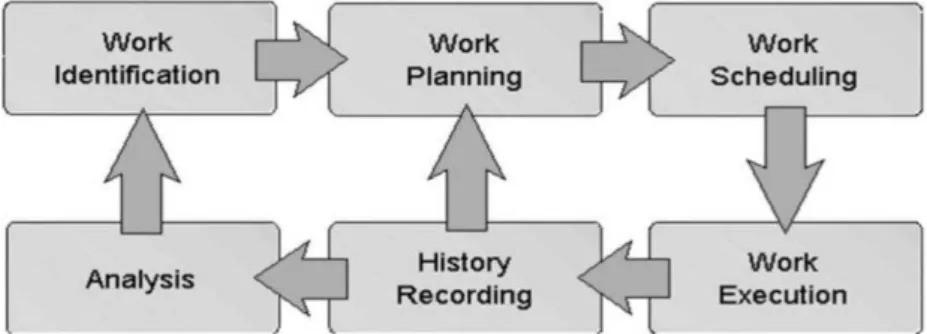
aware that the outsourcing company’s motivation to complete the service is profit. The maintenance management team should be able to identify plan, collect history and monitor the outsource company during the interventions. A general scheme of this tasks is presented in the next picture:
Figure 1- Task Development and Evaluation Process (Dunn, 2015)
To decide whether to outsource some or all of their biomedical services in a Hospital, there is no one-size-fits-all answer. George Gyurtsak, director, biomedical services, Community Health Systems, is becoming rather an expert at insourcing, converting biomedical service departments from those that use outsourcing models to those that bring services in-house. In fact, the 208 affiliated hospitals (in 29 states) in which the Franklin, Tenn-based hospital company owns, leases, or operates, about 190 have in-house biomedical departments. The majority of these 190 departments have been converted to an in-house operation in just the past 6 years.
Recently there was a massive shift from outsourcing to in-house. Considering the size of
Community Health Systems, it isn’t surprising that it has decided to take the in-house
going to be outsourced”, Hargraves says. “In the case of UPMC and BioTronics, we have over 145 employees, so there is almost no scenario in which we would outsource that business, because we are large enough, and have the capacity, the cross-training, the redundancy, and the ability to float technicians among facilities, so we can achieve a much lower cost-to-service ratio”. On the other hand, if a facility has a biomedical services department with two or three employees, it’s unlikely to spend thousands of dollars to get one of them trained to maintain and service a computed tomography scanner. That’s precisely the kind of situation that Izabella Gieras, director of clinical technology at Huntington Memorial Hospital in Pasadena, faces in her department. The size and competency of her staff will
determine her department’s ability to maintain and service specific pieces of equipment or
maintain it through service contacts. “If we have just one MRI (Magnetic Resonance Imaging) - and that’s what we have at Huntington (which is a 625-bed, nonprofit, regional medical center) - we’re obviously not going to train one person to be an MRI specialist to
maintain that one machine,” Gieras says.
And there are other variables as well, such as accessibility to training, the cost of the training, the age of the equipment in question, and its service history, she says: “So we’ll take all of those different variables into consideration before deciding whether we can take a piece of equipment in-house, or it’s better to take a service contract”. According to Ramy Boghdadi, director of consulting at Siemens Healthcare, Malvern, Pa, the first thing organizations need to consider is not necessarily the question of insourcing versus outsourcing, but how they can
effectively “life cycle manage” their equipment. “You have this installed base of invested assets,” Boghdadi points out. “So how do you get the maximum utilization, productivity, and
longevity of those investments, and what’s the appropriate time to turn them over?” The point
is that “biomedical departments should be an integral part of an organization’s life cycle management and capital planning process,” he says. “Because if (an organization) looks at biomed as just a break/fix part of the organization, and just a cost center, then it doesn’t really have the vision and insight to truly maximize those programs and departments, and it might make sense to outsource services in those organizations”. If, however, an organization “is really interested in developing an in-house program and committing to it”, Boghdadi says, “I believe there would be quantifiable return on investment associated with it”. And the organization will have to look at issues like staffing, competencies, and training, as well as
issues related to dispatching, part sourcing, and standardization, “which are a big part of cost containment”. In addition, with a high-performing in-house program, a hospital should see increased satisfaction among users in areas like cardiology or radiology. And if done correctly, this program should be a very strategic component in the organization’s efforts to the maximum utilization out of its investments. There are going to be challenges involved with going in-house as well, Boghdadi adds. For example, it will take time and resources to
find and train people who are competent enough to maintain and service an organization’s
to service any piece of equipment. There’s also the problem of attrition because will be invest in training these individuals with the risk that they are going to leave and go elsewhere. Ultimately, Boghdadi adds, a “hybrid” model (a combination of insourcing and outsourcing) makes sense for a lot of organizations in that it provides the best way to get the advantages of bringing things house, while mitigating the risks involved. The advantages with the
in-house model are that “you have resources that are right there at your fingertips”, he says. “So
you have better response time and reduced down time, and you don’t have to depend as much on third parties or OEM to service an asset. Bud DeGraff, general manager of diagnostic and clinical services for GE Healthcare, Waukesha, Wis, agrees that when it comes to the
in-house/outsourcing question, “there probably isn’t a one-size-fits-all solution. Hargraves says that staff training can be a tricky issue. “Most manufacturers provide it, but what does it
cost?” he asks. “What is its availability, and do they train you the exact same way they train their own technicians?” At the end, training is critical because biomedical departments have to pay attention to the professionalism and quality of repair. It’s one of the best defenses against being outsourced. And, if an organization is going to outsource, it can’t assume that just because a company has a good trade name that the specific people they are going to put have been properly trained and have the right degree of professionalism. Hargraves recounts a situation in which he had a discussion with a potential client for whom the reason for transitioning a Community Health System facility to an in-house servicing and maintenance
model varies case by case, Gyurtsak says. Often it’s simply a situation where a contract
affecting one or more hospitals is coming to an end. So, to make a decision on what is the most efficient and cost-effective way to go, we would typically do an analysis and compare the costs of doing things in-house versus outsourcing, with the added benefit of having more management control over the program. In other cases, it could be a situation where there are service-related issues that warrant bringing a program in-house, Gyurtsak says, or it could simply be a decision that the program could be more cost-efficient by bringing things in-house. Of course, there are situations in which it makes sense to go in the other direction (from in-house to outsourcing). “You may have a very small facility in a very remote location
where you really won’t have the opportunity to share resources”, Gyurtsak says. “In that kind of scenario, you may want to look for a vendor that can provide you with 1, 2, or 3 days of service at a lower overall cost” (Bassett, 2014).
2.6. Standardizing the clinical engineering
In 2010 it was published a paper where 8 authors from 5 countries (France, Spain, Italy, USA and Gemany), showed the benefits of standardizing the use of whole slide images in digital pathology (Daniel, et al., 2010). The goal of integrating the healthcare enterprise initiative was to specify how data standards should be implemented to make systems integration more efficient and less expensive for specific health care use cases. It was their hope that the work would lead to greater adoption of standards within medical community, allowing for a proliferation of systems that will be able to seamlessly interoperate, similar to the experience in the field of Radiology, where imaging equipment and information systems from multiple vendors routinely work together, providing a rich environment for clinical imaging activities.
system, effective data integration, as well as the smooth integration of high quality, cost effective clinical technologies into Northern California region hospitals. Nowadays, the Clinical Technology Committee provides budget proposals to the leadership and publishes a plan annually that allows the team to coordinate the acquisition, upgrade, and replacement of clinical technologies for each area (Hatva, 2012).
2.7.
A clinical engineer’s approach to respond to regulatory
changes in USA
The United States is a global leader in healthcare. Their academic institutions, healthcare professionals and service providers are internationally known and admired. Yet, despite this, Americans die sooner than citizens of many other nations. In most recent years, U.S. health care spending has grown faster than the economy. By 2020, health care expenditures are projected to reach 20 percent of the nation’s Gross Domestic Product (GDP). By 2030, people over 65 will make up 20 percent of our population, with the fastest growing group over age 85. As greater numbers of Americans lead longer lives, the cost of care will continue to rise. Health disparities are a persistent challenge for the U.S health care system, and high rates of preventable diseases among racial and ethnic minorities add to growing health care expenditures. It is known that when a population is healthier, costs are lower, and societies can invest resources in other priorities such as education, infrastructure, and defense. The Centers for Medicare & Medicaid (CMS) have the mission of strengthening and modernizing the nation’s health care system to provide access to high quality care and improved health at lower cost, and, they are focused on measurably improving care and population health by transforming the U.S. health care system into an integrated, standardized and accountable delivery system that continuously improves care, reduces unnecessary costs, prevents illness and disease progression, and promotes health defense (CMS, 2013).
As the U.S. Department of Health & Human, Centers for Medicare & Medicaid (CMS), requires that hospitals must maintain adequate facilities for their services and hospital facilities, supplier, and equipment are maintained to ensure an acceptable level of safety and quality, in December of 2013, the CMS and, subsequently the Joint Commission on Accreditation of Healthcare Organizations, made some regulatory changes in the hospital equipment maintenance requirements and proceedings.
In response to this regulatory changes, most U.S. hospital-based Healthcare Technology Management (HTM) program had three options for consideration when determining how best prepare for these chances:
2) They could “make minor modifications” to their existing policies, inspection and maintenance procedures and equipment risk based assessment programs based upon deficiencies they determined to exist;
3) They could “perform an extensive review and assessment (full makeover)” of all their medical equipment management plan and make changes where needed.
The option one is a bit risky, but the cost of full compliance may initially prohibit many healthcare organizations from jumping right into making changes that may be required, especially if it relates, for example, the requirement that all the medical devices must have
maintenance done “by the book”. McLaren Health Cares’ Clinical Engineering Services took an aggressive proactive approach in how it is going about demonstrating CMS compliance, which started by performing a gap analysis evaluating 28 indicators identified in the CMS document, to apply a new program in the 12 member hospitals of McLaren Health Care. Once again the challenge requires development and implementation of a standardized corporate clinical engineering program across all member hospitals. David M. Dickey, the corporate director of the McLaren Health Clinical Engineering Services, started by reading the CMS Regulation over and over to start capturing the key components of the regulation into a usable format, that led to the development of a simple table, for use in determining how well their medical equipment management program complied. The document was distributed to all of their program managers over the 12 hospitals, and for each CMS program requirement, they just had to see if the hospital was complying, and if so how it was demonstrated or documented.
As they are using a risk scoring model to justify the elimination of unnecessary Preventive Maintenance (PM), the results were not too far off the mark, especially as related to their current equipment scoring approach used to determining which device types do not benefit from having a scheduled inspection.
Evaluating safety and effectiveness of the alternative equipment management program it is stated that the hospital has policies and procedures which address the effectiveness, and when evaluating the effectiveness of the program, it is expected that the hospital addresses factors including, but not limited to:
• Verifying how incidents of equipment malfunction are identified (usually by a corrective maintenance or repair work order);
• Verifying how incidents of equipment malfunction are investigated (usually by the service staff troubleshooting the failed device and finding the faulty component).
a) Processes implemented to manage the effective, safe and reliable operation of medical equipment;
b) Processes for selecting and acquiring medical equipment;
c) Requirement for all equipment users to be properly trained on the safe use of devices; d) Procedures for identifying, evaluating and creating an inventory of equipment, based,
minimally, on equipment function, risk and incident history;
e) Procedures for developing inspection scheduled and maintenance strategies for all equipment on the inventory, in order to achieve effective, safe and reliable operation of equipment on the inventory;
f) Processes for monitoring and acting on equipment hazard notices and recall;
g) Processes for monitoring and reporting incidents in which a medical device is suspected or attributed to the death, serious injury or serious illness of any individual; h) Processes for identifying and implementing emergency procedures that address
actions to be taken when equipment fails; how to perform emergency interventions when equipment fails; and how to obtain repair services;
i) Documentation requirements of performance and safety testing of all equipment covered by the medical equipment management plan;
j) Documentation procedures of inspection and maintenance of equipment used for life support that is consistent with identified maintenance strategies to minimize clinical and physical risk;
k) Documentation procedures of inspection and maintenance of equipment used for non-life support that is consistent with identified maintenance strategies to minimize clinical and physical risk;
l) Documentation of performance tests on all sterilizers;
m) Documentation of chemical and biological testing of water used in renal dialysis, if applicable;
n) Requirement for an annual program review to include measurement of effectiveness of all aspects of the Medical Equipment Management Program.