2018
UNIVERSIDADE DE LISBOA
FACULDADE DE CIÊNCIAS
DEPARTAMENTO DE BIOLOGIA VEGETAL
Building novel bioaugmentation consortia for degradation of
polycyclic aromatic hydrocarbons: from selection to metabolic
and genetic characterization of adaptive evolved microbial
strains
Ana Raquel Lodeiro Nogueira
Mestrado em Microbiologia Aplicada
Dissertação orientada por:
Rogério Tenreiro
II
Building novel bioaugmentation consortia for degradation of
polycyclic aromatic hydrocarbons: from selection to metabolic
and genetic characterization of adaptive evolved microbial strains
Ana Raquel Lodeiro Nogueira
2018
This thesis was fully performed at Microbiology and Biotecnology Lab (M&B|BioISI) and under the direct
supervision of Rogério Tenreiro and Carlos Cordeiro in the scope of the Master in Applied Microbiology
of the Faculty of Sciences of the University of Lisbon.
III
Acknowledgments
O desenvolvimento deste projeto foi uma colaboração entre o Microbiology and Biotecnology Lab (M&B|BioISI) e a empresa Biotask. Agradeço a todos a dedicação e a oportunidade que me foi dada.
Em primeiro lugar, é com o coração a transbordar de gratidão que agradeço a oportunidade de ter tido o professor Rogério Tenreiro como meu orientador. Agradeço não só tudo o que aprendi, mas também o facto de me ter acolhido e perante todas as dificuldades nunca ter desistido de mim, tendo sempre consciência de quando e como conversar comigo, dando-me todo o espaço para a minha curiosidade e crescimento pessoal. Obrigado por cada lição e por toda a disponibilidade. Foi um prazer. Ao professor Carlos Cordeiro o meu agradecimento pelo apoio, sugestões e disponibilidade durante o projeto. À professora Maria da Soledade Santos pela disponibilidade, paciência e boa vontade que teve em ajudar-me.
Quero também agradecer a todas as pessoas presentes no M&B-BioISI que me acompanharam diariamente e em especial a Filipa Silva pelos conselhos, disponibilidade e manutenção do laboratório mais organizado e funcional que conheço. Ao Pedro Teixeira agradeço por toda a disponibilidade.
Aos meus colegas de laboratório obrigada por me transmitirem não só espírito de equipa, mas também uma vontade de trabalhar e persistir sobre as adversidades. Obrigada pelos momentos de desabafo e pela paciência. À Inês muito obrigada pela inspiração e pelo ar compreensivo que tens sempre. À Mariana agradeço aquele seu humor fantástico. À Catarina e ao João agradeço a disponibilidade para me ajudarem em toda a parte de quantificação. Ao André e à Beatriz agradeço a disponibilidade e ajuda nestes momentos críticos finais. À Ana Marta e ao meu querido Miguel agradeço a companhia em Agosto e todos os momentos de parvoíce. À Ana Soares agradeço os conselhos. Um obrigado muito importante ao Rodolfo por toda a ajuda imprescindível prestada. Por fim, muito especialmente agradeço à minha querida Ana que esteve sempre lá quando mais ninguém estava e aturou todas as minhas fases.
Agradeço à minha família por terem criado as condições todas para que este sonho se pudesse realizar. Obrigado papá pelos almoços incríveis de fim de semana e pelas conversas profundas. Obrigada mamã por todo o suporte e preocupação.
Às minhas amigas um obrigado gigante. Catarina és aquela base, sem ti não seria possível. Sem toda a tua ajuda mesmo a milhares de quilómetros de distância, sem a nossa louca viagem para recarregar energias e sem o teu apoio incondicional não teria conseguido. À minha querida Mónica uma muito obrigada pelo carinho, por todos os sábios conselhos, todas as loucuras e pela compreensão transcendente. À Susana por todas as noites incríveis e pela sensação de familiaridade sempre presente. Ao meu Tomás nem tenho palavras para agradecer tudo o que vivemos, todo o carinho e incentivo que me transmitiste. Foste sem dúvida o meu fã número 1. Lembraste daquele dia em que chorei na árvore porque achei que não era capaz? Obrigada por me teres feito ver toda a força que tinha dentro de mim. O teu acompanhamento foi imprescindível.
Por fim, o agradecimento mais importante de todos, agradeço a mim própria Ana Raquel porque perante todos os obstáculos, quer académicos quer pessoais, posso orgulhar-me em dizer que apesar dos meus momentos de fraqueza, comportei me como uma guerreira, mostrei-me capaz e não desisti do meu sonho! Não existem palavras no Cosmos capaz de descrever a importância que este ano teve para mim e agradeço ao Universo por me ter permitido chegar aqui.
IV
Abstract
Polycyclic aromatic hydrocarbons (PAHs) are recalcitrant compounds considered as priority pollutants in soil, water and the atmosphere. They can have natural origin (fires, volcanic eruptions, among others) or anthropogenic origin by the incomplete combustion of organic matter (coal, oil, wood). This is not only an environmental problem but also impacts on public health, since studies that indicate the toxicity and mutagenic/carcinogenic effects of PAHs are reported.
Many attempts have been made to develop strategies to eliminate these compounds. Bioremediation has emerged as a possible solution to the problem using microorganisms and taking advantage of their degrading capacity to reduce or eliminate the presence of PAHs. The presence of PAHs on planet Earth through the evolution of life shaped the evolution of metabolic pathways allowing microorganisms to use these compounds as carbon and energy sources.
A screening of forty-seven strains (Biotask Bioremediation Culture collection) from adaptive evolution experiments was performed. The initial inoculum of the experiments was from a wastewater treatment plant. In order to evaluate the degradative potential of these strains, growth assays were performed with naphthalene, anthracene and phenanthrene as the only source of carbon and energy. Directly, an HPLC method was developed and optimized that allowed the quantification of PAHs present in the biological samples. Indirectly, a cell viability study was performed through the most probable numbers. The most recent cycle of adaptive evolution revealed the best results as expected.
The selection of the best degraders was performed through a principal component analysis. In addition, an environmental contaminant revealed an interesting degradative behaviour and was included in the BBC collection.
Sequencing of the bacterial 16S rRNA gene, allowed the four strains to be presumptively identified as belonging to the genus Pseudomonas, Acinetobacter and Paraburkholderia.
Characterization of the strains involved three phases. Initially, the growth of the microorganisms was monitored having the PAHs as the carbon source for 15 days, both individually and in a consortium. The strain belonging to the genus Pseudomonas present the best results and possibly a bi-phasic growth. The consortium also revealed that strains together yield better results than individual growth. Then, the production of biosurfactants was evaluated qualitatively through the observation of an emulsion and quantitatively through the measurement of surface tension. The strain belonging to the genus Acinetobacter was the only one that apparently synthesizes a compound with surfactant activity. Finally, the presence of genes associated with PAH catabolism and growth having the metabolic intermediate phthalate as the sole source of carbon was evaluated. The strains belonging to the genera Pseudomonas and Paraburkholderia were the ones that presented greater metabolic plasticity.
In summary, it can be concluded that the objective of the work was achieved, and the most promising strains with higher potential for degradation of PAHs were selected and studied in metabolic and genetic terms. The growth of the strains in the consortium was successfully achieved and some characteristics that may explain strains degradative behaviour were revealed. More studies will be needed to elucidate more clearly the whole process in order to build an effective consortium for the bioremediation of contaminated sites.
Key-Words: Bioremediation, Bioaugmentation, Metabolism, Polycyclic Aromatic Hydrocarbons,
V
Resumo
Os hidrocarbonetos aromáticos policíclicos (HAP) são poluentes ambientais encontrados na água, no solo e na atmosfera. Estes compostos são de elevada importância devido ao perigo que representam em termos de saúde humana e em termos ambientais, existindo uma lista de 16 HAP considerados poluentes prioritários, apresentando propriedades tóxicas, mutagénicas e/ou carcinogénicas.
Por um lado, podem ser gerados naturalmente através de fogos florestais, atividade vulcânica e derramamentos de petróleo. Por outro lado, podem ter origem em atividades antropogénicas durante a combustão incompleta de materiais orgânicos, como o óleo, o petróleo ou a madeira. O facto de serem insolúveis em água dificulta a sua remoção e consequentemente leva a que se tornem recalcitrantes no meio ambiente, persistindo por muitos anos.
Várias tecnologias de remediação têm sido testadas com o objetivo de remover estes contaminantes ambientais. Muitas das abordagens têm uma natureza química, o que além de se traduzir em elevados custos económicos também está associado à geração de subprodutos também de natureza tóxica. Recentemente, a biorremediação têm sido alvo de atenção já que o uso de microrganismos para remoção de HAP tem sido vista como uma opção mais segura e com menos custos. Vários géneros de bactérias Gram positivas e Gram negativas, bem como fungos e algas capazes de utilizar estes compostos como fonte de carbono e energia têm sido isolados e caraterizados. Na natureza, são raras as vezes que estes microrganismos com capacidade de degradar poluentes se encontram individualmente. Geralmente, existem em consórcio, ou seja, associações naturais de vários microrganismos diferentes que interagem sinergicamente entre si, aumentando a eficiência de degradação. Esta cooperação resulta por exemplo em interações onde os produtos metabólicos de um microrganismo podem ser o substrato para outro microrganismo.
Nas estações de tratamento de águas residuais, o objetivo é obter um efluente que possa retornar ao ciclo da água com o mínimo impacto no ambiente. Neste contexto ecológico, os microrganismos geralmente realizam metabolismo aeróbio, tendo o oxigénio como aceitador final de eletrões. Catabolicamente, as enzimas com atividade de dioxigenase têm um papel fundamental na ativação do HAP para degradação. Um aspeto do metabolismo aeróbio é a formação de intermediários metabólicos como o salicilato, o catecol, o gentisato e o ftalato que após reações enzimáticas originaram metabolitos que compõem o ciclo dos ácidos tricarboxílicos. Estas proteínas com atividade catalítica estão amplamente distribuídas por diferentes microrganismos, considerando-se mesmo a existência de diferentes famílias de enzimas associadas a determinados taxa microbianos.
Além disso, verifica-se uma plasticidade metabólica no que diz respeito à degradação destes compostos podendo ocorrer também degradação em condições de anaerobiose, tendo compostos inorgânicos como o sulfato, o nitrato e o ferro como aceitadores de eletrões. No entanto, ainda existe muito por revelar sobre este metabolismo.
O presente trabalho tem como objetivo a seleção e caracterização metabólica e genética das melhores estirpes degradadoras presentes na coleção Biotask Bioremediation Culture, com vista à construção de um consórcio para degradação de HAPs, nomeadamente naftaleno, antraceno e fenantreno.
Quarenta e sete estirpes microbianas provenientes de quatro experiências de evolução adaptativa e de vários ciclos dessas mesmas experiências tendo antraceno, fenantreno, óleo mineral e tristearina
VI
como única fonte de carbono e energia foram estudados. O inóculo inicial das experiências de evolução adaptativa foi proveniente de uma estação de tratamento de águas residuais.
Após sete dias de crescimento das quarenta e sete estirpes tendo naftaleno, antraceno e fenantreno como única fonte de carbono e energia, foi realizada uma triagem das quarenta e sete estirpes através de uma avaliação direta e uma avaliação indireta da eficiência de degradação. Diretamente, foi desenvolvido e otimizado um método de quantificação por cromatografia líquida de elevada performance. Através da construção das curvas de calibração para naftaleno, antraceno e fenantreno foi possível dosear a quantidade desses poluentes presentes em amostras biológicas provenientes do crescimento. Indiretamente, foram realizados ensaios que permitiram concluir sobre a viabilidade celular através do método dos números mais prováveis dos microrganismos em estudo após os sete dias de crescimento. Desta triagem inicial, foi possível concluir que os melhores resultados foram obtidos para as estirpes provenientes do ciclo de evolução adaptativa mais recente, ou seja, foi corroborado o sucesso das experiências de evolução adaptativa. Surgiram também evidências da volatilidade e da toxicidade do naftaleno ser um fator que justifica a sua baixa concentração quantificada cromatograficamente e a baixa viabilidade dos microrganismos na presença deste HAP.
Com vista a selecionar as estirpes com maior potencial degradativo foi realizada uma análise multivariada que integra os dados quantitativos da cromatografia líquida de elevada performance e os dados de viabilidade celular resultantes dos números mais prováveis. A análise em componentes principais permitiu escolher as estirpes que melhor se posicionavam no espaço formado pelas novas variáveis – componentes principais. Também esta análise permitiu observar que as estirpes pertencentes aos ciclos de evolução adaptativa mais recentes e que se esperam exibirem um melhor comportamento degradativo estavam localizadas na zona do gráfico onde seria expectável encontrar os melhores degradadores.
Além das três estirpes selecionadas pela análise de componentes principais, num ensaio de crescimento surgiu um novo microrganismo como contaminante ambiental que foi adicionado à coleção já que exibia um comportamento degradativo em relação aos HAPs e dada a dificuldade em encontrar ao acaso microrganismos com essas caraterísticas (geralmente são isolados em locais já contaminados pelos poluentes), pensou-se ser interessante explorá-lo melhor e incluí-lo nos estudos futuros.
Em seguida, os quatro microrganismos selecionados foram identificados presuntivamente através de sequenciação do gene bacteriano que codifica para o RNA ribossomal 16S como pertencentes aos géneros Pseudomonas (dois microrganismos), Acinetobacter e Paraburkholderia.
Com o propósito de investigar o metabolismo degradativo dos HAPs por parte destas bactérias, foram realizados estudos de caraterização metabólica e genética.
Em primeiro lugar, foi monitorizado durante quinze dias o crescimento destes microrganismos tendo naftaleno, antraceno ou fenantreno como única fonte de carbono e energia. As estirpes foram estudadas isoladamente e em conjunto, constituindo um consórcio bacteriano. Observou-se aparentemente um crescimento bifásico e a estirpe pertencente ao género Pseudomonas destacou-se, apresentando o melhor comportamento degradativo. O consórcio também revelou que as estirpes em conjunto apresentam resultados superiores do que se estiverem a crescer individualmente.
Em segundo lugar, foi avaliada a produção de biosurfactantes como estratégia de solubilização destes compostos poluentes. Após uma pré-seleção com um teste qualitativo onde se observou a formação de uma emulsão estável em duas estirpes, foi realizado um ensaio quantitativo através da medição da tensão superficial. Foi possível concluir que a estirpe pertence ao género Acinetobacter aparentemente sintetiza algum composto com atividade surfactante.
VII
Em terceiro lugar, foi realizada uma pesquisa de genes que estão reportados como associados ao catabolismo dos PAHs através de polimerase chain reaction (PCR), tendo como alvo enzimas chave para o clivagem de intermediários metabólicos. Além disso, foi também monitorizado o crescimento tendo ftalato como única fonte de carbono e energia. Foi encontrada evidência que a estirpe pertencente ao género Acinetobacter possui genes que lhe permitem optar por um metabolismo aeróbio com clivagem orto do metabolito intermediário catecol. Quanto às estirpes pertences ao género Pseudomonas e ao género Paraburkholderia foi observada a presença de genes que lhe permitem seguir a via de degradação meta do catecol e ainda a via do gentisato. Em adição, a estirpe pertencente ao género Paraburkolderia revelou ser a única que claramente é capaz de crescer tendo ftalato como única fonte de carbono, o que indica que pode também seguir esta via degradativa. Relativamente ao outro microrganismo pertencente também ao género Pseudomonas não foi detetada nenhuma amplificação nem crescimento em ftalato.
Em suma, pode concluir-se que o objetivo do trabalho foi atingido, tendo sido selecionadas e estudadas em termos metabólicos e genéticos as estirpes mais promissoras em termos de potencial de degradação de HAPs. Foi verificado o sucesso do crescimento das estirpes no consórcio e relevadas algumas características que podem explicar o seu comportamento degradativo. Mais estudos serão necessários para elucidar mais claramente quais as vias metabólicas do catabolismo destes compostos e consequentemente ter acesso ao máximo do seu potencial de degradação, com vista à construção de um consórcio eficaz para a biorremediação de locais contaminados.
Palavras-Chave: Bioremediação, Bioaumentação, Metabolismo, Hidrocarbonetos Aromáticos
VIII
Index
Acknowledgments ... III Abstract ... V Resumo ... IV Table Index ...X Figure Index... XI Abreviations ... XIII CHAPTER I – Introduction ... 11.1 Bacterial metabolism of PAHs ... 2
1.2 Microbial uptake of PAHs ... 5
1.3 Genes associated with catabolism of PAHs ... 7
CHAPTER II - Materials and Methods ... 12
2.1 Microbial strains... 12
2.2 PAH-degradation experiments ... 14
2.3 Extraction and quantification of PAHs ... 14
2.4 Microbial cell viability ... 16
2.5 Principal component analysis ... 16
2.6 Molecular identification of strains ... 16
2.7 Growth curves ... 17
2.8 Determination of biosurfactant activity ... 18
2.9 PCR approach to search for genes involved in PAH degradation ... 19
CHAPTER III - Results and Discussion ... 21
3.1 Screening of PAHs degradation potential of adaptive evolved microbial strains ... 21
3.1.1 HPLC – Calibration curves with simple linear regression ... 21
3.1.2 HPLC – Strains degradation efficiency ... 24
3.1.3 MPN– Strains viability ... 27
3.2 Selection of best PAH degraders ... 30
3.3 Identification of best PAH degraders ... 35
3.4 Characterization of best PAH degraders ... 36
3.4.1 Comparison of growth curves ... 37
3.4.2 Evaluation of biosurfactant production ... 41
IX
Search for PAH catabolic genes ... 44
Monitoring of growth in intermediate metabolite phthalate ... 47
Chapter III – Conclusion and Future Perspectives ... 48
References ... 51
Appendix ... 56
Appendix A: Table with main genera of degrading bacteria ... 56
Appendix B: Families of PAH upper pathway ring hydroxylating dioxygenases and associated lower pathway ... 57
Appendix C: Classification of biosurfactants based on their chemical nature and their source microorganisms. ... 58
Appendix D: Dendrograms representing the genomic diversity of the collection of BBC isolates from the AE experiments. ... 60
Appendix E: Composition of M9 mineral medium. ... 61
Appendix F: Chromatogram displaying the HPLC peaks corresponding to the compounds of interest - naphthalene, anthracene and phenanthrene... 62
X
Table Index
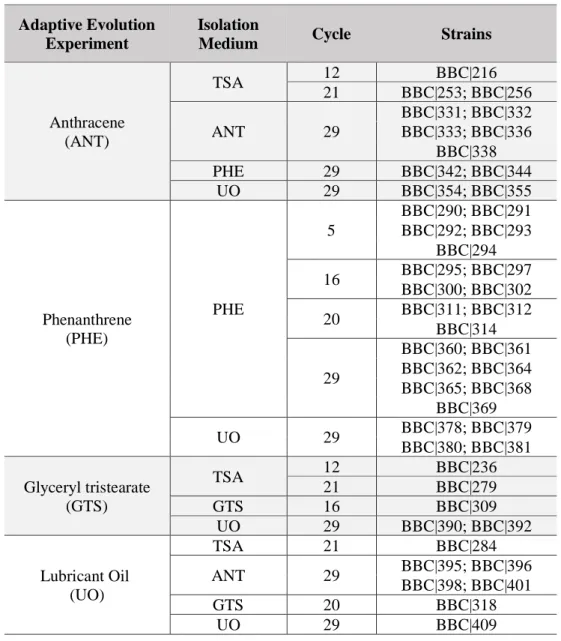
Table 1 Origin of the strains used in the present work - experiment and cycle of adaptive evolution and
isolation medium (P. Teixeira, personal communication)... 13
Table 2 PCR primers used to search for genes involved in PAHs catabolism... 19
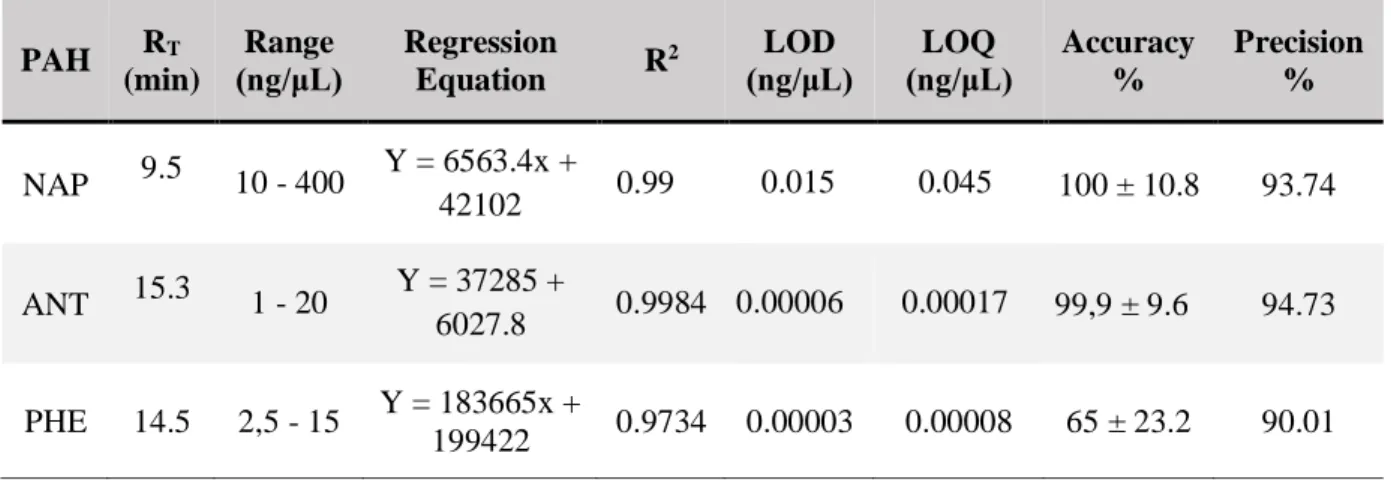
Table 3 Linear regression validation parameters for naphthalene (NAP), anthracene (ANT) and
phenanthrene (PHE)………. 22
Table 4 Eigenvalues and respective variance (%) explained by the new variables – principal components. 30
Table 5 PC loadings (correlation coefficients of original variables and PCs) ………. 30
Table 6 Results regarding the partial sequencing of bacterial 16S rRNA gene……… 35
Table 7 Summary of the results obtained by searching for genes associated to the catabolism of PAHs
by gene-targeting PCR and monitoring the growth of the selected strains in a metabolic intermediate of
XI
Figure Index
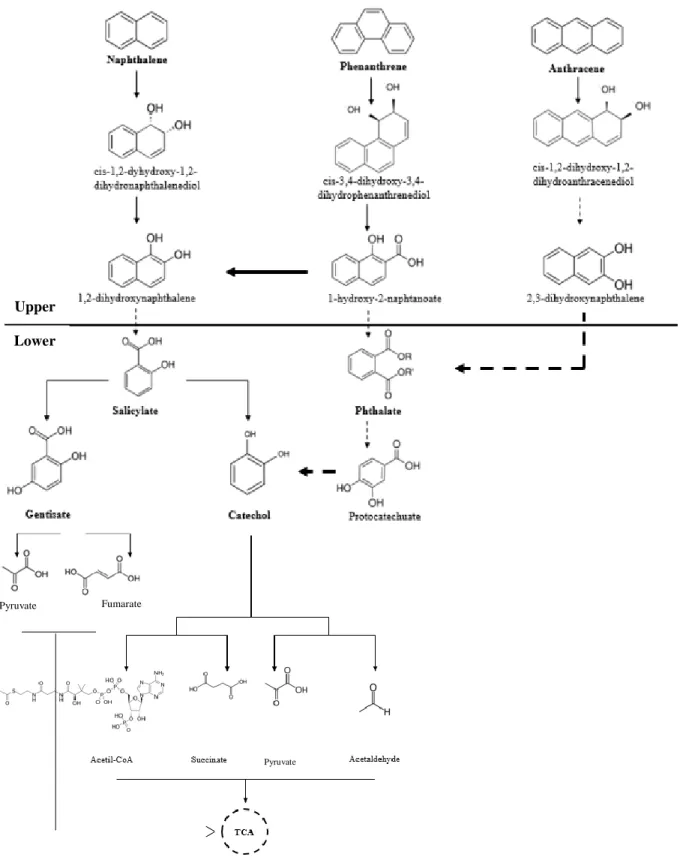
Figure 1 Representative scheme of the main upper and lower aerobic degradation pathways of PAHs
under study. Dashed lines indicate the omission of intermediate enzymatic steps (information adapted from
KEGG Pathway Database)……….. 3
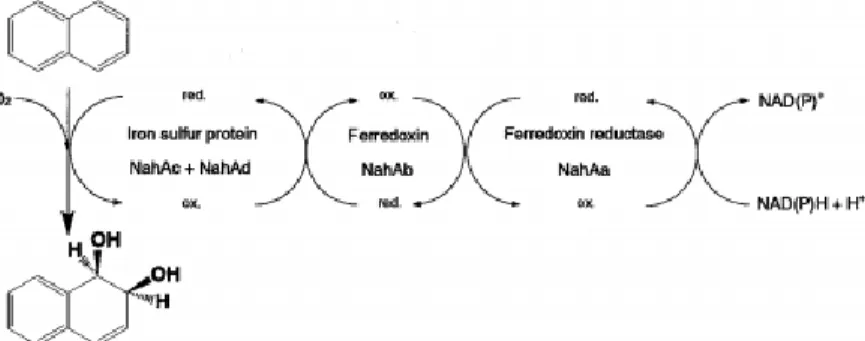
Figure 2 Initial oxidation of naphthalene to cis-1,2-dihydroxy-1,2-dihydronaphthalenediol by naphthalene
dioxygenase (extracted from Habe and Omori, 2003)………. 4
Figure 3 Explanatory approaches for the surfactant mediated incorporation of pollutants (extracted from
Schippers et al., 2000)………. 5
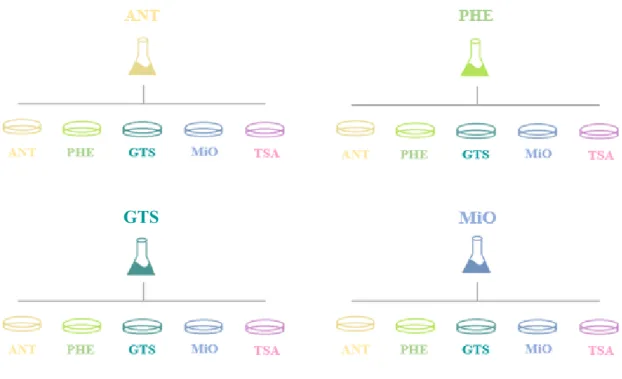
Figure 4 Simplified scheme of the previous work carried by Pedro Teixeira, in the scope of his PhD thesis
where the 4 experiments of adaptive evolution are represented, from which the microorganisms were isolated in different isolation medium. In all cases, the indicated carbon source is the only carbon source of the experiment (ANT- anthracene; PHE – phenanthrene; GTR – glyceryl tristearate; MiO – mineral oil; TSA – tryptic soy agar)……… 12
Figure 5 Calibration curves with linear regression and residual plot for naphthalene, anthracene and
phenanthrene. In the linear regression, the points represent a mean of the measures with the respective standard deviation………. 22
Figure 6 Efficiency of degradation of 47 strains relative to the maximum and minimum value of
degradation obtained in each of the PAHs after 15 days growth experiment. The efficiency values represented here range from 0 to 1, where the worst degrader correspond to 0 and the best degrader correspond to 1. The graphs are organized by the 6 cycles of adaptive evolution from which the 47 strains under study come from. The bars refer to the mean ± standard deviation……….. 25
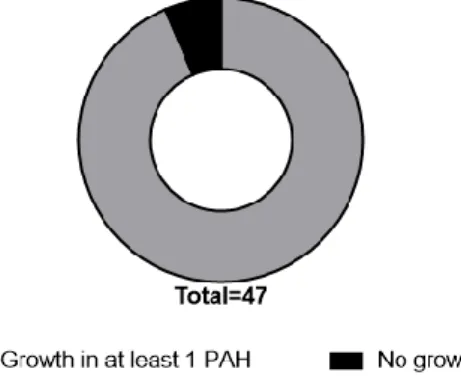
Figure 7 Representation of the distribution of the 47 strains under study in terms of absence /presence of
viability at the end of the 15 days of degradation experiment……… 27
Figure 8 Cell viability expressed in log of cells per mL of the 47 strains which grow for 15 days with
PAHs under study as sole carbon source. The line in the graphs corresponds to reference value 6.95 corresponding to the 8 x 10 6 cells that were inoculated first………. 28
Figure 9 Spatial distribution of the strains considering the three-dimensional space formed by the 3 new
variables – principal components. The selective medium from which the strains were isolated is evidenced
by different colors………... 32
Figure 10Spatial distribution of the strains considering the three-dimensional space formed by the 3 new variables – principal components. The adaptive evolution cycle from which the strains were isolated is evidenced by different colors…………. 32
Figure 11 Growth curves for the selected strains - BBC|297, BBC|392, BBC|398 and BBC|652 - having
naphthalene, anthracene, phenanthrene and glucose as the carbon source for 15 days. In gray is also depicted the abiotic control of the strain without any carbon source……….. 37
Figure 12 Representation of the relative growths (%) of each strain in each PAH and its abiotic control.
All growth values are relative to the reference value which is the viability value of glucose for each strain. (A) Relative growths are organized by strain and correspond to 15 days of experience. (B) Relative growths are organized by strain and correspond to the last 48h of the experiment………... 39
Figure 13 Representation of the surface tension values of the supernatant resulting from the growth of the
BBC | 392 and BBC | 398 strains having naphthalene, anthracene or phenanthrene as the sole source of carbon. As controls, measurements were made in ultrapure water, M9 and M9 with PAHs……….. 41
Figure 14 Photograph of the electrophoresis gel with the results of PCR amplification reactions whose
XII
Figure 15 Representation of the viability of the selected strains BBC|297, BBC|392, BBC|398 and
BBC|652 over 15 days growth having the metabolite intermediate phthalate as sole carbon source. In gray is depicted the abiotic control where the respective strains have no carbon source……… 47
XIII
Abreviation List
PAH Polycyclic Aromatic Hydrocarbons
EU European Union
SCF EU Scientific Committee for Food
USEPA United States Environmental Protection Agency (USEPA) WWTP Wastewater Treatment Plant
TCA Tricarboxylic Acid
RDH Ring Hidroxylating Dioxygenase ISP Iron Sulfur Protein
NADH Nicotinamide Adenine Nucleotide
NADPH Nicotinamide Adenine Phosphate Nucleotide NAPL Non-Aqueous Phase Liquid
CMC -Critical Micellar Concentration
BBC Biotask Bioremediation Culture Collection
AE Adaptive Evolution
ANT Anthracene
NAP Naphthalene
PHE Phenanthrene
MiO Mineral Oil
GTS Glyceryl Tristearate
HPLC High Performance Liquid Chromatography LLE Liquid-Liquid Extraction
MPN Most Probable Numbers TSB Tryptic Soy Broth CFU Colony Forming Units
PCA Principal Component Analysis
PC Principal Component
ATP Adenosine Triphosphate AUC Area Under the Curve
1
CHAPTER I – Introduction
Polycyclic aromatic hydrocarbons (PAHs) are organic molecules composed only by carbon and hydrogen atoms. Structurally, they have a core formed by two or more fused benzene rings with a linear, angular or clustered geometry and a pair of carbon atoms shared between these aromatic rings(Parab and Phadke, 2017). These compounds are categorized as low-molecular weight if they comprise up to three fused aromatic rings or high-molecular weight if containing more than three aromatic rings (Cravo-Laureau, 2017).
PAHs are considered ubiquitous since they can be found in water, soil and atmosphere, being environmentally persistent with numerous different structures and varied toxicity.These compounds are present in priority pollution list of European Union (EU), EU Scientific Committee for Food (SCF) and the United States Environmental Protection Agency (USEPA) because they are considered environmental pollutants which cause deleterious effects on flora and fauna of contaminated sites (USEPA, 2008). In addition, PAHs can cause health problems and genetic defects in human beings, having been reported mutagenic and carcinogenic effects (Armstrong et al., 2004). The mechanism of toxicity is related to interferences with cellular membrane function as well as with enzyme machinery (Abdel-Shafy and Mansour, 2016).
PAHs can be formed naturally through biological processes of natural petroleum formation as products of incomplete combustion from natural combustion sources such as forest fires or volcanic eruptions. However, the major source is anthropogenic with incomplete combustion in incinerators and industrial processes being a large point source. Other anthropogenic sources are automotive emissions, cigar smoke, barbecues, petroleum product spills and sewage sludge, among others (Abdel-Shafy and Mansour, 2016).
1.1 Bioremediation
PAHs are difficult to remove from nature. Until recently, to eliminate these pollutants physicochemical treatments (steam distillation, solidification, chemical precipitation and incineration) have been implemented. However, besides being more expensive and generate toxic sub products that require additional treatment, the methods described tend to transport contaminant compounds from one place to another rather than really eliminate them (Blanco-Enríquez et al., 2018).
Bioremediation is an approach to convert the toxic compounds to less hazardous/non-hazardous forms with less input of chemicals, energy and time. This is a process to remove pollutants in an eco-friendly manner and have low cost operation costs. PAH-contaminated sites can be remediated via individual microorganisms – algae, bacteria and fungi - or in combination – microbial consortia (Waigi et al., 2015). Bacterial genera that are known to degrade PAHs are present in Appendix A (Seo et al., 2009). Employing microbial consortia leads to large-scale production since pure cultures are not often economically practicable due to high production costs, substrates and biomass recovery. In addition, microorganisms are rarely isolated as pure cultures but are naturally part of consortia in contaminated sites (Blanco-Enríquez et al., 2018).
In wastewater treatment plants (WWTP), the biodegradation of pollutants by taking advantage of microorganisms present in activated sludge is one of the most important strategies to remove organic
2
contaminants from wastewater. Nevertheless, this approach has limitations since many contaminants are not efficiently eliminated. To counterweight the limitations, the concept of bioaugmentation has emerged by the introduction of specific and efficient pollutant-degrading microorganisms (natural or genetically engineered) into a microbial community to enhance their hydrocarbon-oxidizing potential (Nzila et al., 2016).
1.2 Bacterial metabolism of PAHs
A wide variety of bacterial, fungal and algal species have the potential to degrade PAHs. However, this introduction will only focus on the bacterial metabolism of PAHs degradation.
1.2.1 Aerobic degradation
The initial step in the metabolic aerobic degradation process of PAHs involve their chemo-, regio- and stereospecific hydroxylation by dioxygenases, which catalyse the incorporation of two oxygen atoms from molecular oxygen into the aromatic ring. From this reaction, cis-dihydrodiols are formed and targeted by dehydrogenases to form a limited number of central aromatic acid intermediates, such as the monoaromatic compounds o-phthalate, salicylate and gentisate. The aromatic ring of the oxyfunctionalized metabolites produced is then cleaved at the ortho or meta position by ring cleaving dioxygenases such as C-C breaking oxygenases, yielding intermediates which can enter in central metabolic routes for example the tricarboxylic acid cycle (TCA) or the β-oxidation cycle (Ghosal et al., 2016) (Bruno and Schmid, 2004).
The degradation scheme described (Figure 1) is called “metabolic funnel” because it suggests that microorganisms increased the range of substrates by developing highly diverse upper pathways including enzymes with large substrate spectra able to turn a variety of initial substrates into one of the central metabolites. The oxygenases involved in the metabolism of PAHs belong to different families of enzymes and are distinguished by the type of reaction they catalyse, in particular the range of substrates they can transform (Ghosal et al., 2016). The location and geometry of the active site are critical in enzyme specificity because they influence substrate access and orientation. Depending on this selectivity, different dihydrodiols are formed, which determines the subsequent steps of the degradation pathway (Ferraro et al., 2006). Consequently, this variability contribute to the flexibility of the microbial machinery for degrading PAHs (Bruno and Schmid, 2004).
3
Figure 1 Representative scheme of the main upper and lower aerobic degradation pathways of PAHs under study.
Dashed lines indicate the omission of intermediate enzymatic steps (information adapted from KEGG Pathway Database).
Upper
Lower
Pyruvate Fumarate
4
The Rieske non-heme iron dioxygenase called ring hidroxylating dioxygenase (RHD)(Bugg and Ramaswamy, 2008) is the essential enzyme for initiating PAH catabolism by ring hydroxylation. It consists of a nicotinamide adenine nucleotide (NADH) reductase, a ferredoxin [2Fe-2S] and a terminal oxygenase. This last component is formed by a larger α-subunit with the iron-sulfur proteins (ISP), with Fe (II) as cofactor in the active centre of the enzyme which confers the designation of extradiol dioxygenase (Lipscomb, 2009) and a smaller β-subunit with structural functions. The reductase and ferredoxin transport electrons to the α-subunit, which inserts molecular oxygen into the substrate to give cis-dihydrodiols, which are subsequently transformed to diols by a dehydrogenase (Cravo-Laureau, 2017) (Figure 2).
PAH-RDHs are largely distributed enzymes across microbial taxa and comparisons of similarities in amino acid sequence have revealed distinct PAH-RDH families, the phylogenies of which generally follow those of the host (see Appendix B). Proteobacterial RDH are generally most active with low molecular weight PAHs such as naphthalene, anthracene and phenanthrene than actinobacterial RDH (Cravo-Laureau, 2017). The variability in gene clusters and the promiscuity of the enzymes involved in PAHs catabolism provide microorganisms with the capacity to degrade a great range of compounds.
1.2.2 Anaerobic degradation
In the absence of oxygen, it is known that naphthalene and two-ring PAHs can be used as the sole carbon source of carbon and energy. Whether three or more ring PAHs are used as growth substrate or co-metabolized in anaerobic condition remains unclear (Meckenstock et al., 2004).
It was reported the success of sulfate-reducing naphthalene-degrading cultures from different PAHs contaminated anoxic aquifers, pointing that the capacity to degrade naphthalene anaerobically with sulfate as terminal electron acceptor is widespread in nature (Kümmel et al., 2015). Other studies indicate that anaerobic PAH-degradation can also be performed by iron-reducing microorganisms (Kleemann and Meckenstock, 2011). There were also reports on degradation of PAHs with nitrate as electron acceptor but it has been difficult to reproduced them (Eriksson et al., 2003).
Figure 2 Initial oxidation of naphthalene to cis-1,2-dihydroxy-1,2-dihydronaphthalenediol by naphthalene
5
1.3 Microbial uptake of PAHs
The bioavailability of the pollutants is influenced by polarity, hydrophobicity and water solubility. As PAHs are hydrophobic and practically insoluble in water and present high octanol-water partition coefficient they remain adsorbed in the non-aqueous phase liquid (NAPL). Besides that, PAHs strongly bind to soil and sediment organic matter. However, since the degradative enzymes essential for the metabolism of PAHs have an intracellular location, they must be solubilized so that they can enter the cytoplasm and be metabolized. Two strategies can be implemented to enable the access of microorganisms to the compounds and consequently their biodegradation: either the target compound is dissolved in the aqueous phase or the microorganism adheres directly to the NAPL (Schluep et al., 2001)..
PAH’s properties limit their bioavailability and thus the effectiveness of a bioremediation process. Driven by the solubilization capacity of surfactants - synthetic and natural - for hydrophobic compounds, surfactant-mediated remediation has been a research focus in recent years (Makkar and Rockne, 2003; Li and Chen, 2009)
A surfactant is an amphiphilic molecule composed of a hydrophilic group and a hydrophobic group that can accumulate at the liquid-liquid interfaces and reduce both surface tension and interfacial tension. In addition, surfactants increase the solubility, mobility, bioavailability and subsequent biodegradation of hydrophobic or insoluble organic compounds, such as PAHs. When the surfactant concentration exceeds a certain level, called critical micellar concentration (CMC), the molecules aggregate and micelles are formed. In this condition, hydrophobic molecules, depending on their polarity, are incorporated into the micelle core or the micelle/water interface, and their solubilization occurs (Li and Chen, 2009).
Surfactants can enhance bioremediation in three ways (Figure 3). First, the microorganism can take up the pollutant from the direct interaction of the micelle with cell membrane. Second, microorganisms use only the pollutant molecules that are dissolved in the aqueous phase and the role of the surfactant is thereby to increase the mass transfer from NAPL to aqueous phase. Third, the presence of surfactants changes cell hydrophobicity, facilitating the direct contact with cells (Schippers et al., 2000).
Figure 3 Explanatory approaches for the surfactant mediated incorporation of pollutants (extracted fromSchippers et al., 2000).
6
Possibly, a more promising answer for bioavailability enhancement may be the use of surfactants produced naturally by microorganisms – biosurfactants - whose primary function is to facilitate microbial life in hydrophilic-hydrophobic environments. Over the last years, interest in biosurfactants increased due to their several advantages over their synthetic counterparts. For example, biosurfactants are easily biodegradable and consequently pose no extra pollution threat. In addition, most studies indicate that they are not toxic to microorganisms and therefore not likely to inhibit biodegradation of PAHs. Biosurfactant production is also potentially more cost-effective than synthetic surfactants and can be easily achieved in situ at contaminated sites using inexpensive raw materials. In contrast, synthetic surfactants can be toxic, be degraded instead of the pollutant and their production is expensive since they derived only from synthetic stocks, which make the remediation difficult to achieve on site (Makkar and Rockne, 2003).
Biosurfactants can be classified based on their compound structure as glycolipids, lipopeptides and lipoprotein, fatty acids, phospholipids and neutral lipids, polymeric surfactants and particulate biosurfactant (Shekhar et al., 2015). Detailed information about the microorganism and associated biosurfactant are present in Appendix C.
Since PAHs exhibit low solubility in water and a high octanol-water partition coefficient, they tend to partition in cell wall structures generally through passive transport driven by the concentration gradient between the environment and the cell. The bilayer of phospholipids that constitutes bacterial membranes creates a hydrophobic region in the interior of the membrane that can act as a reservoir for accumulation of hydrophobic compounds (Bugg et al., 2000). Thus, both the concentration of the pollutant and its bioavailability are crucial for the transport process. The higher the concentration and bioavailability of PAHs, the greater is their transport to the cell, always considering the saturation limit of the transporters. On one side, microorganisms can use this passive diffusion to reach rapid degradation of PAHs, with consequent growth. On the other side, the rapid accumulation of PAHs may lead to cell membrane disruption or inhibition of the membrane proteins etc., causing cell death.(Sikkema et al., 1995) When PAHs concentration and bioavailability is low, the transport may not occur, decreasing the efficiency of microbial degradation and therefore the bioremediation process. However, some microorganisms seem to have adapted to that conditions and exhibit mechanisms such as direct contact with solid-phase PAHs and biosurfactant excretion to facilitate desorption and solubilization (as referred earlier) (Schluep et al., 2001).
Some studies have shown the presence of an active efflux mechanism of phenanthrene, fluoranthene and anthracene in Pseudomonas fluorescens LP6a (Bugg et al., 2000). It has also been proposed the involvement of a specific energy-dependent carrier for the incorporation of naphthalene into Pseudomonas fluorescens Uper-1 (Whitman, 1998). In Mycobacterium sp. strain RJGII-135 was suggested the existence of passive and active transport for the use of phenanthrene (Miyata et al., 2004). Although limited research has been performed on cellular binding and transport of PAHs, several experiments suggest that passive and active transport systems can be exploited to increase the efficiency of bioremediation.
7
1.4 Genes associated with catabolism of PAHs
nah-like genes
Genetically, naphthalene catabolism has been extensively studied using the Pseudomonas putida G7 strain as a model, since a transmissible metabolic plasmid that carries genetic information enabling its host to use naphthalene as a sole source of carbon and energy was isolated (Early, 1973). In NAH7 plasmid, naphthalene oxidation genes are organized in two operons: the upper catabolic pathway operon includes genes nahABCDEF encoding the enzymes involved in the conversion of naphthalene to salicylate and the lower catabolic pathway operon includes genes nahGHIJK, coding the enzymes involved in the salicylate to TCA cycle intermediates pyruvate and acetaldehyde via catechol meta-cleavage pathway. It is implied that the enzymes required for the catechol ortho meta-cleavage pathway originating the TCA cycle intermediates succinyl CoA and acetyl CoA are encoded in genes located on the chromosome (Yent and Gunsalus, 1985). Both upper (nah) and lower (sal) catabolic pathway operons are regulated by a trans-acting positive control regulator coded by the nahR gene, located between the two operons (Schell, 1985). The nahR gene encodes a LysR-type transcriptional repressor-activator that binds to promoters upstream of both the upper and lower catabolic pathway operons and represses transcription allowing only a basal level of expression. Binding of salicylate to NahR at the promoters induces a conformational change in DNA-bound NahR that enables transcription to occur (Cravo-Laureau, 2017). This regulatory protein is needed for the high-level expression of the nah genes (Habe and Omori, 2003).
Nucleotide sequences of genes encoding naphthalene upper-catabolic enzymes from several Pseudomonas spp. strains were described. These genes were named according to the strains’s feature of substrate use: nah for naphthalene degradation from P. putida strain G7 and P. stutzeri strain AN10 (Simon et al., 1993; Moore, Bosch and Garcı, 1999), ndo for naphthalene dioxygenation from P. putida strain NCIB9816 (Palva and Teeri, 1988) (equivalent to nah), dox for dibenzothiophene oxidation from Pseudomonas sp. strain C18 (Denome et al., 1993), and pah for polycyclic aromatic hydrocarbon (phenanthrene) degradation from P. putida strain OUS82 and P. aeruginosa strain PaK1(Wang and Road, 1999)(later, all of these strains were found to grow on naphthalene). The gene organization and sequence similarity (about 90%) among the upper catabolic pathways genes of these strains were similar to those of the nah genes from the NAH7 plasmid of strain G7. Consequently, these genes are called “classical nah-like genes”. In the upper catabolic pathway, the genes coding for NDO ferredoxin reductase (nahAa), NDO ferredoxin (nahAb), the a subunit of NDO (nahAc), the b subunit of NDO (nahAd), naphthalene cis-dihydrodiol dehydrogenase (nahB), salicylaldehyde dehydrogenase (nahF), 1,2-dihydroxynaphthalene dioxygenase (nahC), an unknown ORF (nahQ), trans-ohydroxybenzylidenepyruvate hydratase-aldolase (nahE), and 2-hydroxychromene-2-carboxylate isomerase (nahD), are arranged in this order (nahAaAbAcAdBFCQED) (Habe and Omori, 2003).
For the lower catabolic pathway, the reported genes are present on Pseudomonas stutzeri strain AN10 and encode the salicylate hydroxylase (nahG), chloroplast ferredoxin-like protein (nahT), catechol 2,3-dioxygenase (nahH), hydroxymuconic semialdehyde dehydrogenase (nahI), hydroxymuconic semialdehyde hydrolase (nahN ), 2-oxopent-4-enoate hydratase (nahL), acetaldehyde dehydrogenase (nahO), 2-oxo-4-hydroxypentanoate aldolase (nahM), 4-oxalocrotonate decarboxylase (nahK ), and 4-oxalocrotonate isomerase (nahJ), being arranged in this order (nahGTHINLOMKJ ) (Moore et al., 2000).
8
phd genes
Comamonas teststeroni strains (GZ38A, GZ39 and GZ42) were isolated from river sediment and exhibited the ability to grow on naphthalene as well as phenanthrene except for strain GZ38A which grows on phenanthrene and anthracene. The catabolic genes present on the three strains had no genetic relatedness to the nah-like genes from P. putida strain NCIB 9816-4 discussed above (Zylstra, 1996). In strain GZ39, the genes responsible for the initial conversion of naphthalene and phenanthrene were named phd genes. The results indicated that the genes for phenanthrene degradation in strain GZ38A are similar (but not identical) to those from strain GZ39, but that strain GZ42 did not have any genes similar to the phd genes from strain GZ39. This make evident that these C. testosteroni strains represent at least two new classes of genes involved in PAH degradation. It also indicates that at least three non-homologous families of genes responsible for phenanthrene degradation can be found in the same environmental sample (Zylstra, 1996; Zylstra, 1997)
In strain GZ39, the genes coding for ferredoxin (phdAb), ferredoxin reductase (phdAa), cis-dihydrodiol dehydrogenase (phdB), the ɑ subunit of ISP (phdAc), the b subunit of ISP (phdAd), isomerase (phdD), an unknown ORF, glutathione-S-transferase, and hydratase-aldolase (phdE) were arranged in this order (phdAbAaBAcAdDE). This gene organization was relatively diferent from that of the nah-like genes, and several genes such as extradiol dioxygenase (nahC analogue) were not within the cluster (Zylstra, 1997) The phd genes were compared to genes known from PAH catabolism and the α subunit sequence of ISP (PhdAc) was found to fit within the naphthalene family of dioxygenases although they are not closely related. In contrast, the sequences of the β subunit of ISP (PhdAd) and ferredoxin (PhdAb) showed little similarity to proteins having the same function in other aromatic ring dioxygenases (Habe and Omori, 2003).
It is important to mention that although strain GZ42 has novel genes for phenanthrene degradation, they are divergent relatives of those found in P. putida NCIB 9816. However, the nucleotide structure of the genes reveals some very important differences between the two strains. For example, the amino acid sequences of the enzymes are much closely related than the nucleotide sequence of each analogous gene, revealing genetic drift with conservation of enzyme structure. More significant is the evidence that, although the gene order in strain GZ42 is identical to P. putida NCIB 9816, there are two new genes between the genes encoding ferredoxin reductase (nahAa) and ferredoxin (nahAb). These genes were designated nahAc2 and nahAd2 because they were very similar to those of the α and β subunits, respectively, of another aromatic-ring dioxygenases ISP (Zylstra, 1997). But these genes have been thought to be non-functional in strain GZ42 (Habe and Omori, 2003).
nag genes
A naphthalene catabolic operon with the same gene organization and similarity to the nah operon of the C. testeroni strain GZ42 was found in Ralstonia sp. strain U2 and characterized. The naphthalene dioxygenase genes (nag genes) coding for ferredoxin reductase (nagAa), ferredoxin (nagAb), the a subunit of ISP (nagAc), the b subunit of ISP (nagAd), cis-dihydrodiol dehydrogenase (nagB), and aldehyde dehydrogenase (nagF ) were arranged in this order and two open reading frames named nagG and nagH (analogous to nahAc2 and nahAd2 of strain GZ42) were inserted between nagAa and nagAb. The nagG product aligns with the α subunit of other aromatic-ring dioxygenases, but the nagH product exhibited limited homology with the β subunit of other aromatic-ring dioxygenases. It was suggested that the hydroxylation of salicylate occurs through NagGH acting as a monooxygenase, with an associated electron transport chain composed by a ferredoxin and a ferredoxin redutase providing the electrons from a reduced nicotinamide cofactor, like NAD or NADP. This electron
9
transport chain for salicylate 5-hydroxylase is probably formed by NagAa and NagAb given the proximity between the genes coding for these proteins (nagAa and nagAb) and the nagG and nagH genes (Fuenmayor et al., 1998). The genes for conversion of naphthalene to gentisate (nagAaGHAbAcAdBFCQED) are ordered in the same way as the genes in the classic nah-like operon of Pseudomonas spp. strains, with the exeption of the nagGH insertion. Furthermore, there is another difference between the nag operon and nah operon which is related to the regulatory gene nagR being located upstream the genes of upper catabolic pathway whereas its analogue nahR is located downstream (Zhou et al., 2001).
Another gene cluster (nagJIKLMN) was found and the nagI, nagK, and nagL genes encoded the enzymes involved in the further catabolism of gentisate to fumarate-pyruvate: gentisate 1,2-dioxygenase, fumarylpyruvate hydrolase, and maleylpyruvate isomerase, respectively (Zhou et al., 2001).
Nucleotide sequence comparisons suggest that the novel gene order nagAa-nagG-nagH-nagAb-nagAc-nagAd-nagB-nagF represents the model for naphthalene strains (like U2 and GZ42) that metabolize salicylate through the gentisate pathway instead of the catechol meta cleavage pathway (Fuenmayor et al., 1998).
phn genes
A divergent set of PAH catabolic genes named phn genes were described and these genes can be divided in two families, who are significantly different in sequence and gene order from the other classic genes involved in PAH degradation. For example, phn-like genes, although isofunctional, have little homology with the nah-like genes (Laurie and Zealand, 1999). The PhnAcAFK2 family was first identified in Alcaligenes faecalis AFK2 and the Phn term is used to indicate that microorganisms with this genotype are characteristically limited to phenanthrene as sole carbon and energy source to support growth. The ring hydroxylating dioxygenase encoded in these genes leads to the formation of phthalate as an central intermediate. Although the name bears some resemblance, the PhnAcRP007 genotype identified in Burkholderia sp. strain RP007 differs from the PhnAcAFK2 family because it allows the utilization of naphthalene and phenanthrene to support growth and it leads to the production of salicylate from the upper pathway rather than phthalate (Cravo-Laureau, 2017).
Regarding Alcaligenes faecalis strain AFK2, the phn genes have a novel operon structure, and the genes coding for ferredoxin (phnAb), ferredoxin reductase (phnAa), cis-dihydrodiol dehydrogenase (phnB), the α subunit of NDO (phnAc), the β subunit of NDO (phnAd), putative 2-hydroxychromene-2-carboxylate isomerase (phnD), glutathione-S-transferase (gst), trans-2-carboxybenzalpyruvate hydratase-aldolase (phnH), 1-hydroxy-2-naphthoate dioxygenase (phnG),2-carboxybenzaldehyde dehydrogenase (phnI), 3,4-dihydroxyphenanthrene dioxygenase (phnC)), 1-hydroxy-2-naphthoaldehyde dehydrogenase (phnF), and putative transo-hydroxy benzylidenepyruvate hydratase-aldolase (phnE) are arranged in this order (phnAbAaBAcAdDHGICFE) (Kiyohara et al., 1982)
Also, Burkholderia sp. strain RP007 presents a phn operon distinct from those reported so far. The naphthalene and phenanthrene can be degraded through a common upper pathway via salicylate (Habe and Omori, 2003). pathway These phn genes encode regulatory proteins (phnR and phnS), aldehyde dehydrogenase (phnF), hydratase-aldolase (phnE), extradiol dioxygenase (phnC), isomerase (phnD), ISP α subunit of initial dioxygenase (phnAc), ISP β subunit of initial dioxygenase (phnAd), dihydrodiol dehydrogenase (phnB), arranged in this order (phnRSFECDAcAdB). Some particularities are noted, such as the fact that the locus has ISP σ and β subunits of PAH-initial dioxygenase (phnAcAd)
10
but lacks both the ferredoxin and reductase components. In addition, the phnB gene encoding cis-diol dehydrogenase is more closely related to the corresponding genes from biphenyl catabolic pathways than to those found in the classical nahB-like genes. Furthermore, phnC gene encodes a novel extradiol dioxygenase with phylogenetic relationships with known PAH and biphenyl dioxygenases (Laurie and Zealand, 1999). Also two catechol 2,3-dioxygenase genes involved in the lower pathways (meta-cleavage yielding acethaldeyde and piruvate) were characterized (Laurie and Lloyd-jones, 1999). Upstream of the phn catabolic genes, there are two putative regulatory genes, phnR and phnS, being PhnS a LysR-type transcriptional activator and PhnR is a member of the s54-dependent family of positive transcriptional regulators (Laurie and Zealand, 1999).
bph genes
Sphingomonads (composed of Sphingomonas, Sphingobium, Sphingopyxis and Novosphingobium genera) are capable of degrading PAHs like naphthalene, phenanthrene and anthracene by complete mineralization via similar pathways and enzymes found in other Gram-negative bacteria (Waigi et al., 2015). It was identified and characterized the complete sequence of a catabolic plasmid named pNL1 from Novosphingobium aromaticivorans strain F199 (Romine et al., 1999). This nucleotide sequence revealed a complex arrangement of genes for catabolism of all PAHs that are metabolized by the strain, wherein at least 13 gene clusters were predicted to encode enzymes associated with degradation of these compounds. Genes associated with degradation of naphthalene and byphenyl to catechol are predicted to take place in at least six different gene clusters. Seven different three-component oxygenases are expected from sequence analysis and seemed to interact with only one set of ferredoxin and reductase components in pNL1, acting as the only electron transport system for multiple dioxygenases (Romine, Fredrickson and Li, 1999). Only single copies of bphA3 and bphA4, coding for ferredoxin and ferredoxin reductase, have been detected in strain F199. The bphA1f gene in strain F199 is likely to encode the α subunit of the naphthalene initial dioxygenase, even though its enzymatic activity has not been confirmed. In addition, it was verified the presence of at least six bphA1 and bphA2 dioxygenase gene homologs spread throughout the plasmid. These dioxygenases may be associated with upper pathways generating either salicylate or phthalate (Waigi et al., 2015). Therefore, the key adaptation of most PAH-degrading sphingomonad strains is the multiple genes encoding catabolically versatile enzymes, specifically dioxygenases that can degrade different PAHs.
The gene organization and regulation of degradative pathways in sphingomonads are very complex comparatively to non-sphingomonads (such as pseudomonads), which reveals an evolutionary deviation. This adaptability mechanism is named “flexible” gene organization (i.e. different combinations of conserved gene clusters), which benefits in quick and efficient adjustment to new compounds in contaminated sites (Basta et al., 2017).
nar genes
A novel catalytic component of a naphthalene dioxygenase composed by a Rieske [2Fe-2S] centre was reported from Rhodococcus sp. strain NCBIMB12038 which is capable of utilizing naphthalene as its exclusive carbon and energy source. The nucleotide sequences of narAa and narAb genes encode the α and β subunits of ISP, respectively. However, these genes are not homologous to their previously characterized counterparts in Pseudomonas (Larkin et al., 1999). It was also described a narB gene coding for cis-naphthalene dihydrodiol dehydrogenase. Once again this nucleotide sequence shows low overall similarity with nahB from P. putida strain G7(Kulakov et al., 2000). Nonetheless, the organization of naphthalene catabolic genes in strain NCIMV12038 (narAaAbB) is identical to the nah genes from Pseudomonas species(Habe and Omori, 2003). This dioxygenase coded by the nar
11
genes are generally associated with upper pathways that lead to phthalate formation (Cravo-Laureau, 2017).
phd genes
The phd genes of Nocardioides sp. strain KP7 are the most studied PAH-catabolic genes in Gram-positive bacteria, and belong to a new class of PAH-catabolic genes because of differences in gene organization and sequence similarity(Habe and Omori, 2003). This strain is able to grow on phenanthrene (but not on naphthalene) and the degradation occurs via the phthalate pathway. The genes responsible for degradation of phenanthrene to phthalate (phd) are located on the chromosome. The phdA, phdB, phdC and phdD genes, which encode the α and β subunits of the oxygenase component, a ferredoxin, and a ferredoxin reductase, respectively, of phenanthrene dioxygenase were identified. Both subunits showed low sequence identity to the α and β subunits of other aromatic ring dioxygenases. Relatively to phdC gene, it codes for a ferredoxin which presents more similarity to the [3Fe-4S] or [4Fe-4S] type of ferredoxin, but not to the [2Fe-2S] type of ferredoxin found in most PAH dioxygenases. Contrarily, the ferredoxin reductase coded by phdD shows moderate sequence identity to the ferredoxin reductase of other isofunctional enzymes. All three components (PhdABCD) are indispensable for the effective dioxygenase activity that converts phenanthrene to his cis-diol compound (Harayama, 2000). There are other genes in the cluster (phdEFABGHCD) encoding enzymes responsible for the transformation of phenanthrene to 1-hydroxy-2-naphthanoate, such as dihydridiol dehydrogenase (phdE), extradiol dioxygenase (phdF), hydratase-aldolase (phdG) and aldehyde dehydrogenase (phdH). This gene cluster did not contain the ORF encoding isomerase, found in all PAH catabolic genes from Gram-negative bacteria. In adition, the catabolic genes for the conversion of 1-hydroxy-2-naphthanoate to phthalate encode 1-hydroxy-2-naphthoate dioxygenase (phdI), trans-2’-carboxybenzalpyruvate hydratase-aldolase (phdJ), and 2-carboxybenzaldehyde dehydrogenase (phdK) (Habe and Omori, 2003).
1.5 Objectives
Focusing on the negative impact of PAHs in environment and human health and in the context of a current research project of Lab Bugworkers|M&B-BioISI with Biotask Company, adaptive evolution experiments using microbial consortia from activated sludge and PAHs as selection pressure have previously been set up to obtain more efficient strains that can be used as novel bioaugmentation inocula, leading to a culture collection with over 300 microorganisms.
The goal of this MSc thesis is to select, identify and characterize at metabolic and genetic levels the best PAHs degraders in a sub-set of 47 evolved strains from this previous work in order to develop a novel bioaugmentation consortium.
12
CHAPTER II - Materials and Methods
2.1 Microbial strains
The strains used in this work belong to the Biotask Bioremediation Culture Collection (BBC) and have been isolated from adaptive evolution (AE) experiments carried by Pedro Teixeira, in the scope of his PhD thesis.
The adaptive evolution experiments were performed in mineral culture medium with the recalcitrant compounds anthracene (ANT), phenanthrene (PHE), glyceryl tristearate (GTS) and mineral oil (MiO) as sole carbon source for selective pressure. A WWTP sample was used as initial inoculum and kept for over 50 cycles, each consisting of a 7-day incubation with continuous shaking and addition of 1% inoculum from previous cycle. At different AE cycles along the experiments, aliquots were plated in different solid medium (Figure 4) and morphologically distinct types of colonies were isolated as pure cultures and genomically characterized by M13 PCR-fingerprinting (P. Teixeira, personal communication).
Figure 4 Simplified scheme of the previous work carried by Pedro Teixeira, in the scope of his PhD thesis where
the 4 experiments of adaptive evolution are represented, from which the microorganisms were isolated in different isolation medium. In all cases, the indicated carbon source is the only carbon source of the experiment (ANT- anthracene; PHE – phenanthrene; GTS – glyceryl tristearate; MiO – mineral oil; TSA – tryptic soy agar).
13
The 43 bacterial and 4 yeast strains used in the work described in this MSc thesis (Table 1) were selected as representatives of the genomic diversity of the collection of BBC isolates from these AE experiments (see Appendix D).
Table 1 Origin of the strains used in the present work - experiment and cycle of adaptive evolution and isolation
medium (P. Teixeira, personal communication).
Adaptive Evolution Experiment
Isolation
Medium Cycle Strains
Anthracene (ANT) TSA 12 BBC|216 21 BBC|253; BBC|256 ANT 29 BBC|331; BBC|332 BBC|333; BBC|336 BBC|338 PHE 29 BBC|342; BBC|344 UO 29 BBC|354; BBC|355 Phenanthrene (PHE) PHE 5 BBC|290; BBC|291 BBC|292; BBC|293 BBC|294 16 BBC|295; BBC|297 BBC|300; BBC|302 20 BBC|311; BBC|312 BBC|314 29 BBC|360; BBC|361 BBC|362; BBC|364 BBC|365; BBC|368 BBC|369 UO 29 BBC|378; BBC|379 BBC|380; BBC|381 Glyceryl tristearate (GTS) TSA 12 BBC|236 21 BBC|279 GTS 16 BBC|309 UO 29 BBC|390; BBC|392 Lubricant Oil (UO) TSA 21 BBC|284 ANT 29 BBC|395; BBC|396 BBC|398; BBC|401 GTS 20 BBC|318 UO 29 BBC|409
14
2.2 PAH-degradation experiments
PAH-degradation experiments were carried out using glass tubes with screw stopper (Duran) containing 5 mL of M9 mineral medium (see composition in Appendix E) and PAHs were added with a final concentration of 2000 mg/L as sole carbon and energy source. The PAHs used in this test were naphthalene, anthracene and phenanthrene (Sigma Aldrich), studied separately. The inoculum was prepared by growing each of the 47 strains in TSA at 28°C overnight. Subsequently, the cells were recollected to a 0.8% sodium chloride (NaCl) solution. The optical density of cells was adjusted by using a UV-visible spectrophotometer (Unicam) at 600 nm to OD of 0.01 (1 unit of absorbance corresponds to 108 bacterial cells.ml-1 and 107 yeast cells.ml-1) (software Vision). The cell inoculum corresponding to 8 ×10⁶ cells.ml-1 was added to each glass tube. The culture was shaken and incubated under aerobic conditions in a shaker (Thermo Scientific) at 28°C and at a speed of 150 rpm during 7 days. Abiotic control was performed by adding PAH into M9 without inoculum. After 7 days, the remaining PAH concentration was analysed using high performance liquid chromatography (HPLC) method. The assay was performed in duplicate.
Optimization tests were performed in order to define the concentration parameters of the calibration standards, considering that HPLC’s quantification and detection limits are different for each compound. The range of an analytical procedure is the interval between the upper and lower concentration of analyte in the sample (these concentrations included) for which has been demonstrated that the analytical procedure has a suitable level of precision, accuracy and linearity. For naphthalene, the standard concentrations (ng/μL) used were 10.0, 50.0, 100.0, 200.0, 300.0 and 400.0. For anthracene, the standard concentrations (ng/μL) used were 1.0, 2.5, 5.0, 7.5, 10.0, 12.5, 15.0 and 20.0. For phenanthrene, the standard concentrations (ng/μL) used were 2.5, 5.0, 7.5, 10.0, 12.5, 15.0 and 20.0.
2.3 Extraction and quantification of PAHs
After a liquid-liquid extraction (LLE) with 5 mL of chloroform (Carlo Erba) and manual agitation, the residual PAHs were analysed by HPLC (Beckman Coulter) with C18 reverse phase (5 μm particle size, Length × Internal Diameter: 25 cm × 4.6 mm, Supelco) column under gradient condition using acetonitrile (Carlo Erba): water (40:60) (v/v) as mobile phase for 5 minutes and then with linear increase of acetonitrile (100:0) (v/v) for 25 minutes. A fluorescence detector (Jasco FP-2020 Plus) equipped with a data acquisition system (32 Karat) were used at 280 nm for excitation wavelength and 355 nm for emission wavelength. The system operating pressure and flow rate were 2000-3000 psi and 1.0 mL/ min, respectively.
In order to validate the HPLC method for quantification of PAHs, the following parameters were taken in account.
(i) Selectivity/Specificity
Specificity is the capacity of an analytical method to separate and quantify the analyte in the presence of other compounds in the sample like impurities, degradants or matrix. It’s an important parameter in a quantification assay because it should provide an exact result that allows an accurate statement on the content of the analyte in a sample (ICH, 2005).
15
In liquid chromatography, selectivity is achieved by choosing optimal columns and setting chromatographic conditions (mobile phase composition, column temperature and detector wavelength). To provide unique selectivity for PAH’s separation, reversed-phase liquid chromatography on chemically bonded C18 phases was used (Wise et al., 1981). In addition, the specificity of the method was determined by analysing a sample containing all the three PAHs – naphthalene, anthracene and phenanthrene - under study, and a good resolution between two peaks (retention times) without overlaps was observed.
For chromatographic procedures, representative chromatograms should be presented to demonstrate specificity and individual components should be appropriately labelled (see Appendix F).
(ii) Accuracy
The accuracy of an analytical method expresses the closeness of agreement between an accepted reference value and the value found (ICH, 2005).
(iii) P recision
The precision of an analytical method expresses the closeness of agreement between a series of measurements obtained from multiple sampling of the same homogeneous sample under the prescribed conditions (ICH, 2005).
(iv) Limit of detection
The detection limit of an individual analytical method is defined as the lowest amount of analyte in a sample which can be detected but not necessarily quantitated as an exact value (Shrivastava and Gupta, 2011). It is calculated based on standard deviation of response (σ) and slope (s) expressed as:
LOD = 3.3σ
𝑠
The slope may be estimated from the calibration curve. The standard deviation is calculated through the standard deviation of y-intercepts of regression lines.
(v) Limit of quantification
The quantification limit of an individual analytical method is as the lowest amount of analyte in a sample which can be quantitatively determined with suitable precision and accuracy value (Shrivastava and Gupta, 2011). It is calculated based on standard deviation of response (σ) and slope (s) expressed as:
LOQ = 10σ
𝑠
The slope may be estimated from the calibration curve. The standard deviation is calculated through the standard deviation of y-intercepts of regression lines.