Dissertation
Master in International Business
The effect of Institutional Distance on cross-border
Merger and Acquisition time to completion:
An empirical analysis of European Union deals
Célia Maria Ferraz dos Santos
Dissertation
Master in International Business
The effect of Institutional Distance on cross-border
Merger and Acquisition time to completion:
An empirical analysis of European Union deals
Célia Maria Ferraz dos Santos
Dissertation developed under the supervision of Doctor João Neves de Carvalho Santos, professor at the School of Technology and Management of the Polytechnic Institute of Leiria and co-supervision of Doctor Nuno Manuel Rosa dos Reis, professor at the School of Technology and Management of the Polytechnic Institute of Leiria.
ii
iii
Dedication
iv
v
Acknowledgements
Firstly, I would like to express my deepest regards to my supervisors, Professor Doctor João Santos and Professor Doctor Nuno Reis, for encouraging my research, for the support, guidance, comments, suggestions, dedication, recommendations and patience through the development of this master dissertation.
Special thanks go to my previous professors and colleagues with whom I had the opportunity to learn and share experiences, which helped me to grow not only as a student, but also as a person.
To my family and friends, my genuine thanks for the support, encouragement and for understanding my absences, without which this dissertation would not be a reality.
vi
vii
Resumo
As fusões e aquisições transfronteiriças têm sido usadas como um modo de entrada favorito para aceder a mercados estrangeiros, fornecer recursos de uma forma rápida, competências e inteligência local, sem enfrentar o risco de legitimidade e sem o custo de começar um investimento greenfield. Estudos indiciam que a distância institucional aumenta o custo de negociar num pais estrangeiro, já que esta está associada a uma maior incerteza e desconhecimento do ambiente local. Para além disso, a duração prolongada de um processo de fusão e aquisição tem consequências negativas para as empresas alvo e adquirente e trazem custos significativos para ambas. Contudo, até aos dias de hoje, os estudos relacionados com o efeito das distâncias institucionais no tempo de conclusão de uma fusão e aquisição transfronteiriça são escassos. O modelo proposto especula sobre os efeitos das distâncias institucionais (política, económica, administrativa e cultural) no tempo de conclusão de fusões e aquisições transfronteiriças. É proposto ainda que a adesão à União Europeia, tanto do país alvo, como do país adquirente, modera o efeito das distâncias institucionais no tempo de conclusão de uma fusão e aquisição transfronteiriça. As hipóteses são testadas através de uma amostra de 2,110 fusões e aquisições transfronteiriças que ocorrerem durante o ano de 2011 na União Europeia. Por um lado, os resultados sugerem que as distâncias política e cultural têm um efeito positivo no hiato temporal entre o anúncio e a conclusão de uma fusão e aquisição transfronteiriça. Por outro lado, os resultados indiciam que a adesão à União Europeia modera o efeito das distâncias económicas e administrativas no tempo de conclusão de fusões e aquisições transfronteiriças.
Palavras-chave: Fusão e Aquisição transfronteiriça; Teoria Institucional; Tempo de conclusão; União Europeia
viii
ix
Abstract
Cross-border merger and acquisitions (CBM&As) have extensively been used as a favorite entry mode in foreign markets, rapidly providing resources, competencies and local intelligence without risk of facing the liability of foreignness, or the burden of starting a greenfield investment. Studies indicate that greater institutional distance increases the costs of doing business in a foreign country, because it is associated with greater uncertainty and non-familiarity with the local environment. Besides that, prolonged duration of the M&A process has negative consequences for target and acquirer firms and bear significant costs for both parties. However, until so far, the studies regarding the effect of institutional distances on time to completion of a CBM&A deal are scarce. My theoretical model speculates on the effect of institutional distances (Political, Economic, Administrative and Cultural) in CBM&As time to completion. I further propose that European Union membership, of both target and acquirer countries, moderates the effect of institutional distances on CBM&As time to completion. The hypotheses are tested using a sample of 2,110 CBM&A deals that occurred during 2011 in European Union. On one hand, the results suggest that Political and Cultural distance have a positive effect on the time hiatus between announcement and completion of a CBM&A deal. On the other hand, the results suggest that European Union membership does moderate the effect of Economic and Administrative distance in CBM&A time to completion.
Keywords: Cross-border Mergers and Acquisitions; Institutional Theory; Time to completion; European Union
x
xi
List of figures
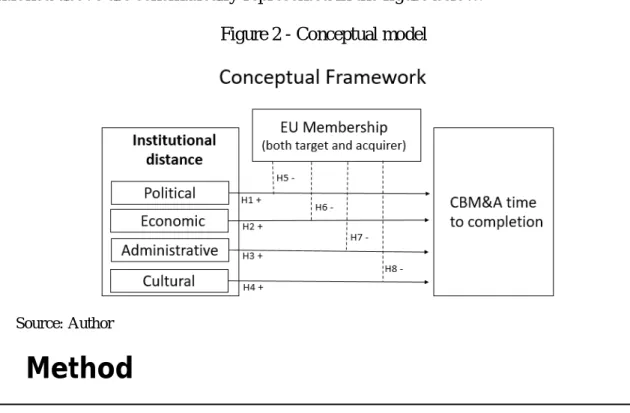
Figure 1 - Acquisition process ...7 Figure 2 - Conceptual model ... 37
xii
xiii
List of tables
Table 1 - Dimensions of distance and examples of previous studies ... 15
Table 2 - Top country deals ... 39
Table 3 - Summary of the variables ... 44
Table 4 - Descriptive statistics and correlations ... 48
Table 5 - Results of the regression analysis ... 51
Table 6 - Results of the hypotheses testing CBM&As time to completion ... 54
Table 7 - Robustness test – Alternative measurement of Cultural distance ... 54
Table 8 - Robustness test - Experience ... 56
Table 1A - Value of CBM&As, 2005 - 2011 (Millions of dollars) ……...……….. 87
Table 2A – Berry et al. (2010) Dimensions of Institutional Distance and Component Variables………...87
Table 3A - EU Institutions………...……….………. 88
Table 4A - Cultural dimensions in Europe………..……….. 88
Table 5A - List of countries classified as tax havens………..………….. 90
Table 6A - EU state members in 2011………..………….90
xiv
xv
List of
acronyms
CBM&A – Cross-Border Merger and Acquisition CBMD - Cross-Border Merger Directive
EC - European Commission EU – European Union
FDI – Foreign Direct Investment M&A – Merger and Acquisition MNE – Multinational Enterprise’s
OECD - Organization for Economic Cooperation and Development OLS – Ordinary Least Square
xvi
xvii
Table of Contents
DEDICATION III ACKNOWLEDGEMENTS V RESUMO VII ABSTRACT IX LIST OF FIGURES XILIST OF TABLES XIII
LIST OF ACRONYMS XV
TABLE OF CONTENTS XVII
1. INTRODUCTION 1
2. LITERATURE REVIEW 4
2.1. Mergers and Acquisitions 4
2.2. Time to Completion 9 2.3. Institutional Environment 11 2.3.1. Political Distance 15 2.3.2. Economic Distance 17 2.3.3. Administrative Distance 19 2.3.4. Cultural Distance 20 2.4. European Union 22 3. CONCEPTUAL DEVELOPMENT 28 3.1. Political Distance 29 3.2. Economic Distance 30
xviii
3.3. Administrative Distance 30
3.4. Cultural Distance 31
3.5. Moderating Effect of EU Membership 32
4. METHOD 37
4.1. Data and Sample 37
4.2. Variables 39 4.2.1. Dependent Variable 39 4.2.2. Independent Variables 39 4.2.3. Moderating Variable 41 4.2.4. Control Variables 42 4.3. Procedures 45 5. RESULTS 47 5.1. Results 47 5.2. Robustness tests 54 6. DISCUSSION 58 7. CONCLUSION 61 7.1. Contributions 62 7.2. Managerial implications 63 7.3. Limitations and suggestions for future research 64
8. REFERENCES 65
1
1. Introduction
Most of the growth in international production over the past decades has been via cross border mergers and acquisitions (CBM&As) (Uddin & Boateng, 2011). In fact, CBM&As are one of the most important strategic decisions for a firm to get into different geographic locations, whether to access new markets, to grow and gain market power (Ramos, 2017), to secure resources, increase global outreach (Kummer, 2007), access strategic assets or improve firm’s efficiency (Wu, 2014).
The number of M&A’s has steadily been on the rise (Faulkner et al., 2012). However, over the years, the frequency and value of CBM&As has presented some oscillations. If we consider the world, the frequency and volume of M&As have increased from a value of 462,253 Million of dollars in 2005 (UNCTAD, 2012) to 525,881 Million of dollars in 2011 (UNCTAD, 2012), with a peak in 2008, with 706,543 Million of dollars. In European Union (EU) the fluctuation is quite different. In 2005 we observe a volume of sales/purchases of 304,740 Million of dollars. In 2001-2007, the number of EU companies acquired by non-EU companies increased and companies in the new member states of the EU remained popular targets for EU companies (Campa & Moschieri, 2008). The volume of sales/purchases increases to 527,718 Million of dollars, in 2008, but afterwards, we observe a significant reduction to 172,257 Million of dollars in 2011 (See table 1A in appendix). This situation may have occurred for several reasons: at the end of 2008 the financial crisis hit the real economy; In 2009 world GDP fell by 0.6%, happened the first world recession since World War II; EU GDP decreased by 4.1% (except Poland); The average unemployment rate in the EU rose from 6.1% in 2008, to 10% in 2010 (Santos, 2016). The financial crisis has become an economic crisis which was reflected in CBM&As.
Researchers in international business have long theorized that firms face inherent costs when doing business abroad (liability of foreignness), that arise from the unfamiliarity of the environment, from cultural, political, and economic differences (Zaheer, 1995). Liability of foreignness may be due to the foreign firm's lower familiarity with the market, the lack of information networks, unfamiliarity with, or lack of roots, in the local environment, political influence in the host-country, lack of legitimacy of foreign firms and the economic nationalism of particular countries, or even the foreign firm's inability to appeal to nationalistic buyers (Zaheer, 1995). Whatever the source, the liability
2 of foreignness implies that there are higher costs for a foreign firm operating in a market, compared to a local firm (Zaheer, 1995). In fact, for many firms, understanding the institutional environment of the target country may be an obstacle to an acquisition (Dikova et al., 2010). Thus, the larger (smaller) the institutional distance between the target and acquirer countries, the greater (lesser) the level of uncertainty that foreign firms need to manage (Dikova et al., 2010). Institutional differences may require managers to engage in greater effort to deal with the acquisition (Dikova et al., 2010), by planning and organizing the operation from an economic, financial and legal point of view (Caiazza & Pozzolo, 2016). The analysis of the institutional environment of the target country may generate more time in the acquisition process (Dikova et al., 2010). Since institutional distance plays a major role in the completion likelihood of CBM&A deals (Reddy et al., 2016) it should be taken into consideration during strategic transaction planning by the managers (Buczek, 2016).
Although M&As are a popular mean to conduct business, the strategy does not always deliver completing successful deals (Dereeper & Turki, 2013). Though a lot of research has been done about the financial, economic and strategic aspects of M&As (Otterspeer, 2016), little progress has been made in terms of empirical studies focusing on the pre-deal completion phase (Butler & Sauska, 2014; Shimizu et al., 2004). In fact, previous studies are limited and focused on specific aspects such as strategy and performance (Cai et al., 2015), and they do not provide comprehensive understanding of the acquisition completion. There are hardly a few empirical/survey studies that analyze abandoned deals or completion likelihood of M&A negotiations (Cai et al., 2015; Dikova et al., 2010; Ferreira et al., 2017; Reis, 2017). Besides that, most of the studies pay attention to a single dimension of institutional distance (Malhotra et al., 2009; Xu & Shenkar, 2002; Zhang et al., 2011). Among the few studies that examine deal duration, the focus has largely been on the firm or deal level (Luypaert & De Maeseneire, 2015). For example, Dikova et al. (2010) analyzed why firms abandon or fail to materialize the previously announced acquisitions, focusing on the institutional environment, noting that about 25% of the announced acquisitions are abandoned. However, this study does not differentiate the countries of origin of the acquirers, nor of the target firms. In this master dissertation I intend to fill this gap by evaluating the effect of institutional distances on CBM&As time to completion, in the EU context. I assume the approach of Dikova et al. (2010) as a starting point and extend the context by introducing the moderating effect of
3 EU membership on the effect of institutional distances on deal time to completion. The research questions are as follows:
(1) Does institutional distance, measured as political, economic, administrative and cultural distance, influence CBM&As time to completion?
(2) Does EU membership, from both target and acquirer firms, moderates the effect of institutional distances on CBM&As time to completion?
I argue that firms with higher institutional distances will face difficulties when performing a CBM&A deal, increasing the time to completion. The foundation supporting my argument is that differences in institutions lead to uncertainty, and firms need to adapt and face costs when performing a CBM&A deal (Dikova et al., 2010). Therefore, a CBM&A deal between countries with similar institutional environment will probably be concluded faster than a deal between countries with higher institutional distances. Besides, being part of an open market should diminish the distances, and therefore, reduce the time to completion of the deal.
This study makes several contributions to the existing literature. First, it is different from prior studies, that focus only on domestic M&As or in a specific industry (Dikova et al., 2010; Ferreira et al., 2017; Reis, 2017). I examine the impact of institutional distances on deal time to completion on a wide-ranging number of cross-border deals during 2011. I argue that political, economic, administrative and cultural distances will affect the time to completion of a CBM&A deal. First, the findings help reinforce previously documented evidence that institutional differences influence deal time to completion (Dikova et al., 2010; Ferreira et al., 2017; Reis, 2017). Second, I make a novel contribution to the existing literature on the topic by documenting evidence of the moderating effect of EU membership on the relationship between institutional differences and time to completion of CBM&A deals. The findings help provide new insights to firms that undertake CBM&As in different institutional contexts and broaden the understanding of complicity associated with institutions in the strategic location decisions of EU. This study will also aim to inform managers of the possible dangers of distance preventing future costs related to the duration of the pre-acquisition phase. Besides that, this study points to important clues that can be followed by managers and firms that intend to expand across borders into EU.
This master dissertation is organized as follows. First, on section 2, I review the general theory of M&As and their time to completion. Then I exam the Institutional
4 Environment, with an insight on Political, Economic, Administrative and Cultural Distances. Later, I analyze the EU. On section 3, I present the conceptual model positing institutional distances do have a positive impact on CBM&As time to completion, and the effect of those distances is moderated by EU membership, for both target and acquirer countries. On section 4, I discuss the sample, the measurement of variables, as well as the method that I used to study the hypotheses formulated in the previous section. Results are presented on section 5, and discussion is addressed in section 6. I conclude this dissertation, in section 7, by referring the limitations of this study, recommending and commenting on future research directions.
2. Literature Review
This chapter aims at looking at the relevant literature on the subject of CBM&As; Time to Completion; Institutional Environment, with focus on the different types of distance: political, economic, administrative and cultural; EU; and the relationships between these factors. More specifically, this review will focus on how the natures of institutional distance impact on CBM&As time to completion, on the context of EU.
2.1. Mergers and Acquisitions
M&As are often researched and discussed together (Otterspeer, 2016), but for purposes of clarity, it is relevant to distinguish their concept. Acquisitions are referred to the purchases of enough shares in an already existing firm, in an amount sufficient enough to confer control (Kogut & Singh, 1988). This means that a majority stake of the firm is being sold to at least one other firm (Ayar, 2014). Acquisitions are often called as takeover, of one firm by another, which means that the buyer takes over the target firm and establishes itself as owner (Dutcik, 2017). There are friendly and hostile deals, and the word itself is clear on its meaning: in a friendly acquisition, the managers of the target firm welcome the acquisition and, on the contrary, in hostile acquisitions the firm’s management does not desire to be acquired. In turn, a merger is a combination of firms build up, either by the transfer of all assets and liabilities (Buczek, 2016) to one surviving firm, or by the joining together of the firms into a single new one (Ayar, 2014), meaning that two firms, at least, get combined to form a new one. The merging firms become one, jointly owned with a single identity.
5 Furthermore, mergers are categorized in three different types: downstream; upstream and sidestream. The first one occurs when a parent firm is absorbed into one of its subsidiaries. The upstream merger leaves the parent firm as the surviving legal framework. Finally, sidestream mergers describe the merger of two associated companies at the same level (Ayar, 2014). Above all, they can be classified in three types: as horizontal, vertical and conglomerate. The first type arises between competing firms in the same industry, firms join resources in order to achieve synergies and greater power. Vertical ones occur between firms with client-supplier relations. They combine efforts to benefit from economies of scope. The last one, the conglomerate, can occur between firms without any relatedness regarding the industry they operate. They usually happen to diversify risk (UNCTAD, 2012).
Looking at the history of M&As, we can divide them into six major waves: The first in the early 1900s, the second in the 1920s, the third in the 1960s, the fourth in the 1980s, the fifth in the 1990s, and the last one, the sixth, in the beginning of 2000’s, more precisely 2003-08 (Dutcik, 2017). However, in Europe, the most significant wave is considered to be the fifth. The waves before that were almost unnoticed, but the fifth wave has opened an unprecedented demand for M&A transactions in Europe (Dutcik, 2017). The numbers are clear: total monetary value of the fifthwave is estimated to be US 5.6 trillion, which is more than eight times the value of the 4th wave. The introduction of the common currency and an internal market among the EU member states, technological innovation, and globalization process are believed to be one of the many reasons for active participation in the fifth M&A wave in Europe (Dutcik, 2017). A slow-down along the years has been noticed, however, a recovery, especially with focus on cross-border deals is expected in the long-run and indications show that the next wave will be driven by investments in emerging markets (Ayar, 2014).
If both firms that are involved in the deal are located in the same nation, they are considered domestic; if the transaction involves two companies from two different countries they are deemed CBM&A (Pablo, 2009; Shimizu et al., 2004).
Firms undertake CBM&A deals for several reasons. CBM&As are one of the most important strategic decisions for a firm and are arguably one of the most resource-intensive forms of Foreign Direct Investment (FDI) (Moschieri et al, 2014; Pablo, 2009) as they represent an important and faster alternative for strategic expansion (Shimizu et al., 2004). Firms merge when combining them increases the value or utility from the perception of the
6 acquiring firm’s managers (Erel et al., 2012). Several scholars argue that M&As are a common and important response to globalization and the changing market environment (Lodorfos & Boateng, 2006). CBM&As have been motivated by the necessary search for new opportunities across different geographic locations and markets in a turbulent and continuously changing environment (Shimizu et al., 2004). Acquiring a foreign existing business allows the acquiring firm to obtain expertise, technology, products (Lodorfos & Boateng, 2006), gain its resources, such as knowledge base, technology, and human resources (Shimizu et al., 2004), reduce exposure to operational and financial risks (Ferreira et al, 2014), and achieve economies of scale and scope (Lodorfos & Boateng, 2006). Firms undertake CBM&As whether for exploitation of synergies, growth opportunities, managers' interest in acquisitions, strengthening of market power or reaction to changes in the business environment (Višić, & Škrabić, 2010), accessing strategic assets and improve firm’s efficiency (Wu, 2014). In fact, Porter (1985) considers that the primary reason for an M&A is to achieve synergy by integrating two or more business units in a combination with an increased competitive advantage. Regardless of the motivations, CBM&As are a common and important response to globalization and the changing market environment (Lodorfos & Boateng, 2006) and assume great practical importance in strategic, monetary, and social terms (Gomes et al., 2013).
M&As deals have very complex processes and involve various interconnected steps (Caiazza & Volpe, 2015; Very & Schweiger, 2001). So, it is important to understand how this process is conceived in the literature. According to Buczek (2016), there are three main phases of the M&A deal: preliminary, which is defined as the period in which the merging companies seek counterparts to such a transaction and establish initial contacts; the transaction phase, which serves as the starting point for the negotiations. In this phase, information is gathered to make a joint valuation of the merging entities; and finally, integration phase begins: the merged companies synchronize their business processes and organizational structure in order to achieve the economic synergies. Other authors propose that the M&A process can be decomposed into two periods: private takeover process and public takeover process, divided by three events (Boone & Mulherin, 2007) (See Figure 1).
7 Figure 1 - Acquisition process
Source: Boone and Mulherin (2007)
The private takeover process is the period from the private initiation of the takeover, to the first public announcement of the deal (Boone & Mulherin, 2007). In this phase, the bidder(s) obtain private information and manifest their preliminary interest. It involves negotiations between the potential acquirer(s) and the target firm, after a confidentiality agreement is signed (Dikova et al., 2010). Basically, both parties engage in initial negotiations and sign a preliminary contract (Muehlfeld et al., 2012). Even though a target firm may negotiate with multiple bidders, only one bidder makes a public offer for the deal (Dikova et al., 2010). The private takeover process ends when the deal is officially announced. This is the moment when it starts the public takeover period (Lim et al., 2014). In this intermediary phase, the acquirer firm gets additional information, assess risks and negotiate the terms of the deal (Ferreira et al., 2017). The completion of the deals is dependent on the approval from competition authorities and other regulatory agencies (Boone & Mulherin, 2007). So, this period may last for months or even years, extending the temporal hiatus between the formal announcement and the actual completion of the deal (Dikova et al., 2010; Ferreira et al., 2017). The official consummation date (informing the public about completion/ abandonment) marks the end of this phase (Muehlfeld et al., 2012). This master dissertation focuses on the public takeover phase: it begins with the announcement date and ends with the resolution date (completion). In addition to these phases, the M&A deal can be separated into two major parts: pre-merger and post-merger (Boland, 1970). The pre-merger phase begins once the decision to merge has been made, but the public announcement and all legal issues have not yet taken place (Appelbaum et al., 2000). The moment when ownership is transferred from the target to the acquiring firm sets this point.
M&As are not completely understood and they are a phenomenon that has gained the attention from scholars (Reis, 2017). In fact, CBM&As have interested scholars and practitioners for a long time (Caiazza & Volpe, 2015) and researchers have assumed
8 several paths regarding its motivations. For Stahl & Voigt (2008), companies acquire new companies purely for financial reasons or to improve competitiveness. Other studies focus on how new markets can leverage existing skills, maximize shareholder wealth and increase profits (Aoun et al., 2008) and on the learning potential of CBM&As (Barkema & Vermeulen, 1998; Hayward, 2002; Vermeulen & Barkema, 2001). CBM&As promote cost reduction by sharing resources, give access to new technologies and knowledge (Schriber, 2012), to diversify product portfolio or customer service (Ciobanu, 2015). Scholars such as Iyer and Miller (2008) focused on integration and post-acquisition performance; Zou and Ghauri (2008) focused on knowledge sharing, and Toral (2008) suggests that firms can expand by strategic needs. In fact, research on CBM&As have focused on a number of important issues, such as entry mode or FDI (Barkema & Vermeulen, 1998; Brouthers & Brouthers, 2000; Hennart & Reddy, 1997; Kogut & Singh, 1988;), performance outcomes from acquisitive entry (Brouthers, 2002; Li & Guisinger, 1991), and shareholders’ wealth creation by the CBM&As (Datta & Puia, 1995; Harris & Ravenscraft, 1991; Markides & Ittner, 1994; Morck & Yeung, 1992).
More attention has been paid to post-acquisition issues, such as integration processes; integration processes from an employee viewpoint; post-acquisition turnover of acquired firm executives; post-acquisition performance of acquired and acquiring firms and the resulting knowledge transfer and organizational learning (Shimizu et al. 2004). Nevertheless, a lot of research has been done concerning the financial, economic and strategic aspects of M&As (Otterspeer, 2016), but little progress has been made in terms of empirical studies focusing on the pre-deal completion phase (Shimizu et al., 2004; Butler & Sauska, 2014). However, recently, there has been some studies regarding the pre-completion phase of an M&A (Reis, 2017). In terms of the pre-merger phase, the factors that have received significant attention from the scholars include choice and evaluation of the strategic partner; price paid and form of payment; power and status similarity between firms; accumulated merger experience and future compensation policies defined during the pre-merger stage (Stahl et al., 2013). However, several studies have been carried out in order to identify environmental differences between two countries that may have CBM&As: macroeconomic characteristics (Pablo, 2009), formal institutions such as laws and regulations (Dikova et al., 2009; Rossi & Volpin, 2004) or informal institutions such as culture (Dikova et al., 2009; Kogut & Singh, 1988). M&A research is quite fragmented with distinct approaches, contradictory results and lacking a unifying theory (Reis, 2017).
9 According to UNCTAD (2013), a substantial number of CBM&As have been withdrawn for regulatory or political reasons, such as competition issues, economic benefits tests and national security screening or political opposition. Studies suggest that the pursuit of CBM&As is not without challenges, mostly because crossing national borders adds uncertainty to the operations (Erel et al., 2012). The CBM&A process is complex and requires extensive information at its early stages. If too much time is spent in this stage it may cause the failure of the deal (Deminova, 2014). In fact, a large number of operations are abandoned after being announced (Zhang et al., 2011), and high rates of failure are commonly reported in the M&A literature, suggesting there are inherent complexities in merger process management that are yet to be fully understood (Stahl et al., 2013). Despite of the importance, there are hardly a few studies that analyze abandoned deals or completion likelihood of M&A negotiations (Lim et al., 2014). However, managers, researchers, and investors should still be aware to the hazards of M&A failure rates (Cartwright & Schoenberg, 2006).
2.2. Time to Completion
Prolonged duration of the acquisition process has negative consequences for target and acquirer firms and bear significant costs for both parties (Dikova et al., 2010). Prolonged deal completion times give rise to vast direct costs (Luypaert & De Maeseneire, 2015), it offers more room for competitors to initiate a bidding contest, resulting in a larger probability of deal abandonment (Luypaert & De Maeseneire, 2015). Additionally, prolonged deal duration may cause firms reputational losses (Muehlfeld et al., 2007), extra-legal charges and create diversion of managerial attention from other investment opportunities (Bainbridge, 1990; Dikova et al., 2010). Prolonged delays in completion can result in direct costs in the form of out-of-pocket expenditures and other indirect costs such as a lowered legitimacy, especially in foreign market entries (Cai et al., 2015).
A considerable amount of CBM&As are delayed due to a variety of regulatory hurdles that companies must overcome (Ekelund et al., 2001). The decision to delay, or even to cancel, a previously announced CBM&A could also be driven by shareholders or managers of the acquiring or the target firm (Chakrabarti & Mitchell, 2016). First and foremost, publicly-listed firms need approval from shareholders' meetings (Dikova et al. 2010). Hostile deals and unsolicited deals on the bidder’s side are difficult to conclude
10 (Luypaert & de Maeseneire, 2015) and other mechanisms to defend takeovers on the target side may also increase deal duration (Cai et al., 2015).
Some studies have focused on identifying the specific reasons for the cancellation of M&A (Dereeper, & Turki, 2013). However, there are only a handful of studies analyzing the process of deal announcement and deal completion and rationales beyond deal duration in the management literature (Cai et al., 2015). In fact, there is a deficiency of research on the completion likelihood of CBM&A deals (Reddy et al., 2016). Bick et al. (2017) used a sample of 4,381 M&As that occurred between United States firms, between 1985 to 2014. The authors examined the impact of proximity between target and acquirer as a measure of information asymmetry. The results suggest that time to completion increases for activity involving a smaller target firm as the geographical distance between firm’s increases. However, time to completion for deals involving large target firms decreases with additional geographic distance between firms in 2005–2014.
Other scholars, such as Campa and Moschieri (2008) analyzed the main features of M&A activity in Europe in the period 2001-2007, by looking at a sample of 2,122 CBM&As. Among other conclusions, not related with time to completion, the authors suggest that large transactions take longer to complete, while transactions paid in cash only are completed faster. In turn, Cai, et al. (2015) studied the effect of the quality of acquirer and target country institutional environment in cross-border acquisition deal duration, by analyzing 500 domestic deals and 155 cross-border deals in Brazilian firms, between 2000 and 2014. The results indicate that regulatory agencies and merger control are very important determinants of deal duration by emerging market acquirers. Dikova et al. (2010) explore the role of formal and informal institutions and suggest that both forms of institutional distance between the firms’ countries negatively affect the likelihood that an announced cross-border acquisition deal will be completed. Based on 2,389 announced CBM&As deals in the global service industry between 1981 and 2001, the authors find evidence to support their hypotheses. The authors report that different elements of institutional distance such as expropriation risk distance, procedural complexity distance, power distance difference and uncertainty avoidance difference will influence the likelihood of deal completion and deal duration. Also, Ekelund et al., (2001) studied whether mergers in regulated industries take longer to complete than mergers that were not subject to the scrutiny of both antitrust and regulatory agencies. Using a sample of 553 mergers during the years 1990 through 1998, the author’s statistical analysis indicates that
11 mergers in regulated industries do take longer to complete (160 days) than mergers in unregulated industries (94 days).
Time to completion was also scrutinized by Ferreira et al. (2017) that used data from 741 acquisitions of Brazilian firms between 2008 and 2012. The authors examine how institutional (cultural and regulatory), technological complexity and the effect of prior acquisition experience in Brazil impact on the time needed for deal completion. The results show that these factors do impact for hastening the process and that recent experience with acquisitions in Brazil shortens the time needed to complete the deal. Luypaert and De Maeseneire, (2015) also studied the antecedents of deal duration in a sample of 1,150 M&As between listed US companies, from 1994 to 2011. The authors advocate that complexity critically affects time to completion: stock offers, deal hostility, mergers and larger deals are characterized by a lengthier acquisition duration. However, strong and clear shareholder support accelerates deal completion, as does the likelihood of overpayment, and experienced bidders succeed in more rapidly completing transactions, implying learning effects. Finally, Reis (2017) used a sample of 368 operations (attempted and completed) in seven South America countries from thirty-six countries, in 2012, using data on institutional distance between acquirer and target countries, using Berry et al. (2010) work. The results, however, have provided some mixed conclusions: while the geographic distance’s effect on time to completion was supported, administrative and knowledge distance were found to have a negative effect (meaning that it should reduce the time to completion) while a positive effect was expected.
Despite the effort of scholars to understand the time it takes for an M&A deal to be completed (Dikova et al., 2010), the pre-completion phase of an M&A is still not fully understood, and it requires further research (Dikova et al, 2010; Reis, 2017).
2.3. Institutional Environment
Institutional Theory has its basis on Economics (North,1990) and Sociology (Scott, 1995). The definition of institutions is not unanimous, however, they are often posited as “rules of the game in a society or, more formally, the humanly devised constraints that shape human interaction” (North, 1990: 3) or “social structures that have attained a high degree of resilience (…) [that] provide stability and meaning to social life” (Scott, 1995: 33). An institution-based view suggests nations differ significantly in formal and informal institutions (Scott, 1995). While formal institution defines the formal, legally sanctioned
12 rules of game, informal institutions refer to customs, norms and cultural values which describe the socially acceptable behaviors (Dikova et al., 2010; Kostova,1997; Scott, 1995).
Institutions matter (Peng et al., 2009). Institutions are important for the functioning of any economy, as they constrain or facilitate business (Meyer, 2001). Understanding the differences in institutional context between countries is critical for firms who operate abroad (Timothy & Laszlo, 2010). Institutional distance impacts the relative attractiveness of country’s markets, tradeoffs among foreign market entry strategies, the management of subsidiaries abroad, and firm performance (Bae & Solomon, 2010). The principal issue for CBM&As are the legal challenges, governance-related problems, general differences in the macroeconomic structure of both countries, uncertainties related to exchange rates and the reliability or unreliability of the local currency (Erel et al., 2012). Furthermore, there are differences in corporate culture, communication patterns, as well as differing compensation structures (Erel et al., 2012). Firms engaging in CBM&As face risks such as the ‘‘liability of foreignness’’ (Zaheer, 1995). Greater institutional distance increases the costs of doing business in a foreign country, because it is associated with greater uncertainty and non-familiarity with the local environment (Zhang & Xu, 2017). Differences in customer preferences, business practices, national culture, and institutional forces, such as government regulations, can hinder firms from fully realizing their strategic objectives (Shimizu et al., 2004). Under the institutional perspective, firms must have legitimacy to operate in a certain country to overcome the liability of foreignness (Salomon & Wu, 2012; Zaheer, 1995) in terms of regulatory structures, governmental agencies, laws courts, professions, interest groups and public opinion (Oliver, 1991:147) in the target country.
Institutional distance occupies a significant place in international business research (Salomon & Wu, 2012). Distance has been connected to the location choice ownership, entry mode and performance of foreign firms in addition to the contributions on the conceptualization and measurement of the construct (Salomon & Wu, 2012). Institutional distance seems to influence firms’ operations abroad (Bae & Salomon, 2010). When facing large institutional distance, acquirer firms may find it difficult to reconcile the different legitimacy requirements in the target country (Liou & Rao-Nicholson, 2017). Some scholars state that institutional distance has a negative impact on firms because they are confronted with costs in order to gain legitimacy (Hernández & Nieto, 2015). Perhaps that is the reason why institutional distance, particularly the cultural one (Wu, 2014) may
13 negatively impact the firm’s performance (Liou & Rao-Nicholson, 2017). Institutional distance negatively influences FDI (Bailey & Li, 2015; Bénassy‐Quéré et al., 2007; Lankhuizen et al, 2011). Kostova and Zaheer (1999) suggest that the institution distance between acquirer and target countries brings less FDI due to difficulties in organization practices and implementation. Zhang and Xu (2017) posit that institutional distance is a key factor that affects MNEs entry mode choices. In fact, legal, political and administrative systems tend to be the internationally framework whose costs determine in international attractiveness of a location (Bevan et al., 2004). The institutional structure may provide entry barriers, such as legal restrictions on ownership. Foreign governments sometimes adopt restrictions to protect domestic owners from outsiders (Shimizu et al., 2004). Actually, Di Guardo et al. (2016) posit that the distance is a critical factor in the probability of one firm performs a CBM&A deal. Institutional distance increases information asymmetry between partners which could augments the likelihood of an M&A deal to fail and enlarge the time it takes to complete a deal (Reis, 2017). On the other hand, Wu (2014) suggest that formal institutional distance (political, economic and administrative) positively affect firm performance. Equally, Lankhuizen et al. (2011) results did not offer robust support for a negative effect of institutional distance on either trade or FDI.
Firms undertaking CBM&A deals in institutionally more distant countries are more likely to withdraw the deal (Dikova et al., 2010). Several researchers suggest that not only deal and firm specific factors, but also investor protection, macroeconomic indicators, financial markets development, border tax policies, government and bureaucrat’s behavior, political influence and cultural factors have different effects on the completion likelihood of CBM&A deals (Reddy et al., 2016). Extant literature on CBM&A suggests that “deal success and the time required for deal completion” are influenced by organizational and deal specific characteristics, and importantly, country-specific factors such as economic indicators, institutional laws, political factors, and cultural issues (Dikova et al., 2010; Erel et al., 2012; Zhang et al., 2011). Additionally, greater institutional distance between the acquirer and target countries, delays the time required to complete a publicly announced transaction (Reddy et al., 2016). Rather than taking institutions as an immutable constraint when making decisions, a firm can cultivate and exploit its ability to successfully manage diverse institutional distances in its target country environment (Henisz & Delios, 2000). Hence, it is crucial that additional research on institutional distances and on M&A deals is conducted, since this phenomenon it is not yet fully understood (Reis, 2017).
14 Firms that operate abroad must face significant differences between home and host countries’ institutions. The differences or similarities in the institutions are often posited as distances (Kostova, 1999). For Xu and Shenkar (2002: 608) is “the extent of similarity or dissimilarity between the regulatory, cognitive, and normative institutions of two countries”. This definition is built upon Scott’s (1995) three institutional pillars: Regulatory, Normative and Cognitive. Regulatory institutions refer to the formally codified, enacted, and enforced structure of laws in a community, society, or nation; Normative institutions are less formal and are typically manifest in standards and commercial conventions such as those established by professional and trade associations, and business groups. Finally, cognitive institutions are the axiomatic beliefs about the expected standards of behavior that are specific to a culture, which are typically learned through social interactions by living or growing up in a community or society (Manolova et al, 2008). The differences or similarities in the institutions are often posited as distances (Kostova, 1999) and may be different for each of the institutional pillars (Kostova et al., 2008).
Nevertheless, other types of institutions may be used. North (1990) considered formal and informal institutions. Ghemawat (2001) developed the “CAGE” model based on this theory. CAGE model categorizes institutions on Cultural, Administrative, Geographic and Economic distances. Cultural distance comprises the social and human norms, language and education differences between countries; geographic distance is the actual gravity distance between countries’ major cities in miles or kilometers; administrative distance implies the political and bureaucratic environment differences between host and home countries; economic distance includes national economic differences such as GDP or the exchange rate. More recently, Berry et al. (2010) proposed a framework with nine dimensions that summarizes most of the previous institutional distance research (Wu, 2014): political, economic, cultural, financial, knowledge, global-connectedness, demographic, administrative and geographical distance. Berry et al. (2010) have created three new distances: demographic, knowledge and global-connectedness distances. With regard to political institutions, Kaufmann constructs six indicators: voice and accountability, political stability and lack of violence, government effectiveness, regulatory quality, rule of law, and control of corruption (Kaufmann et al., 1999, Kaufmann et al., 2007, Kaufmann et al., 2009). In every case, institutional distance is considered the extent to which the institutions of two given countries differ and influence
15 firms (Berry et al., 2010). My study partially adopts this framework to discuss institutional influences on CBM&As time to completion. Table 1 represents the institutional dimensions of distance studied in this dissertation and that were used in previous studies.
Table 1 - Dimensions of distance and examples of previous studies
Dimensions of distance Previous studies
Economic Campa & Guillén (1999);
Political Guler & Guillén (2010); Karunaratne (2012); Kwok & Tedesse (2006); Toral (2008); Yu & Liao, (2008)
Administrative Guler & Guillén (2010); Newburry &Yakova (2006); Schriber (2012)
Cultural
Hofstede (1980); Johanson & Vahlne (1977); Kogut & Singh (1988); Morosini et al. (1998); Sarala & Vaara (2010); Sun e Xu (2010); Tihanyi et al. (2005)
Source: Author
Berry et al’s. (2010) dimensions and component variables are explained in table 2A in appendix, however a more directed explanation of the institutional distances that I use in this work are provided in the following subsections of this dissertation.
2.3.1.
Political Distance
Political distance refers to the differences between countries in terms of political stability, democracy, and trade bloc membership (Berry et al., 2010). It denotes the country’s differences in the development of market-supporting institutions (Liou & Rao-Nicholson, 2017). This means that political differences emphasize the differences in political systems, democratic character and trade relationships (Bailey & Li, 2015).
Governments influence, and sometimes dominate transactions within an economy through laws, regulations, and institutions (Rodriguez et al., 2005). Political institutions are relevant as they may determine issues such as tax rates, regulations, restrictions to foreign trade and investments (Chan et al., 2008) and reduce transaction costs by improving the security of property rights and contract enforcement (Chan et al., 2008; North, 1997; Rodriguez et al., 2005). Governments may protect local firms by hindering operations from a foreigner firm or, on the contrary, seek to attract foreign investments (Chan et al., 2008; North, 1990). This means that policies issued and followed by political institutions may hinder or promote the international operations of firms, especially the host country policies (Henisz & Zelner, 2005). Political institutions can influence and affect firm’s operation whether that by the possibility of expropriation or nationalization of the investment, or
16 other government actions or unexpected changes in the political situation that could have a negative effect on economic activity (Kobrin, 1979; Robock, 1971). So, it is important for firms to understand the political environment in which they are going to operate, be aware of the differences between both countries and to be prepared for unexpected changes.
Political distance measures most often used in the international business literature emphasize the effectiveness of political institutions and the uncertainty of the political environment (Bae & Salomon, 2010). Kaufmann et al. (2007), measured six features of political institutions: political stability, government effectiveness; voice and accountability, regulatory quality, rule of law, and control of corruption. However, in this dissertation, I will use Berry et al. (2010) framework.
Political distance between countries in international business has not received sufficient attention in recent literature (Umana Dajud, 2013). However, political distance has been examined on political instability, government systems (Berry et al.,2010) and entry modes (Dai et al., 2013), survival of a subsidiary (Henisz, 2000) or location decisions (Dunning & Lundan, 2008). Some studies suggest that political systems with predictable rules minimize the risks of internationalization and increase the likelihood of FDI (MacCarthy & Atthirawong, 2003) and that stable and open-policy institutions attract more inward M&As in the OECD countries (Wu, 2014). Thus, organizations tend to maximize their utility and minimize risk by internationalizing into more politically developed countries (Kraus et al., 2015).
Political uncertainty plays a significant role in firm investment and behavior (Henisz, 2000). Henisz and Delios (2000) found that firms take lower levels of equity ownership in subsidiaries located in politically unstable countries. The uncertainty and risk related to differences in political institutions between countries affect the stability of their markets, which affects foreign companies aiming to do business there (Quer et al., 2012). Although uncertain political conditions often discourage investment in the first place (Henisz & Macher, 2004), firms can develop strategies to decrease the risk associated with operating in politically volatile environment (Henisz & Delios, 2000). In fact, Quer et al. (2012) suggest that Chinese firms tend to invest in countries with higher levels of risk. By capturing political vulnerability and adapting to different political institutions in the target country, firms gain legitimacy (Meyer & Rowan, 1977). The greater the political distance foreign firms face, the more difficult it becomes for them to anticipate changes in the host country and to operate effectively (Martin et al., 2010; Gaur & Lu, 2007). Thus,
17 performing deals, such as CBM&A is easier for acquirers to adapt to target country’s political institutions if they are similar to the political institutions of the home country (Kostova & Zaheer, 1999). Besides that, political institutions can quick CBM&As with less time and money consumed on dealing with local governments and rules; as a result, reduce transaction costs of doing business in the host country (Kaufmann et al., 2007). This means that political distance also leads to uncertainty and costs (Berry et al., 2010).
2.3.2.
Economic Distance
Economic institutions determine the constraints and the incentives for economic activity (North, 1990). The differences in the institutions are described by economic distance, which are referred as the dissimilarities among countries, regarding the economic activity such as consumers income level and distribution, consumer habit of consumption, level of inequality, consumer wealth and the cost and quality of natural, financial, human resources, infrastructure and information or knowledge (Ghemawat, 2001), inflation rates and intensity of trade (Berry et al., 2010). Basically, economic distance refers to the economic development difference between the acquirer and target markets (Liou & Rao-Nicholson, 2017) and considers cross-country differences in patterns of exchange, economic structure, market orientation, and market stability (Ghemawat, 2001; Miller & Parkhe, 2002).
Despite having a great importance in international businesses, economic distance has received less attention than the other distance dimensions, possibly because it is not considered a key factor identified in institutional economics or new institutionalism (Bae & Salomon, 2010). Besides that, patterns of exchange, economic structure may be seen as the result of firms and markets reacting to regulatory, political, and cultural institutions (Bae & Salomon, 2010). However, some authors in international business have studied the effect of economic distance on the choice of foreign market and entry mode (Berry et al., 2010). Though, other studies were conducted. For instance, studies suggest that resemblance in economic institutions encourages economic exchange (two countries or trading blocs will have greater trade and investment if they are closer in economic size) (Bae & Salomon, 2010); other authors suggest that foreign banks may operate less efficiently when their home country’s financial market orientation is very different from that of the host country (Bae & Salomon, 2010); scholars advance that firms are more likely to agglomerate in economically risky; and other found that geographic proximity, weighted by economic
18 development (investment, education levels, and the availability of resources) positively affects location choices (Bae & Salomon, 2010).
Economic distance often reflects differences in factor costs and in technological capability between two countries (Tsang & Yip, 2007). So, we can consider that two countries, with a relevant economic distance, will also have pertinent technological distance. The technological level reflects the knowledge bases and expertise level of one country (Favre, 2014). Thus, the more differences between the technological level of two countries, the more challenging it will be for firms to enhance their ability to share knowledge and communicate.
The investment through CBM&A in a certain country is driven by their economy characteristics (Ciobanu & Bahna, 2015). In fact, economic difference between the countries where the target and acquirer come from also determine the likelihood of a CBM&A (Pablo, 2009). When internationalizing to a country with a dissimilar profile, the firm must adapt its business model. In contrast, if the country presents a similar economic environment it facilitates CBM&A (Malhotra et al., 2009), because it is easier for the firm to replicate the already existing business model and to directly apply its processes and knowledge (Wu, 2014). Thus, the similarity of the economy is a factor for the development and the performance of the CBM&A, influencing the easiness of applying the business model, processes and products in the new market. The smaller the similarity between economic profiles, the higher the economic distance and the harder the adaptation, influencing negatively the CBM&A performance (Ramos, 2017). This means that similar economic institutions in home and host countries have a positive influence in the performance of a firm, much in the same way that economic institutions in acquirer and target countries would decrease uncertainty and allow for deals to be completed (Reis, 2017).
The smaller the economic distance between the acquirer and target countries, the more similar the countries are in terms of their income and wealth profiles, reflected in the attitudes and lifestyles of the consumers (Campbell et al., 2012) and thus the more alike they should be in their consumer purchasing power and preferences, macroeconomic stability and the openness of the economy to external influences (Berry et al., 2010).
19
2.3.3.
Administrative Distance
There are several synonyms to address to administrative distance. Some call it “governance”, “administrative” or “regulatory” distance, but all of them can be defined as the extent to which the administrative system of one country, meaning, laws, regulations and government policies, differ from another (Ghemawat, 2001; Xu & Shenkar, 2002). This means that administrative distance refers to the distance resulting from differences in societal institutions. It underlines differences in bureaucratic patterns due to colonial ties, languages, religions, and legal systems (Berry et al., 2010). Informal ties between countries developed through colonization, shared language, shared religion, and common origin of the legal system are path-dependent and tend to have persistent effects (Makino &Tsang, 2011). When countries share colonial history, language, religion and legal systems, there is little, or no uncertainty associated with transactions a result, firms are likely to find that with relatively low information costs, it is relatively easy to gain legitimacy in the target country that is closer to the acquirer country in an administrative dimension (Konara & Wei, 2014).
Several studies in international business field were conducted regarding administrative distance. Firms entering countries with a radically different administrative system experience high levels of uncertainty and will find it difficult to successfully business there (Timothy & Laszlo, 2010). Olie (1994) advance that the degree of compatibility of administrative practices between countries, contribute to explain the difficulties encountered in the post-merger integration process in a CBM&A. Authors such as Xu et al. (2004) propose that large regulatory distance leads firms to choose lower ownership stakes in their foreign subsidiaries. In fact, Xu & Shenkar (2002) suggested that firms are more likely to enter in countries through minority-owned joint ventures rather than through wholly or majority owned ventures. In turn, Habib & Zurawicki (2002) found that greater absolute differences in corruption levels between countries lead to smaller FDI flows between them. Other researchers argue that administrative factors such as colonial ties (Frankel & Rose, 2002), language (Johanson & Vahle, 1977), religion (Ghemawat, 2001), or legal systems (Berry et al., 2010; Porta et al., 1998) strongly influence a firm's strategic decisions (Bailey & Li, 2015). Above that, legal system is significant in explaining the number of M&A’s in the world (Ciobanu & Bahna, 2015). In turn, Hejazi & Ma (2011) propose that language affects FDI stocks. Instead of focusing on the
20 administrative distance between target and acquirer countries, some studies focused on aspects of the administrative quality of the target country. Globerman and Shapiro (2003) advance that countries with a high-quality administrative system receive more US FDI; Habib and Zurawicki (2002) found that corrupt countries receive significantly less FDI than non-corrupt ones, probably because corruption are known for creating a higher administrative distance for depressing trade and investment (Ramos, 2017). Complex administrative environments create situations that inhibit CBM&A activity (Vermeulen & Barkema, 2001). Examining administrative aspects has contributed to elucidate the effectiveness of new international business between countries with greater proximity and their influence on managerial decisions for multinational companies (Henisz, 2000).
Despite the debate whether regulatory distance is truly conceptually distinct from political distance (Bae & Solomon, 2010), I have considered Berry et al. (2010) approach that considers that they are different. The inclusion of the influence between colonized colonizer, common language, legal and religious institutions in the measures finds justification for breaking the national political systems, originate formal and informal institutional arrangements that transcend the purely political nature of the nation-state (Berry et al., 2010). So, administrative distance is determined by historical and political associations that are the reflection of these rules, norms and principles (Ramos, 2017).
2.3.4.
Cultural Distance
Culture consists of beliefs, values, and norms (Scott, 1995). Values define what is desirable, while norms define how things should be done (Bae & Solomon, 2010). These normalize the behavior of organizational actors within societies (Hofstede, 1980; North, 1991; Scott, 1995). Culture is measured by indicators of individual values and beliefs, such as trust and respect for others, and confidence in individual self-determination (Tabellini, 2010). Cultural values underlie the rules that determine how institutions function (Sousa & Bradley, 2008) and affect the way people interact in organizations and in groups. People are rarely fully aware of their own national cultural values which are path dependent and transferred from generation to generation, and reinforced by institutions (Olie, 1990).
National cultural distance is defined as the degree to which cultural norms, routines and repertoires for organizational design, new product development, and other aspects of management in one country are different from those in another country (Kogut & Singh, 1988). Cultural distance reflects how individuals from different countries observe and react
21 differently to certain behaviors and their attitudes towards authority, trust, family and work (Berry et al., 2010). Strategic decisions and actions of top managers are often influenced by their cultural background (Hofstede, 1980). People of different cultures will encounter similar problems but view them from different angles (Reus & Lamont, 2009), so cultural distance is closely linked to information asymmetry that exists between the negotiating parties to a transaction (Wu, 2014). Cultural distance can lead to difficulties in communication and coordination between firms, reducing operational effectiveness. It can also make the local market more difficult to understand and thus to penetrate successfully (Bae & Solomon, 2010). It is, therefore, crucial that cultural differences are recognized and accommodated by the manager (Sousa & Bradley, 2008).
Cultural distance is the most widely studied concept in CBM&A research (Wu, 2014). The first papers to address the cultural encounter in CBM&A were by Olie (1990), who focused CBM&A integration, highlighting that both organizational and national cultures meet in CBM&As (Faulkner et al., 2012). International business literature has focus enormously in cultural differences between countries, but the findings of researchers on their effect on CBM&As are, however, contradictory (Reis, 2017). While some authors argue that cultural differences can be a source of value creation, innovation and learning (Morosini et al., 1998; Vermeulen & Barkema, 2001) others state that cultural differences lead to misunderstandings and conflicts (Datta & Puia, 1995). Some studies have argued that cultural differences do not always have a negative impact on M&A performance (Gomes et al., 2013). In fact, studies consider that there is a benefit for firms to operate in countries with cultural distance (Stahl & Voigt, 2008). Morosini et al. (1998) suggest that there is a positive relation between cultural distance and firm performance. In turn, Brouthers and Brouthers (2001) found a counter-intuitive result in their studies, further known as the “cultural distance paradox”. This paradox is explained in the literature by greater cultural distance maybe offers firms a different set of resources which may complement the existing pool of resources (Morosini et al., 1998), or because firms may require higher control to cope with uncertainty which arises with cultural distance, namely in interacting with local firms (Slangen & Hennart, 2008). On the contrary, other studies support the idea that cultural distance has a negative impact on firms’ operations. Some studies suggest that firms prefer higher equity participations when cultural distance factor is low or, when performing foreign direct investment, firms prefer locations with lower cultural distance (Reis, 2017). For instance, Xu and Li (2011) indicated that cultural
22 distance is negatively correlated with China’s FDI, meaning that the greater cultural difference between China and the target country, the less FDI to that country. The greater cultural distance between countries may lead to misunderstandings (Adler, 1997; Lincoln et al., 1981). Consequently, similarity in national culture, or smaller cultural distance, facilitates interaction, while dissimilarity or greater cultural distance hinders it (Sousa & Bradley, 2008). Cultural differences are, often claimed to be the major cause of the high failures rates in M&As (King et al., 2004). And, the proximity increases the number of CBM&As between countries (Malhotra et al., 2009, Shimizu et al., 2004). Regardless of the field of study, cultural differences between target and acquirer countries, there are several challenges for the acquirer (Dikova & Sahib, 2013) and they do matter in CBM&As (Otterspeer, 2016).
Hofstede’s work has some limitations (Shenkar, 2001), however it is used in this dissertation, because previous studies have shown that the results are still valid and very valuable, especially for M&As researches (Kirkman et al, 2006). In fact, Hofstede’s work is the more widely adopted measure of national cultural distance in international business (Bae & Salomon, 2010).
Due to the difficulty of integrating an already existing foreign management, cultural differences are likely to be especially important the case of an acquisition (Kogut & Singh, 1988). When firms enter in an institutional environment with a different set of rules, they must meet social expectations to demonstrate social responsibility and build social legitimacy in the host country (Quer et al., 2012). Hence, negotiations in the context of a CBM&A require the acquiring firms not only to attend the local traditions and etiquette, but also to understand the deeper and subtle governance and decision-making processes shaped by national cultures (Ahammad et al., 2016). Culture represents an important element of CBM&As process (Lodorfos & Boateng, 2006).
2.4. European Union
Regional integration is a shifting of certain national activities toward a new center (Haas, 1958). Integration, therefore, is a form of collective action among countries in order to obtain a certain goal. This goal can be as great as political unification, as it is in the case of the EU (Feng & Genna, 2003). The purposes of trade blocs are better economic welfare for its members, prosperity, access to a secure and large market, growth in employment, and defense against other alliances/trading blocs (Barker & Kaynak, 1992). To accomplish