Inês Alexandra Barros Serra Duarte
Licenciada em Ciências de Engenharia do Ambiente
The main leachate emissions of
uncontrolled landfills
Dissertação para obtenção do Grau de Mestre em Engenharia do Ambiente, Perfil de Engenharia Sanitária
Orientador: Prof. Doutora Ana Isabel Espinha Silveira,
Professor Auxiliar, Faculdade de Ciências e Tecnologia
da Universidade Nova de Lisboa
Co-orientador: Doutor Engenheiro Roberto Raga,
Investigador e Professor com Agregação, Università degli
Studi di Padova
Júri:
Presidente: Prof.ª Doutora Maria da Graça Madeira Martinho Arguente: Mestre Artur João Lopes Cabeças Vogal: Prof.ª Doutora Ana Isabel Espinha da Silveira
Inês Alexandra Barros Serra Duarte
Licenciada em Ciências de Engenharia do AmbienteThe main leachate emissions of
uncontrolled landfills
Dissertação para obtenção do Grau de Mestre em Engenharia do Ambiente, Perfil de Engenharia Sanitária
Orientador: Prof. Doutora Ana Isabel Espinha Silveira,
Professor Auxiliar, Faculdade de Ciências e Tecnologia
da Universidade Nova de Lisboa
Co-orientador: Doutor Engenheiro Roberto Raga,
Investigador e Professor com Agregação, Università
degli Studi di Padova
Júri:
Presidente: Prof.ª Doutora Maria da Graça Madeira Martinho Arguente: Mestre Artur João Lopes Cabeças Vogal: Prof.ª Doutora Ana Isabel Espinha da Silveira
Faculdade de Ciências e Tecnologia
Universidade Nova de Lisboa
iii
The main leachate emissions of uncontrolled landfills
Copyright © 2014 Inês Alexandra Barros Serra Duarte, Faculdade de Ciências e Tecnologia, Universidade Nova de Lisboa.
v
“(…) the real way to get happiness is by giving out happiness to other people. Try and leave this world a little better than you found it (…)” “(…) o melhor meio para alcançar a felicidade é contribuir para a felicidade dos outros. Procurai deixar o mundo um pouco melhor de que o encontrastes (…)”
vii
Agradecimentos
Um muito obrigada à Professora Ana Silveira e ao Professor Roberto Raga por
toda a transmissão de conhecimentos e paixão demonstrada na sua área de
estudo; sem eles este trabalho não teria sido possível.
Obrigada a todos os que me acolheram no LISA
–
UniPD, em especial à Dra.
Annalisa Sandon, pela análise laboratoriais que realizou e pela disponibilidade
em ajudar; ao Marco Giacon e ao Eng. Riccardo Repetti por todos os
esclarecimentos que me deram para melhor compreensão do trabalho e pelas
inúmeras traduções.
Obrigada à engenheira Maria José Correia pelo enorme apoio e disponibilidade
na fase final deste trabalho.
Muito obrigada aos colegas e professores da FCT-UNL, pelos maus e
principalmente bons momentos passados, pelos conhecimentos adquiridos e
por toda a paciência que tiveram comigo. Um obrigada especial à Sónia que
desde o primeiro ano de faculdade demonstrou ser uma óptima colega e amiga.
Obrigada à Catarina, Joana, José, Ana e Mariana. Obrigada ao Tiago com quem
fiz os últimos projectos. Obrigada ao João também pelos projectos e por me ter
acompanhado numa aventura ch
amada “Erasmus em Pádua”.
Obrigada aos portugueses da “Colombo” e a todos os que estiveram em Itália
comigo.
Obrigada ao Agrupamento 60
–
Queluz por me ajudar no meu crescimento
pessoal, académico, mas principalmente social e escutista.
Obrigada a todos os meus amigos, em especial à Jordânia, Nádia e Susana pelas
parvoeiras e momentos muito bem passados.
Obrigada ao Dr. Madeira Lopes que sempre incutiu o gosto pela Ciência.
viii
Obrigada a toda a minha família que sempre esteve presente e preocupada. Um
muito obrigada ao tio Carlos que sempre acreditou em mim e me animou nos
momentos mais tristes.
Obrigada aos meus avós, aos que posso abraçar e aos que algures olham por
mim.
Um enorme obrigada aos meus pais por permitirem que este trabalho fosse
feito, pelos abraços, beijinhos e miminhos. Pelas risas e momentos juntos.
Obrigada por me tornarem a pessoa que sou hoje, com as minhas qualidades e
defeitos. Obrigada por me ajudarem a ultrapassar mais esta grande etapa da
minha vida.
Obrigada a Queluz por me ver crescer e obrigada a Ferragudo, pelo pôr-do-sol,
pelas óptimas praias, por todos os mergulhos dados no mar, pelos momentos
de diversão, pelas férias maravilhosas, pelos momentos de estudo. Obrigada a
Ferragudo por me ter “orientado” a escolher o grande curso de MIEA na
ix
Abstract
One of the biggest current problems is the proper management of solid waste and other waste streams. All types of waste have a potential pollutant affecting soil resources and water resources, mainly in landfills that may not have adequate protection measures and do not know the waste placed in them.
Through the study on laboratory scale it is possible to check which potential emissions to the level of leachates of uncontrolled landfills. The leachates can be compared. It is possible to say which ones have more heavy metals and organic fraction emissions.
This study analyzed samples of leachate from two landfill waste in North-East Italy, near Verona, two old uncontrolled landfills. The leachate samples come from the simulation of biological reactors, operated in aerobic and anaerobic condition. The leachates were characterized in terms of pH, heavy metals such as Cd, Cr, Cu, Fe, Mn, Ni Pb, Zn, As and Hg and organic fraction (TOC, TKN and NO3).
The heavy metal and organic fraction concentrations were found low in order of micrograms, and in the organic fraction in order of milligrams, per litre of leachates. In general, the concentrations in the anaerobic bioreactors were higher than in the aerobic bioreactors.
The study showed that pH is a very important factor regarding the mobility of the metals in the leachate. The quality of the leachates in study have little potential for water pollution since they exhibit basic pH values (around 8), even if the residues are saturated, that is, the ability of field reached.
xi
Resumo
Um dos maiores problemas actuais é a correcta gestão dos resíduos sólidos urbanos e de outros fluxos de resíduos. Todos os tipos de resíduos têm um potencial poluente que afectam os recursos pedológicos e os recursos hídricos, principalmente em aterros que não tenham adequada protecção e não se conhecem os resíduos neles colocados.
Através do estudo em escala laboratorial é possível verificar quais as potenciais emissões ao nível de lixiviados de aterros não controlados. É possível comparar também as emissões de metais pesados e fracção orgânica nos diversos lixiviados.
Neste trabalho foram analisadas amostras de lixiviados de resíduos de dois aterros no Nordeste de Itália, perto de Verona, dois antigos aterros não controlados. As amostras de lixiviados provêm da simulação de bioreactores, operados em condição de anaerobiose e aerobiose. Os lixiviados foram caracterizados em termos de pH, metais pesados como Cd, Cr, Cu, Fe, Mn, Ni Pb, Zn, As e Hg e fracção orgânica (COT, TKN e NO3).
As concentrações de metais pesados encontradas foram baixas, na ordem de microgramas do metal pesado, e da fracção orgânica na ordem das miligramas, em estudo por litros de lixiviado. Em geral, as concentrações nos bioreactores anaeróbios foram menoresde que nos bioreactores aeróbios.
O estudo mostrou que o pH é um factor muito importante no que diz respeito a mobilidade dos metais nos lixiviados. A qualidade dos lixiviados em estudo tem um potencial pouco poluente para os recursos hídricos visto que apresentam valores de pH básico (8), mesmo que os resíduos se encontrem saturados, isto é, com a capacidade de campo atingida.
xiii
Index
Figure Index ... xv
Table Index ... xvii
Abbreviation Index ... xix
1
Introduction ... 1
1.1
Framework ... 1
1.2
Objectives ... 3
1.3
General methodology ... 4
1.4
Thesis Overview ... 4
2
Literature Review ... 7
2.1
Legal framework ... 7
2.1.1
Legal framework in Europe ... 7
2.1.2
Legal framework in Italy ... 9
2.1.3
Legal framework in Portugal ... 10
2.2
Uncontrolled landfill... 11
2.3
Landfill ... 15
2.3.1
Definition ... 15
2.3.2
Landfill age ... 17
2.3.2.1
pH ... 17
2.3.2.2
Electrical conductivity ... 19
2.4
Leachate ... 20
2.4.1
Characterization ... 20
2.4.2
Leachate quality ... 22
2.5
L/S ratio and mass-balance ... 23
2.6
Heavy metals ... 24
2.6.1
Mobilization of heavy metals ... 28
xiv
2.7
Organic matter ... 32
3
Cases of study ... 35
3.1
Simulated aerobic and anaerobic pilot scale landfill reactor ... 35
3.2
Study with different waste streams - MSW, industrial waste, slag
and ash, RCD
–
in an uncontrolled landfills ... 36
4
Methodology ... 43
4.1
Waste Samples ... 43
4.2
Reactor preparation and other equipments ... 44
4.3
Selection of parameters for analysed ... 47
4.4
Work planning
–
Experimental procedure ... 51
4.5
Methods of analysis of the leachate ... 55
4.5.1
pH ... 55
4.5.2
Total Solids ... 55
4.5.3
TOC ... 56
4.5.4
TKN ... 56
4.5.5
Nitrates
... 57
4.5.6
Heavy metals ... 57
4.6
Processing data ... 57
5
Results and discussion ... 59
5.1
Leachate pH ... 59
5.2
Heavy Metals and organic fraction in the leachate ... 61
5.3
Total emission
–
potential pollution ... 70
6
Conclusion and future works ... 75
xv
Figure Index
Figure 2-1 - Schematic illustration of the redox potential, pH (in pore waters) and gas composition during different phases in a landfill (Bozhurt et al., 1999; Bozhurt et al.,
2000). ... 19
Figure 2-2 - Correlation between electric conductivity and the leachate generation rate (Laner et al., 2011) ... 20
Figure 2-3 - Example of a graph to obtain after have the data (Fellner et al., 2009) ... 24
Figure 2-4 - Schematic illustration of processes in a landfill (Bozkurt et al., 2000) ... 31
Figure 4-1- Scheme of the solid samples collection ... 44
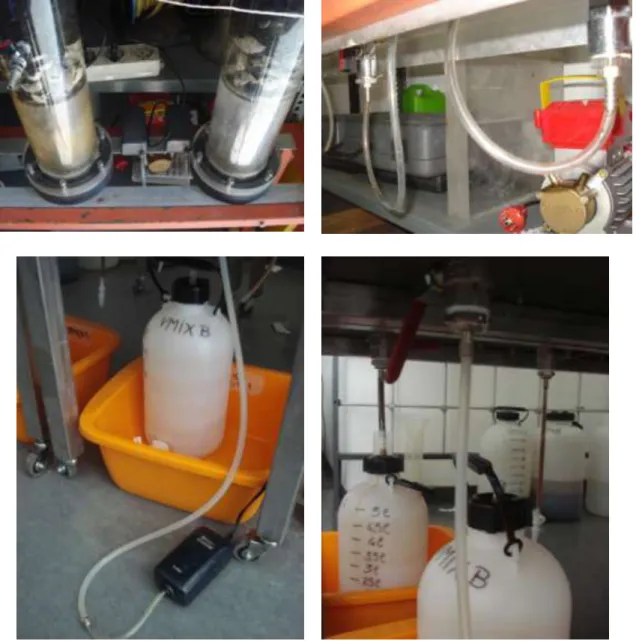
Figure 4-2- Scheme of a landfill simulation bioreactor and all the bioreactors with leachate collecting system ... 45
Figure 4-3 - Inlet air of the aerated system ... 46
Figure 4-4 - Overview of air outlet pipes ... 47
Figure 4-5 - Scheme of all the Experimental procedure ... 53
Figure 5-1 - Values of metals concentration from VmixA and VmixB ... 66
Figure 5-2 - Values of metals concentration from VmixA and VmixB (continuation) ... 67
Figure 5-3 - Values of organic fraction concentration from VmixA and VmixB ... 68
Figure 5-4 - Total emissions of metals from Vmix and VmixB ... 70
Figure 5-5 - Total emissions of metals from Vmix and VmixB (continuation) ... 71
xvii
Table Index
Table 2-1 - Summary of processes involved in attenuation of heavy metals in leachate
plumes adapted from Christensen et al. (2001) ... 29
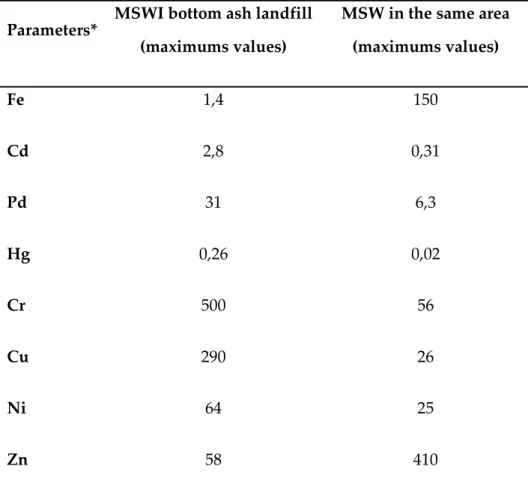
Table 3-1 - pH and heavy metals values adapted from Regadío et al. (2012) ... 38
Table 3-2- Concentration of the leachate's parameters adapted from Oygard et al. (2005) ... 40
Table 3-3 - Comparison of measured C&D leachate parameters adapted from Wang et al. (2012) ... 41
Table 4-1 - Analyses of the solids samples after handling and mixing the original sample ... 49
Table 4-2 - Operational conditions used in the bioreactors to simulate different landfill conditions ... 51
Table 4-3 - Procedure for a week of bioreactors VmixA and VmixB ... 54
Table 4-4 - Procedure for a week of bioreactors V2A, V2B, SC5, SCmixA and SCmixB. 55 Table 5-1 - pH values from bioreactors in aerobic conditions ... 59
Table 5-2 - pH values from bioreactors in anaerobic conditions ... 60
Table 5-3 - Leachate values of VmixA ... 62
Table 5-4 - Leachate values of VmixB ... 63
Table 5-5 - Leachate values of SCmixA ... 64
Table 5-6 - Leachate values of SCmixB ... 64
Table 5-7 - Leachate values of V2A ... 64
Table 5-8 - Leachate values of V2B ... 65
Table 5-9 - Leachate values of SC5 ... 65
Table 5-10 - L/S ratio values throughout the experimental work ... 66
xix
Abbreviation Index
Al – Aluminum
AOX – Halogenated organic compounds
As – Arsenic
BTEX – Group of compounds formed by hydrocarbons BOD– Biochemical Oxygen Demand
C – Concentration of the parameter
Ca – Calcium
Cd – Cadmium
C&R – Construction and demolition debris
Cl – Chlorine CH4 – methane
Cr – Chromium
COD– Chemical Oxygen Demand
Cu – Copper
DM – Dry Matter
EETI – Eurofins Environment Testing Italy
Fe - Iron
FWinput – Volume of the fresh water added after collected sample
Hg – Mercury
ICP-OES – Inductively Coupled Plasma Optical Emission Spectrometry
IR4 – Respiration index
K - Potassium
LISA – Laboratorio di Ingegneria Sanitaria Ambientale
LSR – Landfill simulation reactors
L/S ratio – Water (in litres) passing through a given waste mass (in kg dry matter of
waste)
Mg - Magnesium Mn - Manganese
MSW– Municipal Solid Waste
xx
Na– SodiumNi – Nickel
NH3 - Ammonia
N-NH4 - Ammonium N-NO2 - Nitrogen Dioxide N-NO3 – Nitrate
P - Phosphorus Pb – Lead
SCmix –Mixture of five samples collected at “Servizi Costieri S.r.l” landfill
SCmixA – SCmix in anaerobic conditions
SCmixB – SCmix in aerobic conditions
SC1 – Sample collected on drilling number 1 at “Servizi Costieri S.r.l” landfill
SC2 – Sample collected on drilling number 2 at “Servizi Costieri S.r.l” landfill
SC3 – Sample collected on drilling number 3 at “Servizi Costieri S.r.l” landfill
SC4 – Sample collected on drilling number 4 at “Servizi Costieri S.r.l” landfill
SC5 – Sample collected on drilling number 5 at “Servizi Costieri S.r.l” landfill
SO4 – Sulphate
TOC – Total Organic Carbon TKN – Total Kjeldahl Nitrogen
TotalFW – Total volume of Fresh Water addicted on the bioreactor TS – Total Solids
UV-VIS – Ultraviolet–Visible Spectroscopy
V ext. –Volume of leachate extracted
Vmix –Mixture of five samples collected “Noè-Tebaldi” landfill
VmixA – Vmix in anaerobic conditions
VmixB – Vmix in aerobic conditions
V1 – Sample collected on drilling number 1 at “Noè-Tebaldi” landfill
V2 – Sample collected on drilling number 2 at “Noè-Tebaldi” landfill
V2A – V2 in anaerobic conditions
V2B – V2 in aerobic conditions
V3 – Sample collected on drilling number 3 at “Noè-Tebaldi” landfill
xxi
V5 – Sample collected on drilling number 5 at “Noè-Tebaldi” landfill
WHC –Water Hold Capacity
1
1
Introduction
1.1
Framework
The problematic of waste has to have greater importance. This problematic is being associated to the potential negative impacts on the environment.
The primitive societies do not have problem with the disposal waste. The population was small and the assimilation of wastes was large for the amount of land available (Carra and Cossu, 1990). The waste production never was a problem since it was deposit away from the population. The waste was deposit indiscriminately and without concern for the separation of the different types of waste.
However, the waste was a problem with the appearance of areas with large population as tribes, villages, and communities (Carra and Cossu, 1990; Tchobanoglous et al., 1993). For example, in Athens, the first “municipal landfill” (dump/ uncontrolled landfill) was created 500 b.C. and de waste was deposited there one mille of the city. The accumulation of wastes became a consequence of life (Tchobanoglous et al., 1993).
The next centuries were characterized by throwing wastes in to vacant land unpaved, streets and roads (Tchobanoglous et al., 1993). This practise of throw the waste out door was came customary and lasted until the mid-twentieth century. This type of practices led to of the most deadly epidemic plague eve, the Black Death, which was responsible to kill half of the Europe population in fourteenth-century (Tchobanoglous et al., 1993). The Industrial Revolution was a period that the solid waste disposal problems increase due to industrial waste includes toxic elements.
2
It is possible to see that exist a relationship between public health and solid waste. The United States Public Health Service has publishes a study describing the relationship between twenty-two human diseases and improper solid waste (Tchobanoglous et al., 1993).
The open uncontrolled landfill were the main problem due proliferation of many disease vectors such as rats and flies (Tchobanoglous et al., 1993). Uncontrolled landfills have other problems as the ecological ones associated to improper management, being the most importants problems the water and air pollution.
Uncontrolled landfills, such as sanitary landfills, can be considered a biochemical reactor where the inputs are waste, storm water and energy, and outputs biogas and leachate resulting from the degradation of the waste and precipitation (Levy and Cabeças, 2006).
The leachate is an inevitable consequence of waste disposal, and water balance is a result of disposal sites and the percolation of water into the waste mass that draws and drags many dissolved and/or suspended materials (Tchobanogluos et al., 1993; Qasin and Chiang, 1994). The leachate produced from uncontrolled landfill and poorly engineering landfills may contain toxic elements, such as copper, arsenic, uranium (Tchobanoglous et al., 1993), cadmium, chromium, lead, etc., and contaminate water supplies with unwanted salts (calcium and magnesium) that can contaminate surface water and groundwater above and around the mining area (Tchobanoglous et al., 1993).
Therefore ecological imbalances have occurred where the nature assimilative capacity has been exceeded, even nature has the capacity to dilute, disperse, degrade and absorb, reducing the impact of unwanted residues in the waterways (Tchobanoglous et al., 1993).
3
environmental problems such as those negative impacts listed below (Levy and Cabeças, 2006):
Human health risk
Fauna and flora damage
Quality degradation of surface water and groundwater
Quality degradation of air
Quality degradation of soil
Degradation of the local landscape
1.2
Objectives
Conscious of the problem of pollution by leachate in general and from uncontrolled landfills and open dumps in particularly, the thesis is framed in the potential risk of pollution of the environment around of uncontrolled disposal sites.
In waste disposal sites which were not controlled since the first disposal, the leachate collection was not done and, it is probably, pollution source for groundwater and soil under the disposal site and for surface water next to de discharge of waste.
The main goals of the thesis highlight the following:
1. Study of the leachate potential pollution (main emissions) of two uncontrolled landfills, with focus on heavy metals (Cd, Cr, Cu, Fe, Mn, Ni, Pb, Zn, As and Hg) and organic fraction (TOC, TKN and NO3);
2. Compare the compounds levels in the leachate from simulated aerobic and anaerobic bioreactors;
4
1.3
General methodology
The first phase consisted of a desk research in books, technical reports, dissertations, research papers and legislation, available either in digital form or in physical format. It allowed for greater knowledge about potential pollution at landfills, uncontrolled landfills and dumps, including the existing legislation and studies already undertaken. It allowed greater insight into leachate and its negative environmental impacts and socially. It was possible to understand what the best parameters to assess qualitatively and quantitatively the leachate and which metals more reviews and relevant in the study of potential leachate pollution.
The second phase of this work was based on testing of leachate samples. The samples were produced by the leach of residues from holes of two uncontrolled landfills. The simulation was performed under conditions of saturation, flooding or waste in the water level rise scenario. To compare tests were carried out parallel subjecting various samples of waste aerobic and anaerobic conditions. Thus, made the determination of pH, conductivity and heavy metals present in their leachate.
In a third phase a new documentary research in books, technical reports, dissertations, research papers and legislation to complement the theoretical basis of the work.
1.4
Thesis Overview
This dissertation is organized into six chapters.
The first chapter consists of a framework approach to the dissertation topic. It also exposed the main objectives of this work, as well as the methodology for its implementation and structure of the dissertation.
5
landfills; definition and characterization of leachate, L/S ratio, organic matter, and heavy metals and their mobilization.
The third chapter includes a brief description of case studies related to the topic addressed in this paper. The studies covered are study in which laboratory leaching tests were performed in different conditions of aeration and also studies done with samples of waste from different waste streams.
The fourth chapter describes the methodology used in the practical component, including waste samples, reactor preparation, selection of parameters for analysis, work planning, methods of analysis of the leachate and processing data.
The fifth chapter consists of the analysis and discussion of the results of experimental component, namely the leaching tests carried out in different conditions of aeration at two different samples of in landfills not controlled laboratory environment. It still discussed results of analyzes of the leachate produced, especially for pH, heavy metals and organic fraction as a function of L/S ratio.
7
2
Literature Review
2.1
Legal framework
Throughout the humanity’ evolution, environmental problems resulting from the accumulation of disordered residues were increasing. Thus it was necessary, by governments, to create legislation to control the production of waste and resource depletion.
Europe was producing legislation addressing the issue of waste and its deposition by directives mandatory adaptation, enriched the national legislation of its Member States.
2.1.1
Legal framework in Europe
Since 1970’s that European Union tries to minimize the damage in the environment, either in ground or in the hydrologic resource.
In 1971, European Parliament published a recommendation that suggested the waste reduction and reutilization. The recommendation was supported by the First Communitary Action Program for Environment.
8
In 1987, the European Parliament made a resolution to warn the extent and severity of the problems, contamination of soil, water and air, resulting from improper waste management. The following year the Commission adopted the regulation document "Strategy for EEC Waste Management", which called for direct reduction of waste flows, the best possible treatment and ultimate destination, transboundary movements reduction and civil liability.
In the last years of the decade of the 80s, and during the 90s, the European Union published several directives and regulations on waste, considering more the global aspects of management and specific flows.
Over the years, so there was a strengthening of prevention and reduction of environmental impacts caused by the production and management of waste, Directive 75/442/EEC was being revoked for recovery of the waste in order to preserve natural resources.
In 1991, the Directive 75/442/EEC was change by two others Directive. At first, by Directive 91/156/EEC of the Council, 18 March, and at second by Directive 91/692/CEE of the Council, 23 December.
Directive 91/439/EEC had as a major goal changes to a high level of environmental protection, improve common terminology and definition of waste and redefine concepts. This directive was intended to end with differences in legislation between member states. It was decided that each member state should draw up waste management plans.
Considering the waste cycle (from production to disposal) and companies carrying out activities related to waste (collection, transportation or brokering) , the Directive sets it the withdrawal or recovery of waste by companies are required authorizations and supervision thereof , except for some stores that treat or recover waste , provided they comply with the requirements of environmental protection and are properly recorded .
9
waste, taking into account market opportunities. It has chosen to invest in recycling and reuse of waste materials and the adoption of specific rules.
Directive 91/692/EEC has a sectoral basis and aims to streamline and improve the provisions relating to the transmission of information and publishing reports. This information and publications are related to European directives in the field of environmental protection.
It was considered appropriate to its revoked by Directive 2006/12/EC of the European Parliament and of the Council, April 5th, to limit the production of waste and the best way to organize your treatment and disposal.
The directive was again repealed by Directive 2008/98/EC of the European Parliament and of the Council, 19 November, to clarify and control the entire lifecycle of waste, from production to disposal, with emphasis on recovery and recycling; define waste, recovery and disposal, and strengthen measures to prevent waste. The current Waste Framework Directive (WFD) in force.
2.1.2
Legal framework in Italy
The first document about waste disposal was Leggi 20 marzo 1941, n. 366. In this law the topics addressed are collection, transportation and disposal of municipal solid waste.
However, the most important was the law “DPR 915”, 5 September, 1982. This law was published to enforce Directive 75/442/EEC, about toxic and hazardous waste, and 76/403/EEC, concerning municipal waste.
10
In 1984, the law was supplemented with regulations with reference to operating techniques were issued, in particular, classification of special waste as either municipal, toxic or hazardous. The waste was classified with respect to a list of toxic substances and the original production cycles (Carra and Cossu, 1990).
“Allow co-disposal in sanitary landfill MSW with other types of waste except special similar MSW (packing materials, wood shavings and material cutting); vegetable waste; sewage treatment which is stabilized as long as the content of metals and other toxic elements is not such as to require their classification as toxic and hazardous waste” (Carra and Cossu, 1990).
2.1.3
Legal framework in Portugal
The Portuguese Government made the first Decree-Law concerning waste management in 1927 (Decree-Law n.º 13166, 18 February). In this document, the municipal councils had the responsibility of refuse collection.
In general, the waste was only collected from the larger urban centres, and deposited in open uncontrolled landfill because the municipalities did not have any technical and financial conditions and the central government had no control over the matter.
In 1985, it published the first Waste Framework Law in Portugal, after approval of Decree-Law n. 488/85 of 25 November. This Decree-Law had action line in waste management based on the collection, storage, transport and disposal or utilization of waste. Were also defined the powers and responsibilities in the field of waste clearly, at central level, but also at local level.
11
determined to prepare five waste management plans: a nationwide, the National Waste Management Plan (NWMP) and four sectoral levels, the Strategic Management Plan of Hospital Waste (SMPHW), the Strategic Management Plan of Industrial Waste (SMPIW), Strategic Plan Management of Agricultural Waste (SPMAW) and Strategic Plan Management of Municipal Solid Waste (SPMMSW).
Several factors led to the replacement of the latter scheme 1997 for a new legal framework for waste management and implementing Directive 2006/12/EC. Decree-Law 178/2006 was approved. The repeal of Directive 2006/12/EC by Directive 2008/98/EC, the Decree-Law of 2006 was amended and the new Decree-Law 73/2011 was approved. Currently, it is the legal regime in force for waste management.
Waste management led to the passing of laws which permit the deposition of waste in landfills. Legislative Decree 152/2002, 23 May, was intended as a regular " installation, operation, closure and post-closure maintenance of landfills for waste, in order to prevent or reduce as far as possible negative effects on the environment or the local scale, in particular the pollution of surface water, groundwater, soil and the atmosphere, either on a global scale, in particular the greenhouse effect, as well as any risks to human health” (Decree 152/2002).
The Decree-Law 152/2002, 23 May, was amended by Decree-Law 183/2009, 10 August, which were defined " rules concerning the application of the legal regime now approved landfills already licensed or license as well as those relating to the duty to register and information on permits issued," but also updated " rules infraction under the provisions of the framework law on environmental offenses".
2.2
Uncontrolled landfill
12
Uncontrolled landfills are identical to dumps. They have sometimes a sealing layer of clay and are covered after closure.
However, have drainage system and treatment of leachates and burning biogas (Levy and Cabeças, 2006).
For a better understanding for the reader, it will be considered throughout this thesis the term "uncontrolled landfill" whether to “dumps” or to “uncontrolled landfill”, because neither have drainage system and treatment of leachates nor burning biogas.
The uncontrolled landfills do not have any operational control, causing negative environmental and social impacts.
Usually, uncontrolled landfills have the congeries of waste in auto-combustion resulting in the emission of noxious fumes and unpleasant odors (Levy and Cabeças, 2006).
It is common to do uncontrolled discharge and disorderly manner of waste and occurrences of harmful gases and leachate (Levy and Cabeças, 2006).
For suppress all negative impacts caused by uncontrolled landfills, it is necessary to develop a rehabilitation action and initiate foreclosure proceedings.
For star a rehabilitation action is an exhaustive survey of the characteristics of the zone, doing a preliminary analysis. For a complete closure of uncontrolled landfill, have to be done studies and observations to better planning and implementation of works. After all those procedure, the rehabilitation starts (Levy and Cabeças, 2006).
Preliminary analysis allows making better and more balanced choices. To this end, the following steps are performed:
1. Definition of the area limits to intervene;
2. Determination of the mass dimension of waste to confine, to model and to compact;
3. Topographic survey of the uncontrolled landfill area and a range of 25 meters wide surrounding;
13
6. Analysis of waste mass situation (self-combustion zones and demarcation of them);
7. Uncontrolled landfills framework (surrounding vegetation, water lines affected or at risk, geology, hydrology, and resources; rainfall; life of the waste, etc.);
8. Planning and implementation of a plan of geological, geotechnical and environmental exploration (conducting surveys).
Following a thorough study of the uncontrolled landfill is the planning and deployment of actions to take. The project to closing the uncontrolled landfill should have control measures of pollution, such as:
1. Determining the points of onset and occur of leachate; 2. Determining the driving route and store leachate; 3. Location in the groundwater level;
4. Definition of geological and geotechnical characteristics; 5. Degree of combustion of the waste;
6. Volume setting of land covering;
7. Definition of volumetric modelling to print the waste; 8. Technical specifications (sealing and access);
9. Project funding, drainage and treatment system of leachate; 10. Project of drainage system and burning biogas;
11. Technical specifications for end cover closure and environmental protection.
The rehabilitation actions are divided in six phases (Levy and Cabeças, 2006).
The first action is cleaning, disinfecting and sealing the uncontrolled landfill. Before the cover, the area surrounding the uncontrolled landfill should be clean and compress to lead to decline population of animal harmful. To ward off the birds, networks or wire strands are placed; for rats, rodenticides are applied in three phases (preparation, placement of bait and maintenance by subculture campaigns). The gasket prevents animal harmful and unauthorized people from entering the area rehabilitated (Levy and Cabeças, 2006).
14
leachate to the feedback system. Pedestrian sections will facilitate the development of monitoring tasks. The modelling land allows the reduction of the volume of waste mass (containment and compaction), levelling the top of the slope and allowing placement of the cover material (Levy and Cabeças, 2006).
The third phase is to perform jobs that relate to the leachate and biogas. Initially, the drain is made of water and leaching restraint system with pre-treatment or final treatment. The leachate cannot be diverted to the water lines because of its high load. The leaching water can be diverted to a treatment plant wastewater with the ability to receive leachate or in-situ treatment plant (Levy and Cabeças, 2006).
The main factors to be taken into account for the planning and construction of the biogas extraction system are:
1. Compaction and settlement of uncontrolled landfill; 2. High groundwater level;
3. Condensation; 4. Gas quality.
The estimated production of biogas will be important for the measures to be taken. This production varies with the degree of decomposition and volume of waste deposited (Levy and Cabeças, 2006).
The fourth and fifth phases are final cover of uncontrolled landfill and rainwater drainage. The final cover is important for the reducing the volume of leachate and stabilization of biodegradation processes. Waterproofing layers are interleaved between layers of earth (clay, sandy material, gravel, sand) and geomembranes and geocomposite. The rainwater drainage allows rainwater to seep through drainage layer, reducing the pressures on the waterproofing system. The water is drained to a shackle concrete half-cane (Levy and Cabeças, 2006).
15
After the closure of uncontrolled landfills must be adequate monitoring systems leachate, groundwater and biogas. The monitoring is possible by:
Introduction of piezometers;
Control of production and composition of leachate (sampling for analysis of pH, BOD, COD and conductivity);
Control of settlements by leveling through superficial marks;
Monitoring the biogas released by measuring the quantity and content of methane and carbon.
The recovery of a uncontrolled landfill always depends on each and has to take into account the specific conditions of the geographical region in which it operates (Levy and Cabeças, 2006).
2.3
Landfill
2.3.1
Definition
According Directive 1999/31/CE, 26 April, as define as “a waste disposal site for the deposit of the waste onto or into land (i.e. underground), including:
Internal waste disposal sites (i.e. landfill where a producer of waste is carrying out its own waste disposal at the place of production), and
A permanent site (i.e. more than one year) which is used for temporary storage of waste,
But excluding:
Facilities where waste is unloaded in order to permit its preparation for further transport for recovery, treatment or disposal elsewhere, and
Storage of waste prior to recovery or treatment for a period less than three years as a general rule, or
Storage of waste prior to disposal for a period less than one year”.
16
A landfill is facility of elimination used for the residual solid waste disposal in the surface (above or below) soils of the earth (Tchobanogluos et al., 1993; Levy and Cabeças, 2006). It is an engineered facility for the disposal of waste designed and operated to minimized public health and environmental impacts (Tchobanogluos et al., 1993).
They are environmental structures that require the involvement of a wide range of staff from different specialties during site selection.
The sanitary landfill, after balance, evaluation and approval, allows the development of construction of sanitary infrastructure in appropriate technical and environmental safety (Tchobanogluos et al., 1993; Levy and Cabeças, 2006).
The weight rests on several factors which affect the calculating dimensions of landfill, ensuring technical, structural, environmental, economic, functional, health and social balance (Tchobanogluos et al., 1993; Levy and Cabeças, 2006).
Also the phases of design, construction, operation and monitoring require the involvement of a wide range of staff from different specialties (Tchobanogluos et al., 1993; Levy and Cabeças, 2006).
Even with the minimization in waste disposal at the final destination, the landfill will always be a solution, either at the end of the line as necessary of other waste treatment processes add either as a single treatment solution.
It is possible to position the landfill in the management of an integrated waste stream, either as a method of “treatment” of “disposal”, “final destination” or “confinement”.
Then, are presented the definitions of “treatment” and “disposal”.
Treatment – “the manual, mechanical, physical, chemical or biological process of changing the characteristics of waste in order to reduce its volume or hazardous nature as well as to facilitate their transport, recovery or disposal after the sampling operations” (DL 183/2009).
17
These conditions are met by the landfill, since the treatment process ensures the degradation of the waste by internal physical and chemical reactions. Waste degradation by natural biological allows the definitive incorporation of mass compacted and stabilized in the printed spatial modelling to waste ground which serves as its foundation, until the mineralization level of the material biodegrades in place and stabilization confinement, and being solution of final destination. It is a framework adjusted to landscape integration of the landfill and safe use of this site after your closure.
2.3.2
Landfill age
It is possible to evaluate the age of a landfill in view of BOD/COD ratio, pH and the electrical conductivity.
According Tchobanogluos et al., (1993), checking the BOD/COD ratio of the leachate is possible the state of maturation of a landfill. The initial ratios will be range of 0,5 or greater. When the organic matter in leachate is readily biodegradable, the ratio in the range are 0,4 to 0,6. In a mature landfill (greater than ten years), the BOD/COD ratio is often the range 0,05 to 0,2.
Christensen et al. (2001), Öman et al. (2008), Yusof et al. (2009), Regardío et al. (2012) claim that in methanogenic phase the pH values increases and the BOD/COD ratio lowered a lot.
2.3.2.1 pH
18
landfills tend to have leachates with higher pH (Qasin and Chiang, 1994; Regardío et al., 2012).
The easily degradable organic compounds (volatile fatty acids and some heavy metals) present high concentrations in acid phase. Some secondary minerals are reactive, amorphous and metastable phases, and are sensitive to pH changes (Flyhammar et al., 1999). According Yusof et al. (2009), the low pH at aerobic phase leads to increase the metal solubilisation due to the production of acid. This situation happens mainly in young and active controlled landfills.
19
Figure 2-1 - Schematic illustration of the redox potential, pH (in pore waters) and gas composition during different phases in a landfill (Bozhurt et al., 1999; Bozhurt et al., 2000).
2.3.2.2 Electrical conductivity
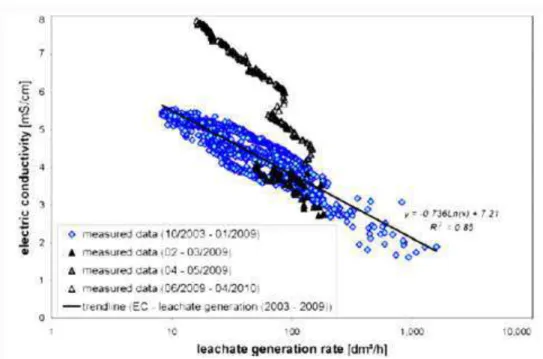
Laner et al. (2011) evaluated the future emission in a MSW landfill in Austria (Breitenau), a controlled landfill with leachate extraction. In this case of study had verify that exist a linear correlation between electric conductivity and the leachate generation rate owing to a dilution processes due to the preferential flow within the landfilled waste (Fellner et al., 2009 and Laner et al., 2011). It is possible to say the leachate generation rate decreases as the electrical conductivity increases (Figure 2-2
)
(Fellner et al., 2009; Laner et al., 2011).20
Figure 2-2 - Correlation between electric conductivity and the leachate generation rate (Laner et al., 2011)
2.4
Leachate
2.4.1
Characterization
The mains problems caused by the waste disposal are precisely the formation of leachate waters, which drags down decomposition products and chemically active substances that can reach a watercourse or groundwater. The leachate cause serious pollution problems soil, water, and absence of a drainage system and collection of leachate waters (Martinho et al., 2008).
The leachate can be defined as water based solution of compounds from the waste. It is a pollutant that percolated the waste material and was subject to physical, chemical and microbial processes (Qasin and Chiang, 1994; Christensen et al., 2001; Øygard et al., 2004).
21
In general, the leachate has organic and inorganic compounds that may be dissolved or suspended and biodegradable and non-biodegradable in high concentrations (Christensen et al., 2001; Bilgili et al., 2008). The released of various contaminants from landfill migrate any pose a severe threat to surface and groundwater (Lu et al., 1985; Qasin and Chiang, 1994).
The waste disposal area must be considered in design and location of its potential pollution (Lu et al., 1985). This potential depends of various factors, divide in four characteristic groups, potential dangerous: dissolved organic matter (COD and TOC), inorganic macrocompounds (NH4+), heavy metals (Cd, Cr, Cu, Pb, Ni, Zn and Fe) and xenobiotic organic compounds (Christensen et al., 2001; Bilgili et al., 2007; Yusof et al., 2009; Regadío et al., 2012).
The variation of concentration of these compounds in the leachate depends of other factors as waste type (composition based on economic status of the country), quality of waste, climate, organic matter, landfill hydrogeological structure and operational conditions (Christensen et al., 2001; Bilgili et al., 2008; Regadío et al., 2012). On the other hand, the leachate has greater chemical composition variation depends of the age of the landfill’s waste (Christensen et al., 2001; Bilgili et al., 2008; Regadío et al., 2012), physical waste characteristics, rate of water application and landfill depth (Lu et al., 1985).
The leachate volume generation is affected by four factors: water availability, conditions of landfill surface, condition of the waste and underlying soil conditions (Lu et al., 1985).
The principal source of the leachate generation is precipitation (rainfall and snowfall), provided contribution by irrigation. It is the main used to represent the total quantity of rain water that reaches the ground surface in a certain period of time (Lu et al., 1985).
22
L= P +U −ET + RON −ROFF [2.1]
L – Leachate generation
P – Input water from precipitation: in most cases, is the main source of leachate; There are four characteristics of rainfall that influence leachate generation (amount, intensity, frequency and duration);
U – Input water from underflow: Happens when the base of the landfill is located at a lower elevation of the water table of the surrounding terrain;
ET – Evapotranspiration: have physiological factors influence the characteristic of the vegetation, in addition to physical environmental factors;
Ron – Input water from surrounding surface runoff
Roff – Surface runoff
Different types of waste generate different types of leachate. MSW present higher concentrations of organic content, as TOC, COD, BOD (Christensen et al., 2001). On the other hand, depending from author to author, the concentrations of the compounds in leachates were different despite the same type of the leachate. The MSW landfill can have the same constituents but not in the same percentage. Consequently, the values of the leachate generated were distinct country for country, region for region.
However, the production of leachate can be minimized preventing the time of water contact with the waste, using surface and subsurface drainage and a properly selected cover material (Lu et al, 1985). The concentration can have a variation of value between milligrams and micrograms (Moore and Ramamoorthy, 1984; Lu et al., 1985; Christensen et al., 2001, Öman et al., 2008, Yusof et al., 2009).
2.4.2
Leachate quality
23
water pollution, doing the aquifer water lowers its quality (Lu et al, 1985; Qasin and Chiang, 1994).
In fact, it represents an impact for the water system either aquifers or surface water, because of the leachate percolated out of the landfill area (Øygard et al., 2004; Thomsen et al., 2012). However, even with leachate treatment systems the compounds presented on the waste will be a concern (Yusof et al., 2009).
In general, the concentration of the potential pollution compounds may be up a factor 1000-5000 times higher than groundwater concentrations (Christensen et al., 2001).
The leachate quality is highly variable and depends of various factors that interacting with each other. The most important factors are type/characteristic and composition of solid waste, age of landfill, depth of solid waste, landfill design (e.g. size) and operation, rate of water application, the interaction of leachate with its environment, moisture content, degree of rainwater infiltration and temperature (Lu et al., 1985; Qasin and Chiang, 1994).
The composition of different landfills shows a large variation. Although, the most importants and significant factors which affect the composition of leachate are the age of the landfill and the degree of solid waste stabilization (Qasin and Chiang, 1994).
2.5
L/S ratio and mass-balance
24
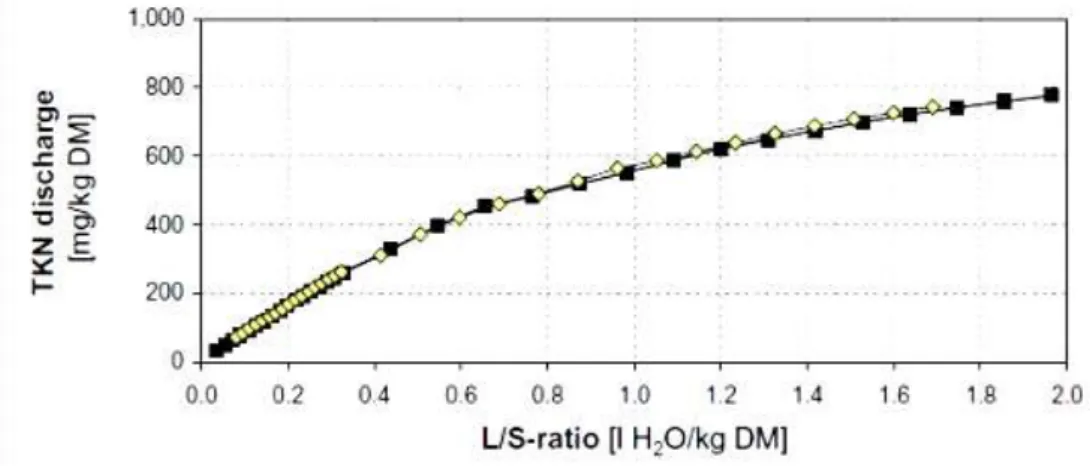
in a similar chart to that shown in Nevertheless, just around 40% pore water participates in advective solute transport in laboratory-scale simulation, whereas this is a fraction of the investigated full-scale landfill.
To estimate the possible pollution from the uncontrolled landfill is possible to make a mass-balance for heavy metals. The simulation is made to compare the content of metals in landfill leachate and estimation is made using average metal concentration in the leachate by the leachate volumes (Øygard et al., 2004; Øygard et al., 2005). The mass of leachate will be combining to a contaminant mass-balance, in other words, a chemical composition of landfill leachate (Thomsen et al., 2012).
Figure 2-3 - Example of a graph to obtain after have the data (Fellner et al., 2009)
2.6
Heavy metals
25
Cadmium in the environment has originated in industry, essentially from metallurgical and chemical industry, but also from mining. In its origin are also treatment facilities of hardware and electroplating. The carbon combustion, Zn, Cu and Fe metallurgy and agriculture are principals sources of cadmium (Moore and Ramamoorthy, 1984; Mendes and Oliveira, 2004). The stable state present in the natural environment is Cd2+ and it is commonly to found associated with zinc n the form of carbonates and sulphite ores (Moore and Ramamoorthy, 1984).
Cadmium is used in electroplating and used as pigments and to make batteries (Moore and Ramamoorthy, 1984).
The cadmium hydroxides and carbonates have a low solubility, being greatly reduced at pH values between 8 and 9. At pH 6 the ionic form is 96% of the total cadmium present in fresh water, as like chloride-complexes and sulphate-complexes. On the other hand, at pH 9 the ionic form represents only 47% and the complexes presents are mostly carbonates (Mendes and Oliveira, 2004).
No polluted water has a minimum content of cadmium below 1 μg/l in the most of the cases. Nevertheless, the concentration can reach 10 μg/l (Mendes and Oliveira, 2004).
Fresh water from human consumption may present high cadmium concentrations, due to contamination from the cover plumbing with this metal, welding made of silver and the use of galvanized steel tubing (Mendes and Oliveira, 2004).
Chromium is used in industry to make special steel. It is also used in treatment of surfaces in the manufacture of alloys, glass industry, textile industry, ceramics, glass, photography, wood preservation and leather tanning. Chromium is widely used as colorant. The effluent from this industry is quite contaminated (Mendes and Oliveira, 2004).
26
In United States of America, the concentration of chromium is on average 14 μg/l. The waters are treated chromium concentration in the order of 5μg/l or lower. At pH 6 and at inorganic form, the free ionic form doesn´t exist. Its solubility is reduced and when the pH is lowered to its shape is cationic (Mendes and Oliveira, 2004).
Copper is a heavy metal present in environment in free form but also in sulphides, chlorides and carbonates batteries. The most common state is Cu2+. It has a “wide variation in properties such as spectral, magnetic, complexing capacity and oxidation state” (Moore and Ramamoorthy, 1984). The metallic copper is very used for making alloys, the most of times brass and bronze (Mendes and Oliveira, 2004). The cooper is utilized in agriculture in the form of copper salts comprising insecticides, herbicides and algaecide. It is used in the same industry that chromium is used, particularly in the textile industry, photographic and ceramics (Mendes and Oliveira, 2004).
Copper may be identified in mammals (mammalian serum) as a blue protein – ceruloplasmin (Moore and Ramamoorthy, 1984).
According, community standards (Directive 80/778/CEE), the outlet of a water treatment plant, the recommended maximum value is 0,1 mg/l. Fresh water from human consumption the value is fixed in 2 mg/l (Mendes and Oliveira, 2004).
Iron is heavy metals exist in environment in solid state (Mendes and Oliveira, 2004). It is present is soil and rocks, in the form insoluble sulphate (iron pyrite) but also in the form of ferrous carbonate (soluble form). The main ores are magtite, hematite, chalcopyrite, marcasite and siderite (Mendes and Oliveira, 2004).
The different forms of iron in water depend of pH levels and dissolved oxygen content. At pH values between 4.5 and 9, the iron is usually in the form of ferrous ion. The mainly forms in fresh water are Fe2+ and the Fe3+ is present in very low quantities. In general, the groundwater in reducing conditions, the concentration of ferrous iron may have high value, with the maximum value of 10 μg/l (Mendes and Oliveira, 2004).
27
Nickel is a heavy metal which is 0,001-0,016 % of the earth's crust and basic features cadmium (Moore and Ramamoorthy, 1984; Mendes and Oliveira, 2004). It possesses good thermal and electrical conductivity and hardness. It is a borderline element among hard and acid in chemistry interactions toward donor atoms as an acid acceptor (Moore and Ramamoorthy, 1984).
The major miners are hydrated silicates of magnesium and nickel. Nickel is used in industry as metal cover and as alloy and surface cover. It is used in glass and ceramics industry. Nickel has physical properties such corrosion resistance, durability over a wide range of temperatures and high strength (Moore and Ramamoorthy, 1984).
In fresh water, the most common form is the free ionic form (98%) at a pH value of 6, namely sulphate complexes. However, at pH 9, the free ionic form reduced until 9%, dominated the carbonate complexes (Mendes and Oliveira, 2004).
Lead is a heavy metal with amphoteric characteristics and has four stable isotopes (Mendes and Oliveira, 2004). It is classified as an intermediate acceptor among hard and soft acids in its interaction with ligands (Moore and Ramamoorthy, 1984).
Lead is used since three millennium b.C. and it has several uses including use in pavement, in jewellery, wine acidification with lead salts. The use of lead salts in feeding an exaggerated form led to many problems of chronic intoxication of humans (Mendes and Oliveira, 2004). Nowadays, iron is mainly used in metal products, storage batteries, pigments and chemistry (Moore and Ramamoorthy, 1984).
The mobility of lead is lower in oxidant conditions and even lower in reducing conditions. This low mobility is enhanced due to its great reactivity with organic matter, preventing their migration to groundwater when in soil (Mendes and Oliveira, 2004).
28
The domestic and industrial effluents go to the hydrosphere about 15 x109 g/year. In the other hand, natural leaching is about 110 x109 g/year (Mendes and Oliveira, 2004).
Zinc is a heavy metal that is quite common in nature present in solid form (Mendes and Oliveira, 2004). Its normal occurrence is in localized deposits and has ease of extraction from ores (Moore and Ramamoorthy, 1984). Such as lead, zinc is an intermediate acceptor between hard and soft acids in its interaction with ligands (Moore and Ramamoorthy, 1984).
The principal ore of zinc (zinc sulphate) occurs along with lead deposits and it is used by industry due its chemical and metallurgical properties. It is mostly used in galvanizing iron and steel products. Nowadays, zinc is used in construction, automobile and building industries (Moore and Ramamoorthy, 1984).
At pH 7, free ionic form represents 95% of zinc (organic and inorganic), the remainder are complexes of ion SO42- or is linked to free radicals. At pH 9, free ionic form represents only 6% of zinc (Mendes and Oliveira, 2004).
2.6.1
Mobilization of heavy metals
29
The variation of the concentration depends primarily on of the waste composition, the landfill technology and variation of the seasons (summer and winter).
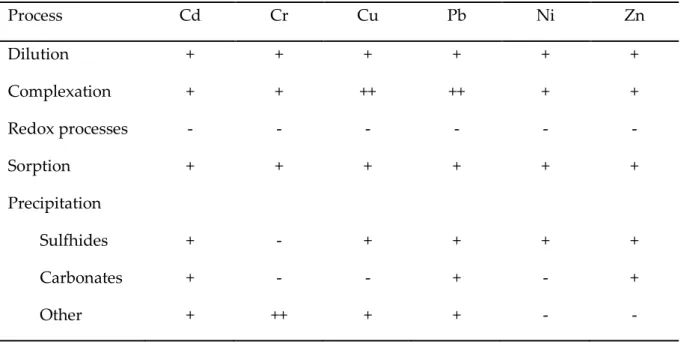
Table 2-1 - Summary of processes involved in attenuation of heavy metals in leachate plumes adapted from Christensen et al. (2001)
Process Cd Cr Cu Pb Ni Zn
Dilution + + + + + +
Complexation + + ++ ++ + +
Redox processes - - - -
Sorption + + + + + +
Precipitation
Sulfhides + - + + + +
Carbonates + - - + - +
Other + ++ + + - -
The authors Bozkurt et al. (2000) and Bilgili et al. (2007) concluded the concentration of heavy metals in the leachate decrease with the age of landfill. In conclusion, pH has great influence in the solubility of the metals (Bozkurt et al., 2000).
In the works of Christensen et al. (2001), Bilgili et al. (2007) and Öman et al. (2008) the values founded and with which they worked are in levels of μg/l. The rates are Cd 0-24 μg/l, Cr 0-188 μg/l, Cu 5,8-240 μg/l , Fe 160-170 400 μg/l, Ni 9,8-91 μg/l, Pb 0-100 μg/l and Zn 13-28 800 μg/l.
30
aerobic, the speciation of the heavy metals may change. However, the aqueous concentrations in leachate are not anticipated to increase significantly. In the low pH conditions of a landfill, heavy metals (cadmium, copper, iron, manganese and lead) can dissolve and migrate with the leachate. Though other chemical reactions can change the state of heavy metals as well, allowing them to attack to other particles and travel with leachate. In experiments can be use an experimental columns in the different conditions, anaerobic and aerobic.
For Christensen et al. (2001), part of the metal species is the colloidal metals and organic and inorganic complexes. The colloids present in the leachate in terms of organic and inorganic particles in the size range of 0,001 μm. The heavy metals content of leachate samples was too low for determining colloidal species. The author concluded that it is complicated to discuss the attenuation mechanisms in aquifers with the presence of the metal species in leachate. This happens because the metal species may have different behaviour and redistribute can be different as well. On the other hand, the attenuation mechanisms that only concern free divalent metal ions are the most of the information known. It is proven the attenuation of heavy metals will have the influence of significant heavy metals in plumes by increasing metals solubility and mobility.
2.6.2
Sorption, complexation and precipitation
31
a linear sorption isotherms for Cd, Ni and Zn in presence of water samples collected at 7 m downgradient from a landfill in Denmark (Vejen Landfill) (Christensen et al., 2001).
According Christensen et al. (2001), the distribution coefficient, Kd, the equilibrium between the sorbed metal and the metal in solution, increase significantly with pH. The author suggests that complexation increase metal mobility mainly at high pH-values and the major sequences of the complexation are found at low pH-values. In this case, the velocity of metals migration could be 5% to 20% faster than the groundwater flow velocity. The compounds with minor migration velocity, with increasing pH values, are Cd, Ni and Zn. Although, the Cu complexation increases with the pH, being the migration velocity major.
32
The solubility of the heavy metals, such as Cd, Ni, Zn, Cu and Pb, in the leachate plumes may be governed by carbonates or sulphites. The precipitates governing the solubility of heavy metals are very difficult to assess in relative in very complex solutions included the landfill leachate.
However, carbonates and sulphites are presumably the most important precipitates. The precipitation of metals may have to address in general terms because the precipitation reactions may be relatively slow, take months to establish equilibrium.
Precognition of solute equilibrium concentration in terms of free metals ions is very uncertain. This due to of possible supersaturated and uncertainty about the composition of the controlling precipitate and solubility of products of precipitation.
2.7
Organic matter
Organic matter is a matter composed of carbon (45-55%), oxygen (35-45%), hydrogen (3-5%) and nitrogen (1-4%) compounds that have come from the remains of once-living organisms (such as plants or animals) and their waste products in the environment.
Organic matter is present throughout the ecosystem. Organic matter forms molecules that contain nutrients as it passes through soil and water; after degrading and reacting, it can then move into soil and mainstream water. Organic matter acts as a buffer, when in aqueous solution, to maintain a less acidic pH in the environment.
33
acid phase, the leachate samples present a low pH and the concentration of TOC and heavy metals are high (Tchobanoglous and Kreith, 2002). On the other hand, during the methane phase, the pH range from 6,5 to 7,5 and TOC and heavy metals are lower (Tchobanoglous and Kreith, 2002).
Over the degradation processes, the remaining substrate becomes more resistant to degradation, low biological activity and humic phase moves toward its conclusion. The organic matter is transformed into more stable compounds than the parent compounds (Bozkurt et al., 2000). The organic matter when decomposed or decomposing has constituted essentially of carbon compounds. After the humic phase, the organic matter was degraded throughout and is very stable (Bozkurt et al., 1999). Gradually, their redox potential decreases due to aerobic and anaerobic degradation (Bozkurt et al., 1999).
To evaluate the organic matter in the leachate samples, analyses are performed, for example, TOC, TKN and NO3.
The organic matter in the water body can be quantified by determining chemical or biochemical consumption of oxygen or the oxidability. It is possible to determine the organic load present by measuring the Total Organic Carbon (TOC) (Mendes and Oliveira, 2004).
The TOC present in particulate form or in solution is organic and volatile or non-volatile, natural and synthetic compounds. TOC is a good evaluation methods of organic substances because it determines the carbon content present in the leachate, whether resulting from anthropogenic activity, whether of humic substances (that form in soils) whose concentration varies with the season and volume of water percolated or infiltrated into the ground (Mendes and Oliveira, 2004).
34
nitrogen in the aquatic ecosystem is diverse and 95,2% is presented in soluble form (47,9% of nitrogen is organic) (Mendes and Oliveira, 2004).
Nitrogenous substances present in water bodies are from the biodegradation of organic waste and excretions (animal and human), and municipal waste and industrial effluents, agricultural waste and leachate, landfill leachate, adjuvants some detergents and substances by rainwater (Mendes and Oliveira, 2004).
The assembly of nitrogen compounds in the water can be determined Total Kjeldahl Nitrogen (TKN) based on the oxidation in acidic medium and distillation of ammonia (Mendes and Oliveira, 2004).
35
3
Cases of study
3.1
Simulated aerobic and anaerobic pilot scale landfill reactor
Predict emissions from a landfill can be simulation based on laboratory experiments. It is possible to compare by field investigation. The experiment can have analysis of waste composition and the operation can perform with landfill simulation bioreactors. According Fellner et al. (2009) landfill simulation bioreactors were applied to evaluate and optimize stabilization methods for a landfill as “flushing bioreactor” or in-situ aeration. The landfill simulation bioreactors were constructed using column with 40 cm diameter and 80 cm height (Fellner et al., 2009).
36
The experimental landfill bioreactors can have others dimensions, as 40 cm diameter and 70 cm length. The aeration can be continuous with an “air flow of 3 l air/h, with (1 l/kgDM d)” (Hrad et al., 2013).
According Hrad et al. (2013), the aeration in situ of landfill has been recognized for its potential to convert conventional anaerobic landfill into biological stabilised state, accelerating organic matter degradation under aerobic conditions. In this case both current and potential emissions of the landfill waste are mitigated, in long term. It is possible to shorten the time and the effort necessary for post-closure management. Exist two ways to aerate: high pressure or low pressure. The high pressure is generally used to minimise explosion danger and odour annoyance during landfill excavation. It is used to landfill mining projects, as well. The low pressure is frequently used and recognised for its potential towards landfill remediation aimed at accelerated biological waste stabilisation.
An aerobic bioreactor concept is normally implemented to increase the operating lifetime of landfill. The recovering capacity is more quickly and leachate treatment costs are reduced (Hrad et al., 2013). The last effect of waste stabilisation, after the aeration completed, as the aerobic degradation potential of previously and anaerobic operated waste material was assessed in laboratory experiments at same period. The landfill simulation bioreactors were dividing in two different condition; ones were operated in anaerobic conditions at all experiment and the others into an anaerobic phases (1/10 of the total time) at first and after in an aerobic conditions.