Universidade do Minho
Escola de Psicologia
Rui Pedro Serafim Rodrigues
When the party ends: effects of alcohol
hangover on working memory process in
university students - an
electroencephalography study
Dissertação de Mestrado
Universidade do Minho
Escola de Psicologia
Rui Pedro Serafim Rodrigues
When the party ends: effects of alcohol
hangover on working memory process in
university students - an
electroencephalography study
Mestrado Integrado em Psicologia
Trabalho realizado sob orientação do
Doutor Alberto Crego
e do
Doutor Eduardo López-Caneda
DECLARAÇÃO Nome: Rui Pedro Serafim Rodrigues
Endereço Eletrónico: [email protected] Telemóvel: 936450969
Número do cartão de cidadão: 14934711
Título da Dissertação: When the party ends: effects of alcohol hangover on working memory process in university students - an electroencephalography study
Orientação: Doutor Alberto Crego, Doutor Eduardo Lopéz-Caneda Ano de Conclusão: 2018
Designação do Mestrado: Mestrado Integrado em Psicologia
É AUTORIZADA A REPRODUÇÃO INTEGRAL DESTA DISSERTAÇÃO APENAS PARA EFEITOS DE
INVESTIGAÇÃO, MEDIANTE DECLARAÇÃO ESCRITA DO INTERESSADO, QUE A TAL SE COMPROMETE;
Universidade do Minho, 8 de junho de 2018
ii Contents Acknowledgments ... iii Abstract... iv Resumo... v Introduction ... 6 Method... 10 Participants ... 10 Procedure ... 12 Instruments ... 13 Task ... 14
EEG recording and ERP analysis ... 14
Data analysis ... 15 Results ... 15 Behavioural performance ... 15 Electrophysiological data ... 16 Correlation analysis ... 18 Discussion ... 18 References ... 23 List of Tables Table 1 ... 11 Table 2 ... 16 List of Figures Figure 1. Example of the one-back task ... 14
Figure 2. Representation of N2 in the Fz electrode – Moment comparison ... 16
Figure 3. Representation of P2 in the Cz electrode – Moment Comparison ... 17
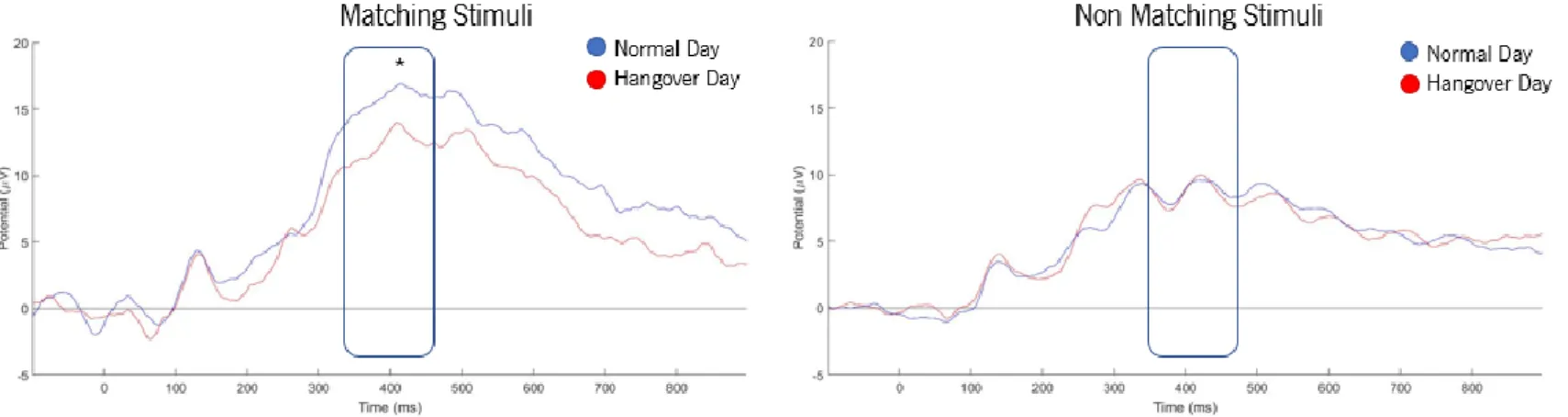
Figure 4. Representation of P3 in the Pz electrode – Moment Comparison ... 17
iii Acknowledgments
To my two mentors, Alberto Crego and Eduardo López-Caneda, without you two none of this would be possible. I thank you for all the knowledge that you were able to teach me, the endless attention, the caring worry, but most of all for the unending patience (I know I can be hard to work with sometimes). To Professor Adriana Sampaio, for being the first one to catch my interest towards the neurosciences, all the support through these 5 years and specially for being the first link between me and the binge drinking theme.
To Professor Ana Mesquita, for introducing me to the neurobiochemistry field, something that really took my interest and that I hope to learn more about in the future.
To my parents, for always being supportive and allowing me to chase my dreams and study more than 500km away from home without imposing any restrictions. To my mother, for being the most caring person, someone that I know has the deepest of love for your children and putting us always before yourself. To my father, for showing me that love can ben shown through the tiniest things or gestures, and that most times those are to ones we miss the most.
To my sister, for trusting and believing that I could do this even more than I did, you are the most weirdly-fantastic-strong-caring-annoying-joyful person I know, I’m thankful to have you as my big sister You are the Ikabika Bu to my Ucha and you’ll always be.
To Natália, for enduring every hardship of this project with me, every meltdown, every laugh, every catarse. This project was a rollercoaster of emotions and I’m thankful to have shared it fully with you. To my special ones, Cátia, Luísa, Eduardo, Quintão and Rita, for these 5 years of friendship, for being there in the good and in the bad without asking anything in return. To Cátia for being my anchor from the complete madness that I am, to Luísa for showing the truest of smiles even in the worst hardships, to Eduardo for making me believe and be proud of myself without you even knowing, to Quintão for remembering me how fun it is to be childish and that we should never quit our dreams, to Rita for the companionship and the open door (either real or metaphoric) at any moment and for any reason.
To Tiago, for all the patience, affection and support, for staying always by my side when I needed the most. Without you I would have long ago lost track of my dreams, thank you for being my safe haven.
"Happiness can be found, even in the darkest of times, if one only remembers to turn on the light." J. K. Rowling
iv When the party ends: effects of alcohol hangover on working memory process in university students - an
electroencephalography study Abstract
Alcohol is the major cause of health and social problems in western countries, when associated with university students there is a pattern of alcohol consumption that appears known as binge drinking (BD), characterised by an excessive intake of alcohol over a brief period, specifically 5 drinks in two hours or less (four drinks for women). Strictly related with BD, in the day after excessive intake there are a series of unpleasant physical and mental symptoms which are especially significant when BAC reaches 0 g/dL. This phenomenon goes by the name hangover. Even though the literature as risen in this subject, there are no investigations prior to this one using a working memory and ERP paradigm during hangover state, and that was the gap we hoped to fill with our investigation. With this
investigation we found significative lower amplitude in P2, P3 and LPC wave amplitude during hangover, as well as a reaction time increase, suggesting that this state affects not only the working memory process but also attentional processes. Other than that, we found a correlation between alcohol craving and hangover severity which might indicate a facilitation to indulge in alcohol consumption again when the symptoms of hangover are severe.
v Quando a festa acaba: efeitos da ressaca de álcool no processamento da memória de trabalho em
estudantes universitários – um estudo eletroencefalográfico Resumo
O consumo de álcool é a causa da maioria dos problemas sociais e de saúde em países ocidentais, associado a este, existe um padrão frequentemente observado em estudantes universitários conhecido como binge drinking, caracterizado pelo consumo excessivo de álcool num período inferior a duas horas, mais especificamente 5 ou mais bebidas (4 em mulheres). Diretamente relacionado com este padrão, existe um grupo de sintomas físicos e psicológicos que parece intensificar-se quando a concentração de álcool no sangue atinge 0 g/dL, conhecidos como um todo por ressaca. Apesar do aumento da literatura nesta área, parece não existir, até à data, nenhuma investigação que procure perceber os efeitos da ressaca na memória de trabalho, em binge drinkers utilizando ERPs, sendo essa a lacuna que procurámos preencher com esta investigação. Os resultados mostram uma amplitude significativamente menor em P2, P3 e LPC durante a ressaca, assim como um aumento no tempo de reação, sugerindo uma influência na memória de trabalho e também nos processos atencionais. Foi ainda possível observar uma correlação positiva entre o craving por álcool e a severidade dos sintomas de ressaca, sugerindo que a presença de sintomatologia severa poderá ser um facilitador para o consumo de álcool de forma compensatória.
Palavras-chave: Memória de Trabalho, Binge Drinking, Ressaca, ERPs, Estudantes Universitários
RUNNING HEAD: EFFECTS OF ALCOHOL HANGOVER IN WORKING MEMORY 6 When the party ends: effects of alcohol hangover on working memory process in university students - an
electroencephalography study
Alcohol is the most consumed psychoactive substance and the one that causes the most health and social problems in western countries (World Health Organisation, 2014). In general, the greater the economic wealth of a country, the more alcohol is consumed and higher is the prevalence of heavy episodic drinking among drinkers. (World Health Organisation, 2014).
During the last decades, a new pattern of alcohol consumption, characterized by the
consumption of copious amounts of alcohol in a short time, that often lead to drunkenness, followed by a period of abstinence days, has emerged as opposed to regular drinking in which a person may consume similar amounts of alcohol weekly but without the extremes of alcohol intoxication. This pattern of alcohol consumption is known as binge drinking (BD) and, quantitatively, is defined as the consumption of 5 or more drinks for males and 4 or more for females in two hours or less, leading to elevated blood alcohol concentration (BAC), equal or higher than 0,08 g/dL (National Institute on Alcohol Abuse and Alcoholism, 2004), at least once per month. (for a review see Parada et al., 2011; Courtney & Polich, 2009).
The importance that BD has acquired in recent years derives from the significant social and healthcare consequences associated with this pattern of alcohol consumption (traffic accidents,
assaults, low academic performance, cardiovascular disorders, etc.), as well as from its high prevalence among adolescents and young adults in most Western countries (NIAAA, 2015; Eurobarometer, 2010). In this sense, in the United States, 70% of the population over 18 years old has reported consuming alcohol at least once in their life (NIAAA, 2015). When we look to the European countries these
numbers rise to 88% of the population that has consumed alcohol in the last month. Although there is a similarity in this numbers for the Portuguese population there also good news suggesting that 42% of the Portuguese people who used to drink 12 months ago have abstained from alcohol. Therefore, we can state that there is a polarity in the Portuguese consumption: while many do not consume alcohol, those who do tend to drink regularly, showing that the binge drinkers population is around 20%
(Eurobarometer, 2010). Investigation has also shown that there is a big prevalence of BD consumption in young drinkers, in the United States there is a prevalence of 37.9% university students and 33% of the drinking population with ages between 15 and 24 years old who have binge drinking consumption patterns (NIAAA, 2015).
The high prevalence of BD among these age groups is of particular concern since adolescence and youth are periods especially vulnerable to neurotoxic effects of alcohol, mainly due to the structural
EFFECTS OF ALCOHOL HANGOVER IN WORKING MEMORY 7 and functional changes undergoing in the brain at this age (for a review see Squeglia, Jacobus, & Tapert, 2009). In this sense, studies with animals have shown that since it is not fully matured, yet the adolescent brain is more sensitive to the neurotoxic effects of alcohol and BD. So, BD in adolescent rats can lead to harmful effects in the brain as well as higher cognitive impairments (neurodegeneration in corticolimbic areas linked to learning and spatial memory, neurodegeneration of the entorhinal cortex, attention and memory impairments, etc.) than BD in adult rats (for review see Crews, Vetreno,
Broadwater, & Robinson, 2016). The neuroinflammation of the brain cause by the ethanol activation of the TLR4 and IL-1RI pathways in glial cells which leads to and inflammatory response and production of cytokines and inflammatory mediators has a higher chance of causing neural damage before the full maturation of the brain. This exposure to high alcohol consumption may also affect the
neuromaturation changes of the brain specifically in terms of neurotransmission, plasticity and synaptic remodelling (Guerri & Pascual, 2010).
Studies in adolescent mice have also shown that the neurochemical immaturity and heightened neuroplasticity in the limbic regions confers greater sensitivity towards addictive drugs and the
sensitization of the mesocorticolimbic dopamine (DA) pathway, together with the changes in the glutamatergic and dopaminergic neurotransmission might mediate a vulnerability of the consequences of alcohol addiction. In addition, given that through adolescence towards young adulthood there is a natural decrease in the prefrontal cortex (PFC) volume characterized by the refining of the neural circuits and their connectivity related with changes, acquisitions and advance/progress of executive functions (working memory, attention, inhibitory control), alcohol consumption in these ages may mediate these changes leading to non-refined or inexistent decrease in the PFC volume which could potentiate alterations in the executive function as well as, in long-term exposure facilitate alcohol addiction and alcohol use disorders (Guerri & Pascual, 2010).
In this sense neurostructural research has also shown that in a youth and adolescent human sample, BD consumption style in young people, may lead to an increase in the density of the grey matter in the left middle frontal gyrus as well as an increase in the left mid-dorsolateral prefrontal cortex volume when compared to a non-BDs (Sousa, Sampaio, Marques, Gonçalves, & Crego, 2017; Doallo et al., 2014) which can be related with a neuromaturational delay characterized by the absence of pruning and therefore the non-specialization mention by Guerri and Pascual (2010) in their study with mice. More than that, Doallo and colleagues (2014) also found that these structural anomalies mid-dorsolateral prefrontal regions seemed to be critically involved in the executive aspects of working memory.
EFFECTS OF ALCOHOL HANGOVER IN WORKING MEMORY 8 Connected with the structural anomalies previously mention, interest in the neurofunctional changes has also been shown by researchers, namely with young people, using working memory tasks such as 0-back and 2-back in fMRI studies with BD and/or Alcohol Use Disorder (AUD). These studies have found reported bilateral higher activity in BD in pre-supplementary motor areas, fronto-parietal areas as well as in left superior temporal and superior parietal areas, despite not showing behavioural differences in the execution of the task (Cservenka & Brumback, 2017; Campanella et al., 2013; Park et al., 2011). These results suggest that BD and AUD may lead to the necessity of a compensatory brain activity during behavioural performance of such tasks caused by the neurotoxic effects during this high plasticity ages which leads to a deficient reorganization of the connectivity of the brain (Cservenka & Brumback, 2017; Campanella et al., 2013).
Using electroencephalography (EEG), the event-related potentials (ERPs) is non-evasive technique which collects electrical activity of the brain over time using electrodes placed in the scalp reflecting the ongoing brain processes which through many trials and the averaging of results creates a waveform with different components that can later be analysed. This technique can measure the brain’s electrical activity in resting state or while doing cognitive (attention, inhibitory control, working memory, etc.) tasks. With it there have been found significant abnormalities in different ERP components in response to stimuli and during performance of cognitive tasks, other than that this technic has been widely used to evaluate de changes of brain functions in different psychopathologies with more specification related with alcohol use. Concretely, related to BD, Crego and colleagues (2009, 2010) found differences between BD and light social drinker control subjects in a one-back task showing a greater N2 component in the BD group which may imply higher levels of attentional effort to perform the task, lower late positive component (LPC) associated with hypoactivation of the right anterior PFC in the matching condition inferring alteration in the recognition of the stimuli, as well as no significant differences between the matching and non-matching condition in the P3 component suggesting a deficiency in the differentiation between relevant and non-relevant information revealing an impairment in the working memory performance.
In similar way, other studies using ERPs have shown neurofuncitonal anomalies during performance of other executive functions tasks. For example, López-Caneda et al. (2012), using a inhibitory control (Go/NoGo) task, found that young binge drinkers show abnormal larger P3b in NoGo condition during associated with hyperactivation of the right inferior frontal cortex, which might show difficulties in impulse control and that binge drinkers need a greater use of neural resources to maintain a behavioural performance equivalent to that of young people without alcohol-intensive consumption.
EFFECTS OF ALCOHOL HANGOVER IN WORKING MEMORY 9 Nevertheless, while being numerous studies on the acute effects of excessive alcohol
consumption and BD in humans, one of alcohol main consequences that is often related with binge drinking, the presence of hangover in the day after and their consequences at neurocognitive level, have been little studied to date (for review see Stephens, Ling, Heffernan, Heather, & Jones, 2008).
Hangover can be described as at least two symptoms out ofthe following: headache, poor sense of overall well-being, diarrhoea, tremulousness, fatigue and nausea, which occur after the consumption and full metabolism of alcohol, with sufficient severity to disrupt the performance of daily tasks and responsibilities (Stephens et al., 2008). At neubiochemical level, hangover can cause increased levels of acetaldehyde, hormonal alterations and inhibition of the availability glucose due to a process mediated by the insulin, as well as many other distresses of the body (Stephens et al., 2008). It is important to note that according to literature it is only considered that one is in hangover if his BAC is at zero, being this necessary in research purposes allowing us to differentiate hangover from acute alcohol intoxication (Stephens et al., 2008).
In their review Prat, Adan, Pérez-Pàmies and Sànchez-Turet (2008) collected information that shows that studies around the hangover subject can be grouped in three different approaches, retrospective where they collect information about past hangovers, experimental in which the alcohol administration is done in a laboratorial setting, and the last one being naturalistic where research was conducted in conditions that try to resemble the usual form in which the hangover was produced. This studies have showed that hangover can significantly decrease alertness and arousal performance stating that this could be caused by a decrease in the sleep quality caused by the alcohol, it can also affect the ability to react quickly, psychomotor ability in drive-tasks as well as working memory (for a review Prat et al., 2008).
However, although some studies use Go/NoGo tasks, tasks that involve choice reaction time or other use more naturalistic ways of evaluation such as driving task to measure the motor performance, to our knowledge none has yet collected data using ERPs during the performance of the task (Prat et al., 2008).
Therefore, in conclusion, we can say that, so far, researchers have made a considerable progress in the field of the study of the neurocognitive consequences of BD, however not much investigation has been made towards the neurocognitive complications that hangover can cause to binge drinkers and on how the brain functions during this state.
This investigation was made with the main objective of understanding how a BD event in a fully naturalistic environment may affect working memory in the day after during the hangover state. With
EFFECTS OF ALCOHOL HANGOVER IN WORKING MEMORY 10 specification the objectives of our study were: 1) To evaluate the neuronal activity associated with working memory processes in BD young university students during hangover, after a BD episode, by ERP methodology; 2) To assess the behavioural response during execution of a working memory task in BD young university students during hangover, after a BD episode; 3) Understand how the
psychological and alcohol use variables can modulate the effects of hangover state on behavioural execution or brain functioning during execution of working memory in hangover state and normal state.
Following those objectives, our hypothesis are as follows: 1) Comparing data from a hangover state with the normal state data, the BD young university students would show lower amplitude in the P2, N2, P3 and LPC ERP components associated with attentional and working memory processes, during execution of a one-back task; 2) young university BD students would show lower percentage of correct responses, higher false alarm responses and higher reaction time in their responses in the hangover state when compared with the normal state; 3) the alcohol use variables and psychological variables would correlate with the variables of the behavioural execution and brain activity of
participants during hangover state. In general, the AUDIT scores and the alcohol use variables would correlate positively with psychological variables like impulsiveness and negatively with the behavioural responses and or amplitude of ERP components in hangover state and normal state.
Method Participants
For the participants’ recruitment the experiment was available in the student’s experiments platform of the Escola de Psicologia da Universidade do Minho (UM), students who enrolled in the experiment through this platform were awarded 1.6 credits which they could allocate to their grades. Other
students from UM and Universidade Católica de Braga were also asked to participate in the experiment by the researchers.
The final sample was composed by 7 university students (5 females) with ages between 19 and 24 (M = 20.71; SD = 1.80) years old (see Table 1). All of them met the inclusion criterion of showing a BD alcohol consumption pattern, i.e., they drank more than five or more alcoholic drinks (four or more for women) on the same occasion (around 2-hours), until BAC reaches 0.08 g/dL or above, at least once a month during the last year. In addition, the participants who did meet the following exclusion criteria were excluded: non-corrected sensory deficits, any episode of loss of consciousness for more than 20 min, personal history of traumatic brain injury, neurological disorder, personal or
EFFECTS OF ALCOHOL HANGOVER IN WORKING MEMORY 11 symptoms (score t > 63 in two or more symptom dimensions or t > 63 in the whole scale), regular cannabis consumption (more than once a week), personal history of regular or occasional use of other drugs (opiates, hallucinogens, cocaine, amphetamine compounds or medically prescribed psychoactive substances) and family history of major psychopathological disorders (major depressive disorder, schizophrenia or anxiety disorders according to DSM-V criteria) or alcoholism in first-degree relatives, As regards alcohol consumption, participants with alcohol use disorder (AUD) diagnosed by DSM-V or scores greater than 20 in the Alcohol Use Disorders Identification Test (AUDIT) (Babor, Higgins-Biddle, Saunders, & Monteiro, 2001; Portuguese version: Cunha, 2002) were also excluded from the study.
Table 1
Demographic and drinking characteristics of the participants
Participants
N (females) 7(5)
Age 20.7±1.8
Handedness (right/left) 6/1
Regular tobacco smokers 4
Regular use of cannabis 0
Age of onset of regular drinking 16.3±1.4
Number of times consuming 6 or more drinks in a day per month 2±0 Number of drinks in a standard drinking episode 12.1±9.8 Number of drinks consumed per hour (speed of consumption) 2.3±.5 Number of drinks consumed in the BD night before the assessment 10.6±3.1
PACS score normal day 1.7±1.7*
PACS score hangover state 4±2.8*
AHSS score 53.9±19.5
BIS-11 total score 68.6±5.7
GSI score 19.4±1.8
Total AUDIT score 10.9±4.1
Note: *p < .05; Student’s t-test for paired samples revealed significant differences between the hangover state and normal day in PACS score
EFFECTS OF ALCOHOL HANGOVER IN WORKING MEMORY 12 From our initial sample a total of 17 participants filled the criteria for inclusion in the study, although only seven of those completed the full experiment and were included in the analysis sample. Two participants quit the study, 16 participants met one or more of the exclusion criteria and four were older than 25 years old.
Procedure
The experiment was divided in three moments. Firstly, the participants were evaluated through a clinical interview. Then, after verifying that they met the inclusion criteria and did not show any exclusion criteria, the participants were assessed in two distinct moments: on a typical day, without alcohol consumption in the previous day nor had a BD episode on the last three days, and during a hangover state, after a night with regular BD consumption. During each assessment, a duration of 90 minutes, EEG was recorded while the participants performed three tasks to evaluate their cognitive performance, one-back task for working memory, Go-NoGo task for inhibitory control and an oddball task for attention.
Initially, an informed consent with the conditions and the procedure of the study was given to university students who were interested in participating in the investigation following the ethical requirements for human research will be followed according to the Subcomissão de Ética para as Ciências Sociais e Humanas of the University of Minho and in accordance with the Code of Ethical Principles for Medical Research Involving Humans Subjects outlined in the Declaration of Helsinki. After accepting the informed consent, the clinical interview was held in an office at the School of Psychology of the University of Minho and it had a duration around 30 minutes. This interview consisted of both socio-demographic and substances uses questions, as well as a set of tests. The results of which enabled the selection of the final sample, considering the inclusion/exclusion criteria.
After the sample selection by the clinical interview, the participants were randomly divided into two groups to secure counterbalance of the two EEG assessments: (1) half of the participants (group 1) performed firstly the EEG assessment on a typical day and, secondly, during a hangover state; and (2) the other half of the sample (group 2) performed the task in the reverse order, firstly the EEG
assessment during a hangover state and, secondly, during a normal day meeting the criteria already mentioned.
Then, a day was arranged on which each participant carried out the two EEG assessment moments of the experiment. Regarding the EEG assessment during hangover state moment, the participants were to contact the experimenters when they think they were going out and were going to have a BD episode scheduling the hangover evaluation for the following day. Furthermore, the
EFFECTS OF ALCOHOL HANGOVER IN WORKING MEMORY 13 state evaluation. This application was installed on the participant’s mobile phone and was used to record when they drunk and which alcoholic beverages they drunk. This instrument allowed us to determine whether the subject reached a BAC value of 0.08 g/dL or above and to estimate when the BAC value returned to zero. The objective was to determine the time of the next day in which the subject will reach a BAC value of 0 g/dL.
In both moments, the participants were reminded not to consume substances other than alcohol and to sleep between six and nine hours before the data collection. Additionally, they were also instructed not to smoke, drink tea or coffee for at least 1 hour before the assessment. In addition, in both moments, participants were submitted to a Breathalyzer test and the assessment was only performed after verifying 0% breath alcohol level.
Instruments
In the clinical interview, the participants answered to the AUDIT (Babor et al., 2001; Portuguese
version: Cunha, 2012) and other questions about alcohol consumption, e.g. items from the Alcohol Use Questionnaire (Townshend & Duka, 2002), to determine if they fulfilled the BD criteria and to know their drinking pattern. In addition, the participants were also asked to respond to the Penn Alcohol Craving Scale (PACS) (Flannery, Volpicelli, & Pettinati, 1999; Portuguese version: Pombo, Ismail, & Cardoso, 2008) to assess the level of craving for alcohol that participants. To assess whether the students consume other psychoactive substances other than alcohol we used the Drugs Use Disorder
Identification Test Extended (DUDIT-E) (Berman, Bergman, Palmstierna, & Schlyter, 2005; Portuguese version: Seibel, Corregiari Morais, & Siervo; 2009).
Then, were made a range of questions to explore the medical history of participant and of their close relatives (first and second-degree) were made a range of questions. Furthermore, the Symptom Checklist-90-Revised (SCL-90-R) (Derogatis, 2002; Portuguese version: Laloni, 2001) and Barratt Impulsivity Scale-11 (BIS-11) (Patton, Stanford, & Barratt, 1995; Portuguese version: Cruz & Barbosa, 2012) were applied to detect any psychopathological symptoms and to evaluate their impulsivity, respectively. Finally, the Edinburgh Handedness Inventory (Oldfield, 1971; Portuguese version: Espirito-Santo et al., 2017) was used to detect if subjects were right or left handed.
In addition, before two EEG assessments the participants were also asked to respond to the PACS again and to the Alcohol Hangover Severity Scale (AHSS) (Penning et al., 2013) before EEG assessment during a hangover state.
EFFECTS OF ALCOHOL HANGOVER IN WORKING MEMORY 14 Task
The participants performed a visual one-back task. This test is considered to demand high attention and working memory (Cornblatt, Risch, Faris, Friedman, & Erlenmeyer-Kimling, 1988). Participants were asked to respond when the same stimulus appears in two consecutive trials (an identical pair), ensuring that subjects decoded each stimulus carefully, to determine whether the next item is a match. Two hundred stimuli, size 2.6◦ ×2.6◦ visual angle, were presented at random in the centre of a computer monitor placed 100cm in front of the subject’s eyes. The stimulus duration was 50ms and the interstimuli interval (ISI) varied between 2500 and 2800 ms. The stimuli consisted of 60 different abstract figures, which were difficult to verbalize. Participants were instructed to press a button with the preferred hand when two consecutive identical stimuli appeared (probability = 0.2) and not to respond in the other cases (probability = 0.8). They had therefore to maintain each figure present in the WM during the ISI and had to respond if the next figure was the same (see Figure 1). During the EEG collection participants also performed a Go-NoGo task and an Oddball task which were not included in this master thesis analysis.
EEG recording and ERP analysis
The EEG was recorded with Biosemi system using a headcap with 64 synterized Ag–AgCl electrodes. Vertical electrooculogram (EOG) activity was recorded bipolarly from above and below the left eye to control eye movements and blinks. Electrode impedances was kept below 20 kσ. EEG signals was continuously amplified and digitized at a rate of 500 Hz, and filtered on-line with a 0.01–100 Hz band pass filter.
For the ERP analysis, data were processed with BrainVision Analyser software (Version 2.1). The EEG signal was corrected for vertical and horizontal ocular artefacts by the procedure developed by Gratton et al. (1983). It was then digitally filtered off-line with a 0.1–30 Hz band-pass filter and
segmented into epochs of 1000 ms (from −100 to 900 ms). Baseline correction was applied; epochs exceeding ±80 μV at any scalp electrode was rejected and EEG epochs corresponding to incorrect responses (false alarms) were excluded.
The EEG epochs corresponding to matching and non-matching trials were independently averaged and separated by normal state and hangover state. The ERPs were analysed by mean Figure 1. Example of the one-back task
EFFECTS OF ALCOHOL HANGOVER IN WORKING MEMORY 15 amplitude of the time window for each component. The component time window of both conditions (normal and hangover state) were selected within the following times: 180 and 230 ms (P2); 300 and 370 ms (N2); 350 and 450 ms (P3); 450 and 650 ms (LPC) after stimuli onset. Mean amplitude (mV) values of the four components were obtained from specific electrodes: C1, C2, and Cz for P2
component; F1, F2 and Fz for N2 component; P1, P2 and Pz for P3 component; AF7, AF8, and AFz for LPC.
Data analysis
The behavioural data (response times and the percentage of correct responses and false alarms) was analysed by t-student test with the moment being the independent variable.
To analyse the ERPs data a repeated-measures analysis of variance (ANOVA) with three within-subject factors (Moment: normal day and hangover state; Condition: Target and No-Target; and Electrode: three electrodes selected for each ERP component), was used to analyse each ERP component (P2, N2, P3 and LPC) separately (alpha level ≤.05). Whenever appropriate, degrees of freedom were corrected by the conservative Greenhousee-Geisser estimate. All post hoc paired comparisons were performed with the Bonferroni adjustment for multiple comparisons, also with an alpha level ≤ .05.
Pearson’s bilateral correlations were made to determine relations among the psychological and alcohol use variables (impulsiveness scores, craving for alcohol and AUDIT scores, speed and quantity of alcohol consumption in a normal week or in the previous night and hangover severity scores) and the behavioural scores (correct responses; false alarms; reaction time) and brain activity parameters (amplitude of the ERP components) during execution of working memory during hangover state and normal state.
Results Behavioural performance
The behavioral data for each group are summarized in Table 2. No significant differences between the normal and hangover state were observed for percentage of correct responses or false alarms. However, the reaction times (RT) to the matching stimuli showed significant differences between moments [t (6) = -2.60, p < 0.05], with higher RT during hangover state (M = 579.06, SD = 106.72) than during normal state (M = 536.52ms, SD = 85.82ms).
EFFECTS OF ALCOHOL HANGOVER IN WORKING MEMORY 16 Table 2
Behavioural data from Normal and Hangover days (Mean ± SD)
Normal Day Hangover Day Percentage of correct responses (%) 87.47 ± 14.32 87.00 ± 11.74 Percentage of false alarms (%) 4.05 ± 2.13 2.87 ± 2.54 Reaction time in correct responses (ms) 536.52 ± 85.82* 579.06 ± 106.72*
Note: *p < .05; Student’s t-test for paired samples revealed significant differences between the hangover day and normal day in reaction times
Electrophysiological data
The grand averages for marching and matching stimuli in each moment (normal and hangover state) are shown of the analyzed electrode of each ERP component is shown in the Figure 2, Figure 3, Figure 4 and Figure 5, for the N2, P2, P3 and LPC respectively.
The analysis of the N2 amplitude revealed that Condition factor had a significant effect [F (1, 6) = 12.27, p < 0.05], with larger amplitude in the non-matching condition (M = -2.33, SD = 2.02) than matching condition (M = 2.02, SD = 2.89). However, no significant differences were found between moments for any condition or electrode.
The analysis of P2 amplitude revealed a significant effect of Moment [F (1, 6) = 24.71, p < 0.01], with larger amplitude in the normal state (M = 3.02, SD = 0.96) than hangover state (M = 1.66, SD = 0.94), revealing no other significant results.
EFFECTS OF ALCOHOL HANGOVER IN WORKING MEMORY 17
The analysis of P3 amplitude revealed that Condition factor had a significant effect [F (1, 6) = 9.51, p < 0.05], with larger amplitude in the matching condition (M = -13.50, SD = 2.07) than non-matching condition (M=8.60, SD=1.51). In addition, the interaction between Moment and Condition also had a significant effect [F (1, 6) = 25.68, p < 0.05]. The post-hoc multiple comparisons revealed that P3 amplitude was larger in the normal state (M = 14.71, SD = 2.34) than in hangover state (M = 12.27, SD = 1.87) in the matching condition (p < 0.05), but not in the non-matching condition.
Lastly, analysis of the LPC component revealed quasi-significant effects of Moment [F (1, 6) = 5.70, p = 0.054] with larger amplitude during the normal state (M = 1.51, SD = 2.06) than hangover state (M = 0.23, SD = 1.45), revealing no other significant results.
Figure 4. Representation of P2 in the Cz electrode – Moment Comparison
Note: *p < 0.05
Figure 3. Representation of P3 in the Pz electrode – Moment Comparison Note: *p < 0.05
EFFECTS OF ALCOHOL HANGOVER IN WORKING MEMORY 18
Correlation analysis
The correlation analysis revealed a positive correlation between the craving during hangover and the hangover severity [r = 0.98, p = 0.003]. No other correlations were found between the amplitude of the ERP components or behavioural variables.
Discussion
In this investigation we aimed to understand the effects of hangover after a BD event with alcohol intoxication during a working memory task, namely a one-back task, using an ERPs paradigm. Although some investigation has been done in the BD and hangover, few to none has been done connection the two with ERPs methodology using a working memory task. Regarding our expectation we hope to find an increased reaction time, lower correct answers and higher false alarms in the hangover state. Other than that, we expect that the ERP components selected (P2, N2, P3 and LPC) will have lower
amplitudes in the hangover state. In addition, our expectation was also that, the alcohol use variables and psychological variables would correlate with the variables of the behavioural execution and brain activity of participants during hangover state, with AUDIT scores and the alcohol use variables would correlate positively with psychological variables like impulsiveness and behavioural responses like reaction time and false alarms, as well as negatively with the behavioural responses like correct responses and/or amplitude of ERP components in hangover state and normal state.
With our investigation we had significant results in regards of the reaction time increase during the hangover state, but we found no differences related to the correct or false alarm responses. Related to the ERP components hypothesis we found significative moment effects (with lower amplitudes in hangover state) in the P2 and P3 components, and a quasi-significative effect in the LPC component, finding no effect of moment in the N2 component. Moreover, there was also found a negative
correlation between the number of beverages consumed in a normal week and the percentage of Figure 5. Representation of LPC in the AFz electrode – Moment Comparison
EFFECTS OF ALCOHOL HANGOVER IN WORKING MEMORY 19 correct responses in both normal and hangover state. We also managed to find a negative correlation between the craving for alcohol during hangover and the number of beverages consumed during the BD and a positive correlation between the craving during hangover and the hangover severity.
Our behavioural results have confirmed to a large extent our hypothesis and are in line with the literature on the effects of alcohol consumption on the performance of cognitive tasks. In this sense, previous research that has shown alcohol consumption has behavioural deficits in reaction times of mundane tasks as well as choice making tasks, with the same has been shown during the hangover state after alcohol intoxication (Grange, Stephens, Jones, & Owen, 2016). These previous results follow accordingly with our results with the subjects having longer reaction times during hangover state when compared with a normal day and can be explained by the hangover negative influence in the
information processing given that this is a major component of response selection. As has been stated previously by Verster and colleagues (2014), the increase of the reaction times could have dangerous implications in situations like driving or in jobs with fast paced decision making.
However, although there was a significative difference in the reaction time towards a given response we did not manage to find any differences in the correct responses and false alarms between the two moments. This result was unexpected there have been investigations showing differences between BD and normal samples in similar paradigms (Parada et al., 2012). even though this could be explained by the fact that in our investigation the comparison being made between moments (normal state and hangover) state and not different samples, showing that when compared with a normative control sample, BD show to have their working memory processes affect, the fact that they in hangover state does not affect their decision making in selecting the correct response towards stimuli, only makes it slower. In any way, although we did not find differences in the correct responses between the two moments our correlational results showed a negative correlation between the alcohol consumed by participants and their correct responses.
In the same way, our ERPs results seem to confirm, at least in part, our hypotheses about how the state of hangover can affect brain electrical activity during the execution of a working memory task. In regards to P2, even though there is some heterogeneity in the literature related with the amplitude of P2 during WM tasks and attention related task, some studies suggest that this component relates to the habituation resistance during attentional processes with high frequency of irrelevant stimuli (e.g. non-matching stimulus) in order to maintain attention (Leland & Pineda, 2006),as well as being influenced by the continual WM updating request by tasks such as continual performance n-back task (Zhang, Xie, He, Wei, & Gu, 2018). Relating these findings with our study we can conclude that, due to the lower P2
EFFECTS OF ALCOHOL HANGOVER IN WORKING MEMORY 20 amplitude during the hangover state, participants had more difficulties to keep their attentional focus through several non-matching stimuli with aim to respond correctly to the matching condition, and proof of this may be the larger reaction time for detecting matching stimuli. Given this, we may suggest that the state of hangover can lead to complications in a day-to-day basis when connected with monotonous or repetitive tasks and jobs, as for example assembly line workers, stock market correctors, long-distance bus or truck drivers, between others.
Regarding N2, as suggested previously (i.e., Crego et al., 2009) the N2 component amplitude is associated with the allocation of attentional resources to relevant stimulus, which goes accordingly with our results suggesting that the participants had to allocate more effort towards the non-matching stimuli than to the matching ones with the larger N2 amplitudes being associated with greater effort to identify two stimuli different when compared with the association as stimulus as the same. However, we did not manage to follow through our hypothesis finding no significant results in regards of the effect of
moment in this ERP component.
With respect to P3, as previous investigation has stated, this ERP component is intimately related with the attentional demands of a given task and the updating processes involved in working memory tasks, namely during execution of a one-back task (Saliasi, Geerligs, Lorist, & Maurits, 2013). Given our results, with a smaller P3 amplitude in the matching condition during the hangover state, we can state that there is evidence showing a cognitive decline during hangover, reflected not only by showing these smaller P3 amplitude in the matching condition but by the fact of presenting a longer reaction time during execution a one-back task, suggesting that during hangover subjects couldn’t cope as well with the attentional demands of the working memory task in regards of the constant updating of information (Saliasi et al., 2013).Other than that, a previous study of our research group using exactly the same task of the present study has also been state that P3 amplitude might relate to the selection of relevant and non-relevant information and that binge drinkers showed difficulties in the
electrophysiological differentiation between relevant and irrelevant information (Crego et al., 2009). Following these findings, our results seem indicate that during hangover state a deficit occurs when binge drinkers attend and process the relevant information (matching stimuli) in the working memory at electrophysiological level.
Finally, in regards of LPC, in previous research, such as Rugg and Curran’s review (2007), has been state that the LPC functional significance is still hardly debated, even though, in their review they manage to collect the main effects that have been found in literature relating with this component, with the most common effect reflecting processes that contribute to representation of recollected information
EFFECTS OF ALCOHOL HANGOVER IN WORKING MEMORY 21 but also indexing attentional processes to recollect the information and not the process itself. Even though we found only quasi-significant effects of moment in this component, the results suggest that during hangover, subjects had alterations in the ability to recollect or maintain their attention during this process given the lower amplitude found in this component in the hangover state. Therefore, it is possible to see a clear trend toward this result that, with an increase of our sample, could present itself as significant differences in these processes when comparing the normal and hangover state. These statements seem to be strongly corroborated by previous work of our investigation group, which using the same task with the same stimuli, found significant results in the same direction, specifically a lower LPC wave amplitude in the matching condition in a sample of binge drinkers in comparison with a no-BD group (Crego et al., 2012).
Finally, even though the interaction between alcohol craving and hangover has not been widely investigated, past investigation as shown an interaction between the severity of the hangover and the willingness to drink or not during said state (Earleywine, 1993a, 1993b). According to the author there is a threshold of hangover severity which can turn from mild symptoms of hangover being punitive towards the drinking event or engaging in compensatory alcohol consumption during the event to relieve severe hangover symptoms. This explanation can be represented towards our results through the positive correlation between the hangover severity and the craving for alcohol after a binge drinking event, participants who scored for lower hangover severity might have felt it as a punitive results of alcohol consumption while participants with high hangover severity felt the need to indulge in alcohol consumption towards the relief of severe symptoms.
Taken together the results of our investigation show that not only the widely studied BD consumption pattern has negative impact on the working memory and attentional processes, but the hangover itself can cause the impacts to be even more meaningful interfering in the executive processes of memory, attention in the day after excessive alcohol consumption which can lead to important consequences in day-to-day tasks such as driving a car or attention requiring jobs.
Even though we managed to achieve significant results with our investigation there are a few limitations that can be pointed out. Firstly, our sample size was to diminutive and we did not manage to get the same number of male and female participants. Other than that, and still in regards with our sample we did not manage to fully counterbalance the learning effect due to having an odd number of participants, given that 4 performed the task in a normal day first and 3 during the hangover state. Secondly, even though we collected information regarding the alcohol consumption during the BD event, we only used it to determine the speed and quantity of alcohol consumption and the peak of
EFFECTS OF ALCOHOL HANGOVER IN WORKING MEMORY 22 BAC, the typology of the beverage consumed could be important as it has been stated to have different impacts in the hangover severity and symptoms (Rohsenow et al., 2010).Thirdly, we only manage to compare results within-subjects, so we cannot state that the results found are manly caused by the hangover itself and are not influenced by the BD consumption pattern which participants had. Lastly, although we guaranteed that participants had enough sleep hours in the night before doing the EEG collection, the quality of the sleep was not accessed, which could be considered to have impact in their performance in the hangover state.
For future investigations would be interesting to increase or sample to verify our results in a more representative sample, control the variables mentioned in the limitations of our study (e.g. quality of sleep, type of beverages consumed) as well as to create a low-casual non-BD to access the
differences between their performance when compared to a BD sample in both a normal state and hangover state, these comparisons would be helpful to understand and differentiate the effects of BD from the hangover itself in regards of a normative population. Other than that, and given the high percentage of correct responses, it would be interesting the run the n-back task in a more demanding level such as 2-back task, with would be expected that the performance anomalies would show more clearly in a more demanding task when comparing the normal and hangover states. Lastly, future investigation should aim to understand the existence of sex differences in a WM task during hangover state which was not possible to us due to the size of the sample.
EFFECTS OF ALCOHOL HANGOVER IN WORKING MEMORY 23 References
Babor, T. F., Higgins-Biddle, J. C., Saunders, J. B., Monteiro, M. G., & World Health Organization. (2001). AUDIT: The alcohol use disorders identification test: Guidelines for use in primary health care.
Berman, A. H., Bergman, H., Palmstierna, T., & Schlyter, F. (2005). Evaluation of the Drug Use Disorders Identification Test (DUDIT) in criminal justice and detoxification settings and in a Swedish population sample. European Addiction Research, 11, 22–31.
https://doi.org/10.1159/000081413
Campanella, S., Peigneux, P., Petit, G., Lallemand, F., Saeremans, M., Noël, X., … Verbanck, P. (2013). Increased Cortical Activity in Binge Drinkers during Working Memory Task: A Preliminary
Assessment through a Functional Magnetic Resonance Imaging Study. PLoS ONE, 8, 1–10. https://doi.org/10.1371/journal.pone.0062260
Cornblatt, B. A., Risch, N. J., Faris, G., Friedman, D., & Erlenmeyer-Kimling, L. (1988). The continuous performance test, identical pairs version (CPT-IP): I. new findings about sustained attention in normal families. Psychiatry Research, 26, 223–238.
https://doi.org/10.1016/0165-1781(88)90076-5
Courtney, K. E., & Polich, J. (2009). Binge drinking in young adults: Data, definitions, and determinants. Psychological Bulletin, 135, 142–56. https://doi.org/10.1037/a0014414 Crego, A., Cadaveira, F., Parada, M., Corral, M., Caamaño-Isorna, F., & Rodríguez Holguín, S. (2012).
Increased amplitude of P3 event-related potential in young binge drinkers. Alcohol, 46, 415–425. https://doi.org/10.1016/j.alcohol.2011.10.002
Crego, A., Holguín, S. R., Parada, M., Mota, N., Corral, M., & Cadaveira, F. (2009). Binge drinking affects attentional and visual working memory processing in young university students. Alcoholism: Clinical and Experimental Research, 33, 1870–1879.
https://doi.org/10.1111/j.1530-0277.2009.01025.x
Crego, A., Rodriguez-Holguín, S., Parada, M., Mota, N., Corral, M., & Cadaveira, F. (2010). Reduced anterior prefrontal cortex activation in young binge drinkers during a visual working memory task. Drug and Alcohol Dependence, 109, 45–56. https://doi.org/10.1016/j.drugalcdep.2009.11.020 Crews, F. T., Vetreno, R. P., Broadwater, M. A., & Robinson, D. L. (2016). Adolescent Alcohol Exposure
Persistently Impacts Adult Neurobiology and Behavior. Pharmacological Reviews, 68, 1074–1109. https://doi.org/10.1124/pr.115.012138
EFFECTS OF ALCOHOL HANGOVER IN WORKING MEMORY 24 adolescent and young adult neural structure and function. Frontiers in Psychology.
https://doi.org/10.3389/fpsyg.2017.01111
Derogatis, L. R. (2002). The SCL-90-R. Baltimore, MD: Clinical Psychometric Research
Doallo, S., Cadaveira, F., Corral, M., Mota, N., López-Caneda, E., & Rodríguez Holguín, S. (2014). Larger Mid-Dorsolateral Prefrontal Gray Matter Volume in Young Binge Drinkers Revealed by Voxel-Based Morphometry, i. https://doi.org/10.1371/journal.pone.0096380
Earleywine, M. (1993a). Hangover moderates the association between personality and drinking
problems. Addictive Behaviors, 18, 291–297. https://doi.org/10.1016/0306-4603(93)90030-D Earleywine, M. (1993b). Personality risk for alcoholism covaries with hangover symptoms. Addictive
Behaviors, 18, 415–420. https://doi.org/10.1016/0306-4603(93)90058-H
Eurobarometer. (2010). EU citizens’ attitudes towards alcohol. Special Eurobarometer, 331(April). Retrieved from www.ec.europa.eu/public_opinion/archives/ebs/ebs_331_en.pdf
Flannery, B. A., Volpicelli, J. R., & Pettinati, H. M. (1999). Psychometric Properties of the Penn Alcohol Craving Scale. Alcoholism: Clinical and Experimental Research, 23, 1289–1295.
https://doi.org/10.1111/j.1530-0277.1999.tb04349.x
Grange, J. A., Stephens, R., Jones, K., & Owen, L. (2016). The effect of alcohol hangover on choice response time. Journal of Psychopharmacology, 30, 654–661.
https://doi.org/10.1177/0269881116645299
Guerri, C., & Pascual, M. (2010). Mechanisms involved in the neurotoxic , cognitive , and neurobehavioral effects of alcohol consumption during adolescence, 44.
https://doi.org/10.1016/j.alcohol.2009.10.003
Laloni, D. T. (2001). Escala de Avaliação de Sintomas-90-R-SCL-90-R: Adaptação, precisão e validade. Leland, D. S., & Pineda, J. A. (2006). Effects of food-related stimuli on visual spatial attention in fasting
and nonfasting normal subjects: Behavior and electrophysiology. Clinical Neurophysiology, 117, 67–84. https://doi.org/10.1016/j.clinph.2005.09.004
López-Caneda, E., Cadaveira, F., Crego, A., Gómez-Suárez, A., Corral, M., Parada, M., … Rodríguez Holguín, S. (2012). Hyperactivation of right inferior frontal cortex in young binge drinkers during response inhibition: A follow-up study. Addiction, 107, 1796–1808.
https://doi.org/10.1111/j.1360-0443.2012.03908.x
NIAAA. (2015). Alcohol Facts and Statistics, 11–16. Retrieved from www.niaaa.nih.gov/alcohol-health/overview-alcohol-consumption/alcohol-facts-and-statistics
EFFECTS OF ALCOHOL HANGOVER IN WORKING MEMORY 25 Neuropsychologia, 9, 97–113. https://doi.org/10.1016/0028-3932(71)90067-4
Parada, M., Corral, M., Caamaño-Isorna, F., Mota, N., Crego, A., Rodriguez, S., & Cadaveira, F. (2011). Definición del concepto de consumo intensivo de alcohol adolescente(bimge drinking).
Addicciones, 23. https://doi.org/10.20882/adicciones.167
Parada, M., Corral, M., Mota, N., Crego, A., Rodríguez Holguín, S., & Cadaveira, F. (2012). Executive functioning and alcohol binge drinking in university students. Addictive Behaviors, 37, 167–172. https://doi.org/10.1016/j.addbeh.2011.09.015
PARK, M.-S., SOHN, S., PARK, J.-E., KIM, S.-H., YU, I. K., & SOHN, J.-H. (2011). Brain functions associated with verbal working memory tasks among young males with alcohol use disorders. Scandinavian Journal of Psychology, 52, 1–7.
https://doi.org/10.1111/j.1467-9450.2010.00848.x
Patton, J. H., Stanford, M. S., & Barratt, E. S. (1995). Factor structure of the Barratt impulsiveness scale. Journal of clinical psychology, 51, 768-774
Penning, R., McKinney, A., Bus, L. D., Olivier, B., Slot, K., & Verster, J. C. (2013). Measurement of alcohol hangover severity: Development of the Alcohol Hangover Severity Scale (AHSS). Psychopharmacology, 225, 803–810. https://doi.org/10.1007/s00213-012-2866-y
Prat, G., Adan, A., Pérez-Pàmies, M., & Sànchez-Turet, M. (2008). Neurocognitive effects of alcohol hangover. Addictive Behaviors, 33, 15–23. https://doi.org/10.1016/j.addbeh.2007.05.002 Rohsenow, D. J., Howland, J., Arnedt, J. T., Almeida, A. B., Greece, J., Minsky, S., … Sales, S. (2010).
Intoxication with bourbon versus vodka: Effects on hangover, sleep, and next-day neurocognitive performance in young adults. Alcoholism: Clinical and Experimental Research, 34, 509–518. https://doi.org/10.1111/j.1530-0277.2009.01116.x
Rugg, M. D., & Curran, T. (2007). Event-related potentials and recognition memory. Trends in Cognitive Sciences, 11, 251–257. https://doi.org/10.1016/j.tics.2007.04.004
Saliasi, E., Geerligs, L., Lorist, M. M., & Maurits, N. M. (2013). The Relationship between P3 Amplitude and Working Memory Performance Differs in Young and Older Adults. PLoS ONE, 8.
https://doi.org/10.1371/journal.pone.0063701
Saunders, J. B., Aasland, O. G., Babor, T. F., De la Fuente, J. R., & Grant, M. (1993). Development of the Alcohol Use Disorders Identification Test (AUDIT): WHO Collaborative Project on Early Detection of Persons with Harmful Alcohol Consumption‐II. Addiction, 88, 791–804. https://doi.org/10.1111/j.1360-0443.1993.tb02093.x
EFFECTS OF ALCOHOL HANGOVER IN WORKING MEMORY 26 abnormalities in the inhibitory circuitry of Young Binge drinkers: A voxel-based morphometry study. Frontiers in Psychology, 8, 1–8. https://doi.org/10.3389/fpsyg.2017.01567
Squeglia, L. M., Jacobus, J., & Tapert, S. F. (2009). The influence of substance use on adolescent brain development. Clinical EEG and Neuroscience, 40, 31–8.
https://doi.org/10.1177/155005940904000110
Stephens, R., Ling, J., Heffernan, T. M., Heather, N., & Jones, K. (2008). A review of the literature on the cognitive effects of alcohol hangover. Alcohol and Alcoholism, 43, 163–170.
https://doi.org/10.1093/alcalc/agm160
Townshend, J. M., & Duka, T. (2002). Patterns of alcohol drinking in a population of young social drinkers: a comparison of questionnaire and diary measures. Alcohol and Alcoholism (Oxford, Oxfordshire), 37, 187–192. https://doi.org/10.1093/alcalc/37.2.187
Verster, J. C., Bervoets, A. C., De Klerk, S., Vreman, R. A., Olivier, B., Roth, T., & Brookhuis, K. A. (2014). Effects of alcohol hangover on simulated highway driving performance.
Psychopharmacology, 231, 2999–3008. https://doi.org/10.1007/s00213-014-3474-9 World Health Organisation. (2014). Global status report on alcohol and health 2014. Global Status
Report on Alcohol, 1–392.
https://doi.org//entity/substance_abuse/publications/global_alcohol_report/en/index.html Zhang, D., Xie, H., He, Z., Wei, Z., & Gu, R. (2018). Impaired Working Memory Updating for Emotional
Stimuli in Depressed Patients. Frontiers in Behavioral Neuroscience, 12, 1–9. https://doi.org/10.3389/fnbeh.2018.00065